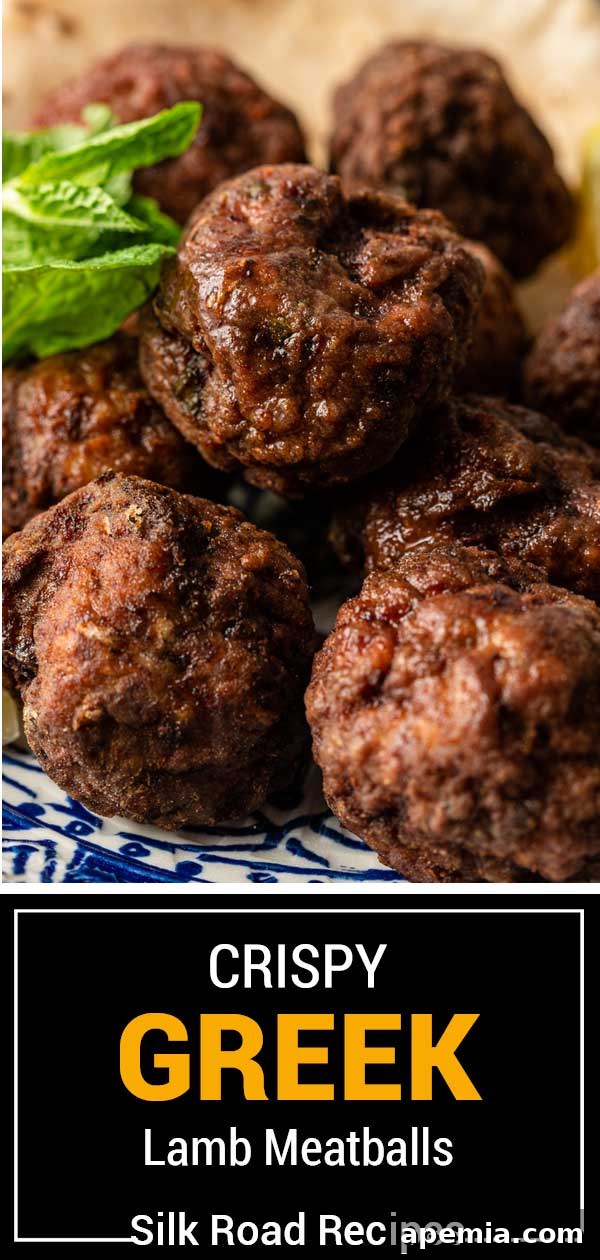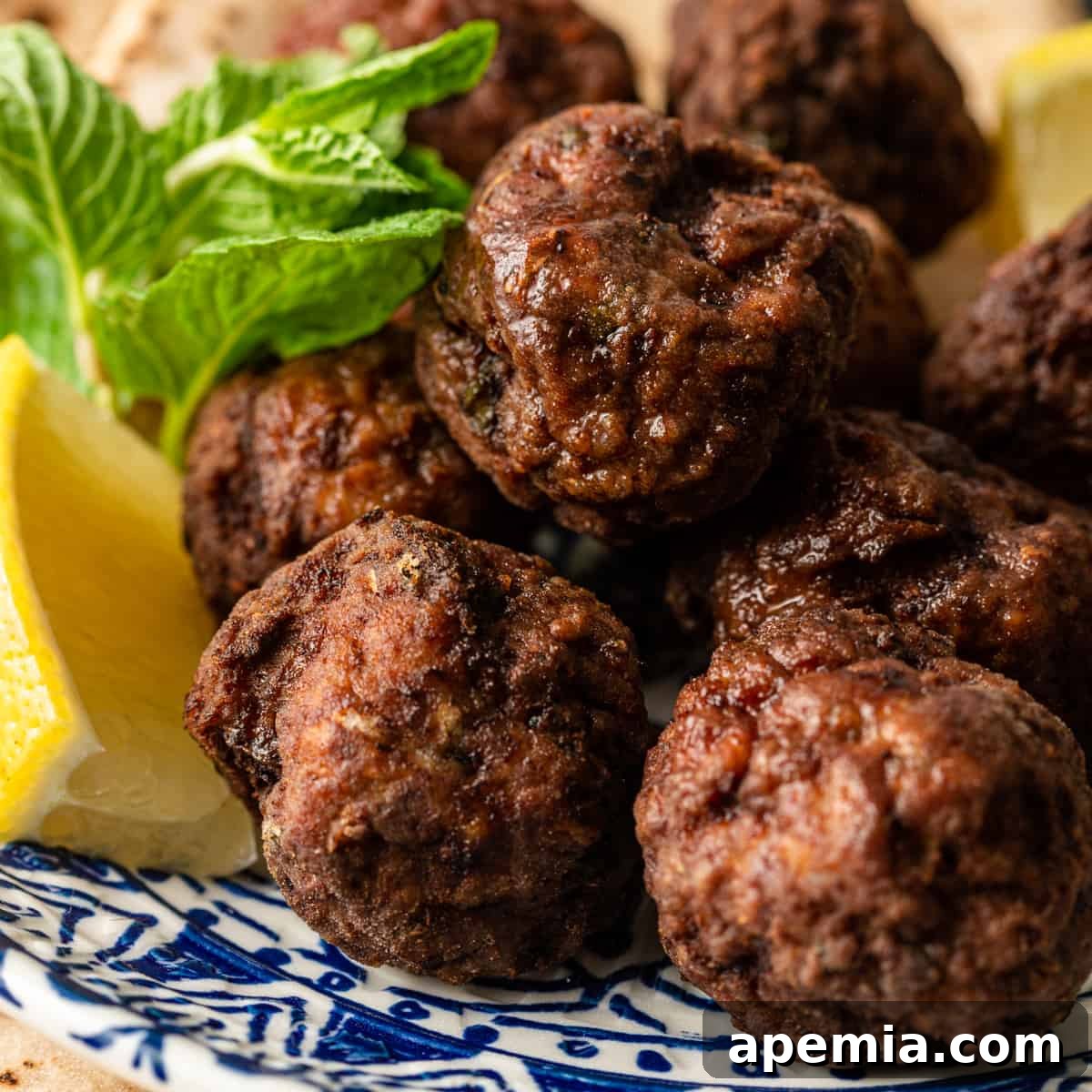
Pan-fried Keftedes are the quintessential Greek comfort food – perfectly tender, succulent bites of ground lamb and beef seasoned with the finest herbs and spices the Mediterranean has to offer. These crispy Greek lamb meatballs are not just a stunning addition to any mezze platter, served with creamy dipping sauces, warm pita bread, and fresh vegetables; they are also utterly satisfying as a stand-alone dish, promising a burst of flavor with every single bite.
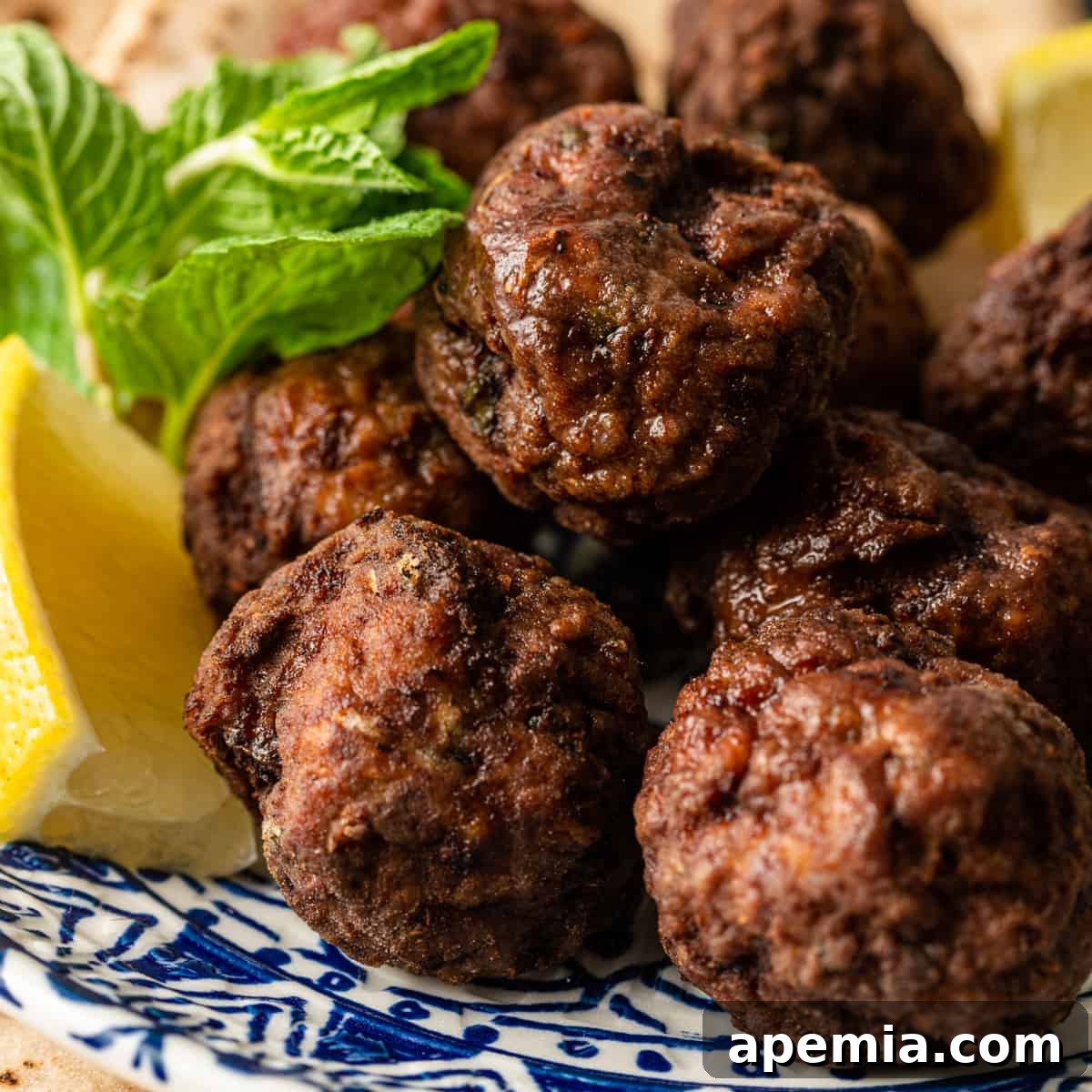
The name itself offers a delightful clue to their preparation and character: Tiganites loosely translates to “little fried” treats, and Keftedes means “meatballs.” Put them together, and you have “little fried meatballs!” While this might seem like an oversimplification, there’s absolutely nothing “little” about the incredible depth of flavor and satisfying texture these traditional Greek lamb meatballs deliver. Infused with a thoughtful blend of essential Mediterranean spices, aromatic fresh herbs, and savory cheese, these meatballs consistently emerge from the pan plump, juicy, and utterly irresistible. The pan-frying method is particularly crucial here, as it creates a magnificent, golden-brown crust that not only locks in all the delicious moisture and aromas but also makes each meatball easy to handle and a true joy to bite into. This technique elevates Keftedes from simple ground meat into a culinary experience, revered across Greece and beyond.
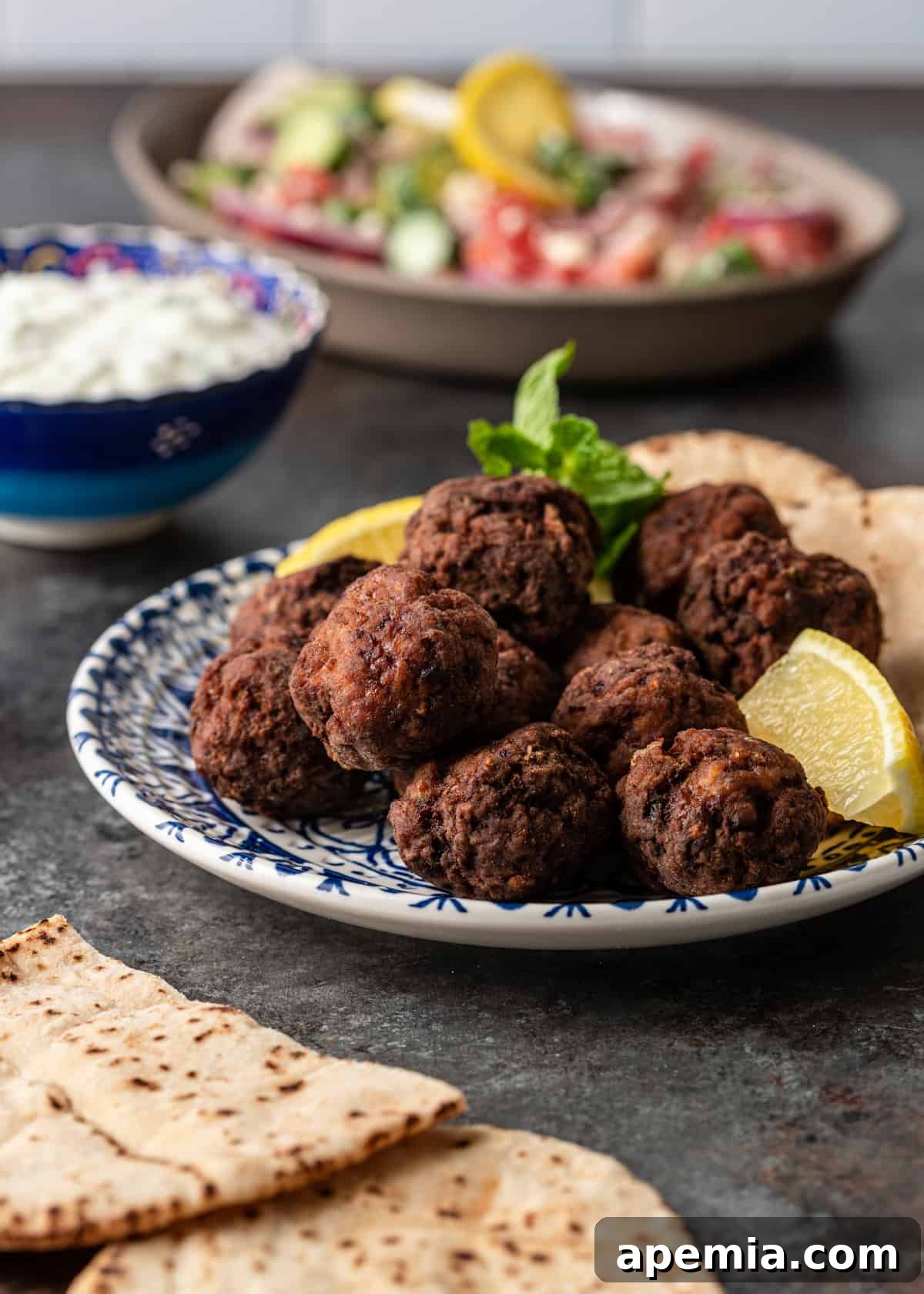
Table of Contents
- The Enduring Appeal of Greek Keftedes: A Culinary Journey
- Why Pan-Frying Delivers the Best Keftedes: Achieving Unrivaled Texture
- Essential Ingredient Notes and Smart Substitutions for Keftedes
- How to Make the Best Greek Keftedes: A Step-by-Step Guide
- Inspired Serving Suggestions for Your Keftedes: Create a Greek Feast
- Pro Tip: Double the Batch and Freeze Half for Effortless Meals
- Recommended Tools for Streamlined Keftedes Preparation
- Storing and Reheating Your Delicious Keftedes for Later Enjoyment
- Frequently Asked Questions About Authentic Keftedes
- Greek Lamb Meatballs (Keftedes Tiganites) Recipe
The Enduring Appeal of Greek Keftedes: A Culinary Journey
Meatballs have a rich and diverse history, with countless variations found across nearly every global cuisine. In Greece, Keftedes hold a particularly cherished place, often served as a highlight of an elaborate mezze spread – a delightful array of small dishes designed for sharing and savoring amongst family and friends. Their culinary roots can be traced back through centuries of Mediterranean tradition, where combining ground meat with local herbs, spices, and grains was a practical and delicious way to create flavorful, nourishing meals from available ingredients. What truly sets Greek Keftedes apart is their distinctive blend of ingredients: the vibrant freshness of mint, the robust aroma of wild oregano, and the subtle warmth of cumin and coriander. Together, these elements evoke the very essence of Greek island life, its generous hospitality, and a deep appreciation for simple, high-quality ingredients. More than just food, Keftedes embody comfort, tradition, and the joyful spirit of communal dining.
Why Pan-Frying Delivers the Best Keftedes: Achieving Unrivaled Texture
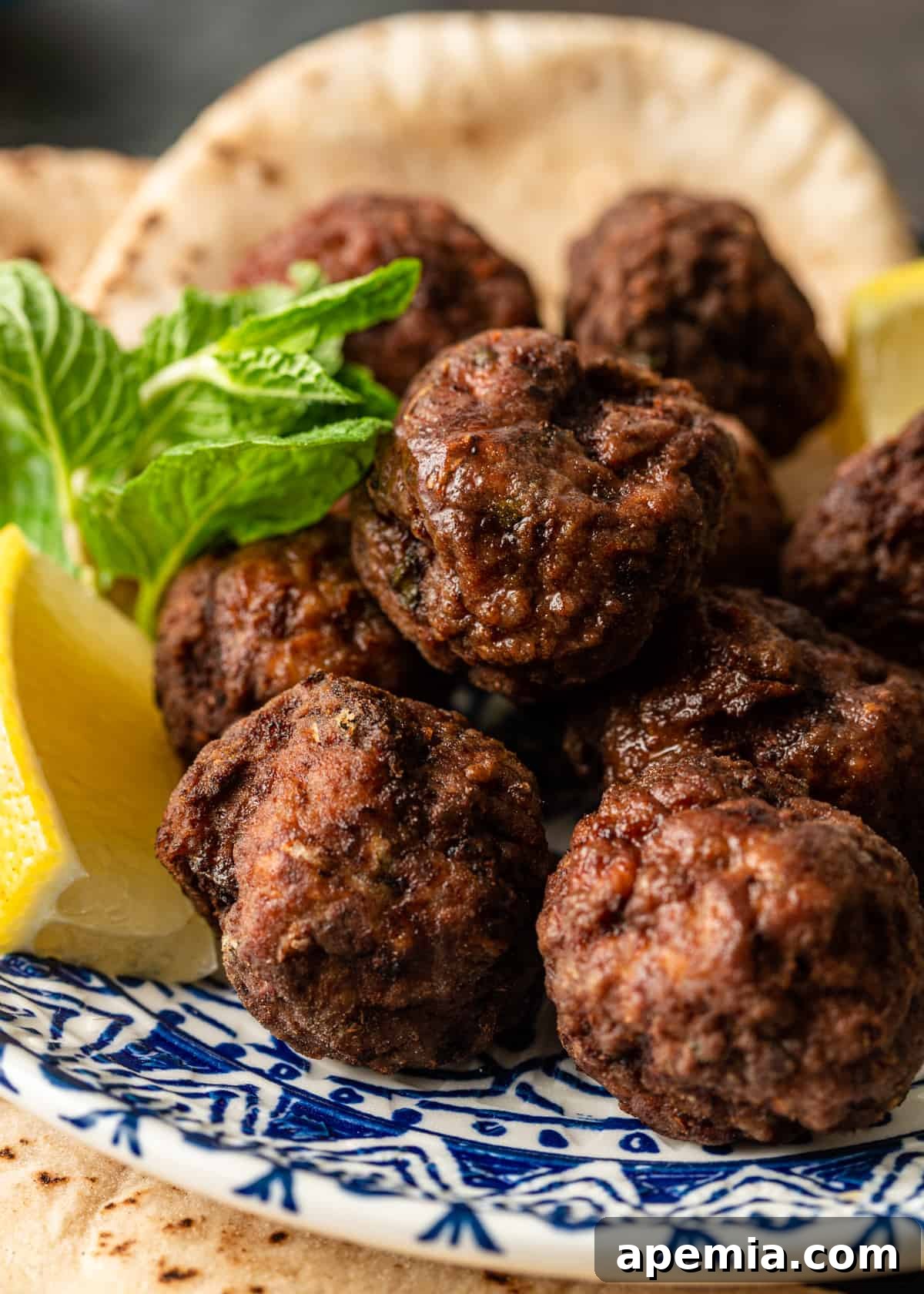
While some meatballs are perfectly suited for baking or simmering in a rich sauce, pan-frying stands as the traditional and arguably superior method for preparing Keftedes, and for compelling reasons. The direct, intense heat of a well-seasoned skillet against the lightly floured exterior of the meatballs initiates a rapid caramelization process, forming that coveted crispy, golden-brown crust. This crust is far more than just visually appealing; it plays a critical role in defining the texture and enhancing the overall eating experience. It provides a delightful textural contrast – a satisfying, crisp exterior that gives way to an incredibly tender and juicy interior, effectively trapping all the aromatic moisture and flavors within each bite. The result is a meatball that holds its spherical shape beautifully, is never greasy when done correctly, and offers a truly gratifying crunch before melting tenderly in your mouth. This traditional method truly transforms Keftedes from merely ground meat into a distinct culinary masterpiece, perfectly embodying the “tiganites” (little fried) aspect of their name and delivering an authentic Greek taste sensation.

Tip From Kevin
Pro Tip: Double the Batch and Freeze Half for Effortless Meals!
These versatile Keftedes are fantastic for freezing, making them an ideal candidate for meal prepping or quickly feeding unexpected guests. I personally make it a habit to prepare a double batch, freezing half of them after shaping but crucially before rolling them in flour. To freeze them effectively, simply arrange the freshly shaped meatballs in a single layer on a baking sheet. Place the baking sheet in the freezer until the meatballs are completely solid – this usually takes about 1-2 hours. Once frozen, transfer them to a freezer-safe plastic bag or an airtight container. This method prevents them from sticking together and allows you to easily grab just the amount you need.
When you’re ready to enjoy your frozen Keftedes, simply thaw them overnight in the refrigerator. Once fully thawed, proceed with the recipe by dredging them in flour as directed, and then pan-fry them as usual. For the best flavor and texture, I recommend cooking them within 2 months of freezing. This brilliant make-ahead strategy ensures you always have a taste of authentic Greece conveniently within reach, ready for a quick appetizer or a satisfying family dinner!

Essential Ingredient Notes and Smart Substitutions for Keftedes
(For a complete list of ingredients and precise quantities, please refer to the detailed recipe card below.)
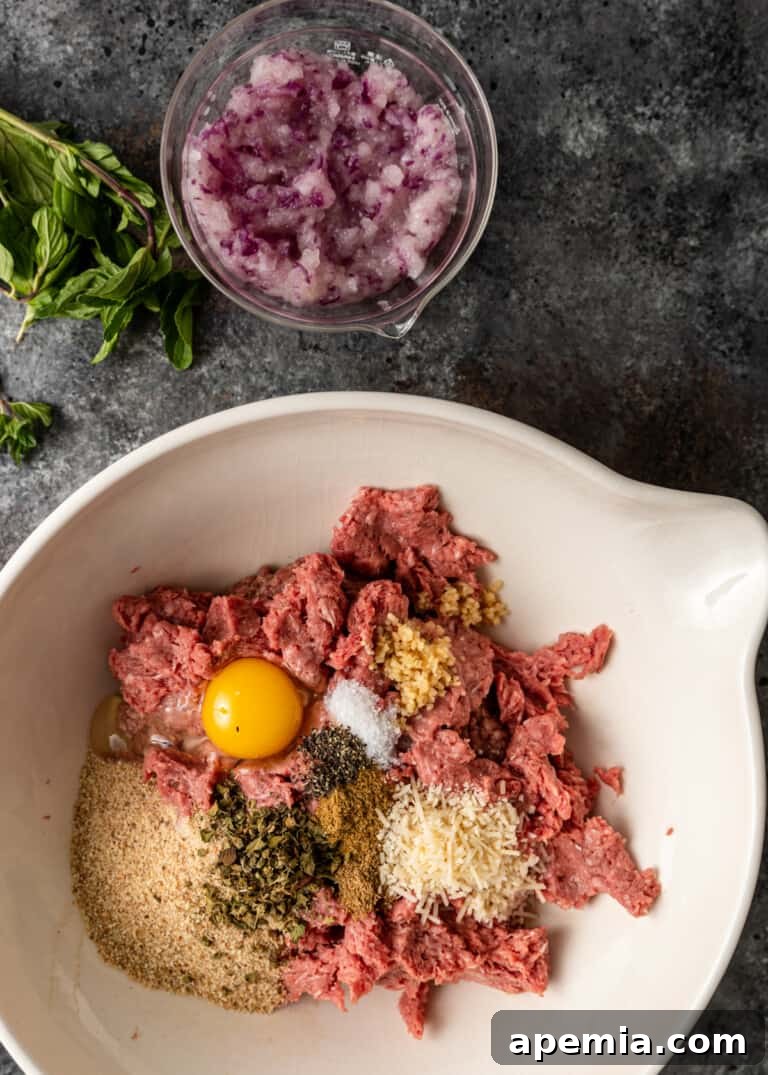
- Ground Meat: Traditionally, authentic Keftedes are often crafted with a flavorful blend of ground beef and ground lamb, or sometimes exclusively with one or the other. This combination offers a rich, balanced, and distinctly Mediterranean flavor profile. However, this recipe is quite versatile! You can easily adapt it to use ground chicken or ground turkey for a leaner alternative. Just ensure your chosen meat is not overly lean, as a moderate fat content significantly contributes to the meatballs’ coveted juiciness and tenderness.
- Flour: All-purpose flour is a crucial component for dredging the meatballs before pan-frying. It creates that desirable crispy, golden crust that is characteristic of Tiganites Keftedes. For those following a gluten-free diet, a good quality gluten-free all-purpose flour blend can be successfully substituted without compromising the texture too much.
- Red Onion: Known for its distinctive sweet yet slightly sharp flavor, red onion is a staple in Greek cooking and imparts an authentic taste to these meatballs. If red onions are not readily available, white or yellow onions will work perfectly fine as a substitute, just be sure to grate them very finely to integrate smoothly into the mixture.
- Egg: The large egg serves as an essential binder, helping the meatballs hold their shape during cooking and contributing to their overall moisture and tenderness. If you’re seeking an egg substitute, several options exist: ricotta cheese can add moisture and richness; a “flax egg” (1 tablespoon ground flaxseed mixed with 3 tablespoons water, allowed to sit for 5 minutes to thicken) works well; chia seeds can be used similarly; or even a small amount of finely mashed potato can act as a binder. Bear in mind that these substitutions might subtly alter the final texture and flavor, but they will still yield delicious results.
- Garlic: Freshly minced garlic is baked right into the meatball mixture, infusing them with its distinctive pungent aroma and a lovely nutty, slightly toasted flavor once cooked. For the most vibrant and authentic taste, always opt for fresh garlic over powdered garlic.
- Breadcrumbs: These are absolutely vital for maintaining the moist and juicy interior of pan-seared meatballs. Plain breadcrumbs are recommended as they allow the complex Mediterranean flavors of the herbs and spices to truly shine. However, you could also use Italian breadcrumbs (which often include a blend of dried herbs, so adjust the other herbs accordingly) or even panko breadcrumbs for an extra-crispy exterior texture.
- Parmesan Cheese: While grated Parmesan offers a delightful salty, umami kick, for a truly authentic Greek experience, try your best to source traditional Greek kefalotyri cheese. This hard, salty sheep’s milk cheese boasts a unique spicy and aromatic profile that is unmatched and will elevate your Keftedes to an entirely new level. If kefalotyri is unavailable, a good quality aged Pecorino Romano would be another excellent substitute, offering a similar salty sharpness and depth of flavor.
- Fresh Mint: The refreshing, cool taste of fresh mint is one of the signature hallmarks of authentic Greek Keftedes. It provides a bright, herbaceous counterpoint to the richness of the meat and the warmth of the spices, adding a layer of complexity and freshness. While highly recommended for its unique contribution, it can be omitted if fresh mint is not to your personal taste or if it’s unavailable. However, I strongly encourage you to give it a try – it truly makes a significant difference in the flavor profile!
- Mediterranean Seasonings: This recipe features a thoughtfully curated blend of classic Mediterranean dried herbs and seasonings. This includes aromatic ground cumin for warmth and depth, earthy ground coriander for a touch of citrusy sweetness, pungent dried oregano – an absolutely indispensable herb in Greek cuisine, and, of course, essential kosher salt and freshly ground black pepper to perfectly enhance and balance all the vibrant flavors.
How to Make the Best Greek Keftedes: A Step-by-Step Guide
Crafting perfectly tender and crispy Keftedes is simpler than you might imagine, and by following these detailed steps, you’ll be assured of a delicious and authentic outcome every single time. Remember, the key to success lies in careful preparation and gentle handling of the meatball mixture!
- Prepare the Flour for Dredging: Begin by adding your all-purpose flour to a small, shallow bowl. This flour will be used to coat your meatballs later, creating that essential crispy exterior and helping them brown beautifully. Set this bowl aside for when it’s needed.
- Prepare the Onion with Care: Grate the red onion finely directly over a fine-mesh sieve, which should be placed over a larger bowl. Once the onion is grated, use the back of a spoon or your hand to firmly press down on the grated onion, extracting as much excess water as possible. This step is critically important; removing the excess moisture prevents the meatballs from becoming soggy and ensures a superior, firmer texture. Discard the collected onion water and transfer the well-drained grated onion to a large mixing bowl.
- Craft the Flavorful Meatball Mixture: To the bowl containing the grated onion, add the ground lamb (or beef, or your preferred combination), all of the minced garlic, dried oregano, chopped fresh mint, ground cumin, ground coriander, breadcrumbs, the large egg, 1 tablespoon of olive oil, grated Parmesan cheese (or kefalotyri), kosher salt, and ground black pepper. Now comes the crucial mixing step: use your clean hands to thoroughly combine and gently squeeze the mixture. Work the ingredients just enough until they are uniformly combined and evenly distributed, but be very careful not to overmix, as overworking the meat can result in tough, dense meatballs.
- Shape and Dredge for Perfection: Take small, consistent portions of the prepared meat mixture and gently roll them into uniform, walnut-sized balls. Aim for a total of approximately 36 meatballs from this recipe. It’s vital not to pack them too tightly; a light, gentle touch will ensure they remain tender and juicy when cooked. Once shaped, gently roll each individual meatball in the reserved flour until it’s evenly coated on all sides. Give each meatball a gentle shake to remove any excess flour, then carefully place them on a clean tray or plate, ready for the frying stage.
- Pan-Fry to Golden Crispiness: Heat about 1/2-inch of good quality olive oil in a deep, heavy-bottomed skillet or a sturdy Dutch oven over medium-high heat. The oil is at the correct temperature when it begins to shimmer gently on the surface. Carefully add the shaped and dredged meatballs to the hot oil, taking great care not to overcrowd the skillet. Working in batches is highly recommended to maintain an even oil temperature and allow for proper, consistent browning. Fry the meatballs for approximately 7 minutes, turning them occasionally with tongs, until they are beautifully browned and crispy on all sides, achieving that signature golden crust. As each batch finishes cooking, use the tongs to transfer the meatballs to a plate lined with paper towels to drain any excess oil, ensuring they remain crisp.
- Serve with Greek Hospitality: Arrange the warm, golden-brown Greek lamb meatballs enticingly on a serving platter. They are exquisite whether served as a delightful appetizer or as the centerpiece of a satisfying main course. Pair them with your favorite authentic Greek dipping sauces and complementary sides to create a truly memorable and authentic Mediterranean meal experience.
Inspired Serving Suggestions for Your Keftedes: Create a Greek Feast
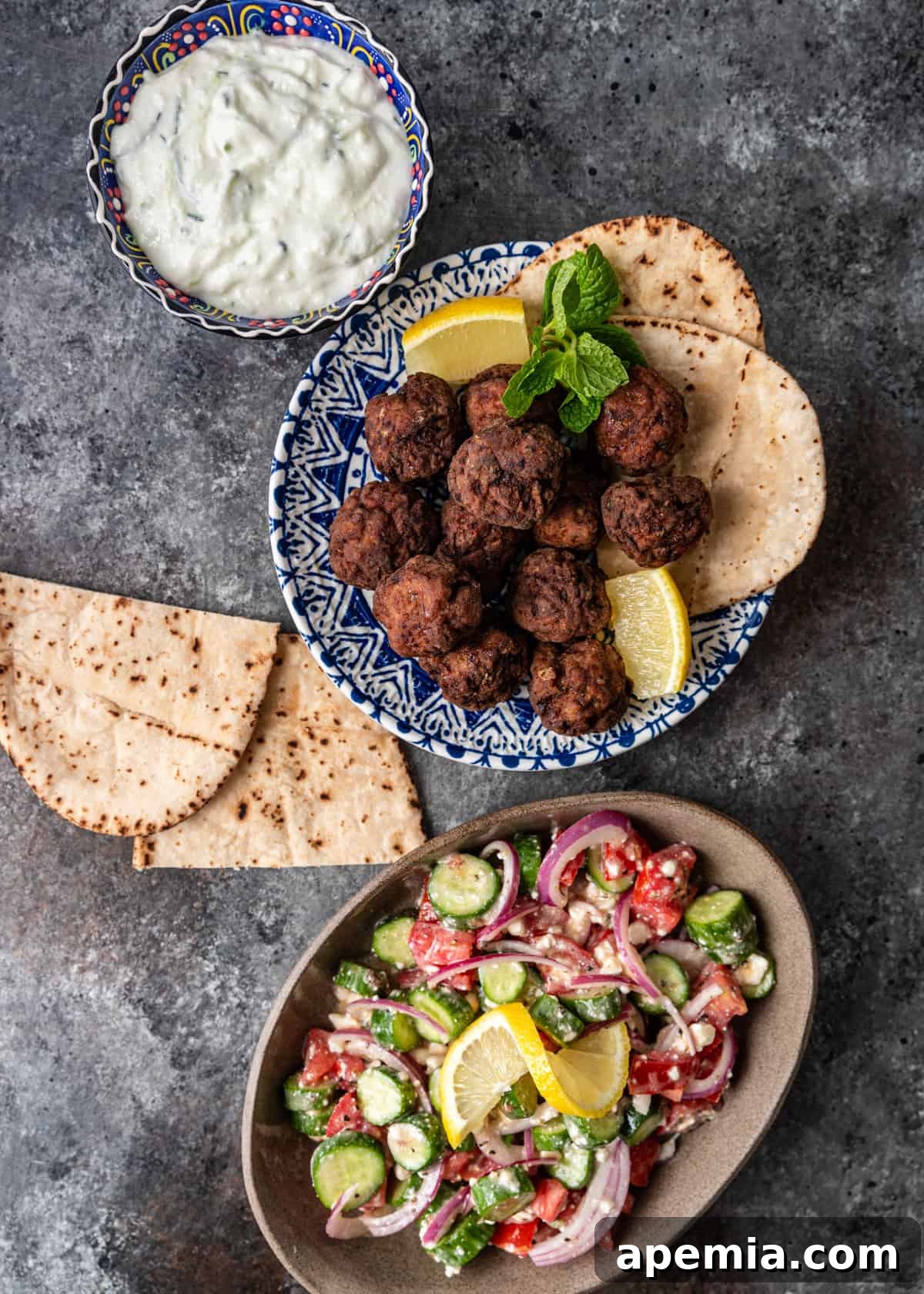
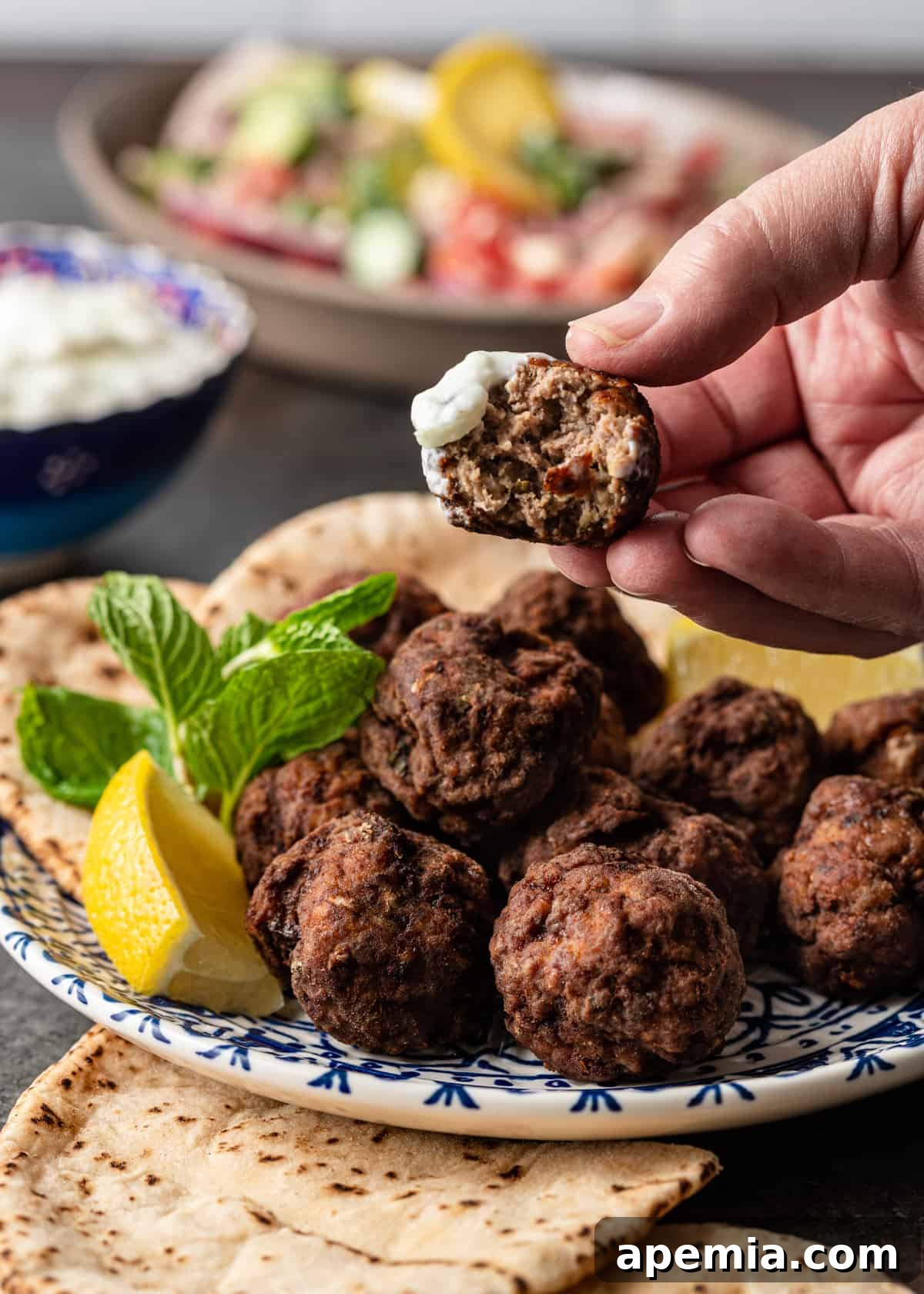
As a traditional Greek appetizer, Keftedes are most famously served alongside a generous dollop of creamy Tzatziki sauce – a refreshing yogurt-cucumber-garlic dip that perfectly complements the rich meatballs – and warm, fluffy pita bread, ideal for scooping. This classic combination is so incredibly satisfying that many, including myself, would happily enjoy it as a light yet fulfilling main course any day of the week! However, if you’re looking to create a more substantial and complete Greek meal, consider expanding your culinary spread. Keftedes pair wonderfully with a crisp and vibrant Greek Feta Salad, bursting with fresh vegetables and tangy feta cheese, or a side of fragrant Greek Lemon Rice, its citrusy notes cutting through the richness. For an even grander mezze platter, consider adding marinated olives, roasted red peppers, creamy hummus, or a sprinkle of fresh dill. These flavorful meatballs are also fantastic tucked into pita pockets with tzatziki and fresh salad for a portable, incredibly flavorful lunch or a casual dinner. Don’t forget a squeeze of fresh lemon over the finished meatballs to brighten their flavors!
Recommended Tools for Streamlined Keftedes Preparation
- Deep Skillet or Dutch Oven: A robust, deep skillet, ideally around 3.5 quarts in capacity, or a sturdy Dutch oven, is highly recommended for pan-frying your Keftedes. Its high sides are invaluable for containing oil splatter, which not only keeps your stovetop significantly cleaner but, more importantly, protects you from potential oil burns while you cook. It also facilitates more even heat distribution and makes turning the meatballs much easier.
- Fine-Mesh Sieve: This is an essential kitchen tool for efficiently draining any excess liquid from the grated onion. This crucial step directly contributes to the superior texture of your meatballs, preventing them from becoming mushy.
- Large Mixing Bowl: A generously sized mixing bowl is necessary to comfortably combine all the meatball ingredients. This ensures thorough mixing without creating a messy workspace, allowing you to work the mixture effectively.
- Baking Sheet with Parchment Paper: A baking sheet lined with parchment paper proves incredibly useful, especially if you plan on freezing batches of meatballs before cooking, or if you opt for the baking method instead of frying.
- Kitchen Tongs: A good pair of kitchen tongs is perfect for gently and safely turning the meatballs in hot oil, ensuring even browning on all sides without piercing them and releasing precious juices.
- Measuring Cups and Spoons: Accurate measurements are key in any recipe, and having a reliable set will ensure your Keftedes have the perfect balance of flavors every time.
Storing and Reheating Your Delicious Keftedes for Later Enjoyment
Whether you’ve prepared these delectable Greek meatballs with succulent lamb, savory beef, or a delicious combination of both, they are wonderfully versatile for enjoying beyond their initial cooking. Cooked Keftedes can be safely stored in an airtight container in the refrigerator for up to 4 days. This makes them an excellent option for convenient leftovers, quick weeknight meals, or even packing into lunchboxes during the week, retaining their fantastic flavor and texture.
When it comes to reheating your Keftedes, the goal is to maintain their tenderness and prevent them from drying out, which can easily happen if not done carefully. The best method for reheating is in an oven preheated to a moderate temperature of 300-350 degrees Fahrenheit (150-175°C). For optimal results that keep the meatballs succulent, I highly recommend sprinkling a tiny bit of water over the meatballs before covering them loosely with aluminum foil. This simple trick creates a steamy environment within the foil packet, which helps them retain their moisture and prevents them from becoming tough or dry during the reheating process. Reheat for approximately 10-15 minutes, or until the meatballs are thoroughly warmed through to the center. Alternatively, you can gently warm them in a covered skillet on low heat with a splash of broth or water, turning occasionally.
Frequently Asked Questions About Authentic Keftedes
Absolutely! Keftedes are an excellent make-ahead dish, perfect for simplifying meal prep or entertaining. Uncooked meatballs can be shaped and then refrigerated for up to 24 hours before you plan to cook them. This allows you to do much of the prep work in advance. For longer storage, Keftedes also freeze extraordinarily well. I often freeze half a batch myself – the key is to do this after shaping the meatballs but crucially before rolling them in flour. To freeze, place them in a single layer on a baking sheet until solid, then transfer them to a freezer-safe plastic bag or airtight container. When you’re ready to cook, simply thaw them overnight in the refrigerator, dredge them in flour, and then fry within 2 months for the best quality and flavor.
While both are delicious, Keftedes possess a distinct Mediterranean character and flavor profile that sets them apart from what might be considered “regular” meatballs in Western cuisine. “Regular” meatballs are typically made from pork, beef, or a combination, and are often seasoned with classic Italian herbs like basil, parsley, and sometimes fennel. Keftedes, on the other hand, frequently feature lamb, either exclusively or blended with beef. Lamb, being a common and beloved protein in the Mediterranean, offers a unique earthy sweetness that fundamentally differentiates the taste. Furthermore, the seasoning blend of Keftedes is uniquely Greek, characterized by the cool, refreshing taste of fresh mint, the robust and pungent aroma of dried oregano, and the warm, slightly citrusy notes of ground cumin and coriander. This vibrant combination creates a brighter, more aromatic, and truly unforgettable taste experience compared to their “regular” counterparts.
This is entirely a matter of personal preference, as both options yield delicious results, and traditionally, Keftedes are most commonly made with a flavorful blend of both lamb and beef. Lamb offers a richer, slightly gamey, and distinctly Mediterranean flavor that many food enthusiasts adore, bringing a deeper authenticity to the dish. Beef, conversely, contributes a more savory, familiar taste and often helps the meatballs stay incredibly tender and juicy. Your choice should ultimately be dictated by your own palate and what you enjoy most – do you prefer the unique earthy sweetness of lamb or the classic savory profile of beef? Experimenting with different ratios of the two meats can also help you discover your perfect combination!
Yes, Keftedes can certainly be baked as a healthier alternative to pan-frying, which is a great option for those looking to reduce oil intake. However, it’s important to note that when baked, they will not achieve the same crispy, golden-brown crust that is characteristic of the traditional pan-fried “Tiganites” style. To bake them, simply place the flour-coated meatballs on a parchment-lined baking sheet and bake them in a preheated oven at 400°F (200°C) for approximately 18 to 20 minutes, or until they are cooked through to an internal temperature of 160°F (71°C) and are lightly browned. While they will still be flavorful and juicy, expect a softer exterior texture compared to their pan-fried counterparts.
Beyond the classic Tzatziki, Keftedes are incredibly versatile and pair beautifully with a variety of dips. A spicy feta dip (tyrokafteri) offers a tangy, piquant kick. A simple lemon-herb yogurt sauce, made with Greek yogurt, lemon juice, and fresh dill or parsley, provides a lighter, refreshing accompaniment. Even a rich, slow-simmered tomato sauce can complement their flavors wonderfully, especially if served as a main course. For a diverse mezze platter, consider adding creamy hummus or a smoky roasted red pepper dip.
When prepared with lean ground meat and an abundance of fresh herbs and nutrient-rich spices, Keftedes align well with the principles of the healthy Mediterranean diet. Lamb and beef provide essential proteins, iron, and B vitamins. The fresh garlic, onion, and herbs like mint and oregano are packed with antioxidants and offer various anti-inflammatory and digestive health benefits. Choosing high-quality olive oil for frying also incorporates healthy monounsaturated fats into your meal. For an even lighter option, consider baking them as suggested above to reduce overall fat content.
Pin It
Share this delicious recipe on Pinterest!
Love this recipe for authentic Greek lamb meatballs? Help others discover it by sharing it with your friends and followers on Pinterest. Your pins inspire culinary adventures!
Subscribe to our Newsletter, and follow us on Facebook, Pinterest, Instagram and YouTube for all our latest irresistible recipes and cooking videos.

Greek Lamb Meatballs (Keftedes Tiganites)
★★★★★
36
20
14
34
Pin Recipe
PrintRecipe
Ingredients
- 1 large red onion grated, excess water pressed out
- 2 lbs ground lamb or beef, or a combination
- 3 garlic cloves minced
- 2 tsp dried oregano
- 1/4 cup fresh mint chopped
- 1 tsp ground cumin
- 1 tsp ground coriander
- 1/2 cup plain breadcrumbs
- 1 large egg
- 1 tbsp olive oil
- 1/4 cup grated Parmesan cheese (See Note 1 for traditional Greek cheese)
- 1 tsp kosher salt
- 1/2 tsp ground black pepper
- 1/3 cup flour for dredging
- olive oil (for frying, approximately 1/2 inch in skillet)
Instructions
-
1. Prepare the Onion: Grate the red onion over a bowl. Transfer the grated onion to a fine-mesh sieve and press firmly to extract and discard any excess water. Transfer the drained onion to a large mixing bowl.
-
2. Mix the Meatball Mixture: To the bowl with the onion, add the ground lamb (or beef), minced garlic, dried oregano, chopped fresh mint, ground cumin, ground coriander, breadcrumbs, egg, 1 tbsp olive oil, grated Parmesan cheese, kosher salt, and ground black pepper. Use your hands to thoroughly mix and gently squeeze the mixture until all ingredients are well combined. Be careful not to overmix.
-
3. Shape & Dredge Meatballs: Place 1/3 cup flour in a small bowl for dredging. Take small portions of the meat mixture and gently roll them into walnut-sized meatballs (you should get about 36). Do not pack them too tightly. Roll each shaped meatball in the flour to coat, gently shake off any excess, and place them on a tray or plate.
For Pan-Fried Keftedes (Recommended Method):
-
4. Fry to Perfection: Heat about 1/2-inch of olive oil in a deep skillet over medium-high heat until it shimmers. Carefully add meatballs in batches, without overcrowding the skillet. Fry for about 7 minutes, turning frequently with tongs, until they are golden-brown and crispy on all sides. Remove and transfer to a paper towel-lined plate to drain. Keep warm while you fry remaining batches.
For Baked Keftedes (Healthier Alternative):
-
4. Bake: Preheat oven to 400°F (200°C). Arrange flour-coated meatballs on a parchment-lined, rimmed baking sheet. Bake for 18 to 20 minutes, or until cooked through and lightly browned. Note that they will not be as crispy as the fried version.
To Serve:
-
5. Enjoy: Serve the warm Keftedes as an appetizer on a mezze platter with refreshing tzatziki sauce and warm pita bread. Alternatively, present them as a satisfying main dish alongside fragrant steamed rice and a fresh Greek Feta Salad for a complete and delicious meal.
Notes
- For an authentic Greek flavor, traditional kefalotyri cheese is highly preferred over Parmesan if you can find it. Other good hard, salty cheese substitutes include Pecorino Romano.
- Freezing Tip: After rolling the meatballs and before dredging them in flour, you can easily freeze half or more of the batch for future use. Arrange them on a baking sheet until solid, then transfer to a freezer bag. Thaw overnight, then dredge and fry as usual within 2 months.
- Baked Option: If you prefer not to fry, Keftedes can be baked. Place the flour-coated meatballs on a parchment-lined tray and bake in a 400°F (200°C) oven for 18-20 minutes. Note that this method will result in a less crispy exterior than pan-frying.
Nutrition Information (Estimated per serving)
Carbohydrates: 3g |
Protein: 5g |
Fat: 8g |
Saturated Fat: 3g |
Polyunsaturated Fat: 1g |
Monounsaturated Fat: 4g |
Trans Fat: 0.001g |
Cholesterol: 24mg |
Sodium: 105mg |
Potassium: 74mg |
Fiber: 0.3g |
Sugar: 0.2g |
Vitamin A: 29IU |
Vitamin C: 0.4mg |
Calcium: 19mg |
Iron: 1mg
The information shown is an estimate provided by an online nutrition calculator. It should not be considered a substitute for a professional nutritionist’s advice.
Have You Made This Recipe? Let Me Know on Instagram
Tag @keviniscooking or tag me #keviniscooking!