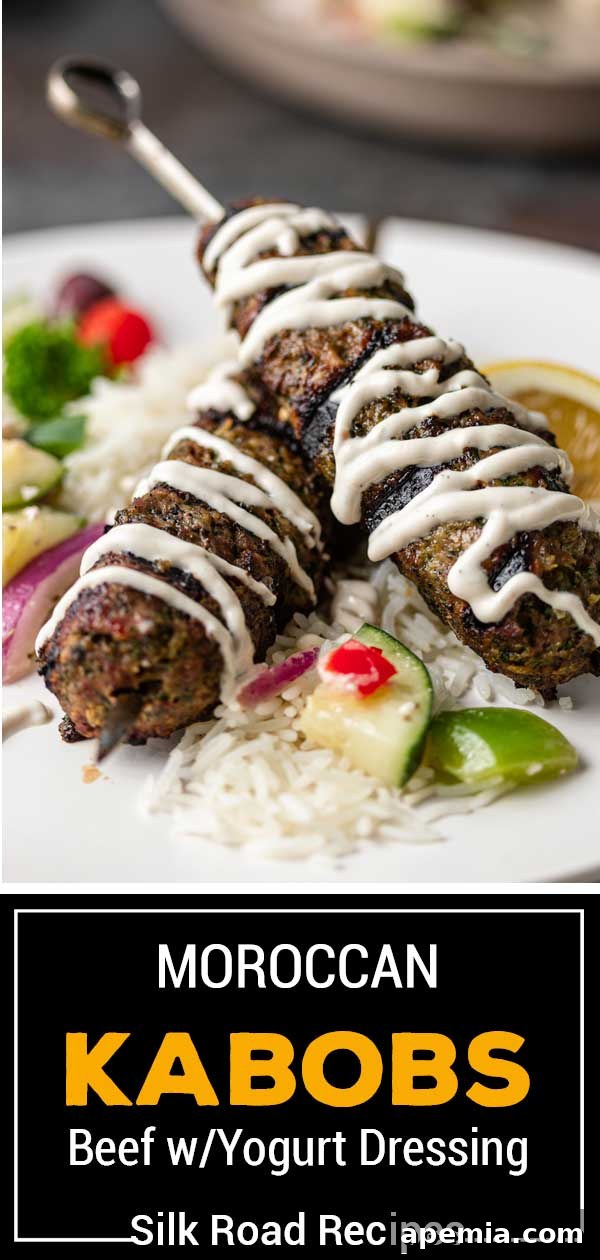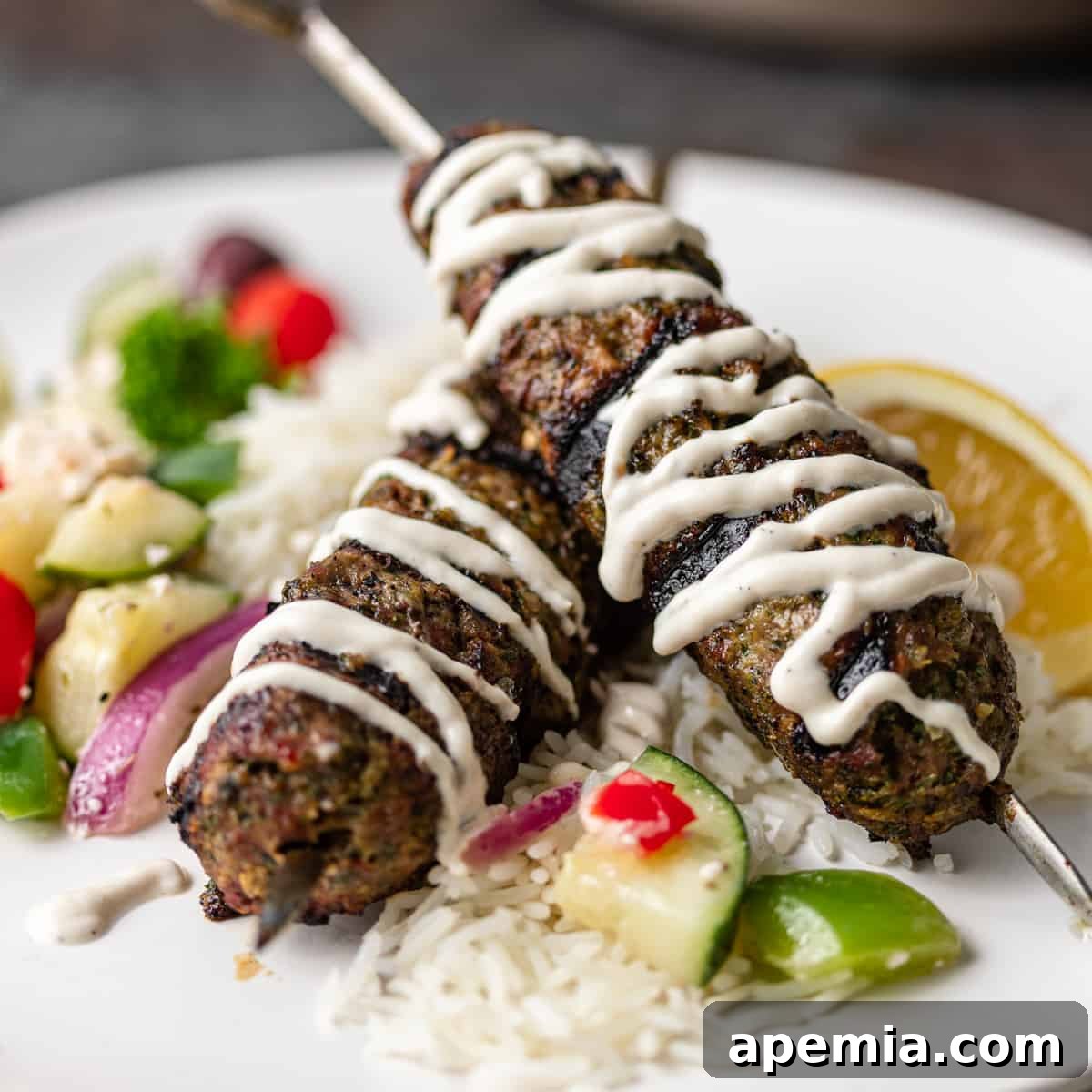
Moroccan Kefta Kabobs: A Flavorful Journey into North African Cuisine
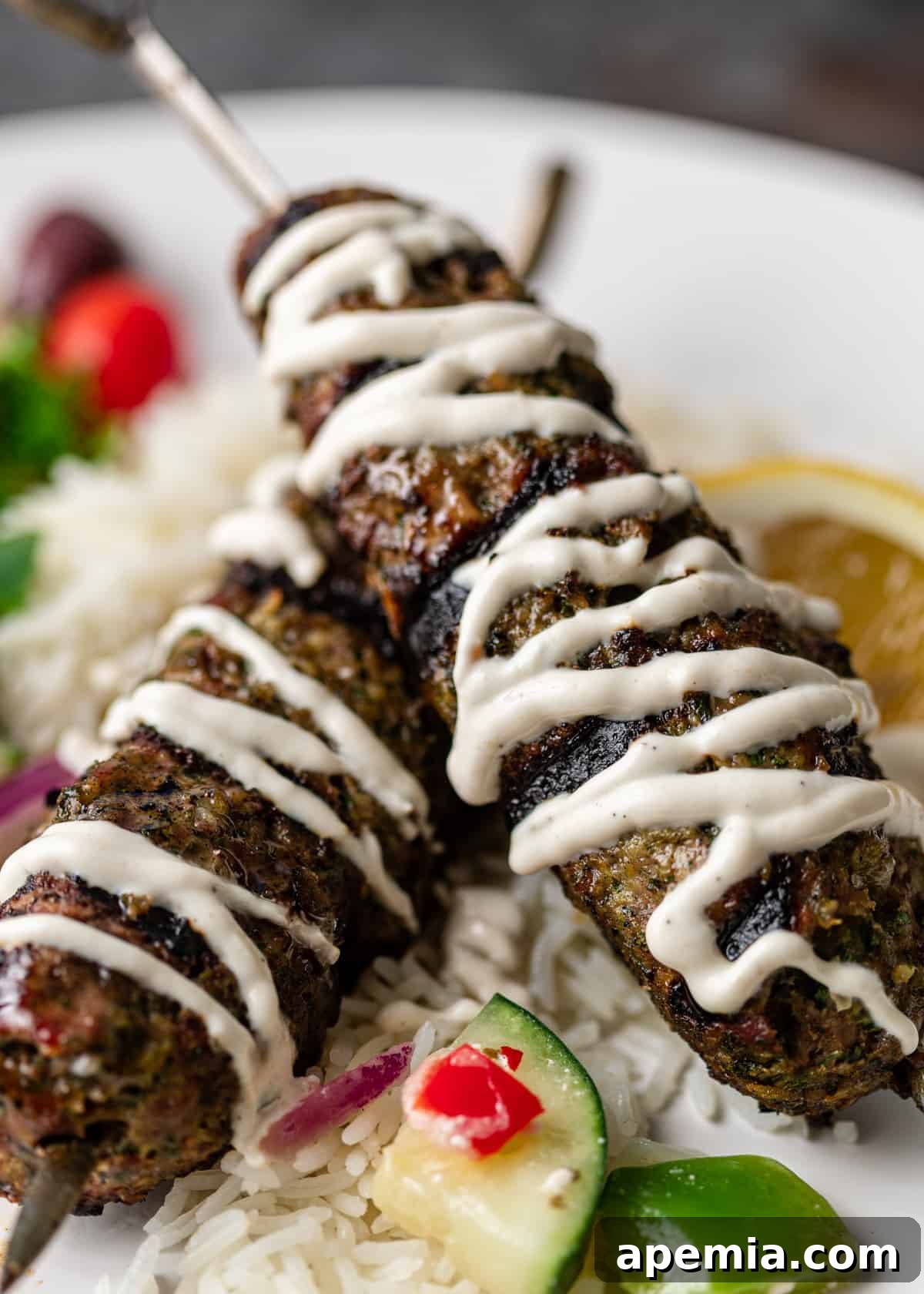
Embark on a culinary adventure with these exquisite Moroccan Kefta Kabobs, a true staple of North African grilling. These succulent ground beef skewers, bursting with aromatic spices and fresh herbs, offer a taste of Moroccan tradition right in your backyard. Perfectly grilled and served alongside a vibrant, creamy tahini yogurt sauce, this kefta recipe promises a remarkably quick, effortlessly flavorful, and deeply satisfying meal for any occasion, from weeknight dinners to festive gatherings.
What is Kefta? Unveiling a Middle Eastern Delicacy
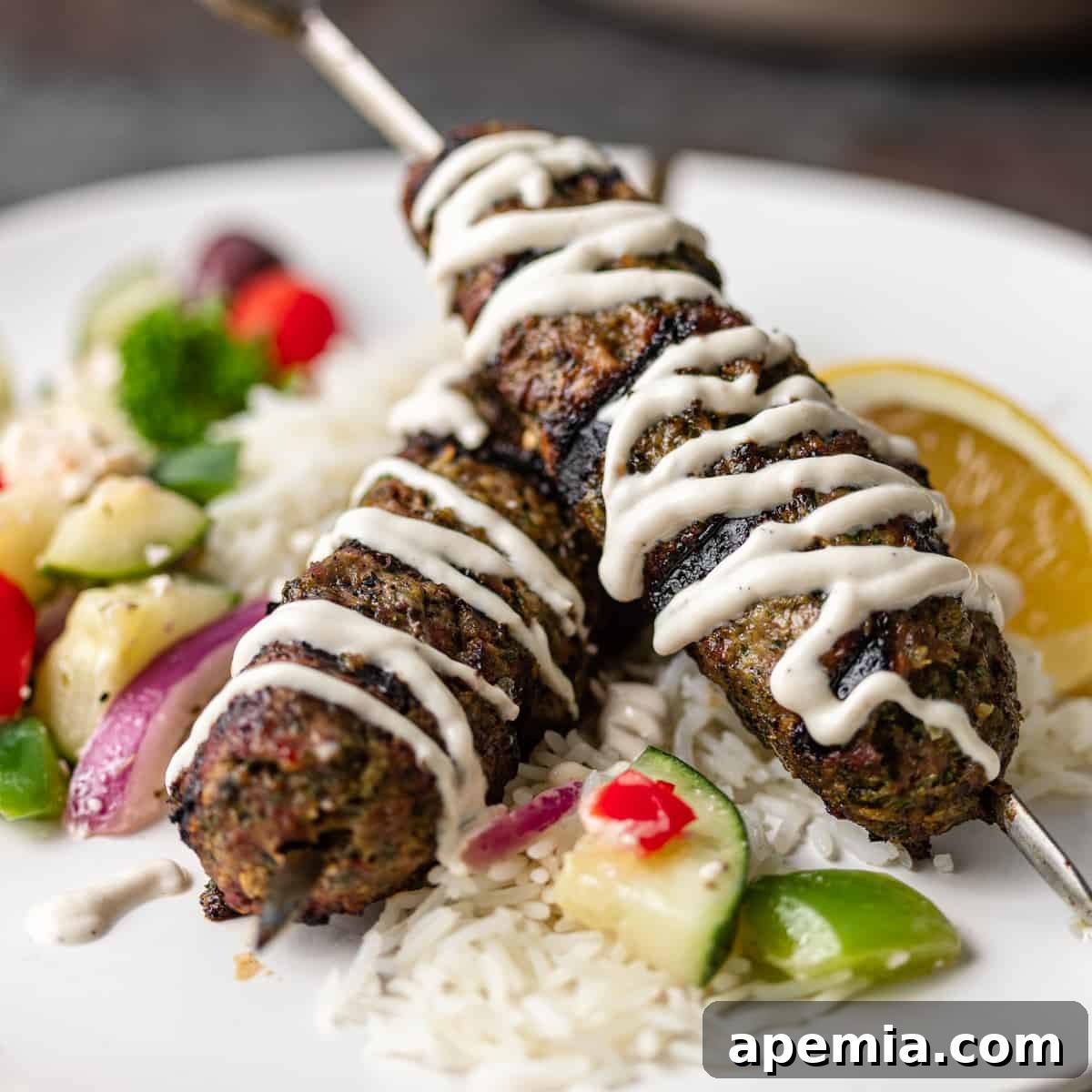
At its heart, Moroccan kefta refers to ground or minced meat, typically beef or lamb, expertly seasoned with a blend of shredded onion, an array of distinctive Middle Eastern spices, and generous amounts of fresh herbs. While known as kefta in Morocco, this culinary concept extends across the Middle East and North Africa with various names and subtle regional twists. In Lebanon, it is famously called kafta, while many other Middle Eastern countries refer to it as kofta.
Regardless of the name, the essence remains the same: seasoned ground meat skillfully shaped into various forms such as kabobs, small patties, or meatballs. While ground beef is a popular choice, kefta is also frequently prepared with ground lamb or chicken, each offering a unique flavor profile. Its incredible versatility and ease of preparation make it a beloved dish across cultures, perfect for both large celebrations and intimate family dinners.
These seasoned meat skewers are remarkably simple to prepare and can even be made ahead of time, making them an ideal choice for busy hosts and home cooks alike. If grilling isn’t an option or you simply prefer an alternative, kefta kabobs can be easily baked in the oven for a similar tender result. For those looking to skip the skewers entirely, the flavorful meat mixture can be effortlessly transformed into delectable kefta meatballs, perfect for simmering in sauce or serving as appetizers.
The Art of Perfect Kefta: Key Ingredients and Flavor Profiles
Crafting truly exceptional Moroccan Kefta Kabobs begins with selecting the right ingredients and understanding how they contribute to the dish’s signature flavor and texture. Each component plays a vital role in achieving that moist, tender, and incredibly aromatic result.
Ingredient Notes and Substitutes
- Ground Meat: The Foundation of Flavor
The choice of ground meat is paramount for juicy kefta. To prevent the kabobs from becoming dry and crumbly, it’s essential to use ground meat with an adequate fat content. For ground beef kefta, an 80/20 or 85/15 lean-to-fat ratio is ideal. This ensures enough marbling to keep the meat succulent and flavorful as it cooks. While ground beef is classic, a combination of ground beef and ground lamb is my personal preference. The lamb adds an additional layer of richness and a distinct Middle Eastern flavor that beautifully complements the spices, creating a more complex and authentic taste experience. If you opt for lamb, a 70/30 or 80/20 lean-to-fat ratio is excellent. You can also experiment with ground chicken or turkey for a lighter version, though you may need to add a touch more oil to maintain moisture. - Fresh Herbs: The Aromatic Heart
Fresh herbs are non-negotiable for authentic Moroccan kefta. They infuse the meat with a bright, vibrant, and incredibly fragrant character that dried herbs simply cannot replicate. A generous mixture of fresh Italian parsley (the flat-leaf variety), cilantro, and mint creates a harmonious blend of earthy, citrusy, and cooling notes. These herbs not only contribute to the visual appeal with their flecks of green but are central to the kefta’s iconic Moroccan taste. Avoid substitutions with dried herbs if at all possible, as the impact on flavor will be significant. - Binding Agents: Ensuring Cohesion and Texture
To ensure your Kefta Kabobs hold their shape beautifully on the grill and maintain a tender texture, a binding agent is crucial. Unseasoned breadcrumbs are the traditional choice, absorbing excess moisture and acting as a gentle glue to hold the ingredients together. Since the meat mixture is already richly seasoned with spices, unseasoned breadcrumbs prevent flavor clashes. For those who appreciate a slightly crisper exterior and lighter texture, panko crumbs make an excellent substitute for traditional breadcrumbs, adding a delightful crunch. - Spices: The Soul of Moroccan Cuisine
The spice blend is what truly defines Moroccan kefta. Cumin provides a warm, earthy depth, while ground fennel seed adds a subtle anise-like sweetness that is characteristic of North African cooking. Red pepper flakes introduce a gentle heat, balancing the richness of the meat and the freshness of the herbs. Other popular Moroccan additions might include a pinch of smoked paprika for color and a smoky note, or a dash of ground coriander for an extra layer of citrusy warmth. Adjust the quantities to suit your personal preference for heat and spice intensity.
Mastering the Technique: Tips for Making Perfect Ground Beef Kabobs
Achieving perfectly tender and flavorful Ground Beef Kefta Kabobs requires attention to a few key techniques. These tips will ensure your kefta holds together on the grill and boasts an irresistible juiciness.
- Handle with Care: The Importance of Not Overmixing
While it’s crucial to thoroughly combine all the ingredients to distribute flavors evenly, avoid overmixing the meat mixture at all costs. Overworking the ground meat can lead to tough, dense kabobs. The proteins in the meat develop elasticity when mixed extensively, resulting in a rubbery texture. One effective way to prevent this is to use a stand mixer fitted with a paddle attachment on a low speed, or quickly pulse the ingredients together in a food processor. However, the most controlled method often involves using your hands; mix just until everything is incorporated. Minimizing direct hand contact with the meat helps keep it cool, further contributing to a juicy final product. - The Chill Factor: Essential for Shaping and Grilling
Refrigerating the kefta mixture before shaping it onto skewers is a vital step often overlooked. If the ground beef mixture is too warm, the fat will be softer, making it significantly more difficult to adhere to the skewers and increasing the risk of the meat falling apart on a hot grill. Chilling the mixture for at least an hour allows the fats to firm up and the flavors to meld, resulting in a much more manageable and cohesive mixture for shaping. As an additional helpful tip for preventing the beef from falling off the skewers, lightly moisten your fingers with a little water before you begin shaping. This extra moisture helps create a smoother surface and better adhesion to the skewer. - Preheat for Perfection: Achieving the Ideal Sear and Grill Marks
A properly preheated grill is the secret to beautiful grill marks and a delicious sear on your Kefta Kabobs. Ensure your grill is thoroughly heated to the recommended temperature (typically around 450°F / 230°C for direct grilling) before placing the skewers on the grates. A hot surface immediately sears the exterior of the meat, locking in juices and preventing sticking. Clean and lightly oiling the grill grates before cooking further ensures that your kefta releases easily and develops an attractive, even char.
Kafta Recipe Video Guide
For a comprehensive visual guide on how to expertly shape these kabobs and witness the entire process of making this flavorful kefta recipe from start to finish, be sure to check out the detailed video tutorial provided within the recipe card located at the bottom of this post! It offers invaluable tips and demonstrations to help you master this dish.
Serving Suggestions: Creating a Moroccan Feast
Once your exquisite Moroccan Kefta Kabobs are perfectly grilled, the delightful decisions about how to serve them begin. There are several enticing ways to enjoy these flavorful skewers, whether you prefer a traditional plating or a more casual, street food experience.
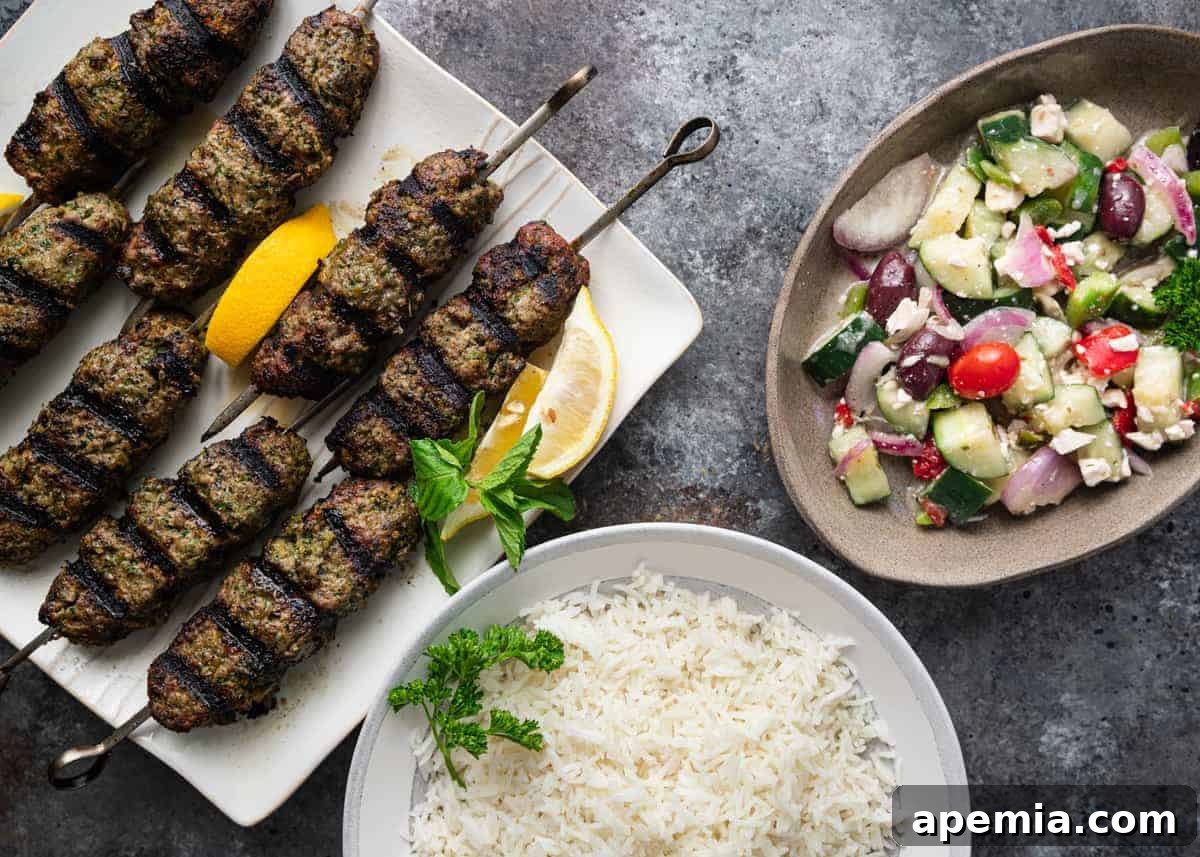
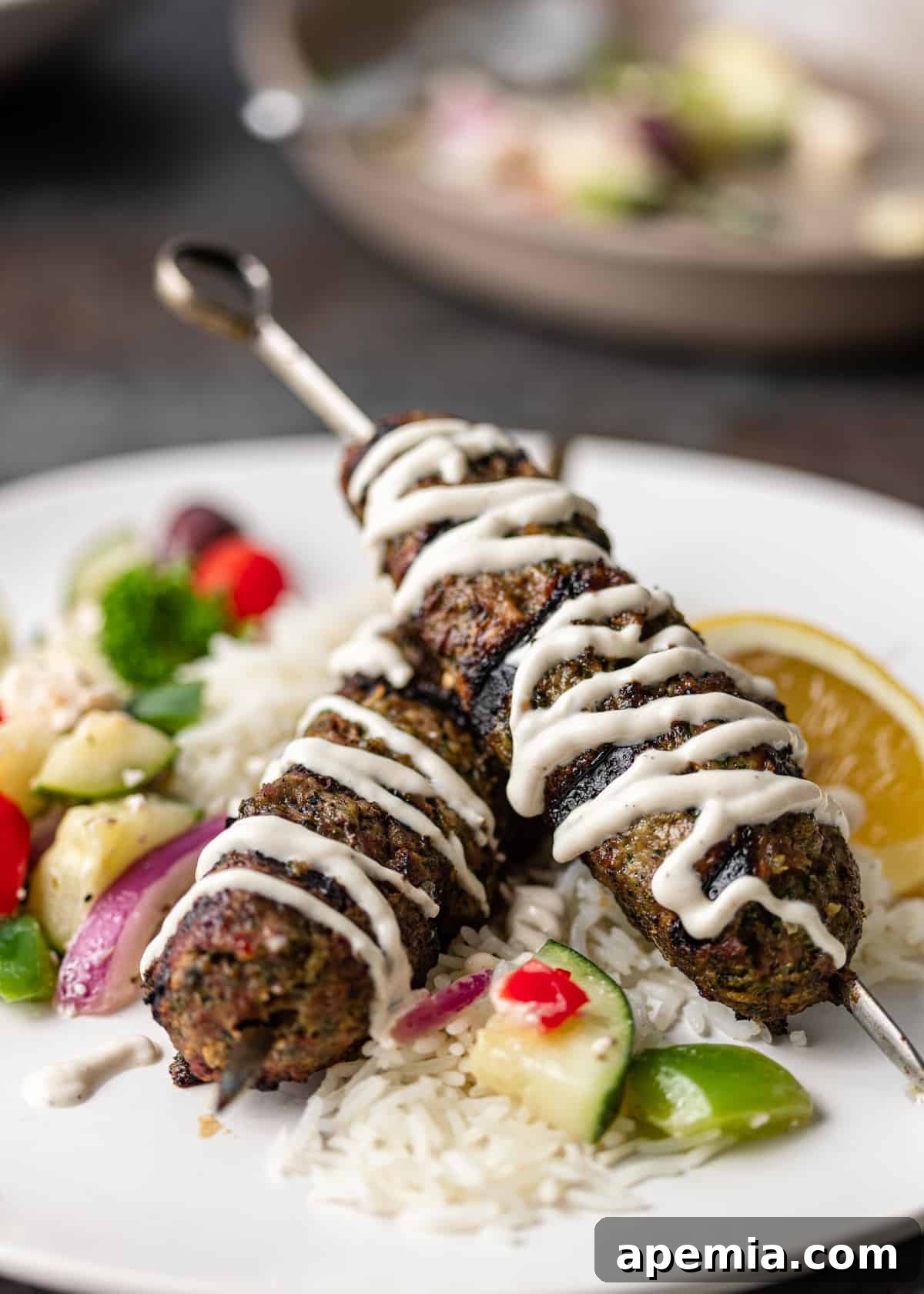
For safety and convenience, especially when using hot metal skewers, it’s best to gently slide the cooked meat off the skewers before serving. The kefta logs can then be elegantly presented over a fluffy bed of Moroccan couscous, which soaks up all the delicious meat juices, or a hearty Greek spanakorizo (spinach rice). Simple white rice is also an excellent canvas for the rich flavors of the kefta. Pair them with refreshing salads like a crisp Shirazi salad or a vibrant chopped veggie salad to add a burst of freshness and texture.
To truly embrace the street food style of eating kefta, gently slip the warm beef kefta into soft, warm pita bread. This creates a portable and utterly satisfying sandwich. Enhance this experience by drizzling generously with a cooling tahini yogurt sauce or a zesty shatta sauce for a touch of spice. Finish your pita pockets with fresh diced tomatoes, cucumbers, and a scattering of fresh cilantro or some tangy spicy lemon pickle for an authentic Moroccan flavor explosion. Don’t forget to serve with extra lemon wedges for a bright squeeze of citrus over the top.
Frequently Asked Questions About Kefta Kabobs
Absolutely! Moroccan kefta kebabs are excellent for meal prepping and can be easily frozen for future enjoyment. After the meat is fully cooked and has cooled completely to room temperature, carefully slide the kefta off the skewers. Lay them in a single layer on a baking sheet and place them in the freezer until they are partially frozen – this helps them maintain their shape. Once firm, wrap each kefta tightly in plastic wrap, then transfer them to an airtight container or a freezer-safe storage bag. They can be stored in the freezer for up to 3 months. When ready to reheat, thaw them in the refrigerator overnight and then gently warm them in an oven or on a stovetop until heated through.
Both bamboo and metal skewers work wonderfully for making kefta kabobs, each with their own advantages. If you choose to use bamboo skewers, it is crucial to soak them in water for at least 30 minutes prior to use. This step prevents the wood from burning or catching fire on the grill, ensuring even cooking and preventing splintering. Flat metal skewers are often preferred for ground meat kabobs because their flat surface helps prevent the meat from rotating when you turn them on the grill, ensuring all sides cook evenly. Regardless of the type, ensure your skewers are sturdy enough to support the meat mixture without bending.
Yes, absolutely! While grilling imparts a wonderful smoky flavor and char, kefta kabobs can be cooked successfully using other methods. You can bake them in a preheated oven at 400°F (200°C) for 15-20 minutes, turning halfway, until cooked through. For a quick stovetop alternative, you can pan-fry the kefta patties or meatballs in a little olive oil until browned and cooked. You can also form them into smaller patties and cook them like mini burgers.
For the best texture and flavor distribution in kefta, the onion, garlic, and fresh herbs should be very finely chopped, almost to a paste-like consistency. A food processor is the most efficient tool for this. Pulse the ingredients until they are finely minced, making sure to scrape down the sides of the bowl to ensure everything is evenly processed. This fine mince allows the aromatics to blend seamlessly into the meat mixture without being too chunky, and helps to release their full flavor.
Share this recipe on Pinterest!
Love this recipe? Share it with the world on Pinterest.
Kefta Kabob (Ground Beef Kabobs)
8
18 mins
10 mins
1 hr
1 hr 28 mins
Pin Recipe
Print Recipe
Video
Watch the full recipe video here:
Ingredients
- 1 1/2 lbs ground beef (See Note 1)
- 1 tsp red pepper flakes
- 1 tsp ground fennel seed
- 1 tsp ground cumin
- 1/2 tsp kosher salt
- 1/2 cup breadcrumbs
- 1 medium white onion, quartered
- 4 garlic cloves
- 1 cup fresh flat-leaf parsley leaves
- 1 cup fresh cilantro leaves, plus more for serving
- 1/2 cup fresh mint leaves
Tahini Yogurt Sauce
- ½ cup plain Greek yogurt
- 1 lemon (½ grated lemon zest plus 2 tablespoons juice)
- 2 tbsp mint leaves, minced
- 1 tbsp tahini
- 1 tbsp water
- ¼ tsp salt
- ¼ tsp black pepper
Serving Options
- Moroccan couscous
- Tabouli Salad
- Rice
- Warm Pita
- 1 lemon, cut into wedges for serving
Units: US Customary | Metric
Instructions
-
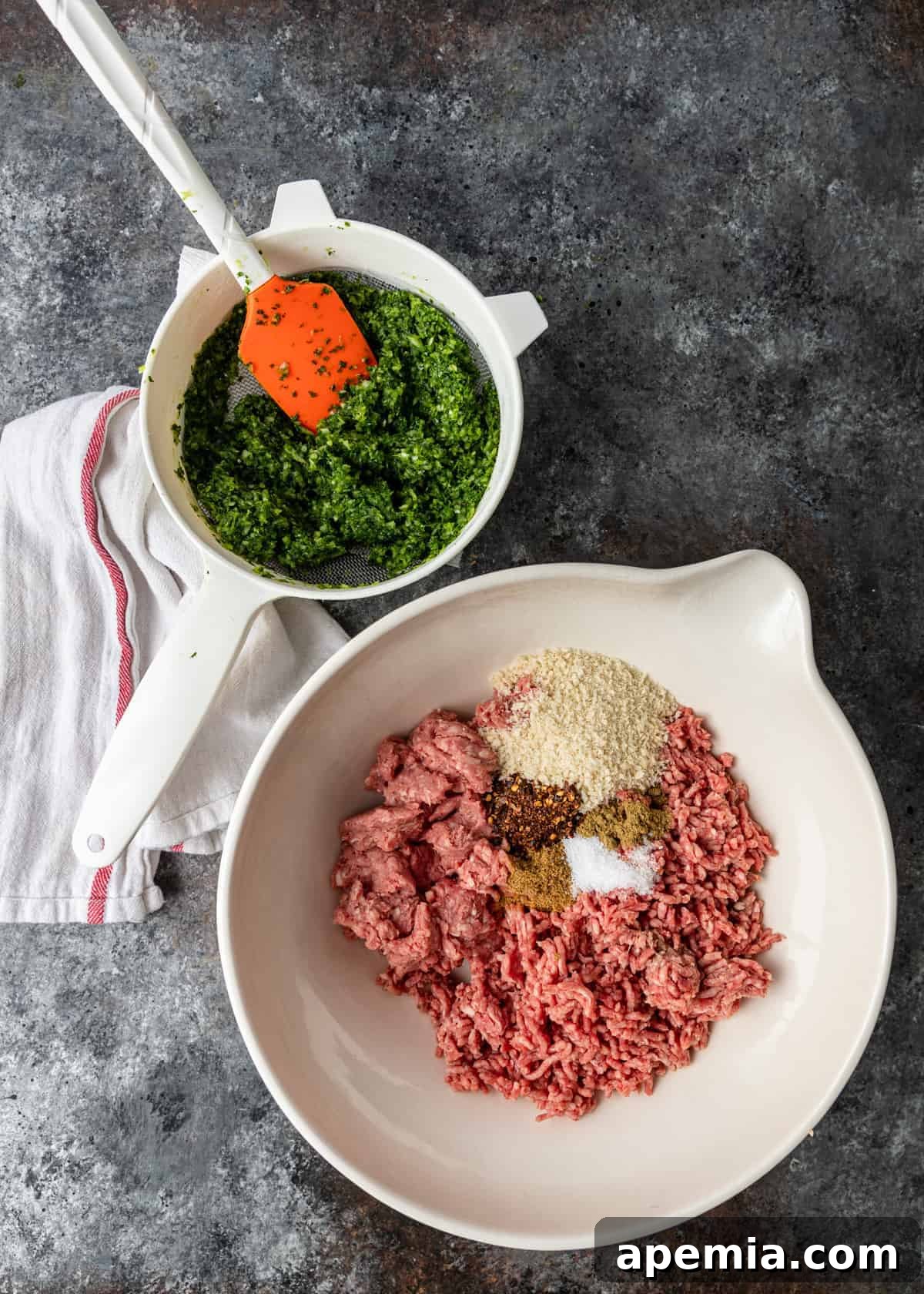
In a large mixing bowl, combine the ground beef (and/or lamb mix), red pepper flakes, salt, ground fennel, cumin, and breadcrumbs. Set this mixture aside.
-
Into a food processor, place the quartered onion, garlic cloves, fresh parsley, cilantro, and mint. Process until all ingredients are very finely chopped, pausing to scrape down the sides of the bowl as needed to ensure an even mince.
-
Transfer the finely chopped onion and herb mixture to a fine mesh sieve. Allow it to drain for a few minutes to remove excess liquid. Gently press with your fingers or the back of a spoon to extract as much moisture as possible. This step is crucial for preventing a soggy kefta mixture.
-
Add the drained onion and herb mixture to the bowl containing the ground meats. Using your hands, gently but thoroughly mix until all ingredients are evenly combined. Be careful not to overmix. Once combined, cover the bowl and chill the mixture in the refrigerator for at least 1 hour. This firming period helps the kabobs hold their shape during grilling and allows the flavors to deepen.
-
Prepare the Tahini Yogurt Sauce: Zest half of the lemon, then cut and juice it. You will need 2 tablespoons of fresh lemon juice.
-
In a separate bowl, whisk together the plain Greek yogurt, lemon zest, lemon juice, minced mint, tahini, water, salt, and black pepper until smooth and creamy. Adjust consistency by adding a tiny bit more water if needed. Set aside until serving.
-
Preheat your grill to 450°F (230°C). Once hot, thoroughly clean the grill grates and lightly oil them to prevent sticking.
Assembly & Grilling
-
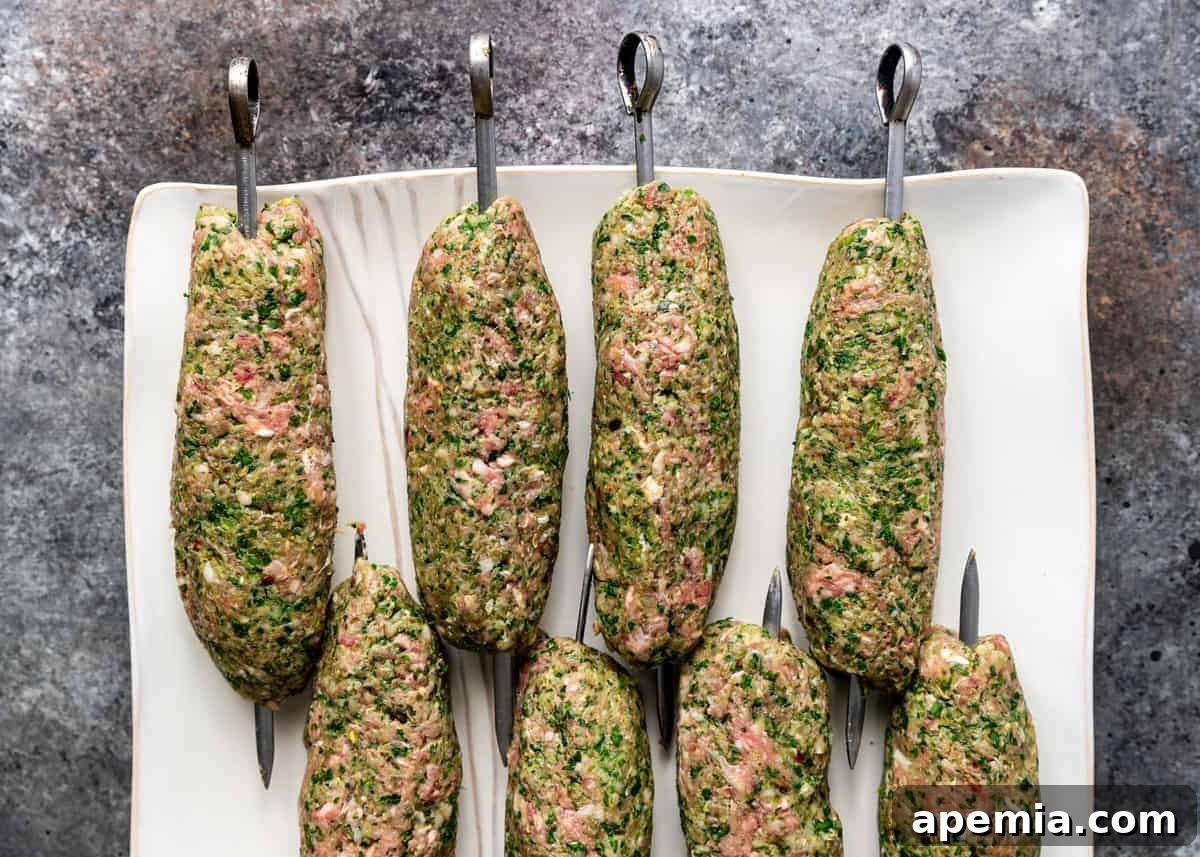
Divide the chilled meat mixture into 8 equal portions. Lightly moisten your hands with water, then form each portion into a 5-inch (12-13 cm) long sausage shape around a metal skewer, ensuring the meat adheres firmly and evenly.
-
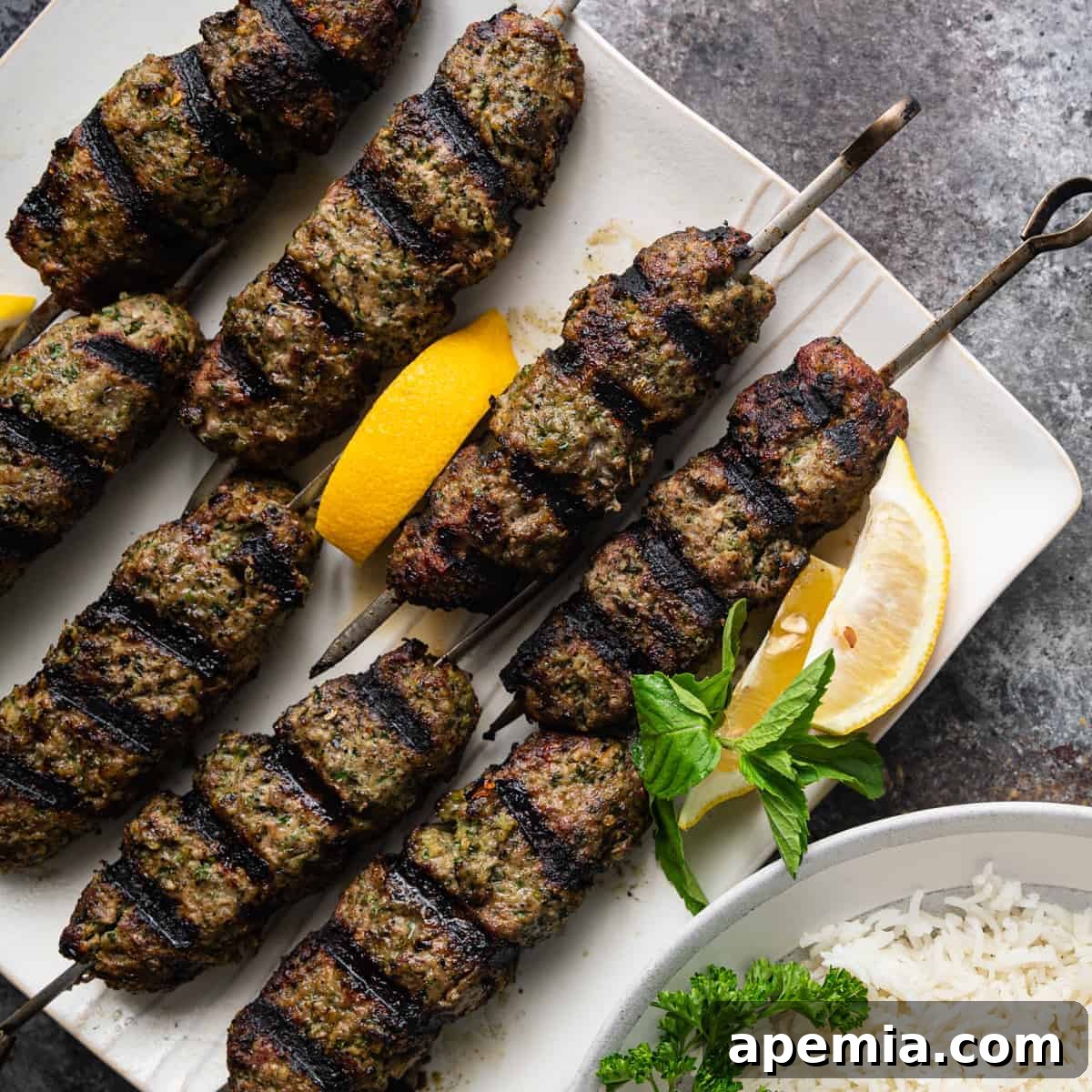
Lightly drizzle the formed kefta kabobs with olive oil. Place them on the preheated, oiled grill grates. Grill for 8–10 minutes total, turning occasionally to ensure even cooking and to develop an attractive char on all sides, until just cooked through. The internal temperature should reach 160°F (71°C).
-
Once grilled, transfer the kefta kabobs to a serving platter. Drizzle generously with the prepared tahini yogurt sauce. Serve immediately over Moroccan couscous, tabouli salad, or rice, accompanied by warm pita bread and fresh lemon wedges. Garnish with extra fresh cilantro if desired.
Notes
- If you choose to use a blend of ground beef and ground lamb, I recommend using an 80/20 lean-to-fat ratio for the beef. For example, you would use 3/4 lb ground beef and 3/4 lb ground lamb to make the total 1 1/2 lbs of meat. This combination adds a fantastic depth of flavor.
Nutrition
Calories:
297
kcal
|
Carbohydrates:
12
g
|
Protein:
18
g
|
Fat:
20
g
|
Saturated Fat:
8
g
|
Trans Fat:
1
g
|
Cholesterol:
62
mg
|
Sodium:
339
mg
|
Potassium:
402
mg
|
Fiber:
2
g
|
Sugar:
2
g
|
Vitamin A:
1025
IU
|
Vitamin C:
28
mg
|
Calcium:
84
mg
|
Iron:
3
mg
The information shown is an estimate provided by an an online nutrition calculator. It should not be considered a substitute for a professional nutritionist’s advice.
Main Course
North African
Kevin
Have You Made This Recipe? Let Me Know on Instagram
Tag @keviniscooking or tag me #keviniscooking!