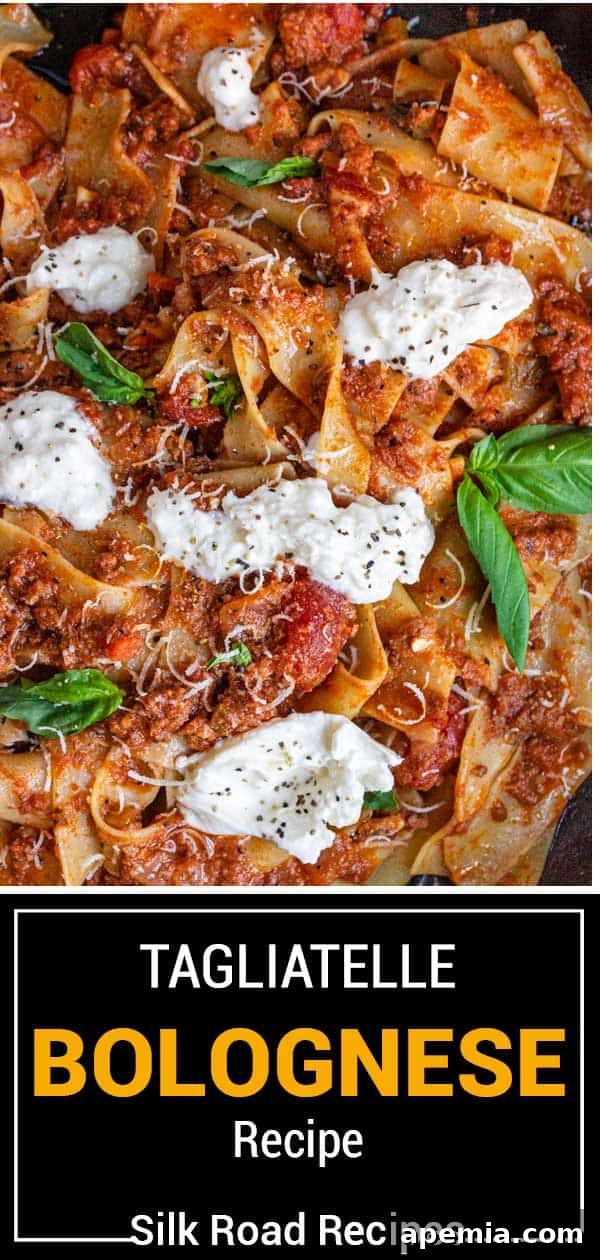
The Ultimate Slow-Cooked Tagliatelle Bolognese: An Authentic Italian Ragu Recipe
Prepare to embark on a culinary journey to the heart of Northern Italy with this incredibly rich and satisfying Tagliatelle Bolognese recipe. Forget the quick meat sauces you might be used to; this is a true ragu, meticulously slow-cooked to perfection, creating a depth of flavor that is simply unparalleled. Imagine tender ground beef, savory Italian sausage, and crisp pancetta, all simmered patiently with fragrant red wine, a medley of garlic and onions, and a curated blend of authentic Italian spices. The result? A decadent, mouthwatering sauce that perfectly coats and clings to the wide, flat ribbons of tagliatelle pasta, delivering a truly unforgettable dining experience.
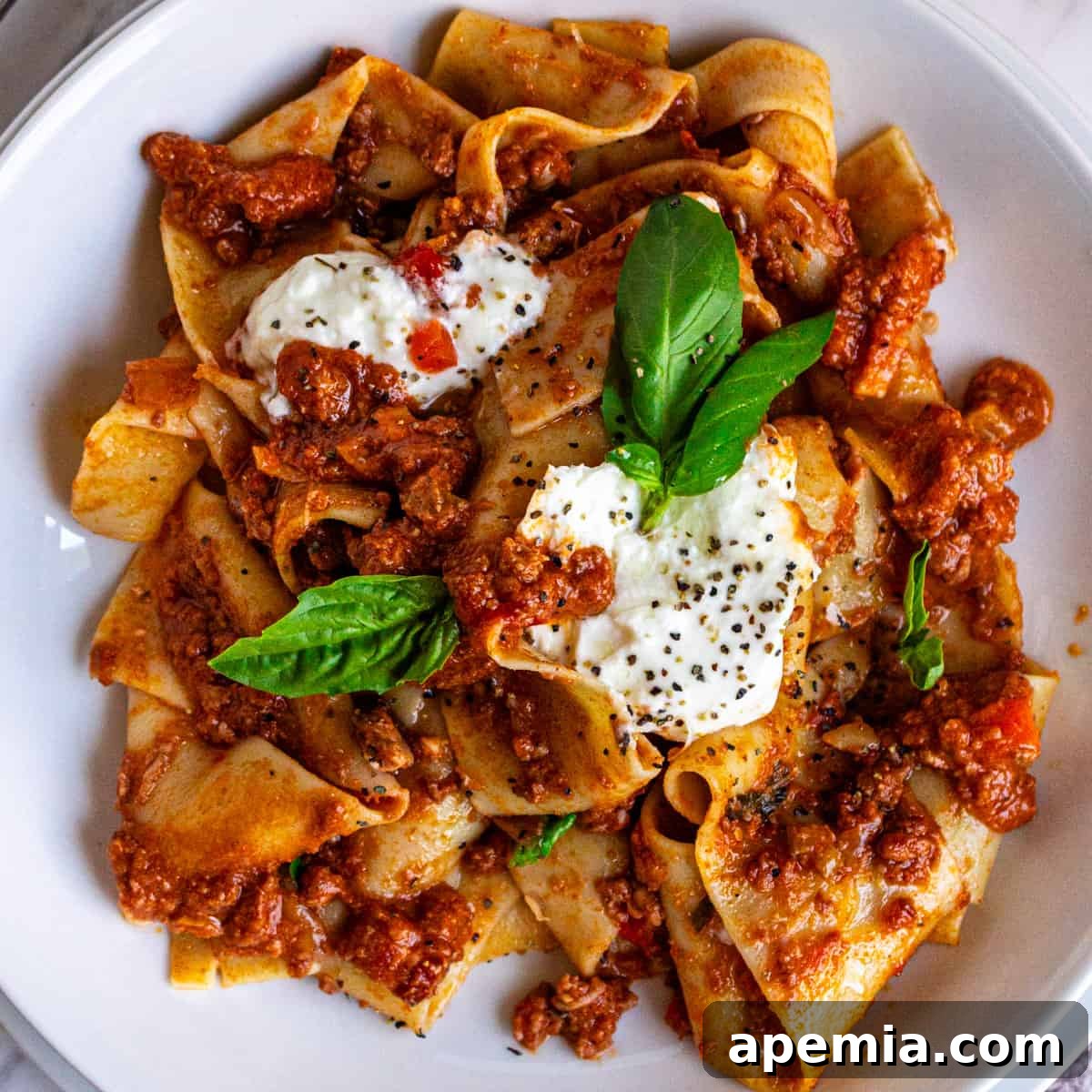
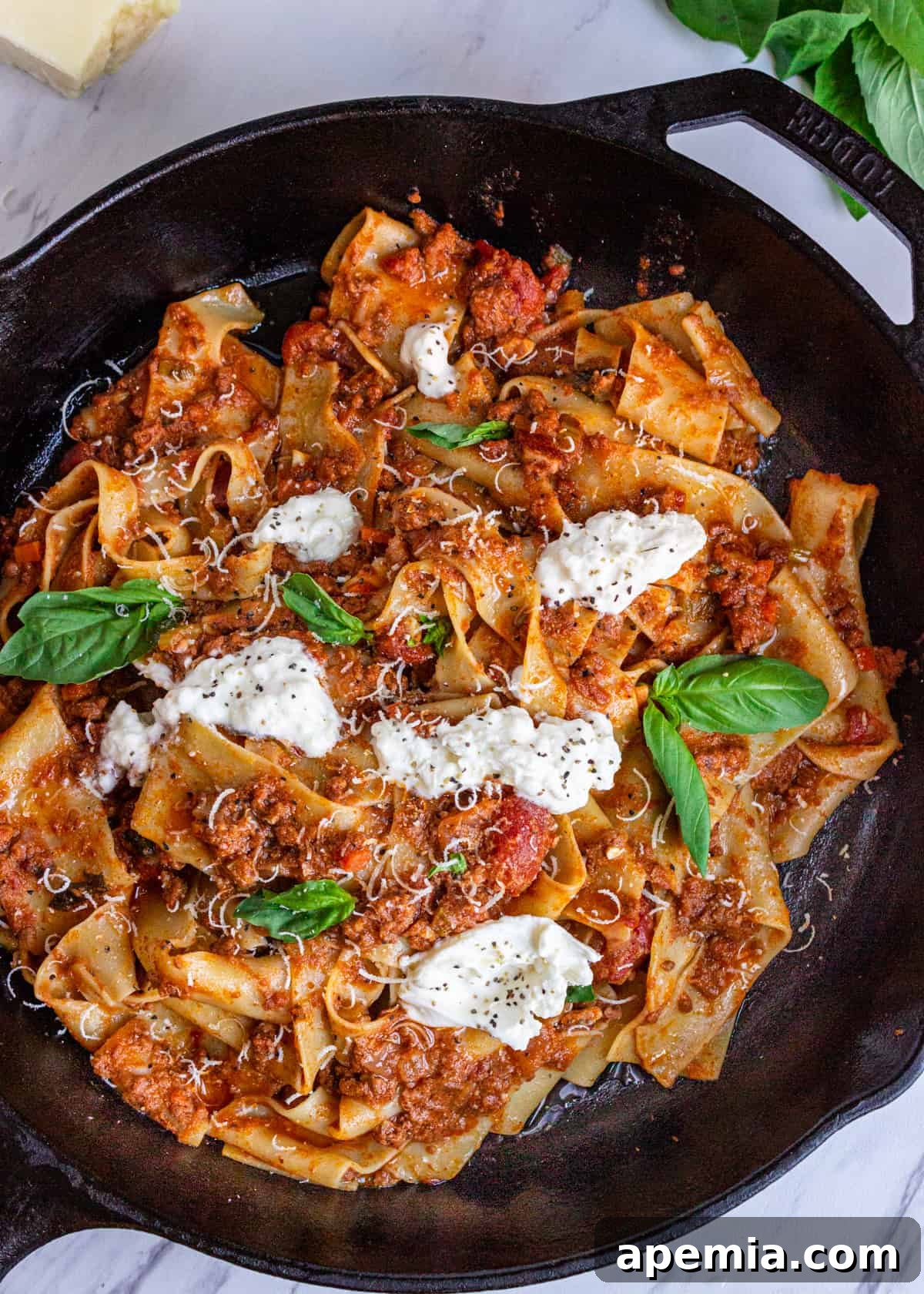
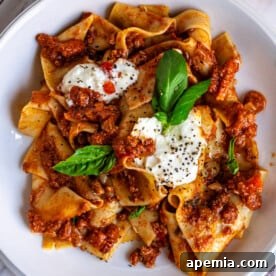
While many have experienced pasta with a generic meat sauce in countless forms, the specific pairing of a true Bolognese ragu with tagliatelle pasta is a revelation for those seeking authentic Italian flavors. Originating from the Emilia-Romagna region, particularly the gastronomic capital of Bologna, this dish exemplifies the ideal harmony between pasta shape and sauce texture. Tagliatelle, with its generous surface area and slightly rough texture, is specifically designed to embrace and hold every morsel of the rich, chunky meat sauce, ensuring a flavorful and perfectly balanced bite every single time. Elevate this classic further by finishing it off with a dollop of fresh, creamy burrata cheese and a sprinkle of vibrant basil for a touch of luxurious perfection!
Our slow-cooked tagliatelle bolognese recipe offers more than just a meal; it’s an experience rooted in tradition and patience. The extended simmering time, whether in a slow cooker or a Dutch oven, allows the individual flavors of the meats, vegetables, and spices to meld beautifully, developing a complexity and richness that rushed versions simply cannot achieve. This deeply flavorful and hearty ragu isn’t just for tagliatelle; its versatility makes it an excellent foundation for other beloved Italian favorites. Use it to elevate a classic baked ziti, spoon it generously over creamy polenta, or pair it with your preferred pasta shape for a comforting and satisfying meal. While the rich sauce simmers to perfection, you’ll have ample time to prepare a rustic side of crusty garlic bread or a vibrant, light fresh Mediterranean salad to complete your Italian feast.
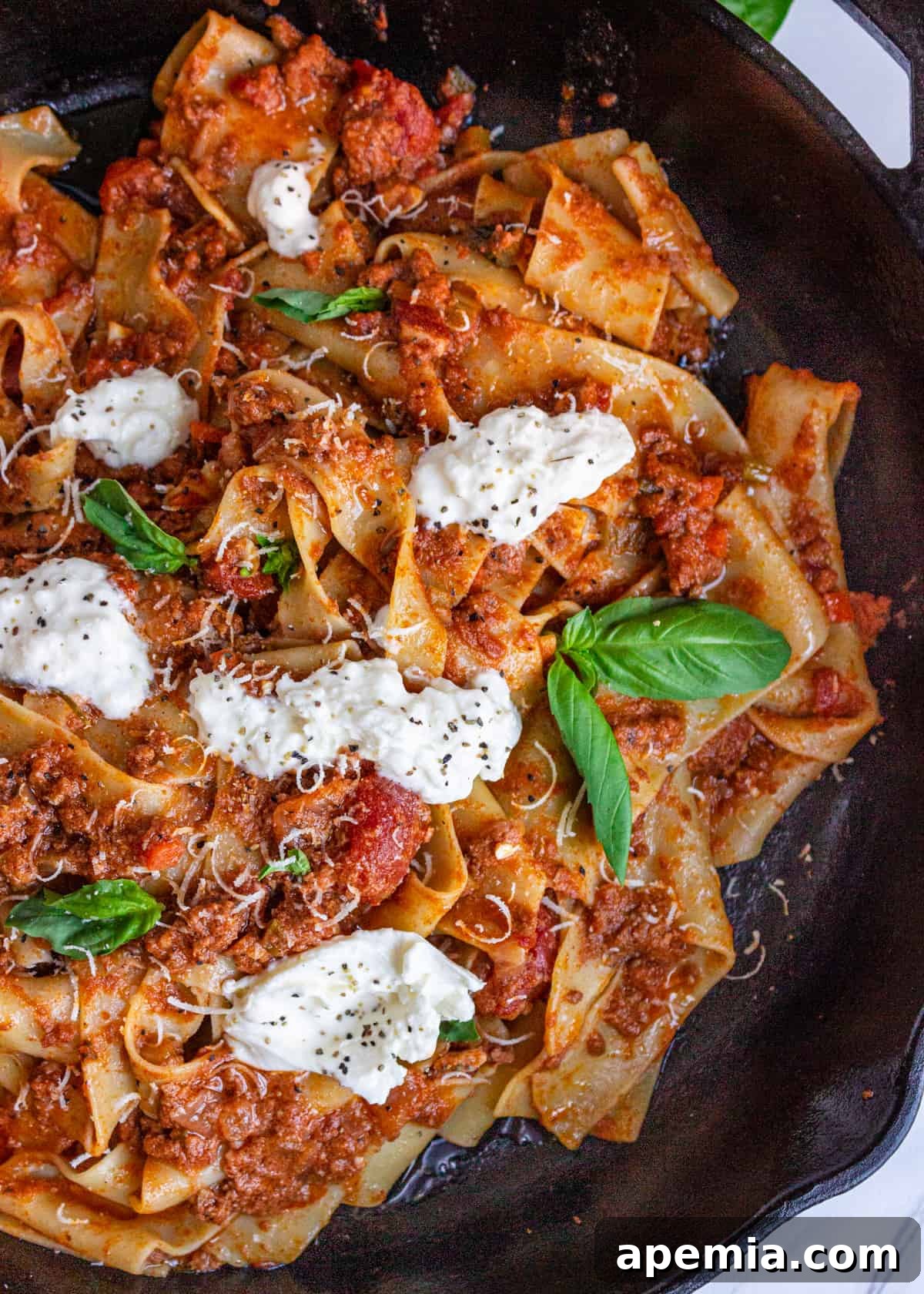
Table of Contents
- Tagliatelle or Fettuccine: What’s the Difference?
- Essential Ingredients and Clever Substitutions
- How to Make the Perfect Tagliatelle Bolognese
- Recommended Kitchen Tools for Bolognese
- Storing and Reheating Leftovers
- Frequently Asked Questions About Bolognese
- Tagliatelle Bolognese Full Recipe
For an unparalleled touch of indulgence, I highly recommend serving your tagliatelle bolognese with fresh burrata cheese. When you gently cut into its delicate exterior, the soft, creamy, and buttery interior of the burrata spills over the entire dish, creating a luscious, creamy second sauce that enriches every single mouthful. If fresh burrata isn’t readily available, classic grated Parmesan cheese is always a fantastic and widely loved choice, adding a salty, umami kick. Alternatively, for a unique and surprising twist, consider a sprinkle of spiced marinated feta, which introduces a delightful hint of tang and aromatic spice that beautifully cuts through the richness of the ragu. Should you prefer a completely meat-free option, this recipe can be easily adapted by substituting the ragu with a flavorful and robust marinara sauce, ensuring everyone can enjoy the comforting embrace of tagliatelle.
Tagliatelle or Fettuccine: What’s the Difference?
The name “tagliatelle” itself is derived from the Italian verb “tagliare,” meaning “to cut.” This elegantly descriptive name perfectly encapsulates the traditional preparation method of this beloved pasta: fresh pasta dough is expertly rolled out into thin sheets and then carefully cut into its characteristic long, flat ribbons. These distinctive wide noodles are then cooked to al dente perfection and, in Northern Italy, are most famously served with rich, hearty sauces like Bolognese.
While tagliatelle and fettuccine are often considered interchangeable due to their strikingly similar appearance, there are subtle yet significant differences that true pasta connoisseurs appreciate. Traditionally, tagliatelle is slightly narrower, typically measuring between 6.5 to 10 mm (about 1/4 to 3/8 inch) in width. Fettuccine, on the other hand, tends to be a bit wider, ranging from 6 to 20 mm (approximately 1/4 to 3/4 inch). This seemingly minor difference in width is more than just cosmetic; it profoundly impacts the pasta’s texture and, crucially, its ability to hold various sauces. Tagliatelle’s optimal width and often more porous surface make it superb for capturing and delivering hearty, chunky sauces like Bolognese, ensuring a perfect balance of pasta and ragu in every single forkful, allowing the complex flavors to truly shine.
Essential Ingredients and Clever Substitutions
Crafting an outstanding Tagliatelle Bolognese begins with selecting high-quality ingredients. Here’s a detailed breakdown of what you’ll need, along with some helpful substitution ideas to ensure your ragu is absolutely perfect:
The Signature Spice Mix for Authentic Flavor
This blend of whole spices, freshly ground, is key to the ragu’s aromatic depth and distinguishes it from simpler meat sauces:
- Black Peppercorns: For the best flavor, use whole peppercorns and grind them fresh with the other spices.
- Whole Bay Leaf: Adds a subtle, slightly minty and herbaceous note that deepens the savory profile of the sauce.
- Fennel Seeds: Absolutely essential for that characteristic sweet and savory Italian sausage flavor. Note that two teaspoons of whole fennel seeds are roughly equivalent to 2 ½ teaspoons of ground fennel if using pre-ground.
- Whole Cloves: Provide a warm, slightly sweet, and intensely aromatic complexity. If whole cloves are unavailable, allspice, nutmeg, or even a tiny pinch of cardamom can be used as very small substitutes, but be careful as they are potent.
- Red Pepper Flakes: Introduce a gentle warmth and subtle kick. For those who enjoy more heat, a larger quantity or a pinch of cayenne pepper can be used.
- Dried Thyme: Earthier and more concentrated in its dried form, thyme is a classic herb that beautifully complements rich, meaty tomato sauces, imparting a deep, savory aroma.
Hearty Meats: The Soul of a Rich Bolognese
A blend of different meats is crucial for the authentic texture and multi-layered flavor of Bolognese:
- Pancetta or Bacon: Diced small and rendered until wonderfully crispy, this forms the foundational layer of fat and umami flavor that jumpstarts the ragu. Use whichever cured pork product you prefer.
- Hot or Sweet Italian Sausage: Removing the casings allows the flavorful meat to break down and meld seamlessly into the ragu. Choose hot Italian sausage for a noticeable kick, or sweet Italian sausage for a milder, slightly sweeter profile that still offers incredible depth.
- Ground Beef: Opt for a 90/10 lean-to-fat ratio ground beef for a good balance of flavor without making the sauce overly greasy. This provides the primary meaty body of the ragu.
The Essential Tomato Foundation and Aromatic Vegetables (Soffritto)
These ingredients create the vibrant, savory base of the sauce:
- Tomato Paste & Canned Whole Tomatoes: The canned whole tomatoes provide body and a bright, fresh tomato base, while the tomato paste offers an intense, concentrated tomato flavor and crucial acidity that balances the richness of the meats. Using whole canned tomatoes allows you to crush them by hand for a more rustic texture.
- Yellow Onion: Finely chopped, it is a key component of the soffritto, providing a sweet and pungent aromatic base. White or red onions can be used as acceptable substitutes if yellow onions are not available.
- Garlic: Freshly minced garlic is always recommended for maximum pungent flavor, but prepared paste or jarred minced garlic can be used if convenience is a priority.
- Carrots & Celery: Together with the onion, these three vegetables form the classic Italian soffritto, providing a sweet, aromatic, and slightly earthy base that is absolutely crucial for an authentic and well-rounded Bolognese flavor profile.
Liquids for Depth, Tenderness, and Richness
These liquids transform the raw ingredients into a deeply flavorful ragu:
- Red Wine & Red Wine Vinegar: Red wine (such as a dry Cabernet Sauvignon, Chianti, Merlot, or Pinot Noir) deglazes the pan, adds significant depth, and contributes to the sauce’s complexity. If you prefer to omit alcohol, you can substitute the wine with an equal amount of good quality beef or vegetable broth, and slightly increase the red wine vinegar to maintain an acidic balance. A dry white wine like Sauvignon Blanc or Pinot Grigio can also be used for a slightly different flavor profile.
- Whole Milk: A traditional and often surprising ingredient for many, milk is crucial in authentic Bolognese as it tenderizes the meats during the slow cooking process and adds a luxurious creaminess to the final sauce, softening the acidity of the tomatoes. For an even richer, more decadent version, you can substitute with half-and-half or heavy cream.
The Perfect Pasta and Flavorful Finishing Touches
To complete your dish:
- Tagliatelle: While tagliatelle is the traditional and ideal noodle for this recipe due to its wide, flat shape and ability to perfectly hold the rich ragu, feel free to use whatever long, flat pasta you have in your pantry, such as fettuccine, pappardelle, or even wide egg noodles.
- Burrata: This beautifully creamy cheese is highly recommended for its luscious texture and mild, milky flavor that wonderfully complements the rich ragu. Alternatively, classic grated Parmesan cheese is a time-honored and perfect topping that adds a salty, nutty finish.
- Fresh Basil: A scattering of fresh basil leaves provides a vibrant green garnish, a burst of fresh herbaceous aroma, and a light, peppery finish to the dish.
How to Make the Perfect Tagliatelle Bolognese
Follow these detailed, step-by-step instructions to create a truly unforgettable Tagliatelle Bolognese. The key to its incredible flavor is patience, allowing the ingredients to slowly develop and meld into a harmonious, rich ragu.
- Prepare the Aromatic Spice Blend: In a small bowl, combine the whole black peppercorns, whole cloves, bay leaf, fennel seeds, red pepper flakes, and dried thyme. Use a spice mill or a clean coffee grinder to finely grind these spices into a fragrant powder. Set this aromatic mixture aside to be used later.
- Brown the Pancetta: Heat a large, heavy-bottomed skillet (a cast iron skillet or a Dutch oven works perfectly if you’re cooking on the stovetop) over medium heat. Add the diced pancetta (or bacon) and cook, stirring occasionally, until it is beautifully rendered, crisp, and golden brown. Once cooked, remove the crispy pancetta with a slotted spoon and transfer it to a plate lined with a paper towel to drain excess fat. Set aside. Carefully reserve the rendered fat in the skillet.
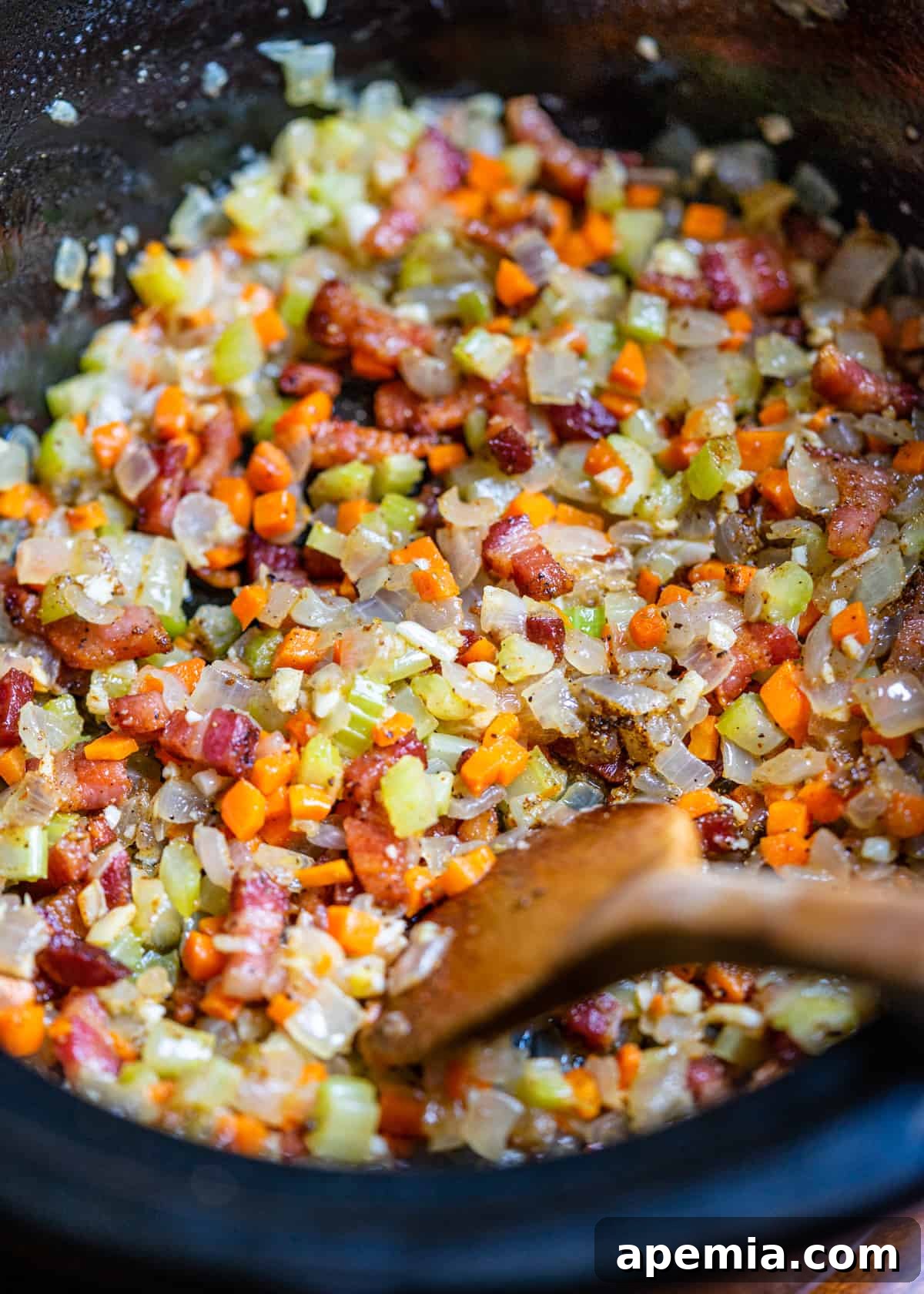
- Sauté the Soffritto: Pour off all but approximately one tablespoon of the rendered fat from the skillet. You can save the remaining fat for other culinary uses if desired. Add the finely chopped yellow onions, carrots, and celery to the skillet. Sprinkle with ½ teaspoon of kosher salt and cook, stirring occasionally, for about 5-6 minutes, until the vegetables have softened and taken on a lovely golden color. Stir in the minced garlic and continue to cook for another 2 minutes until it becomes fragrant, taking care not to burn it.
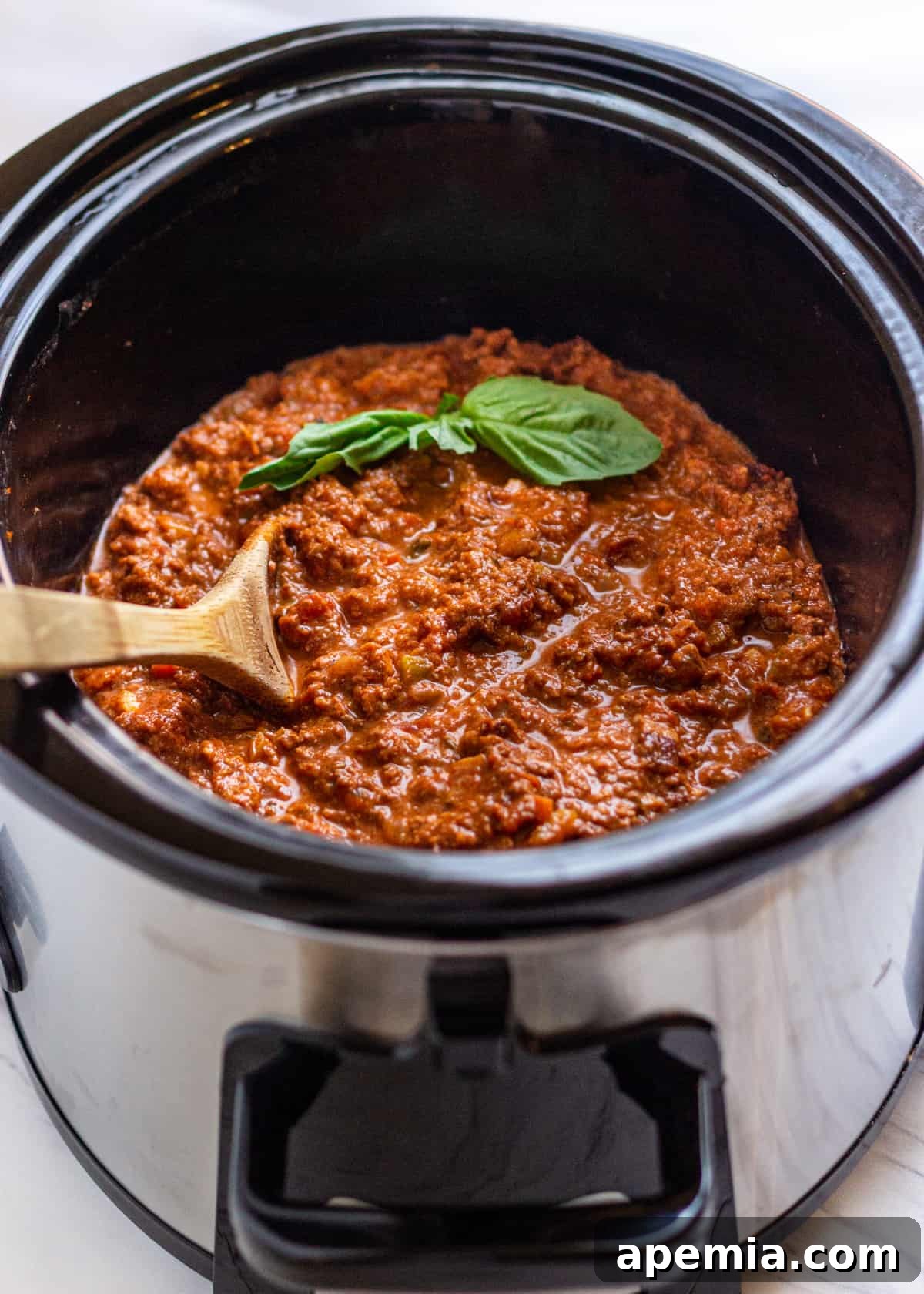
- Begin the Slow Cook of the Ragu (Initial Phase): If using a slow cooker, transfer the sautéed vegetables to the slow cooker insert (which you may lightly coat with cooking spray). If cooking entirely on the stovetop, keep the vegetables in your large Dutch oven. Stir in the freshly prepared spice mixture, the reserved crispy pancetta, raw ground beef, and raw Italian pork sausage meat (casings removed). Add the red wine, the canned whole tomatoes (gently crush them with your hands or a wooden spoon as you add them), and the tomato paste. Stir everything together thoroughly, breaking up the meats and tomatoes to combine all ingredients evenly. Cover the slow cooker with its lid and cook on the “High” setting for 4 hours. If cooking on the stovetop, cover the Dutch oven and simmer over medium-low heat for 3 hours, ensuring gentle bubbling.
- Add Milk and Continue Simmering: After the initial 4 hours of cooking (or 3 hours on the stovetop), carefully remove the lid from your slow cooker or Dutch oven. Stir in the whole milk. Continue cooking the ragu on the “High” setting in the slow cooker for another 2 hours, or for 1 hour over medium heat on the stovetop. During this phase, stir often to prevent sticking and encourage even thickening and reduction of the sauce. The milk will tenderize the meats and add a beautiful richness.
- Finish with Vinegar and Seasoning Adjustment: After the milk has had sufficient time to simmer down and integrate, stir in the red wine vinegar. Taste the sauce carefully and adjust the seasoning with additional salt if needed. Just before serving, stir in ½ cup of the reserved pasta cooking water. Mix thoroughly until the sauce achieves a wonderfully thick, glossy, and cohesive consistency, perfectly ready to coat your pasta.
- Prepare the Pasta: While the ragu is finishing, bring a large pot of heavily salted water to a rolling boil. Add the tagliatelle and cook according to the package directions until it is perfectly al dente – tender with a slight bite. Drain the pasta, ensuring you reserve at least ½ cup of the starchy pasta cooking liquid. This liquid is your secret weapon for a perfectly emulsified sauce.
- Combine Pasta and Sauce: In a very large skillet or pot set over medium heat, toss the cooked tagliatelle with the butter. Using a ladle, add generous amounts of the rich bolognese sauce over the pasta, tossing continuously to coat every strand evenly. Add some of the reserved pasta cooking liquid as needed, a tablespoon at a time, until the sauce is thick, glossy, and beautifully clings to the noodles. This step helps to create a perfect emulsion and ensures the sauce adheres marvelously.
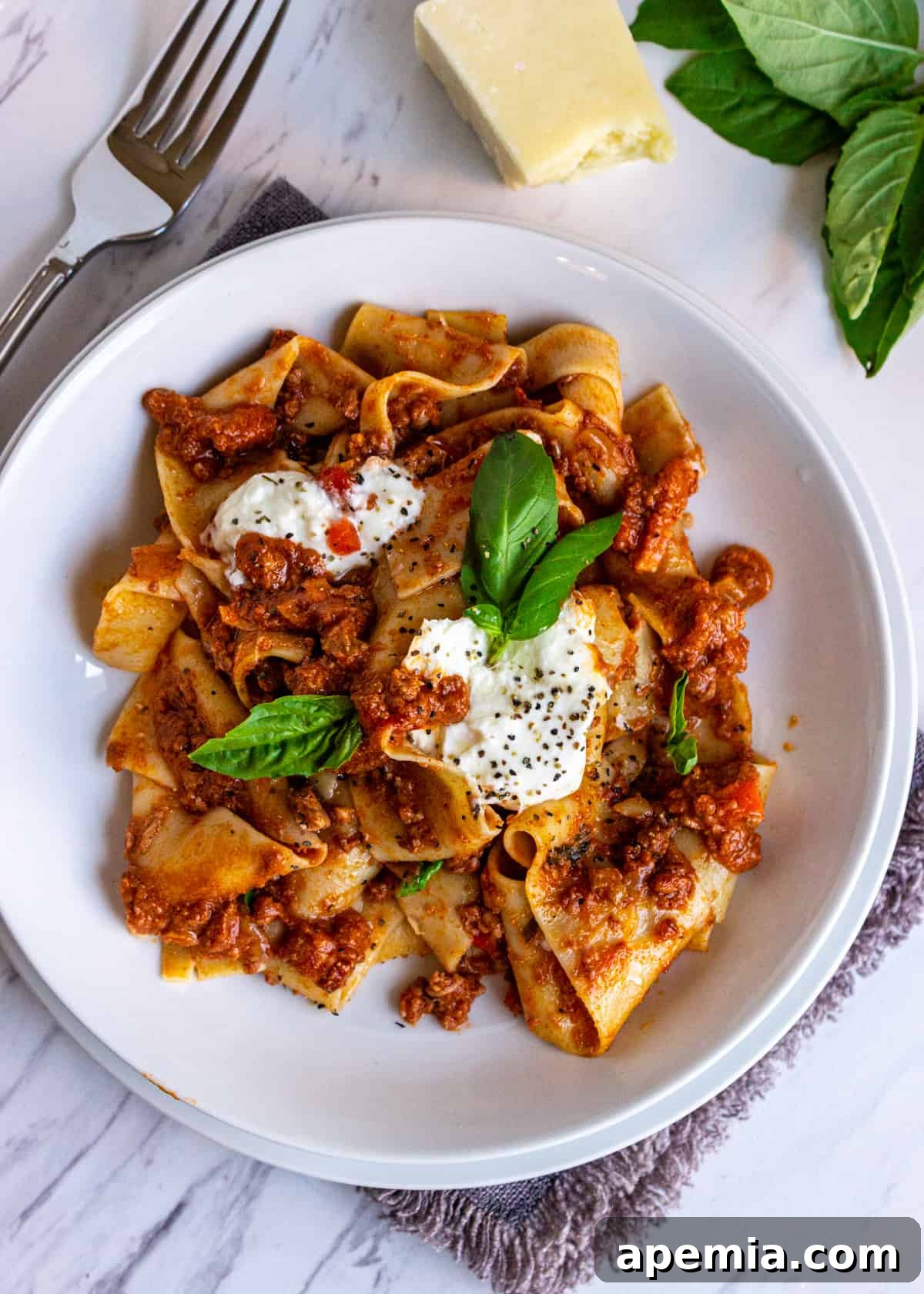
- Serve: Serve your Tagliatelle Bolognese immediately and warm. Garnish each plate with a generous scoop of creamy burrata cheese (as shown in the photos) or a sprinkle of finely shredded Parmesan cheese, and finish with fresh basil leaves for a final flourish of color and aroma. Enjoy your authentic Italian masterpiece!
Recommended Kitchen Tools for Bolognese
Having the right kitchen tools can significantly enhance your experience when preparing this slow-cooked ragu, making the process more efficient and enjoyable:
- Large Skillet or Dutch Oven: A well-seasoned cast iron skillet or a heavy-bottomed Dutch oven is an indispensable piece of kitchen equipment. It’s excellent for browning meats and sautéing the foundational aromatic vegetables (soffritto), which are crucial steps in building the initial layers of flavor for your Bolognese.
- Slow Cooker: An excellent investment for hands-off cooking, a good slow cooker saves valuable time and frees up stove space. It allows the ragu to simmer gently for many hours, developing incredible depth and complexity of flavor with minimal supervision, making it perfect for busy schedules.
- Spice Mill or Clean Coffee Grinder: For achieving the freshest and most potent spice flavors, a dedicated spice mill or a thoroughly cleaned coffee grinder is ideal for finely grinding the whole spices in the ragu’s signature blend.
Storing and Reheating Leftovers
One of the many wonderful qualities of a slow-cooked ragu is that the flavors often deepen and improve significantly after a day or two! Leftover Tagliatelle alla Bolognese can be refrigerated for up to 4 days when stored properly in an airtight container. Keep the pasta and sauce separate if possible for best results, or combine them just before storing if you prefer.
To reheat, simply warm the leftovers on the stovetop over medium-low heat, stirring regularly, until the sauce and pasta are heated through. If the sauce appears too thick, you can add a tablespoon or two of water or broth to loosen it. Alternatively, individual portions can be conveniently reheated in the microwave. You might find that the extended time spent in the refrigerator allows the rich sauce to further infuse into the noodles, making the leftovers arguably even more delicious and flavorful than the freshly made dish!
Frequently Asked Questions About Bolognese
- Should bolognese be served with spaghetti or tagliatelle?
- While meaty bolognese is often seen served with spaghetti in popular culture, particularly outside of Italy, traditional Italian culinary practice, especially from Bologna itself, definitively states that it should be served with tagliatelle. The reason for this specific pairing is purely functional and rooted in enhancing the eating experience: tagliatelle noodles are wider and flatter, providing a significantly superior surface area and texture to scoop up and cling to the rich, chunky meat and vegetable sauce. With spaghetti, which is round and smooth, much of that flavorful ragu tends to slip off and remain on the plate, whereas tagliatelle ensures every forkful is perfectly sauced, delivering a harmonious balance of pasta and ragu.
- What is the difference between Italian and American bolognese?
- The primary distinction between Italian and American bolognese lies in their approach to ingredients, cooking techniques, and resulting consistency and flavor. Authentic Italian Bolognese, like the recipe shared here, is generally more restrained, refined, and focused on specific, high-quality ingredients. It typically includes a blend of beef and pork (often pancetta and Italian sausage), a small amount of finely diced carrots, celery, and onions (the soffritto), canned tomatoes (often crushed or whole, not heavily puréed), milk, red wine, and a few select seasonings. It’s usually a thicker, richer, and less overtly “tomatoey” sauce, with the meat and aromatics taking center stage. Americanized bolognese, on the other hand, often “goes bigger” in terms of volume and variety of ingredients. It might include more types of vegetables like bell peppers or mushrooms, a greater volume of various tomato products (purées, diced, crushed), additional broths for a thinner consistency, a wider array of herbs and spices, and sometimes flavorful enhancers like Worcestershire sauce. It can also be thinner or have a smoother texture, often leaning more towards a robust meat sauce than a true, slow-cooked ragu.
- Why does tagliatelle taste different from other pasta?
- Eating tagliatelle is indeed a unique and satisfying experience, and its distinctive texture sometimes leads people to even confuse it with an egg noodle, particularly if it’s freshly made. This perception largely stems from its physical characteristics and how it interacts with sauce. Its wider and flatter shape, compared to narrower pastas like spaghetti or linguine, contributes to a more substantial and satisfying chew, providing a pleasant mouthfeel. Beyond its texture, tagliatelle often has a slightly porous or rough surface, especially when made with traditional bronze dies. This rougher texture is a key advantage, as it allows the pasta to soak up and absorb more of the sauce and its seasonings, making each strand incredibly flavorful and ensuring the sauce adheres perfectly. This superior sauce adherence and substantial texture combine to deliver a truly immersive and uniquely flavorful culinary experience that sets it apart from other pasta shapes.
Share this recipe on Pinterest!
Love this delicious Tagliatelle Bolognese recipe? Share it with the world on Pinterest and inspire others to cook up this authentic Italian classic!
Share on Pinterest
Tagliatelle Bolognese Recipe
Tagliatelle Bolognese
Rating: 5 out of 5 stars (from 2 votes)
This Tagliatelle Bolognese is a mouthwatering Italian dish featuring a savory, slow-cooked meat and vegetable tomato sauce, perfectly paired with al dente tagliatelle pasta.
- Servings: 8
- Prep Time: 15 mins
- Cook Time: 6 hrs
- Total Time: 6 hrs 15 mins
- Print Recipe
Video
For a visual guide, here’s a video on how to prepare this delicious Tagliatelle Bolognese:
(Video player placeholder – You can embed a YouTube/Vimeo iframe here, or a direct HTML5 video if available.)
Ingredients
Spice Mix
- 10 black peppercorns
- 4 whole cloves
- 1 bay leaf
- 2 tsp fennel seeds
- 1 tsp red pepper flakes
- ½ tsp dried thyme
Bolognese
- ½ lb pancetta, diced small (or bacon)
- 1 large yellow onion, finely chopped
- 2 carrots, peeled and diced small
- 2 celery stalks, diced small
- ½ tsp kosher salt
- 4 cloves garlic, finely chopped
- 14 oz canned whole tomatoes (gently crushed)
- 4 oz tomato paste
- ½ cup red wine (e.g., Cabernet Sauvignon, Chianti, Merlot, Pinot Noir)
- 1 lb ground beef 90/10
- 1 lb sweet or hot Italian pork sausages, casings removed
- 1 cup whole milk
- 2 tbsp red wine vinegar
Pasta & Garnish
- 16 oz Tagliatelle or pasta of choice
- 2 tbsp butter
- 4 oz burrata cheese or shredded Parmesan
- Fresh basil leaves for garnish
Instructions
- Blend Spices: Combine the cloves, bay leaf, fennel seeds, red pepper flakes, and peppercorns in a spice mill or cleaned coffee grinder until finely ground. Set aside.
- Brown Pancetta: In a large skillet (or Dutch oven), add the diced pancetta (or bacon) and brown until rendered and crispy. Remove from the pan and place on a plate lined with a paper towel. Set aside, reserving the fat in the skillet.
- Sauté Vegetables: Remove all but 1 tablespoon of fat from the skillet. Add the onions, carrots, celery, and salt, stirring as needed until golden, about 5-6 minutes. Add the garlic and stir, cooking for another 2 minutes until fragrant.
- Slow Cook Ragu (Initial Phase): Transfer the sautéed vegetables to a slow cooker (or keep in the Dutch oven). Stir in the spice mixture, reserved pancetta, raw ground beef, raw Italian pork sausage, red wine, canned tomatoes (crushed), and tomato paste. Stir well to incorporate, breaking up the meat and tomatoes. Cover with a lid. Cook for 4 hours on a high setting in the slow cooker, or 3 hours over medium-low heat on the stovetop.
- Add Milk & Continue Simmering: After the initial cooking time, remove the lid. Stir in the whole milk. Cook on high for another 2 hours in the slow cooker, or 1 hour over medium heat for a Dutch oven, until the sauce has thickened and reduced. Stir often.
- Finish with Vinegar & Seasoning: After the milk has simmered, add the red wine vinegar, stirring to incorporate. Adjust seasoning with salt if needed. Just before serving, stir in ½ cup of the reserved pasta cooking water, mixing thoroughly until the sauce is thick and glossy.
- Prepare Pasta: Cook tagliatelle in a large pot of boiling, heavily salted water, stirring occasionally, until al dente (or according to package directions). Drain, reserving ½ cup of pasta cooking liquid.
- Toss Pasta with Sauce: In a very large skillet or pot set over medium heat, toss the cooked pasta with butter. Using a ladle, add the bolognese sauce to coat the pasta. Cook, adding the reserved pasta cooking liquid as needed, until the sauce is thick and glossy and clings beautifully to the noodles.
- Serve: Serve immediately, topped with a scoop of burrata cheese (as shown), or shredded Parmesan cheese and fresh basil leaves for garnish.
Notes
- For the wine, either red or white can be used. For red, I recommend a Cabernet Sauvignon, Chianti, Merlot, or Pinot Noir. For white, a sauvignon blanc, pinot grigio, or another dry white wine will work nicely. If omitting alcohol, substitute with an equal amount of good quality beef or vegetable broth, or slightly more red wine vinegar for acidity.
- The ground beef and pork sausage meat are added raw (uncooked) directly to the slow cooker (or Dutch oven) alongside the other sauce ingredients. There is no need to brown them prior to this step, as they will cook and render their fat into the sauce during the long simmering process.
Nutrition
The information provided below is an estimate, generated by an online nutrition calculator, and should not be considered a substitute for professional nutritional advice.
- Calories: 782 kcal
- Carbohydrates: 51g
- Protein: 35g
- Fat: 48g
- Saturated Fat: 18g
- Polyunsaturated Fat: 5g
- Monounsaturated Fat: 18g
- Trans Fat: 1g
- Cholesterol: 169mg
- Sodium: 978mg
- Potassium: 886mg
- Fiber: 4g
- Sugar: 7g
- Vitamin A: 3230 IU
- Vitamin C: 11mg
- Calcium: 193mg
- Iron: 4mg
- Course: Main Dishes
- Cuisine: Italian
- Author: Kevin
Have You Made This Recipe? Let Me Know on Instagram!
Tag @keviniscooking or use the hashtag #keviniscooking when you share your delicious creation!