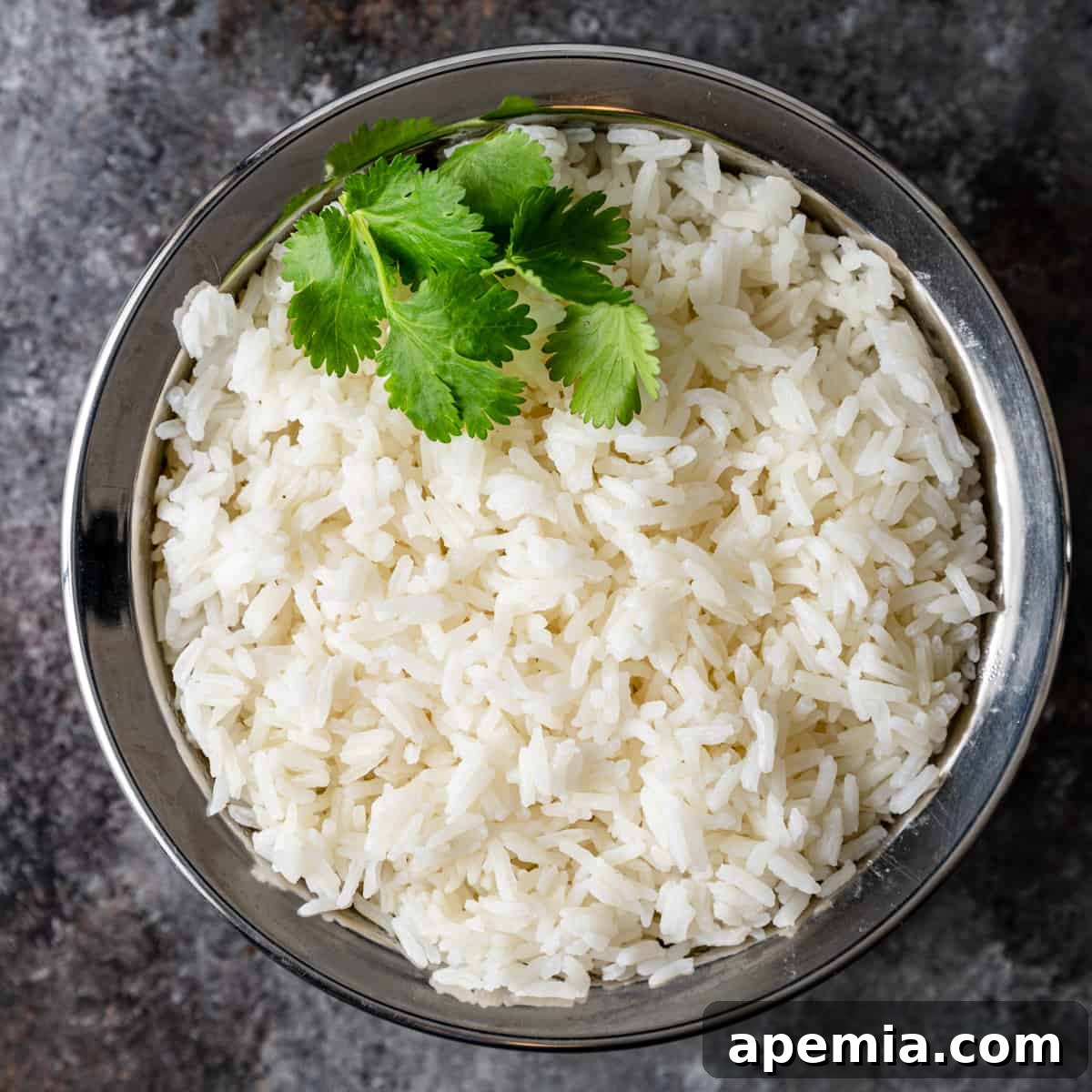
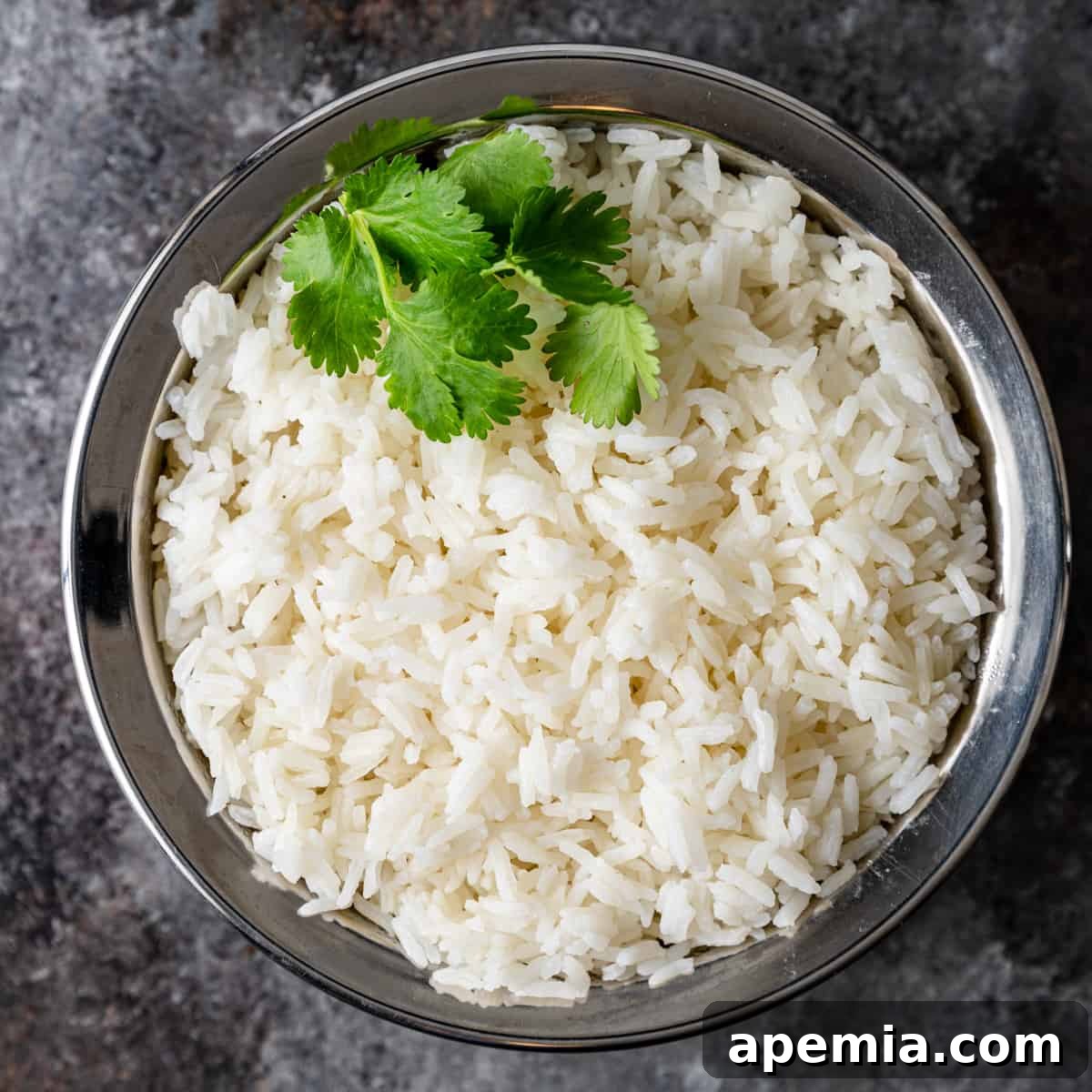
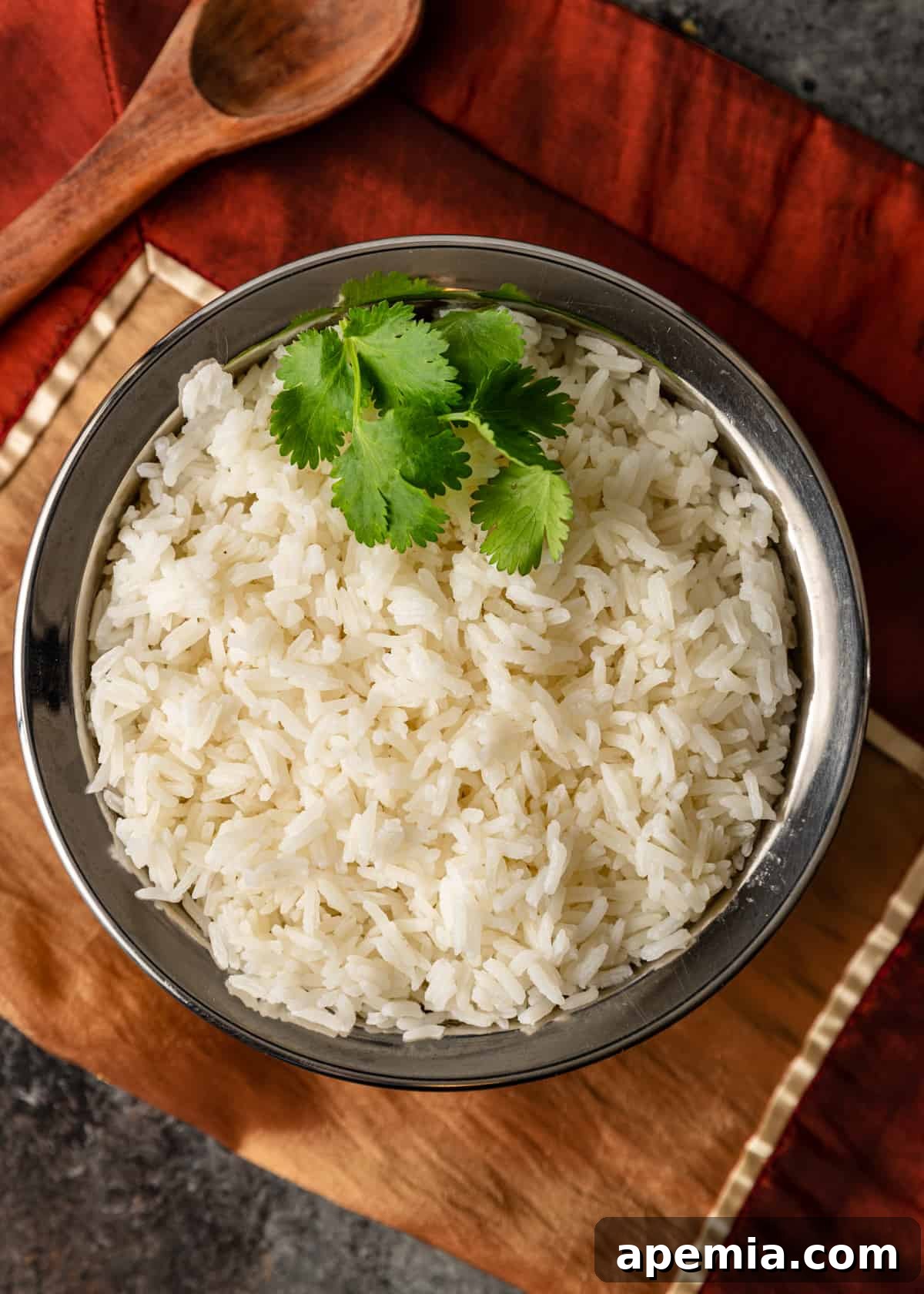
Jasmine rice is a true culinary treasure, cherished globally for its exquisite aroma, delicate texture, and versatility. Hailing from the lush rice paddies of Thailand, this long-grain variety stands apart with its subtle, fragrant, and slightly sweet flavor profile. When cooked to perfection, it yields light, fluffy grains that possess just the right amount of stickiness, making it an ideal companion for a vast array of dishes. It’s this unique combination of characteristics that makes jasmine rice an indispensable staple in kitchens worldwide, and a personal favorite I simply can’t get enough of!
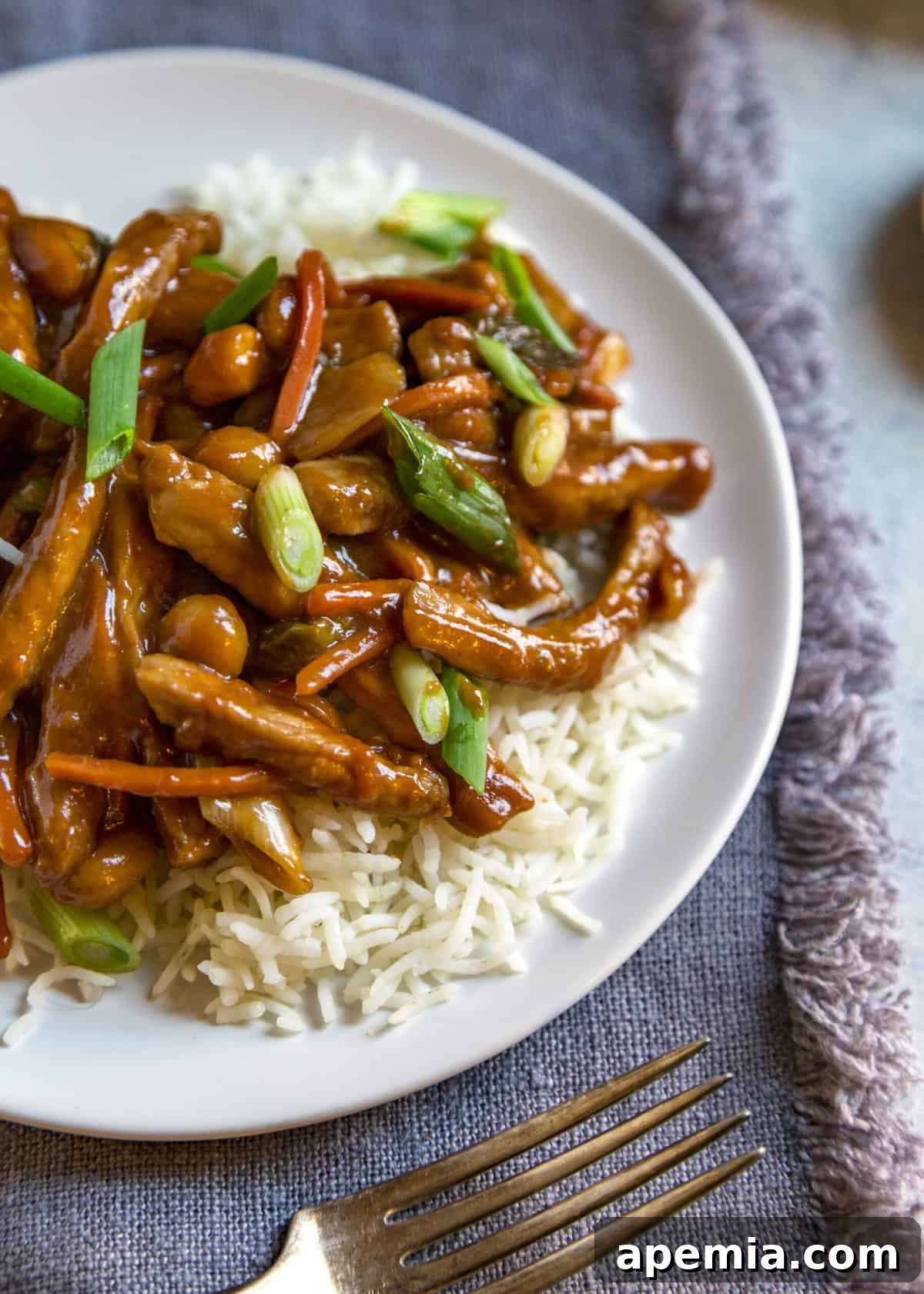
While jasmine rice is a quintessential partner for classic Thai cuisine – think aromatic curries, savory stir-fries, and the iconic Pad Thai – its gentle flavor harmonizes wonderfully with so much more. Imagine it soaking up the rich flavors of a spiced eggplant stew, complementing the hearty goodness of pork ramen with sweet and spicy meatballs, or balancing the vibrant zest of Hunan chicken. Its adaptability truly knows no bounds, making it a fantastic canvas for both Asian-inspired and global dishes.
Achieving that coveted light and fluffy texture, however, often feels like an art form. Many home cooks, myself included, have faced the dreaded sticky, gluey rice mess at some point. But fear not! Mastering the art of cooking jasmine rice is far simpler than you might imagine, and it doesn’t require any specialized skills, just the right technique. This comprehensive guide is designed to empower you with all the knowledge needed to prepare flawless jasmine rice every single time. No more mushy rice; prepare for perfectly tender, separate grains that will elevate every meal. By the end of this guide, you’ll not only confidently cook jasmine rice, but you’ll also understand:
- The crucial debate: whether or not to rinse jasmine rice before cooking and why.
- The precise rice-to-water ratio for consistent, fluffy results across different cooking methods.
- Three popular and effective methods for cooking jasmine white rice: stovetop, Instant Pot, and microwave.
Plus, I’ll share my top tips for success and inspire you with favorite serving suggestions and incredible recipe pairings!
What Makes Jasmine Rice Unique?
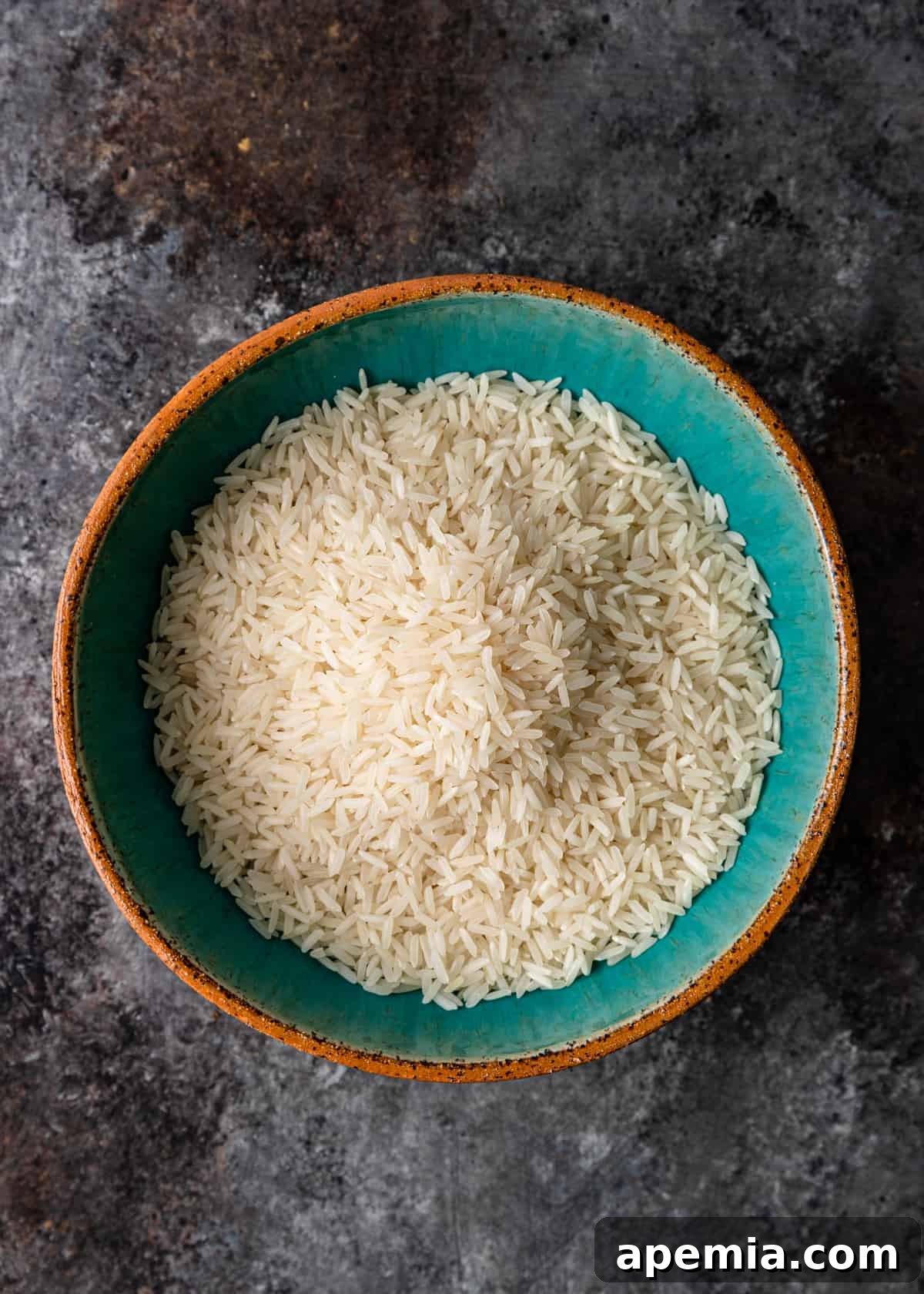
At its heart, jasmine rice is a fragrant, long-grain variety of rice. Its name isn’t just a marketing ploy; it truly boasts a very subtle, naturally sweet, and distinctive floral aroma, often described as having hints of pandan. This characteristic scent comes from a naturally occurring compound called 2-acetyl-1-pyrroline, making it unique among many other rice types. Unlike some firmer white rice varieties, jasmine rice, when cooked, becomes wonderfully soft and fluffy, yet retains a slight stickiness that makes it perfect for eating with chopsticks or pairing with saucy dishes. This harmonious balance of fluffiness and tender cling is what gives it that extra “oomph” you won’t find in ordinary white rice.
The Quest for Fluffy Jasmine Rice
The journey to perfectly cooked jasmine rice often begins with a quest for fluffiness. We’ve all been there: a well-intentioned pot of rice turns into a sticky, gluey, or even burnt mess. These common culinary mishaps can be incredibly frustrating, but they are entirely avoidable. The secret lies in understanding the unique properties of jasmine rice and applying a few simple, yet critical, techniques. My goal is to transform your rice-cooking experience from guesswork to guaranteed success, ensuring that every grain is perfectly separated, tender, and fragrant. Get ready to banish mushy rice from your kitchen forever!
How to Cook Jasmine Rice
Successfully cooking jasmine rice hinges on three primary factors: the water-to-rice ratio, whether or not to rinse the grains, and the chosen cooking method. Each element plays a crucial role in achieving that desirable light and fluffy texture. While a rice cooker certainly simplifies the process, it’s not a prerequisite. You can achieve equally stunning results using common kitchen equipment like a stovetop, an Instant Pot, or even a microwave. Let’s delve into the specifics of each to ensure your jasmine rice is nothing short of perfection.
Understanding the Jasmine Rice-to-Water Ratio
The water-to-rice ratio is arguably the most critical component when cooking jasmine rice. Unlike other, firmer varieties of white rice, jasmine rice requires less water to cook. This is because its grains are more delicate and absorb moisture more readily. Using too much water is the primary culprit behind gummy or overly sticky rice. The goal is to provide just enough water for the grains to hydrate fully and steam perfectly, resulting in distinct, fluffy grains. Consulting the precise ratios outlined below for each cooking method is key to unlocking truly light and airy results.
As a general rule, the precise ratio will vary slightly depending on your chosen cooking method, due to differences in evaporation and steam retention:
For stovetop cooking, a standard and reliable ratio is:
Use 1 ¼ cups of water for every 1 cup of dry jasmine rice.
This ratio accounts for some water evaporation during the cooking process, ensuring the rice absorbs enough moisture without becoming waterlogged.
If you opt for a pressure cooker like an Instant Pot, where evaporation is minimal, you can slightly decrease the amount of water:
Use a 1:1 ratio (1 cup of water for every 1 cup of dry jasmine rice).
The sealed, high-pressure environment of an Instant Pot efficiently infuses moisture into the rice, making less water necessary.
For microwave cooking, which can sometimes lead to more evaporation than stovetop if not properly covered, a slightly increased ratio is often beneficial:
Use 1 ½ cups of water for every 1 cup of dry rice.
These subtle differences in ratios are absolutely essential for achieving the correct texture and consistency, guaranteeing fluffy, perfectly cooked rice no matter how you choose to prepare it.
Rinsing vs. No Rinsing: The Great Debate
The question of whether or not to rinse jasmine rice before cooking sparks considerable debate among chefs and home cooks alike. Some vehemently advocate for rinsing to remove excess surface starch, believing it leads to less sticky, more separate grains. Others contend that for jasmine rice, with its naturally delicate and slightly sticky profile, rinsing isn’t strictly necessary and can even diminish its unique aroma. I personally lean towards the “no-rinsing” camp. In my experience, for jasmine rice, the difference in final texture is often negligible, and skipping this step saves time and effort in the kitchen—a win in my book!
The purpose of rinsing rice is primarily to wash away surface starch, which can contribute to a gummy texture. While this can be crucial for some extra-starchy rice varieties, jasmine rice often performs well without it, particularly when the correct water-to-rice ratio is used. If, however, you prefer to rinse your rice, perhaps for peace of mind or out of habit, make sure to adjust your water-to-rice ratio accordingly. Since the rice will naturally absorb some moisture during the rinsing process, you’ll need to reduce the cooking water by about 2 tablespoons per cup of rice to prevent it from becoming waterlogged. Whether you rinse or not, rest assured, with the right technique, delicious results are within reach.
Mastering the Cooking Methods
Whether you prefer the traditional stovetop, the efficiency of a pressure cooker, or the convenience of a microwave, preparing perfect jasmine rice is achievable with a few straightforward steps. Let’s explore each method in detail.
How to Cook Jasmine Rice on the Stovetop
Cooking jasmine rice on the stovetop is my personal favorite method. It’s incredibly straightforward, doesn’t require any special equipment beyond a saucepan, and consistently yields fantastic results. The key is to control the heat and resist the urge to peek!
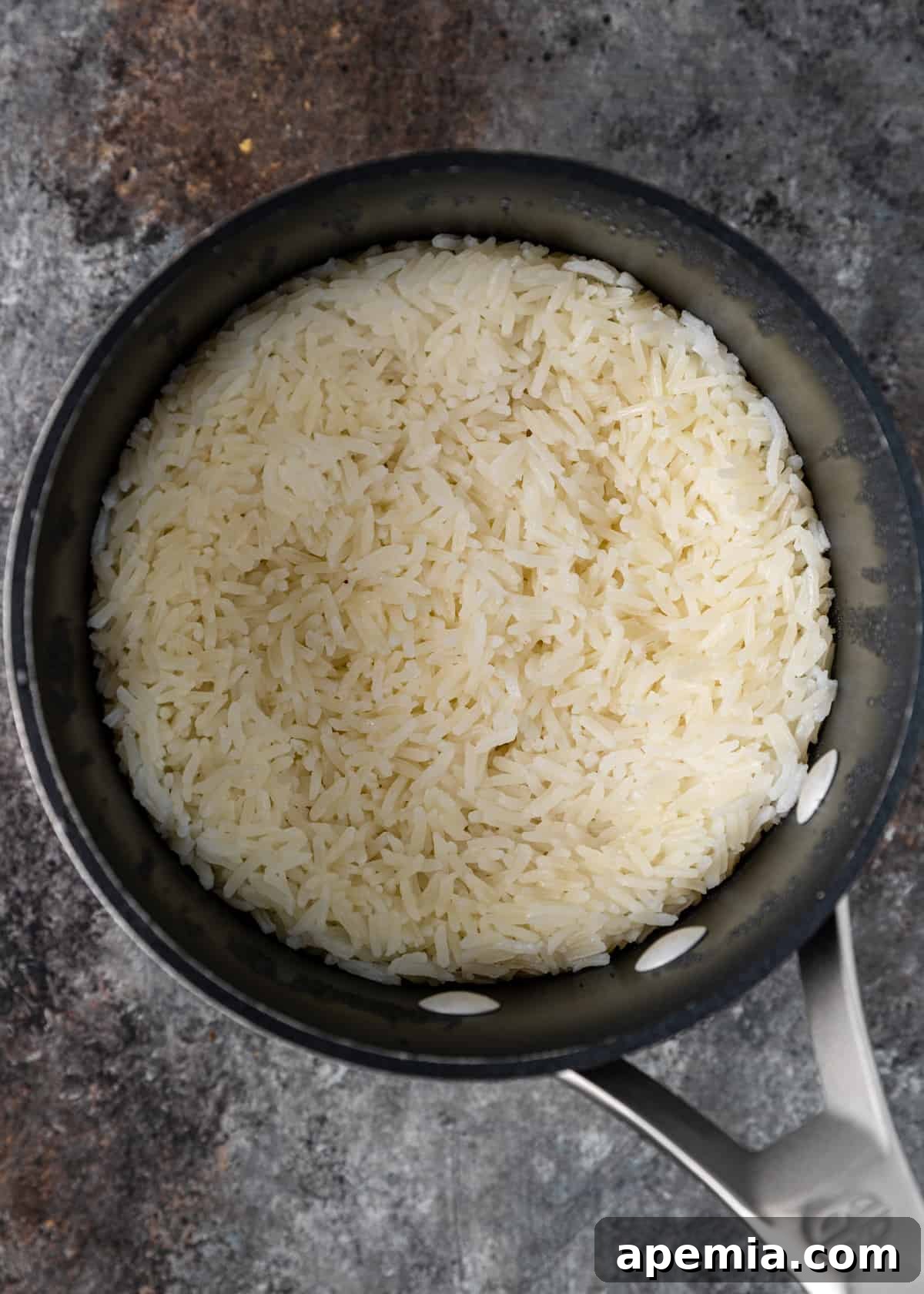
Step 1: Combine Ingredients and Bring to a Boil. In a heavy-bottomed saucepan with a tight-fitting lid, combine 1 cup of dry jasmine rice with 1 ¼ cups of water. For enhanced flavor, I always add a pinch of kosher salt and a tablespoon of butter, though these additions are entirely optional. Bring the mixture to a rapid, rolling boil over high heat. You’ll notice small bubbles and possibly some foam forming on the surface – this indicates it’s ready for the next step.
Step 2: Simmer, Covered. Once boiling, immediately reduce the heat to the absolute lowest setting. Cover the pan securely with its lid. This tight seal is crucial for trapping steam, which is essential for cooking the rice evenly. Allow the rice to cook, undisturbed and covered, for exactly 10 minutes. The most important rule here: do not lift the lid during this entire simmering period! Peeking allows steam to escape, which can lead to unevenly cooked or dry rice.
Step 3: Rest and Fluff. After 10 minutes, remove the pan completely from the heat. Crucially, do not lift the lid yet! Let the rice rest, still covered, for another 10 minutes. This resting period allows the remaining steam to gently finish cooking the grains and for any excess moisture to be fully absorbed, resulting in perfectly plump and fluffy rice. Once rested, remove the lid, and gently fluff the rice with a fork before serving immediately.
How to Cook Jasmine Rice in the Instant Pot
For Instant Pot enthusiasts or those making larger batches, cooking jasmine rice in your pressure cooker is a fantastic, hands-off option. This method is often quicker and ensures consistent results every time.
Step 1: Add Ingredients to Instant Pot. Place the inner pot (typically 6 quarts or larger) into your Instant Pot. Add 1 cup of dry jasmine rice and 1 cup of water (remember the 1:1 ratio for pressure cooking!). If desired, you can also add a small dash of oil and a pinch of salt for extra flavor. Gently stir to combine.
Step 2: Pressure Cook. Securely close the lid of your Instant Pot, ensuring the sealing valve is set to the ‘Sealing’ position. Select the ‘Pressure Cook’ (or ‘Manual’ setting on older models) function and set the cooking time to 5 minutes on High pressure. The Instant Pot will take a few minutes to build pressure before the cooking countdown begins.
Step 3: Natural Release and Fluff. Once the 5-minute cooking cycle is complete, allow the pressure to naturally release for 10 minutes. This ‘natural release’ period is vital for rice, as it allows the grains to continue cooking gently and absorb all the moisture, preventing mushiness. After 10 minutes, carefully perform a quick release to vent any remaining pressure. Once the pin drops, open the lid, and gently fluff the perfectly cooked jasmine rice with a fork before serving.
How to Cook Jasmine Rice in the Microwave
When time is of the essence or you’re cooking a small individual portion, the microwave proves to be a surprisingly effective method for cooking jasmine rice. It’s a true set-it-and-forget-it technique that requires minimal oversight.
Step 1: Combine in Microwave-Safe Bowl. Into a deep, microwave-safe bowl (preferably one designed for rice, with a perforated lid), combine 1 cup of dry jasmine rice and 1 ½ cups of water. The perforated lid is key here, as it allows excess steam to escape without causing boil-overs, while still retaining enough moisture to cook the rice properly. If you don’t have a perforated lid, ensure your bowl is large enough to accommodate expansion and has a slightly ajar lid or microwave-safe plastic wrap poked with a few holes.
Step 2: Microwave and Reduce Heat. Place the covered bowl in the microwave. Cook on High power for 5 minutes to bring the water to a rapid boil. Then, reduce the microwave power to Medium (around 50-60%) and continue cooking for an additional 10 minutes. This two-stage cooking ensures the rice boils initially and then gently simmers to cook through.
Step 3: Rest and Serve. Once the cooking time is complete, leave the rice in the microwave, still covered, and allow it to rest for 10 minutes. Similar to the stovetop method, this resting period is crucial for the grains to fully absorb any remaining moisture and achieve their ultimate fluffy texture. After resting, carefully remove the bowl, fluff the rice with a fork, and serve your perfectly cooked microwave jasmine rice.
Essential Tips for Perfectly Fluffy Jasmine Rice Every Time
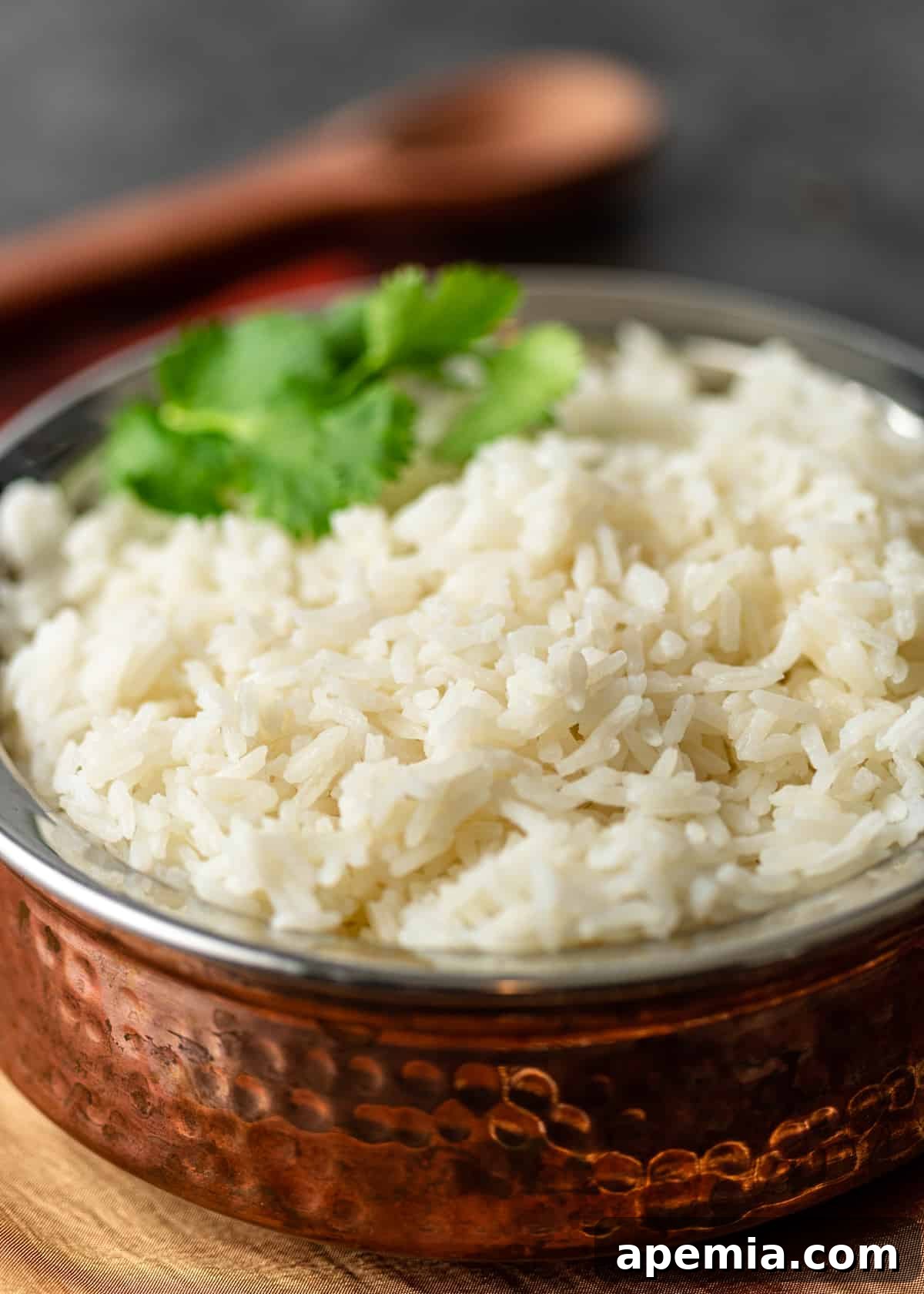
Now that you’re equipped with the various methods for cooking jasmine rice and understand the ideal cooking times, here are some additional tips and tricks to guarantee fluffy, delicious results consistently:
- Master the All-Important Rice-to-Water Ratio: This cannot be stressed enough! Using too much water is the most common mistake when cooking jasmine rice, leading to a gluey or mushy texture. Consistently follow the precise ratios I’ve outlined for each cooking method above, and you’ll achieve fluffy, separate grains every single time. It truly is the fundamental key to avoiding overly cooked and unpleasant rice.
- Allow the Rice to Rest – It’s Crucial: Patience is a virtue, especially when it comes to cooking rice. You might be tempted to lift the lid and fluff your rice as soon as the cooking time is up, but trust me, resist! For all cooking methods, allowing the rice to rest, undisturbed and covered, for at least 10 minutes after cooking is absolutely essential. This crucial resting period permits the grains to fully absorb any residual steam and moisture, completing the cooking process and ensuring a light, tender, and perfectly textured outcome.
- No Need to Rinse or Soak (Unless You Prefer): While some chefs advocate for soaking rice to speed up cooking or rinsing to remove starch, I find these steps largely unnecessary for jasmine rice. Its delicate nature and specific cooking requirements mean that a quick rinse often doesn’t significantly alter the final texture, and soaking can sometimes make it too soft. Skipping these extra steps won’t compromise flavor or texture, streamlining your cooking process for equally fantastic results.
- Avoid Stirring During Cooking: Once your rice is simmering, resist the urge to stir it. Stirring releases starch from the grains and can break them, leading to a gummy and less appealing texture. Allow the rice to cook undisturbed for the best results.
- Invest in a Good Pot (for Stovetop): If you frequently cook rice on the stovetop, a heavy-bottomed saucepan with a tight-fitting lid will make a significant difference. A heavy bottom helps distribute heat more evenly, preventing scorching, while a tight lid ensures minimal steam escape, which is vital for proper cooking.
Creative Ways to Enjoy Your Jasmine Rice — Serving Suggestions
The versatility of jasmine rice extends far beyond being a simple accompaniment. Its subtle nutty and floral notes, combined with its ideal fluffy-sticky texture, make it a dynamic ingredient that can elevate countless meals. Here are some inspiring serving suggestions to unleash your culinary creativity:
- As a Perfect Side Dish: Jasmine rice is an unparalleled side for virtually any savory dish. Beyond its classic pairings with Thai curries and stir-fries, consider serving it alongside grilled seafood (like salmon or shrimp), roasted chicken or duck, tender beef dishes, or a vibrant array of plant-based curries and stews. Its neutral yet aromatic profile means it won’t overpower your main course but will instead enhance it, providing a comforting and satisfying base.
- In Flavorful Stir-fries: While often served alongside stir-fries, jasmine rice can also be incorporated directly into them. For the best results, especially in fried rice or stir-fries, use day-old, chilled jasmine rice. The refrigeration process dries out the grains slightly, preventing them from clumping and allowing them to achieve that ideal slightly crispy texture when pan-fried. Its firm-yet-tender consistency holds up beautifully to high heat and vigorous tossing.
- Creative Wraps and Burritos: Looking to revolutionize your burrito or wrap fillings? Substitute traditional Mexican or brown rice with jasmine rice! Its lighter texture and subtle aroma provide a delightful contrast and make for a wonderfully satisfying and unique filling. Pair it with anything from spicy chicken and avocado to black beans and fresh salsa.
- Hearty Salads & Soups: Adding cooled jasmine rice to salads is an excellent way to make them more substantial and filling. It works particularly well in cold rice salads featuring fresh vegetables, herbs, and a light vinaigrette. Similarly, swap out noodles for jasmine rice in your favorite soup recipes. It adds body and a comforting heartiness, transforming a light broth into a more satisfying meal, especially in Asian-inspired soups like Tom Yum or pho.
- Delicious Rice Bowls: Embrace the popular trend of rice bowls by using jasmine rice as your base. Top it with your favorite protein (grilled chicken, crispy tofu, marinated tempeh), an assortment of fresh or roasted vegetables, a drizzle of sauce (peanut, sriracha mayo, soy-ginger), and a sprinkle of fresh herbs or nuts for a nutritious and customizable meal.
- Sweet Indulgences (Desserts): While typically short-grain rice is used, jasmine rice can also lend its aromatic qualities to certain desserts. Think delicate rice puddings infused with coconut milk and mango, or a fragrant sticky rice with fruit. Its natural sweetness and floral notes can add a unique dimension to sweet dishes.
5 Great Recipe Pairings For Jasmine Rice
Learning how to cook jasmine rice perfectly is just the beginning of your culinary adventure. Now, it’s time to put your skills to the test and pair it with some truly exceptional dishes at home! Here are a few ideas that beautifully showcase the versatility and deliciousness of fluffy jasmine rice:
- Mango Curry Chicken: A sweet and savory Indian-inspired curry that sings with the subtle aroma of jasmine rice.
- Jeyuk Bokkeum (Spicy Korean Pork Stir Fry): The fluffy grains provide a perfect balance to this vibrant, spicy pork dish.
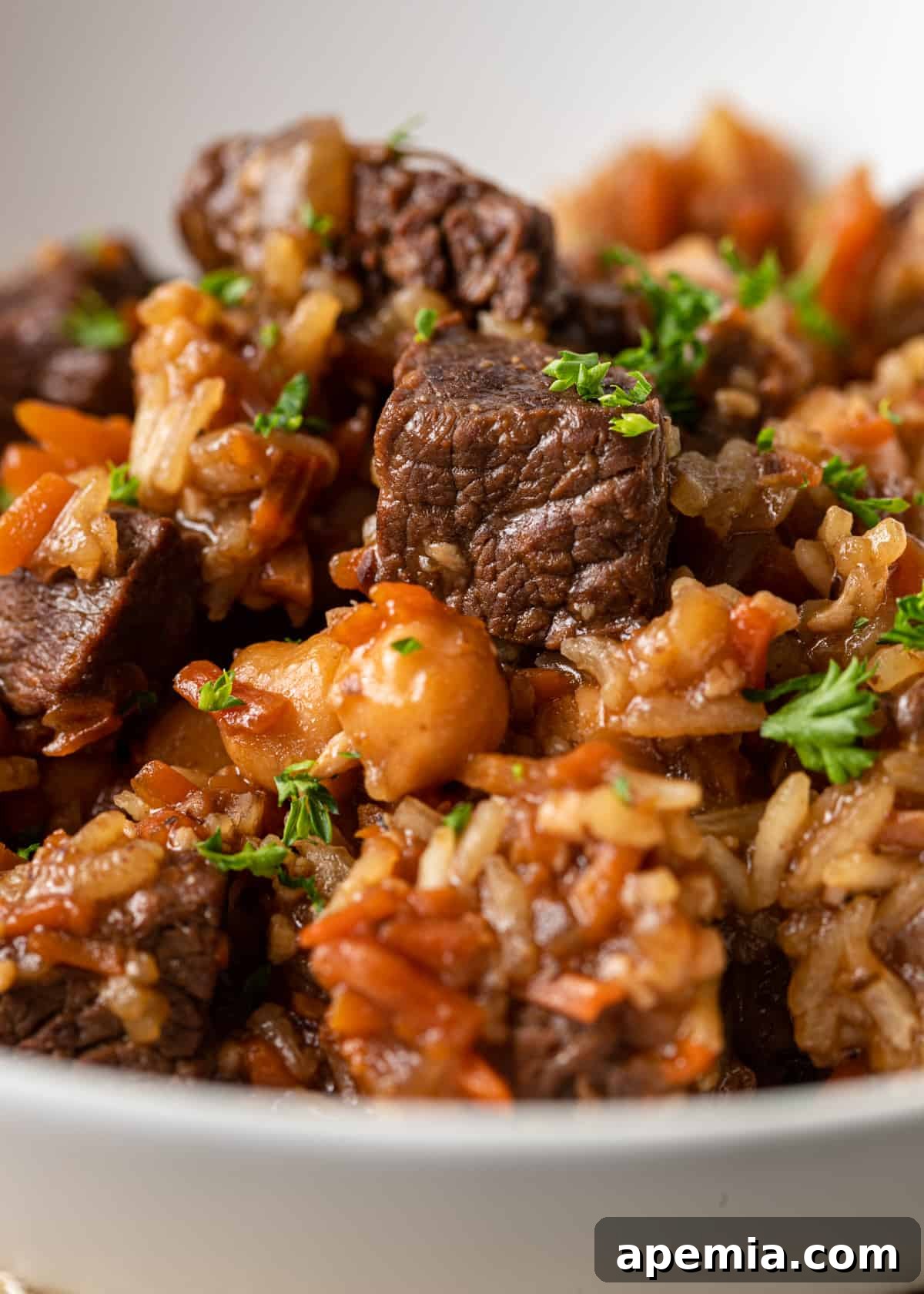
- Beef Plov (Beef Rice Pilaf): While Plov often uses its own rice, serving jasmine rice on the side allows you to savor the rich flavors separately.
- Chinese BBQ Pork (Char Siu): The delicate sweetness of jasmine rice wonderfully complements the savory-sweet glaze of Char Siu.
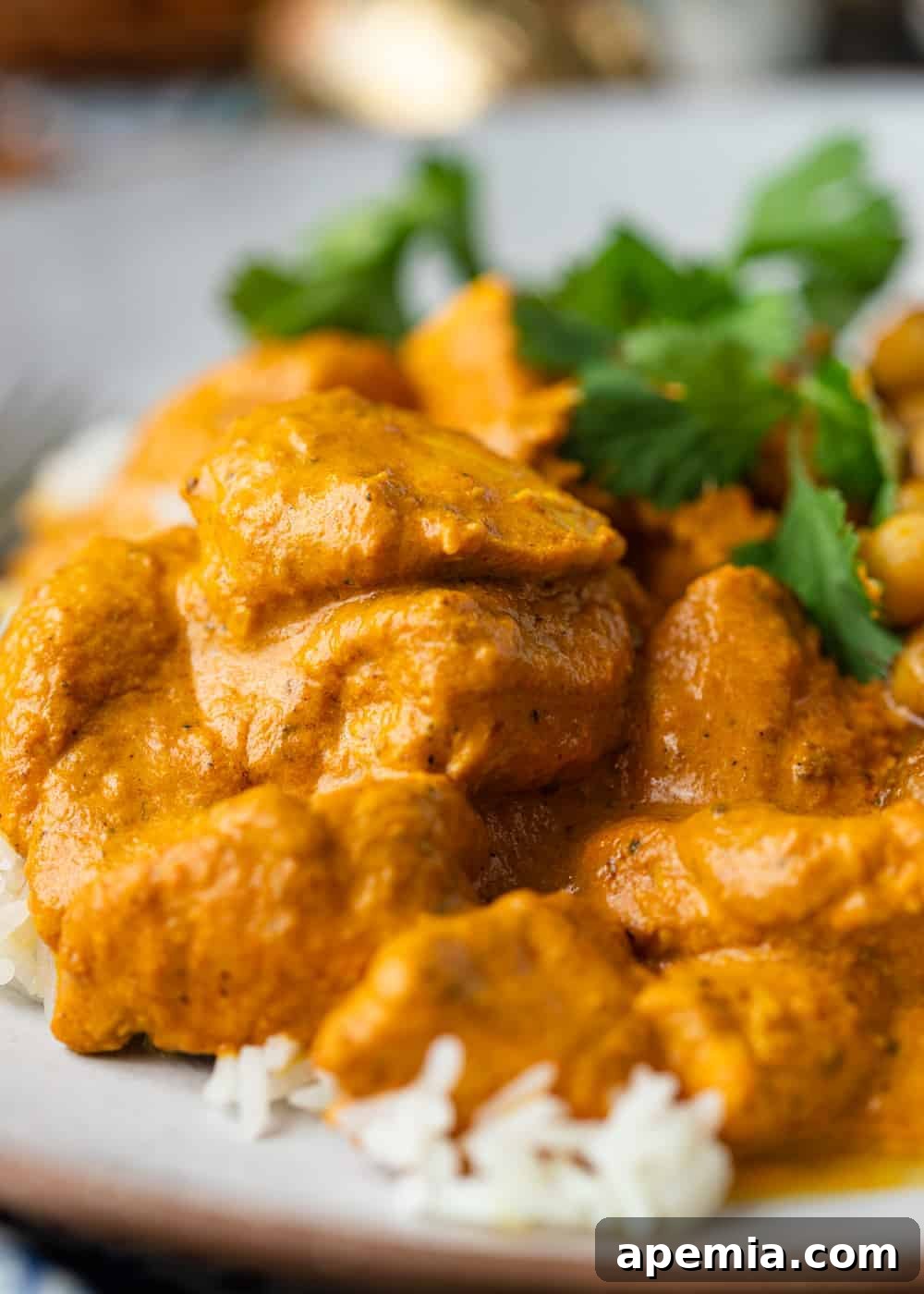
- Butter Chicken Recipe (Punjabi Murgh Makhani): A classic pairing where the rice absorbs the creamy, rich sauce, creating a truly comforting meal.
FAQs About Cooking Jasmine Rice
Here are some of the most frequently asked questions about cooking jasmine rice, providing quick answers to common queries:
How Should Jasmine Rice Be Cooked?
Jasmine rice can be cooked in several effective ways to achieve its signature fluffy texture: on the stovetop, in a pressure cooker like an Instant Pot, or in the microwave. Each method has its advantages, from the traditional control of the stovetop to the speed of the Instant Pot and the convenience of the microwave. I personally find the stovetop and Instant Pot to be my preferred methods for consistent results, but I encourage you to experiment with all three to discover which technique best suits your lifestyle and kitchen setup. The key to success lies in adhering to the correct water-to-rice ratio and allowing proper resting time after cooking, regardless of the method chosen.
How Long to Cook Jasmine Rice?
The cooking time for jasmine rice varies slightly depending on the method you use, but generally, the active cooking time ranges from 5 to 10 minutes, followed by an essential resting period. For stovetop cooking, it typically simmers for 10 minutes, then rests for another 10 minutes. In an Instant Pot, it cooks under high pressure for 5 minutes, followed by a 10-minute natural pressure release. For microwave cooking, expect about 15 minutes of cooking time (5 minutes on high, 10 minutes on medium), plus a 10-minute rest. Remember, the resting period is crucial for the rice to fully absorb moisture and become perfectly fluffy, so don’t skip it!
Does Jasmine Rice Need to Be Rinsed Before Cooking?
This is a topic that often sparks debate among cooks! In my experience, and contrary to popular belief for some rice varieties, rinsing jasmine rice before cooking is not strictly necessary. Your jasmine rice will still turn out beautifully fluffy and flavorful even without rinsing. The slight stickiness that jasmine rice naturally possesses is part of its charm and what makes it distinct. If you do choose to rinse it, perhaps to remove excess surface starch or out of personal preference, just remember to slightly reduce the amount of water you use for cooking (by about 2 tablespoons per cup of rice) to account for the moisture absorbed during rinsing.
What is the Best Type of Pot for Cooking Jasmine Rice on the Stovetop?
For stovetop cooking, a heavy-bottomed saucepan with a tight-fitting lid is ideal. The heavy bottom helps to distribute heat evenly, preventing the rice from scorching at the bottom while ensuring consistent cooking throughout. A tight-fitting lid is crucial to trap the steam effectively, which is essential for the rice to cook properly and become fluffy without drying out. Avoid thin, lightweight pots that can lead to uneven cooking and potential burning.
Can I Make Jasmine Rice Ahead of Time, and How Should I Store It?
Yes, you can absolutely make jasmine rice ahead of time! Cooked jasmine rice stores wonderfully. Once cooled, transfer it to an airtight container and refrigerate it within one hour of cooking. It will stay fresh in the refrigerator for up to 3-4 days. For longer storage, you can freeze cooked rice for up to one month. When reheating, sprinkle a tablespoon or two of water over the rice, cover it, and microwave or heat on the stovetop until thoroughly warmed through. This helps to reintroduce moisture and prevent it from drying out.
Is Jasmine Rice Healthy?
Jasmine rice, like other white rice varieties, is primarily a source of carbohydrates, providing energy. It’s naturally gluten-free and easily digestible for most people. While it doesn’t offer as much fiber or as broad a spectrum of micronutrients as brown rice (which retains its bran and germ), many commercial jasmine rice products are enriched with vitamins like thiamine, niacin, and iron, making them a valuable part of a balanced diet. It’s a healthy choice when consumed in moderation as part of a meal rich in vegetables, lean proteins, and healthy fats.