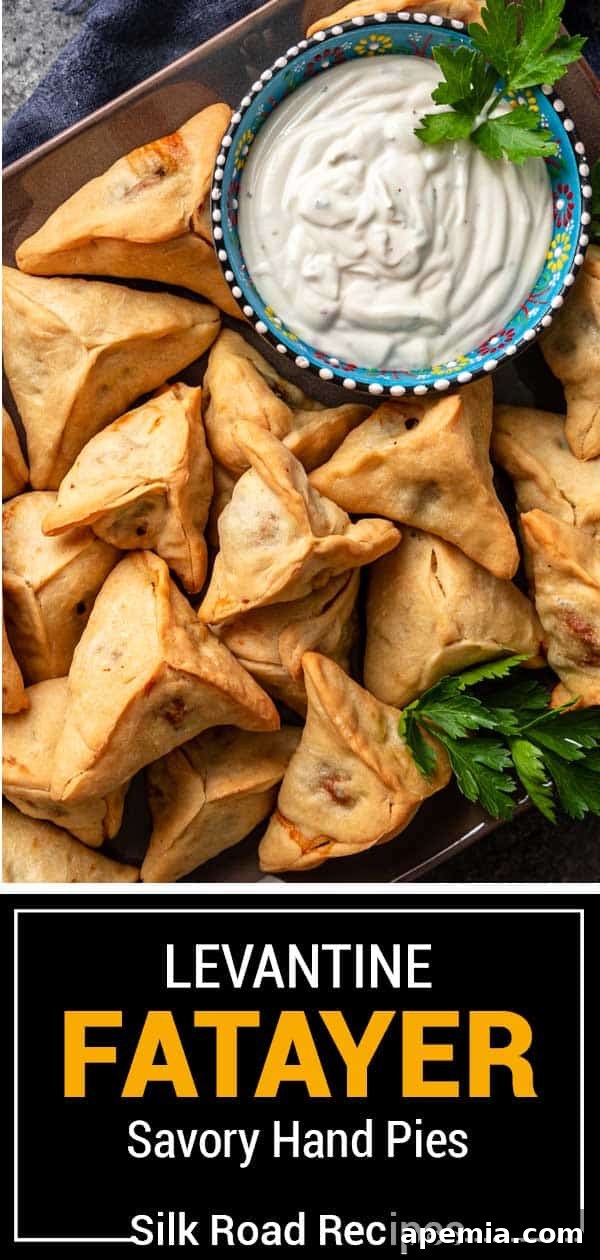
Authentic Fatayer: Savory Lebanese Meat Hand Pies (Hashweh)
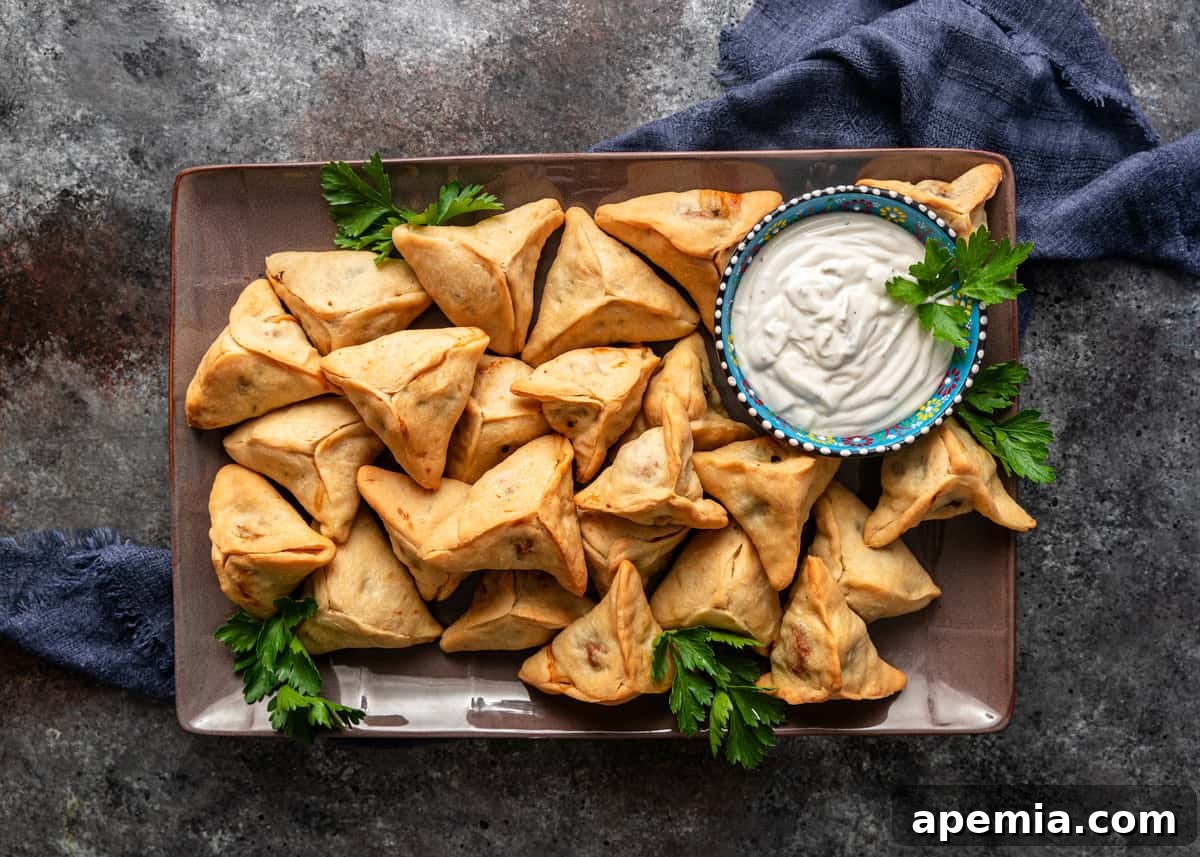
Fatayer, an Arabic word meaning “pastries” or “little pies,” are beloved throughout the Middle East for their irresistible flavor and satisfying texture. These small yet mighty hand pies are a culinary cornerstone, particularly in Levantine cuisine. Each delicate pastry envelops a rich, savory meat filling, perfectly seasoned with an aromatic blend of Middle Eastern spices, bright lemon, and a hint of buttery nuttiness, all encased in a crispy, golden, yeasty dough. They are a testament to the region’s rich culinary traditions, offering a burst of flavor in every bite.

Hailing prominently from Lebanon, Fatayer meat pies are versatile and perfect for any occasion. They make an excellent snack, a hearty breakfast item, or a crowd-pleasing appetizer, especially when paired with a variety of vibrant spicy or creamy dips and sauces. While Fatayer can be prepared with diverse fillings, such as spinach and onion (Fatayer Sabanekh) or cheese (Fatayer Jibneh), this particular recipe focuses on the classic meat-filled version, featuring hashweh. Hashweh, a succulent ground meat filling, ensures a juicy, intensely savory, and protein-packed experience that is truly unforgettable.
Our exquisite hashweh filling is crafted from either premium ground beef or lamb, generously seasoned with the iconic Lebanese 7 spice blend. This harmonious mix of common Middle Eastern spices infuses the meat with a profound depth of flavor. A splash of tangy lemon juice cuts through the richness, adding a refreshing brightness, while a careful balance of salt and pepper perfects the seasoning. These delectable hasweh hand pies have a magical way of disappearing from the platter almost as soon as they’re served, so be warned! For larger gatherings or convenient meal prep, Fatayer freezes exceptionally well, allowing you to enjoy these savory delights whenever the craving strikes.
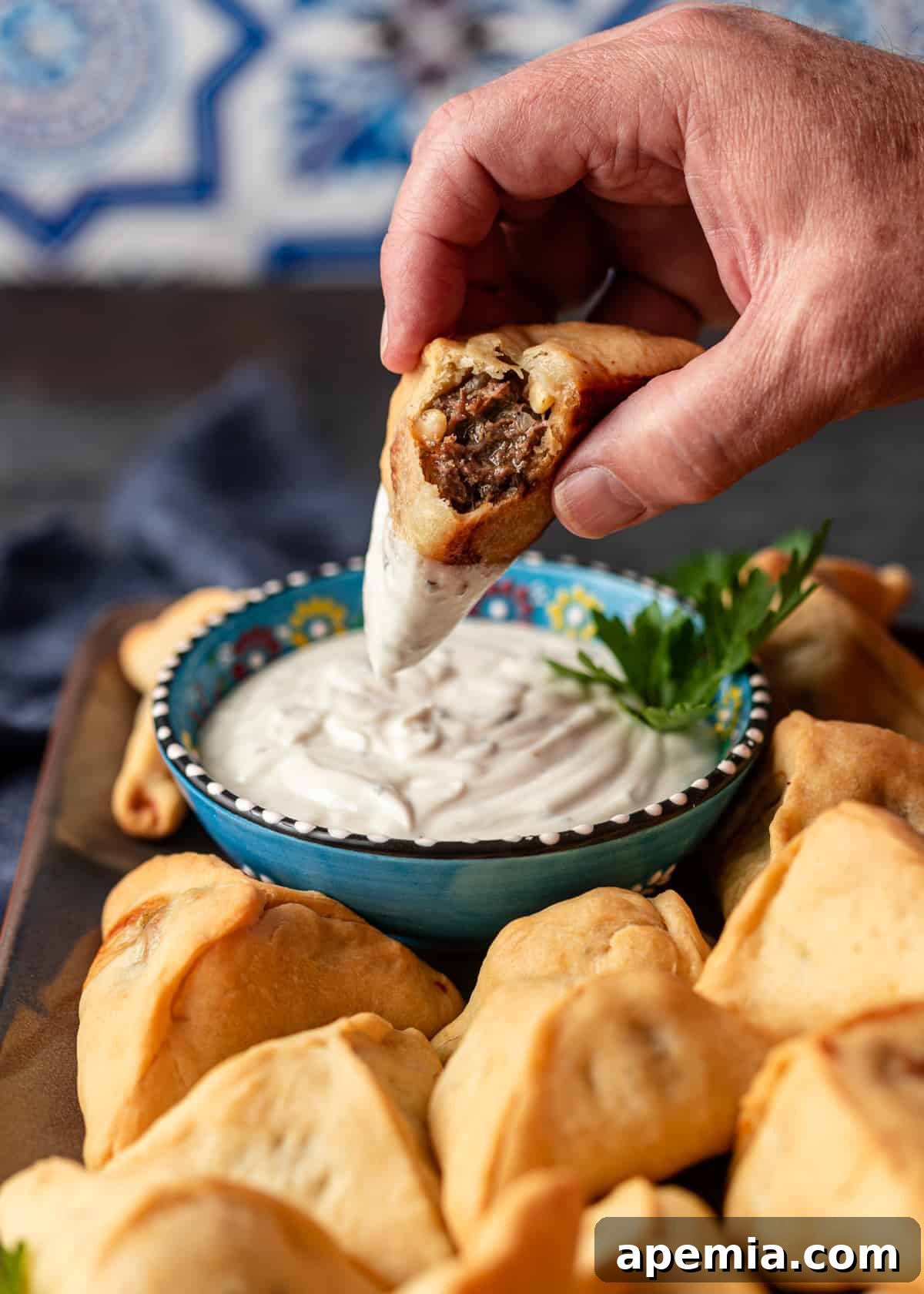
Table of Contents
- What is the Levant?
- Ingredient Notes and Substitutions
- Raw or Cooked Hasweh Filling
- How to Make Fatayer: Step-by-Step Guide
- Recommended Tools for Fatayer Making
- Storing and Reheating Fatayer for Best Taste
- Frequently Asked Questions About Fatayer
- Meat Fatayer (Lebanese Hasweh Hand Pie) Recipe Card
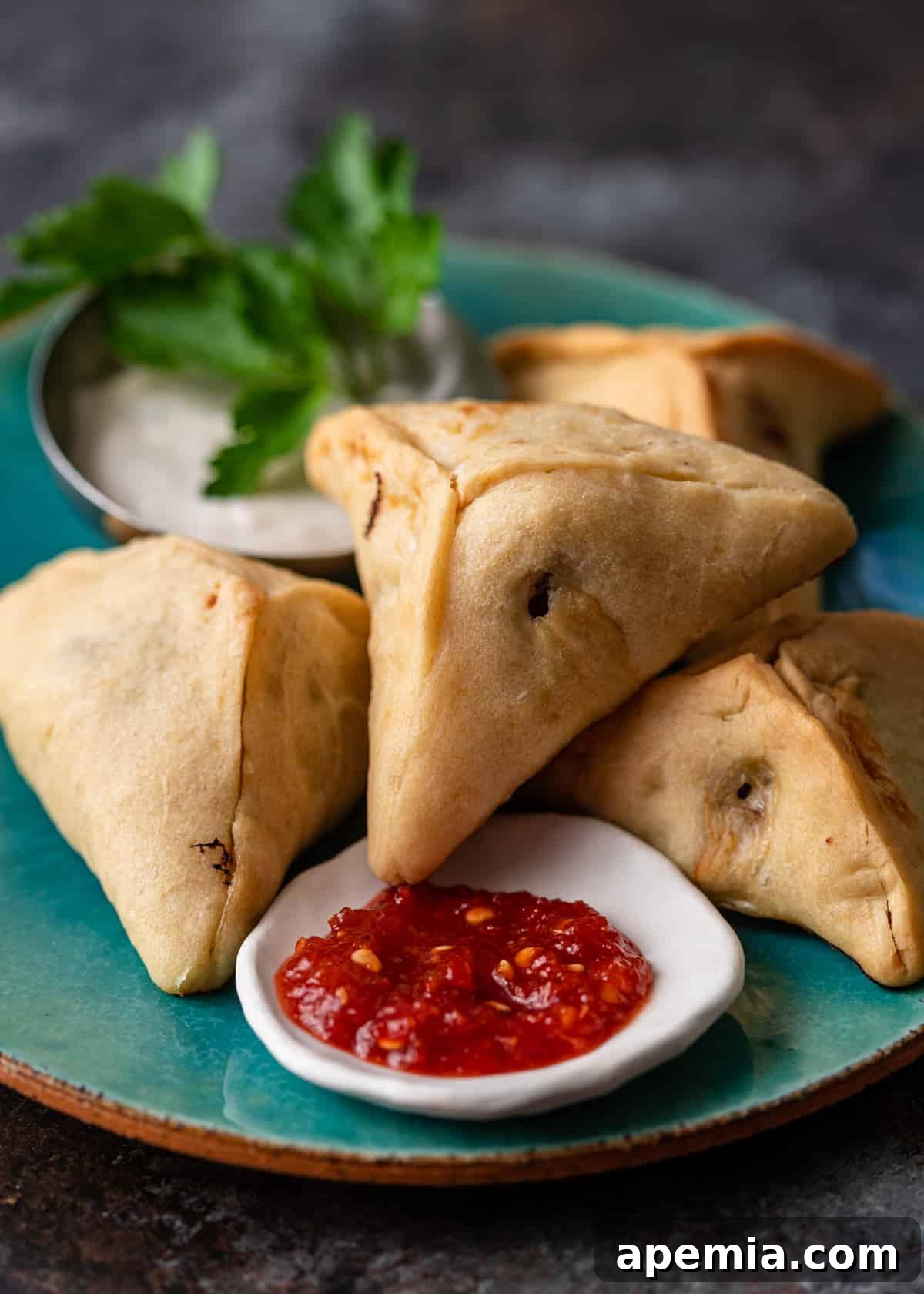
To truly elevate the Fatayer experience, I love to serve them alongside an array of complementary dips. A creamy tahini yogurt sauce, with its subtle tang and earthy notes, provides a cooling contrast to the spiced meat. For those who enjoy a kick, a vibrant red shatta sauce offers a delightful fiery counterpoint. These two versatile sauces are fantastic companions not just for Fatayer, but for a whole smorgasbord of savory baked Middle Eastern appetizers. Dishes like arayes (meat-stuffed pitas), crispy cauliflower fritters, and classic Lebanese kibbeh beef croquettes all benefit from a generous dollop of these flavorful dips, making for an unforgettable mezze spread.
Tip From Kevin
What is the Levant? Exploring the Heart of Middle Eastern Cuisine
The Levant is a historical and geographical term referring to a large area in the Eastern Mediterranean, broadly described as the “crossroads of Western Asia, the Eastern Mediterranean, and Northeast Africa.” It’s also often referred to as the “northwest of the Arabian plate.” This region encompasses modern-day Iraq, Syria, Egypt, Lebanon, Kuwait, Saudi Arabia, Yemen, Palestine, Jordan, and Israel. However, it’s important to note that the exact boundaries can vary historically and culturally.
The populations within the Levant share not only a unique geographic position but also a rich tapestry of cuisine, customs, and history. Levantine cuisine, renowned for its fresh ingredients, vibrant spices, and communal dining traditions, is a culinary delight enjoyed across these nations. Dishes like Fatayer exemplify this shared heritage; while its exact origins remain debated, with Lebanese, Syrians, Egyptians, and Palestinians all claiming the dish as their own, its universal appeal and presence across the region highlight the deep culinary connections. Regardless of its precise inventor, the joy of Fatayer is undeniable. So, delve in and enjoy this exquisite taste of the Levant!
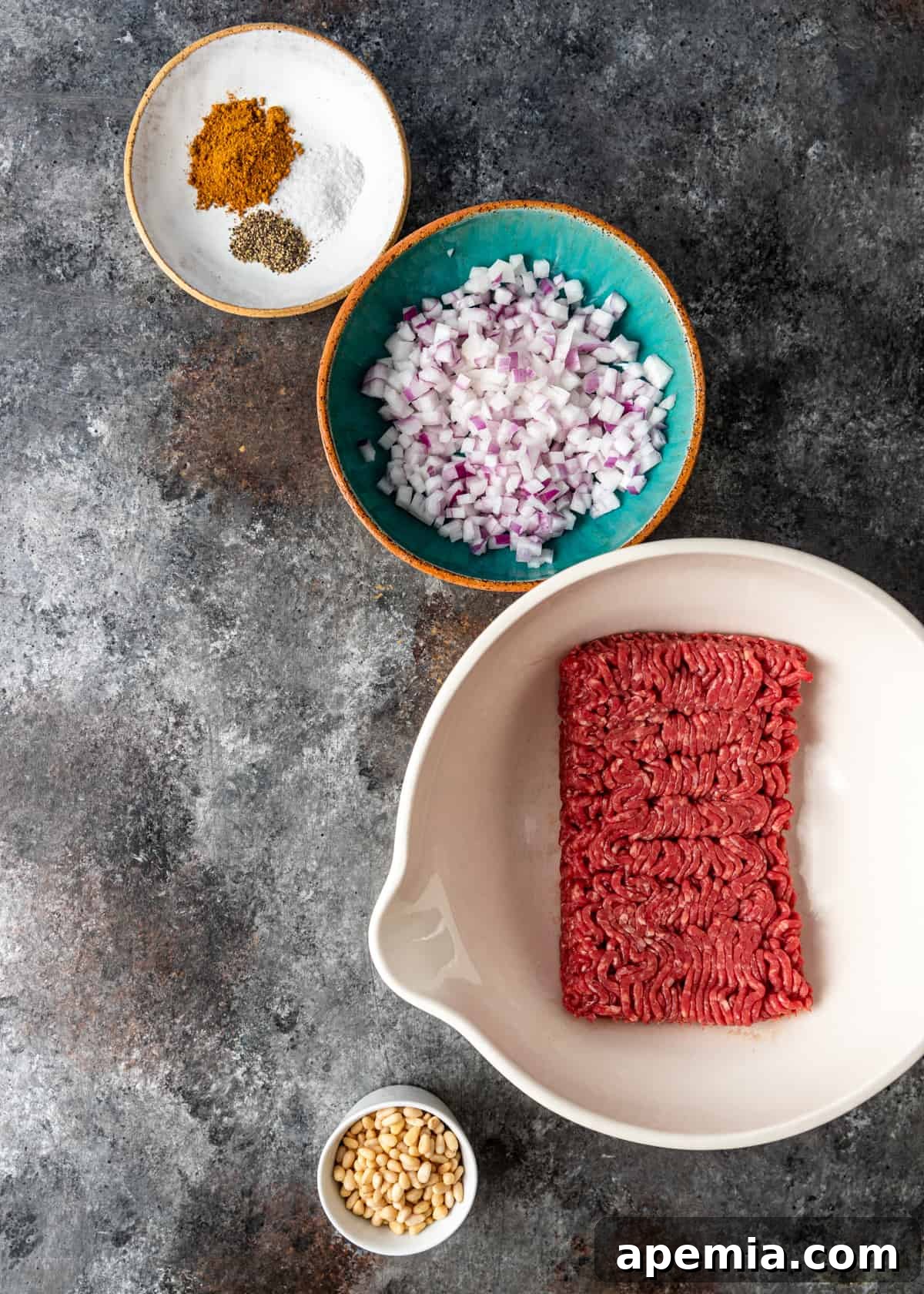
Ingredient Notes and Substitutions: Crafting Perfect Fatayer
Creating perfect Fatayer begins with understanding the role of each ingredient. Here’s a detailed breakdown of what you’ll need and potential substitutions:
- Dough – The foundation of our Fatayer is a beautifully leavened dough, designed to be soft, pliable, and yield a delightfully crispy crust once baked. It’s made with:
- Active Dry Yeast, Sugar, and Warm Water: This trio activates the yeast, creating the airy, fluffy texture essential for the dough. Ensure your water is warm (around 105-115°F or 40-46°C) to properly awaken the yeast.
- All-Purpose Flour: Provides the structure. Bread flour can also be used for a chewier crust, though all-purpose works perfectly.
- A pinch of Salt: Enhances flavor and helps control yeast activity.
- Oil (e.g., vegetable, canola, or light olive oil): Contributes to the dough’s tenderness and rich texture, making it easier to handle and ensuring a lovely golden finish.
- Meat Filling (Hashweh) – The heart of the Fatayer, bursting with aromatic spices and savory goodness. My Fatayer recipe offers flexibility, allowing you to use either ground beef or lamb. The meat is meticulously seasoned with:
- Lebanese 7 Spice – A staple in Middle Eastern cooking, this blend is fundamental to the authentic flavor of Fatayer. It typically includes allspice, cinnamon, cloves, and nutmeg, often rounded out with black pepper, ginger, fenugreek, and sometimes coriander. The exact composition can vary, so feel free to make your own blend for ultimate freshness and control over flavor intensity.
- Lemon Juice – Essential for adding a bright, tangy counterpoint that elevates the savory meat and balances the spices. Freshly squeezed lemon juice is always recommended for the best flavor, but bottled lemon juice can be substituted. Lime juice also makes a good alternative for a slightly different citrus note.
- Diced Red Onion – Provides a pungent, sweet, and aromatic base for the filling. Fine dicing ensures it integrates seamlessly into the hashweh. White or yellow onions can be substituted without significant flavor compromise.
- Toasted Pine Nuts – A classic addition to Middle Eastern meat dishes, pine nuts provide a delightful crunch and a distinct buttery, nutty flavor. A few minutes in a dry skillet transforms them into golden, fragrant gems. If pine nuts are unavailable, chopped cashews or walnuts can be used for a similar texture and richness, or they can be omitted entirely for a nut-free version.
- Salt and Pepper – Basic seasonings to enhance all the other flavors. Adjust to your taste preferences.
Tip From Kevin
Raw or Cooked Hashweh Filling: A Culinary Debate
When preparing the hashweh filling for Fatayer, a common point of discussion among chefs and home cooks alike revolves around whether to cook the meat filling first or to stuff the raw meat mixture into each piece of dough before forming and baking. Both methods have their proponents, and ultimately, it often comes down to personal preference and the desired outcome.
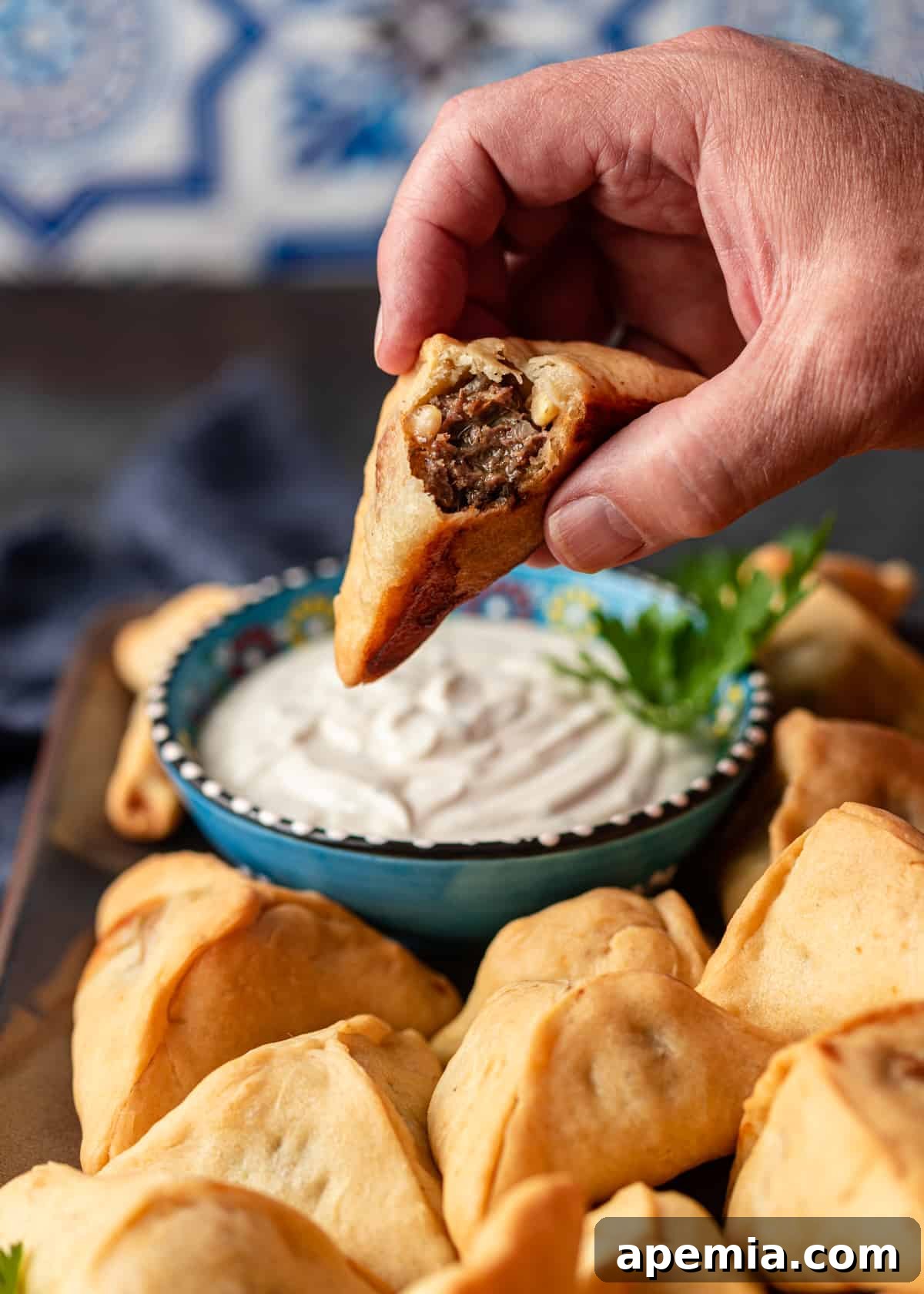
I find that using an uncooked meat filling significantly enhances the flavor of the dough, as the meat juices render and infuse directly into the pastry during baking. This results in a more succulent, deeply flavored interior and a tender, rich dough that perfectly complements the spiced meat. The raw meat also helps to keep the filling exceptionally moist. However, some prefer to lightly cook the meat beforehand to ensure it’s fully cooked and to render some of the fat, which can result in a slightly less greasy pie. If you choose to pre-cook the hashweh, ensure it’s cooled completely before filling the dough to prevent the dough from becoming soggy or difficult to work with. For this recipe, I recommend the raw filling method to truly capture that traditional, juicy Fatayer essence. It’s a subtle difference, but one that many aficionados appreciate!
How to Make Fatayer: Step-by-Step Guide for Perfect Lebanese Hand Pies
Creating these delicious Lebanese meat pies is a rewarding process. Follow these detailed steps for a perfect batch of Fatayer:
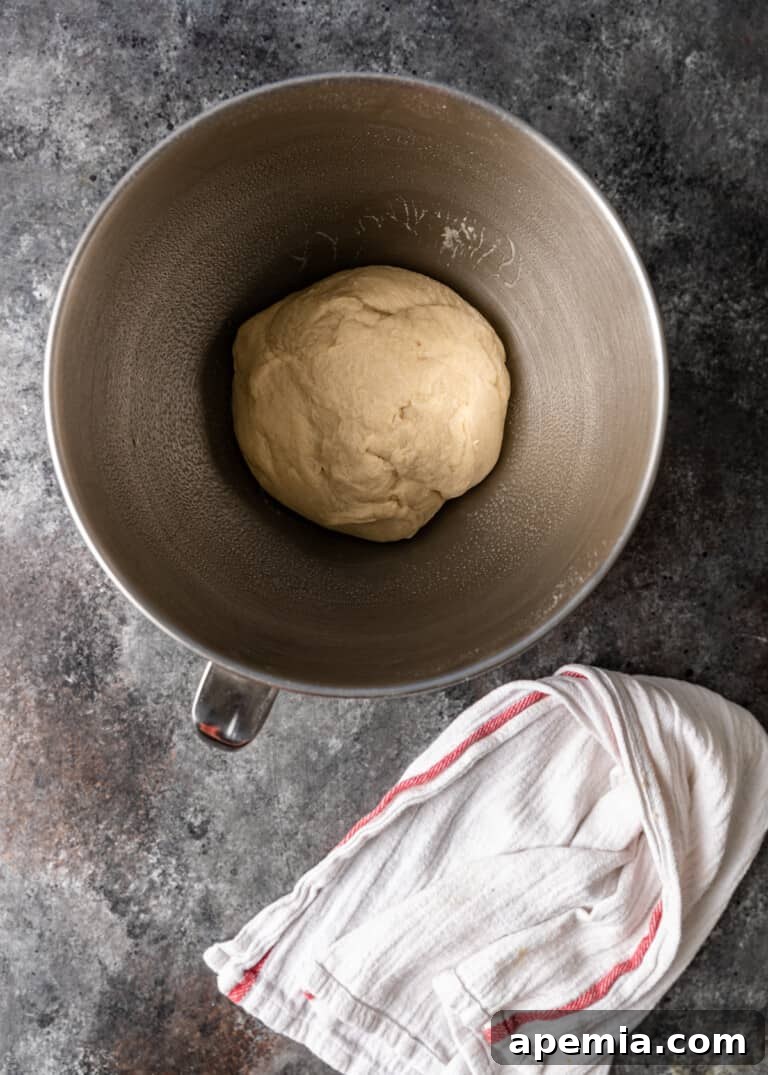
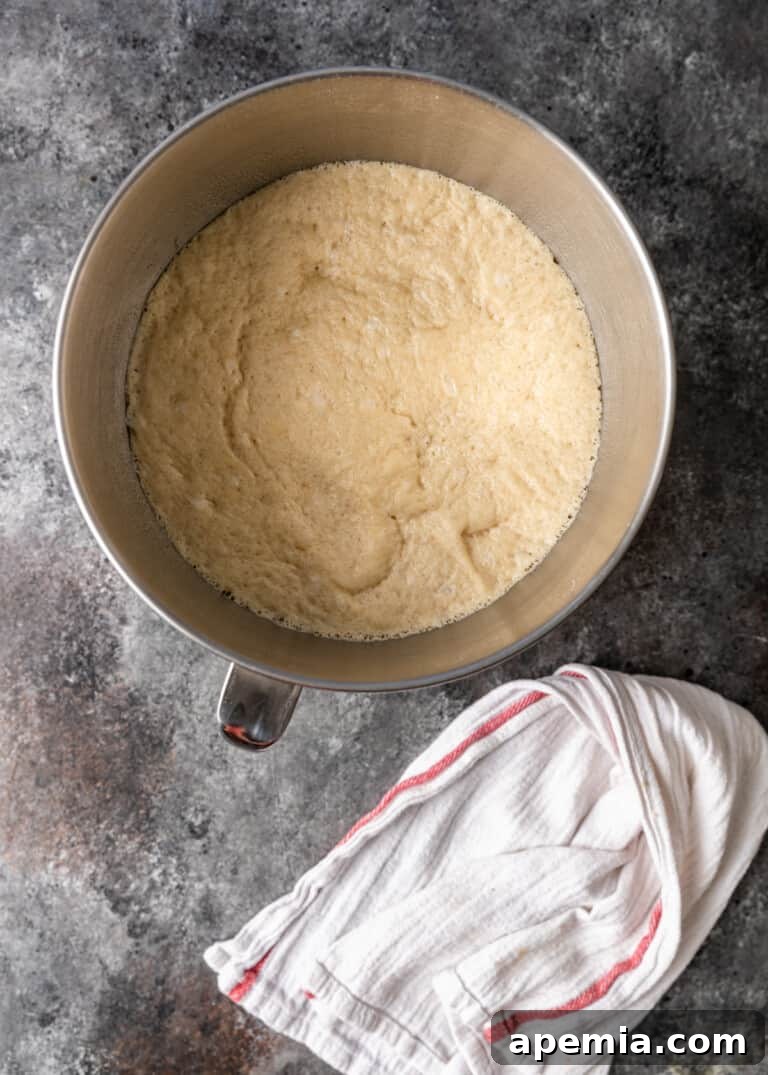
- Prepare the Dough. In a small bowl, combine the warm water (ensure it’s between 105-115°F or 40-46°C), sugar, and active dry yeast. Gently stir and allow the mixture to sit undisturbed for about 10 minutes. During this time, the yeast should activate, creating a foamy layer on the surface. If it doesn’t foam, your yeast may be old or the water temperature was incorrect, and you should start again. In the bowl of your stand mixer (or a large mixing bowl if kneading by hand), whisk together the all-purpose flour and salt. Create a well in the center of the dry ingredients. Pour the activated yeast mixture and the vegetable oil into this well. Using the dough hook attachment on low speed, slowly knead the mixture. Continue kneading for 7-10 minutes (or about 10-15 minutes by hand) until a smooth, elastic, and slightly tacky dough forms. Remove the dough from the bowl. Lightly coat the inside of the bowl with a little oil or cooking spray. Return the dough ball to the bowl, turning it to ensure it’s evenly coated with oil. Cover the bowl tightly with plastic wrap or a clean kitchen towel and let it rise in a warm, draft-free place until it has doubled in size, which typically takes about 90 minutes.
- Prepare the Meat Filling (Hashweh). While the dough is rising, you can prepare the hashweh. In a dry skillet over medium heat, toast the pine nuts for 2-3 minutes, stirring constantly until they turn golden brown and become fragrant. Be careful, as they can burn quickly. Remove from heat and set aside to cool. In a large mixing bowl, combine the ground meat (beef or lamb), fresh lemon juice, diced red onion, Lebanese 7 spice, kosher salt, and ground black pepper. Add the cooled toasted pine nuts. Using your hands, gently but thoroughly mix all the ingredients until they are well combined. Avoid overmixing, which can make the meat tough. Set the filling aside.
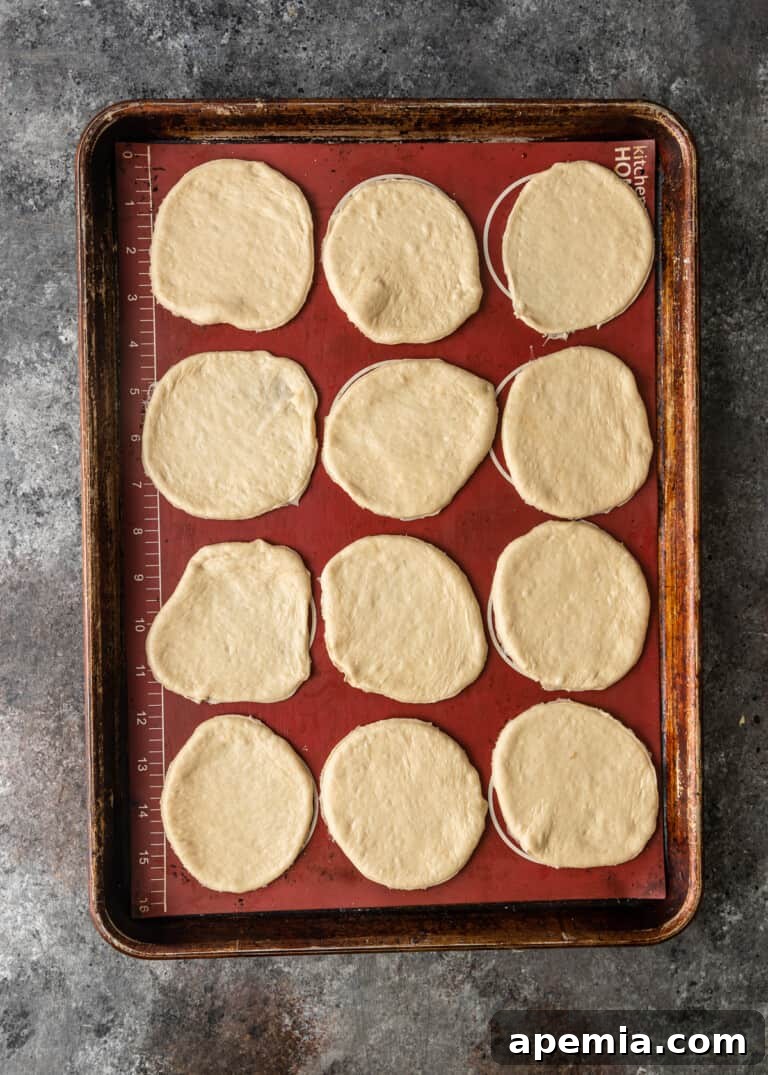
- Shape the Dough. Once the dough has doubled in size, gently punch it down to release the air. Transfer the dough to a lightly floured clean work surface. Using a rolling pin, roll out the dough into a thin sheet, approximately ⅛-inch (3-4mm) thick. Using a 3-4 inch round biscuit or cookie cutter, cut out dough circles. Re-roll any scraps of dough and cut more rounds until you have a total of approximately 24 rounds.
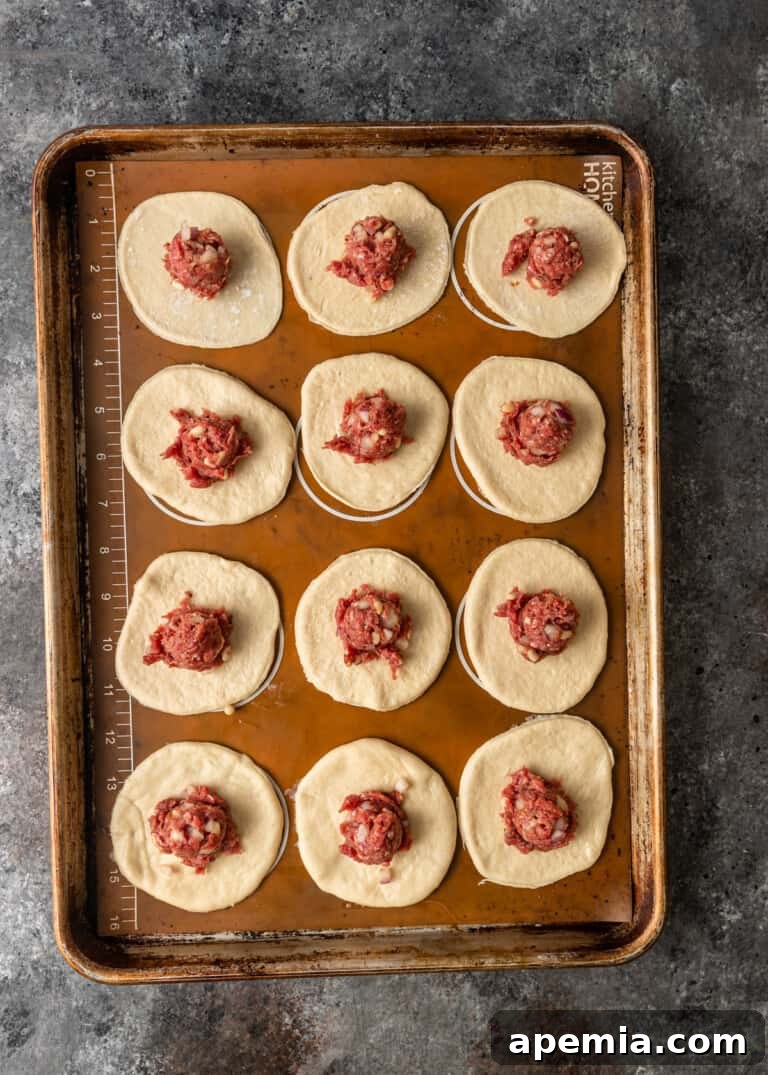
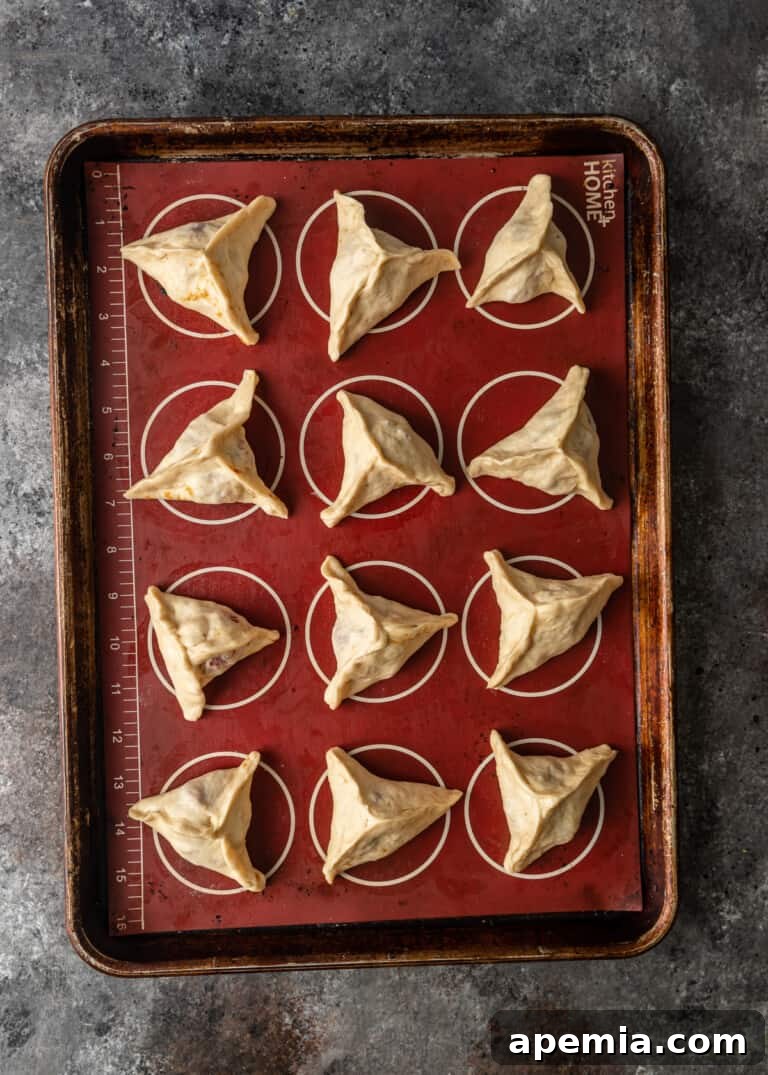
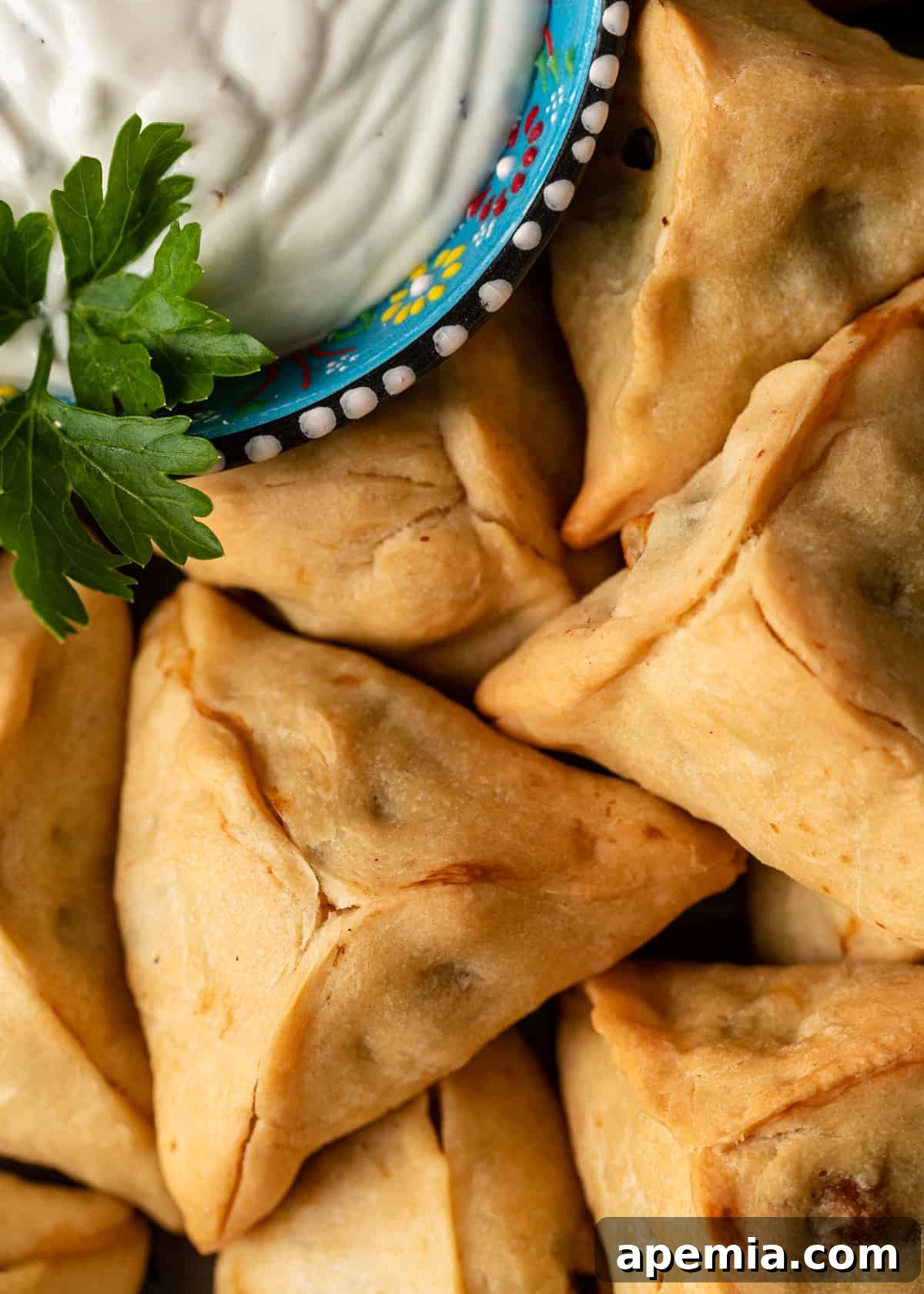
- Fill and Form. Line two large baking trays with parchment paper. Place the dough rounds on the prepared baking sheets, leaving a little space between each. Place a generous tablespoon of the prepared meat filling onto the center of each dough round. To form the traditional triangular Fatayer shape, carefully pull up three equidistant sides of the dough to meet in the center over the filling. Pinch the edges gently but firmly where the dough meets at the top and along the sides to create a secure seal. Ensure there are no gaps where the filling could escape during baking.
- Bake to Perfection. Preheat your oven to 375°F (190°C). Before baking, lightly brush each Lebanese meat pie with a little vegetable oil or olive oil. This helps achieve a beautiful golden-brown crust. Bake the Fatayer for 18 to 20 minutes, or until the dough is golden brown and the filling is cooked through. The internal temperature of the meat should reach 160°F (71°C).
- Serve immediately. Fatayer are best enjoyed warm, fresh out of the oven, with your favorite dipping sauces like tahini yogurt or red shatta sauce.
Recommended Tools for Fatayer Making
Having the right tools can make the process of making Fatayer much smoother and more enjoyable:
- Skillet or Frying Pan – Essential for dry toasting the pine nuts to golden perfection. Any sturdy saucepan or skillet will work, but a flat-bottomed skillet allows for more even toasting.
- Stand Mixer With the Dough Hook Attachment – While kneading by hand is entirely possible and traditional, a stand mixer significantly cuts down on active prep time and ensures a consistently smooth and elastic dough. If you don’t have one, prepare for a good arm workout!
- Large Mixing Bowls – For preparing both the dough and the meat filling.
- Measuring Cups and Spoons – For accurate ingredient measurements.
- Rolling Pin – To achieve an even thickness for your dough rounds.
- Round Biscuit or Cookie Cutter (3-4 inch) – For uniformly shaped Fatayer. If you don’t have one, a glass rim or a sharp knife can be used carefully.
- Parchment Paper or Silicone Baking Mats – To prevent sticking and for easy cleanup of your baking sheets.
- Baking Sheets – Two large baking sheets are recommended to bake all 24 Fatayer without overcrowding.
- Pastry Brush – For brushing the Fatayer with oil before baking, ensuring a beautiful golden crust.
Storing and Reheating Fatayer for Best Taste and Texture
Fatayer are undoubtedly at their absolute best when served fresh, straight out of the oven. The dough is perfectly crispy, and the filling is steaming hot and juicy. However, they can also be stored and reheated while still retaining much of their deliciousness with the right approach.
Storing: Leftover Fatayer can be transferred to an airtight container and refrigerated for up to 4 days. It’s important to note that the dough will naturally soften slightly as it sits, losing some of its initial crispiness. For this reason, I always recommend enjoying them as soon as possible after baking.
Reheating: To bring your Fatayer back to life and restore their delightful texture, reheating in an oven is the superior method. Preheat your oven anywhere between 350°F and 375°F (175°C – 190°C). Place the Fatayer on a baking sheet and heat for 8-12 minutes, or until they are thoroughly warmed through and the crust has regained some of its crispiness. While you can microwave them for convenience, be aware that this method will result in a softer, chewier texture rather than the desired crispy exterior achieved by oven reheating.
Freezing for Future Enjoyment: Fatayer are excellent for freezing, either raw or cooked, making them a fantastic make-ahead option. For best results, see the “Frequently Asked Questions” section below for detailed freezing instructions.

Share this recipe on Pinterest!
Love this recipe? Share it with the world on Pinterest to inspire others to try this amazing dish.
Frequently Asked Questions About Fatayer
Fatayer dough is a simple yet effective combination of common baking ingredients: all-purpose flour, sugar, warm water, salt, oil (such as vegetable or olive oil), and active dry yeast. The active dry yeast is crucial as it makes this a leavened dough, contributing to its soft interior and slightly crispy exterior when baked. The oil also adds tenderness and helps with a golden crust.
Absolutely! Preparing the dough in advance is a great time-saver. To make the dough for this Fatayer recipe ahead of time, simply follow the instructions to make the dough, let it complete its first rise, and then shape it into the individual dough rounds. Instead of filling them, arrange the rounds on a baking sheet and flash freeze them until solid. Once frozen, transfer the dough rounds to an airtight freezer-safe bag or container. I recommend placing layers of parchment paper between the rounds to prevent them from sticking together. You can freeze the dough for up to 4 weeks. When you’re ready to use them, let the dough rounds thaw in the refrigerator overnight or at room temperature for a few hours before proceeding with the filling and baking steps.
For the best results and to maintain the optimal texture of your Fatayer, I highly recommend freezing them before baking. Freezing them raw helps preserve the integrity of the dough and ensures a fresher, crispier crust when they are finally baked. This method also significantly extends their freezer life, allowing you to store them for up to two months. When you’re ready to enjoy them, thaw the frozen Lebanese meat pies in the refrigerator overnight. You will likely need to add a few extra minutes to the baking time compared to fresh pies, so keep a close eye on them until they are beautifully golden brown and cooked through.
While Fatayer share similarities with Samosas and Empanadas in being savory filled pastries, they differ significantly in origin, dough type, and typical spice profiles. Fatayer use a yeasted dough, giving them a distinct soft and slightly airy texture, often triangular or boat-shaped. Samosas (South Asian) typically use a thin, crispy, unleavened pastry, often conical, with fillings heavily spiced with Indian flavors. Empanadas (Latin American/Spanish) use a variety of doughs (often flour- or corn-based, sometimes yeasted, sometimes not) and are typically crescent-shaped, with fillings reflecting regional Latin American or Spanish flavors.
Absolutely! While this recipe focuses on meat Fatayer, vegetarian versions are very popular. The most common vegetarian Fatayer filling is a spinach and onion mixture, often seasoned with sumac, lemon, and olive oil (Fatayer Sabanekh). Cheese-filled Fatayer (Fatayer Jibneh), typically using a blend of Akkawi or Nabulsi cheese with herbs, are also a delightful option.

Meat Fatayer (Lebanese Hasweh Hand Pie)
★
★
★
★
24
30 mins
18 mins
1 hr 30 mins
2 hrs 18 mins
Print Recipe
Ingredients
Dough
- 1 cup warm water
- 1 teaspoon sugar
- 1 tablespoon active dry yeast
- 3 cups all-purpose flour
- 1 teaspoon kosher salt
- 1/3 cup vegetable oil
Meat Filling
- 1 lb ground beef or lamb
- 2 tbsp lemon juice
- 2 tsp Lebanese 7 Spice
- 1/2 tsp kosher salt
- 1/4 tsp ground black pepper
- 1 cup small red onion finely diced
- 1/4 cup pine nuts
Instructions
Dough Preparation
-
In a small bowl or measuring cup, stir together the warm water, sugar, and yeast. Set the yeast mixture aside to rest until it becomes foamy, about 10 minutes. This indicates the yeast is active.
-
In a medium bowl or the bowl of a stand mixer, mix the flour and salt. Make a well in the center and add the oil and yeast mixture. Using your hand or a dough hook attachment, slowly mix and knead until the dough is very soft, smooth, and tacky (approximately 7-10 minutes with a mixer, 10-15 minutes by hand).
-
Remove the dough from the bowl, lightly coat the sides of the bowl with cooking spray or a little oil. Transfer the dough back into the bowl, turning to coat it with oil, and cover with plastic wrap. Let it rise in a warm place until doubled in size, about 90 minutes.
Assembly and Baking
-
Preheat the oven to 375°F (190°C). Prepare 2 baking trays by lining them with parchment paper or a silicone baking mat.
-
In a small skillet over medium heat, dry toast the pine nuts until golden brown and fragrant. Be careful not to burn them. Set aside to cool.
-
In a bowl, mix together the raw ground meat, lemon juice, Lebanese 7 Spice, kosher salt, ground black pepper, diced red onion, and the cooled toasted pine nuts. Mix well until all ingredients are evenly distributed.
-
On a clean, lightly floured work surface, roll the risen dough out to an ⅛-inch (3-4mm) thickness. Use a 4-inch round biscuit or cookie cutter to cut out dough circles. Gather and re-roll any dough scraps to make a total of approximately 24 rounds.
-
Place the dough rounds on the prepared baking sheets. Place a heaping tablespoon of the meat filling in the center of each round. To close, bring three sides of the dough up to meet in the center over the filling, forming a triangle. Pinch the dough edges gently but firmly at the top point and along the seams to seal completely.
-
Brush or spray the formed Fatayer with cooking spray or vegetable oil. Bake for 18-20 minutes, or until the pastries are golden brown and the meat filling is cooked through.
-
Serve warm immediately with your preferred dip, such as my Tahini Yogurt Sauce or Red Shatta Sauce.
Nutrition
Calories: 117kcal | Carbohydrates: 13g | Protein: 5g | Fat: 5g | Saturated Fat: 2g | Polyunsaturated Fat: 1g | Monounsaturated Fat: 2g | Trans Fat: 0.2g | Cholesterol: 13mg | Sodium: 162mg | Potassium: 92mg | Fiber: 1g | Sugar: 1g | Vitamin A: 50IU | Vitamin C: 1mg | Calcium: 9mg | Iron: 1mg
The information shown is an estimate provided by an online nutrition calculator. It should not be considered a substitute for a professional nutritionist’s advice.

Have You Made This Recipe? Let Me Know on Instagram
Tag @keviniscooking or tag me #keviniscooking!