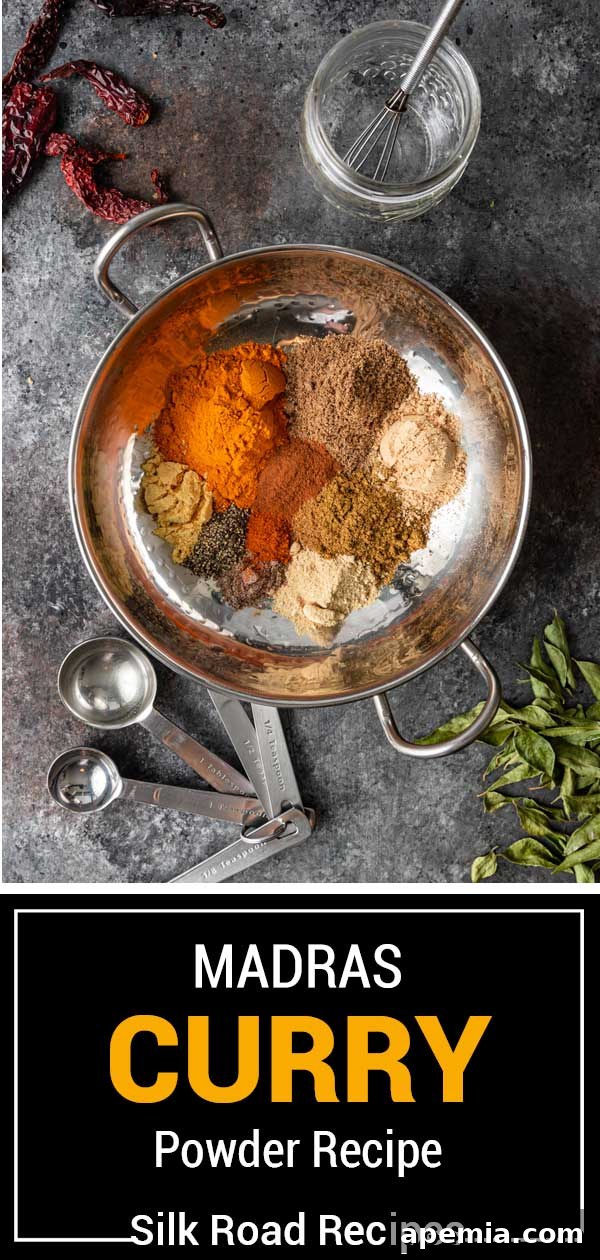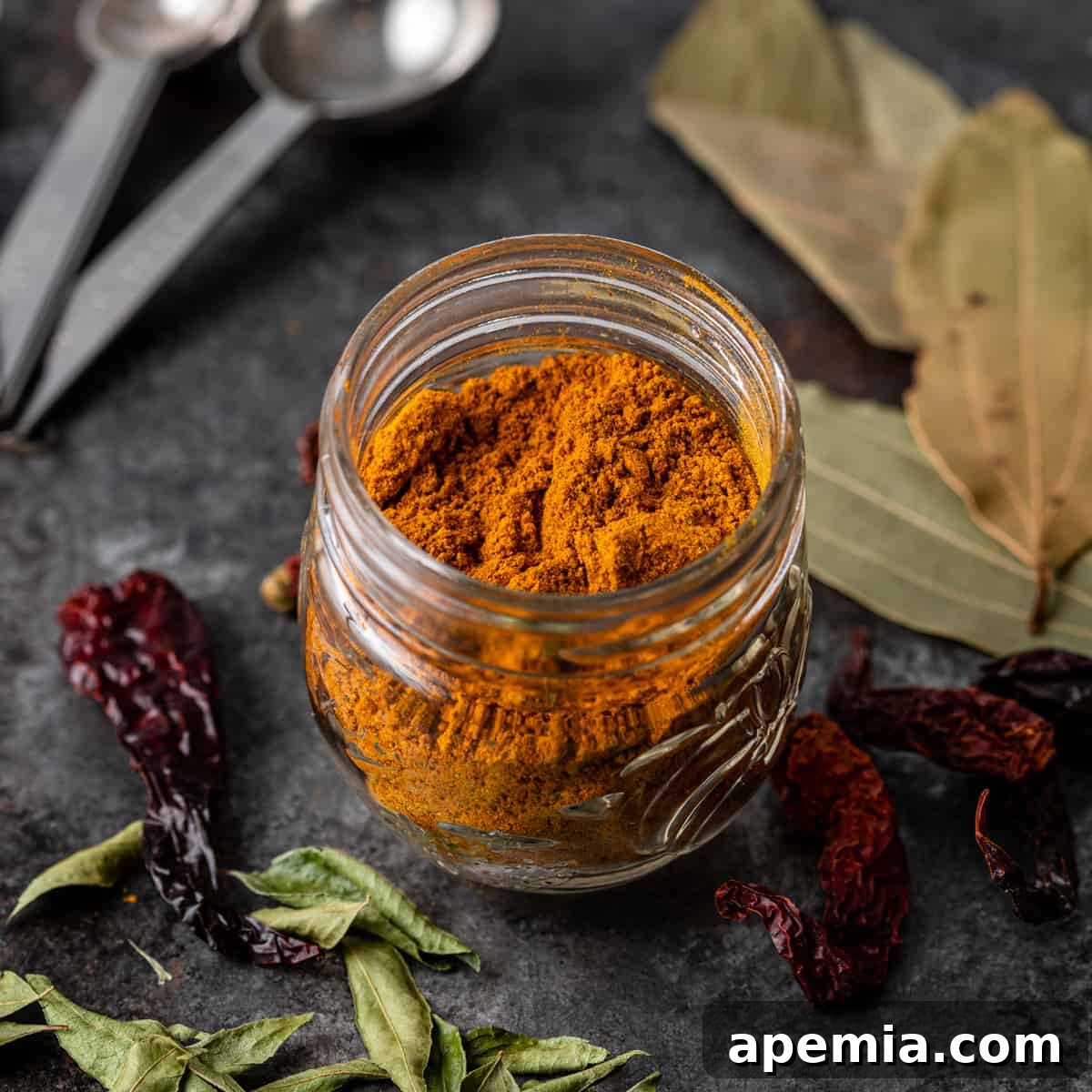
Experience the unparalleled aroma and robust flavor of a truly homemade Madras Curry Powder. Forget bland, store-bought mixes; this meticulously crafted recipe promises a depth of taste you simply won’t find anywhere else. By grinding your own fresh spices, you unlock their full potential, creating a vibrant, aromatic blend that will elevate all your favorite Indian dishes. Plus, making it yourself is surprisingly cost-effective and gives you complete control over the quality and intensity of your spices. Get ready to impress with this authentic, deeply flavorful spice blend.
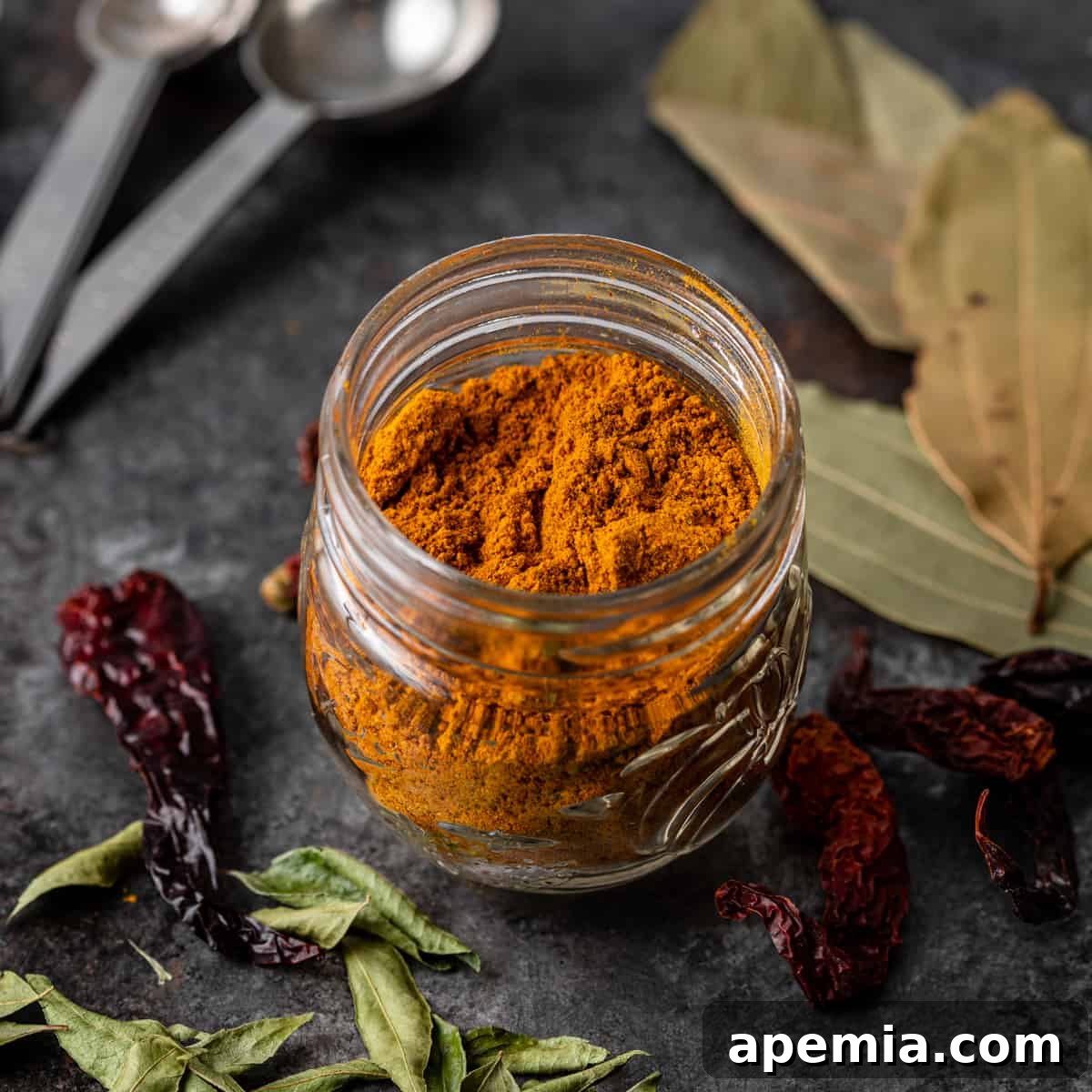
Unlock Authentic Flavor: The Magic of Homemade Madras Curry Powder
Madras curry powder is a celebrated spice blend that originated in the bustling southern Indian city of Chennai, formerly known as Madras. It’s instantly recognizable by its vibrant reddish hue and its characteristic warming, spicy flavor profile. This iconic blend is far more than just “curry powder”; it’s a testament to the rich culinary heritage of South India, bringing a complex symphony of flavors to any dish it graces. While commercial versions are readily available, crafting your own Madras curry powder at home ensures an unmatched freshness and potency that will transform your cooking.
If you’re already familiar with essential Indian herbs and seasonings, you’ll recognize many of the ingredients that form the backbone of this exquisite blend. Spices like fragrant green cardamom, warm cassia bark (a close cousin to cinnamon), aromatic dried curry leaves, earthy fenugreek, and the golden brilliance of turmeric are all present. However, what truly distinguishes Madras curry powder and gives it its signature fiery red color and exhilarating kick is the inclusion of Kashmiri chiles. These unique chiles provide a beautiful color without overwhelming heat, striking a perfect balance that makes this blend so beloved.
Despite the presence of dried chiles, a well-balanced Madras curry powder is not simply about heat. The carefully selected blend of spices works in harmony, ensuring the warmth from the chiles doesn’t overshadow the more delicate notes. You’ll still discern the subtle pungency of mustard and the distinctive citrusy aroma of curry leaves. It is, however, designed to be noticeably spicier than a standard mild curry powder or the more fragrant and generally less fiery garam masala blends. This makes it an ideal choice for those who appreciate a curry with a lively, yet approachable, spice level.
The versatility of homemade Madras curry powder is remarkable. Its smoky, sweet, and moderately spicy profile makes it an excellent addition to a wide array of dishes. Experiment by stirring it into your favorite stir-fries for an instant flavor boost, incorporating it into hearty soups for a warming depth, or, of course, using it as the star in traditional curries. Feel free to explore my expansive list of Indian recipes and integrate this vibrant spice blend wherever you desire a touch more heat and complex Indian flavor.
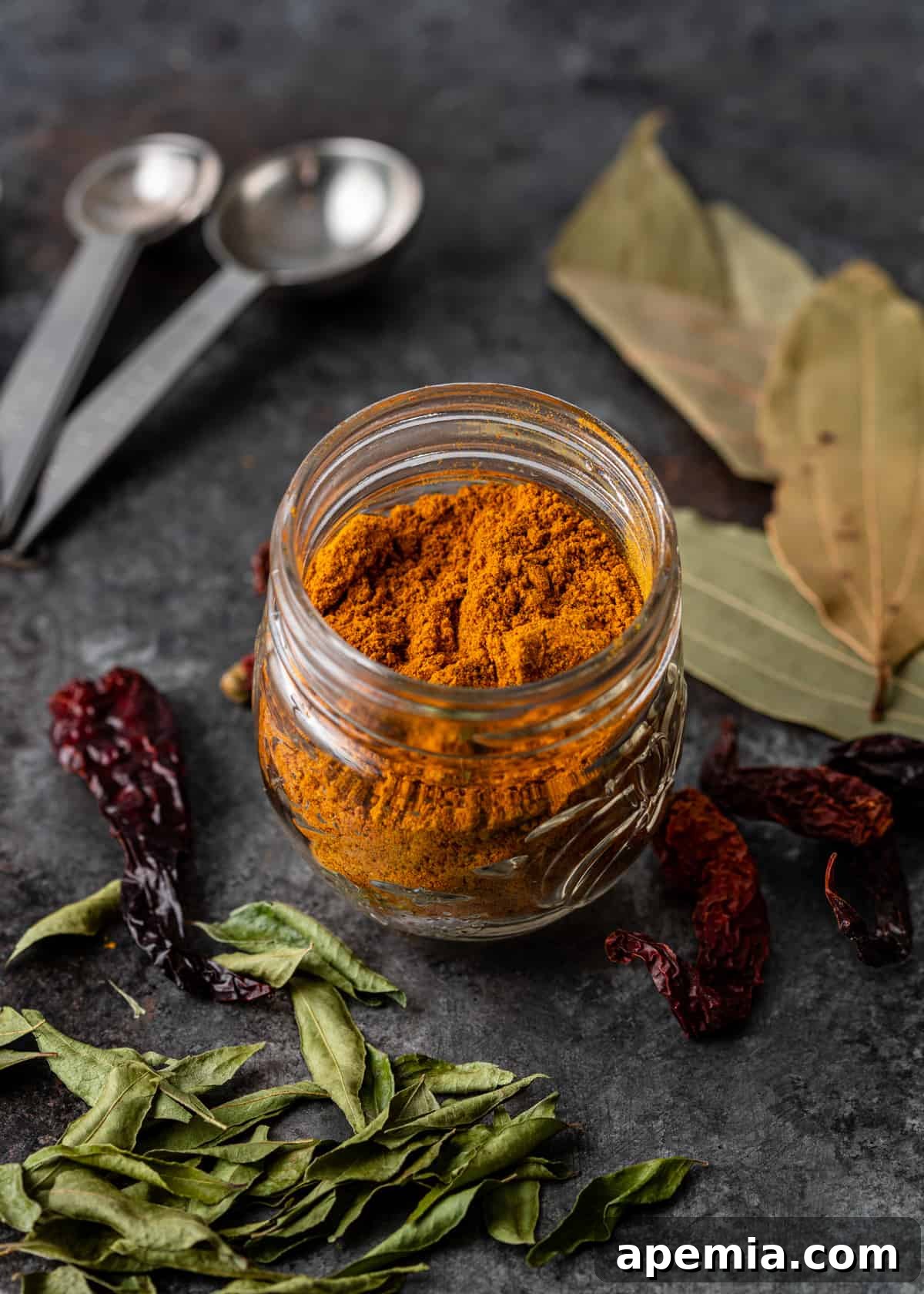
Why Homemade is Always Better: The Benefits of Crafting Your Own Spice Blends
There’s a common misconception that making your own spice blends is complicated or time-consuming. However, the reality is quite the opposite. The process is straightforward, incredibly rewarding, and yields a product superior in every measurable way to its store-bought counterparts. The primary reason lies in freshness. Whole spices retain their volatile oils and aromatic compounds much longer than ground spices. Once ground, spices begin to lose their potency rapidly as they are exposed to air, light, and heat. By toasting and grinding your own whole spices just before blending, you capture their peak flavor and aroma, resulting in a Madras curry powder that’s intensely fragrant and rich.
Furthermore, making your own blend allows for complete control over ingredients. You can select high-quality, fresh whole spices, ensuring no fillers, anti-caking agents, or artificial colors are added. This means a purer, healthier, and more potent blend. You also have the flexibility to adjust the proportions to suit your personal taste preferences. Want it a little spicier? Add an extra chile. Prefer a more pronounced sweetness? Adjust the fenugreek. This level of customization is simply not possible with pre-packaged blends. Lastly, consider the cost-effectiveness. Buying whole spices in bulk is often cheaper per ounce than purchasing small jars of pre-ground spices or specialty blends, making homemade not only tastier but also more economical in the long run.
Essential Ingredients for Authentic Madras Curry Powder
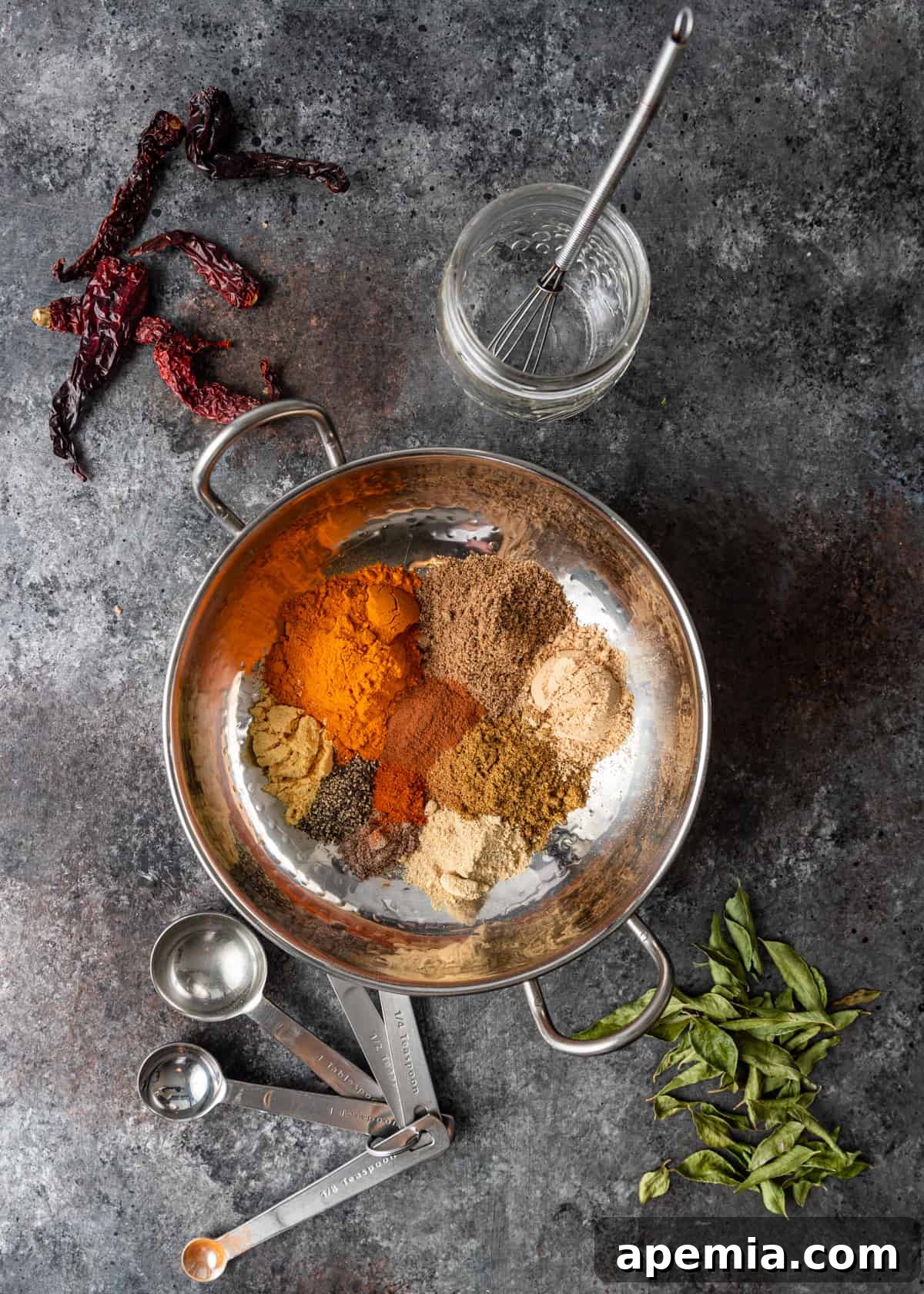
Crafting the perfect Madras curry powder relies on a selection of vibrant, aromatic spices. Each plays a crucial role in building the complex flavor profile, from the earthy base notes to the bright, zesty top notes and, of course, the signature heat. Here’s a detailed look at the core components and their characteristics:
- Dried Kashmiri Chiles – These chiles are the heart of Madras curry powder’s color and balanced heat. They impart a beautiful, deep red hue without the searing spiciness found in many other chiles, making the blend flavorful but not overwhelmingly hot. If you can’t find Kashmiri chiles, a blend of smoked paprika (for color and mild smokiness) and a small amount of cayenne powder (for heat) can serve as a suitable substitute, though the authentic flavor will differ slightly.
- Cassia Bark – Often referred to simply as cinnamon in many kitchens, cassia bark offers a strong, warm, and slightly pungent sweetness. It’s a fundamental flavor in many Indian spice blends. Should cassia bark be unavailable, ground ginger can provide a similar warming undertone, albeit with a different aromatic profile.
- Green Cardamom Pods – Known as the “Queen of Spices,” green cardamom is intensely aromatic, offering a unique warm, slightly sweet, and floral note. It’s a highly prized spice in Indian cuisine and essential for the depth of this curry powder.
- Black Peppercorns – A familiar and universally loved spice, black peppercorns contribute a sharp, earthy pungency and a subtle heat that rounds out the blend. While black peppercorns are traditional, you could experiment with white or pink peppercorns for slightly different nuances. Some adventurous cooks even use papaya seeds, which offer a peppery kick, or white coriander for a unique twist, though these are less common and would alter the classic Madras flavor.
- Coriander Seeds – With a sweet, citrusy, and slightly earthy flavor, coriander seeds are practically indispensable in Indian cooking. Their strong, distinctive aroma forms a foundational layer in almost every curry recipe, lending a comforting and bright quality to the blend.
- Cumin Seeds – Offering a nutty, warm, and slightly sweet flavor with a hint of bitterness, cumin seeds are a classic partner to coriander in many South Asian dishes. They provide an essential earthy depth that balances the brighter spices.
- Fenugreek Seeds – These small, hard seeds are unique. When raw, they can be quite bitter, but upon toasting, they transform into a sweet, nutty, and slightly maple-like aroma and flavor. This transformation is crucial for the overall balance of the curry powder. Fennel seeds can be used as a substitute if fenugreek is unavailable, offering a different but complementary sweet and anise-like note.
- Mustard Seeds – While quite mild on their own, mustard seeds contribute a subtle sharpness and pungency that becomes more pronounced when simmered in stews and sauces. They add a layer of complexity without overpowering the other flavors.
- Dried Curry Leaves – These fragrant leaves are an iconic ingredient in South Indian cooking, imparting a distinct citrusy flavor reminiscent of lemongrass and a hint of anise. They contribute an irreplaceable freshness and aroma to the blend, and while fresh are best for cooking, dried are essential for a stable spice blend.
- Ground Turmeric – This brilliant yellow spice is almost synonymous with curry. Turmeric provides a warm, earthy, slightly bitter, and peppery flavor, along with powerful anti-inflammatory properties and its characteristic golden color. There is no suitable substitute for turmeric in a traditional curry powder, as its flavor and color are too integral.
Crafting Your Own Madras Curry Powder: A Step-by-Step Guide
Making your own Madras curry powder is a simple yet incredibly rewarding process. The key steps involve carefully toasting the whole spices to release their aromatic oils, allowing them to cool, and then grinding them into a fine, flavorful powder. Follow these steps for an authentic and potent blend:
- Initiate the Toasting Process: Start by heating a heavy-bottomed skillet or frying pan over medium heat. Ensure the skillet is completely dry; no oil is needed at this stage. Add the dried Kashmiri chiles to the hot skillet and toss them for about 30 seconds. This brief toasting period helps to bring out their flavor and aroma. Next, introduce the cassia bark, green cardamom pods, and black peppercorns to the skillet. Continue toasting all these spices together for another 30 seconds, constantly stirring or shaking the pan to prevent burning and ensure even toasting. You’ll notice a fragrant aroma beginning to fill your kitchen.
- Continue with Remaining Spices: Now, add the coriander seeds, cumin seeds, fenugreek seeds, and mustard seeds to the pan. Toast these spices along with the others for approximately 1 minute. Keep an eye on them, as smaller seeds like fenugreek and mustard can burn quickly. The spices should become noticeably aromatic and slightly darkened, but not burnt. Once toasted to perfection, immediately remove the entire mixture from the heat and transfer it to a plate or a shallow tray. This stops the cooking process and allows them to cool down quickly.
- Grind All Ingredients to Perfection: Allow the toasted spices to cool completely. This step is crucial, as grinding warm spices can lead to clumping and can affect the final texture and shelf life. Once thoroughly cooled, transfer all the toasted spices into a spice grinder or a high-powered blender. Add the dried curry leaves and the ground turmeric to the grinder at this point. Process all the ingredients together until you achieve a fine, uniform powder. Ensure there are no large pieces remaining. Sifting the powder through a fine-mesh sieve and re-grinding any larger particles can help achieve a very smooth consistency.
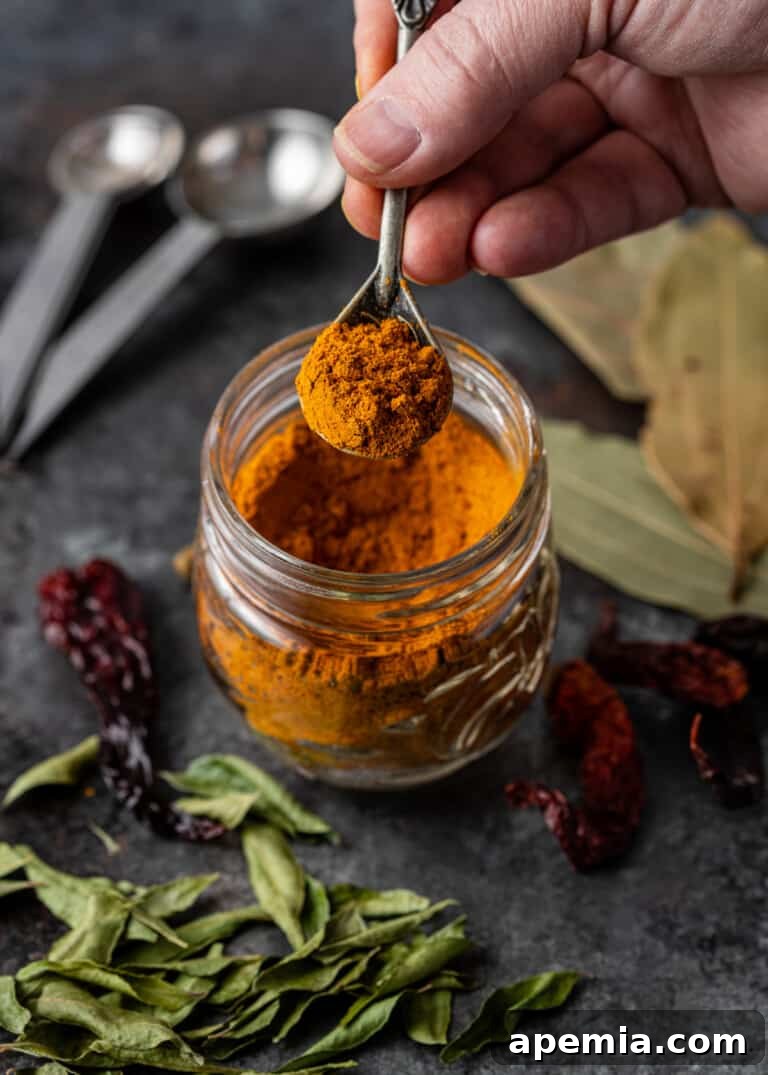
- Store for Maximum Freshness: The longevity and potency of your homemade Madras curry powder depend heavily on proper storage. It is paramount to store your freshly ground spice blend in an airtight container. A glass jar with a tight-fitting lid is ideal. Keep the container in a cool, dark place, such as your pantry or a cabinet away from heat and direct sunlight. Exposure to air, light, and heat can rapidly degrade the delicate flavors and aromas of the spices. For the freshest and most flavorful experience, aim to use your homemade Madras curry powder within 3 months. While it will remain safe to consume beyond this period, its vibrant flavor will gradually diminish.
Frequently Asked Questions About Madras Curry Powder
What is typically found in Madras curry powder?
While regional variations exist, a classic Madras curry powder recipe consistently features a core set of ingredients that define its distinctive character. These almost always include coriander seeds, turmeric powder, cumin seeds, fenugreek seeds, cassia bark (or cinnamon), and black pepper. To achieve its iconic red color and pleasant heat, a hot chili, typically Kashmiri, is also a staple. Some recipes might incorporate additional aromatics like fennel seeds, bay leaves, or aniseed for extra complexity. The combination of spices in this recipe, however, is carefully balanced to deliver an authentic and robust flavor profile that is both warming and aromatic.
How long does homemade Madras curry powder stay fresh and flavorful?
While homemade spice blends, when properly stored, are generally safe to consume for an extended period, their peak flavor and potency have a shorter lifespan. Once toasted and ground, the aromatic compounds begin to degrade. For the best flavor, your homemade Madras curry powder should be used within 3 months. Beyond this timeframe, it will gradually lose its vibrancy and intensity. To maximize freshness, always store it in an airtight container in a cool, dark pantry.
Can I use pre-ground spices to make curry powder?
Yes, you absolutely can use pre-ground spices to make curry powder, and it will still be more flavorful than many store-bought blends if your ground spices are relatively fresh. However, I highly recommend using whole spices and toasting them yourself. Toasting whole spices awakens their essential oils and deepens their flavors, a crucial step that cannot be replicated with pre-ground versions. If you choose to use powdered spices for convenience, please use the following measurements. Remember to still add the dried curry leaves and grind them together with the powdered spices to ensure a uniform blend:
- 3 teaspoons Kashmiri chili powder
- 1 ½ teaspoons ground cinnamon
- 1 teaspoon ground cardamom
- 1 teaspoon ground black pepper
- 4 ½ teaspoons ground coriander
- 2 ¼ teaspoon ground cumin
- 1 ½ teaspoons ground fenugreek
- 1 teaspoon dry mustard powder
- 2 tablespoons ground turmeric
What is the difference between Madras Curry Powder and Garam Masala?
While both are quintessential Indian spice blends, Madras Curry Powder and Garam Masala serve different purposes and have distinct flavor profiles. Madras Curry Powder, as discussed, is a more robust, spicier, and often red-hued blend typically used to build the foundational flavor of a dish, particularly South Indian curries. It includes chiles and is meant to be cooked with. Garam Masala, on the other hand, is generally a milder, sweeter, and more aromatic blend (garam means “warm” in Hindi, referring to its warming properties, not necessarily heat). It usually omits chiles and often contains a higher proportion of sweet spices like cinnamon, cardamom, and cloves. Garam Masala is frequently added towards the end of cooking or sprinkled as a finishing spice to enhance aroma and provide a final layer of flavor, rather than being the primary heat source.
What dishes are best for Madras Curry Powder?
Madras Curry Powder is incredibly versatile! It’s, of course, perfect for traditional South Indian curries, especially those featuring lamb, chicken, or vegetables. Beyond curries, it shines in marinades for grilled meats or tofu, adds a vibrant kick to roasted vegetables (like cauliflower or potatoes), and can be incorporated into lentil dishes (dals) or savory rice preparations like pilafs and biryanis. For a quick and flavorful meal, try sprinkling it into stir-fries, omelets, or even whisking it into salad dressings for an Indian-inspired twist.
Madras Curry Powder
0.75 cup
5 mins
3 mins
8 mins
Pin Recipe
Print Recipe
Ingredients
- 6 dried Kashmiri chiles (or 3 teaspoon ground kashmiri chili powder)
- 4-inch piece of cassia bark or cinnamon stick (or 1 1/2 teaspoons ground cinnamon)
- 20 whole green cardamom pods (or 1 teaspoon ground cardamom)
- 1 teaspoon whole black peppercorns (or 1 teaspoon ground black pepper)
- 2 tablespoons coriander seeds (or 4 1/2 teaspoons ground coriander)
- 1 tablespoon cumin seeds (or 2 1/4 teaspoon ground cumin)
- 2 teaspoon fenugreek seeds (or 1 1/2 teaspoons ground fenugreek)
- 1 teaspoon mustard seeds (or 1 teaspoon dry mustard)
- 30 dried curry leaves
- 2 tablespoons ground turmeric
Instructions
- Toast the chiles in a dry skillet over medium heat for 30 seconds, shaking the pan to move them around. Add the cassia bark (cinnamon stick), cardamom, and peppercorns and toast for another 30 seconds.
- Next, add the coriander, cumin, fenugreek, and mustard seeds, and toast for 1 minute, ensuring they don’t burn.
- Transfer all the toasted spices to a plate and let them cool completely. This is important for preventing clumping when grinding.
- Once cooled, transfer the spices to a spice grinder. Add the dried curry leaves and turmeric. Grind to a fine, uniform powder.
- Store the finished Madras Curry Powder in an airtight container in a cool, dark place. Use within three months for maximum freshness and flavor.
Notes
Nutrition
|
Carbohydrates: 79g
|
Protein: 16g
|
Fat: 12g
|
Saturated Fat: 2g
|
Sodium: 44mg
|
Potassium: 1593mg
|
Fiber: 34g
|
Sugar: 1g
|
Vitamin A: 1669IU
|
Vitamin C: 820mg
|
Calcium: 682mg
|
Iron: 28mg
The information shown is an estimate provided by an online nutrition calculator. It should not be considered a substitute for a professional nutritionist’s advice.
Have You Made This Recipe? Let Me Know on Instagram
Tag @keviniscooking or tag me #keviniscooking!