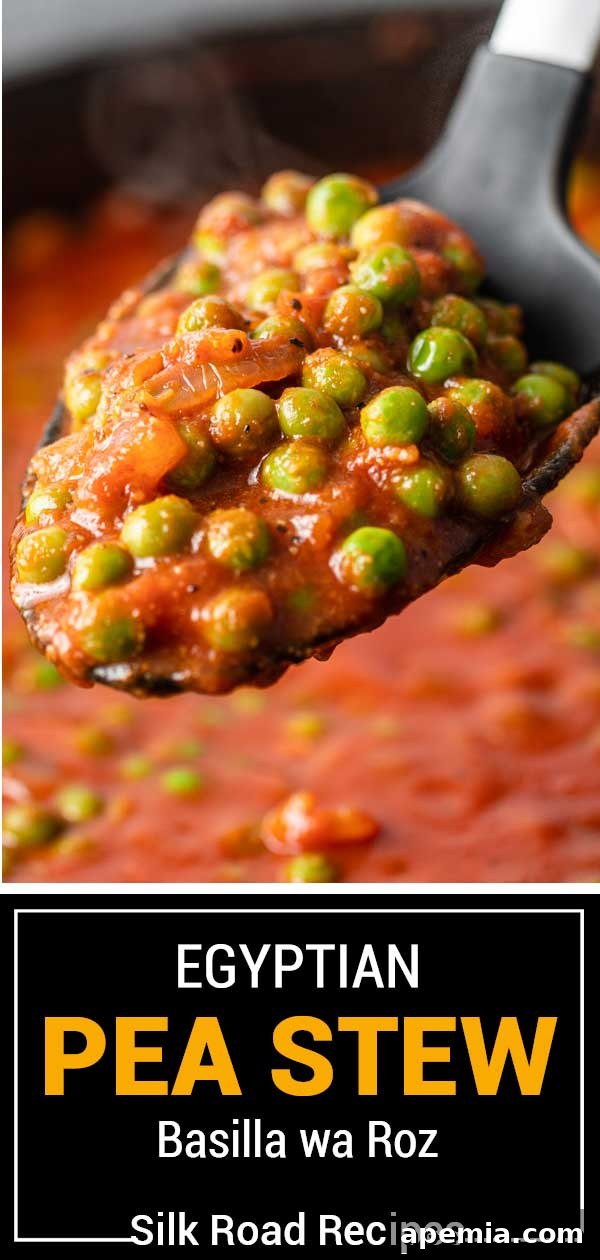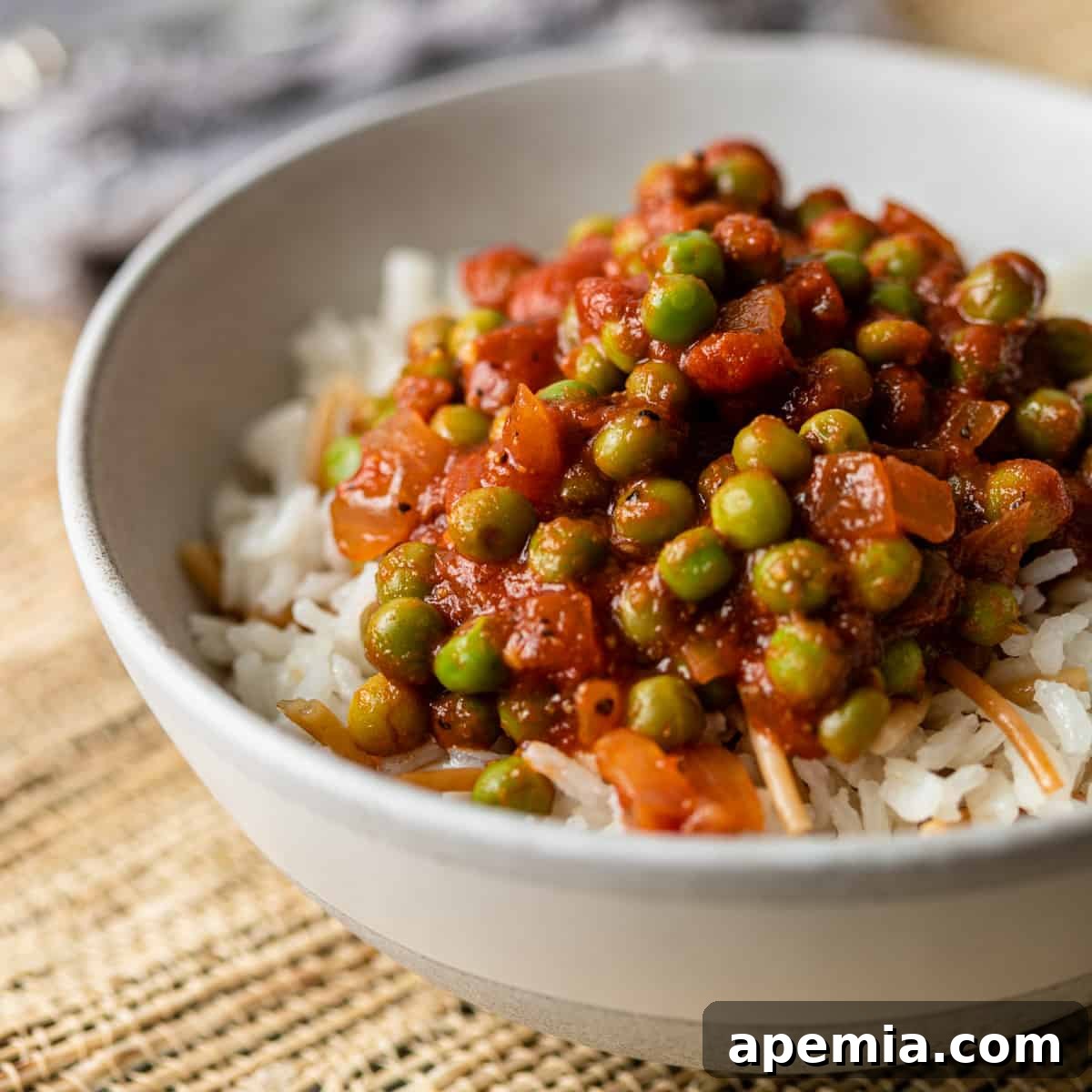
Authentic Egyptian Pea Stew (Basilla wa Roz): A Flavorful Vegan Delight
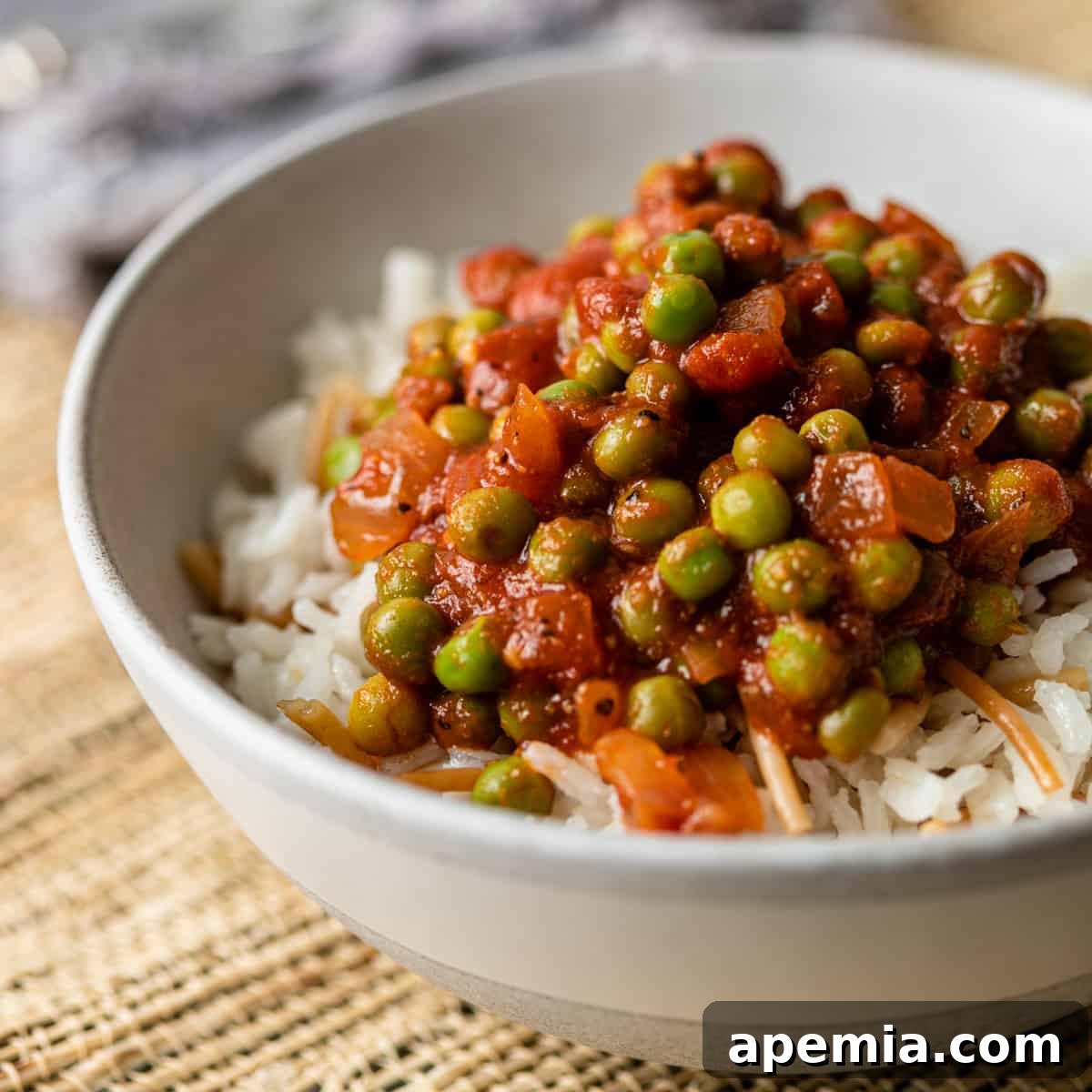
Discover the heartwarming flavors of Egypt with this incredible recipe for Egyptian Pea Stew, also known as Basilla wa Roz. This vibrant, plant-based dish masterfully combines humble, everyday ingredients into a sensational culinary experience. Perfect for a busy weeknight or a relaxed weekend meal, this simple yet profoundly tasty vegan recipe can be ready in 30 minutes or less, often using staples already in your pantry.
The secret to crafting truly timeless recipes often lies in the quality and simplicity of its core ingredients, and this Egyptian pea stew is a shining example. It proves that extraordinary taste doesn’t require complex techniques or exotic components. With fresh peas, aromatic garlic, and onions, all brought together in a rich tomato broth, this stew offers a taste of authentic Middle Eastern comfort food that satisfies without feeling heavy.
A Journey Through Middle Eastern Flavors: The Story of Basilla
Popular throughout the Middle East and North Africa, Egyptian pea stew is a beloved staple with a rich history. While our focus is on the Egyptian rendition, you’ll find similar versions and a host of different regional spellings across various cultures. These include, but are not limited to: bisilla, basilla, bazella (the Arabic word for peas), basilla wa roz (which literally translates to “peas and rice”), and bisala wa gazar (peas and carrots). Each name reflects slight regional nuances and ingredient preferences, but the core essence of a comforting pea stew remains.
This traditional Middle Eastern dish elevates the unassuming green pea by pairing it with perfectly sautéed onion and garlic, and a medley of warm spices. These ingredients burst with flavor as they simmer in a thick, savory tomato broth, creating a deeply aromatic and wonderfully satisfying stew. Its plant-based nature means it’s not only delicious but also incredibly wholesome, offering a nutritious meal that will fill you up and energize you without slowing you down.
My own journey to this recipe began recently while traveling through the mesmerizing landscapes of Egypt. I had the pleasure of enjoying this pea stew on several occasions, finding myself consistently returning for more helpings at the buffet line on the Nile cruise I was on. Intrigued by its delightful simplicity and profound flavors, I took the opportunity to speak with the onboard chef multiple times. We shared culinary stories and, thankfully, exchanged recipes. This particular Egyptian Pea Stew recipe is one of those cherished discoveries, and I am thrilled to share it with you. Enjoy the taste of Egypt from your own kitchen!
If you’re looking to explore more delightful stews from along the historic Silk Road, be sure to check out my Moroccan Chicken Stew, this exotic Spiced Eggplant Stew, or the comforting Lamb Stew (Dal Gosht).
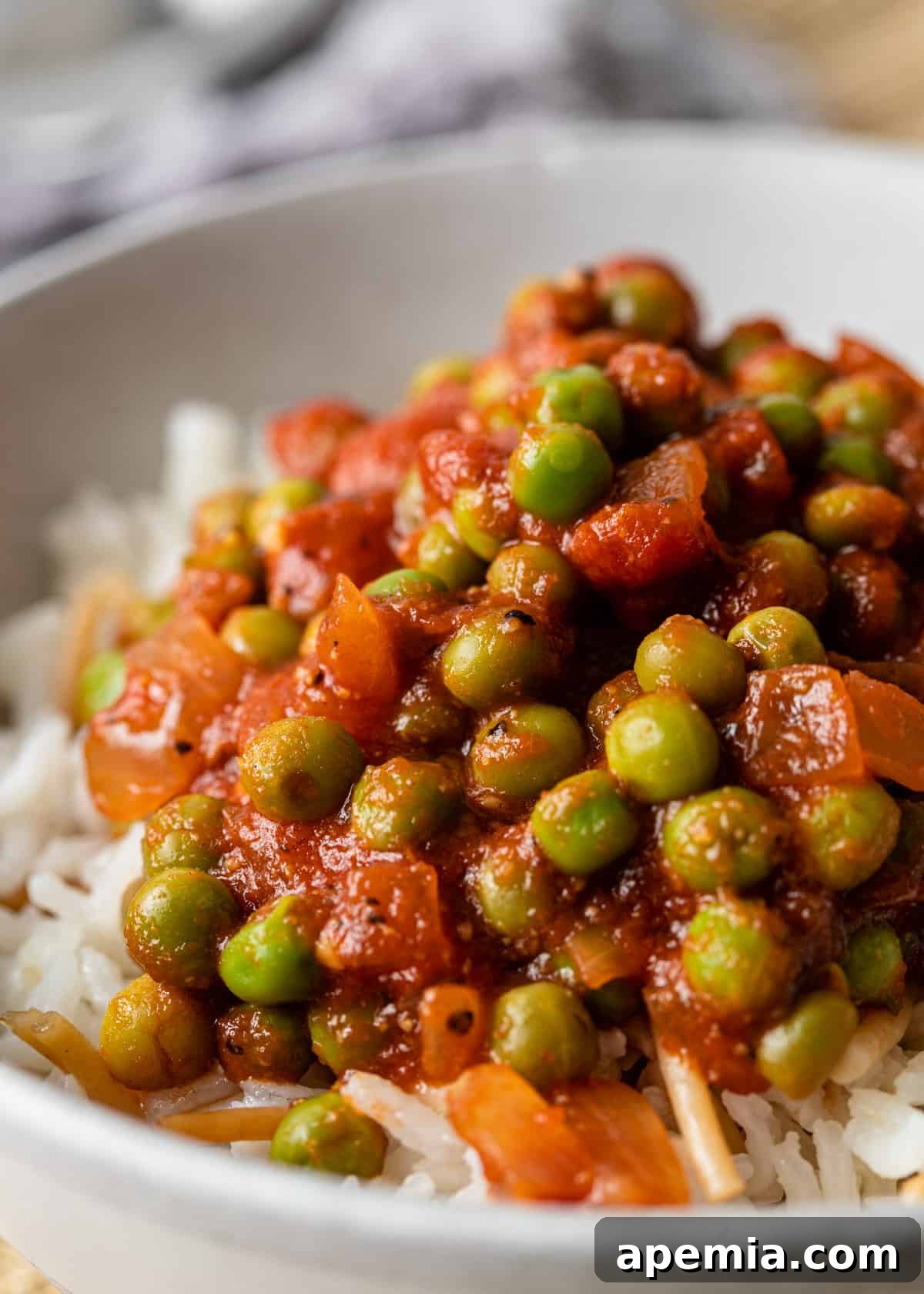
Key Ingredients for an Authentic Egyptian Pea Stew
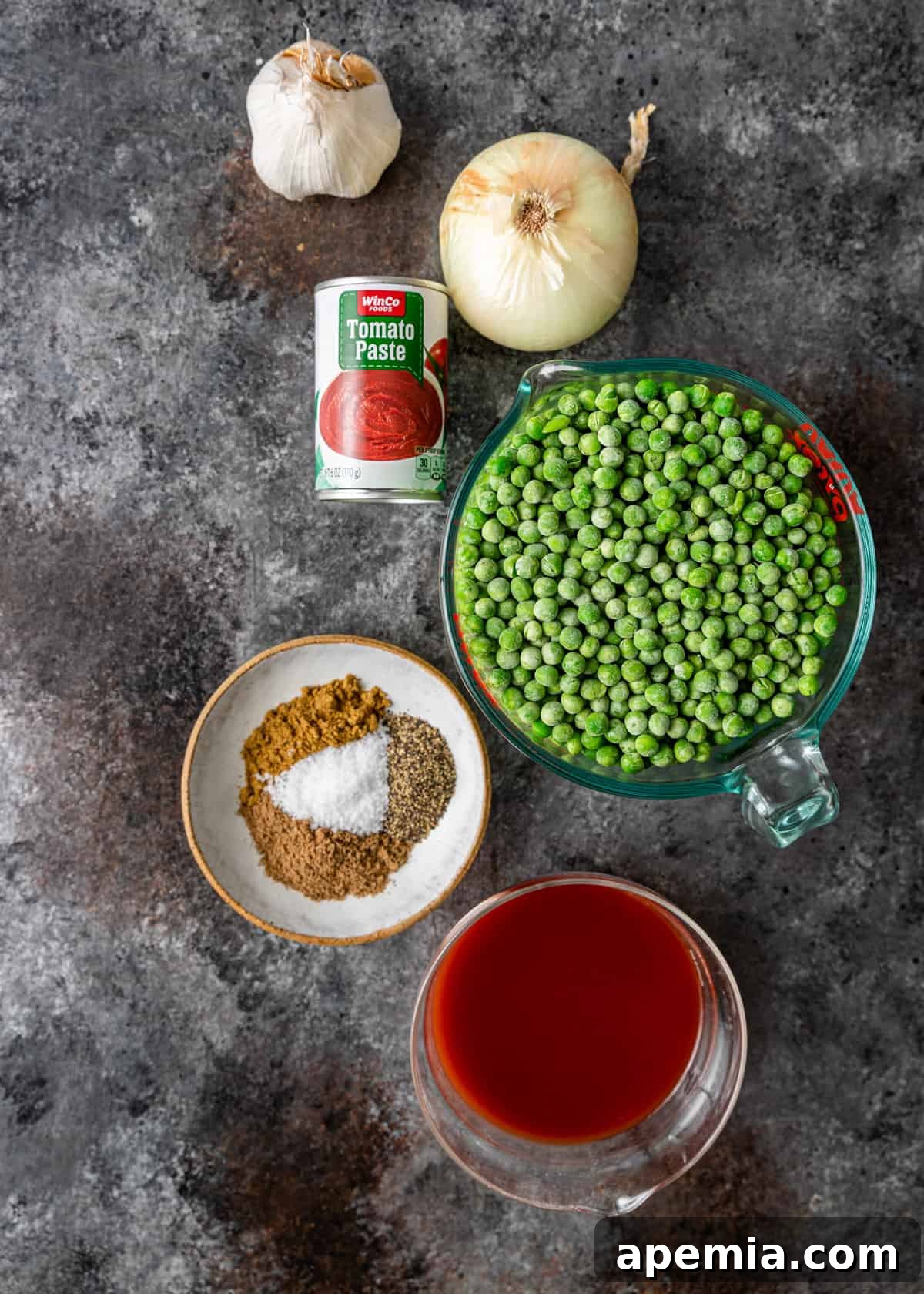
Understanding the role of each ingredient is essential to mastering this flavorful stew. Here’s a closer look at what makes this dish truly special and some helpful substitution notes:
- Peas: The star of the show! For the best texture and flavor, always opt for fresh peas when in season, or use thawed frozen peas. Canned peas are generally overcooked and will turn to mush, so they should be avoided for this recipe to maintain the stew’s integrity and vibrant texture.
- Butter and Oil: This dynamic duo brings out the best in our sauté. Butter delivers a rich, nutty depth of flavor that is hard to replicate, while a high-quality vegetable oil (like canola or sunflower oil) helps increase the smoke point, preventing the butter from burning and ensuring a smooth sautéing process for our aromatics.
- Garlic & Onion: These culinary MVPs form the aromatic foundation of the stew. When sautéed, they develop an earthy sweetness that beautifully complements the other spices, adding a zesty, zingy, and subtly peppery punch that is indispensable to the dish’s overall profile.
- Cumin: This ground spice is a cornerstone of Middle Eastern cuisine. It imparts a distinctive smoky, sultry, and surprisingly bright flavor that perfectly enhances the sweetness of the peas and the richness of the tomato broth.
- Coriander: Ground coriander jazzes up the dish with its lively, citrusy, and slightly floral notes. It adds another layer of complexity to the spice blend, making the stew incredibly aromatic and inviting.
- Tomato Paste: This concentrated tomato extravaganza is crucial for building a deep, rich flavor profile. You get all the goodness the tomato has to offer, from savory umami notes to a tantalizing tang, without excessive liquid. It acts as a powerful flavor booster.
- Tomato Juice: Tomato juice plays a vital role in thinning out the stew to the perfect consistency without watering down its robust flavors. It also brings an extra dose of acidic zing and freshness, brightening the overall taste of the dish.
- Maggi Seasoning: Often found in the international aisle of your grocery store or available online, Maggi Seasoning is a secret weapon for an intensely umami flavor. It delivers a deep, savory richness to everything it touches. Close substitutes include tamari, soy sauce, Worcestershire sauce, or even a dash of Kitchen Bouquet for a similar savory depth.
How to Make Egyptian Pea Stew (Basilla wa Roz)
Creating this authentic Egyptian pea stew is a straightforward and rewarding process. Follow these steps for a perfect pot every time:
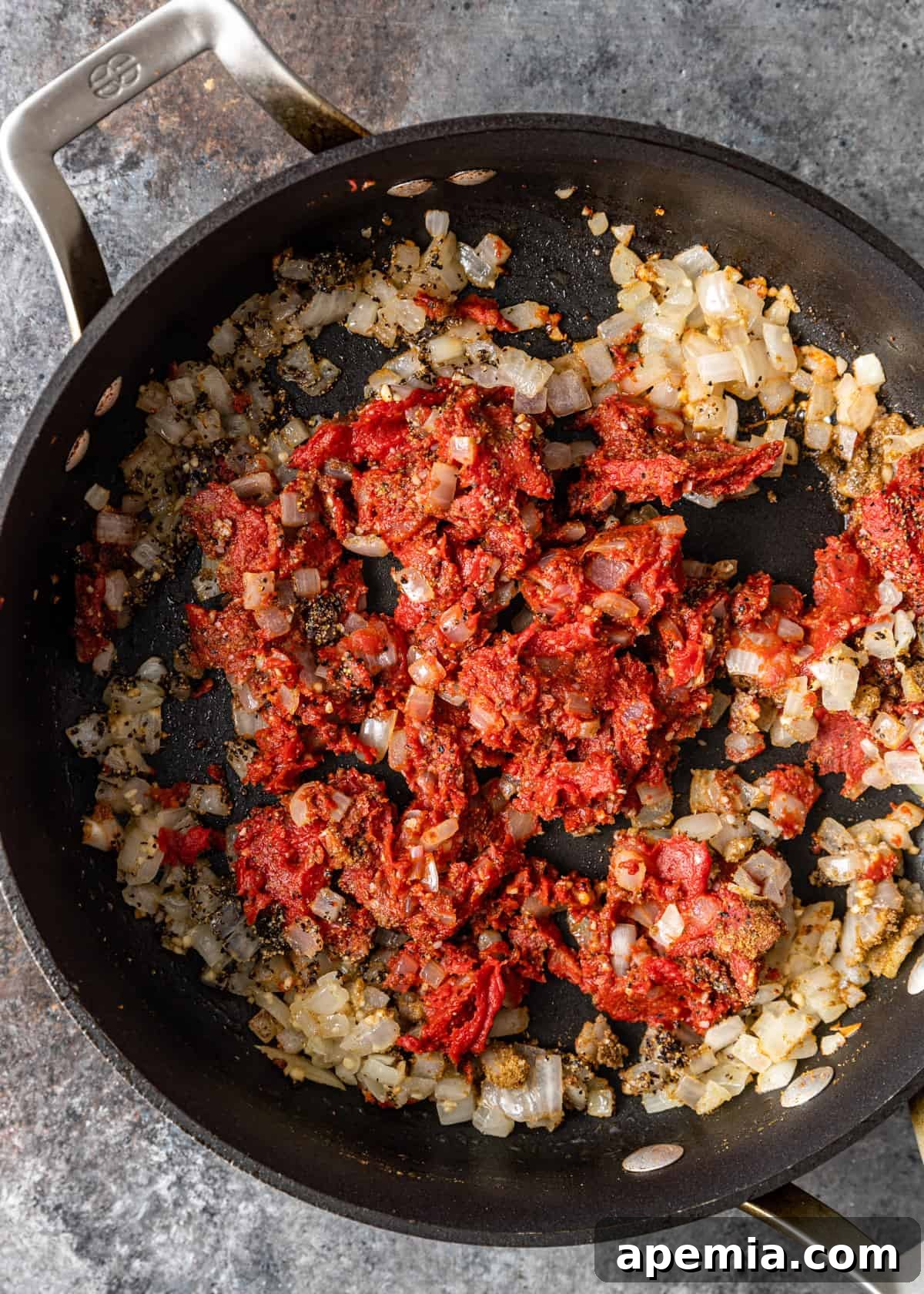
1. Sauté the Aromatics: Begin by heating the butter and oil in a large skillet or pot over medium heat. Once shimmering, add the diced onion and sauté for about one minute until it begins to soften and become translucent. Next, stir in the minced garlic, ground cumin, ground coriander, kosher salt, and black pepper. Continue to sauté the mixture, stirring frequently, until the onions turn a light golden brown and the spices become wonderfully fragrant, which typically takes another 2-3 minutes.
2. Prepare Your Rice: While the stew is simmering, it’s the perfect time to start cooking your accompanying rice. For an authentic experience, I highly recommend preparing Egyptian Rice with Vermicelli, a common pairing in Egypt. Alternatively, prepare your chosen rice recipe according to package directions. Keep the cooked rice separate until you are ready to serve the stew.
3. Combine Stew Ingredients: To the sautéed onions and spices, add the tomato paste. Cook for one minute, stirring continuously to allow the paste to toast slightly and deepen its flavor. This step is crucial for unlocking the tomato’s full potential. Then, pour in the tomato juice and water, followed by the fresh or thawed frozen peas. Stir all the ingredients thoroughly to ensure everything is well combined.
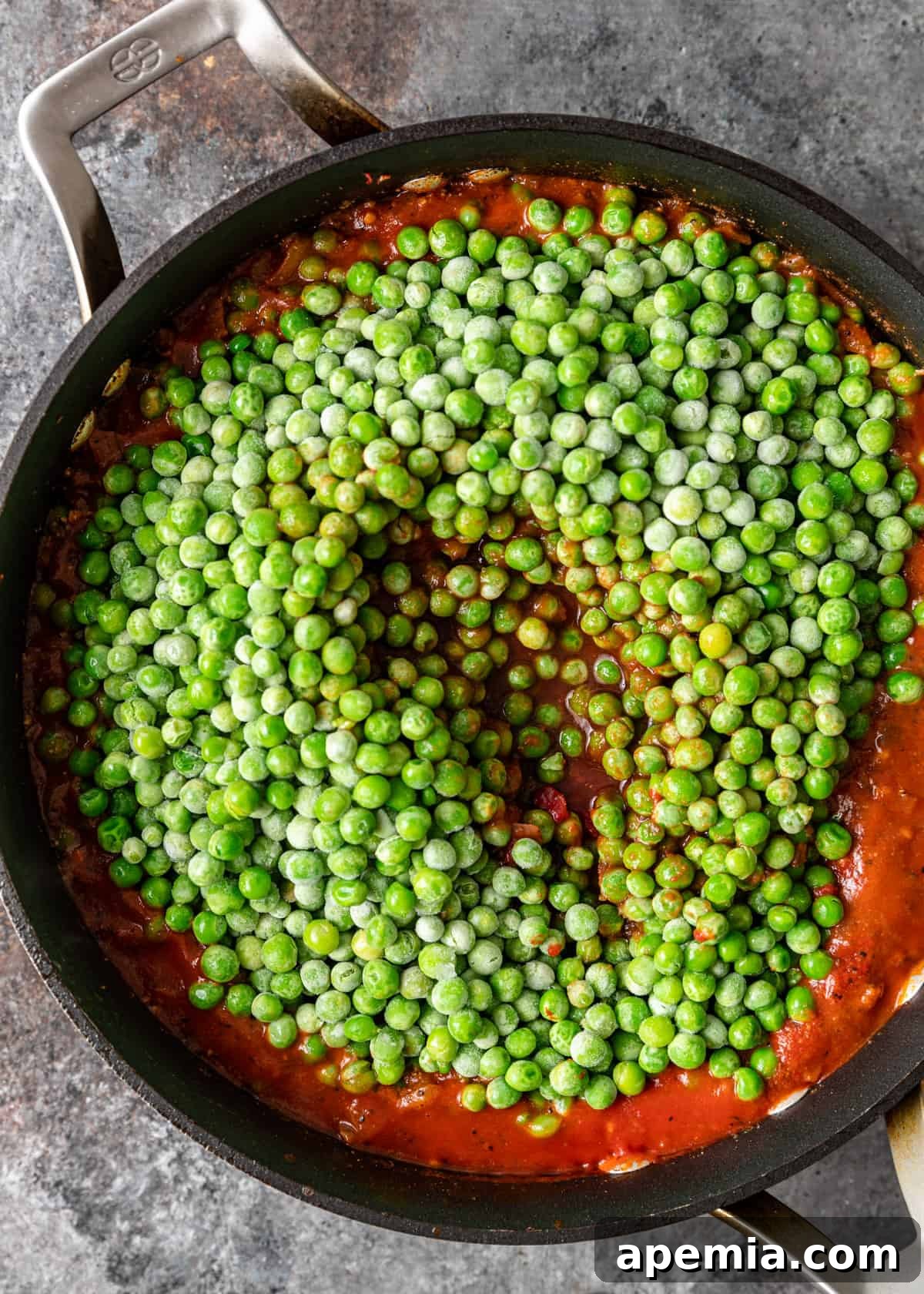
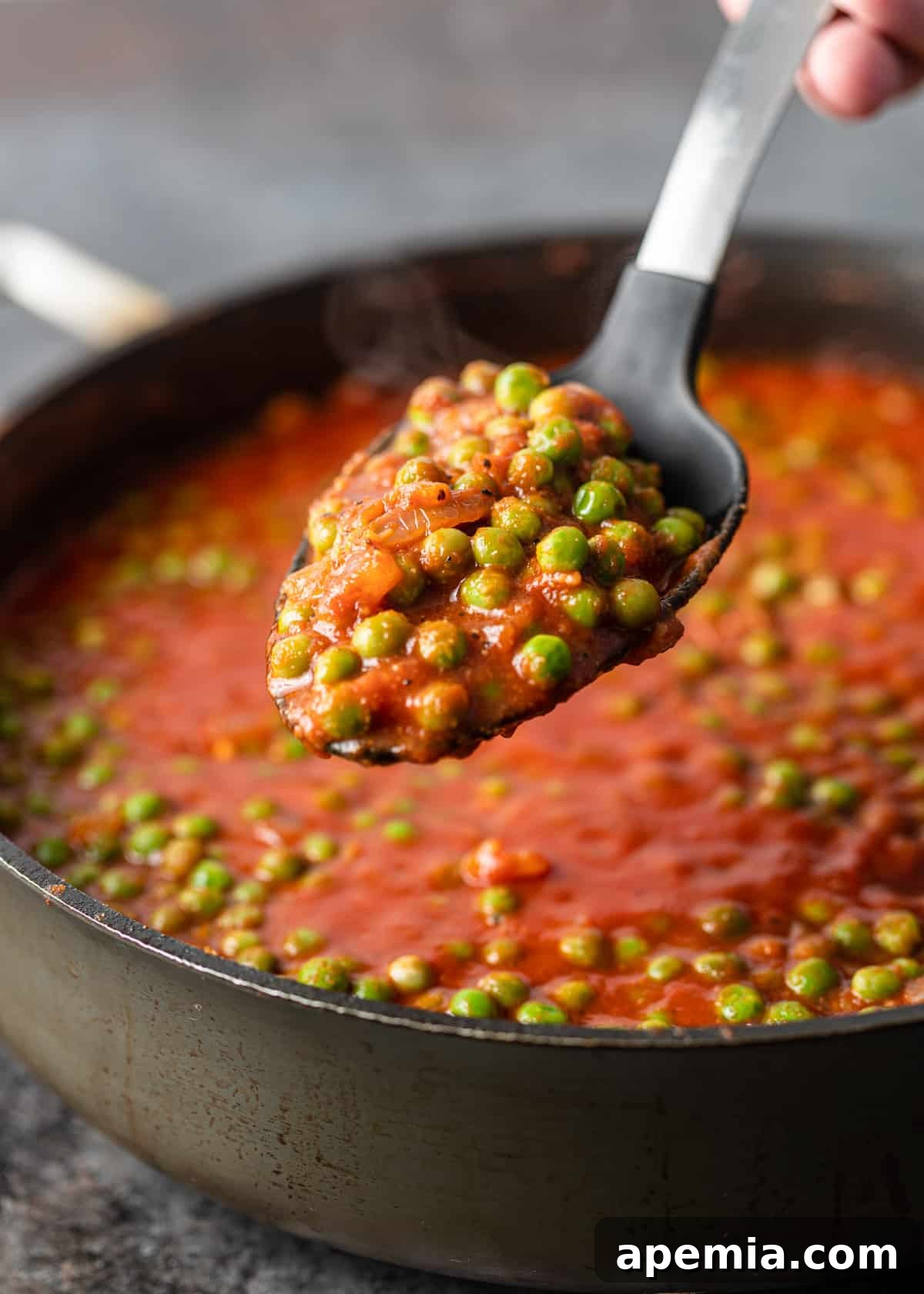
4. Stir and Simmer: Once all the ingredients are thoroughly mixed, bring the basilla to a gentle boil. As soon as it reaches a boil, reduce the heat to low, cover the pot, and let it simmer for about 10 minutes (or 5 minutes if using fresh peas, 3 minutes if using thawed frozen peas and preferring a quicker cook) uncovered. During this time, the sauce will reduce slightly and thicken, allowing the flavors to meld beautifully. Ensure peas are tender but not mushy.
5. Season and Serve: Taste the stew and, if desired, season with Maggi Seasoning or any other preferred seasoning to enhance the flavors further. Serve the Egyptian pea stew hot, spooned generously over a bed of fluffy rice and vermicelli. Garnish with fresh herbs if you like. Enjoy this delightful and authentic Middle Eastern meal!
Frequently Asked Questions About Egyptian Pea Stew
What is Bazella?
Bazella is the Arabic word for peas, and it is also commonly used to refer to Egyptian pea stew. In the world of Middle Eastern cuisine, it specifically denotes a hearty, flavorful tomato-based stew. This cherished dish prominently features peas, complemented by sautéed onions, garlic, and a vibrant blend of aromatic herbs and spices. While many versions of bazella are entirely vegetarian or vegan, like this recipe, some traditional variations do include meat, such as lamb or beef, to add richness and protein.
Egyptian Pea Stew Variations
Traditionally, most versions of bisilla wa roz remain quite consistent in their core ingredients. Peas are always central, accompanied by onions, garlic, salt, pepper, and typically cumin. Beyond these staples, each family recipe might boast a slightly different spice blend, often incorporating a unique combination of cumin, coriander, chili pepper, thyme, bay leaf, and additional salt and black pepper.
The most significant difference you’ll find among bazella recipes is the inclusion of meat. Many traditional recipes feature tender chunks of lamb or beef, slow-cooked with the peas and vegetables. However, just as many versions are beautifully vegetarian or vegan, focusing on the natural sweetness of the peas and the depth of the spices, much like this one. If you prefer a meatier stew, feel free to incorporate some lamb, beef, or even chicken into your dish. For those who love to add more vegetables, consider tossing in carrots, celery, kale, or any other nutrient-rich produce your heart desires. This stew is incredibly versatile and adaptable to your personal taste and dietary preferences.
What Should I Serve With Egyptian Pea Stew?
Bisilla wa Roz, meaning “peas with rice,” is a light yet incredibly filling meal on its own. For dinner, Egyptian pea stew can shine as a flavorful entrée or serve as a delicious, saucy side dish. Here are a few suggestions to inspire your meal:
- Rice & Grains: The traditional accompaniment is Egyptian Rice with Vermicelli. Other excellent grain dishes include Saffron Rice, fluffy Moroccan Couscous, or this fragrant Basmati Rice Pilaf.
- Fresh Salads: Start your meal with a refreshing salad like the crisp Lebanese Fattoush or a vibrant Chilled Moroccan Carrot Salad.
- Roasted Vegetables: Complement the stew with side dishes such as Steamed Carrots with Yogurt Dressing or perfectly Crispy Roasted Potatoes.
- Bread & Dips: Enjoy alongside warm Khubz (Arabic Pita Bread) for dipping, or with Fatteh (Crispy Pita, Hummus, and Yogurt) for a textural contrast.
- Protein Additions: If you’re serving the stew as a side, it pairs wonderfully with grilled or roasted meats such as Beef and Lamb Koobideh, savory Kafta (Ground Beef Kabobs), or tender Lamb Shawarma.
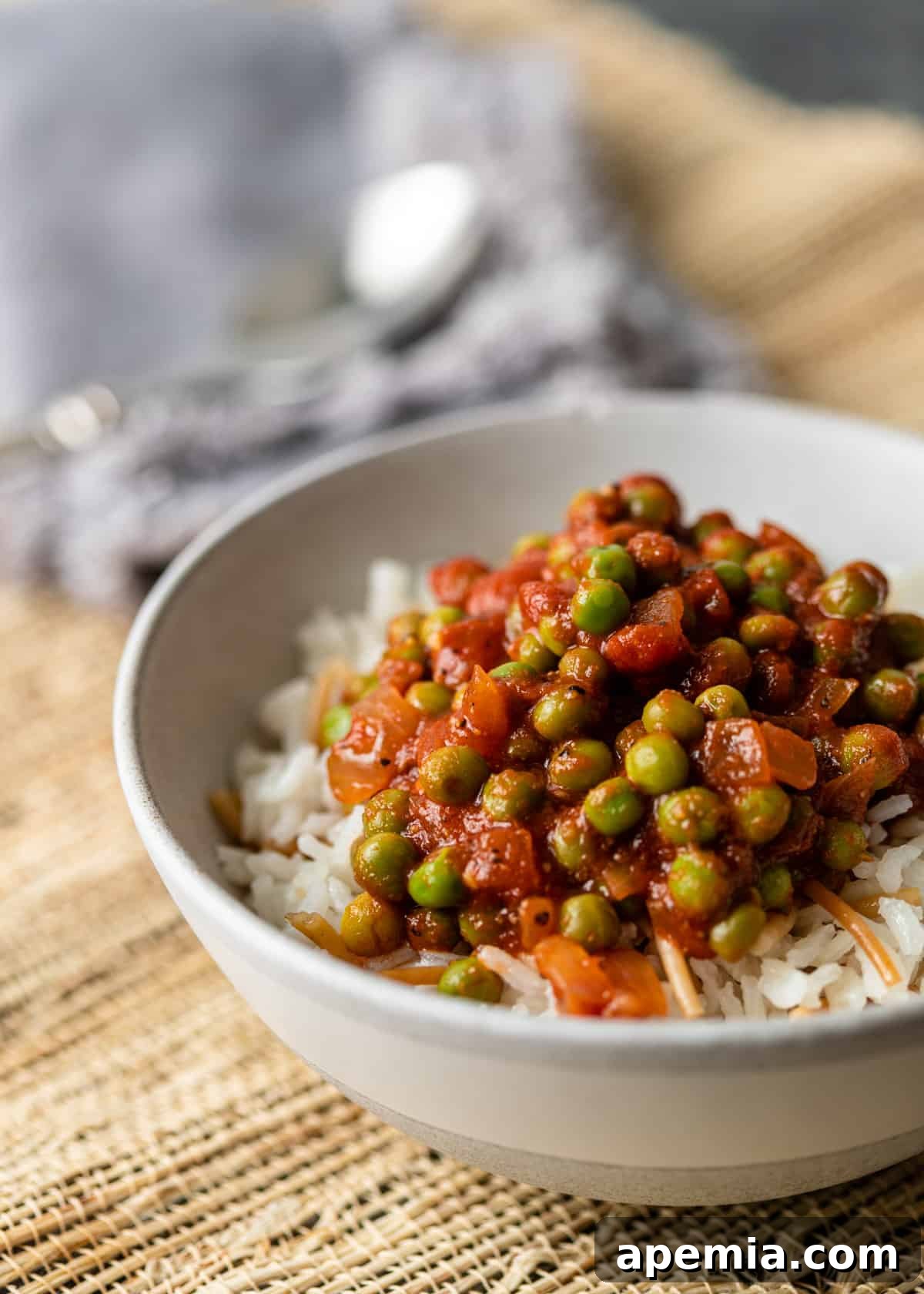
Egyptian Pea Stew (Basilla wa Roz)
Egyptian pea stew is a hearty, flavorful dish featuring tender peas, sautéed onion, garlic, and aromatic spices in a thick, savory tomato broth. This vegan recipe is perfect for a quick and satisfying meal.
Servings: 8
Prep time: 10 minutes
Cook time: 15 minutes
Total time: 25 minutes
Ingredients
For the Stew:
- 2 lbs fresh peas (or frozen, thawed; not canned)
- 1 tbsp butter
- 1 tbsp vegetable oil
- 4 cloves garlic, minced
- 1 cup onion, diced
- 2 tsp ground cumin
- 2 tsp ground coriander
- 1 1/2 tsp kosher salt
- 1 1/2 tsp ground black pepper
- 6 oz tomato paste
- 1 cup tomato juice
- 1 cup water
- 1 1/2 tsp Maggi Seasoning (See Note below for substitutions)
For Serving:
- Rice of choice (Egyptian Rice with Vermicelli preferred)
Instructions
- Heat a large skillet or pot over medium heat. Add the butter and oil. Once the butter is melted, toss in the diced onion and sauté for about a minute until it begins to soften.
- Add the minced garlic, ground cumin, ground coriander, salt, and black pepper. Sauté, stirring frequently, until the onions turn a light golden brown and the spices are fragrant, approximately 2-3 minutes.
- While the stew is cooking, begin preparing your chosen rice. For an authentic experience, make Egyptian Rice with Vermicelli.
- Add the tomato paste to the sautéed onions and spices. Cook for one minute, stirring constantly, to deepen its flavor.
- Stir in the tomato juice, water, and peas. Ensure all ingredients are thoroughly mixed.
- Bring the basilla to a boil, then immediately reduce the heat to low. Simmer, uncovered, for about 5 minutes for fresh peas or 3 minutes for thawed frozen peas, allowing the sauce to reduce and thicken. Ensure peas are tender but still hold their shape.
- Taste the stew and season with the optional Maggi Seasoning or adjust salt and pepper as needed. Serve hot over a generous portion of your prepared rice and vermicelli. Enjoy!
Notes
- Maggi Seasoning is a unique liquid seasoning known for adding a deep umami flavor, similar to soy sauce or Worcestershire sauce. Its ingredients often include iodized salt, wheat flour, natural dried vegetables (onion, tomato, garlic), sugar, corn seasoning, herbs and spices (turmeric, cumin, cardamom, cinnamon, chili powder, black pepper, parsley, bay leaf, clove powder), and chicken fat, along with natural lime flavor. If you cannot find Maggi Seasoning, excellent substitutes include soy sauce, Worcestershire sauce, Kitchen Bouquet, or tamari sauce. You can also order it online.
Nutrition
Calories: 142 kcal | Carbohydrates: 25g | Protein: 8g | Fat: 2g | Saturated Fat: 1g | Polyunsaturated Fat: 0.3g | Monounsaturated Fat: 1g | Trans Fat: 0.1g | Cholesterol: 4mg | Sodium: 628mg | Potassium: 618mg | Fiber: 8g | Sugar: 11g | Vitamin A: 1381 IU | Vitamin C: 58mg | Calcium: 58mg | Iron: 3mg
Course: Side Dish, Main Course
Cuisine: Egyptian, Middle Eastern
Author: Kevin
Have you made this incredible Egyptian Pea Stew? Share your culinary creations on Instagram!
Tag @keviniscooking or use the hashtag #keviniscooking!