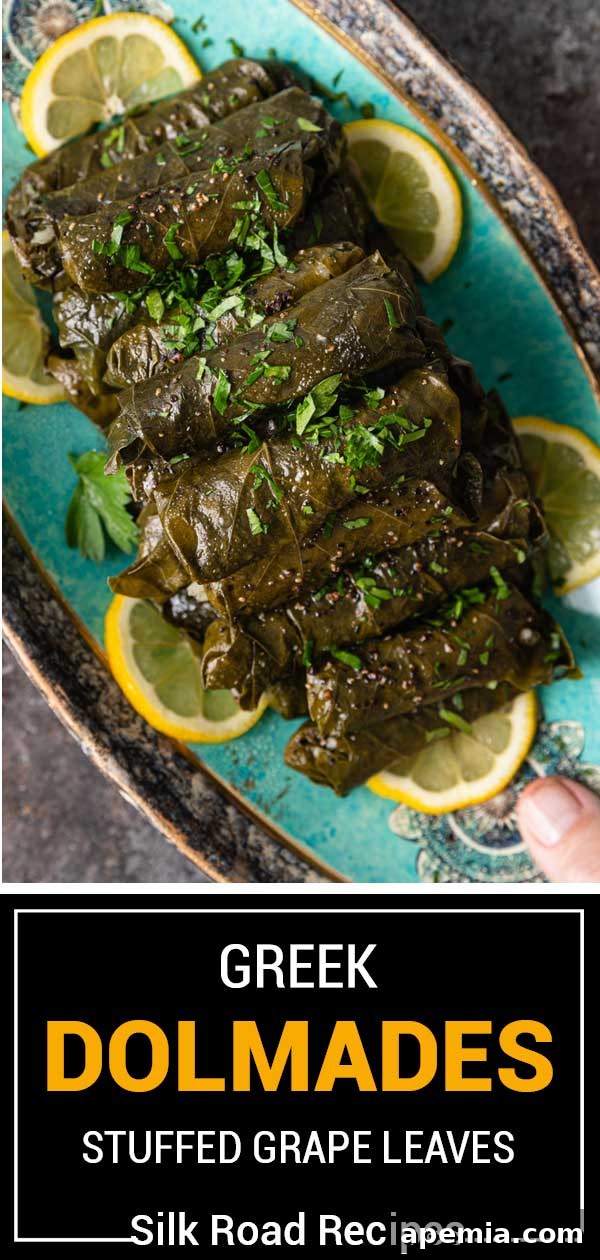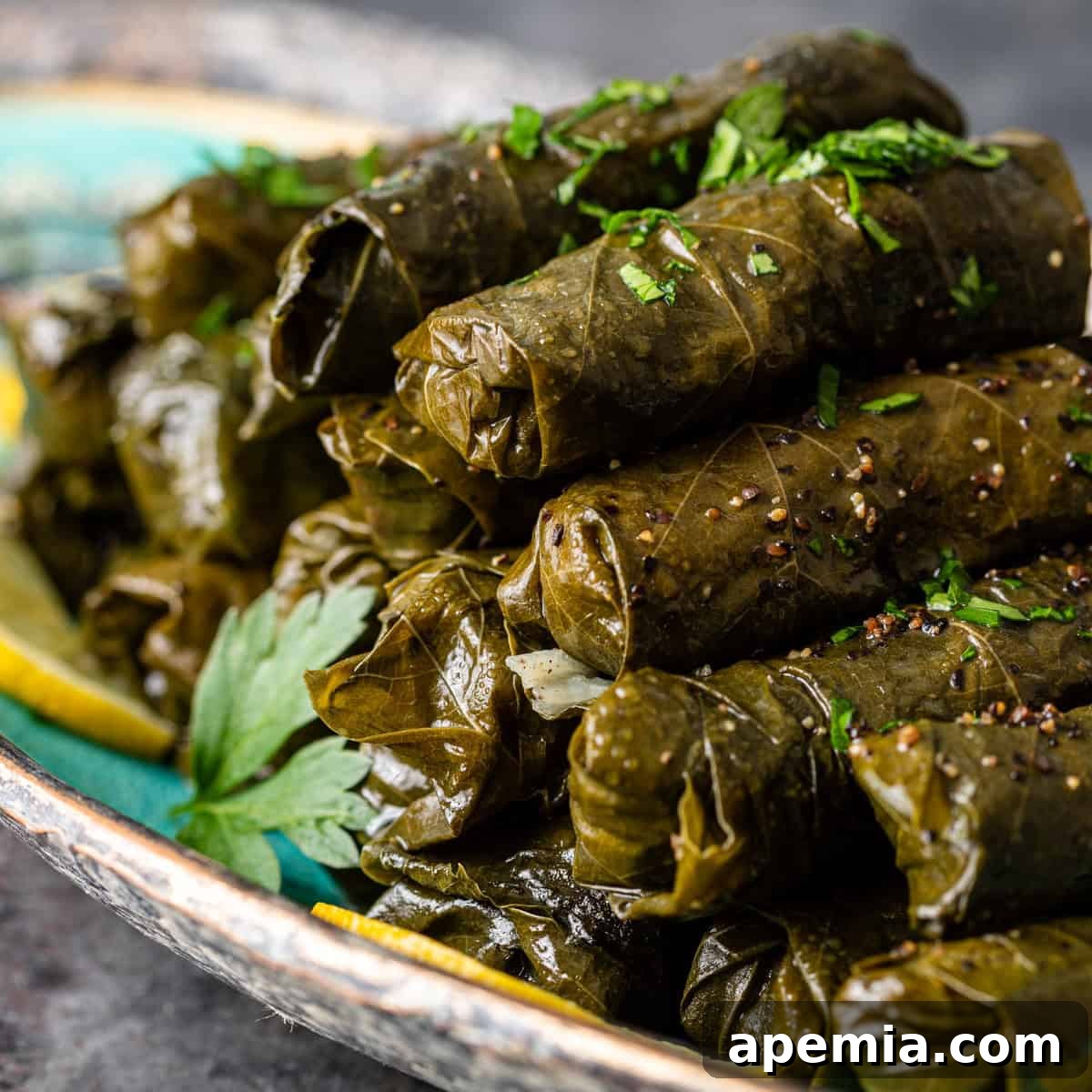
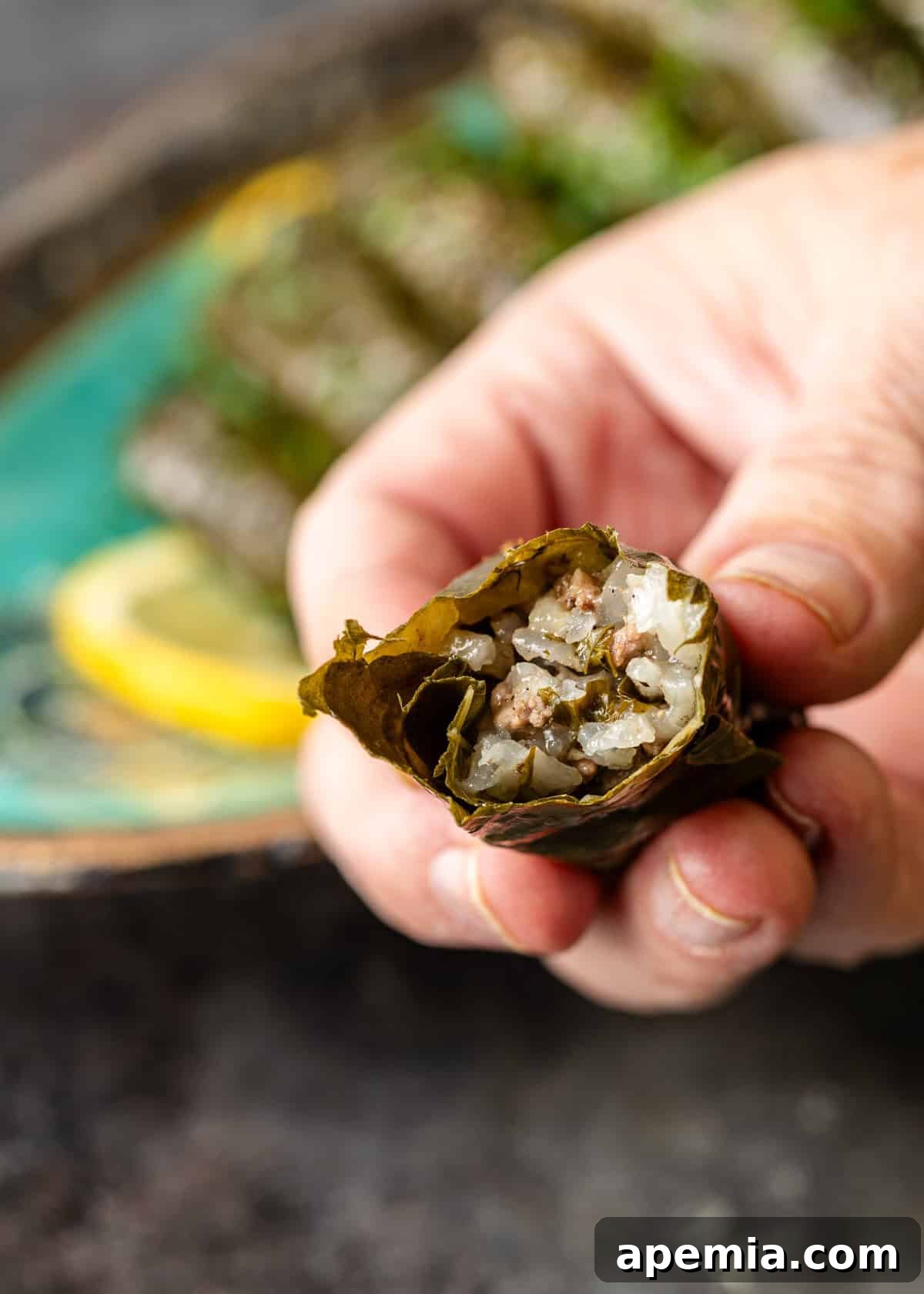
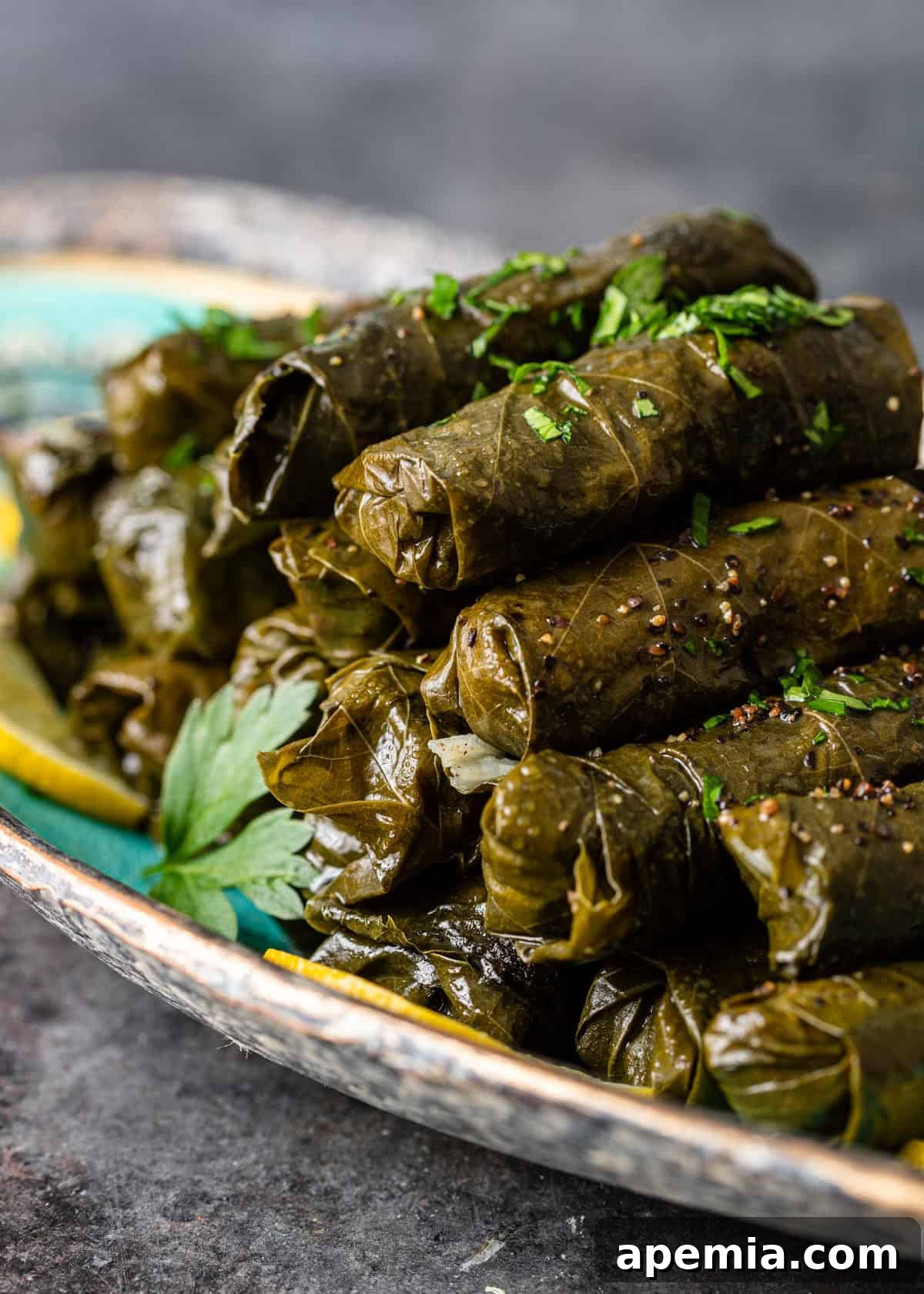
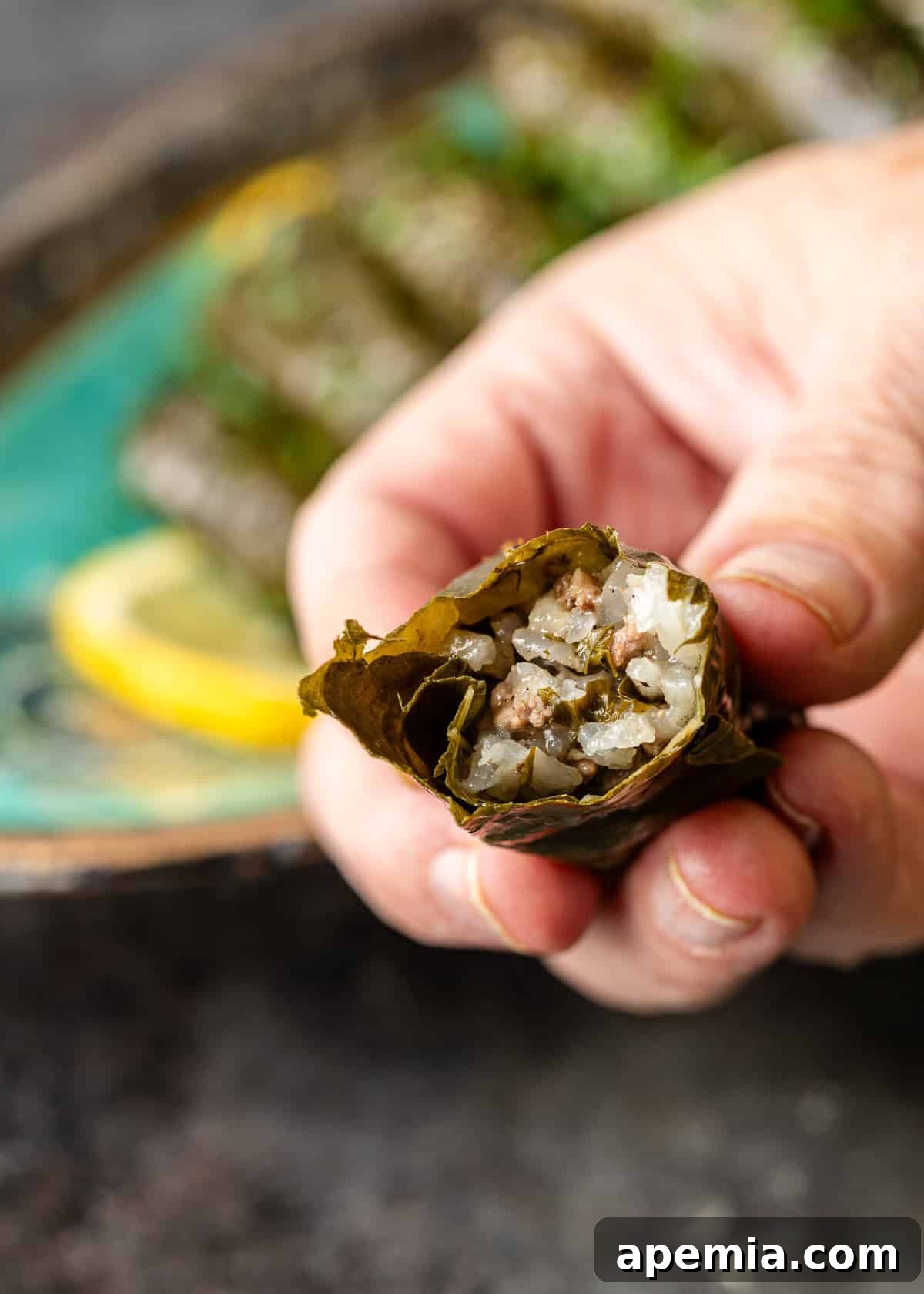
Experience the unparalleled taste of the Mediterranean with these exquisite Dolmades. These tender, tangy stuffed grape leaves are generously filled with a rich blend of ground beef, fragrant rice, and a medley of aromatic herbs. Each bite delivers a hearty, savory burst of flavor, making it nearly impossible to stop at just one!
Authentic Stuffed Grape Leaves (Dolmades): A Mediterranean Classic
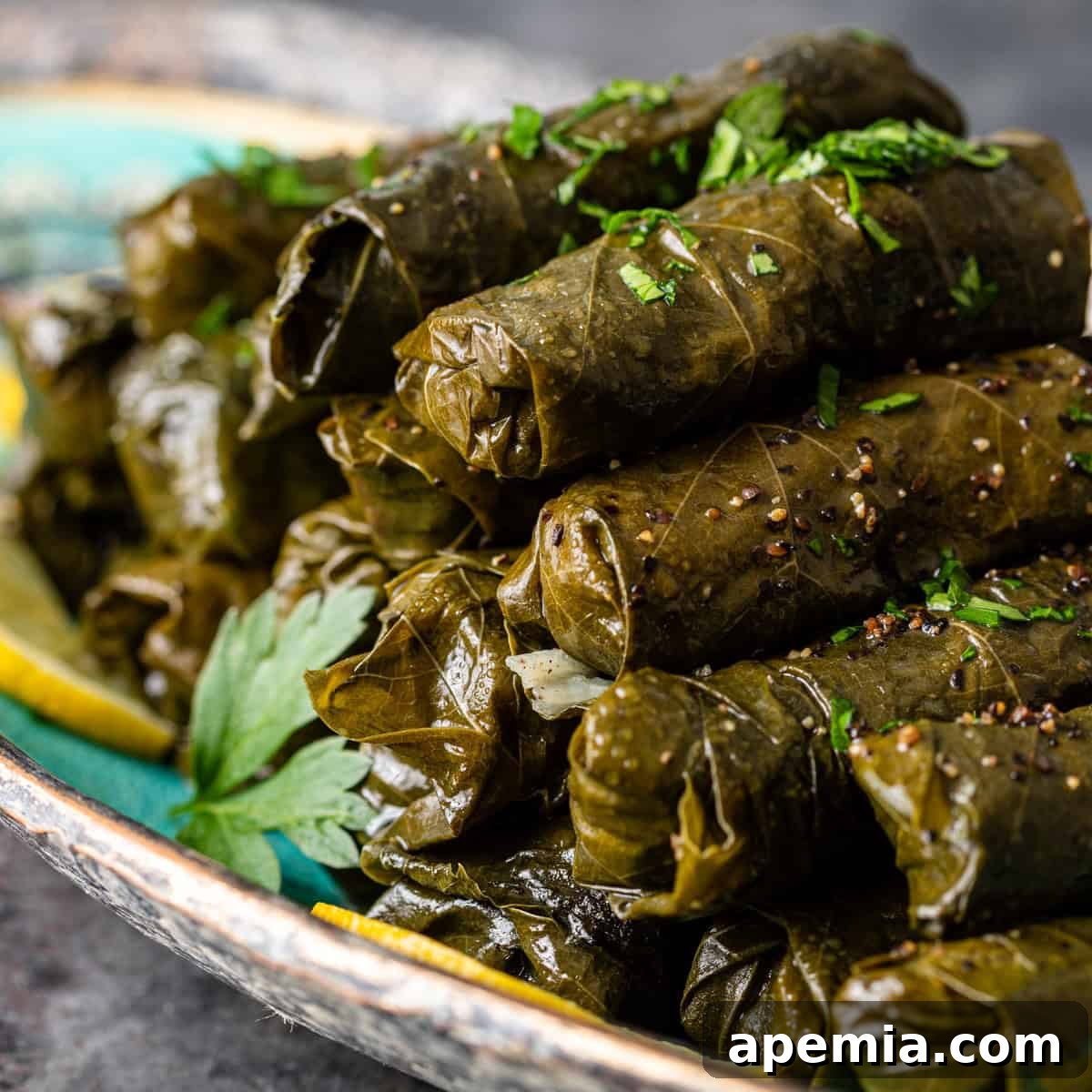
Few dishes truly capture the essence and warmth of Mediterranean culture quite like Dolmades. These delicate parcels, crafted from tender grape leaves, cradle a magnificent filling of savory rice, vibrant aromatic herbs, and succulent ground beef. They are then gently simmered to perfection in a luscious bath of olive oil and fresh lemon juice, resulting in an irresistibly tender texture and an invigorating, zesty flavor that permeates every single leaf. The outcome is a truly luxurious culinary experience, with each mouthful offering a silky, herbaceous, and perfectly spiced sensation.
A Journey Through Mediterranean Flavors and History
Dolmades, or dolmas as they are known in various regions, represent a culinary tradition that has graced dining tables across Greece, Turkey, and the Middle East for centuries. This cherished dish is a testament to the shared heritage and diverse culinary artistry of the region. Our Greek-inspired approach truly celebrates the grape leaves themselves, allowing them to gently absorb every drop of the rich, tangy, and golden cooking liquid. This flavorful foundation begins with a generous amount of sautéed onion, patiently cooked to release its sweet aromas, and is further enhanced by copious amounts of high-quality olive oil and bright lemon juice. This technique, a valuable tip I gleaned during my recent travels through the stunning landscapes of Athens, the ancient wonders of Delphi, the serene beauty of Corfu, and further up the breathtaking Dalmatian Coast into Croatia, ensures an unparalleled depth of flavor.


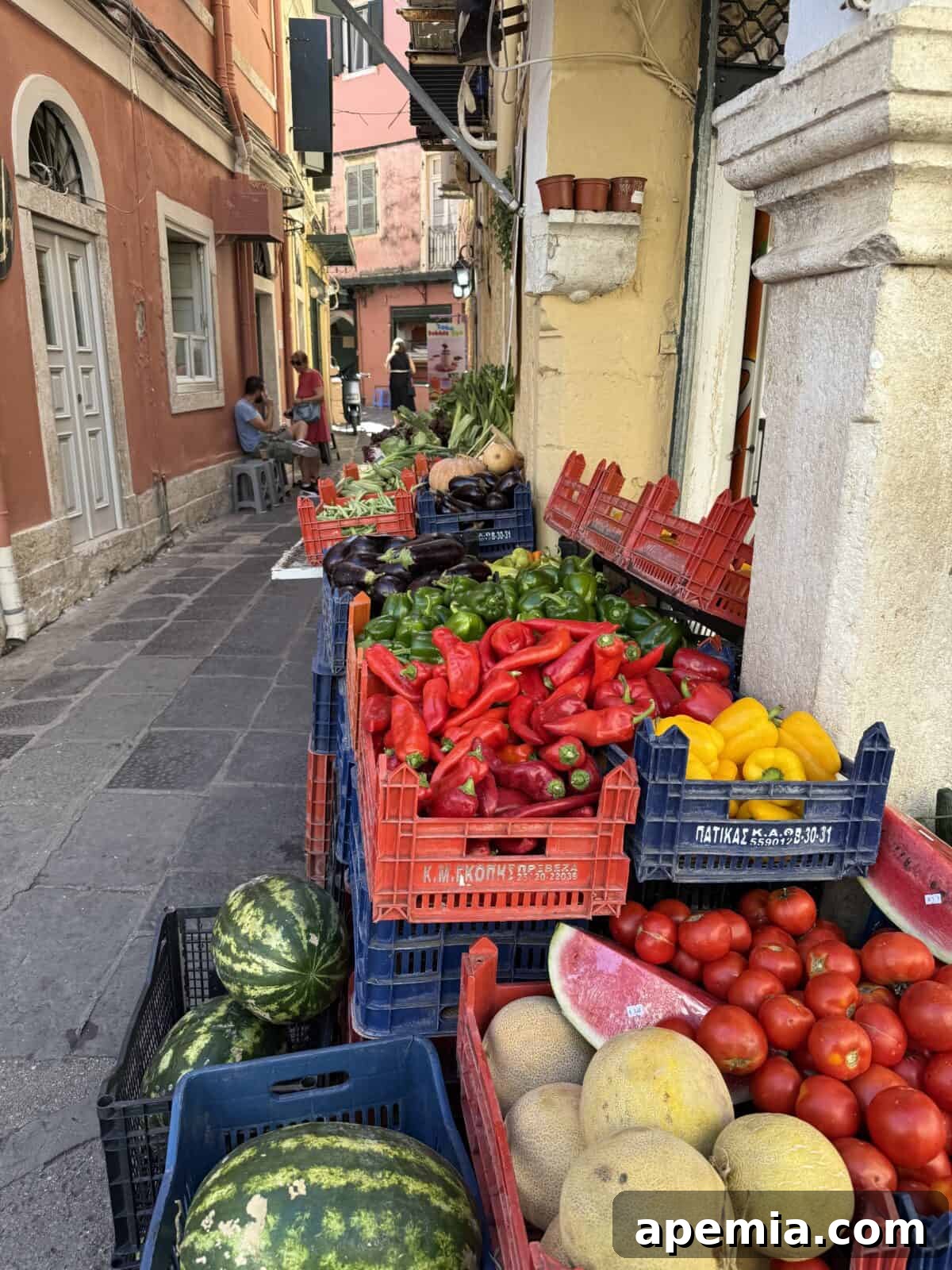
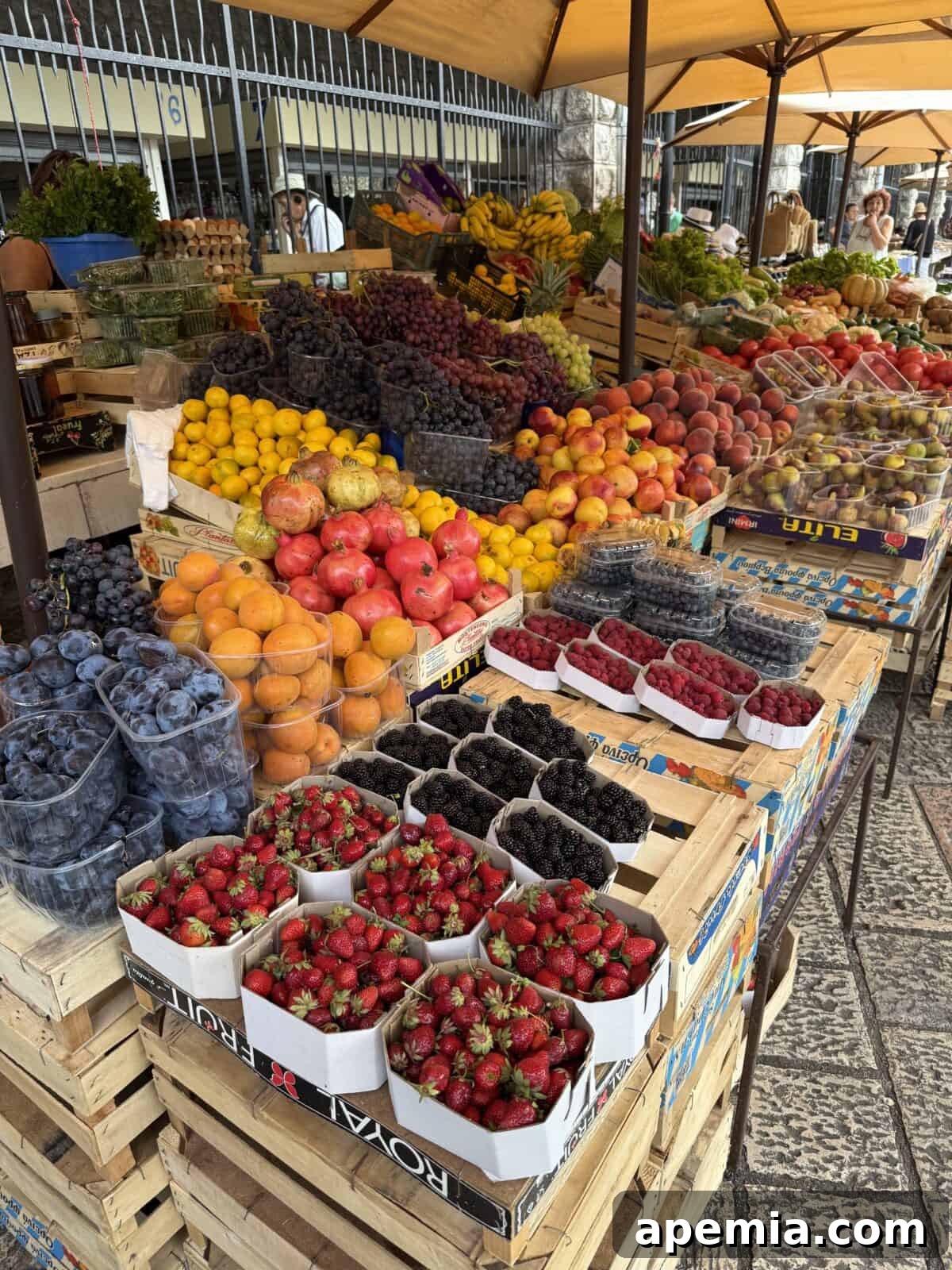

Table of Contents
- Authentic Stuffed Grape Leaves (Dolmades): A Mediterranean Classic
- A Journey Through Mediterranean Flavors and History
- The Art of Making Dolmades: A Labor of Love
- Sourcing and Preparing Grape Leaves
- Key Ingredients and Their Impact
- Step-by-Step Guide to Perfect Dolmades
- Recommended Kitchen Tools
- Storage and Reheating Tips
- Frequently Asked Questions About Dolmades
- The Authentic Dolmades Recipe
The Art of Making Dolmades: A Labor of Love
While preparing Dolmades can be a bit of a labor of love, requiring a certain amount of patience to perfectly roll and layer each individual parcel, the effort is undeniably rewarded. The mouthwatering results are well worth every minute spent! These savory rolls are incredibly versatile and can be served as a star component of an elaborate mezze spread alongside a cooling Authentic Tzatziki Sauce, or presented as a substantial main course with a side of Crispy Greek Roasted Potatoes. Imagine a meal that transports you straight to a sun-drenched summer evening by the Aegean Sea, brimming with authentic Mediterranean flavors.
Sourcing and Preparing Grape Leaves
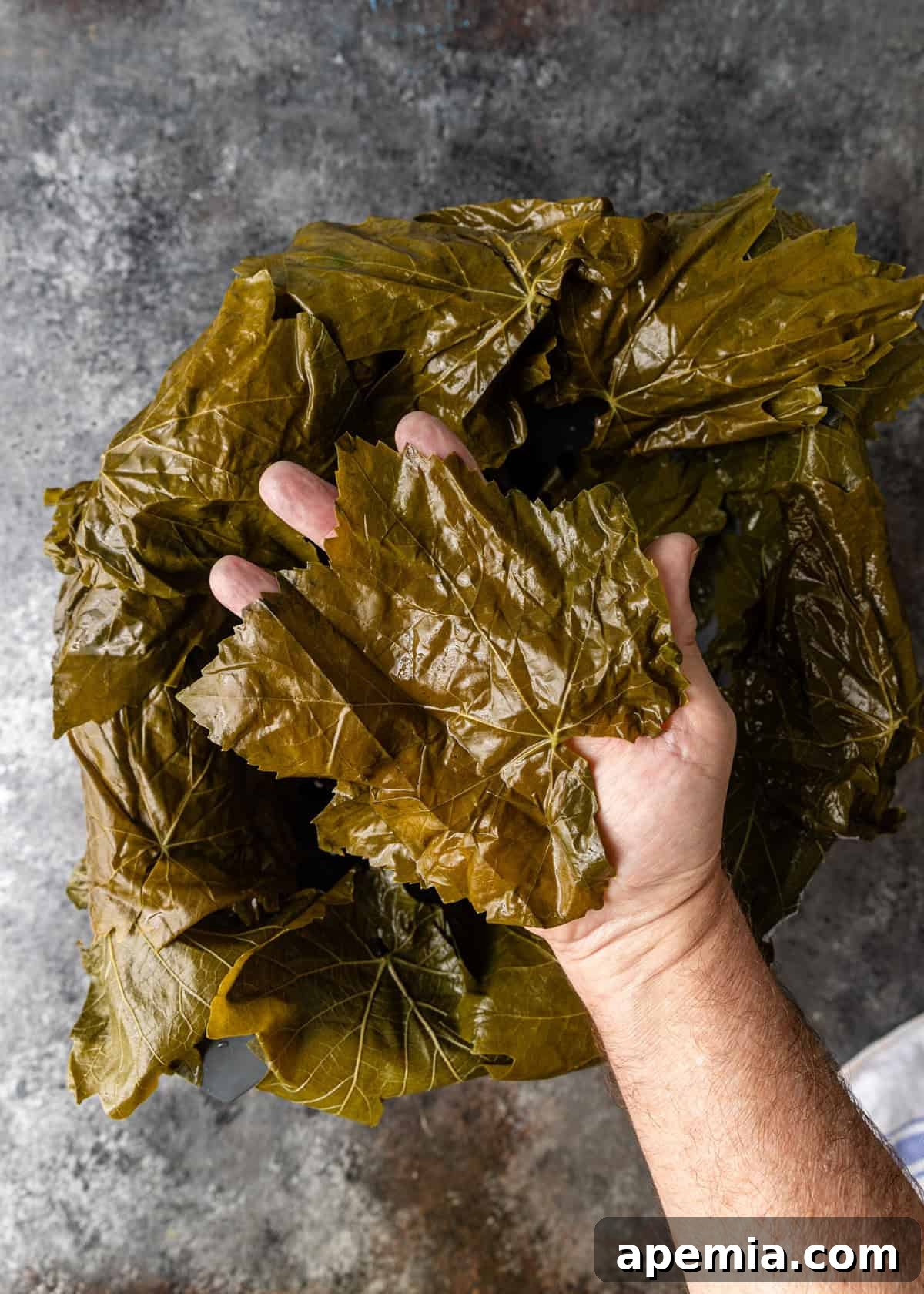
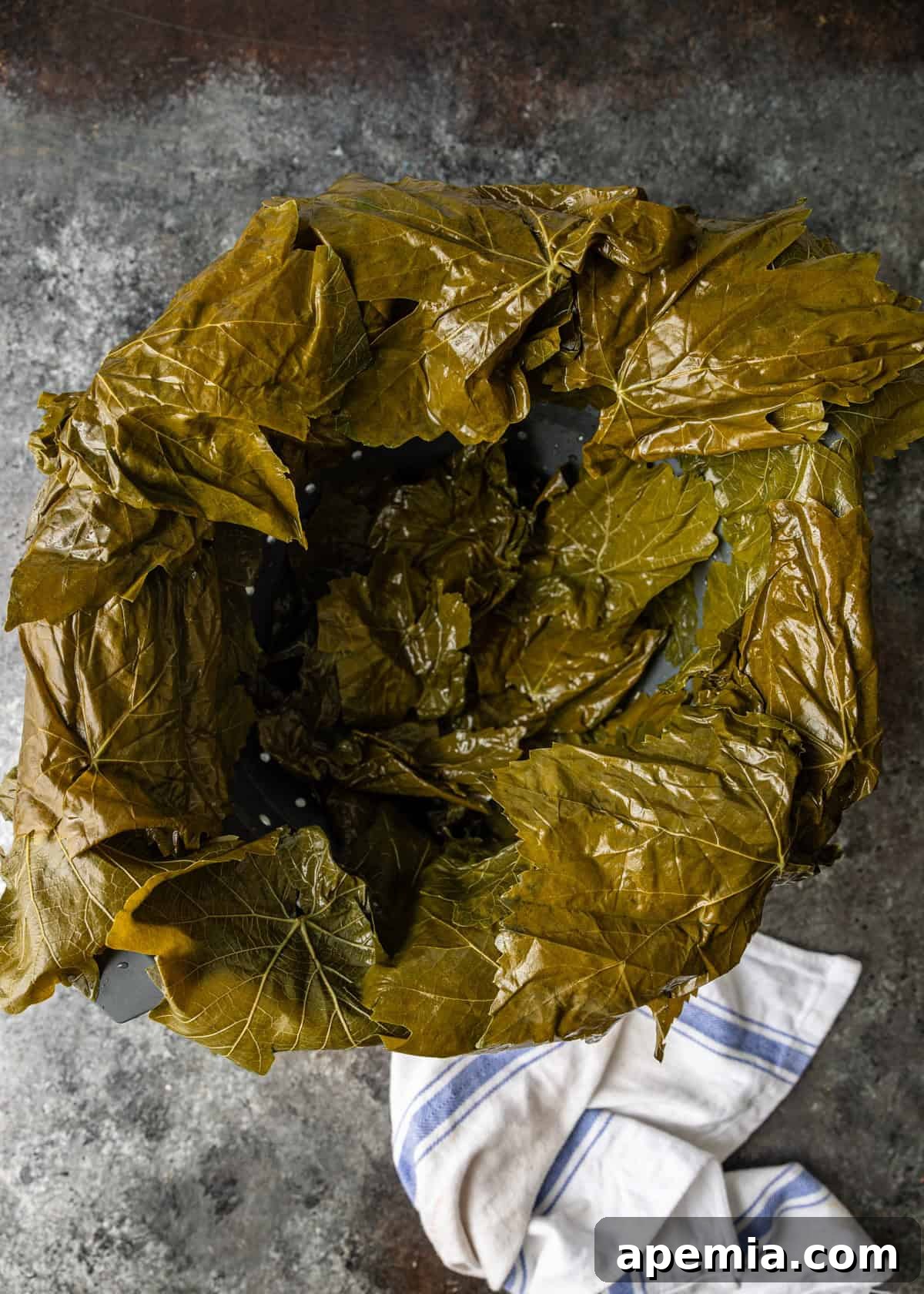
The foundation of exceptional dolmades lies in the quality and preparation of the grape leaves. You can typically find jarred grape leaves packed in brine at Mediterranean or Middle Eastern specialty markets, as well as many major supermarkets like Safeway, Walmart, Fred Meyer, or Market of Choice. For convenience, they are also readily available for order online. These jarred leaves offer a consistent size and tenderness, making the rolling process much smoother.
Before using jarred grape leaves, it’s crucial to prepare them correctly. First, carefully unroll them and separate them, as they tend to stick together. Next, pour boiling water over the leaves in a bowl and let them soak for several minutes. This step helps to soften the leaves further, making them more pliable and less prone to tearing during rolling. Crucially, after soaking, drain the leaves thoroughly and rinse them extremely well under cold running water to wash away any excess salt from the brine. An overly salty leaf can overpower the delicate flavors of your filling. Proper rinsing ensures that the natural, slightly tangy flavor of the grape leaf shines through, complementing the herbaceous beef and rice filling beautifully.
If you opt for fresh grape leaves (typically available seasonally at farmers’ markets or specialty stores), the preparation differs slightly. Rinse them meticulously under cold water to remove any dirt or debris. Then, blanch them briefly in boiling water for about 30-60 seconds, or until they become pliable and vibrant green. Immediately transfer them to an ice bath to stop the cooking process, preserving their color and texture. Drain them thoroughly, trim off any tough stems, and stack them neatly, vein-side up. Using the largest leaves to line the bottom of your cooking pot and reserving the smaller, more tender ones for wrapping is a traditional tip that helps prevent sticking and ensures even cooking.
Key Ingredients and Their Impact
(Be sure to check the recipe card below for a full list of ingredients and precise quantities)
- Grape Leaves: As discussed, use jarred grape leaves in brine, ensuring they are thoroughly rinsed and drained before you begin rolling. Opt for larger, more supple leaves when possible, as they make the wrapping process considerably easier and yield a more consistent roll.
- Rice: Jasmine rice is our choice for this recipe, prized for its ability to cook evenly and absorb the flavorful lemony olive oil broth, creating an exceptionally tender and succulent filling. Its delicate aroma also beautifully complements the other ingredients. Long-grain rice varieties like Basmati could also work, but avoid sticky or short-grain rice.
- Ground Beef: We recommend lean ground beef (preferably 90/10) to achieve the ideal balance of rich flavor and satisfying texture without excessive grease. For an even more authentic Mediterranean depth, consider blending in a small amount of ground lamb with your beef. For a vegetarian version, you can substitute the beef with a mixture of finely diced mushrooms and lentils.
- Fresh Herbs: The vibrant trio of fresh parsley, refreshing mint, and aromatic dill is paramount to the distinctive taste of these Dolmades. This combination infuses the filling with incredible freshness and a complex, layered flavor profile. The mint, in particular, harmonizes exceptionally well with the unique taste of the grape leaves, creating a truly authentic experience.
- Lemon Juice: Freshly squeezed lemon juice is non-negotiable for this dish, imparting its signature bright, tangy zest. While bottled lemon juice can be used in a pinch, it simply won’t deliver the same vibrant, fresh tang that makes these Dolmades truly shine. Always opt for fresh if possible.
- Olive Oil: A generous amount of high-quality extra virgin olive oil is the backbone of this recipe, contributing immense richness, a silky texture, and profound depth of flavor. Do not compromise on the quality or quantity of your olive oil, as it forms the luxurious foundation of the cooking liquid and the overall taste experience.
Step-by-Step Guide to Perfect Dolmades
- Prepare Ingredients for the Filling. Begin by carefully unrolling and separating the grape leaves. Rinse them thoroughly under running water to remove any excess brine, then trim off any tough stems. Place the prepared leaves in a colander to drain while you work on the filling. Finely chop the fresh herbs (parsley, mint, and dill) and dice the yellow onion. Rinse the jasmine rice in a colander with cool water until the water runs clear; this removes excess starch and prevents the rice from becoming gummy.
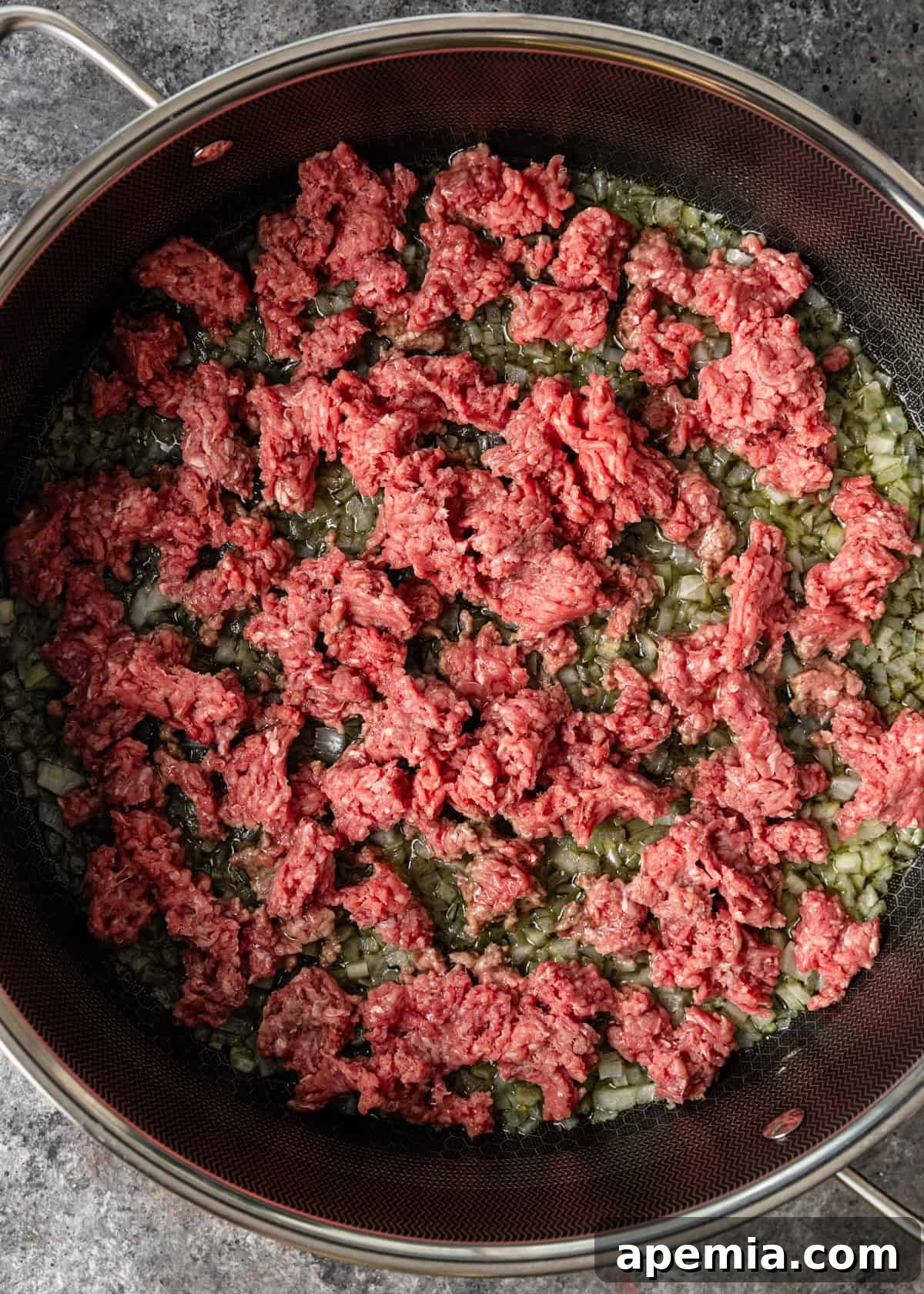
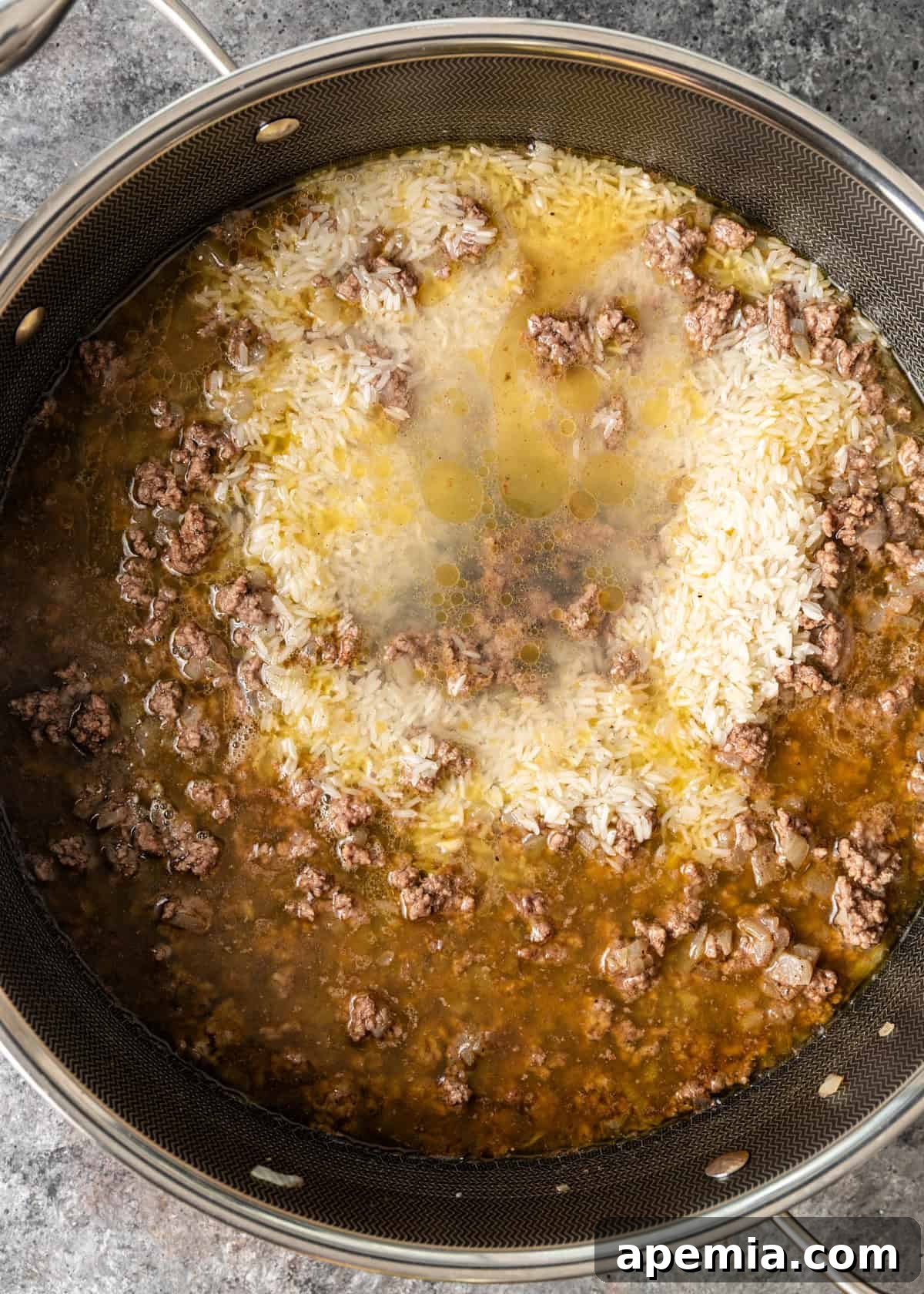
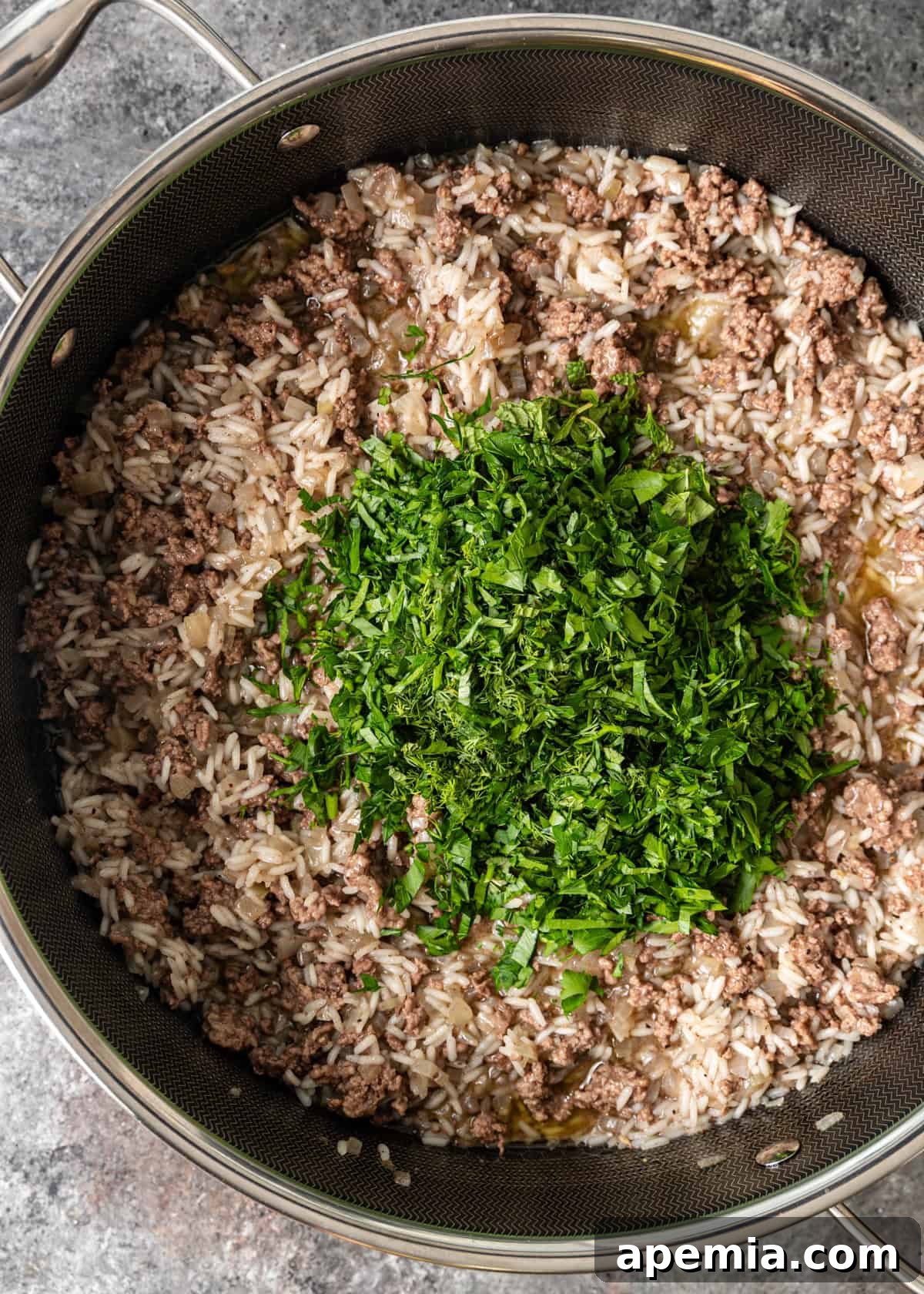
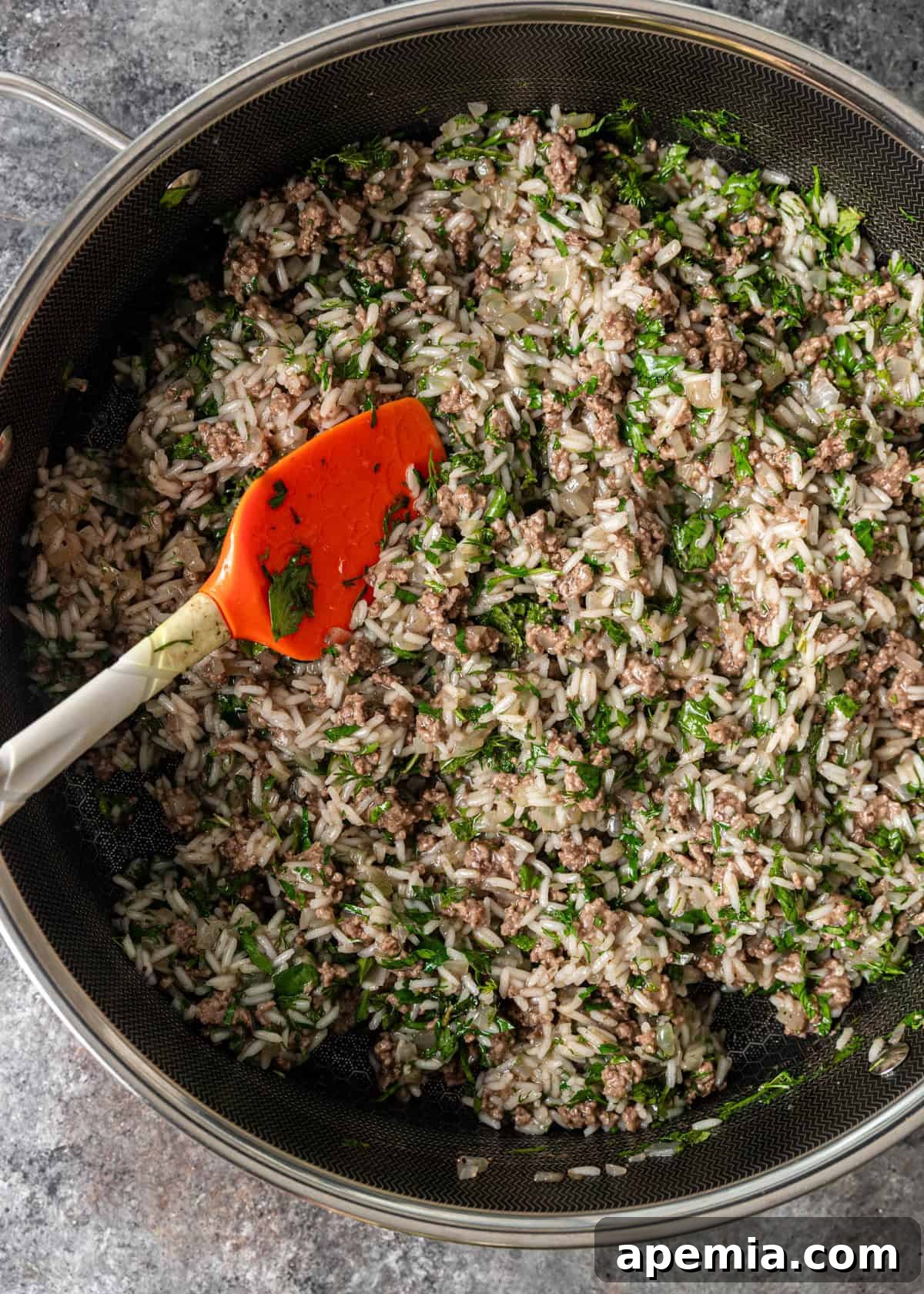
- Craft the Savory Filling. In a deep skillet or saucepan, heat about a third of the olive oil over medium heat. Add the diced onion and sauté it gently until it becomes soft, translucent, and wonderfully fragrant, about 5-7 minutes. Add the ground beef to the skillet along with the kosher salt, ground black pepper, allspice, and cinnamon. Use a spoon to break up the meat into small, uniform pieces as it cooks, browning it thoroughly. Stir in the rinsed rice, warm water, and a splash of fresh lemon juice. Bring the mixture to a gentle simmer, then reduce the heat to low and cook until most of the liquid has been absorbed by the rice, usually about 10 minutes. Remove the skillet from the heat, fold in the finely chopped fresh herbs, and transfer the filling to a large bowl to cool slightly. The rice will continue to absorb any remaining liquid as it cools.
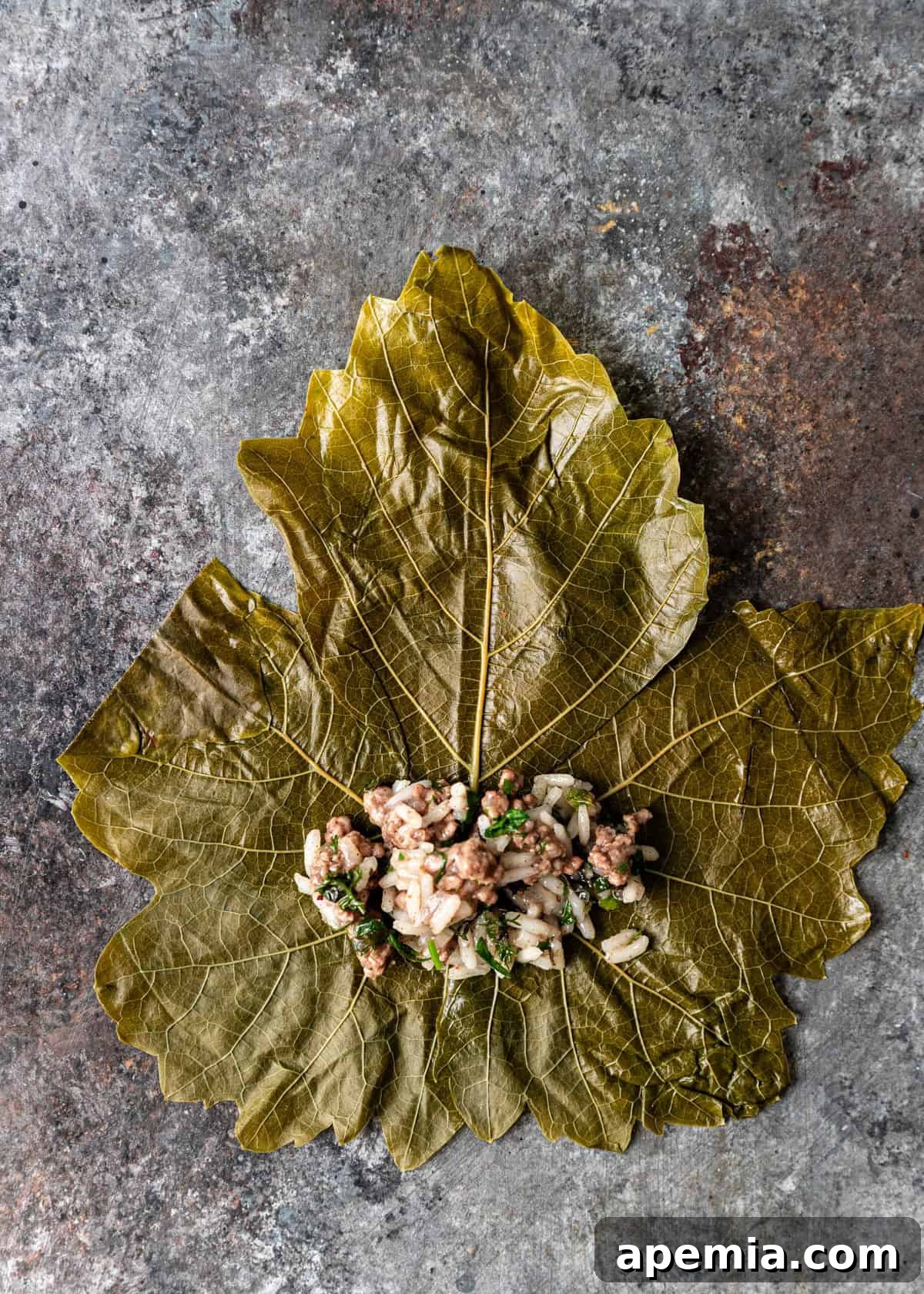
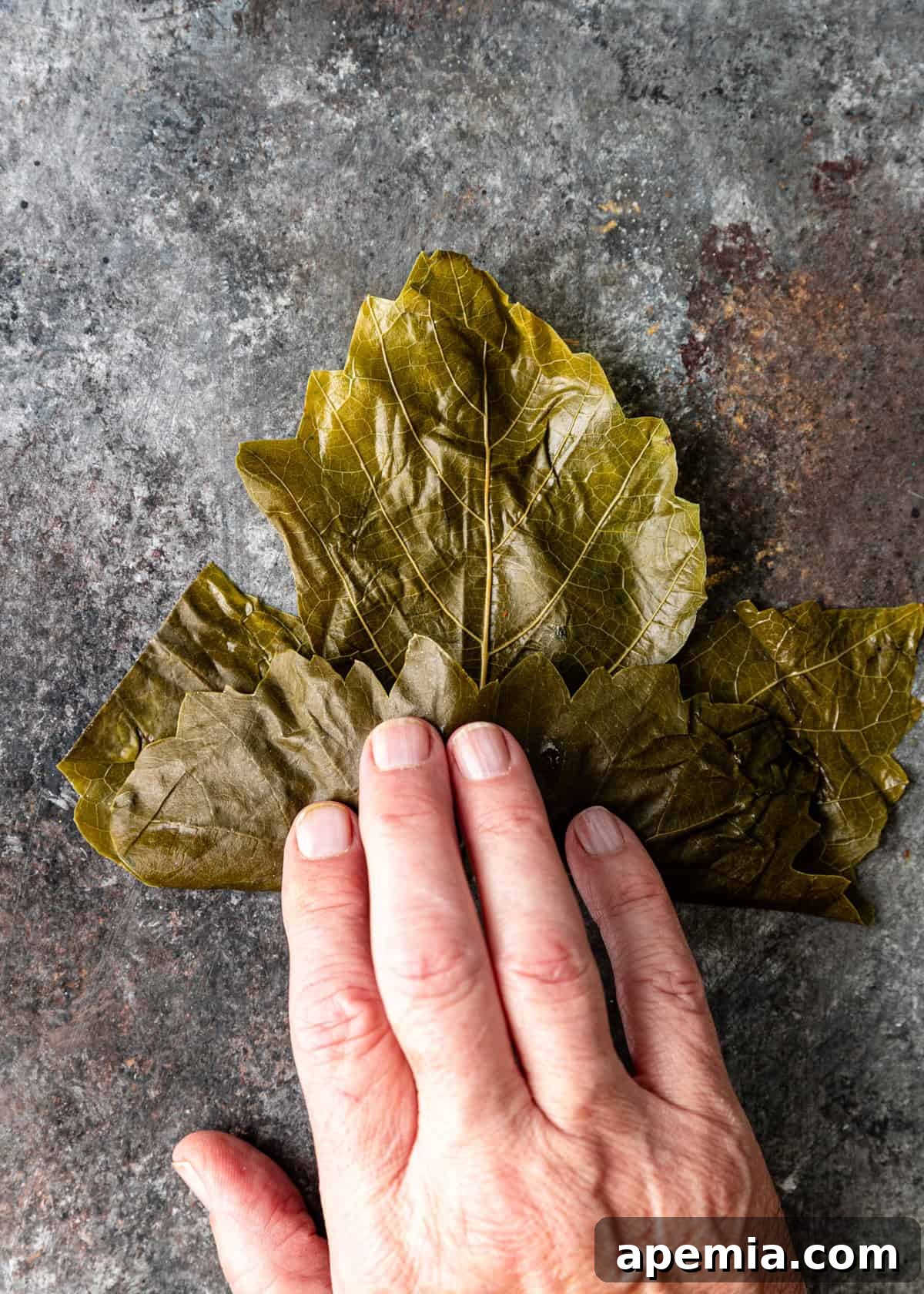
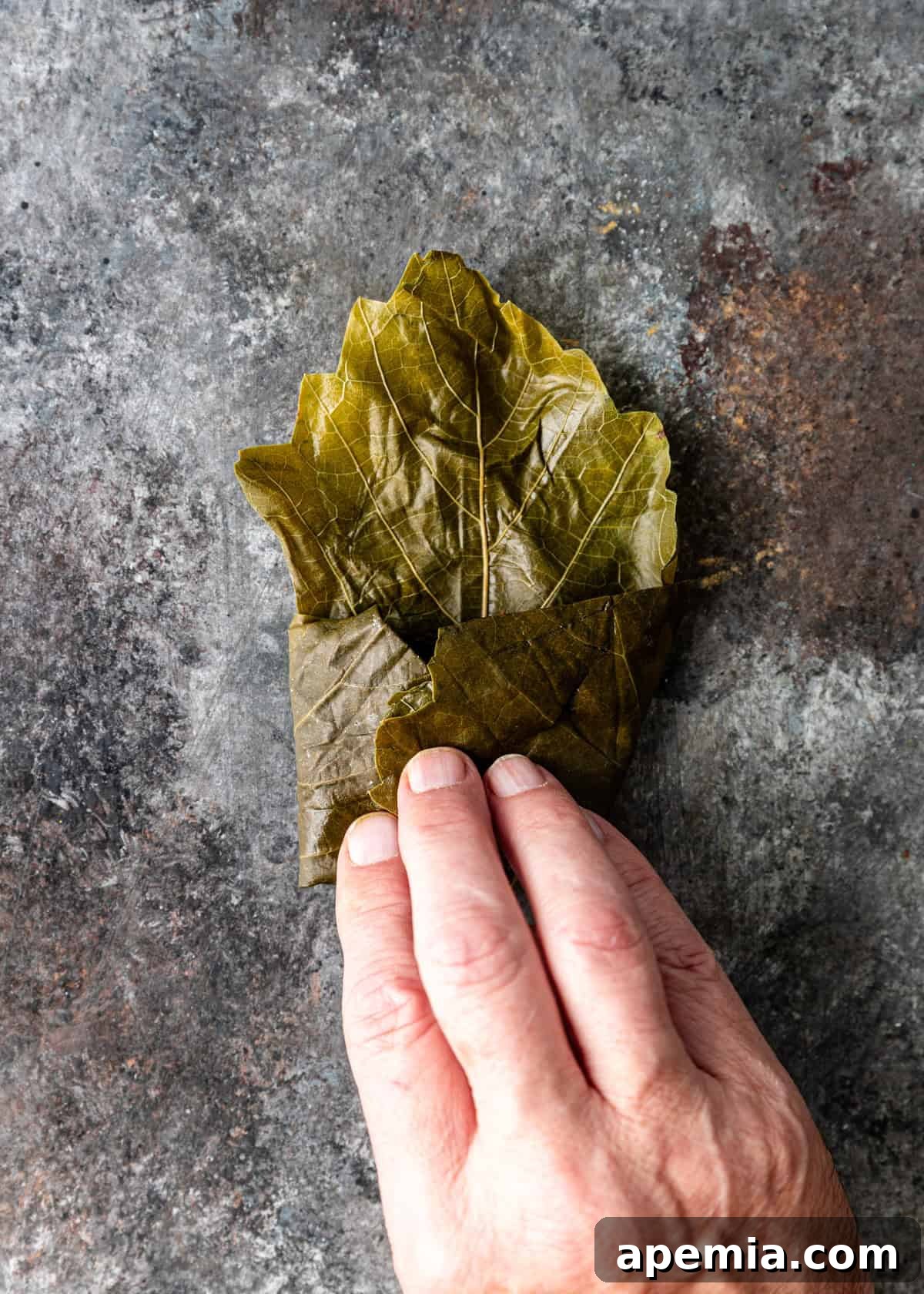
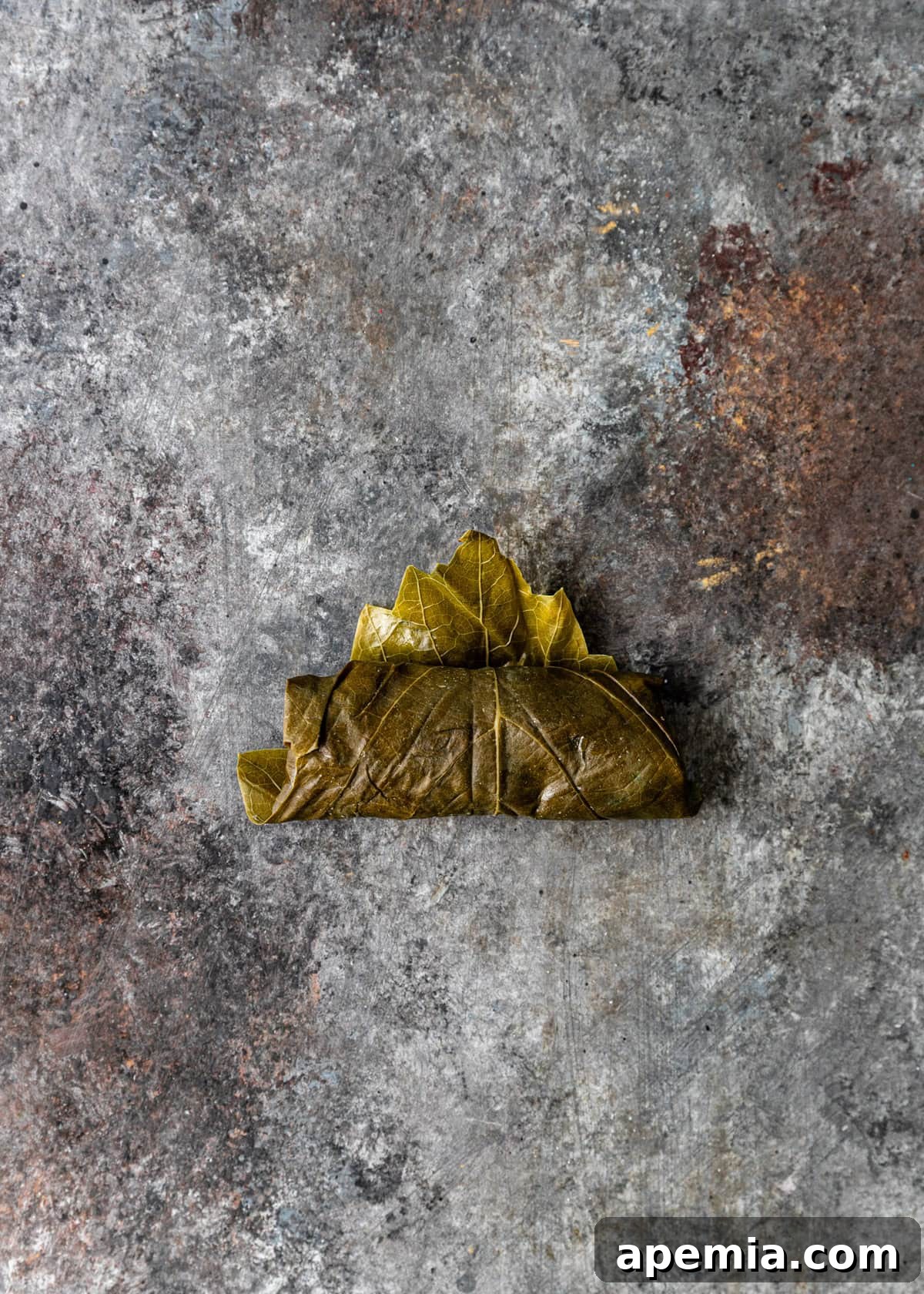
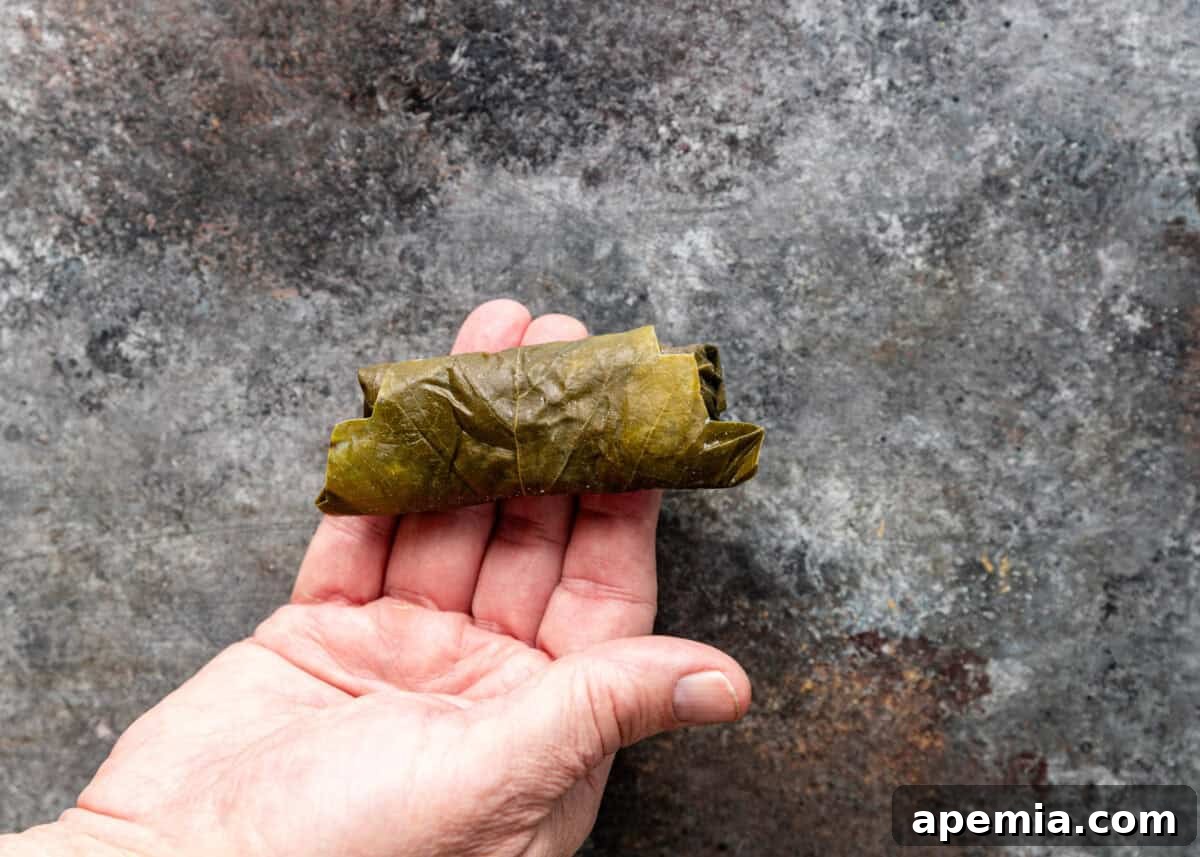
- Master the Art of Stuffing & Rolling. Lay one prepared grape leaf, vein-side up, on a clean, flat surface. The rougher, vein-side should face you to allow the smooth side to be on the outside of the finished roll. Spoon a small, heaping teaspoon of the cooled filling near the base of the leaf, just above the stem end. Don’t overfill, as the rice will expand during cooking. Carefully fold the bottom portion of the leaf up and over the filling. Next, fold in the sides of the leaf tightly over the wrapped filling. Finally, roll the leaf upwards from the bottom, creating a compact, neat parcel resembling a small spring roll or burrito. The key is to roll them tightly to prevent them from unraveling during cooking and to ensure the filling stays securely inside. Repeat this process with all remaining leaves and filling, aiming for uniform rolls.
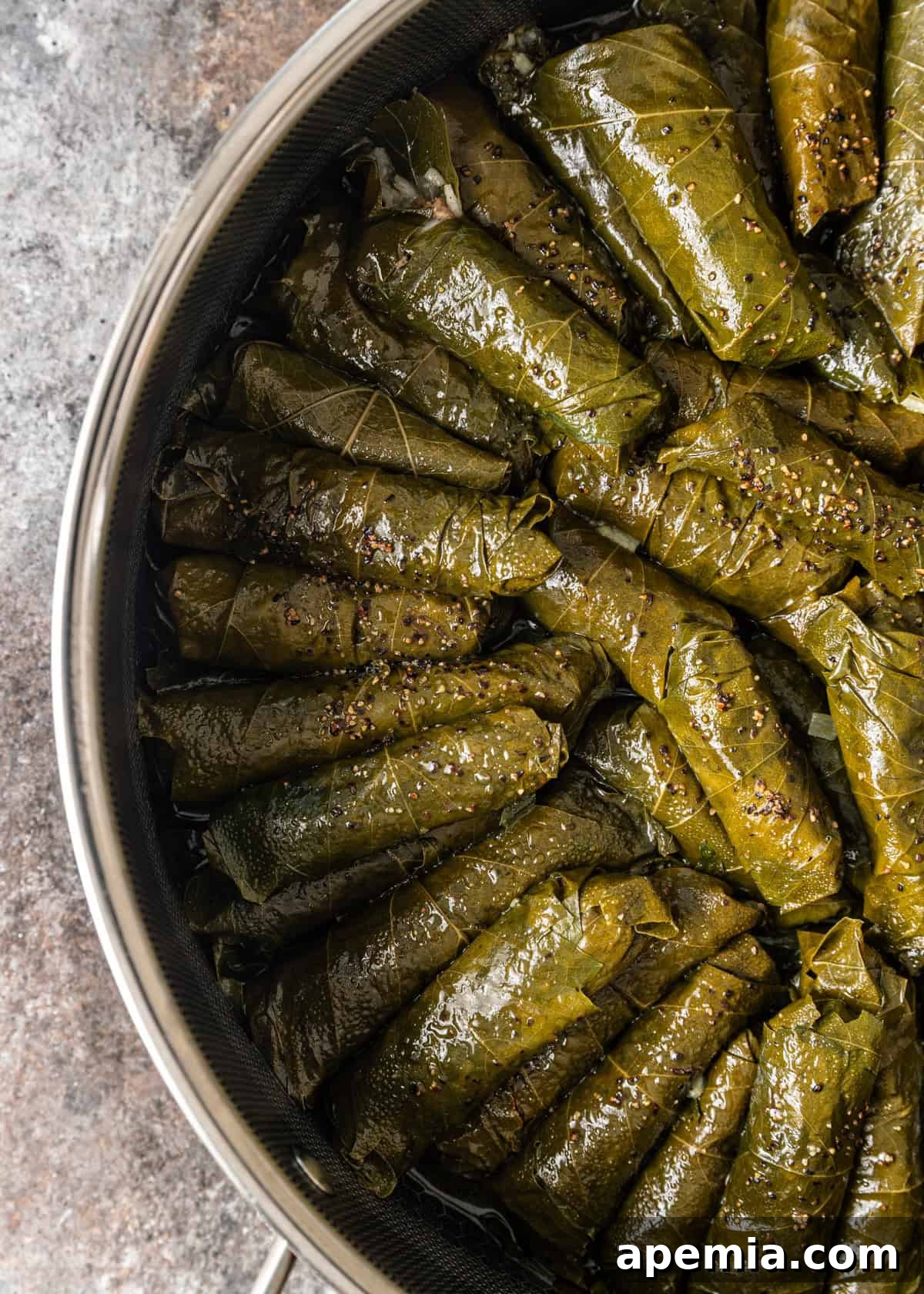
- Layer & Simmer for Perfection. Prepare your cooking pot by lining the bottom with any torn or imperfect grape leaves. This protective layer prevents the dolmades from burning or sticking to the bottom of the pot. Arrange your tightly rolled dolmades seam-side down in snug, concentric layers at the bottom of the pot. It’s crucial to pack them tightly, leaving no significant gaps between the rolls. This tight arrangement helps to keep them intact and prevents them from cracking or unraveling during the simmering process. Once all dolmades are layered, pour the remaining olive oil and the juice from the second lemon evenly over the top. Season lightly with a bit more salt and black pepper. Add just enough water to barely cover the dolmades. Finally, place an inverted heatproof plate directly on top of the dolmades; this acts as a weight, keeping them submerged and preventing them from floating and coming apart during cooking.
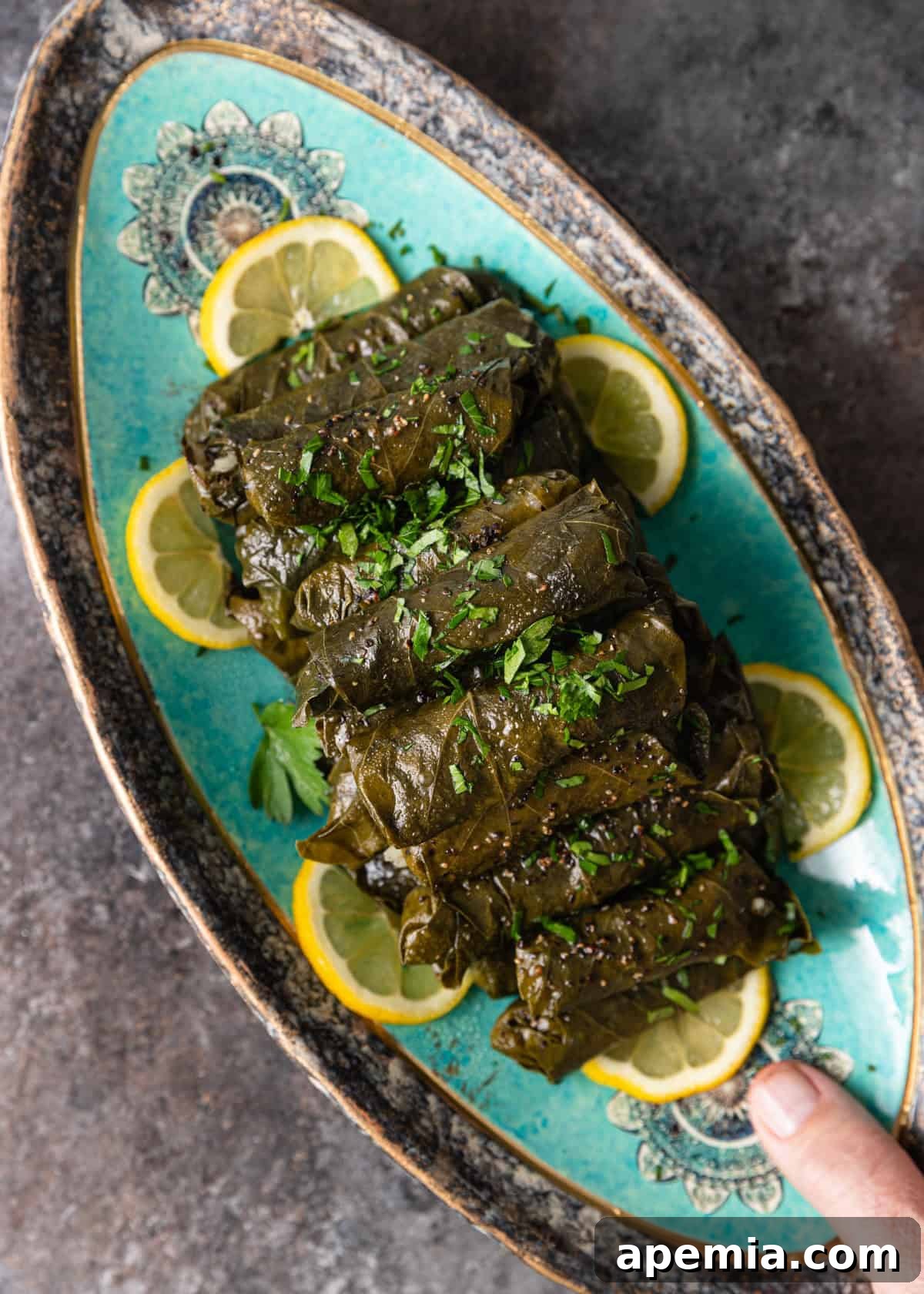
- Cook & Rest for Enhanced Flavor. Place the pot lid on securely and bring the liquid to a gentle simmer over medium-low heat. Cook for approximately 30 minutes, or until the water is mostly absorbed, the grape leaves are beautifully tender, and the dolmades are simmering gently in just the oil and lemon juices. Once cooked, carefully remove the inverted plate and lift the lid. Allow your stuffed grape leaves to cool in the pot for at least 30 minutes before serving. This resting period allows the flavors to meld further and the dolmades to firm up slightly, making them easier to handle. Serve warm with fresh lemon slices and enjoy the rich taste of tradition!
Recommended Kitchen Tools
- Deep Skillet or Saucepan: Essential for preparing the flavorful rice and beef filling evenly.
- Large Pot or Dutch Oven: Crucial for simmering the stuffed grape leaves. Choose one that is wide enough to comfortably fit an inverted plate inside, which is vital for weighing down the rolls during cooking.
- Mixing Bowls: Various sizes for combining ingredients, rinsing rice, and allowing the filling to cool.
- Colander: For thoroughly rinsing grape leaves and rice.
- Sharp Knife and Cutting Board: For precise chopping of herbs and onions.
Storage and Reheating Tips
One of the many wonderful qualities of Dolmades is that they store exceptionally well, and many find their flavors deepen and improve on the second day. Once your cooked dolmades have cooled completely to room temperature, carefully transfer them to an airtight container. For best results, drizzle them lightly with a little extra virgin olive oil before sealing the container. They can be safely refrigerated for up to 5 days, making them an excellent make-ahead dish for entertaining or meal prepping.
To reheat your delicious stuffed grape leaves, we recommend steaming them gently over a pot of simmering water until they are heated through. Alternatively, you can warm them up in a covered skillet over low heat with a few tablespoons of water or chicken/vegetable broth added to the pan. This method helps to keep them moist and tender. Avoid reheating dolmades in the microwave, as the intense heat can quickly dry out these delicate parcels, compromising their texture and flavor.
Share this recipe on Pinterest!
Love this recipe? Share it with the world on Pinterest.
Frequently Asked Questions About Dolmades
The key to preventing tears is proper leaf preparation. Ensure your grape leaves are thoroughly rinsed and patted dry. If you find them to be stiff or brittle, briefly soak them in warm water for a few minutes to soften them up, then drain again. Working gently and using fresh, pliable leaves will significantly reduce tearing.
Dolmades typically fall apart if they were rolled too loosely or if they were not packed tightly enough in the cooking pot. To ensure they hold their shape, roll each leaf as tightly as possible, creating a firm parcel. When layering them in the pot, arrange them snugly against each other, leaving minimal gaps. Additionally, using an inverted plate on top acts as a gentle weight, keeping them compressed and secure throughout the simmering process.
Traditionally, Dolmades are versatile and delicious served either warm or cold, depending on your preference and the meal context. They are often served warm as a hearty main course, perhaps accompanied by a simple lemon wedge. Chilled dolmades make an excellent addition to a refreshing mezze platter, perfect for appetizers or light lunches, especially when paired with a dollop of tzatziki or a creamy yogurt sauce.
Absolutely! While this recipe features ground beef, traditional vegetarian versions of dolmades are incredibly popular, often referred to as “yalanci dolma” (false dolma) in some cultures. To make this recipe vegetarian, simply omit the ground beef and increase the amount of rice and herbs. You can also add finely diced vegetables like zucchini, carrots, or bell peppers to the filling, or include cooked lentils for added protein and texture. Ensure you adjust the seasoning to taste.
Yes, cooked dolmades freeze quite well! Once completely cooled, arrange them in a single layer on a baking sheet and freeze until solid. Then, transfer the frozen dolmades to an airtight freezer-safe container or bag. They can be stored in the freezer for up to 2-3 months. To reheat, thaw them in the refrigerator overnight and then steam or gently warm them in a covered skillet as described in the reheating tips.
The Authentic Dolmades Recipe
Stuffed Grape Leaves (Dolmades)
These dolmades beautifully combine tender grape leaves with a rich, herbed rice and beef filling, delivering an authentic Mediterranean dish that is both tangy and utterly delicious. A true taste of Greece!
Print Recipe
Video
Ingredients
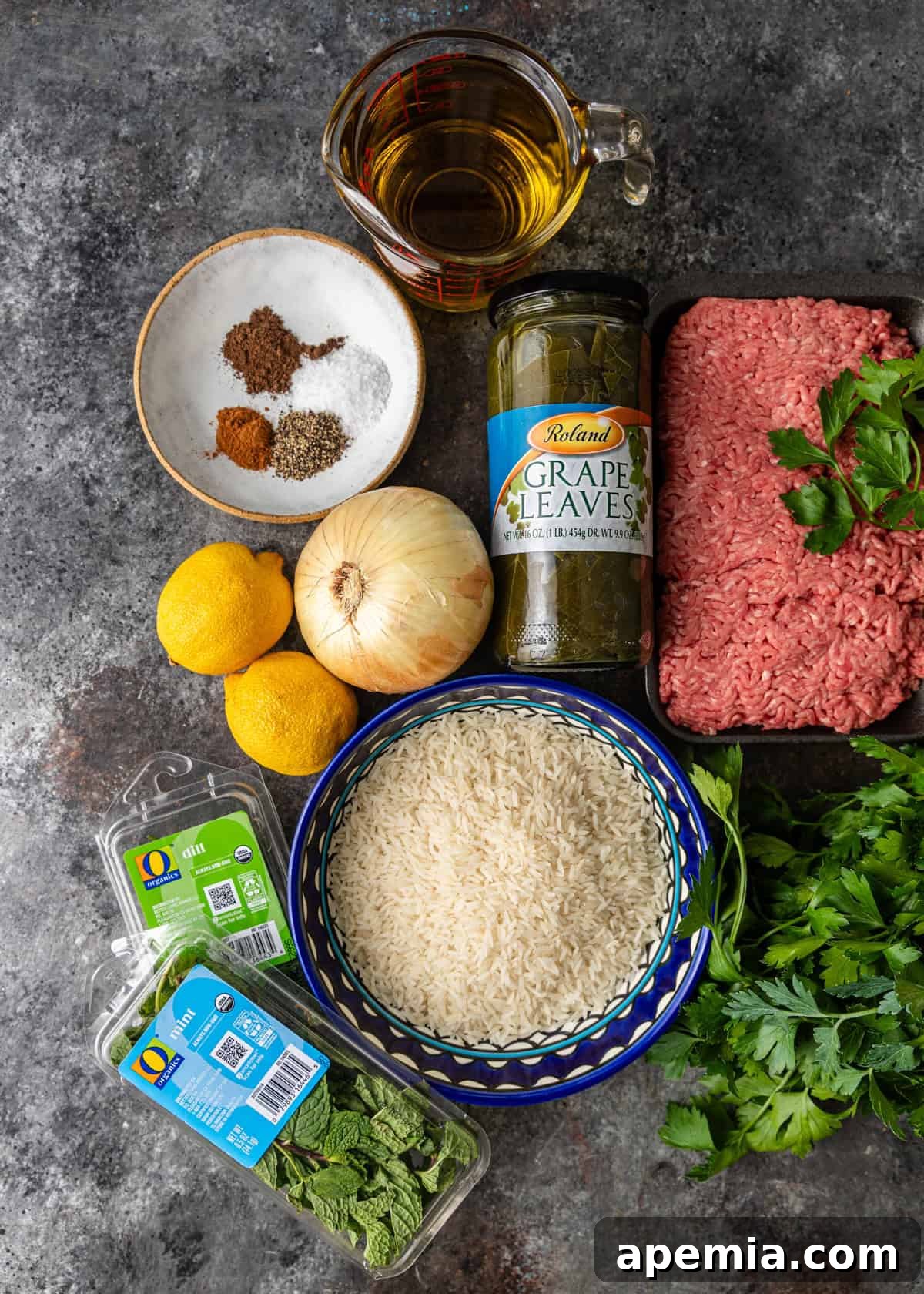
- 16 oz jar grape leaves in brine (about 60 to 70 leaves)
- 1 cup jasmine rice
- 1 cup olive oil
- 1 large yellow onion (diced)
- 1 lb ground beef (90/10)
- 1 tsp kosher salt
- 1/2 tsp ground black pepper
- 1/4 tsp ground allspice
- 1/4 tsp ground cinnamon
- 1 1/2 cups warm water
- 2 lemons (juiced, divided)
- 1/2 cup fresh parsley (chopped)
- 4 oz fresh mint (chopped)
- 4 oz fresh dill (chopped)
Instructions
- Carefully remove the grape leaves from the jar, unroll, and separate them gently. Rinse the leaves thoroughly to remove excess brine, remove any stems, and leave them in a colander to drain. (See Note 1 for fresh grape leaves).
- Remove the fresh herbs from their stems and chop them finely; set aside. Place the jasmine rice in a colander and rinse it with cool, running water until the water runs clear.
- Heat a deep skillet or saucepan over medium heat. Add 1/3 cup of the olive oil and the diced onions. Sauté the onions until they are translucent and fragrant. Then, add the ground beef, salt, pepper, allspice, and cinnamon. Stir and break up the meat into small pieces with the back of a spoon, cooking until it is thoroughly browned.
- Add the rinsed rice to the skillet and sauté for 1 more minute, stirring well to combine with the meat and spices. Pour in 1 1/2 cups of warm water and the juice of one lemon. Bring to a gentle simmer, then reduce the heat to low and cook for about 10 minutes, or until the rice has absorbed almost all of the water. Stir in the chopped fresh herbs. Remove the skillet from the stove and transfer the filling to a large bowl to cool slightly. The rice will continue to absorb any remaining liquid as it cools.
- Rinse out the deep skillet (or use a large pot or Dutch oven). Line the bottom of the pan with any broken or slightly torn grape leaves. This prevents the dolmades from sticking and burning.
- To roll the dolmades: Lay one grape leaf on a clean surface with the textured/rough side facing you. Spoon about 1 heaping teaspoon of the cooled filling onto the center of the leaf, near the base (the stem end). Fold the bottom portion of the leaf up and over the filling. Next, fold the sides of the leaf inwards over the filling. Finally, roll the leaf tightly from the bottom upwards into a neat, compact parcel, similar to a spring roll or a small burrito.
- Arrange the rolled dolmades seam-side down in snug layers at the bottom of the pot. Ensure there are no significant gaps between the dolmades; packing them tightly helps them maintain their shape and prevents them from cracking during cooking. Continue layering until all the dolmades and filling are used.
- Pour the remaining olive oil and the juice of the second lemon over the top of the layered dolmades. Season lightly with additional salt and black pepper if desired. Place an inverted heatproof plate directly on top of the dolmades to weigh them down. Pour in just enough water to barely cover the plate and the dolmades underneath. Place the lid on the pot and simmer on low heat for about 30 minutes, or until the water has been mostly absorbed and the grape leaves are tender. The dolmades should now be simmering gently in the remaining oil and lemon juices.
- Carefully remove the plate and the lid. Allow the dolmades to cool in the pot for at least 30 minutes before serving. This resting period allows the flavors to meld beautifully and the texture to set. Serve warm with fresh lemon slices. Enjoy!
Notes
- If using fresh grape leaves: Rinse the fresh grape leaves thoroughly under cold water to remove any dirt. Blanch them in boiling water for 30–60 seconds until they become pliable and vibrant green. Immediately transfer them to an ice bath to stop the cooking, then drain them very well. Trim off any tough stems and stack the leaves vein-side up, reserving the largest leaves for lining the bottom of the pot and using the smaller, more tender ones for wrapping.
Nutrition
The information shown is an estimate provided by an online nutrition calculator. It should not be considered a substitute for a professional nutritionist’s advice.
Have You Made This Recipe? Let Me Know on Instagram
Tag @keviniscooking or use hashtag #keviniscooking!