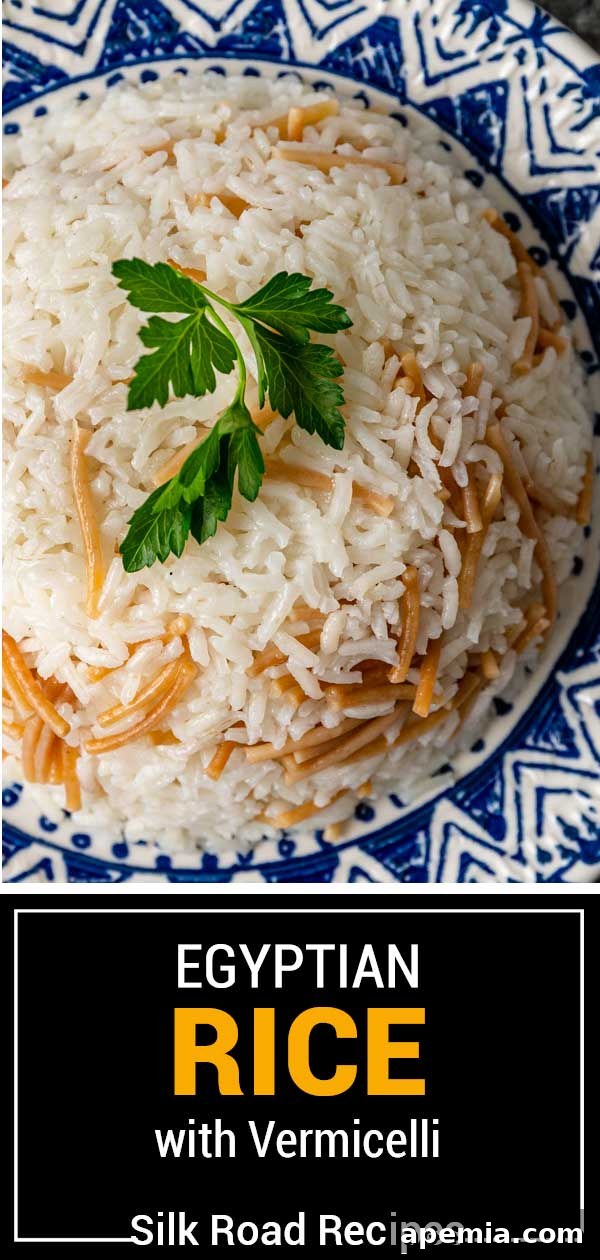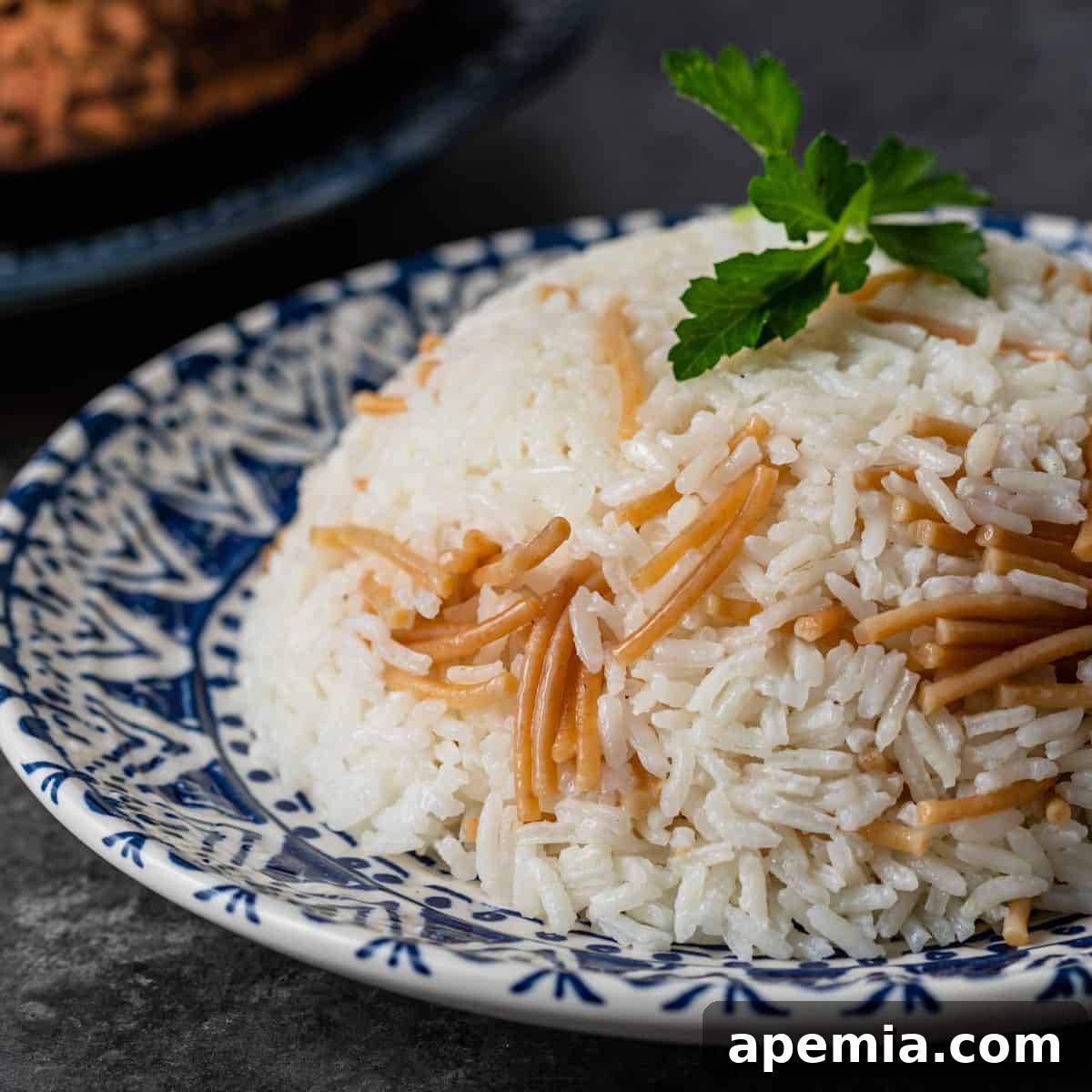
Delight your senses with this incredibly simple yet profoundly flavorful recipe for Egyptian Rice with Vermicelli. This classic Middle Eastern side dish is a testament to how a few humble ingredients can come together to create a truly elegant and satisfying culinary experience. Requiring less than 30 minutes from start to finish, it’s the perfect accompaniment to almost any meal or a delightful light dish on its own.
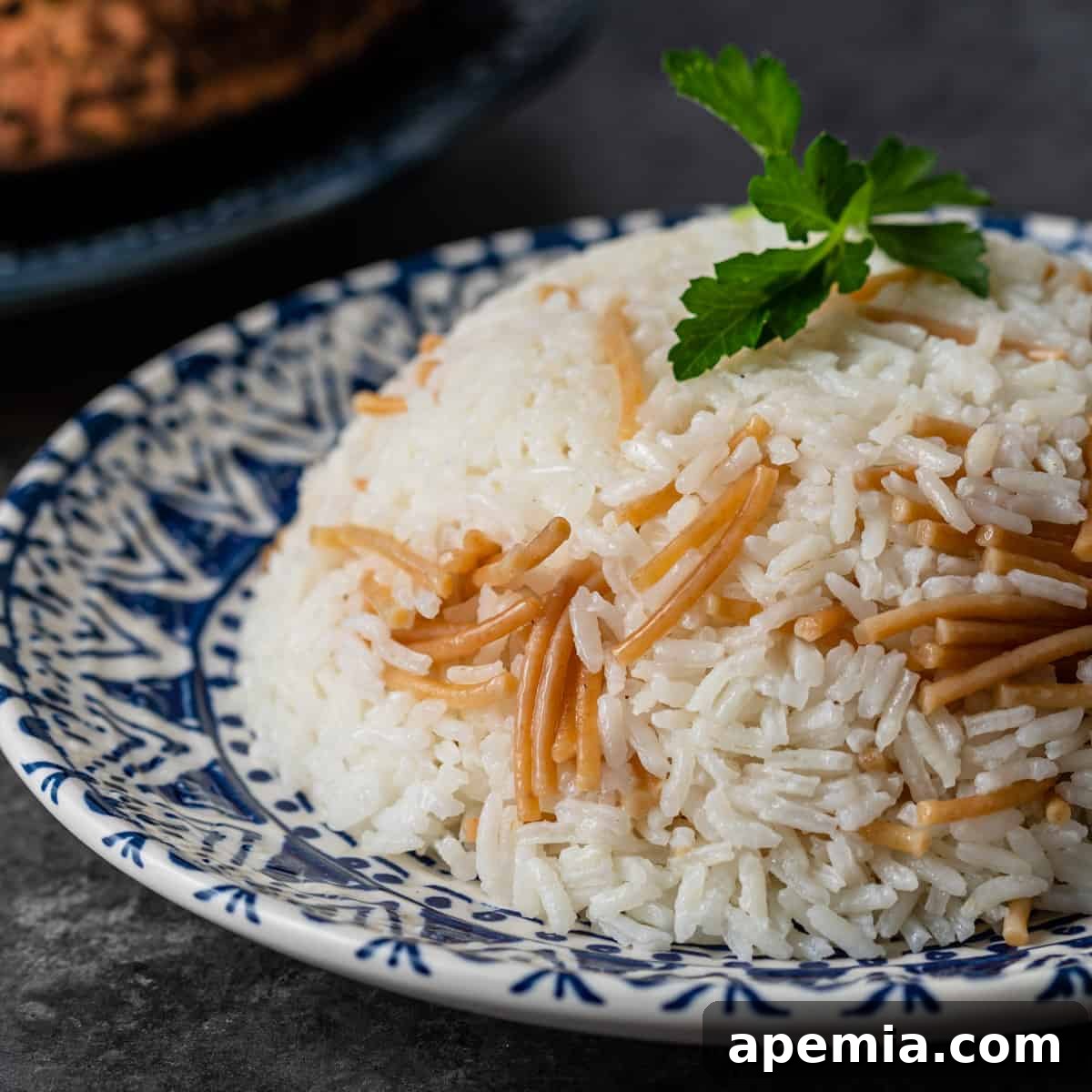
The journey of rice across the globe is a fascinating one, with countless culinary traditions offering their unique spin on this staple grain. From the aromatic Persian Saffron Rice with Apricot and the hearty Mediterranean Rice Pilaf to the vibrant Hibachi Fried Rice and comforting Sizzling Rice Soup, rice is a universal language spoken on dinner tables worldwide. It’s truly amazing to consider that there are over 120,000 classified varieties of rice, each with its own characteristics and culinary applications!
Today, we bring you a beloved staple from Middle Eastern Cuisine: a classic Egyptian rice recipe featuring vermicelli. If you’re accustomed to cooking long-grain rice like basmati, you’ll find that Egyptian short-grain rice behaves a bit differently, yet it’s equally straightforward to prepare. The key to its unique texture and flavor lies in the gentle toasting of vermicelli pasta and the careful cooking of the short-grain rice, resulting in a distinct fluffy and tender consistency that is both comforting and delicious.
This recipe for Egyptian Rice with Vermicelli is not only easy but also remarkably adaptable. It provides a foundational flavor profile that can be effortlessly customized to suit your palate. Feel free to explore and experiment with your favorite aromatics or spice blends from my Spice Blends Archives to add an extra layer of complexity and personal touch. A pinch of cumin, a hint of allspice, or even a touch of turmeric can transform this simple side into a new culinary adventure, inviting you to make it truly your own.
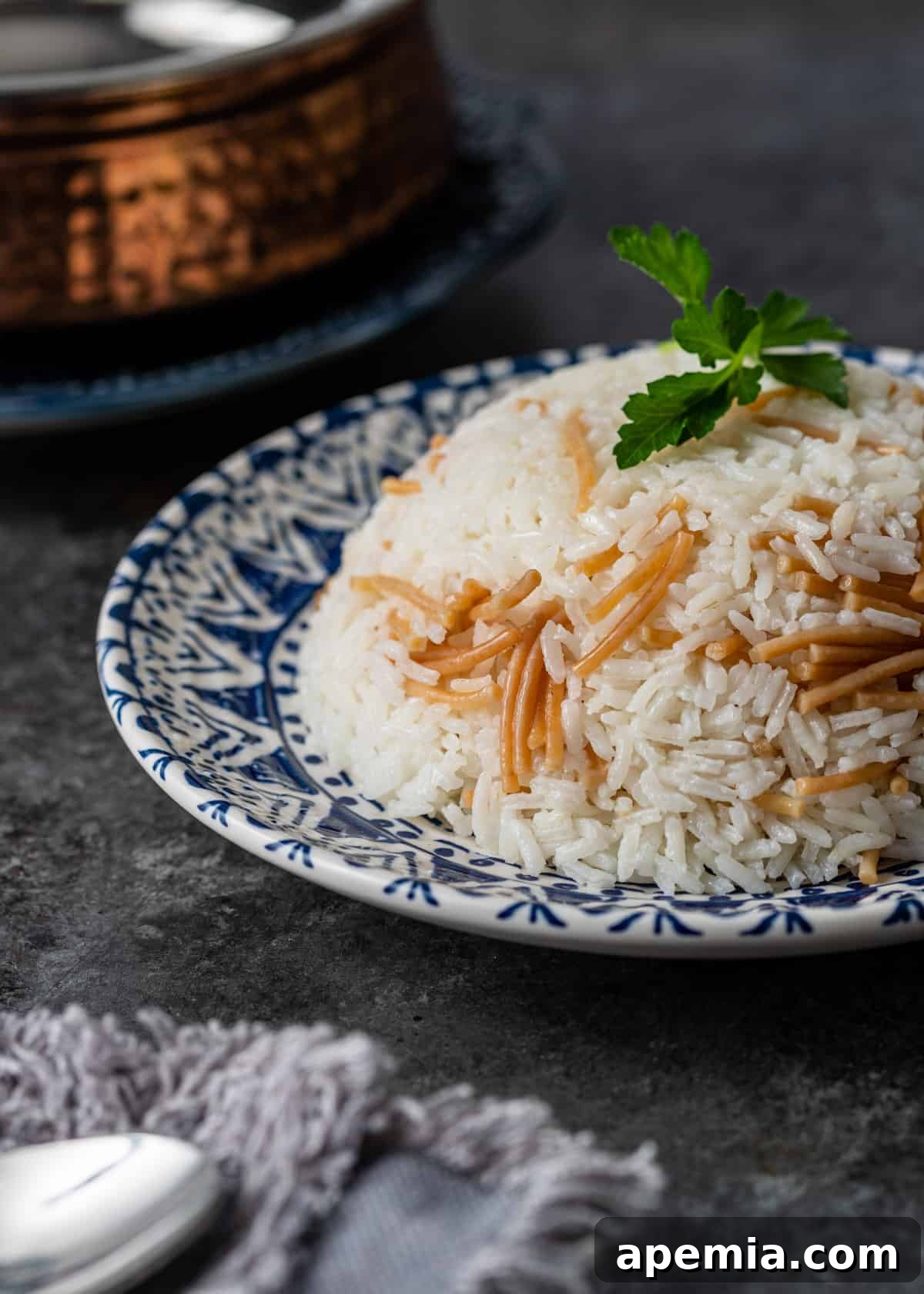
Essential Ingredients for Authentic Egyptian Rice with Vermicelli
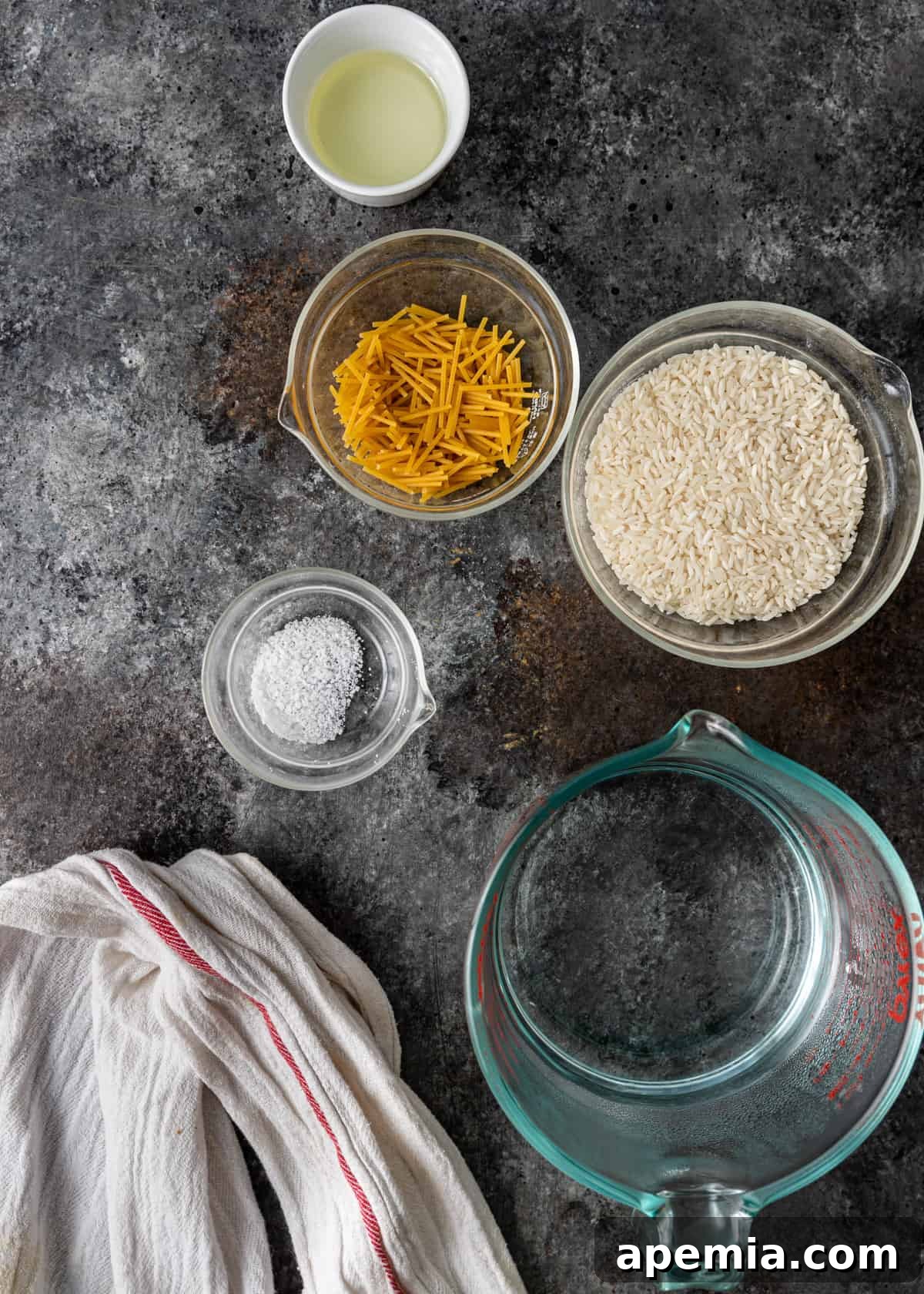
Crafting the perfect Egyptian rice with vermicelli starts with understanding the role of each ingredient. Here’s a closer look at what you’ll need and potential substitutions:
- High-Quality Olive Oil: Olive oil is crucial for creating the base of this dish, offering a delicate, fruity, and slightly nutty aroma that enhances the overall flavor. Opt for a good quality extra virgin olive oil if possible, as its nuanced flavor will shine through. It’s used to gently toast the vermicelli, creating a rich foundation for the rice.
- Vermicelli Pasta: This extremely thin, Italian wheat pasta is a signature element of Egyptian rice. It typically comes either pre-broken into small, short pieces or in a coil that you can easily break yourself. Look for it in the pasta aisle of your supermarket, or explore the international foods section. If vermicelli is unavailable, a suitable substitute is thin spaghetti or angel hair pasta, broken into small pieces (about 1/2-inch long) before toasting. The key is to achieve a beautiful golden-brown color and a nutty aroma during the toasting process, which adds depth and texture to the rice.
- Short-Grain White Rice: The choice of rice is paramount for achieving the characteristic texture of Egyptian rice. Short-grain rice varieties, such as Egyptian rice, Arborio, or Baldo rice, are ideal. These grains are shorter, plumper, and contain more starch than long-grain varieties like basmati or jasmine. This higher starch content contributes to a softer, slightly stickier, and incredibly tender texture when cooked, allowing the grains to clump together slightly while remaining separate and fluffy. Calrose is a widely available and excellent brand of short-grain rice that yields fantastic results for this recipe. Avoid long-grain rice as it will result in a different texture that isn’t authentic to this dish.
- Kosher Salt: A simple seasoning of kosher salt is all that’s needed to elevate the natural sweetness and nutty undertones of the rice and vermicelli. Kosher salt has a coarser grain and a cleaner taste compared to table salt, providing a more balanced seasoning without being overly salty. Always taste and adjust seasoning as per your preference, remembering that salt plays a vital role in bringing out the best in every ingredient.
- Hot Water: Using hot water instead of cold water helps to maintain an even cooking temperature and ensures that the rice cooks more consistently, resulting in a perfectly fluffy outcome. The immediate absorption of hot water signals the rice to start cooking without any delay, contributing to a quicker and more reliable cooking process.
Step-by-Step Guide: Crafting Perfect Egyptian Vermicelli Rice
Follow these straightforward steps to achieve perfectly cooked, fluffy Egyptian rice with vermicelli every time. Precision in toasting and timing is key for the best results.
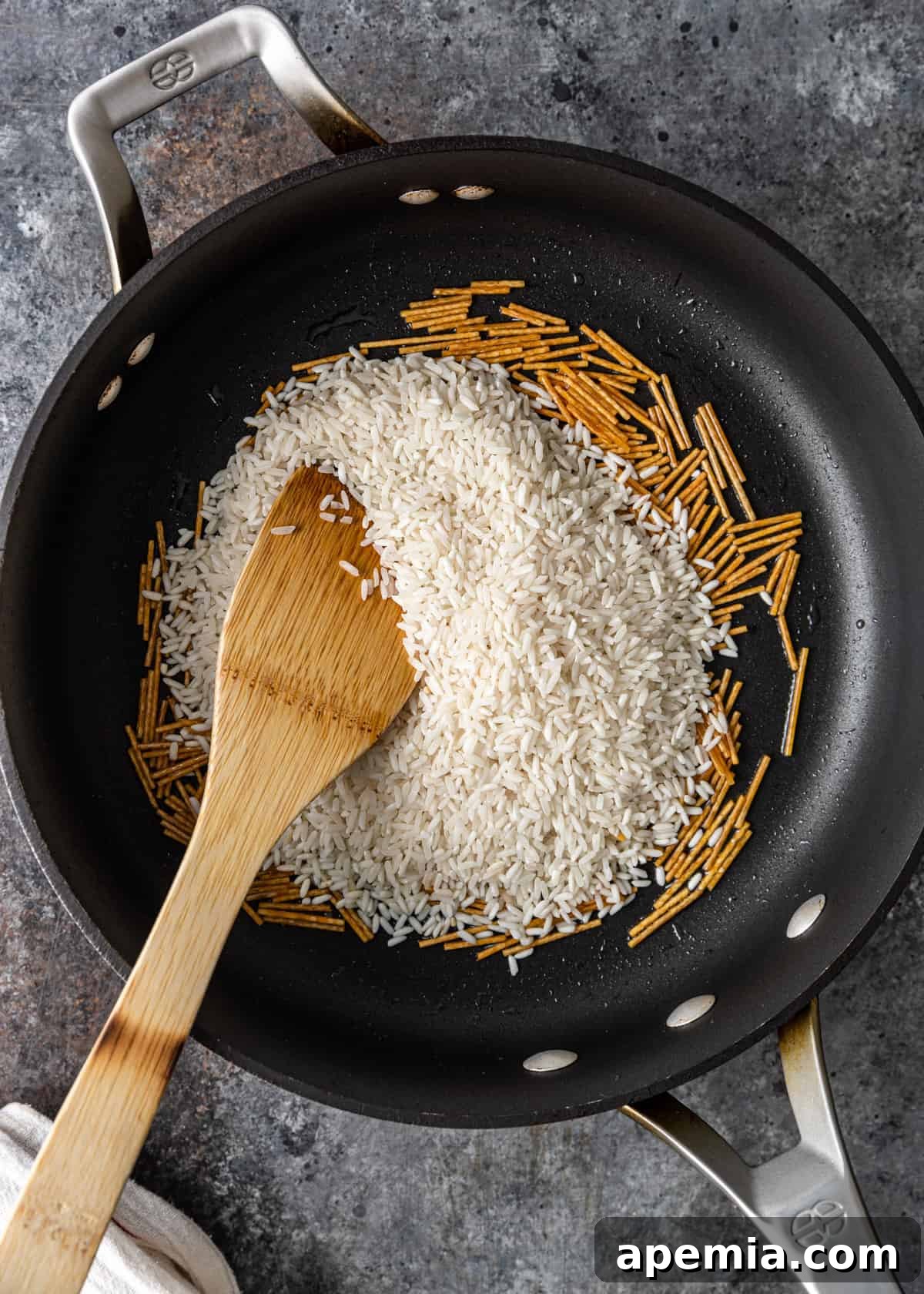
- Toast the Vermicelli: Begin by heating the olive oil in a medium saucepan over medium heat. Once the oil shimmers, add the broken vermicelli pasta. Stir the vermicelli continuously and gently using a wooden spoon or spatula. This constant stirring is vital to ensure even browning and to prevent any pieces from burning, which can impart a bitter taste. Continue to cook until the vermicelli achieves a beautiful, light golden-brown color and releases a nutty aroma, typically taking 3-5 minutes. This toasted vermicelli forms the aromatic backbone of the dish.
- Sauté the Rice: Once the vermicelli is perfectly toasted, reduce the heat to low. Add the rinsed short-grain rice (as detailed below) and kosher salt to the saucepan. Stir thoroughly, ensuring that every grain of rice is coated with the olive oil and mixed with the vermicelli. Continue to cook for approximately 3 minutes, stirring frequently. During this stage, you will observe the color of the rice grains transitioning from translucent (clear) to opaque white. This brief sautéing helps to slightly toast the rice, adding another layer of flavor and ensuring the grains remain somewhat separate after cooking.
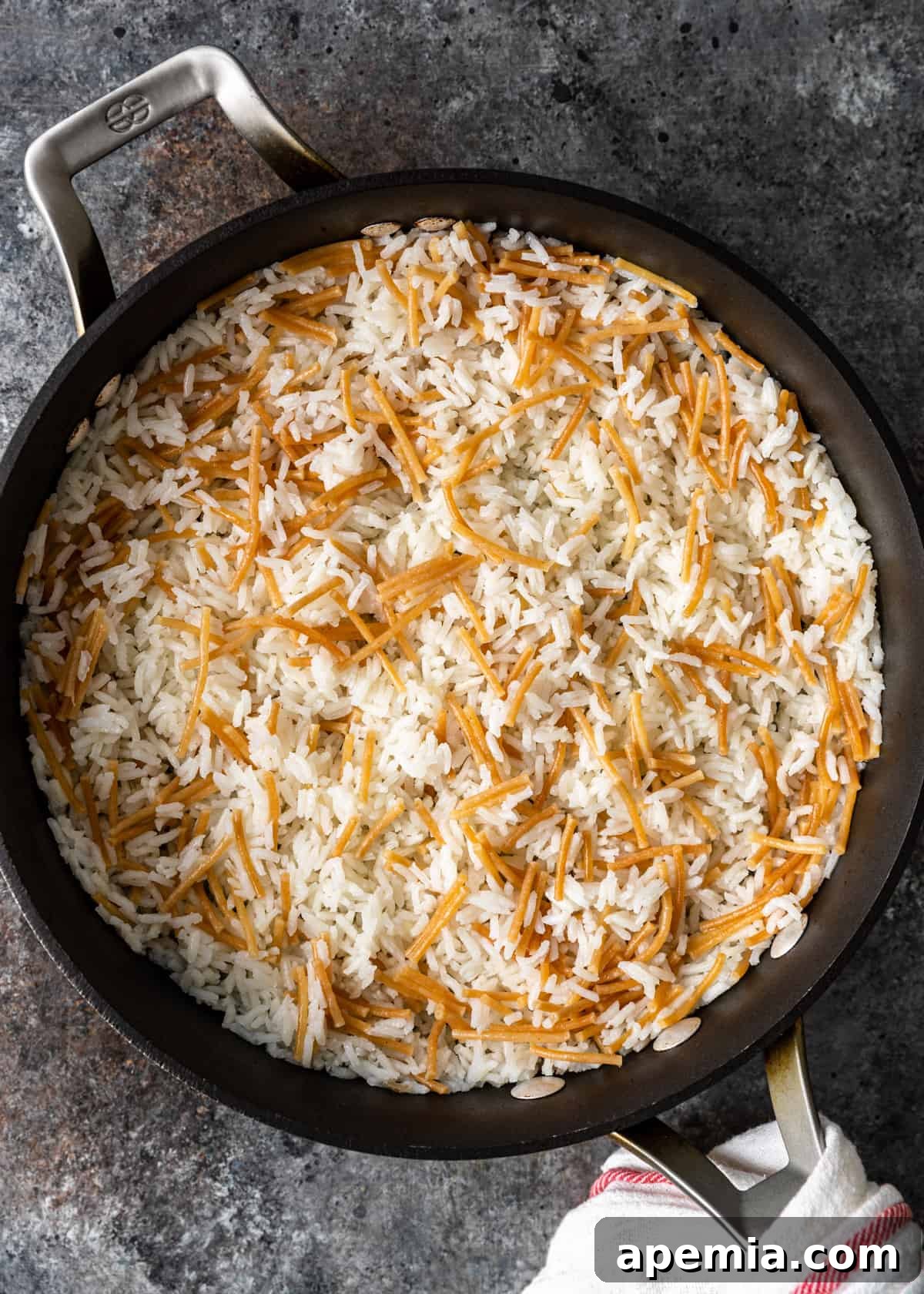
- Simmer to Perfection: Carefully pour the hot water into the saucepan. Give it a gentle stir, then immediately cover the pan with a tight-fitting lid. Reduce the heat to its lowest setting and allow the rice to simmer undisturbed for 15 minutes. It’s crucial not to lift the lid during this time, as the steam trapped inside is essential for properly cooking the rice.
- Rest and Absorb: After 15 minutes, remove the saucepan from the heat, but do not uncover it. Allow the rice to rest, still covered, for an additional 5 minutes. This resting period is critical; it allows the residual steam to finish cooking the rice, ensuring all moisture is absorbed and the grains become perfectly fluffy and tender.
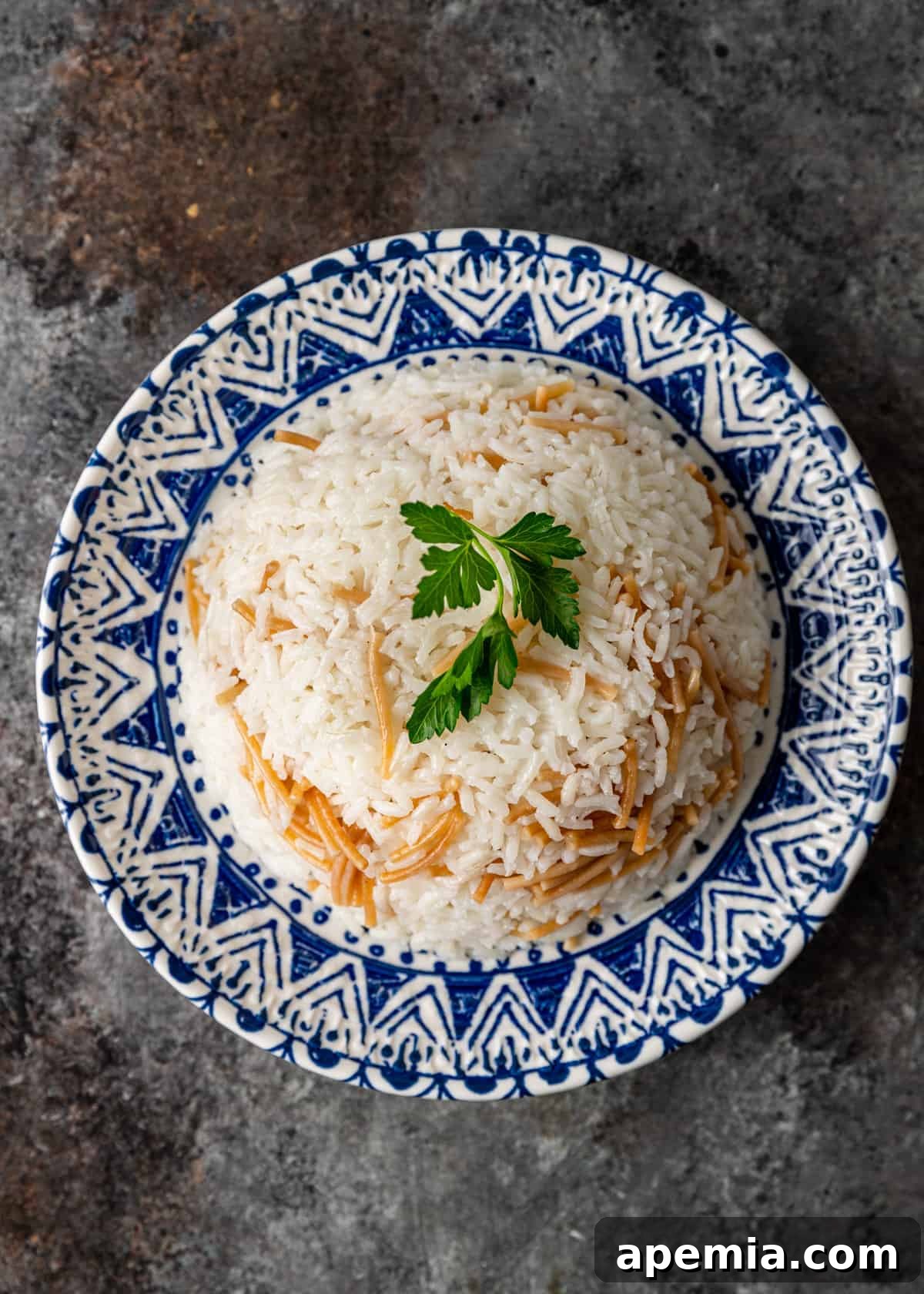
- Fluff and Serve: Finally, remove the lid and gently fluff the cooked rice with a fork. The fork separates the grains, releasing any trapped steam and creating that signature airy texture. Serve your delicious Egyptian rice with vermicelli immediately and enjoy its wonderful aroma and taste as a standalone dish or a versatile side.
To Rinse or To Soak? Preparing Short-Grain Rice for Optimal Fluffiness
For the fluffiest and most desirable results when making Egyptian rice, a thorough rinse of your short-grain rice before cooking is highly recommended. Rinsing removes excess surface starch from the grains, which helps prevent them from becoming overly sticky or gummy during cooking. To rinse, place the rice in a fine-mesh colander and run cold water over it. Gently swish the rice with your fingers until the water running through the colander changes from cloudy to completely clear. This indicates that most of the excess starch has been washed away.
While rinsing is essential, soaking is not strictly required for this specific Egyptian rice recipe. However, if you prefer to soak the grains, you may do so for about 20 minutes prior to cooking. If you choose to soak, be sure to rinse the rice thoroughly after soaking and drain it very well before adding it to the pan. Soaking can sometimes lead to slightly softer grains and may slightly reduce cooking time, but it’s often more critical for longer grain varieties or specific cooking methods. Always remember that different rice varieties have unique specifications for rinsing, soaking, and cooking times. If you opt for a substitute rice, it’s wise to consult its specific preparation guidelines to ensure the best outcome. For comprehensive information on preparing various grains and legumes, you can always refer to my detailed Kitchen Basics page.
Perfect Pairings: What to Serve with Egyptian Vermicelli Rice
Egyptian Rice with Vermicelli is a wonderfully versatile dish, making it an ideal companion for a vast array of main courses. Its subtle flavor and comforting texture complement robust stews, grilled meats, and even lighter vegetable dishes. Here are some of my favorite ideas to inspire your next meal:
- With Chicken Dishes: The delicate flavors of this rice beautifully balance rich chicken preparations. Serve it alongside succulent Grilled Saffron Chicken, tender Chicken Koobideh, or aromatic Baharat Spiced Chicken Kofta. The rice provides a light canvas for the bold flavors of the chicken.
- Alongside Beef and Lamb: For heartier meals, this rice acts as an excellent absorbent base for savory gravies and juices. It’s fantastic with classics like Beef and Lamb Koobideh Kabobs or flavorful Shredded Lamb Shawarma. The simplicity of the rice allows the rich flavors of the meat to truly shine.
- With Fish and Seafood: Don’t limit this rice to only meat! It pairs surprisingly well with lighter proteins. Try it with delightful Palestinian Fish Kofta Meatballs, or use it as a base for any grilled or baked fish and seafood recipes. Its neutral profile won’t overpower the delicate taste of fish.
- Accompaniment to Traditional Stews: This rice is a traditional serving for many Middle Eastern stews, soaking up the flavorful broths beautifully. Ladle a generous portion of Spiced Eggplant Stew or a hearty Moroccan Chicken Stew over a steaming mound of Egyptian rice for a complete and satisfying meal. You’ll also want to look out for my upcoming recipe for Egyptian Pea Stew (Basilla wa Roz), which is specifically designed to be served over this type of rice.
- For Vegetarian Delights: Create a delicious vegetarian feast by pairing Egyptian rice with a batch of my crispy Master Falafel Recipe and a side of creamy White Bean Hummus. Add a simple salad for a wholesome and incredibly satisfying plant-based meal.
- Garnish and Freshness: Enhance any serving with a sprinkle of fresh chopped parsley or cilantro, a squeeze of lemon juice, or a dollop of plain yogurt or tahini sauce to add brightness and a refreshing counterpoint.
Storing and Reheating Egyptian Rice: Tips for Freshness
Proper storage is essential to keep your leftover Egyptian rice delicious and safe to eat. Any leftover Egyptian rice should be stored in an airtight container and refrigerated promptly. It will remain fresh and safe to consume for 2-3 days.
If you anticipate not finishing your leftovers within this timeframe, freezing is an excellent option, but it must be done correctly and immediately after the rice has cooled. It is crucial not to wait until the rice has been in the refrigerator for a couple of days before deciding to freeze it, as this significantly increases the risk of bacterial growth and may not be safe. To freeze properly, spread the freshly cooked and cooled rice out in a single layer on a baking sheet. Place it in the refrigerator to cool completely and rapidly. Once thoroughly chilled, transfer the cooled rice into freezer-safe bags, pressing out as much air as possible, or into airtight freezer containers. Stored this way, the rice can be kept in the freezer for up to one month without significant loss of quality.
To reheat frozen rice, allow it to thaw to room temperature first. Then, add a tablespoon of water to the rice, cover it, and steam it in the microwave on high heat for 2-3 minutes. Alternatively, you can reheat it in a saucepan over low heat with a splash of water, stirring occasionally, until heated through. Once reheated, fluff the rice gently with a fork and serve. Always ensure the rice is piping hot (steaming) throughout before consuming.
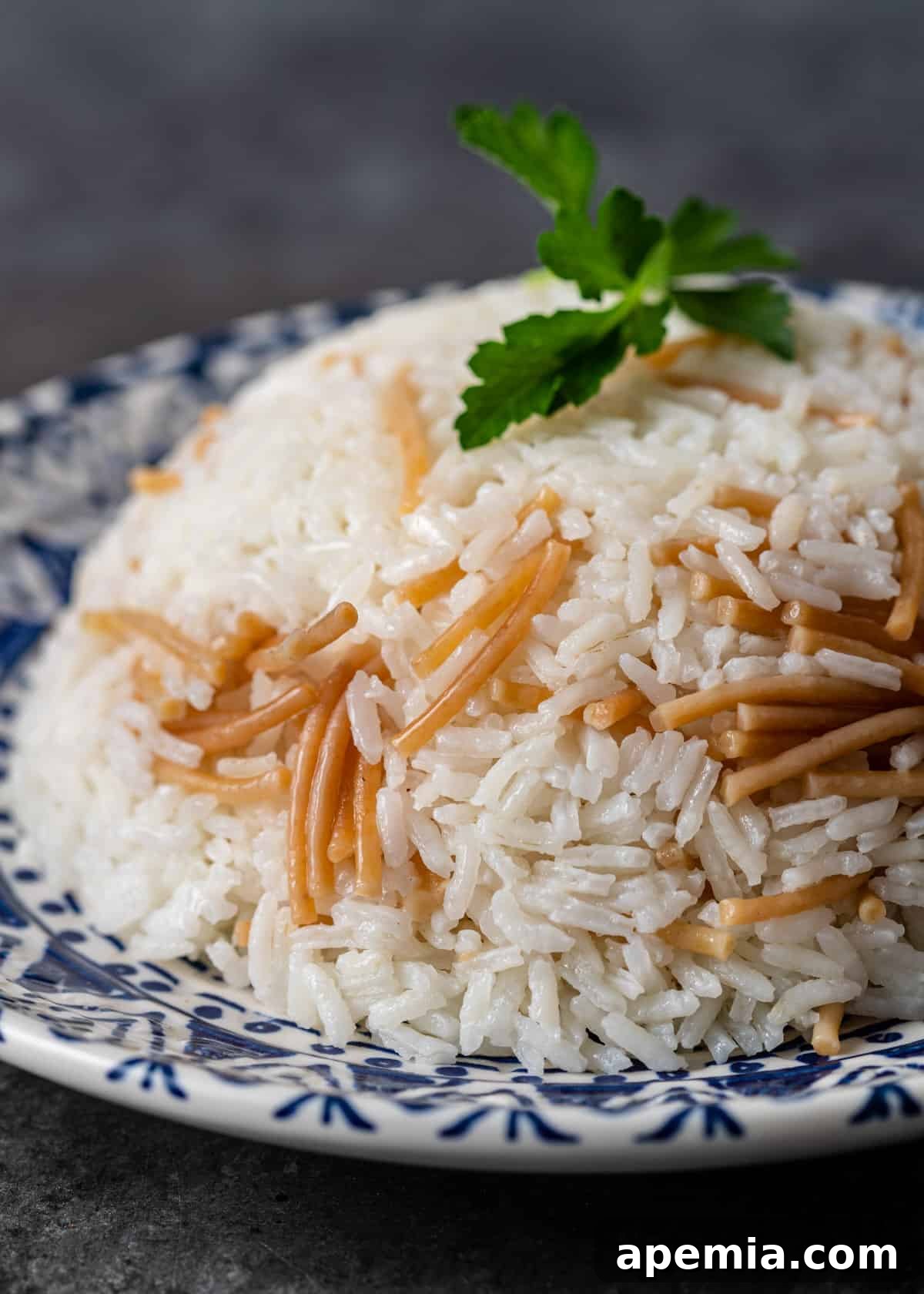
Egyptian Rice with Vermicelli
Try this Egyptian rice with vermicelli recipe for a simple, scrumptious side dish of toasted vermicelli noodles and short-grain rice.
Pin Recipe
Print Recipe
Ingredients
- 1 tbsp olive oil
- 1/4 cup vermicelli (1/2″ length)
- 1 cup short grain white rice (e.g., Calrose)
- 1/2 tsp kosher salt
- 1 3/4 cup hot water
Instructions
- Heat the oil in a medium saucepan over medium heat. Add vermicelli, stirring constantly, and cook until golden brown (do not burn).
- Turn heat to low and add the rice and salt, stirring to coat with oil. Cook for 3 minutes, stirring often. Rice will change color from clear to white.
- Add hot water. Cover and cook on low heat for 15 minutes.
- Remove from heat and leave covered for about 5 more minutes. Fluff rice with a fork.
Notes
For leftovers, let the rice cool completely and transfer to an airtight container or sealable bag and squeeze out excess air. Freeze for up to 2 months. To thaw, let come to room temp, add a tablespoon of water, cover and steam in microwave for 2-3 minutes on high heat. Fluff with fork and enjoy.
Nutrition
Calories: 254kcal | Carbohydrates: 49g | Protein: 4g | Fat: 4g | Saturated Fat: 1g | Polyunsaturated Fat: 0.5g | Monounsaturated Fat: 3g | Sodium: 325mg | Potassium: 58mg | Fiber: 1g | Sugar: 0.1g | Calcium: 19mg | Iron: 0.5mg
The information shown is an estimate provided by an online nutrition calculator. It should not be considered a substitute for a professional nutritionist’s advice.
Have You Made This Recipe? Let Me Know on Instagram
Tag @keviniscooking or tag me #keviniscooking!