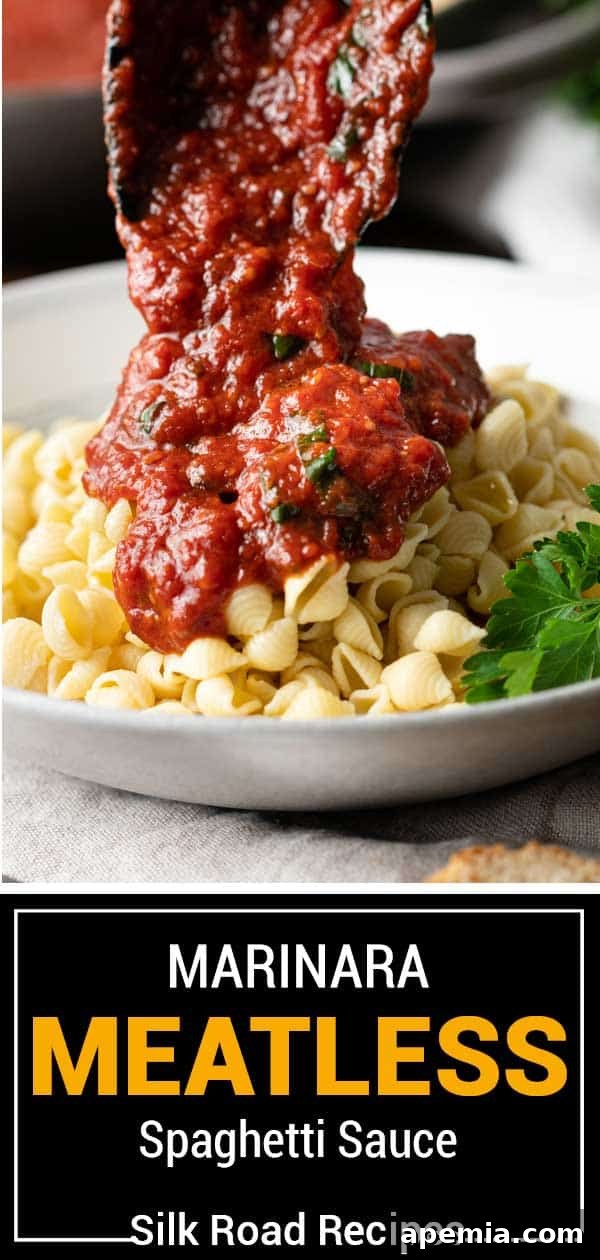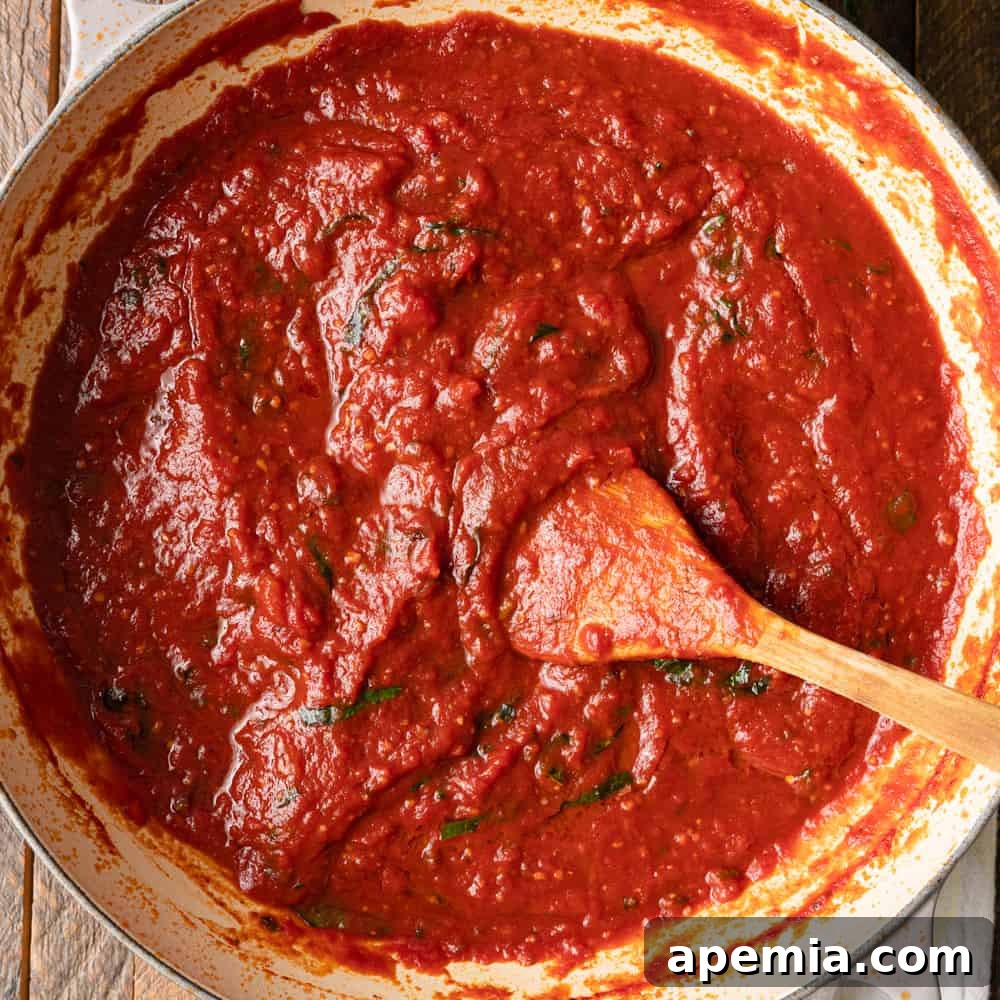
Prepare to elevate your home cooking with this incredible recipe for homemade marinara sauce. Boasting bold, robust flavors and requiring surprisingly minimal effort, this simple yet sensational sauce comes together in just 30 minutes. Imagine sweet crushed tomatoes infused with luxurious olive oil, pungent garlic, and a medley of aromatic herbs, creating a rich base that’s fresher, healthier, and undeniably more delicious than any store-bought alternative.
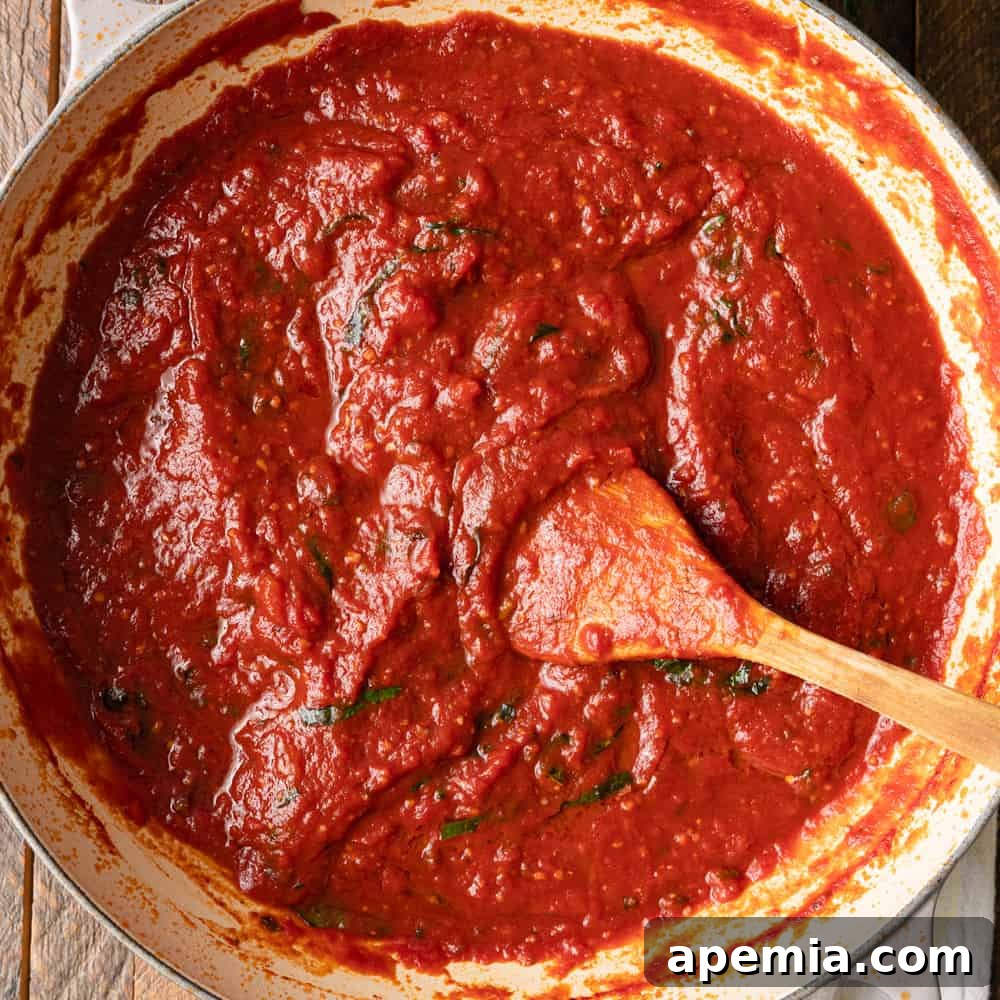
I am absolutely thrilled to share this exceptional marinara recipe with you today. While many believe homemade sauces require hours of simmering, this adapted version delivers maximum flavor in record time, making it perfect for busy weeknights or impromptu culinary cravings. Forget the bland, preservative-laden jars from the grocery store – once you experience the vibrant taste of fresh, scratch-made marinara, there’s no turning back. It’s a game-changer for anyone seeking authentic Italian flavors with a convenient twist.
And seriously, the simplicity of this recipe is astounding. Beyond a quick chop of garlic cloves and fresh herbs, very little prep work is needed. The process involves a straightforward sauté, a brief period of stirring, and a mere 20 minutes of simmering. That’s it! In less than half an hour, you’ll have a fresh, flavorful, and wonderfully aromatic sauce ready to transform your favorite Italian dishes. This recipe isn’t just about speed; it’s about smart cooking that doesn’t compromise on taste.
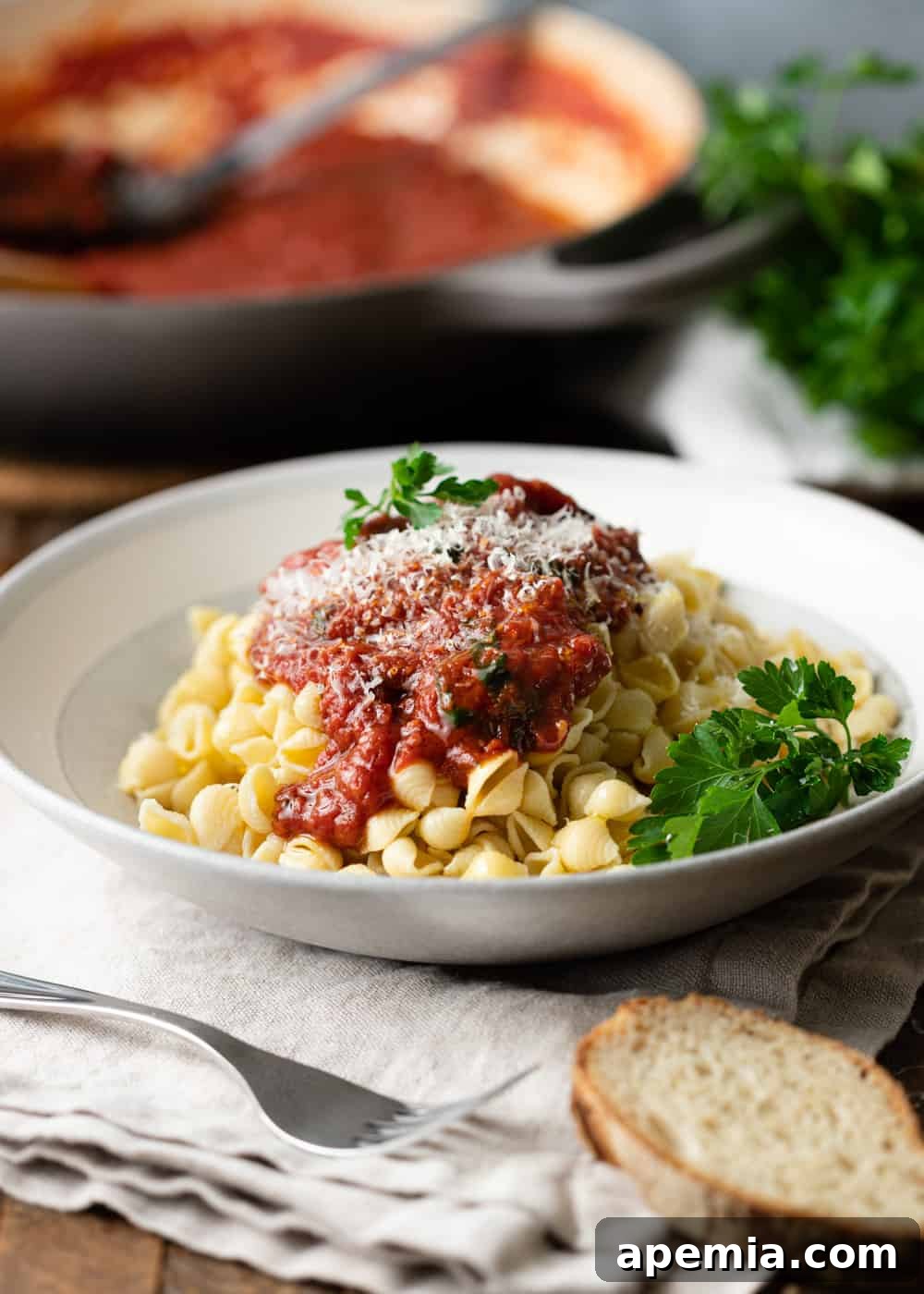
Table of Contents
- Ingredient Notes and Substitutions
- How to Make Marinara: Step-by-Step
- Tips for the Perfect Marinara
- Serving Suggestions & Variations
- Frequently Asked Questions
- Storage and Freezing Tips
- Marinara (Meatless Spaghetti Sauce) Recipe Card
Looking for more Italian-inspired culinary adventures? Be sure to explore my recipes for Hearty Tuscan Soup, Flavorful Marinated Mushrooms, and these delightful Ham and Cheese Lasagna Rolls.
Ingredient Notes and Substitutions
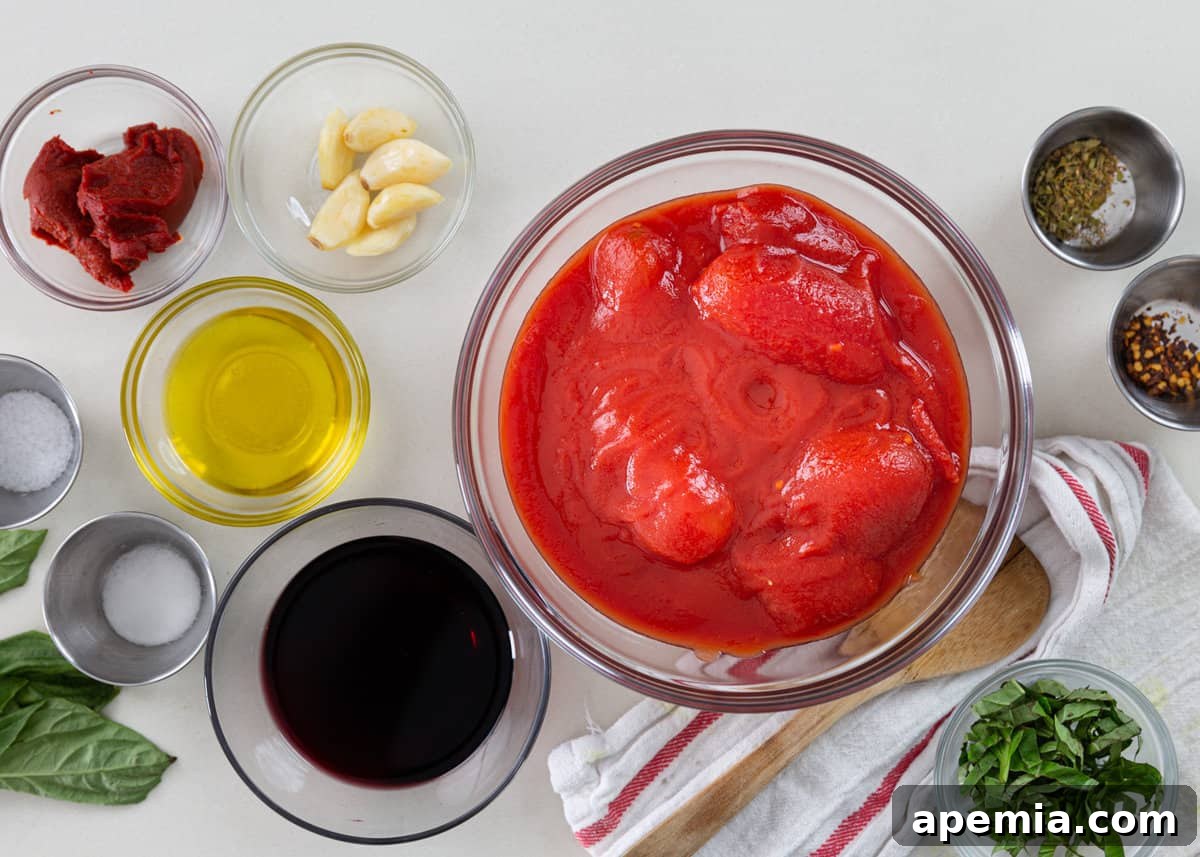
Crafting a truly spectacular marinara begins with understanding the role of each ingredient. Here’s a detailed look at what you’ll need and how to make the best choices for an unforgettable sauce:
- Olive Oil: The foundation of many Mediterranean dishes, olive oil lends a delicate, fruity base to our marinara. For best results, use a good quality extra virgin olive oil. If you don’t have olive oil on hand, neutral oils like canola or avocado oil can be used, though they may slightly alter the traditional flavor profile.
- Garlic Cloves: Garlic is non-negotiable for that signature bold and pungent zestiness that defines marinara. Freshly minced garlic is always preferred over pre-minced for its superior flavor. Don’t be shy with the garlic – it truly makes the sauce sing!
- Tomato Paste: This concentrated flavor enhancer adds incredible depth, sweetness, and thickness to the sauce. It’s especially crucial for achieving a rich body in a shorter simmering time. If you’re planning to simmer your sauce for several hours (a traditional method for some pasta sauces), you could potentially omit it as the sauce would naturally reduce and thicken. However, for our 30-minute recipe, it’s a key player.
- Red Wine: While optional, a splash of dry red wine significantly enhances the sauce’s rich, robust, and complex flavors. It adds a layer of sophistication that truly elevates the dish. If you prefer an alcohol-free alternative, a small amount of red wine vinegar can mimic the acidity and depth, but use it sparingly.
- Sugar: A small amount of sugar works wonders to balance the acidity of the tomatoes and harmonize all the other flavors. It doesn’t make the sauce sweet, but rather rounds out the taste, creating a smoother, more balanced profile. Adjust to your tomatoes’ natural sweetness.
- Dried Oregano: This classic Italian herb brings an earthy, aromatic, and slightly peppery element to the marinara. While fresh oregano can be used, dried oregano often has a more concentrated flavor that stands up well to simmering.
- Kosher Salt: Essential for brightening and harmonizing all the ingredients without making the sauce overly salty. Start with the recommended amount and adjust to taste at the end, as the sauce reduces and flavors concentrate.
- Red Pepper Flakes: For a bold, smoky flavor with a hint of heat, red pepper flakes are a fantastic addition. They provide a subtle warmth that complements the tomatoes beautifully. If you prefer a milder sauce, you can reduce the amount or omit them entirely.
- Crushed Tomatoes: The star of the show! While any good quality crushed tomatoes will work, for an unparalleled sweet flavor and low acidity, opt for San Marzano tomatoes. These prized tomatoes are grown in the fertile volcanic soil at the base of Mount Vesuvius in Italy, known for their firm pulp, deep red color, and minimal seeds. They make a noticeable difference in the final taste.
- Fresh Basil Leaves: Added towards the end of cooking, fresh basil perks up the sauce with its distinctly spicy-sweet pungency and brightens the overall flavor. Don’t add it too early, or its delicate flavor will diminish.
- Flat Leaf Parsley: Used as a finishing garnish, fresh flat-leaf parsley contributes a clean, peppery flavor and a vibrant dash of green, adding both visual appeal and a final layer of freshness.
Choosing high-quality ingredients is paramount for a truly exceptional marinara. Each component plays a vital role in building the layered flavors that make this sauce so beloved.
How to Make Marinara: Step-by-Step
Follow these straightforward steps to create a homemade marinara that will impress every time:
- Sauté the Garlic. Begin by placing a large, heavy-bottomed skillet or Dutch oven over medium-high heat. Add the olive oil and allow it to heat for a couple of minutes until it shimmers gently. Then, add your minced garlic. Sauté the garlic for about 2 minutes, stirring frequently, until it becomes fragrant and lightly golden. Be careful not to let it brown or burn, as burnt garlic can taste bitter. Reduce the heat to medium immediately after this step.
- Stir in the Spices and Wine. With the heat now at medium, pour in the red wine (if using) and add the tomato paste. Stir these vigorously for about a minute, allowing the alcohol to cook off and the tomato paste to deepen in color, enhancing its sweetness. Then, incorporate the sugar, dried oregano, red pepper flakes, and kosher salt. Sauté for another 2 minutes, stirring constantly, to allow the spices to bloom in the hot oil and meld with the tomato paste and wine. This step is crucial for developing a rich flavor base.
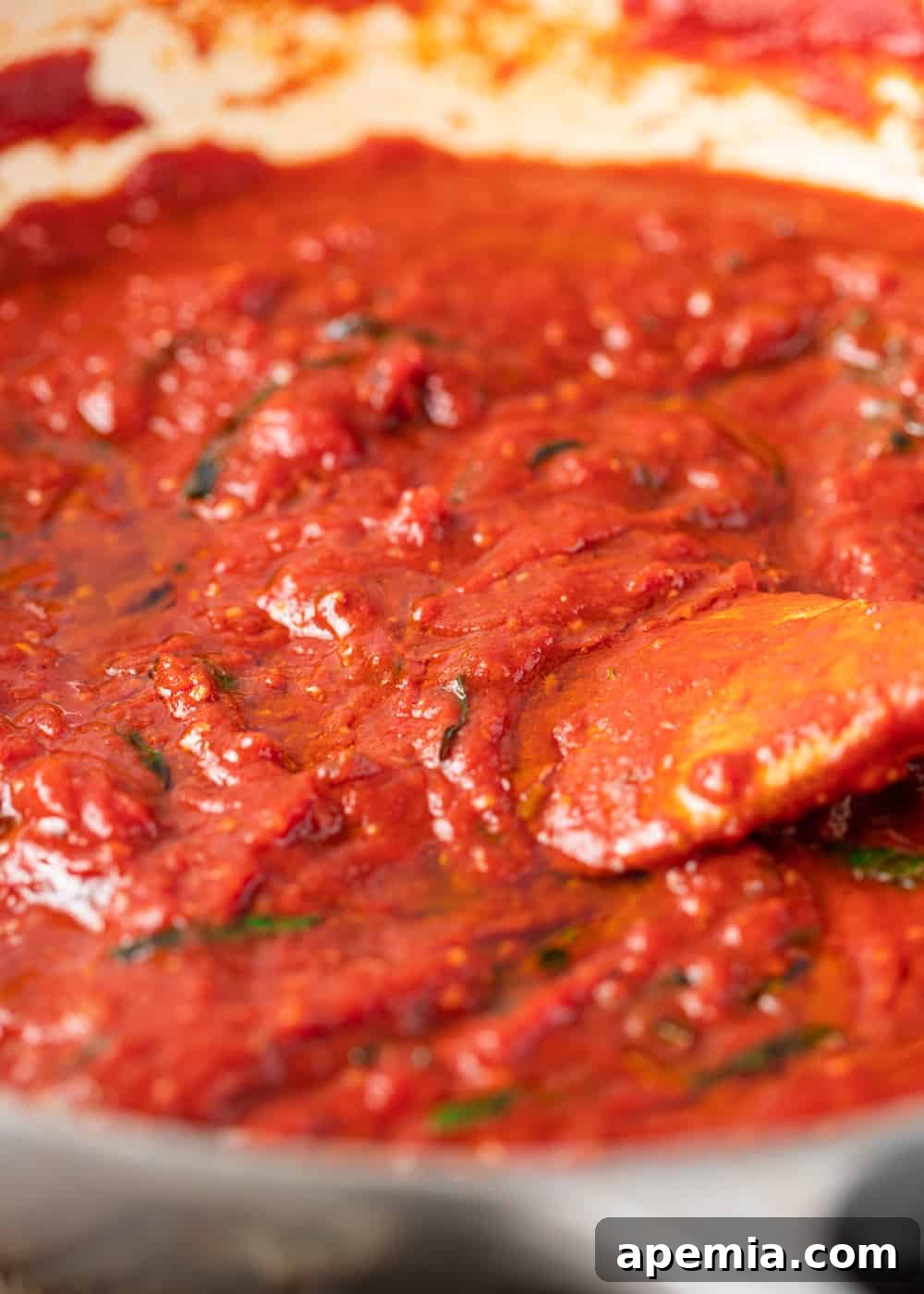
- Add Tomatoes and Simmer. Now, pour in the crushed tomatoes. Stir everything together thoroughly, ensuring all ingredients are well combined. Bring the sauce to a gentle simmer, then reduce the heat to low, cover partially, and let it simmer for about 20 minutes. This simmering time allows the flavors to meld beautifully and the sauce to reduce slightly, intensifying its taste and thickening its consistency. Approximately halfway through this simmering period, stir in the fresh basil leaves. Towards the end, taste the sauce and adjust the seasoning with more salt if desired.
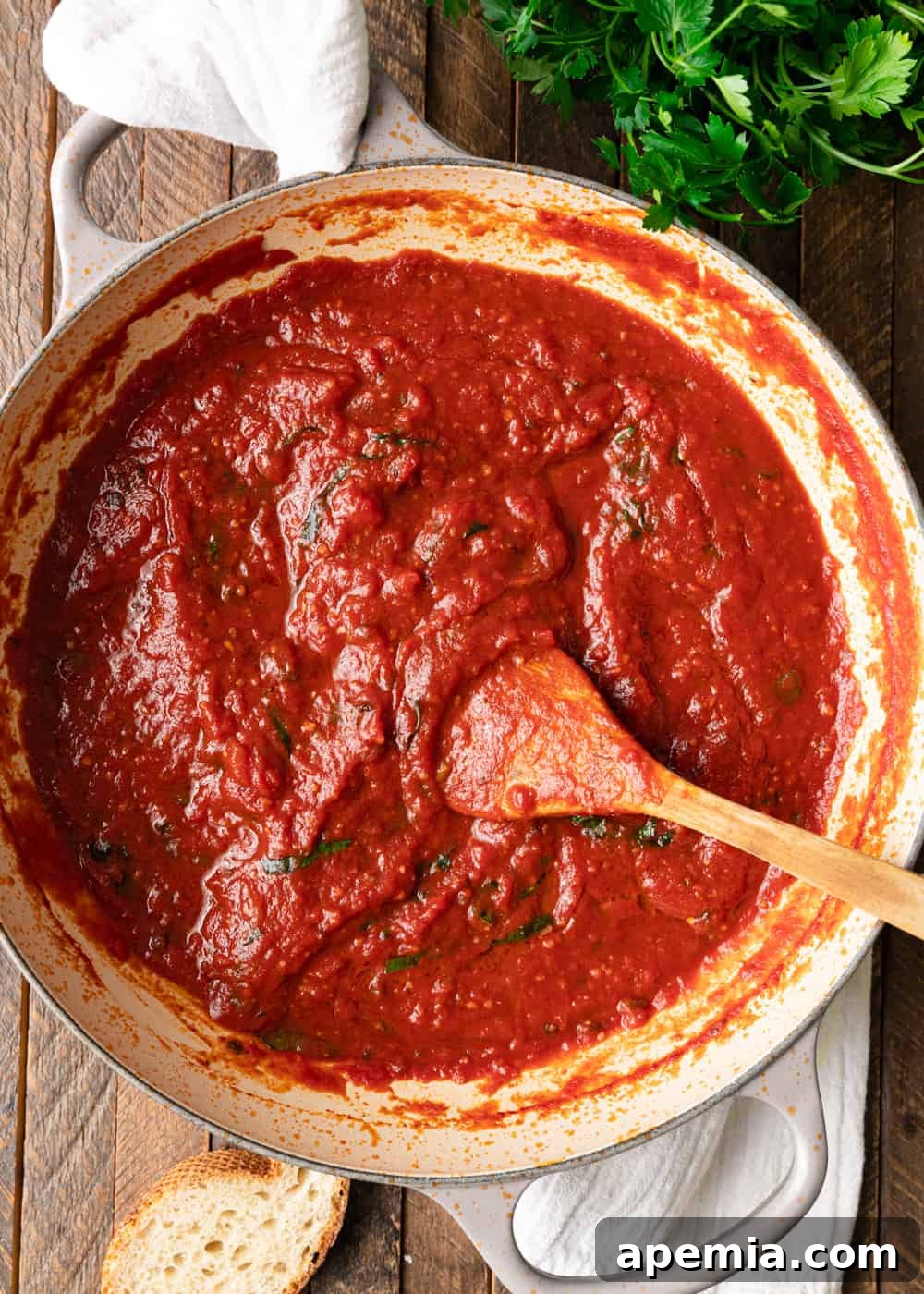
- Leave Chunky or Blend Smooth. At this point, your marinara sauce is ready. If you appreciate a rustic, chunky sauce with bits of tomato, your work is done! However, if you prefer a silky-smooth sauce, you have a few options. You can use an immersion blender directly in the pot, or carefully transfer batches of the sauce to a food processor or regular blender. Blend until you reach your desired consistency. Please exercise extreme caution during this step – hot sauce splatters can cause severe burns! Always ensure the lid is securely fastened if using a stand blender, and start on a low speed.
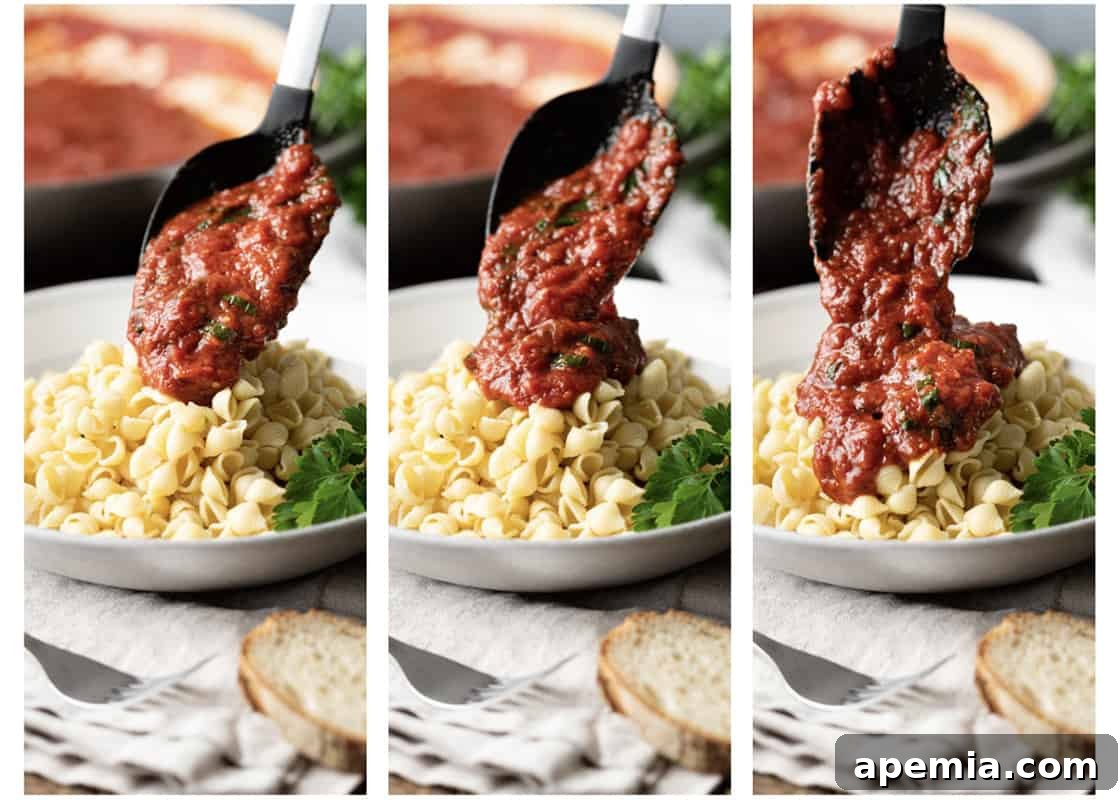
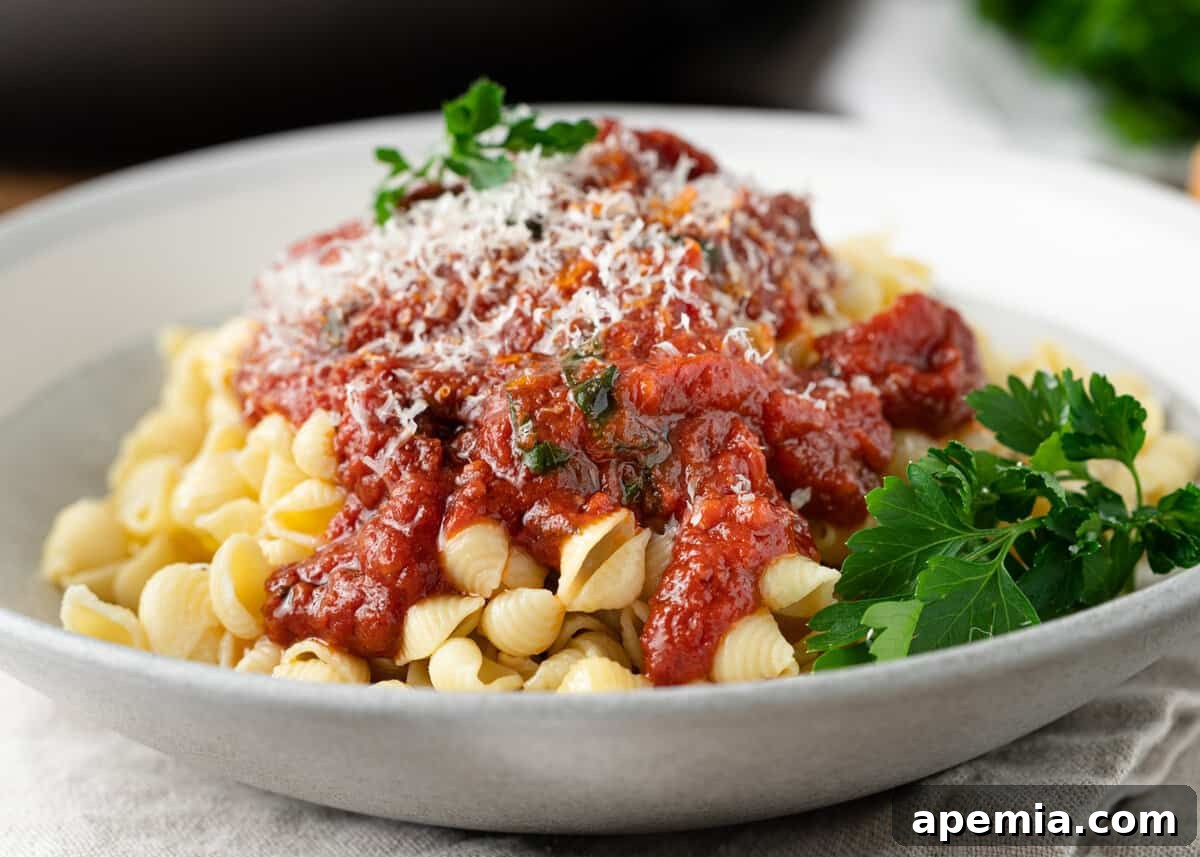
- Serve. Your homemade marinara is now ready to be enjoyed! Ladle it generously over your favorite pasta (spaghetti, penne, fettuccine, rigatoni), or use it as the star of any meatball dish. Finish with a generous sprinkle of fresh chopped flat-leaf parsley and plenty of freshly shredded or grated Parmesan cheese for an authentic Italian touch. A drizzle of good quality olive oil just before serving can also add a lovely richness.
Tips for the Perfect Marinara
Achieving a truly outstanding marinara sauce is simple when you keep a few key tips in mind:
- Don’t Rush the Sauté: Allowing the garlic to become fragrant and lightly golden (not burnt!) in the olive oil sets the flavor foundation. Similarly, toasting the tomato paste briefly with the spices deepens its umami notes, creating a richer sauce.
- Quality Tomatoes Matter: As mentioned, San Marzano tomatoes are highly recommended for their balance of sweetness and low acidity. However, even if you can’t find them, choose the best quality crushed tomatoes available. The quality of your tomatoes directly impacts the final taste.
- Taste and Adjust: Always taste your sauce before serving. Tomatoes can vary in acidity and sweetness. You might need a pinch more salt to enhance the flavors or a tiny bit more sugar to balance any lingering tartness. A dash of red wine vinegar can also brighten a sauce that tastes flat.
- Slow Simmer for Depth: While this recipe is designed for speed, a longer, slower simmer (even an extra 10-15 minutes) can further meld flavors and thicken the sauce naturally. If you have the time, let it bubble gently for a bit longer.
- Fresh Herbs at the Right Time: Adding dried herbs early allows their flavors to bloom, but fresh herbs like basil and parsley should be incorporated towards the end or as a garnish. This preserves their vibrant aroma and delicate taste, providing a fresh contrast to the cooked tomatoes.
- Immersion Blender Caution: When blending hot sauces, always be careful. Use an immersion blender directly in the pot, keeping the blade fully submerged. If using a regular blender, fill it only halfway, secure the lid tightly, and start on the lowest setting, gradually increasing speed.
Frequently Asked Questions
What is the Difference Between Marinara and Spaghetti Sauce?
Marinara and spaghetti sauce share many similarities and can often be used interchangeably in various recipes, both being versatile, beautifully spiced, tomato-based sauces. However, they do possess several key differences that distinguish them.
Marinara sauce, at its heart, is a much simpler and quicker sauce to prepare. It’s typically made from a few basic, high-quality ingredients such as tomatoes, garlic, herbs (like basil and oregano), and olive oil. It requires relatively little cooking time, often simmering for under an hour. Marinara is traditionally meatless, giving it a lighter texture and a more pronounced fresh tomato flavor. Its simplicity makes it a popular choice for quick weeknight meals and as a base for other dishes.
Spaghetti sauce, on the other hand, is generally more complex. It often includes a broader range of vegetables like onions, carrots, and celery, and a richer blend of spices. Crucially, spaghetti sauce almost always contains meat, such as ground beef, pork, or a combination, as seen in popular ragu or bolognese sauces. These sauces are typically simmered for multiple hours, sometimes even half a day, to allow the flavors to deepen and the meat to tenderize, resulting in a thick, hearty, and intensely flavorful consistency. This extended cooking time contributes to a sweeter, more nuanced, and robust flavor profile compared to marinara.
What Is Marinara Sauce Best For?
Homemade marinara sauce is incredibly versatile and can enhance a wide array of your favorite dishes. Whether you prefer to dip, drizzle, or drench, here are plenty of ideas to inspire you:
- Classic Pasta Dishes: Marinara makes an exceptional meatless spaghetti sauce. Serve it generously over any of your favorite pasta shapes – spaghetti, fettuccine, rotini, penne, rigatoni, or even ravioli and tortellini.
- Delicious Dipping Sauce: It’s perfect as a flavorful dipping sauce for crusty breads like Garlic Naan Bread, cheesy Georgian Cheese Bread (Khachapuri), mozzarella sticks, arancini, or homemade garlic knots.
- Accompaniment for Meatballs: Pair it beautifully with various meatball dishes, such as savory Greek Lamb Meatballs, zesty Spicy Tunisian Beef Meatballs, or traditional Baked Greek Meatballs (Soutzoukakia).
- Pizza Base: Use it as a vibrant, fresh base for your next homemade Flatbread Pizzas, calzones, or strombolis.
- Egg Dishes: A dollop of warm marinara can elevate breakfast or brunch. Serve it with poached or fried eggs, or as a base for shakshuka.
- Vegetable Topping: Drizzle over roasted vegetables, baked potatoes, or even grilled eggplant and zucchini for an extra layer of flavor.
- Italian Sandwiches: Use it as a spread for meatball subs, chicken parmesan sandwiches, or grilled cheese for an Italian twist.
How Do You Store Homemade Marinara Sauce?
Proper storage is key to enjoying your delicious homemade marinara for longer:
For short-term storage, transfer any leftover marinara sauce to an airtight container once it has cooled completely. Store it in the refrigerator, where it will remain fresh and flavorful for 3-4 days. This makes it perfect for meal prepping throughout the week.
For longer preservation, marinara sauce freezes exceptionally well. Ensure the sauce is thoroughly cooled before transferring it to freezer-safe bags or containers. Lay freezer bags flat to freeze, which saves space. Frozen marinara can be kept for up to 6 months without significant loss of quality. Thaw overnight in the refrigerator or gently reheat from frozen on the stovetop.
Canning is also an excellent option for preserving marinara sauce for extended periods at room temperature. However, canning requires specific techniques and equipment to ensure safety and proper sealing. This would be a topic for a separate, more detailed post due to its complexity and importance of following strict guidelines for home canning.
Share this recipe on Pinterest!
Love this recipe? Share it with the world on Pinterest to help others discover this delicious homemade marinara!
Marinara (Meatless Spaghetti Sauce)
4
10 mins
25 mins
35 mins
Print Recipe
Video Overview
Learn how to make this delicious Marinara (Meatless Spaghetti Sauce) with our step-by-step video guide.
Ingredients
- 3 tbsp olive oil
- 6 cloves garlic minced
- 2 tbsp tomato paste (See Note 1)
- 1/2 cup dry red wine (optional)
- 1/2 tsp sugar
- 1/2 tsp dried oregano
- 1/2 tsp kosher salt
- 1/4 tsp red pepper flakes
- 28 oz crushed San Marzano tomatoes (See Note 2)
- 12 basil leaves roughly chopped
- 2 tbsp flat leaf parsley chopped, plus more for garnish
Instructions
- In a large skillet, heat the olive oil over medium-high heat. Add the minced garlic and sauté for 2 minutes until fragrant and lightly golden.
- Reduce heat to medium. Add the wine (if using), tomato paste, sugar, dried oregano, salt, and red pepper flakes. Sauté for another 2 minutes, stirring constantly to allow flavors to meld and deepen.
- Add the crushed tomatoes, stir well, and bring to a gentle simmer. Let the sauce simmer, partially covered, for about 20 minutes to reduce slightly and allow flavors to concentrate. In the last 10 minutes of simmering, stir in the fresh basil leaves. Taste and season the sauce with more salt if needed.
- For a chunky sauce, proceed to the next step. For a smooth sauce, carefully use an immersion hand blender directly in the pot, or transfer portions to a regular blender and puree until smooth. Exercise caution with hot liquids.
- Serve your homemade marinara generously over any pasta, gnocchi, or meatball dish. Garnish with fresh chopped parsley and plenty of grated or shaved Parmesan cheese.
Notes
- The tomato paste is essential for thickening and enriching the sauce in a short time. If you plan on a traditional low-and-slow simmer (3-4 hours on the stovetop), you might choose to omit the tomato paste as the sauce will naturally thicken and deepen in flavor over extended cooking.
- San Marzano tomatoes are highly prized for their balanced sweetness, low acidity, firm pulp, deep red color, and few seeds, largely due to being grown in the rich volcanic soil near Mount Vesuvius. While highly recommended for their superior flavor, feel free to use your preferred brand of high-quality crushed tomatoes. This recipe yields enough sauce for approximately 1 pound of cooked pasta.
Nutrition
Carbohydrates: 5 g |
Protein: 1 g |
Fat: 2 g |
Saturated Fat: 0.3 g |
Polyunsaturated Fat: 0.2 g |
Monounsaturated Fat: 1 g |
Sodium: 358 mg |
Potassium: 119 mg |
Fiber: 1 g |
Sugar: 2 g |
Vitamin A: 396 IU |
Vitamin C: 6 mg |
Calcium: 21 mg |
Iron: 1 mg
The information shown is an estimate provided by an online nutrition calculator. It should not be considered a substitute for a professional nutritionist’s advice.
Sauces
Italian, Mediterranean
Kevin
Have You Made This Recipe? Let Me Know on Instagram!
Tag @keviniscooking or use the hashtag #keviniscooking! We’d love to see your creations!