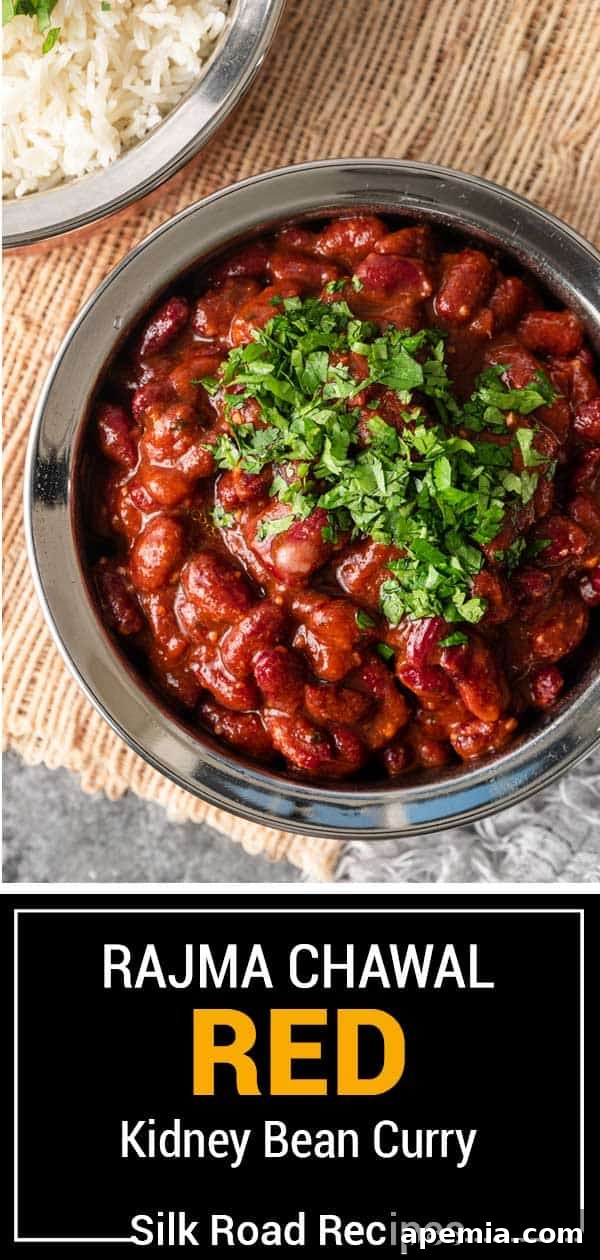
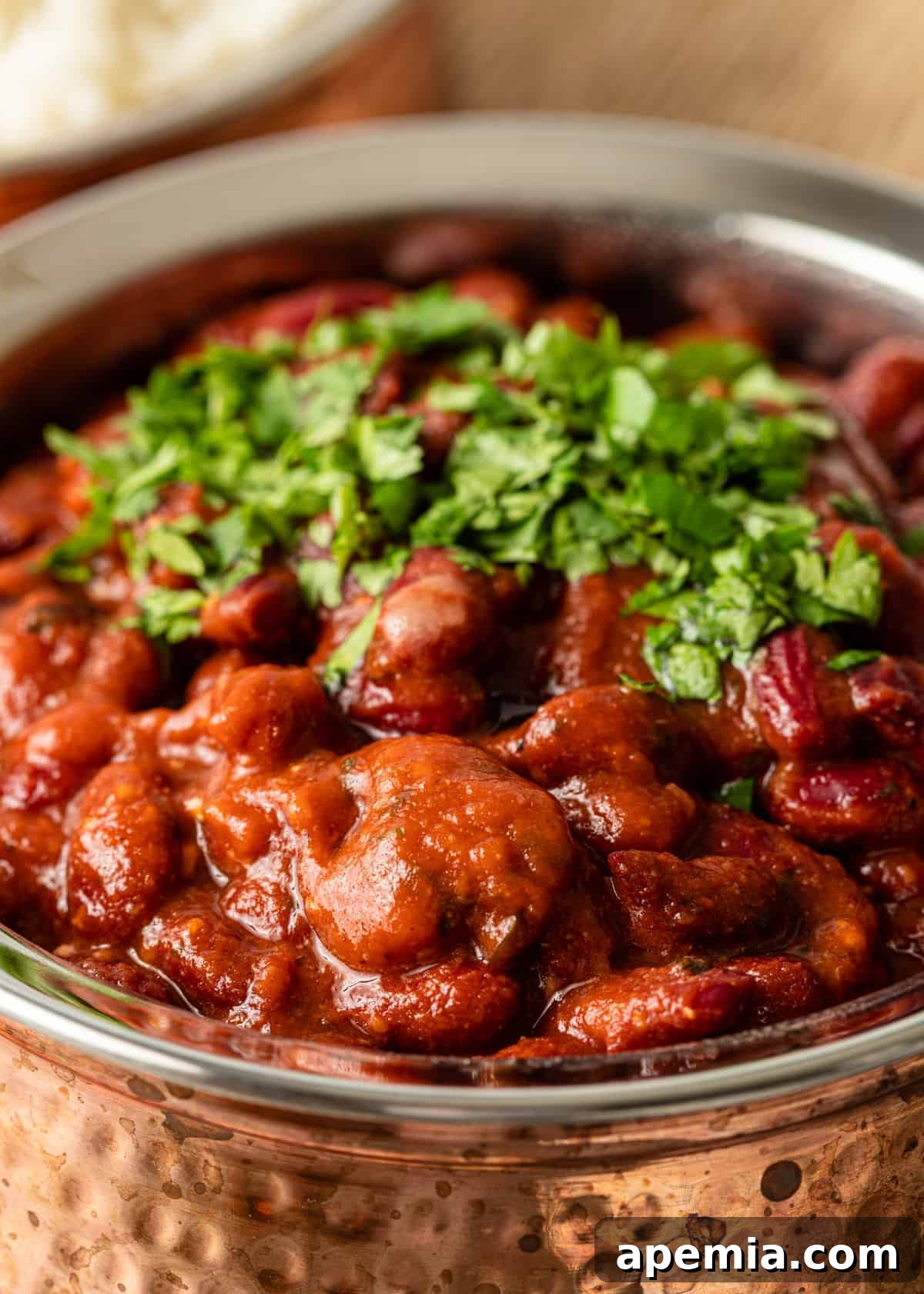
Hearty, flavorful, and incredibly satisfying, this vegetarian Kidney Bean Curry, also known as Rajma Chawal, brings the warmth and spice of India right to your kitchen. With just enough heat to chase away the chill of an evening, this recipe is designed for ease and speed. Thanks to the use of canned beans, you can enjoy a comforting bowl of this delicious curry in just 40 minutes from start to finish!

Experience the Comfort of Authentic Rajma Chawal
There’s nothing quite like a bowl of warm, aromatic curry to soothe the soul, especially when the weather takes a chilly turn. At its heart, curry is a wonderfully seasoned stew, and we all know stews are quintessential comfort food, perfect for winter evenings or any time you crave a meal that feels like a warm hug.
This Kidney Bean Curry stands out as a truly remarkable vegetarian dish. It’s not only incredibly hearty and filling but also boasts a significant amount of dietary fiber. This means it keeps you feeling full and satisfied for much longer, making it an excellent choice for a healthy and balanced diet.
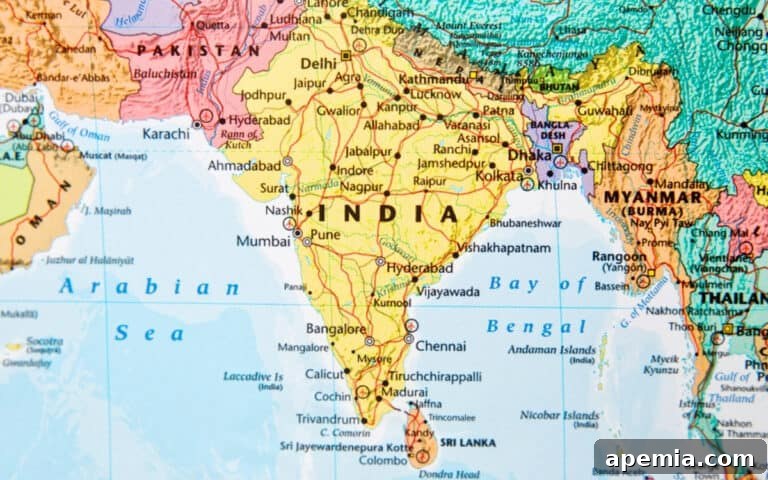
My journeys through India have provided me with the wonderful opportunity to immerse myself in the diverse and vibrant flavors of countless Indian masala curry dishes. From the bustling streets of Delhi to the serene backwaters of Kerala, each region offers its unique take on curries, some rich with complex masala blends, others simpler yet equally profound in flavor.
Among the many culinary treasures, some of my personal favorites include the robust chickpea masala and the sweet and savory mango chicken curry. And, of course, no discussion of Indian cuisine is complete without mentioning the universally adored Punjabi classic, butter chicken (Murgh Makhani). For those seeking another incredible meat-free option, the creamy and spiced Dal Makhani, made with protein-rich lentils and beans, is an absolute must-try – truly one of my all-time favorites!
Are Beans and Rice a Complete Protein? Answering Your Nutritional Questions
A common question, especially for those on plant-based diets, is whether beans and rice constitute a complete protein. Individually, most plant-based foods, including beans and rice, are not considered complete proteins because they might lack one or more of the nine essential amino acids that our bodies cannot produce on their own. However, the beauty of plant-based eating lies in combination! When beans and rice are eaten together, their amino acid profiles perfectly complement each other. Beans are rich in lysine but typically lower in methionine, while rice is high in methionine but lower in lysine. By combining them, you create a complete protein source, providing all the essential amino acids your body needs. This makes the classic combination of Rajma Chawal (kidney beans and rice) not just delicious but also a highly nutritious and valuable source of protein for everyone, particularly those following vegetarian or vegan lifestyles.
Ingredient Notes and Expert Substitutions for Your Rajma Chawal
Crafting the perfect Kidney Bean Curry begins with understanding your ingredients. Here’s a detailed guide to each component and how you can adapt it to your pantry and preferences:
- Onion: For this authentic Rajma recipe, I prefer using a large white onion for its crisp, slightly sweet flavor that mellows beautifully during cooking. However, feel free to use a yellow or red onion if that’s what you have on hand. Yellow onions offer a similar sweetness, while red onions will add a slightly sharper, more robust flavor that can deepen the curry’s profile.
- Chiles: Serrano peppers are my go-to for their vibrant heat, a step up from their milder cousin, the jalapeño. If you prefer a less spicy curry, you can easily dial down the heat by removing the ribs and seeds from the serrano peppers before puréeing, as most of the capsaicin resides there. For an even milder version, substitute with jalapeños. If you enjoy a fiery kick, leave the seeds and ribs in!
- Ghee: Ghee, or clarified butter, is a staple in South Asian and Middle Eastern cooking, lending a rich, nutty depth of flavor that is unparalleled. You can typically find it in the cooking oils aisle or the international foods section of your grocery store. While highly recommended for authentic taste, good quality regular butter can be used as a substitute in a pinch, though it won’t offer quite the same complex flavor or high smoke point. For a vegan option, use a neutral oil like canola or vegetable oil.
- Garlic & Ginger: Fresh is always best for these aromatic foundations of Indian cuisine. For ginger, using a pre-made ginger paste (often found in tubes in the produce section) can be a fantastic time-saver without compromising too much on flavor. For garlic, however, I strongly advocate for fresh cloves, minced just before use, to ensure the brightest and most pungent flavor in your curry.
- Tomato Passata: Don’t let the fancy name intimidate you! Tomato passata is simply puréed and strained tomatoes, resulting in a smooth, thick tomato base without seeds or skins. It adds a wonderful depth and body to the curry. You can easily make your own from scratch for an even fresher taste, or opt for a good quality store-bought brand. If passata isn’t available, an equal amount of smooth tomato sauce or finely crushed tomatoes will work as a good substitute.
- Spices: The soul of any Indian curry lies in its spices. For this Kidney Bean Curry, we use a fragrant blend:
- Garam Masala: A cornerstone of Indian spice blends, I highly recommend using my homemade garam masala version for its fresh, vibrant aroma. Store-bought is fine, but fresh ground spices make a world of difference.
- Ground Cumin: Adds an earthy, warm note.
- Fenugreek Leaves (Kasuri Methi): These dried leaves impart a slightly bitter, subtly sweet, and wonderfully aromatic flavor that is characteristic of many Punjabi dishes. Don’t skip them if you can help it! Gently crush them between your palms before adding to release their full aroma.
- Kosher Salt: Essential for seasoning and bringing out all the flavors. Adjust to taste.
- Kidney Beans: The star of our show! Both light and dark red kidney beans are suitable and commonly used for Rajma Chawal. For this quick recipe, I prioritize convenience without sacrificing flavor by using canned kidney beans, including their liquid. This saves hours of soaking and cooking time. If you prefer using dried beans, please see our FAQ section for preparation notes.
- Cilantro: While optional, a generous garnish of fresh, chopped cilantro is highly recommended. Its bright, herbaceous, and slightly citrusy notes provide a beautiful contrast and balance to the rich, heavier flavors of the curry, elevating the dish’s freshness.
How to Make Quick & Delicious Kidney Bean Curry (Rajma Chawal)
This Rajma Chawal recipe is designed for maximum flavor with minimal effort. Follow these simple steps for a delightful meal:
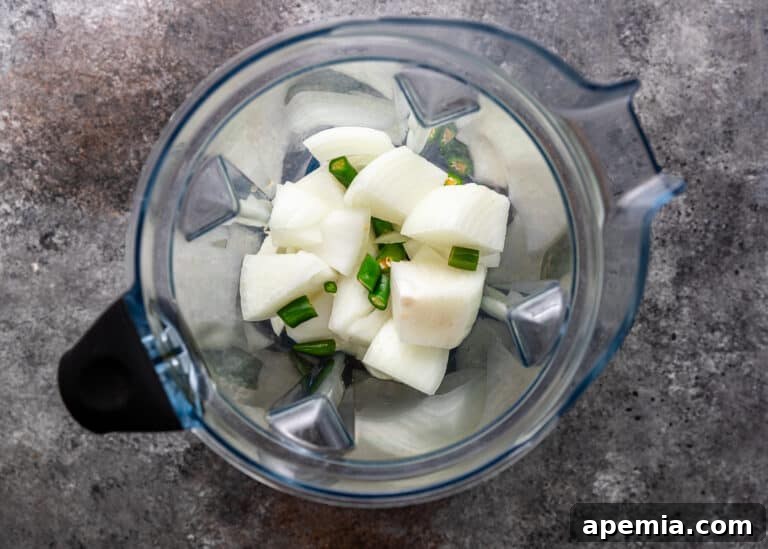
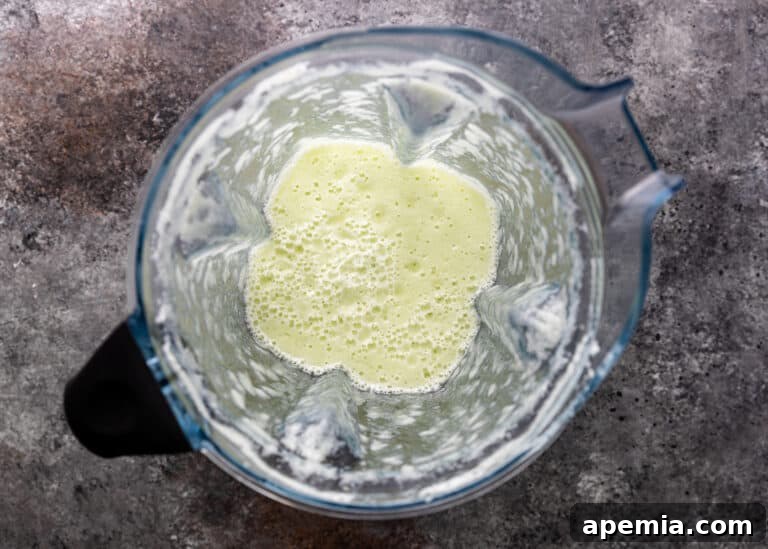
- Prepare the Aromatic Curry Paste: Begin by combining the quartered onion, serrano chile peppers (adjusting quantity or deseeding for desired spice level), and water in a blender or food processor. Process until a smooth, loose paste is formed. Don’t worry if it seems thin at this stage; it will thicken beautifully as it cooks down.
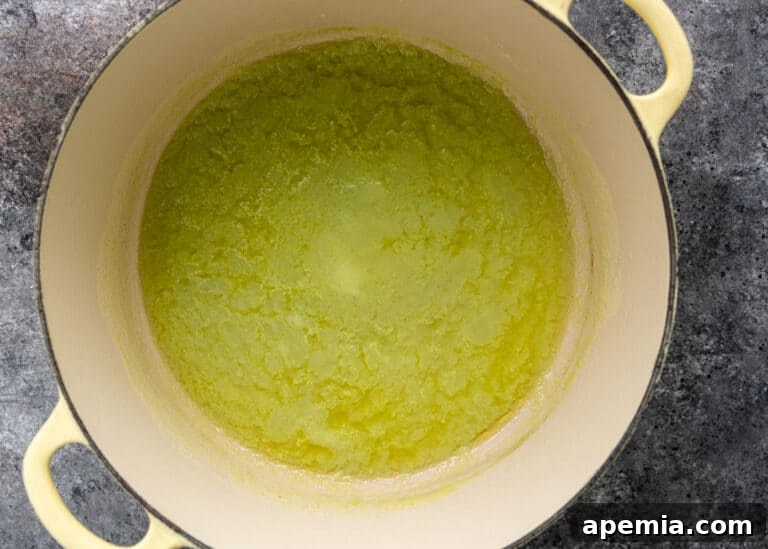
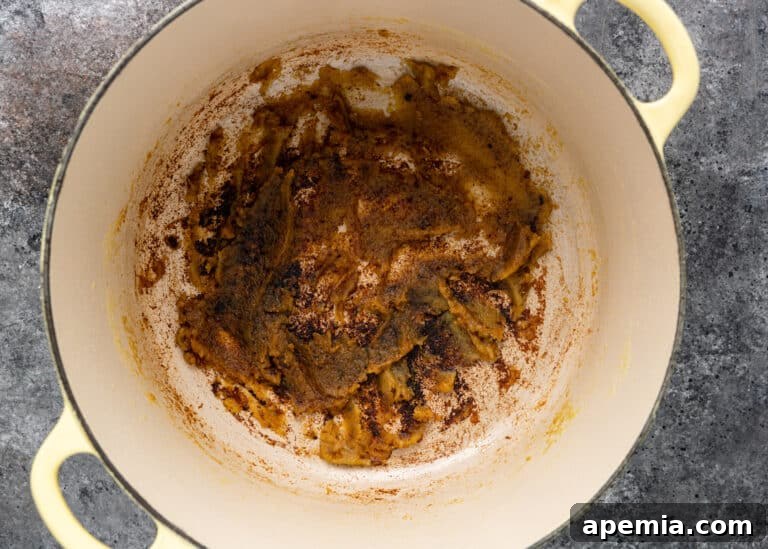
- Sauté the Paste to Perfection with Ghee: In a sturdy Dutch oven or heavy-bottomed pot, melt the ghee over medium heat. Once shimmering, add the onion-chile purée. Bring the mixture to a gentle boil, then reduce the heat to low. Allow it to simmer for 15-18 minutes, stirring frequently to prevent sticking. This crucial step, known as “bhunao,” allows the onions to caramelize and their flavors to deepen, transforming the loose paste into a rich, dark golden-brown, thick base. This concentrated flavor is key to an authentic curry.
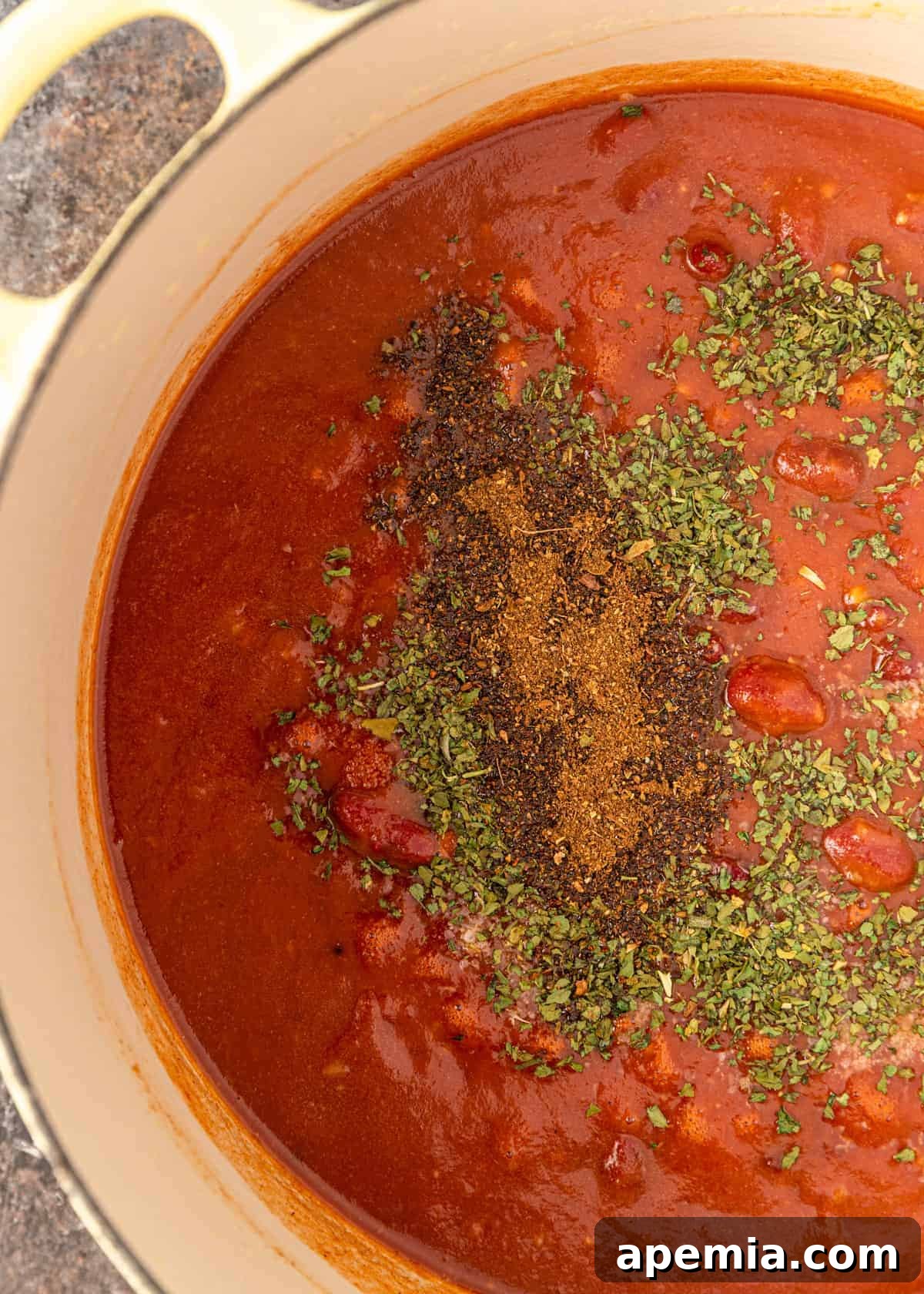
- Build the Flavor Layers: Increase the heat back to medium. Stir in the ginger paste and minced fresh garlic. Cook for another 2 minutes, allowing their fragrant aromas to release and meld with the onion base. Next, add the tomato passata (or tomato sauce) and all the dry spices: garam masala, ground cumin, and fenugreek leaves. Stir well to combine, ensuring the spices are fully incorporated and lightly toasted.
- Introduce the Beans and Simmer: Now, add the canned kidney beans directly with their liquid. The bean liquid adds essential flavor and helps thicken the curry. Season with kosher salt to taste. Bring the mixture to a boil once more, then reduce the heat to low. Allow the curry to simmer gently for at least 10 minutes. This simmering time is vital for the flavors to fully meld and for the curry to reach its perfect consistency.
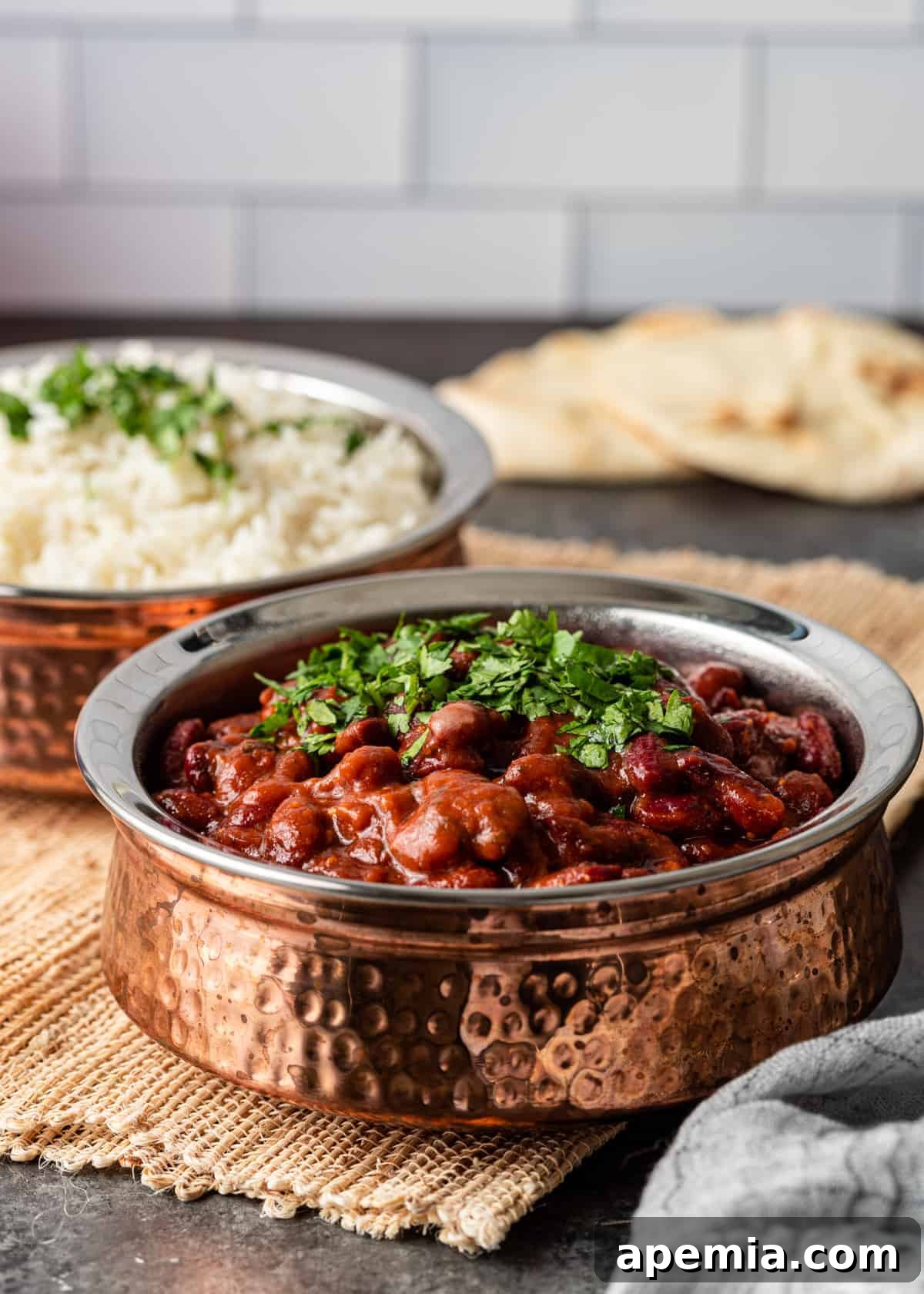
- Serve and Garnish: Your hearty Kidney Bean Curry is now ready to be enjoyed! Serve it warm over freshly cooked basmati rice – the elongated, fragrant grains are perfect for soaking up the rich sauce without becoming mushy. Pair it with your favorite Indian flatbreads, such as soft naan, crispy dosa, or wholesome roti/chapati. A sprinkle of fresh, chopped cilantro as a garnish adds a refreshing burst of color and herbal notes, beautifully complementing the curry’s robust flavors.
Recommended Kitchen Tools for Your Rajma Chawal
Having the right tools can make your cooking experience smoother and more enjoyable. For this Kidney Bean Curry, these are my top recommendations:
- Blender or Food Processor: Essential for quickly puréeing the onion and chile paste. A good quality blender or food processor ensures a smooth, consistent base for your curry, saving you valuable prep time and ensuring even cooking of the aromatics.
- Dutch Oven or Heavy-Bottomed Pot: A Dutch oven is highly recommended for its ability to distribute heat evenly and efficiently, preventing hot spots and ensuring a consistent simmer. Its heavy construction also helps retain heat, which is perfect for slow-cooked dishes and one-pot meals like this curry. If you don’t have a Dutch oven, any thick-bottomed pot that can hold the volume will work well, just be mindful of stirring frequently to prevent sticking.
Storing and Reheating Your Kidney Bean Curry
One of the best things about homemade curry is that it often tastes even better the next day as the flavors have more time to meld. This Kidney Bean Curry is no exception!
Refrigerator Storage: Leftover Kidney Bean Curry can be stored in an airtight container in the refrigerator for up to 5 days. Ensure it cools completely before transferring it to the container.
Freezer Storage: This curry freezes beautifully, making it an excellent meal prep option. Spoon the cooled curry into a freezer-safe zippered storage bag, removing as much air as possible to prevent freezer burn. Lay the bag flat in the freezer for optimal space-saving. It can be stored for 3-4 months. Alternatively, use freezer-safe containers.
Reheating Instructions:
To reheat, transfer the curry back to a saucepan on the stove. Simmer over medium heat, stirring occasionally, until it is warmed through. If the curry has thickened too much, you can add a splash of water or vegetable broth to reach your desired consistency. For the best experience, prepare a fresh batch of basmati rice to serve alongside your reheated curry.
If reheating from frozen, it’s best to thaw the curry in the refrigerator overnight before reheating on the stove. This ensures even thawing and heating.

Frequently Asked Questions About Rajma Chawal
Yes, these terms are often used interchangeably. “Rajma” refers to kidney beans, “Masala” indicates a spice blend or curry, and “Chawal” means rice. So, “Rajma Masala” typically refers to the kidney bean curry itself, while “Rajma Chawal” usually refers to the complete meal of kidney bean curry served with rice. In essence, they describe the same beloved Indian dish.
Absolutely! While this recipe prioritizes speed with canned beans, using dried beans will yield a wonderfully rich and authentic flavor. It does require additional prep work and cooking time. Dried kidney beans should first be soaked overnight (or for at least 8 hours) to soften them and reduce cooking time. After soaking, drain and rinse them, then cook them in fresh water until they are tender. For this recipe, you will need approximately 3 ½ cups of soaked and cooked dried beans, along with 1 cup of their cooking liquid to add to the curry for flavor and consistency.
The traditional and highly recommended accompaniment for Kidney Bean Curry is basmati rice. Basmati rice is celebrated for its distinctive fragrant, nutty flavor and its long, slender grains that remain separate and fluffy after cooking. This non-sticky quality is crucial, as it allows the rice to beautifully absorb the rich, saucy curry without becoming a mushy mess. If basmati rice is unavailable, jasmine rice can be a suitable alternative. However, jasmine rice tends to be starchier, so ensure you rinse it extra thoroughly before cooking to remove excess starch and prevent it from becoming too sticky.
Yes, this Kidney Bean Curry can easily be made vegan! The only ingredient that needs a substitution is ghee. Simply replace the ghee with an equal amount of your favorite neutral-flavored vegetable oil, such as canola, sunflower, or olive oil. All other ingredients in this recipe are plant-based, making it a naturally delicious vegan option.
Adjusting the spice level is simple! If you prefer a milder curry, remove the seeds and white membranes (ribs) from the serrano chiles, or use fewer chiles. For a very mild version, you can even substitute serrano peppers with milder jalapeños or omit fresh chiles entirely and add a pinch of cayenne pepper to taste. For more heat, leave the chile seeds and ribs in, or add an extra serrano pepper or a pinch more red chili powder.
📌
Share this recipe on Pinterest!
Loved this Kidney Bean Curry recipe? Help others discover it by sharing it on Pinterest.

Kidney Bean Curry (Rajma Chawal)
My Indian kidney bean curry, or Rajma Chawal, is made with red beans in a rich curry paste and tomato sauce. Serve over rice for a comforting and satisfying vegetarian meal ready in under an hour.
Servings: 4
Prep Time: 10 mins
Cook Time: 30 mins
Total Time: 40 mins
Print Recipe
Ingredients
- 1 large white onion, quartered
- 3 serrano chiles, quartered
- 1/3 cup water
- 3 tbsp ghee (or vegetable oil for vegan)
- 1 tbsp ginger paste
- 1 tbsp garlic, minced
- 8 oz tomato passata or tomato sauce
- 1 tsp garam masala seasoning
- 1 tsp ground cumin
- 1 tsp fenugreek leaves (kasuri methi)
- 28 oz red kidney beans, canned (undrained) (See Note 1)
- 1/2 tsp kosher salt (adjust to taste)
- Cilantro, chopped (for garnish)
Instructions
- Purée the quartered onion, serrano chiles, and water in a blender until a smooth, loose paste is formed.
- In a Dutch oven or heavy-bottomed pot over medium heat, melt the ghee (or oil). Pour in the onion purée. Bring to a boil, then reduce the heat to low and simmer for 15-18 minutes, stirring frequently, until the paste thickens and turns a dark golden brown. This caramelization is key for deep flavor.
- Increase the heat to medium. Add the ginger paste and minced garlic, stirring well. Cook for 2 minutes until fragrant.
- Stir in the tomato passata, garam masala, ground cumin, and fenugreek leaves. Mix thoroughly. Add the canned kidney beans with their liquid, and season with kosher salt. Bring the curry to a boil, then reduce heat to low and simmer for another 10 minutes to allow the flavors to meld and deepen.
- Serve hot, garnished generously with fresh chopped cilantro. This curry pairs perfectly with warm basmati rice and your favorite Indian flatbread like naan or roti.
Notes
- This recipe utilizes canned kidney beans and their liquid for convenience. If you prefer to use dried beans, you will need approximately 3 ½ cups of dried kidney beans, which should be soaked overnight and then cooked until tender. Reserve and use 1 cup of their cooking liquid when adding them to the curry.
- This recipe is an updated version of a previous publication from March 2014, originally including lamb. The cooking technique has been refined, and ground lamb has been omitted to offer a delicious vegetarian option.
Nutrition Facts (Estimated Per Serving)
Calories: 398 kcal | Carbohydrates: 55g | Protein: 19g | Fat: 13g | Saturated Fat: 7g | Cholesterol: 29mg | Sodium: 316mg | Potassium: 1134mg | Fiber: 17g | Sugar: 5g | Vitamin A: 339 IU | Vitamin C: 14mg | Calcium: 84mg | Iron: 7mg
The information shown is an estimate provided by an online nutrition calculator and should not be considered a substitute for a professional nutritionist’s advice.
Course: Main Dish
Cuisine: Indian
Author: Kevin
Have You Made This Recipe? Let Me Know on Instagram!
Tag @keviniscooking or use the hashtag #keviniscooking!