
The Ultimate Muhammara Recipe: A Rich & Flavorful Roasted Red Pepper and Walnut Dip
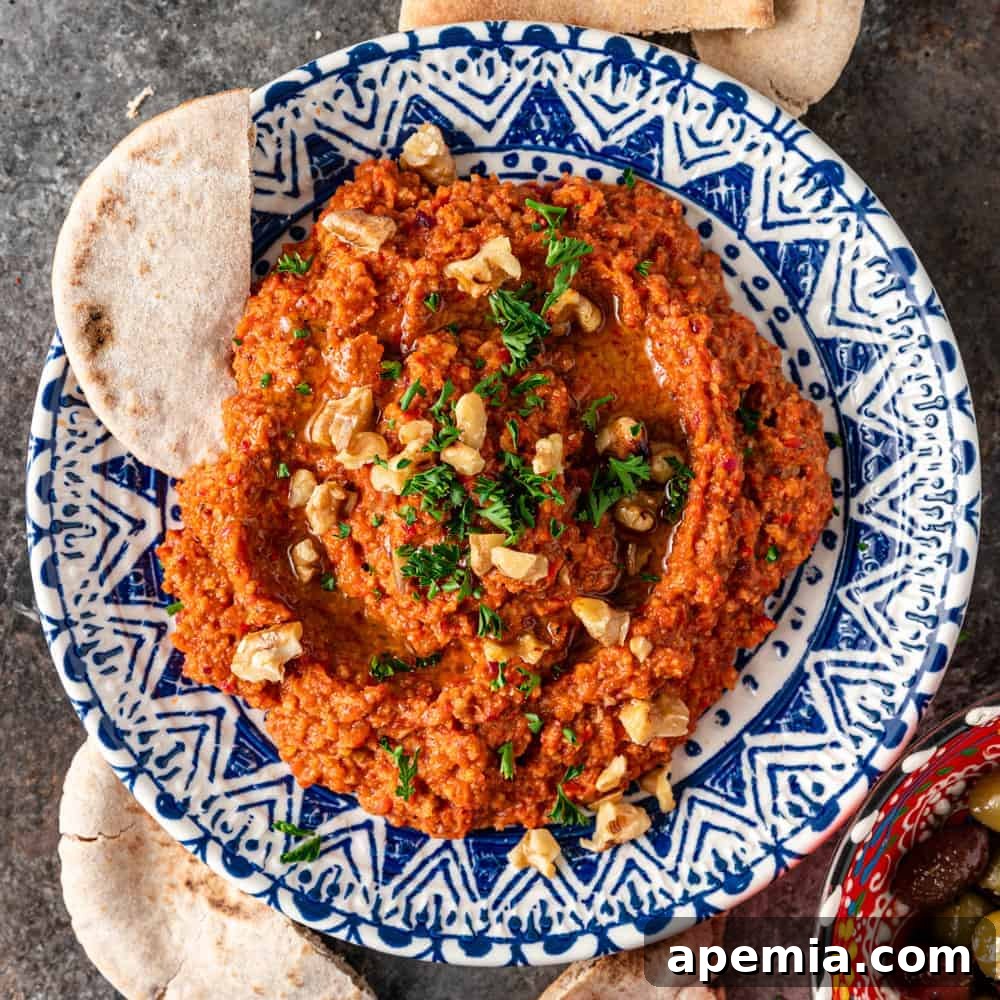
Prepare your taste buds for an extraordinary culinary journey with this incredibly easy and unbelievably delicious Muhammara recipe. Also known as Muhammareh, Muhmmara, or Mhammara, this traditional Middle Eastern dip is a true masterpiece of flavors and textures. It skillfully combines the smoky sweetness of roasted red bell peppers with the earthy crunch of toasted walnuts, complemented by aromatic breadcrumbs, a medley of herbs and spices, and a vital dash of tangy pomegranate molasses. The result is an absolute sensation that promises to elevate any meal or snack into a memorable experience.
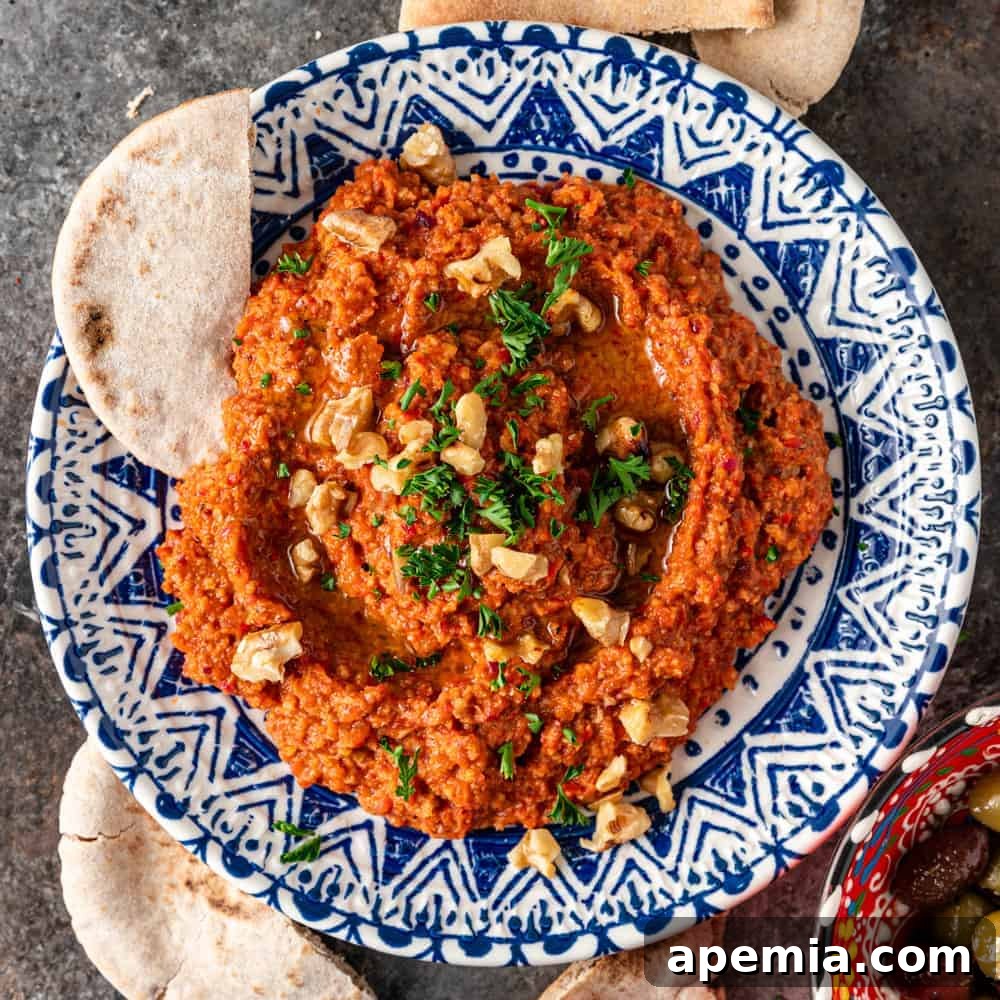
Muhammara is a symphony of contrasting yet harmoniously blended flavors: smoky from the perfectly charred peppers, subtly spicy from a hint of Aleppo pepper, deeply savory with a robust garlic and cumin base, and wonderfully sweet-and-sour thanks to the unique tang of pomegranate molasses. Each spoonful of this cherished roasted red pepper dip, a staple beloved across the Middle East, promises a total joy ride for your palate. The robust aroma and intense flavor of the roasted red peppers create a captivating foundation, expertly paired with zesty fresh garlic, warm smoky cumin, and the distinctive tartness of pomegranate molasses. Furthermore, the inclusion of warm toasted walnuts and crispy panko breadcrumbs lends this exceptional dip a delightfully earthy depth and an appealingly chunky texture. This crowd-pleasing spread offers an unparalleled taste experience unlike anything you’ve encountered before.
A Glimpse into Muhammara’s Rich History and Cultural Significance
Muhammara’s roots run deep in the culinary traditions of the Middle East, with its true birthplace nestled in the ancient city of Aleppo, Syria. This vibrant city, known for its rich gastronomic heritage, is also the origin of the famed Aleppo chile flakes – a key ingredient in this very recipe – from which they derive their name. Historically, Muhammara has been a cornerstone of the mezze tradition, a selection of small dishes served as appetizers in Middle Eastern cuisine. It embodies the region’s love for fresh, wholesome ingredients and bold, aromatic spices. Sharing a bowl of Muhammara is more than just eating; it’s an act of hospitality, a communal experience that brings people together around a table filled with delicious food and good conversation.

Explore More Pepper-Inspired Delights
If you’re a fan of the vibrant flavors of peppers, you’ll be delighted by these other fantastic recipes: my Gemista Stuffed Peppers, savory Stuffed Peppers with Chicken, and this hearty Pepper Steak with Onion and Tomatoes. Each dish celebrates the versatility and deliciousness that peppers bring to the table.
Table of Contents
- Ingredient Notes and Substitutions
- How to Make Muhammara Red Pepper Dip
- Adjusting the Texture for Your Preference
- Creative Serving Suggestions
- Frequently Asked Questions
- Muhammara (Red Pepper Walnut Dip) Recipe Card
Key Ingredients for Authentic Muhammara: Notes and Substitutions
Creating an authentic and flavorful Muhammara starts with selecting the right ingredients. Here’s a detailed look at the core components and potential substitutions to ensure your dip is nothing short of spectacular.
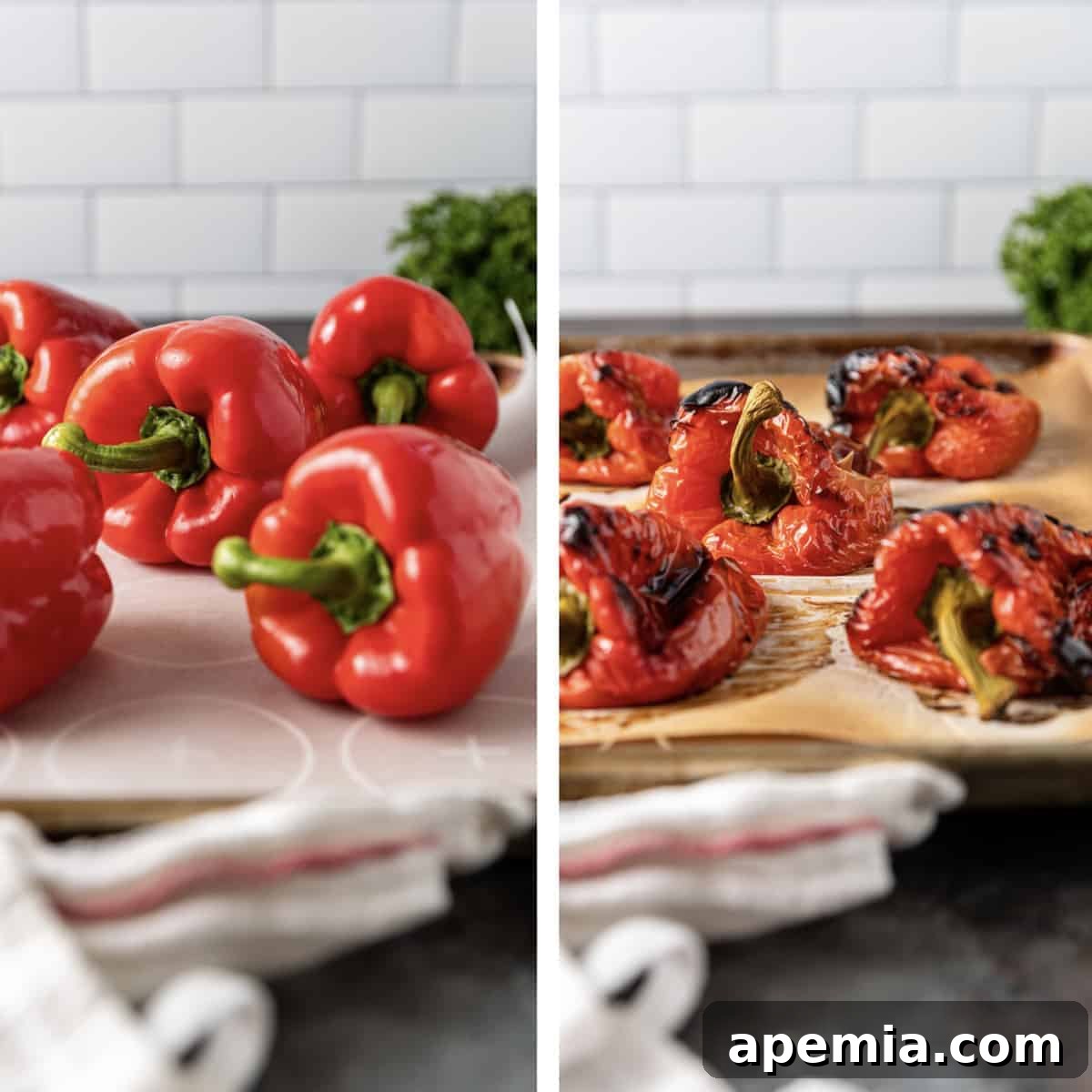
- Red Bell Peppers: The heart of Muhammara. Roasting the peppers yourself at home intensifies their sweetness and imbues them with a wonderful smoky depth that’s essential for the dip’s characteristic flavor. If you opt for the convenience of store-bought, pre-roasted jarred peppers, ensure they are thoroughly drained to prevent a watery dip. Always aim for fresh, vibrant red bell peppers for the best results, as their natural sugars caramelize beautifully during roasting.
- Walnuts: These provide a delightful toasted, nutty, and distinctly earthy crunch that balances the sweetness of the peppers. Toasted walnuts are key – don’t skip this step! For a nut-free alternative, you can substitute an equal amount of toasted hemp seeds or sunflower seeds, which will offer a similar textural element and a different but equally pleasant earthiness. Ground almonds can also be used for a slightly milder flavor and smoother texture.
- Aleppo Chili Flakes: A star spice from Muhammara’s homeland, these flakes offer a unique fruity smokiness coupled with a gentle, manageable heat. Their nuanced flavor profile is quite distinct. If Aleppo chili flakes are unavailable, a good substitute would be the same amount of regular red pepper flakes (such as Turkish Urfa Biber or Maras pepper flakes, if available, for a similar mild-to-medium heat with smoky notes, or simply standard crushed red pepper for heat). Adjust to your preferred spice level.
- Panko Breadcrumbs: These light, airy Japanese-style breadcrumbs are crucial for giving the dip its characteristic volume, body, and hearty texture without making it heavy or dense. They absorb moisture and bind the ingredients beautifully. For a gluten-free version, simply use gluten-free panko breadcrumbs or toasted almond flour (which would also complement the walnuts).
- Pomegranate Molasses: This rich, intensely tangy, and slightly sweet syrup is the ‘secret weapon’ that gives Muhammara its signature bright, complex flavor. It’s an indispensable ingredient. You can typically find it at your local Whole Foods, Trader Joe’s, Middle Eastern markets, or easily purchase it online. If you’re struggling to find it, a decent homemade substitute can be created by reducing pomegranate juice with a touch of sugar (or honey) and a squeeze of lemon or lime juice until it thickens. Alternatively, fresh pomegranate seeds can provide a similar tart burst, though not the same syrupy richness.
- Garlic: Freshly minced garlic adds a pungent, aromatic kick that enlivens the entire dip, providing a crucial savory depth.
- Ground Cumin: Earthy and warm, cumin introduces a classic Middle Eastern flavor profile that pairs perfectly with the other ingredients, adding aromatic complexity.
- Olive Oil: Used for roasting and blending, good quality olive oil binds the ingredients and contributes to the dip’s smooth richness and overall Mediterranean essence.
- Lemon Juice: A splash of fresh lemon juice brightens all the flavors, cutting through the richness and adding another layer of essential tanginess.
How to Make Muhammara Red Pepper Dip: A Step-by-Step Guide
Creating this exquisite Muhammara dip is a straightforward process, yielding impressive results with minimal effort. Follow these detailed steps to achieve the perfect balance of flavors and textures.
- Toast the Walnuts: Begin by placing a dry skillet over medium heat. Add 1 cup of walnuts to the pan and toast them gently for approximately 5 minutes, stirring occasionally, until they become fragrant and lightly golden. This step enhances their nutty flavor significantly. Set aside 2 tablespoons of these toasted walnuts for garnish later.
- Roast and Prepare the Peppers: If you are using pre-roasted red peppers from a jar, you can skip this roasting step entirely and move directly to step 4 after thoroughly draining them. Otherwise, preheat your oven to a hot 450°F (230°C) and line a rimmed baking sheet with parchment paper for easy cleanup. Lightly oil your fresh red bell peppers, place them on the prepared baking sheet, and roast them in the oven for about 40 minutes. Make sure to flip them once halfway through to ensure even charring and softening. The goal is for them to be tender with some beautiful charred spots on the skin.
- Cool, Peel, and Core the Peppers: Once roasted, carefully remove the peppers from the oven and transfer them to a bowl. Immediately cover the bowl with a kitchen towel or plastic wrap. This crucial step allows the peppers to steam, making their skins much easier to peel. Let them cool for about 15 minutes. Once cooled enough to handle, remove and discard the seeds, stems, and outer skin. Aim for approximately 14 ounces (about 400g) of roasted pepper flesh after processing.
- Sauté the Aromatics: Return a skillet to medium heat, adding 2 tablespoons of olive oil. Add the diced red onion and sauté for 5-6 minutes until it softens and turns a beautiful golden brown. Next, toss in the minced garlic, tomato paste, ground cumin, and Aleppo chile flakes. Cook for an additional minute, stirring constantly, to allow the spices to bloom and release their aromatic oils. Carefully transfer this fragrant mixture to a food processor.
- Combine and Pulse for Perfect Texture: Into the food processor with the sautéed aromatics, add the prepared roasted red peppers, 1 tablespoon of olive oil, panko breadcrumbs, pomegranate molasses, fresh lemon juice, salt, and black pepper. Pulse the mixture for about 30 seconds until roughly combined. Then, add the remaining 1 cup of toasted walnuts and pulse for another 30 seconds. The key here is to avoid over-processing; you want the muhammara to retain a delightful, slightly chunky texture, not a completely smooth paste.
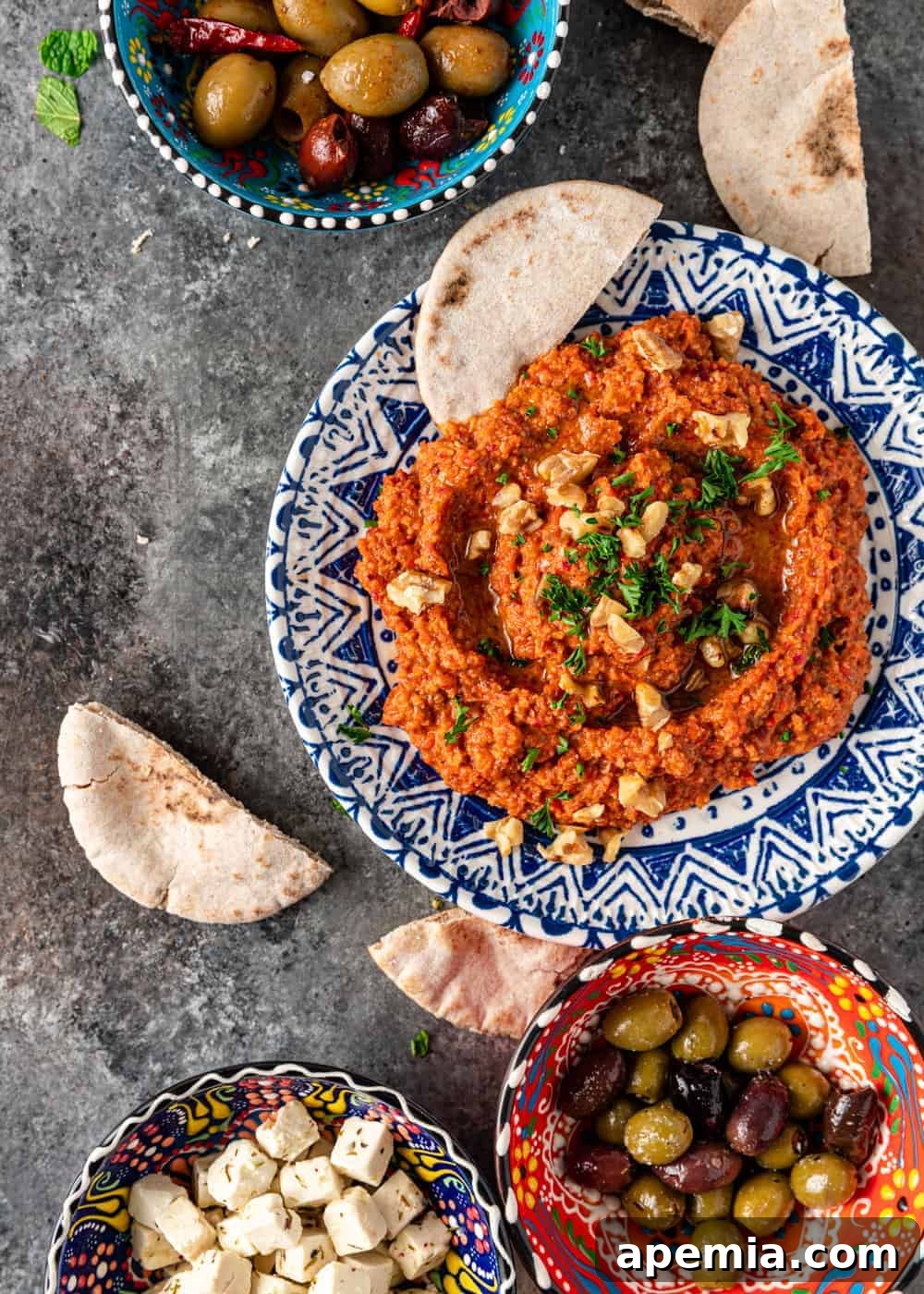
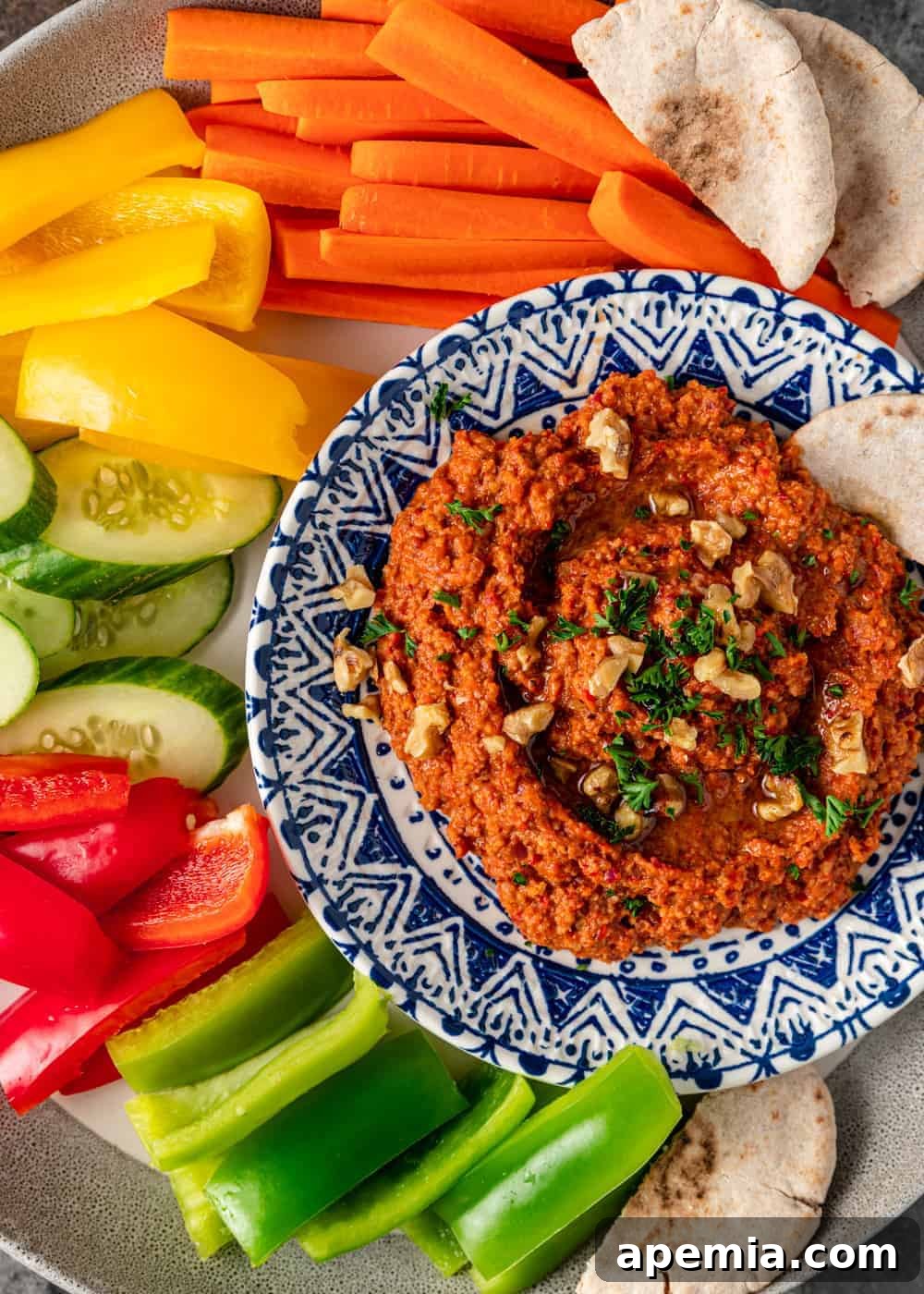
- Garnish and Serve: Spoon the finished Muhammara into a shallow serving dish. Drizzle generously with a good quality extra virgin olive oil. Coarsely crush the reserved 2 tablespoons of toasted walnuts by hand and sprinkle them over the top, along with a scattering of freshly chopped parsley for a burst of color and freshness. Serve immediately with warm pita bread, an assortment of fresh cut vegetables (cucumber, carrots, bell peppers), or your favorite crackers.
Adjusting the Texture for Your Preference
While Muhammara is traditionally enjoyed with a rustic, slightly chunky texture that showcases the walnuts, the beauty of homemade dips is the ability to customize. Feel free to adjust the texture to perfectly suit your personal preferences. If you desire a smoother, creamier dip, simply process the mixture in the food processor for a bit longer until it reaches your desired consistency. Pause and taste as you go, adjusting as needed. Conversely, if you prefer an even more substantial, chunkier dip with more bite, process for a shorter duration, ensuring some larger pieces of walnut and pepper remain. Both variations are delicious, so experiment to find your ideal Muhammara!
Creative Ways to Enjoy Your Muhammara
Muhammara is incredibly versatile and can be enjoyed in countless ways beyond its traditional role as a dip. Its complex flavors make it a fantastic addition to a variety of dishes. Here are some creative serving suggestions to inspire you:
- Classic Dip: The most popular way to enjoy Muhammara is with warm, fluffy Pita Bread, pita chips, or an assortment of fresh, crisp vegetables like cucumber slices, carrot sticks, bell pepper strips, and celery.
- Breakfast Boost: Spread a generous smear of Muhammara onto your morning bagel with cream cheese, or layer it onto avocado toast for an elevated, savory breakfast.
- Sandwiches and Wraps: Use Muhammara as a vibrant, flavorful spread in your sandwiches, paninis, or wraps. It pairs wonderfully with grilled chicken, falafel, or roasted vegetables. Try it in a Tantuni Wrap or alongside Greek Chicken Souvlaki for an authentic touch.
- Grain Bowls and Salads: Stir a dollop of Muhammara into your favorite grain bowls, such as quinoa or bulgur, for an extra layer of flavor and moisture. You can also thin it slightly with a bit of olive oil and use it as a dressing for vibrant salads.
- Accompaniment to Meats: Muhammara makes an excellent dipping sauce or side dish for grilled meats. It complements rich flavors found in dishes like Koobideh Kabobs, Iraqi Grilled Chicken, or these savory Persian Meatballs.
- Rice Dishes: Stir a tablespoon or two of Muhammara into plain White Rice, Greek Spinach Rice, or any of your preferred rice dishes for an instant flavor upgrade.
- Mezze Platter: Incorporate Muhammara into a larger mezze platter alongside other delicious dips like Greek Skordalia (potato garlic dip), Creamy Eggplant Dip (Melitzanosalata), and White Bean Hummus, olives, cheeses, and cured meats.
Frequently Asked Questions About Muhammara
Where did Muhammara originate?
Muhammara dip is wildly popular throughout the Middle East, with many countries embracing it as their own. However, its actual birthplace and historical home is the ancient city of Aleppo in Syria. In fact, this is the very city that the Aleppo chile flakes, a key ingredient in many authentic Muhammara recipes, were named after, highlighting the dip’s deep cultural roots.
What should I serve with Muhammara?
Muhammara is traditionally served with fresh Pita Bread, pita chips, and/or a colorful array of sliced raw vegetables (cucumbers, carrots, bell peppers). However, its versatility allows for many other delicious pairings. Consider adding a smear to your next bagel with cream cheese or avocado toast. It’s also fantastic spread onto sandwiches or wraps, such as a Tantuni Wrap or with Greek Chicken Souvlaki. For a unique twist, mix a bit into Greek Spinach Rice, White Rice, or any of your favorite grain dishes. Muhammara also serves as an excellent dipping sauce with grilled meats like Koobideh Kabobs, Iraqi Grilled Chicken, or these Persian Meatballs. Finally, it’s a star component of any mezze platter, paired with other dips such as Greek Skordalia, Creamy Eggplant Dip, and White Bean Hummus.
How long does roasted red pepper dip last in the fridge?
Your homemade Muhammara will stay wonderfully fresh and flavorful in the refrigerator for approximately 5-7 days when stored in an airtight container. For longer storage, if you find yourself with ample leftovers or prefer to prepare ahead, Muhammara freezes exceptionally well. Simply transfer it to a freezer-safe, airtight container, and it will keep beautifully in the freezer for up to 3 months. To enjoy, thaw it in the refrigerator overnight and give it a good stir before serving, adding a fresh drizzle of olive oil if desired.
Is Muhammara vegan and gluten-free?
Yes, traditional Muhammara is inherently vegan, as it contains no animal products. To make it entirely gluten-free, simply ensure you use gluten-free panko breadcrumbs or substitute with an equal amount of almond flour or finely ground toasted gluten-free oats. All other ingredients are naturally gluten-free.
Can I make Muhammara ahead of time?
Absolutely! Muhammara is an excellent dip to prepare in advance. In fact, many believe its flavors deepen and meld even better after a day or two in the refrigerator. Prepare it up to 2-3 days ahead of time, store it in an airtight container in the fridge, and then simply garnish and serve when ready. This makes it perfect for entertaining or meal prepping.
Share this recipe on Pinterest!
Love this recipe? Share it with the world on Pinterest to inspire others!
Subscribe to my Newsletter, follow me on Facebook, Pinterest, Instagram and YouTube for all my latest recipes and videos.
Muhammara (Roasted Red Pepper & Walnut Dip) Recipe
Rating: 5 out of 5 stars (9 votes)
Muhammara is a traditional roasted red pepper dip featuring crunchy walnuts, smoky spices, and tangy pomegranate molasses – an authentic taste of the Middle East.
Servings: 4
Prep time: 10 mins
Cook time: 47 mins
Total time: 57 mins
Print Recipe
Ingredients
- 2 lbs red bell peppers (See Note 1)
- 1 cup walnuts
- 1/3 cup olive oil, divided
- 1 cup red onion, diced
- 4 cloves garlic, minced
- 2 tbsp tomato paste
- 2 tsp ground cumin
- 2 tsp Aleppo chile flakes (See Note 2)
- 1/2 cup panko breadcrumbs (See Note 3)
- 1 1/2 tbsp pomegranate molasses (See Note 4)
- 2 tsp lemon juice
- 1 tsp salt
- 1/2 tsp black pepper
For Garnish
- Olive oil, for drizzling
- 2 tbsp walnuts, chopped (reserved from toasted walnuts)
- 1 tbsp fresh parsley, chopped
Instructions
- Toast 1 cup plus 2 tablespoons of walnuts in a dry skillet over medium heat for 5 minutes, stirring frequently. Separate the 2 tablespoons for garnish and set aside the rest.
- Roasted Peppers: If using jarred, roasted red bell peppers, thoroughly drain them and proceed to Step 3. Otherwise, preheat your oven to 450°F (230°C). Line a rimmed baking sheet with parchment paper and lightly oil the peppers. Place them on the baking sheet and roast for about 40 minutes, or until softened and nicely charred. Turn the peppers once during roasting for even cooking. Remove from the oven, immediately transfer to a bowl, cover with a towel, and let cool for 15 minutes. Once cooled, remove and discard the skin, seeds, and stems. You should have approximately 14 ounces (400g) of roasted pepper flesh.
- In a skillet over medium heat, add 2 tablespoons of olive oil and sauté the diced red onion until browned and tender, about 5-6 minutes. Add the minced garlic, tomato paste, ground cumin, and Aleppo chile flakes. Continue to cook for another minute, stirring constantly, to bloom the spices. Spoon this mixture into a food processor.
- Add the roasted red peppers, 1 tablespoon of olive oil, panko breadcrumbs, pomegranate molasses, lemon juice, salt, and black pepper to the food processor with the onion mixture. Process for 30 seconds until mostly combined. Then, add the 1 cup of toasted walnuts and process again for another 30 seconds. Be careful not to over-process, as you want the dip to remain delightfully chunky, not completely smooth.
Serve & Garnish
- Transfer the Muhammara to a shallow serving dish. Drizzle generously with olive oil. Coarsely crush the reserved 2 tablespoons of toasted walnuts by hand and sprinkle them over the top, along with the freshly chopped parsley. Serve immediately with warm pita bread or fresh vegetables for dipping.
Notes
- Feel free to use jarred, drained roasted red bell peppers for convenience. These are commonly found in 12-ounce jars at stores like Trader Joe’s, Whole Foods, local markets, or online. Since this recipe calls for 14 ounces of roasted peppers, you’ll need to purchase two jars.
- If you can’t find Aleppo chile flakes, which offer a unique fruity and mild heat, you can substitute with 1 teaspoon of regular red chile pepper flakes. Adjust to your preferred spice level.
- For a gluten-free option or a slightly different texture, you can substitute an equal amount of finely ground almonds or gluten-free panko breadcrumbs for the regular panko.
- Pomegranate molasses is essential for the authentic tangy and sweet flavor. It can be found in most Whole Food Stores, Persian and Middle Eastern food markets, and is readily available for online ordering. As a substitute, you can reduce pure pomegranate juice with a touch of sugar (or honey) and lemon or lime juice until it reaches a syrupy consistency.
Recipe adapted from Sami Tamimi and Tara Wigley’s cookbook, Falastin.
Nutrition
Calories: 515kcal | Carbohydrates: 31g | Protein: 10g | Fat: 42g | Saturated Fat: 5g | Sodium: 730mg | Potassium: 821mg | Fiber: 9g | Sugar: 14g | Vitamin A: 7612IU | Vitamin C: 297mg | Calcium: 88mg | Iron: 4mg
The information shown is an estimate provided by an online nutrition calculator. It should not be considered a substitute for a professional nutritionist’s advice.
Course: Appetizer
Cuisine: Middle Eastern, Syrian
Author: Kevin
Have You Made This Recipe? Let Me Know on Instagram!
Tag @keviniscooking or use the hashtag #keviniscooking!
Conclusion: Bring the Flavors of Aleppo to Your Table
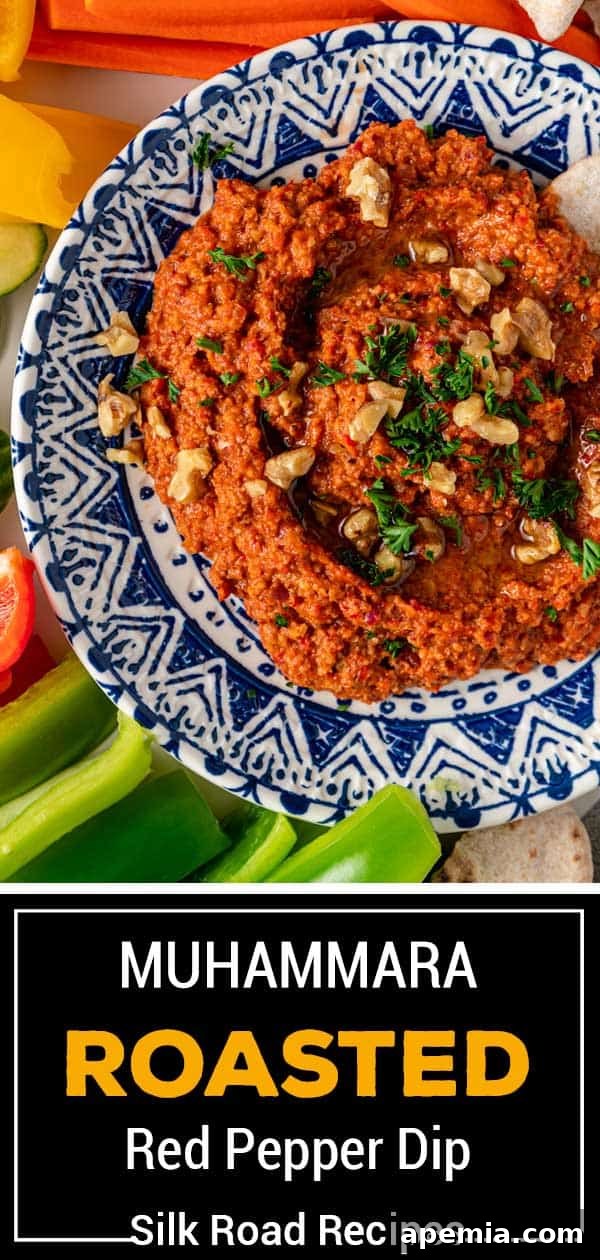
Muhammara is more than just a dip; it’s an experience, a journey to the heart of Middle Eastern cuisine. With its irresistible blend of smoky roasted peppers, crunchy walnuts, tangy pomegranate molasses, and a hint of warming spices, this recipe offers a truly unique and deeply satisfying flavor profile. Whether you’re serving it as part of a lavish mezze spread, a simple snack with pita, or a versatile condiment to elevate your everyday meals, Muhammara is guaranteed to impress. It’s easy to make, packed with wholesome ingredients, and delivers an explosion of taste that will have everyone coming back for more. So, gather your ingredients, follow this guide, and prepare to be enchanted by the magic of homemade Muhammara!