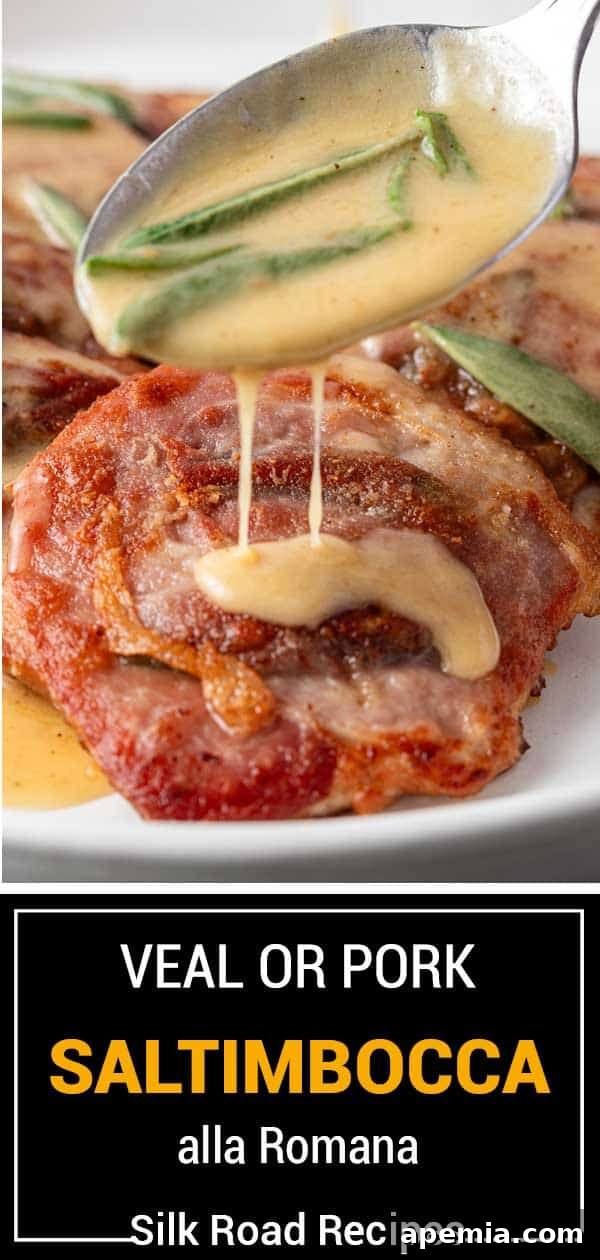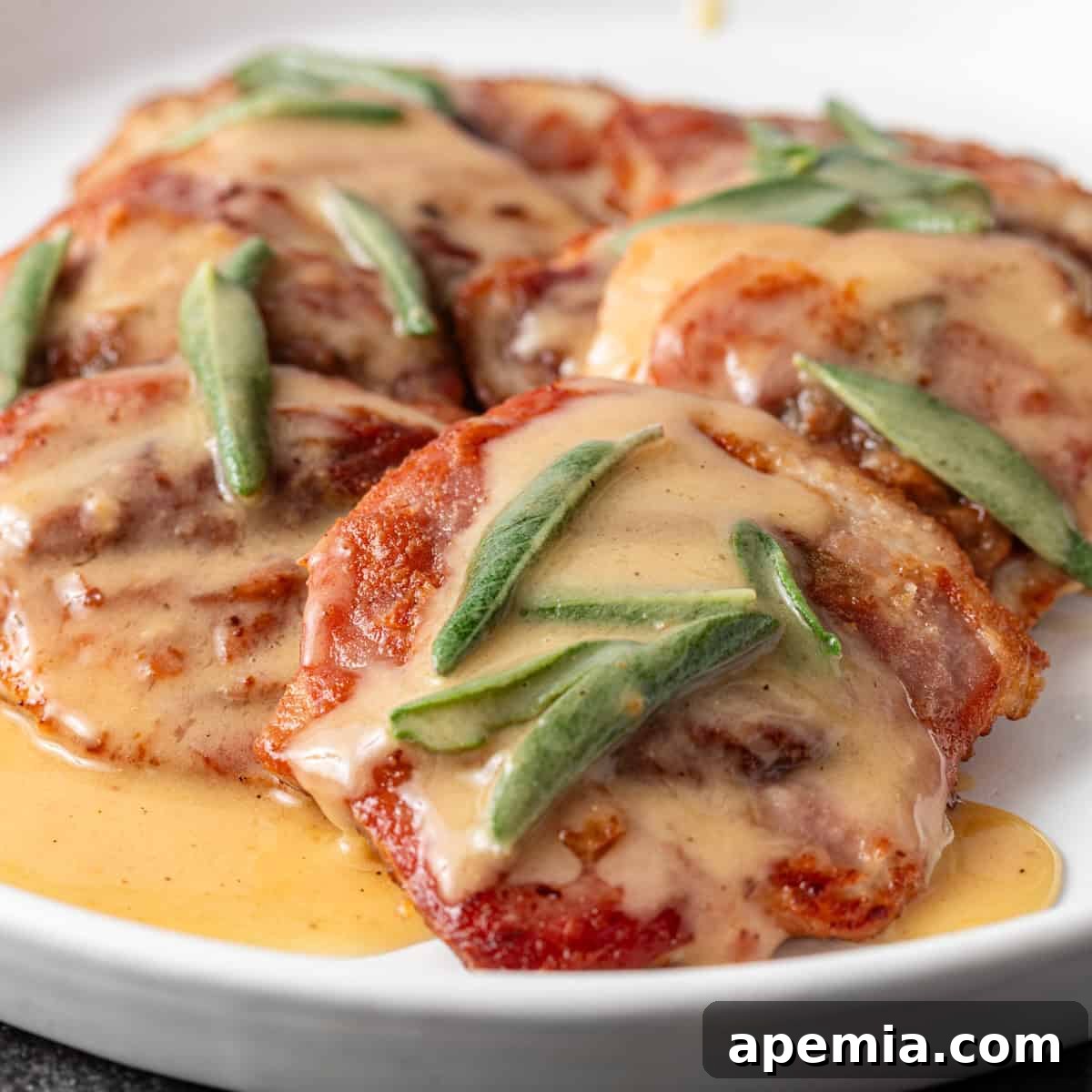
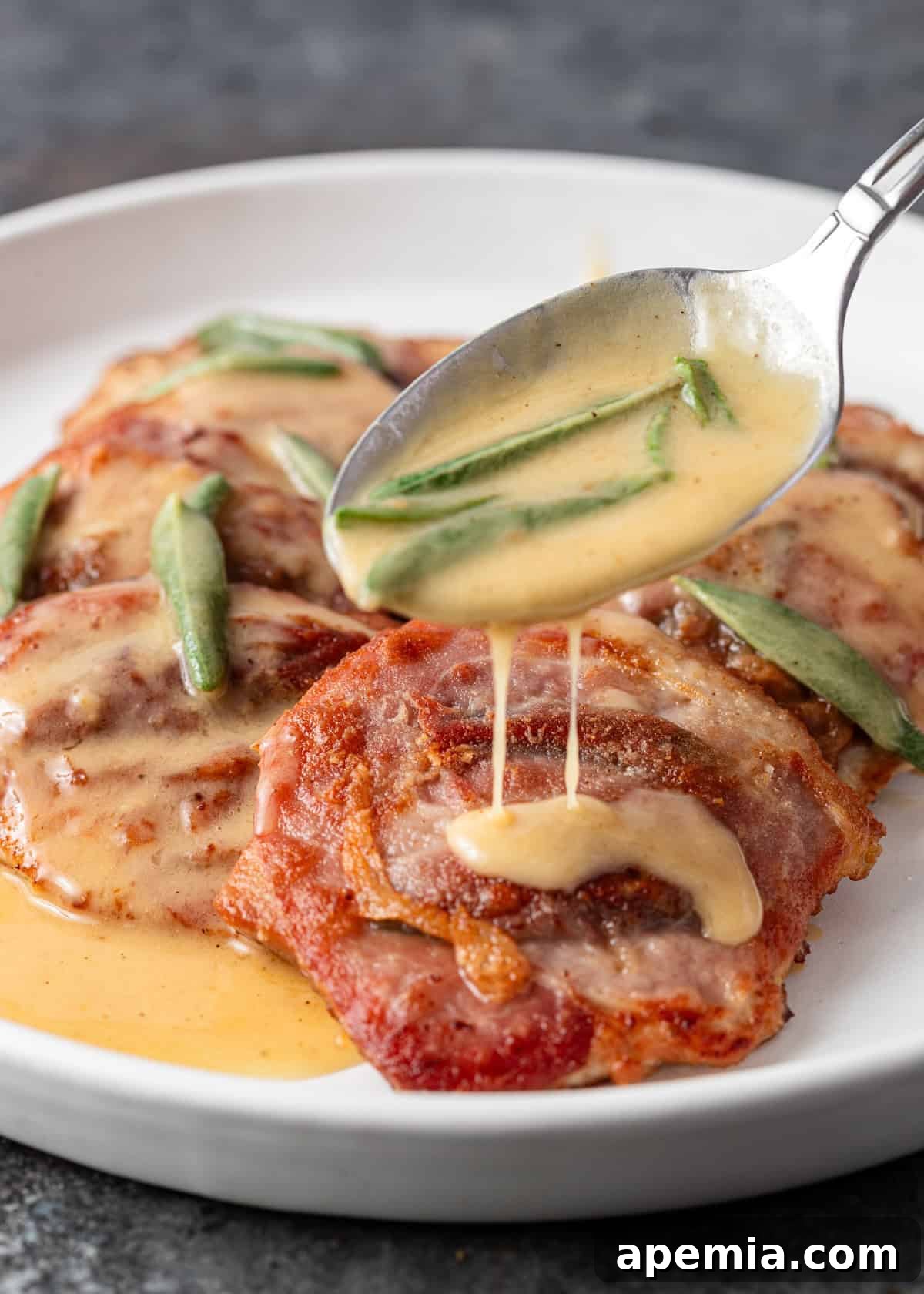
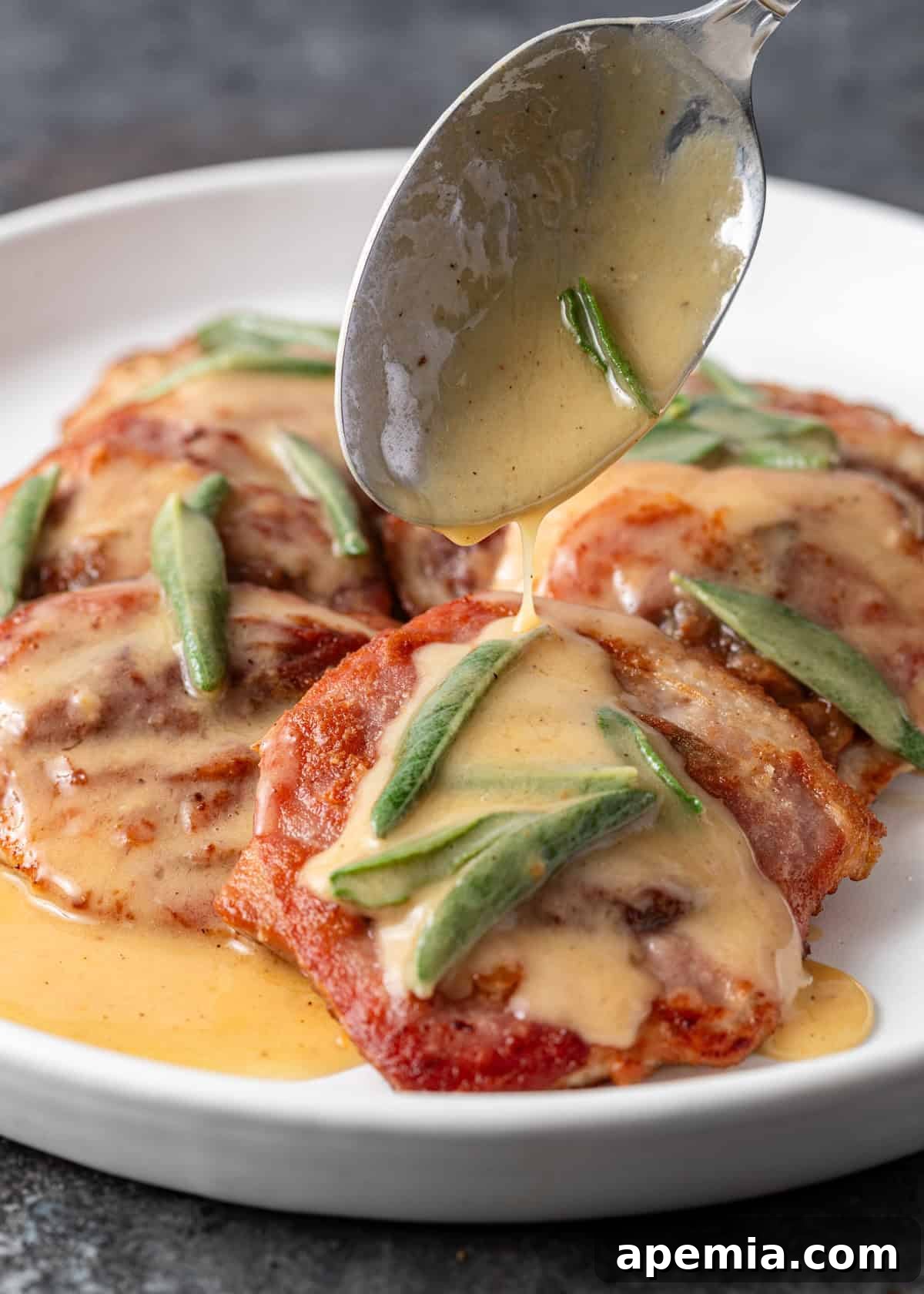
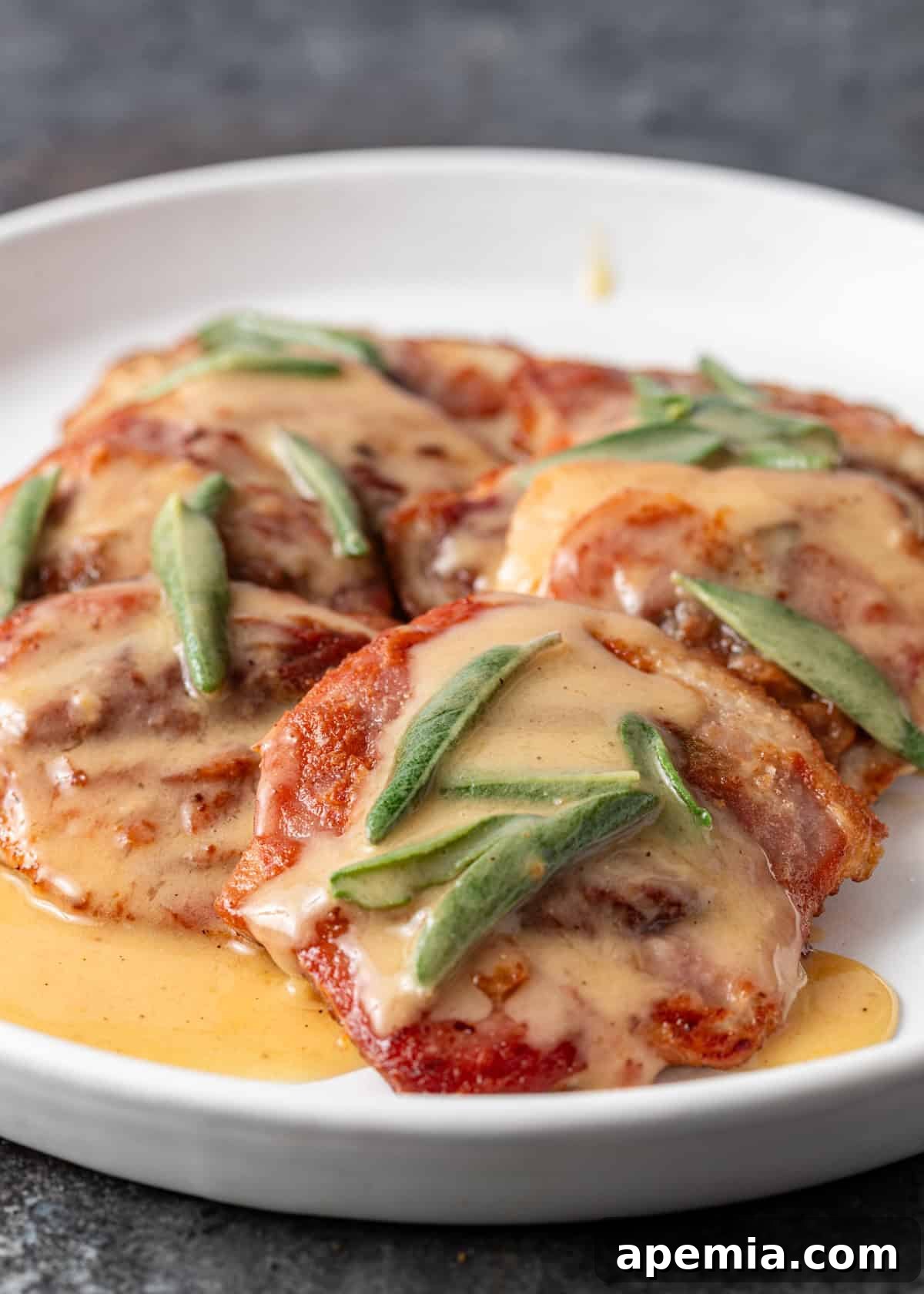
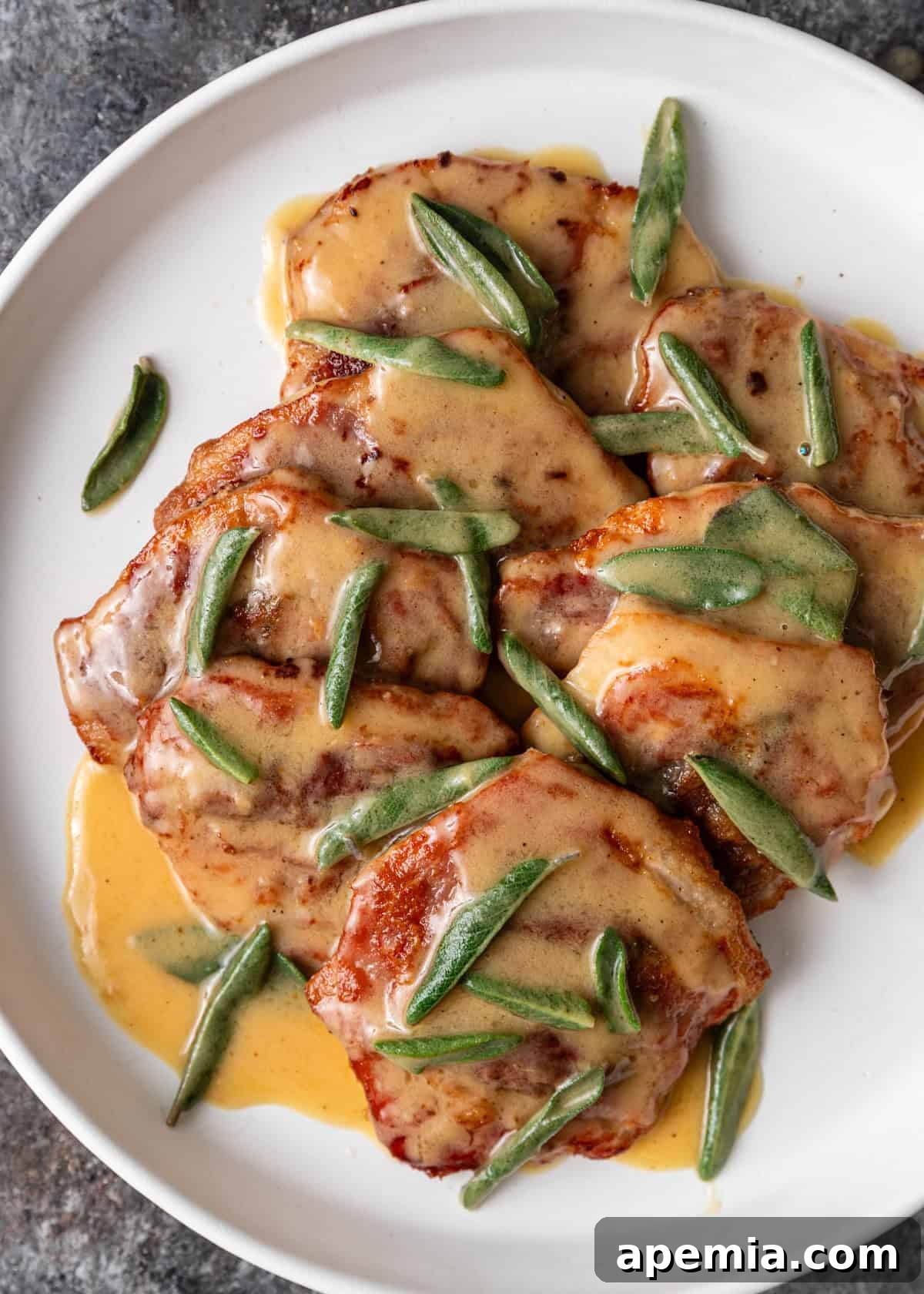
Experience the true taste of Italy with this exquisite Saltimbocca alla Romana recipe. Each tender cutlet, enveloped in crispy prosciutto and fragrant sage, is perfectly pan-fried and bathed in a silky, savory white wine sauce. This classic Italian dish, meaning “jumps in the mouth,” delivers an explosion of wholesome flavors and satisfying textures in every bite. Best of all, it’s surprisingly simple and incredibly quick to prepare, making it an ideal choice for both weeknight dinners and special occasions.
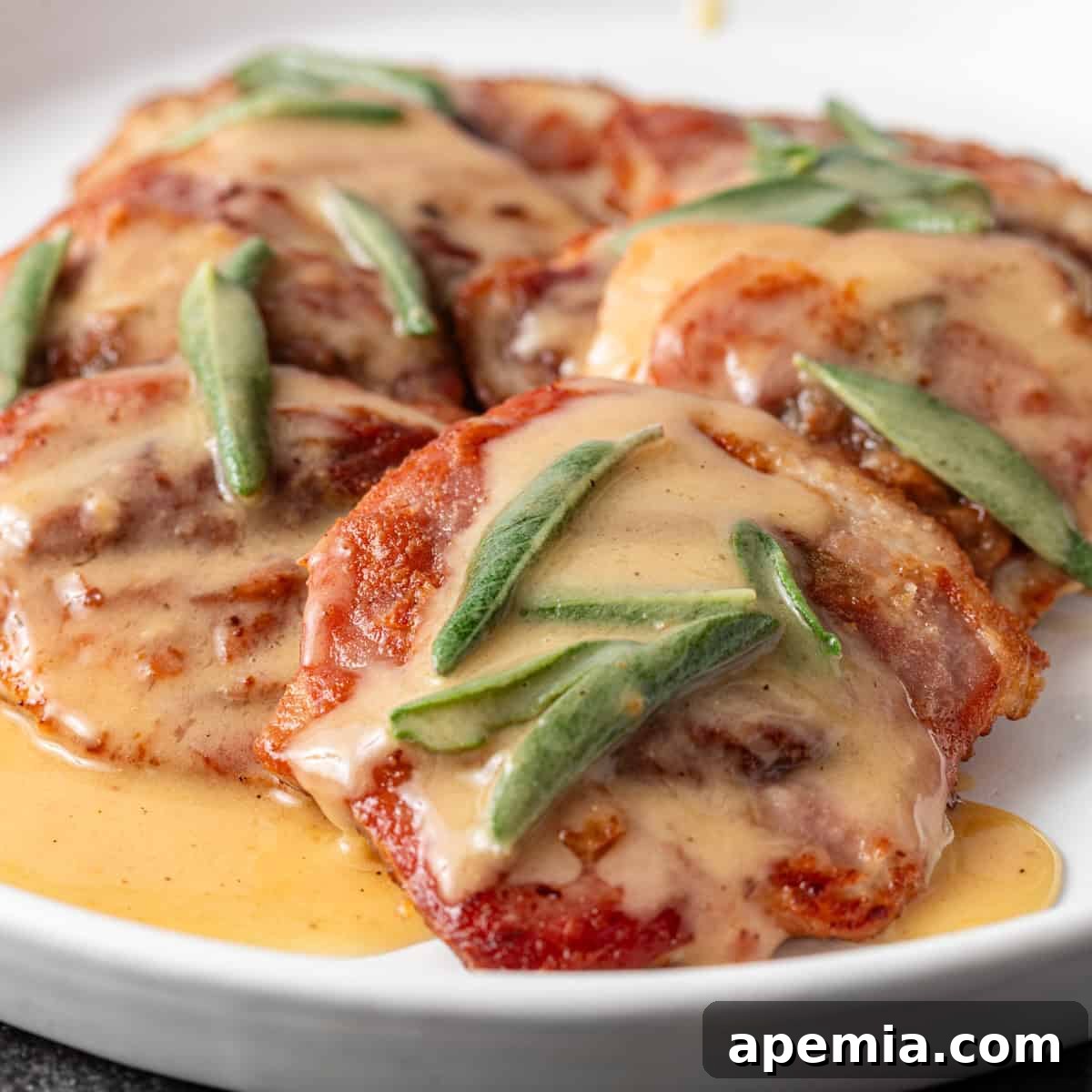
Authentic Saltimbocca Alla Romana: A Quick & Easy Italian Classic
Italian cuisine is celebrated worldwide for its ability to transform simple, high-quality ingredients into unforgettable meals. From robust pasta dishes to tantalizing appetizers, Italy has contributed an endless array of culinary masterpieces. When it comes to protein, Italian chefs truly shine, gifting us iconic dishes like Chicken Parmigiana and hearty Italian Meatballs. Today, we’re shining a spotlight on a lesser-known but equally spectacular gem: Saltimbocca.
Saltimbocca, a phrase that literally translates to “jumps in the mouth,” perfectly describes the delightful burst of flavor you’ll experience. This Roman specialty traditionally features delicate veal cutlets, though pork is a popular and equally delicious alternative. The process involves lightly pounding thin slices of meat, layering them with aromatic sage leaves and savory prosciutto, then pan-frying them to golden perfection. The magic truly happens when the pan is deglazed with white wine, creating an irresistible sauce that coats every succulent piece.
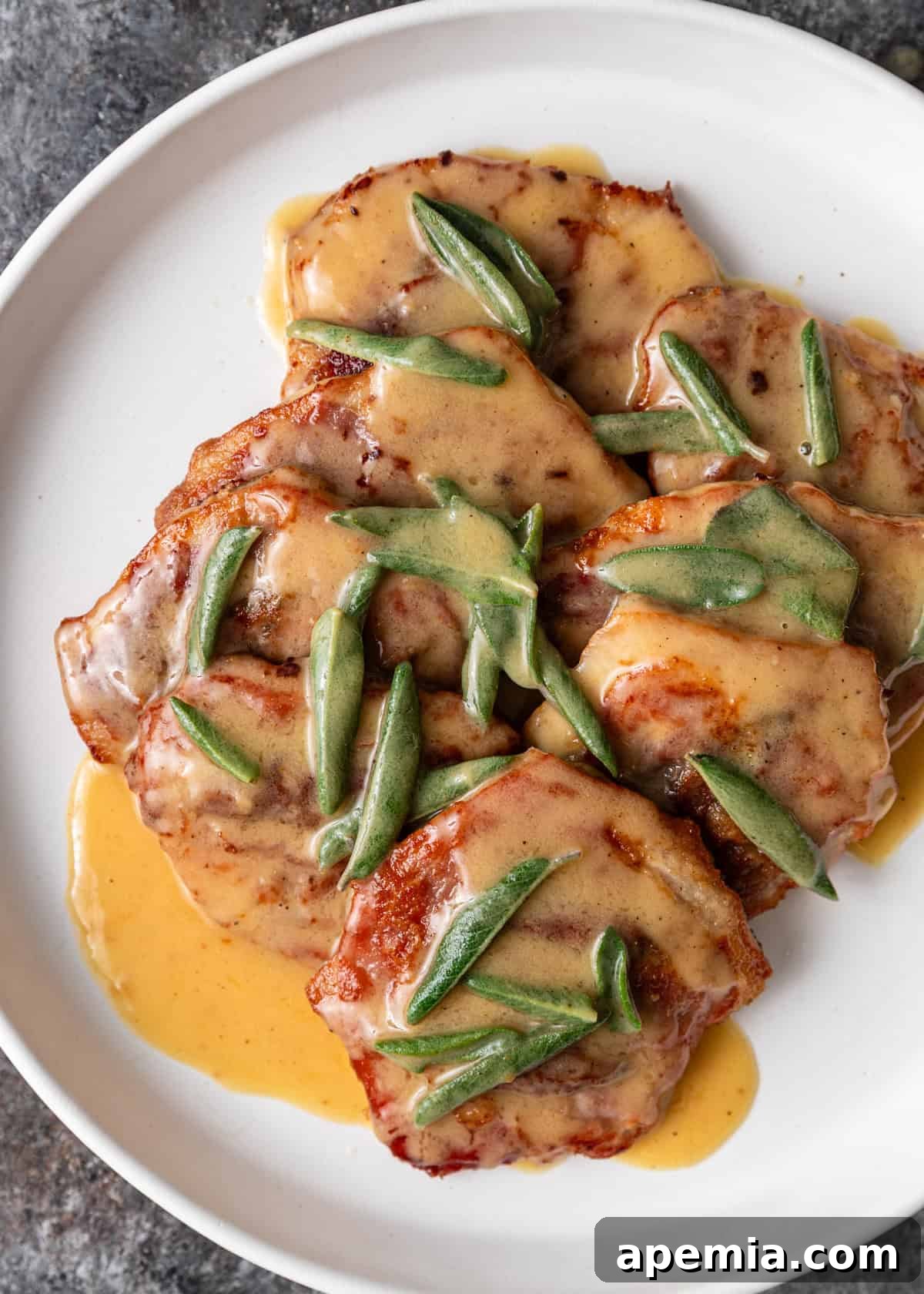
What makes this Saltimbocca recipe even more appealing is its incredible ease and speed. You won’t need to embark on a quest for obscure ingredients, and the entire cooking process can be completed in as little as 15 minutes. This makes it an ideal option for a weeknight meal when you crave something gourmet without the time commitment, or as an impressive dish to serve guests.
Table of Contents
- The Meat: Veal, Pork, or Chicken?
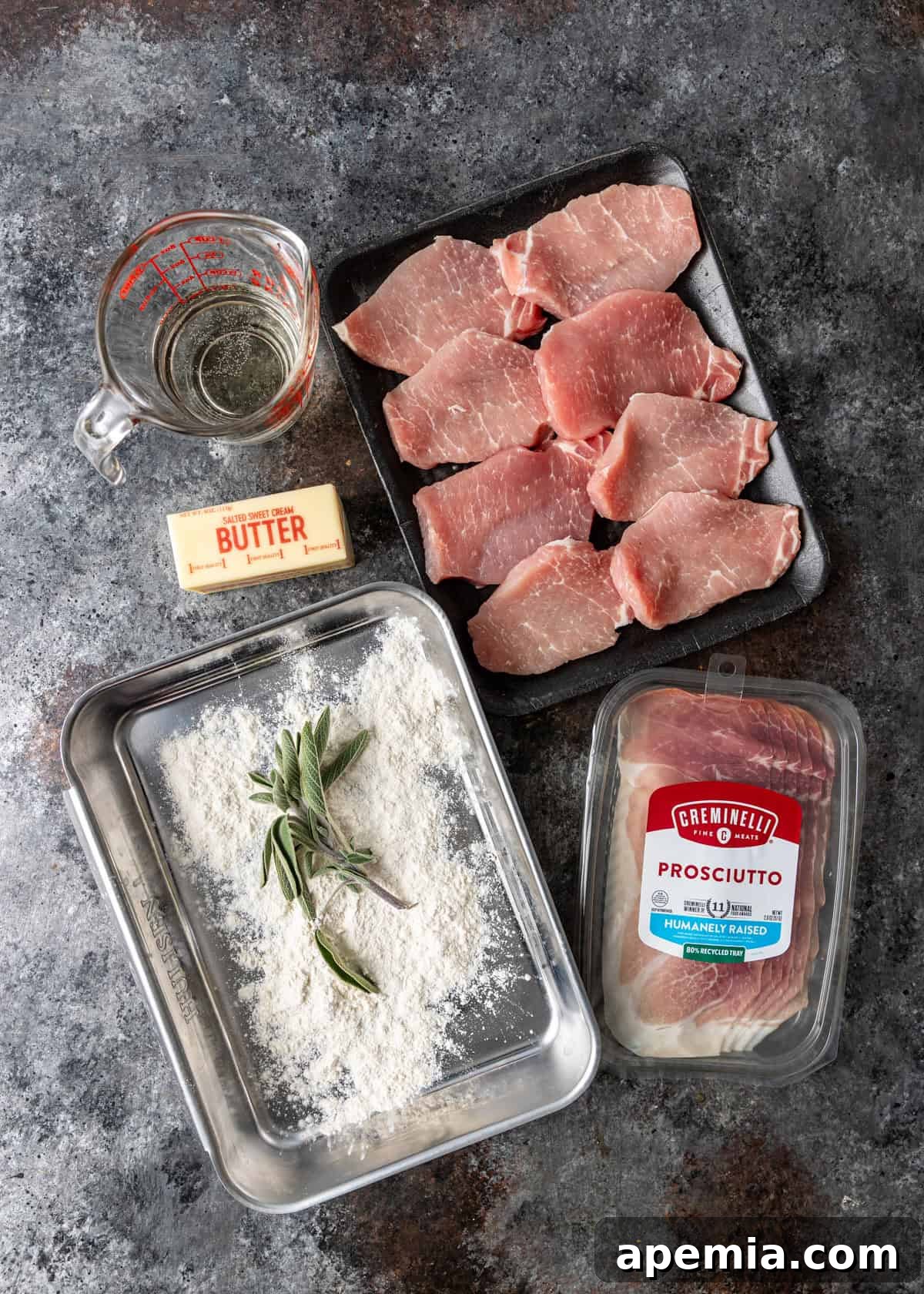
- Essential Ingredients and Clever Substitutions
- How to Prepare Saltimbocca: Step-by-Step
- Recommended Kitchen Tools
- Storing and Reheating Tips
- Frequently Asked Questions About Saltimbocca
- Saltimbocca alla Romana Recipe Card
While Saltimbocca “alla Romana” traditionally uses tender veal, many home cooks, myself included, find that pork saltimbocca is just as delicious, and often more budget-friendly and accessible. I particularly enjoy serving this dish alongside creamy mashed potatoes or a light risotto, allowing them to perfectly absorb every drop of that sublimely savory white wine sauce. The rich flavors of the meat, prosciutto, and sage, coupled with the tangy sauce, create a harmonious and deeply satisfying meal that will transport your taste buds straight to Rome.
The Meat: Veal, Pork, or Chicken?
The traditional Saltimbocca alla Romana proudly features thin slices of veal, prized for their exceptional tenderness and subtle, delicate flavor. However, the beauty of this dish lies in its versatility, allowing for equally delicious variations using other meats. My recipe primarily showcases pork, specifically tenderloin or loin cuts, which offer a slightly richer, heartier flavor profile that stands up beautifully to the prosciutto and sage. Pork is also generally more accessible and economical than veal, making it a fantastic choice for home cooks.
For those seeking an even milder taste or a more budget-conscious option, chicken breast is a popular alternative. When using chicken, ensure it’s pounded thinly to match the cooking time and tenderness of veal or pork. Beef, particularly thin cuts like sirloin or eye of round, can also be adapted, though it will yield a more robust flavor. Whichever protein you choose, the key is to pound it thinly and uniformly to ensure quick, even cooking and that melt-in-your-mouth texture that Saltimbocca is famous for.
Chef’s Tip
Pounding the Meat for Perfection
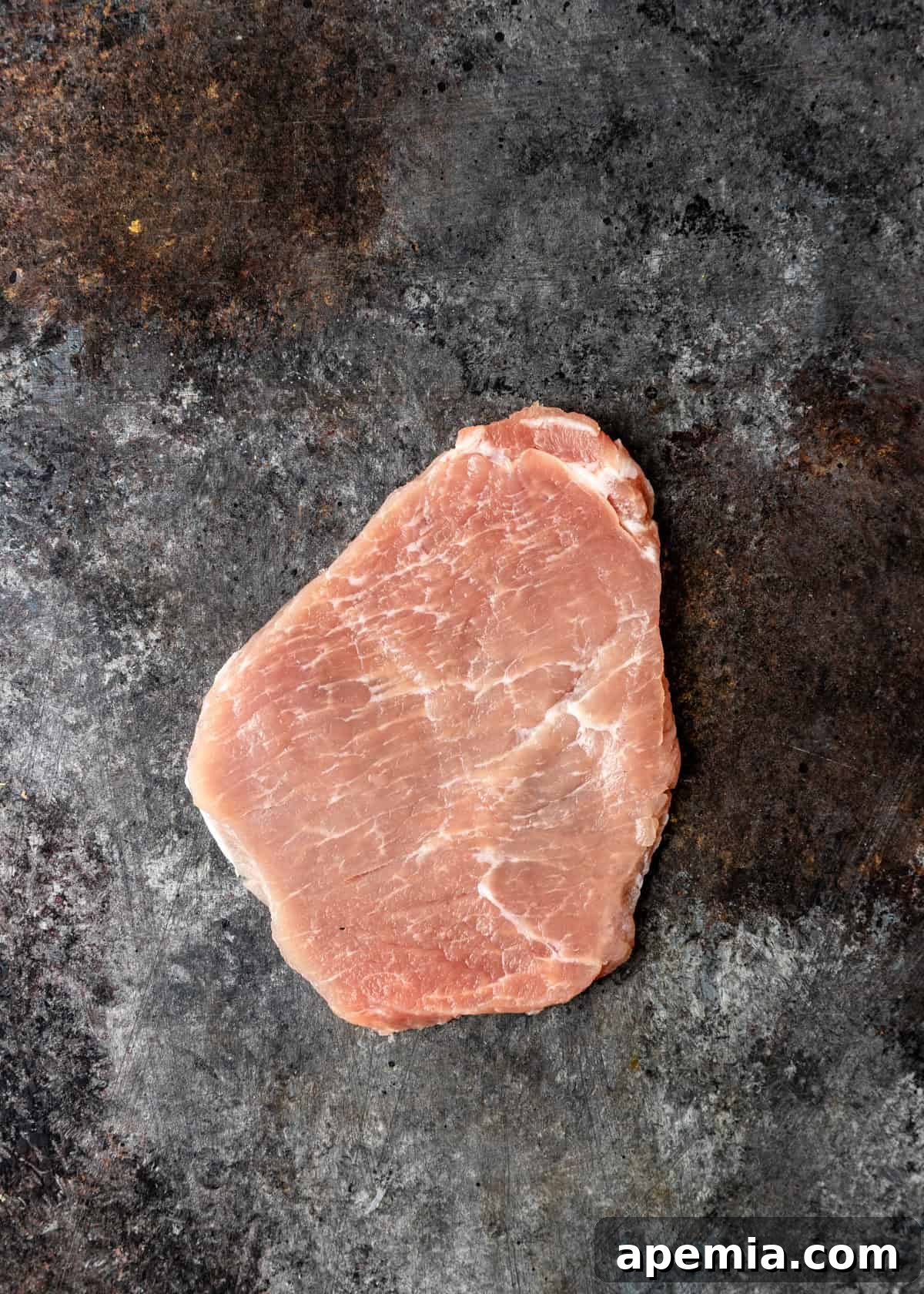
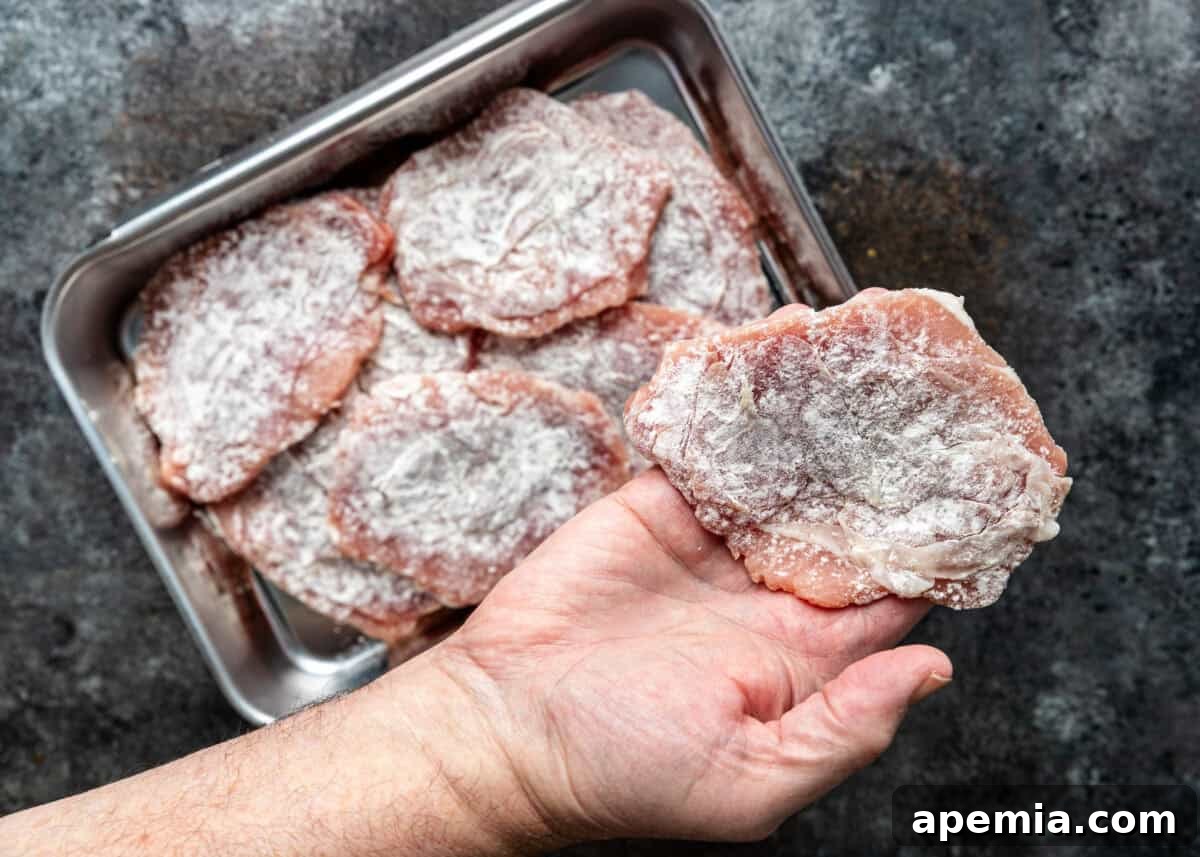
Achieving the characteristic tenderness of Saltimbocca begins with properly pounding the meat. Whether you choose veal, pork, or chicken, aim for an even thickness of about ¼ to ⅛ inch. This not only ensures quick cooking but also creates a larger surface area for the prosciutto and sage to adhere to, maximizing flavor in every bite. Place your cutlets between two sheets of plastic wrap before pounding to prevent tearing and keep your workspace clean. Consistency is key here; unevenly pounded meat will cook inconsistently.
Essential Ingredients and Clever Substitutions
(For precise quantities, please refer to the detailed recipe card below.)
- Pork or Veal: As previously discussed, veal is the traditional choice, but I highly recommend pork tenderloin or pre-sliced pork loin for fantastic results. If you purchase a whole tenderloin, remember to slice it into 1-inch thick medallions before pounding them thin. This ensures consistent size and cooking.
- Fresh Sage Leaves: This herb is non-negotiable for authentic Saltimbocca. Its earthy, slightly peppery flavor perfectly complements the richness of the meat and prosciutto, providing a quintessential Italian aroma and taste. Don’t substitute with dried sage; the fresh leaves are crucial for both flavor and visual appeal.
- Prosciutto: Thin slices of this dry-cured Italian ham crisp up beautifully during cooking, adding a salty, savory depth and a delightful textural contrast to the tender meat. If prosciutto is unavailable, Serrano ham makes an excellent substitute. For a different but equally delicious flavor, consider pancetta or even thinly sliced smoked bacon. If using bacon, pre-cook it slightly before wrapping to ensure it crisps up at the same rate as the meat.
- Dry White Wine: The cornerstone of our silky sauce! A dry white wine like Sauvignon Blanc or Pinot Grigio adds essential acidity, deglazes the pan to capture all the flavorful fond, and creates a balanced, vibrant sauce without overwhelming the other ingredients. Avoid sweet wines like Riesling or Moscato, as they will alter the flavor profile significantly. For a non-alcoholic option, see our FAQ section.
- All-Purpose Flour: Used for a light dusting, the flour helps create a beautiful golden crust on the meat and thickens the sauce slightly when combined with the wine and butter. For a gluten-free version, rice flour works perfectly as a substitute, providing a similar crispness and thickening ability.
- Olive Oil: The authentic choice for pan-frying your cutlets. Its fruity notes complement Italian flavors beautifully. Extra virgin olive oil is ideal, but a good quality pure olive oil will also suffice. If necessary, any other neutral cooking oil with a high smoke point (like grapeseed or canola) can be used without ruining the dish.
- Unsalted Butter: This is key to achieving that rich, creamy, and emulsified white wine sauce. Cold, cubed butter, added off the heat, helps to bind the sauce and gives it a luxurious sheen and flavor. Using unsalted butter allows you to control the overall saltiness of the dish, especially since prosciutto is already quite salty.
How to Prepare Saltimbocca: Step-by-Step
Follow these simple steps to create a show-stopping Saltimbocca in minutes!
- Prepare the Meat: Place each piece of veal or pork between two sheets of plastic wrap. Using a meat mallet, rolling pin, or the bottom of a heavy skillet, pound the meat evenly until it’s about 1/8 to 1/4 inch thick. Be gentle to avoid tearing the delicate cutlets.
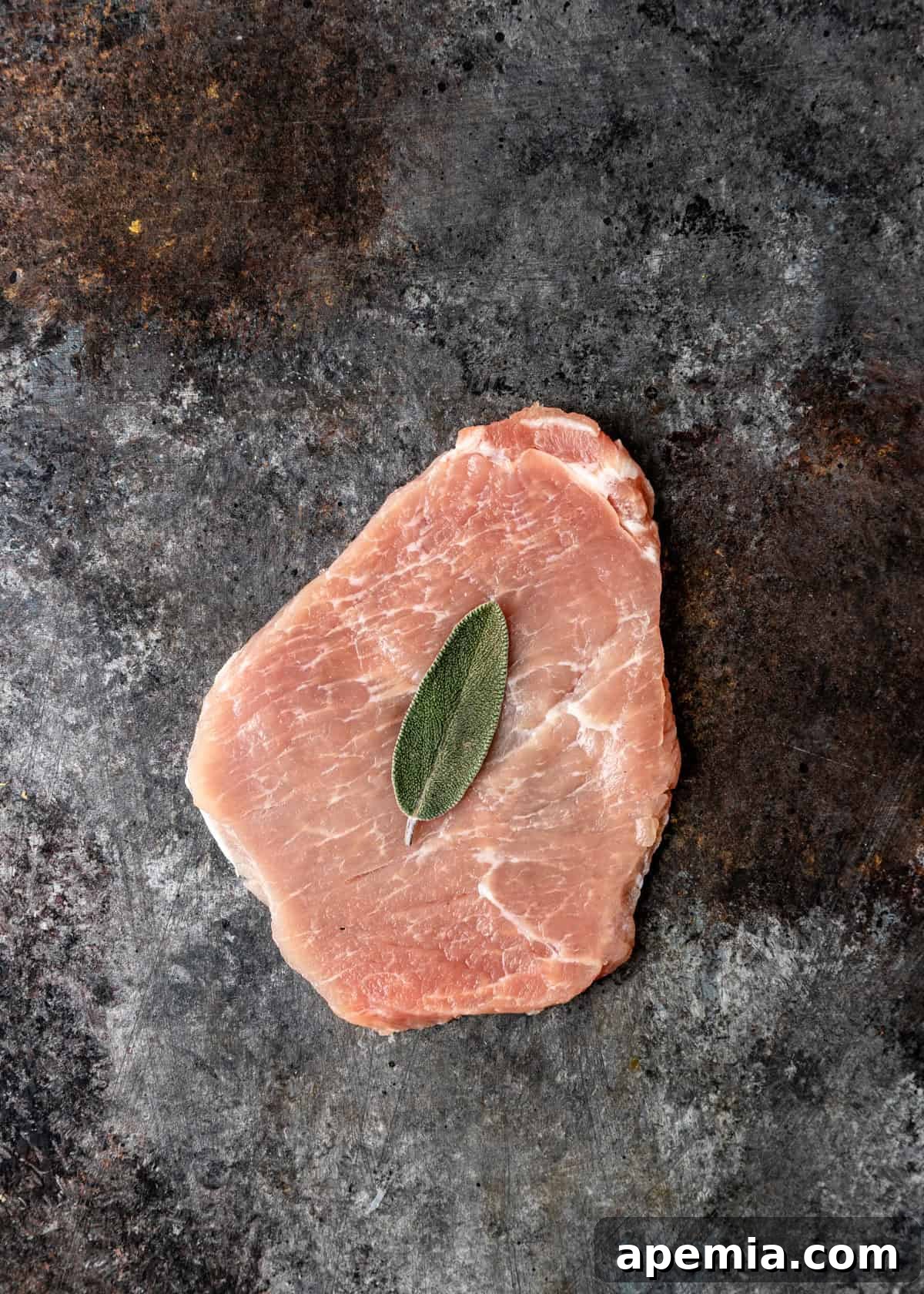
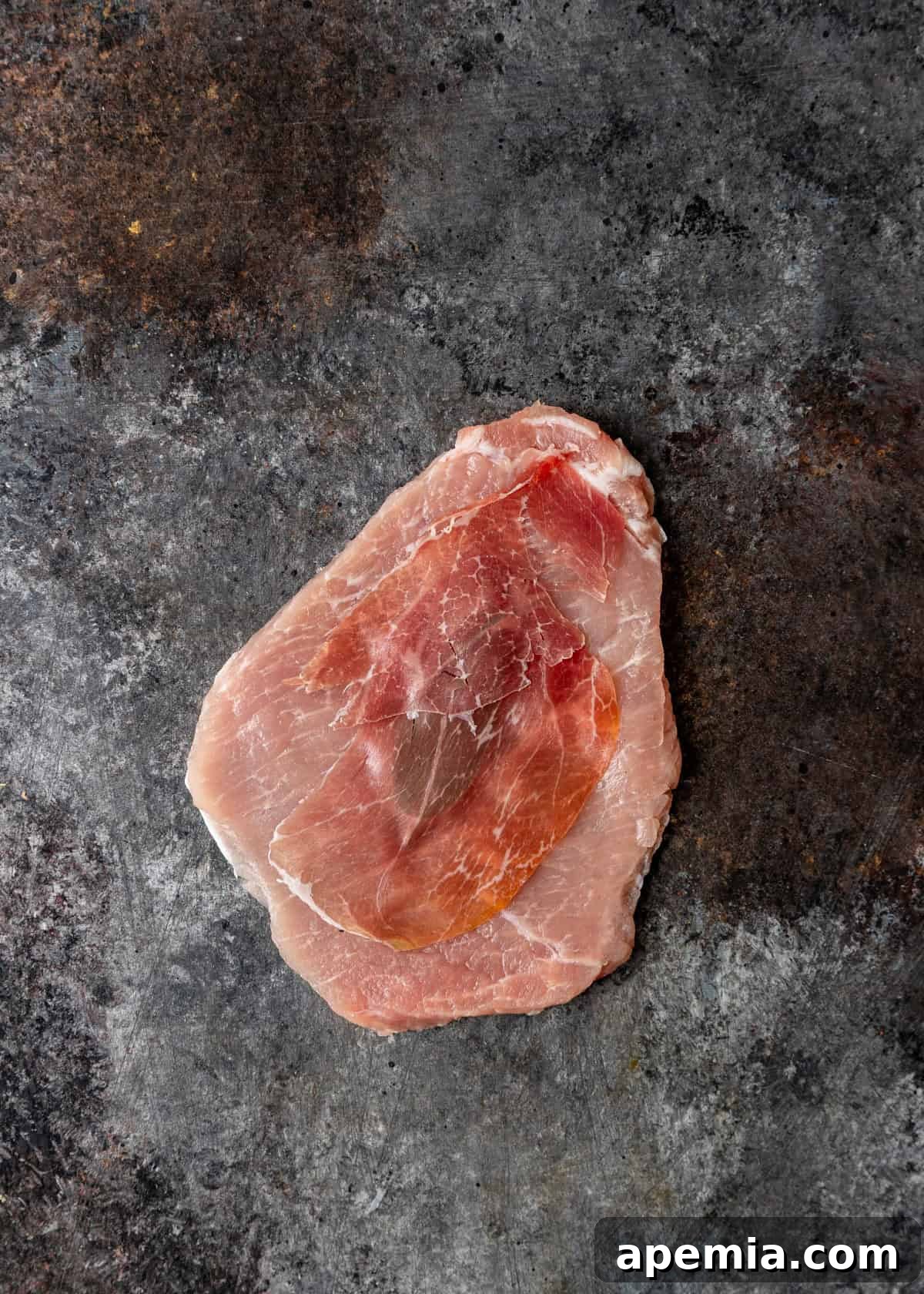
- Assemble the Medallions: For each pounded medallion, gently press one large or two small fresh sage leaves onto one side. Then, lay a slice of prosciutto over the sage, pressing lightly to ensure it adheres well. No need for toothpicks!
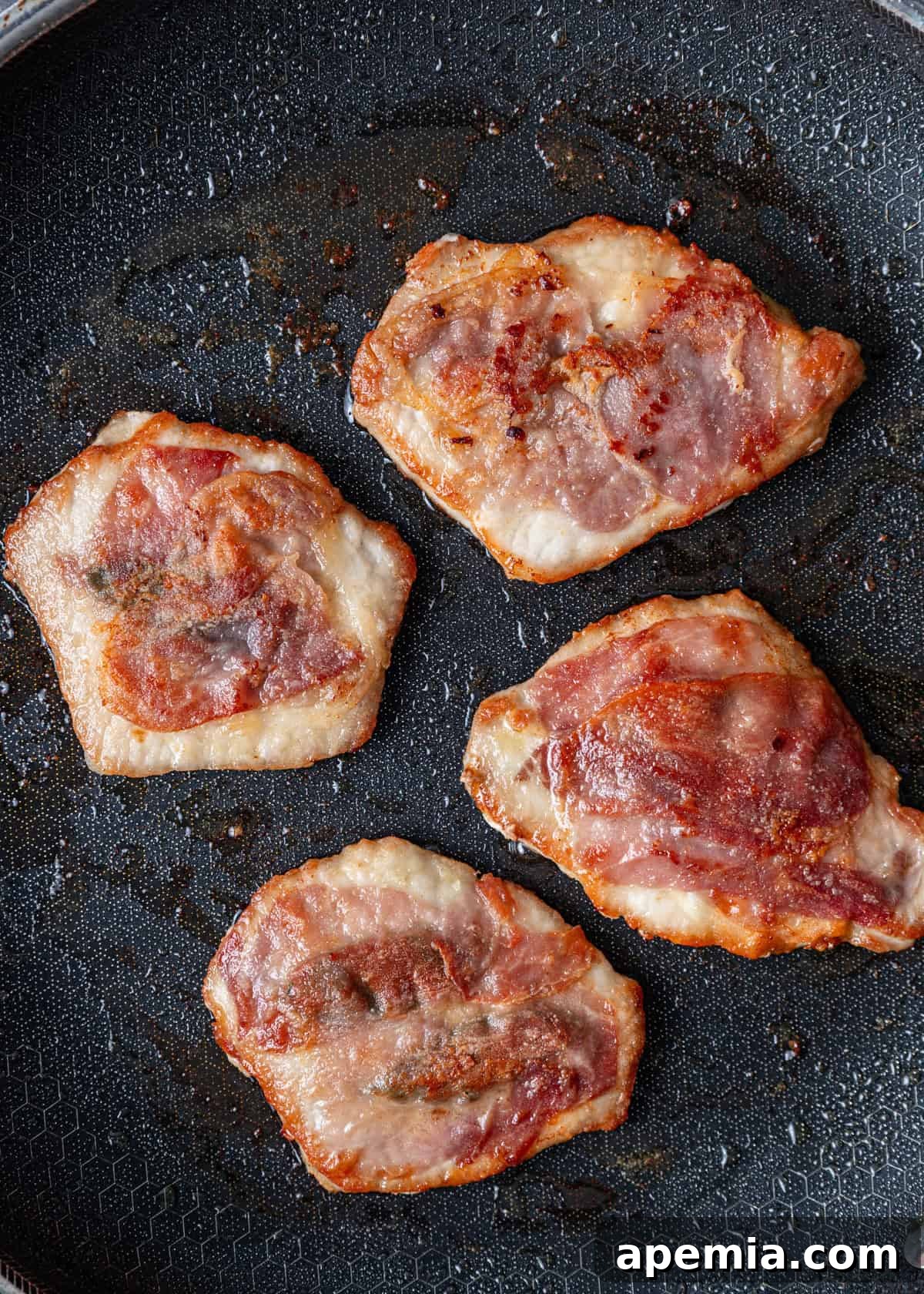
- Flour and Fry: Lightly and evenly dust both sides of each assembled medallion with all-purpose flour. Heat the olive oil in a large skillet over medium-high heat until shimmering. Carefully place the medallions into the pan, prosciutto-side down (this is the presentation side), and cook for about two minutes until the prosciutto is golden brown and slightly crispy. Flip each medallion and cook for another two minutes on the other side. Remove the cooked meat from the pan and set it aside on a plate, keeping it warm.
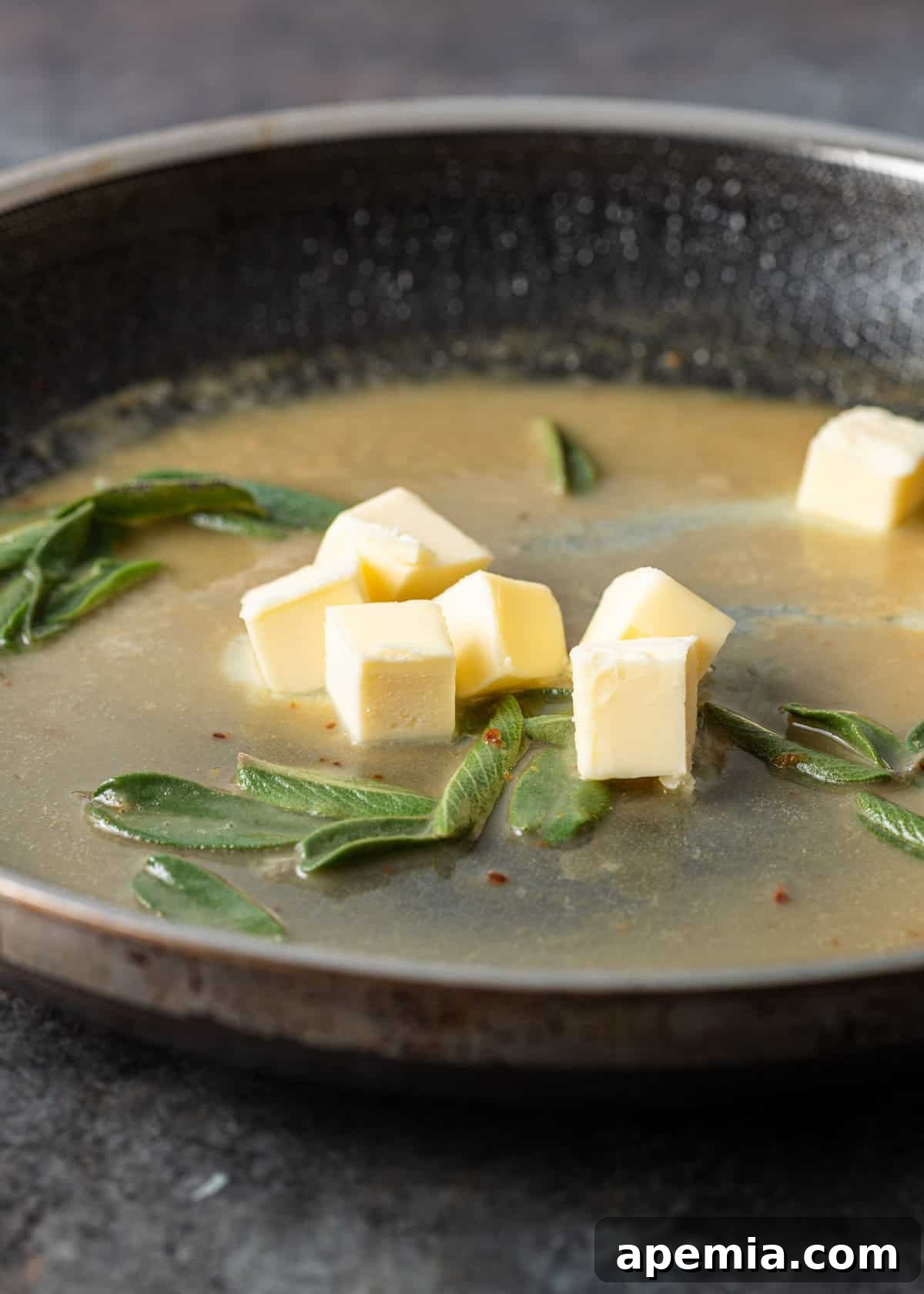
- Craft the Sauce: With the skillet still hot from frying, pour in the dry white wine. Stir vigorously with a wooden spoon, scraping up any delicious browned bits (fond) from the bottom of the pan. Allow the wine to reduce by half, which usually takes about 30 seconds. Add a handful of fresh sage leaves (whole or roughly chopped) to the pan. Immediately turn off the heat and add the cold, cubed butter. Swirl the pan continuously until all the butter has melted and the sauce thickens and emulsifies into a smooth, glossy consistency. Taste and season with a pinch of salt if needed.
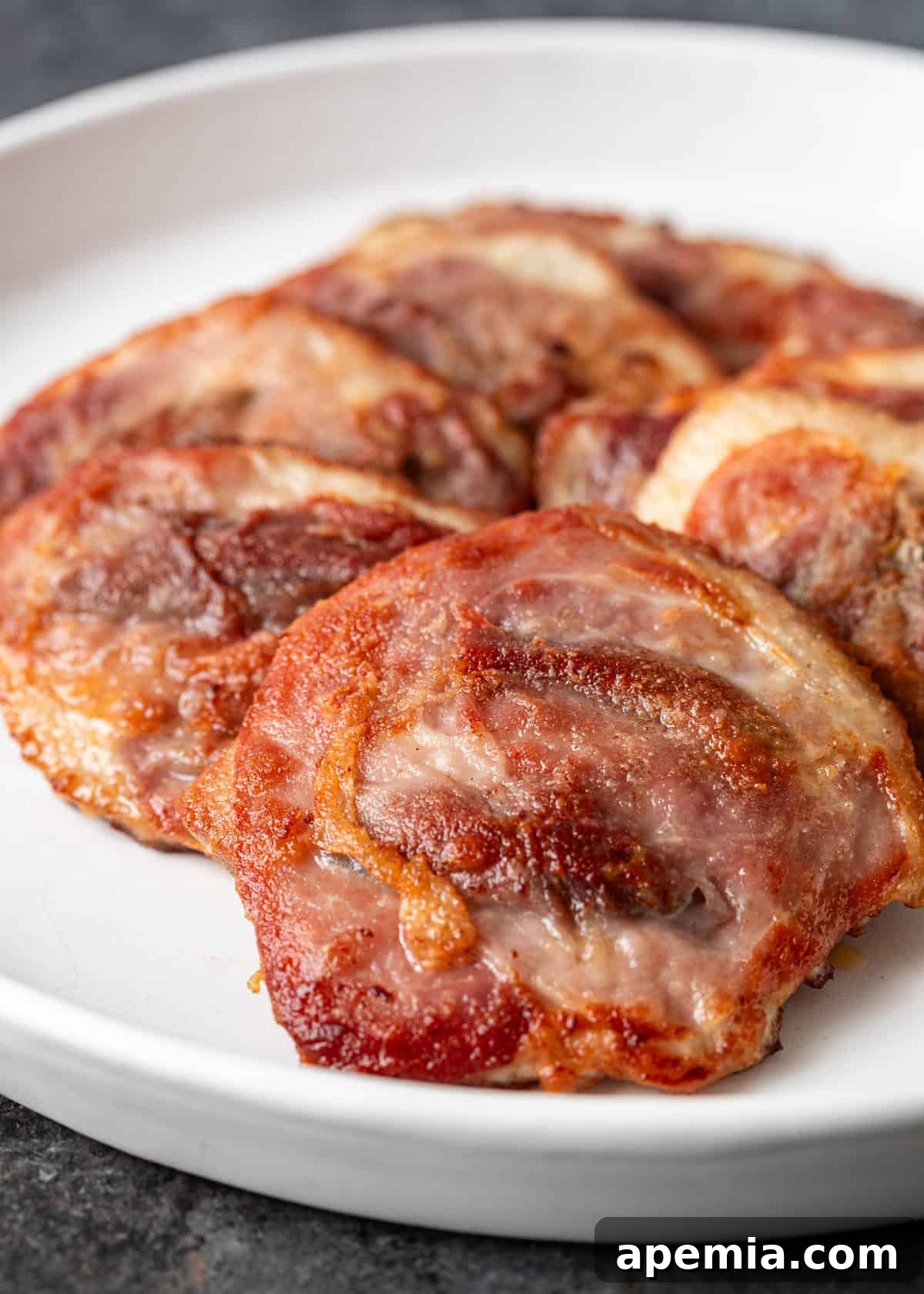
- Serve Immediately: Return the cooked Saltimbocca cutlets to the pan for a quick toss in the sauce, or simply arrange them on serving plates and generously spoon the warm white wine sauce over each one. Serve hot and enjoy!
Recommended Kitchen Tools
While you don’t need a professional kitchen setup to make great Saltimbocca, a few essential tools will make the process smoother and more enjoyable:
- Meat Mallet: This is the ideal tool for evenly pounding your pork or veal into thin, tender pieces. The flat side ensures consistent thickness, which is crucial for even cooking. If you don’t own one, a heavy rolling pin, a sturdy wine bottle, or the bottom of a heavy skillet can serve as effective substitutes.
- Large Skillet: A good quality, heavy-bottomed skillet (preferably cast iron or stainless steel) is essential. Choose one wide enough to accommodate all your Saltimbocca cutlets in a single layer, allowing a little space between each piece. This prevents overcrowding, which can steam the meat instead of searing it, and ensures a beautiful golden crust.
- Tongs: For easily flipping the delicate cutlets and transferring them from the pan.
- Whisk (optional but helpful): While swirling the pan is effective for emulsifying the sauce, a small whisk can help ensure a perfectly smooth consistency.
Storing and Reheating Tips
Saltimbocca is a dish best enjoyed immediately after preparation, when the meat is at its most tender, the prosciutto is crispy, and the sauce is perfectly emulsified. However, if you find yourself with leftovers, they can be safely stored. Place any remaining Saltimbocca in an airtight container and refrigerate for up to 3 days.
I generally do not recommend freezing leftover Saltimbocca. The delicate prosciutto tends to become tough and chewy after freezing and thawing, and the emulsified white wine sauce is very likely to split, resulting in an unappealing texture and separated fats.
When reheating, you have a couple of options, though stovetop is highly preferred:
- Microwave (least recommended): If you must use a microwave, use a low power setting and cover the dish with a damp paper towel to help retain moisture. Heat in short 30-second bursts, checking frequently to avoid overcooking, which can quickly dry out the meat. The texture will not be as good as fresh, but it will be edible.
- Stovetop (recommended for best results): For the best possible outcome, reheat Saltimbocca gently on the stovetop. Melt a small knob of butter in a pan over low to medium heat. Add the leftover meat and a splash of white wine or chicken broth to introduce a little moisture and help revitalize the sauce. Cover the pan and cook for about five minutes, or until the patties are thoroughly heated through. This method helps the meat retain its tenderness and allows the sauce to come back together nicely.
Share this recipe on Pinterest!
Loved this Saltimbocca alla Romana? Pin it to your board and share the culinary joy!
Frequently Asked Questions About Saltimbocca
You can certainly prepare the Saltimbocca medallions in advance to streamline your cooking process. Assemble the meat, sage, and prosciutto layers, then wrap each medallion individually in plastic wrap. Store them in the refrigerator for up to 24 hours. Wait to dust them with flour until just before you’re ready to fry. This pre-prepping technique is perfect for entertaining, allowing you to spend more time with your guests and less time in the kitchen when dinner is served.
The dry white wine in this recipe serves a crucial role: its acidity balances the richness of the butter and prosciutto in the sauce, and it effectively deglazes the pan, capturing all those delicious browned bits. For a non-alcoholic substitute, a good quality non-alcoholic white wine is your best bet, as it mimics the flavor profile most closely. If you prefer to avoid wine altogether, you can substitute it with chicken broth, vegetable broth, or a squeeze of fresh lemon juice diluted with a little water. The lemon juice will provide the necessary acidity, but you might need to adjust seasoning.
Absolutely! While the “alla Romana” version traditionally specifies veal, and my recipe offers pork as a fantastic alternative, Saltimbocca is adaptable. Chicken breasts, pounded thin, make a lighter option. Thin slices of beef, like sirloin or even tenderized round steak, can also work, offering a more robust flavor. For any protein substitution, remember to use a meat thermometer to ensure it’s cooked to a safe internal temperature: 145°F (63°C) for pork, beef, fish, or veal, and 165°F (74°C) for chicken.
For a delicious vegetarian interpretation, consider using thick slices of eggplant or large portobello mushroom caps. They will beautifully absorb the rich flavors of the sage, “prosciutto” (perhaps a vegetarian bacon alternative or sun-dried tomato for umami), and the white wine sauce.
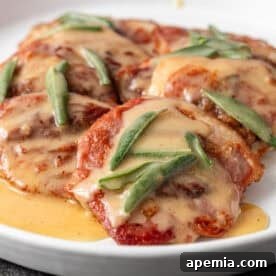
Saltimbocca alla Romana
4
10 mins
5 mins
15 mins
Pin Recipe
Print Recipe
Video
Ingredients
- 1.5 lbs pork tenderloin or pork loin slices (or veal steaks for traditional)
- 1/2 oz fresh sage leaves
- 2 oz prosciutto sliced thin
- 1/4 cup flour
- 2 tbsp olive oil
- 1/4 cup dry white wine
- 4 tbsp cold butter cubed
Instructions
-
Place each piece of meat between plastic wrap and pound until thin (typically doubles in size) being careful not to tear (See Note 1).
-
Press 1 (if large) or 2 (if small) sage leaves on top of each medallion of meat. Top with pieces of the prosciutto and carefully press to adhere. No toothpicks necessary!
-
Carefully dust both sides of each medallion with the flour.
-
In a large skillet over medium-high heat add the olive oil. Place each slice in the pan, prosciutto-side down (presentation side), and cook for 2 minutes until prosciutto is golden brown. Carefully flip and cook another 2 minutes. Remove from pan and set aside.
-
Pour in the wine, stirring to pick up browned bits on bottom of pan and reduce for 30 seconds. It should reduce by half. Add about 20 sage leaves (whole or chopped) and the COLD cubes of butter, turn off heat. Swirl until all is melted and sauce thickens and emulsifies. Season with salt to taste.
-
Serve spooning sauce generously over the Saltimbocca.
Notes
- If using a pork tenderloin, slice it into 1-inch thick pieces before pounding thin. Pork loin slices are often available at butcher counters; don’t hesitate to ask your butcher if you don’t see them.
Nutrition
Carbohydrates: 7g |
Protein: 38g |
Fat: 30g |
Saturated Fat: 12g |
Polyunsaturated Fat: 3g |
Monounsaturated Fat: 13g |
Trans Fat: 1g |
Cholesterol: 150mg |
Sodium: 273mg |
Potassium: 725mg |
Fiber: 0.3g |
Sugar: 0.2g |
Vitamin A: 359IU |
Calcium: 26mg |
Iron: 2mg
The information shown is an estimate provided by an online nutrition calculator. It should not be considered a substitute for a professional nutritionist’s advice.
Have You Made This Recipe? Let Me Know on Instagram
Tag @keviniscooking or use hashtag #keviniscooking!