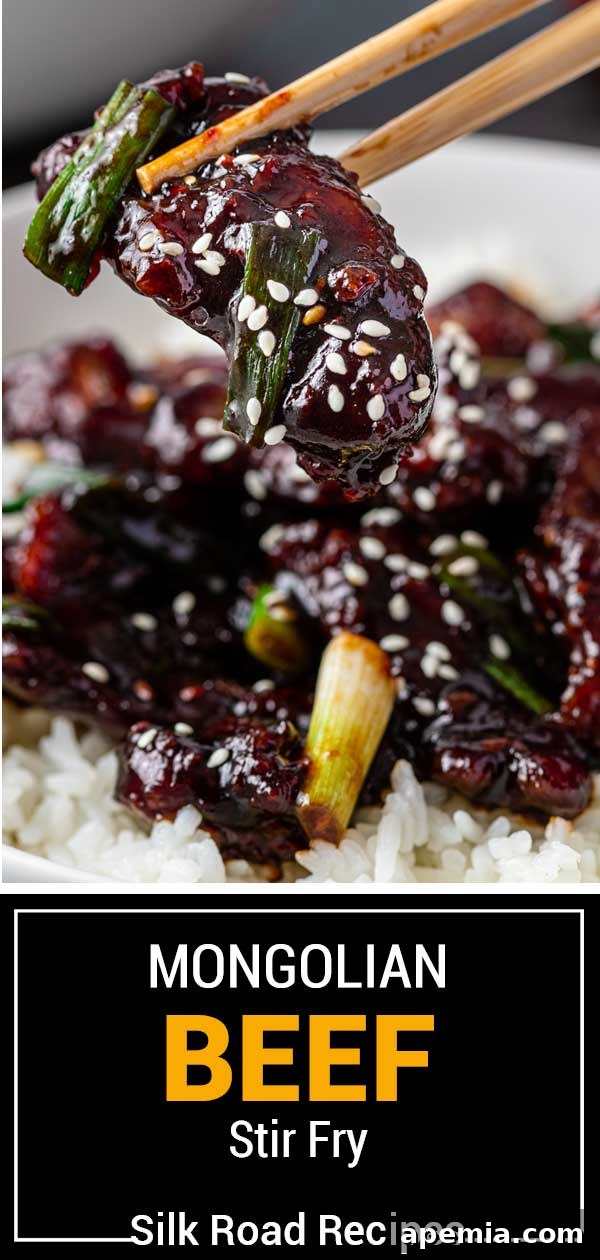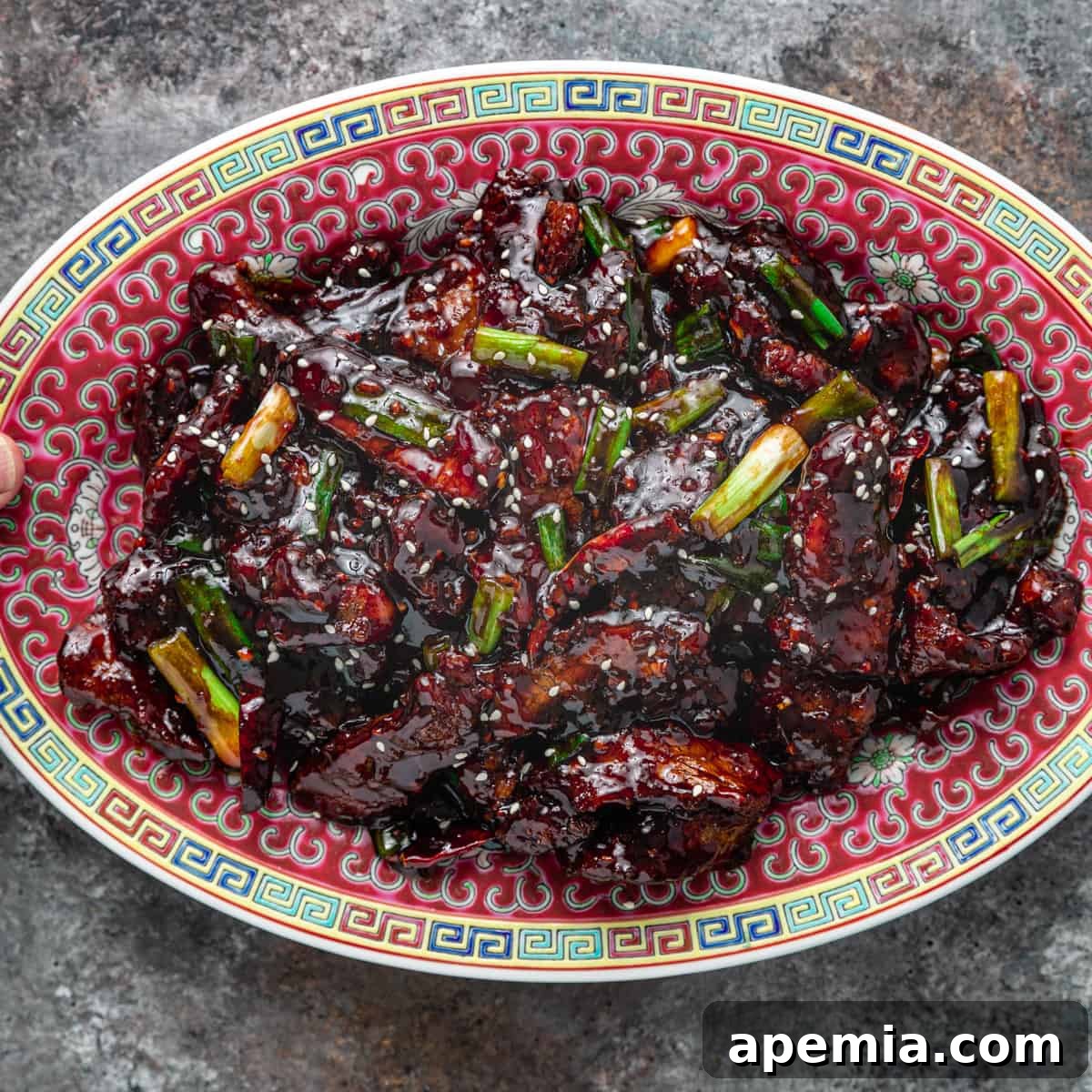
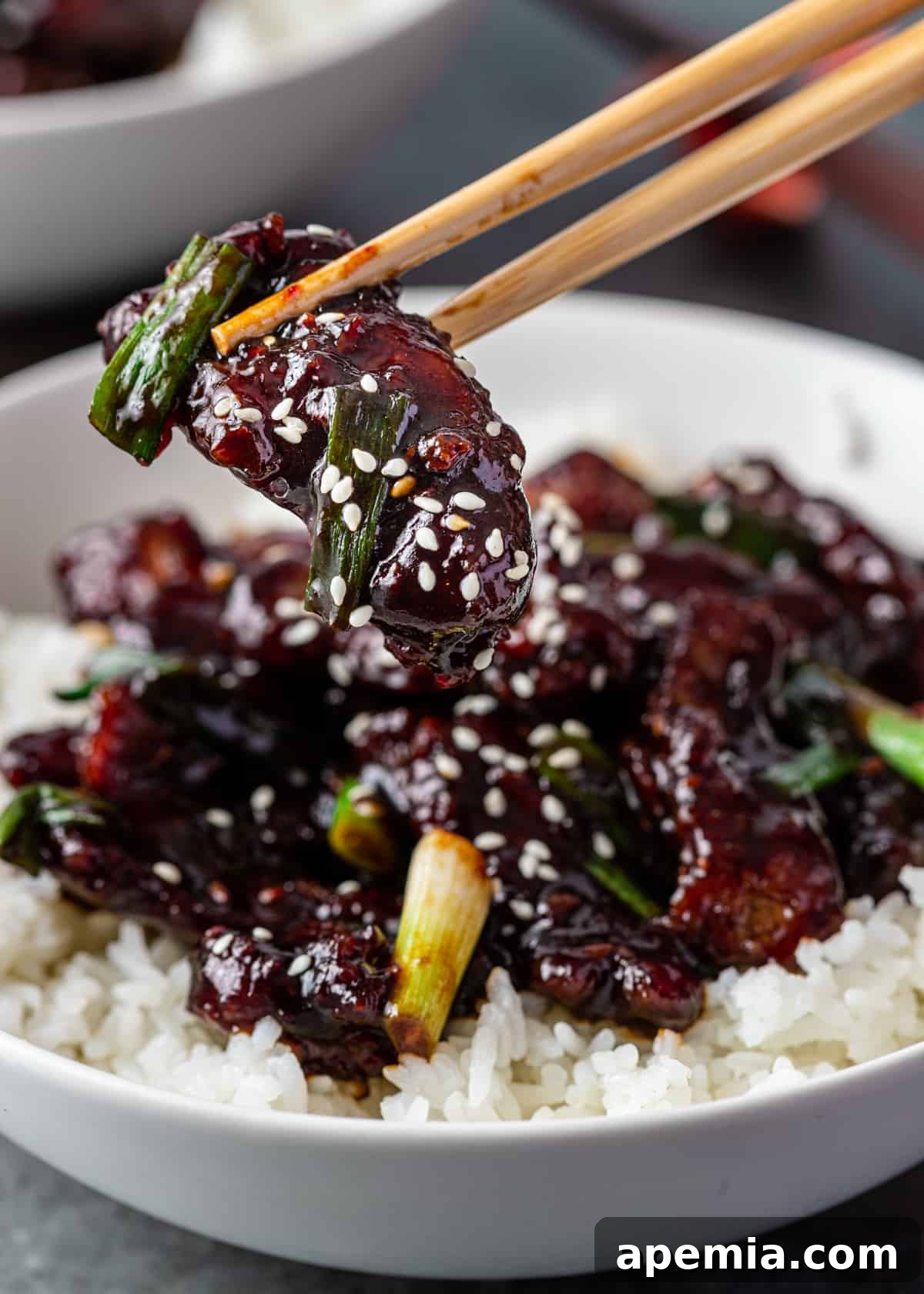
Mongolian Beef is a bold and irresistibly delicious dish that perfectly marries tender, succulent beef with a rich, glossy soy-based sauce, brightened by sweet brown sugar and a hint of fiery chili. This iconic stir-fry is celebrated for its incredible depth of flavor and satisfying texture. What makes it truly exceptional is how quickly it comes together, transforming simple ingredients into a gourmet experience. With its wonderfully crispy beef and that luscious, shiny sauce, it stands out as the ultimate weeknight meal, ready to conquer your takeout cravings in under an hour!
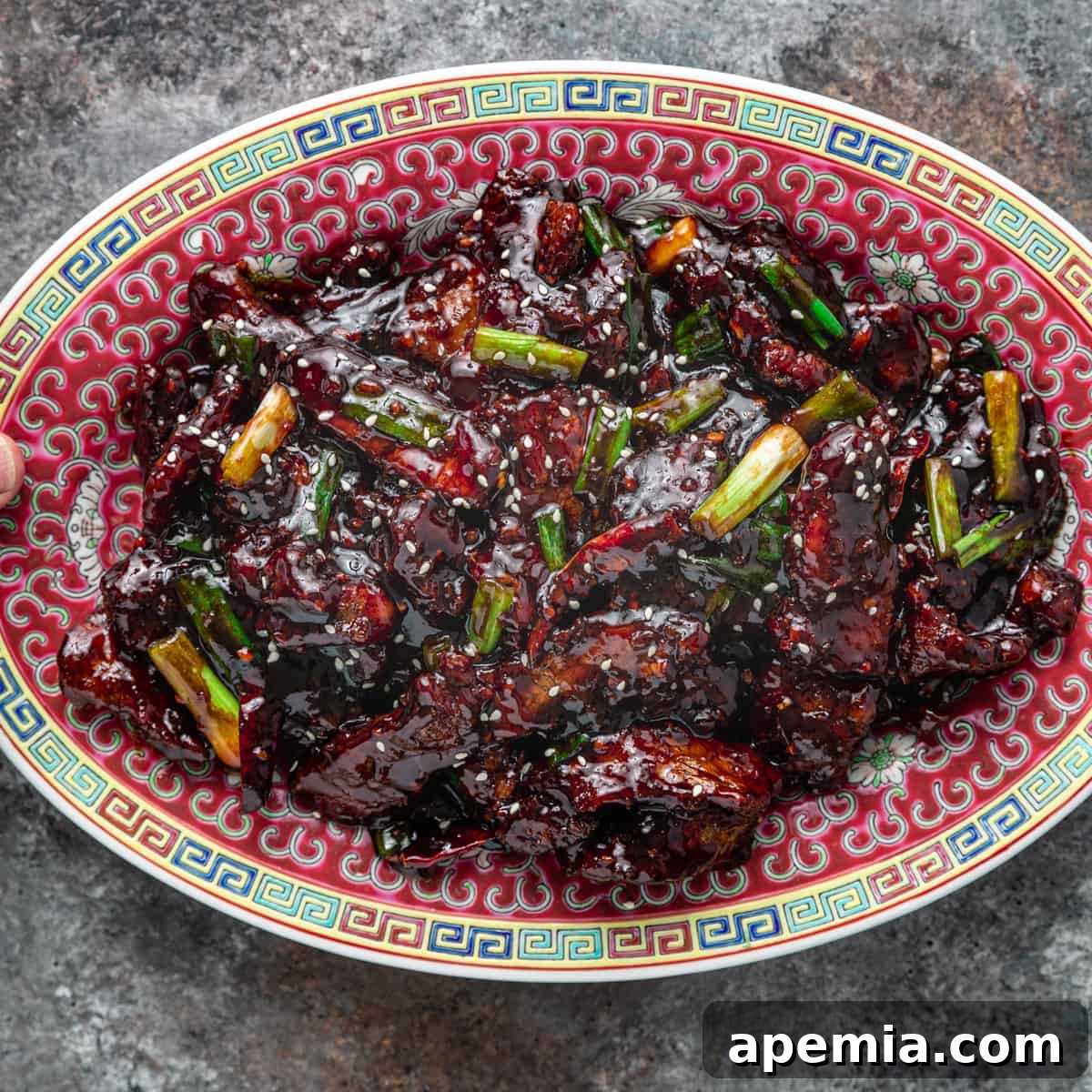
Mongolian Beef has captured the hearts and palates of food enthusiasts worldwide, striking an exquisite balance between sweet and savory notes, often with a delightful kick of spice. Despite its evocative name, it often comes as a surprise to many that this beloved dish doesn’t actually originate from Mongolia. Instead, it’s a culinary masterpiece first popularized within the vibrant tapestry of Chinese-American cuisine. Its widespread appeal stems from its distinctive rich, glossy sauce that generously coats every tender, melt-in-your-mouth piece of beef, creating an unforgettable dining experience that rivals any restaurant dish.
The foundation of an authentic Mongolian Beef recipe typically begins with high-quality flank steak. This cut is meticulously prepared, often marinated to ensure peak tenderness and flavor absorption. Following the marination, the beef is expertly seared to achieve a desirable crispy exterior, adding a crucial textural contrast to the dish. The magic truly happens when these perfectly cooked beef strips are tossed in a harmonious blend of soy sauce, sweet brown sugar, and aromatic sesame oil – the cornerstone of its signature sweet and salty flavor profile. A careful addition of freshly grated ginger, minced garlic, and dried chilies infuses the stir-fry with a perfectly balanced warmth and spicy complexity, making each bite an exhilarating journey of flavors.
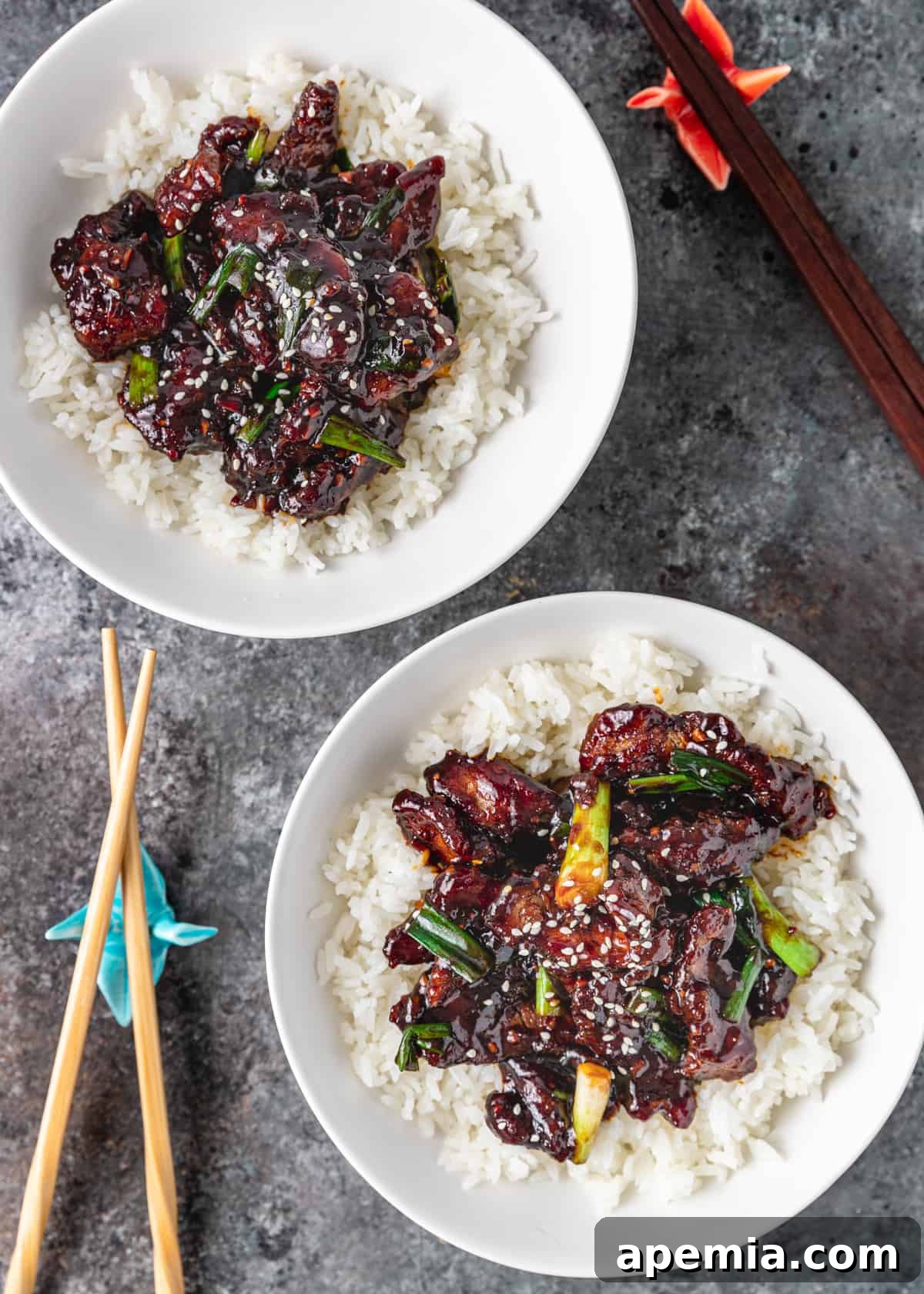
Table of Contents
- The True Origin of Mongolian Beef
- Why This Mongolian Beef Recipe Is A Must-Try
- Mastering the Perfect Tender Beef
- Ingredient Notes and Substitutions
- How to Make Mongolian Beef: A Step-by-Step Guide
- Recommended Tools for a Perfect Stir-Fry
- Storage and Reheating Tips
- Frequently Asked Questions About Mongolian Beef
- Mongolian Beef Stir Fry Recipe
- Customize Your Mongolian Beef
- Serving Suggestions and Perfect Pairings
The True Origin of Mongolian Beef: A Culinary Journey
As fascinating as its flavors, the history of Mongolian Beef is a tale of culinary evolution rather than geographical roots. Despite its name, which might conjure images of vast Mongolian steppes and nomadic warriors, the dish as we know it today is not a traditional Mongolian food. Instead, it proudly stands as a quintessential creation of Chinese-American cuisine. Emerging from Chinese restaurants in America, likely in the mid-20th century, it was crafted to appeal to American palates, blending familiar stir-fry techniques with a unique sweet and savory sauce profile. This fusion of culinary influences is what makes Mongolian Beef a testament to the dynamic and innovative spirit of immigrant cuisines, constantly adapting and creating new classics that resonate with diverse audiences. It’s a dish that embodies the rich cultural exchange between East and West, becoming a beloved staple in homes and restaurants far beyond its origin point.
Why This Mongolian Beef Recipe Is A Must-Try
This Mongolian Beef recipe is more than just a meal; it’s an experience waiting to happen in your kitchen. It’s incredibly easy to prepare, proving that restaurant-quality flavors are well within reach for any home cook. The intensity of its flavors—the perfect marriage of savory soy, deep sweetness from brown sugar, and a subtle warmth from chilies, ginger, and garlic—makes it an instant crowd-pleaser. What truly sets this recipe apart is the promise of that perfectly crispy yet tender beef, generously coated in a shimmering, thick sauce that begs to be savored. If you’re yearning for a midweek takeout fix but crave something fresher, healthier, and undeniably more satisfying, this homemade Mongolian Beef is your answer. Serve it alongside a generous portion of steamed jasmine rice, allowing every grain to soak up that exquisite sauce. Elevate your meal into a true restaurant-style feast by pairing it with crunchy Egg Rolls or creamy Crab Rangoon. This recipe isn’t just about cooking; it’s about bringing joy and unforgettable flavors to your dining table, effortlessly.
Expert Tip
Mastering the Perfect Tender Beef
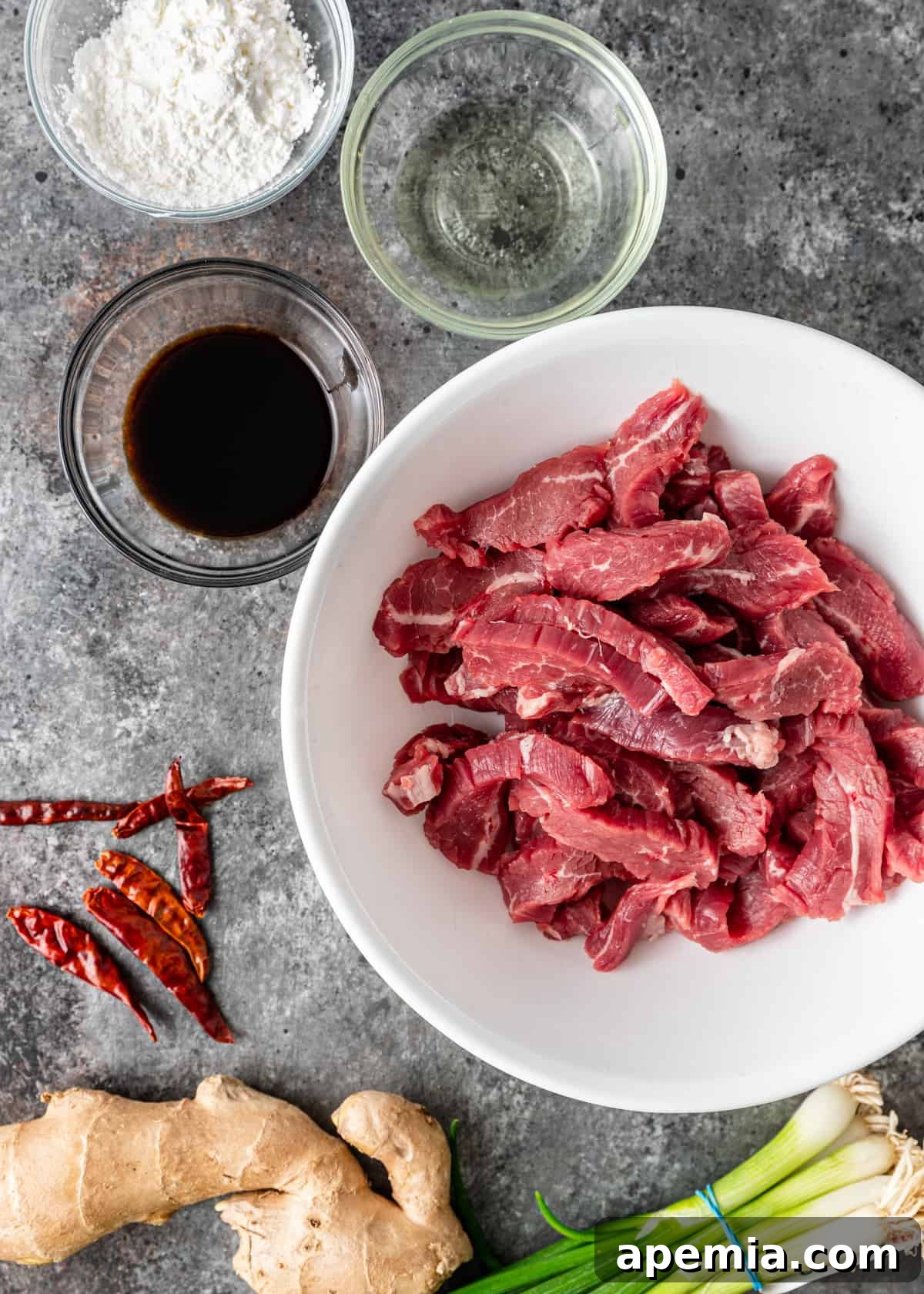
The secret to truly sublime Mongolian Beef lies in the beef’s tenderness. Flank steak is often hailed as the perfect cut for this recipe due to its inherent flavor and fibrous texture that, when sliced correctly, becomes incredibly tender. To ensure that coveted melt-in-your-mouth texture, always remember to slice the beef against the grain. This technique shortens the muscle fibers, resulting in a much more tender chew. If flank steak isn’t available or you prefer an alternative, skirt steak or sirloin are excellent substitutes. Just apply the same principle: always slice thinly and against the grain for optimal tenderness.
Ingredient Notes and Substitutions
(For a complete list of ingredients and precise quantities, please refer to the recipe card below)
- Flank Steak: This cut is paramount for achieving that desirable tender texture and rich beefy flavor in Mongolian Beef. Its loose fibers readily absorb marinades. For substitutions, skirt steak is an excellent choice, offering a similar grain and flavor profile. Sirloin can also work, though it might be slightly less tender than flank or skirt steak when stir-fried. Remember the golden rule: slice against the grain!
- Brown Sugar: A non-negotiable ingredient, brown sugar is crucial for the signature sweet component of Mongolian Beef. It caramelizes beautifully, adding depth and a sticky glaze to the sauce that perfectly balances the savory soy. If you’re looking for an alternative, coconut sugar or even honey can be used, but note that they will impart slightly different nuances to the flavor profile.
- Soy Sauces (Regular & Dark): The interplay of both regular and dark soy sauce is fundamental to achieving the rich, complex flavor and beautiful deep color of the sauce. Regular soy sauce provides the primary salty and umami base, while dark soy sauce, with its thicker consistency and slightly sweeter, milder flavor, contributes a deeper hue and subtle layers of flavor. If dark soy sauce isn’t available, you can use extra regular soy sauce, but be aware that the dish’s color will be lighter, and the flavor slightly less nuanced. For a gluten-free option, tamari works perfectly as a substitute for both.
- Sesame Oil: A few drops of toasted sesame oil are essential for that characteristic fragrant, nutty finish that elevates the sauce from good to irresistible. It’s typically added at the end of cooking to preserve its delicate aroma. While a small amount makes a big impact, if you don’t have sesame oil, a high-smoke-point oil like peanut oil can be used for cooking, but you’ll miss the unique nutty aroma.
- Cornstarch: Used both in the marinade and for dredging the beef before frying, cornstarch plays a dual role. In the marinade, it acts as a tenderizer and creates a protective coating that keeps the beef juicy. When dredging, it provides that desirable light, crispy exterior, crucial for a satisfying textural contrast, and also helps the glossy sauce adhere beautifully to each piece of beef. Without it, the beef won’t achieve its signature crispiness.
- Aromatics (Garlic & Ginger): Freshly minced garlic and ginger are the backbone of any good stir-fry, providing a pungent, warm, and slightly spicy foundation that awakens the entire dish. Do not skimp on these for the best flavor!
- Dried Red Chili Peppers: These add a subtle, or not-so-subtle, warmth to the dish. Their flavor isn’t just about heat; they also contribute a nuanced, smoky undertone. Adjust the quantity to your preferred spice level, or omit them entirely if you prefer a milder dish. Chili flakes or a dash of sriracha can also be used.
- Scallions: Added at the very end, fresh scallions provide a vibrant burst of freshness, a mild oniony bite, and a pop of color that brightens the rich sauce.
How to Make Mongolian Beef: A Step-by-Step Guide
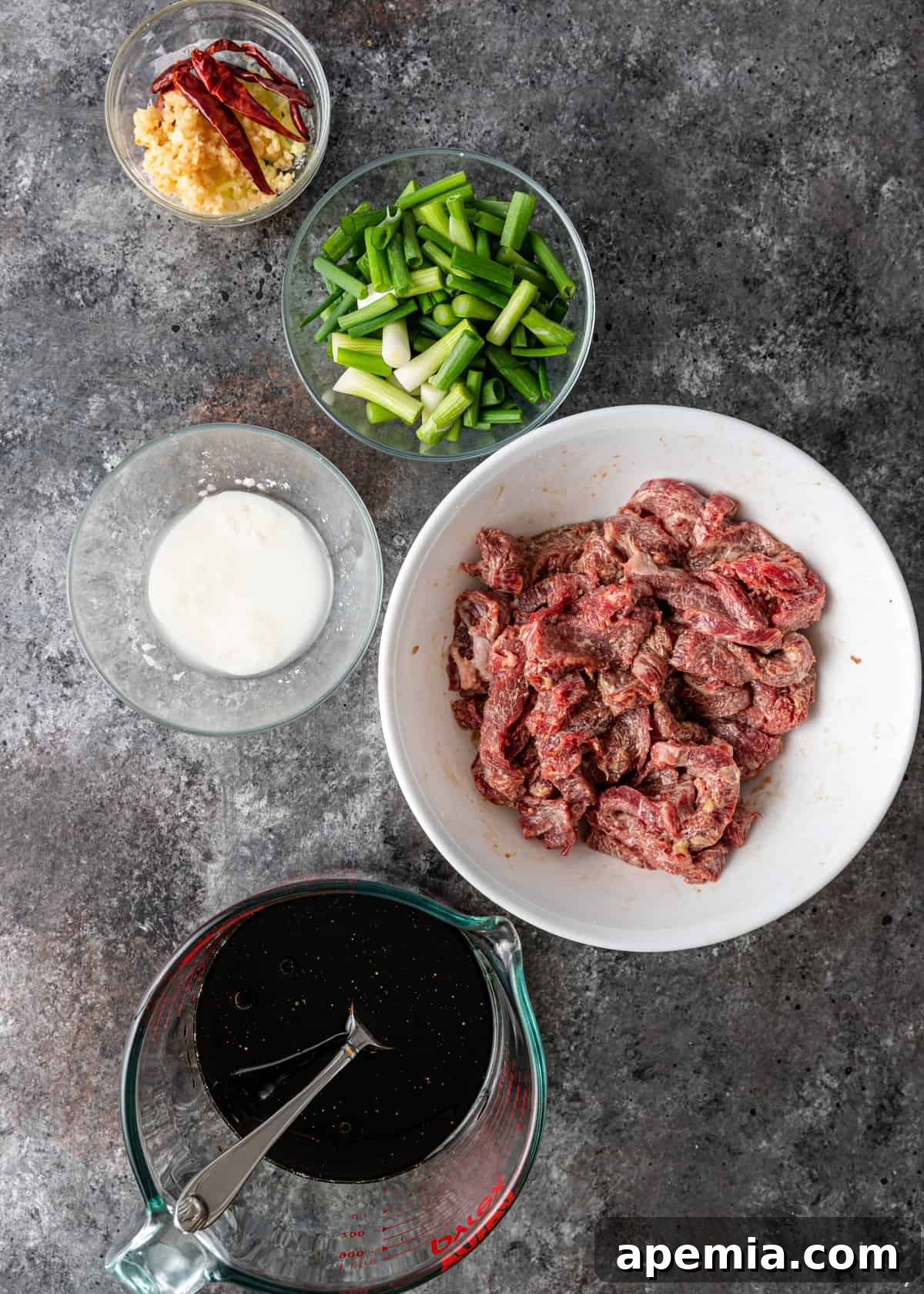
- Prepare and Marinate the Beef. Begin by slicing your chosen flank steak into thin, uniform strips, ensuring you cut against the grain for maximum tenderness. In a medium bowl, combine the sliced beef with a small amount of vegetable oil, soy sauce, and a generous coating of cornstarch. Toss well to ensure every piece is evenly coated. Allow the beef to marinate for at least 30 minutes at room temperature, or up to an hour in the refrigerator. This step is crucial for tenderizing the beef and preparing it for that irresistible crispy texture.
- Craft the Signature Sauce. While the beef marinates, prepare the luscious Mongolian Beef sauce. In a separate small bowl, whisk together the brown sugar, hot water, both regular and dark soy sauces, and the fragrant sesame oil. Stir vigorously until the brown sugar has completely dissolved, ensuring a smooth and cohesive sauce base. Taste and adjust sweetness if desired.
- Create the Cornstarch Slurry. To thicken your sauce to that perfect glossy consistency, you’ll need a cornstarch slurry. In a very small bowl, combine 2 teaspoons of cornstarch with 1 tablespoon of cold water. Mix until there are no lumps, creating a smooth, milky liquid. Set aside.
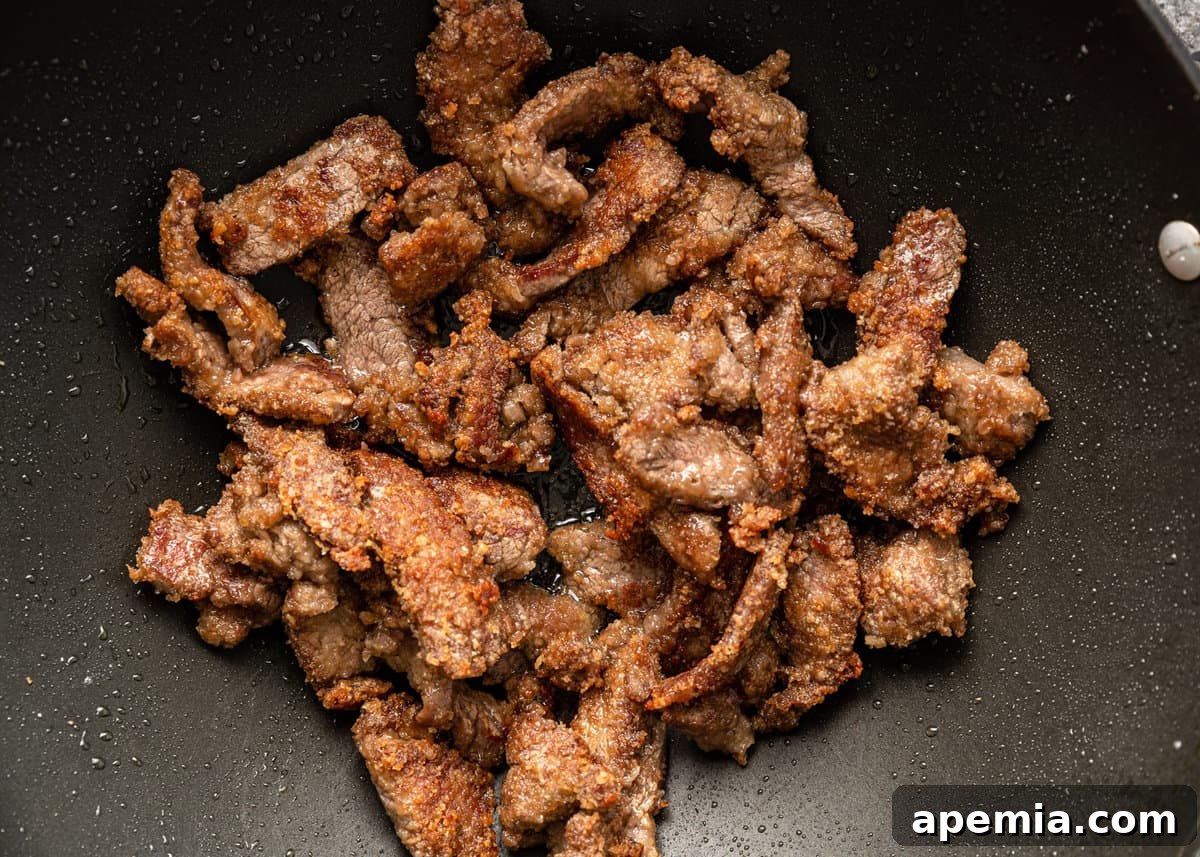
- Achieve Crispy Beef Perfection. Heat 1/3 cup of vegetable oil in a wok or large skillet over high heat. The oil should be shimmering hot, almost to the point of smoking. Just before adding, dredge the marinated beef again in an additional 1/3 cup of cornstarch, ensuring each piece is fully coated. Carefully add the beef to the hot wok in a single layer, avoiding overcrowding, which can lead to steaming instead of searing. Cook for 1 to 2 minutes per side, until the beef is beautifully crispy and golden brown. Remove the cooked beef from the wok and set it aside in a clean bowl.
- Sauté Aromatics & Add Sauce. Reduce the heat to medium-low. In the same wok (adding a tiny bit more oil if needed), add the minced garlic, ginger, and dried red chilies. Stir-fry for about 15 seconds until fragrant, being careful not to burn the aromatics. Immediately pour in the prepared sauce mixture. Bring the sauce to a gentle simmer and let it cook for about 2 minutes, allowing the flavors to meld beautifully.
- Thicken the Sauce to Glossy Perfection. Slowly whisk the cornstarch slurry into the simmering sauce. Continue to stir gently as the sauce thickens rapidly, taking only about 1-2 minutes. The sauce should become glossy and thick enough to coat the back of a spoon. If it becomes too thick, simply add a tablespoon or two of water or broth to reach your desired consistency.
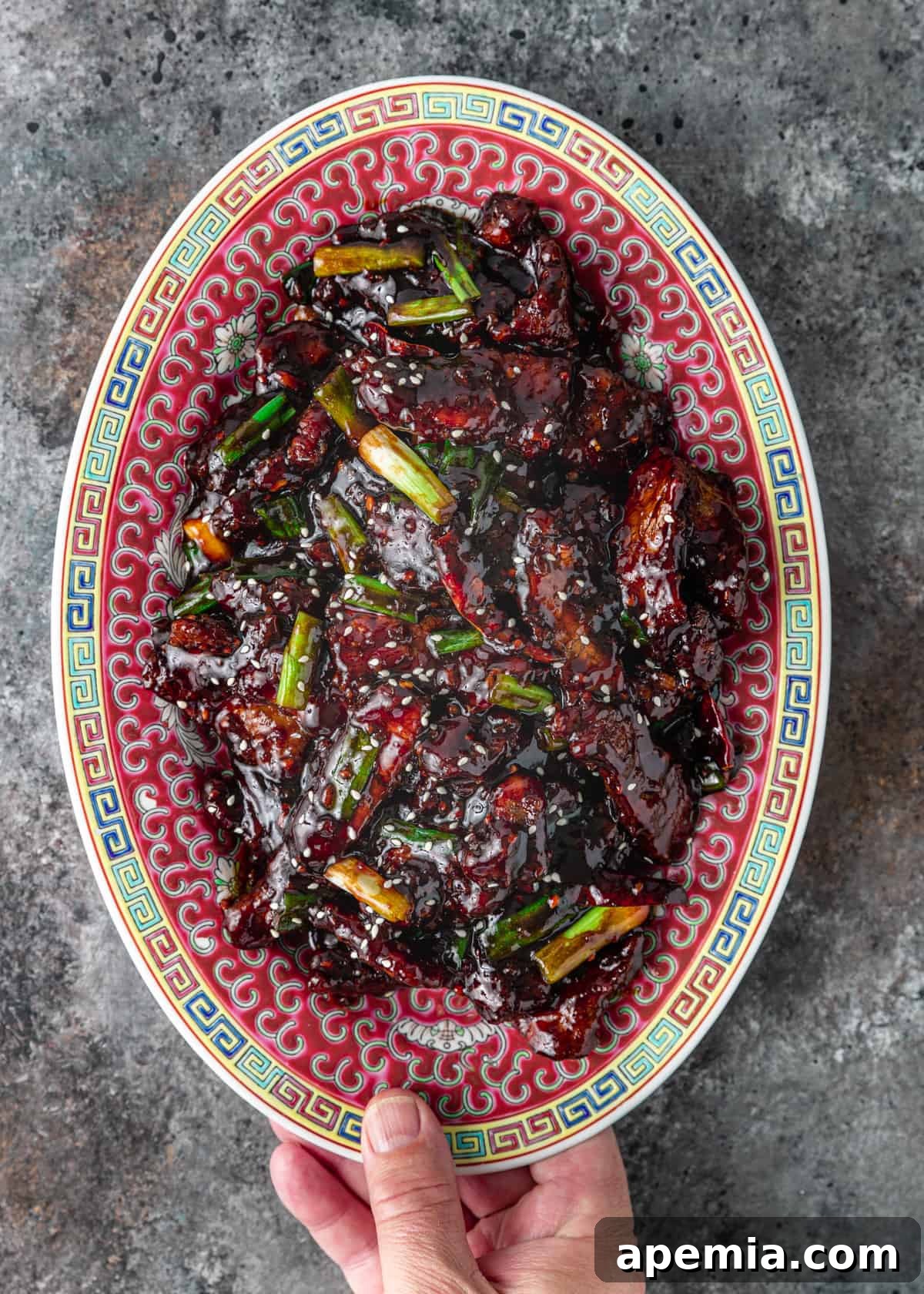
- The Grand Finale: Combine and Serve. Return the crispy beef to the wok with the thickened sauce. Add the sliced scallions. Toss everything together vigorously for about 30 seconds, ensuring every piece of beef is thoroughly coated in the glorious sauce and the scallions are slightly wilted but still vibrant. Serve your irresistible homemade Mongolian Beef stir fry immediately over freshly steamed rice and prepare to enjoy a truly magnificent meal!
Recommended Tools for a Perfect Stir-Fry
Having the right equipment can make all the difference in achieving stir-fry mastery.
- Wok or Large Skillet: A traditional wok is truly ideal for stir-frying. Its high sides and curved bottom allow for even heat distribution and easy tossing, enabling you to cook ingredients quickly at high temperatures for that signature crispy-tender texture. If a wok isn’t available, a large, heavy-bottomed skillet or cast-iron pan will also work, just ensure it can withstand high heat and has enough surface area.
- High-Heat Spatula or Tongs: Essential for maneuvering ingredients in the hot wok. A sturdy wooden spoon, a silicone spatula designed for high heat, or a pair of long-handled tongs will help you toss the beef and vegetables without damaging their crispy coating or scratching your pan.
- Sharp Chef’s Knife: For precisely slicing the beef against the grain and mincing aromatics. A sharp knife ensures clean cuts, which are vital for both the texture and even cooking of your ingredients.
- Cutting Board: A stable cutting board is a must for safely preparing your ingredients.
- Mixing Bowls: Several bowls will be useful for marinating the beef, preparing the sauce, and making the cornstarch slurry, keeping your workspace organized.
Storage and Reheating Tips
Mongolian Beef makes for fantastic leftovers, perfect for meal prepping! Any leftover Mongolian Beef can be stored in an airtight container in the refrigerator for up to 3 days, maintaining its delicious flavor. For longer storage, you can also freeze it for up to 3 months. To freeze, ensure the beef is completely cooled before transferring it to a freezer-safe container or heavy-duty freezer bag. Label with the date to keep track.
To reheat Mongolian Beef stir fry, the best method is to return it to a skillet or wok over medium heat. Toss gently and continuously until it’s warmed through evenly. Be careful not to overcook, as this can dry out the beef. If you notice the sauce has thickened too much during storage or reheating, you can easily thin it out by stirring in a splash (about 1-2 tablespoons) of water or low-sodium chicken broth until it reaches your desired consistency. Reheating in the microwave is also an option, but do so in short intervals, stirring between each, to prevent the beef from becoming tough.
Share this recipe on Pinterest!
Love this recipe? Share it with the world on Pinterest.
Frequently Asked Questions About Mongolian Beef
Achieving crispy beef is all about preparation and technique. First, ensure your beef slices are evenly coated with cornstarch before frying – this creates a thin, protective crust. Second, it’s crucial that the oil in your wok or skillet is hot enough; it should shimmer but not smoke excessively. Test with a small piece of beef; it should sizzle immediately. Lastly, avoid overcrowding the pan. Fry the beef in small batches if necessary. Overcrowding lowers the oil’s temperature and causes the beef to steam rather than crisp up.
The beauty of homemade Mongolian Beef is its customizability! If you prefer a sweeter sauce, simply add an extra tablespoon or two of brown sugar during the sauce preparation. For a spicier kick, increase the number of dried chilies you add to the stir-fry. You can also incorporate a dash of chili paste, sriracha, or red pepper flakes along with the aromatics for an extra layer of heat.
The cornstarch slurry is key for thickening. If your sauce thickens too much after adding the slurry, you can easily thin it out by whisking in a tablespoon or two of water or low-sodium broth until it reaches your preferred consistency. If, conversely, the sauce isn’t thick enough after simmering with the slurry, you can quickly mix another half teaspoon of cornstarch with a tablespoon of cold water, then slowly whisk this new slurry into the simmering sauce until it reaches the desired thickness. Always add slurry incrementally to avoid over-thickening.
Absolutely! While traditional Mongolian Beef often focuses solely on the beef, adding vegetables is a fantastic way to enhance flavor, nutrition, and texture. Broccoli florets, sliced bell peppers, snow peas, carrots, or even mushrooms would be excellent additions. Add firmer vegetables like broccoli or carrots early in the stir-frying process after cooking the beef, giving them a few minutes to soften before adding the sauce. Softer vegetables like bell peppers can be added slightly later.
The traditional recipe contains soy sauce, which typically contains wheat. However, you can easily make this dish gluten-free by substituting regular and dark soy sauce with tamari, a gluten-free alternative. Ensure all other ingredients, like cornstarch, are also certified gluten-free if strict adherence is required.
Mongolian Beef Stir Fry
4
15
12
30
57
PrintRecipe
Ingredients
Marinade
- 1 lb flank steak See Note 1 for slicing instructions
- 2 teaspoons vegetable oil
- 2 teaspoons soy sauce
- 2 tablespoons cornstarch
- 1 tbsp water
Sauce
- 1/4 cup brown sugar
- 1/2 cup hot water
- 1/3 cup regular soy sauce
- 2 tbsp dark soy sauce
- 2 tsp sesame oil
Stir Fry
- 4 cloves garlic minced
- 1 tablespoon ginger minced
- 5 dried red chili peppers optional, adjust to taste
- 4 teaspoons cornstarch (for slurry)
- 1 tablespoon water (for slurry)
- 8 scallions cut into 1-inch long slices
- sesame seeds for garnish optional
Frying
- 1/3 cup cornstarch for dredging beef before frying
- 1/3 cup vegetable oil for frying beef
Instructions
-
In a bowl, thoroughly mix the thinly sliced beef with 2 teaspoons vegetable oil, 2 teaspoons soy sauce, and 2 tablespoons cornstarch. Add 1 tablespoon of water to hydrate the cornstarch. Let the beef marinate at room temperature for 30 minutes to tenderize.
-
In a separate small bowl, whisk together the brown sugar, 1/2 cup hot water, 1/3 cup regular soy sauce, 2 tablespoons dark soy sauce, and 2 teaspoons sesame oil until the sugar is fully dissolved and the sauce is well combined.
-
Prepare your cornstarch slurry for thickening the sauce: In another small bowl, mix 4 teaspoons of cornstarch with 1 tablespoon of cold water until smooth. Set aside.
-
Heat 1/3 cup vegetable oil in a wok or large skillet over high heat. The oil should be shimmering hot, just before it starts to smoke. While the oil heats, dredge the marinated beef slices in the remaining 1/3 cup of cornstarch, ensuring all pieces are evenly and thoroughly coated for maximum crispiness.
-
Carefully transfer the cornstarch-coated flank steak to the hot wok in a single layer. Sear for 1 to 2 minutes until crispy and golden brown on one side. Flip the pieces over and sear the other side for an additional 1 to 2 minutes. Once crispy, remove the beef to a clean bowl and set aside. Work in batches if necessary to avoid overcrowding the wok.
-
Reduce the heat to medium-high. Add the minced garlic, ginger, and dried chili peppers (if using) to the wok. Stir-fry for about 15 seconds until very fragrant, taking care not to burn them. Immediately pour in the prepared sauce mixture.
-
Let the sauce come to a gentle simmer for approximately 2 minutes, allowing the flavors to deepen. Then, slowly whisk in the cornstarch slurry mixture. Continue to cook, stirring constantly, until the sauce has thickened sufficiently to coat the back of a spoon and appears glossy. If the sauce becomes too thick, you can thin it with a tablespoon or two of water or low-sodium broth.
-
Return the crispy beef to the wok, along with the sliced scallions. Toss everything together vigorously for another 30 seconds, ensuring the beef is thoroughly coated in the rich, glossy sauce and the scallions are just slightly wilted. Serve your homemade Mongolian Beef stir fry immediately with fluffy steamed rice and a sprinkle of sesame seeds, if desired. Enjoy!
Notes
- To prepare the flank steak for maximum tenderness, first slice the entire piece of beef into 3 long sections, cutting with the grain. Then, take each of these longer sections and slice them against the grain into thin, 1/4-inch thick pieces (as demonstrated in visual guides). Alternatively, you can slice the entire flank steak into 1/4-inch pieces on the diagonal against the grain for a similar effect.
- For an even bolder flavor, allow the beef to marinate for a longer period, up to 2-4 hours, in the refrigerator.
- Consider pre-chopping all your ingredients (mise en place) before you start cooking. Stir-frying is a very fast process, and having everything ready will ensure a smooth and stress-free cooking experience.
Nutrition
Carbohydrates: 34g |
Protein: 28g |
Fat: 8g |
Saturated Fat: 3g |
Polyunsaturated Fat: 1g |
Monounsaturated Fat: 3g |
Cholesterol: 68mg |
Sodium: 1823mg |
Potassium: 569mg |
Fiber: 1g |
Sugar: 15g |
Vitamin A: 405IU |
Vitamin C: 6mg |
Calcium: 66mg |
Iron: 3mg
The information shown is an estimate provided by an online nutrition calculator. It should not be considered a substitute for a professional nutritionist’s advice.
Main Dishes
Chinese-American
Kevin
Customize Your Mongolian Beef
One of the joys of cooking at home is the freedom to customize dishes to your exact liking. Mongolian Beef is incredibly versatile and open to various modifications:
- Add More Heat: For those who love a serious kick, finely mince a fresh Thai chili pepper or add a spoonful of chili garlic sauce alongside the dried chilies.
- Extra Veggies: As mentioned, broccoli, bell peppers, carrots, or snap peas are wonderful additions. Stir-fry them briefly after the beef is removed, before adding the sauce, to retain their crunch.
- Different Proteins: While beef is traditional, you can adapt this recipe using chicken or even shrimp for a delicious alternative. Adjust cooking times accordingly.
- Make it Gluten-Free: Swap out regular soy sauce for tamari, ensuring all other packaged ingredients are certified gluten-free.
- Reduce Sodium/Sugar: Use low-sodium soy sauce and slightly reduce the amount of brown sugar for a lighter version, or experiment with natural sweeteners like a touch of maple syrup.
- Garlic and Ginger Punch: If you adore these aromatics, feel free to increase their quantities. The fresher, the better!
Serving Suggestions and Perfect Pairings
Mongolian Beef is a showstopper on its own, but pairing it with complementary sides can elevate your meal to a true feast. Here are some ideas:
- Steamed Rice: The classic accompaniment! Jasmine rice is preferred for its fragrant aroma and fluffy texture, perfect for soaking up every drop of that glorious sauce. Brown rice can be a healthier alternative.
- Noodles: Instead of rice, serve your Mongolian Beef over a bed of stir-fried noodles like lo mein or chow mein for a heartier meal.
- Steamed Vegetables: Simple steamed broccoli, bok choy, or asparagus are excellent light and healthy sides that provide a fresh contrast to the rich beef.
- Asian-Inspired Salad: A crisp green salad with a light sesame-ginger dressing can offer a refreshing balance.
- Appetizers: Complete the takeout experience with homemade spring rolls, potstickers, or even some crispy wontons.
- Beverages: Pair with a crisp lager, a dry Riesling, or even a simple green tea to complement the flavors.
Have You Made This Recipe? Let Me Know on Instagram
Tag @keviniscooking or tag me #keviniscooking!