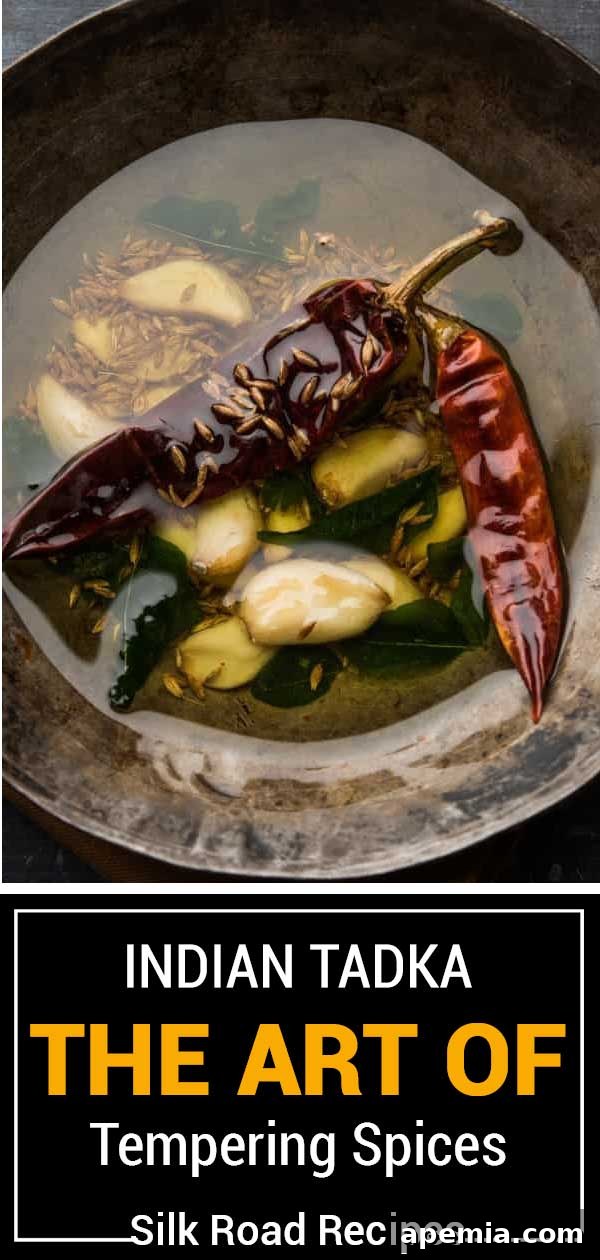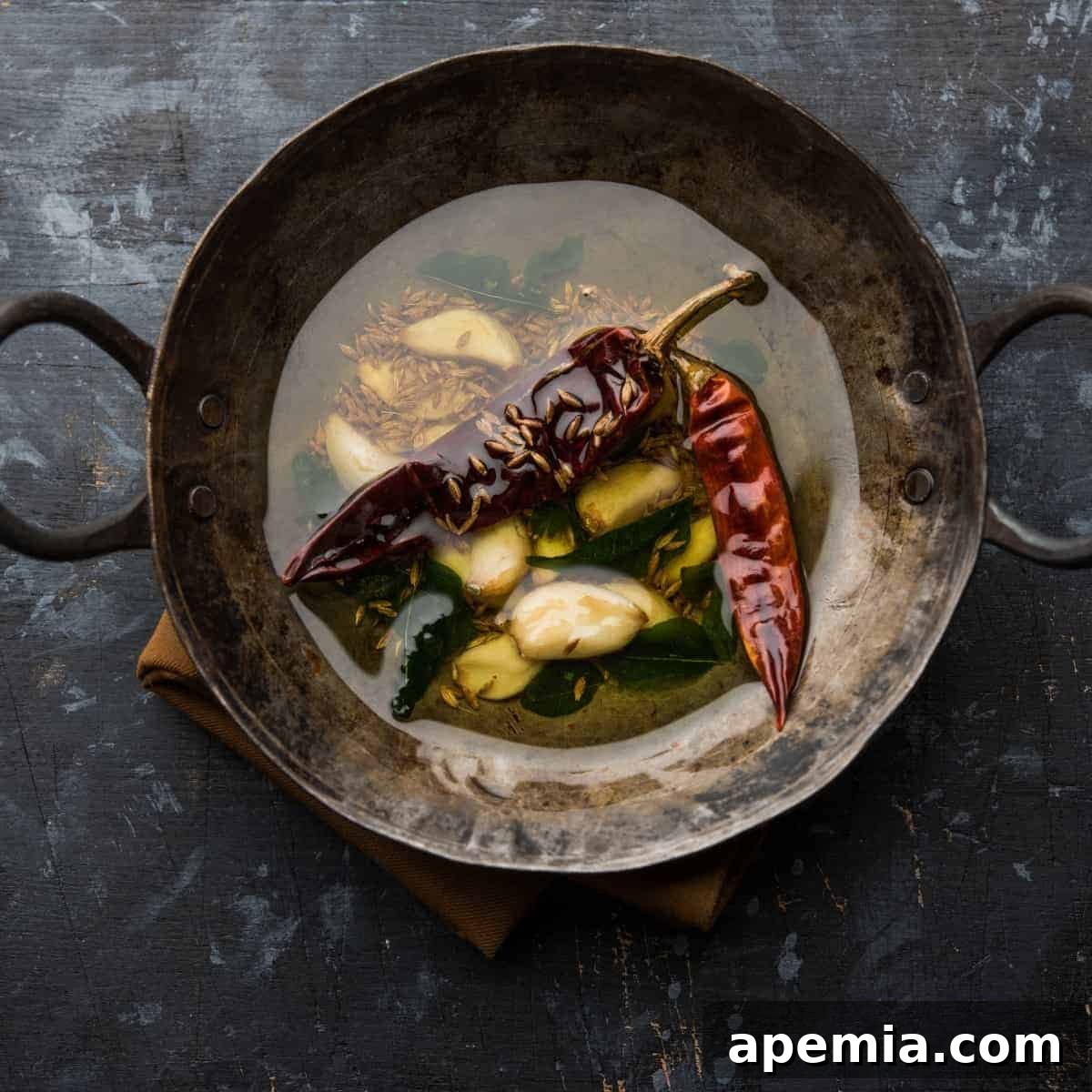
Indian tadka, also known as tempering spices, is an ancient culinary technique that unlocks the vibrant flavors and intoxicating aromas hidden within whole and ground spices. This essential method is the heart of Indian cooking, transforming simple ingredients into complex, aromatic masterpieces. Read on to discover the art of tempering spices and elevate your home-cooked meals to an unparalleled level of deliciousness!
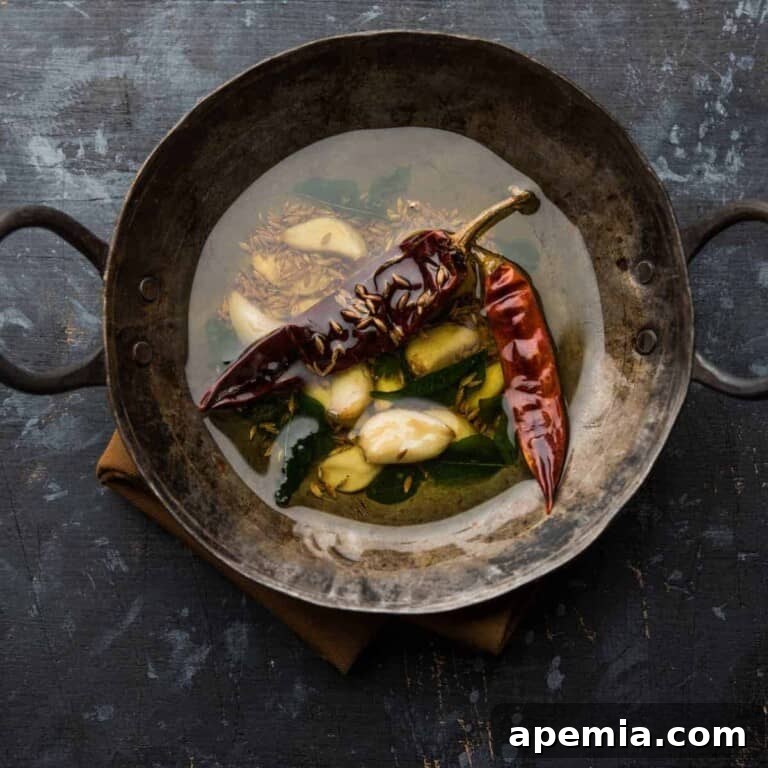
Indian cuisine captivates palates across the globe, renowned for its incredible diversity, rich textures, and an explosion of flavors. From the creamy indulgence of butter chicken to the hearty comfort of chana masala, or the savory depth of a dal gosht stew, each dish tells a story of tradition, spice, and culinary artistry. But what is the secret behind these intensely aromatic and deeply flavored meals?
Often, the magic lies in an infused cooking oil or ghee, meticulously prepared and added to a dish at a crucial stage – whether at the very beginning, during the cooking process, or as a finishing touch. This technique, and the resulting fragrant oil, is known by several names across different regions of India, but its purpose remains universally cherished: to awaken the full potential of spices.
Mastering Indian Tadka: The Heart of Flavor
The term tadka (pronounced TAH-dka), along with its various regional synonyms, refers to both the culinary process of tempering spices and the flavorful oil or ghee created by this technique. It is a fundamental building block in Indian cooking, responsible for much of the distinctive taste and aroma that makes the cuisine so globally beloved.
Alternate names / spellings: tarka, chhonk, chaunk, bagar, baghaar, phodni, vagarne, oggarane (and numerous other regional variations, each with its own subtle nuances).
The Hindi word tadka is akin to a culinary homonym; it describes both the action and the delicious outcome. In essence, “tadka” means “to temper” or “tempering” – a process designed to extract and enhance the volatile compounds that give spices their unique character.
In Indian cuisine, tempering refers to the process of frying whole or ground spices in hot oil or ghee to release and intensify their flavors and aromas.
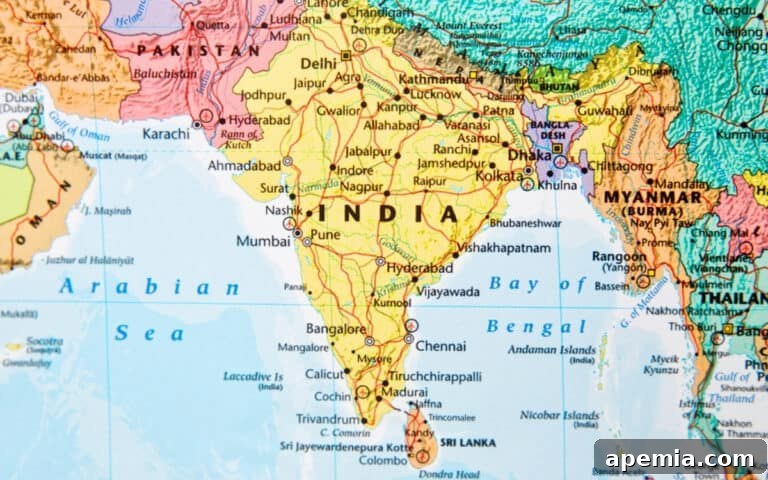
The Tarka Technique: A Symphony of Spices
While the Indian tadka technique might sound sophisticated, its core principle is surprisingly straightforward and accessible to home cooks. It involves a carefully orchestrated dance of heat, fat, and spices that, when executed correctly, yields unparalleled depth of flavor. However, it does require a little planning and attention to detail to prevent the delicate spices from burning.
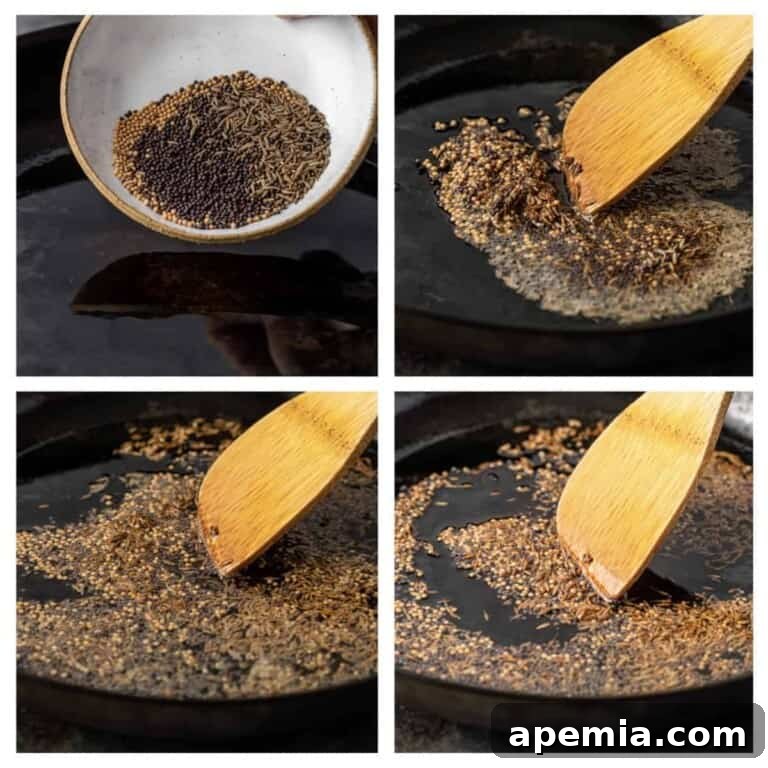
NOTE: If you’re familiar with tempering chocolate in confectionary, please note that “tempering spices” is a completely different culinary concept. Tempering chocolate involves precise heating and cooling to stabilize cocoa butter crystals for a glossy finish and snap. Tempering spices, on the other hand, is about flavor extraction and aromatic development through frying.
At its essence, tempering spices involves gently frying whole or ground spices in a hot cooking oil or another fat, most commonly ghee (clarified butter), until they become aromatic and release their full essence. The heat helps to break down the spices, allowing their fat-soluble flavor compounds and essential oils to infuse into the cooking medium. This process deepens the flavors, making them more complex and vibrant than simply adding raw spices to a dish.
The resulting spice-infused oil, also called a tarka, is then either incorporated directly into a dish or drizzled over it, providing a powerful burst of flavor, aroma, and often, visual appeal.
When to Make and Use Indian Tadka for Maximum Impact
One of the beauties of Indian tadka is its versatility. The infused oil can be incorporated into a dish at various stages of the cooking process, each method yielding a slightly different flavor profile and aromatic intensity. There are generally three primary ways to utilize tadka:
- At the beginning of the cooking process: The Flavor Foundation
This is perhaps the most common application, particularly for curries, dals, and vegetable dishes. Here, the tadka serves as the foundational layer of flavor. You begin by making the tadka directly in the pot or pan, allowing the spices to bloom and infuse the fat before any other ingredients are added. For example, when preparing an Indian curry, you might first temper mustard seeds, cumin seeds, and curry leaves in hot ghee, then add onions, ginger, garlic, and other curry ingredients to this aromatic base. This method ensures that the core flavors permeate the entire dish from the outset. - During the cooking process: The Mid-Course Boost
Tadka can also be prepared separately and stirred into a dish that is already simmering or cooking. This method is often employed to enhance the flavors of slow-cooked stews, dals, or vegetable preparations. As a lentil stew (dal) or a vegetable curry simmers, a freshly made tadka can be added to introduce a new layer of aroma and brightness. This mid-cooking addition invigorates the dish, giving it a fresh burst of spice and an inviting fragrance that might have mellowed during longer cooking times.
NOTE: When preparing tadka with both whole and ground spices, remember that whole spices generally require more time to release their flavors. Begin by adding whole spices to the hot oil first, allowing them to sizzle and pop for about a minute. Then, quickly add any ground spices, stirring them briefly (just a few seconds) to prevent burning, as they cook much faster. - As a garnish or finishing touch: The Aromatic Crown
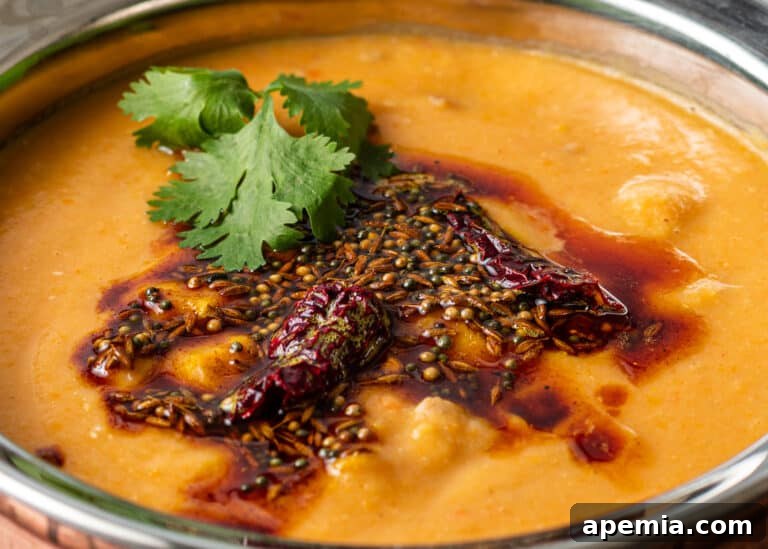
Adding a drizzle of freshly made tadka as a garnish is a superb way to finish a dish, providing an immediate and vibrant burst of flavor, aroma, and often, a beautiful visual appeal. This technique is especially popular for light dals, yogurt-based raitas, soups, or even simple scrambled eggs. Imagine a steaming bowl of lentil soup or a creamy cauliflower soup, elevated by a spoonful of sizzling tadka featuring mustard seeds, curry leaves, and a hint of red chili. It not only adds an intoxicating fragrance but also introduces textural contrast and a final flourish of intense flavor.
No matter when the tarka is made and incorporated, the ingredients in your dish will receive a remarkable punch of vibrant flavor and an incredibly enticing aroma, transforming an ordinary meal into an extraordinary culinary experience!
The Art and Science of Blooming Spices
The magic behind tadka lies in the process of “blooming” spices. When spices are heated in fat, their essential oils and aromatic compounds are extracted and infused into the oil. This process significantly enhances their flavor and aroma, making them more potent and complex than if they were simply added dry. For instance, mustard seeds will splutter and pop, releasing a pungent, slightly nutty flavor; cumin seeds will become fragrant and nutty; and turmeric powder will deepen in color and develop a warm, earthy aroma. The controlled heat ensures that these delicate compounds are released without burning, which would result in a bitter taste.
Essential Ingredients for a Perfect Tadka
While the exact combination of spices can vary infinitely depending on the dish and regional preference, certain elements are commonly used in tadka:
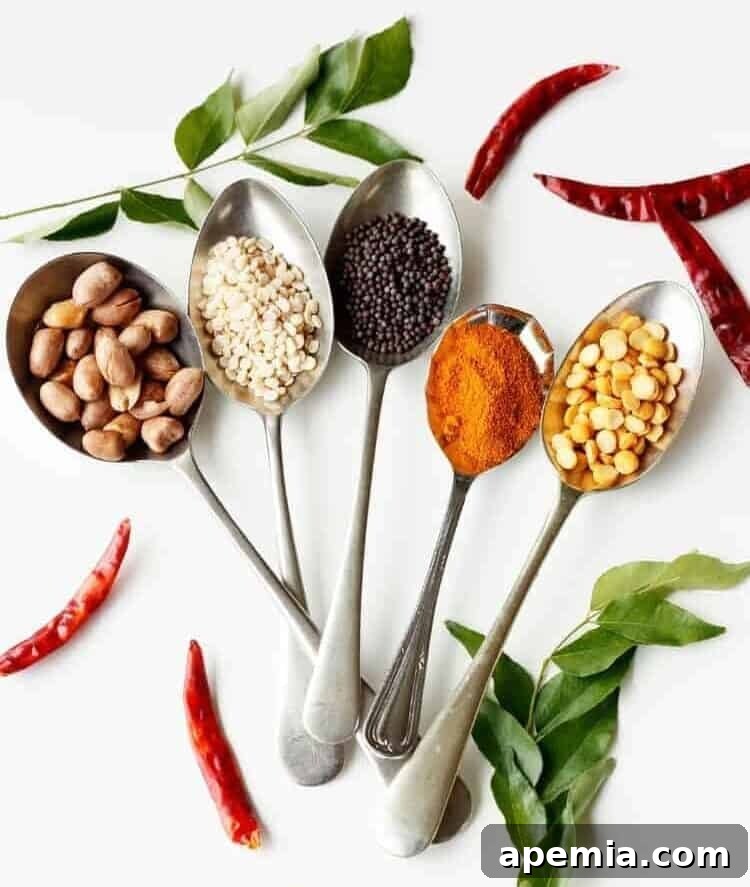
- Whole Spices: Mustard seeds (black or brown), cumin seeds, fenugreek seeds, whole dried red chilies, asafoetida (hing), star anise, cinnamon stick, cloves.
- Ground Spices: Turmeric powder, red chili powder (Kashmiri for color, or hotter varieties), coriander powder. These are typically added towards the end and fried very briefly.
- Aromatics: Fresh ginger (grated or finely chopped), garlic (minced or sliced), green chilies (slit), onions or shallots (finely diced). These add freshness and depth.
- Edible Leaves: Fresh curry leaves are iconic for their distinct aroma. Bay leaves and kaffir lime leaves are also excellent choices for specific recipes.
- Fat: The choice of fat is crucial. Ghee (clarified butter) is highly prized for its rich, nutty flavor and high smoke point. Various cooking oils like canola, grapeseed, peanut, safflower, or even mustard oil (for specific regional dishes) are also used.
Tips for Tempering Spices Successfully
- Mise en Place: Have all your spices and aromatics ready and measured before you start. Tadka comes together quickly, and you won’t have time to chop or measure once the oil is hot.
- Control the Heat: Use medium-low to medium heat. Overly high heat will burn the spices quickly, resulting in a bitter, unpleasant taste. The oil should be shimmering, not smoking excessively.
- Add Spices in Stages: Start with whole spices that need more time (like mustard seeds, cumin seeds, fenugreek). Once they splutter or turn fragrant, add aromatics like ginger, garlic, and chilies. Finally, add ground spices (like turmeric, chili powder) for just a few seconds, stirring constantly, as they burn very easily.
- Listen and Watch: Pay attention to the sounds and visuals. Mustard seeds will pop, cumin seeds will change color and become fragrant. Curry leaves will crisp up.
- Don’t Overcrowd: Use a small, heavy-bottomed pan or a traditional tadka pan (tadka pan) for best results. Don’t add too many spices at once; they need space to bloom evenly.
- Match to the Dish: Select spices that complement the dish you are making. A tadka for dal will differ from one for a fish curry.
FAQ: Your Questions About Indian Tadka Answered
The specific spices and leaves in a tadka are incredibly versatile and depend heavily on the dish being prepared, as well as regional culinary traditions. Essentially, any whole or ground spice can be used to impart flavor. Common whole spices include mustard seeds, cumin seeds, fenugreek seeds, and whole dried red chilies. Ground spices like turmeric powder, asafoetida (hing), and red chili powder are also frequently added. For aromatics, various kinds of fresh chilies, ginger, garlic, and shallots or onions are excellent choices. Edible leaves such as fresh curry leaves are indispensable for their unique aroma, while bay leaf and kaffir lime leaves can also be used in certain preparations to add depth.
Choosing the right fat is crucial for a successful tadka. While almost any cooking oil or fat can technically be used, those with a high smoke point are highly recommended. This helps prevent the oil from burning before the spices have a chance to bloom. Excellent choices include canola oil, grapeseed oil, peanut oil, and safflower oil. Ghee, or clarified butter, is particularly popular in Indian cuisine because of its naturally high smoke point and the rich, nutty flavor it imparts, which beautifully complements the spices. The goal is to use a fat that allows the spices to fry and release their essence without burning, ensuring a clean, vibrant flavor profile.
While the aromatic potency of tadka is best when freshly prepared and immediately added to a dish, you can prepare the *spice blend* ahead of time. Measure out your desired whole and ground spices and keep them ready. The actual tempering process in hot oil should be done just before use to capture the freshest, most vibrant aromas and flavors. Storing pre-made tadka oil might cause some flavors to diminish over time, but in some cases, a large batch of fried onions and garlic in oil can be kept for a few days to be used as a base.
Tadka offers several benefits to Indian cooking and beyond. Firstly, it significantly enhances the flavor and aroma of spices by “blooming” them in hot fat, making them more potent and complex. Secondly, it adds a beautiful visual appeal to dishes, especially when used as a garnish. Many spices used in tadka, such as cumin, fenugreek, and asafoetida, are also believed to have digestive properties in Ayurvedic tradition, aiding in the assimilation of food. Ultimately, tadka elevates a dish from merely flavorful to truly unforgettable, adding depth, vibrancy, and an inviting fragrance that defines Indian cuisine.
Subscribe to my Newsletter for exclusive recipes and cooking tips. Follow me on Facebook, Pinterest, Instagram, and YouTube for all my latest culinary adventures and video tutorials!