
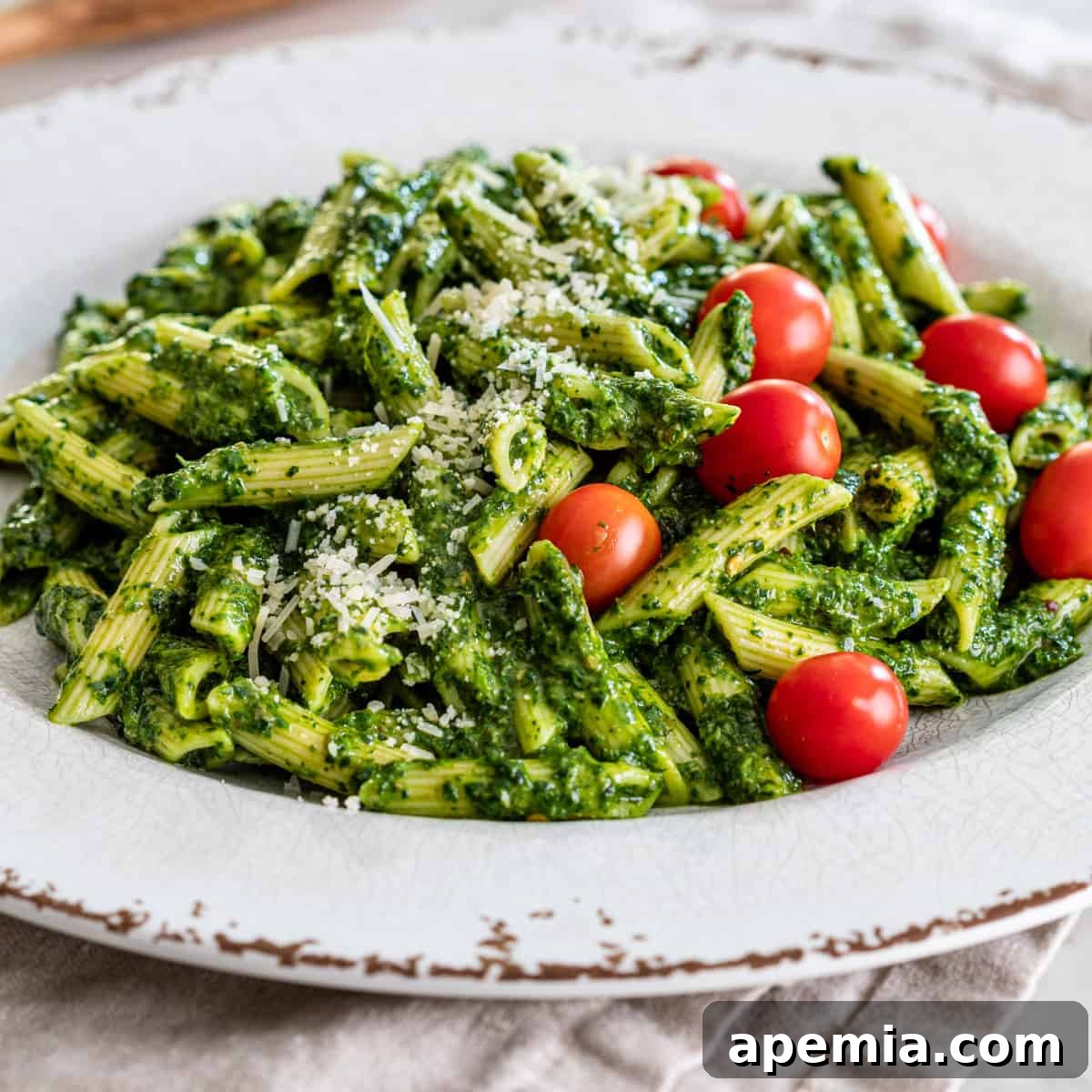
Get ready to transform your meals with the incredible flavor of homemade Italian Salsa Verde! This vibrant green sauce, a delightful blend of fresh spinach, aromatic herbs, zesty lemon juice, rich olive oil, and tangy capers, can be whipped up in just 15 minutes. Its incredible versatility makes it a perfect companion for everything from pasta and grilled meats to roasted vegetables, rice dishes, and fresh salads.
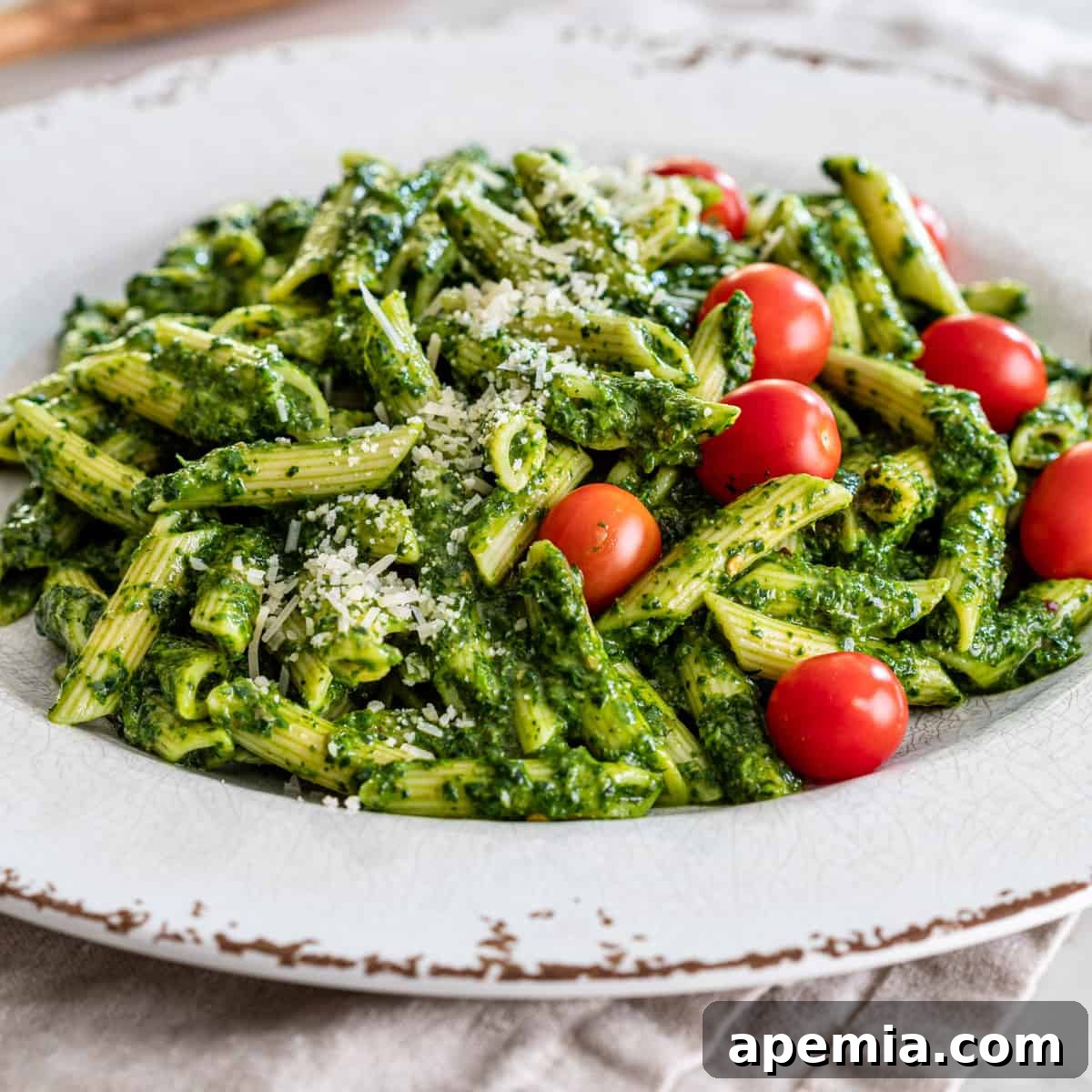
If you’re looking for that one essential sauce to elevate your cooking this year, Italian Salsa Verde should be at the top of your list! Unlike its Mexican counterpart (which typically features tomatillos and a chunky texture), Italian salsa verde is a smooth, herbaceous, and tangy masterpiece. It’s often likened to a cousin of pesto but truly boasts its own distinct charm and appeal, focusing on a brighter, more briny flavor profile.
This sauce is not only bright and herbaceous but also incredibly easy to prepare. There’s absolutely no cooking involved, and it comes together in mere minutes with the help of a food processor or blender. Its Mediterranean roots shine through in every bite, blending fresh greens with zesty and tangy staples. This makes it a fantastic pairing for nearly everything on your dinner table, from succulent meats and crisp vegetables to hearty grains and, of course, a variety of pastas.
What is Italian Salsa Verde? Unveiling the Mediterranean Green Sauce
The term “salsa verde” literally translates to “green sauce” in both Italian and Spanish, leading to distinct versions across different culinary traditions. This particular recipe celebrates the Italian interpretation: a rich, uncooked condiment bursting with fresh herbs and a delightful tang. While it shares some similarities with pesto due to its vibrant green color and use of fresh herbs, Italian salsa verde differentiates itself by typically omitting cheese and nuts, and prominently featuring briny capers and occasionally anchovy paste for an added layer of umami complexity.
Its silky smooth consistency, achieved through blending, makes it an ideal sauce for coating pasta evenly or drizzling over a variety of dishes. Forget the chunky, tomatillo-based Mexican salsa verde – the Italian version offers a unique, herbaceous zest that truly awakens the palate. It’s a testament to the simple yet profound flavors that define Italian cuisine, proving that minimal effort can yield maximum taste.
Table of Contents
- Ingredient Notes and Substitutions
- Salsa Verde: Italian vs. Spanish
- How to Make Italian Salsa Verde
- Versatile Serving Suggestions
- Recommended Tools
- Storing Your Salsa Verde
- Frequently Asked Questions
- Italian Salsa Verde (Sauce Verde) Recipe
Looking for more quick and delicious recipes to infuse Italian flair into your everyday meals? You absolutely must try my homemade Italian salad dressing!
Ingredient Notes and Substitutions
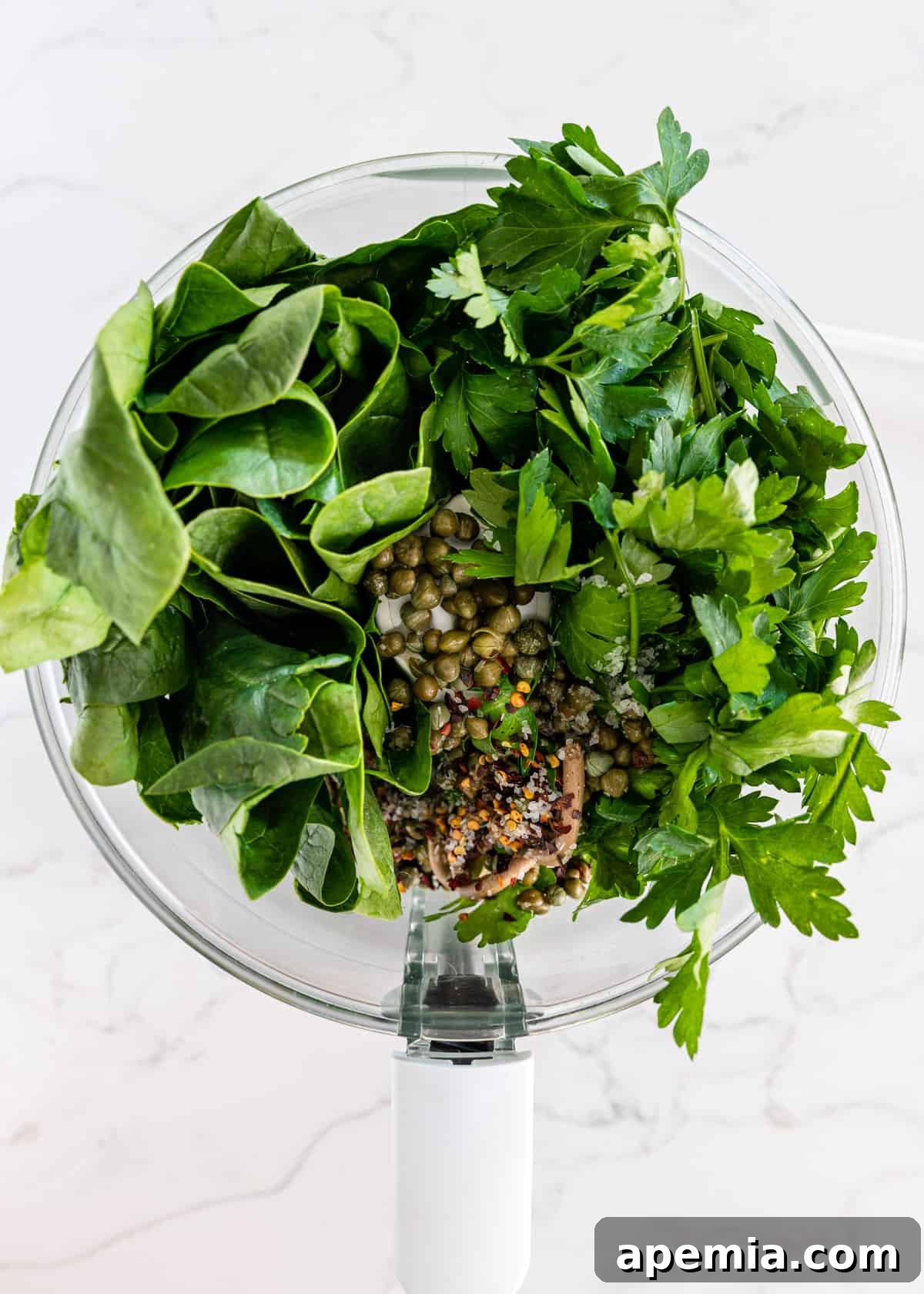
- Penne Pasta – While penne is my preferred pasta for its ability to beautifully hold onto this luscious sauce, feel free to use any pasta shape you love. Tubed pastas like rigatoni or ziti are excellent choices for capturing every drop of flavor, but long pastas such as spaghetti or linguine, or even shapes like farfalle (bowtie pasta), will also work wonderfully. For this recipe, approximately 8 ounces of pasta will yield four generous servings of pasta with Italian salsa verde.
- Fresh Spinach – Although not a strictly traditional ingredient in every Italian salsa verde rendition, I incorporate spinach for its mild, fresh flavor and its contribution to the sauce’s incredibly vibrant, bright green color. It adds a subtle sweetness and boosts the nutritional value without overpowering the other herbs.
- Fresh Parsley – This is a cornerstone of Italian salsa verde. Parsley, with its distinctly peppery and clean taste, is essential for imparting that refreshing and characteristic herbal note to the sauce. Using fresh, flat-leaf Italian parsley will yield the best flavor.
- Capers – These small, briny flower buds are crucial for adding a delightful tanginess and a much-needed depth of flavor to your sauce verde. Their salty, slightly floral punch provides a fantastic counterpoint to the fresh herbs. If capers aren’t your favorite, or if you prefer a milder flavor, green olives can be a decent substitute. Alternatively, a little lemon zest can boost acidity and brightness.
- Fresh Lemon Juice – The bright, citrusy acidity of lemon juice is non-negotiable for balancing the richness of the olive oil and enhancing the flavors of the herbs and capers. You’ll need about 3 tablespoons, which typically comes from one large, juicy lemon. Always opt for freshly squeezed juice for the best results.
- Good Quality Olive Oil – As this Italian salsa verde recipe uses a generous amount of olive oil as its base, the quality of your oil will significantly impact the final flavor. Choose a good extra virgin olive oil for its fruity, peppery notes and smooth texture. It not only binds the sauce but also carries its flavors beautifully.
- Anchovy Paste – This ingredient is optional but highly recommended! Don’t let the idea of anchovies deter you; when used sparingly, anchovy paste doesn’t make the sauce taste fishy. Instead, it dissolves into the sauce, providing an incredible depth of savory, umami flavor that elevates the entire dish, much like it does in many classic sauces and soups.
- Kosher Salt & Red Pepper Flakes – Essential for seasoning and adding a subtle warmth. Adjust to your personal preference for spice.
Salsa Verde: Italian or Spanish?
It’s both! The term Salsa Verde simply means “green sauce” in both Italian and Spanish, and each culture proudly presents its own unique rendition. The version we’re focusing on here is the delightful Italian Salsa Verde, a herb-based sauce that, while distinct, can evoke a slight resemblance to a vibrant pesto.
On the other hand, Mexican Salsa Verde is a completely different culinary experience. It typically boasts a looser, chunkier consistency and is famously made with tomatillos, giving it a unique tartness and earthy flavor profile that sets it apart from its Mediterranean cousin. Understanding these differences is key to appreciating the rich diversity of “green sauces” around the world.
How to Make Italian Salsa Verde: A Simple 15-Minute Recipe
Creating this flavorful Italian Salsa Verde is incredibly straightforward and takes minimal time, making it perfect for busy weeknights or a spontaneous culinary craving. Follow these easy steps to bring this vibrant sauce to life:
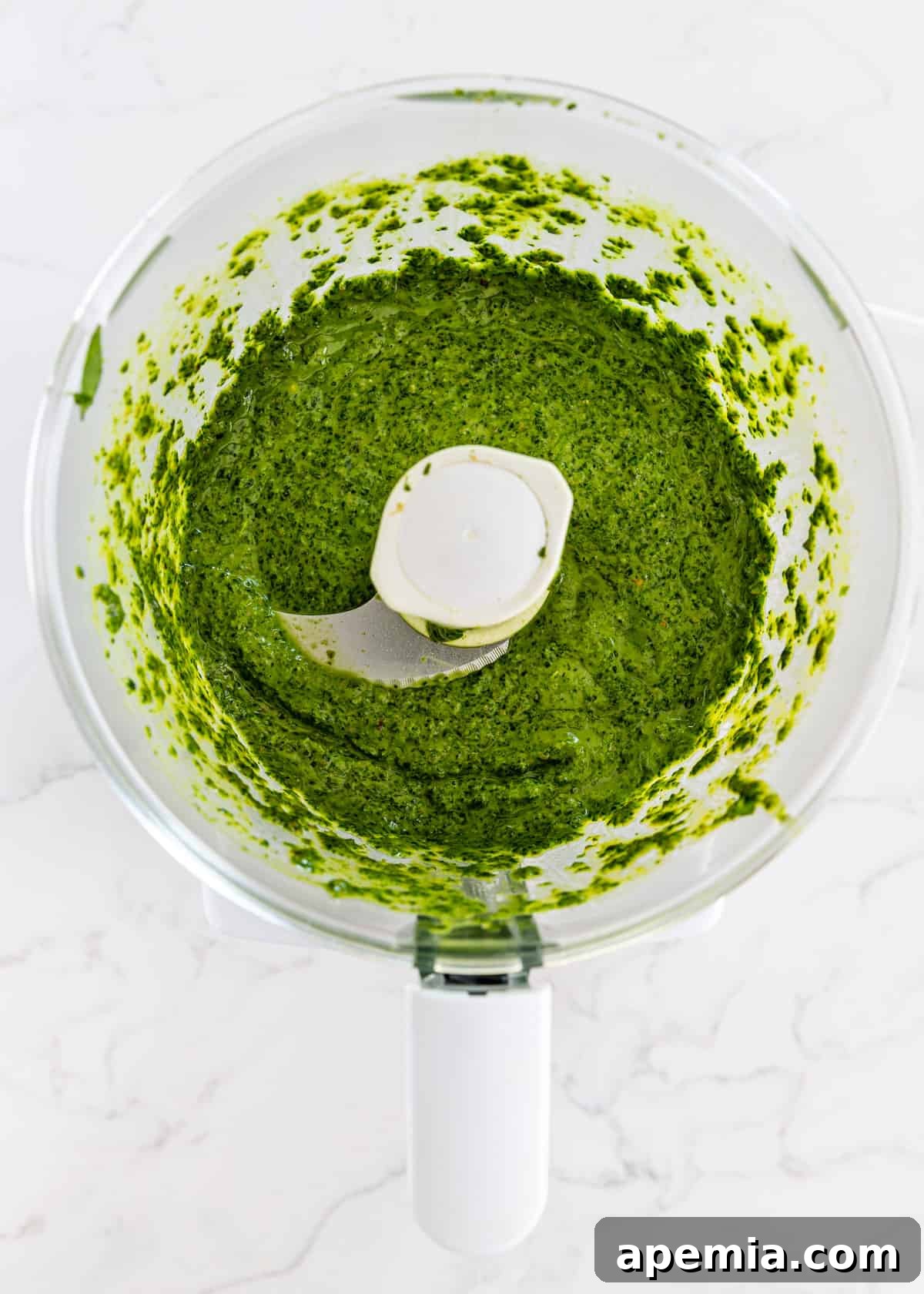
- Prepare the Sauce Base: Begin by adding all the ingredients for the salsa verde, except for the olive oil, into your blender or food processor. Pulse and blend the mixture until the ingredients are finely chopped. You’re aiming for a coarse, textured paste at this stage.
- Achieve Silky Smoothness: With the blender or food processor running on low, slowly and gradually drizzle in the olive oil. Continue to blend until the mixture emulsifies into a beautifully smooth, vibrant green sauce. The olive oil will bind everything together and give it that characteristic luscious consistency. Once smooth, taste and adjust the seasoning as needed with additional salt, pepper, or even a touch more anchovy paste if you desire deeper umami.
- Cook Your Pasta (if serving with pasta): While your sauce is resting, bring a large pot of generously salted water to a rolling boil. Add your chosen pasta (like penne) and cook according to the package instructions until al dente. Before draining, remember to reserve about ¼ cup of the starchy pasta water – this will be your secret ingredient for loosening the sauce and helping it cling perfectly to the pasta.
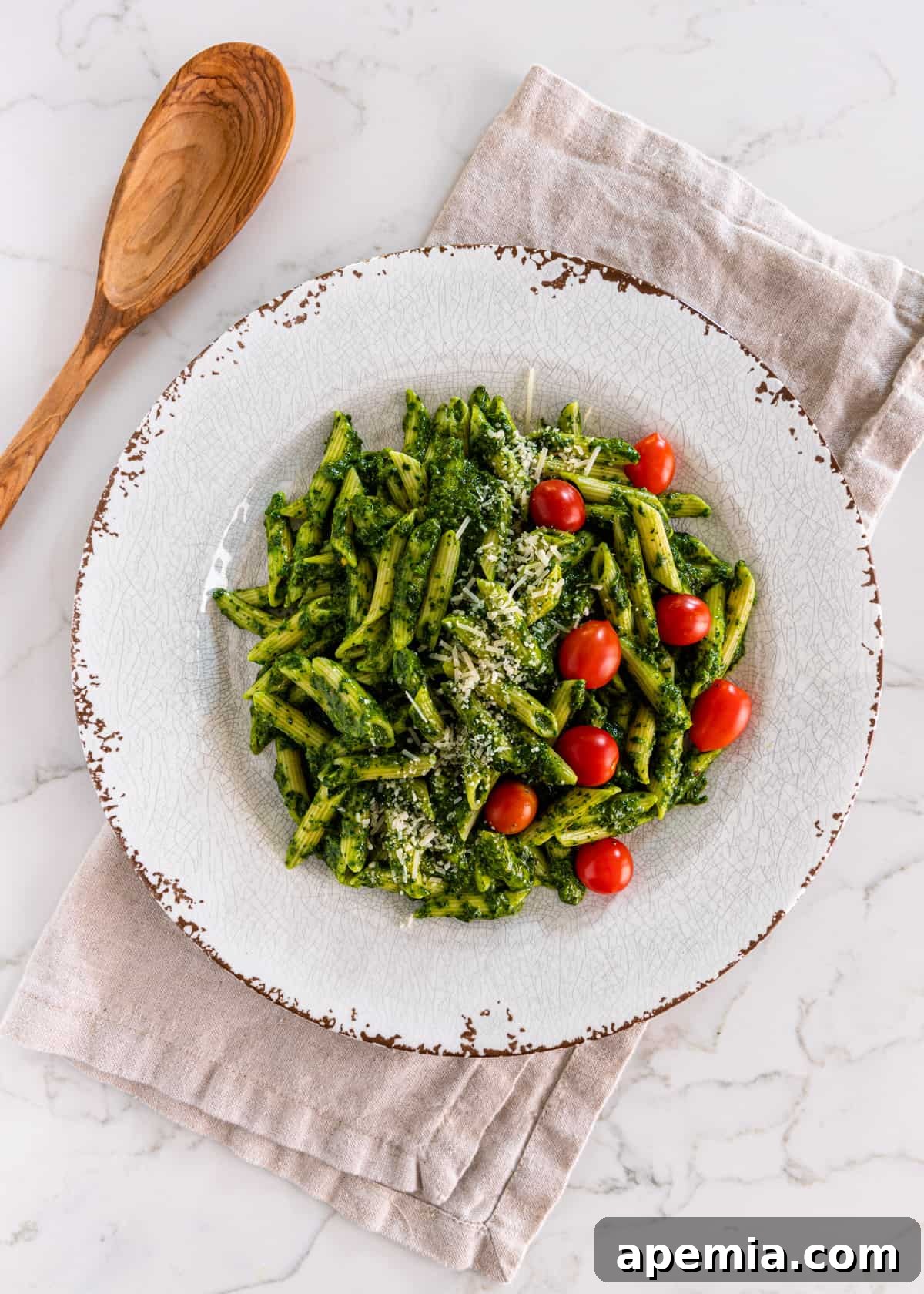
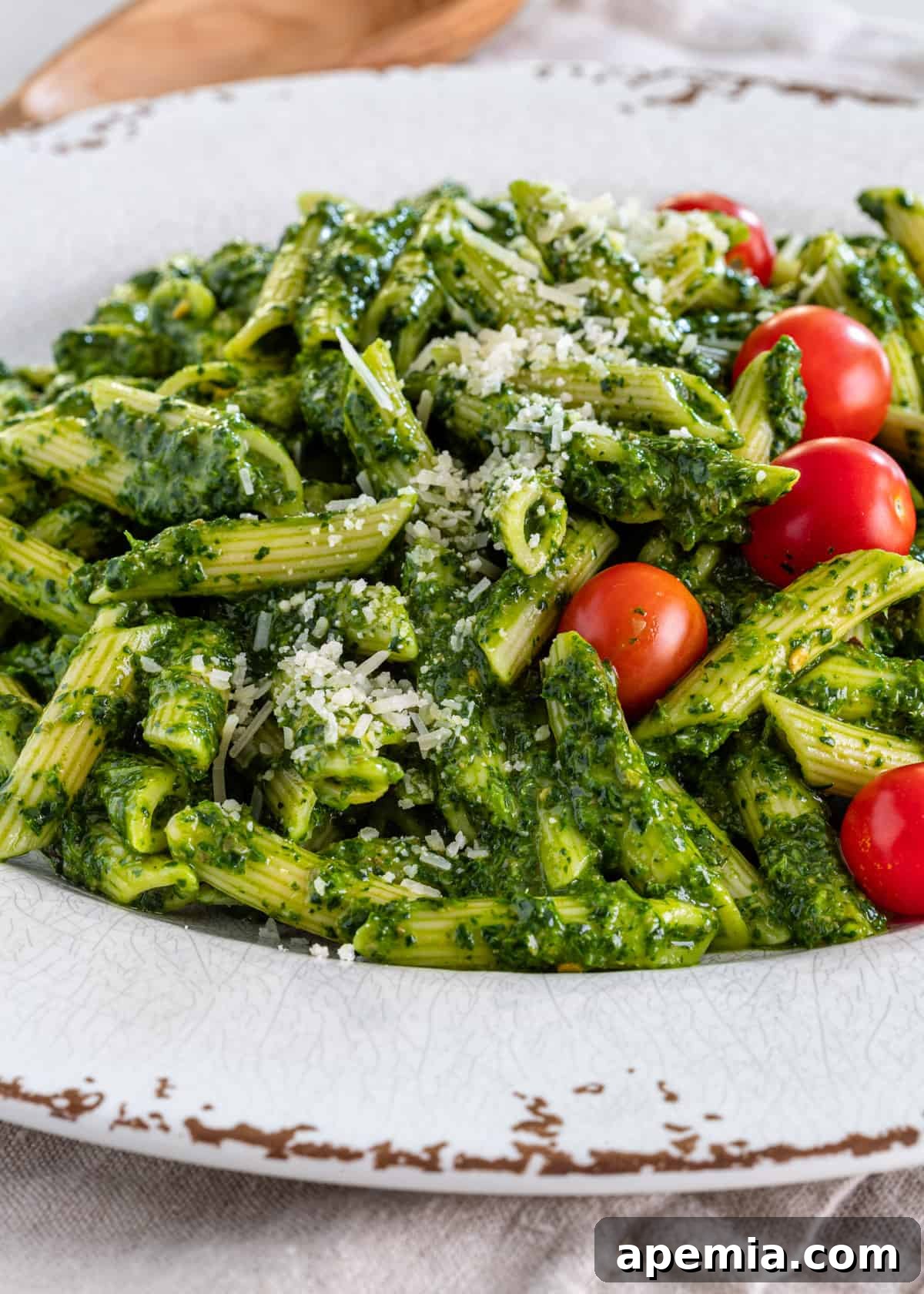
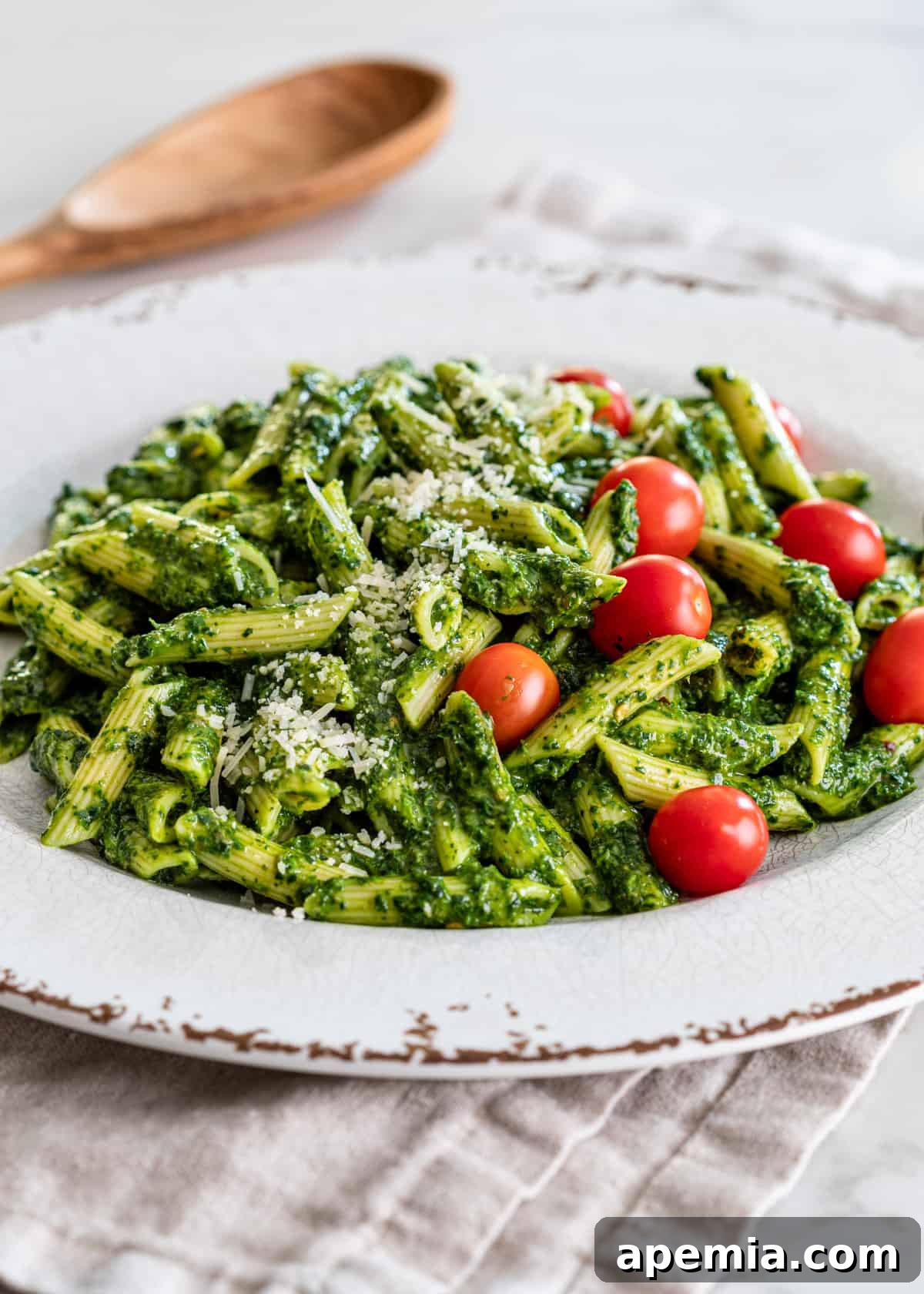
- Toss and Serve: Transfer the cooked pasta to a large serving bowl. Pour the entire batch of your freshly made Italian Salsa Verde over the pasta, along with the reserved pasta water. Toss everything thoroughly until every piece of pasta is beautifully coated in the vibrant green sauce. Serve your Italian Salsa Verde pasta immediately while warm, or allow it to cool to room temperature. It’s also delightful chilled, making it a fantastic option for meal prep or a refreshing summer dish.
Chef’s Tip: For an extra layer of flavor and protein, consider stirring in some shredded rotisserie chicken or grilled shrimp at the final tossing stage.
Versatile Serving Suggestions for Italian Salsa Verde
The beauty of Italian Salsa Verde lies not only in its vibrant flavor but also in its incredible versatility. While it’s a match made in heaven for pasta, its fresh, tangy, and herbaceous profile allows it to elevate a myriad of other dishes. Here are just a few ideas to inspire your culinary adventures:
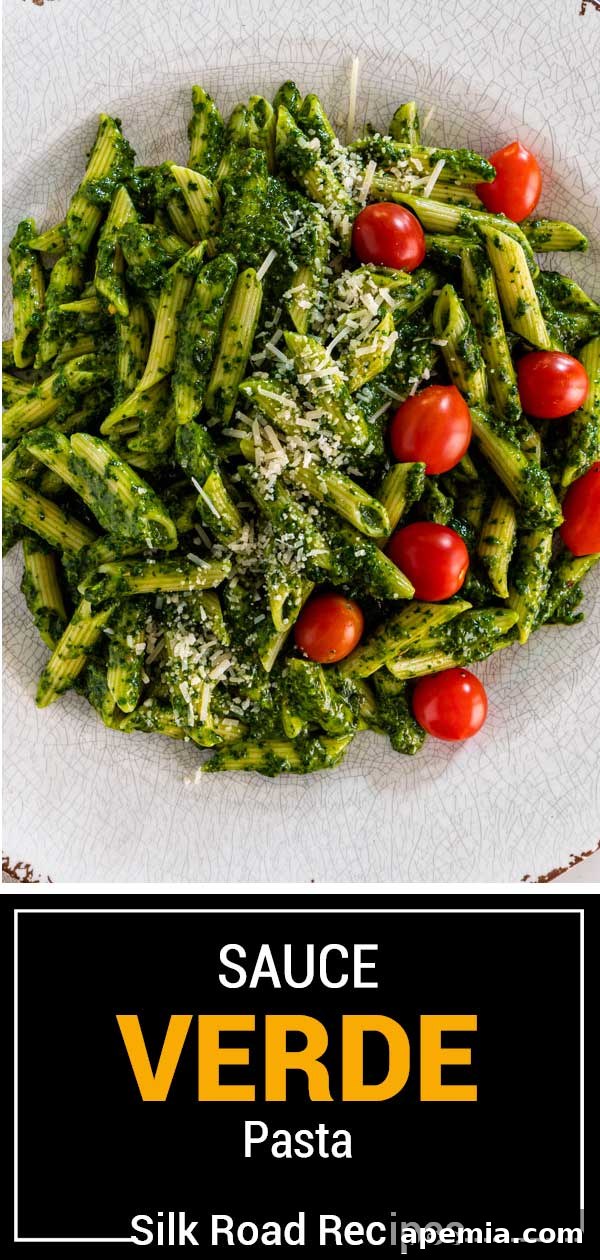
- With Pasta: As shown in this recipe, it’s a spectacular pasta sauce. Toss it with penne, spaghetti, linguine, or orecchiette. Garnish with fresh cherry tomatoes and a generous sprinkle of grated Parmesan cheese for a classic and satisfying meal.
- Grilled Meats and Fish: Drizzle this green sauce over grilled chicken, pan-seared salmon, baked cod, or even a perfectly cooked steak. Its bright flavors cut through the richness of the meat, adding a refreshing burst.
- Roasted Vegetables: Transform simple roasted vegetables like asparagus, broccoli, potatoes, zucchini, or bell peppers into gourmet side dishes by tossing them with salsa verde. It adds an incredible depth of flavor.
- Eggs: Elevate your breakfast or brunch! Spoon Italian salsa verde over scrambled eggs, fried eggs, frittatas, or omelets for a vibrant and flavorful twist.
- Sandwiches and Wraps: Spread a layer of salsa verde inside your sandwiches, paninis, or wraps for a fresh, zesty kick that beats regular mayonnaise any day.
- Grain Bowls and Salads: Use it as a dressing for grain bowls featuring quinoa, couscous, or farro, or mix it into a simple green salad for an instant flavor upgrade. It pairs wonderfully with chickpeas or white beans in a Mediterranean-inspired salad.
- Crostini or Bruschetta: Lightly toast slices of baguette, spread with a thin layer of ricotta or goat cheese, and top with a spoonful of salsa verde for an elegant appetizer.
- Marinade: Use it as a marinade for chicken, fish, or firm tofu before grilling or baking to infuse them with Mediterranean flavors.
- Soup Garnish: Swirl a spoonful into warm lentil soup or vegetable broth for a fresh, herbaceous finish.
- Dipping Sauce: Serve it alongside warm pita bread or fresh crusty bread as a vibrant dipping sauce. It’s also fantastic paired with creamy hummus or a light tabouli salad.
With Italian Salsa Verde in your culinary arsenal, you’ll find endless ways to add a burst of fresh, tangy flavor to almost any meal.
Recommended Tools
To make your Italian Salsa Verde preparation smooth and effortless, here are the essential tools you’ll need:
- Blender or Food Processor: This is an absolute must-have. All the ingredients need to be very finely processed to achieve that signature silky-smooth consistency. A sharp knife simply won’t yield the same results.
- Large Pot: Necessary if you plan on serving your salsa verde with pasta, for cooking the noodles.
- Large Serving Bowl: Ideal for tossing the pasta with the sauce and for easy serving.
Storing Your Homemade Salsa Verde
One of the many advantages of Italian Salsa Verde is how well it stores, making it an excellent make-ahead sauce. When stored in an airtight container, the sauce itself can be kept in the refrigerator for up to 5 days, allowing you to enjoy its fresh flavors throughout the week. If served with pasta, the entire dish also makes for delicious leftovers and can be refrigerated for up to 5 days.
Since this sauce is often enjoyed at room temperature or even cold, you won’t even need to reheat your leftovers if you’re in a rush. This makes it a perfect, easy option for a next-day lunch or a quick snack.
Share this recipe on Pinterest!
Love this recipe? Share it with the world on Pinterest.
Frequently Asked Questions About Italian Salsa Verde
Italian salsa verde is incredibly versatile and can be enjoyed both hot and cold, or at room temperature. It is often served at room temperature or even chilled, as this allows the olive oil in the sauce to slightly firm up and gives all the vibrant flavors of the ingredients ample time to meld and marry beautifully. However, there’s absolutely nothing wrong with serving it warm; it’s delicious either way! For optimal flavor development when serving at room temperature, let it sit for at least 30 minutes after preparation.
While both Italian salsa verde and chimichurri are fresh, herb-based green sauces, they have distinct flavor profiles and ingredient lists. Chimichurri, originating from Argentina and Uruguay, is typically spicier, often featuring red chili flakes and a higher proportion of oregano and sometimes cilantro. Italian salsa verde, on the other hand, is distinctly Mediterranean, characterized by the inclusion of briny capers and often anchovy paste, which contributes a unique umami depth not found in chimichurri. The primary herbs also differ, with parsley being dominant in Italian salsa verde, often accompanied by spinach, while chimichurri typically features parsley and oregano.
Italian salsa verde is a remarkably versatile condiment that pairs well with just about everything! Beyond all forms of pasta, this herbaceous sauce shines when spooned over roasted or grilled meats like lamb and chicken, or with flaky fish. It’s fantastic with grains such as rice or couscous, and can even liven up simple roasted vegetables or a bowl of chickpeas. For an appetizer, serve it as a simple dipping sauce alongside fresh, warm pita bread, hummus, or a refreshing tabouli salad. Its bright, zesty character truly complements a wide range of dishes.
Yes, you can absolutely freeze Italian Salsa Verde! This is a great way to preserve its fresh flavors for longer. Simply transfer the prepared sauce to an airtight container or an ice cube tray (for convenient single servings). Once frozen solid, you can transfer the cubes to a freezer bag. It will keep well in the freezer for up to 3 months. Thaw in the refrigerator overnight or at room temperature for a few hours before using.
Since olive oil forms a significant base for Italian Salsa Verde and is not cooked, its quality truly matters. I recommend using a good quality extra virgin olive oil. Look for one that is cold-pressed and has a fresh, fruity, and slightly peppery flavor. Avoid refined or light olive oils, as they lack the robust flavor that contributes to the richness and depth of this sauce.
Italian Salsa Verde (Sauce Verde)
Italian salsa verde is a tangy sauce made from fresh greens, herbs, lemon juice, olive oil, and capers. Great with pasta, meats and veggies.
Ingredients
- 4 cups spinach leaves (1 bunch)
- 2 cups parsley leaves (1 bunch)
- 1/4 cup capers
- 3 tbsp lemon juice
- 1 tbsp anchovy paste (optional)
- 2 tsp kosher salt
- 1 tsp red pepper flakes
- 1/3 cup olive oil
- 8 oz penne pasta
Instructions
- Add all ingredients except olive oil to a blender or food processor and purée until finely chopped. Slowly drizzle in the olive oil until a smooth sauce develops. Season to taste with more salt, pepper, or anchovy paste if desired.
- Cook pasta per package directions in a pot of salted water. Drain the pasta, reserving a 1/4 cup of the pasta water.
- In a large bowl, toss the cooked pasta, the entire batch of sauce verde, and the reserved pasta water. Mix well to coat the pasta evenly.
- Season to taste and serve immediately. You can also add shredded rotisserie chicken for a heartier meal, if desired.
Notes
This recipe yields a little more than 1 1/2 cups of Italian Salsa Verde, perfect for 8 ounces of pasta.
Nutrition
The information shown is an estimate provided by an online nutrition calculator. It should not be considered a substitute for a professional nutritionist’s advice.
Have You Made This Recipe? Let Me Know on Instagram
Tag @keviniscooking or use hashtag #keviniscooking!
We hope this comprehensive guide inspires you to make and enjoy the incredible flavors of Italian Salsa Verde. Its ease of preparation, vibrant taste, and unmatched versatility make it a must-have in any kitchen. From a simple pasta dish to a gourmet topping for meats and vegetables, this green sauce promises to add a touch of Mediterranean magic to your table.