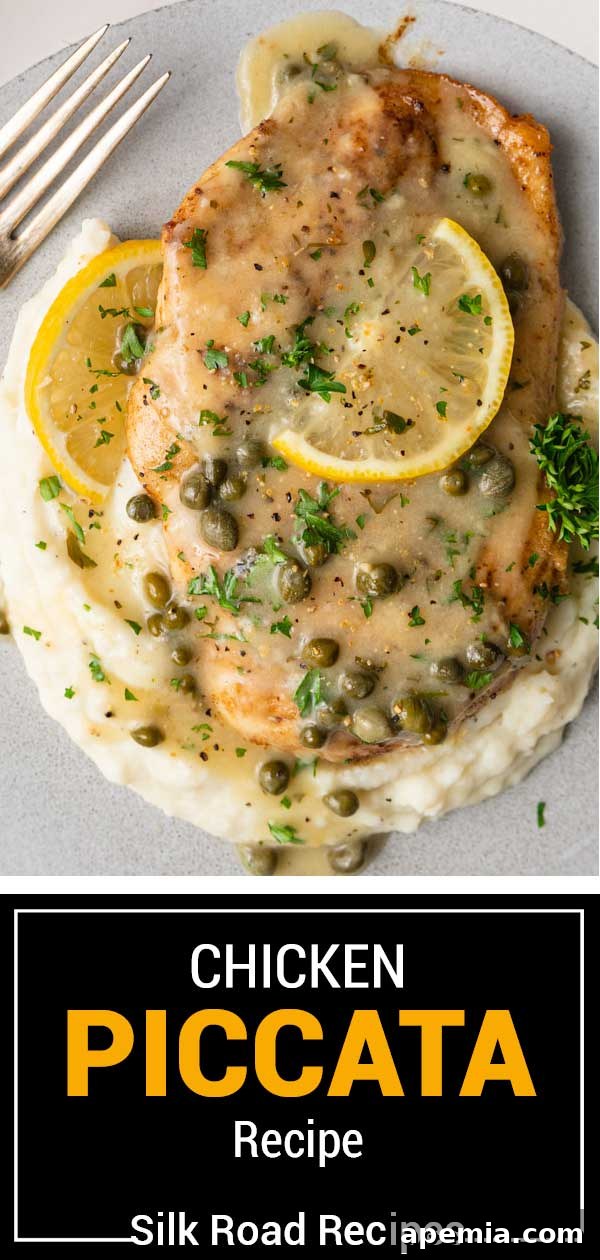
The Best Easy Pan-Fried Chicken Piccata Recipe: A 30-Minute Delight
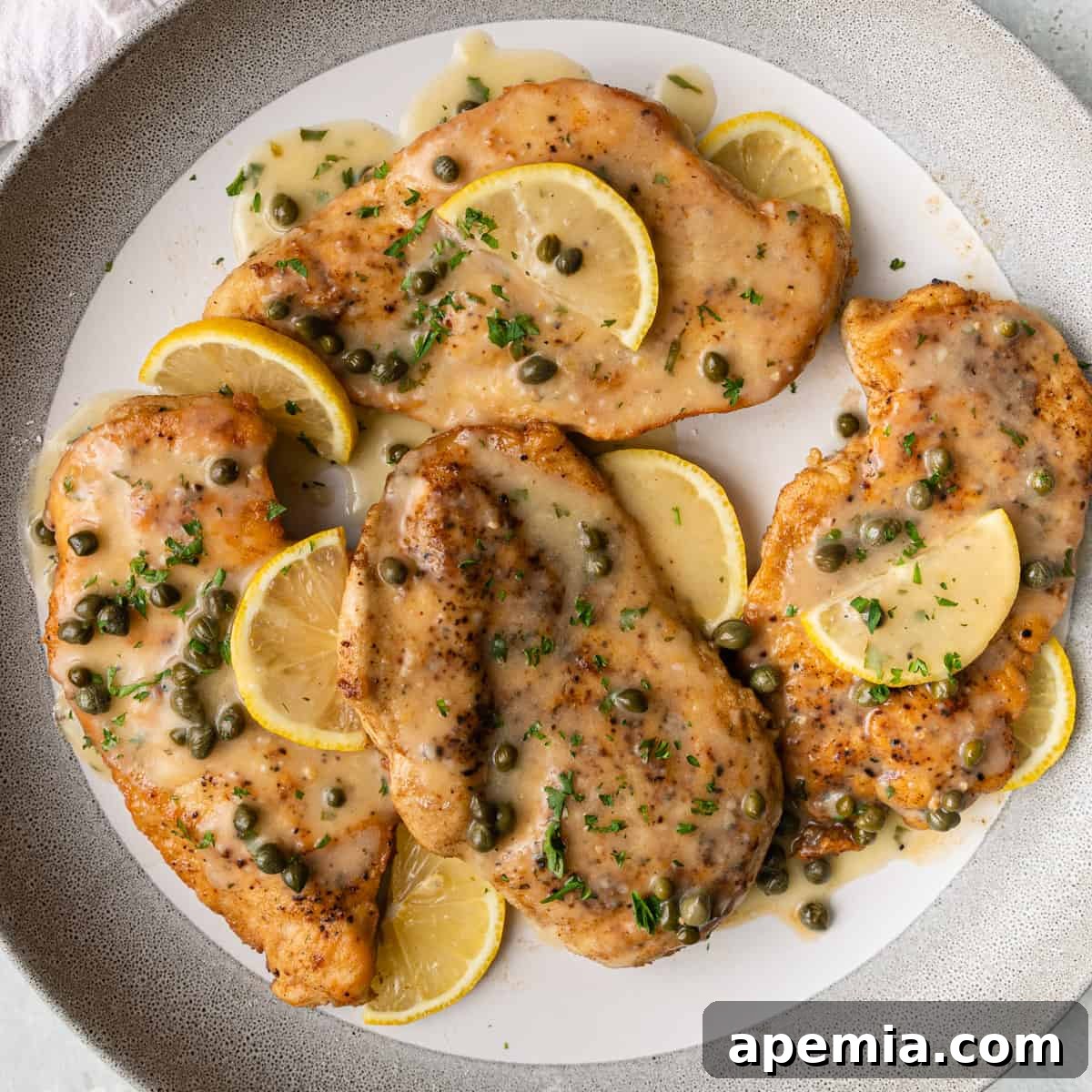
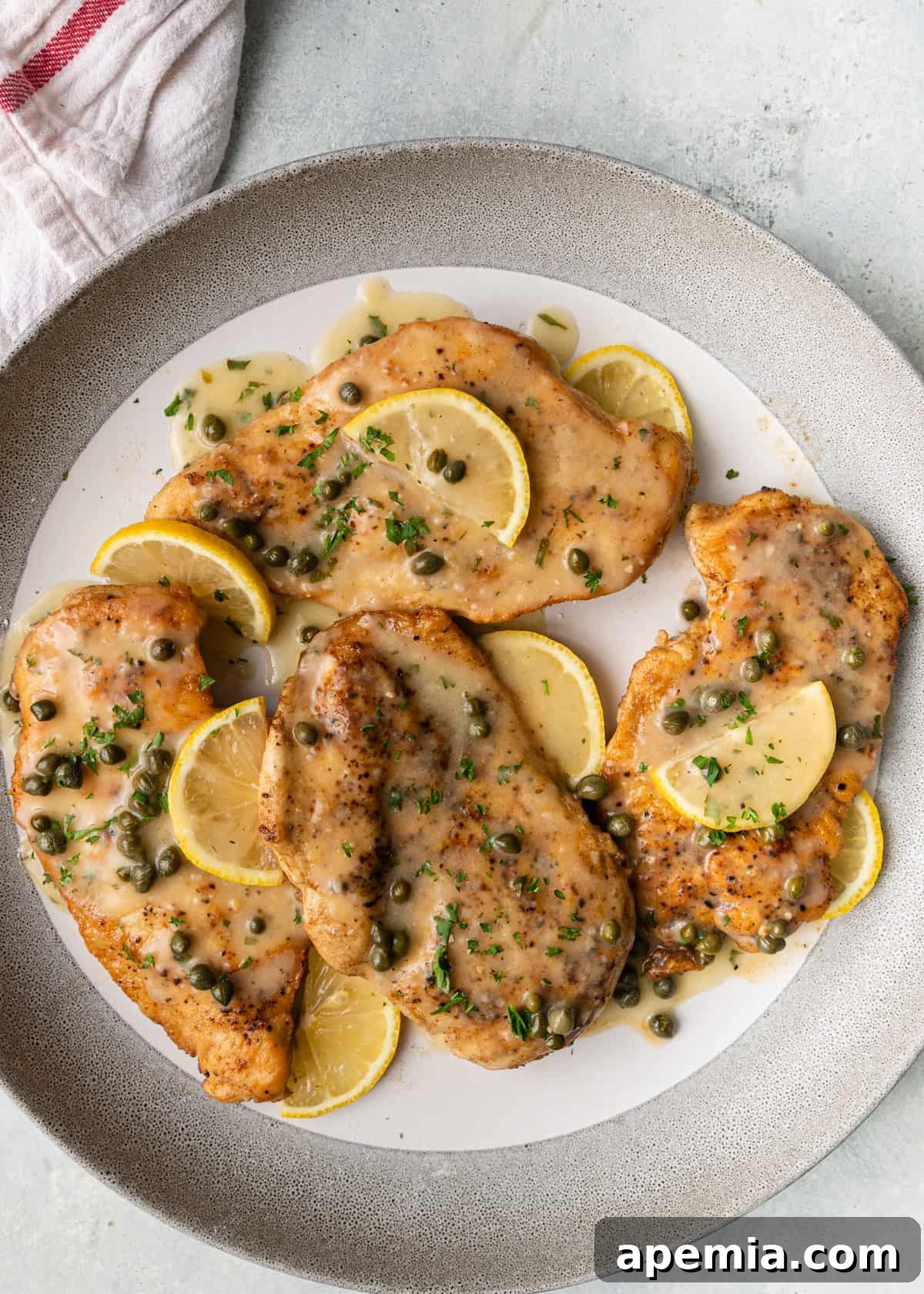
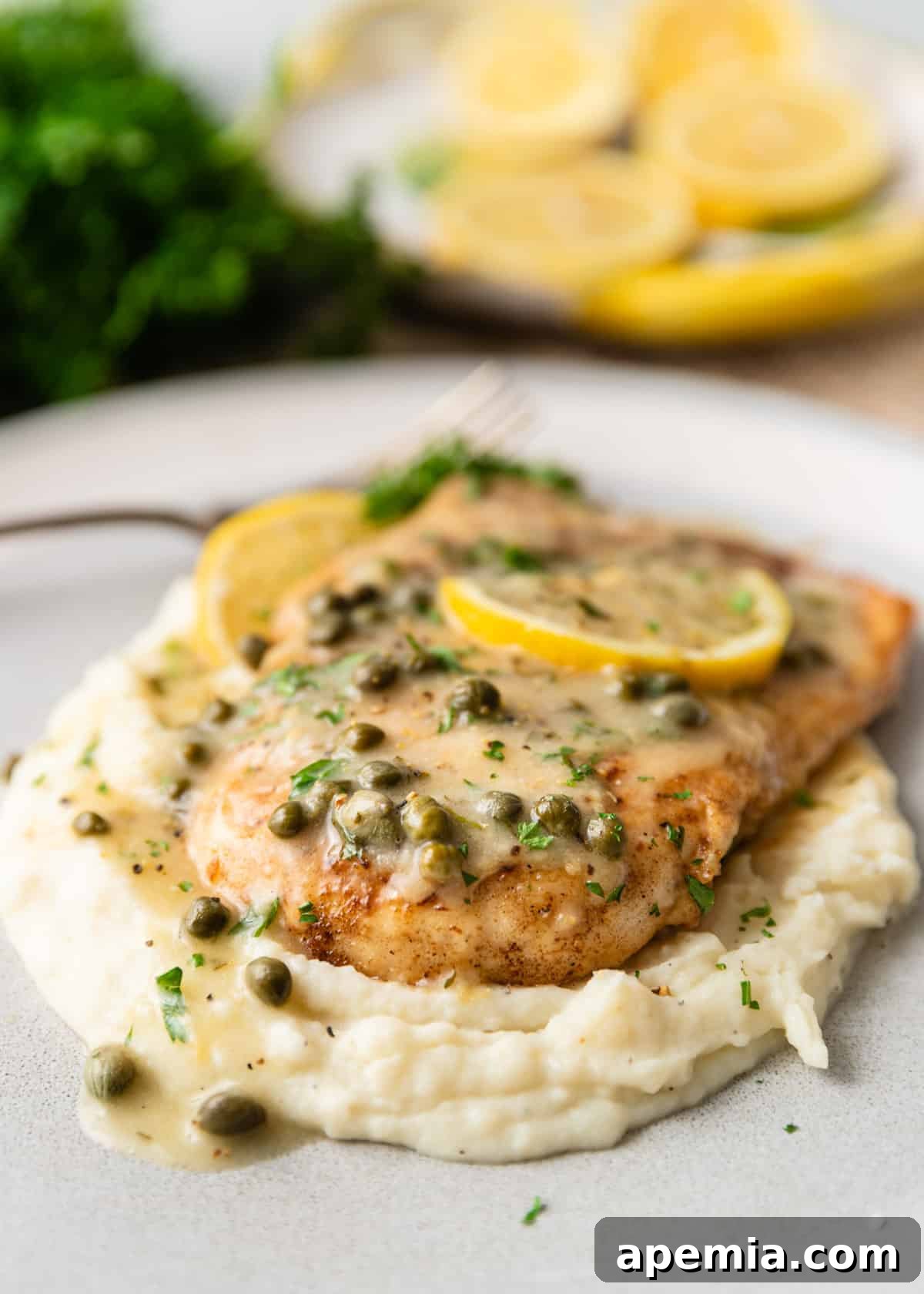
Prepare to be amazed by this incredibly simple yet profoundly flavorful **Pan-Fried Chicken Piccata** recipe. Imagine tender, juicy chicken cutlets, lightly dredged and pan-fried to golden perfection, then bathed in a rich, velvety pan sauce. This isn’t just any sauce; it’s a vibrant concoction infused with the bright zest of fresh lemon, the nuanced depth of white wine, savory chicken stock, and a generous scattering of briny capers, finished with fragrant fresh parsley. It’s an Italian-American classic that promises a restaurant-quality meal right in your own kitchen, ready in just 30 minutes!
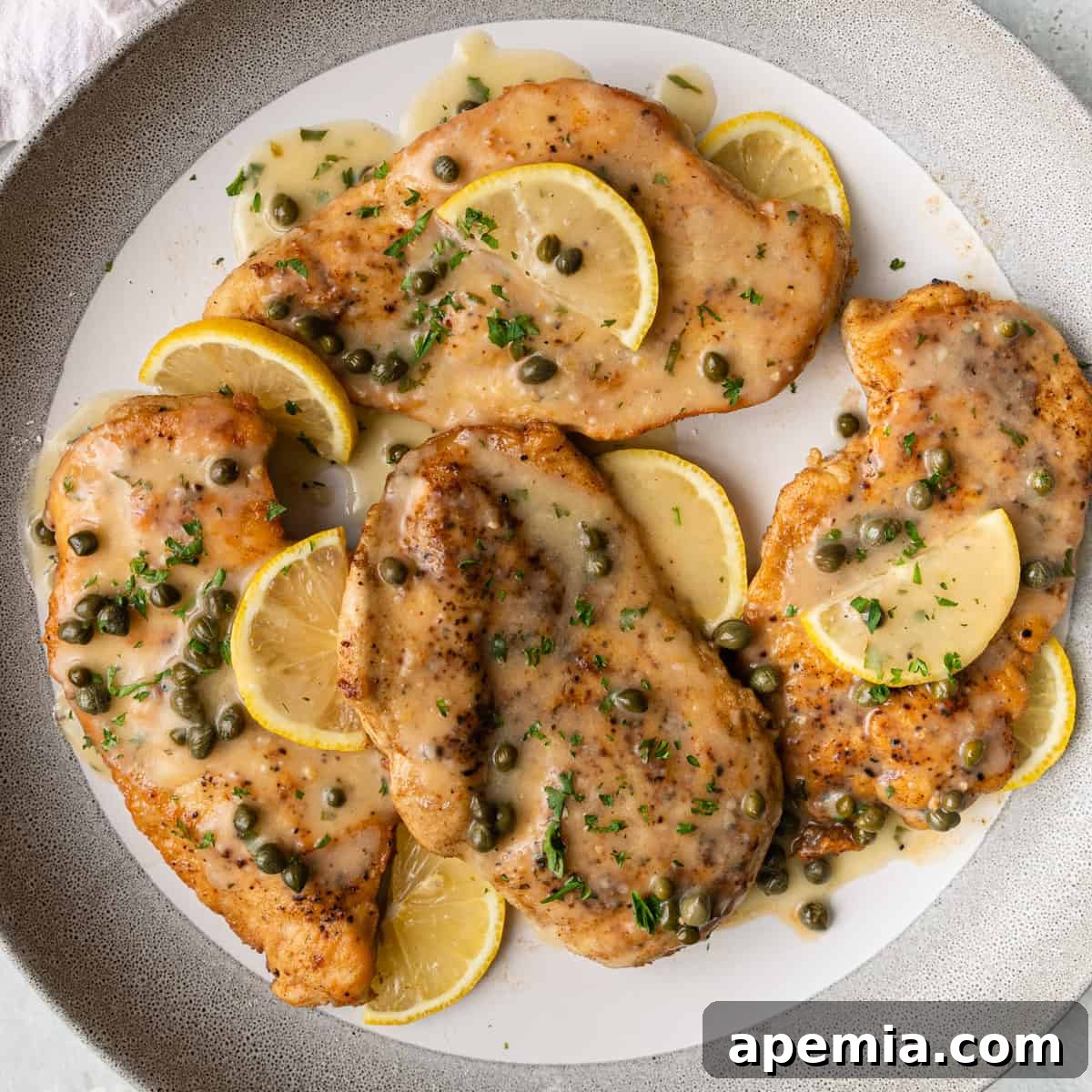
In the realm of quick and impressive weeknight dinners, this chicken piccata stands out. Despite its speed, we refuse to compromise on flavor, texture, or presentation. Every element comes together seamlessly to create a dish that looks as good as it tastes, proving that culinary excellence doesn’t always require hours in the kitchen.
A Taste of Italian-American Heritage: The Story of Chicken Piccata
My culinary journey through Italian recipes often spans a wide spectrum, from the deeply traditional like Zuppa Toscana and Tagliatelle Bolognese to more inventive takes such as Stuffed Lasagna Roll-Ups. Chicken Piccata, while authentically Italian in spirit, is fundamentally an Italian-American creation. Emerging around the 1930s, this dish beautifully captures the bright, aromatic essence of Southern Italian cuisine. It masterfully combines staple ingredients like the piquant saltiness of capers and the invigorating tang of fresh lemon juice, resulting in a flavor profile that is both familiar and exciting.
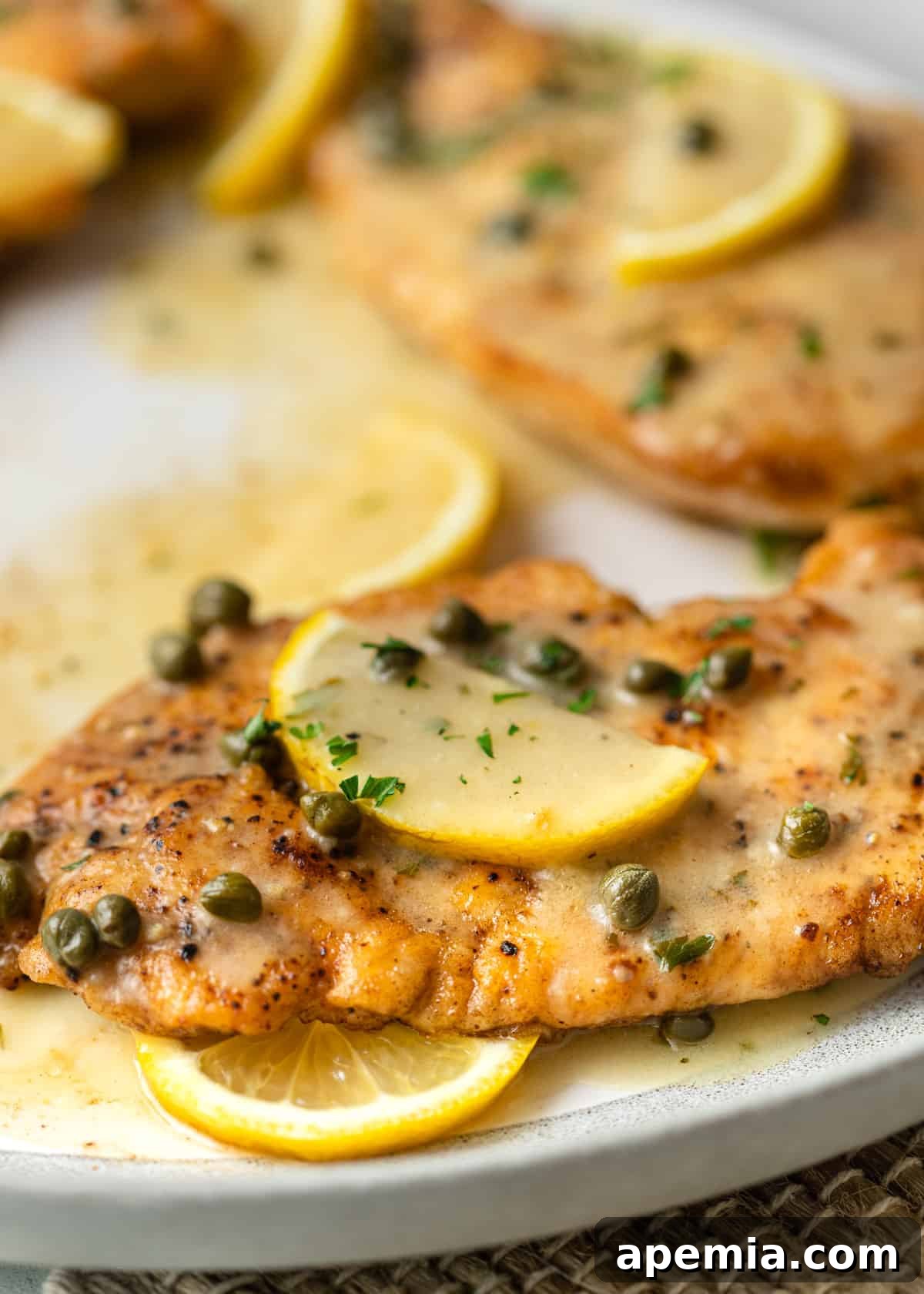
This recipe is celebrated for being incredibly easy and forgiving, much like its popular cousin, Chicken Marsala. The beauty of this dish lies in its simplicity and efficiency: everything, from pan-frying the tender cutlets to simmering the rich sauce, is accomplished in a single pan. This not only streamlines the cooking process but also concentrates flavors, making it wonderfully easy to season and adjust to your exact preference—whether it needs a touch more acidity, a hint more salt, or a boost of richness.
Table of Contents
- The Perfect Chicken Breasts for Piccata
- Essential Ingredients and Clever Substitutions
- Step-by-Step Guide: How to Make Chicken Piccata
- Recommended Kitchen Tools for Success
- Storing and Reheating Your Leftovers
- Frequently Asked Questions About Chicken Piccata
- Chicken Piccata Recipe Card
While a more traditional Italian version of this dish might feature delicate veal, our recipe predominantly uses tender chicken breasts. This choice not only makes it more accessible and economical but also results in a universally loved meal that’s both light and satisfying.
Expert Tip
The Perfect Chicken Breasts for Piccata
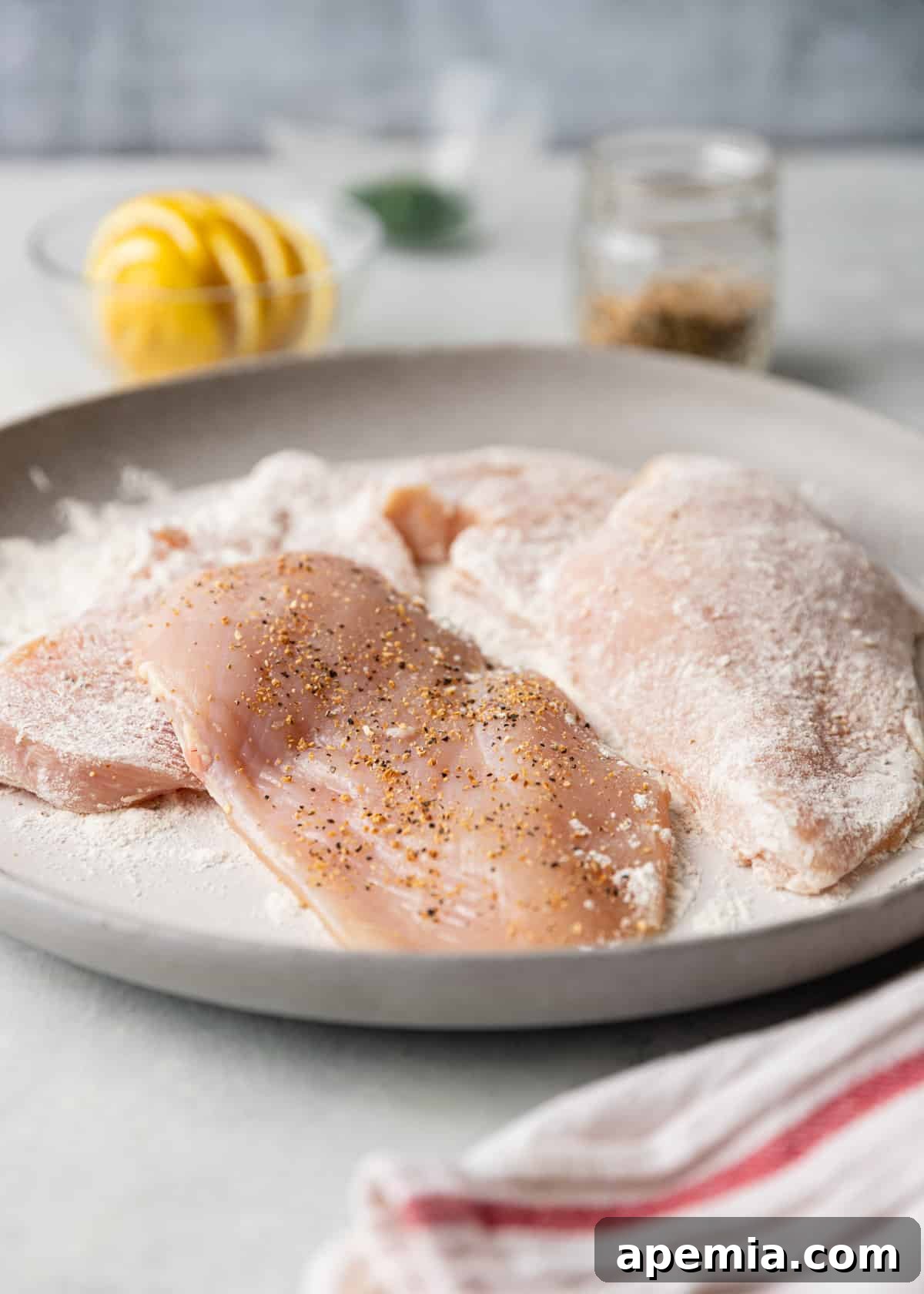
Modern chicken breasts can often be quite large, sometimes weighing up to a pound each. To ensure even cooking and make your dollar stretch further, I highly recommend slicing each chicken breast horizontally to create two thinner cutlets. This technique guarantees that each piece cooks uniformly and quickly, resulting in beautifully tender and succulent chicken every time.
Essential Ingredients and Clever Substitutions
- Chicken Breasts – The star of our show. Traditional piccata often features thinly pounded veal cutlets for maximum tenderness. While I don’t always go to that extent for chicken, feel free to pound your chicken cutlets between sheets of plastic wrap to an even ¼-inch thickness if you prefer an extra tender result. Season them generously with salt and pepper. For an extra layer of citrusy zing, consider using lemon pepper seasoning.
- All-Purpose Flour – This is crucial for creating that beautiful, golden-brown crust on the chicken cutlets and also acts as a thickening agent for our sauce. For gluten-free alternatives, cornstarch or a gluten-free all-purpose flour blend can work effectively, though they may alter the texture slightly. Almond meal can also be used for dredging for a different flavor and crust.
- Butter and Olive Oil – The combination of these two fats provides the perfect medium for pan-frying the chicken, contributing to a rich flavor and a beautifully browned exterior without burning the butter.
-
Piccata Sauce Ingredients – The heart and soul of this dish. This luscious pan sauce is built upon a simple roux and flavored with a harmonious blend of liquids and aromatics:
- Dry White Wine – Essential for deglazing the pan and adding a complex, acidic backbone to the sauce. Our FAQ section below delves into the best types of wine to use. If you prefer a non-alcoholic option, simply substitute with an equal amount of chicken stock along with a splash of white wine vinegar or apple cider vinegar to replicate that desired “sour” note.
- Fresh Lemons – The quintessential flavor of piccata! Always opt for fresh lemons for the brightest, most aromatic juice. You’ll need enough for both the sauce and for elegant garnishes. Rolling the lemons on a counter before slicing and juicing can help extract more liquid.
- Chicken Stock – Provides a savory base for the sauce. While stock is preferred for its richer flavor, chicken broth can be used as a substitute. For a vegetarian version, a good quality vegetable broth or stock works wonderfully.
- Brined Capers – These tiny, pickled flower buds are a defining ingredient of piccata, offering a distinct salty, tangy, and slightly floral punch. Their flavor is quite unique and can be polarizing, so feel free to adjust the amount to your taste. If capers aren’t to your liking, chopped green olives, finely diced artichoke hearts, or a medley of fresh herbs like dill or chives can provide an interesting alternative, though the flavor profile will shift.
- Fresh Parsley – A final garnish that adds a burst of fresh color and a clean, herbaceous finish. Flat-leaf Italian parsley is recommended for its robust flavor.
Step-by-Step Guide: How to Make Chicken Piccata
- Prepare the Chicken Breasts. Begin by laying each chicken breast on a cutting board. Using a sharp knife, carefully slice each breast horizontally through the middle to create two thinner cutlets. If the cutlets are still quite thick or uneven, place them between two sheets of plastic wrap and pound gently with a meat mallet or a heavy pan until they are uniformly about ¼-inch thick. Season both sides of the cutlets generously with salt and black pepper (or lemon pepper seasoning). Dredge each seasoned cutlet lightly in flour, ensuring it’s evenly coated, then shake off any excess flour. This thin coating is key for a crisp crust and for helping to thicken the sauce later.
- Cook the Cutlets. In a large, sturdy skillet (preferably cast iron or stainless steel), add 2 tablespoons of butter and 2 tablespoons of olive oil. Place the skillet over medium-high heat. Once the butter has melted and the mixture begins to foam and turn a light golden color, carefully add two of the dredged chicken cutlets to the pan, ensuring not to overcrowd it. Cook for approximately 3 minutes per side, or until each cutlet is beautifully golden brown and cooked through. The internal temperature should reach 165°F (74°C). Transfer the cooked cutlets to a plate and cover them loosely with foil to keep them warm while you cook the remaining chicken and prepare the sauce. Repeat this process with any remaining cutlets, adding a little more butter and oil if necessary.
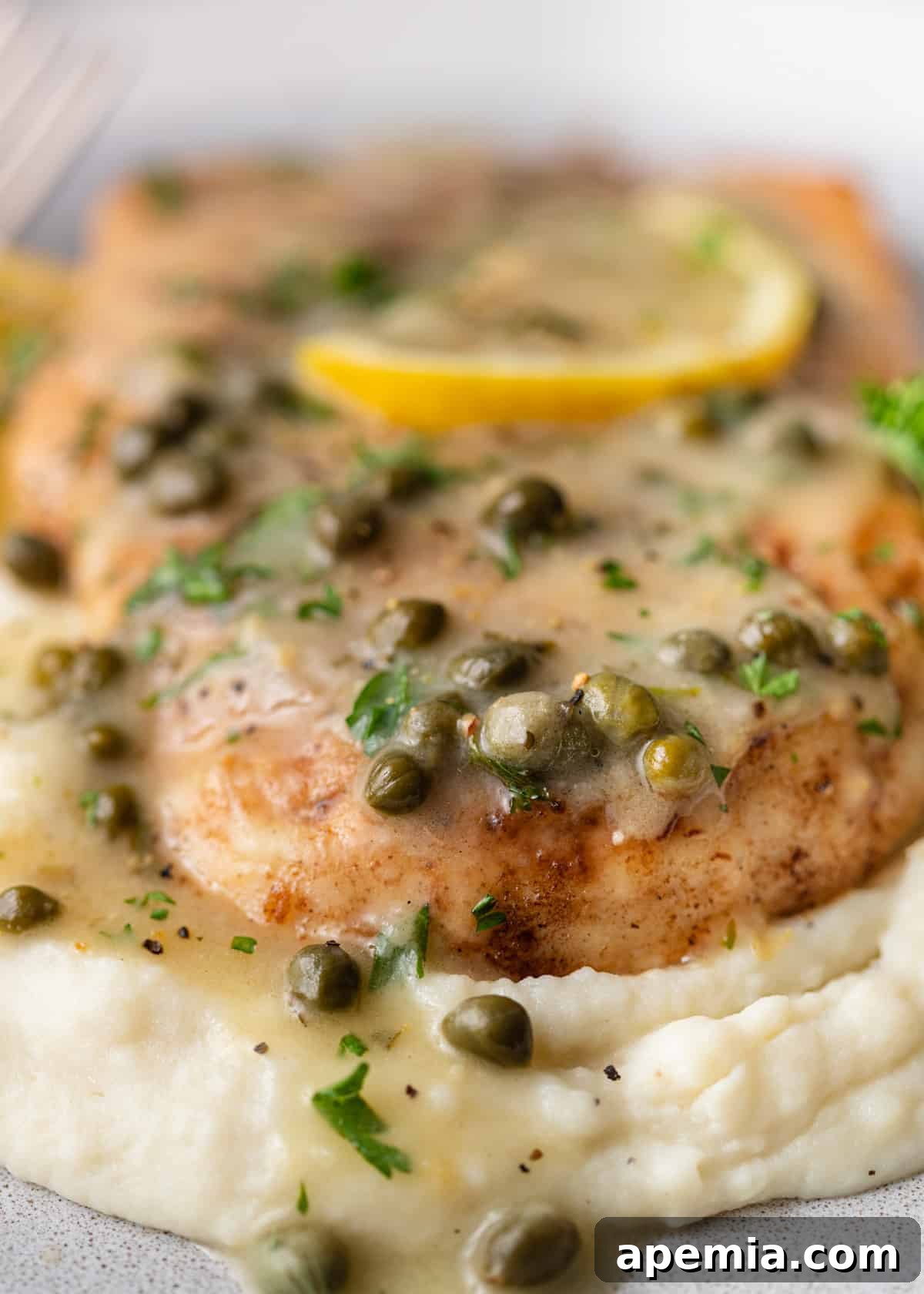
- Make the Pan Sauce. With the cooked chicken set aside, melt the remaining 2 tablespoons of butter in the same pan over medium heat. Add 2 tablespoons of flour and whisk continuously for about 1 minute to create a roux. This will cook out the raw flour taste and form the base for your thick sauce. Next, gradually pour in the white wine, fresh lemon juice, and chicken stock, whisking constantly to prevent lumps. Increase the heat to bring the sauce to a gentle boil, stirring and scraping up any browned bits (fond) from the bottom of the pan—these bits are packed with flavor! Allow the sauce to simmer for a couple of minutes until it starts to thicken. Finally, stir in the brined capers and taste the sauce, adjusting seasoning with additional salt, pepper, or lemon juice as needed to achieve a perfect balance of salty, tangy, and rich.
- Thicken and Combine. Gently return all the cooked chicken cutlets to the pan, nestling them into the simmering sauce. Spoon the luscious sauce over the cutlets to ensure they are fully coated and absorb all the wonderful flavors. Reduce the heat to low and let the chicken simmer in the sauce for an additional 5 minutes. This final simmer allows the flavors to meld beautifully and the chicken to finish cooking gently in the sauce.
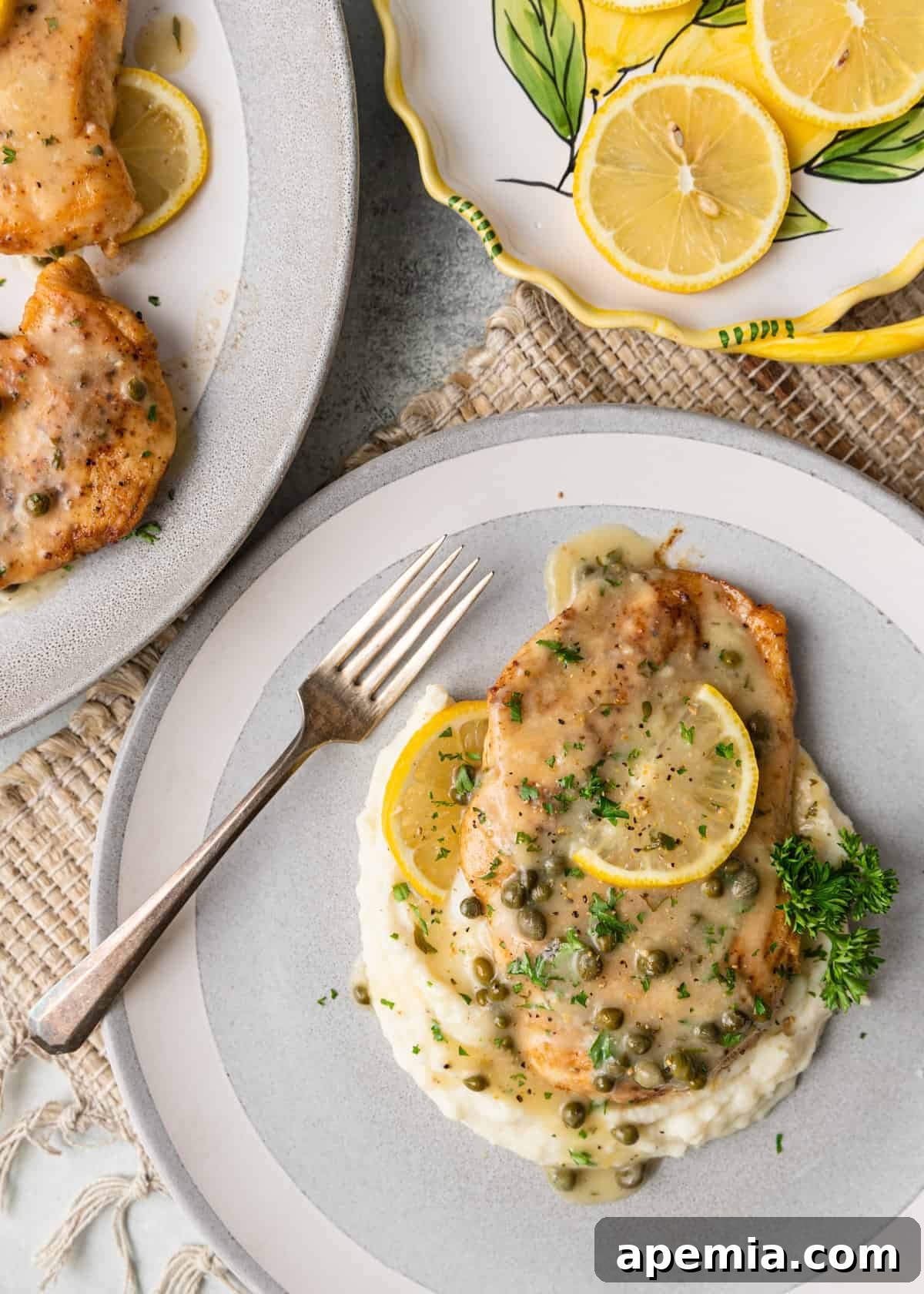
- Serve. Chicken Piccata is traditionally served with a starchy accompaniment that can soak up the incredible pan sauce. Mashed potatoes are an excellent choice, as the sauce transforms into a zesty, rich gravy. Alternatively, serve over your favorite pasta, such as angel hair, spaghetti, or linguine, allowing the noodles to be drenched in the flavorful sauce. Before serving, spoon extra sauce generously over each plate and garnish with a sprinkling of freshly chopped parsley and fresh lemon slices for an appealing presentation and an extra burst of freshness.
Recommended Kitchen Tools for Success
- Citrus Juicer – A good quality citrus juicer is indispensable for extracting every last drop of juice from your lemons and limes, ensuring maximum flavor.
- Large Skillet – As this is a one-pan recipe, your choice of skillet is paramount. A 10-12 inch cast iron or stainless steel skillet is ideal. It should be large enough to sear the chicken cutlets without overcrowding (allowing for proper browning) and sturdy enough to build the flavorful pan sauce and simmer the dish to perfection, all within the 30-minute timeframe.
- Meat Mallet (Optional) – If your chicken breasts are particularly thick or uneven, a meat mallet or the flat side of a heavy pan will help you achieve uniform thickness for even cooking.
- Whisk – Essential for creating a smooth roux and ensuring your pan sauce is free of lumps.
- Tongs – Perfect for easily flipping chicken cutlets and transferring them from the pan.
Storing and Reheating Your Leftovers
Leftover chicken piccata can be a fantastic meal to look forward to! To store, allow the dish to cool completely before transferring it to an airtight container. It can be safely refrigerated for up to 4 days, ensuring you have delicious meals ready for the week.
When reheating, it’s crucial to do so gently to maintain the chicken’s tenderness and prevent it from drying out. Return the chicken and its sauce to a non-stick pan over medium-low heat. Spoon the warming sauce over the cutlets as they heat, flipping them occasionally to ensure even reheating. Avoid high heat, as this can toughen the chicken and reduce the sauce. For best results, reheat just until warmed through, around 5-7 minutes. If the sauce has thickened too much in the fridge, you can add a tablespoon or two of chicken stock or water while reheating to restore its original consistency.
Frequently Asked Questions About Chicken Piccata
Chicken piccata is traditionally served with a simple starch that can beautifully absorb its vibrant pan sauce. Mashed potatoes are an absolutely fabulous choice, as the rich, zesty sauce transforms into a kind of gourmet gravy that’s incredibly comforting. Another excellent option is pasta; choose long, thin noodles such as angel hair, spaghetti, or linguine. These varieties are perfect for twirling around the flavorful chicken and getting thoroughly coated in the delicious sauce, ensuring every bite is bursting with flavor. Beyond starches, a simple green salad or steamed asparagus makes a refreshing accompaniment.
While both chicken piccata and chicken Francaise are popular Italian-American dishes featuring pan-fried chicken cutlets and a lemon-based sauce, they have distinct differences. As seen in our chicken piccata recipe, the cutlets are lightly dredged in flour, resulting in a thin, subtly crispy, golden crust. The sauce is known for its intense lemon flavor combined with the briny punch of capers. Chicken Francaise, on the other hand, involves dredging the cutlets first in flour, then in a whisked egg mixture, creating a thicker, richer, and more substantial coating. The sauce for Francaise also features plenty of lemon but typically omits capers, focusing more on a buttery, lemony, and sometimes wine-infused broth. The texture of the chicken’s coating and the specific additions to the sauce are the key differentiators.
The ideal white wine for chicken piccata sauce is a dry, crisp variety that complements the lemon and caper flavors without overpowering them. Sauvignon Blanc and Pinot Grigio are incredibly common and excellent choices, known for their bright acidity and clean finish. I also particularly enjoy using a Vermentino, which offers very crisp, refreshing, and often citrusy notes that harmonize beautifully with the fresh lemons and briny capers in the sauce. Avoid sweet wines, as they will throw off the delicate balance of the piccata sauce.
Absolutely! To make this chicken piccata recipe gluten-free, simply substitute the all-purpose flour with a gluten-free all-purpose flour blend or cornstarch for dredging the chicken and thickening the sauce. Ensure your chicken stock is also gluten-free, and you’re all set to enjoy a delicious gluten-free version of this classic dish.
While traditional piccata typically uses chicken breasts, you can certainly substitute chicken thighs for a richer, juicier result. Boneless, skinless chicken thighs work best. You may need to adjust the cooking time slightly, as thighs generally require a bit longer to cook through than breasts. Pounding them to an even thickness will still be beneficial for quick and uniform cooking.
Share this recipe on Pinterest!
Love this recipe? Share it with the world on Pinterest to inspire others.
Chicken Piccata Recipe
4
10 mins
20 mins
30 mins
PrintRecipe
Ingredients
- 2 lbs chicken breasts skinless boneless (See Note 1)
- kosher salt (See Note 2)
- ground black pepper (See Note 2)
- 1/4 cup all-purpose flour for dredging
- 2 tbsp butter
- 2 tbsp olive oil
Piccata Sauce
- 2 tbsp butter
- 2 tbsp all-purpose flour See Note 3
- 1/3 cup dry white wine
- 2 lemons See Note 4
- 1/2 cup chicken stock
- 1/4 cup brined capers
- 1/4 cup fresh parsley chopped
- Mashed potatoes or pasta (See Note 5)
Instructions
-
Cut chicken breasts horizontally into 2 cutlets. Season with salt and pepper. Dredge chicken in flour and shake off excess.
-
In a large skillet over medium-high heat, melt 2 tablespoons of butter with 2 tablespoons olive oil. When butter and oil start to foam and turn golden, add chicken and sauté for 3 minutes per side until browned. Do not overcrowd the pan; work in two batches if needed. Remove and transfer to a plate and keep warm, covered.
-
Melt remaining butter in the same pan. When butter is melted, add the flour (See Note 3) and whisk to cook for 1 minute to form a roux. Then add the white wine, lemon juice, and chicken stock. With a whisk, stir and bring to a boil, scraping up brown bits from the pan for extra flavor and breaking up any lumps. Add the capers to the sauce and taste for seasoning.
-
Add the chicken back to the pan, spooning sauce to coat and simmer for 5 minutes.
-
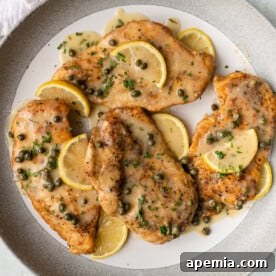
Option: Prepare mashed potatoes or pasta. Divide mashed potatoes or pasta onto plates and top with the chicken. Spoon additional sauce over chicken and garnish with fresh parsley and lemon slices.
Notes
- If using large chicken breasts, cut them horizontally into 2 cutlets. If uneven in thickness, pound between sheets of plastic wrap until uniform.
- For an added flavor boost, you can omit the salt and pepper and use a Lemon Pepper Seasoning blend.
- By adding flour to the melted butter and olive oil, you create what’s known as a roux. This roux acts as a thickening agent for the pan sauce when liquids like chicken stock and/or wine are added and whisked in.
- I used 1 large lemon, and the fresh juice measured approximately 1/4 cup, which was perfect for the sauce. I sliced the other lemon for garnish.
- Either make mashed potatoes from scratch or prepare them according to your favorite boxed brand. For pasta, choose your preferred type.
Nutrition
Calories:
367
kcal
|
Carbohydrates:
16
g
|
Protein:
27
g
|
Fat:
22
g
|
Saturated Fat:
9
g
|
Polyunsaturated Fat:
2
g
|
Monounsaturated Fat:
9
g
|
Trans Fat:
0.5
g
|
Cholesterol:
103
mg
|
Sodium:
572
mg
|
Potassium:
573
mg
|
Fiber:
2
g
|
Sugar:
2
g
|
Vitamin A:
728
IU
|
Vitamin C:
36
mg
|
Calcium:
37
mg
|
Iron:
2
mg
The information shown is an estimate provided by an online nutrition calculator. It should not be considered a substitute for a professional nutritionist’s advice.
main dishes
Italian-American
Kevin
Have You Made This Recipe? Let Me Know on Instagram!
Tag @keviniscooking or use the hashtag #keviniscooking!