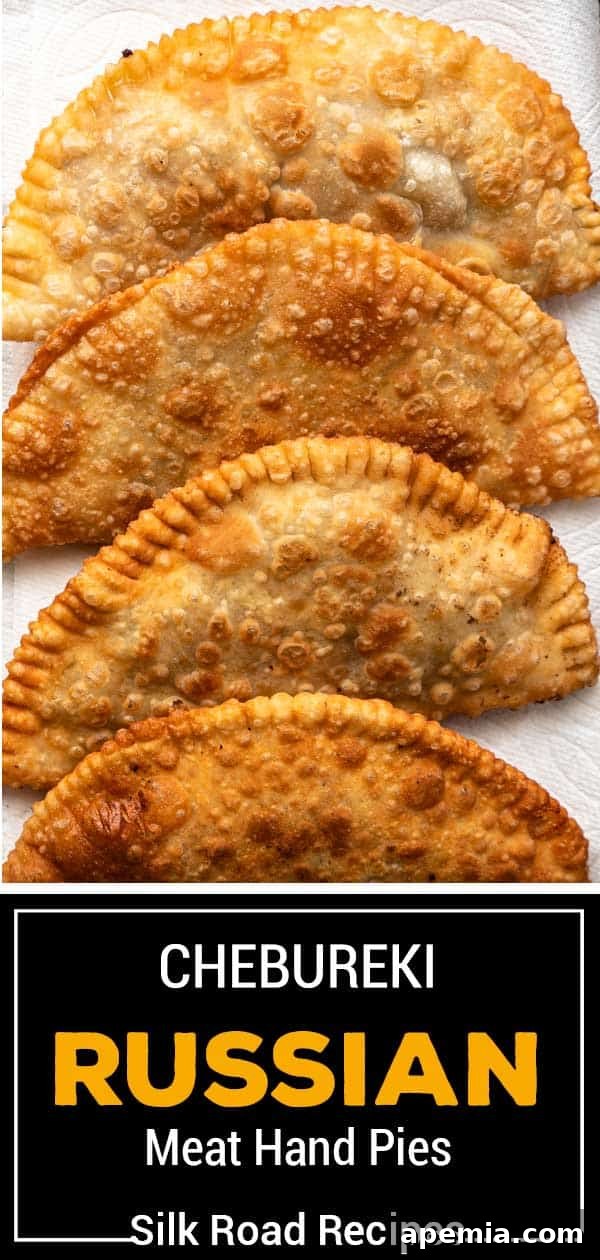
Craving a delightful snack that effortlessly accompanies you wherever you go? Look no further than Chebureki! This iconic Crimean street food offers a uniquely satisfying experience, boasting a flavorful beef or lamb filling, aromatic spices, and tender onions encased within a beautifully crispy, flaky crust. It’s more than just a dish; it’s a culinary journey, a testament to the rich tapestry of flavors from the Black Sea region that will leave you utterly captivated from the very first bite.
One of the most enriching aspects of travel, for me, is the incredible opportunity to immerse myself in local culinary traditions. There’s an undeniable joy in meticulously noting the nuanced flavors, the vibrant colors, and the surprising ingredient combinations that define a region’s cuisine. Armed with these delicious memories, I often return home, eager to embark on the challenge of recreating these authentic tastes in my own kitchen. While some recipes prove elusive, retaining their magic only when savored in their original setting, others, like Chebureki, lend themselves beautifully to home cooking, allowing you to bring a piece of your travels back to your dining table.
I distinctly recall my first encounter with these marvelous fried pastries. It was in the vibrant Marina district of San Francisco, where I once lived. My wonderful Russian neighbor, Inna, was a true culinary wizard. She would often share her freshly made Chebureki, alongside classic Russian Piroshki, and these became my absolute favorite breakfast treat. The aroma alone was enough to pull me from bed, promising a morning filled with comforting, savory delight. Each bite was a revelation, a perfect balance of crispy exterior and succulent, well-seasoned meat within.
Inna, who hailed from Crimea on the picturesque shores of the Black Sea, introduced me to the authentic flavors of her homeland. Chebureki, much like giant fried dumplings or substantial empanadas, immediately piqued my curiosity. Visually striking and generously sized, they promised a satisfying meal. The moment I tasted the savory, herbaceous meat filling, I was completely smitten. It wasn’t just food; it was a story, a connection to a distant culture, shared over a plate of deliciousness.
Discovering Chebureki: A Crimean Culinary Gem
Let’s embark on a flavorful journey, traveling west from the historic Silk Road trade route to the enchanting Ukrainian Crimean peninsula, where Chebureki reigns supreme as one of its most cherished street foods. Rooted deeply in Crimean Tatar cuisine, these unique hand pies offer a glimpse into a rich cultural heritage, passed down through generations. Often enjoyed fresh from the frying pan, Chebureki embodies the spirit of convivial street food – hearty, portable, and utterly delicious.

Names: Chebureki, Cheburek
Course: Savory snack, appetizer, or main dish
Serving Temperature: Best served hot and fresh
Recipe Difficulty: Medium 🥄🥄
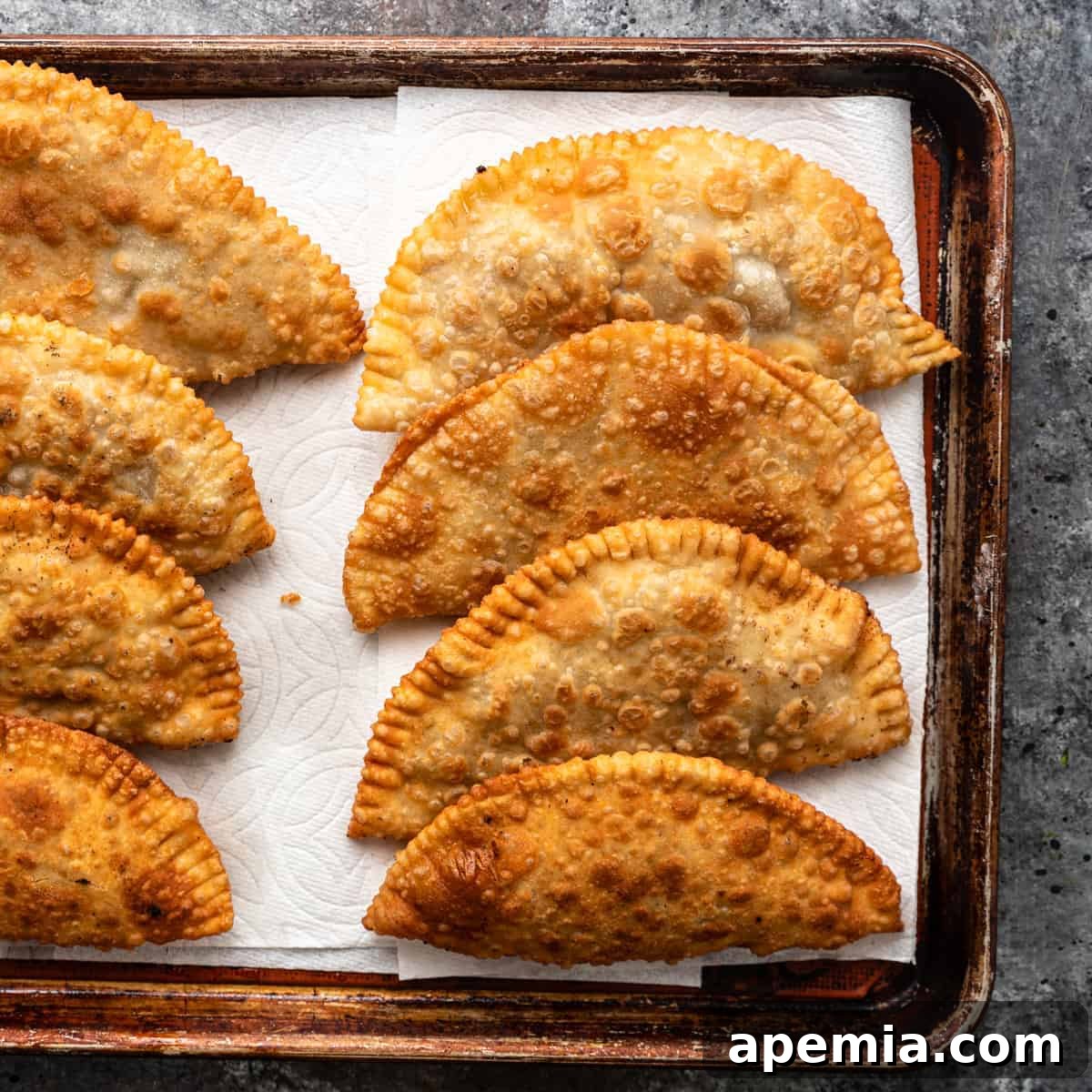
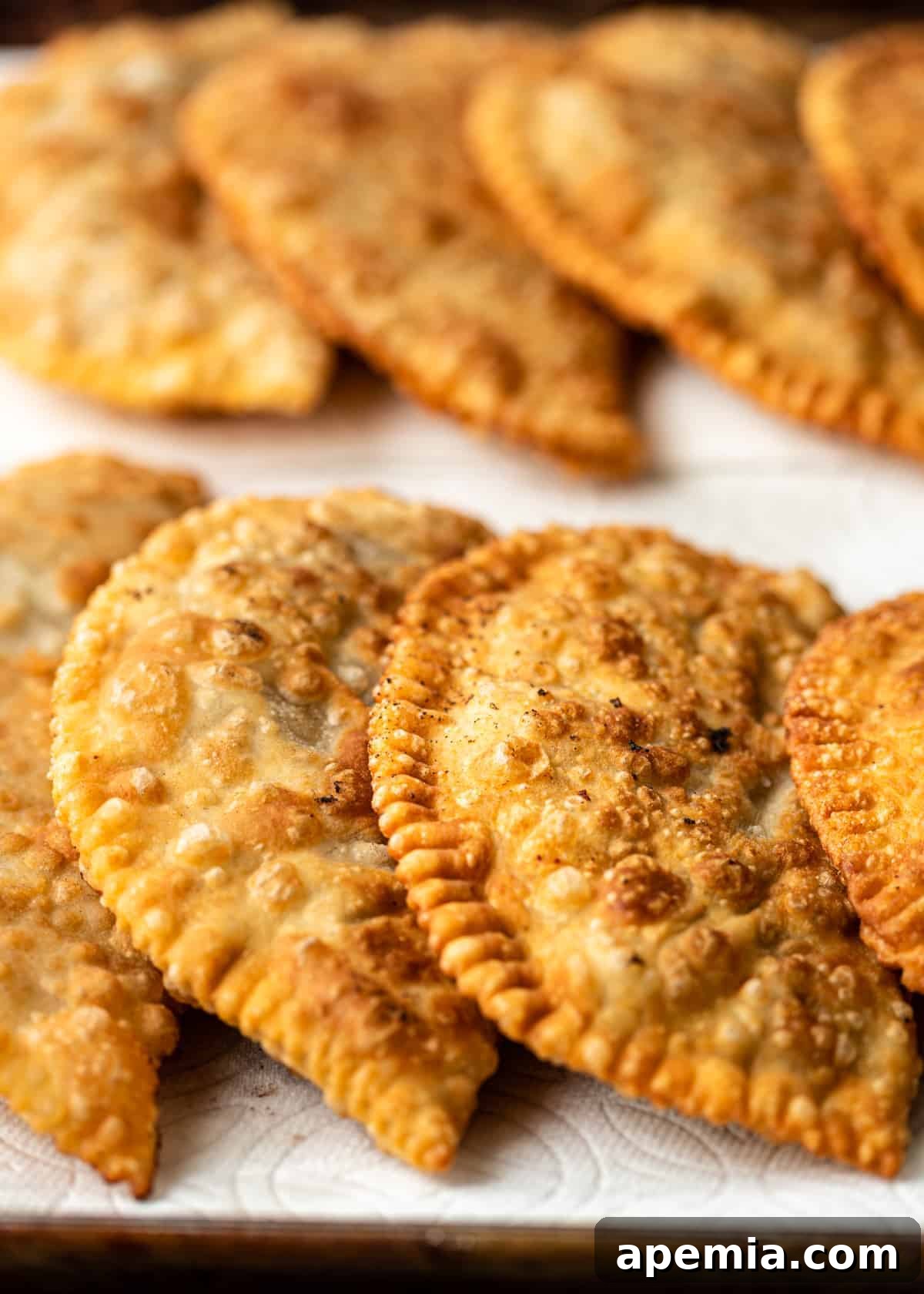
Description: A beloved regional dish of Crimean Tatar origin, chebureki are delightful pan-fried meat hand pies. They feature a generous filling of seasoned ground lamb or beef, combined with finely chopped onions and/or peppers, all enveloped in a thin, crispy dough. Their signature crescent shape and golden-brown exterior make them instantly recognizable and irresistible.
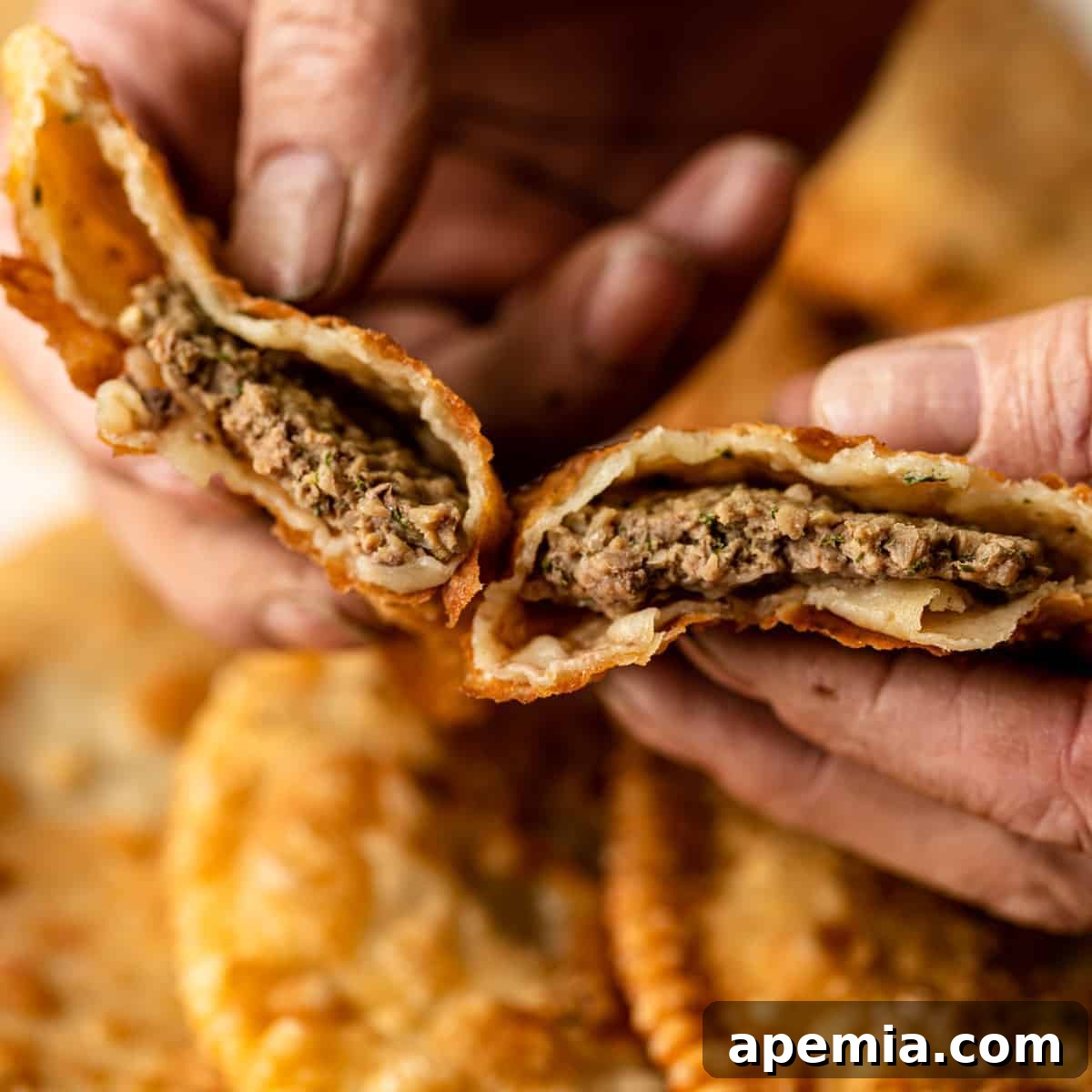
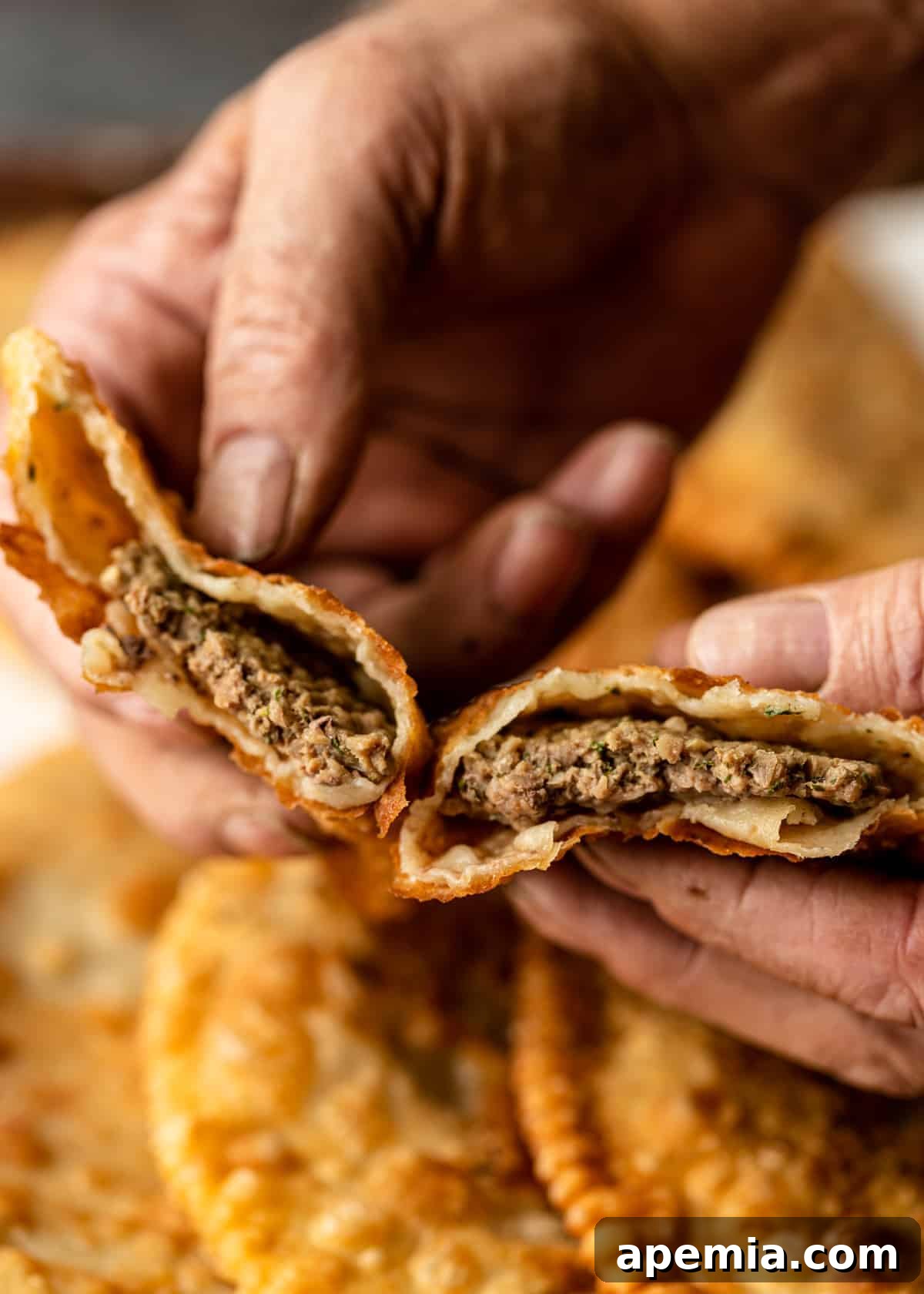
More than just a simple fried pastry, Chebureki holds a special place in the hearts of those familiar with its history. It represents a fusion of influences that have swept through the Crimean peninsula over centuries, resulting in a dish that is both comforting and exotic. The key to its irresistible appeal lies in the delicate balance of a paper-thin, bubbly crust that shatters with each bite, yielding to a wonderfully moist and intensely savory meat filling. This contrast in textures and the burst of flavors truly elevate Chebureki from a mere snack to a memorable culinary experience.
Essential Ingredients for Perfect Chebureki
Crafting authentic Chebureki begins with selecting the right ingredients. Each component plays a vital role in achieving that signature crispy crust and juicy, flavorful filling. Here’s a detailed look at what you’ll need and why:
- All-Purpose Flour: The foundation of your dough! High-quality all-purpose flour provides the necessary structure and elasticity for a dough that can be rolled incredibly thin without tearing, contributing to the ultimate crispiness of the Chebureki.
- Water: You’ll need water at two different temperatures. Hot water for the dough is crucial; it helps to develop a softer, more pliable dough that is easier to work with and results in a more tender, flaky crust after frying. Ice-cold water for the filling is a secret weapon, preventing the meat from drying out during frying and creating a succulent, juicy interior.
- Vegetable Oil: A small amount of oil in the dough adds tenderness and elasticity. More importantly, vegetable oil is essential for deep-frying your Chebureki to a perfect golden brown, ensuring a uniformly crispy exterior. Choose an oil with a high smoke point for best results.
- Vodka or White Vinegar (Optional but Recommended): This might seem unusual, but a tablespoon of vodka or white vinegar makes a remarkable difference in the dough’s texture. The alcohol in vodka evaporates rapidly during frying, creating tiny air pockets that contribute to an incredibly flaky and bubbly crust. White vinegar works similarly by slightly altering the gluten structure, enhancing flakiness. Don’t worry, you won’t taste it!
- Ground Meat: The heart of your filling! Traditionally, ground lamb or beef is used. I personally lean towards ground beef for its rich flavor, but lamb offers a distinctive taste that many prefer. Opt for meat with a decent fat content (e.g., 85/15 or 80/20) as the fat renders during frying, keeping the filling moist and adding immense flavor.
- Onion: A large yellow onion is non-negotiable for the filling. When puréed, it not only adds essential moisture to keep the meat juicy but also imparts a crucial sweetness and depth of flavor that complements the savory meat perfectly.
- Garlic: Fresh garlic cloves bring an aromatic punch, elevating the overall flavor profile of the meat filling and adding a delightful pungency.
- Salt & Pepper: These fundamental seasonings are vital for both the dough and the filling. Proper seasoning enhances all other flavors, bringing the dish to life.
- Paprika: Beyond adding a beautiful reddish hue, paprika contributes a mild, earthy, and slightly sweet pepper flavor that is characteristic of many regional cuisines.
- Cayenne Pepper (Optional): For those who appreciate a touch of warmth, cayenne pepper offers a subtle kick without overpowering the other flavors. I find it adds a pleasant complexity, but it can be omitted if you prefer a milder taste.
- Fresh Parsley: Chopped fresh parsley provides a vibrant herbaceous note and a pop of color, brightening the rich meat filling and adding a layer of freshness.
How to Make Chebureki (Crispy Meat Hand Pies)
Making Chebureki is a rewarding experience, transforming simple ingredients into a truly spectacular dish. Follow these detailed steps to achieve perfectly crispy and juicy results every time:
1. Preparing the Dough for Ultimate Flakiness
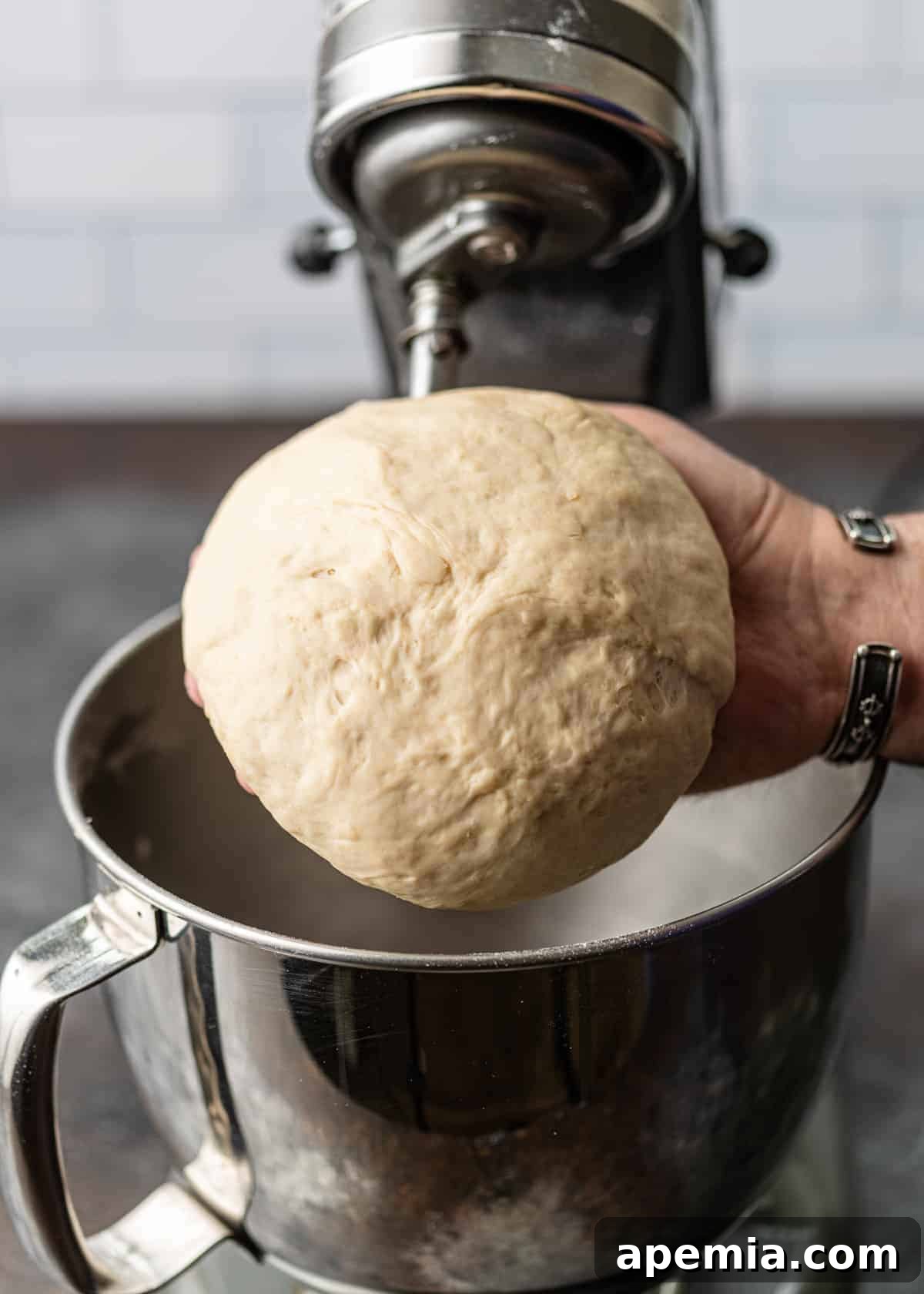
Begin by sifting your all-purpose flour directly into the bowl of a stand mixer fitted with a dough hook. Sifting helps to aerate the flour, preventing lumps and ensuring a smoother dough. In a separate medium-sized mixing bowl, combine the kosher salt, hot water, vegetable oil, and the optional vodka or white vinegar. Whisk these liquid ingredients together until well combined. Gradually add the liquid mixture to the sifted flour in the stand mixer. Mix on a medium-low speed until the ingredients come together and a rough dough starts to form. Pay close attention to the texture: if the dough feels too sticky, add a small amount of extra flour, one tablespoon at a time. If it appears too dry or crumbly, incorporate a teaspoon or two of additional hot water. Continue mixing and kneading until a soft, smooth, and elastic dough forms that is no longer sticky to the touch. Once satisfied, remove the dough from the mixer, shape it into a ball, and place it back into the bowl. Cover the bowl tightly with a clean kitchen towel or plastic wrap and allow the dough to rest at room temperature for at least 30 minutes. This resting period is crucial as it allows the gluten to relax, making the dough much easier to roll out thinly and contributing significantly to the final flaky texture.
2. Crafting the Flavorful Meat Filling
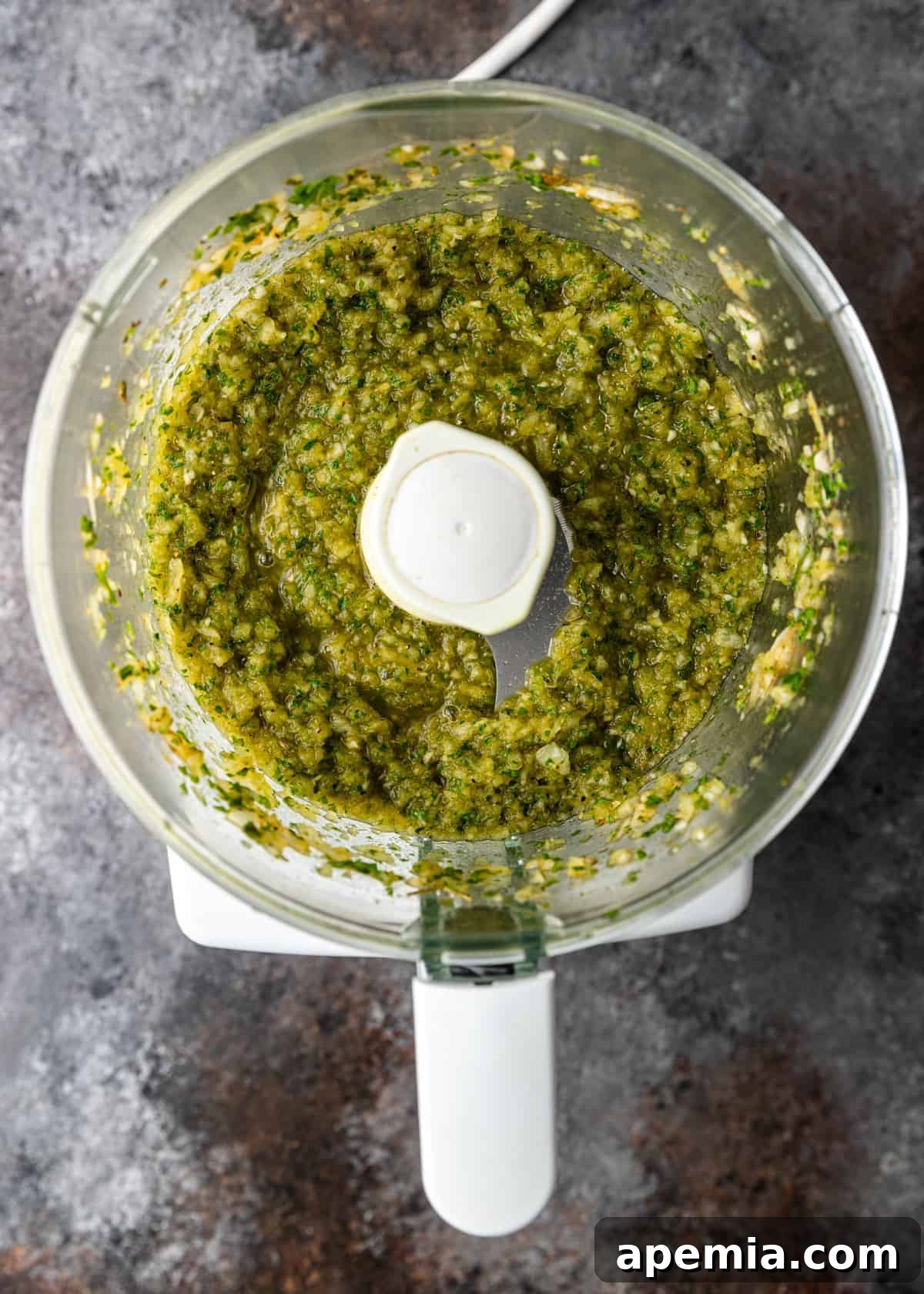
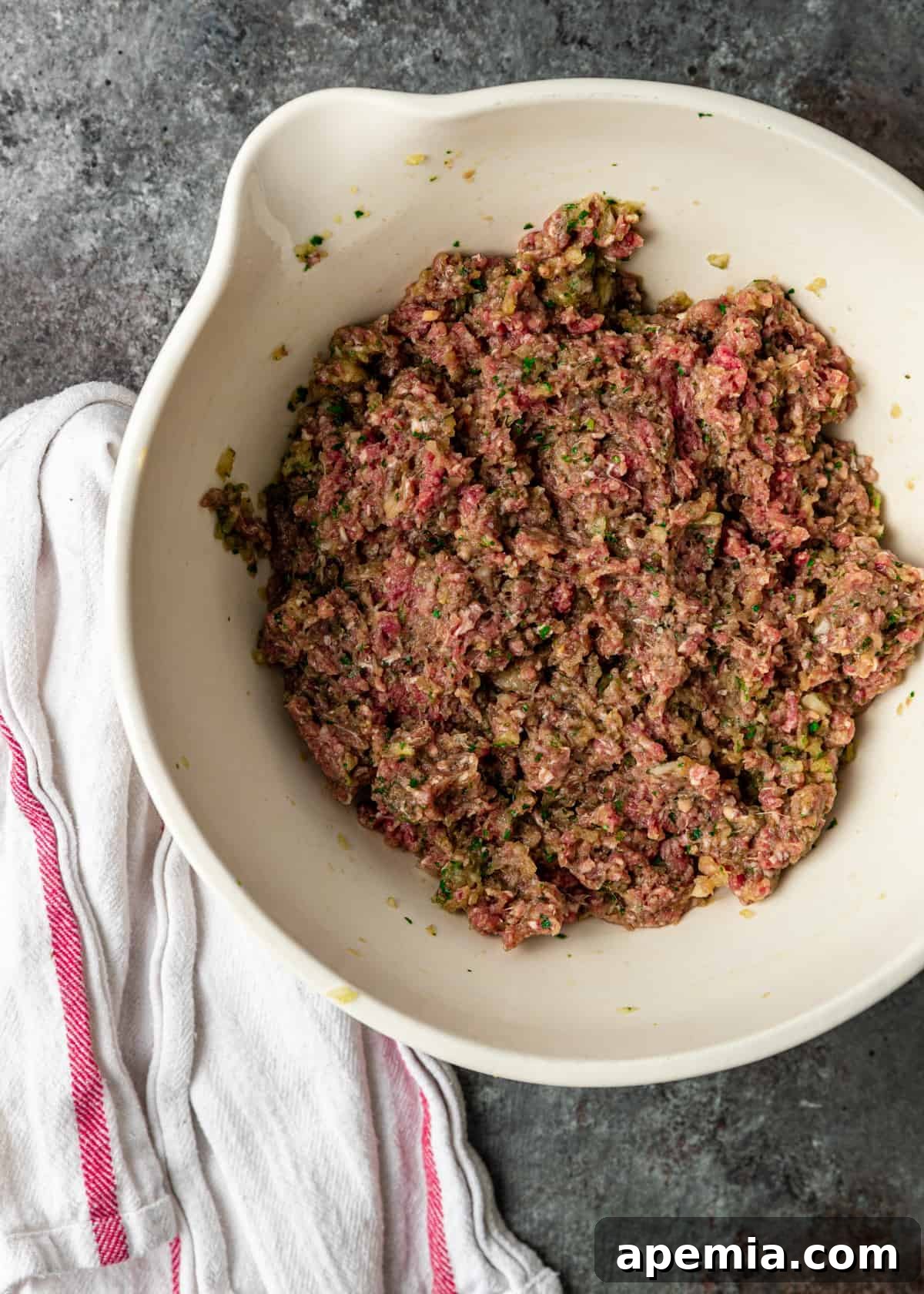
While your dough is resting, prepare the vibrant and juicy filling. Place the ground beef or lamb into a large mixing bowl. Now, for the aromatic core of the filling: in the bowl of a food processor, combine the quartered yellow onion, peeled garlic cloves, kosher salt, black pepper, paprika, and the optional cayenne pepper. Add the fresh parsley and, crucially, the ice-cold water. Process these ingredients until they form a smooth, uniform purée. This method ensures that the onions and garlic are very finely incorporated, releasing their juices and flavors evenly throughout the meat, while the ice water helps to create that wonderfully succulent filling. Transfer this puréed mixture directly into the bowl with the ground meat. Using your hands (or a sturdy spoon), mix everything together thoroughly until all ingredients are evenly distributed and well combined. Do not overmix, but ensure all spices are integrated. Set the prepared filling aside.
3. Assembling Your Chebureki Pies
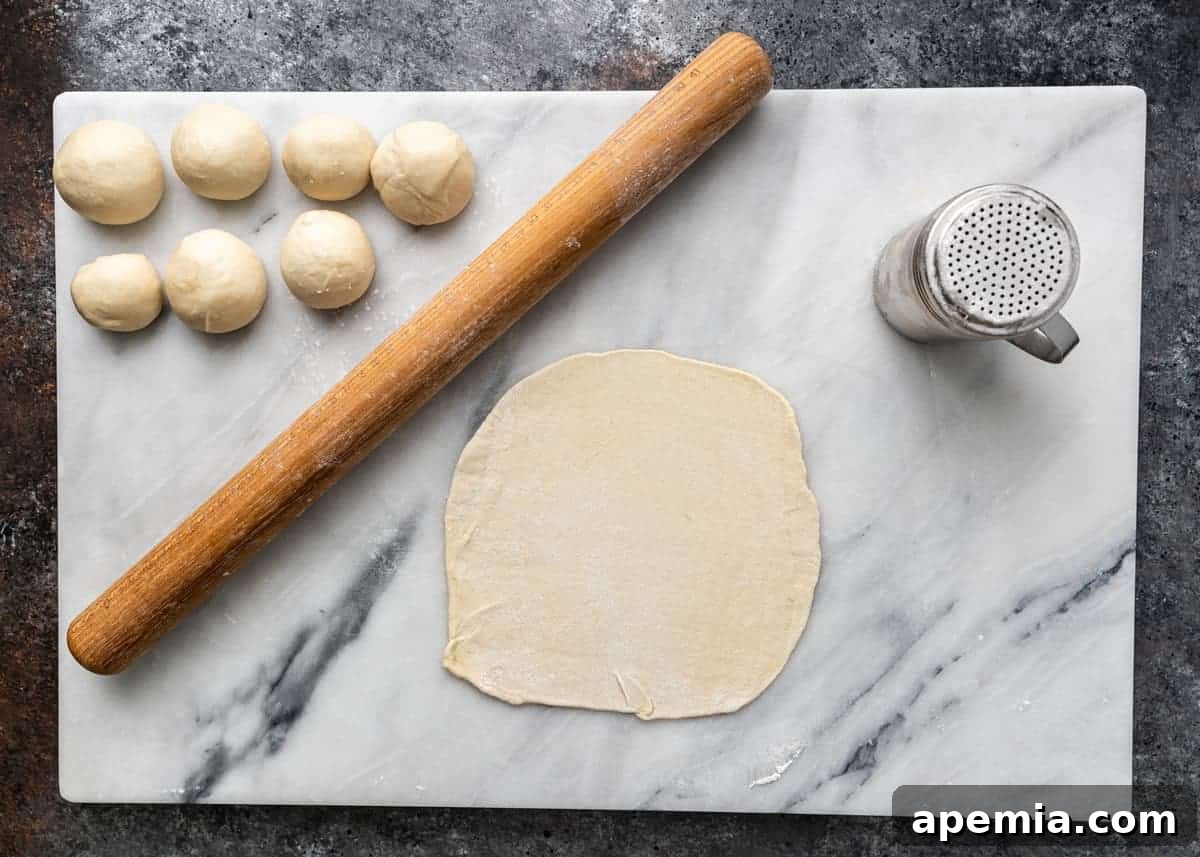
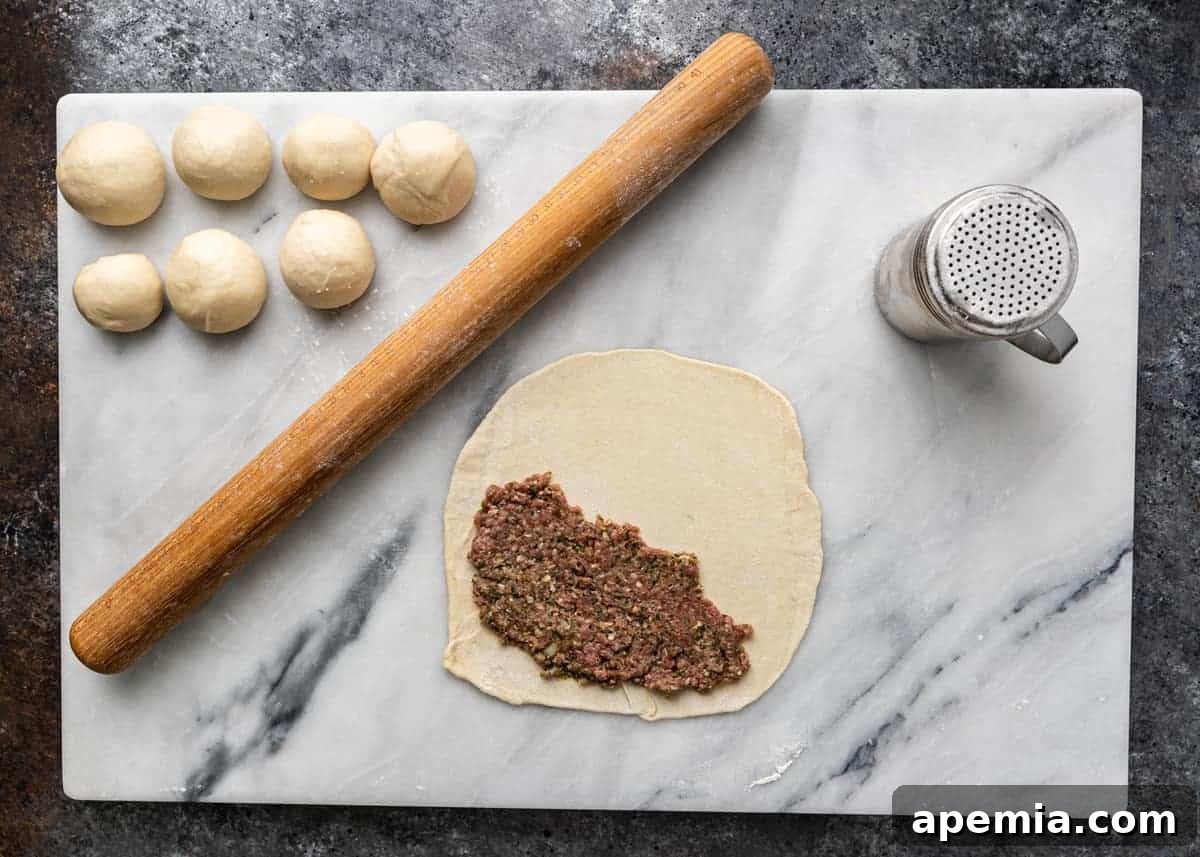
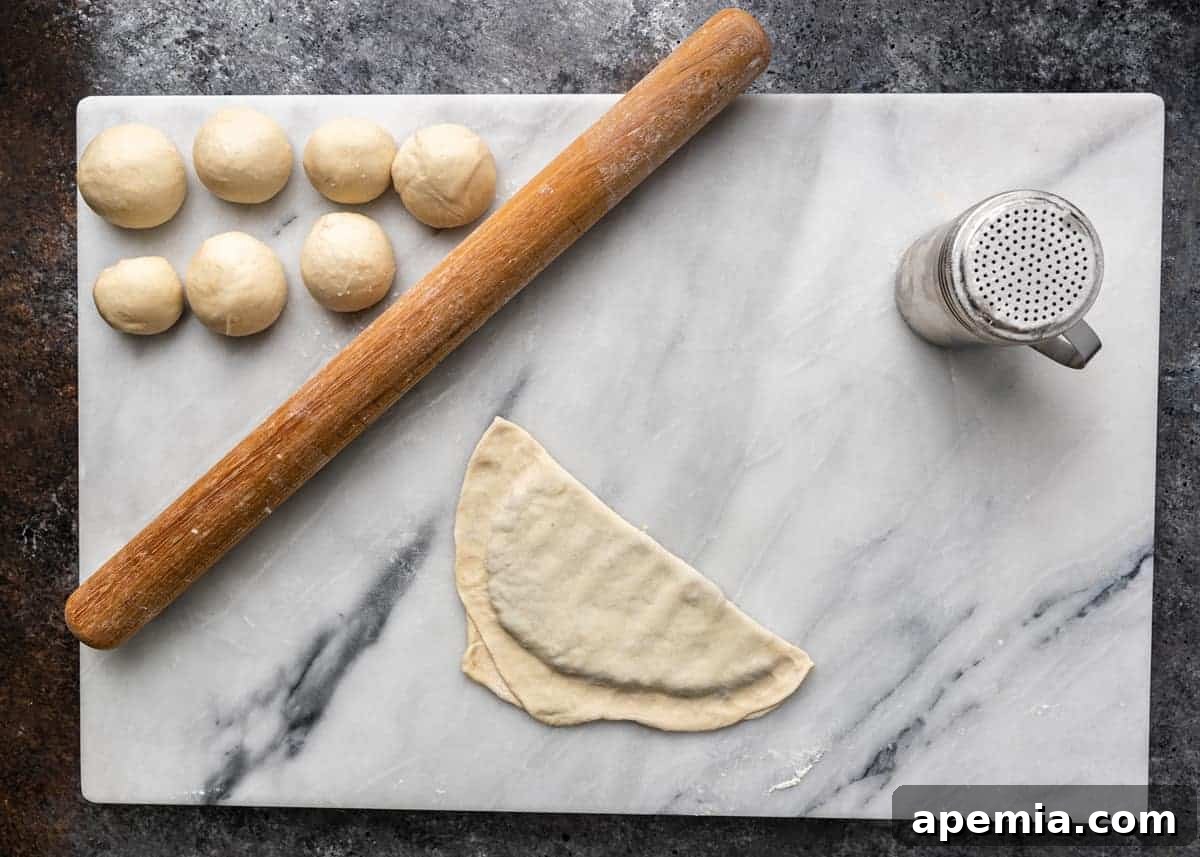
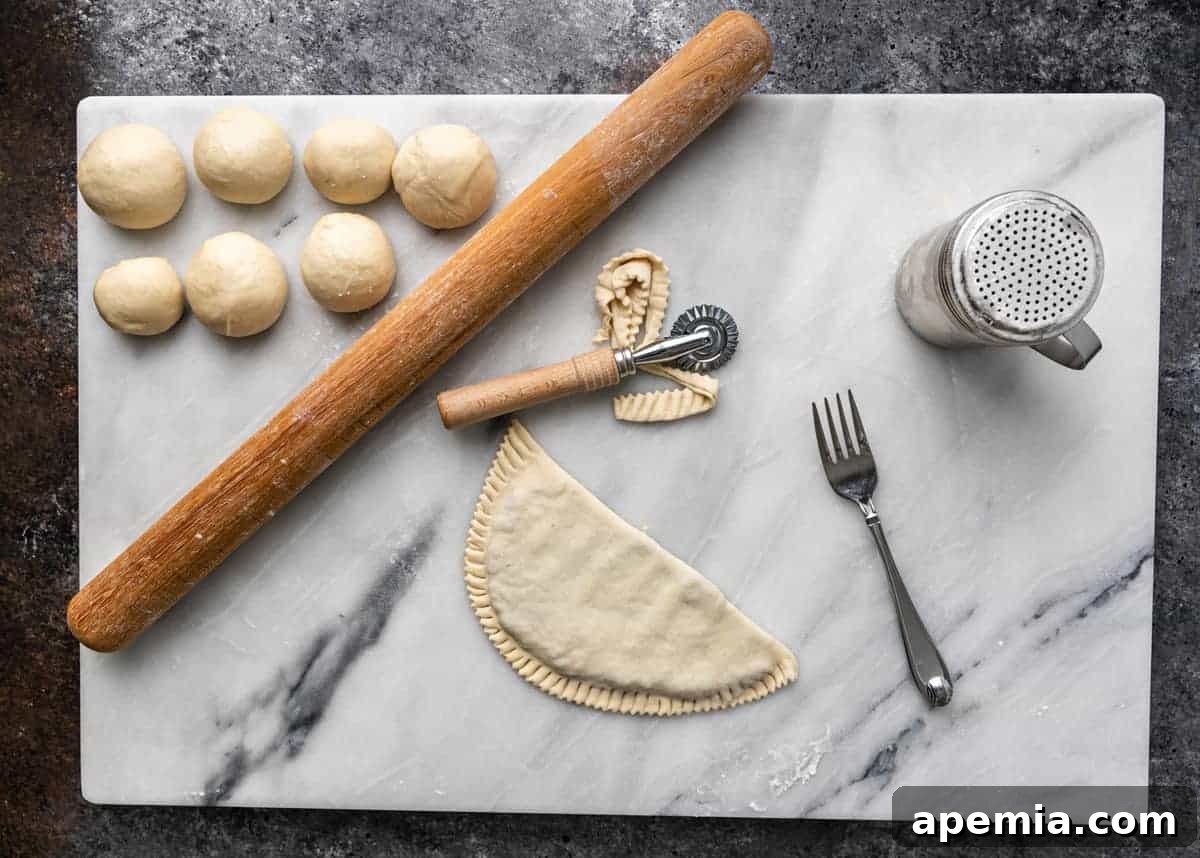
Once the dough has rested, gently transfer it to a lightly floured work surface. Divide the dough into 12 equal portions. Take one portion and gently cup it between your hands, using a circular motion with your top hand to shape it into a smooth, even ball. As you work with each ball, keep the remaining dough covered with the kitchen towel to prevent it from drying out. On your lightly floured surface, use a rolling pin to roll out one dough ball into a very thin, approximately 8-inch diameter circle. The thinner the dough, the crisper your Chebureki will be, so aim for near transparency without tearing. Spoon about 3 tablespoons of the prepared meat mixture onto one half of the rolled-out dough circle, spreading it evenly but leaving a small border (about half an inch) around the edge. Carefully fold the other half of the dough circle over the meat filling, aligning the edges to form a perfect crescent shape. Using your fingertips, firmly press the edges of the dough together to seal the filling completely, ensuring no air pockets remain inside the pie. For a traditional decorative finish and an extra secure seal, use the tines of a fork to crimp all along the curved edge of the dough. If desired, you can use a pastry cutter or a sharp knife to trim away any ragged or excess dough from the edges, giving your Chebureki a neat, professional appearance. Repeat this process with the remaining dough balls and filling until all 12 Chebureki are assembled.
4. Frying to Golden Perfection
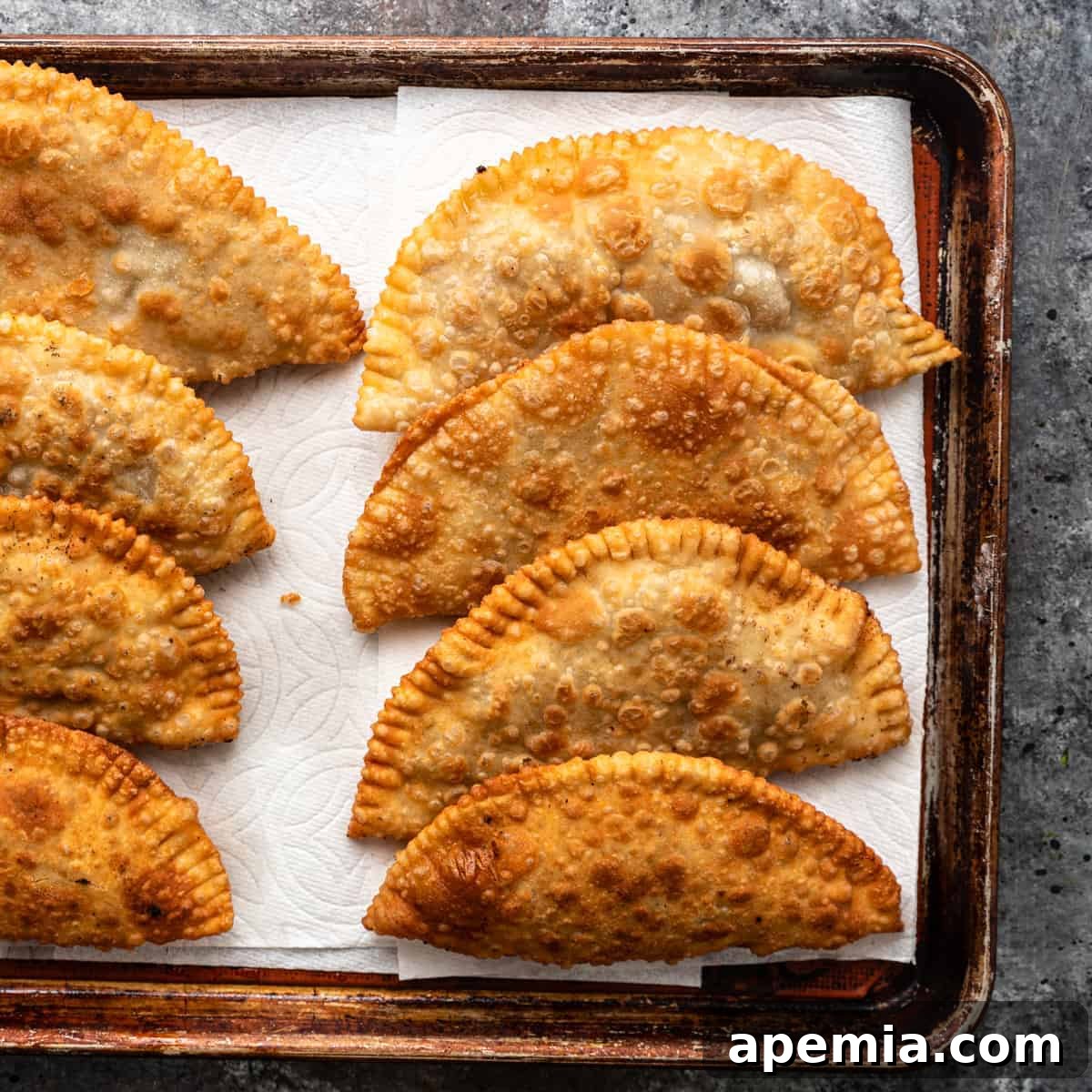
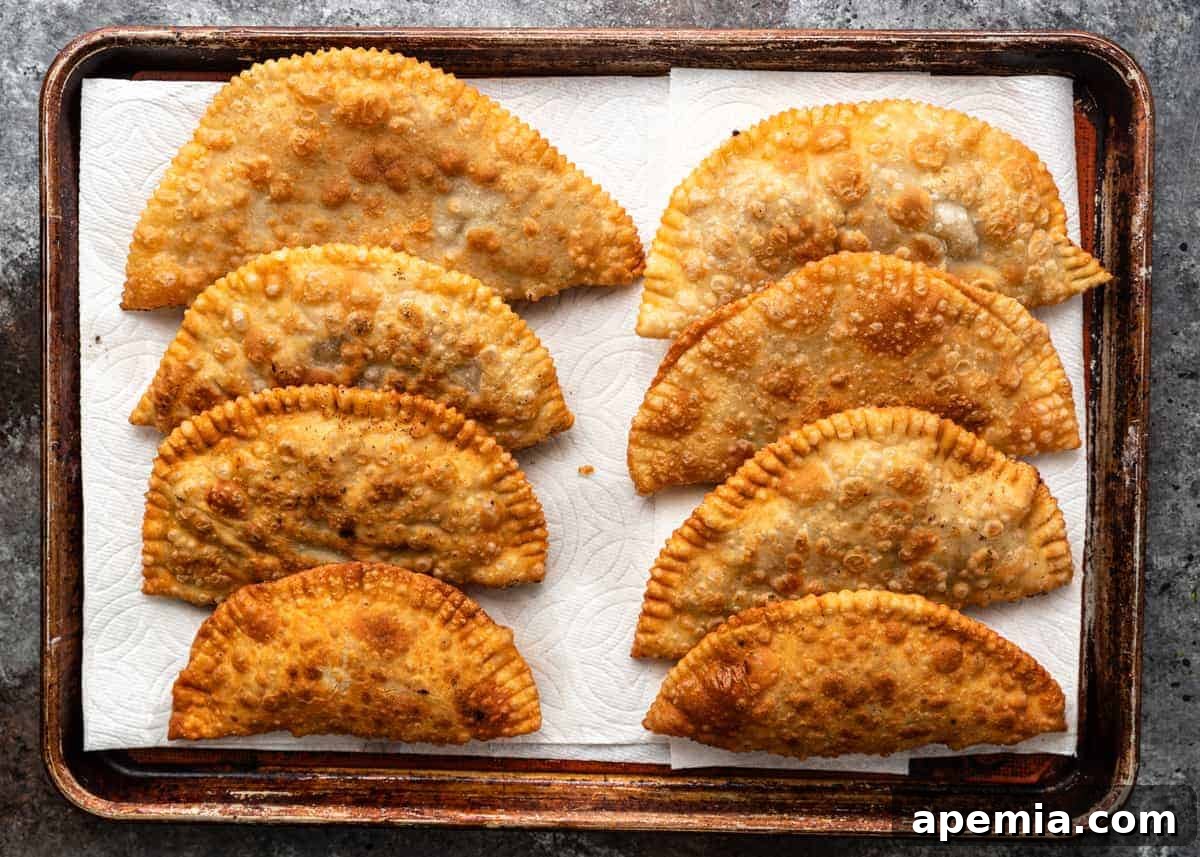
The final step is to fry your hand pies to that irresistible golden crisp. Pour about ½-inch of vegetable oil into a large (12-inch or larger) skillet or a cast iron pan. Heat the oil over medium-high heat until it reaches a temperature of 375°F (190°C). Using a kitchen thermometer is highly recommended for accuracy, as the correct oil temperature is vital for a perfectly cooked Chebureki – too cool, and they absorb too much oil; too hot, and they burn before cooking through. Carefully place a few Chebureki into the hot oil, ensuring not to overcrowd the pan. Frying in batches is essential to maintain a consistent oil temperature and allow each pie to cook evenly. Fry for approximately 2-3 minutes on each side, or until they achieve a beautiful, rich golden-brown color and are puffed up and bubbly. Once cooked, use tongs to carefully transfer the fried Chebureki to a baking sheet lined with paper towels to drain any excess oil. Serve immediately while they are still piping hot and at their peak crispiness. The contrast of the sizzling hot, crunchy crust and the tender, juicy interior is what makes freshly fried Chebureki truly unforgettable.
Frequently Asked Questions About Chebureki
Can you freeze chebureki?
Absolutely! Chebureki are fantastic for meal prepping or enjoying later. You can freeze them either raw or fully cooked. To freeze raw Chebureki, arrange them in a single layer on a baking sheet and freeze until solid, then transfer them to a freezer-safe bag or container. They will last for about 1 month. When frying raw frozen Chebureki, do not thaw them; simply place them directly into the hot oil. Be extra cautious as the moisture can cause hot oil to splatter. Cooked Chebureki can also be frozen and reheated in a preheated oven (around 350°F/175°C) or in an air fryer until warmed through and crispy again, which helps retain their texture better than microwaving.
What should I serve with chebureki?
Chebureki are incredibly versatile! They make a wonderful light lunch, a satisfying afternoon snack, or even a hearty appetizer. While delicious on their own, pairing them with a dipping sauce enhances the experience. Excellent choices include ajvar relish, a vibrant roasted red pepper and eggplant spread, or a spicy shatta sauce for those who love heat. A dollop of cool sour cream or plain Greek yogurt also provides a delightful tangy contrast to the rich meat filling. For a more substantial meal, consider serving them alongside a simple green salad, a fresh cucumber and tomato salad, or a light clear broth soup.
What meat is best for chebureki filling?
Traditionally, ground lamb is a popular choice for its distinctive flavor, especially in Crimean Tatar cuisine. However, ground beef is also widely used and is my personal preference for its robust and familiar taste. The key to a truly juicy filling is to use ground meat with a moderate fat content, such as 85% lean/15% fat or 80% lean/20% fat. The fat renders during cooking, keeping the filling moist and contributing significantly to the overall flavor. You can also experiment with a blend of lamb and beef for a more complex flavor profile.
Can I make Chebureki vegetarian?
While traditional Chebureki features a meat filling, delicious vegetarian versions can certainly be made! Popular alternatives include a filling of mashed potatoes seasoned with sautéed onions and herbs, or a mixture of cheese (such as a blend of feta and mozzarella) with fresh herbs. The dough preparation and frying method remain the same, offering a delightful option for everyone to enjoy this crispy pastry.
I sincerely hope this detailed guide encourages you to try making Chebureki at home. It’s a truly gratifying experience to recreate this delicious Crimean street food, bringing a taste of its rich culinary heritage into your own kitchen. Whether enjoyed as a snack, an appetizer, or a main dish, these crispy, savory hand pies are sure to impress and delight.
This post, originally published on Silk Road Recipes in July 2021, was updated with new content and photos in July 2022 to provide an even more comprehensive guide to making delicious Chebureki.
Chebureki (Meat Hand Pies)
16
15 mins
32 mins
30 mins
1 hr 17 mins
Ingredients
Dough
- 4 cups all purpose flour
- 1 1/2 cups hot water
- 3 tbsp vegetable oil
- 1 tbsp vodka or white vinegar, optional
- 1 tsp kosher salt
Filling
- 1 1/2 lbs ground beef (or ground lamb)
- 1 large yellow onion peeled, quartered
- 2 cloves garlic
- 1 tsp kosher salt
- 1/2 tsp black pepper
- 1/4 tsp paprika
- 1/8 tsp cayenne powder (optional)
- 1/3 cup parsley
- 1/2 cup water (ice cold)
Frying
- vegetable oil
Instructions
-
Sift flour into bowl of a stand mixer. To a separate mixing bowl, add and use a whisk to combine salt, hot water, oil, and optional vodka or vinegar. Add the liquids to the flour and using dough hook, mix on medium-low speed until dough forms. If too sticky, add a little more flour, or if too dry, add a little more water. Knead until a soft, smooth dough forms (not sticky). Cover bowl with kitchen towel and rest dough for 30 minutes.
-
Place raw beef or lamb in a large mixing bowl. To bowl of food processor, add onion, garlic, salt, pepper, paprika, cayenne, parsley and water. Mix to form a puree, then transfer puree to bowl of raw meat. Mix well to combine. Set aside.
-
Divide dough into 12 equal parts. Cup one piece of dough between your hands. Move your top hand in a circular motion to shape each portion into a ball. While working with one ball, cover the remaining dough with a kitchen towel.
-
Working with one ball of dough at a time, use rolling pin to roll dough out into a thin 8-inch circle.
-
Place 3 tablespoons meat mixture over one half of circle and spread evenly, almost to edges. Fold the other half of dough circle over the meat mixture, then use your fingers to press the edges together. Use tines of a fork to crimp edges of dough. Remove any ragged edges with pastry cutter or knife.
-
Add 1/2-inch of vegetable oil to a 12-inch or larger skillet or cast iron pan and preheat to a temperature of 375°F. When the oil is hot, fry the chebureki in batches (avoid crowding the pan) until golden brown, about 2-3 minutes on each side. Transfer to a paper towel to drain. Serve immediately warm.
Nutrition
Carbohydrates: 31g |
Protein: 12g |
Fat: 16g |
Saturated Fat: 7g |
Trans Fat: 1g |
Cholesterol: 30mg |
Sodium: 726mg |
Potassium: 224mg |
Fiber: 2g |
Sugar: 3g |
Vitamin A: 108IU |
Vitamin C: 2mg |
Calcium: 75mg |
Iron: 3mg
The information shown is an estimate provided by an online nutrition calculator. It should not be considered a substitute for a professional nutritionist’s advice.
Have You Made This Recipe? Let Me Know on Instagram
Tag @keviniscooking or tag me #keviniscooking!