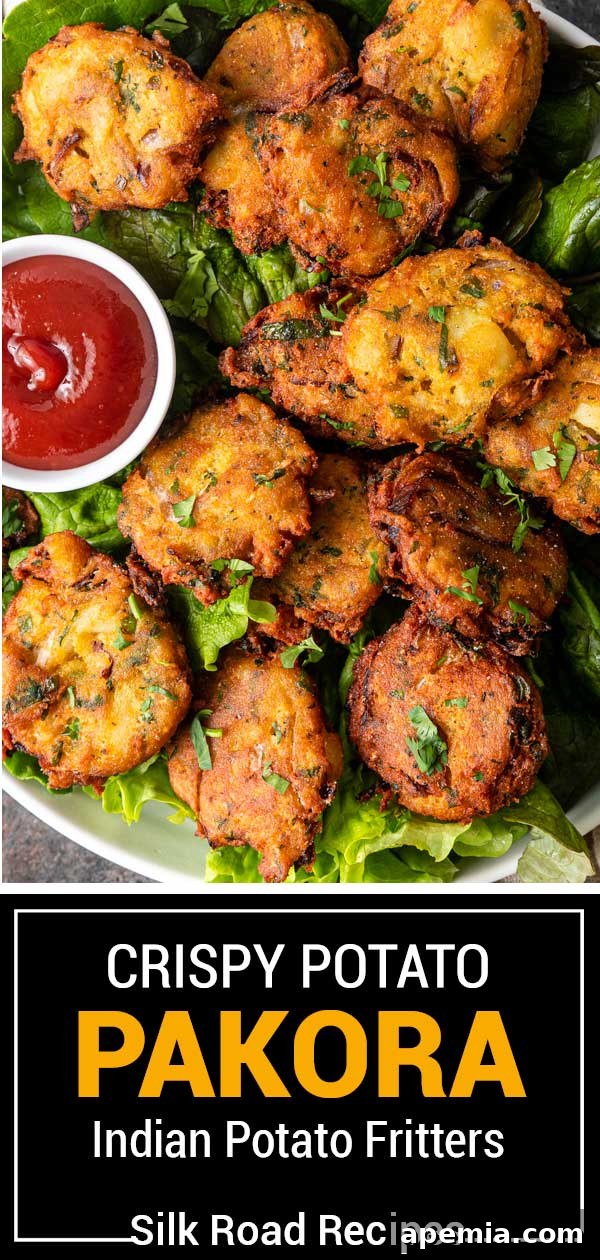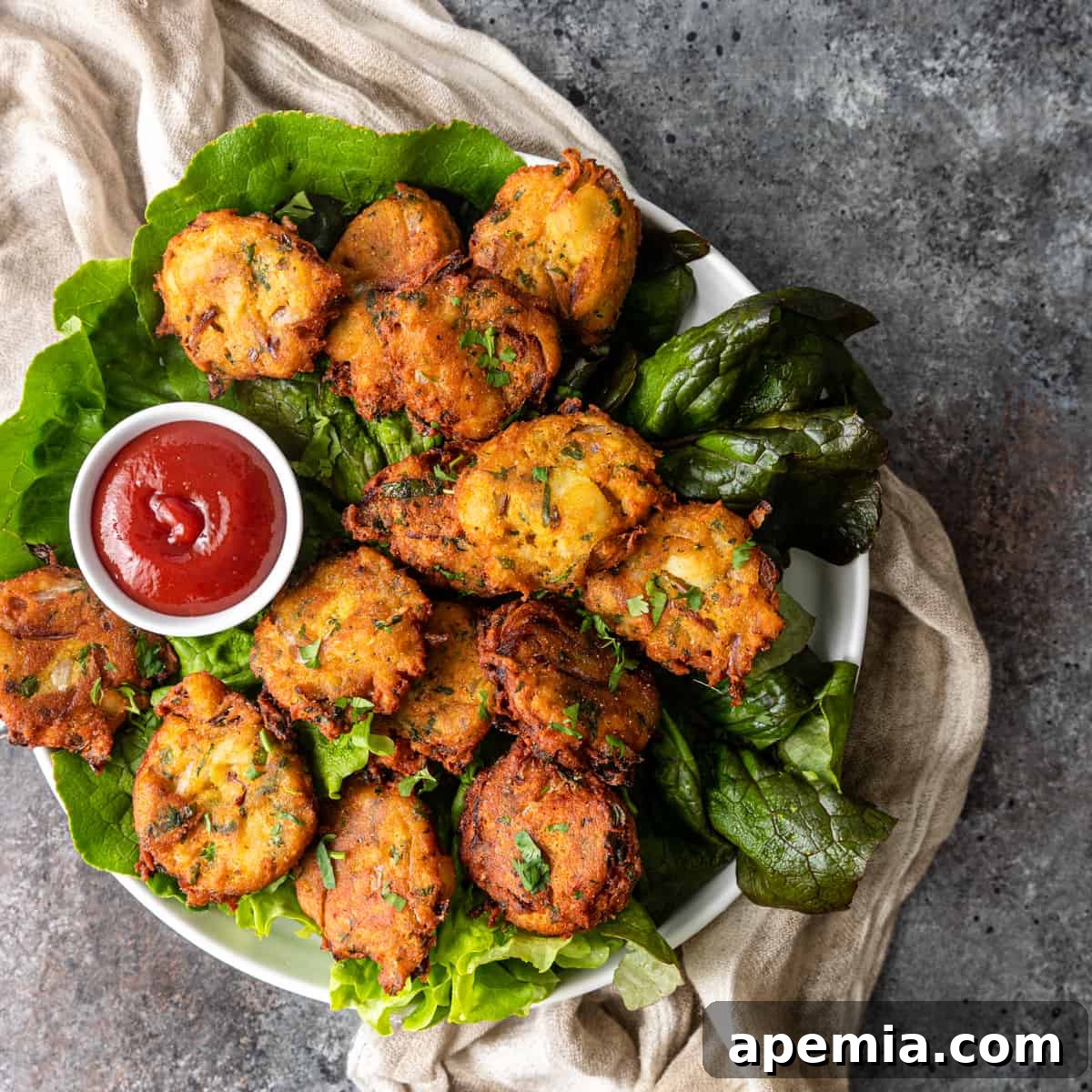
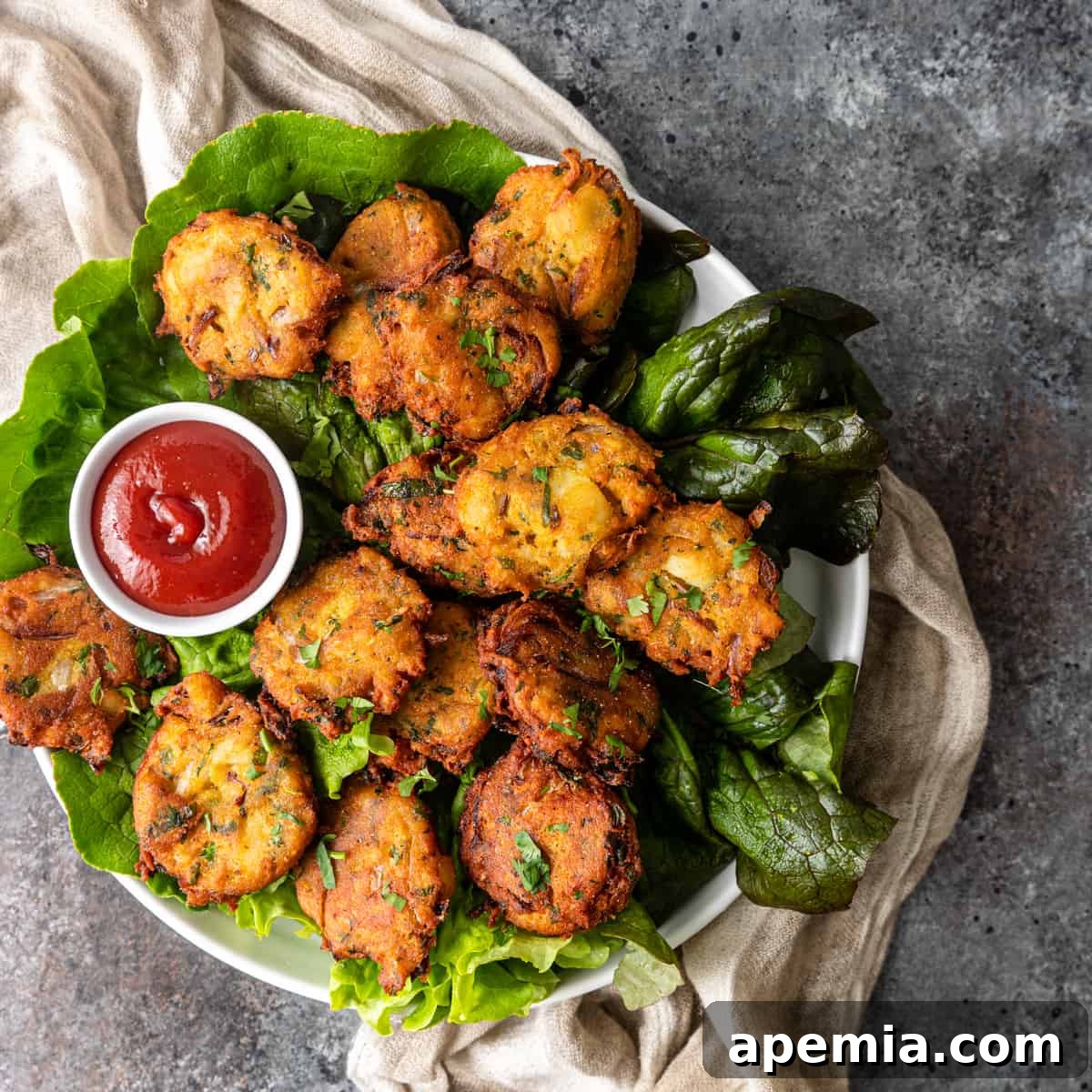
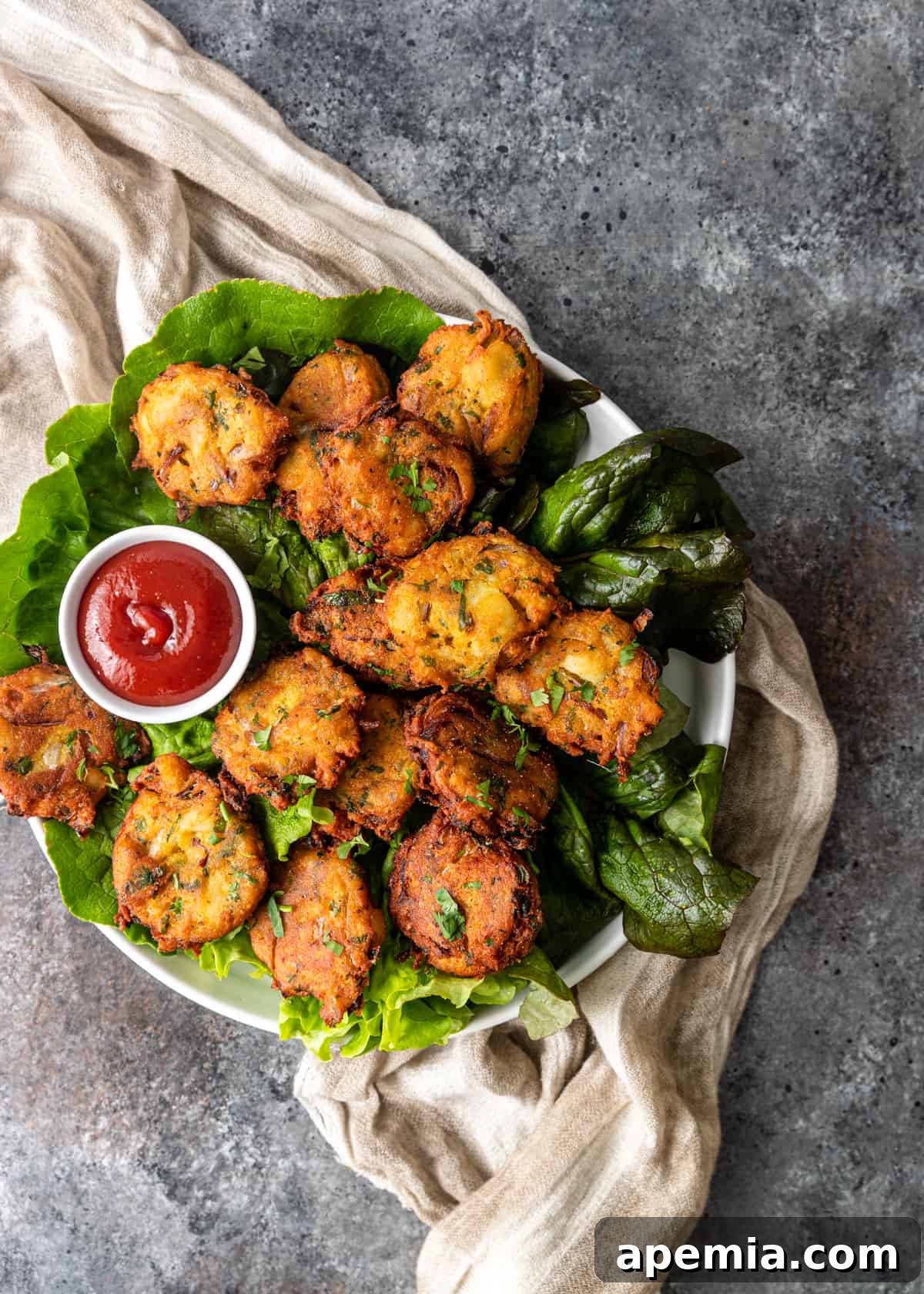
Welcome to the vibrant world of Indian street food! Here, we dive into the irresistible allure of Crispy Potato Pakora, also lovingly known as Aloo Pakora. These golden-fried fritters, with their perfectly spiced vegetable center and delightfully crisp exterior, offer a satisfying symphony of flavors and textures that captivates taste buds from the very first bite. Best enjoyed hot and fresh, Potato Pakora serves as an exquisite appetizer, a delightful snack alongside a cup of chai, or a flavorful side dish, traditionally paired with an array of vibrant dipping sauces.
The Irresistible Charm of Aloo Pakora: A Culinary Journey
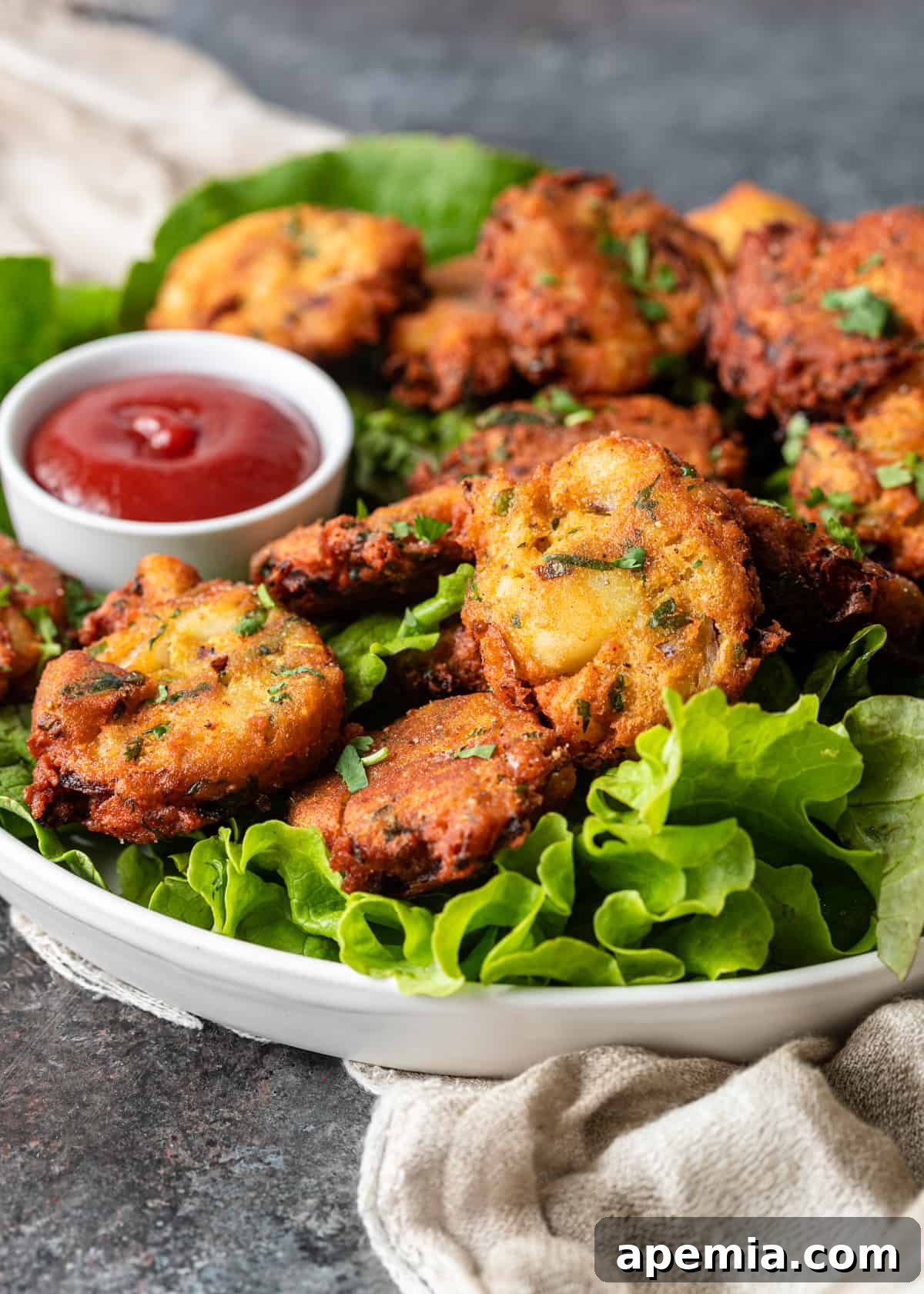
Potato Pakora, or Aloo Pakora, is more than just a simple fritter; it’s a culinary institution in India. It stands out as a wildly popular street food and a cherished homemade snack, celebrated for its unique combination of a mildly spiced, fluffy potato interior encased in a wonderfully crunchy, deep-fried batter. The magic lies in the blend of humble potatoes with aromatic spices and fresh vegetables, creating a comforting yet exhilarating taste experience.
Our recipe elevates this classic by combining finely diced or slightly mashed potatoes with fresh peppers, onions, and vibrant cilantro. These fresh ingredients are then generously seasoned with a selection of common Indian herbs and spices, including the earthy notes of coriander and cumin, the tangy kick of chaat masala, the golden hue and subtle bitterness of turmeric, and a hint of warmth from chili powder. While some prefer their potatoes in larger, more discernible chunks for added texture, I find that a gentle mash creates a particularly light and tender center, offering a delightful contrast to the crispy shell. Ultimately, the choice of how chunky or smooth your potato filling is, is entirely yours to customize!
The versatility of pakora extends far beyond potatoes. The concept of dipping savory fritters into a tangy chutney is a cornerstone of Indian snacking. You can easily adapt this recipe to create other beloved variations, such as sweet corn pakora, classic onion pakora, or rich and chewy paneer cheese pakora. No matter the type, almost any Indian fritter finds its perfect companion in a fresh and zesty tomato chutney or a cooling mint and coriander chutney.
Essential Ingredients for Perfect Potato Pakora
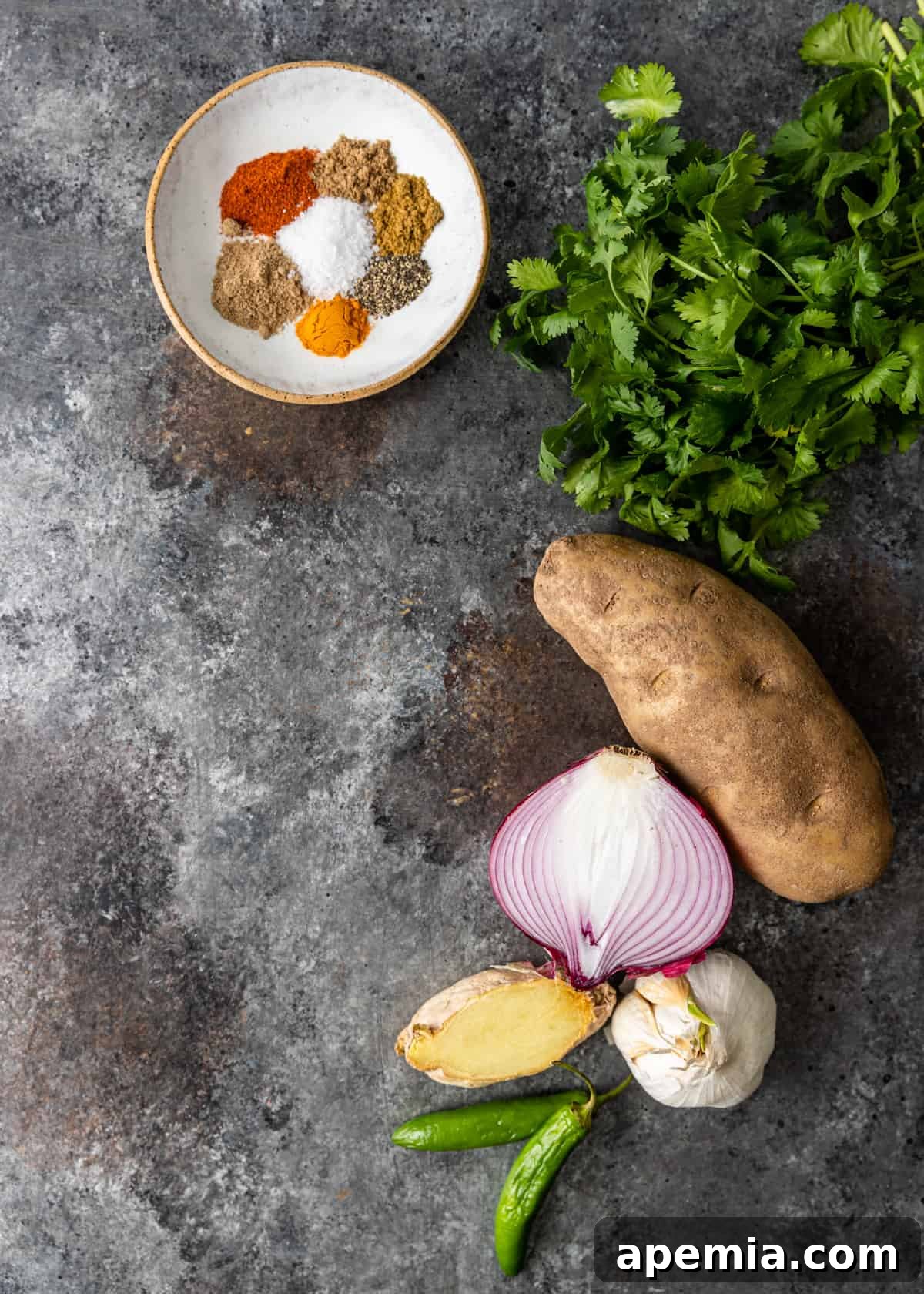
Crafting the perfect potato pakora begins with selecting the right ingredients. Each component plays a vital role in achieving that signature flavor and irresistible texture. Here’s a detailed look at what you’ll need and potential substitutions.
Key Components & Smart Substitutions
- Pakora Batter (Besan Flour): The soul of any pakora is its batter, traditionally made from besan flour (chickpea flour). Besan imparts a unique, slightly nutty flavor and contributes significantly to the crisp texture upon frying. It’s also naturally gluten-free. While all-purpose flour can be used as a substitute for texture, be aware that the authentic flavor profile will differ noticeably. If you have access to besan flour, it is highly recommended for the most authentic result.
- Russet Potatoes: Medium-sized russet potatoes are ideal for this recipe. Their high starch content makes them fluffy when cooked, which is perfect for the pakora’s tender interior. It’s crucial to skin the potatoes for a smooth consistency in the fritter mixture. Always clean and thoroughly dry them before boiling to prevent excess moisture.
- Red Onion: Red onions are preferred for their inherent sweetness and crisp texture, which mellows beautifully when cooked. White or yellow onions can be used as alternatives, though they may offer a slightly sharper or less sweet flavor profile.
- Serrano Chili: These chilies provide a pleasant touch of heat without overpowering the other spices. If you prefer a milder spice level, jalapeños make an excellent substitute. Adjust the quantity to your personal preference.
- Fresh Garlic & Ginger: The pungent and aromatic notes of fresh garlic and ginger are indispensable in Indian cooking. Using freshly minced ingredients rather than powdered alternatives is highly recommended, as they contribute a depth of flavor that dried versions simply cannot replicate.
- Chaat Masala: This iconic Indian spice blend is a game-changer, offering a unique tangy, savory, and slightly spicy profile. Its characteristic flavor comes from ingredients like black salt, amchur (dried mango powder), and various roasted spices. For a quick substitute, you can mix dried mango powder with a pinch of chili powder. You can even try our homemade chaat masala recipe for the freshest flavor.
- Coriander Powder: Known for its warm, nutty, and citrusy notes, coriander powder is a foundational spice in Indian cuisine. If unavailable, curry powder can be a decent substitute, as it often contains coriander and shares a similar aromatic complexity.
- Turmeric Powder: Beyond imparting its characteristic golden-orange hue to many Indian dishes, turmeric offers earthy and slightly peppery notes. It also boasts significant health benefits. Like coriander, curry powder can stand in for turmeric in a pinch.
- Other Essential Spices: Don’t forget the red chili powder for an added kick, cumin powder for its warm and earthy aroma, and black pepper for a subtle sharpness, all balanced by kosher salt to enhance every flavor.
- Vegetable Oil: For frying, a neutral-flavored oil with a high smoke point is best. Canola, peanut, or grape seed oil are excellent alternatives to standard vegetable oil, ensuring your pakoras achieve that perfect golden crispness without imparting unwanted flavors.
Mastering the Art of Potato Pakora: Step-by-Step Recipe
Creating homemade potato pakora is a rewarding experience that’s simpler than you might think. Follow these steps for perfectly crispy, flavorful fritters every time.
Preparation and Mixing
1. Prepare and Cook the Potatoes. Begin by thoroughly skinning and cubing your russet potatoes into roughly 1-inch pieces. In a pot, boil just enough water to cover the potatoes, adding a generous tablespoon of salt to the water. Boil the potatoes until they are fork-tender, but not mushy. Overcooking can lead to a watery mixture. Once tender, drain the potatoes completely and spread them on a tray or plate to cool down. Allowing them to cool fully is essential to prevent a soggy pakora mixture.
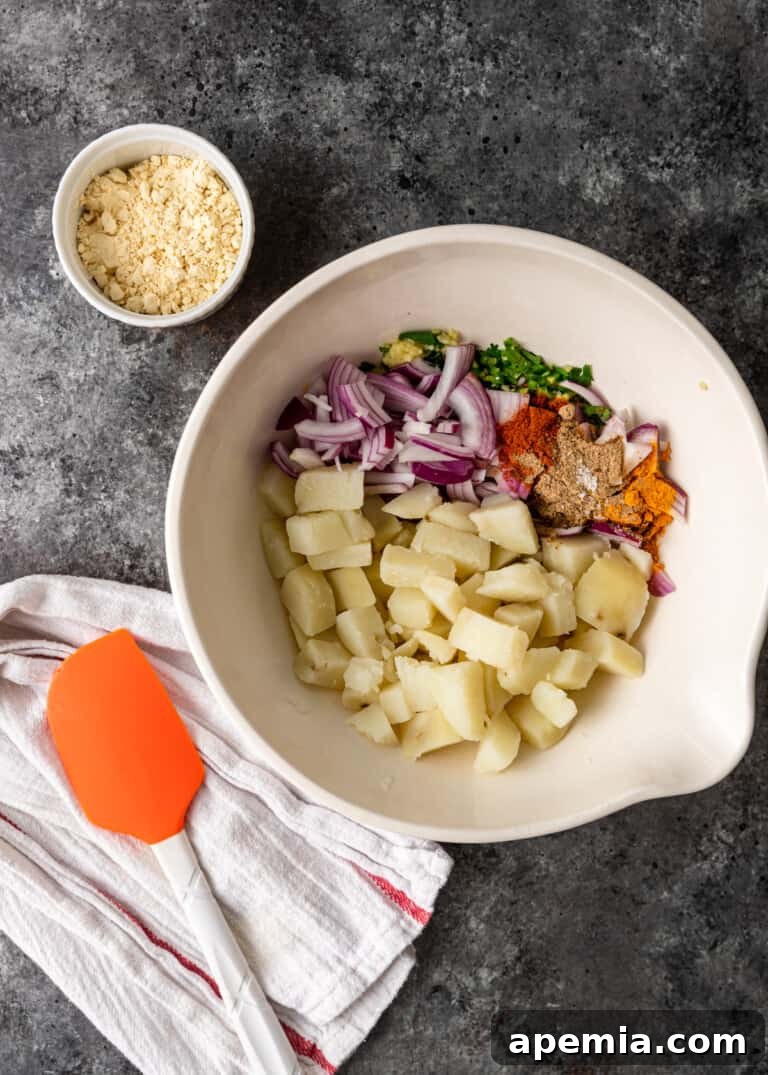
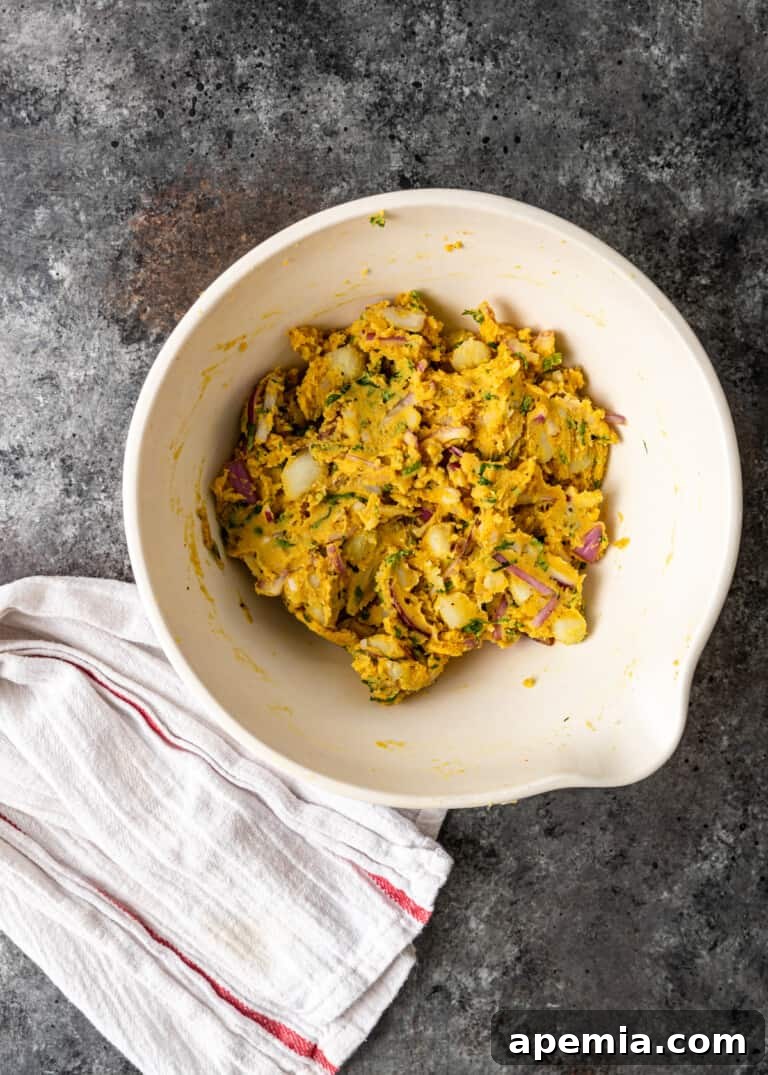
2. Season & Gently Mash. In a large mixing bowl, combine all the dry spices, fresh garlic, ginger, sliced red onion, chopped cilantro, and minced serrano chili. Ensure all ingredients are evenly distributed. Now, add the cooled, diced potatoes to this mixture. Using a fork or a potato masher, gently crush and mash the potatoes directly into the spice and vegetable mixture. The goal is to incorporate everything well while intentionally leaving some small potato chunks intact. These chunks will add a wonderful textural contrast to the soft interior of the finished pakora.
3. Craft the Besan Batter. Once the potato mixture is seasoned and mashed to your liking, sprinkle the besan flour evenly over the top, followed by the water. Mix everything together thoroughly. You’re aiming for a cohesive, thick batter that binds all the ingredients without being too runny. It should be firm enough to form into patties but still moist.
Frying for Golden Perfection
4. Fry the Pakora. Heat your chosen frying oil in a deep skillet or a cast-iron pan over medium heat. The ideal temperature for frying pakoras is around 180°C or 350°F. Maintaining this temperature is crucial for achieving that coveted crisp exterior without burning or making the pakoras greasy. Using two tablespoon scoops of the aloo pakora mixture, gently form individual patties. Carefully place these patties into the hot oil. Fry them on each side until they turn a beautiful golden brown and are crispy. Avoid overcrowding the pan, as this can lower the oil temperature and result in less crispy pakoras.
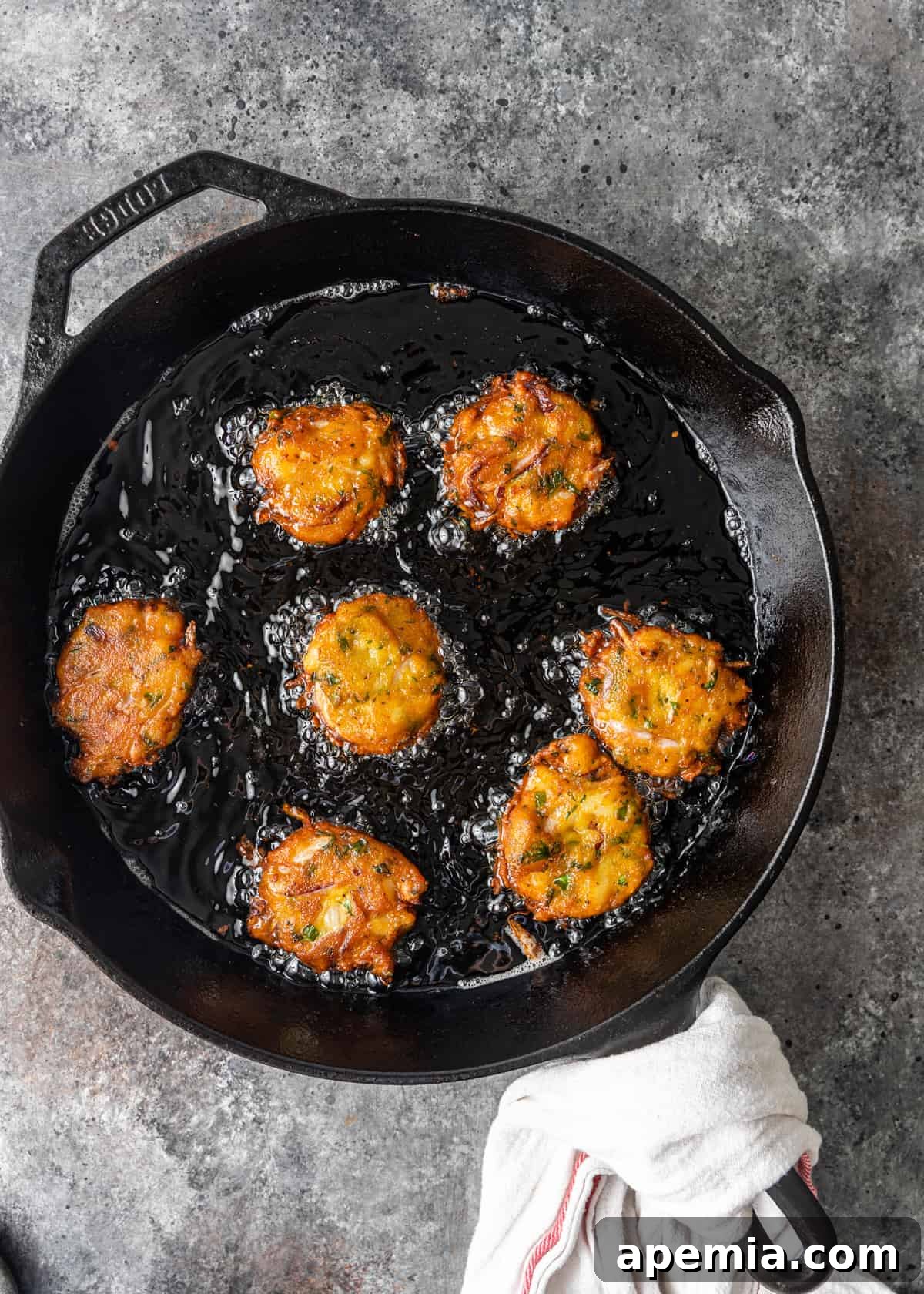
5. Drain & Repeat. As each batch of potato pakora achieves its golden crispness, carefully remove them from the oil using a slotted spoon. Transfer them immediately to a plate lined with paper towels to drain any excess oil. This step is critical for maintaining their crisp texture. Continue this process with the remaining batter. This recipe typically yields around 24 delicious Indian potato fritter patties, perfect for sharing or savoring.
Serving Your Freshly Made Pakora
6. Serve. The absolute best way to enjoy potato pakora is piping hot, straight out of the pan. Just before serving, you can sprinkle them with a little extra kosher salt or a dash of chaat masala for an added zing. Serve your pakoras immediately with your favorite dipping sauce. Classic choices include refreshing mint chutney, sweet and tangy tamarind chutney, spicy green chili chutney, or even simple ketchup for a universally loved accompaniment.
Frequently Asked Questions about Potato Pakora
Delve deeper into the world of pakora with answers to some common questions.
What is the ideal pakora batter made of?
The authentic batter for potato pakora is remarkably simple, consisting primarily of besan flour (chickpea flour) and water. Besan flour is key because it provides a distinct, slightly earthy and nutty flavor, and when fried, it results in a uniquely crisp and light texture that all-purpose flour cannot quite replicate. If besan flour isn’t readily available, regular all-purpose flour can be used as a substitute, but be prepared for a slightly different taste and potentially a less pronounced crispness. For best results, always aim for besan.
How do you properly store and reheat potato pakora?
While freshly fried pakoras are undeniably the best, with their peak crispness and flavor, there are ways to manage leftovers or prepare ahead. Generally, fried items don’t hold up perfectly to refrigeration and reheating, as they tend to lose their crispy texture. Therefore, consuming them right away when they are hot and fresh is always recommended.
However, the pakora batter itself is quite forgiving! You can prepare the mixture a couple of days in advance and store it in an airtight container in the refrigerator for up to 3 days. This makes it perfect for quick frying when a craving strikes.
For longer storage, you can freeze uncooked pakora patties. Simply scoop out portions of the batter, form them into patties, and arrange them in a single layer on a baking sheet. Freeze until solid, then transfer the frozen fritters to a freezer-safe bag or airtight container. They will keep well for a couple of months. When ready to enjoy, thaw them slightly before frying as usual.
To reheat leftover fried pakoras and revive some of their lost crispness, avoid the microwave. Instead, pop them into a preheated oven or an air fryer until they are warmed through and crisp again. This method helps to evaporate any absorbed moisture and brings back some of their original texture.
Is aloo pakora suitable for weight loss?
While aloo pakora predominantly features vegetables like potatoes and onions, which offer dietary fiber and essential nutrients, it is important to note that it is traditionally deep-fried in oil. This cooking method significantly increases its calorie and fat content. Potatoes themselves are rich in carbohydrates, providing a good source of energy. Therefore, while potato pakora can be an excellent way to energize your body and satisfy your cravings, it is generally not considered an ideal food for a strict weight-loss diet due to its frying process. If you’re conscious about calories, consider enjoying it in moderation or exploring healthier cooking alternatives like air frying or baking, which can reduce the amount of oil used.
Why are my pakoras not crispy? (Troubleshooting Tips)
Achieving that perfect crisp exterior is the hallmark of a great pakora. If your potato pakoras are falling short on crispness, there are a few common culprits:
- Oil Temperature: The most frequent reason for soggy pakoras is oil that isn’t hot enough. The oil needs to be at least medium-high (approximately 180°C or 350°F). If the oil is too cool, the batter will absorb the oil instead of frying quickly and developing a crisp crust. Use a kitchen thermometer to ensure accuracy.
- Overcrowding the Pan: Frying too many pakoras at once causes the oil temperature to drop significantly, leading to the same problem of oil absorption rather than crisping. Fry in small batches to maintain a consistent oil temperature.
- Insufficient Draining: After frying, it’s crucial to transfer the pakoras to a plate lined with paper towels. This allows excess oil to drain away. If they sit in oil, they will become greasy and lose their crispness as they cool.
- Batter Consistency: A batter that is too thin or too thick can also impact crispness. A thin batter might absorb too much oil, while an overly thick batter might cook unevenly, leaving a soft interior without a proper crisp exterior. Aim for a thick, cohesive but not overly dense consistency.
- Moisture in Potatoes: Ensure your cooked potatoes are well-drained and cooled before mixing with the spices. Any excess moisture can make the batter too wet, contributing to a less crispy result.


Crispy Potato Pakora Recipe
6
10 mins
16 mins
26 mins
PrintRecipe
Ingredients
- 2 medium russet potatoes
- 1/2 cup red onion sliced
- 2 tbsp cilantro chopped
- 2 Serrano green chili minced
- 2 cloves garlic minced
- 1 thumb ginger skinned and minced
Spices
- 1/2 tsp kosher salt
- 1/2 tsp chaat masala
- 1/4 tsp coriander powder
- 1/4 tsp red chili powder
- 1/4 tsp turmeric powder
- 1/4 tsp cumin powder
- 1/4 tsp black pepper
Batter
- 1/2 cup besan flour or regular flour
- 2 tbsp water
Fry
- 1 cup vegetable oil
Instructions
-
Skin and cube the potatoes. Add 1 tablespoon salt to enough water to cover potatoes and boil until fork tender. Drain, cool, set aside.
-
In a bowl mix together the remaining ingredients except the flour, water and oil. Crush or mash the cooked potatoes in the mixture, leaving them a little chunky. Sprinkle the flour and water over and mix everything together.
-
In a cast iron or deep skillet heat 1 cup vegetable oil over medium heat to (180C or 350°F). Add 2 tablespoon scoops of potato mixture, form into a patty, and fry on both sides until golden brown. Drain on paper towel lined plate and sprinkle with salt or chaat masala if desired and serve with ketchup or favorite dipping sauce.
Notes
Nutrition
The information shown is an estimate provided by an online nutrition calculator. It should not be considered a substitute for a professional nutritionist’s advice.
appetizers
Indian
Kevin
Share Your Culinary Creations!
We’d love to see your homemade Crispy Potato Pakora! After you’ve whipped up a batch of these delicious Indian fritters, don’t forget to share your photos and experiences with us. Tag @keviniscooking on Instagram or use the hashtag #keviniscooking so we can admire your culinary masterpieces!