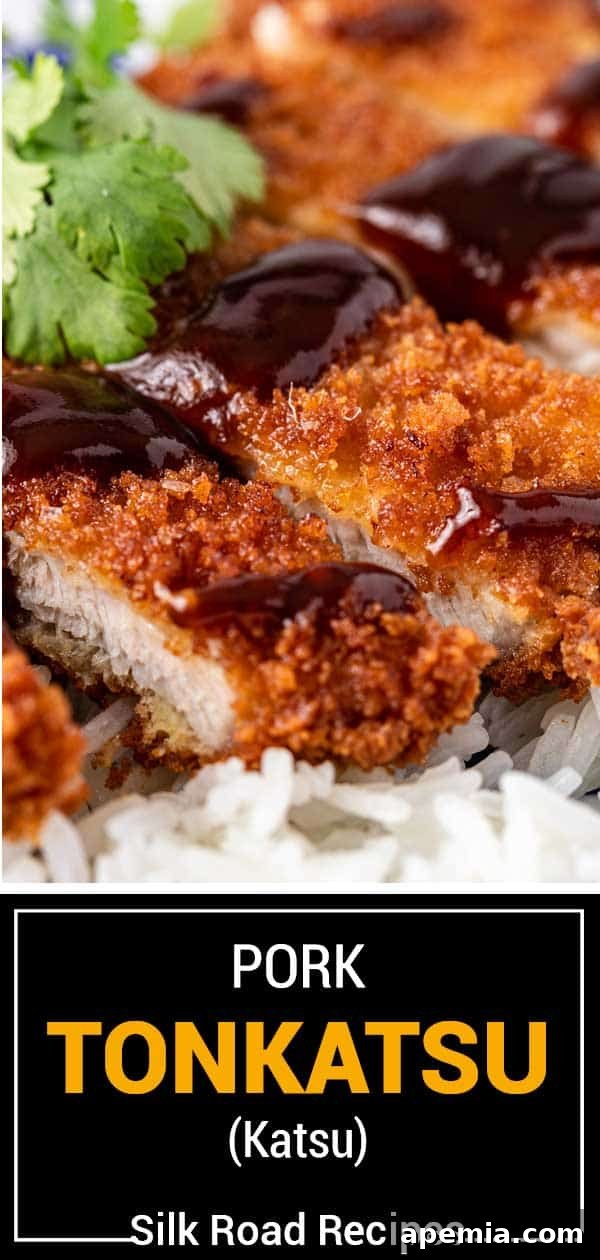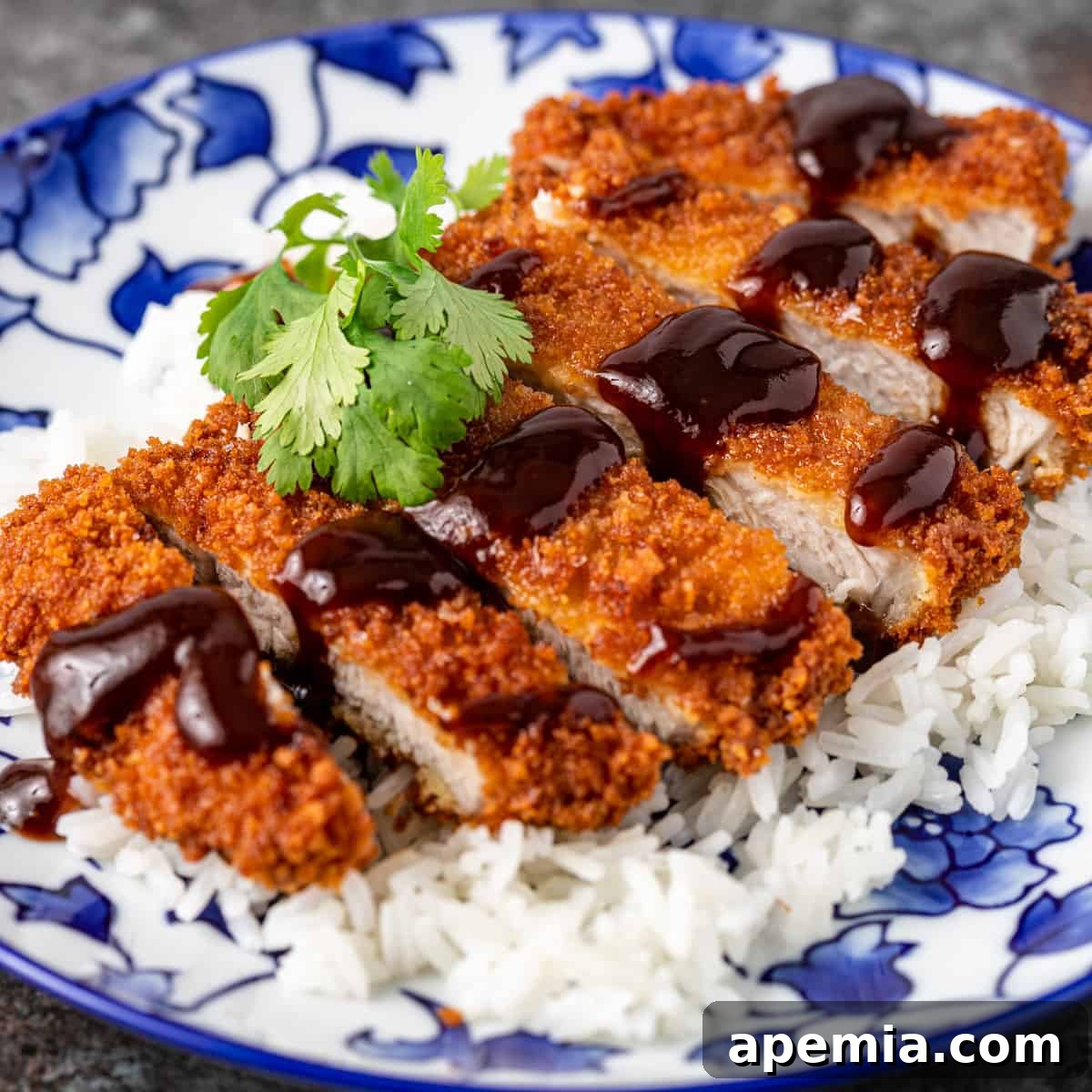
Prepare to delight your taste buds with my ultimate **Pork Tonkatsu** recipe, a simple yet sensational weeknight dinner that is guaranteed to impress. Experience the joy of tender, juicy pork cutlets, meticulously coated in crispy panko breadcrumbs, pan-fried to golden perfection, and generously drizzled with a rich, delectable sweet-and-sour tonkatsu sauce. This classic Japanese dish, also known as Pork Katsu, offers an incredible flavor payoff with surprisingly little effort, proving that authentic Japanese cooking can be both accessible and incredibly quick.
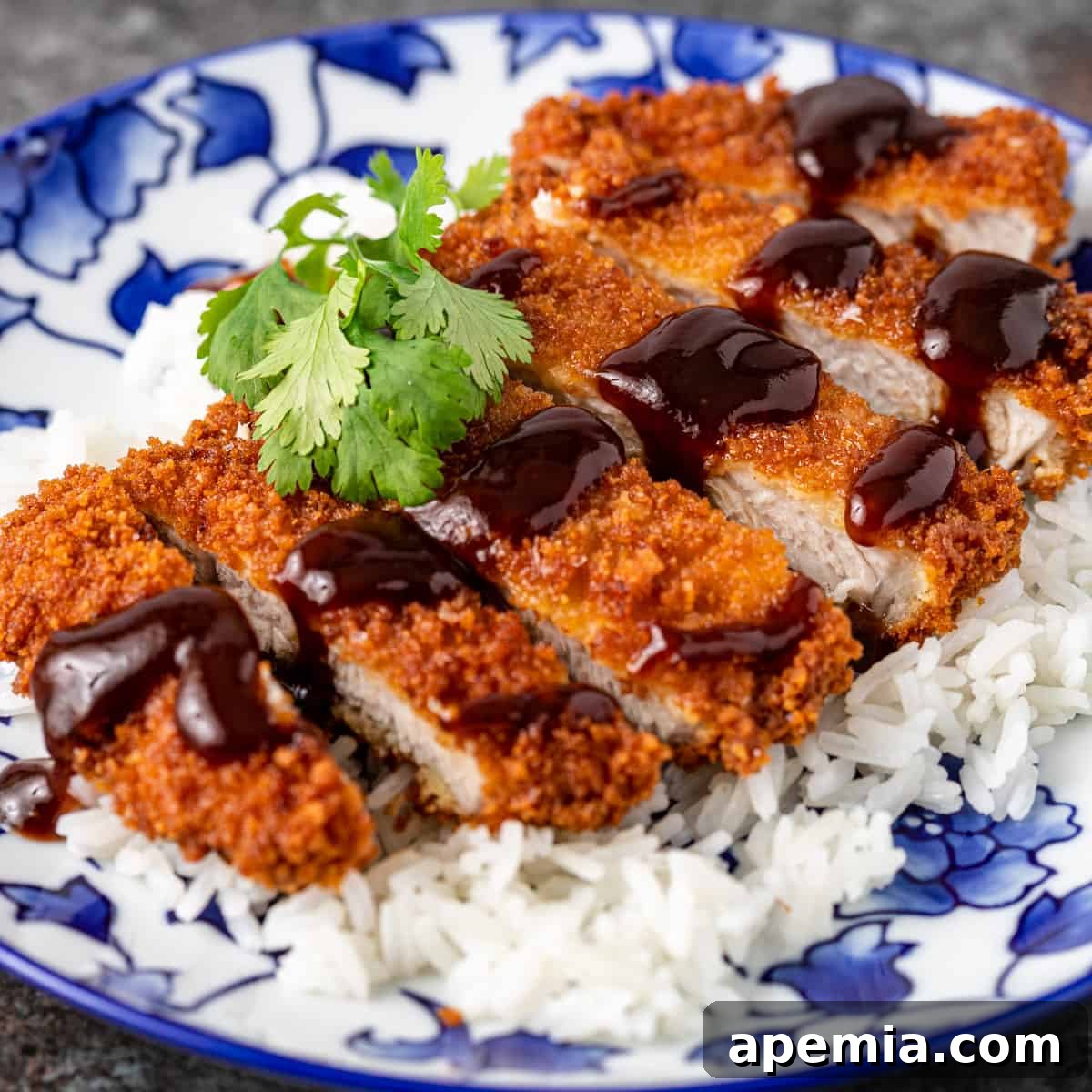
Originating in Japan during the late 19th century as a Western-inspired dish, Pork Tonkatsu has evolved into a beloved staple, celebrated for its unique texture and comforting flavors. This entire meal can be ready in just under 20 minutes, making it a perfect choice for busy evenings when you crave something extraordinary without spending hours in the kitchen.
The secret to Tonkatsu’s irresistible charm lies in its signature light batter and airy panko breadcrumbs. These components work in harmony to create an intoxicating crunchiness on the exterior, while ensuring the pork inside remains incredibly succulent and moist. But the true magic happens when we introduce the homemade katsu sauce. This carefully balanced condiment, with its blend of sweet, salty, savory, and tangy notes, elevates the fried pork to an unforgettable culinary experience.
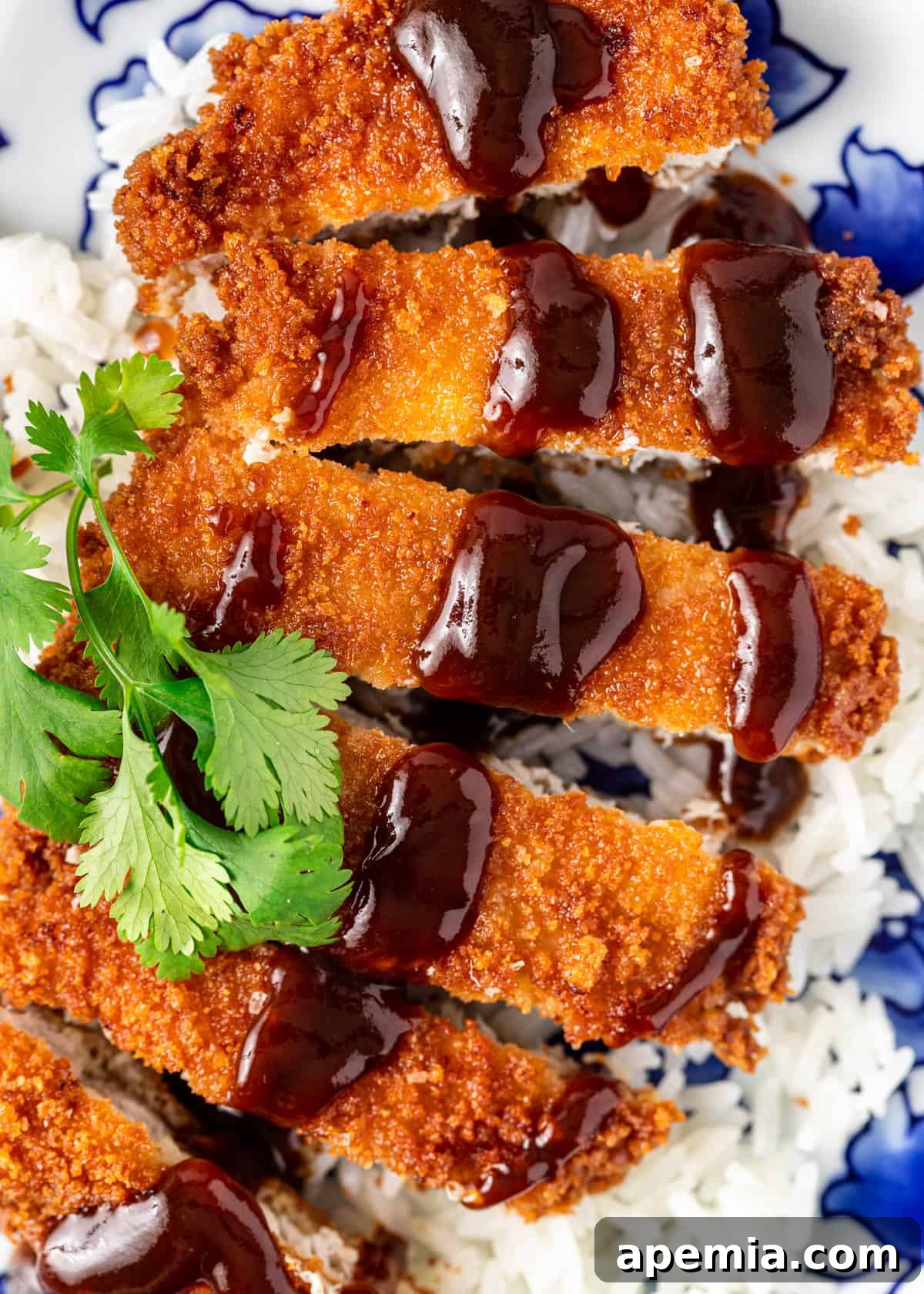
Table of Contents
- What’s Tonkatsu and Why You’ll Love It
- Ingredient Notes and Smart Substitutions
- Katsu vs. Tonkatsu: Understanding the Difference
- How to Make Perfect Pork Tonkatsu: Step-by-Step
- Essential Tips for Flawless Tonkatsu
- Serving Suggestions and Meal Ideas
- Frequently Asked Questions
- Pork Tonkatsu (Katsu) Recipe Card
What’s Tonkatsu and Why You’ll Love It
Pork Tonkatsu is a Japanese dish consisting of a breaded, deep-fried pork cutlet, typically served with shredded cabbage and a savory Tonkatsu sauce. Its journey began in the late 19th century, drawing inspiration from European cutlet dishes. Over time, it was adapted with Japanese ingredients and cooking techniques, giving birth to the unique and beloved dish we know today. The name “Tonkatsu” itself is a blend: “ton” (豚) means pork, and “katsu” (カツ) is a shortened form of “katsuretsu,” derived from the English word “cutlet.”
There are countless reasons to fall in love with homemade Tonkatsu. Beyond its incredible flavor and satisfying crunch, it’s remarkably versatile and easy to make. It offers a comforting, hearty meal that appeals to both adults and children, making it a fantastic addition to your weekly dinner rotation. The contrast between the crispy exterior and the tender, flavorful pork interior is simply unmatched, especially when paired with the sweet and tangy sauce.
If you’re looking for more exciting pork recipes to try, be sure to check out my Chinese BBQ Pork, savory Pork Pot Stickers, and these delectable Asian Pulled Pork Sliders.
Ingredient Notes and Smart Substitutions
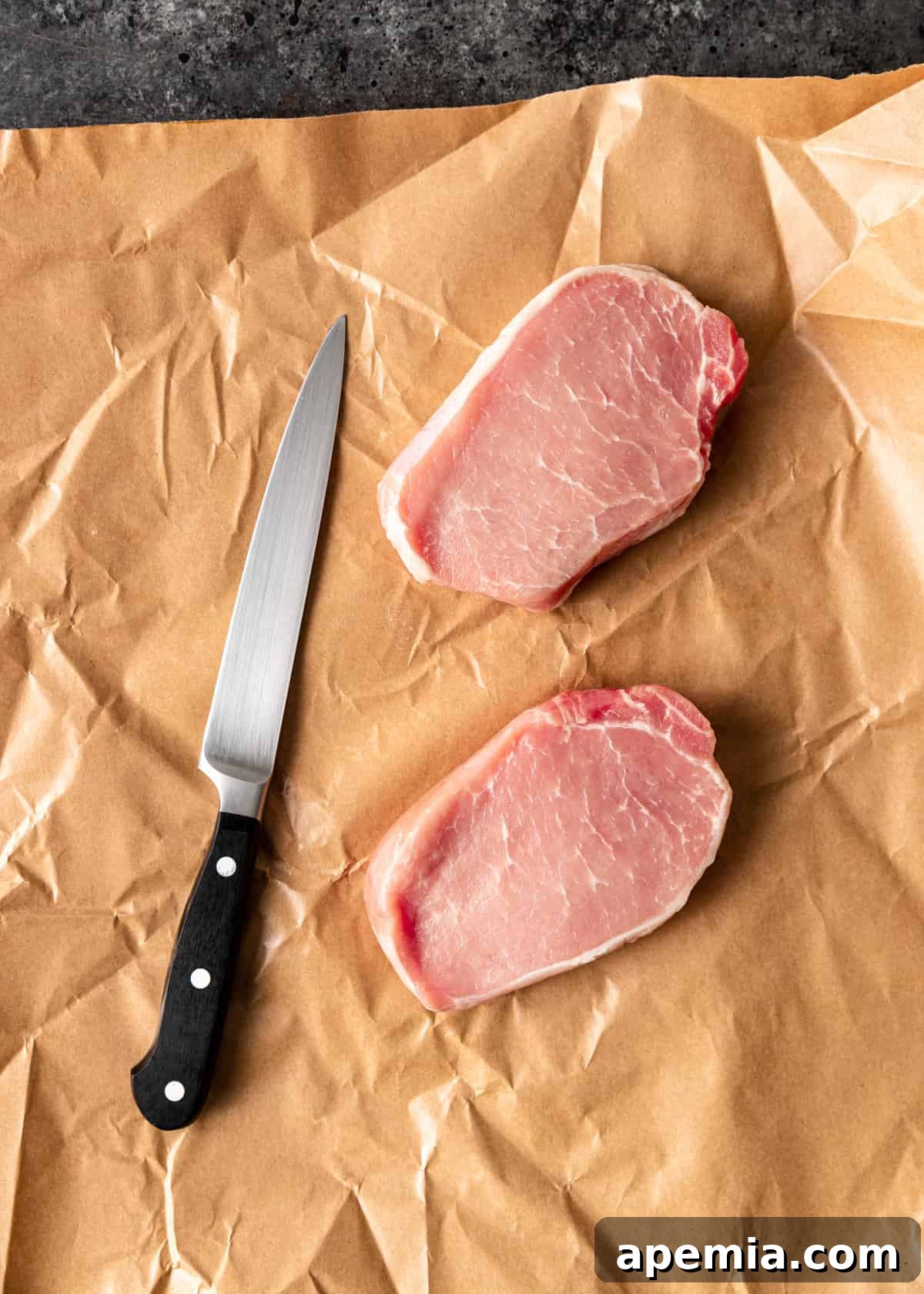
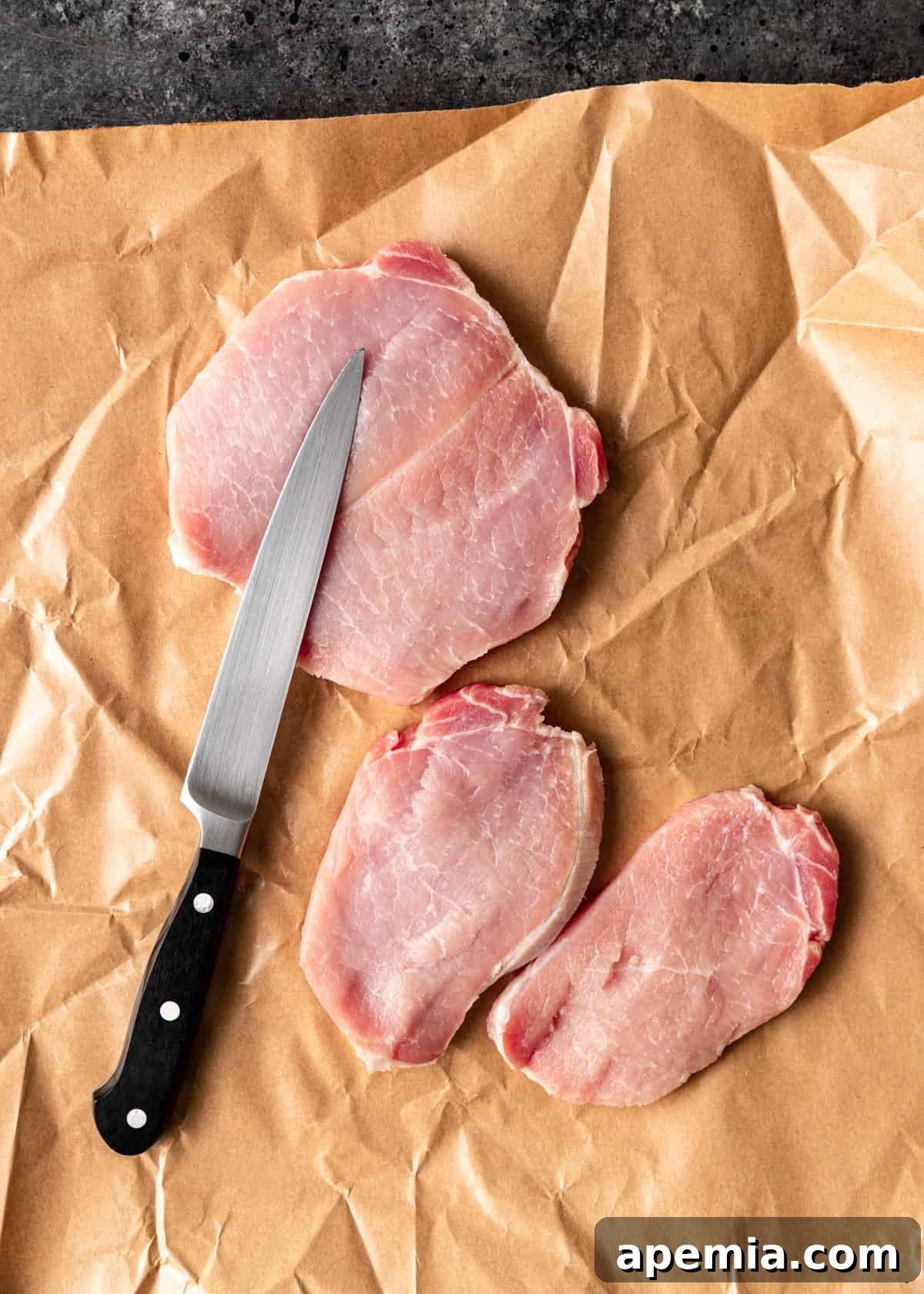
- Pork – The foundation of great Tonkatsu! Opt for pork loin cutlets or pork chops, ideally around ½ inch in thickness. If your chops are thicker, simply butterfly cut them horizontally to create two thinner cutlets, ensuring even cooking and tenderness.
- White Pepper – This spice offers a distinctive spicy, earthy, and peppery flavor profile, but with less sharp heat than black pepper. It’s often favored in East Asian cuisine for its subtle warmth and ability to blend seamlessly with other flavors. However, feel free to substitute with black pepper if white pepper is unavailable or if you prefer a bolder kick.
- Batter – Our simple yet effective batter is a blend of eggs, all-purpose flour, kosher salt, white pepper, and garlic powder. This combination creates a savory base that helps the panko adhere beautifully while adding an extra layer of flavor. For those with dietary restrictions, a gluten-free alternative to all-purpose flour can be used without compromising the taste or texture.
- Panko Breadcrumbs – This is a non-negotiable ingredient for authentic Tonkatsu! Panko, a Japanese breadcrumb, is specifically designed to be light, airy, and flaky, resulting in an incomparably crispy crust when fried. Unlike regular breadcrumbs, panko absorbs less oil, which means a less greasy and more delightfully crunchy finish. Do not substitute regular breadcrumbs if you want that true Katsu crisp.
- Vegetable Oil – For pan-frying the cutlets, select a vegetable oil with a high smoke point. Good options for this recipe include peanut oil (for a subtle nutty flavor and excellent frying properties), canola oil, or sunflower oil. These oils can withstand the necessary heat for frying without burning, ensuring your Tonkatsu gets that perfect golden brown crust.
- Tonkatsu Sauce – This quintessential sauce is what transforms ordinary fried pork into tantalizing Tonkatsu. Its scrumptious savory-sweetness is a complex blend of fruit, vegetables, and spices. While you can find bottled versions in the international foods aisle of most supermarkets, I highly recommend trying this DIY version to experience the freshest, most vibrant flavors.
Katsu vs. Tonkatsu: Understanding the Difference
While the terms “katsu” and “tonkatsu” are often used interchangeably, they represent a nuanced distinction in Japanese cuisine. Understanding this difference is key to appreciating the versatility of “katsu” dishes.
For starters, katsu (カツ) is a shortened form of the Japanese word katsuretsu (カツレツ), which itself is a phonetic approximation of the English word “cutlet.” Thus, “katsu” broadly refers to any cutlet that has been breaded (typically with panko) and fried.
The prefix ton (豚) in Japanese means “pig” or “pork.” When we combine “ton” with “katsu,” we get tonkatsu (豚カツ), which literally translates to “pork cutlet.” Simply put, **Tonkatsu is a specific type of Katsu – a pork katsu.**
This means that while all Tonkatsu is Katsu, not all Katsu is Tonkatsu. The term “katsu” can be applied to a wide array of ingredients beyond pork, as long as they are breaded and fried in the signature style. Popular variations include:
- Chicken Katsu (Tori Katsu): Made with chicken breast or thigh, offering a lighter alternative to pork.
- Minced Meat Katsu (Menchi Katsu): A patty of ground meat (often beef and pork), sometimes mixed with onions, breaded and fried.
- Seafood Katsu: Such as Ebi Fry (fried shrimp), Salmon Katsu, or Oyster Katsu.
- Beef Katsu (Gyukatsu): Breaded and fried beef cutlets, often cooked rare in the center.
- Vegetable or Tofu Katsu: Utilizing firm vegetables like lotus root, eggplant, or blocks of tofu for a vegetarian option.
Despite these variations, pork tonkatsu was arguably the first and most iconic katsu dish to gain widespread popularity, which is why its name often stands in for the broader category of breaded and fried cutlets.
How to Make Perfect Pork Tonkatsu
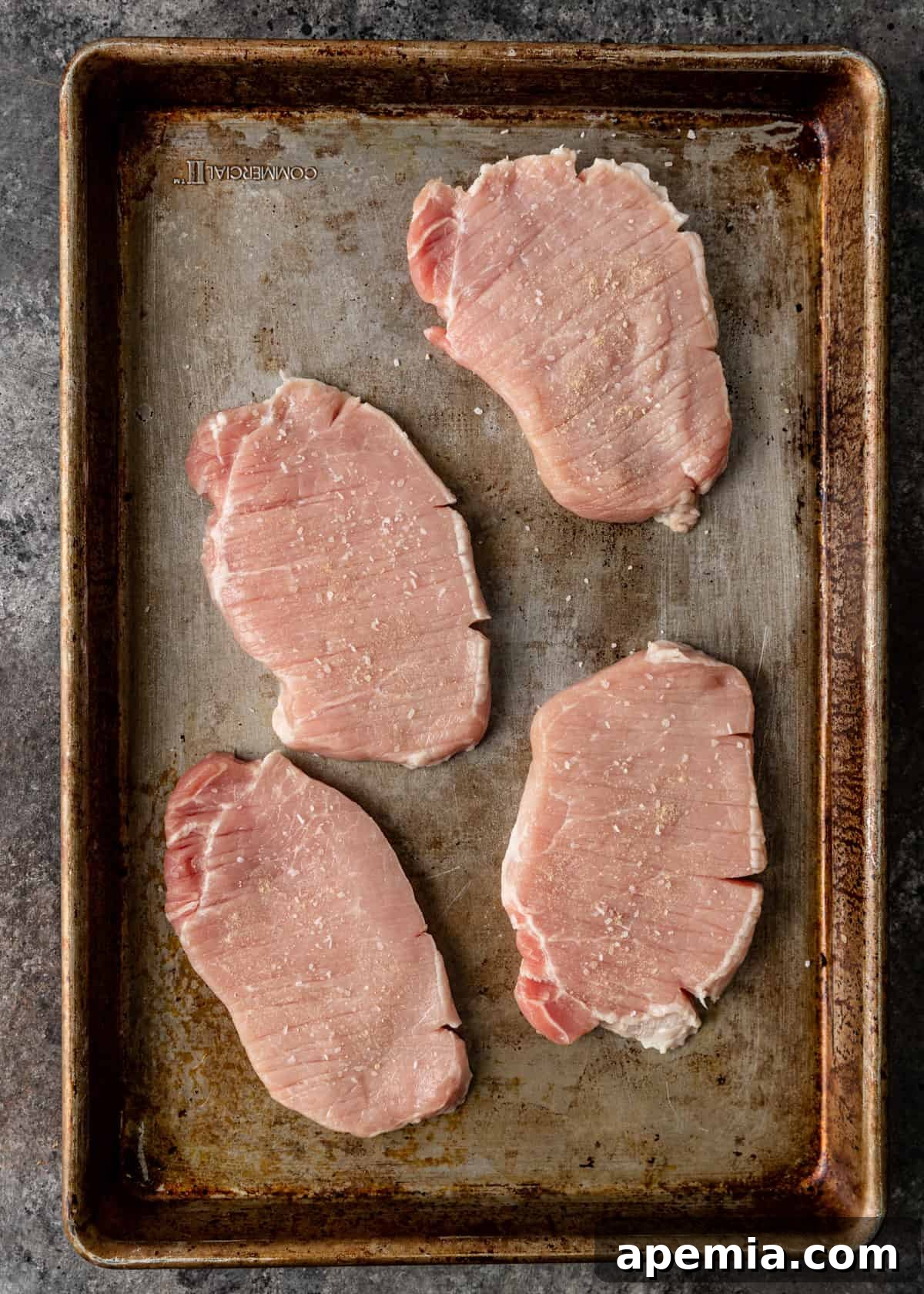
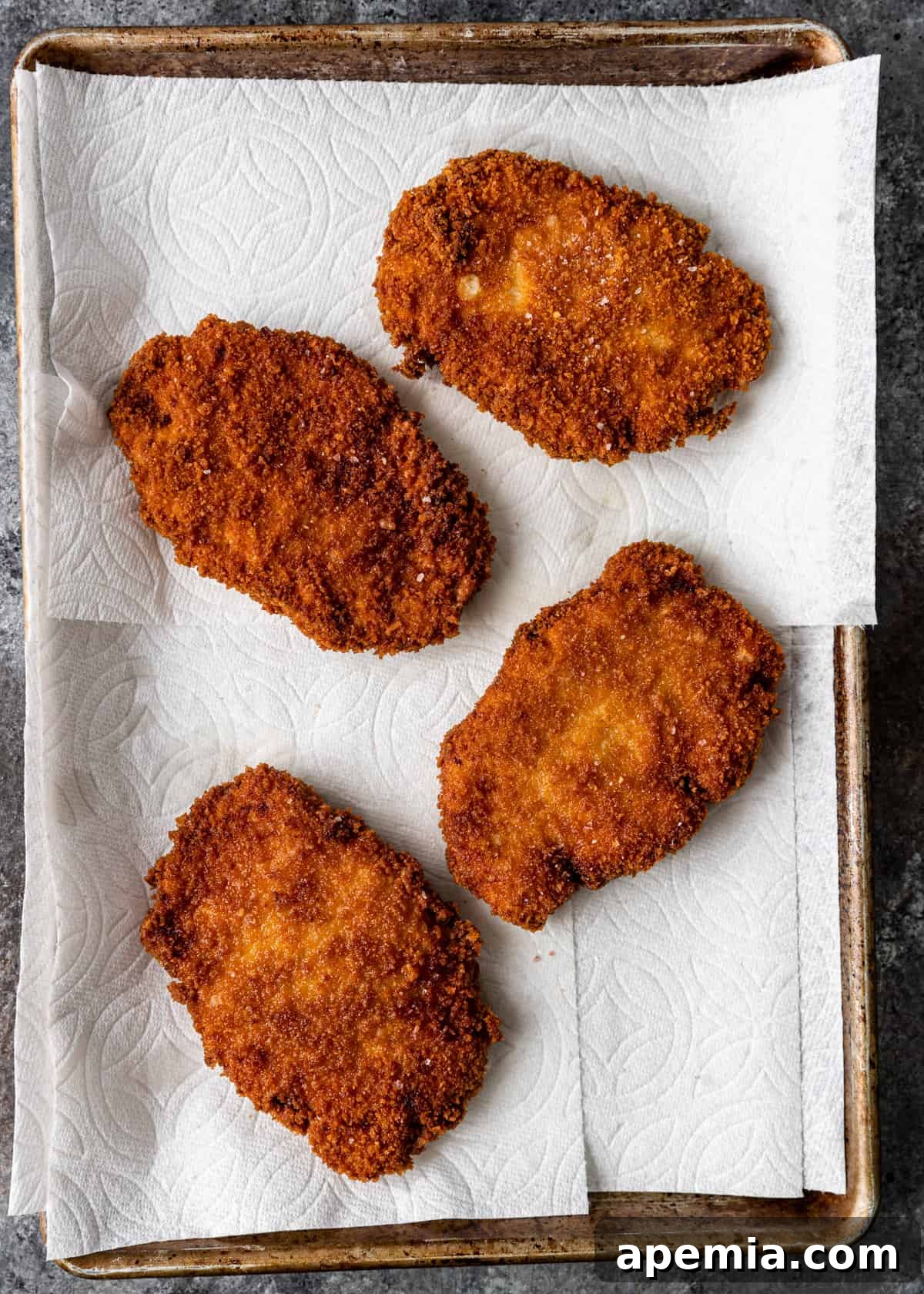
- Prepare the Pork: Begin by placing your pork cutlets on a cutting board. Using the back of a heavy kitchen knife or a meat mallet, gently but firmly pound the pork to roughly tenderize it and ensure an even thickness of about ½ inch. This step is crucial for both tenderness and uniform cooking. To prevent the meat from curling excessively when frying, make a few shallow slits (about every inch) through any visible outer fat or along the edges of the cutlet (as shown in the image above on the tray). Finally, season both sides generously with a pinch of kosher salt and a dash of white pepper.
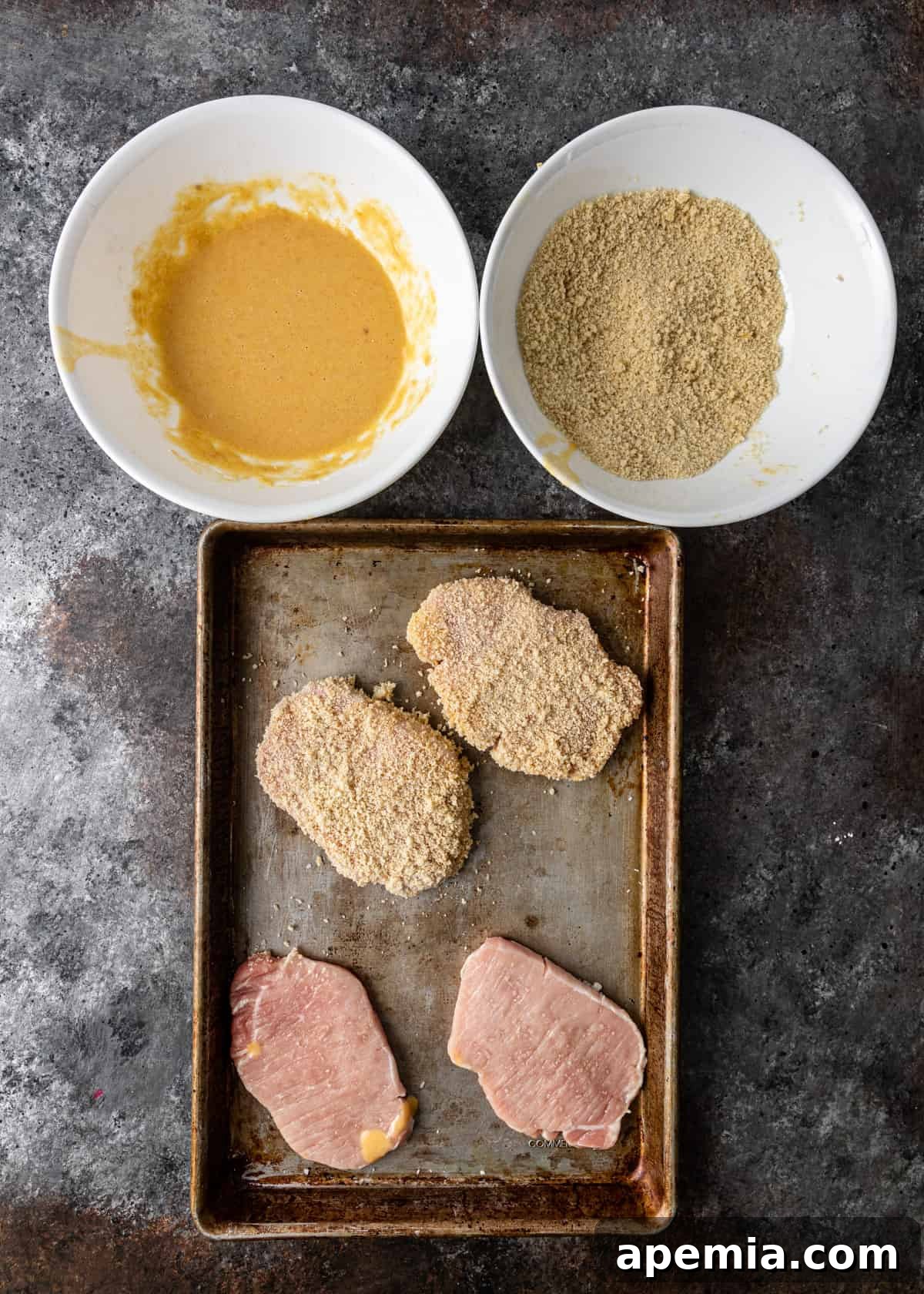
- Mix the Batter: In a medium-sized bowl, whisk together the batter ingredients: eggs, all-purpose flour, garlic powder, ½ tsp kosher salt, and ½ tsp white pepper until smooth and well combined. This creates a viscous, savory coating. Set this aside. In a separate, wide shallow bowl or tray, spread out the panko breadcrumbs. This forms your efficient dredging station.
- Batter & Dredge: Take each seasoned pork cutlet and first dip it thoroughly into the batter, ensuring it’s completely coated. Lift it, allowing any excess batter to drip off. Immediately transfer the battered pork to the bowl of panko breadcrumbs. Press the panko firmly onto both sides of the cutlet, ensuring every surface is generously covered. The goal is a thick, even layer of panko. Repeat this process with the remaining pork cutlets.
- Heat the Skillet: Place a large, heavy-bottomed skillet or cast-iron pan over medium heat. Add enough vegetable oil to achieve an inch of depth. Allow the oil to heat up to 350°F (175°C). If you don’t have a thermometer, you can test the oil by dropping a small pinch of panko into it; if it sizzles vigorously and turns golden brown in a few seconds, the oil is ready.
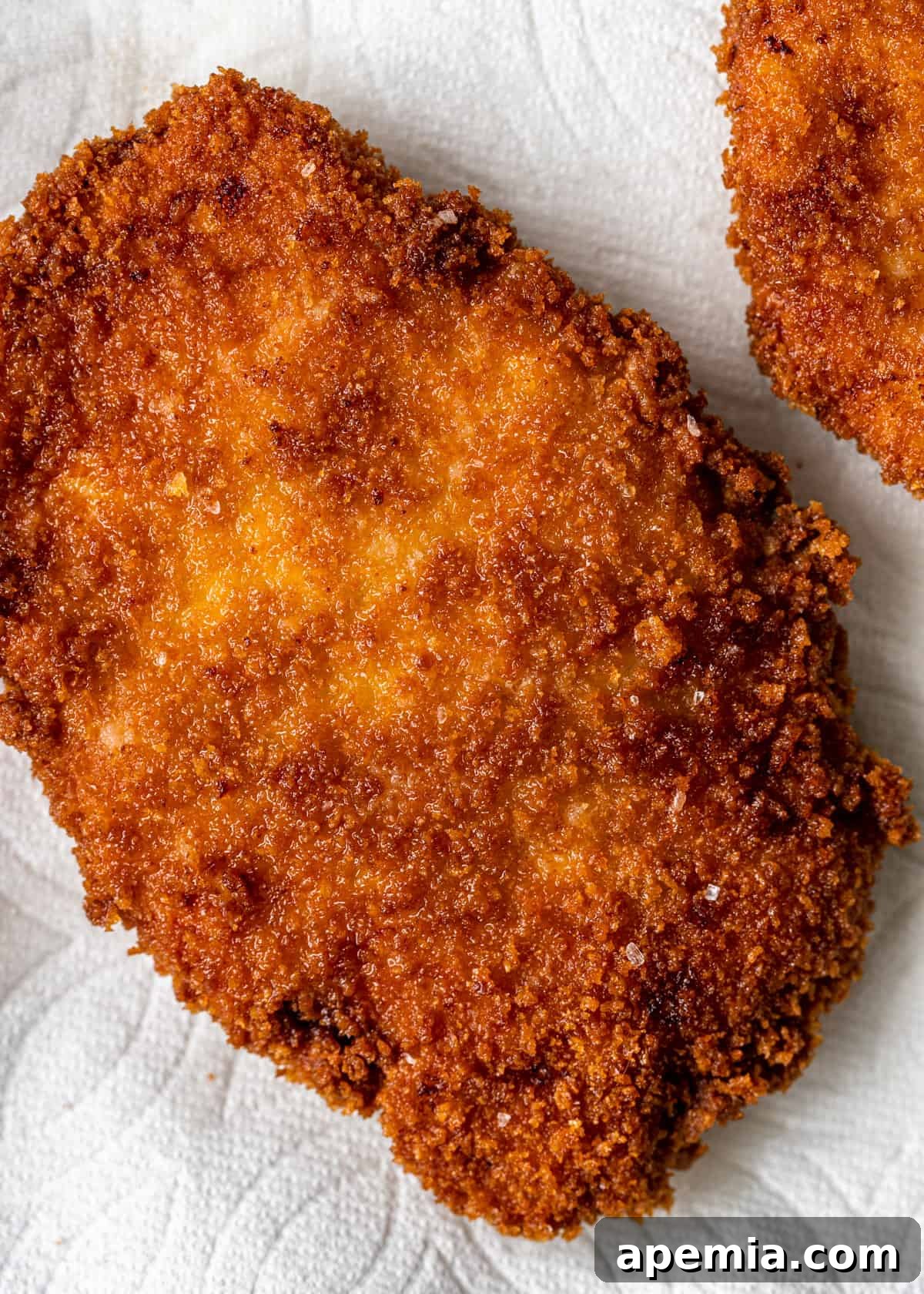
- Fry to Golden Perfection: Carefully transfer one or two breaded pork cutlets into the hot oil, being careful not to overcrowd the pan, which can lower the oil temperature and lead to soggy Tonkatsu. Fry each cutlet for about 3-4 minutes per side, or until the panko crust achieves a beautiful deep golden brown color and the internal temperature of the pork reaches 145°F (63°C). Once cooked, remove the Tonkatsu from the oil and place it on a wire rack set over paper towels to drain any excess oil. This helps maintain its crispiness.
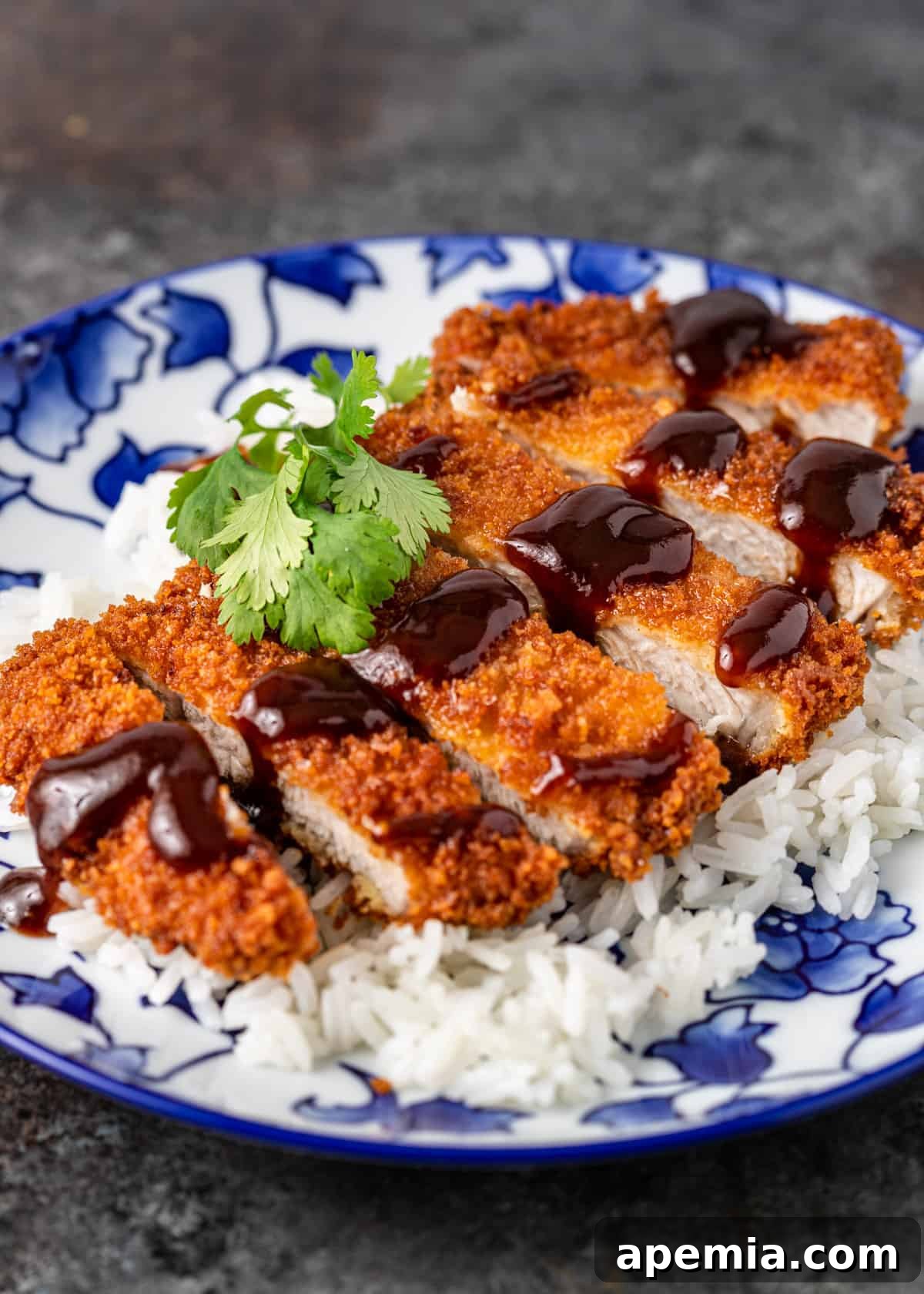
- Serve and Feast: Allow the Tonkatsu to rest for a minute or two before slicing it into strips. Serve your hot, crispy Pork Tonkatsu with a generous drizzle of katsu sauce and enjoy immediately!
Essential Tips for Flawless Tonkatsu
- Achieving Uniform Thickness: Pounding the pork to an even ½-inch thickness is critical for consistent cooking. If some parts are thicker, they might remain undercooked while thinner parts burn.
- Preventing Curling: The shallow slits in the fat or edges of the pork are simple yet effective. They release tension in the meat, preventing it from curling into an uneven shape during frying.
- The “Dry Hand/Wet Hand” Method: When breading, designate one hand as your “wet hand” for handling the batter and the other as your “dry hand” for handling the panko. This keeps your hands cleaner and prevents a thick, clumpy buildup of breading.
- Oil Temperature Management: Maintaining the optimal oil temperature of 350°F (175°C) is key to a crispy, non-greasy result. If the oil is too cool, the panko will absorb too much oil and become soggy. If it’s too hot, the exterior will burn before the pork is cooked through. Use a thermometer or the panko test.
- Don’t Overcrowd the Pan: Fry cutlets in batches if necessary. Overcrowding drops the oil temperature and leads to steaming instead of frying, resulting in less crispy Tonkatsu.
- Resting After Frying: After frying, place the Tonkatsu on a wire rack (not directly on paper towels) to allow air circulation around the entire cutlet. This helps prevent the bottom from becoming soggy as it cools slightly.
Serving Suggestions and Meal Ideas
Pork Tonkatsu is incredibly versatile and pairs wonderfully with a variety of side dishes, creating a complete and satisfying Japanese-inspired meal.
- Classic Accompaniments: The most traditional way to serve Tonkatsu is with a generous pile of finely shredded cabbage. The crisp, fresh cabbage provides a delightful contrast to the rich, fried pork and helps cleanse the palate. A wedge of lemon is also common, offering a bright, acidic counterpoint to the richness.
- Rice and Soup: A simple yet sensational meal can be created by serving pork tonkatsu with a heaping bowl of Steamed White Rice and a comforting bowl of Miso Soup. These staples provide a balanced and authentic Japanese dining experience.
- Salad Pairings: For a refreshing addition, consider a crisp Japanese Cucumber Salad (Sunomono Salad) or these zesty Asian Green Beans. Their light, tangy flavors cut through the richness of the Tonkatsu beautifully.
- Other Appetizers: If serving as part of a larger spread or for a party, these yummy cutlets work perfectly alongside other Asian-inspired appetizers like Spring Rolls, Egg Rolls, and Crab Rangoon.
- Sauce Variations: While classic Tonkatsu sauce is essential, don’t hesitate to experiment with other dipping options like Japanese karashi mustard or even a touch of soy sauce mixed with a dash of rice vinegar.
- Dessert: To round off your meal, indulge in one of my favorites, a light and airy Japanese Jiggly Cheesecake!
Frequently Asked Questions
As discussed earlier, “katsu” is a broad term for a breaded and fried cutlet in Japanese cuisine, derived from the English word “cutlet.” “Tonkatsu” specifically refers to “pork katsu,” with “ton” meaning pork. So, while all tonkatsu is katsu, not all katsu is tonkatsu. Katsu can be made from various proteins and vegetables, always breaded in panko, pan-fried, and often served with katsu sauce.
Some popular katsu varieties include:
- Chicken Katsu (Tori Katsu)
- Minced Meat Katsu (Menchi Katsu)
- Seafood Katsu (e.g., Salmon, Oysters, Shrimp)
- Beef Katsu (Gyukatsu)
- Vegetable or Tofu Katsu
Pork Tonkatsu is typically sliced into strips for easier eating. It’s often served as a main dish with a side of shredded cabbage, white rice, and miso soup. The cutlets are usually drizzled with or dipped into Tonkatsu sauce. Many people also add a squeeze of lemon or a dollop of Japanese karashi mustard to enhance the flavors. As an appetizer or snack, it can be enjoyed simply with the signature katsu sauce for dipping.
Yes, you can absolutely reheat pork katsu, and the key is to restore its crispiness. For the best results, avoid the microwave, which tends to make the panko soggy. Instead, opt for an air fryer or a hot oven.
- Air Fryer: Place leftover pork katsu in an air fryer basket in a single layer. Reheat at 350°F (175°C) for about 5-7 minutes, or until thoroughly heated through and crispy.
- Oven: Preheat your oven to about 400-425°F (200-220°C). Arrange the pork katsu on a baking sheet lined with parchment paper. Cook for 12-15 minutes, flipping halfway, until warm, golden, and wonderfully crispy.
Store any leftover pork Tonkatsu in an airtight container in the refrigerator for up to 3-4 days. For longer storage, you can freeze cooked Tonkatsu. Wrap individual pieces tightly in plastic wrap, then place them in a freezer-safe bag or container. It can be frozen for up to 2-3 months. Reheat from frozen in the oven or air fryer, adjusting cooking time accordingly.
Share this recipe on Pinterest!
Love this recipe? Share it with the world on Pinterest to save for later.
Pork Tonkatsu (Katsu) Recipe
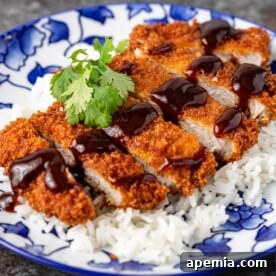
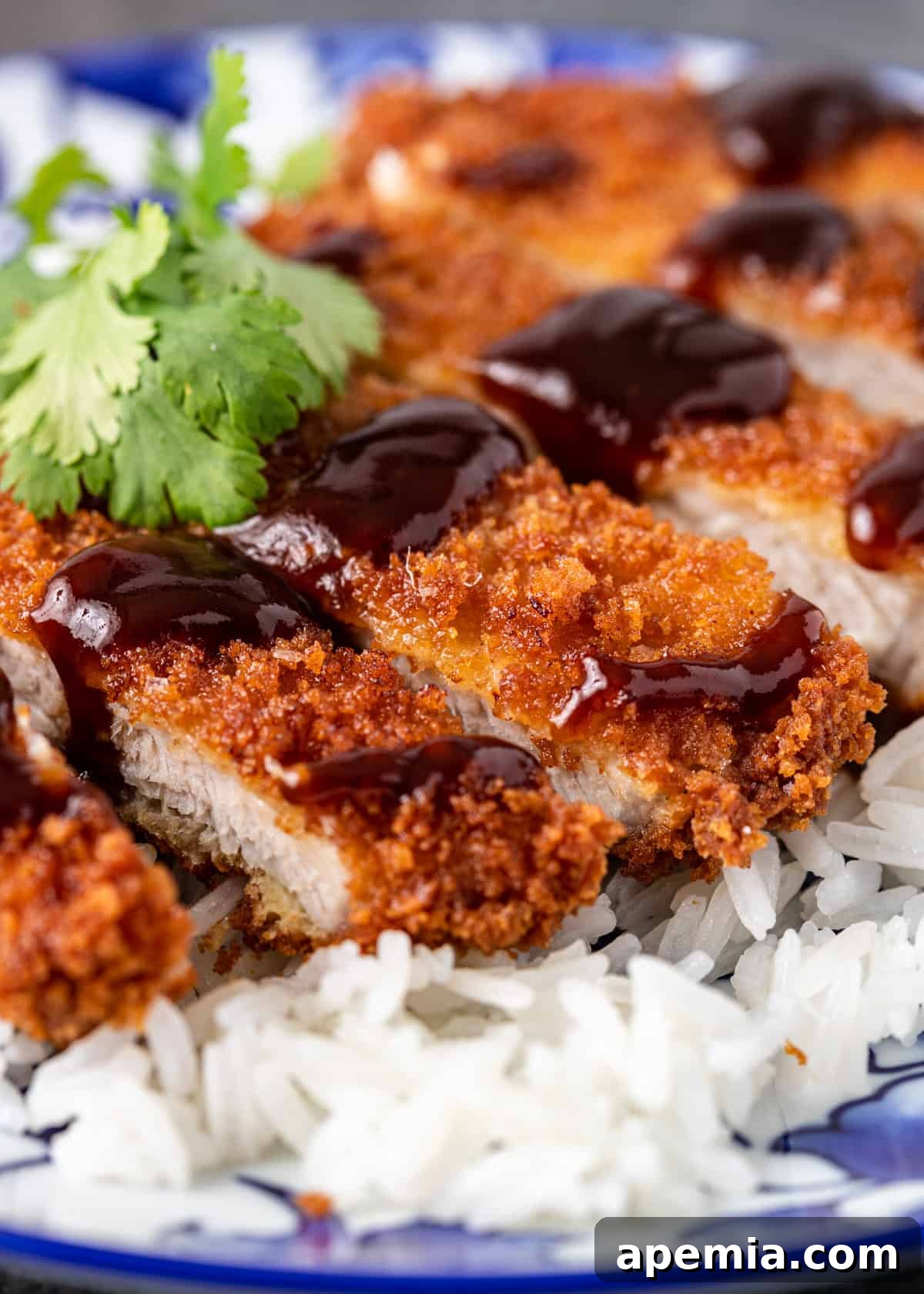
Pork Tonkatsu features seasoned pork cutlets lightly battered and dipped in panko, pan-fried to a delightful crunch, and served with a drizzle of our special katsu sauce.
Servings: 4
Prep Time: 15 mins
Cook Time: 4 mins
Total Time: 19 mins
Print Recipe
Ingredients
For the Pork:
- 4 pork loin cutlets or pork chops, ½-inch thickness (butterfly cut thicker chops)
- Kosher salt, to taste
- White pepper, to taste
For the Batter:
- 2 large eggs
- 3 tbsp all-purpose flour
- 1 tsp garlic powder
- ½ tsp kosher salt
- ½ tsp white pepper
For Dredging & Frying:
- 2 cups panko breadcrumbs
- Vegetable oil for frying (e.g., peanut, canola, or sunflower oil)
For Serving:
- Tonkatsu Sauce
- Shredded cabbage (optional)
- Steamed rice (optional)
Instructions
- Prepare the Pork: On a cutting board, use the back of a kitchen knife or a meat mallet to roughly tenderize the pork cutlets. If using pork chops or if there’s an outer fat layer, make shallow slits about every inch around the edges to prevent curling during frying. Season both sides of the pork with a pinch of kosher salt and white pepper.
- Prepare Batter and Dredging Station: In a bowl, whisk together the eggs, flour, garlic powder, ½ tsp kosher salt, and ½ tsp white pepper until smooth to create the batter. In a separate wide, shallow bowl or tray, spread out the panko breadcrumbs.
- Batter and Dredge: Dip each pork cutlet into the prepared batter, ensuring it’s fully coated, then gently shake off any excess. Immediately transfer the battered pork to the panko breadcrumbs, pressing firmly on both sides to ensure an even and thick coating. Repeat with the remaining pork cutlets.
- Heat the Skillet: Place a deep skillet or heavy-bottomed pan over medium heat. Add enough vegetable oil to reach a depth of about 1 inch. Heat the oil to 350°F (175°C).
- Fry the Tonkatsu: Carefully place one or two breaded cutlets into the hot oil (avoid overcrowding). Fry each side for 3-4 minutes, or until the panko is a deep golden brown and the internal temperature of the pork reaches 145°F (63°C). Remove the cooked Tonkatsu and place it on a wire rack over paper towels to drain excess oil.
- Serve: Let the Tonkatsu rest for a moment, then slice into strips. Serve immediately with a generous drizzle of Tonkatsu sauce, shredded cabbage, and steamed rice if desired.
Nutrition
The information shown is an estimate provided by an online nutrition calculator. It should not be considered a substitute for a professional nutritionist’s advice.
- Calories: 344kcal
- Carbohydrates: 27g
- Protein: 38g
- Fat: 8g
- Saturated Fat: 3g
- Polyunsaturated Fat: 2g
- Monounsaturated Fat: 3g
- Trans Fat: 0.04g
- Cholesterol: 170mg
- Sodium: 608mg
- Potassium: 623mg
- Fiber: 2g
- Sugar: 2g
- Vitamin A: 119IU
- Vitamin C: 0.1mg
- Calcium: 76mg
- Iron: 3mg
Course: Main Dishes
Cuisine: Japanese
Author: Kevin
Have You Made This Recipe? Let Me Know on Instagram!
Tag @keviniscooking or use the hashtag #keviniscooking!