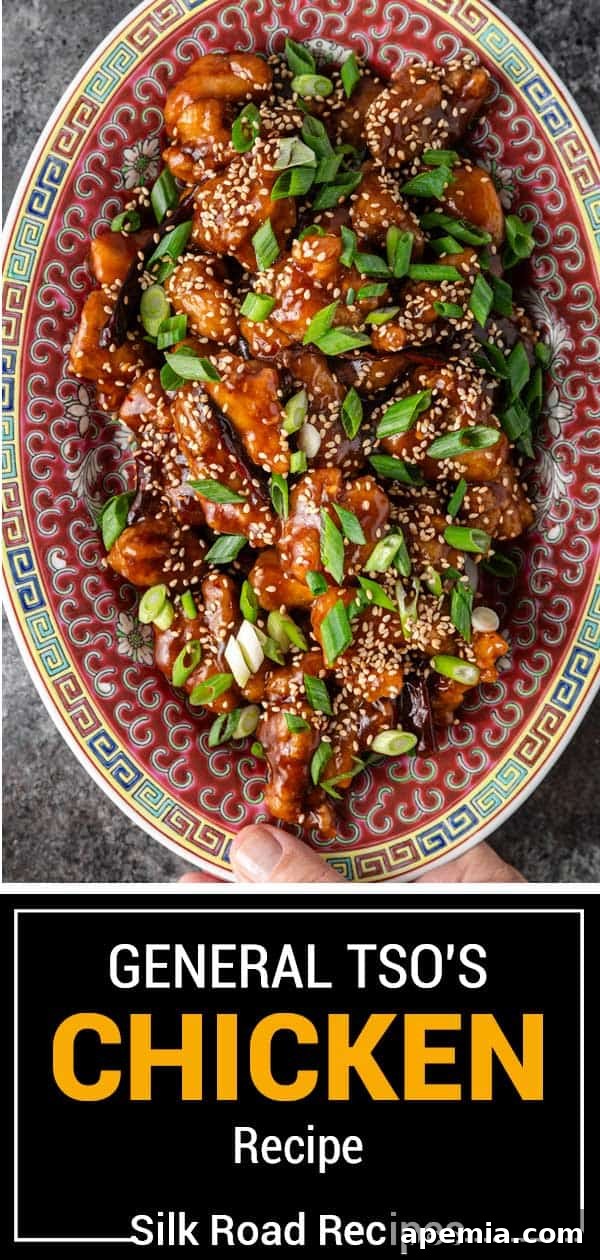
Ultimate Homemade General Tso’s Chicken Recipe: Better Than Takeout
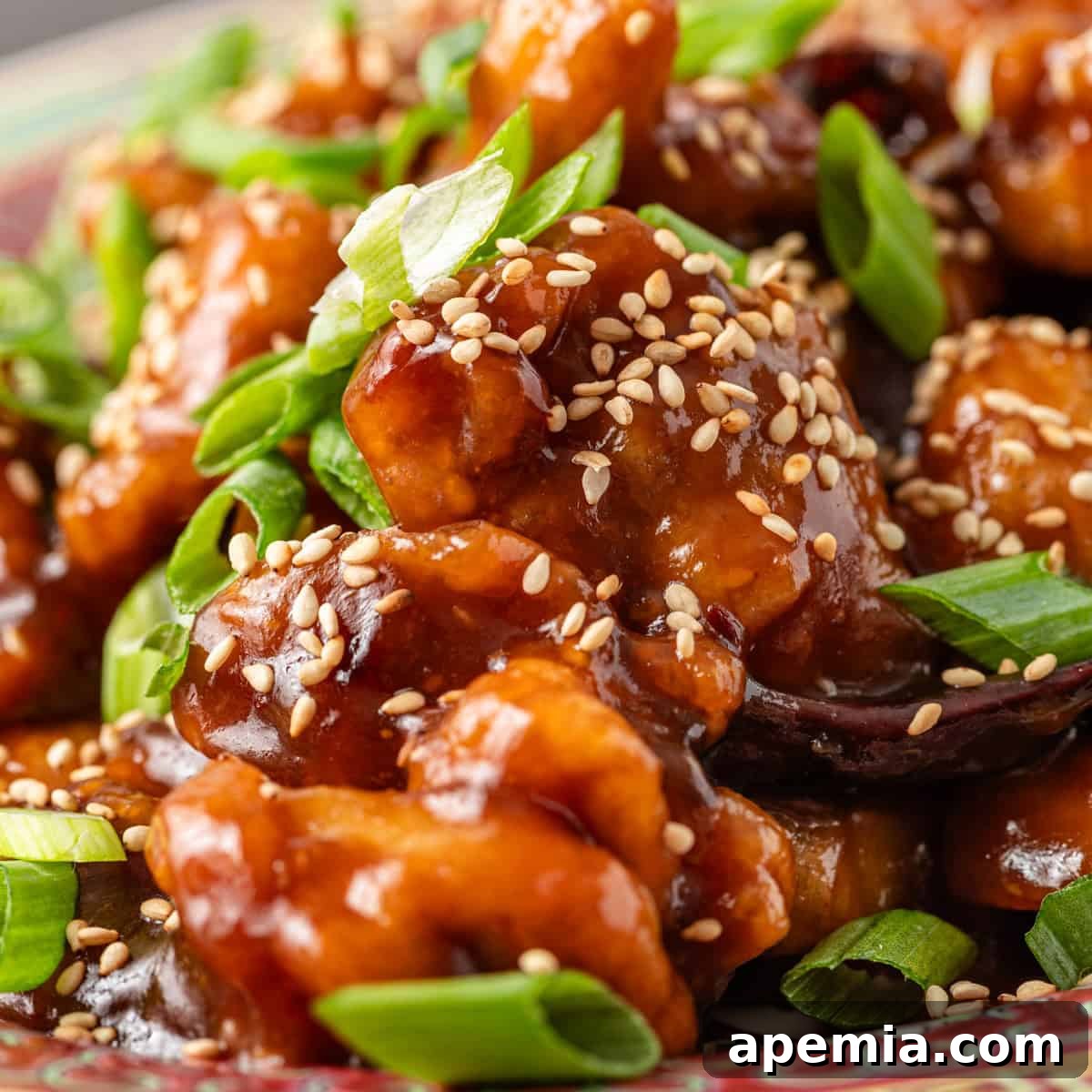
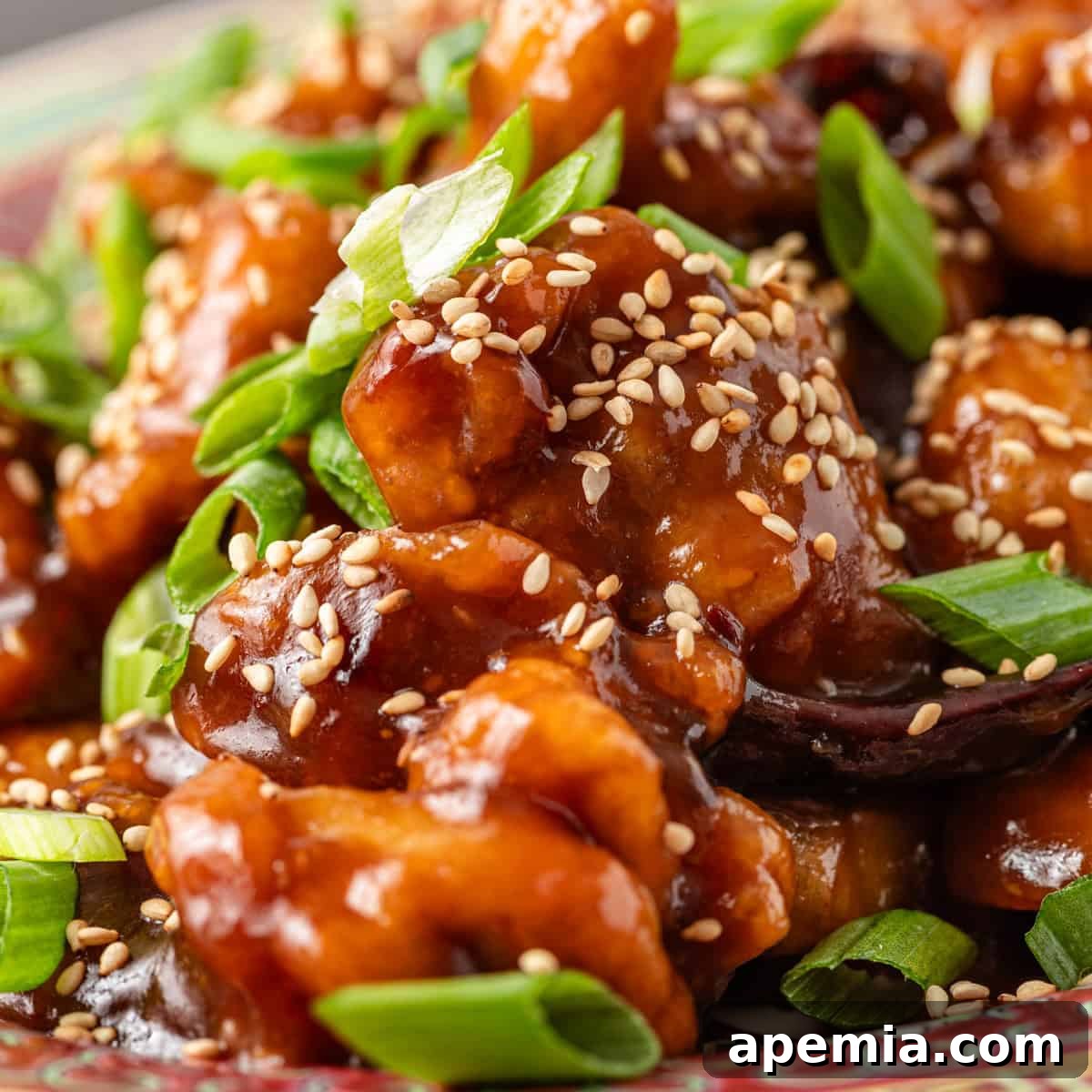
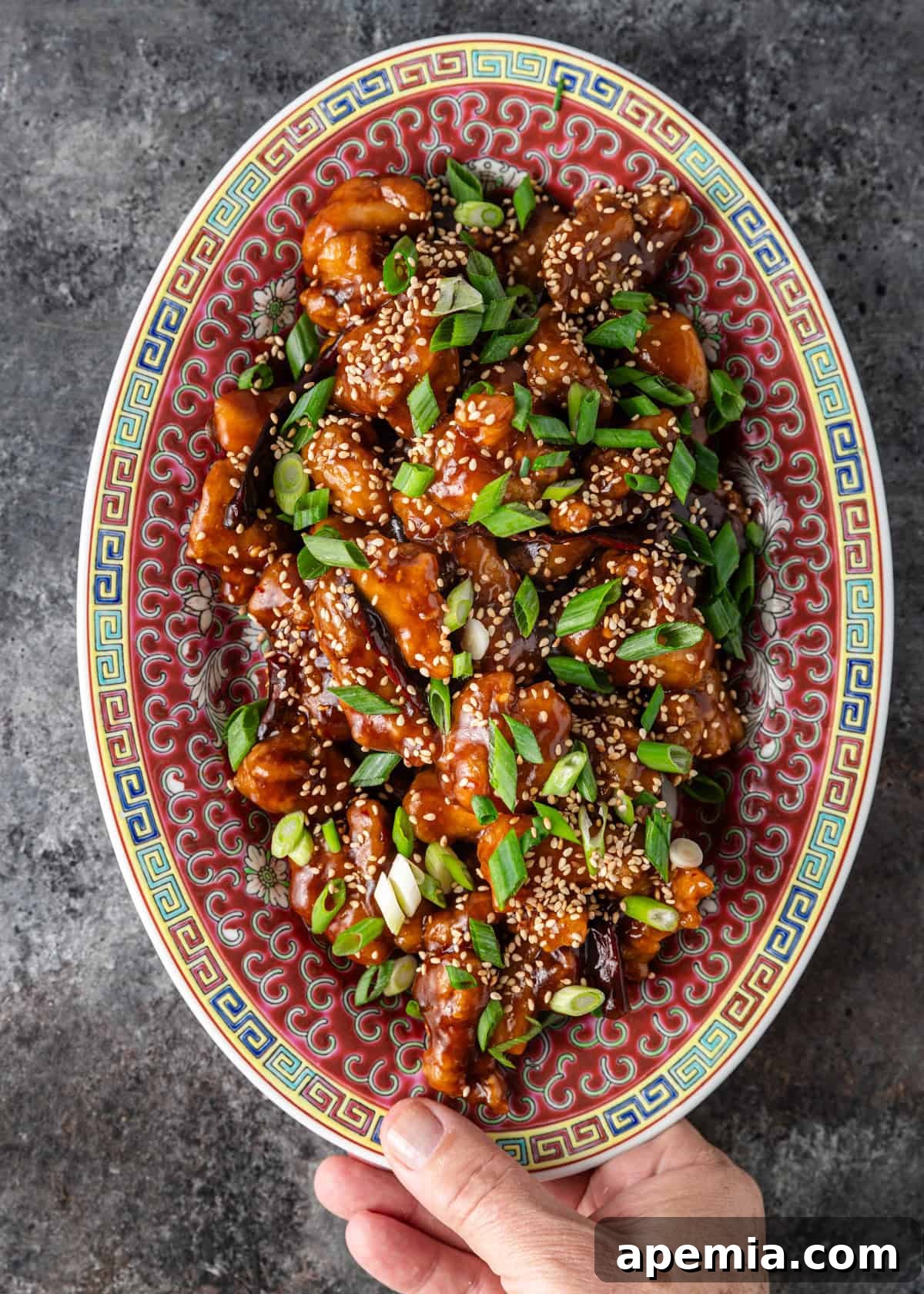
Craving the rich, complex flavors of your favorite Chinese takeout? While I appreciate the convenience of a quick order, there’s an unmatched satisfaction in recreating beloved restaurant dishes right in your own kitchen. This General Tso’s Chicken recipe is a prime example. Forget everything you thought you knew about making Chinese-American classics at home; this recipe delivers incredibly tender, impossibly crispy chicken pieces enveloped in a glossy, irresistible sauce that’s a perfect harmony of sweet, savory, and just the right amount of spicy.
My journey to perfecting General Tso’s Chicken began with a simple craving for that iconic crispy texture and bold flavor. I realized that with a few staple ingredients, most of which you likely already have in your pantry (especially if you enjoy Chinese-inspired cuisine), this beloved dish is surprisingly achievable. You might be surprised to find how many of the “secret” ingredients are readily available, transforming a seemingly complex dish into a rewarding home-cooking experience.
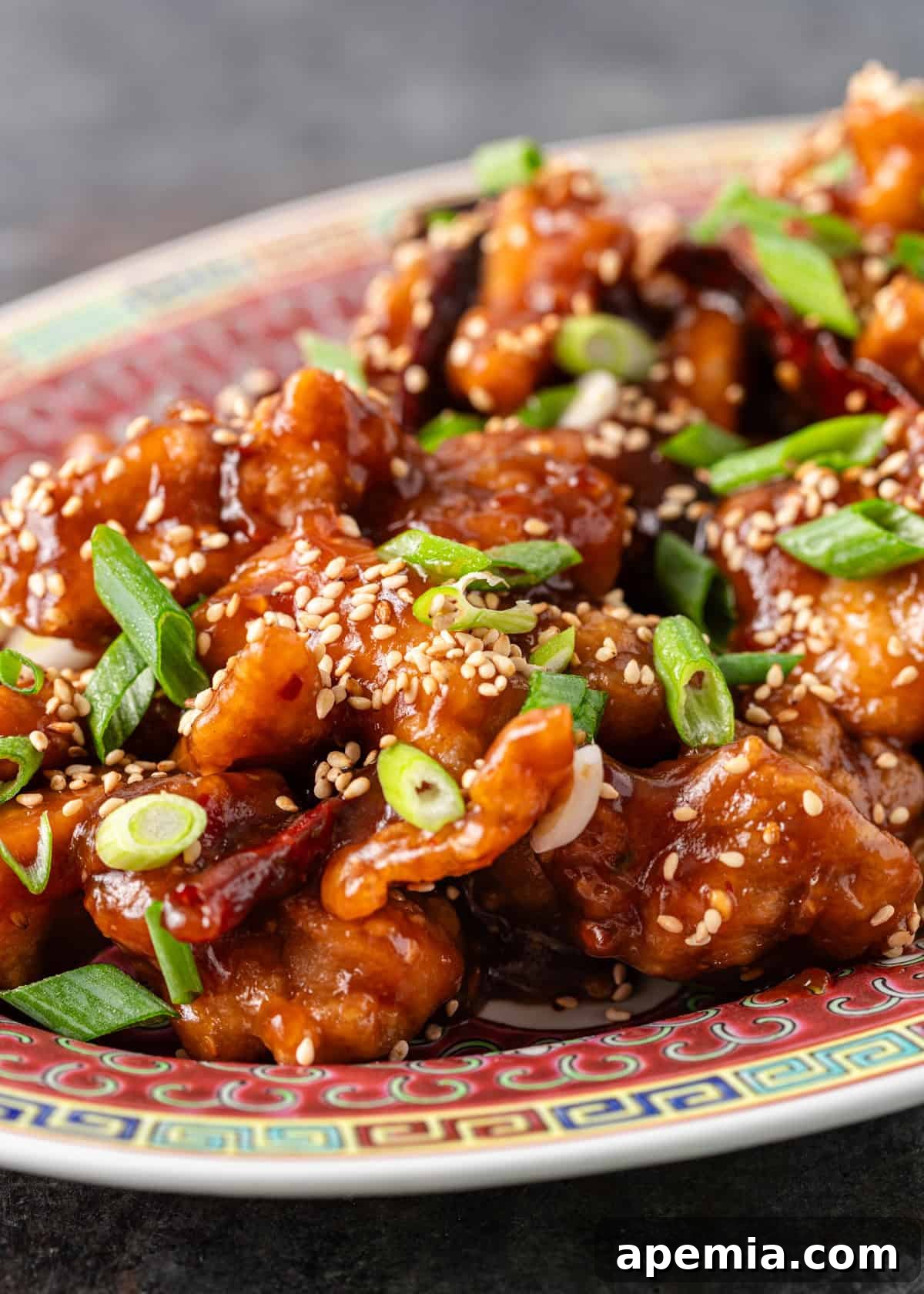
Even if a quick trip to the grocery store is in order, I promise you, the extra effort for this General Tso’s Chicken is profoundly worth it. The fresh ingredients, the control over the spice and sweetness levels, and the sheer joy of biting into a perfectly cooked piece of chicken coated in that glorious sauce will make this a staple in your recipe rotation. Let’s dive into how you can achieve takeout perfection at home.
Table of Contents
- The Irresistible Allure of General Tso’s Chicken
- Key Ingredients for an Authentic General Tso’s Experience
- Mastering the Art of General Tso’s Chicken: Step-by-Step Guide
- Essential Tools for Your Kitchen
- Storing, Reheating, and Serving Suggestions
- Frequently Asked Questions About General Tso’s Chicken
- General Tso’s Chicken Recipe Card
The Irresistible Allure of General Tso’s Chicken
General Tso’s Chicken holds a special place in the hearts of many, a staple of Chinese-American cuisine that has captivated palates worldwide. Its unique combination of deep-fried, succulent chicken pieces and a vibrant, sticky sauce that balances sweet, tangy, and spicy notes is simply unforgettable. While its exact origins are debated, it’s widely believed to have been created in the United States in the 1970s, named after Zuo Zongtang, a Qing dynasty general, to give it an exotic appeal.
This dish stands out for its texture contrast: the exterior crunch of perfectly fried chicken giving way to juicy meat, all enveloped in a rich, complex sauce. Making it at home allows you to fine-tune these elements, ensuring your chicken is never soggy and your sauce hits all the right flavor notes. It’s more than just a meal; it’s an experience, transforming your dining table into a gourmet Chinese restaurant.
Tip From Kevin
Marinating for Flavor and Tenderness
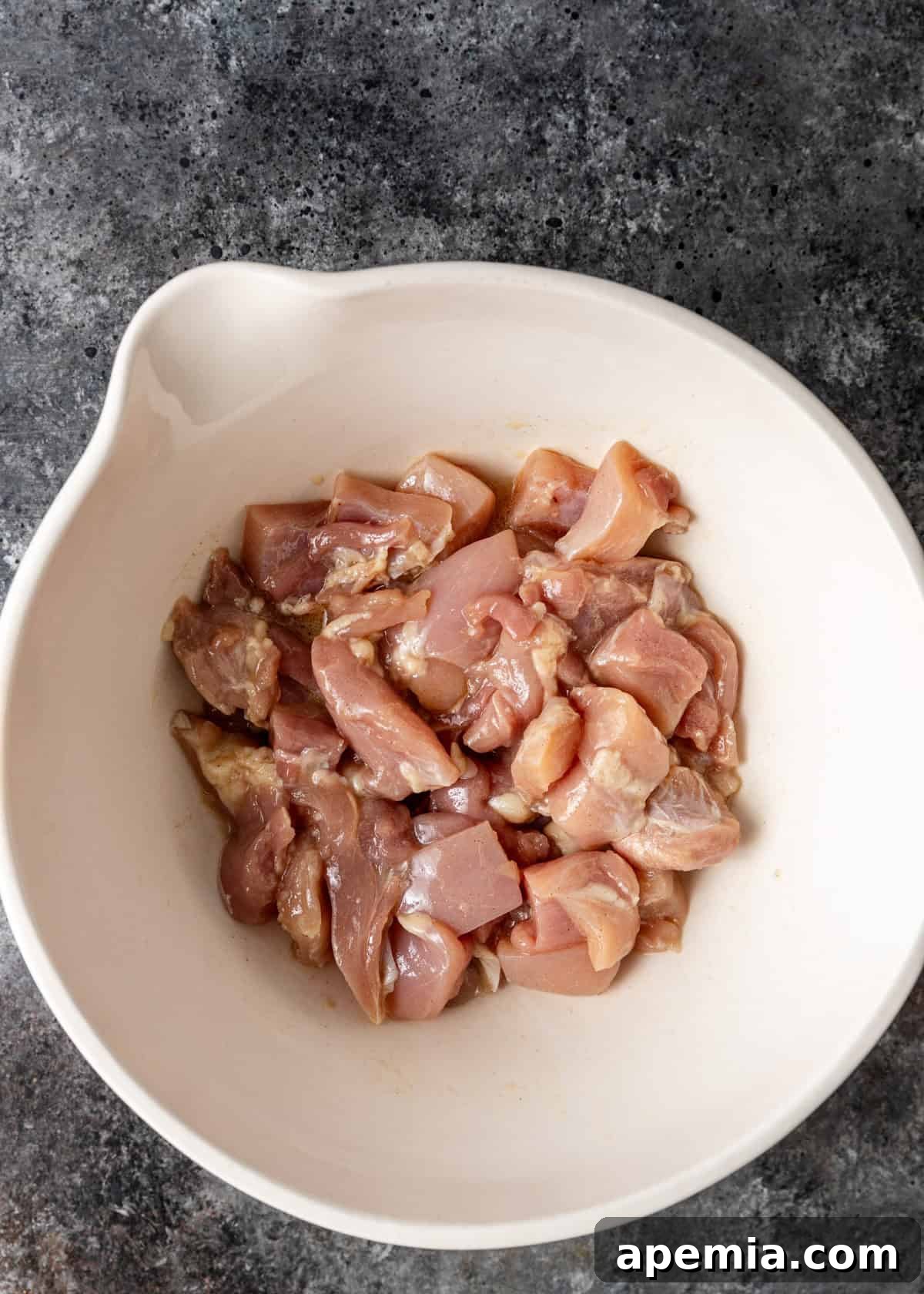
The secret to incredibly juicy and flavorful chicken begins with proper marination. Cutting the chicken into bite-sized pieces before marinating maximizes surface area, allowing the chicken to absorb the liquids more efficiently. The combination of Shaoxing wine, water, sesame oil, salt, and white pepper works wonders, infusing the chicken with subtle umami and aromatic notes. Don’t skip the resting step; it truly makes a difference in the final tenderness. This liquid absorption is key for both flavor and preventing the chicken from drying out during frying. After marinating, a generous toss with flour, cornstarch, and sesame seeds creates the perfect base for that signature crispy crust.
Key Ingredients for an Authentic General Tso’s Experience
(Be sure to check the recipe card for a full list of ingredients and quantities)
-
Chicken Selection: Boneless Skinless Chicken Thighs
For the most succulent and forgiving General Tso’s Chicken, I highly recommend using boneless skinless chicken thighs. Their higher fat content ensures they remain juicy even after double-frying, providing a much more tender bite than chicken breast. The initial marinade with water, Shaoxing wine, kosher salt, ground white pepper, and sesame oil is crucial. Shaoxing wine, a Chinese rice wine, adds a distinctive depth and aroma; if unavailable, dry sherry or regular rice wine can be used as a substitute.
-
The Crispy Coating: Flour, Cornstarch, and Sesame Seeds
Achieving that perfect, crispy exterior is all about the right breading combination. All-purpose flour forms the primary base, while cornstarch is my secret weapon for an extra-crispy, almost airy crust that truly sets this recipe apart. For a lighter, even crispier texture, you could experiment with rice flour. Toasted sesame seeds are incorporated directly into the coating, adding a delightful nutty flavor and visual appeal right from the start.
-
The Signature Sauce: A Symphony of Flavors
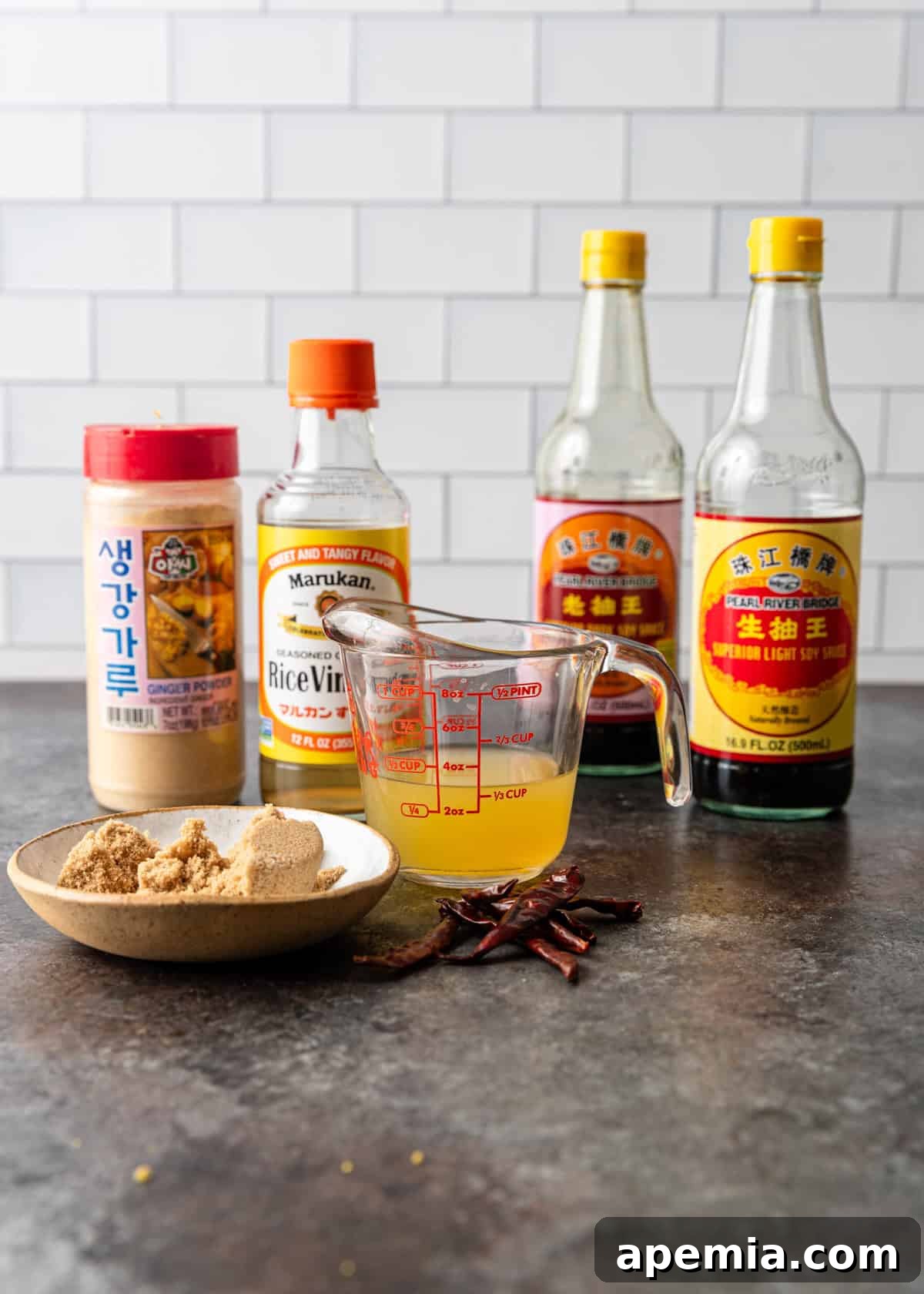
The sauce is arguably the star of any General Tso’s Chicken recipe, providing that incredible balance of sweet, savory, tangy, and spicy. It’s built on a foundation of more Shaoxing wine and cornstarch (for thickening), along with these essential components:
- Chicken Stock: Provides a richer, more robust base compared to plain water, enhancing the overall depth of flavor. Vegetable broth is a suitable alternative for a lighter option.
- Soy Sauce: I use both light soy sauce for its classic salty, umami kick and dark soy sauce for a beautiful caramel color and a slightly sweeter, milder flavor profile.
- Rice Wine Vinegar: Its bright tanginess is crucial for cutting through the richness and balancing the sweetness, preventing the sauce from becoming cloying.
- Brown Sugar: Provides the signature sweetness and a hint of molasses, perfectly counteracting the savory notes of the soy sauce.
- Fresh Garlic: Always opt for fresh cloves, minced, for the most pungent and aromatic garlic flavor that elevates the sauce.
- Red Pepper Flakes: For that essential touch of heat. Adjust the quantity to your personal preference – omit them entirely if you prefer a milder dish.
- Ground Ginger: Adds a warm, slightly spicy undertone that complements the other flavors beautifully.
-
Frying and Garnish Essentials
Vegetable oil is ideal for frying due to its high smoke point and neutral flavor. Don’t forget the dried red chili peppers, which are stir-fried briefly to release their aromatic heat into the oil before the sauce comes together, adding another layer of spicy fragrance. For garnish, extra toasted sesame seeds and freshly sliced green onions not only add a pop of color but also a fresh, aromatic finish that makes the dish truly restaurant-worthy.
Mastering the Art of General Tso’s Chicken: Step-by-Step Guide
-
Marinate the Chicken
Begin by cutting your boneless, skinless chicken thighs into uniform 1-inch pieces. In a mixing bowl, combine these chicken pieces with water, Shaoxing wine, kosher salt, ground white pepper, and sesame oil. Toss everything gently to ensure the chicken is well-coated. Let this mixture rest for at least 5 minutes. This brief marination period allows the chicken to absorb the liquids, enhancing its tenderness and infusing it with initial flavors. While the chicken marinates, whisk together all the sauce ingredients in a separate bowl or measuring cup, then set aside.
-
Prepare the Coating
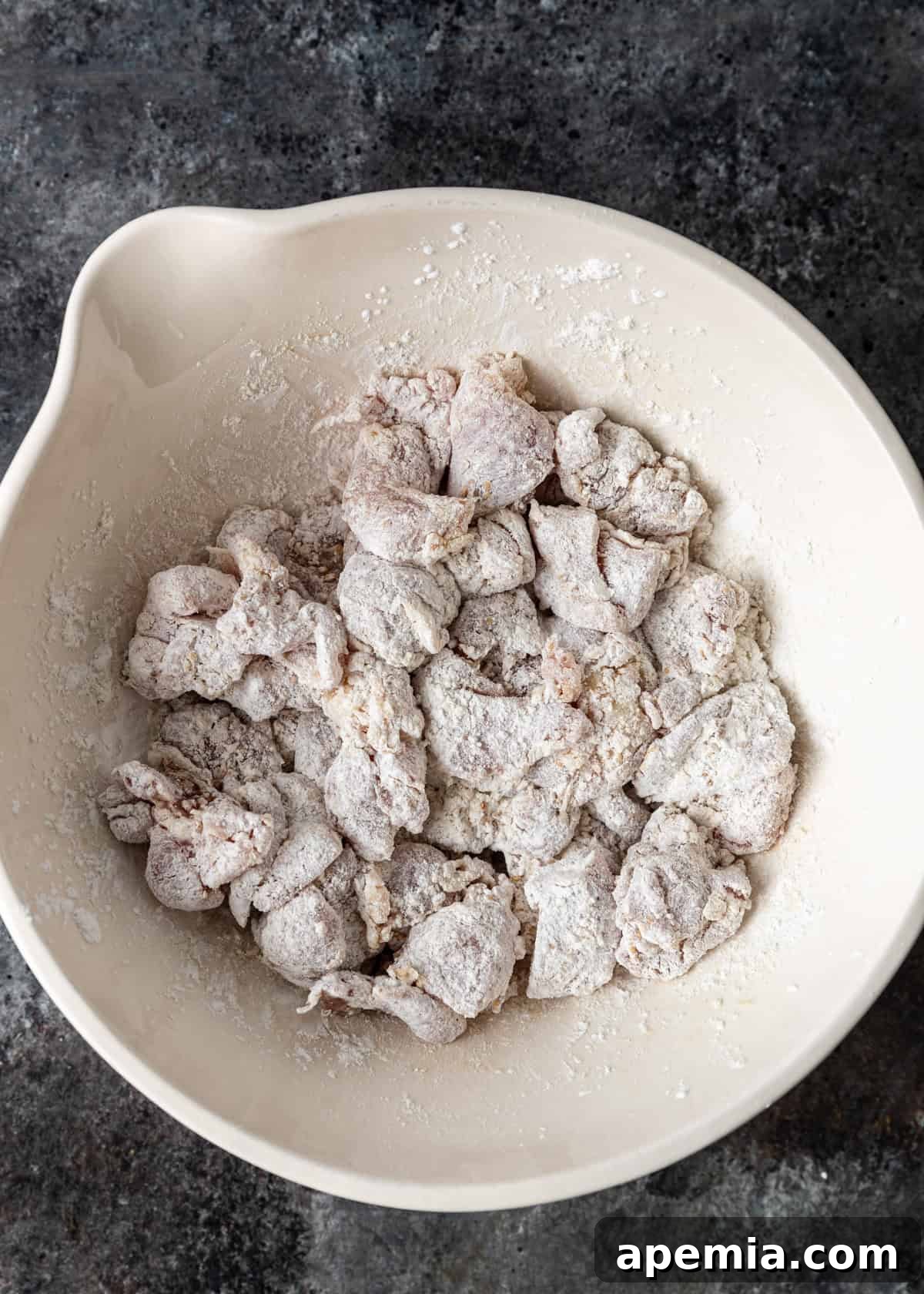
In another clean bowl, combine the all-purpose flour, cornstarch, and 1 teaspoon of toasted sesame seeds. Whisk these dry ingredients until thoroughly mixed. Add the marinated chicken pieces to this dry coating mixture. Toss them gently but thoroughly, ensuring each piece of chicken is evenly coated. Set the coated chicken aside while you prepare your frying oil.
-
First Fry for Tenderness
Heat 3 cups of vegetable oil in a deep saucepan or Dutch oven to 350°F (175°C). It’s crucial to maintain this temperature for optimal frying. Carefully add the coated chicken pieces to the hot oil in small batches. Avoid overcrowding the pot, as this will drop the oil temperature and lead to soggy chicken. Fry each batch for about 5 minutes, or until the chicken is lightly golden brown and cooked through. Using a slotted spoon, transfer the fried chicken to a wire rack set over a baking sheet or a paper towel-lined plate to drain excess oil. Repeat this process with the remaining chicken, making sure to bring the oil back to 350°F before each new batch.
-
Second Fry for Ultimate Crispness
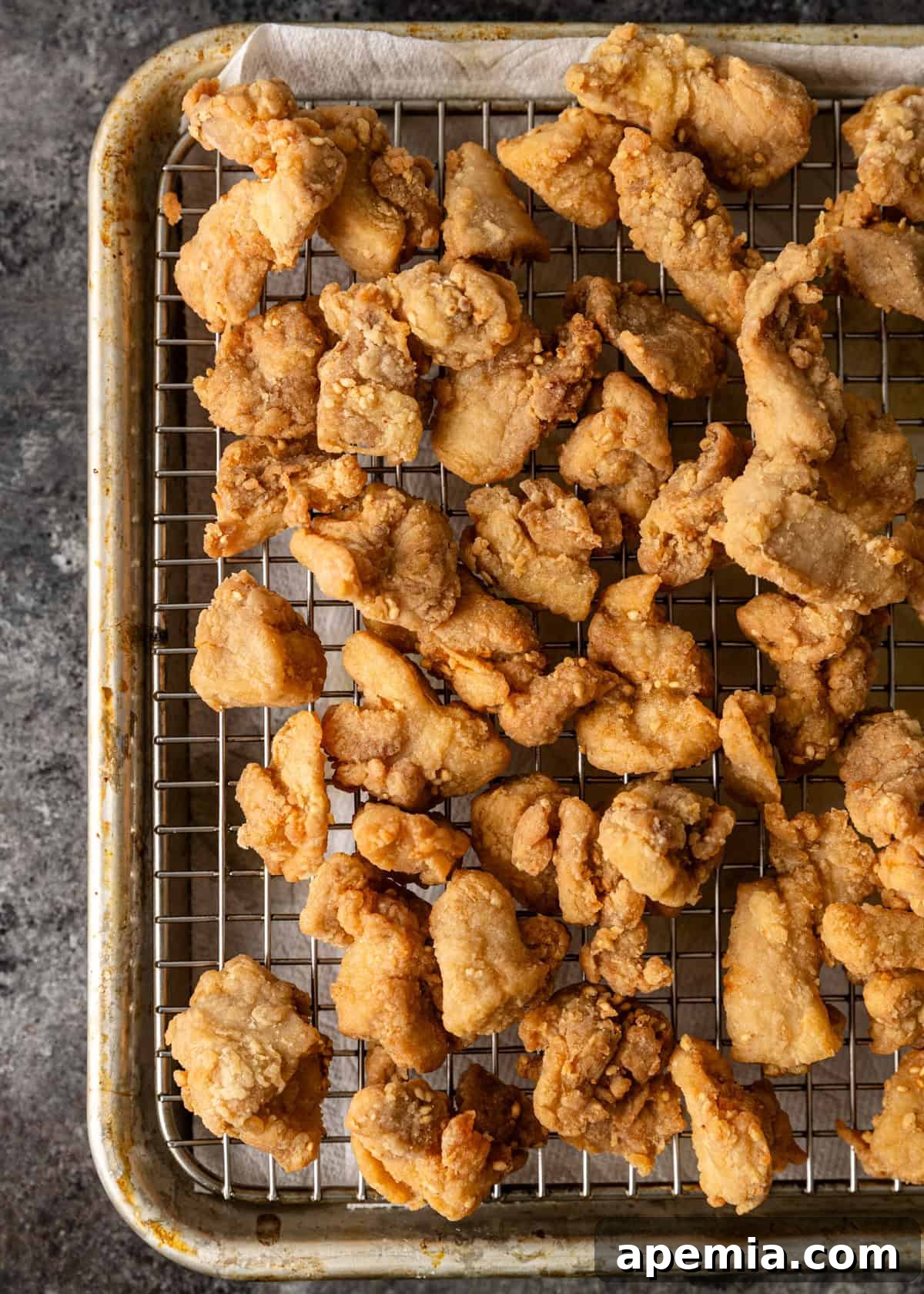
Once all the chicken has been fried once and drained, it’s time for the secret to extreme crispiness: the second fry! Carefully return all of the fried chicken pieces back into the hot oil. Fry for an additional 3-5 minutes, or until the chicken turns a deep golden brown and develops a truly crispy, shatter-like crust. This double-frying technique expels more moisture from the chicken, guaranteeing a superior crunch that holds up beautifully to the sauce. Remove the chicken to the wire rack once more.
-
Make the Sauce
In a clean wok or large skillet, heat 1 tablespoon of fresh vegetable oil over medium heat. Add the dried red chili peppers and cook them for about 5 seconds, stirring constantly, allowing their fragrant heat to infuse the oil. Give your reserved sauce mixture another quick stir (as cornstarch can settle) and then pour it into the wok. Bring the sauce to a gentle simmer, stirring continuously, until it thickens to a glossy, syrupy consistency. Once thickened, add the double-fried chicken pieces to the wok and toss quickly and thoroughly until every piece is evenly coated in the rich, sticky sauce.
-
Serve and Enjoy
Your homemade General Tso’s Chicken is now ready! Serve it immediately over fluffy white rice, which perfectly soaks up any extra sauce. Garnish generously with additional toasted sesame seeds and freshly sliced green onions for a vibrant finish and an extra layer of flavor and texture. Enjoy this incredible dish, knowing you’ve created a masterpiece far superior to any takeout!
Essential Tools for Your Kitchen
- Mixing Bowls: You’ll need several for marinating the chicken, preparing the coating, and whisking the sauce ingredients. Having separate bowls keeps your workflow organized and efficient.
- Deep Saucepan or Dutch Oven: A heavy-bottomed pan with deep sides is crucial for safe and effective deep-frying. A Dutch oven or a sturdy stainless steel pot maintains oil temperature well and minimizes splatters.
- Wok or Large Skillet: While a wok is ideal for stir-frying the sauce and tossing the chicken, a large non-stick skillet can also work. Its wide surface area allows for quick cooking and easy coating of the chicken pieces.
- Wire Rack: Essential for draining excess oil from the fried chicken and preserving its crispiness. Place it over a baking sheet to catch any drips.
- Thermometer: An oil thermometer is highly recommended to ensure your frying oil maintains the correct temperature (350°F / 175°C) for consistently crispy chicken.
Storing, Reheating, and Serving Suggestions
To ensure your General Tso’s Chicken remains as delicious as possible, proper storage is key. Allow any leftovers to cool completely before transferring them to an airtight container. Storing hot chicken will trap steam and make the coating soggy. It will keep well in the refrigerator for up to 3-4 days.
For reheating, the oven is your best friend for restoring that coveted crispiness. Preheat your oven to 350°F (175°C). Spread the chicken in a single layer on a baking sheet and heat for 10-15 minutes, or until warmed through and the coating is crisp once more. Avoid the microwave, as it will inevitably result in soggy chicken.
This dish pairs perfectly with steamed white rice, which acts as a neutral canvas for the bold sauce. You can also serve it with brown rice, noodles, or alongside some stir-fried vegetables like broccoli or snow peas for a complete and balanced meal.
Share this recipe on Pinterest!
Love this recipe? Share it with the world on Pinterest.
Frequently Asked Questions About General Tso’s Chicken
This iconic dish is named after Zuo Zongtang (Tso Tsung-t’ang), a celebrated Chinese military general and statesman from the Qing Dynasty. Interestingly, General Tso himself was never a chef, nor did he ever taste this dish! The recipe was actually created in the United States in the 1970s by Peng Chang-kuei, a Hunanese chef, who hoped to make the dish more appealing and “marketable” to American diners by giving it an impressive-sounding name. The name has stuck ever since, becoming synonymous with Chinese-American takeout.
While both are popular chicken dishes in Chinese-American cuisine, they offer distinct flavor profiles. General Tso’s chicken is characterized by its sweet, savory, and mildly spicy notes, featuring a thick, glossy sauce and typically crispy, deep-fried chicken. Hunan chicken, on the other hand, is known for its bolder, often spicier, and more pungent flavors, usually with a lighter, less sweet sauce. It relies heavily on fresh chilies, garlic, and ginger, and the chicken is typically stir-fried rather than deep-fried, resulting in a fresher, more rustic taste.
You can certainly use chicken breast to make General Tso’s chicken, but I strongly encourage sticking with chicken thighs for the best results. Chicken thighs are naturally more forgiving and significantly juicier than breasts due to their higher fat content. If you opt for chicken breast, be extra careful not to overcook it, as it tends to dry out quickly during the double-frying process. You might also find the texture slightly less tender.
Adjusting the spice level is easy! For a spicier kick, simply increase the amount of red pepper flakes in the sauce. You can also add a few more dried red chili peppers when you’re blooming them in oil, or even a dash of chili oil at the very end. For a milder version, reduce the red pepper flakes or omit them entirely. The dried red chili peppers add flavor more than intense heat, but you can reduce their quantity if you’re very sensitive to spice.
General Tso’s Chicken Recipe
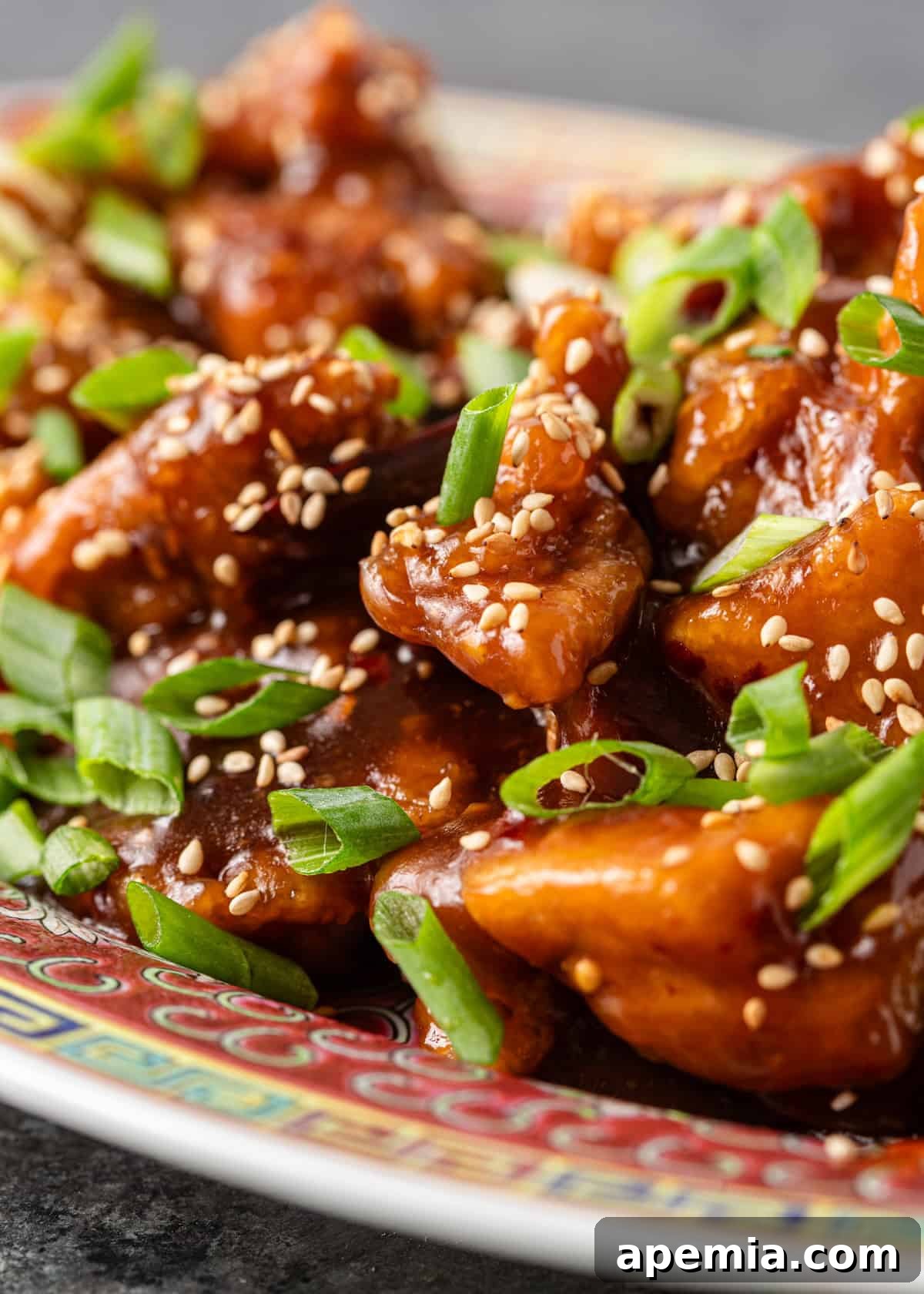
My General Tso’s Chicken recipe is a Chinese-American dish of fried chicken pieces marinated, breaded, fried, and served with a savory, tangy sauce.
4
20 mins
20 mins
40 mins
Print Recipe
Ingredients
Marinate Chicken
- 1 lb boneless skinless chicken thighs cut into 1-inch pieces
- 1 tbsp water
- 2 tsp Shaoxing wine
- 1/2 tsp kosher salt
- 1/4 tsp ground white pepper
- 1 tsp sesame oil
Coating
- 1/4 cup all-purpose flour
- 1/4 cup cornstarch
- 1 tsp toasted sesame seeds
Sauce
- 1/3 cup chicken stock
- 1 tbsp light soy sauce
- 1 tsp dark soy sauce
- 2 tsp Shaoxing wine
- 1 tsp rice wine vinegar
- 2 cloves garlic minced
- 1/4 cup brown sugar
- 1 tsp red pepper flakes
- 1/2 tsp ground ginger
- 1 tbsp cornstarch
Frying
- 3 cups vegetable oil
- 6 dried red chili peppers
Garnish
- 2 green onions sliced thin
- 1 tsp toasted sesame seeds
Instructions
-
Marinate the chicken in a bowl with the water, Shaoxing wine, salt, white pepper, and sesame oil. Allow the chicken 5 minutes to absorb all the liquid.
-
Mix together the sauce ingredients (chicken stock, light soy sauce, dark soy sauce, Shaoxing wine, rice wine vinegar, minced garlic, brown sugar, red pepper flakes, ground ginger, cornstarch) in a bowl or measuring cup. Set aside.
-
In a separate bowl, mix together the flour, cornstarch, and 1 tsp of sesame seeds. Add the marinated chicken pieces to the dry ingredients and stir to coat evenly. Set aside.
-
Heat the vegetable oil in a deep saucepan to 350°F (175°C). Carefully drop the chicken pieces into the oil in small batches, taking care not to overcrowd the pot. Fry until light golden brown, about 5 minutes. Transfer to a wire rack or plate lined with paper towels to drain. Continue frying in batches, ensuring the oil temperature remains at 350°F.
-
Return all the fried chicken back to the pot and fry for another 3-5 minutes until deep golden brown and extra crispy.
-
Heat a clean wok or large skillet over medium heat. Add 1 tablespoon of fresh oil along with the dried chilies. Cook the chili peppers for about 5 seconds to infuse the oil with their aroma. Stir the reserved sauce mixture again and add it to the wok. Bring to a simmer, stirring constantly until the sauce thickens to a glossy consistency. Add the double-fried chicken to the wok and toss to coat evenly in the sauce.
-
Serve immediately with steamed rice and garnish generously with sliced green onions and extra toasted sesame seeds on top.
Nutrition
The information shown is an estimate provided by an online nutrition calculator. It should not be considered a substitute for a professional nutritionist’s advice.
main dishes
Chinese
Kevin
Have You Made This Recipe? Let Me Know on Instagram
Tag @keviniscooking or tag me #keviniscooking!