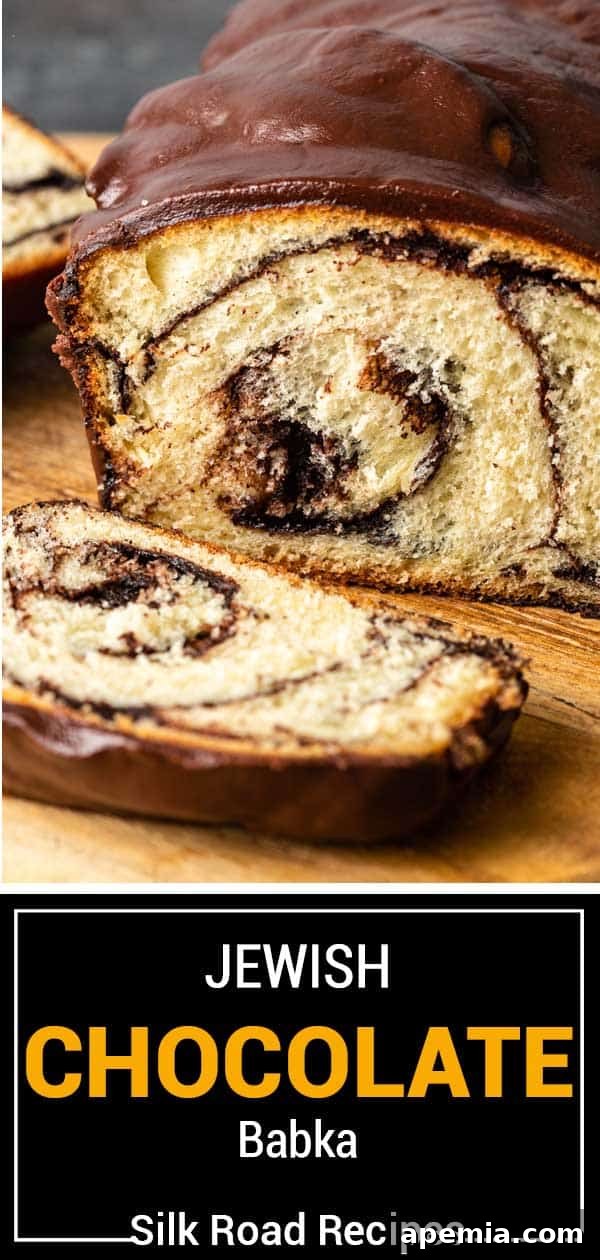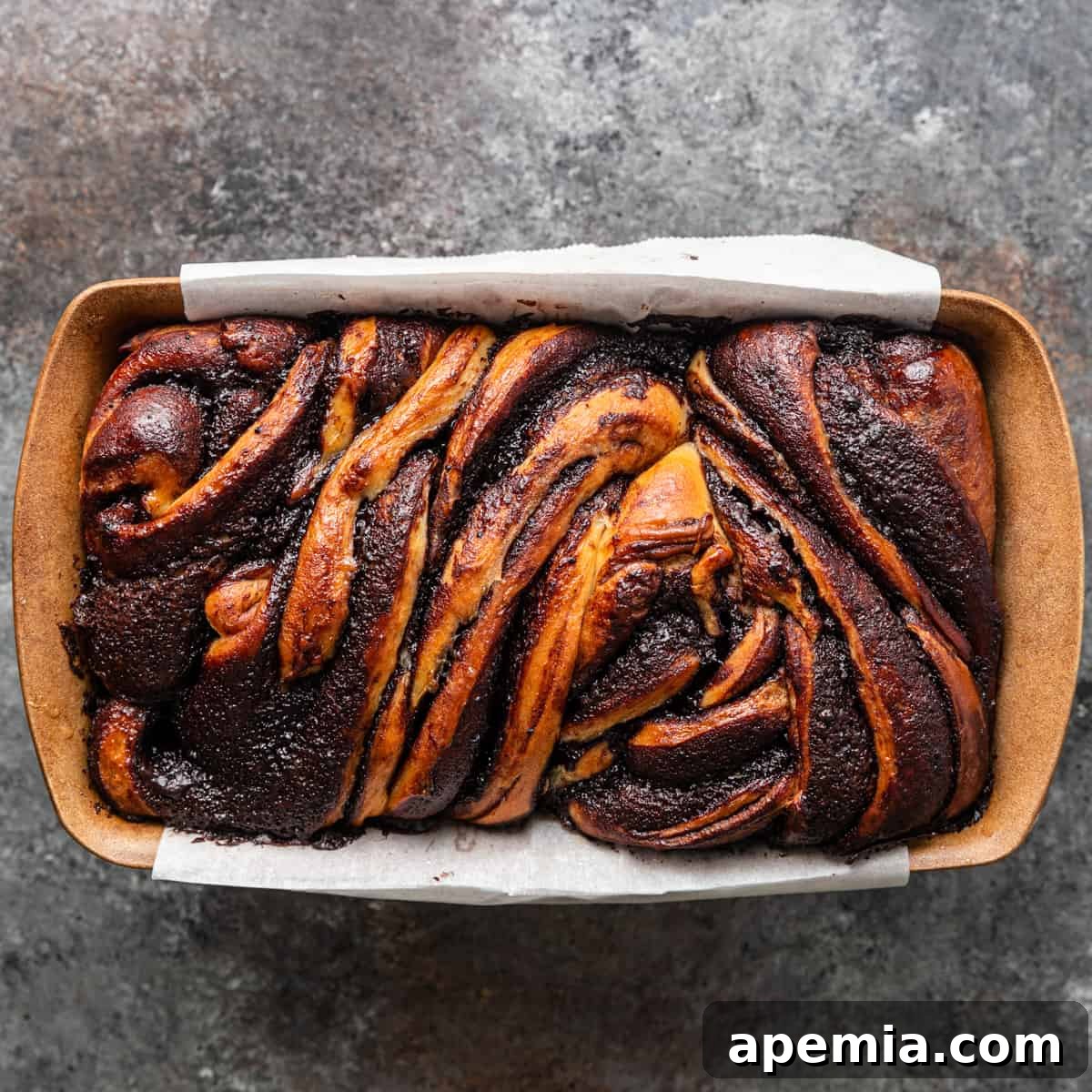
Chocolate babka is more than just a sweet dessert bread; it’s a culinary masterpiece featuring a rich, fudgy chocolate filling elegantly swirled throughout a tender, brioche-like dough. Braided and then baked to golden perfection, the final product is a stunning loaf that is as visually appealing as it is utterly delicious. This comprehensive guide will walk you through every step to create your own show-stopping chocolate babka, ensuring a delightful experience for both novice and experienced bakers.
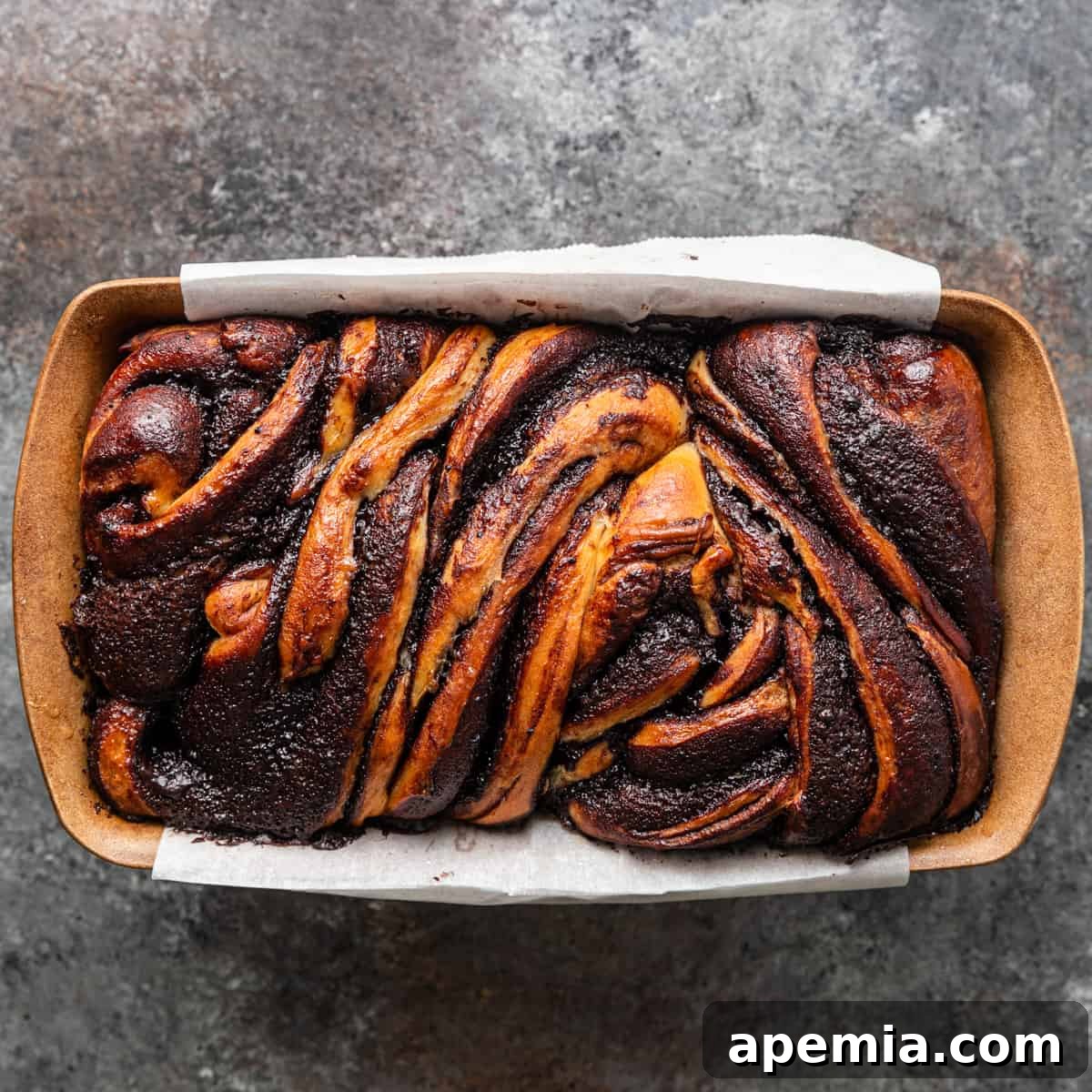
For many, the allure of chocolate is simply irresistible, and when combined with a perfectly baked sweet bread, it creates an unforgettable indulgence. While recipes like tahini chocolate bark and pots de creme are beloved chocolate delights, this babka recipe unites the best of both worlds: the decadent richness of chocolate with the comforting embrace of a tender, sweet bread. It’s a treat that elevates any occasion, from a leisurely Sunday breakfast to a sophisticated dessert course.
What is Chocolate Babka? A Sweet Tradition
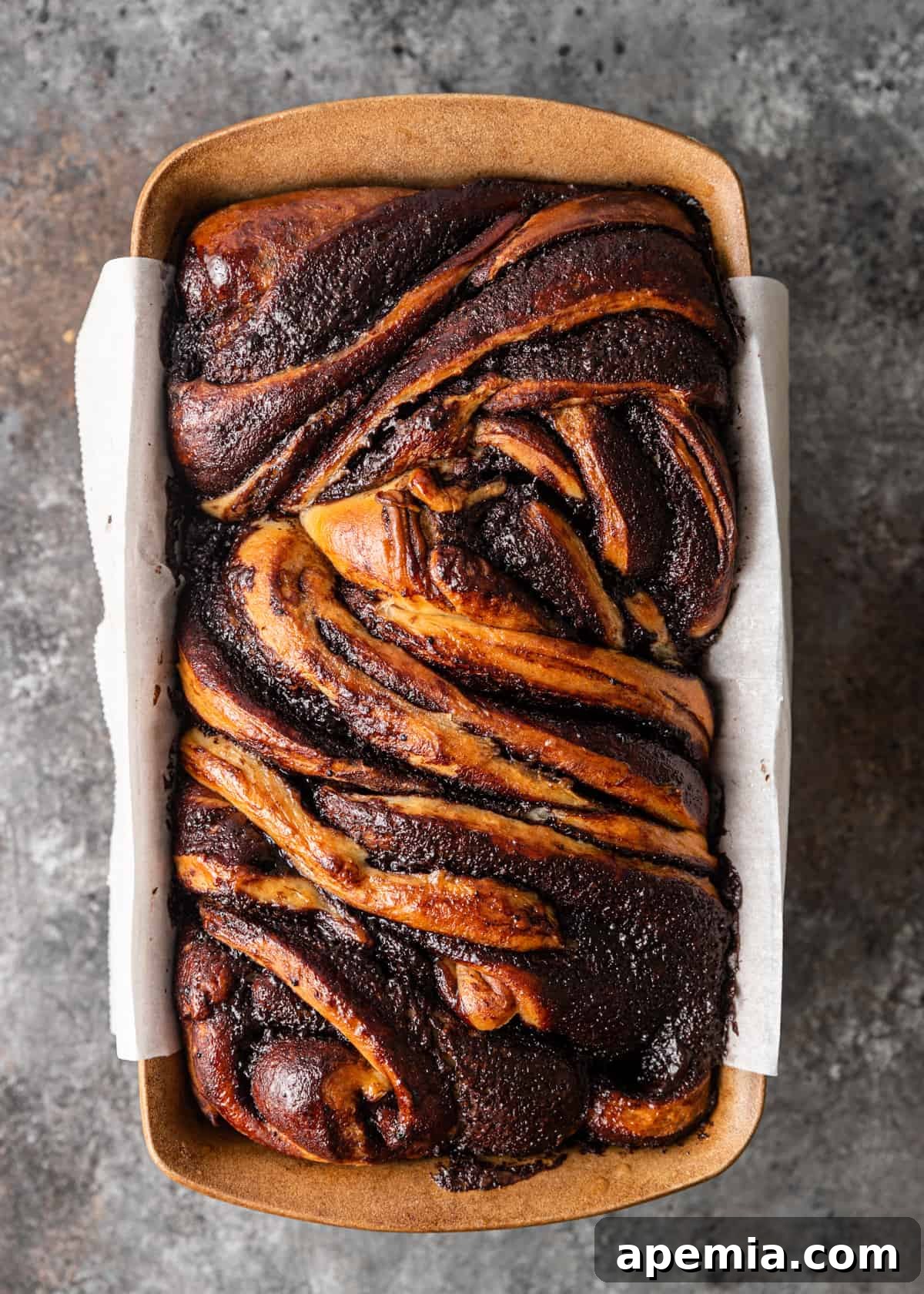
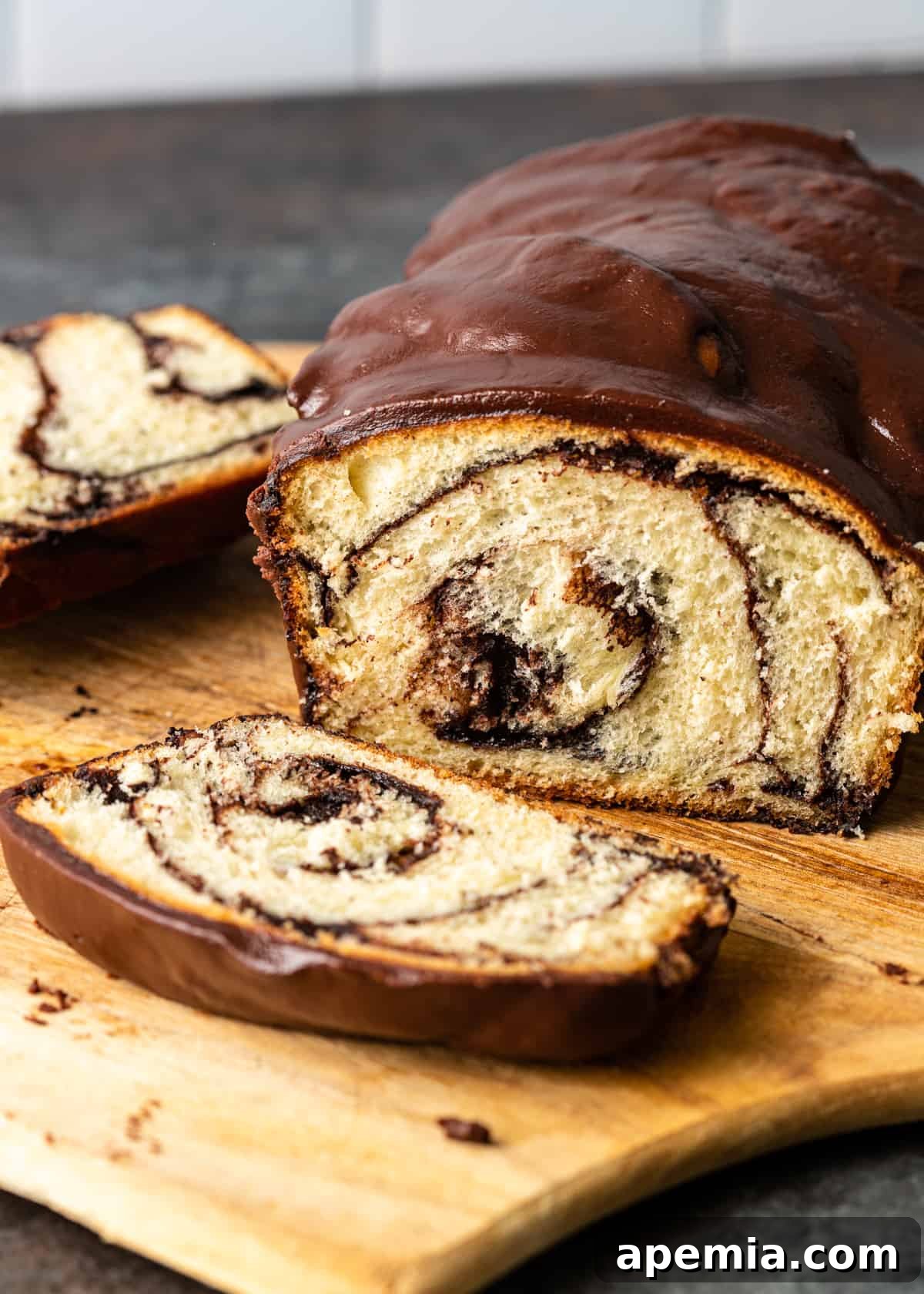
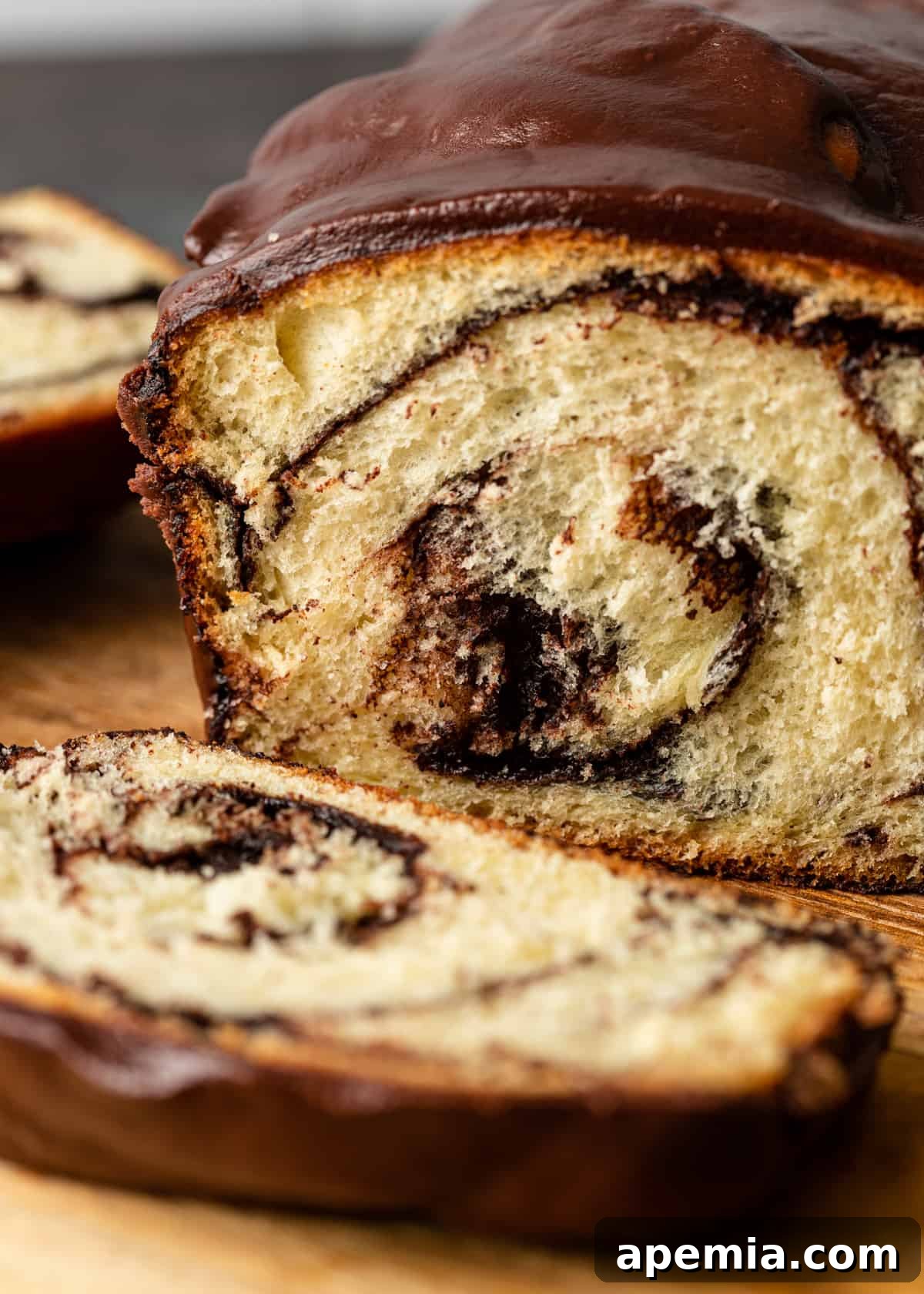
Chocolate babka is a traditional Jewish dessert bread with deep Eastern European roots, particularly popular in Polish and Ukrainian cuisines. Its taste profile is often likened to brioche, characterized by a wonderfully rich, buttery, and slightly sweet flavor. What truly sets babka apart is its distinctive appearance, reminiscent of challah bread. The dough is skillfully braided, creating an eye-catching, marbleized effect of golden bread and dark chocolate swirls. This unique design not only makes it beautiful but also ensures a delightful distribution of chocolate in every single slice.
The name “babka” itself is thought to derive from the Polish word for “grandmother” (babcia), possibly referring to the pleats of a grandmother’s skirt or the traditional shape of the bread. Historically, babka was often filled with cinnamon, nuts, or fruit jams, but the chocolate version has undeniably become the most famous and universally adored. It’s a bread that tells a story of comfort, celebration, and culinary heritage.
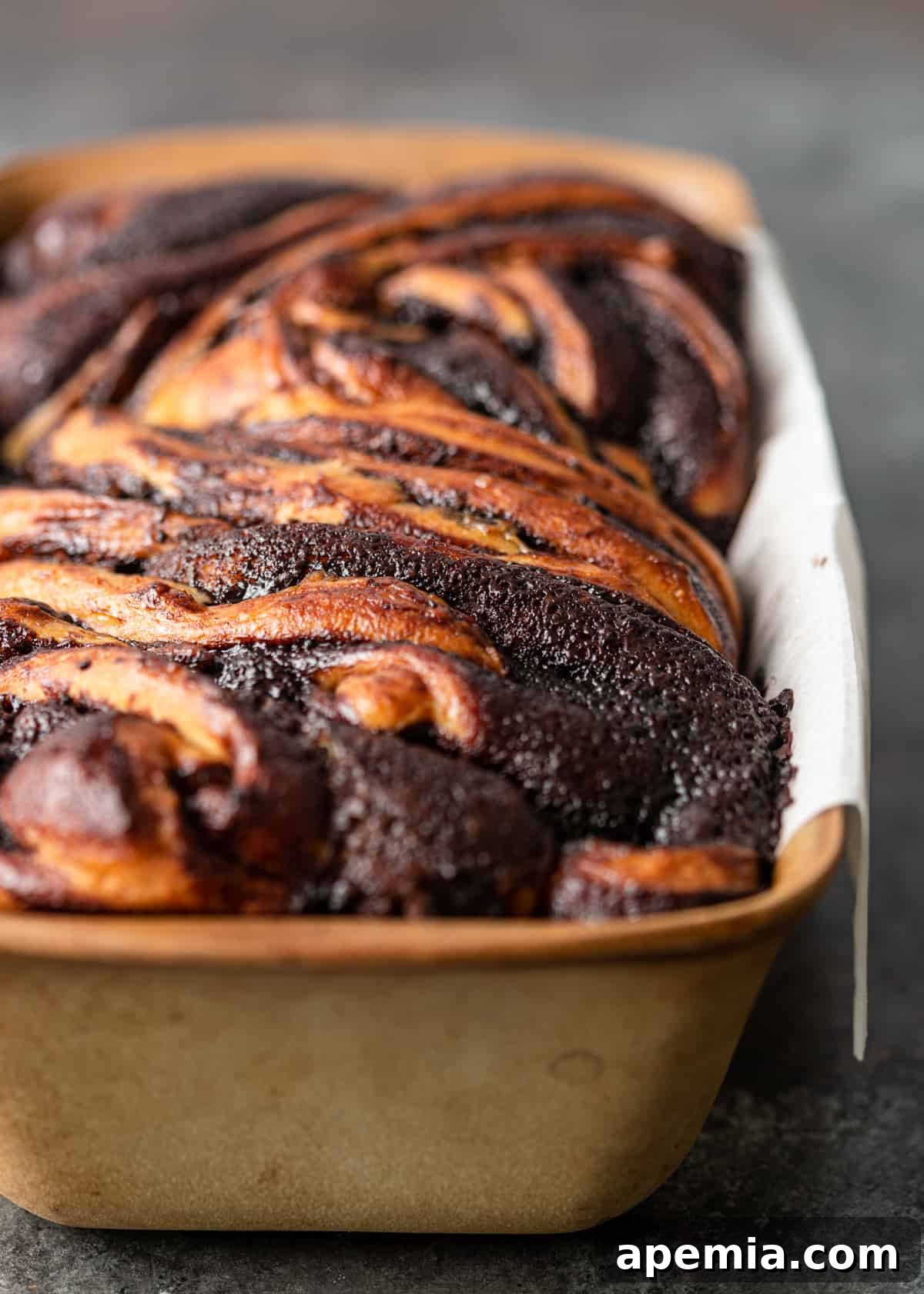
Table of Contents
- Why You’ll Love This Homemade Babka
- Expert Tips for Perfect Babka
- Key Ingredients & Smart Substitutions
- Step-by-Step Guide: Crafting Your Chocolate Babka
- Essential Baking Tools
- Storing Your Babka for Lasting Freshness
- Frequently Asked Questions About Chocolate Babka
- Chocolate Babka Recipe
Why You’ll Love This Homemade Babka
While a chocolate babka loaf might appear elaborate and perhaps a bit daunting for those new to baking, I assure you, it’s far simpler to create than its impressive presentation suggests. The most challenging aspect of this recipe isn’t the technique, but rather the waiting time required for the dough to chill in the refrigerator. This crucial chilling period, though a test of patience, is essential for developing the dough’s rich flavor and making it much easier to handle when it comes to rolling and braiding.
The effort and the wait are undoubtedly worth it. In the end, you’ll be rewarded with two gorgeous loaves of swirled, chocolate-laden bread that boast a soft texture, deep flavor, and a stunning visual appeal that is truly second to none. There’s a unique satisfaction that comes from pulling a warm, aromatic babka from your own oven, knowing every delicious bite is a testament to your patience and skill.
Tip From Kevin
Expert Tips for Perfect Babka
Achieving the perfect chocolate babka comes down to a few key techniques. First, always ensure your active dry yeast is fresh and properly proofed in warm milk with a pinch of sugar; this step confirms its vitality, which is crucial for a good rise. Second, using room temperature ingredients for the dough, especially eggs and milk, allows them to emulsify better and results in a smoother, more uniform dough. Third, don’t rush the kneading process; a full 10 minutes in a stand mixer develops the gluten sufficiently, yielding that coveted soft and chewy texture. Finally, the long chill period for the dough (at least 8 hours or overnight) is non-negotiable. Cold dough is significantly easier to roll out thinly and evenly, prevents the butter from melting out during shaping, and allows the flavors to deepen beautifully. Patience truly is a virtue in babka making!
Key Ingredients & Smart Substitutions
(For exact quantities, please refer to the complete recipe card below)
- Active Dry Yeast: Essential for the babka’s rise, creating that light and airy texture. Ensure it’s fresh for optimal activation. You can substitute with instant yeast, but you might not need to proof it separately – just add it directly to the dry ingredients.
- Whole Milk: Contributes to a rich flavor and helps maintain the bread’s tender and moist crumb. Always use room temperature milk, as cold milk can inhibit yeast activity. Dairy-free milk alternatives can be used, though they might slightly alter the texture and richness.
- Eggs: Provide structure, richness, and moisture to the dough. Using room temperature eggs is crucial as they emulsify better with other ingredients, leading to a smoother, more consistent dough.
- Sugar (Granulated & Powdered): Granulated sugar sweetens the dough, while powdered sugar is used in the filling for a smoother texture and an ideal level of sweetness. Don’t skip the sugar in the dough, as it also feeds the yeast.
- All-Purpose Flour: The foundation of our babka dough. For best results, measure flour by weight if possible, or use the “spoon and level” method to avoid adding too much, which can lead to dry bread.
- Unsalted Butter: Used generously throughout the recipe – for the dough, the fudgy filling, and the optional chocolate glaze. Unsalted butter allows you to control the overall salt content, and softened butter (for the dough) incorporates seamlessly.
- Chocolate (Bittersweet & Milk): This recipe utilizes both bittersweet and milk chocolate for a balanced, complex chocolate flavor in the filling and glaze. High-quality chocolate makes a significant difference in taste and melt consistency. You can adjust the ratio to your preference, using more bittersweet for a deeper, less sweet profile, or more milk chocolate for a milder, sweeter result.
- Unsweetened Cocoa Powder: Deepens the chocolate flavor of the filling, giving it an intense, rich hue and taste that complements the melted chocolate perfectly.
- Kosher Salt: A vital ingredient for both the dough and the chocolate filling. Salt doesn’t just add flavor; it balances out the sweetness, enhances the chocolate notes, and helps control yeast activity in the dough.
- Heavy Cream: Added to the chocolate and cocoa in the filling to create a wonderfully rich, silky-smooth texture that’s easy to spread and contributes to the fudgy quality.
- Powdered Sugar: Used in the chocolate filling for its fine texture, ensuring a smooth and lump-free consistency.
- Light Corn Syrup: The secret ingredient for the optional glaze, providing a beautiful, professional-looking shine and a smooth, pourable consistency without becoming too brittle when set.
- Espresso Powder (Optional): While optional, a touch of espresso powder dramatically enhances and deepens the chocolate flavor without making the babka taste like coffee. It’s a chef’s trick for making chocolate taste “more chocolatey.”
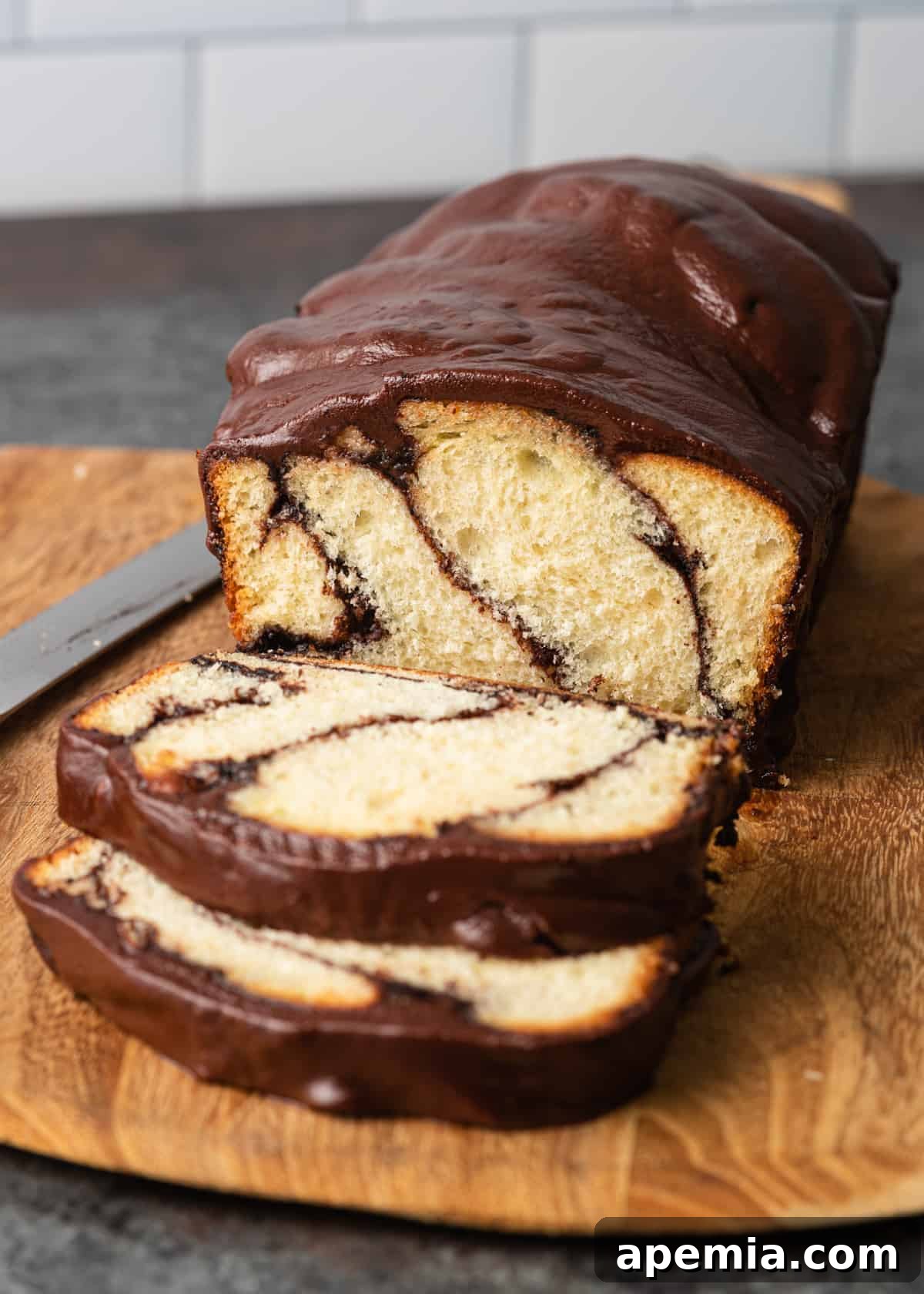
Step-by-Step Guide: Crafting Your Chocolate Babka
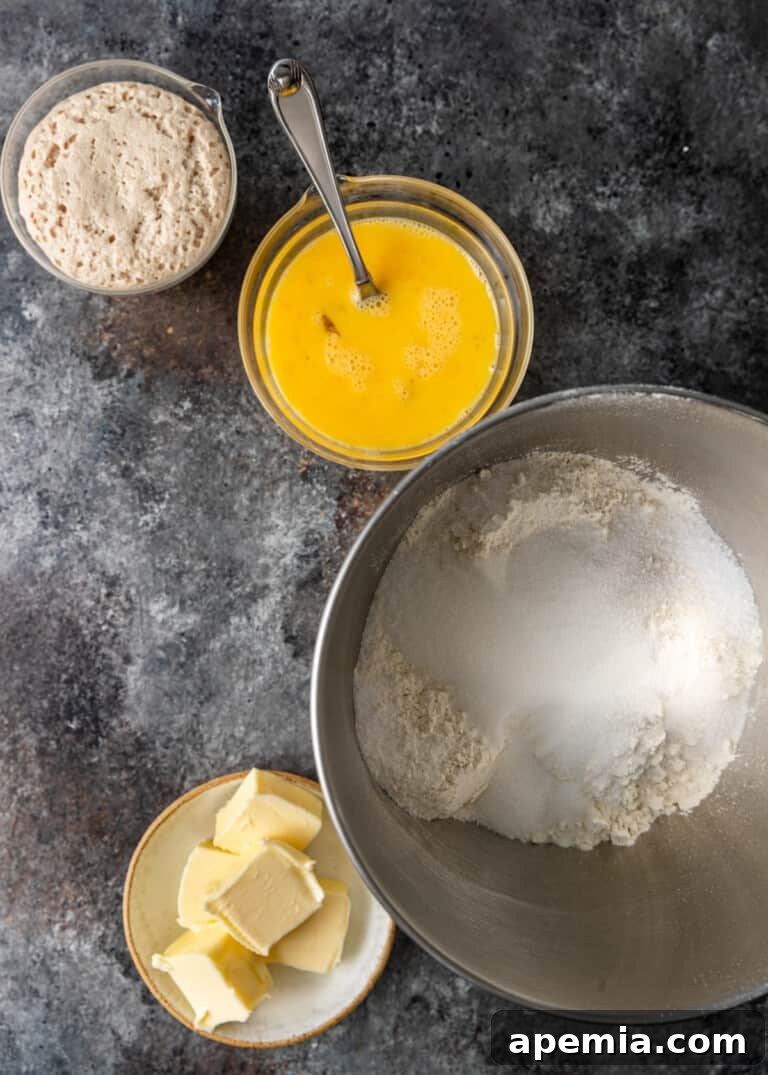
- Prepare the Dough (The Foundation): Begin by gently stirring together warm milk, a pinch of sugar, and active dry yeast in a small bowl. Let this mixture rest for about 10 minutes until it becomes visibly foamy, indicating the yeast is active. Meanwhile, whisk the room temperature eggs in another bowl. In the large bowl of a stand mixer, combine the flour, the remaining sugar, and salt. Use your hands to create a well in the center of the dry ingredients, then pour in the proofed yeast mixture and the beaten eggs.
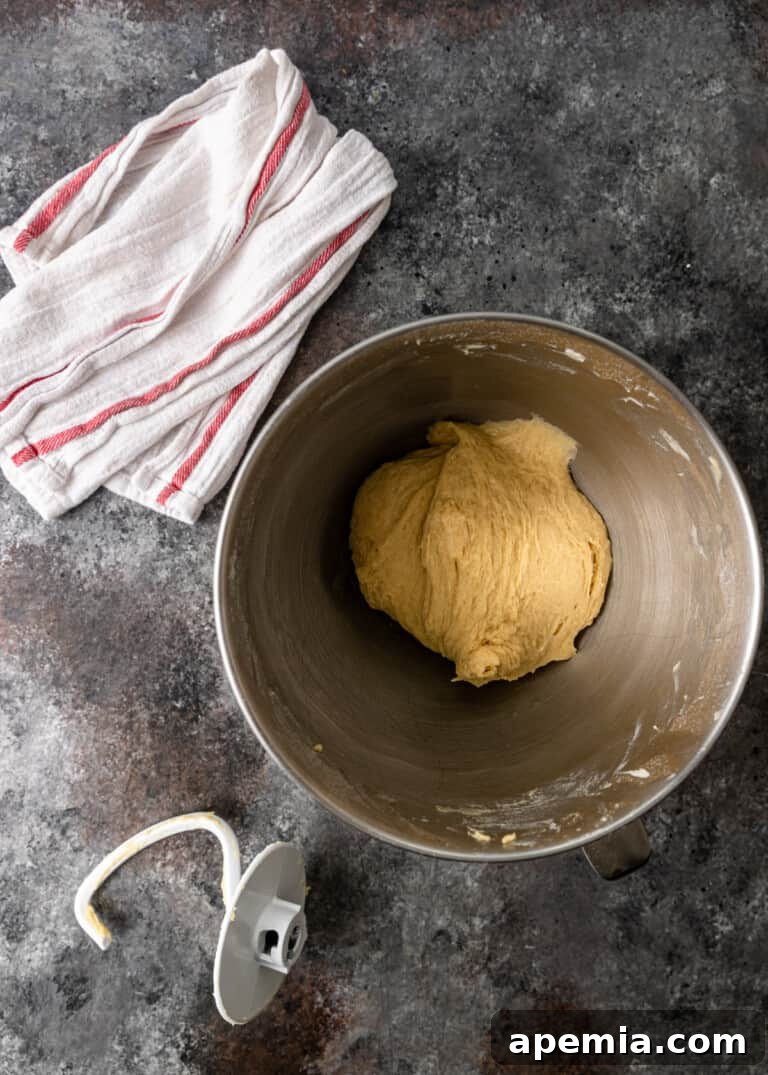
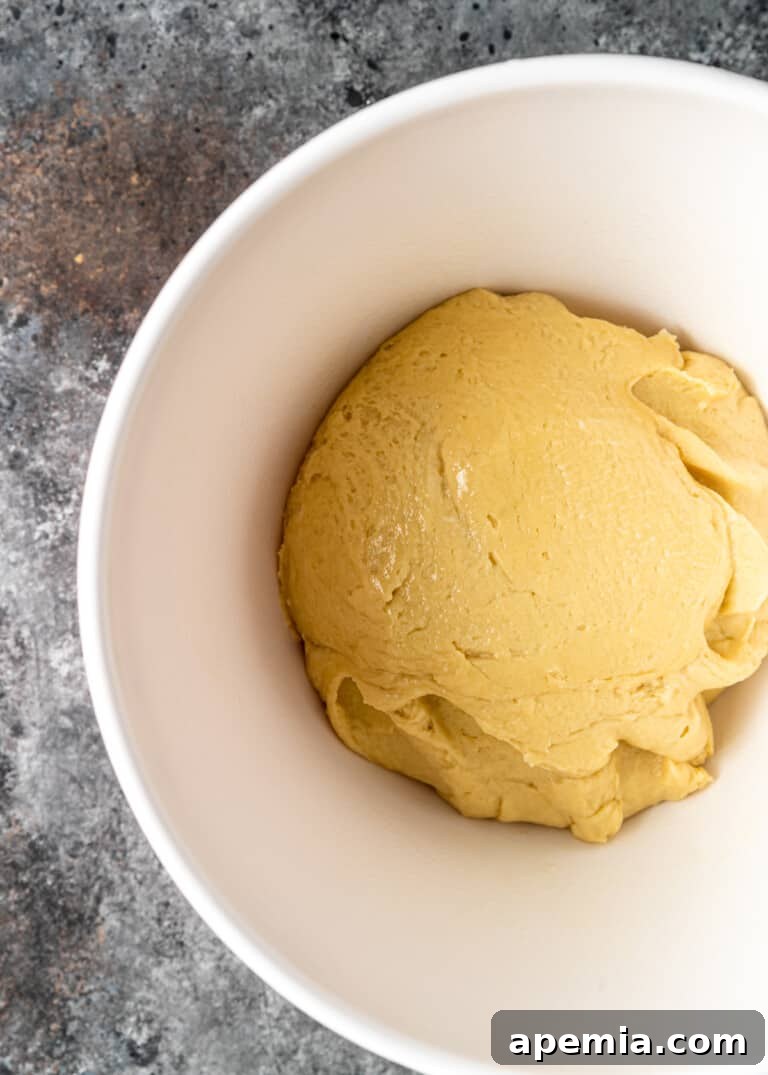
- Knead with Precision: Attach the dough hook to your stand mixer and start mixing on medium speed. Once a shaggy, rough dough forms, begin adding the softened unsalted butter, one tablespoon at a time, ensuring each addition is fully incorporated before adding the next. Continue kneading for about 10 minutes until the dough transforms into a smooth, elastic, and shiny ball. Transfer this beautiful dough to a large, lightly greased bowl, turning it to coat all sides. Cover the bowl tightly with plastic wrap and refrigerate for a minimum of 8 hours, or ideally, overnight. This long chill is essential for flavor development and easier handling.
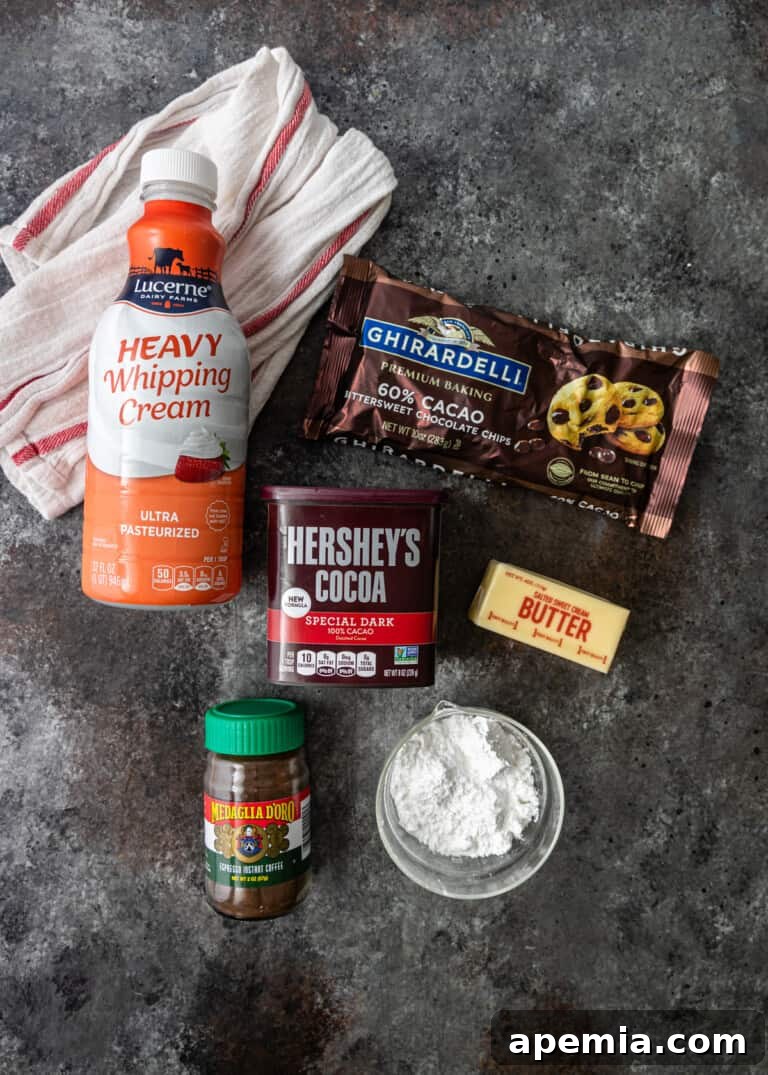
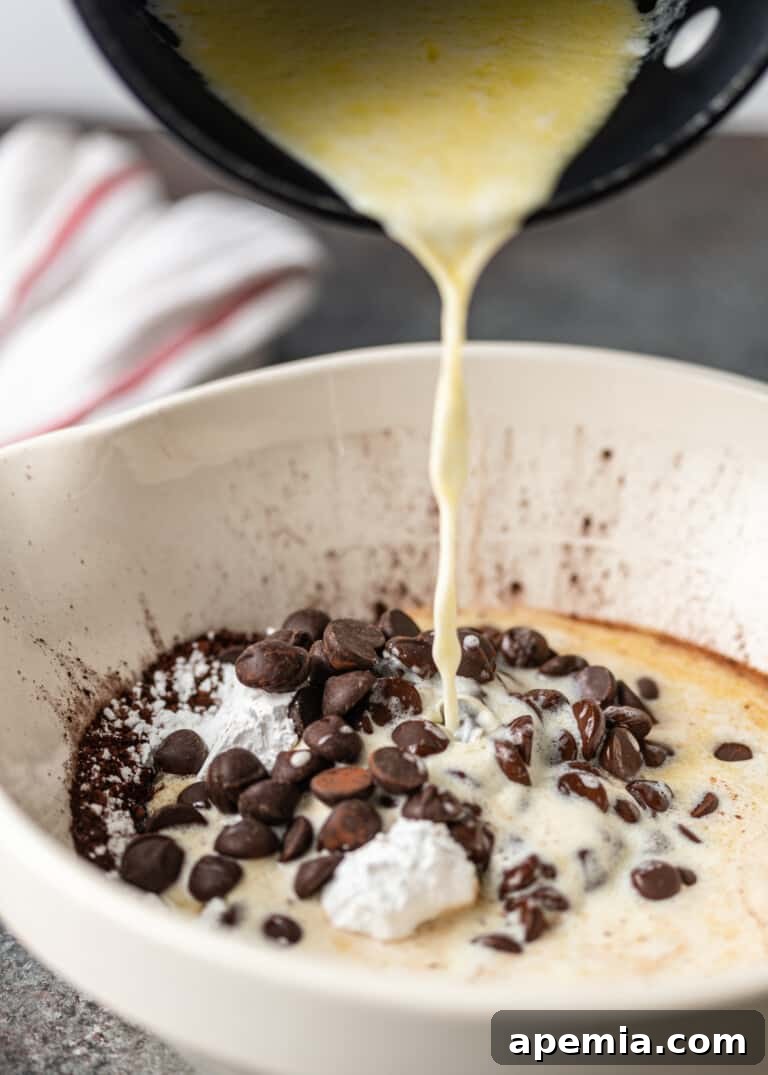
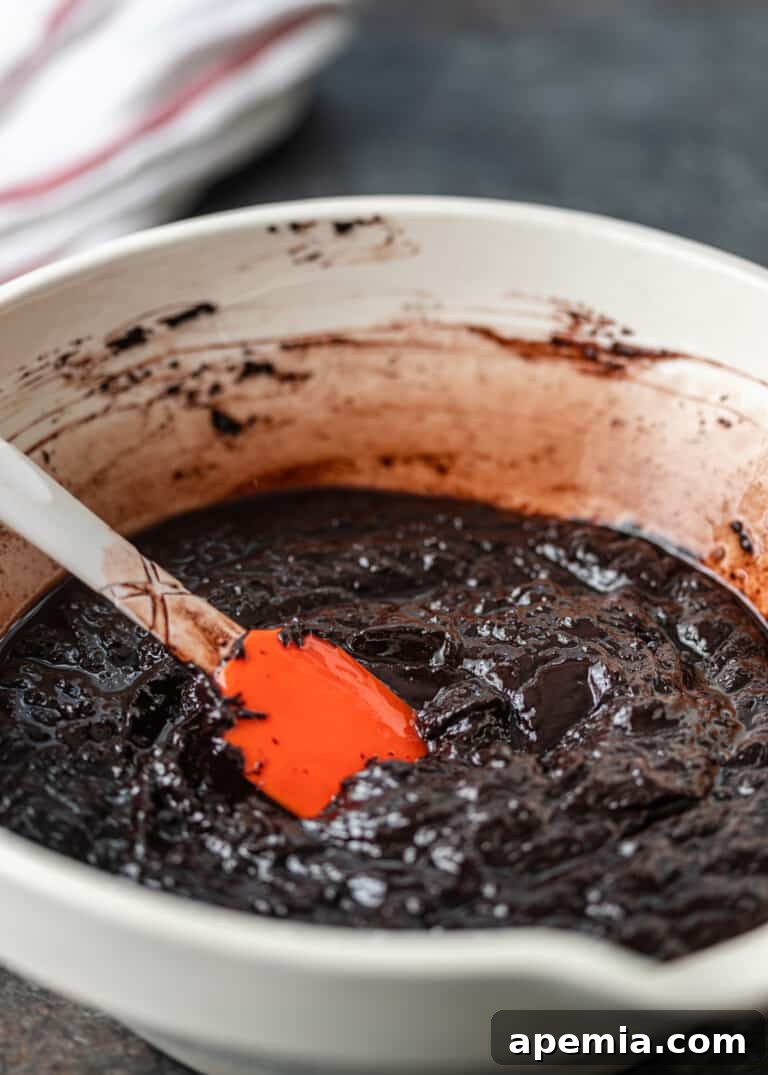
- Make the Rich Chocolate Filling: In a medium saucepan set over medium heat, combine the heavy cream and unsalted butter. Stir frequently until the butter has completely melted and the cream just begins to steam. Remove from heat. In a separate heatproof bowl, combine the finely chopped bittersweet chocolate, powdered sugar, unsweetened cocoa powder, optional espresso powder, and a pinch of salt. Pour the hot cream and butter mixture over the chocolate ingredients and stir gently until everything is melted and perfectly smooth. Once glossy and uniform, place the chocolate filling in the refrigerator to cool and thicken for about an hour.
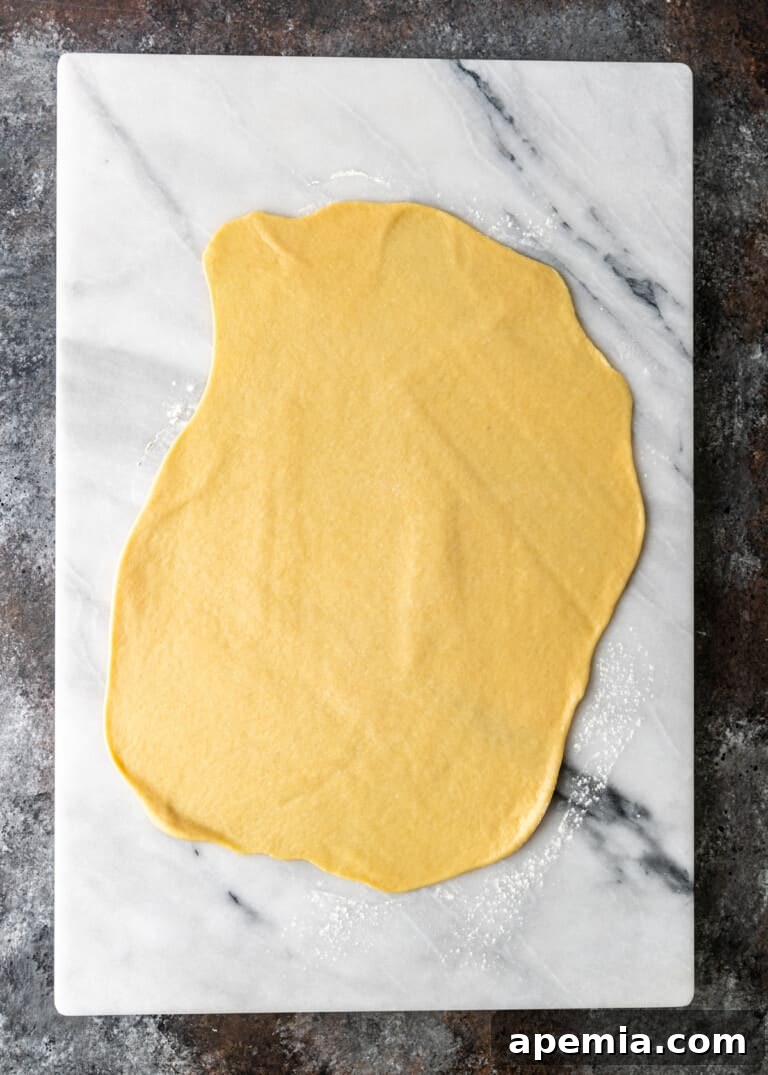
- Roll, Fill, and Braid for the Signature Swirl: Prepare two 8×4-inch or 9×5-inch loaf pans by buttering or spraying with baking spray, then lining them with parchment paper with an overhang on the long sides for easy lifting. Retrieve both the chilled dough and the thickened chocolate filling from the refrigerator. Divide the babka dough in half, returning one portion to the fridge while you work with the first. On a lightly floured surface, roll out the first half of the dough into an approximate 12×16-inch rectangle.
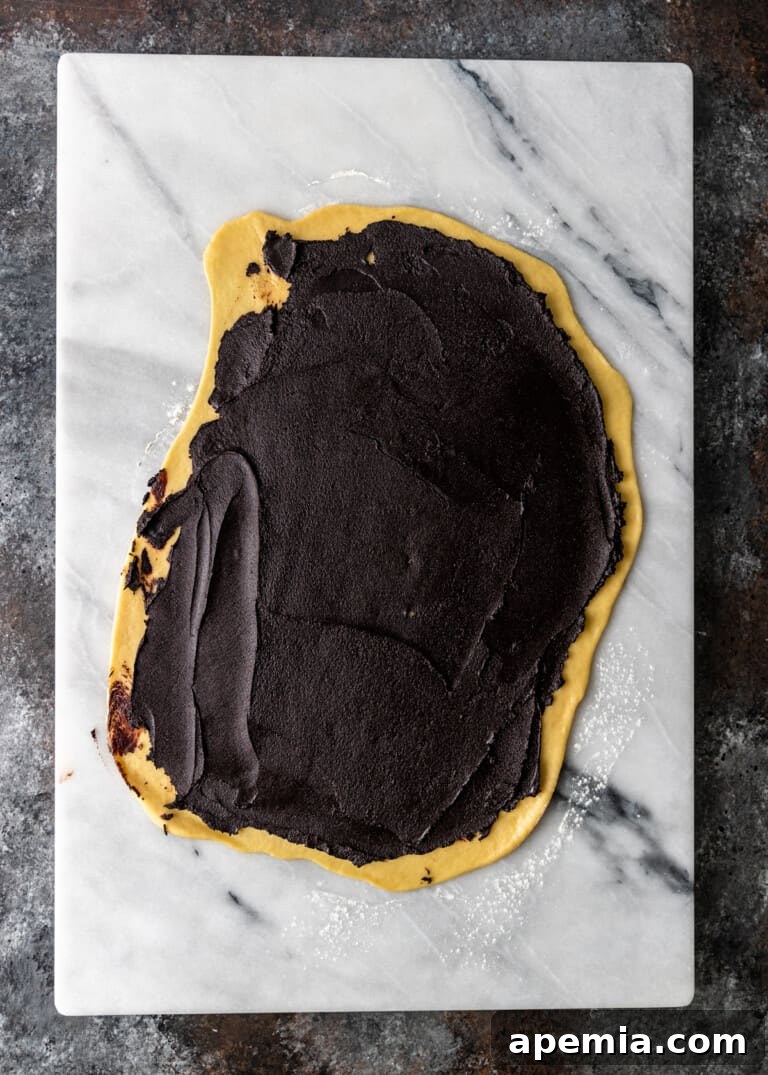
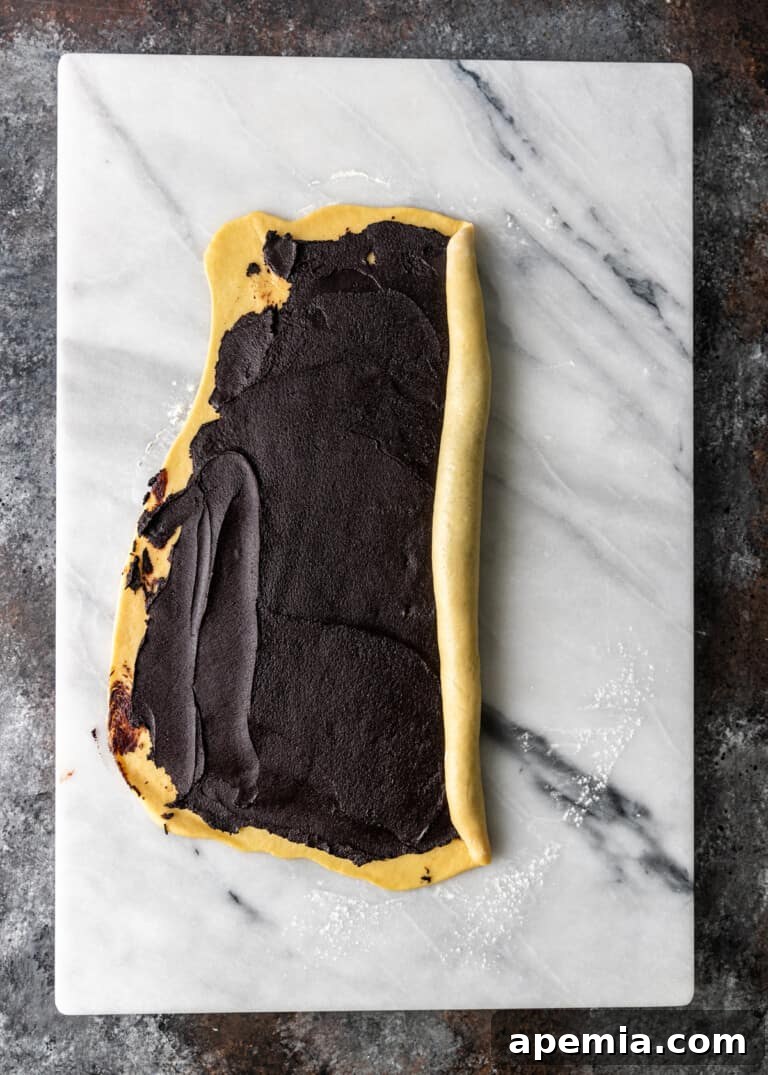
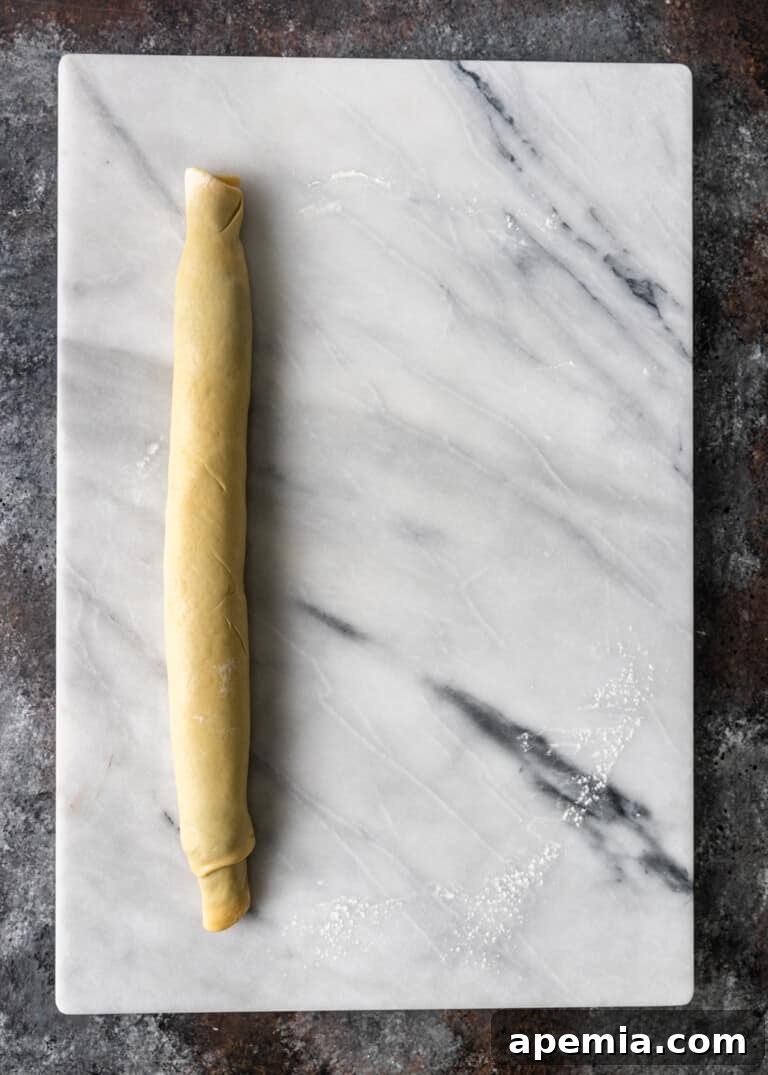
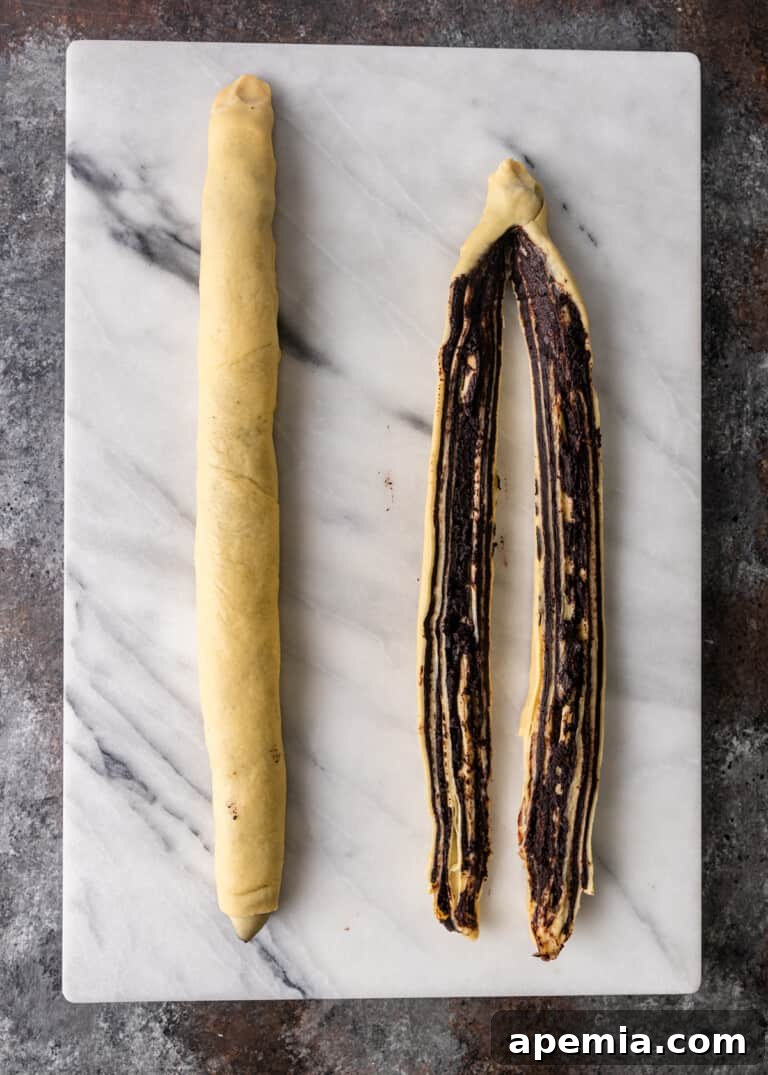
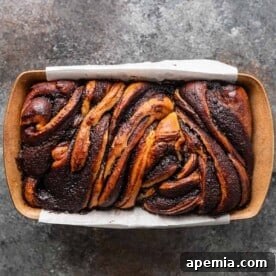
- Assemble the Braids: Using an offset spatula, spread half of the cooled chocolate filling evenly over the rolled-out dough, leaving a 1-inch border clear along one of the long edges. Starting from the long edge opposite the clear border, carefully and slowly roll the dough tightly into a log. Once rolled, press the bare edge firmly into the log to seal it completely. With a sharp knife, slice the dough log in half lengthwise, starting about an inch from one end. Position the two sliced halves cut-side up. Gently intertwine the two strips of dough, folding one half over the other to form a twisted braid, ensuring the chocolate layers are visible. Pinch the ends of the braid together to seal. Repeat this entire rolling, filling, and braiding process with the second half of the dough.
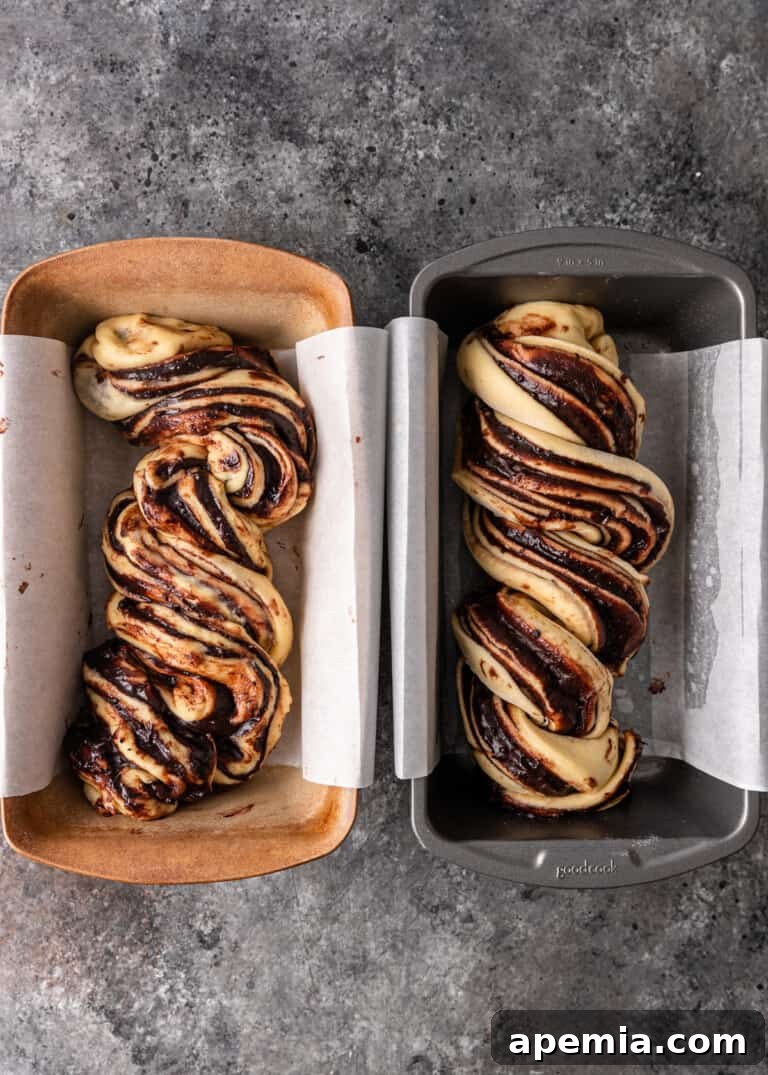
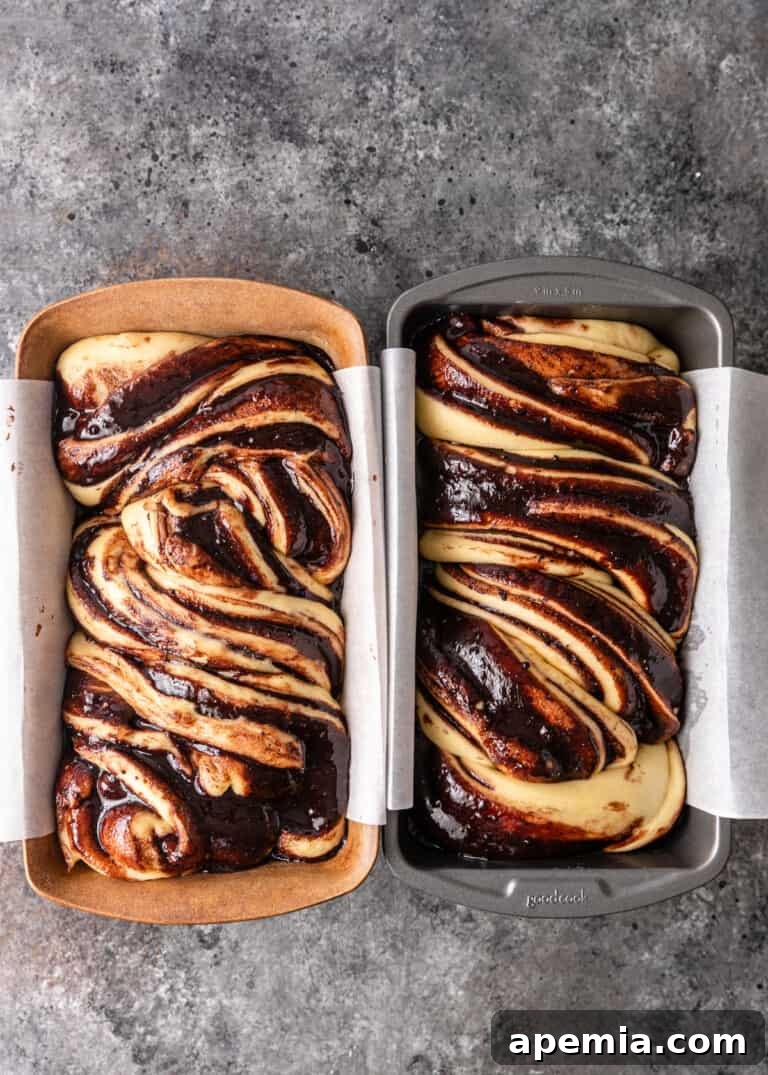
- The Second Rise (Proofing): Carefully transfer each braided babka loaf into its prepared loaf pan. Cover both pans loosely with a clean kitchen towel and place them in a warm, draft-free spot to rise. Allow them to proof for approximately 1 ½ to 2 hours, or until they have visibly doubled in size and look puffy. This second rise is crucial for a light, tender crumb.
- Bake to Golden Perfection: Preheat your oven to 350 degrees F (175 degrees C). Once preheated and the babkas have risen, transfer the loaf pans to the oven. Bake for about 40 minutes, or until the crust is a beautiful golden brown and a wooden toothpick inserted into the center comes out clean. If the babka browns too quickly, you can loosely tent it with aluminum foil during the last 10-15 minutes of baking.
- Brush with Syrup: While the babkas are baking, prepare the simple syrup. In a small saucepan, combine the sugar and water. Bring the mixture to a simmer over medium heat, stirring continuously until the sugar is completely dissolved. As soon as the babkas emerge from the oven, still hot, generously brush each loaf with the prepared sugar syrup. This step adds moisture, shine, and extra sweetness. Let the babkas cool in their pans for at least 30 minutes before attempting to remove them.
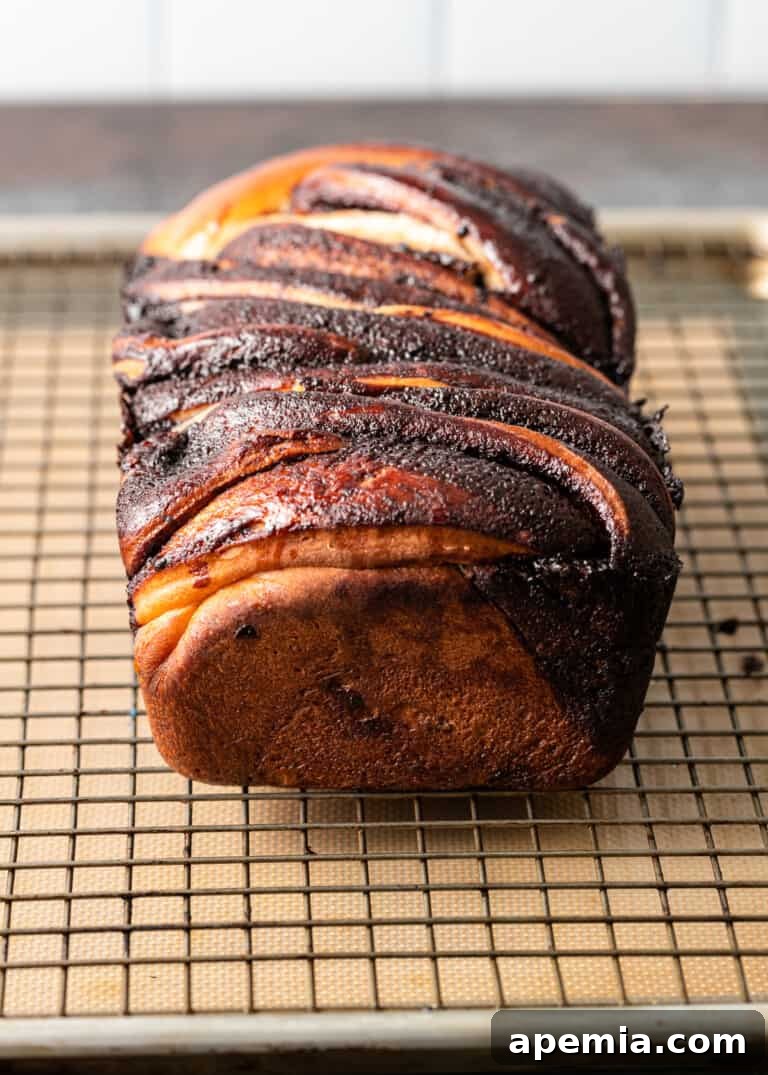
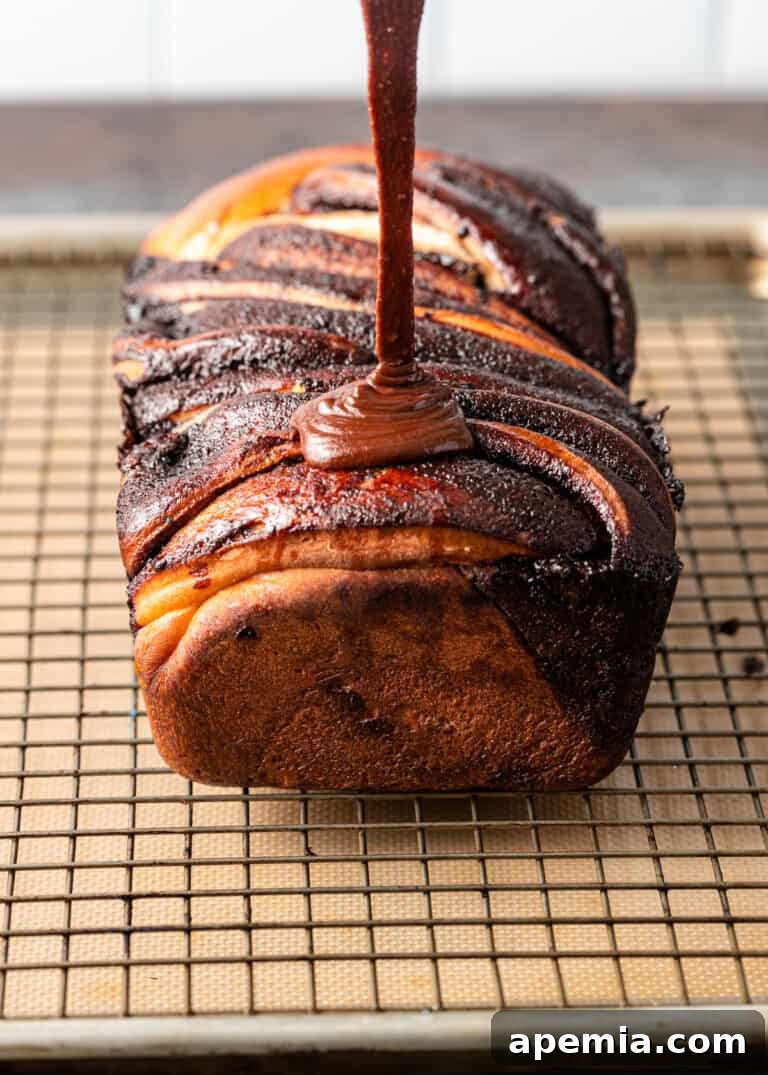
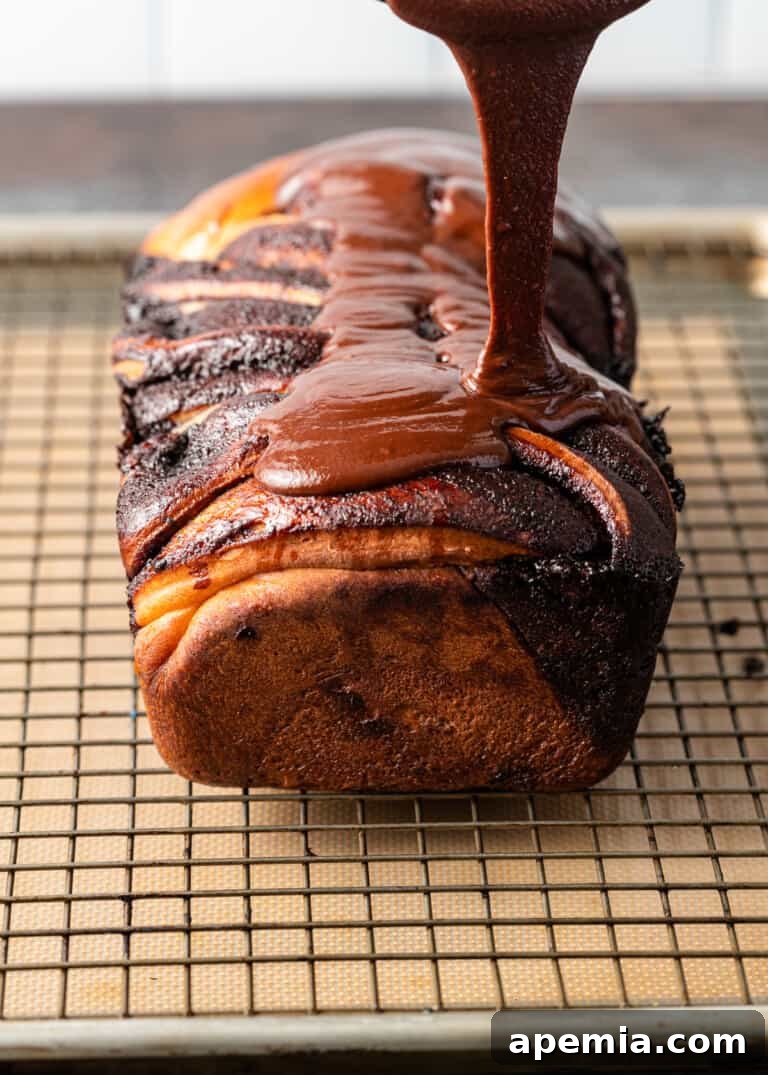
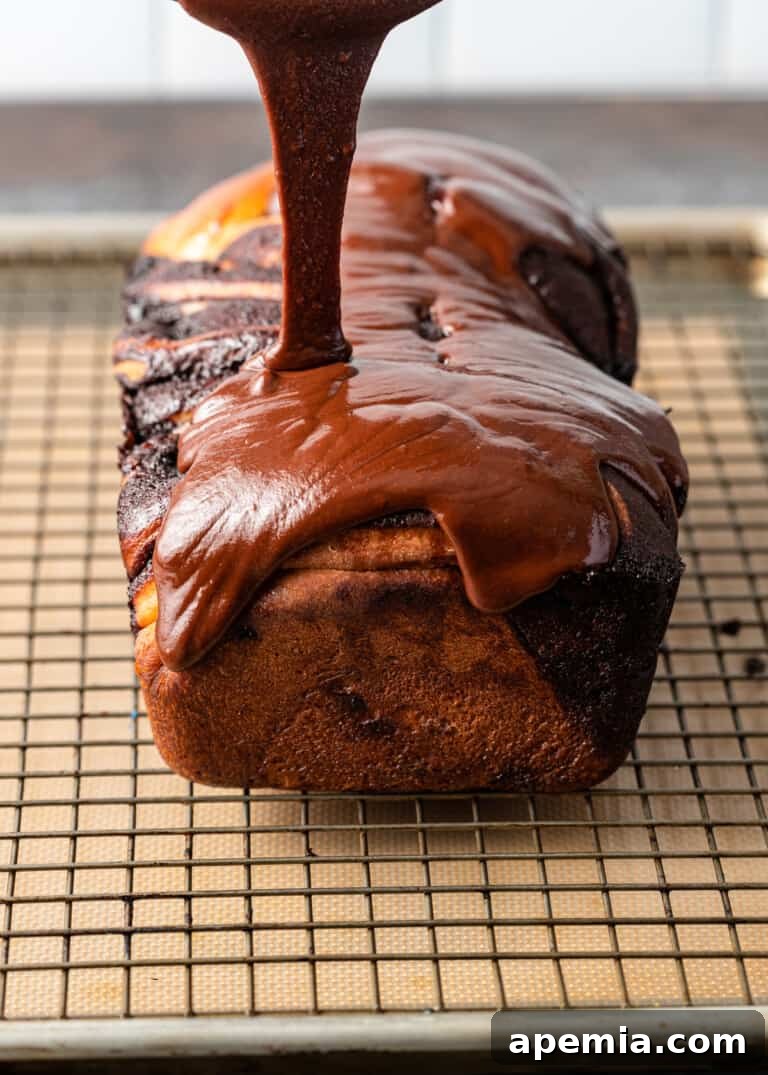
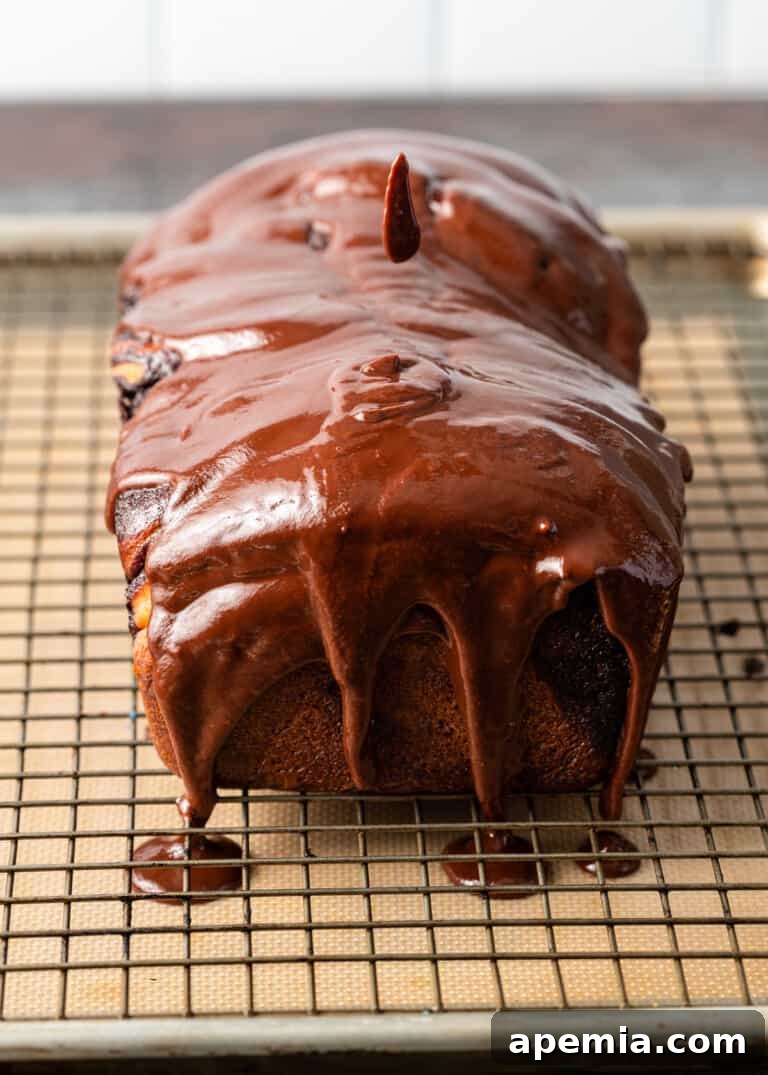
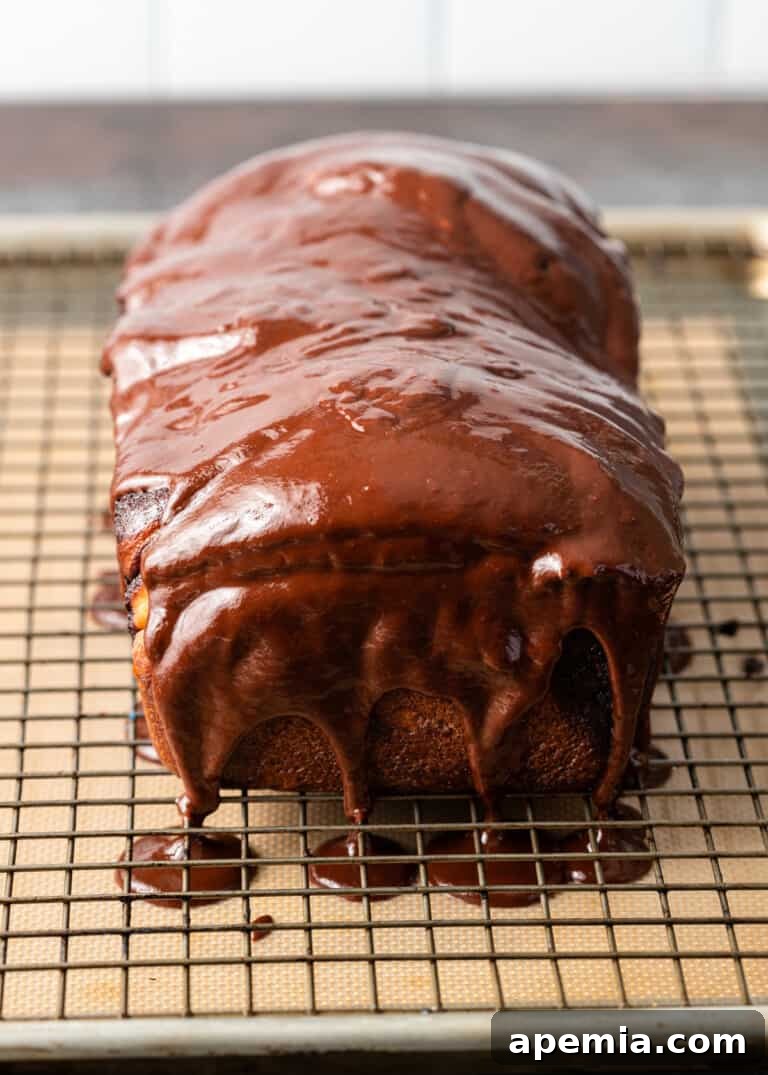
- (Optional) Decadent Chocolate Glaze: For an extra layer of indulgence and a professional finish, prepare the optional chocolate glaze. Place a heatproof bowl over a saucepan of simmering water (creating a double boiler) and add both chopped chocolates and the cubed butter. Stir frequently until the mixture is smooth and completely melted. Remove from heat and stir in the light corn syrup until well combined and glossy. Once the babkas have cooled slightly (after the syrup application), gently remove them from their pans and place them on a wire rack set over a baking sheet (to catch any drips). Pour the warm glaze over the babka loaves, allowing it to coat them beautifully. Let the glazed babkas stand for at least 30 minutes for the glaze to set before slicing and enjoying your incredible creation!
Essential Baking Tools
Having the right tools can make the babka-making process much smoother and more enjoyable:
- Stand Mixer with Dough Hook: This is highly recommended as it makes the kneading process almost effortless, saving your arms from a lengthy hand-kneading session. The dough hook attachment ensures even and consistent kneading, crucial for developing gluten properly.
- Two 8×4 or 9×5-inch Loaf Pans: Essential for shaping and baking your babka loaves. Using two allows you to bake both at once or prepare one for freezing.
- Parchment Paper: Lining the loaf pans with parchment paper (leaving an overhang) prevents sticking and makes it incredibly easy to lift the baked babkas out of the pans.
- Rolling Pin: For rolling out the dough evenly into a large rectangle.
- Offset Spatula: Ideal for spreading the chocolate filling smoothly and evenly across the dough.
- Sharp Knife: A good, sharp knife is key for cleanly slicing the rolled babka dough lengthwise, creating those distinct layers for braiding.
- Wire Rack: For cooling the babkas evenly after baking and for allowing any excess glaze to drip off.
- Small Saucepan: For preparing the simple syrup and for the double boiler method for the chocolate glaze.
Storing Your Babka for Lasting Freshness
To ensure your delicious chocolate babka stays fresh and enjoyable for as long as possible, proper storage is key. At room temperature, babka will remain moist and flavorful for about 3 to 5 days. The best way to store it is in an airtight container or by wrapping it tightly in plastic wrap. This prevents it from drying out and keeps its tender crumb intact.
If you wish to preserve your babka for an extended period, it freezes exceptionally well. First, ensure the babka is completely cool. Then, wrap each loaf tightly in plastic wrap, followed by a layer of aluminum foil. This double-layer protection helps prevent freezer burn. Frozen babka can last for up to 2-3 months. When you’re ready to enjoy it, simply thaw it at room temperature for several hours or overnight before reheating.
While delicious at room temperature, many agree that chocolate babka is best served warm. To reheat, preheat your oven to 350 degrees F (175 degrees C). Place the babka (whole or sliced) on a baking sheet and heat for 5 to 10 minutes, or until warmed through and fragrant. Avoid microwaving, as it can make the bread tough.
Share this recipe on Pinterest!
Love this recipe? Share it with the world on Pinterest.
Frequently Asked Questions About Chocolate Babka
Chocolate babka is incredibly versatile and pairs beautifully with many accompaniments. For a truly decadent dessert, serve a warm slice topped with a generous scoop of vanilla bean ice cream or a dollop of freshly whipped cream. When your sweet tooth is calling, a mug of rich hot chocolate makes for a perfect companion. Babka also shines as a delightful breakfast or brunch item; it’s wonderful alongside a fresh pot of coffee or a relaxing cup of tea, especially when lightly toasted. Its rich flavor and satisfying texture make it an indulgent way to start your day.
Absolutely not! While chocolate is a universally loved filling and my personal favorite, babka offers endless possibilities for customization. Traditionally, babkas were often made with fillings like cinnamon sugar, poppy seeds, raisins, or even rum-soaked dried fruits. You can easily adapt this recipe to include other fillings such as a cinnamon-pecan swirl, a vibrant fruit jam, cream cheese, or a mix of chopped nuts like walnuts or almonds with a touch of honey. Feel free to experiment and create your own signature babka!
A dry babka is typically the result of one of two common issues. The primary culprit is often overbaking. It’s crucial to remove the loaves from the oven as soon as they pass the toothpick test (meaning a wooden toothpick inserted into the center comes out clean, possibly with a few moist crumbs but no wet batter). Baking too long can wick away precious moisture from the dough. Another common cause is using too much flour during preparation. This includes not only the amount measured for the dough itself but also excessive dusting of your work surface when rolling out the dough. Always measure flour precisely, ideally by weight, and use only just enough flour on your counter to prevent sticking, not more.
Yes, absolutely! Making the babka dough ahead of time is highly recommended. In fact, the recipe explicitly calls for chilling the dough for at least 8 hours or overnight. This long cold proof not only develops a richer flavor but also makes the dough much easier to handle. You can prepare the dough a day or even two days in advance and keep it in the refrigerator. Just be sure to bring it out a little before rolling to make it slightly more pliable, but still cold enough to manage.
Achieving those beautiful, distinct chocolate swirls is all about technique. First, ensure your chocolate filling is properly chilled and thickened; if it’s too warm or runny, it will simply ooze out. Second, when rolling the dough, strive for an even rectangle, and spread the filling almost to the edges, leaving a small border on only one long side for sealing. Roll the dough into a log very tightly and evenly to minimize air pockets. When slicing lengthwise, use a very sharp knife to make a clean cut, exposing the layers. Finally, when braiding, gently twist and overlap the two halves, always keeping the cut-sides facing upwards to highlight the swirls. Don’t overwork the braid, a gentle twist is enough to create the signature look.
Chocolate Babka
16
9 hours
40 minutes
9 hours
40 minutes
PrintRecipe
Video
A video tutorial for making this chocolate babka would typically be displayed here.
Ingredients
Dough
- 2 1/4 teaspoon active dry yeast
- 1/2 cup whole milk room temperature
- 4 large eggs room temperature
- 1 1/2 teaspoons kosher salt
- 1 cup granulated sugar
- 4 1/2 cups all-purpose flour
- 10 tablespoons unsalted butter softened
Filling
- ½ cup heavy cream
- 8 tablespoons unsalted butter
- 8 oz bittersweet chocolate chopped
- 3/4 cup powdered sugar
- 1/3 cup unsweetened cocoa powder
- 1 teaspoon espresso powder optional
- pinch of kosher salt
Syrup
- 1/3 cup sugar
- ⅓ cup water
Chocolate Glaze (optional topping)
- 12 oz bittersweet chocolate chopped
- 4 oz milk chocolate chopped
- 12 tablespoons unsalted butter cubed
- 2 tablespoons light corn syrup
Instructions
Dough
-
In a small bowl or measuring cup, stir together the warm milk, pinch of sugar and yeast. Set the yeast mixture aside to rest until it becomes foamy, about 10 minutes. In a small bowl, whisk the eggs.
-
In the bowl of a stand mixer, add the flour, sugar, and salt. Using your hand, mix and make a well in the center. Add the yeast mixture and beaten eggs. Attach a dough hook, turn the stand mixer on medium speed and begin beating the dough until a rough dough begins to form.
-
While the mixer is running, add 1 tablespoon of softened butter to the dough at a time until you have incorporated all of the butter. Continue kneading the dough until it forms a smooth, shiny ball, about 10 minutes.
-
Transfer the babka dough to a large greased bowl, turning to coat. Cover with plastic wrap. Set the dough in the refrigerator for 8 hours or overnight.
Filling
-
In a medium saucepan over medium heat, combine the cream and butter. Stirring frequently, cook the mixture until the butter has melted and the cream starts to steam.
-
In a bowl, pour the butter and cream mixture over the chopped chocolate, powdered sugar, cocoa, espresso powders and salt, stirring until it melts and becomes smooth.
-
Set the chocolate filling in the refrigerator to cool and thicken for 1 hour.
Assemble
-
Butter 2 (8×4-inch or 9×5-inch) loaf pans or spray with baking spray, then line with parchment paper, leaving an overhang on the long sides. Remove filling from the refrigerator.
-
Turn the chilled dough out onto a lightly floured surface. Divide the chilled dough in half, and return one dough ball to the refrigerator. Roll the other dough out into a 12×16-inch rectangle.
-
Using an offset spatula, spread half of the chocolate filling evenly over the dough, leaving a 1-inch border free on one of the long ends of the sheet.
-
Starting opposite the 1-inch clear border, use both hands and slowly roll the dough over the filling to create a tight log. When you get to the edge of the dough, press the bare border to seal the dough log.
-
Starting 1-inch from one end, and using a sharp knife, slice the babka roll in half lengthwise, exposing the chocolate filling layers. Position the two halves cut side up.
-
Braid the two strips of dough together by folding one half over the other to form a twisted braid, keeping the cut sides facing up. Pinch each end of the braid together to seal.
-
Carefully transfer the braided babka to the prepared loaf pan. If the babka braid is too long to fit in the pan, gently squeeze to condense it or twist it into a figure-eight formation before placing it inside.
-
Cover the babka with a clean kitchen towel and let it rest in a warm, draft-free spot until it doubles in size, about 1 1/2–2 hours.
-
Preheat the oven to 350°F (175°C).
-
Transfer the babka to the oven and bake for 40 minutes or until the crust is golden brown and a wooden toothpick can be inserted into the center without resistance and comes out clean.
Syrup
-
While the babkas are baking, combine the sugar and water in a small saucepan. Bring to a simmer over medium heat, stirring until the sugar is dissolved. Brush each loaf with the syrup immediately when hot from the oven. Let the babkas cool for 30 minutes in the pans. Serve warm or at room temperature.
Chocolate Glaze (optional topping)
-
In a heatproof bowl set over a saucepan of simmering water (double boiler method), melt both chocolates with the butter. Stir until smooth, then stir in the corn syrup. Place babkas on a wire rack lined tray. Pour the glaze on top of the warm babkas and let stand until set, about 30 minutes.
Nutrition
Calories: 676kcal
|
Carbohydrates: 69g
|
Protein: 9g
|
Fat: 42g
|
Saturated Fat: 25g
|
Trans Fat: 1g
|
Cholesterol: 109mg
|
Sodium: 250mg
|
Potassium: 343mg
|
Fiber: 5g
|
Sugar: 35g
|
Vitamin A: 855IU
|
Vitamin C: 1mg
|
Calcium: 59mg
|
Iron: 5mg
The information shown is an estimate provided by an online nutrition calculator. It should not be considered a substitute for a professional nutritionist’s advice.
Have You Made This Recipe? Let Me Know on Instagram
Tag @keviniscooking or use the hashtag #keviniscooking!