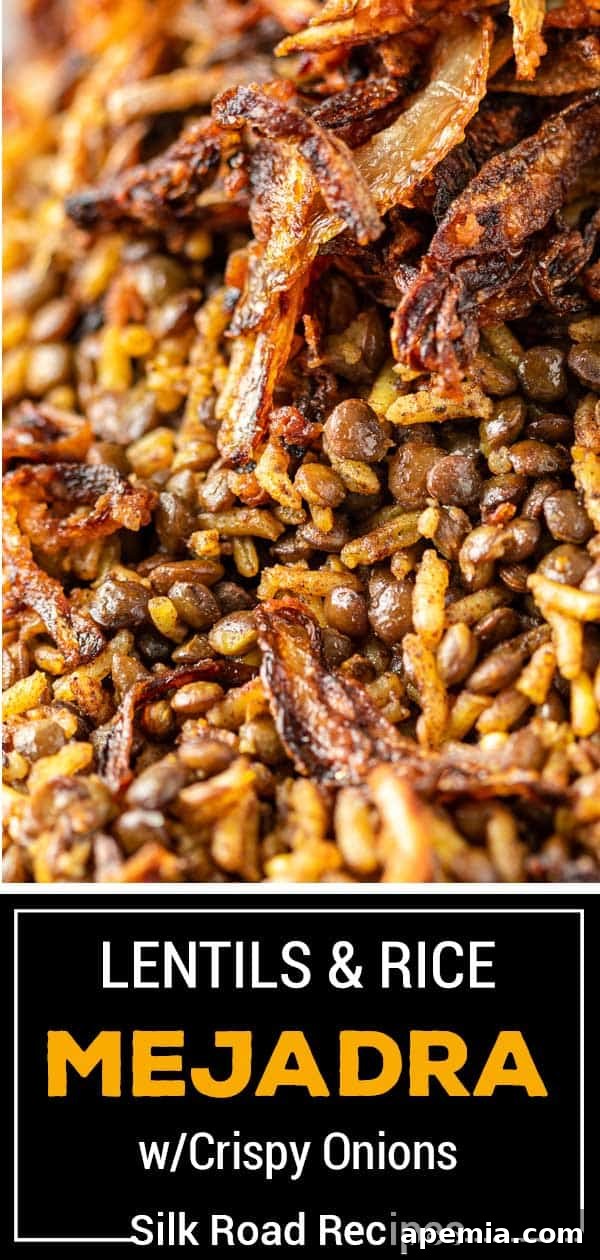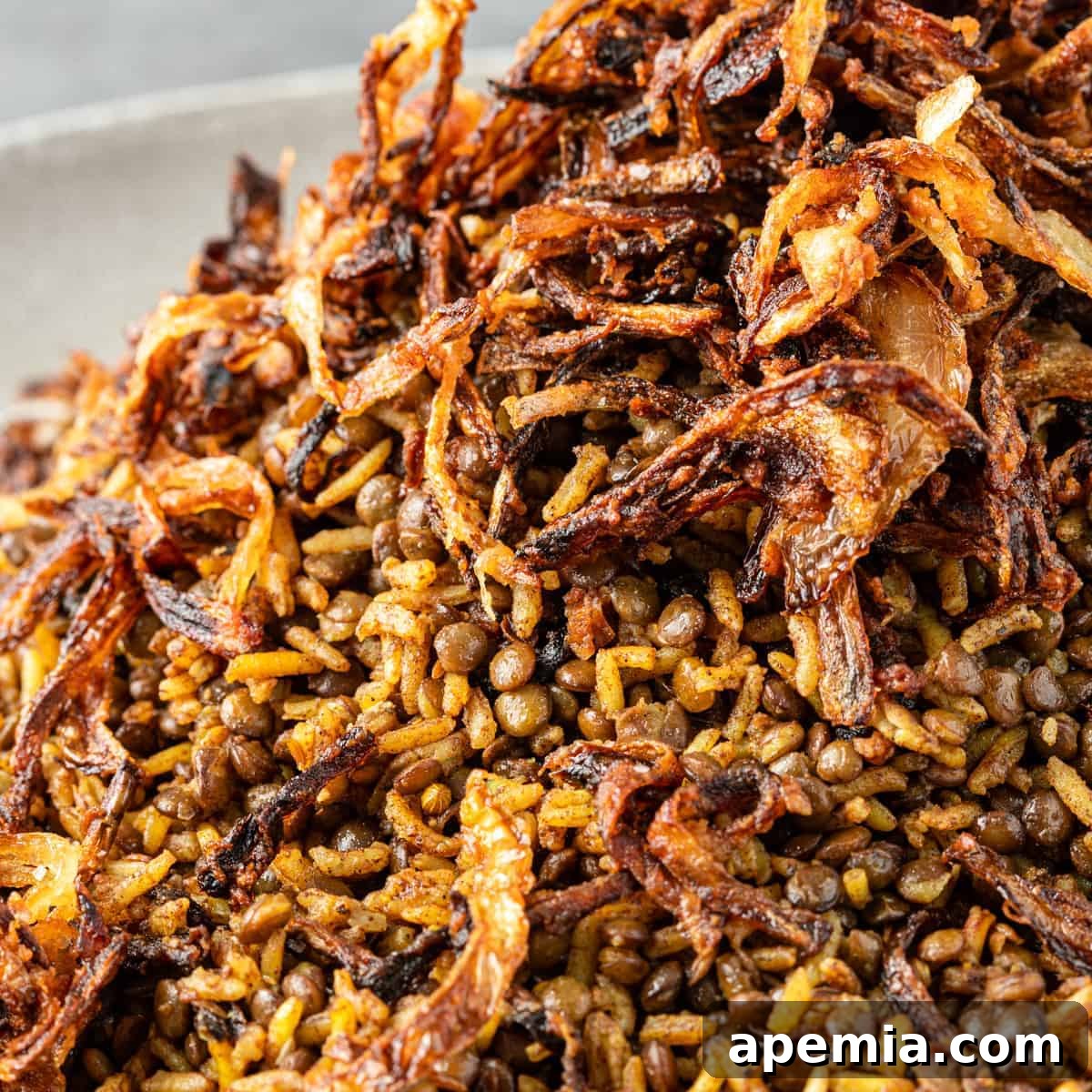
Master the Art of Mujadara: Your Guide to a Flavorful Middle Eastern Lentils and Rice Dish
Embark on a culinary journey with this incredibly flavorful and satisfying recipe for Mujadara. Also known as Mejadra, this beloved Middle Eastern lentils and rice dish is a vegetarian masterpiece that’s surprisingly easy to prepare and uses readily available, budget-friendly ingredients. Don’t let its humble origins fool you—each spoonful of this exquisitely seasoned feast promises to captivate your taste buds and leave you yearning for more.
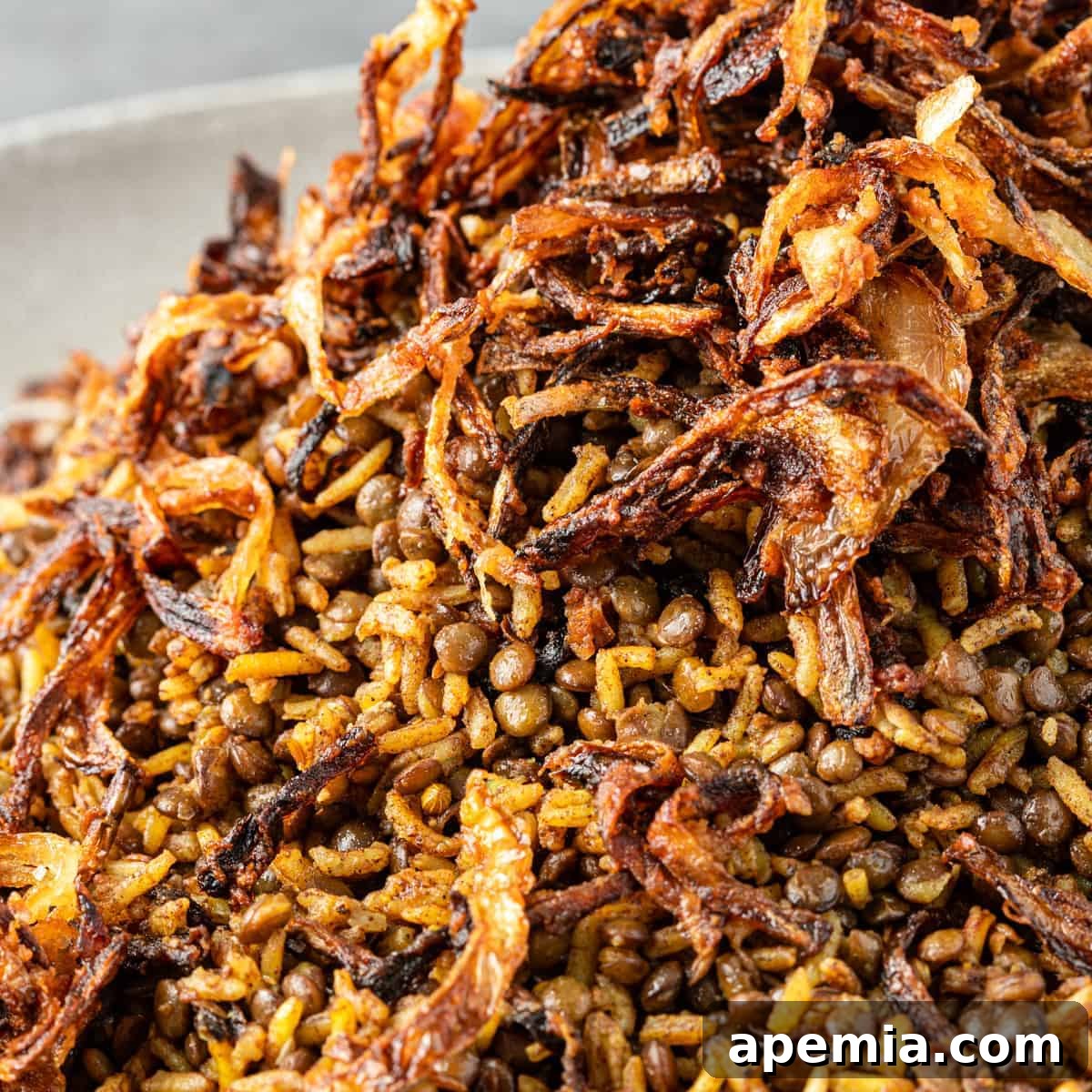
Mujadara stands out as one of those truly remarkable culinary creations that ticks all the boxes. This traditional Middle Eastern comfort food is celebrated for its ability to tantalize your palate, provide wholesome nourishment for your body, and offer genuine solace to your spirit. It’s more than just a meal; it’s an experience deeply rooted in history and culture.
Table of Contents
- The Soul-Soothing Appeal of Mujadara (Mejadra)
- A Culinary Journey Through Time: The Rich History of Mujadara
- Unveiling the Stars: Ingredient Notes and Substitutions
- Crafting Perfection: How to Make Mujadara Lentils and Rice
- Frequently Asked Questions About Mujadara
- Expert Tip for Unforgettable Flavor: The Power of Toasted Spices
- The Ultimate Mujadara Lentils and Rice (Mejadra) Recipe
- Savoring Mujadara: Pairing and Serving Suggestions
- Storing and Reheating Your Mujadara
The Soul-Soothing Appeal of Mujadara (Mejadra)
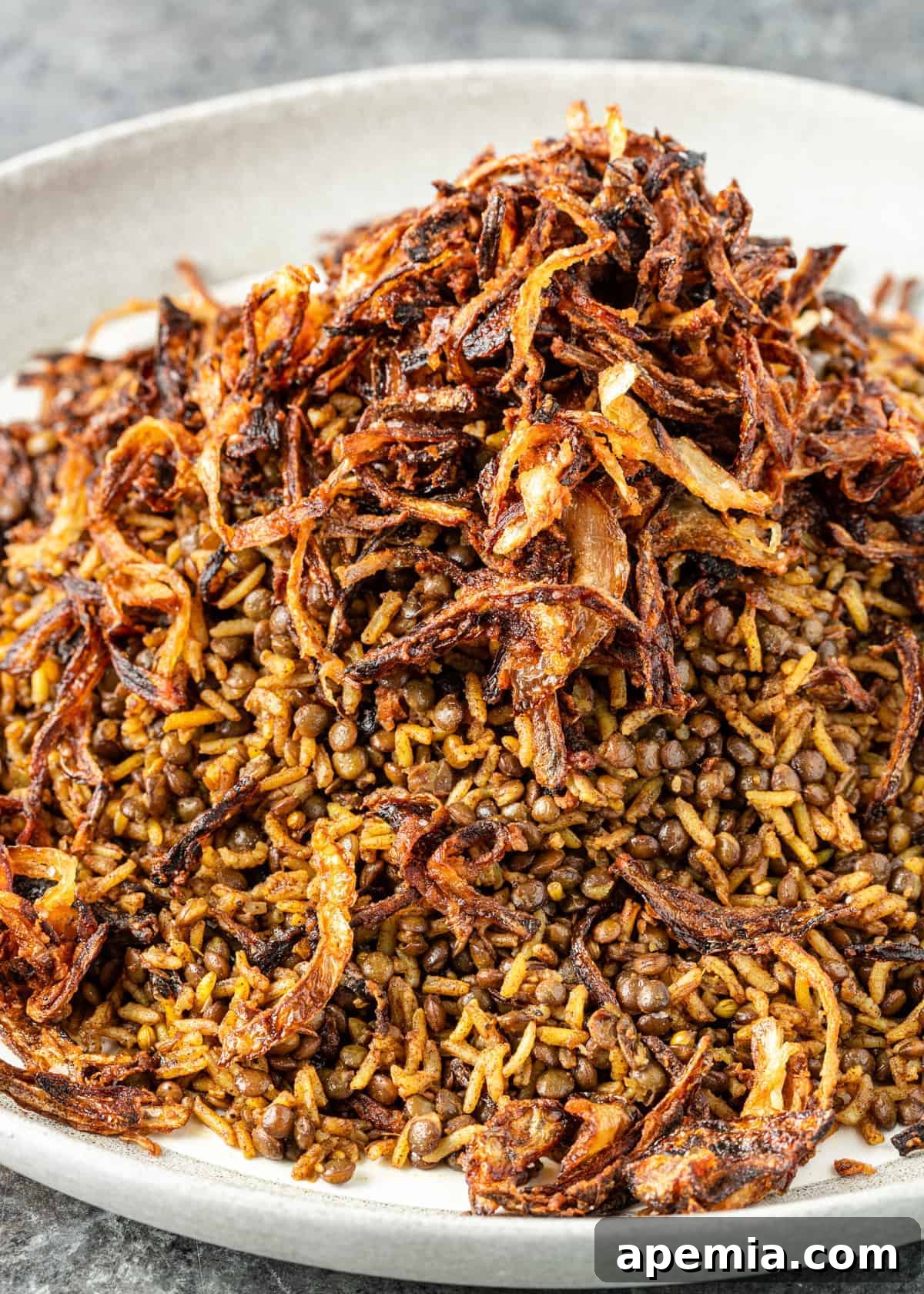
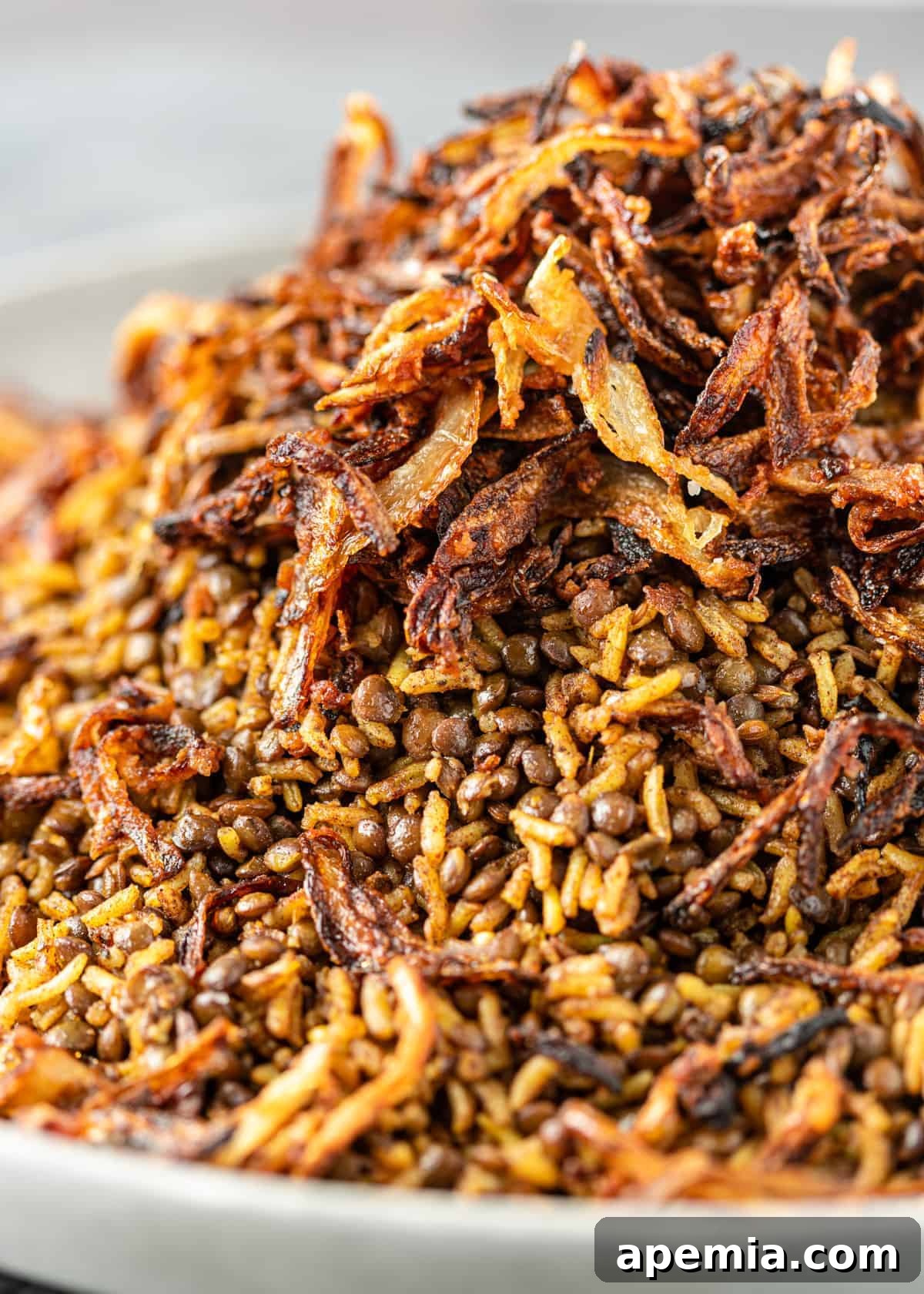
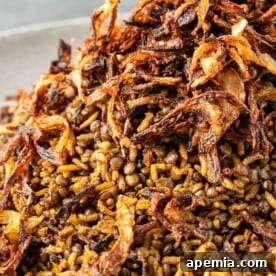
What truly elevates this humble yet mighty dish is its masterful blend of flavors and textures. It comes alive with the earthy notes of toasted coriander and cumin seeds, complemented by an all-star lineup of fragrant, aromatic spices like warm cinnamon, exotic allspice, and vibrant turmeric. However, for many, the undisputed star of the show might just be the wonderfully crispy fried onions! These golden, caramelized beauties add an irresistible crunch and a potent pop of sweet and savory flavor to an already exceptionally delicious meal, making every bite an unforgettable experience.
For those eager to explore more lentil-based recipes, be sure to check out my Berbere Chicken and Lentils for a spicy kick, a refreshing Greek Lentil Salad, or this hearty Indian Turkey Lentil Soup.
A Culinary Journey Through Time: The Rich History of Mujadara
Mujadara is a dish steeped in history, with its origins tracing back to ancient Mesopotamia, modern-day Iraq. The earliest known written account of a recipe for this delectable lentils and rice dish dates back to 1226, recorded in the renowned “Kitab Al-Tabikh” or the “Book of Cooking.” This means that Mujadara has been nourishing and delighting people for nearly 800 years!
Throughout the centuries, Mujadara has remained a culinary cornerstone, maintaining immense popularity across the Middle East. It’s a staple in countries like Lebanon, Syria, Jordan, and Iraq, each region often boasting its own subtle variations. While specific preparations may differ slightly from one locale to another, the fundamental combination of nutrient-rich lentils, fragrant rice, and aromatic spices, always topped with those irresistible crispy onions, forms the heart of this enduring dish. It’s a testament to simple ingredients coming together to create something truly extraordinary and universally comforting.
Unveiling the Stars: Key Ingredients for Authentic Mujadara
- Lentils: For this recipe, green lentils are the ideal choice due to their robust, earthy, and slightly peppery flavor profile, along with their ability to hold their shape and provide a satisfyingly hearty texture. Brown lentils can serve as a suitable substitute, but it’s crucial to avoid red or yellow lentils, as their quicker cooking time and softer nature would result in a mushy texture in this dish.
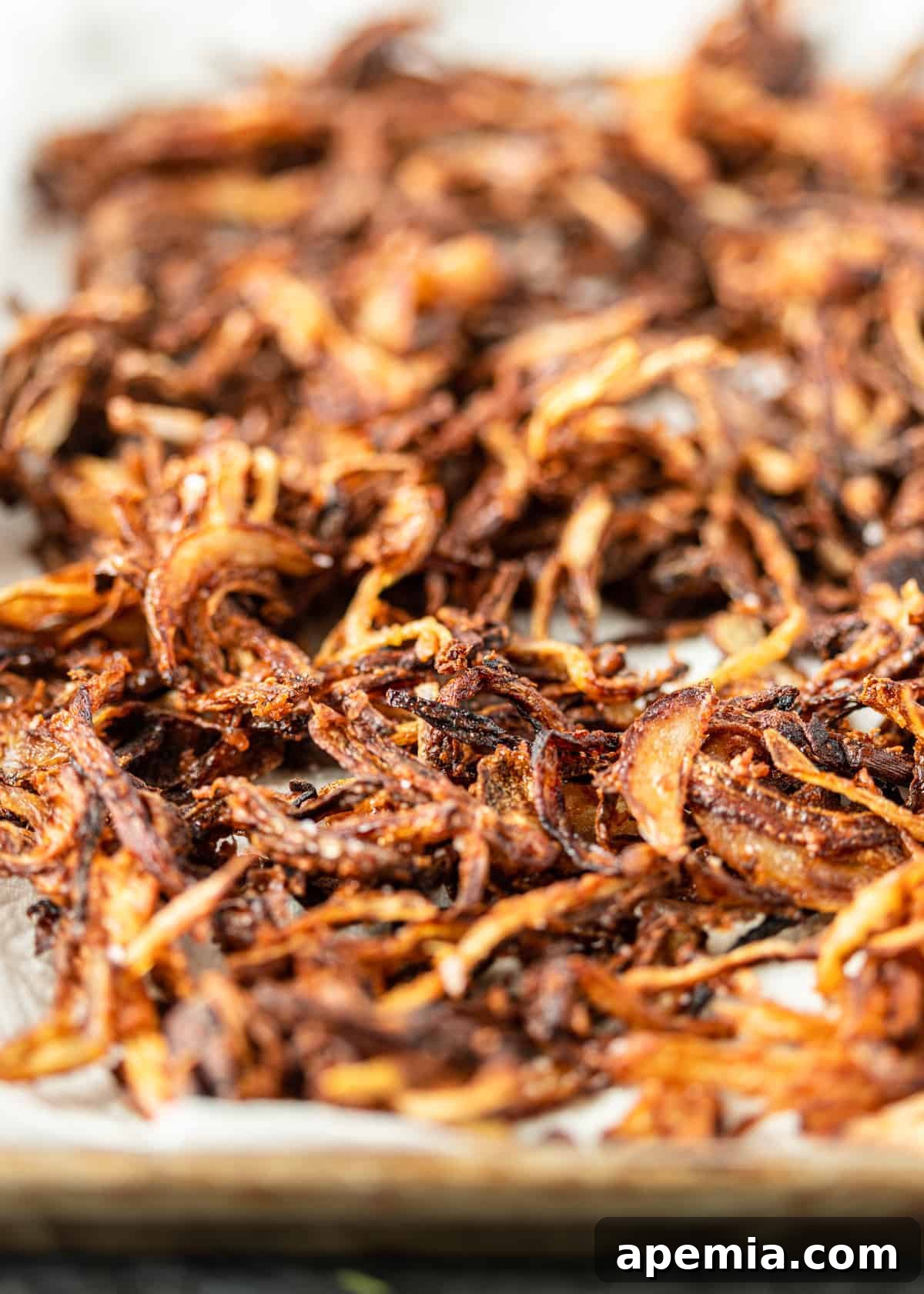
- Onions: The onions are paramount in Mujadara, contributing a delightful pungently sweet flavor and, most importantly, a wonderfully crispy texture when fried. Yellow or white onions are both excellent options, caramelizing beautifully to achieve that golden crispness. Their sweetness balances the savory spices perfectly.
- Flour: A light dusting of all-purpose flour on the onions before frying is the secret to achieving that coveted extra crispy exterior. If you require a gluten-free alternative, you can certainly use a gluten-free flour blend. Alternatively, you can simply sauté the onions without flour; they will still be delicious, just slightly less crisp.
- Oil: Selecting a vegetable oil with a high smoke point is essential for frying the onions to perfection without burning. Canola oil, sunflower oil, or avocado oil are all fantastic choices that will allow you to achieve beautifully golden and crisp onions. Using the onion-infused oil for cooking the rice and lentils further deepens the overall flavor.
- Spices: Prepare your palate for an explosion of flavor! The recipe features a rich array of spices, from whole toasted coriander and cumin seeds—which release incredible aroma when heated—to the warm, earthy notes of ground turmeric, fragrant allspice, and sweet cinnamon. A dash of black pepper completes this aromatic blend, creating a symphony of Middle Eastern tastes.
- Basmati Rice: Known for its delicate fragrance and ability to cook up light and fluffy, basmati rice is the traditional and classic choice for Mujadara. Its long, slender grains absorb the flavors beautifully without becoming sticky. While you can use another long-grain rice variety, it’s best to steer clear of sticky rice or those with exceptionally long cooking times to maintain the desired texture.
Crafting Perfection: Step-by-Step Guide to Making Mujadara Lentils and Rice
- Prepare the Lentils: Begin by carefully picking through your green lentils to remove any small stones or debris. Rinse them thoroughly under cold water. Transfer the cleaned lentils to a saucepan, cover them generously with plenty of fresh water, and bring to a rolling boil. Cook the lentils for approximately 12-15 minutes, or until they have softened slightly but still retain a firm bite. Drain them well and set aside.
- Prepare the Onions: Peel the onions and slice them as thinly as possible. Spread the thinly sliced onions evenly over a large platter or baking sheet. Sprinkle them generously with the flour and a teaspoon of salt. Using your hands, gently toss and coat the onion slices thoroughly and evenly with the flour mixture. This coating is crucial for achieving maximum crispness.
- Heat the Oil: Place a medium-sized, heavy-bottomed skillet over high heat and add the vegetable oil. To test if the oil is hot enough, carefully drop a small piece of onion into it; it should sizzle vigorously. Once the oil is adequately hot, reduce the heat to medium-high to prevent burning.
- Fry the Onions: Line a baking sheet with several layers of paper towels. Working in batches (approximately ¼ of the sliced onions at a time), carefully transfer the onions to the hot oil. Be mindful of potential oil splatters. Stir the onions occasionally with a slotted spoon, frying them for about 5-7 minutes per batch, until they turn a beautiful golden brown and become wonderfully crispy. Adjust the temperature as needed to ensure even frying without burning. Remove the cooked onions with tongs, transfer them to the prepared baking sheet, and sprinkle with a little extra salt. Repeat this process for the remaining batches of onions.
- Toast the Spices: Discard all but about 2 tablespoons of the flavorful oil from the skillet where you fried the onions. Place the skillet back over medium heat. Add the whole cumin and coriander seeds and toast them gently for 1-2 minutes, stirring constantly, until they become incredibly fragrant and slightly darker in color. This step is vital for unleashing their full aroma and flavor.
- Add Spices & Rice: Stir in the uncooked basmati rice, ground turmeric, allspice, cinnamon, sugar, the remaining half teaspoon of salt, and black pepper. Mix thoroughly to ensure the rice grains are well coated with the spiced oil. Then, gently fold in the pre-cooked lentils and add the water. Bring the mixture to a boil, then immediately cover the skillet with a tight-fitting lid and reduce the heat to the very lowest setting. Allow it to simmer undisturbed for 15 minutes.
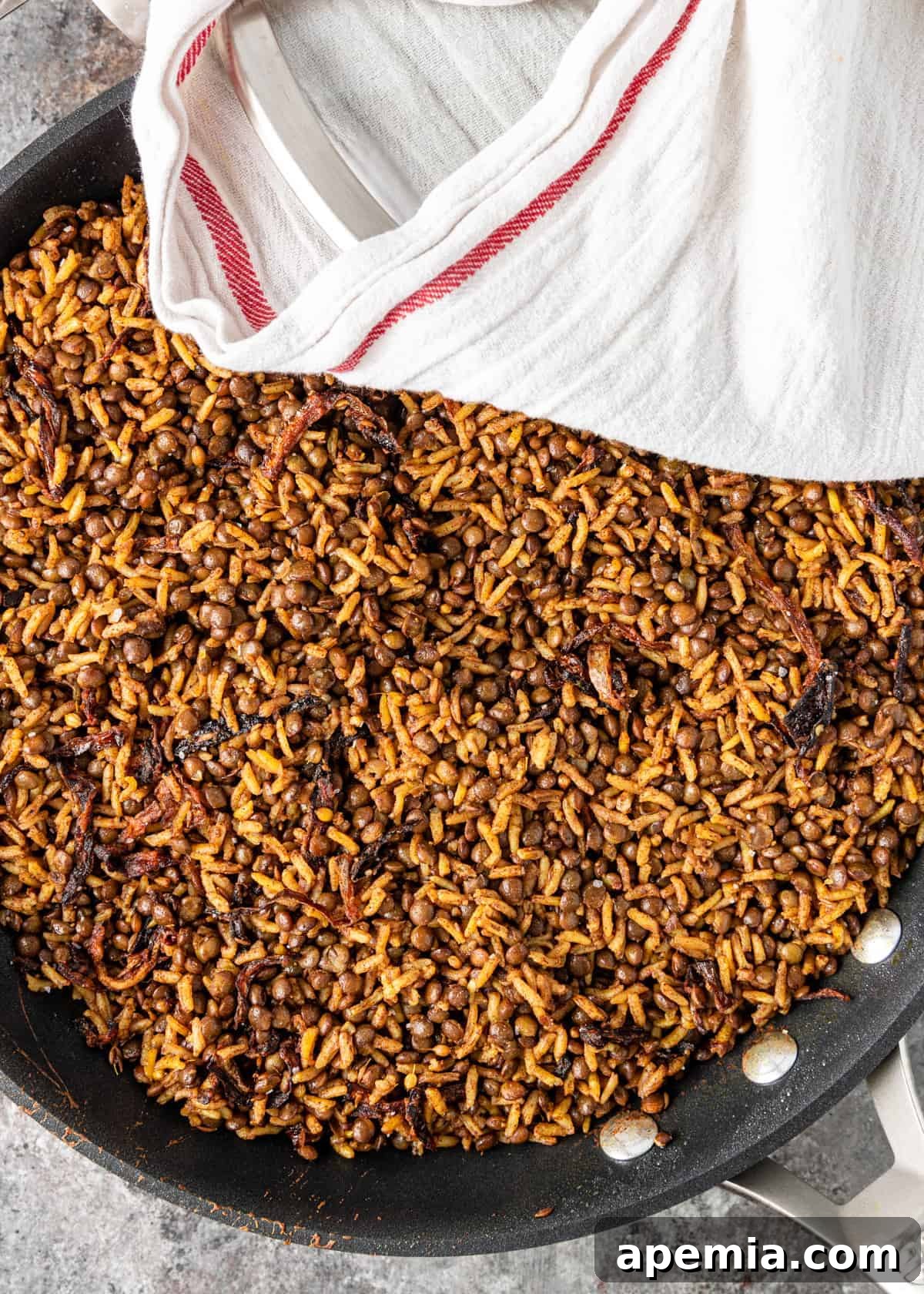
- Remove & Cover: Once the simmering time is complete, remove the skillet from the heat. Have a clean tea towel ready. Quickly lift the lid off the pan, place the tea towel over the top of the dish, and then secure the lid back over the tea towel. This creates a tight seal that allows the rice to steam perfectly and absorb all remaining moisture. Let it rest for 10 minutes.
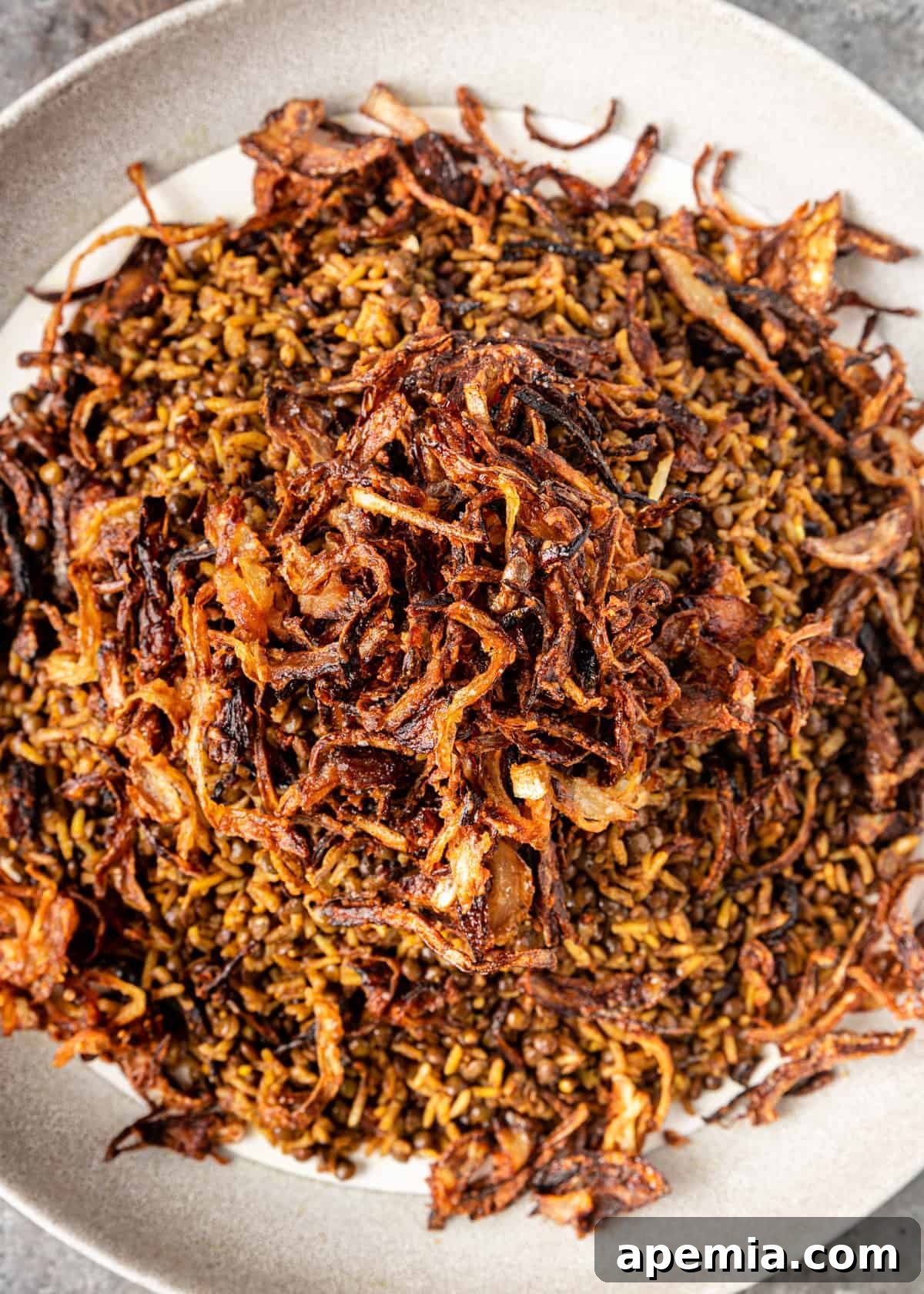
- Add the Onions & Serve: Finally, lift the lid and tea towel. Gently stir half of the crispy fried onions into the cooked lentils and rice mixture with a fork to fluff it. Transfer the Mujadara to a shallow serving dish and generously pile the remaining crispy onions on top. Serve immediately and enjoy this spectacular Middle Eastern delight!
Frequently Asked Questions About Mujadara
The origins of Mujadara can be traced back to ancient Mesopotamia, which corresponds to modern-day Iraq. The earliest written record of a recipe for this delightful lentils and rice dish dates back to the year 1226, found in the historic Kitab Al-Tabikh, famously known as the “Book of Cooking.” This remarkable history means Mujadara has been a cherished culinary staple for almost 800 years!
Today, Mejandra (Mujadara) continues to thrive and is immensely popular across the entire Middle East. It holds a significant place in the cuisines of Lebanon, Syria, Jordan, Iraq, and many other nations in the region. While recipes may feature slight variations from one geographical area to another, the core, comforting ingredients and essence of the dish remain universally beloved.
For this specific Mujadara recipe, soaking your lentils beforehand is generally not necessary. Lentils are naturally quite small and, unlike some other legumes, do not require an extended cooking time to become tender. A simple, thorough rinse under cold water is typically sufficient to prepare them for cooking.
However, if you prefer to soak your lentils to potentially reduce phytic acid content or improve digestibility, you are certainly welcome to do so. A soaking period of about 2-4 hours is usually adequate. If you opt for soaking, remember that it will significantly reduce the cooking time required for your lentils. Be sure to adjust the cooking duration in step one of this recipe accordingly to prevent the lentils from becoming mushy and overcooked. You can find more comprehensive information about cooking with lentils here.
Mujadara is incredibly versatile and pairs wonderfully with a variety of dishes. For a truly dynamic and complete vegetarian meal, consider serving it alongside a refreshing Cucumber Yogurt Salad (Mast o Khiar), these vibrant Zesty Cauliflower Fritters, and a fresh batch of warm Zaatar Bread (Manakish) for scooping up every delicious bite.
If you’re looking to enhance your meal with some added protein, Mujadara serves as an excellent complement to meat dishes as well. I highly recommend pairing it with flavorful Persian Meatballs (Koofteh) or tender Marinated Tahini Chicken. Its balanced flavors make it a versatile partner for almost any of your favorite protein sources, adapting beautifully to your culinary preferences.
Expert Tip for Unforgettable Flavor: The Power of Toasted Spices
One common pitfall that can lead to a less flavorful Mujadara is skipping or rushing the crucial step of toasting the cumin and coriander seeds. So much of the dish’s bold, complex, and intoxicating aroma and taste are unlocked during this brief but impactful process. Dry toasting whole spices activates their essential oils, intensifying their fragrance and creating a depth of flavor that ground, untoasted spices simply cannot achieve. Be absolutely sure not to overlook or rush this step; it’s the secret weapon for ensuring you get the most authentic and delicious results every single time you make Mujadara.
The Ultimate Mujadara Lentils and Rice (Mejadra) Recipe
Mujadara Lentils and Rice (Mejadra)
Mujadara is a sensationally spiced Middle Eastern lentils and rice dish infused with warm, aromatic spices and crowned with a generous topping of crispy onions. This traditional recipe brings together humble ingredients to create a lavish and comforting feast.
Servings: 6
Prep time: 45 mins
Cook time: 45 mins
Total time: 1 hr 30 mins
Ingredients
- 1 1/4 cups green lentils
- 4 medium onions (approx. 1 1/2 lb before peeling)
- 3 tbsp all-purpose flour
- 1 1/2 tsp kosher salt (divided)
- 1 cup vegetable oil (canola, sunflower, or avocado recommended)
- 1 tbsp coriander seeds
- 2 tsp cumin seeds
- 1 cup basmati rice
- 1/2 tsp ground turmeric
- 1 1/2 tsp ground allspice
- 1 1/2 tsp ground cinnamon
- 1 tsp sugar
- 1 1/2 cups water
- 1 tsp ground black pepper
Instructions
- Prepare the Lentils: Clean and pick through lentils, removing any debris. Place the lentils in a small saucepan, cover with plenty of water, bring to a boil, and cook for 12 to 15 minutes, until the lentils have softened but still have a little bite. Drain and set aside.
- Prepare the Onions: Peel the onions and slice thinly. Place on a large platter, sprinkle with the flour and 1 teaspoon salt, and toss to mix well with your hands, ensuring an even coating.
- Fry the Onions: Heat the oil in a medium heavy-bottomed skillet placed over high heat. Test the oil by dropping in a small piece of onion; it should sizzle vigorously. Reduce the heat to medium-high and carefully (watch out for splatters!) add a quarter of the sliced onion. Fry for 5 to 7 minutes, stirring occasionally with a slotted spoon, until the onion takes on a nice golden brown color and turns crispy. Adjust temperature to prevent burning. Use tongs to transfer the onion to a baking sheet lined with paper towels and sprinkle with a little more salt. Repeat with the other three batches of onion.
- Toast the Spices & Cook Rice: Discard all but 2 tablespoons of the oil from the skillet. Place over medium heat and toast the cumin and coriander seeds for a minute or two until fragrant. Add the rice, turmeric, allspice, cinnamon, sugar, remaining 1/2 teaspoon salt, and black pepper. Stir to coat the rice with the oil. Then, add the cooked lentils and the water. Bring to a boil, cover with a lid, and simmer over very low heat for 15 minutes.
- Rest the Dish: Remove from the heat, lift off the lid, and quickly cover the pan with a clean tea towel. Seal tightly with the lid and set aside for 10 minutes to allow the rice to steam and fluff.
- Combine and Serve: Finally, add half the fried onion to the rice and lentils and stir gently with a fork to incorporate and fluff the mixture. Pile the Mujadara in a shallow serving bowl and generously top with the rest of the crispy fried onions. Serve warm.
Notes
- Using the flavorful oil leftover from frying the onions adds incredible depth to the dish. However, if you prefer, you can discard it and use 2 tablespoons of fresh olive oil instead.
- This recipe is adapted from Yotam Ottolenghi’s “Jerusalem.”
Nutrition Information (Estimated per serving)
- Calories: 60 kcal
- Carbohydrates: 13g
- Protein: 2g
- Fat: 1g
- Saturated Fat: 1g
- Sodium: 393mg
- Potassium: 143mg
- Fiber: 3g
- Sugar: 4g
- Vitamin A: 9 IU
- Vitamin C: 6mg
- Calcium: 44mg
- Iron: 1mg
The information shown is an estimate provided by an online nutrition calculator. It should not be considered a substitute for a professional nutritionist’s advice.
Course: Side Dish, Main Dish
Cuisine: Middle Eastern, Arabic
Author: Kevin
Savoring Mujadara: Pairing and Serving Suggestions
Mujadara is a versatile dish that shines whether served as a hearty main course or a flavorful side. Its rich, aromatic profile and comforting texture make it an excellent accompaniment to a variety of Mediterranean and Middle Eastern fare. For a truly authentic experience, consider pairing it with a simple, fresh salad. A crisp cucumber and tomato salad dressed with lemon and mint provides a refreshing contrast to the warm spices of the Mujadara. Another classic pairing is a dollop of cool, tangy yogurt or a refreshing cucumber yogurt dip (like a simple raita or tzatziki variation), which cuts through the richness and adds a delightful creaminess.
For those who enjoy a bit more zest, a squeeze of fresh lemon juice over the top just before serving can brighten all the flavors. If you’re hosting a feast, Mujadara can be part of a larger mezze spread, alongside hummus, baba ghanoush, falafel, and warm pita bread. Its ability to complement both vegetarian and meat-based dishes makes it a true crowd-pleaser for any occasion.
Storing and Reheating Your Mujadara
One of the many beauties of Mujadara is that it often tastes even better the next day as the flavors have more time to meld and deepen. If you find yourself with leftovers, store them properly to enjoy later.
- Storage: Allow the Mujadara to cool completely to room temperature before transferring it to an airtight container. Store it in the refrigerator for up to 3-4 days. For longer storage, Mujadara can also be frozen in an airtight container for up to 2-3 months. If freezing, portion it into individual servings for convenience.
- Reheating:
- Microwave: For individual portions, place the Mujadara in a microwave-safe dish, add a tablespoon or two of water or broth, cover loosely, and heat on high for 1-2 minutes, stirring halfway through, until thoroughly warmed.
- Stovetop: For larger quantities, transfer the Mujadara to a saucepan. Add a splash of water or broth, cover, and heat over low to medium heat, stirring occasionally, until hot. This method helps maintain moisture and prevent drying out.
If you’re reheating from frozen, it’s best to thaw it in the refrigerator overnight before reheating using one of the methods above. Remember that the crispy onions added at the end are best enjoyed fresh, so if you’re planning on leftovers, you might want to store extra crispy onions separately and add them just before serving.

Share this recipe on Pinterest!
Love this delicious Mujadara recipe? Share it with your friends and family on Pinterest.
Subscribe to my Newsletter, and follow me on Facebook, Pinterest, Instagram and YouTube for all my latest recipes and videos!
Have You Made This Recipe? Let Me Know on Instagram
Tag @keviniscooking or use the hashtag #keviniscooking!