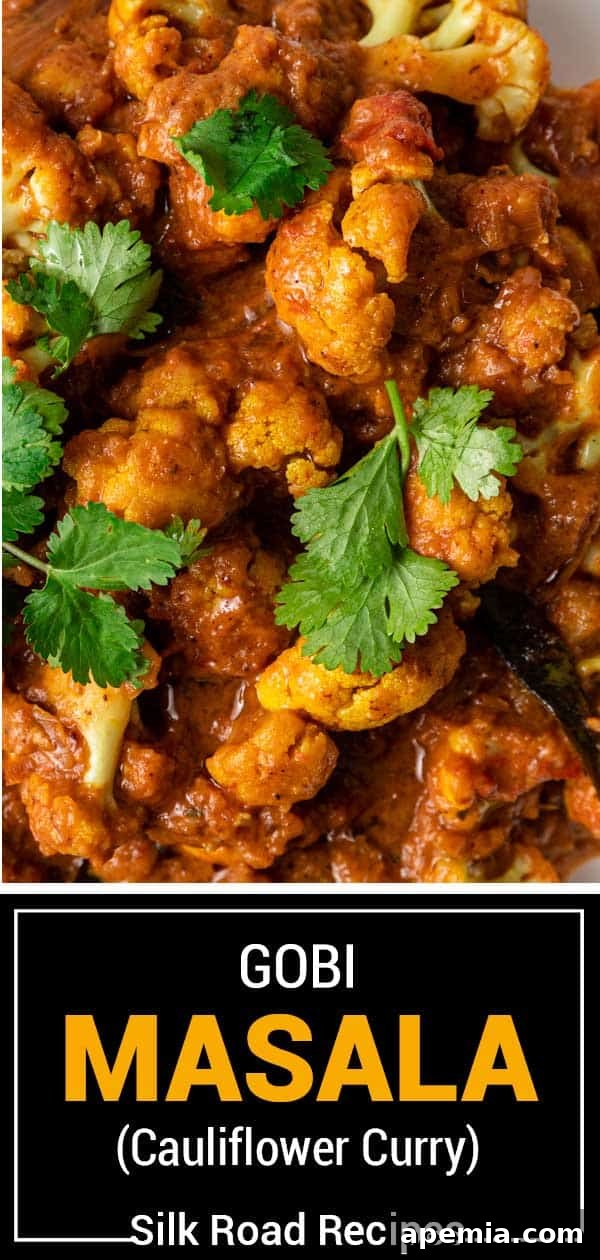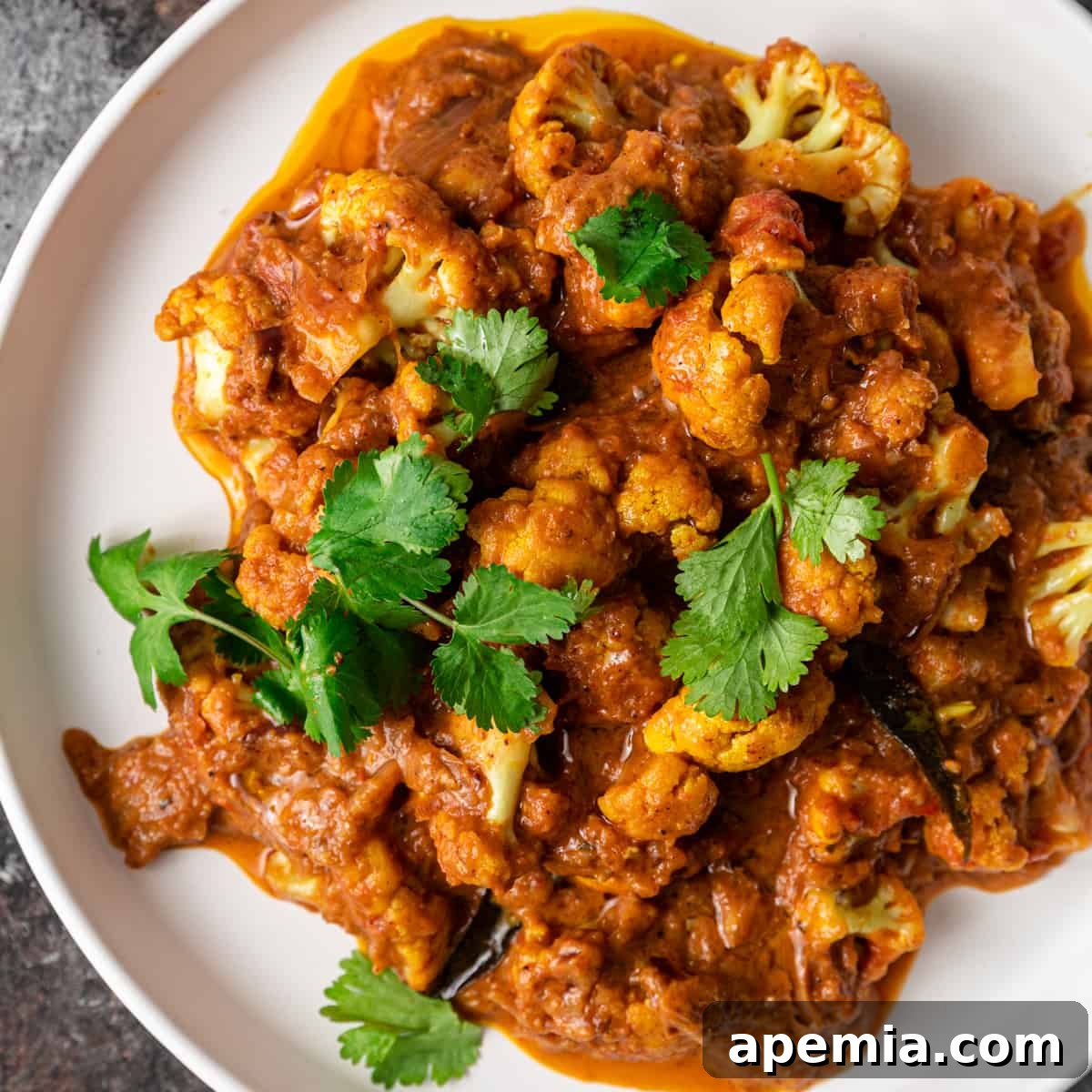
Gobi Masala: A Flavorful and Healthy Indian Cauliflower Curry Recipe
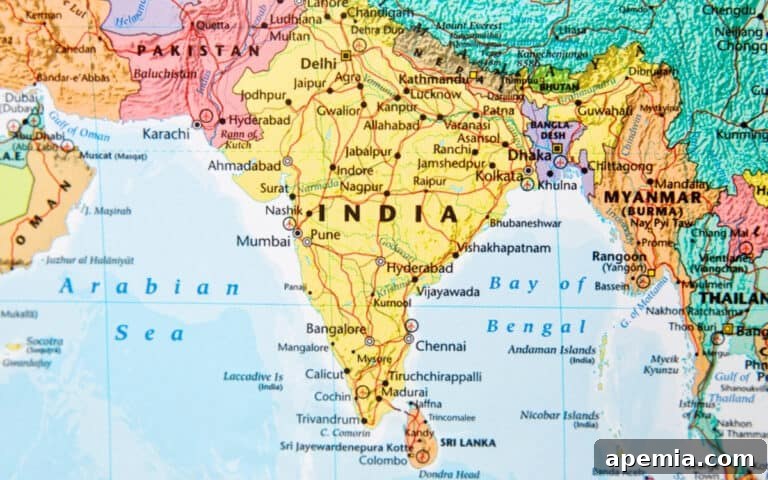
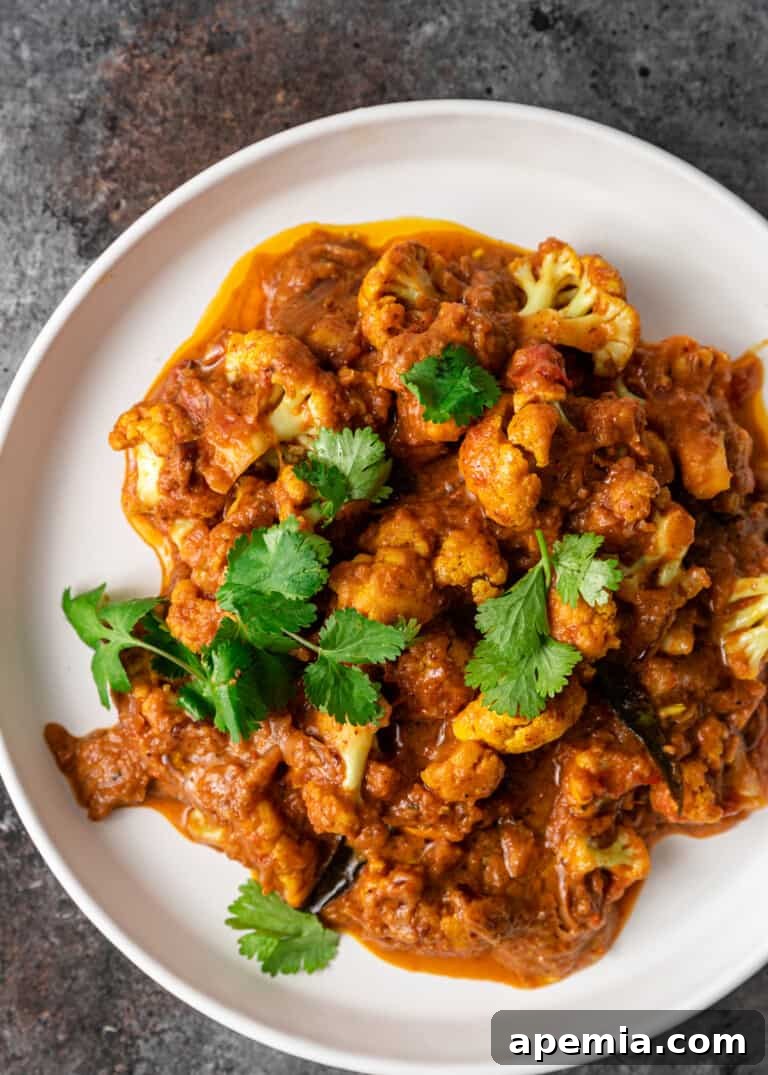
Gobi Masala, a vibrant and aromatic cauliflower curry, stands as a testament to the rich culinary heritage of India. This exquisite dish, renowned for its fragrant blend of Indian spices and a luxuriously rich, often spicy, gravy, offers a delightful culinary journey. Whether you’re a seasoned chef or a home cook, preparing this gobi recipe promises a wholesome and incredibly satisfying vegetarian meal that’s bursting with authentic flavors.

The world is brimming with incredibly delicious curries, but few can rival the popularity and depth of flavor found in Indian masala recipes. The intricate Indian culinary techniques of tempering spices (tadka) and crafting masalas (complex pastes made by grinding various spices) are precisely what impart such incredible taste to classic Indian curries. From the hearty chickpea masala to the comforting chana masala, these methods elevate simple ingredients into extraordinary culinary experiences. Gobi Masala perfectly embodies this tradition, transforming humble cauliflower into a star dish.
Discovering Gobi Masala: The Essence of Indian Cauliflower Curry
In Hindi, “Gobi” translates to cauliflower, a vegetable celebrated for its remarkable versatility in cuisines worldwide. While many are accustomed to cauliflower as a simple side dish, this authentic Gobi Masala recipe unequivocally proves that it can shine as the star of a main course, offering both substance and spectacular flavor.
Pronunciation: goh·bee
Course: Main Dish
Preparation: Stove-top curry
Difficulty: Easy 🥄
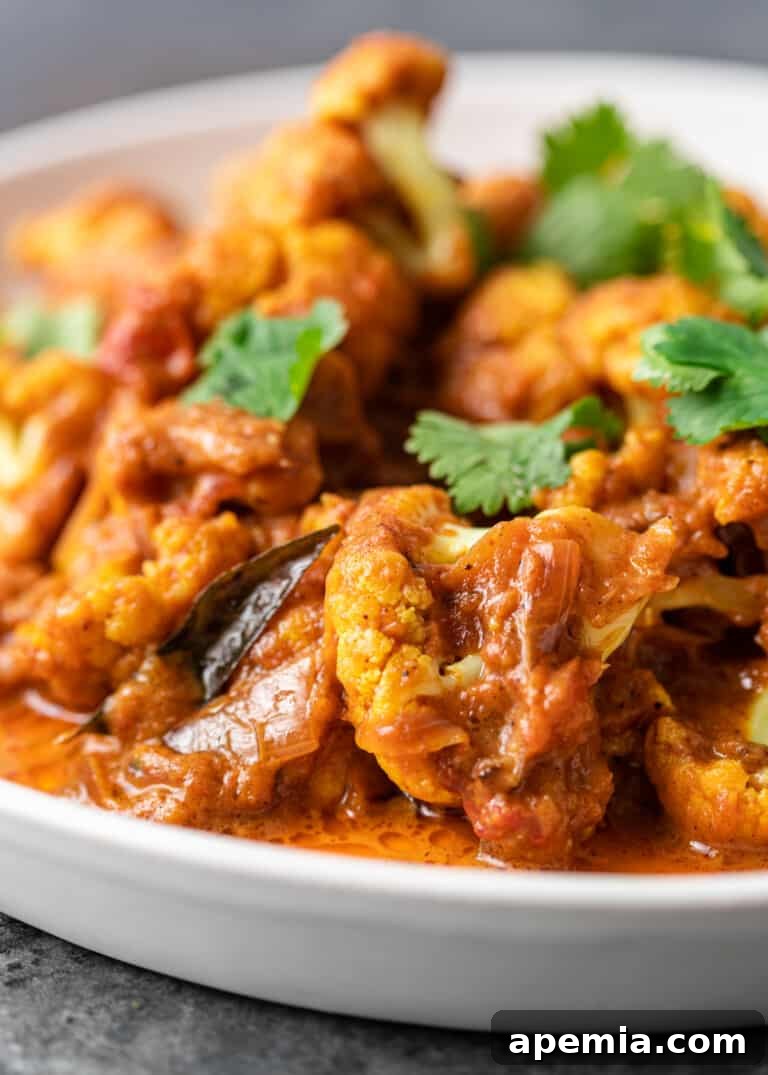
Description: A tender cauliflower curry generously seasoned with authentic Indian spices, bathed in a rich, aromatic masala gravy. Perfect for a healthy, satisfying vegetarian meal.
Variations and Personal Preferences in Gobi Masala
The beauty of Gobi Masala lies in its adaptability. Numerous versions of this beloved vegetarian curry exist, each with its unique charm. Some recipes yield a creamier texture, while others dial up the heat for a spicier kick. For instance, when potatoes are added to the mix, the dish becomes known as Gobi Aloo, a hearty and popular combination. If peas join the cauliflower, you’re enjoying Gobi Matar. Each variation offers a slightly different profile, showcasing the versatility of the core ingredients.
Personally, I prefer to keep the cauliflower florets largely intact, allowing them to retain some bite and texture within the rich gravy. However, if your preference leans towards a smoother, more homogeneous masala, feel free to puree a larger portion of the curry. An immersion blender or a traditional blender can help achieve that silky-smooth consistency.
Is Gobi Masala Spicy? Adjusting the Heat to Your Liking
The spiciness of Gobi Masala is entirely customizable. My particular rendition strikes a pleasant balance, offering a gentle warmth that tantalizes the taste buds without overwhelming them. On a typical 1-10 spice scale, I’d rate its heat level around a 6, providing a noticeable tingle. However, the amount of red chili powder can be easily adjusted to suit your individual preference, allowing you to create a milder curry or one with a fiery punch.
Essential Ingredients and Flavor Profiles for Authentic Gobi Masala
The Star Ingredient: Cauliflower
Choosing a fresh, firm head of cauliflower is key to a successful Gobi Masala. When preparing, ensure the florets are cut into roughly uniform sizes to promote even cooking. Cauliflower is not only delicious but also a nutritional powerhouse, packed with vitamins C and K, fiber, and antioxidants, making this curry a truly healthy choice.
Building the Flavor: Key Spices for Cauliflower
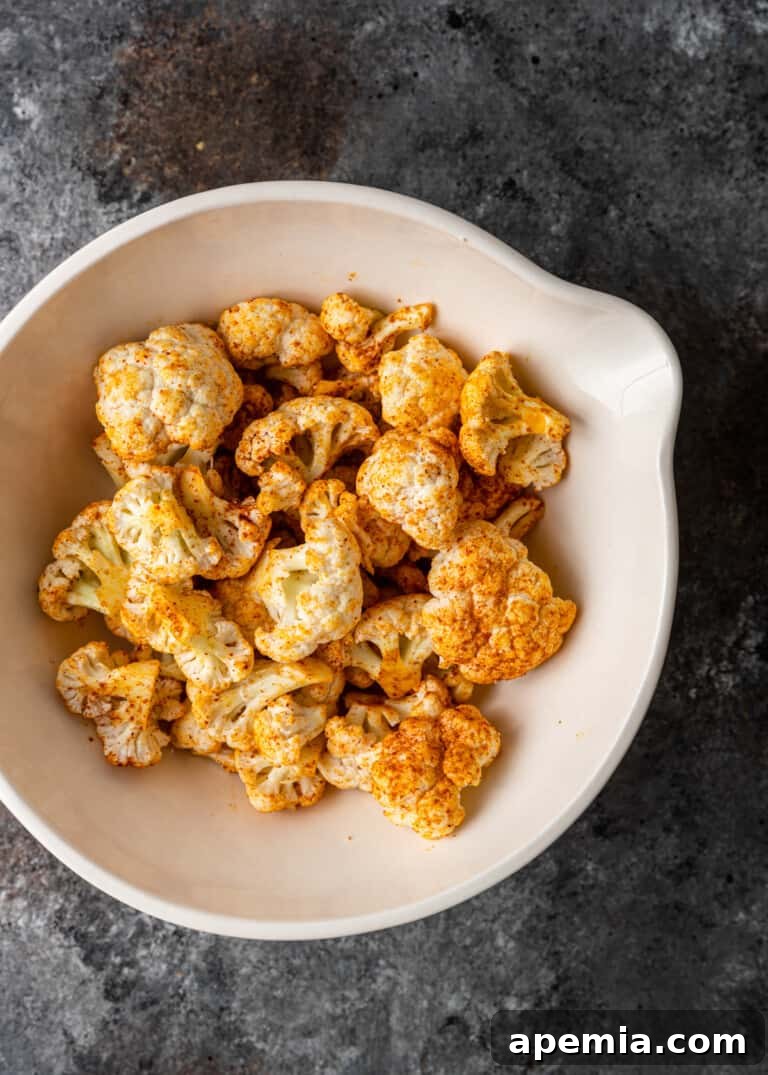
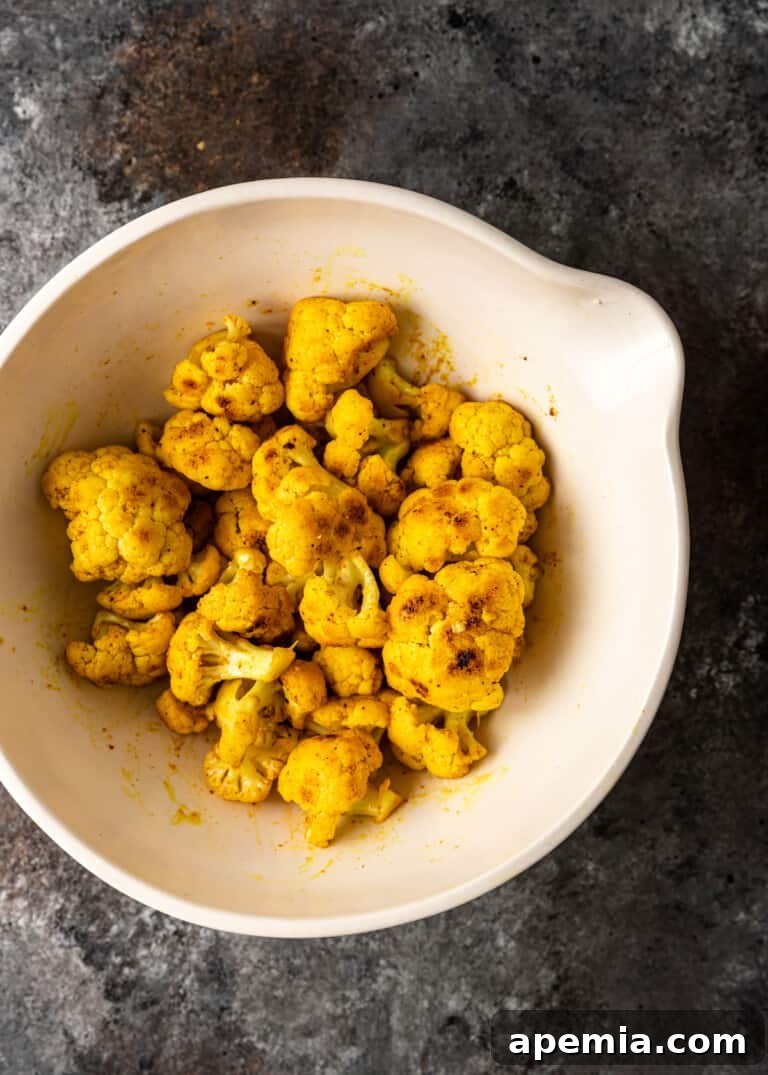
The first layer of flavor is infused directly into the cauliflower. The florets are quickly pan-fried in ghee, coated in a simple yet effective blend of spices:
- Red Chile Powder: Provides the initial heat and a beautiful reddish hue. Its quantity is fully adjustable; use less for a subtle warmth, or more to truly ignite the flavors.
- Salt: Essential for seasoning the cauliflower itself.
- Turmeric: Imparts a gorgeous golden color and adds earthy notes, alongside its well-known health benefits.
This initial seasoning and frying step is crucial, as it locks in flavor and creates a slight char on the cauliflower, adding depth before it even touches the main gravy.
Crafting the Masala Gravy – A Symphony of Aromas
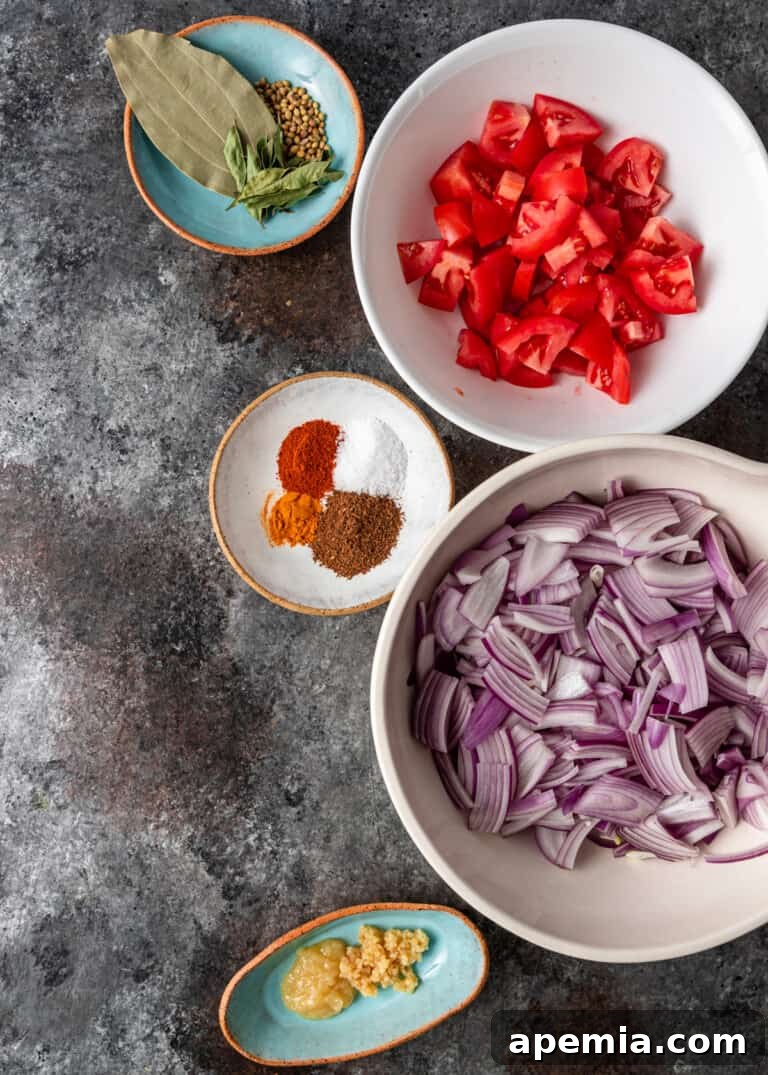
The heart of Gobi Masala lies in its rich and aromatic gravy, built upon a foundation of numerous spices. While the ingredient list for the masala gravy might seem extensive, don’t let it deter you. Each spice plays a role in creating a complex and harmonious flavor profile. However, to achieve that truly authentic Indian taste, certain spices are non-negotiable:
- Garam Masala: This essential Indian spice blend is a cornerstone of the curry’s flavor. While I often opt for a homemade blend of authentic garam masala for maximum freshness and aroma, a high-quality store-bought version works perfectly fine. Its warm, sweet, and pungent notes are indispensable.
- Dried Curry Leaves: These fragrant leaves impart a distinctive, slightly nutty, and citrusy aroma that is characteristic of South Indian cuisine. They are vital for the authentic taste of this curry. For a trusted brand, consider the ones found via this affiliate link.
- Coriander Seeds: When toasted and ground, coriander seeds release a warm, citrusy, and slightly sweet flavor that forms a beautiful base for the gravy.
- Fresh Garlic Cloves: The pungent and aromatic flavor of fresh garlic is crucial. It’s often complemented by ginger paste for a balanced aromatic foundation.
- Ginger Paste: Offering a spicy, zesty counterpoint to garlic, ginger paste adds another layer of warmth and complexity.
Supporting Cast: Tomatoes and Ghee
- Indian Bay Leaf (Tej Patta): While optional, I highly recommend seeking out and trying Indian bay leaves if you haven’t already. They are distinctly different from the bay leaves commonly used in Western cooking (from the bay laurel plant). Tej Patta boasts a unique aroma profile, reminiscent of subtle cinnamon and cloves, which adds an authentic layer of warmth and complexity to the curry.
- Tomatoes: Tomatoes provide the necessary tang and body for the gravy. I typically use fresh plum tomatoes, but convenience allows for canned diced tomatoes as a perfectly acceptable alternative. Just remember to drain their juice thoroughly before incorporating them into the masala.
- Ghee: Clarified butter, or ghee, is paramount in Indian cooking. Its rich, nutty flavor and high smoke point make it ideal for tempering spices and frying vegetables, contributing significantly to the overall taste and aroma of Gobi Masala. Vegetable oil can be used as a substitute, but ghee truly elevates the dish.
Kitchen Tip: Maximize Flavor, Minimize Waste!
Don’t discard the nutrient-rich juice from your chopped tomatoes! This flavorful liquid is a fantastic base for various dishes. Add it to a hearty vegetable soup, infuse it into Greek meatballs, brighten up a homemade salsa, or enrich a comforting spiced eggplant stew. For a creative twist, mix it with a few spices for an instant virgin bloody mary.
Mastering Your Gobi Masala: Expert Tips for a Perfect Curry
Preparation Pointers
- Rinse the Cauliflower Thoroughly: Before seasoning, give your cauliflower florets a quick rinse in a colander. Not only does this remove any dirt or impurities, but the residual moisture also helps the spice mixture (turmeric, chili powder, salt) adhere better, ensuring every floret is evenly coated and flavorful.
- Cut Florets Uniformly: Aim for roughly equal-sized cauliflower florets. This ensures they cook evenly, preventing some pieces from becoming mushy while others remain undercooked.
Cooking Techniques for Perfection
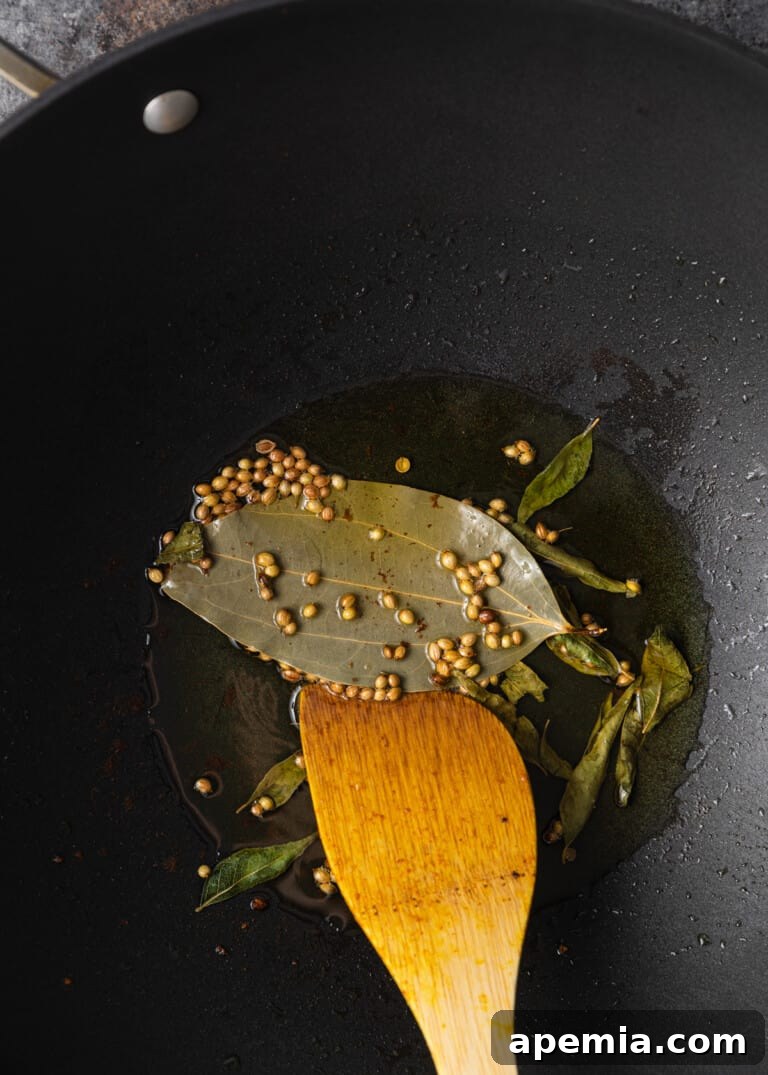
- Monitor the Heat During Tempering: Frying whole spices in hot oil or ghee (known as tempering or tadka) is crucial for extracting their essential oils and maximizing their aroma. However, this process happens very quickly. It’s vital to monitor the heat carefully to prevent any spices, especially the delicate garlic and ginger, from burning. Burnt spices can impart a bitter and unpleasant flavor that will negatively impact your entire Gobi Masala. Stir constantly and keep the heat at a medium level.
- Achieving the Right Gravy Texture: After cooking, the masala gravy often benefits from a little blending to achieve a smoother consistency. An immersion blender simplifies this step immensely, allowing you to blend directly in the pot. If you don’t have one, a regular blender will also work; just be cautious when blending hot liquids. For those who prefer a rustic texture, simply use the back of a spoon to mash the ingredients to your desired level of creaminess.
Customizing Your Curry
- Adjust Spice Levels: Don’t hesitate to increase or decrease the red chili powder based on your heat preference. You can also add a fresh green chili, finely chopped, for an extra zing.
- Add More Vegetables: Gobi Masala is highly adaptable. Consider adding diced potatoes (for Gobi Aloo), green peas (for Gobi Matar), or even bell peppers and carrots for added nutrients and color.
- For a Richer Gravy: If you desire a creamier curry, a splash of coconut milk or a dollop of fresh cream (malai) at the end can add luxurious richness and mellow the spice.
Serving and Enjoying Gobi Masala, Plus Storage Tips
This healthy and robust vegetarian curry is a complete meal in itself and pairs wonderfully with a variety of accompaniments. The traditional choice is steamed white or brown rice. For convenience and perfectly fluffy results, consider using my recipe for Instant Pot basmati rice, allowing your pressure cooker to handle the rice while you focus on crafting the Gobi Masala!
Beyond rice, Gobi Masala is exceptional when served with warm, freshly baked Indian breads like fluffy naan, soft roti, or wholesome chapati. A side of cooling yogurt, a tangy chutney, or a refreshing raita (yogurt with cucumber and spices) provides a wonderful contrast to the rich, spicy flavors of the curry.
Storing Leftovers
Gobi Masala tastes even better the next day as the flavors have more time to meld. If you have any leftover curry, transfer it to an airtight container and refrigerate promptly. It will remain fresh and delicious for up to a week.
While I haven’t personally experimented with freezing this particular masala, there’s no reason why it shouldn’t freeze beautifully. To freeze, ensure the curry has cooled completely before transferring it to a freezer-safe container or a heavy-duty food storage bag. When you’re ready to enjoy it again, simply transfer it to the refrigerator the night before to thaw, then gently reheat it in a saucepan over medium heat, stirring occasionally until warmed through. You might need to add a splash of water to achieve the desired consistency during reheating.
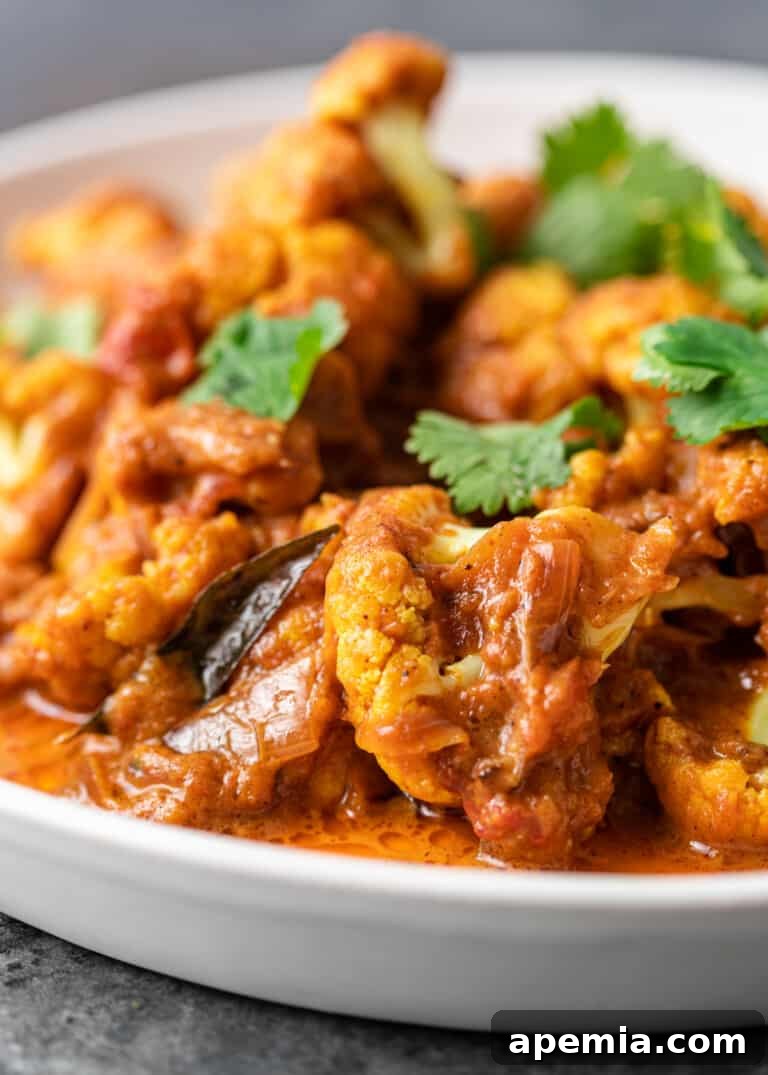
The Gobi Masala Recipe (Full Details)

Gobi Masala (Cauliflower Curry)
Pin Recipe
PrintRecipe
Ingredients
Pan Fry
- 1 cauliflower cut into florets
- 1/4 tsp turmeric
- 1/2 tsp red chili powder
- 1/2 tsp kosher salt
- 2 tbsp ghee butter or vegetable oil
Masala Gravy
- 2 tbsp ghee butter or vegetable oil
- 1 Indian bay leaf (optional)
- 1 tsp coriander seeds
- 15 dried curry leaves
- 2 cups red onion diced
- 1 tsp kosher salt
- 3 cloves garlic minced
- 1 tbsp ginger paste
- 2 cups tomatoes chopped
- 1 tsp garam masala
- 1/2 tsp red chili powder
- 1/4 tsp turmeric
Garnish
- cilantro leaves
Instructions
-
Rinse the cauliflower in a colander and shake off excess water. Sprinkle with turmeric, red chili powder and salt, tossing to coat.
-
Melt the ghee in a wok over medium heat. Quickly fry the cauliflower for several minutes until golden and slightly browned. Remove and set aside.
-
Add ghee and quickly fry the bay leaf, coriander seeds and curry leaves for a minute. Add the onion, salt and saute over medium heat until translucent and cooked down, about 5-6 minutes. Add the garlic and ginger and cook another 2 minutes stirring often.
-
Add the tomatoes, garam masala, red chili powder and turmeric. Cook for 5 minutes on low, covered. Remove lid, remove and discard the bay leaf and mash with back of spoon or puree if you prefer using an immersion blender for a smoother masala sauce.
-
Add the pan fried cauliflower and 1/4 cup water. Toss to coat and cover. Cook another 10 minutes or until fork tender.
-
Serve garnished with cilantro leaves.
Notes
- Indian bay leaves are different from regular bay leaves from the bay laurel plant. Tej Patta have a slightly cinnamon, clove-like scent as opposed to the herbal scent.
Nutrition
The information shown is an estimate provided by an online nutrition calculator. It should not be considered a substitute for a professional nutritionist’s advice.