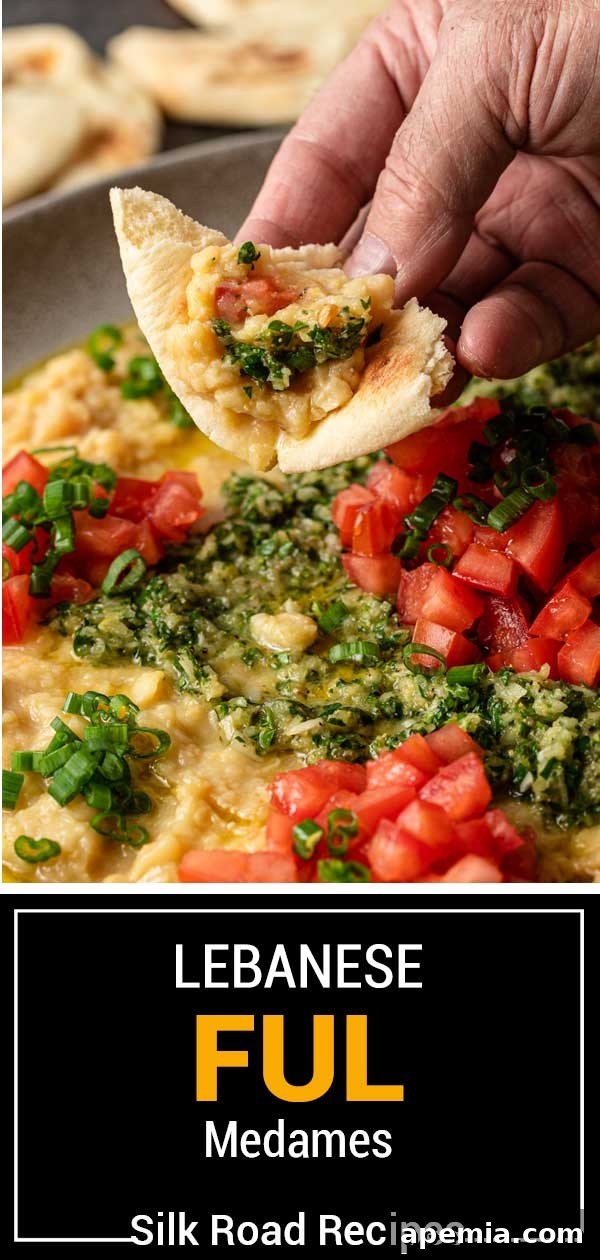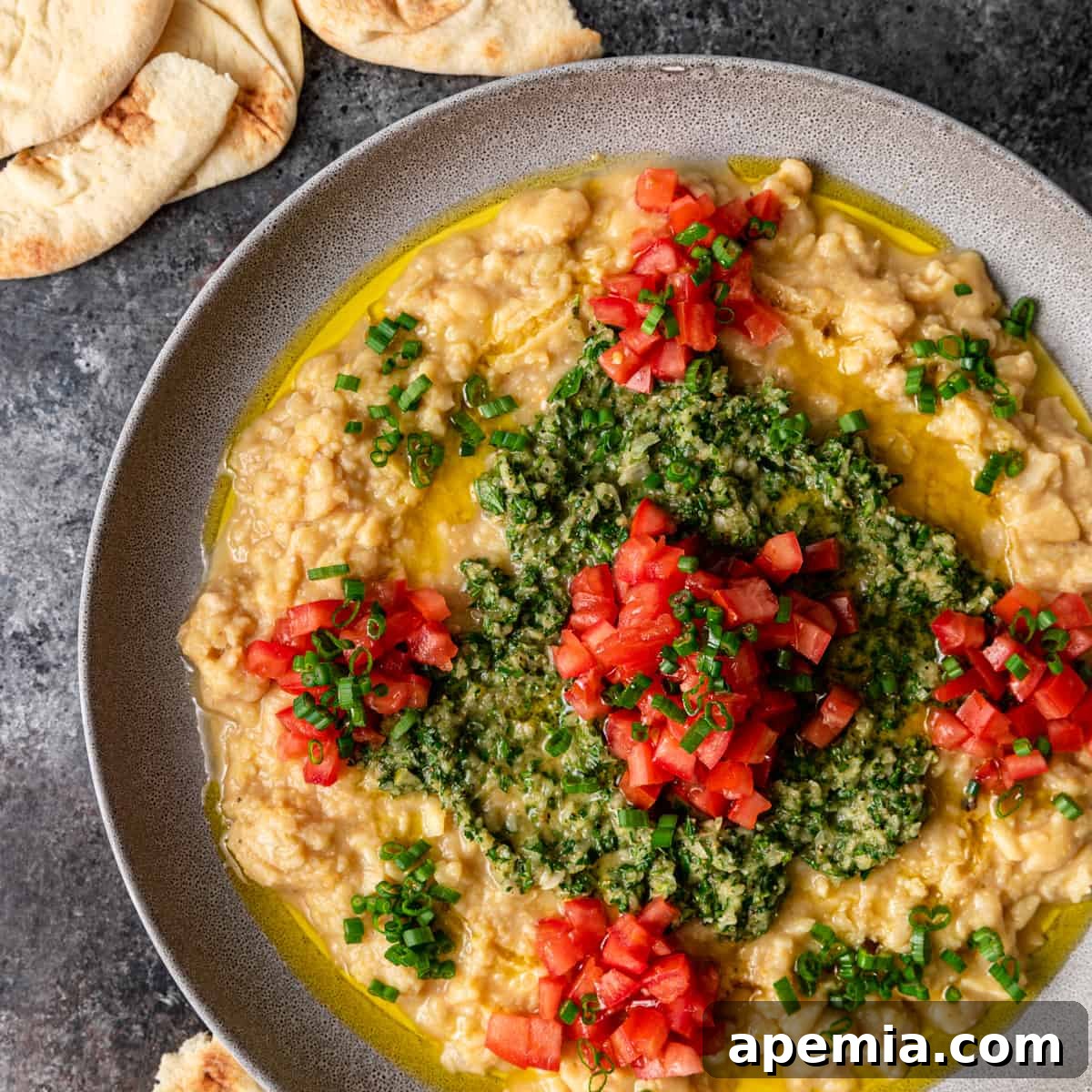
Experience the rich culinary heritage of the Middle East with this authentic recipe for Lebanese Ful Medames. This hearty, comforting dish bursts with fresh, earthy flavors, making it a perfect meal any time of day. Tender fava beans and chickpeas are slow-simmered to perfection with aromatic seasonings like cumin and black pepper, then hand-mashed to achieve that desirable rustic texture. It’s more than just a dip; it’s a wholesome celebration of simple, natural ingredients.
What is Ful Medames? A Culinary Journey
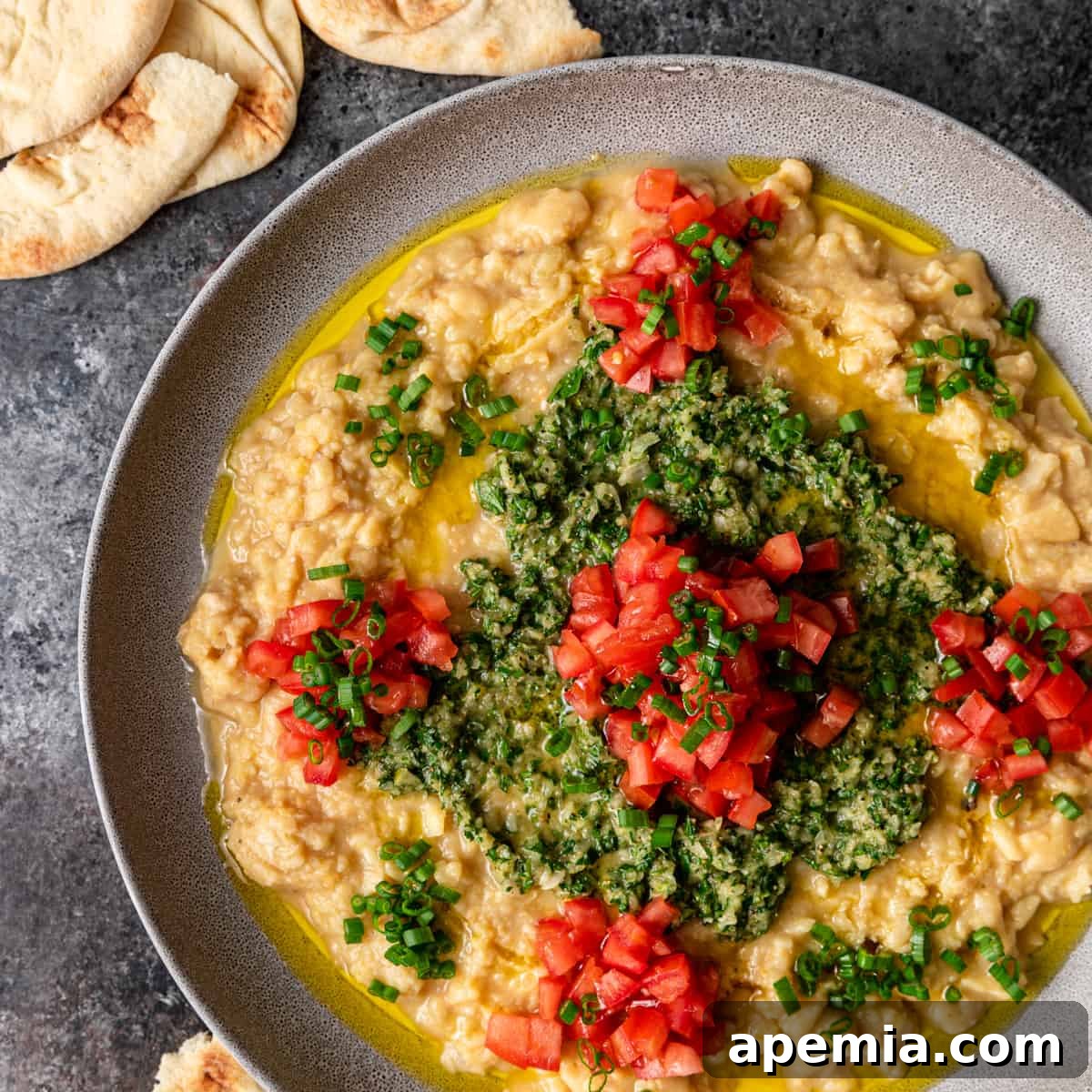
Ful, often known as ful medames, is a staple breakfast dish deeply rooted in the culinary traditions of North African and Middle Eastern cuisines. Its origins trace back to ancient Egypt, where it was typically prepared by slow-cooking fava beans overnight in large pots buried in hot coals, hence the name “medames,” which means “buried” in Coptic. This ancient cooking method allowed the beans to become incredibly tender and flavorful.
Throughout the centuries, ful medames has evolved, with each region developing its unique twist. At its heart, it remains a creamy, comforting combination of smashed legumes, typically fava beans, often enhanced with chickpeas, and adorned with a bright, intensely fresh garlic-herb lemon sauce and delicately diced vegetables. It’s a dish that embodies simplicity, nutrition, and profound cultural significance, often enjoyed communally with warm bread, marking the start of a day.
The Lebanese Distinction: Freshness and Flavor
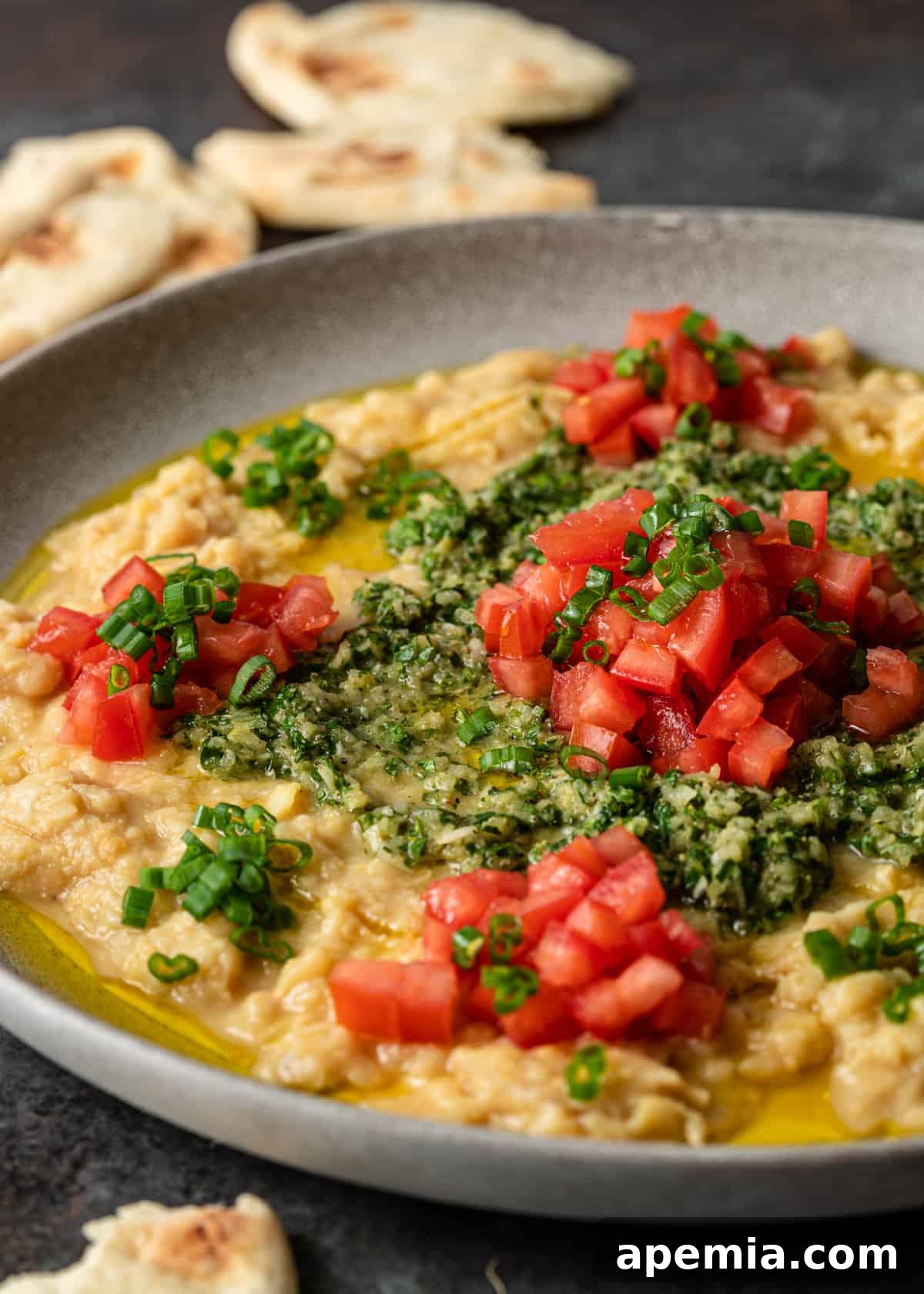
While many variations of ful medames exist across the Middle East, the Lebanese version stands out for its vibrant freshness and emphasis on bright, zesty flavors. Unlike some other regional recipes, such as Egyptian Foul Mudammas, which often feature a smoother consistency and sometimes incorporate more complex spice blends, Lebanese ful typically maintains a slightly chunky texture. It highlights the natural taste of the beans, elevated by a generous hand with fresh herbs, plenty of lemon juice, and high-quality olive oil. The concept remains the same – wholesome legumes – but the execution delivers a distinctly lively and aromatic profile that sets it apart.
This Lebanese rendition isn’t just about sustenance; it’s about layering flavors and textures. The robustness of the fava beans and chickpeas is perfectly balanced by the sharp tang of lemon, the pungent kick of garlic, and the peppery notes of fresh parsley and green onions. It’s a testament to how simple ingredients, when treated with care and respect, can create something truly extraordinary and deeply satisfying. If you appreciate dishes that are both nourishing and bursting with fresh garden notes, Lebanese Ful Medames will quickly become a favorite.
Why You’ll Love Lebanese Ful Medames
Beyond its incredible taste, Lebanese Ful Medames offers a multitude of reasons to adore it. It’s an exceptionally healthy dish, packed with plant-based protein and fiber, making it incredibly filling and sustaining. This makes it an ideal choice for a wholesome breakfast that will keep you energized throughout the morning, or as a light yet satisfying lunch or dinner. It’s naturally vegetarian and can easily be adapted to be vegan, appealing to a wide range of dietary preferences.
Furthermore, ful medames is a remarkably versatile dish. While traditionally served for breakfast, its rich flavors and comforting texture make it suitable for any meal. It can be a vibrant centerpiece for a mezze spread, a delightful appetizer, or a hearty side dish. Its preparation also allows for flexibility, whether you prefer the traditional slow-cook method with dried beans or a quicker approach using canned legumes. For more delightful bean-based recipes from around the world, you might also enjoy this Turkish Navy Bean Salad, classic Greek Gigantes Plaki, or a warming Indian Bean Curry with Rice.
Ingredient Notes and Substitutions
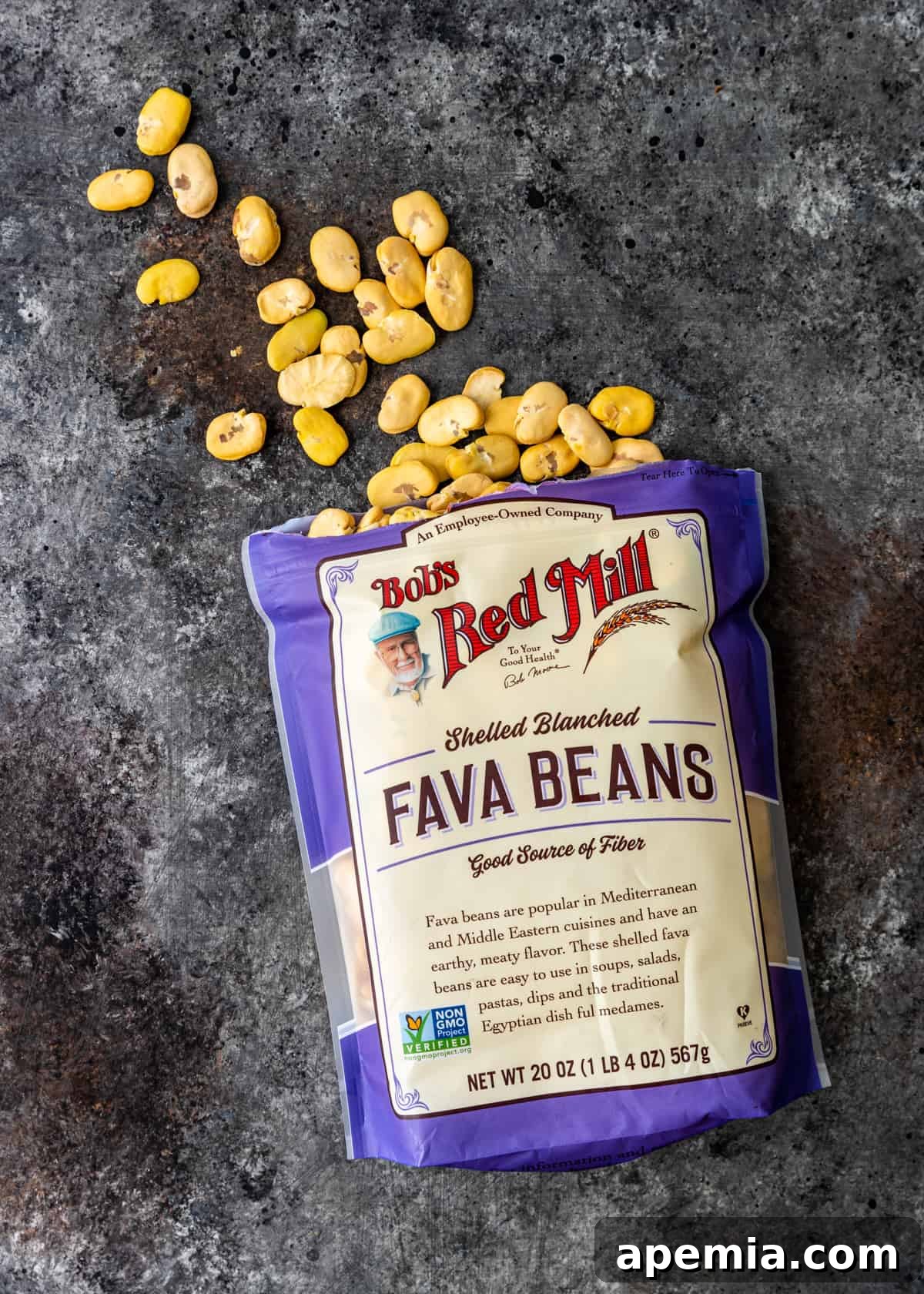
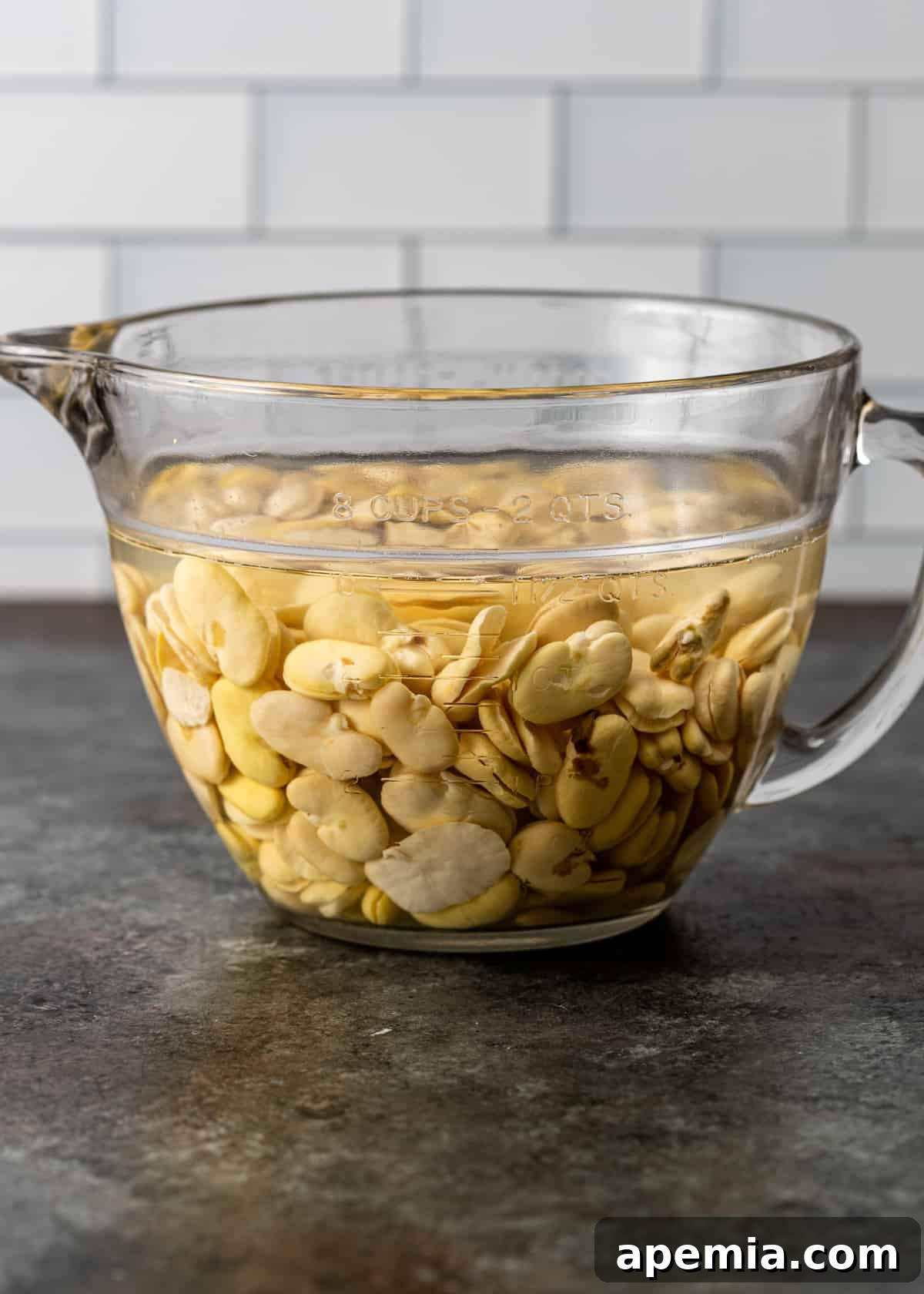
- Fava Beans and Chickpeas – The heart of our ful. We use a classic combination of both fava beans and chickpeas for a richer texture and deeper flavor. If you’re starting with dried beans, remember to soak them overnight; this significantly reduces cooking time and aids digestion. For maximum convenience and a quicker meal, canned fava beans and chickpeas are an excellent alternative and work beautifully in this recipe. Just be sure to rinse them thoroughly before use.
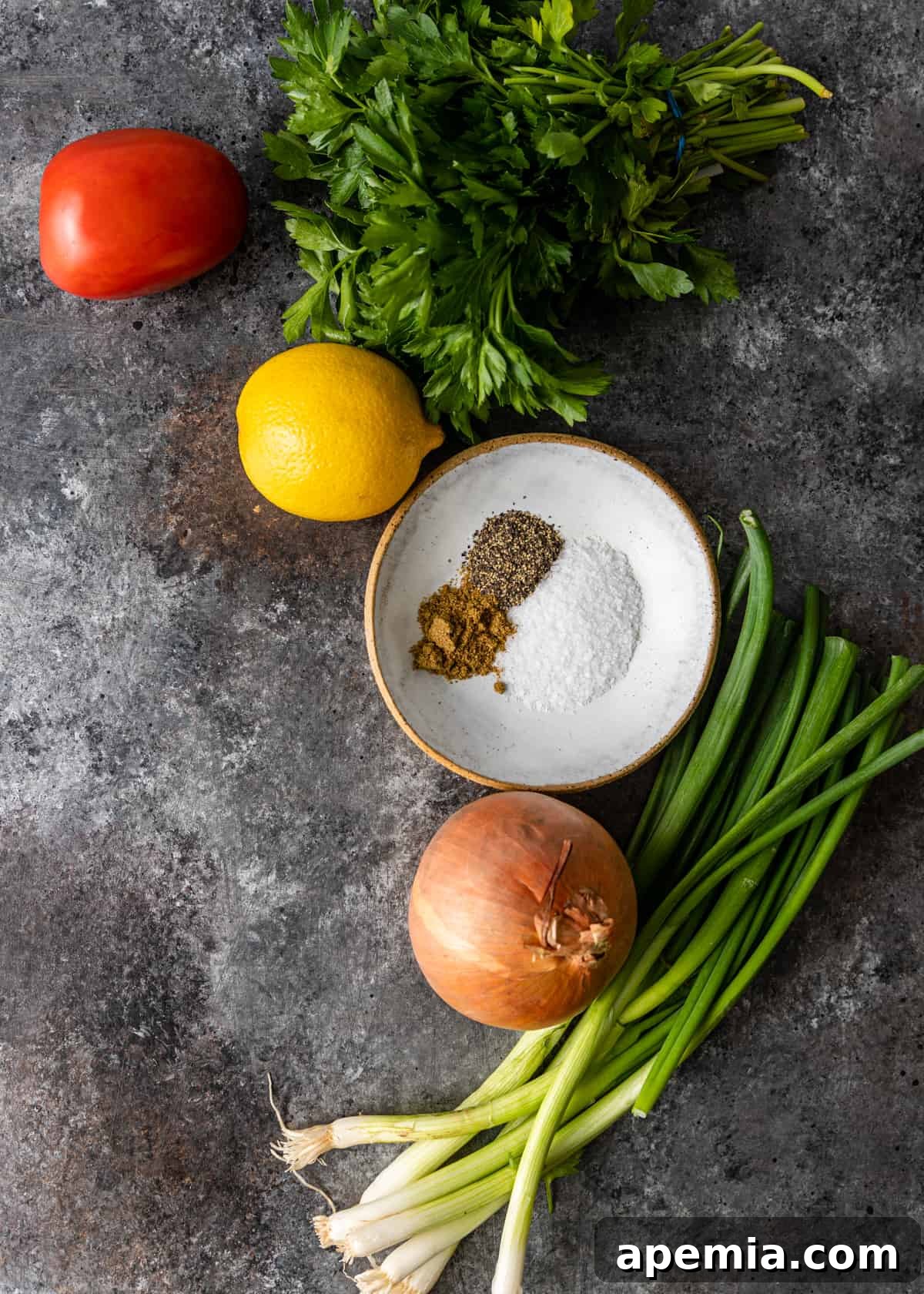
- Cumin – This warm, earthy spice is crucial, adding a smoky depth that beautifully complements the natural sweetness of the beans. It’s a signature flavor in many Middle Eastern dishes.
- Black Pepper – A touch of freshly ground black pepper perks up the dish with its characteristic sharp, piquant notes, providing a subtle contrast to the earthiness of the beans.
- The Zesty Sauce Ingredients – This is where the Lebanese distinction truly shines. Fresh yellow onion, vibrant parsley, pungent garlic, robust olive oil, and bright lemon juice come together to create an intensely fresh and herbaceous sauce that elevates the entire dish. Don’t skimp on the quality of your olive oil or the freshness of your herbs and lemon; they are key to the sauce’s remarkable flavor.
- Tomatoes – Diced tomatoes add a touch of sweetness, acidity, and a pleasing textural contrast. Roma or Beefsteak tomatoes are ideal choices due to their firm, meaty flesh and fewer seeds, which makes them easier to dice neatly.
- Green Onions (Scallions) – These add a delicate, grassy onion flavor and a delightful visual flash of green to the finished ful, enhancing both taste and presentation.
- Kosher Salt – Essential for seasoning throughout the cooking process. Adjust to your personal preference.
Tip From Kevin
Quick Method (Optional)
For those times when you need a delicious meal on the table faster, this recipe can be easily adapted using canned beans. Simply drain and rinse two 15-oz cans of fava beans and one 15-oz can of chickpeas. Place them in a saucepan with about ½ cup of water, along with your desired amount of cumin, salt, and pepper. Cook over medium-high heat for about ten minutes, allowing the flavors to meld and the beans to warm through. Then, use a sturdy fork or a potato masher to gently mash the beans together, leaving some texture for a rustic appeal. Once mashed, you can proceed directly to making the fresh herb sauce (Step 4 in the main instructions) and assembling your ful. This shortcut saves significant time without sacrificing much of the authentic flavor.
How to Make Ful Medames
- Prepare the Dried Beans (Traditional Method): If you’re using dried fava beans and chickpeas, begin by rinsing them thoroughly under cold water. Then, transfer them to a large bowl and cover them with at least an inch of water. Let them soak overnight (for 8-12 hours). The next day, drain the soaking water and rinse the beans again. Place the rinsed beans in a large saucepan, covering them with fresh water by an inch. Bring the water to a boil, then reduce the heat to a gentle simmer. Cover the pan and cook for about an hour, or until the beans are exceptionally tender and creamy. Cooking time may vary depending on the age and type of beans.
- Season & Smash the Beans: Once the beans are tender, drain most of the cooking liquid, leaving approximately ½ cup in the pan to retain moisture and flavor. Return the pan to low heat. Add kosher salt, ground cumin, and black pepper to the beans. Stir well to combine the seasonings. Simmer for another 10 minutes to allow the spices to infuse deeply into the beans. Using a fork or a potato masher, gently mash the fava beans and chickpeas together. Aim for a slightly chunky consistency; this traditional rustic texture adds to the charm of ful medames. Taste and adjust the seasoning as needed.
- Prepare the Fresh Toppings: While the beans are simmering, prepare your fresh vegetables. Thinly slice the vibrant green tops of the green onions, discarding the white parts or reserving them for another use. For the tomatoes, carefully remove the seeds to prevent excess moisture, then slice the tomato flesh into thin strips. Finally, dice these strips crosswise into small, uniform pieces. Set both the sliced green onions and diced tomatoes aside; they will be used as a fresh garnish.
- Craft the Zesty Herb Sauce: In a food processor, combine the quartered yellow onion, fresh flat-leaf parsley, and peeled garlic cloves. Pulse several times until finely minced. Next, add the fresh lemon juice and a generous tablespoon of good quality olive oil to the mixture. Continue pulsing until all the ingredients are well combined and the sauce has a relatively smooth, yet still slightly textured consistency. This sauce is the flavorful heart of Lebanese ful.
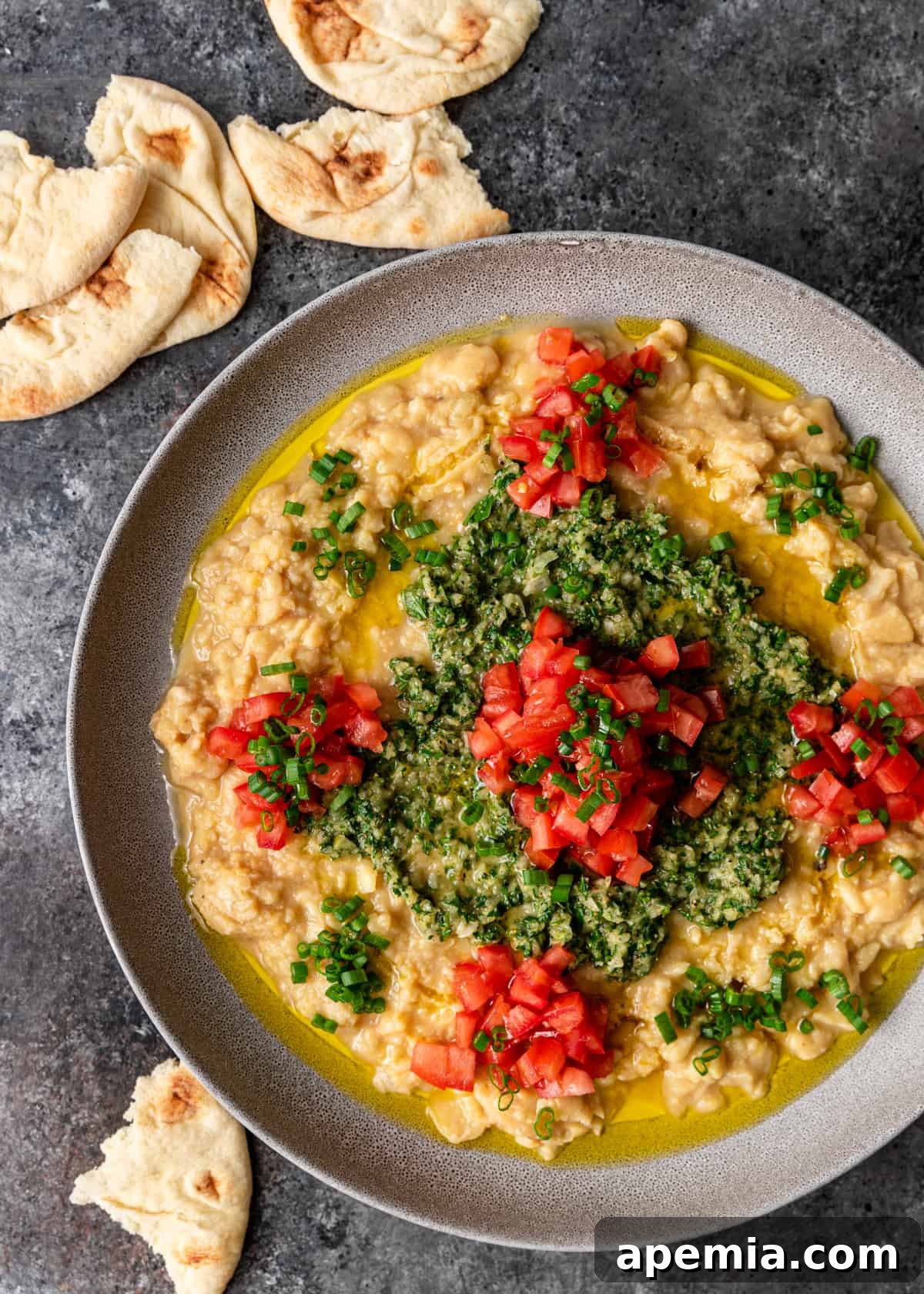
- Assemble & Garnish: Take a large serving platter and spread the warm, mashed beans evenly across its surface. Create a slight well or depression in the center. Spoon the freshly made garlic-parsley sauce generously over the mashed beans. Artfully arrange the diced tomatoes and sliced green onions on top of the sauce. Finish the dish with a healthy, aromatic drizzle of extra virgin olive oil over the entire platter; this adds richness and a beautiful sheen.
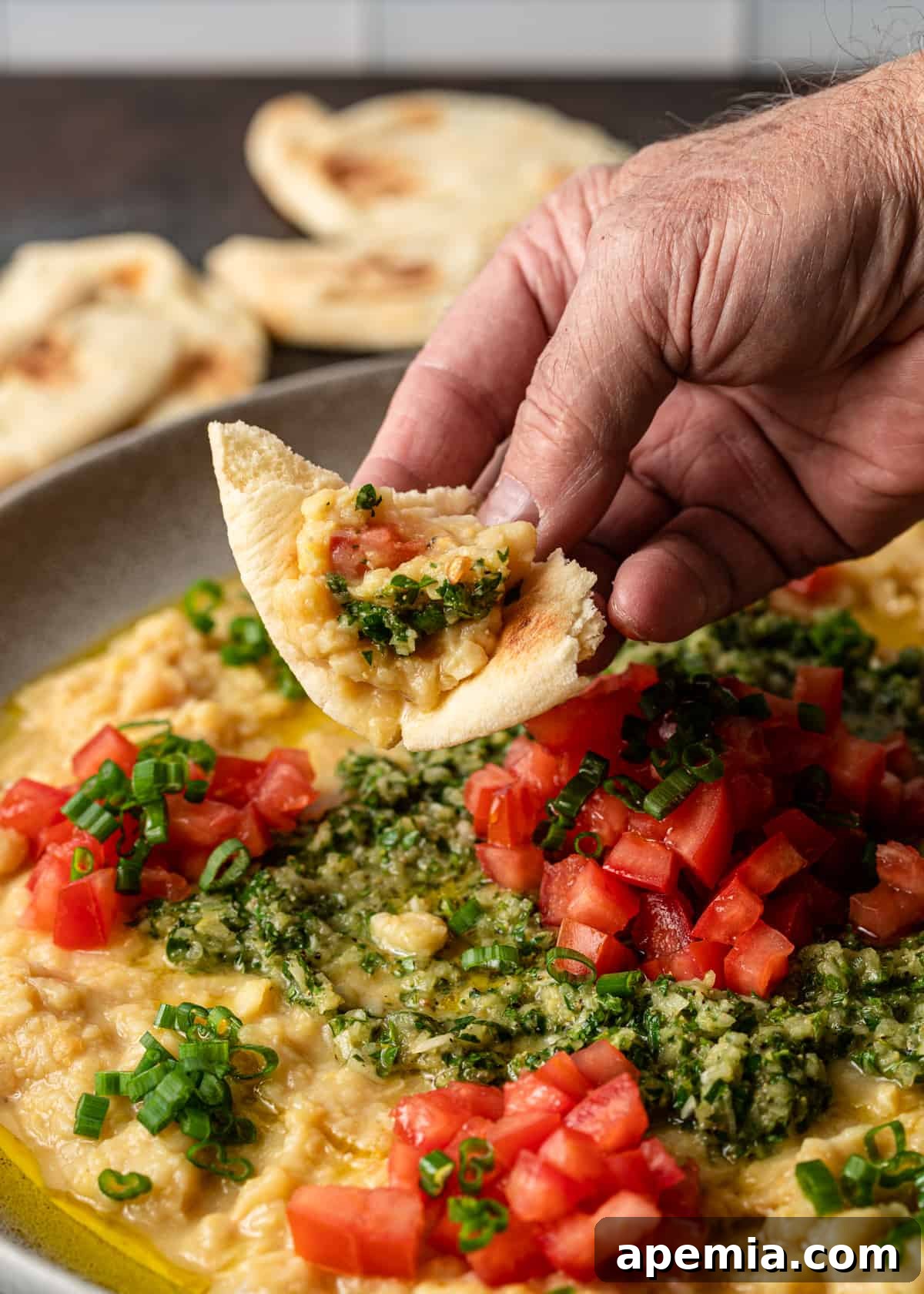
- Serve: Lebanese Ful Medames is best served warm. Offer it with plenty of freshly baked pita bread, a side of crisp fresh vegetables (like cucumber slices or radishes), and a bowl of assorted brined olives. Encourage everyone to scoop up the delicious ful with pieces of pita, enjoying the combination of warm beans, zesty sauce, and fresh toppings.
Serving Suggestions: Elevate Your Ful Medames Experience
Ful Medames is a versatile dish that transcends breakfast, offering a delightful meal or snack any time of the day. While traditionally enjoyed spread on a platter and topped with fresh veggies, then scooped up with warm bread and olives, its adaptability is one of its greatest strengths. The beauty of this timeless dish lies in the regional variations and personal touches you can add to make it truly your own. Here are a few delicious ideas to pair with your Lebanese ful:
- Classic Accompaniments: Always serve with warm, fluffy Pita Bread (Khubz) or other flatbreads like Barbari Bread or Zaatar Bread. Fresh, crisp vegetables such as sliced cucumbers, radishes, bell peppers, and tomatoes are also essential. A side of brined olives adds a salty counterpoint.
- For a Heartier Breakfast: In many cultures, ful is often paired with fried eggs or even cured meats like basturma. Consider adding a perfectly fried or poached egg on top of your ful, or serve with unique egg preparations like these Marinated Eggs (Adobo Eggs) for an unexpected twist.
- As Part of a Mezze Spread: Ful Medames makes an excellent addition to any Middle Eastern mezze platter. Serve it alongside other dips like Muhammara (Roasted Red Pepper Dip), Olive Tapenade, hummus, and a vibrant Mediterranean Chopped Salad for a feast of flavors.
- With Meats: While typically vegetarian, ful can be a fantastic base for more substantial toppings. Consider serving it with Shredded Lamb Shawarma or flavorful Kafta (with Beef or Lamb) for a truly satisfying meal.
- Roasted Vegetables: A side of tender Roasted Vegetables (Briam) complements the earthy notes of the beans beautifully, adding another layer of texture and nutrition.
The key is to enjoy ful medames with what you love! Its robust yet fresh profile makes it incredibly adaptable to various flavors and accompaniments.
Frequently Asked Questions
As you might guess, ful is the Arabic word for beans. A little less obvious, however, is the meaning of medames. This word is derived from the ancient Coptic language and translates to mean buried. Ful medames earned this name because the dish was historically prepared by burying the cooking pot containing the beans in hot coals, allowing them to slow-cook overnight to perfect tenderness.
While both hummus and ful are celebrated Middle Eastern dishes primarily made from legumes, they are quite distinct in preparation, texture, and typical usage. Hummus is a smooth, creamy dip made from puréed chickpeas blended with tahini (sesame paste), olive oil, lemon juice, garlic, and sometimes spices. Its consistency is velvety and satiny, making it ideal as a dip, spread, or condiment. Ful, on the other hand, is a combination of mashed beans (often fava beans and chickpeas) simmered in a savory broth with spices and fresh vegetables. It typically maintains a chunky, rustic texture and is intended as a hearty main course, traditionally eaten for breakfast, though it makes a wonderful appetizer or snack any time of day.
Ful medames is traditionally served on a large platter, generously seasoned, and topped with a vibrant array of fresh veggie goodness, like diced tomatoes, fresh parsley, and green onions. It’s often accompanied by warm pita bread, extra fresh vegetables, and brined olives. The most common way to eat it is by scooping up the ful with pieces of pita bread, using it almost like an edible spoon. While typically enjoyed for breakfast, it’s a stellar meal or snack at any hour. There’s a rich tradition of regional variation, so you might also find it served with fried eggs, cured meats, or various sauces depending on the location. Don’t be afraid to experiment with your favorite toppings and sides!
Share this recipe on Pinterest!
Love this recipe? Share it with the world on Pinterest.
Lebanese Ful Medames
Lebanese ful is a wholesome and vibrant dish featuring perfectly seasoned fava beans, chickpeas, and a bright lemon-herb sauce, making it a delicious and nutritious meal.
Servings: 8
Prep Time: 15 mins
Cook Time: 1 hr 10 mins
Total Time: 1 hr 25 mins
Print Recipe
Ingredients
Main Ingredients
- 2 cups dried fava beans, soaked overnight (or 2-15 oz canned)
- 1 cup dried chickpeas, soaked overnight (or 1-15 oz can)
- 1 ½ teaspoon kosher salt
- 1 teaspoon ground cumin
- ½ teaspoon black pepper
Sauce
- 1 cup yellow onion, quartered
- ½ cup flat leaf parsley, fresh
- 4 cloves garlic
- 1 tablespoon olive oil
- 1 lemon, juiced (approx. 3 tbsp)
Toppings & Serving
- 1 roma tomato (plum), diced
- 3 green onions, tops sliced thin
- Extra virgin olive oil for drizzling
- 8 pita bread
Instructions
- Quick Method (Canned Beans): If using canned fava beans and chickpeas, place them in a saucepan along with ½ cup water. Cook over medium-high heat and season with kosher salt, cumin, and black pepper for 10 minutes. Use a potato masher or fork to mash the beans, leaving it somewhat chunky. Season to taste.
- Traditional Method (Dried Beans – Soaking): If using dried beans, rinse them thoroughly and cover with water by 1 inch in a large bowl. Soak overnight, covered (8-12 hours).
- Traditional Method (Dried Beans – Cooking): After soaking, drain and rinse the dried beans. Place them in a saucepan and cover with fresh water by 1 inch. Bring to a boil, then reduce heat to a simmer and cook, covered, for 1 hour or until the beans are very tender.
- Season & Mash (Dried Beans): Drain the cooked beans, leaving at least ½ cup of their cooking liquid in the pan. Return to low heat. Season with kosher salt, cumin, and black pepper, and simmer for 10 minutes. Use a potato masher or fork to mash the fava beans and chickpeas, aiming for a rustic, chunky consistency. Taste and adjust seasoning as needed.
- Prepare Fresh Toppings: Thinly slice the green tops of the green onions. Deseed the tomatoes, then slice the tomato flesh into strips, and crosswise into small dice. Set both aside.
- Make the Sauce: In a food processor, combine the quartered onion, fresh parsley, and garlic. Pulse several times until finely minced. Add the olive oil and fresh lemon juice, then pulse again until well combined.
- Assemble and Garnish: Spread the mashed, warm beans evenly on a large platter. Top with the prepared parsley-garlic-lemon mixture. Arrange the diced tomatoes and sliced green onion on top as desired. Finish with a generous drizzle of high-quality extra virgin olive oil.
- Serve: Serve your Lebanese Ful Medames immediately with warm pita bread, an assortment of sliced fresh vegetables, and brined olives.
Notes
*Nutritional information provided is an estimate and does not include the pita bread.
Nutrition
Calories: 254kcal | Carbohydrates: 42g | Protein: 15g | Fat: 4g | Saturated Fat: 1g | Polyunsaturated Fat: 1g | Monounsaturated Fat: 2g | Sodium: 452mg | Potassium: 729mg | Fiber: 15g | Sugar: 6g | Vitamin A: 469IU | Vitamin C: 18mg | Calcium: 88mg | Iron: 5mg
The information shown is an estimate provided by an online nutrition calculator. It should not be considered a substitute for a professional nutritionist’s advice.
Course: Breakfasts
Cuisine: Lebanese
Author: Kevin
Have You Made This Recipe? Let Me Know on Instagram
Tag @keviniscooking or tag me #keviniscooking!