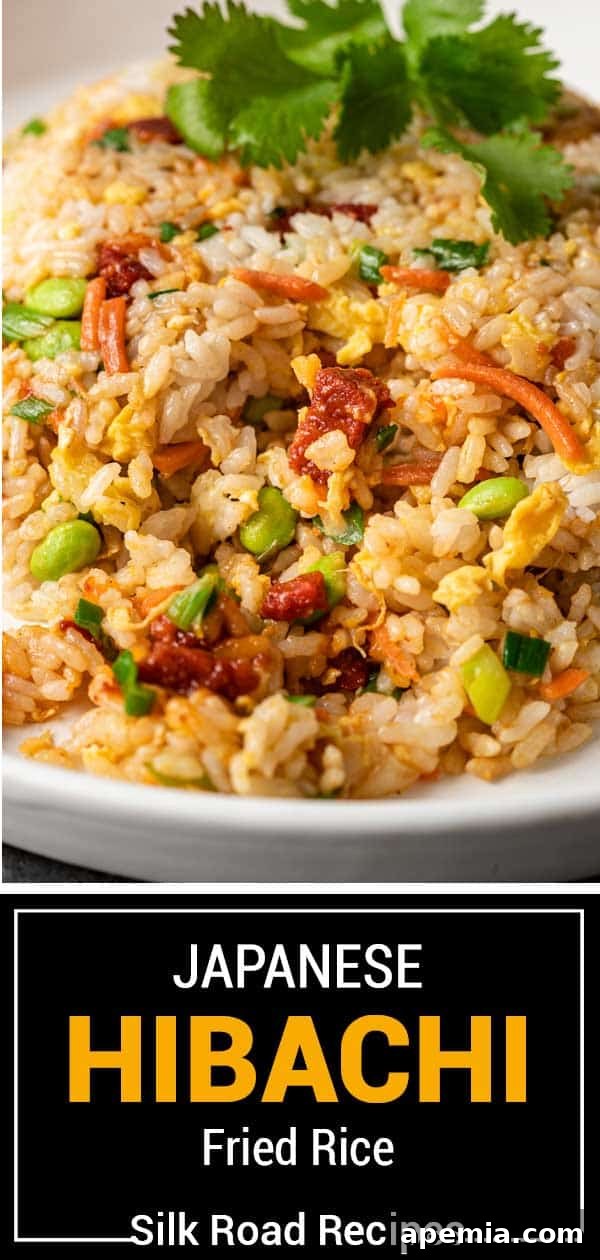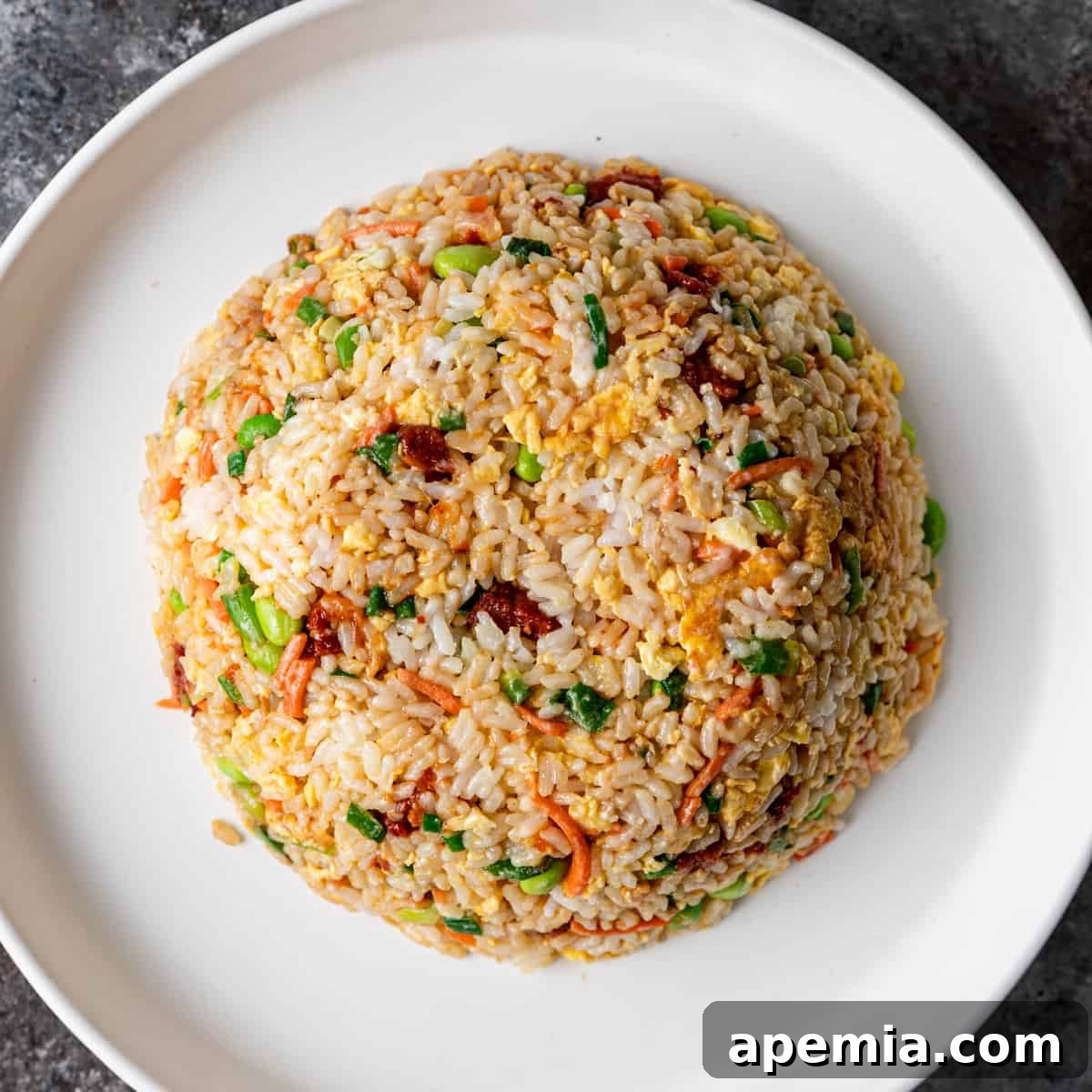
Authentic Hibachi Fried Rice Recipe: Japanese Steakhouse Flavor at Home
Experience the magic of a Japanese steakhouse right in your own kitchen with this incredible Hibachi Fried Rice recipe. Crafted for speed, flavor, and that signature high-heat cooking style, this dish comes together in just minutes, yet delivers an explosion of authentic taste. Featuring tender BBQ pork (or ham), fluffy scrambled eggs, vibrant edamame, and aromatic onions, it’s a hearty and deeply satisfying meal that’s perfect for any occasion.
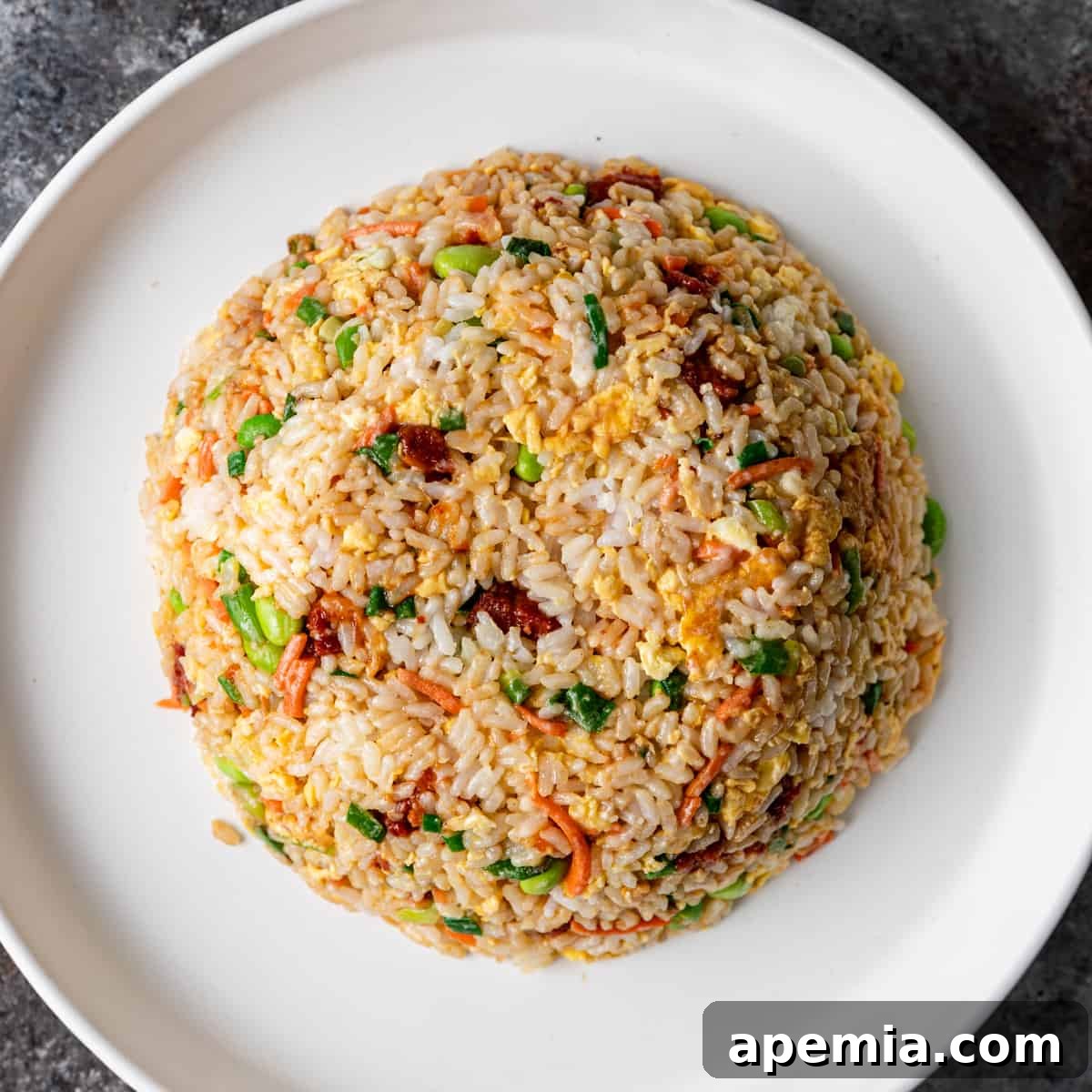
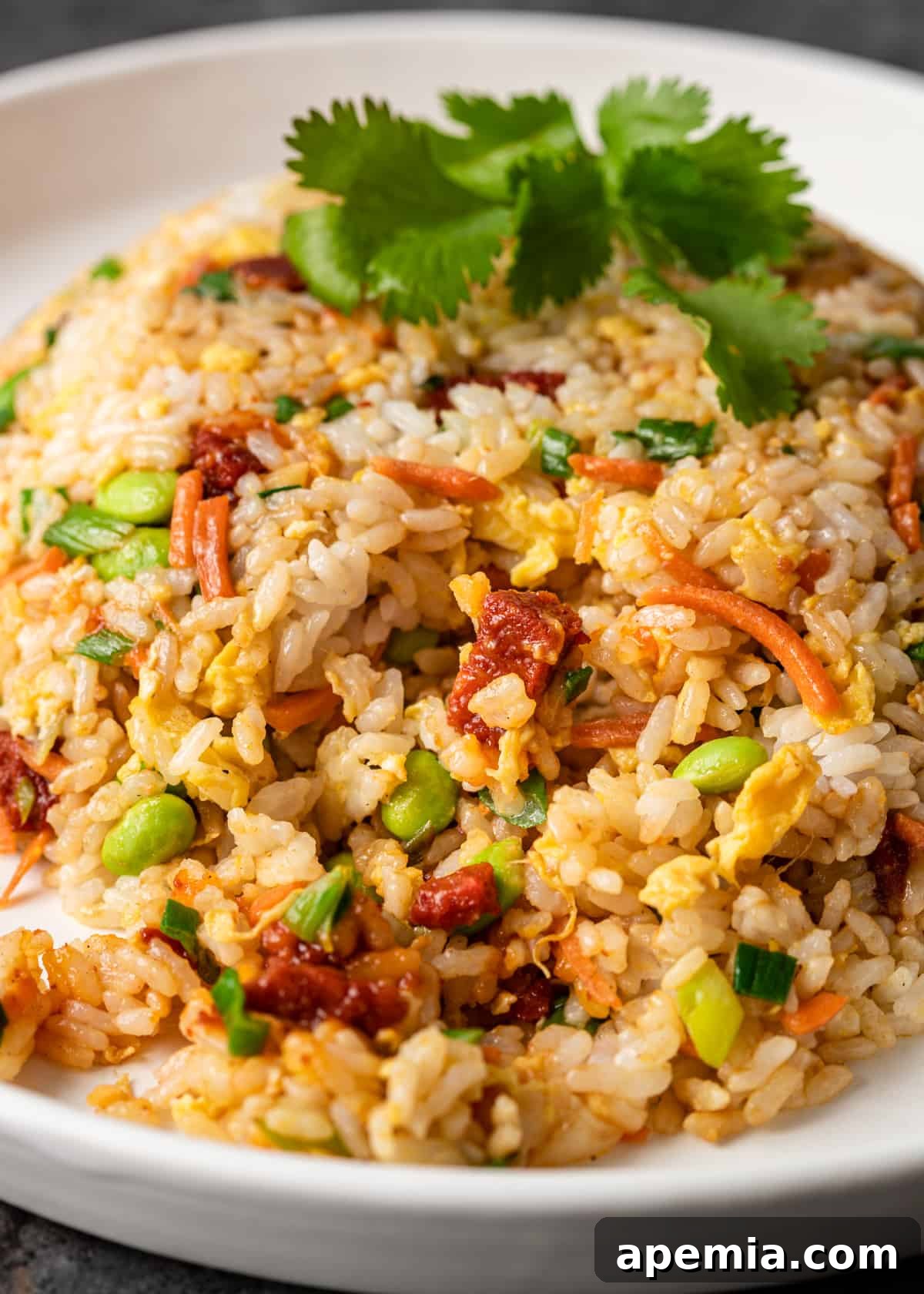
The allure of hibachi fried rice lies in its simplicity and the masterful technique of cooking over intense heat. While traditional Japanese steakhouses often feature shrimp, chicken, or beef, our version embraces the rich, sweet, and savory notes of char siu (Chinese BBQ pork), which adds a unique depth of flavor. If char siu isn’t readily available, diced store-bought ham makes an excellent and convenient substitute, offering a similar salty-sweet profile that complements the rice beautifully.
One of the best aspects of this hibachi fried rice recipe is its incredible versatility. It’s a fantastic canvas for your culinary creativity. Feel free to incorporate any protein you prefer, such as grilled chicken, succulent shrimp, thinly sliced beef, or even tofu for a vegetarian option. The same goes for vegetables—use what you have on hand! Corn, peas, broccoli florets, shredded cabbage, carrots, bell peppers, and even diced tomatoes are all welcome additions that will enhance both the flavor and nutritional value of your fried rice.
Table of Contents
- The Essence of Hibachi Fried Rice
- Why Day-Old Short-Grain Rice Is Key
- Ingredient Notes and Smart Substitutions
- How to Master Hibachi Fried Rice
- Recommended Tools for Success
- Storing and Reheating Leftovers
- Frequently Asked Questions
- Full Hibachi Fried Rice Recipe
The Essence of Hibachi Fried Rice: More Than Just a Side Dish
While often enjoyed as a quick and easy weeknight dinner, hibachi fried rice truly shines as an exceptional side dish. Its robust flavors and satisfying texture make it ideal for bulking up lighter, veggie-heavy meals like a refreshing ahi tuna salad or a crisp sunomono cucumber salad. It also perfectly complements saucier main courses, such as spicy Kung Pao meatballs or a rich teriyaki chicken. I find myself making this dish frequently, especially when I have leftover rice from a previous dinner. It’s an ingenious way to “clean out the fridge” by incorporating any forgotten vegetables, transforming them into a delicious and wholesome meal.
Expert Tip
Why Day-Old Short-Grain Rice Is Key
For truly authentic Japanese fried rice, the type of rice and its preparation are paramount. Short-grain rice varieties, like sushi rice, are naturally sticky, allowing the grains to cling together beautifully without becoming mushy. This characteristic makes them ideal for dishes where you want the rice to hold its shape and absorb flavors, but still have individual integrity when stir-fried. Unlike long-grain rice, which remains more distinct, short-grain rice offers a superior texture for fried rice, especially when cooked hibachi-style.
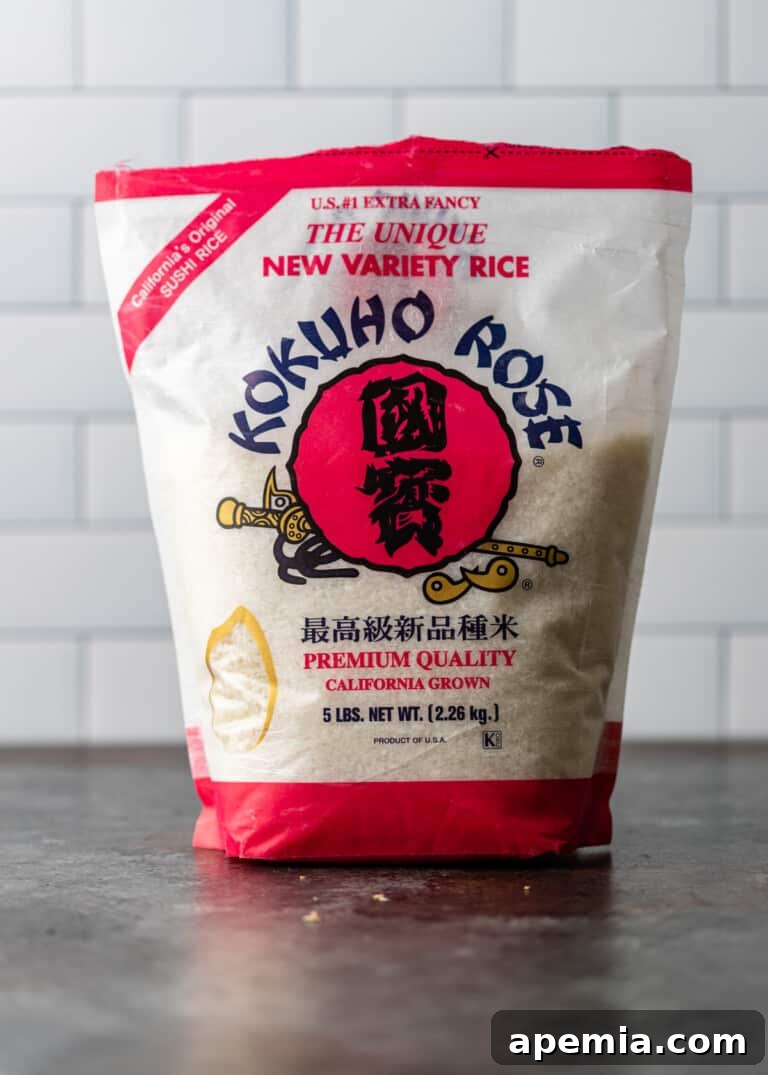
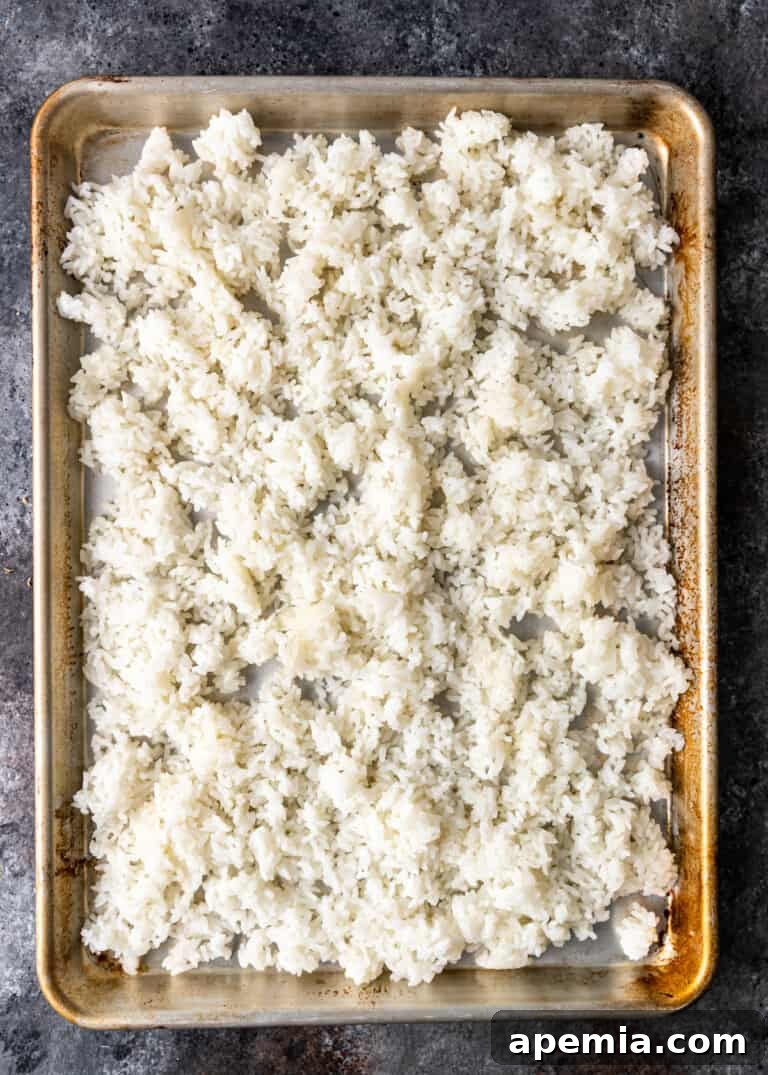
The secret weapon for perfect fried rice is using day-old, chilled rice. Freshly cooked rice retains a lot of moisture, which can lead to a soggy, clumpy mess when stir-fried. Day-old rice, however, has dried out slightly in the refrigerator, resulting in firmer grains that separate easily and crisp up beautifully when they hit the hot wok. This allows the rice to absorb the oils and seasonings without becoming heavy or greasy. My personal favorite is Kokuho Rose short-grain rice; it strikes an excellent balance, allowing the grains to stick together just enough for that classic fried rice feel, yet still break apart effortlessly for a delightful mouthfeel.
Ingredient Notes and Smart Substitutions
(For a complete list of ingredients and precise quantities, please refer to the recipe card below.)
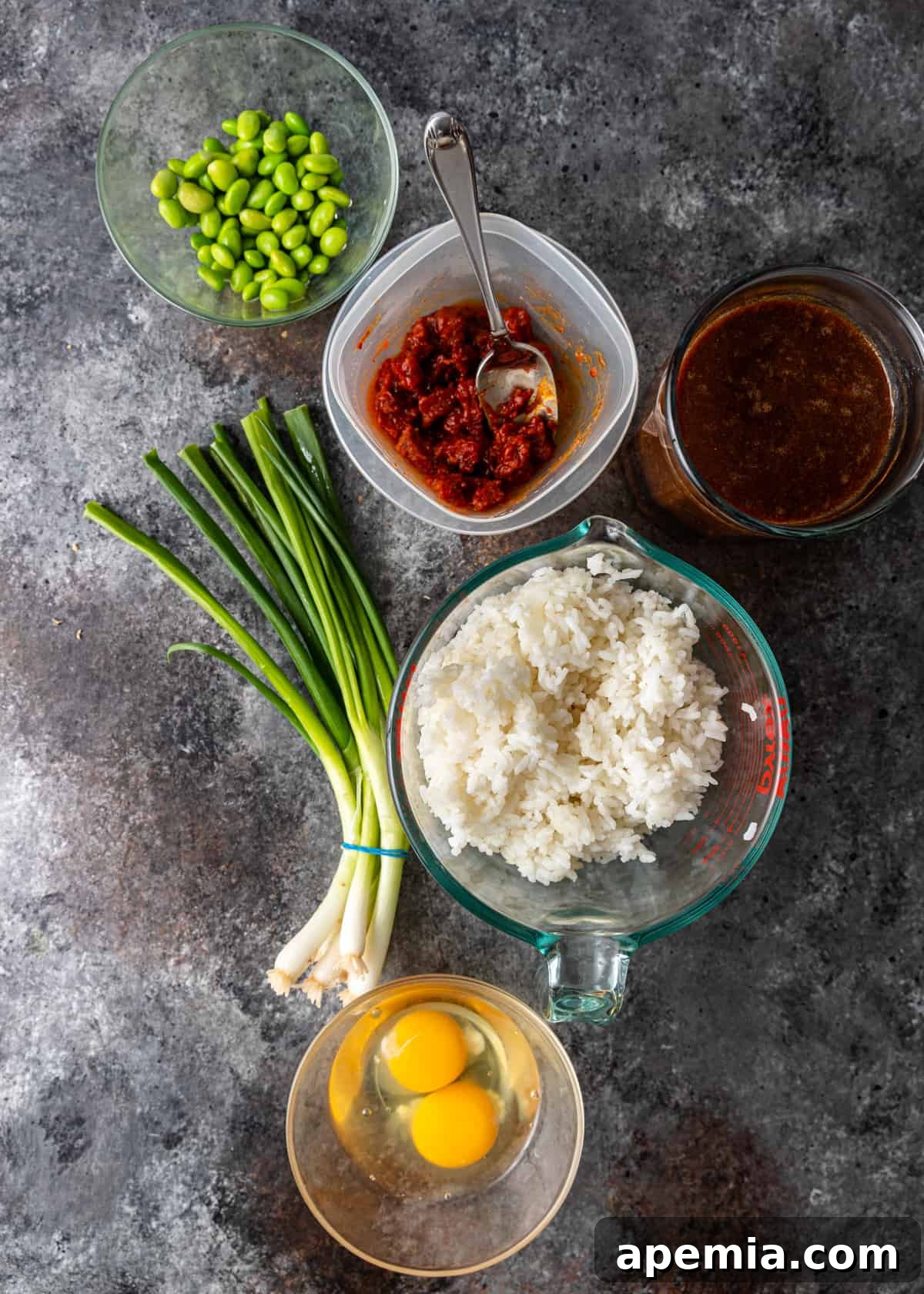
- White Rice: As mentioned, short-grain varieties are non-negotiable for authentic texture. Look for Calrose, Kokuho Rose, or Koshihikari. Remember to cook it the day before and refrigerate thoroughly until you’re ready to use it. This crucial step prevents soggy fried rice.
- Eggs: Don’t skimp on the eggs! Using at least two large pasture-raised eggs will ensure you get delightful, fluffy egg bits in every spoonful. If you’re an egg lover, feel free to add even more for extra richness and protein.
- Sesame Oil & Vegetable Oil: Pure sesame oil is incredibly potent and can easily overwhelm other flavors. In this hibachi fried rice recipe, we wisely combine it with a neutral-flavored vegetable oil. This blend allows the aromatic notes of sesame to shine through without being overpowering, creating a balanced and palatable flavor profile.
- Garlic: Freshly minced garlic is always best for its pungent aroma and flavor. Mince it finely, or use good quality jarred, pre-minced garlic for convenience. Avoid garlic powder, as it won’t provide the same fresh, vibrant taste.
- Green Onions: Also known as scallions, green onions are essential. Make sure to separate the white and green parts. The whites are firmer and require more cooking time to soften and release their flavor, while the delicate greens are best added towards the end for a fresh, vibrant finish.
- Edamame: Frozen shelled soybeans (edamame) are a fantastic and convenient year-round ingredient for Japanese fried rice, offering a pop of color and a subtly sweet, nutty flavor. Frozen peas are another excellent and equally convenient alternative. Whichever you choose, remember to thaw them thoroughly before adding them to your wok to ensure even cooking.
- White Pepper: The distinctive, lingering heat of white pepper provides a unique characteristic to Asian dishes, offering a nuanced warmth that is different from black pepper. While black pepper is a perfectly acceptable substitute in a pinch, white pepper truly elevates the flavor profile.
- Ginger Sauce: This zesty, umami-rich ginger sauce is arguably one of the most iconic elements that defines the Japanese steakhouse experience. It’s surprisingly simple to prepare at home and adds an unparalleled layer of flavor to your fried rice. Don’t skip it!
- Char Siu: We believe this hibachi fried rice recipe reaches its peak deliciousness with tender, flavorful Chinese BBQ pork (char siu). Its unique combination of sweet, savory, and aromatic spices perfectly complements the rice. If char siu isn’t available, high-quality chopped ham is a fantastic alternative, providing a savory depth.
How to Master Hibachi Fried Rice: A Step-by-Step Guide
Achieving restaurant-quality hibachi fried rice at home is simpler than you might think. The key is high heat, proper timing, and a good understanding of your ingredients. Follow these steps for perfectly flavored and textured fried rice every time.
- Prepare Your Ingredients: Before you even turn on the heat, ensure all your ingredients are prepped and ready to go (this is called “mise en place”). Crumble your day-old rice into a bowl, separating any clumps. Have your garlic minced, green onions sliced with whites and greens separated, eggs beaten, and protein/vegetables chopped. The cooking process is fast, so you won’t have time to chop as you go.
- Sauté the Aromatics: Heat the combined sesame and vegetable oils in a large wok or a spacious frying pan over medium-high heat. Wait until the oil begins to shimmer, indicating it’s hot enough. Add the white parts of your green onions and the minced garlic to the wok. Stir-fry constantly for about 30 seconds, or until they become wonderfully fragrant. Be careful not to burn the garlic!
- Cook Eggs and Introduce Rice: Pour the beaten eggs directly into the hot wok. Allow them to set undisturbed for about 30 seconds to form a thin omelet-like layer. Next, add your crumbled day-old rice to the wok. Increase the heat to high. Using a spatula or wok tool, quickly toss and stir the rice, breaking up the egg and incorporating it throughout the grains. Continue this for about 1 minute, ensuring the rice is coated with the egg and heating through.
- Incorporate Remaining Ingredients: Now, it’s time to add the rest of your vibrant ingredients. Toss in the green parts of the onions, your chosen protein (char siu or ham), and the thawed edamame. Continue to stir-fry for another minute or so, ensuring all components are well incorporated and thoroughly heated. The goal here is to warm everything through without overcooking.
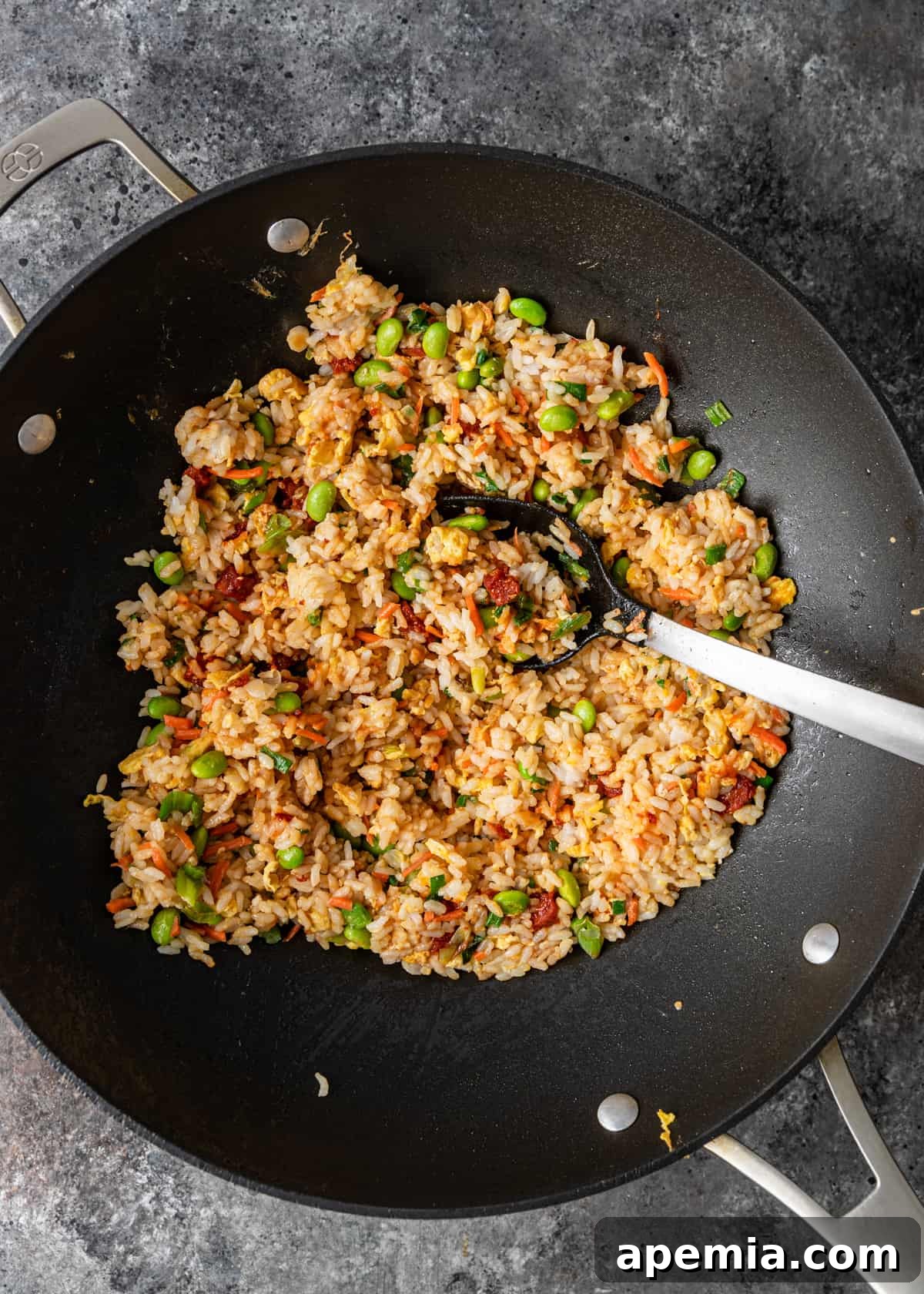
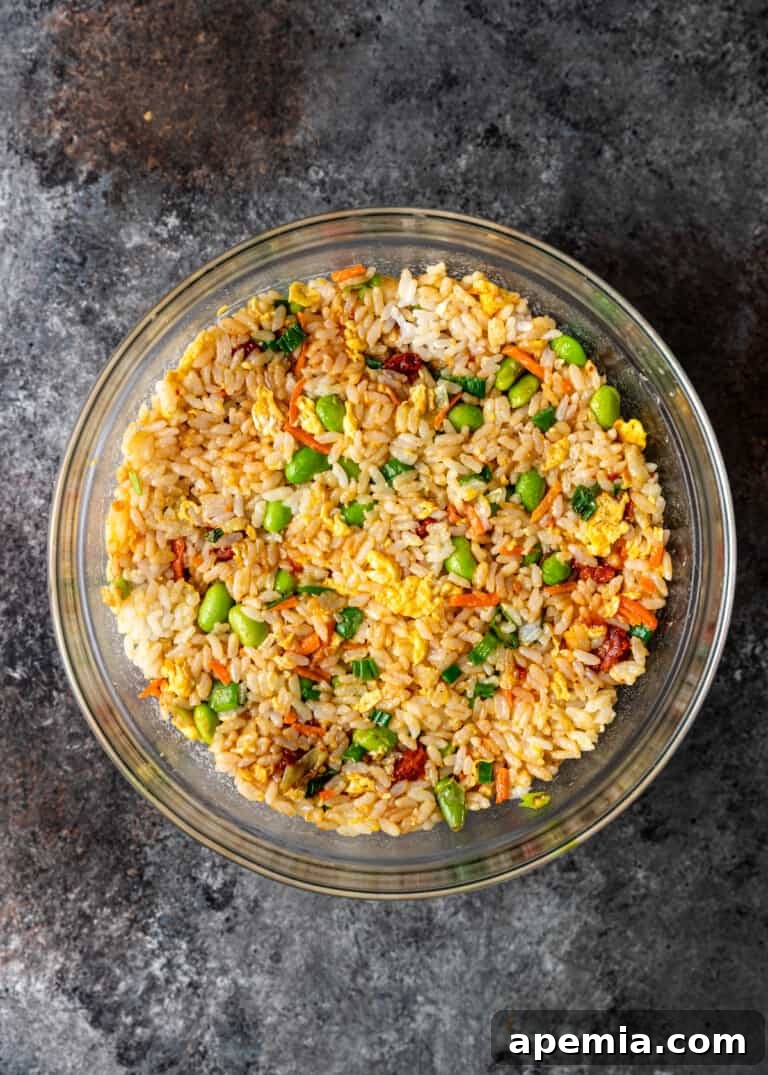
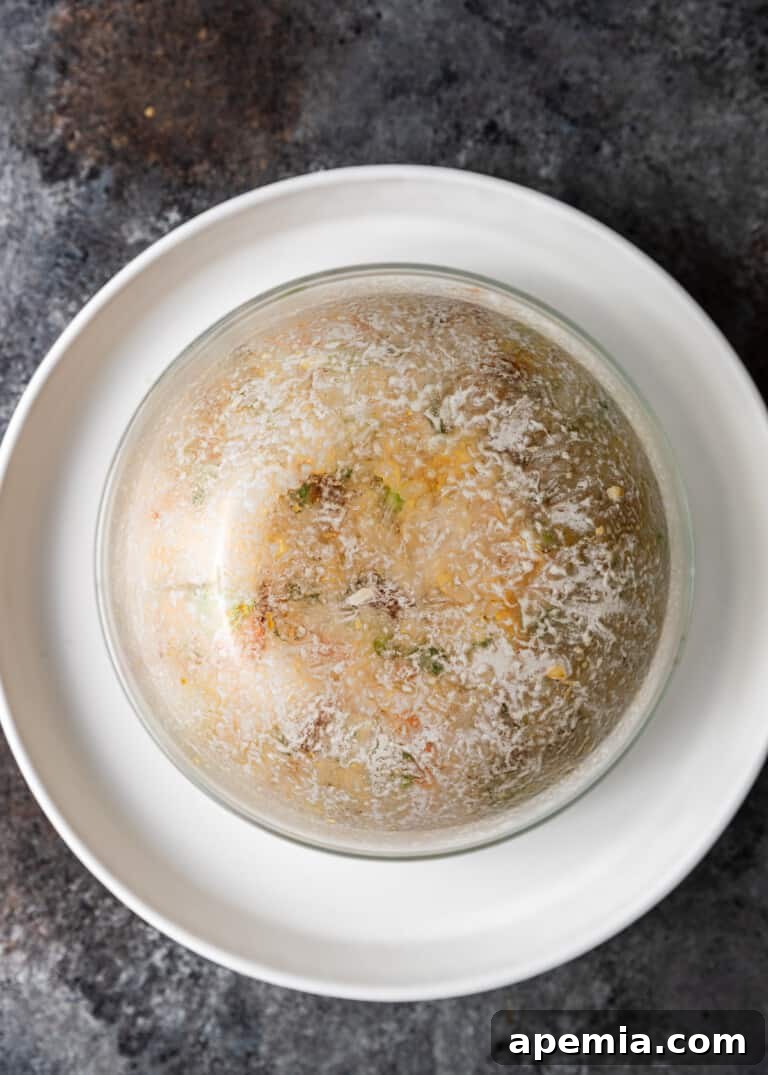
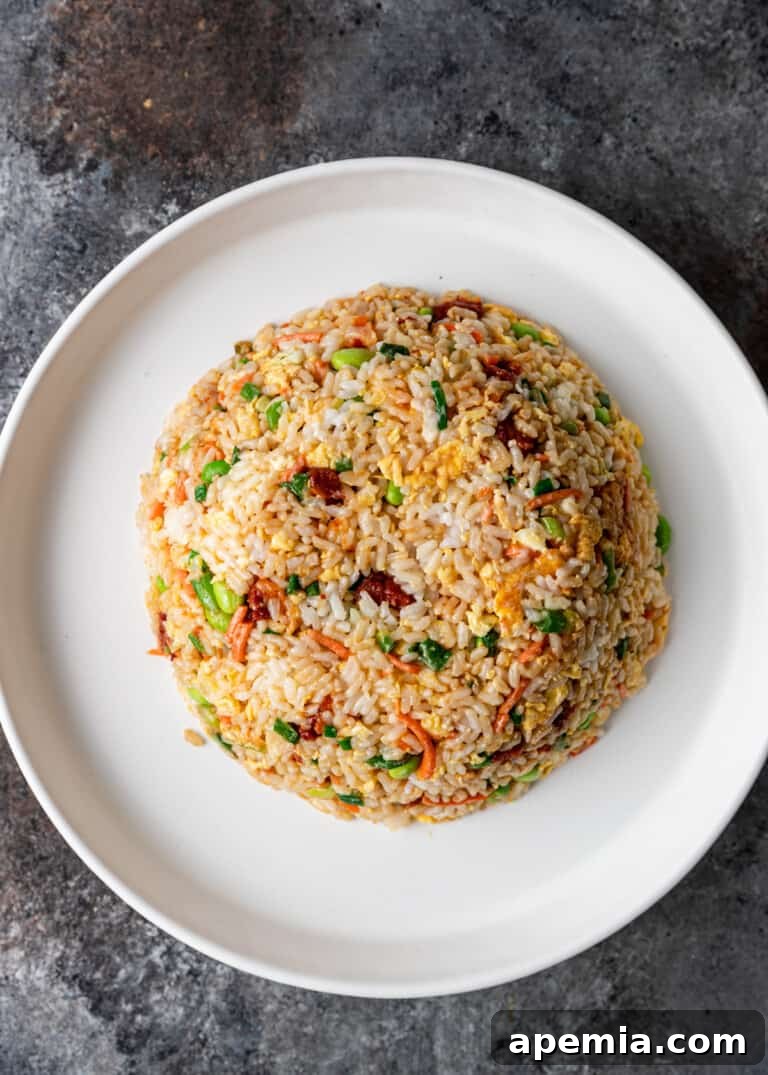
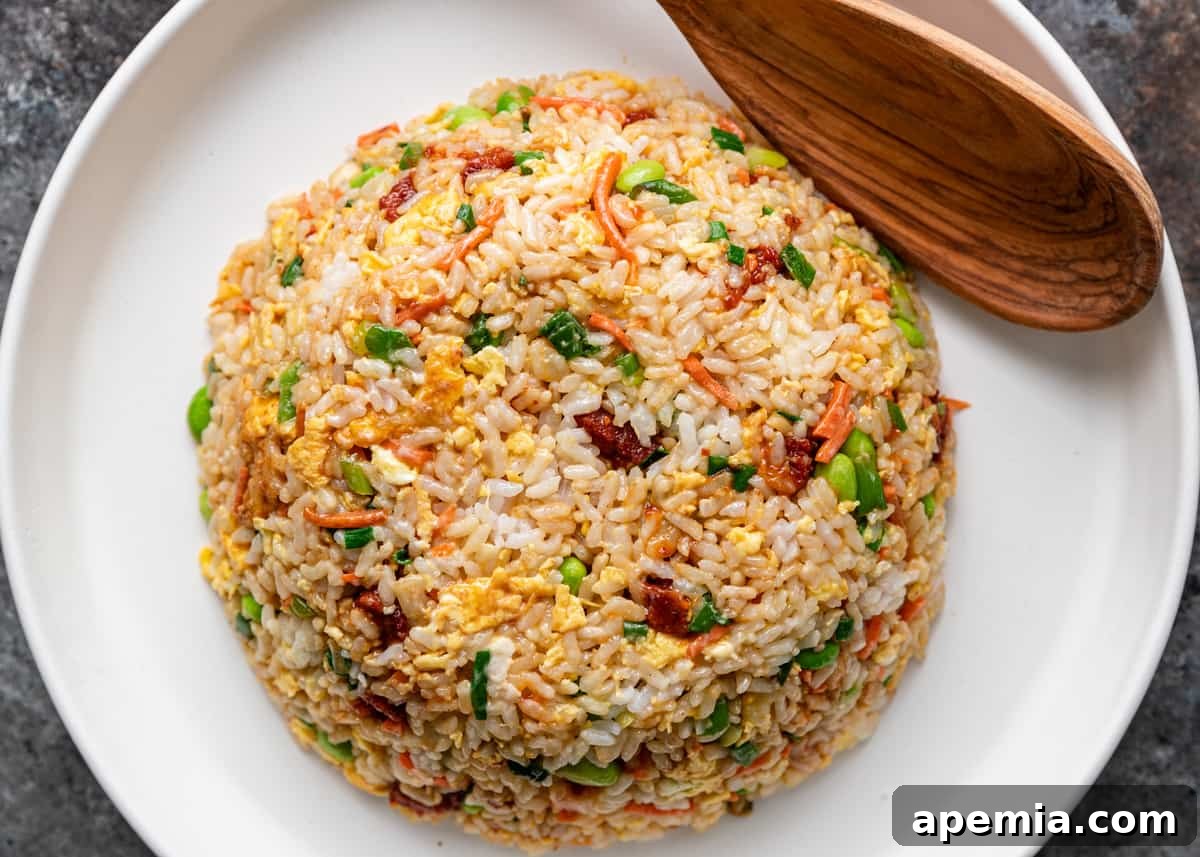
- Season and Serve: Finally, season your hibachi fried rice with white pepper and generously drizzle with the prepared ginger sauce. Toss vigorously to ensure every grain of rice and every ingredient is evenly coated in the delicious seasonings. Cook for just a few more seconds to meld the flavors, then remove from heat and serve immediately while hot. For an authentic presentation, you can press the fried rice into a small bowl and then invert it onto a plate.
By following these steps, you’ll create a hibachi fried rice that’s bursting with flavor and boasts that coveted restaurant-quality texture.
Recommended Tools for Success
While you don’t need a full hibachi grill, a few key tools can significantly enhance your fried rice cooking experience and help you achieve that authentic steakhouse flavor:
- Wok: When dealing with high temperatures and a multitude of ingredients, a traditional wok is truly your best friend. Its sloped sides and expansive surface area allow for efficient tossing, even heat distribution, and quick cooking, which are all essential for perfect fried rice. If you don’t have a wok, a large, heavy-bottomed frying pan or skillet that is at least 12 inches in diameter will work as a suitable alternative. Ensure it can handle high heat without warping.
- Spatula or Wok Tool: A sturdy metal spatula or a dedicated wok shovel is invaluable for effectively tossing, stirring, and breaking up rice and eggs without damaging your pan.
- Sharp Knife and Cutting Board: For efficient and uniform chopping of all your proteins and vegetables.
Storing and Reheating Leftovers
Hibachi fried rice makes for fantastic leftovers, ensuring you can enjoy its deliciousness days after cooking. Proper storage and reheating are key to maintaining its flavor and texture:
Allow your hibachi fried rice to cool completely to room temperature before storing. Transfer it to an airtight container or a heavy-duty freezer bag, ensuring you squeeze out any excess air if using a bag. Store the fried rice in the refrigerator for up to 4 days. For longer storage, it can be frozen for up to 2 months.
To reheat from the refrigerator, transfer the desired portion to a microwave-safe container, add a tablespoon of water (this creates steam, preventing the rice from drying out), and cover tightly. Microwave on high for 2 to 3 minutes, or until thoroughly heated. If reheating from frozen, it’s best to let the fried rice thaw in the refrigerator overnight or on the counter until it reaches room temperature before microwaving. Alternatively, for best results and a crisper texture, reheat in a skillet over medium-high heat with a little oil, stirring frequently until heated through.
Share this delicious recipe on Pinterest!
Loved making this hibachi fried rice? Pin it to your boards and share the joy!
Frequently Asked Questions About Hibachi Fried Rice
Unlike Chinese fried rice, where ingredients are often kept relatively separate and mixed at the very end, hibachi fried rice is all about building layers of flavor and merging individual ingredients into a harmonious whole. The components are often cooked and layered upon one another directly on the griddle or wok, allowing them to meld together. Additionally, Japanese fried rice traditionally uses short-grain rice, which has a stickier texture than the long-grain varieties typically favored in Chinese cuisine.
Absolutely! Using day-old, chilled short-grain rice is crucial for achieving the perfect texture in any type of fried rice, especially hibachi style. Freshly cooked rice contains too much moisture, making it prone to clumping together and absorbing excess oil, resulting in a soggy, heavy dish. Day-old rice, having dried out slightly in the refrigerator, boasts firmer, more separate grains that stir-fry beautifully, becoming lightly crispy and soaking up the flavors without becoming mushy. This single tip can elevate your homemade fried rice from good to great.
Two sauces are most commonly associated with the hibachi experience: ginger sauce and “yum yum” sauce. Our ginger sauce is bright, zesty, and savory, made from a blend of fresh ginger, lemon juice, soy sauce, rice vinegar, onions, and garlic. It offers a refreshing tang with a hint of sweetness and spice, perfect for enhancing both vegetables and meat. Yum yum sauce, also known as “seafood sauce” or simply Japanese steakhouse sauce depending on the restaurant, is a richer, creamier condiment. It’s typically made with a mayonnaise base, combined with vinegar, ketchup, paprika, and a touch of sugar, offering a milder, sweeter, and more indulgent flavor profile that many enjoy.
Yes, this recipe is highly adaptable for dietary preferences. To make it vegetarian, simply omit the char siu or ham and replace it with additional firm tofu (pressed and cubed), tempeh, or a medley of extra vegetables like mushrooms, carrots, and bell peppers. For a vegan version, in addition to the above, replace the eggs with scrambled tofu (seasoned with a pinch of turmeric for color) or a plant-based egg substitute. Ensure your ginger sauce is made without any animal products, and use a vegan soy sauce if needed.
A large wok is ideal for cooking hibachi fried rice because its high, sloped sides allow for constant stirring and tossing, essential for even cooking and preventing sticking at high heat. If you don’t have a wok, a heavy-bottomed, large (at least 12-inch) cast-iron skillet or non-stick frying pan will also work well. The key is to use a pan that can get very hot and retain heat, providing enough surface area to avoid overcrowding the ingredients.
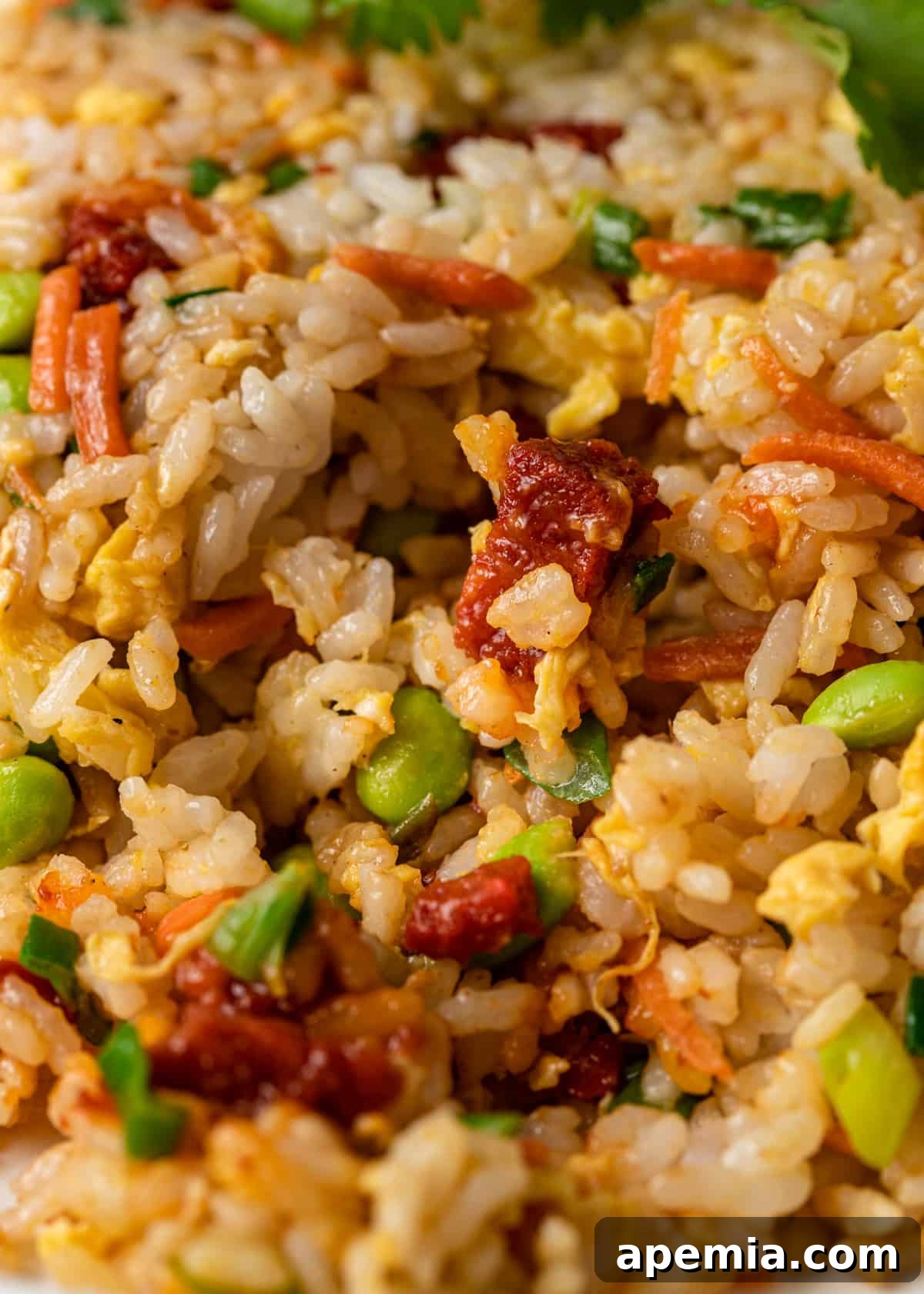
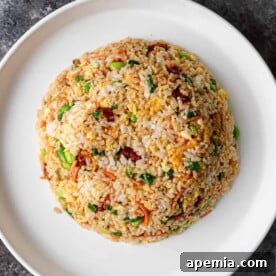
Hibachi Fried Rice
Japanese Hibachi fried rice is a quick and flavorful dish, featuring fluffy short-grain rice, savory protein like ham or BBQ pork, vibrant vegetables, and scrambled eggs, all seasoned with an incredible ginger sauce.
Ingredients
- 3 cups day-old short-grain white rice (cooked) (e.g., Calrose, Kokuho Rose or Koshihikari)
- 2 teaspoons vegetable oil
- 1 teaspoon sesame oil
- 2 green onions, thinly sliced (whites and greens separated)
- 2 cloves garlic, minced
- 2 eggs, beaten
- 4 ounces char siu or ham, cut into small pieces
- ½ cup frozen edamame or peas, thawed
- ¼ teaspoon white pepper
- 2 tablespoons ginger sauce (or soy sauce for a simpler flavor)
Unit System: US Customary
Instructions
- Crumble the day-old rice into a bowl, ensuring all clumps are separated.
- In a wok or large frying pan, heat both vegetable and sesame oils over medium-high heat until shimmering. Add the white parts of the green onions and minced garlic. Stir-fry for about 30 seconds until fragrant.
- Pour the beaten eggs into the wok and let them set for 30 seconds. Then, add the crumbled rice and increase the heat to high. Use a spatula to quickly toss and coat the rice with the egg for about 1 minute, breaking up the egg into small pieces.
- Add the remaining green onion greens, char siu (or ham), and thawed edamame to the wok. Continue to stir-fry and toss for another minute, ensuring all ingredients are well incorporated and heated through.
- Season the fried rice with white pepper and drizzle with the ginger sauce. Toss thoroughly to coat everything in the seasonings. Stir-fry for a few more seconds, then serve hot immediately.
Notes
For leftovers, allow the fried rice to cool completely before transferring to an airtight container or a sealable bag (pressing out excess air). It can be stored in the refrigerator for up to 4 days or frozen for up to 2 months. To thaw, let it come to room temperature, then add a tablespoon of water, cover, and steam in the microwave for 2-3 minutes on high heat. Fluff with a fork and enjoy!
Nutrition (Estimated)
Calories: 399kcal | Carbohydrates: 77g | Protein: 13g | Fat: 3g |
Saturated Fat: 1g | Trans Fat: 1g | Cholesterol: 65mg |
Sodium: 441mg | Potassium: 178mg | Fiber: 2g |
Sugar: 1g | Vitamin A: 212IU | Vitamin C: 6mg |
Calcium: 43mg | Iron: 1mg
The information shown is an estimate provided by an online nutrition calculator. It should not be considered a substitute for a professional nutritionist’s advice.
Have You Made This Recipe? Let Me Know on Instagram!
Tag @keviniscooking or use the hashtag #keviniscooking!