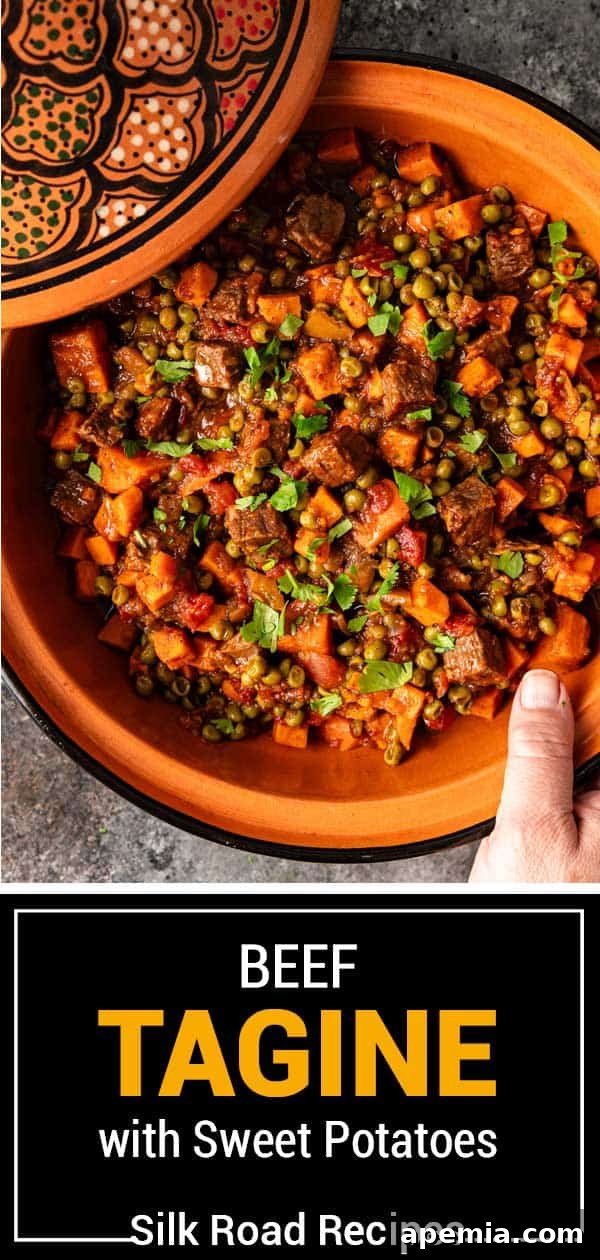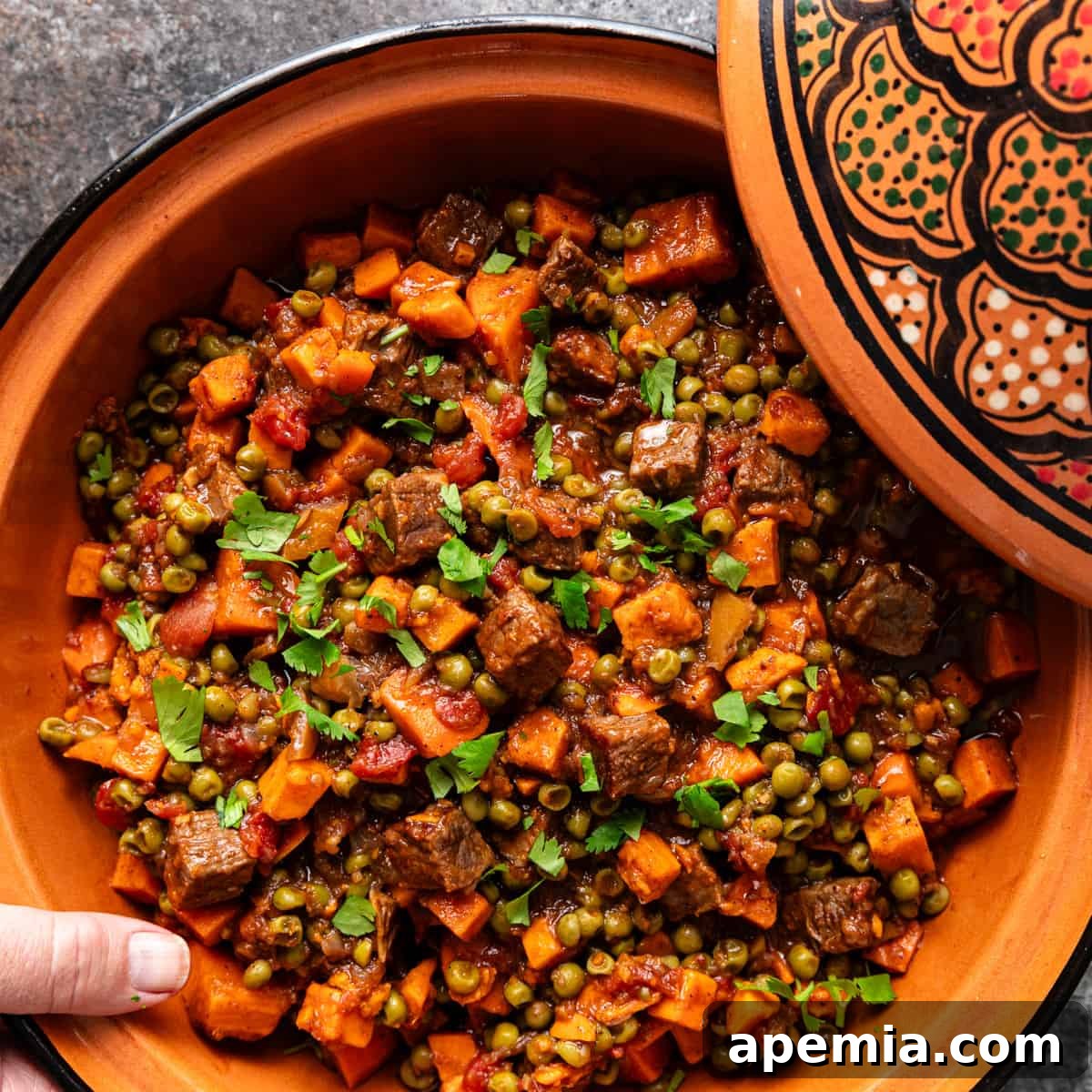
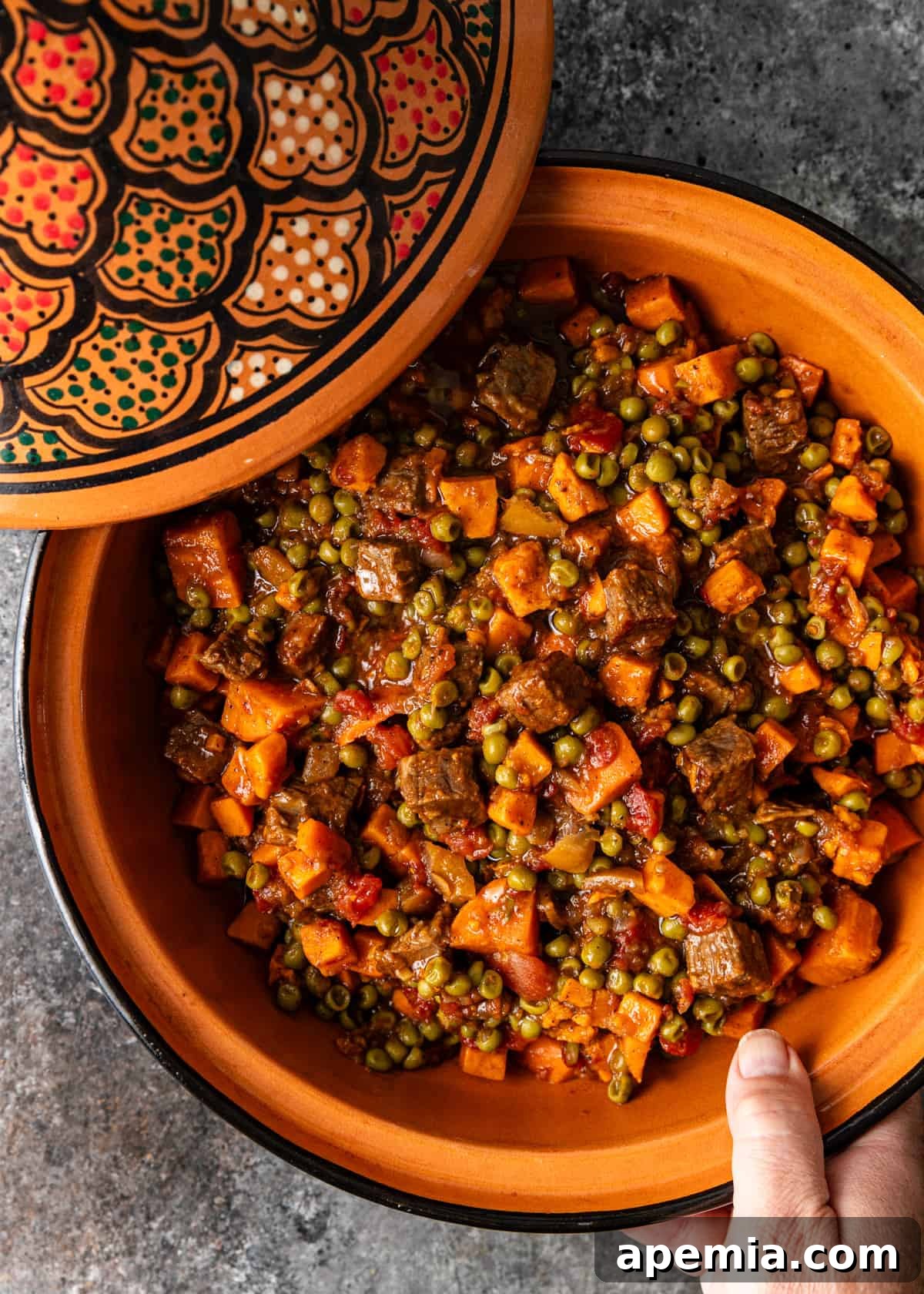
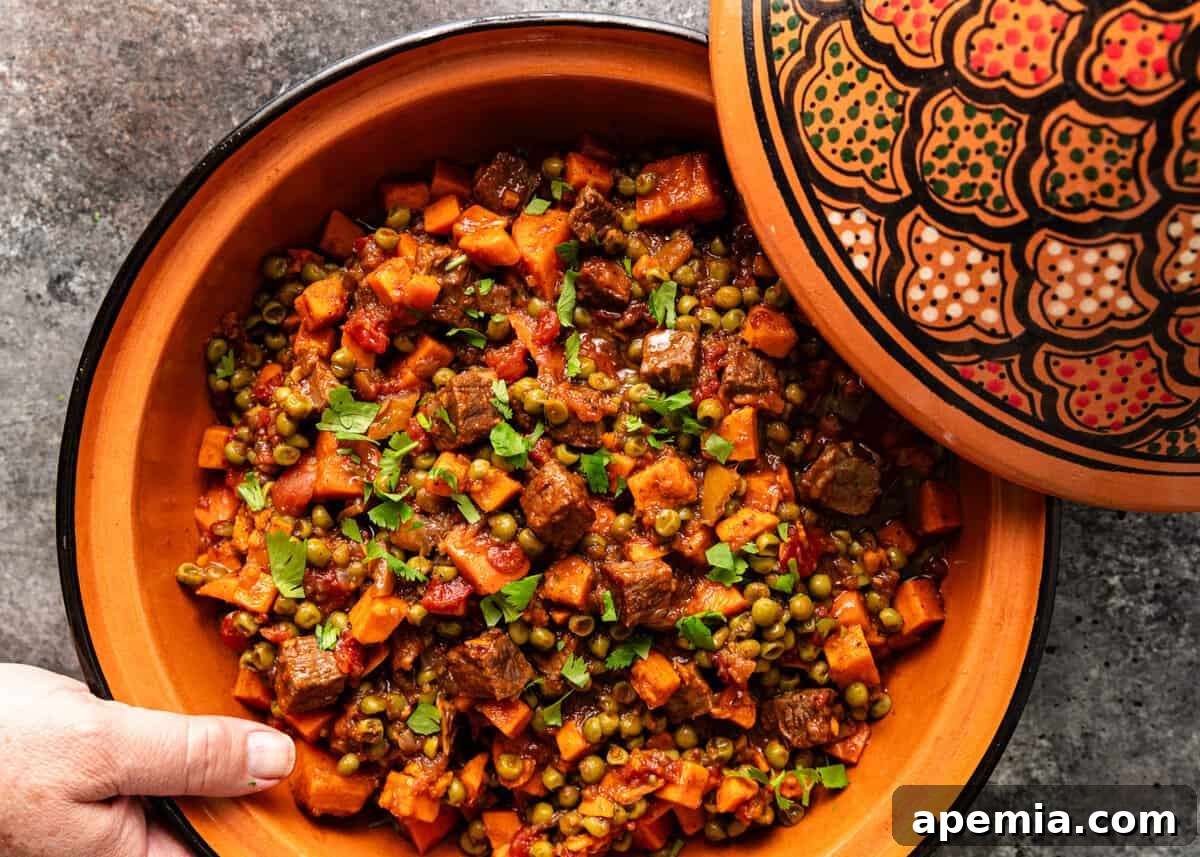
Embark on a culinary journey to North Africa with this exquisite beef tagine recipe. This dish is your passport to experiencing the authentic, mouthwatering flavors of Moroccan cuisine right in your own kitchen. Succulent pieces of beef, combined with tender sweet potatoes and vibrant peas, are slow-cooked to perfection in a symphony of aromatic herbs and spices. Forget what you know about conventional beef stews; this Moroccan masterpiece offers a depth of flavor and a tender texture that is truly unparalleled.
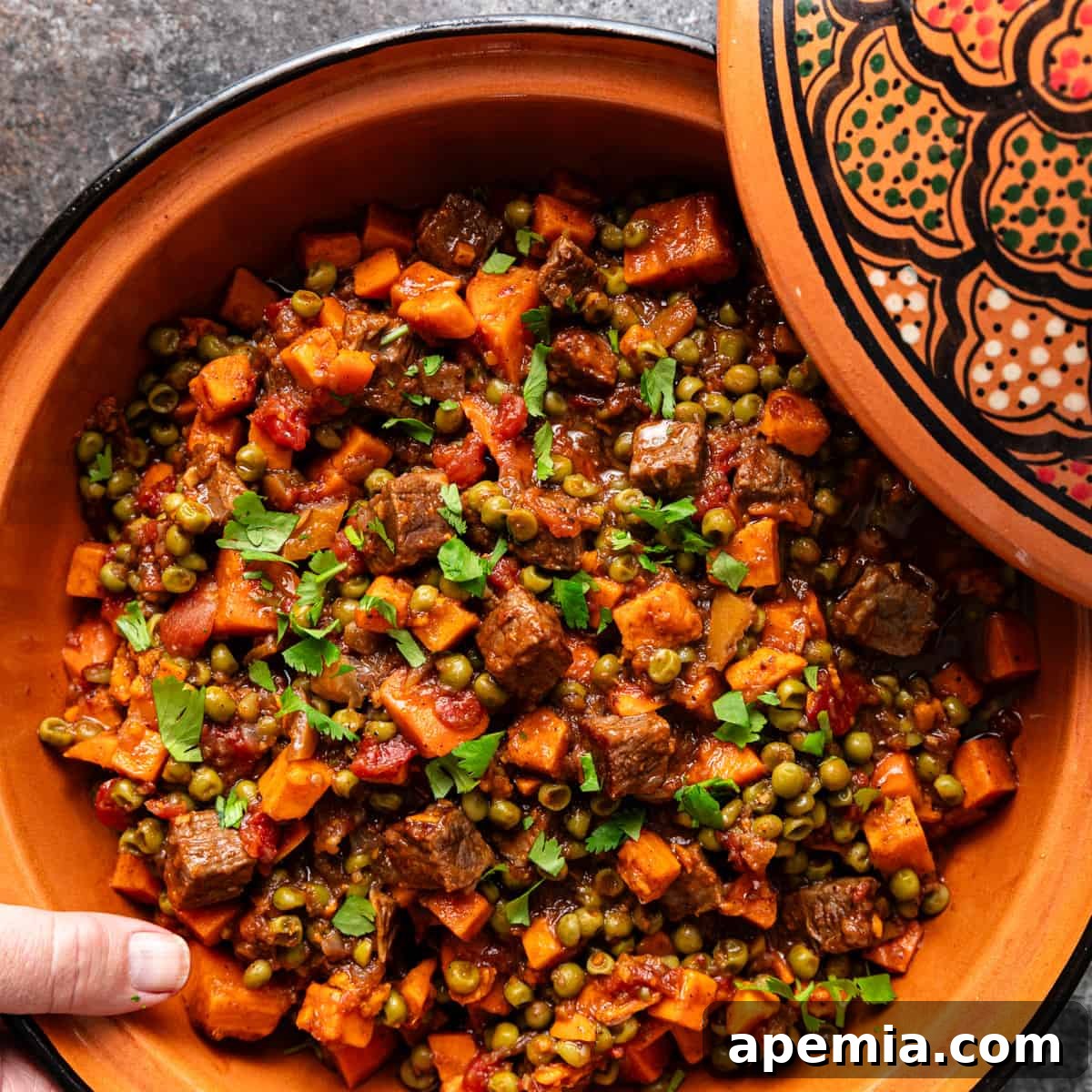
Authentic Moroccan Beef Tagine with Sweet Potatoes
Today, we’re bringing you a true delight from the heart of North African Cuisine – an easy-to-make beef tagine recipe that brims with some of the region’s finest flavors. By combining simple, high-quality ingredients and allowing them to slow-cook, we achieve a moist, incredibly tender, and sensationally spiced stew that promises to impress. This dish is not just food; it’s an experience, a reflection of Morocco’s rich culinary heritage.
This crowd-pleasing tagine is renowned for its rich and savory profile, complemented by a mild, warming spice level that’s perfect for most palates. One of the beauties of this recipe is its adaptability. Whether you prefer a bolder kick or a gentler flavor, customizing the spice level to suit your personal preference is incredibly simple. Just adjust the amount of ras-el-hanout, and you’re good to go!
As a traditional slow-cooked stew, beef tagine requires patience, allowing the flavors to meld and the beef to become melt-in-your-mouth tender. However, don’t let the cooking time intimidate you. While the dish simmers for approximately 1 ½ hours, the active preparation time is surprisingly short – only about 15 minutes. This makes it an ideal meal for a lazy weekend or a special occasion when you want to create something truly spectacular without being tied to the kitchen. You’ve got this, and the reward will be absolutely worth the wait!
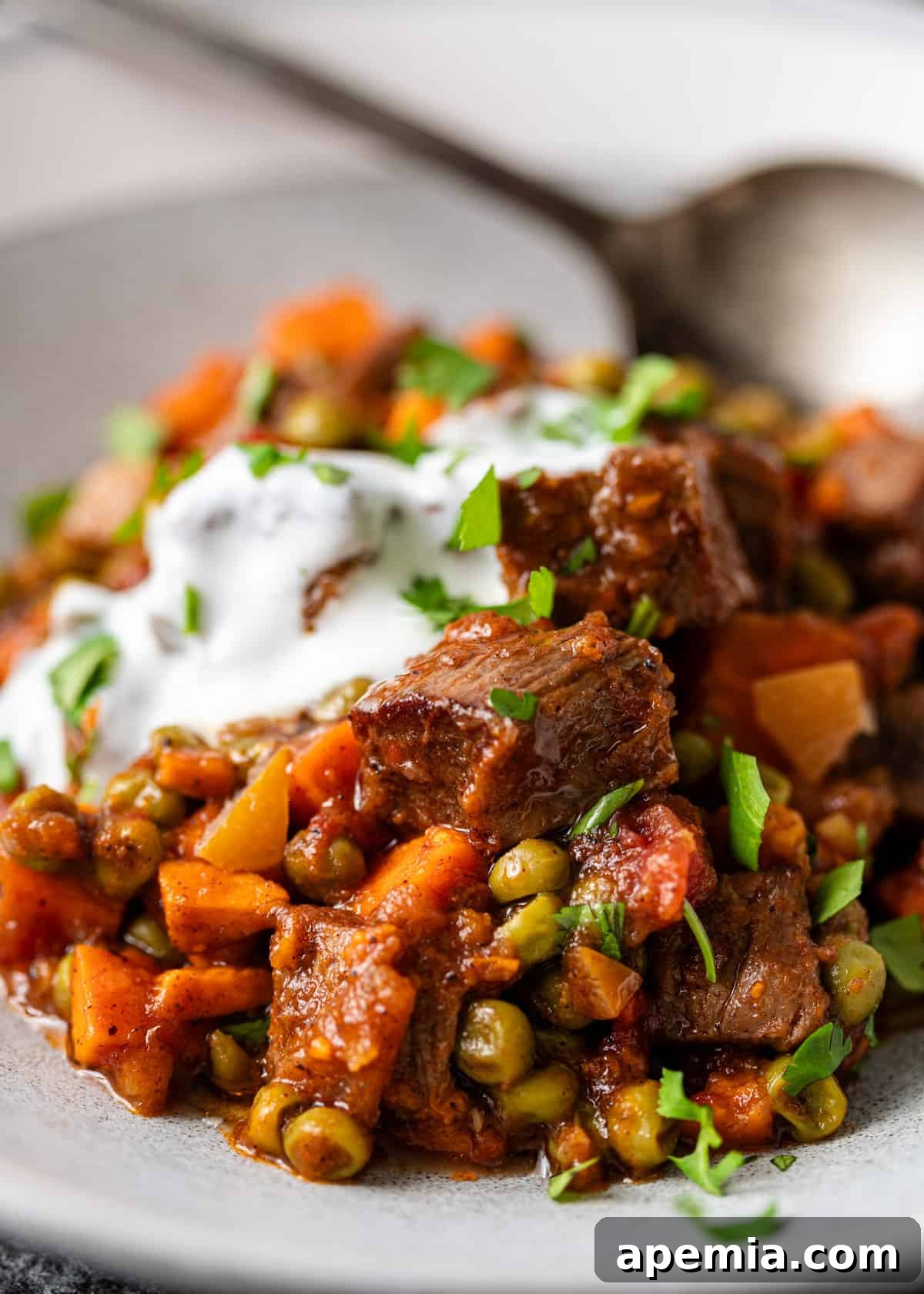
Table of Contents
- Why You’ll Love This Beef Tagine
- What Exactly is a Tagine?
- Ingredient Notes and Expert Substitutions
- Do I Need a Tagine to Make This?
- How to Make the Perfect Beef Tagine
- Expert Tips for Success
- Serving Suggestions
- Storage and Reheating
- Frequently Asked Questions
- Beef Tagine with Sweet Potatoes (Beef Stew) Recipe
Why You’ll Love This Beef Tagine
This beef tagine is more than just a meal; it’s an experience that captivates all your senses. Here’s why it’s destined to become a staple in your culinary repertoire:
- Unforgettable Flavor Profile: The magic lies in the spice blend, particularly Ras el Hanout, which infuses the beef and vegetables with warm, complex, and subtly sweet notes. Preserved lemons add a unique tanginess that brightens the entire dish, creating a balanced and rich taste sensation.
- Melt-in-Your-Mouth Tenderness: Slow-cooking is the secret to transforming humble cuts of beef into incredibly tender morsels. Each bite dissolves in your mouth, carrying the deep flavors of the broth and spices.
- Nutrient-Rich and Wholesome: Packed with lean protein from the beef and essential vitamins from sweet potatoes, peas, and tomatoes, this tagine is a wholesome meal that nourishes both body and soul.
- Aromatic Experience: From the moment the onions and ginger hit the pan, your kitchen will be filled with an intoxicating aroma that builds anticipation for the delicious meal to come.
- Perfect for Gatherings: While simple to prepare, this tagine looks and tastes impressive, making it an excellent choice for entertaining guests or enjoying a special family dinner.
What Exactly is a Tagine? Understanding the Dish and the Pot
The term “tagine” (or “tajine”) refers to two things simultaneously: it’s both the name of a delicious, slow-cooked North African stew and the distinctive cooking vessel in which it’s traditionally prepared. This dual meaning often sparks curiosity and is central to appreciating the authenticity of this dish.
The Tagine as a Dish:
When we talk about beef tagine as a food, we’re describing a variety of flavorful, aromatic stews common throughout North Africa, particularly Morocco. These stews are characterized by their long, gentle cooking process, which allows ingredients to slowly meld together, developing deep, complex flavors and incredibly tender textures. Moroccan tagines often feature a rich base of meats (like beef, lamb, or chicken), combined with fruits, vegetables, nuts, and a vibrant array of spices like saffron, ginger, turmeric, cumin, and the star blend, Ras el Hanout. The result is a savory, often slightly sweet, and aromatic dish that is truly a culinary marvel.
The Tagine as a Vessel:
The cooking pot itself is a unique, two-part vessel. It typically consists of a shallow, circular base with low sides and a large, cone-shaped or dome-shaped lid that fits snugly onto the base. This distinctive design is not just for aesthetics; it plays a crucial role in the cooking process. As the tagine cooks, steam rises into the conical lid, condenses at the top, and then drips back down into the food. This continuous self-basting cycle keeps the ingredients exceptionally moist and tender, and ensures that all the flavorful juices are retained within the pot. This ingenious design is what makes tagine-cooked dishes so succulent and rich in flavor.
Traditional tagines are usually made from clay or ceramic, sometimes glazed and sometimes unglazed. Unglazed clay tagines require pre-soaking in water for about 30 minutes before their first use, and sometimes before subsequent uses, to prevent cracking and enhance their natural non-stick properties. Modern versions can also be found in cast iron, offering excellent heat retention and durability.
Ingredient Notes and Expert Substitutions
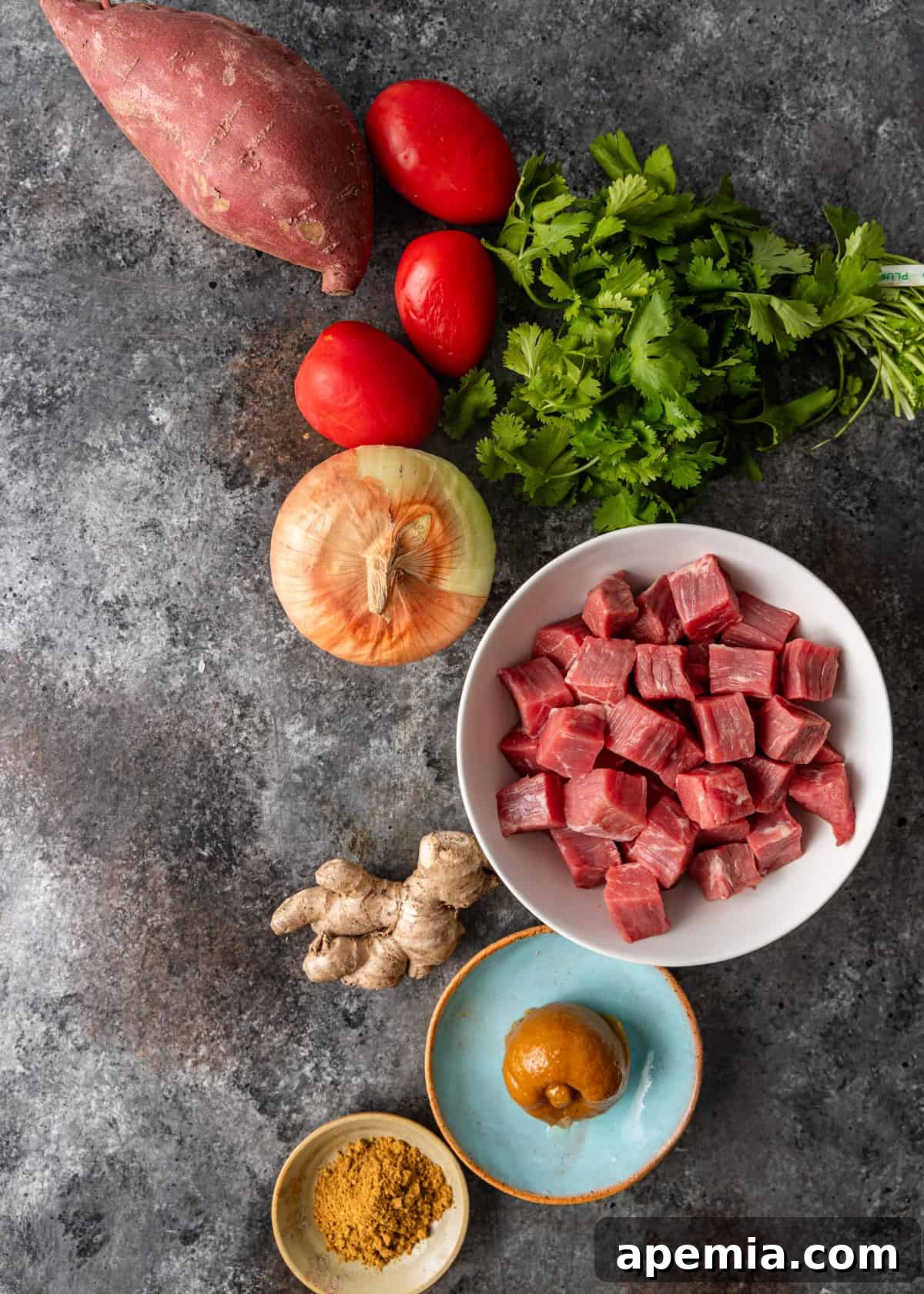
- Beef: The choice of beef cut is crucial for a tender tagine. My top recommendations include top round steak, chuck roast, or beef eye of round. These cuts are known for becoming incredibly tender when slow-cooked, absorbing all the wonderful flavors of the stew.
- Ghee or Olive Oil: I personally prefer using ghee (clarified butter) or a good quality olive oil for sautéing, as they impart a richer, more authentic flavor profile to the dish. However, if these are unavailable, you can confidently substitute with other high smoke point oils such as coconut oil or peanut oil.
- Fresh Ginger: This root adds a distinct earthy, aromatic warmth to the tagine, along with a delightful spicy-sweet undertone that complements the other spices beautifully. Always opt for fresh ginger for the best flavor.
- Onion: For this beef tagine, I lean towards yellow onions due to their sweet pungency which mellows wonderfully during slow cooking. That said, white or red onions will also perform admirably, contributing their own subtle variations in flavor.
- Ras el Hanout: This iconic Moroccan spice blend is the heart and soul of the tagine, delivering a complex tapestry of spicy, floral, peppery, and earthy notes. It’s a signature flavor that defines Moroccan cuisine. You can usually find it in the spice aisle of well-stocked supermarkets or specialty stores. For an even more rewarding experience, consider trying your hand at my DIY version to customize its nuances.
- Peas: Both fresh or frozen peas are perfectly acceptable for this recipe. They add a pop of vibrant color and a touch of natural sweetness that contrasts beautifully with the savory beef. Add them towards the end to maintain their bright color and tender texture.
- Preserved Lemons: These are a cornerstone of Moroccan cooking, bringing an unparalleled blast of salty, sweet, tangy, and tart flavor. They introduce a bright acidity that cuts through the richness of the stew, elevating the entire dish. If you’ve never used them, you’re in for a treat! Check out my easy recipe to make this classic Moroccan condiment at home.
- Sweet Potatoes: These provide a wonderful sweetness and a creamy texture to the tagine. Cutting them into different sizes, as described in the instructions, helps some pieces break down to thicken the sauce while others remain intact for texture.
- Tomatoes: Fresh, ripe tomatoes, peeled and chopped, add a natural sweetness and acidity to the sauce, contributing to its depth of flavor.
Tip From Kevin
Do I Need a Tagine to Make This?
A common question when approaching a recipe like this is whether you absolutely need the traditional cooking vessel. And the answer is reassuring: you absolutely do not have to have a tagine to make this incredibly delicious beef tagine! While a tagine pot is fantastic for its unique steam-retaining properties and contributes to a beautiful presentation, you can achieve equally fantastic results using readily available kitchen equipment.
A large, heavy-bottomed pot or a trusty Dutch oven will work perfectly. The key is to ensure that your chosen pot has a tight-fitting lid. This is essential for trapping moisture and allowing the stew to simmer gently, mimicking the tagine’s moist-cooking environment. The heavy bottom helps in even heat distribution, preventing sticking and ensuring a consistent, slow cook that renders the beef wonderfully tender and the flavors deeply infused. So, gather your ingredients and get ready to cook, regardless of whether you have the specialized pot!
How to Make the Perfect Beef Tagine
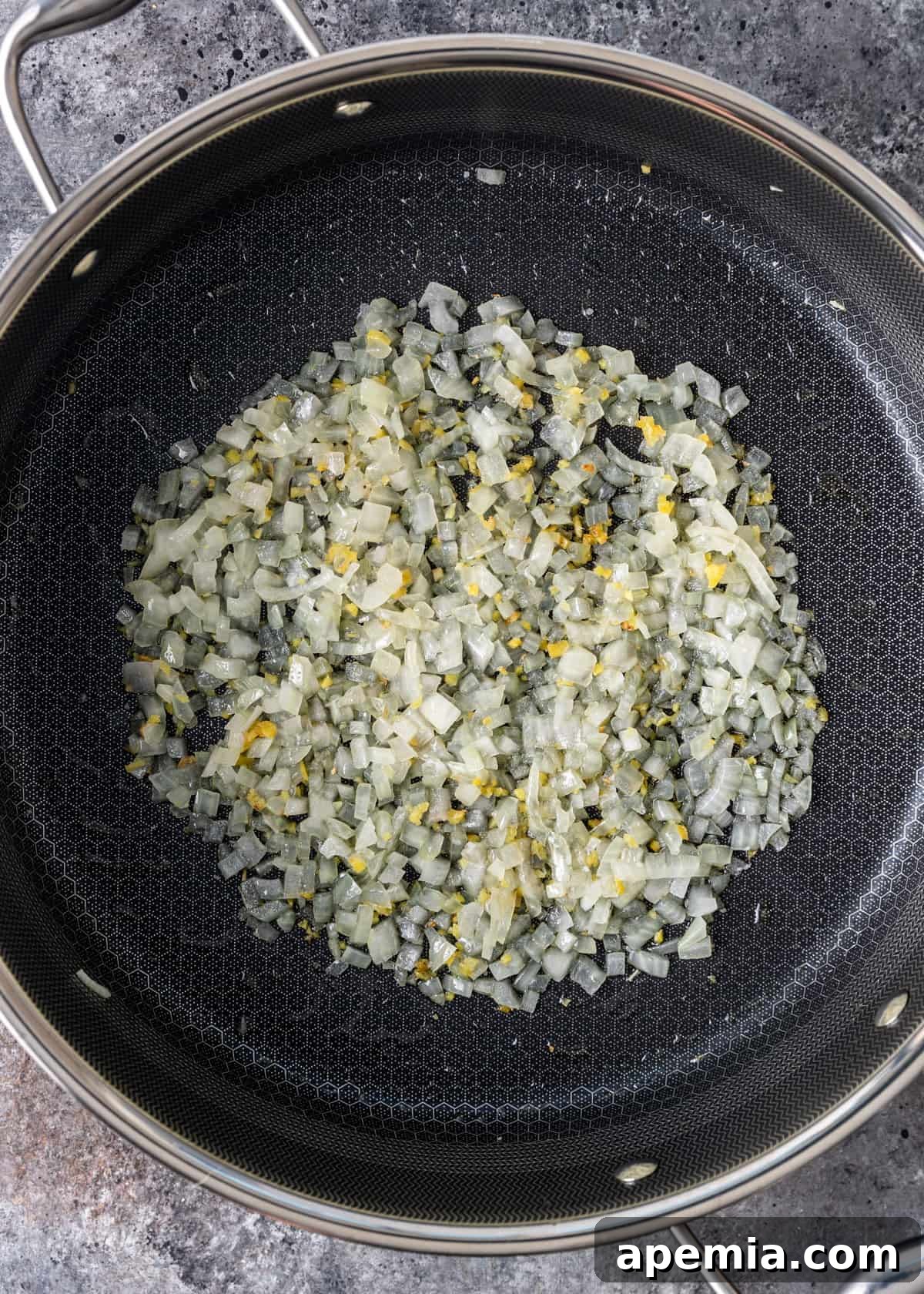
- Heat the Oil and Sauté Aromatics: Begin by placing a large soup pot, Dutch oven, or your tagine over medium heat. Add the ghee or olive oil and allow it to shimmer. Introduce the chopped onions and minced ginger, sautéing them for several minutes until they become wonderfully soft and the onions turn translucent. This step forms the aromatic foundation of your tagine.
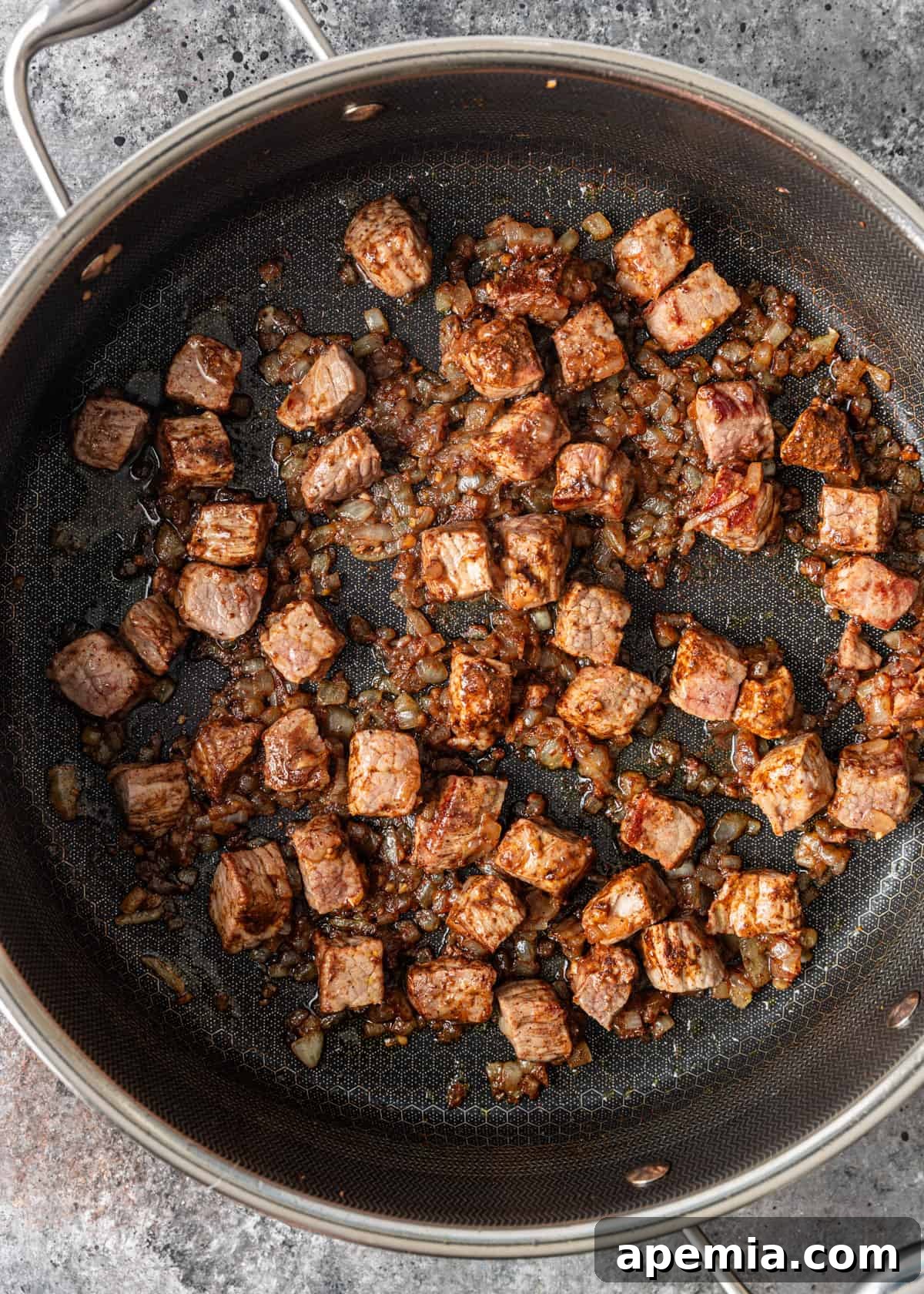
- Sear the Beef and Build Flavor: Add the beef cubes to the pot and sear them on all sides until nicely browned. This crucial step locks in the juices and develops rich, complex flavors. Next, sprinkle in the ras-el-hanout, ensuring it coats the beef and aromatics. Pour in enough water to just cover the beef. Bring the mixture to a gentle boil, then reduce the heat to low, cover the pot tightly, and let it simmer for approximately 40 minutes. This initial simmer tenderizes the beef and allows the spices to infuse deeply.
- Prepare the Vegetables: While the beef is simmering, peel both sweet potatoes. Chop one sweet potato into larger 1-inch sized cubes; these will hold their shape better. Dice the other sweet potato into smaller ½-inch sized cubes; these smaller pieces will gently break down during cooking, helping to naturally thicken the sauce and add creaminess. Separately, chop the preserved lemon (removing any seeds) and the fresh tomatoes, then set them aside.
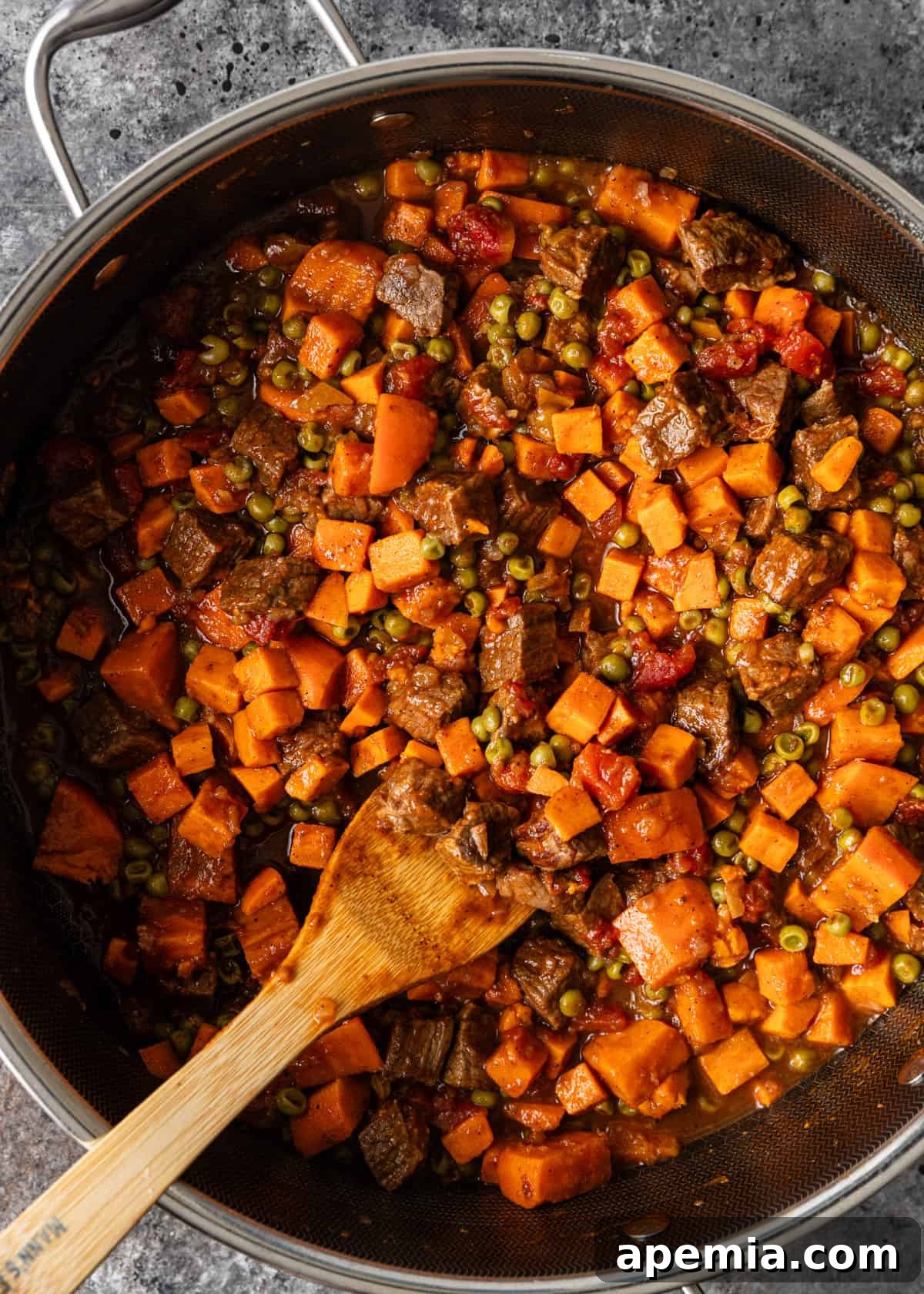
- Add the Sweet Potatoes: After the initial 40 minutes of simmering, carefully remove the lid. Add both sizes of chopped sweet potatoes to the pan with the beef. Stir everything well to combine, return the lid, and continue to simmer for an additional 20 minutes.
- Incorporate Remaining Vegetables: Now, it’s time to add the remaining fresh ingredients. Thoroughly mix in the chopped tomatoes and peas. Cover the pot once again and allow it to simmer for another 10 minutes. This final short cook ensures the peas remain vibrant and tender, and the tomatoes integrate into the sauce.
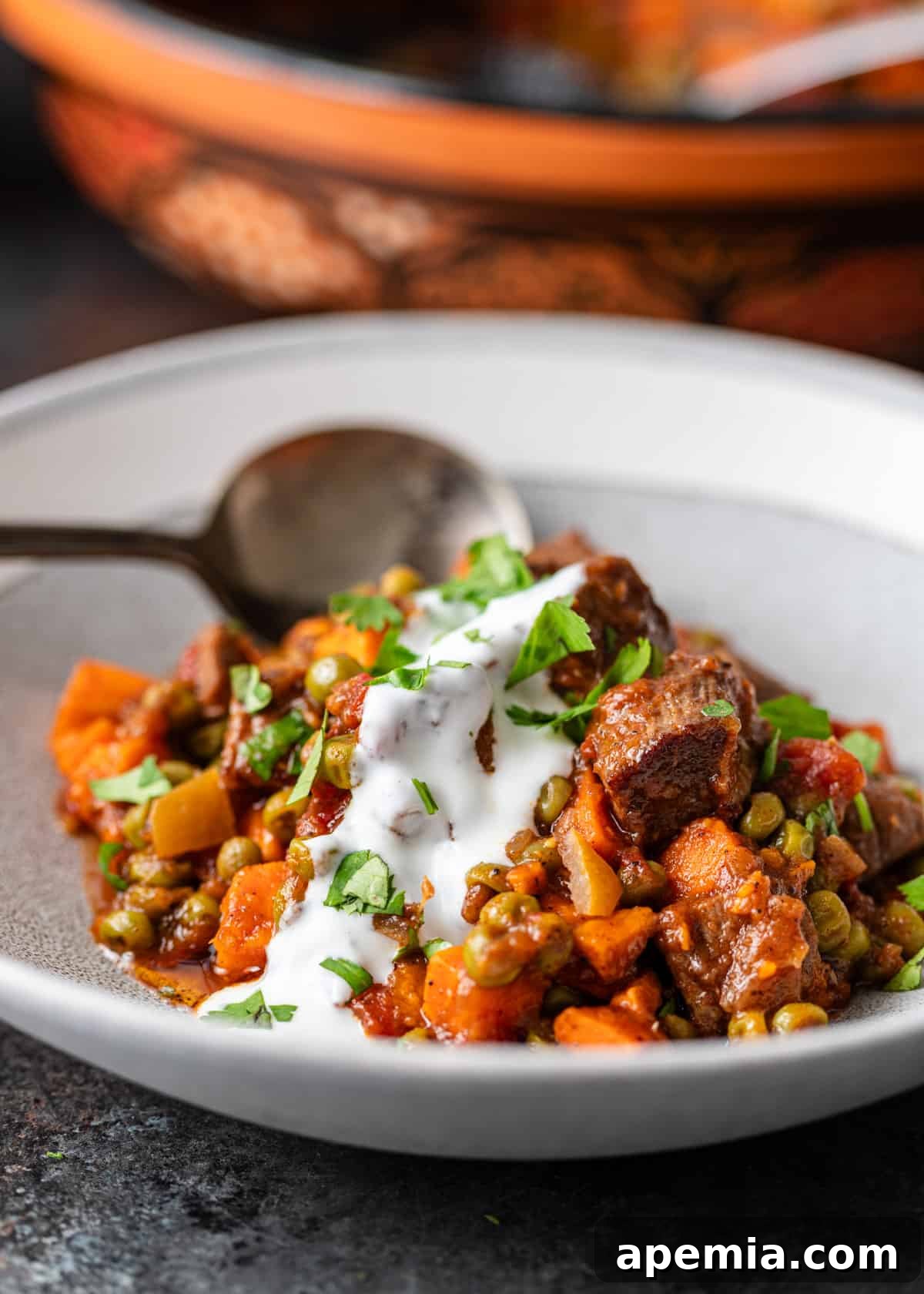
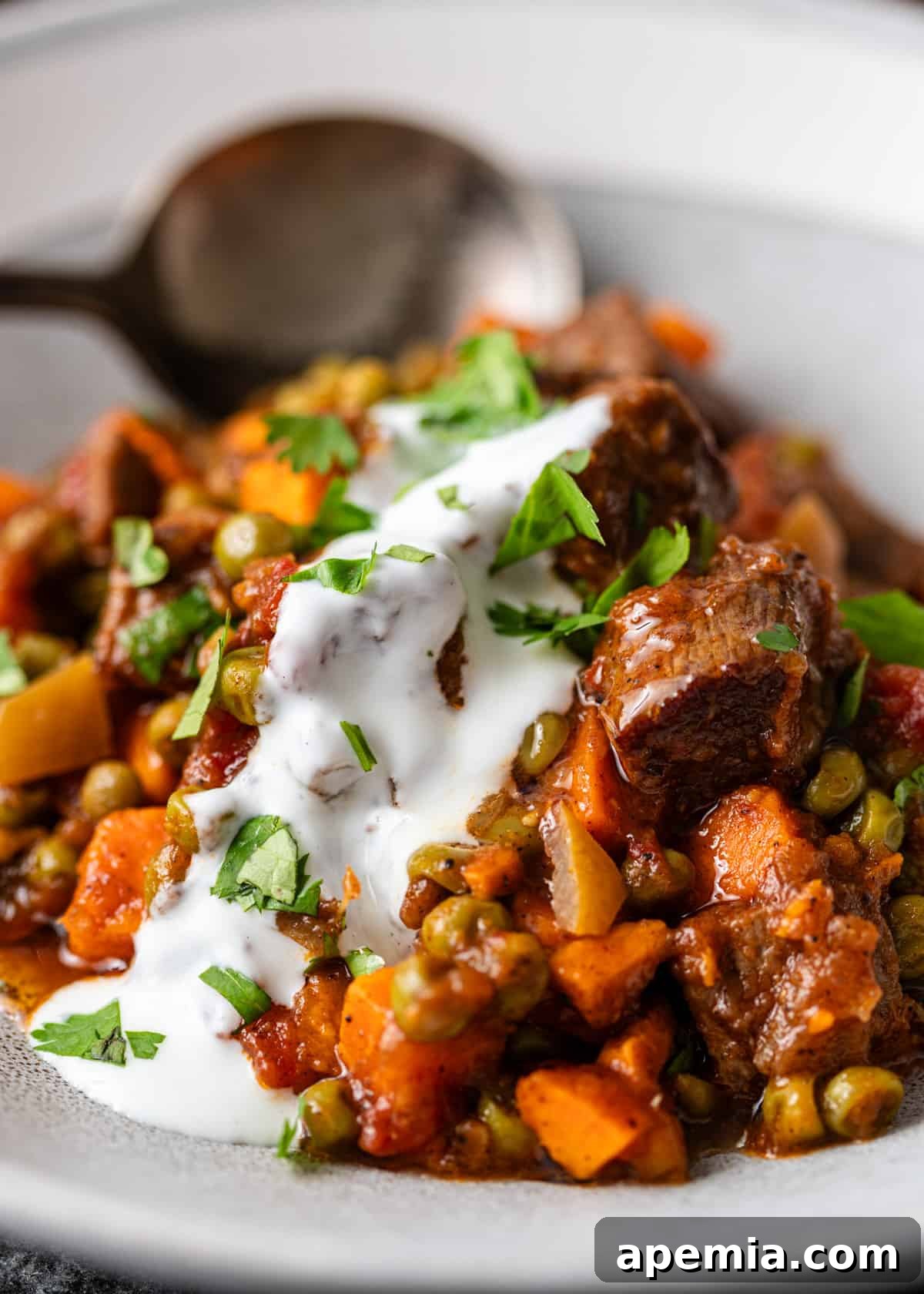
- Final Seasoning and Serving: Finally, stir in the chopped preserved lemon pieces. Taste the tagine and adjust any seasoning as needed – perhaps a pinch more salt or a dash of black pepper. Ladle the rich stew into bowls, top generously with fresh cilantro, and serve hot alongside plain yogurt or labneh and your favorite crusty bread for dipping.
Expert Tips for Success
- Browning the Beef: Don’t rush this step! Searing the beef cubes on all sides creates a beautiful crust, which adds immense depth of flavor to the stew. Do it in batches if necessary to avoid overcrowding the pot, which can steam the meat instead of browning it.
- Layering Flavors: The key to a truly magnificent tagine is building flavors in layers. Sautéing the aromatics (ginger and onion) first, then browning the beef, and finally adding the spices before simmering, ensures each component contributes its best.
- Spice Adjustment: Ras el Hanout blends can vary in potency. If you’re unsure, start with a slightly smaller amount and adjust to taste towards the end of cooking.
- Quality of Preserved Lemons: The better the quality of your preserved lemons, the more vibrant and complex the flavor they’ll impart. If making your own, allow them ample time to cure.
- Gentle Simmering: A tagine is not meant to be boiled vigorously. Maintain a low, gentle simmer throughout the cooking process. This ensures the beef remains tender and the vegetables cook evenly without turning mushy.
- Don’t Overstir: Once the sweet potatoes are added, stir gently to combine. Excessive stirring can cause the smaller sweet potato pieces to disintegrate too quickly.
Serving Suggestions
Moroccan tagine is all about communal eating and sharing. In Morocco, it’s traditional for families to gather around the pot and scoop the stew directly with their hands or pieces of bread. Embrace this communal spirit or choose from these delightful accompaniments to round out your meal:
- Grains: Spoon your tagine over fluffy couscous, like this vibrant Pomegranate Couscous, aromatic Saffron Rice, or hearty Egyptian Barley. The grains absorb the rich sauce beautifully.
- Fresh Bread: Essential for soaking up every last drop of the delicious sauce. Offer warm Pita Bread (Khubz), flavorful Zaatar Bread (Manakeesh), or any crusty bread of your choice.
- Salads: Complement the richness of the tagine with a light, refreshing salad. A Chilled Moroccan Carrot Salad or a crisp Lebanese Fattoush would be perfect.
- Other Moroccan Favorites: For a truly elaborate Moroccan feast, pair your beef tagine with other regional specialties, such as these tasty Moroccan Couscous Cakes.
- Garnishes and Toppings: Elevate the experience with a variety of toppings. Offer extra Preserved Lemons, a dollop of creamy plain yogurt or homemade Labneh, a drizzle of spicy Moroccan Harissa Paste for those who love heat, fresh cilantro, toasted nuts (like almonds), or even some dried fruits (like apricots or prunes) for added sweetness.
Storage and Reheating
Beef tagine often tastes even better the next day, as the flavors have more time to deepen and meld. Proper storage ensures you can enjoy your leftovers safely and deliciously.
- Refrigeration: Allow the tagine to cool completely before transferring it to an airtight container. Store it in the refrigerator for 3-5 days.
- Freezing: For longer storage, beef tagine freezes beautifully. Once completely cooled, transfer the stew to freezer-safe bags or containers. I recommend dividing it into smaller, single-serving portions to make thawing and reheating easier. It can be stored in the freezer for up to 3 months.
- Thawing: If frozen, thaw the tagine overnight in the refrigerator before reheating.
- Reheating: The best method for reheating beef tagine is on the stovetop over medium-low heat. Add a splash of water or broth if it appears too thick. Stir occasionally until heated through. You can also reheat individual portions in the microwave, stirring halfway through.
Frequently Asked Questions
While both are slow-cooked dishes, a tagine is specifically associated with North African, particularly Moroccan, cuisine and traditionally cooked in its namesake conical pot. This pot’s unique design creates a self-basting environment, keeping the stew exceptionally moist and tender. Tagines also often feature a distinctive blend of spices like Ras el Hanout and ingredients like preserved lemons, giving them a flavor profile that is distinct from Western-style stews, which might use different spice combinations, thickeners, and cooking vessels.
Absolutely! While this recipe focuses on beef, the spice profile and cooking method are highly adaptable. You can easily create a delicious vegetarian tagine by substituting the beef with hearty vegetables like chickpeas, lentils, additional sweet potatoes, zucchini, eggplant, or even firm tofu. Adjust cooking times as needed for your chosen vegetables.
Preserved lemons offer a much more complex, mellow, and intensely salty-tart flavor compared to fresh lemons. The preserving process mellows the bitterness of the rind and concentrates the citrusy essence, making them a unique and indispensable ingredient in authentic Moroccan cuisine. Fresh lemon juice or zest could be used as a last resort, but the flavor will not be the same. The saltiness of preserved lemons also means you’ll need less added salt in the overall dish.
Ras el Hanout is a cornerstone of this dish’s flavor. If you cannot find it, you can create a simplified approximation by combining ground cumin, coriander, turmeric, ginger, black pepper, and a pinch of cinnamon or nutmeg. While it won’t be exactly the same, it will provide a similar warm, aromatic profile. Better yet, try making your own blend from a reliable recipe for the most authentic taste.
Share this recipe on Pinterest!
Love this recipe? Share it with the world on Pinterest to inspire others to cook authentic Moroccan cuisine.
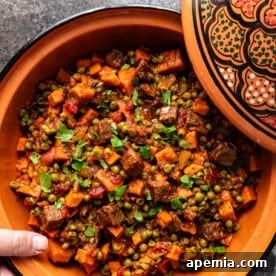
Beef Tagine with Sweet Potatoes (Moroccan Beef Stew)
★
★
★
★
4
15 mins
1 hr 18 mins
1 hr 33 mins
🖶Print Recipe
Equipment
-
Tagine or
-
Dutch Oven
-
Large Soup Pot
Ingredients
- 2 tbsp ghee or olive oil
- 1 1/2 inch piece fresh ginger peeled and minced
- 1 yellow onion chopped
- 2 lbs lean beef (e.g., chuck roast, top round, or eye of round)
- 2 tsp ras-el-hanout
- 1 tsp kosher salt
- 2 sweet potatoes
- 1 lb fresh or frozen peas
- 3 tomatoes peeled and chopped
- 1 preserved lemon chopped
For Serving (Optional)
- 1/4 cup fresh cilantro leaves chopped fine
- Plain yogurt or Labneh
- Crusty bread
Instructions
-
In a large Dutch oven, soup pot, or tagine, heat the ghee or oil over medium heat. Add the minced ginger and chopped onion, cooking until they are soft and the onion becomes translucent (about 5-7 minutes).
-
Increase heat slightly, add the beef cubes to the pot, and sear them on all sides until nicely browned. Stir in the ras-el-hanout and the kosher salt. Pour in enough water to just cover the beef. Bring the mixture to a boil, then reduce the heat to low, cover tightly, and simmer for 40 minutes.
-
While the beef simmers, peel both sweet potatoes. Dice one sweet potato into 1/2-inch pieces (these will help thicken the sauce) and cube the other into 1-inch pieces. Chop the peeled tomatoes and the preserved lemon, then set them aside.
-
After 40 minutes, add all the sweet potato pieces to the beef. Stir them through gently, cover the pot, and continue to cook for another 20 minutes on low heat.
-
Add the chopped tomatoes and peas to the pot. Stir gently to combine, cover once again, and simmer for an additional 10 minutes.
-
Finally, stir through the chopped preserved lemon pieces. Taste the tagine and adjust seasoning if necessary. Garnish with freshly chopped cilantro before serving with plain yogurt or labneh and your preferred bread.
Notes
- Chuck roast, top round steak, or beef eye of round are excellent choices for this recipe, ensuring tender results.
- A Dutch oven or a heavy-bottomed pot with a tight-fitting lid can be used as an effective substitute for a tagine, yielding similar slow-cooking results.
- This recipe has been lovingly adapted from Ghilie Basan’s classic work, Moroccan One Pot Cooking Tagines and Couscous.
Nutrition
Calories: 679 kcal | Carbohydrates: 43g | Protein: 52g | Fat: 34g | Saturated Fat: 16g | Polyunsaturated Fat: 3g | Monounsaturated Fat: 15g | Trans Fat: 2g | Cholesterol: 176mg | Sodium: 836mg | Potassium: 1482mg | Fiber: 11g | Sugar: 12g | Vitamin A: 17015IU | Vitamin C: 51mg | Calcium: 125mg | Iron: 8mg
The information shown is an estimate provided by an online nutrition calculator. It should not be considered a substitute for a professional nutritionist’s advice.
Main Dishes
Moroccan
Kevin
Have You Made This Recipe? Let Me Know on Instagram
Tag @keviniscooking or use the hashtag #keviniscooking!