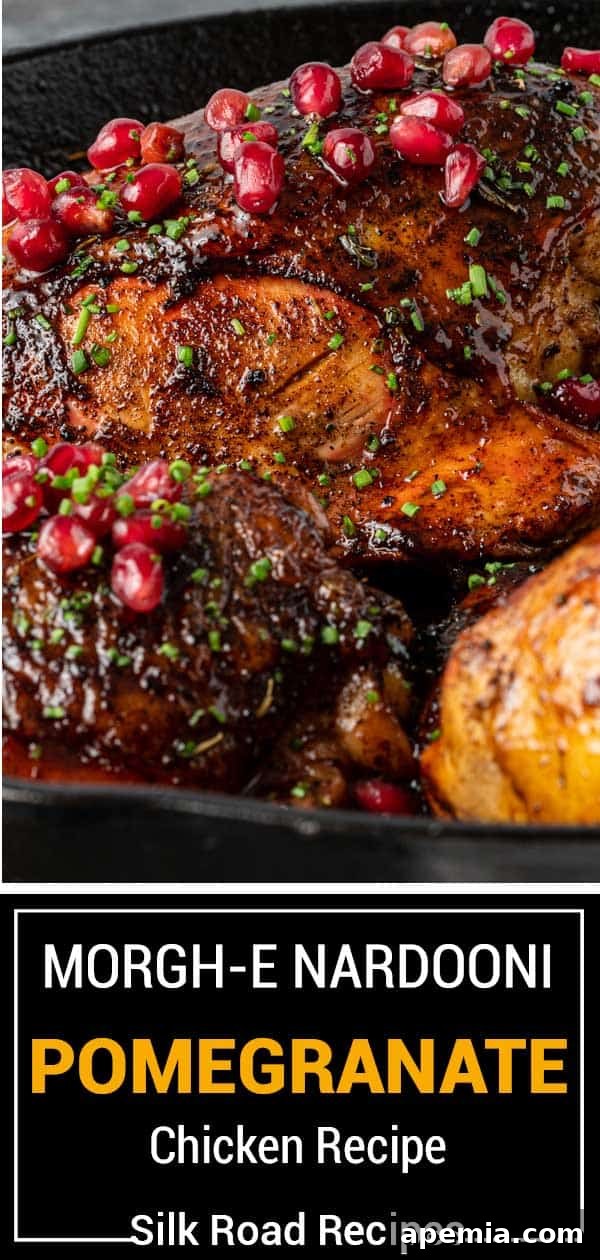
Easy One-Pan Pomegranate Chicken (Morgh-e Nardooni)
Prepare to fall in love with this incredibly simple and outrageously flavorful Pomegranate Chicken, also known as Morgh-e Nardooni in Persian cuisine. This exquisite dish brings the vibrant tastes of the Middle East straight to your kitchen, requiring no marinating and coming together in a mere 30 minutes. Each piece of chicken is quickly seared to perfection, then baked in a luxurious, sticky, and tangy pomegranate sauce infused with lemony sumac and aromatic cardamom, guaranteeing perfectly juicy results every time.
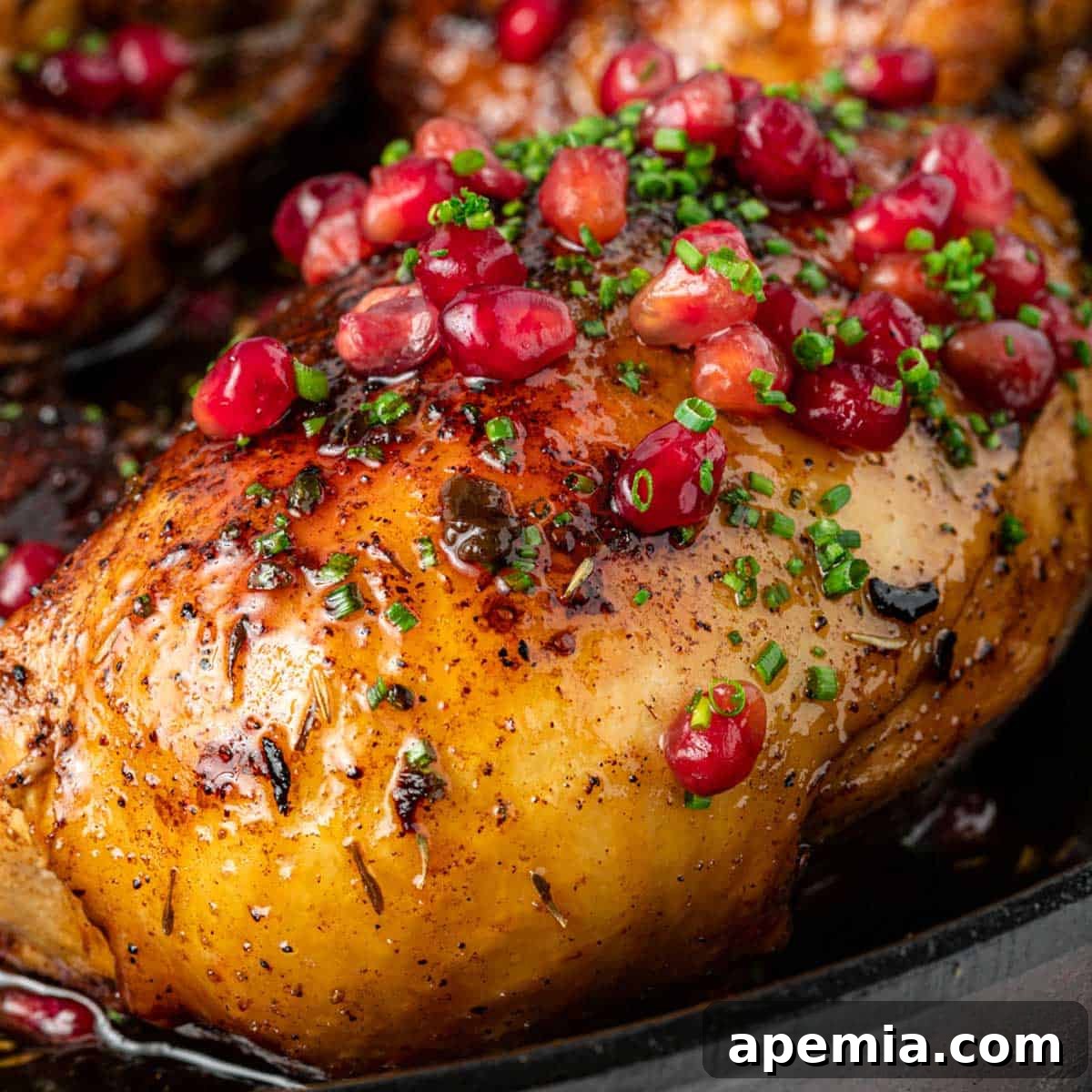
Imagine a dish that’s quick, easy, and can be cooked entirely in one pan – that’s precisely what our Morgh-e Nardooni delivers. It’s the ideal weeknight meal that tastes like it took hours to prepare. The secret lies in a harmonious blend of carefully selected spices and the star ingredient: rich pomegranate molasses.
The Essence of Middle Eastern Flavors: Key Spices
While this recipe keeps the spice list concise, each ingredient plays a vital role in building the unique flavor profile of this Persian chicken dish. Alongside a touch of salt and the warm, slightly peppery notes of cardamom, we celebrate one of my absolute favorite Middle Eastern spices: sumac. This vibrant, lemony spice is a staple in Persian and other Middle Eastern cuisines, offering a bright zest that perfectly complements the rich pomegranate. You can easily find sumac in most Middle Eastern markets or through online retailers. (A link to my preferred brand is included in the ingredient notes below for your convenience.)
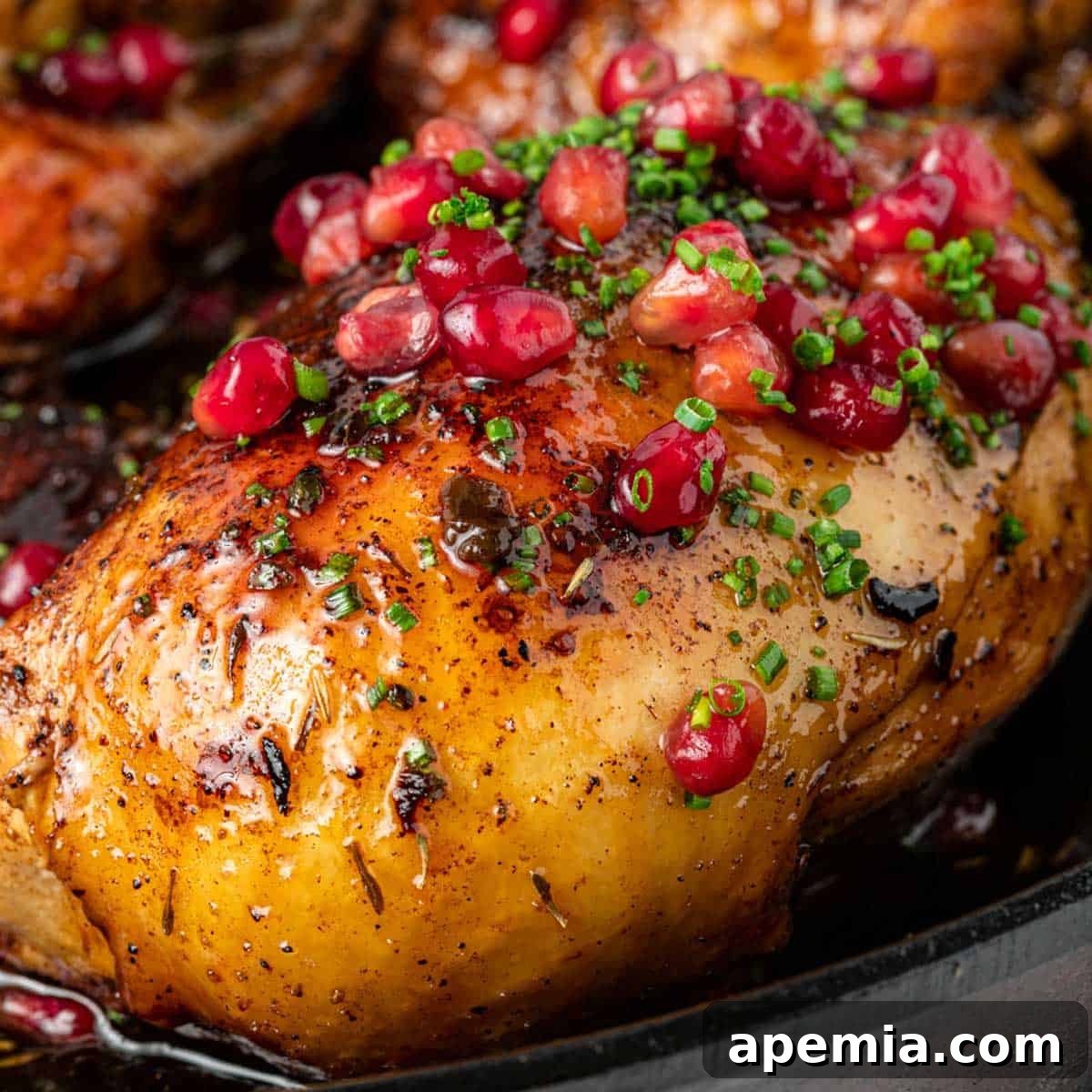
However, the true heart of this dish, the element that truly elevates it to culinary excellence, is the thick, sticky, and irresistibly tangy pomegranate sauce. Enhanced with a generous bundle of fresh herbs and a hint of red pepper, you’ll find yourself savoring every single drop. This sauce isn’t just a coating; it’s a luscious embrace that permeates the chicken, creating an unforgettable culinary experience.
Table of Contents
- The Star of the Show: Pomegranate Molasses
- Pomegranates in Cuisine: A Culinary Journey
- Ingredient Notes and Smart Substitutions
- How to Make Pomegranate Chicken: Step-by-Step
- Recommended Kitchen Tools
- Storing and Reheating Leftovers
- Frequently Asked Questions
- Pomegranate Chicken (Morgh-e Nardooni) Recipe Card
The Star of the Show: Pomegranate Molasses
Pomegranates are an ancient fruit, revered across the Middle East, North Africa, and the Mediterranean for their vibrant flavor and jewel-like arils. They pop up in a plethora of savory and sweet dishes, often as a fresh, juicy topping for crispy fried items like halloumi fries, a delightful addition to grain dishes like couscous, a tart counterpoint in traditional baba ganoush, or starring in an array of refreshing salads.
However, in this recipe, pomegranate molasses takes center stage. This thick, dark syrup is made by reducing pomegranate juice until it becomes intensely flavored, sweet-tart, and wonderfully sticky. It’s what gives Morgh-e Nardooni its signature rich color and deeply complex taste. When searching for it in Middle Eastern markets or online, you might also find it labeled as “pomegranate syrup.” Both terms refer to the same delicious, concentrated essence of pomegranate.

Ingredient Notes and Smart Substitutions
Crafting the perfect Pomegranate Chicken starts with understanding your ingredients. Here’s a deeper dive into what you’ll need and how to handle any substitutions.
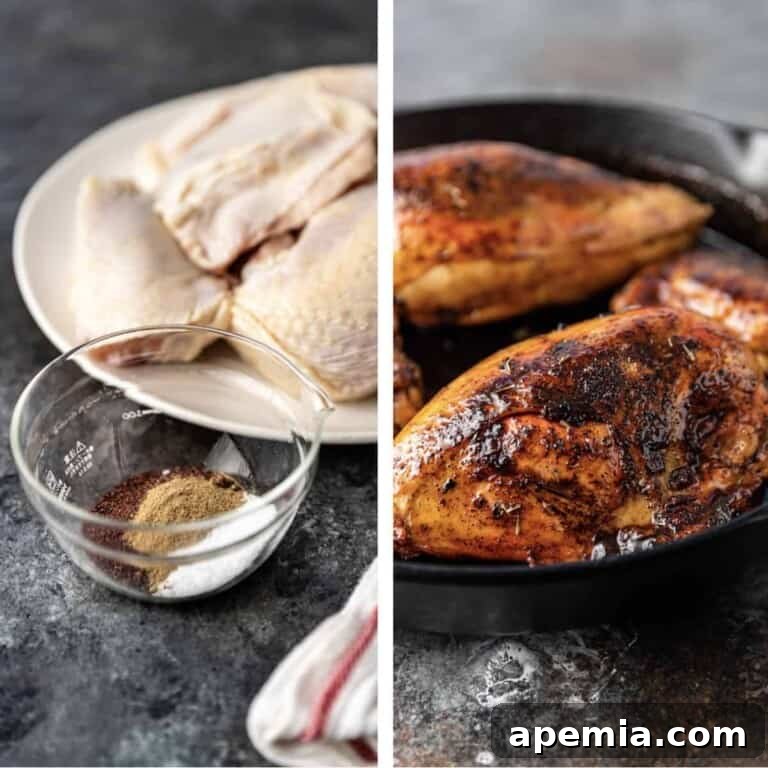
Essential Ingredients:
- Chicken: For the most flavorful and moist results, I highly recommend using bone-in, skin-on chicken pieces. Chicken thighs or a mix of thighs and breasts work beautifully. The bone adds depth of flavor, and the skin crisps up deliciously, holding onto that incredible sauce. Ensure all pieces are roughly the same size to ensure even cooking. If you opt for boneless, skinless chicken, reduce the cooking time significantly to prevent drying out.
- Pomegranate Molasses: This is truly non-negotiable for authentic Morgh-e Nardooni. Its unique balance of sweet and tart is irreplaceable. While it’s only slightly sweet, its concentrated tartness is what defines the dish. If you absolutely cannot find it, a cranberry juice concentrate (unsweetened) could offer a similar tart profile, but the depth will be different.
- Pomegranate Arils (Seeds): These jewel-toned seeds are my preferred garnish. They add a burst of fresh, juicy flavor and a beautiful textural contrast to the rich chicken. A sprinkle just before serving makes the dish pop!
Signature Seasonings:
- Sumac: This earthy, citrusy spice with its herbal and lemony notes is fundamental. It contributes a bright tanginess that’s distinct from lemon juice. If sumac is unavailable, a combination of fresh lemon zest and a tiny pinch of paprika might serve as a passable substitute, though it won’t be identical.
- Cardamom: Often associated with Indian cooking, cardamom’s presence here beautifully illustrates the historical culinary influences on traditional Persian recipes. It lends a warm, peppery, and slightly earthy fragrance that perfectly balances the sweet and tart elements. Ground coriander is the best alternative if you don’t have cardamom on hand.
- Red Pepper Flakes: A small amount adds a subtle hint of warmth to the sauce without making it overtly spicy. Adjust to your preference. Cayenne pepper or a mild chili powder can be used as alternatives.
- Salt: Essential for seasoning the chicken and balancing all the flavors.
Liquids & Herbs:
- Chicken Stock: This forms the base of our luscious sauce. Feel free to use chicken broth or a vegetable broth/stock for a lighter option.
- Fresh Thyme: Tied into a bundle, fresh thyme infuses the sauce with its delicate, almost clove-like flavor and aroma. Oregano or rosemary can be used if thyme is not available, but use sparingly as their flavors are stronger.
How to Make Pomegranate Chicken: Step-by-Step
This recipe is designed for maximum flavor with minimal effort. Follow these steps for perfect Morgh-e Nardooni:
- Prepare the Chicken & Season: Begin by preheating your oven to 400°F (200°C). In a small bowl, whisk together the ground cardamom, sumac, and 1 teaspoon of salt. Gently lift the skin of each chicken piece and rub a portion of this spice mix directly onto the meat beneath the skin. This ensures maximum flavor penetration. Sprinkle the remaining salt over the top of each chicken piece.
- Achieve the Perfect Sear: Heat 2 tablespoons of olive oil in a large oven-safe skillet (cast iron works wonderfully) over high heat. Once shimmering, carefully place the chicken pieces, skin-side down, into the skillet. Crucially, avoid overcrowding the pan; leave some space around each piece. Overcrowding can lower the pan temperature and steam the chicken instead of searing it, preventing that coveted crispy skin. Reduce the heat to medium-high and sear for 5 minutes per side until beautifully golden brown.
- Craft & Reduce the Sauce: Remove the seared chicken from the skillet and set it aside on a plate. Reduce the heat to low. Add the red pepper flakes, pomegranate molasses, the tied bundle of fresh thyme, and chicken stock to the skillet. Bring the mixture to a gentle boil, using a wooden spoon to scrape up all the delicious browned bits from the bottom of the pan – this is where much of the flavor is! Continue to cook, stirring occasionally, until the sauce has reduced by half and thickened to a sticky consistency.
- Bake to Perfection: Return the seared chicken pieces to the skillet, turning them a few times to ensure they are thoroughly coated in the luscious pomegranate sauce. Transfer the entire skillet to your preheated oven and bake for 15 to 18 minutes, or until the chicken reaches a safe internal temperature of 165°F (74°C). Use a digital meat thermometer inserted into the thickest part of the chicken (avoiding the bone) for accuracy.
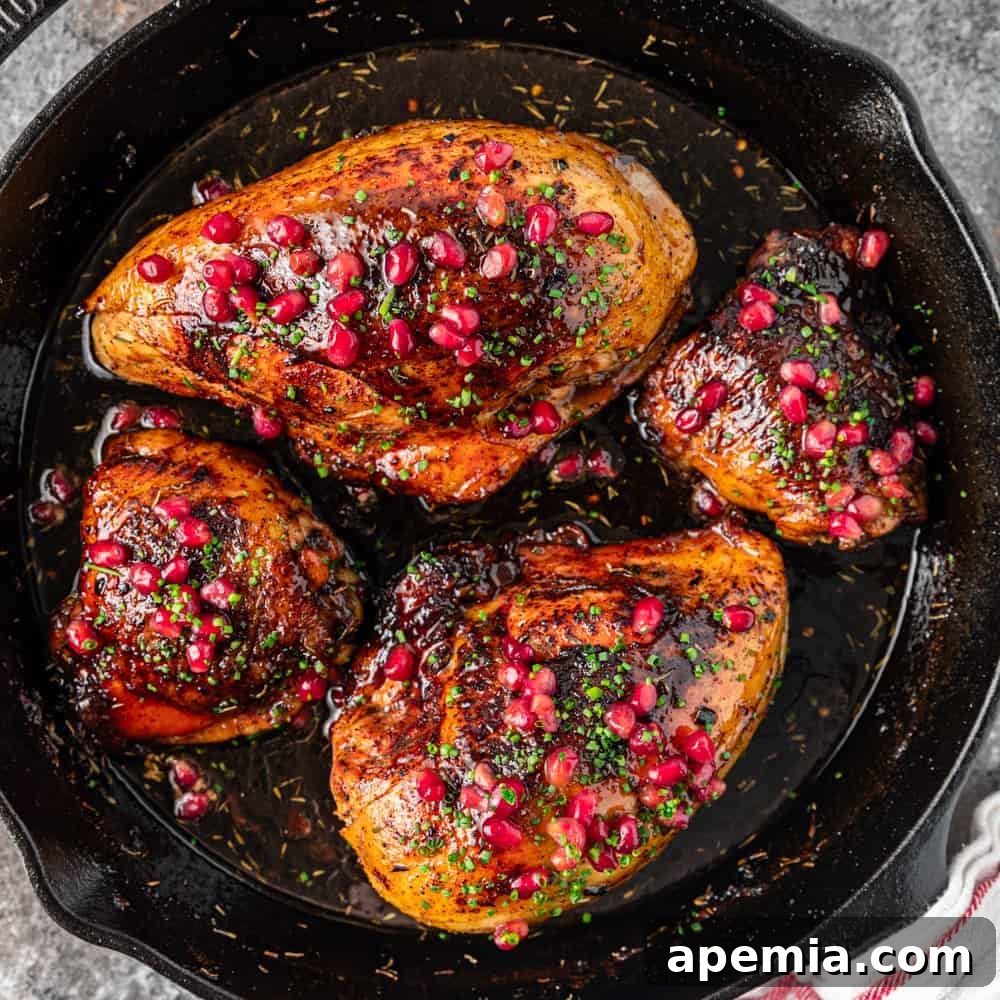
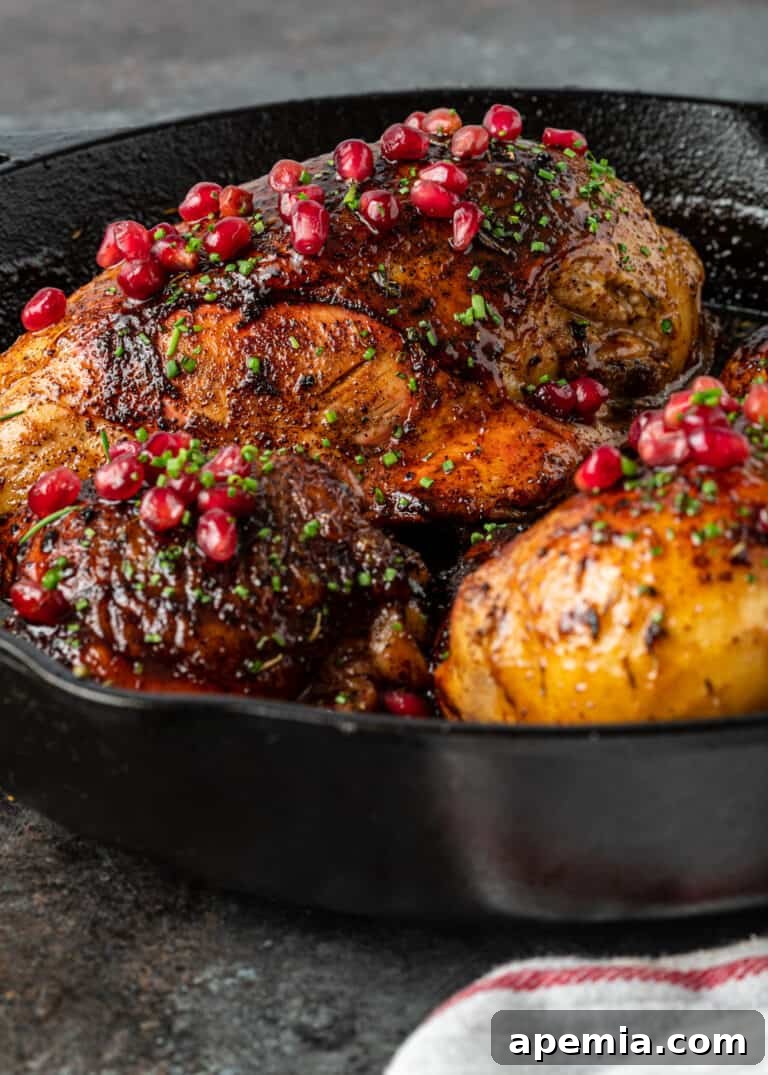
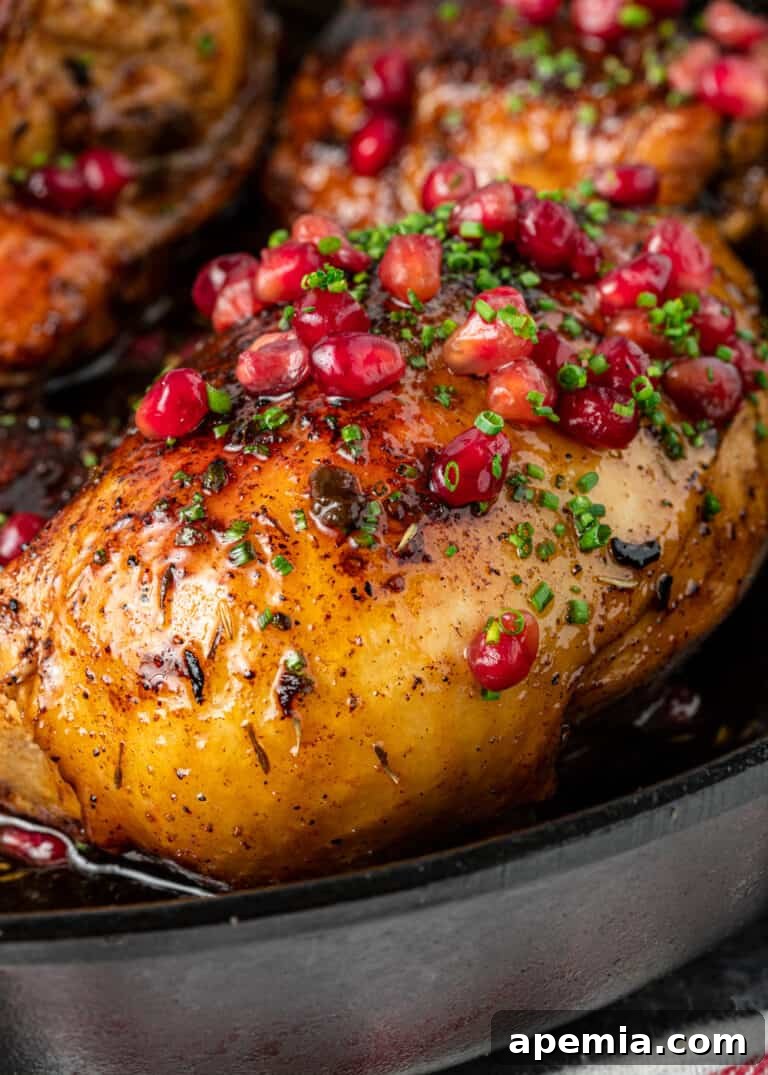
- Serve with Flair: Once baked, remove the skillet from the oven and let the chicken rest for 5 to 10 minutes. This allows the juices to redistribute, ensuring maximum tenderness. Generously spoon the rich pomegranate reduction over each piece of chicken. Garnish with fresh pomegranate arils (seeds) and finely chopped chives for an added burst of freshness and color. Serve immediately with your favorite sides.
Recommended Kitchen Tools
To make this Pomegranate Chicken recipe a breeze, a few key tools will be invaluable:
- Oven-Safe Skillet or Dutch Oven: A cast iron skillet is ideal for its ability to go from stovetop to oven and its excellent heat retention, which helps create a perfect sear and even bake. Any oven-safe pan will work.
- Digital Meat Thermometer: Essential for ensuring your chicken is cooked to a safe internal temperature of 165°F (74°C) without overcooking and drying it out.
Storing and Reheating Leftovers
Leftover Pomegranate Chicken is just as delightful the next day! Store any uneaten portions in an airtight container in the refrigerator for up to 4 days. You can store the chicken and sauce together or separately, though keeping them together allows the chicken to soak up even more flavor.
To reheat, place the chicken in an oven-safe dish and warm it at a low temperature (around 300°F or 150°C) until heated through. I recommend drizzling a little extra chicken stock or even a touch more pomegranate molasses over the chicken before reheating to ensure it remains moist and flavorful.
Loved this recipe? Share it with your friends and family!
Pin this delicious Pomegranate Chicken (Morgh-e Nardooni) recipe to your boards on Pinterest and inspire others!
Share on Pinterest
Frequently Asked Questions
Pomegranate chicken is incredibly versatile! For classic Middle Eastern pairings, consider serving it with a fluffy tomato bulgur pilaf or a delicate Turkish orzo rice. These grains are perfect for soaking up every last drop of the rich sauce. You can also pair it with roasted potatoes; these tangy Lebanese potatoes (Batata Harra) would add a wonderful kick. For a lighter, fresher contrast, a crisp salad is always a good choice. Why not make this vibrant Turkish tomato salad with pomegranate molasses to echo the main dish’s flavors and add some delightful crunch?
For this pomegranate chicken recipe, I genuinely don’t have a strong preference between chicken thighs and breasts – both are fantastic options! What I *do* strongly recommend, however, is using bone-in cuts with the skin left on. Bone-in meat consistently delivers superior flavor and retains moisture exceptionally well, ensuring your chicken stays wonderfully juicy. The skin is a game-changer, becoming marvelously crispy and delicious as the sticky, fruity sauce bakes onto it, adding an incredible texture and richness that elevates the entire dish.
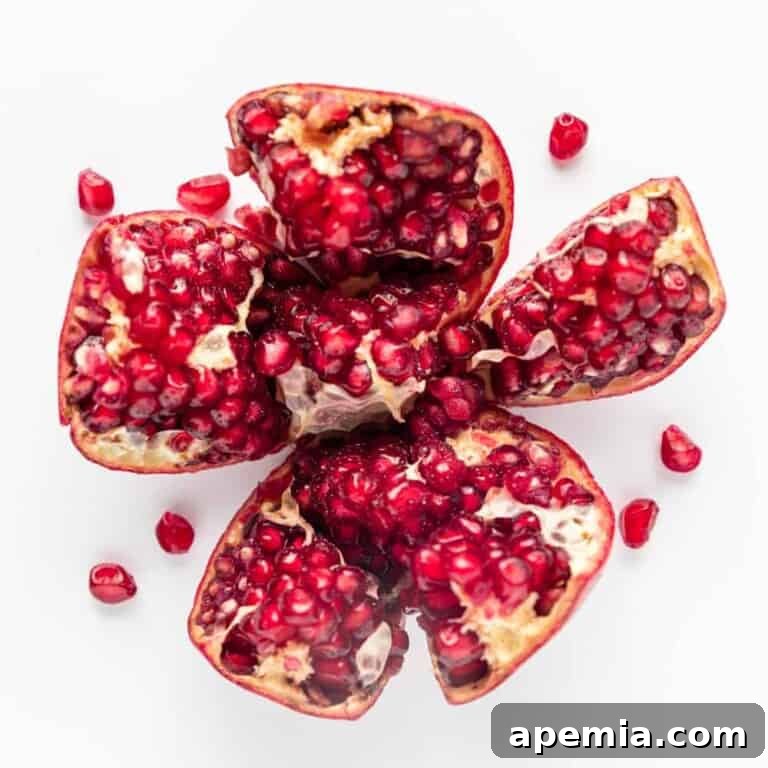
Extracting pomegranate arils (seeds) might seem tricky at first, but it’s surprisingly easy with a simple technique:
1. Gently roll the whole pomegranate on your counter with a little pressure to soften it slightly.
2. Use a sharp knife to cut around the middle of the fruit, just deep enough to slice through the rind, but not all the way through the arils.
3. Hold one half of the pomegranate upside-down over a large bowl filled with water. With a wooden spoon, firmly tap the back of the pomegranate while gently squeezing the fruit. The arils will quickly fall out into the water.
4. Repeat with the other half. The water helps to separate the arils from any white membrane. Simply scoop the arils out of the water using your hands or a slotted spoon, and they are ready to use!
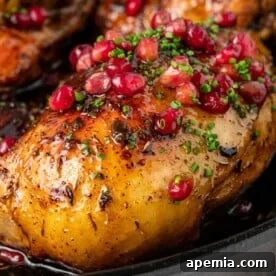
Pomegranate Chicken (Morgh-e Nardooni)
My oven-roasted pomegranate chicken is a quick and easy Persian dish featuring juicy chicken in a thick, cardamom-spiced pomegranate sauce. Ready in just 30 minutes!
4
5 mins
28 mins
33 mins
Print Recipe
Video
Watch how to make this delicious Pomegranate Chicken (Morgh-e Nardooni) in our recipe video!
Replace ‘YOUR_VIDEO_ID’ with the actual YouTube video ID for the recipe.
Ingredients
- 2 lbs bone-in chicken pieces (See Note 1)
- 1 tsp ground cardamom
- 1 tbsp sumac
- 2 tsp salt, divided
- 2 tbsp olive oil
- 1/8 tsp red pepper flakes
- 1 cup pomegranate molasses
- 1/2 cup chicken stock
- 6 sprigs fresh thyme, tied
Garnish
- Pomegranate seeds (arils)
- Fresh chives, chopped fine
Instructions
- Preheat oven to 400°F (200°C).
- In a small bowl, mix the cardamom, sumac, and 1 teaspoon salt. Lift the skin of the chicken pieces, push the spice mix beneath the skin, and rub. Sprinkle the remaining salt over the top of each piece.
- Heat a cast iron pan or skillet on high. Add olive oil to the pan and place the chicken skin-side down. Reduce heat to medium-high. Ensure there’s space around each piece to sear and brown the chicken, not steam it. Brown for 5 minutes per side.
- Remove chicken from pan and set aside. Turn heat to Low. Add red pepper flakes, pomegranate molasses, thyme bundle, and chicken stock. Bring to a boil and scrape the bottom of the pan to incorporate all the browned bits from frying the chicken. Allow the sauce to reduce by half. Return chicken to the pan, turning to coat. Place in the oven and roast for 15-18 minutes, or until internal temperature reads 165°F (74°C).
- Remove from oven. Spoon the pomegranate reduction generously over the chicken. Top with chopped chives, pomegranate seeds, and serve warm.
Notes
- For the best flavor and juiciness, use bone-in chicken breasts and thighs with the skin on, ensuring all pieces are of equal size. If using boneless chicken, cooking time will be less. Always ensure the internal temperature reaches 165°F (74°C) for safe consumption.
Nutrition
Carbohydrates: 28g |
Protein: 28g |
Fat: 19g |
Saturated Fat: 4g |
Trans Fat: 1g |
Cholesterol: 83mg |
Sodium: 1287mg |
Potassium: 328mg |
Fiber: 1g |
Sugar: 21g |
Vitamin A: 197IU |
Vitamin C: 3mg |
Calcium: 24mg |
Iron: 1mg
The information shown is an estimate provided by an online nutrition calculator. It should not be considered a substitute for a professional nutritionist’s advice.
Main Dishes
Middle Eastern, Persian
Kevin
Have You Made This Recipe? Let Me Know on Instagram!
Tag @keviniscooking or use the hashtag #keviniscooking!