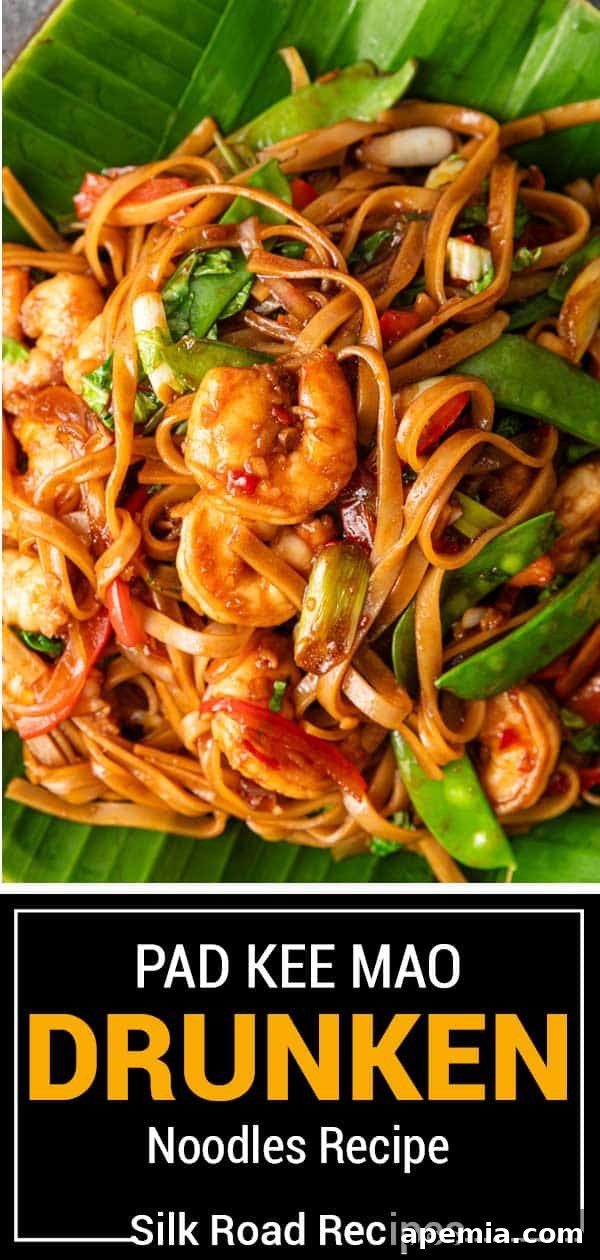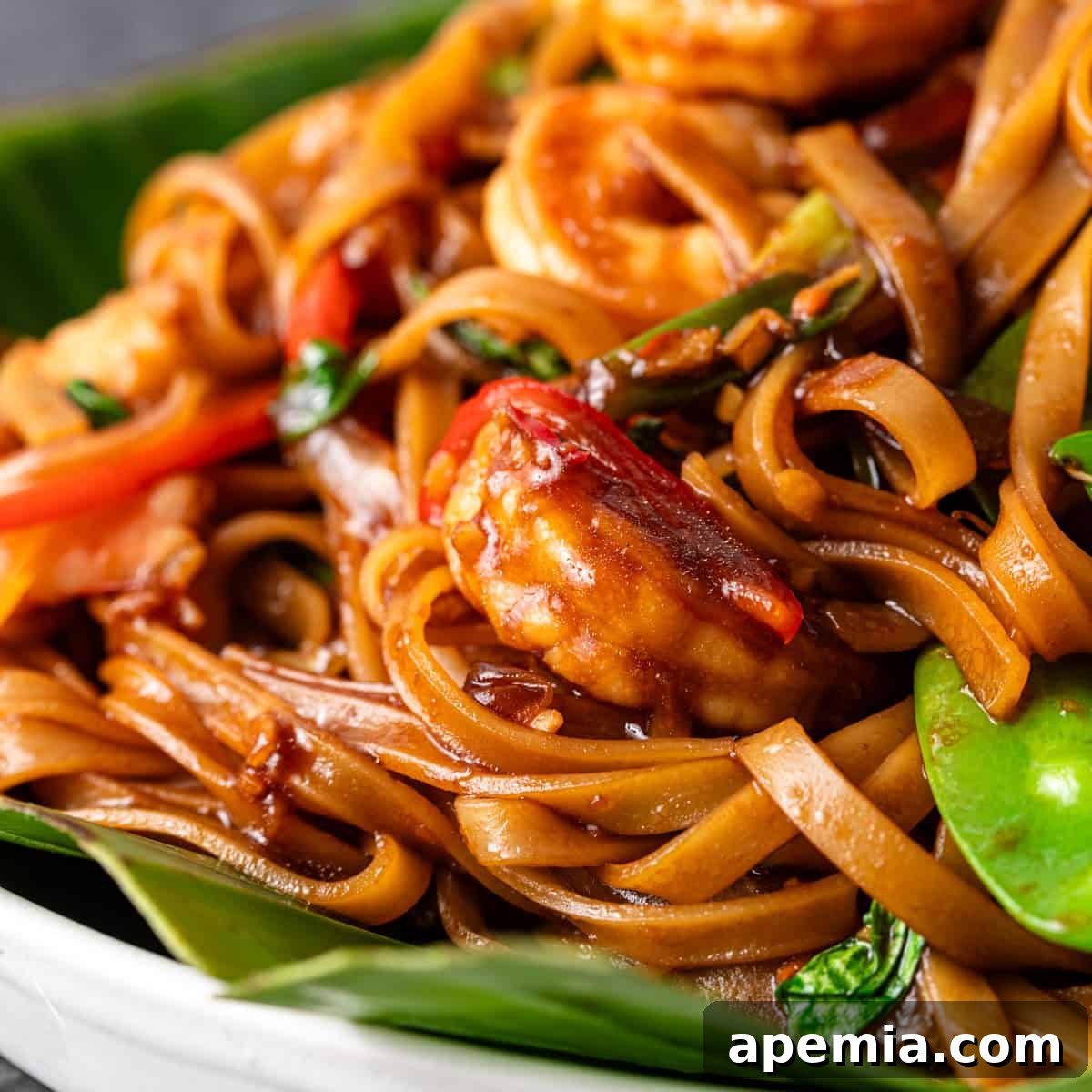
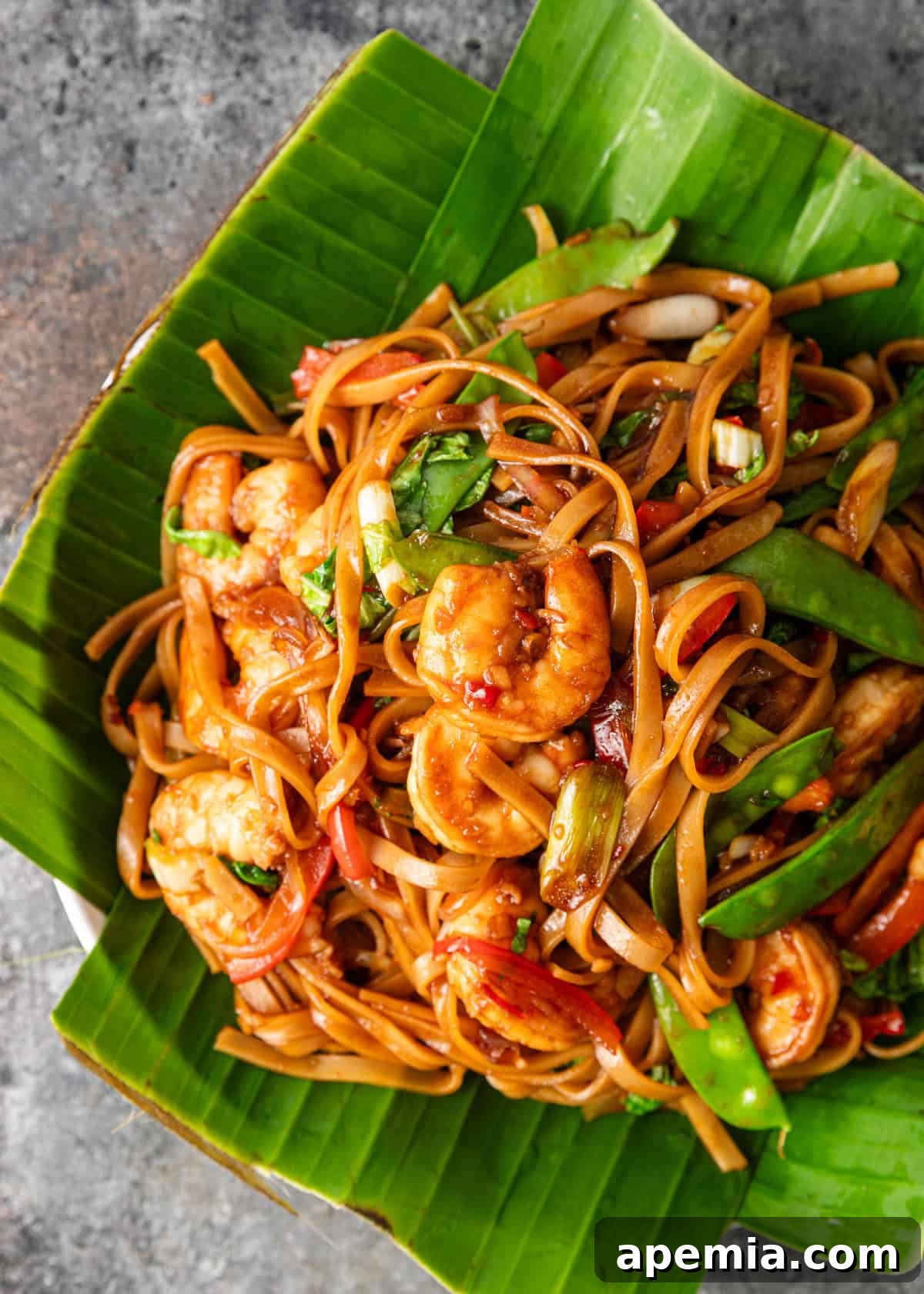
Experience the thrill of authentic Thai cuisine with these incredibly flavorful and rapidly prepared drunken noodles, also known as Pad Kee Mao. This iconic dish is a fiery, aromatic stir-fry featuring broad, chewy rice noodles, your choice of tender protein, and a vibrant assortment of fresh vegetables, all brought together by a rich, savory, and wonderfully spicy sauce. Garnished with fragrant Thai basil, it’s a culinary masterpiece that comes together in mere minutes, promising an exhilarating dance of flavors with every bite.
Unraveling the Mystery: How Drunken Noodles Got Their Name
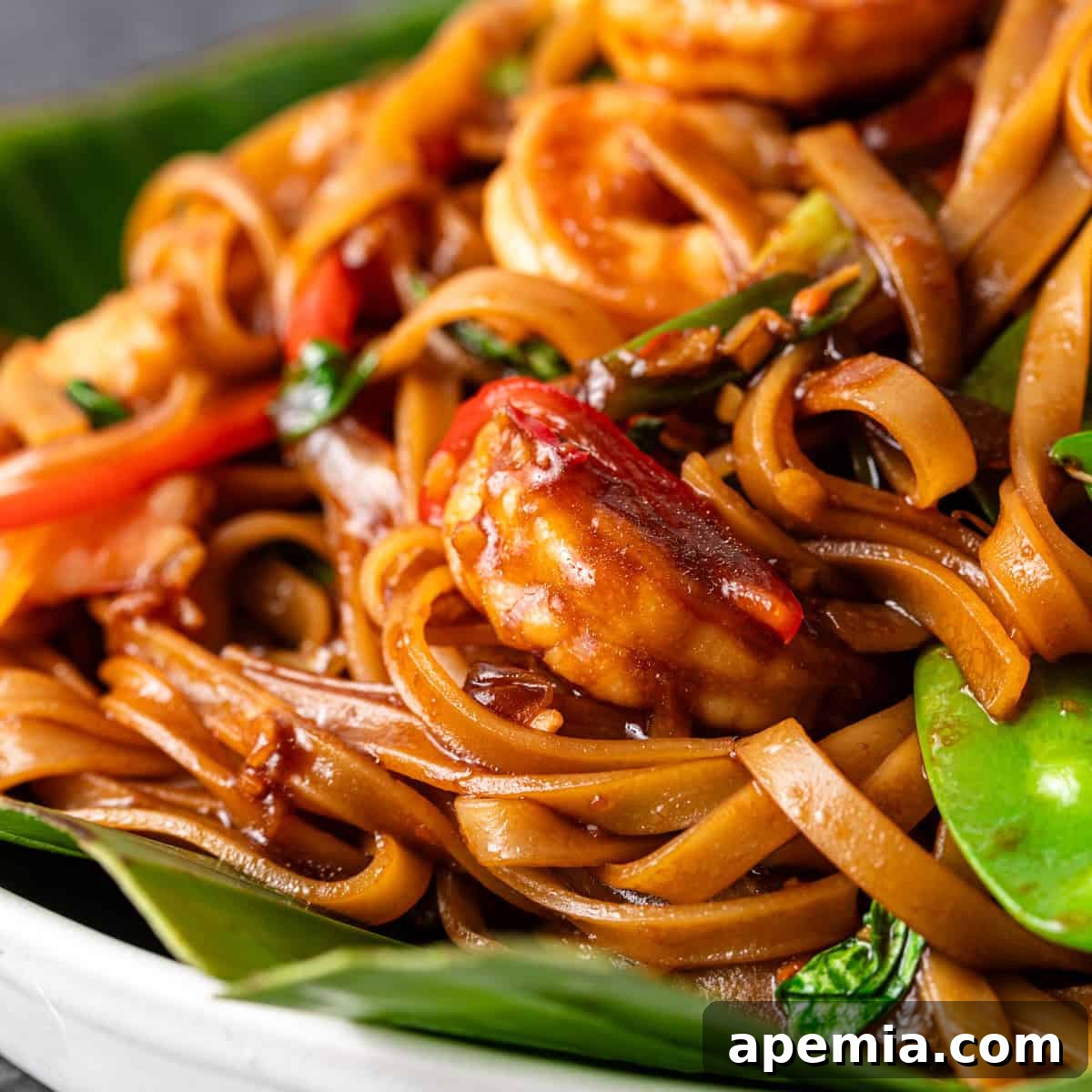
The intriguing name “Drunken Noodles” often sparks curiosity. While there are a few theories, the most popular and charming explanation is rooted in its origin as a quintessential Thai street food. Legend has it that Pad Kee Mao became the ultimate comfort meal after a long night out, particularly for those who may have indulged a little too much. Its bold, spicy flavors, combined with a satisfying chewiness from the wide rice noodles, were believed to be the perfect remedy for a hangover. Some even suggest that one would need to be “drunk” to truly appreciate its intense heat – or perhaps, that it’s best enjoyed with a tall, cold glass of beer to temper the spice! Regardless of its exact etymology, this dish has cemented its status as a beloved culinary staple, deeply ingrained in Thai food culture.
My own journey into the world of Drunken Noodles began on the bustling streets of Bangkok, where I savored this incredible dish not once, but twice. The vibrant atmosphere and incredible aromas found in the city’s night markets are truly unforgettable. To get a glimpse of the energetic environment that inspired this recipe, here’s a quick video from our first evening exploring the culinary wonders of Bangkok:
The Quintessential Thai Flavor Profile: Sweet, Spicy, and Savory Harmony
The iconic combination of sweet, spicy, and savory notes is not just characteristic of Pad Kee Mao, but indeed synonymous with the broader spectrum of Thai cuisine. Thai cooking is an art form that masterfully balances these fundamental tastes, often incorporating sour and umami elements to create complex and deeply satisfying dishes. Beyond Drunken Noodles, you can find this intoxicating balance in classics like the creamy Tom Kha Gai (coconut chicken soup), the rich and aromatic Yellow Shrimp Curry, and the intensely flavored Panang Curry. Each dish offers a unique expression of Thai culinary philosophy, making every meal an adventure for the palate.
Choosing Your Protein and the Secret to Tender Meat
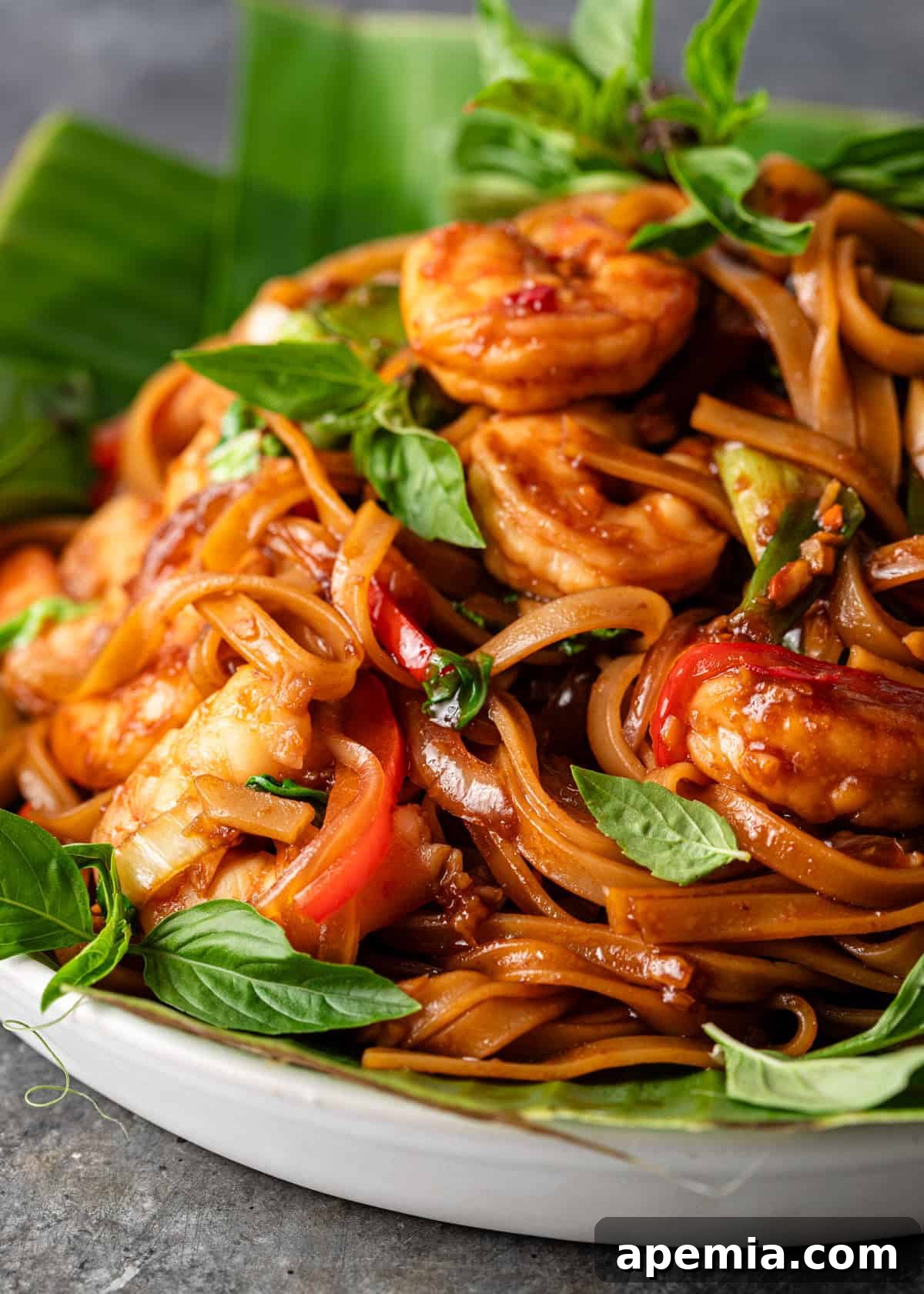
While this Drunken Noodles recipe is incredibly versatile, allowing for a wide array of proteins, I often find myself gravitating towards shrimp for its delicate texture and quick cooking time. However, chicken (either breast or thigh meat) is an equally fantastic choice and offers a heartier bite. Whichever protein you choose, the secret to achieving that wonderfully moist and tender interior with a beautiful golden, slightly crisp exterior lies in the ancient Chinese velveting technique. This involves a simple marinade of cornstarch, oil, and soy sauce, which coats the meat, locking in moisture and ensuring a silky-smooth texture even after high-heat stir-frying. This step is crucial for elevating your homemade Drunken Noodles to restaurant-quality perfection.
Table of Contents
- The Art of Choosing and Preparing Rice Noodles
- Key Ingredients and Smart Substitutions
- Step-by-Step Guide: Crafting Your Drunken Noodles
- Essential Tools for Stir-Frying Success
- Tips for Storing and Reheating Leftovers
- Frequently Asked Questions About Pad Kee Mao
- Drunken Noodles (Pad Kee Mao) Recipe Card
The Vibrant Canvas: Customizing Your Vegetables
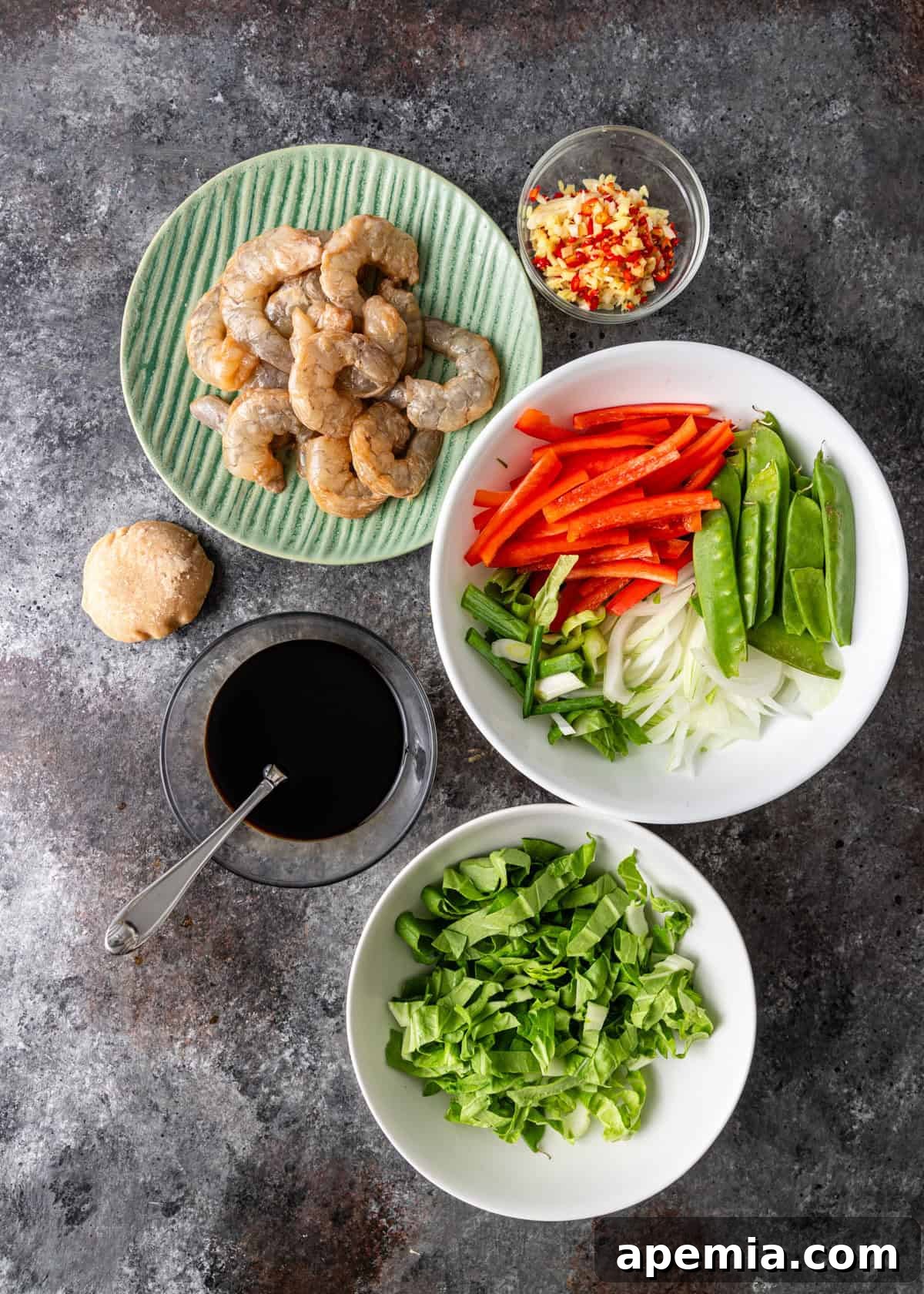
One of the beauties of this homemade Drunken Noodles recipe is its adaptability when it comes to vegetables. You can truly use almost any vegetable you have on hand, transforming your kitchen into a miniature garden of fresh produce. I personally love to incorporate a generous variety, aiming for a rainbow of colors and textures. From crunchy bell peppers and snow peas to leafy bok choy and the pungent aromatics of onions and green onions, each vegetable adds its unique contribution to the overall complexity and healthfulness of the dish. Don’t hesitate to experiment with your favorites or whatever seasonal produce is readily available at your local market!
The Art of Choosing and Preparing Rice Noodles
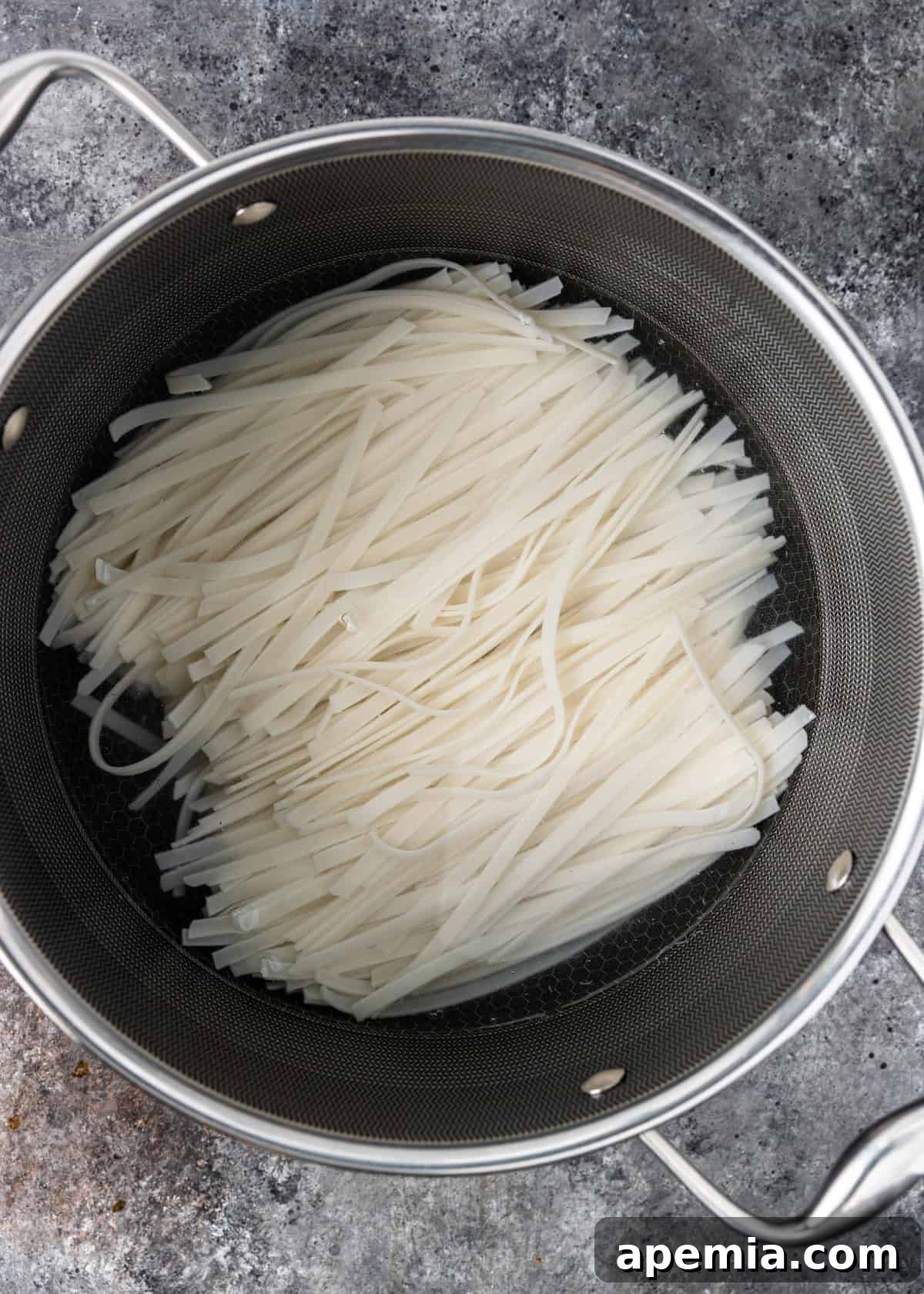
The foundation of exceptional Drunken Noodles lies in the quality and preparation of the rice noodles. While various brands and types exist, thick, wide rice noodles are traditionally preferred for Pad Kee Mao, as they offer the ideal chewy texture and absorb the sauce beautifully. You’ll find both pre-cooked (often refrigerated) and dry varieties in most Asian markets. My experience has shown that pre-cooked noodles, if not brought to room temperature, can sometimes break apart easily during stir-frying. A quick 30-second microwave session can help them become more pliable, making separation easier. However, for consistent and optimal results, I highly recommend using dried wide rice noodles. Soaking them in hot water for 15 to 20 minutes (until they are flexible but still have a slight bite) yields the best texture for this dish. This method ensures they remain intact and perfectly al dente when stir-fried, allowing them to truly shine.
Key Ingredients and Smart Substitutions
(For a complete list of ingredients and precise quantities, please refer to the recipe card below.)
- Rice Noodles: As mentioned, thick, wide rice noodles are traditionally ideal for Drunken Noodles due to their satisfying chewiness and ability to absorb the rich sauce. However, if unavailable, any flat rice noodle will work in a pinch.
- Shrimp or Chicken:
- Chicken: Opt for boneless, skinless thigh meat for maximum flavor and moisture, or use breast meat for a leaner option. Slice it thinly against the grain for tender results.
- Shrimp: Ensure your shrimp are shelled and deveined before use. Medium to large shrimp work best.
- Marinade: Your chosen protein will be marinated using the velveting technique with light soy sauce, vegetable oil, and cornstarch to keep it incredibly tender.
- The Signature Sauce: This is where the magic happens, creating the complex sweet, spicy, and savory profile.
- Soy Sauce: I use a harmonious blend of both light soy sauce (for saltiness) and dark soy sauce (for color and a touch of sweetness). If you only have regular soy sauce (which is typically light soy sauce), you can still achieve great results, though the color might be lighter.
- Oyster Sauce: This ingredient is crucial for its deep, complex umami flavor with a hint of caramel-like sweetness. It’s truly difficult to substitute without altering the character of the dish. Hoisin sauce can be used as a last resort, as it shares some sweet and savory notes and is another staple in Asian cooking.
- Fish Sauce: Essential for authentic Thai umami and a savory depth. If absolutely necessary, you can substitute with additional light soy sauce, but the flavor profile will shift.
- Shaoxing Wine: A Chinese cooking wine that adds a distinct aroma and depth. It has a stronger, more complex flavor than regular rice wine. Excellent substitutes include Japanese sake or a dry sherry.
- White Pepper: Provides a unique, pungent heat that differs from black pepper. While black pepper can be used, white pepper contributes to the authentic taste.
- Palm Sugar: Offers a caramel-like sweetness and unique depth. Light brown sugar is a suitable and common substitute.
- Vibrant Vegetables & Aromatics: The beauty of Pad Kee Mao also lies in its fresh components.
- Thai Bird’s Eye Chili: These small, potent chilies are known for their bright, fruity, and intense heat. Adjust the quantity to your preferred spice level. For a milder alternative, use a jalapeño, or for comparable heat, a habanero (use with caution!).
- Garlic & Ginger: These foundational aromatics are non-negotiable for building the authentic, pungent base flavor of Pad Kee Mao. Their freshness is key.
- Other Vegetables: The recipe card lists my preferred selection, including white onion, green onions, bok choy, red bell pepper, and snow peas. Feel free to customize with your favorite stir-fry vegetables like carrots, broccoli, mushrooms, or cabbage.
Step-by-Step Guide: Crafting Your Drunken Noodles
- Prepare the Noodles: Begin by placing your dried wide rice noodles in a large pot. Cover them with hot water, ensuring they are submerged by about an inch. Let them soak for approximately 15 to 20 minutes, or until they are pliable and tender-crisp, but not mushy. Drain thoroughly and set aside.
- Marinate the Protein: While the noodles soak, prepare your protein. If using shrimp, shell and devein them. In a medium bowl, combine your chosen shrimp or chicken with 1 teaspoon of light soy sauce, 1 teaspoon of vegetable oil, and 2 teaspoons of cornstarch. Mix well to ensure the protein is evenly coated and let it marinate for at least 15 minutes to allow the velveting process to work its magic.
- Whisk the Sauce: In a separate small bowl, combine all the sauce ingredients: light soy sauce, oyster sauce, fish sauce, dark soy sauce, Shaoxing wine, white pepper, and palm sugar (or brown sugar). Whisk thoroughly until the palm sugar is dissolved and the sauce is well combined. Set aside.
- Cook the Protein: Heat 2 tablespoons of vegetable oil in a large wok or a heavy-bottomed skillet over high heat. Once the oil is shimmering, add the marinated shrimp or chicken. Stir-fry vigorously until the protein is fully cooked through and lightly golden – typically 3-4 minutes for shrimp and 5 minutes for chicken. Remove the cooked protein from the wok and set it aside.
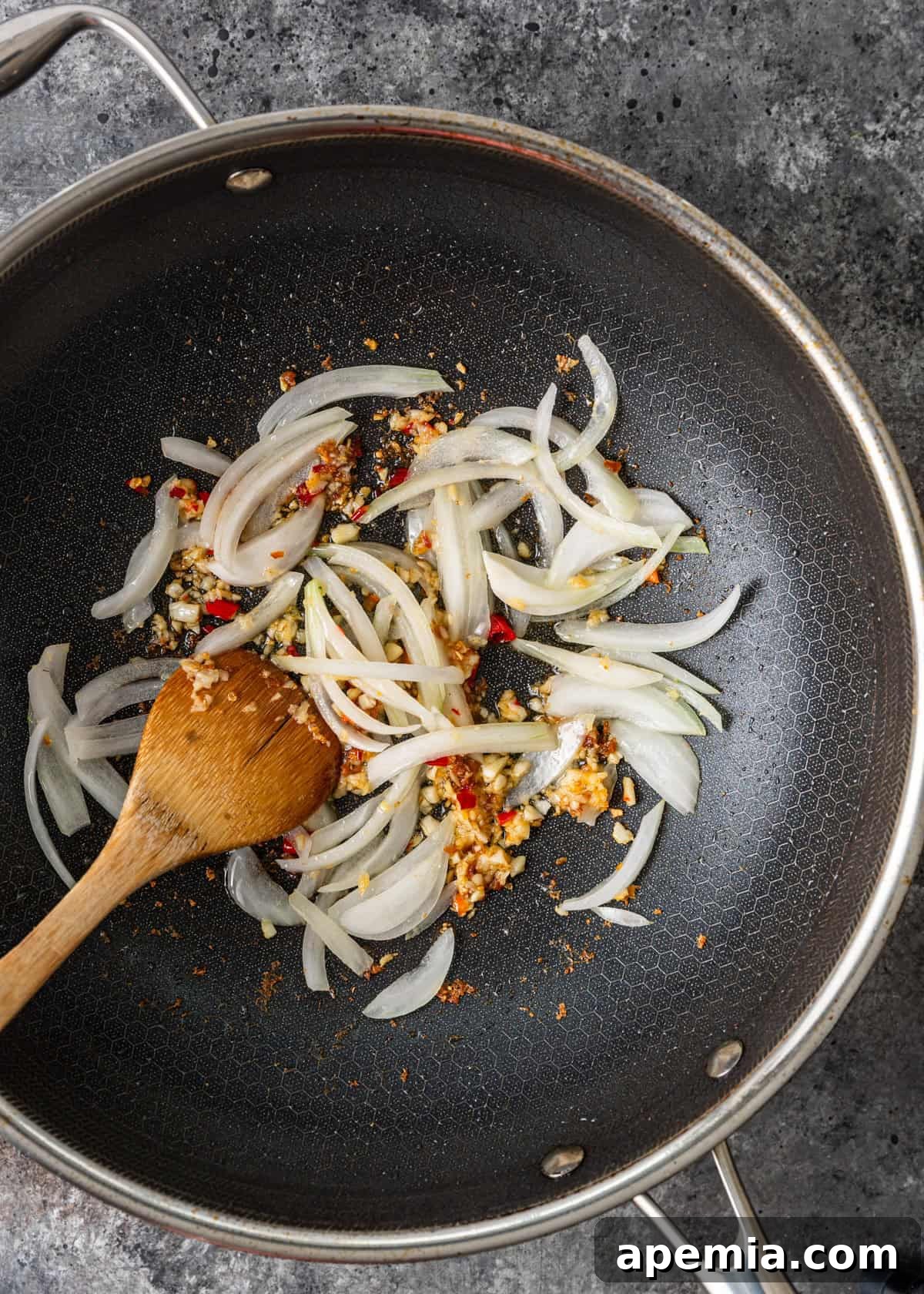
- Sauté the Aromatics: Add another fresh tablespoon of vegetable oil to the hot wok. Immediately add the minced garlic, Thai bird’s eye chilies (adjusting to your spice preference), and fresh minced ginger. Stir-fry for about one minute until fragrant, being careful not to burn the garlic. Next, add the sliced white onion and continue to stir-fry for another minute until it begins to soften.
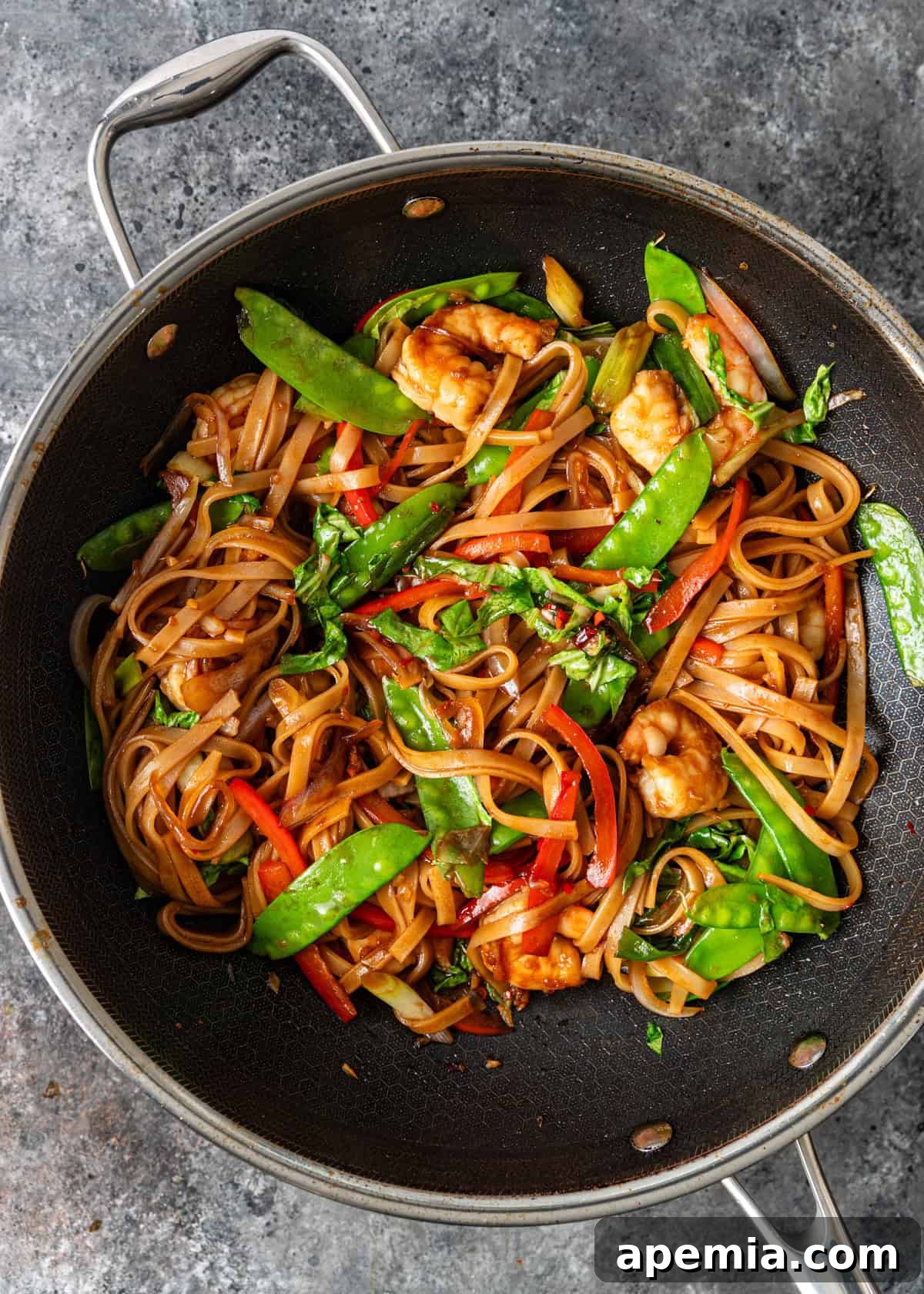
- Combine and Stir-Fry: Add all your prepped vegetables (such as bok choy, red bell pepper, and snow peas) to the wok. Stir-fry for 2-3 minutes, allowing them to become tender-crisp. Return the soaked and drained noodles and the cooked protein (shrimp or chicken) to the wok. Pour the prepared sauce evenly over all the ingredients. Quickly and thoroughly stir-fry for a final 2-3 minutes, ensuring everything is well coated in the savory sauce and heated through.
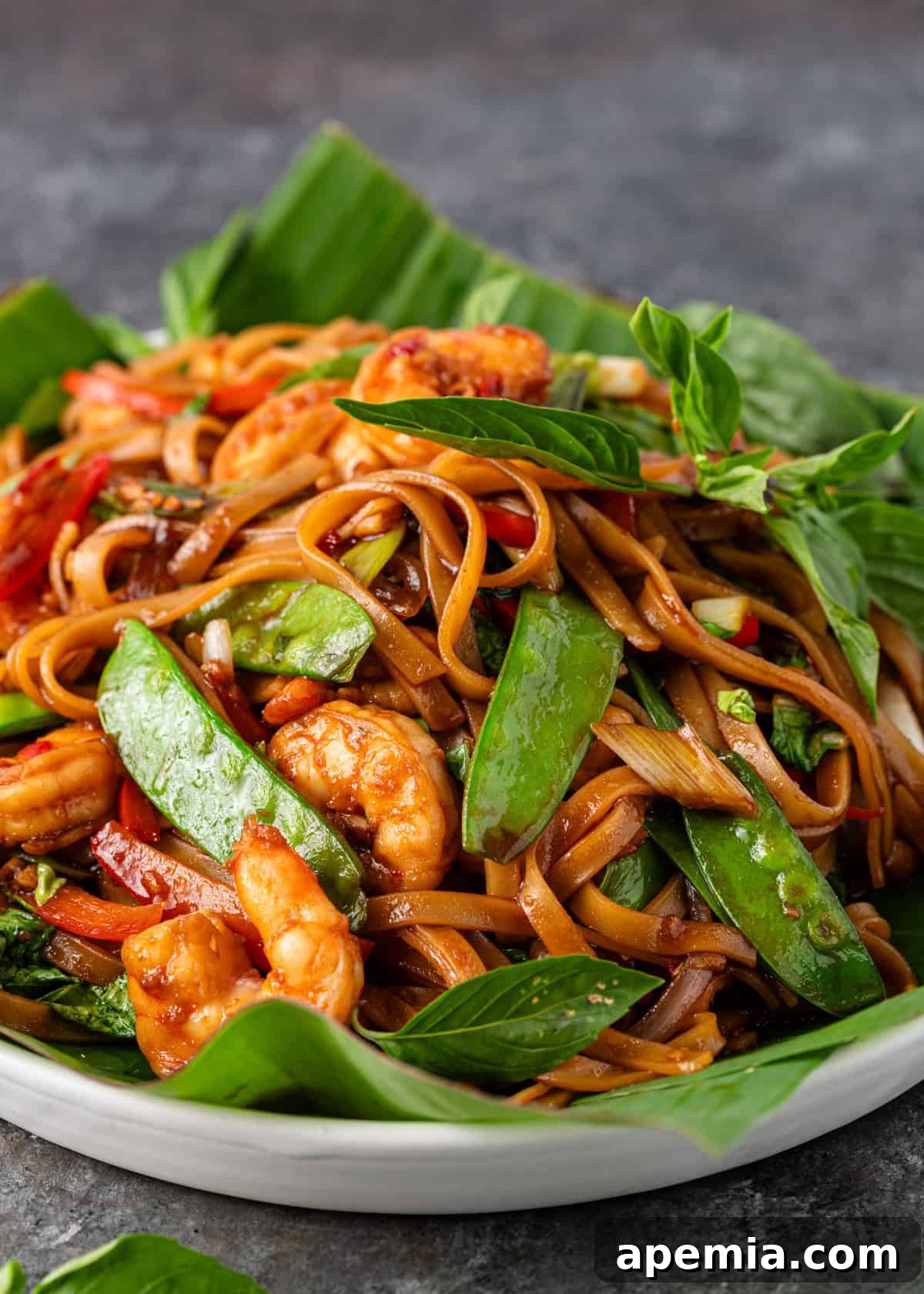
- Serve Immediately: Transfer the piping hot Drunken Noodles to serving plates. Garnish generously with fresh Thai basil leaves before serving. The warmth of the noodles will gently wilt the basil, releasing its aromatic essence and adding a crucial layer of flavor.
Essential Tools for Stir-Frying Success
While you don’t need a professional kitchen setup, having the right tools can make a significant difference in the success of your Drunken Noodles. A few key pieces of equipment will ensure an efficient and enjoyable cooking experience:
- Wok: The traditional and ideal choice for stir-frying. Its high, sloped sides and ability to retain and distribute high heat are perfect for quickly cooking ingredients and tossing them effectively without spillage. If you don’t have a wok, a large cast-iron skillet or a spacious non-stick saucepan can also work, though you may need to cook in smaller batches to avoid overcrowding.
- Large Pot: Essential for properly soaking the dried wide rice noodles, ensuring they become pliable and ready for the wok.
- Sharp Knife and Cutting Board: For efficient preparation of your protein and a variety of vegetables.
- Small Bowls: Handy for marinating the protein and whisking together the sauce ingredients beforehand, making the stir-frying process smoother and faster.
- Spatula or Wok Utensil: A sturdy, heat-resistant spatula or a traditional wok shovel is crucial for effectively tossing and stirring ingredients over high heat.
Tips for Storing and Reheating Leftovers
One of the many delights of Drunken Noodles is how well they keep, often becoming even more flavorful as the noodles continue to absorb the rich sauce. This makes them an excellent candidate for meal prep or a delicious leftover lunch!
To store, allow the Drunken Noodles to cool completely before transferring them to an airtight container. They can be safely refrigerated for up to 4 days, ensuring you have a quick and satisfying meal ready to go.
When it comes to reheating, for best results, I recommend returning the noodles to a skillet or wok over medium-high heat on the stovetop. Add a splash of water or broth if the noodles seem a bit dry. Stir-fry gently until everything is warmed through and the flavors are re-awakened. While you can microwave them, the stovetop method helps to retain the texture of the noodles and vegetables, giving you a more enjoyable experience.
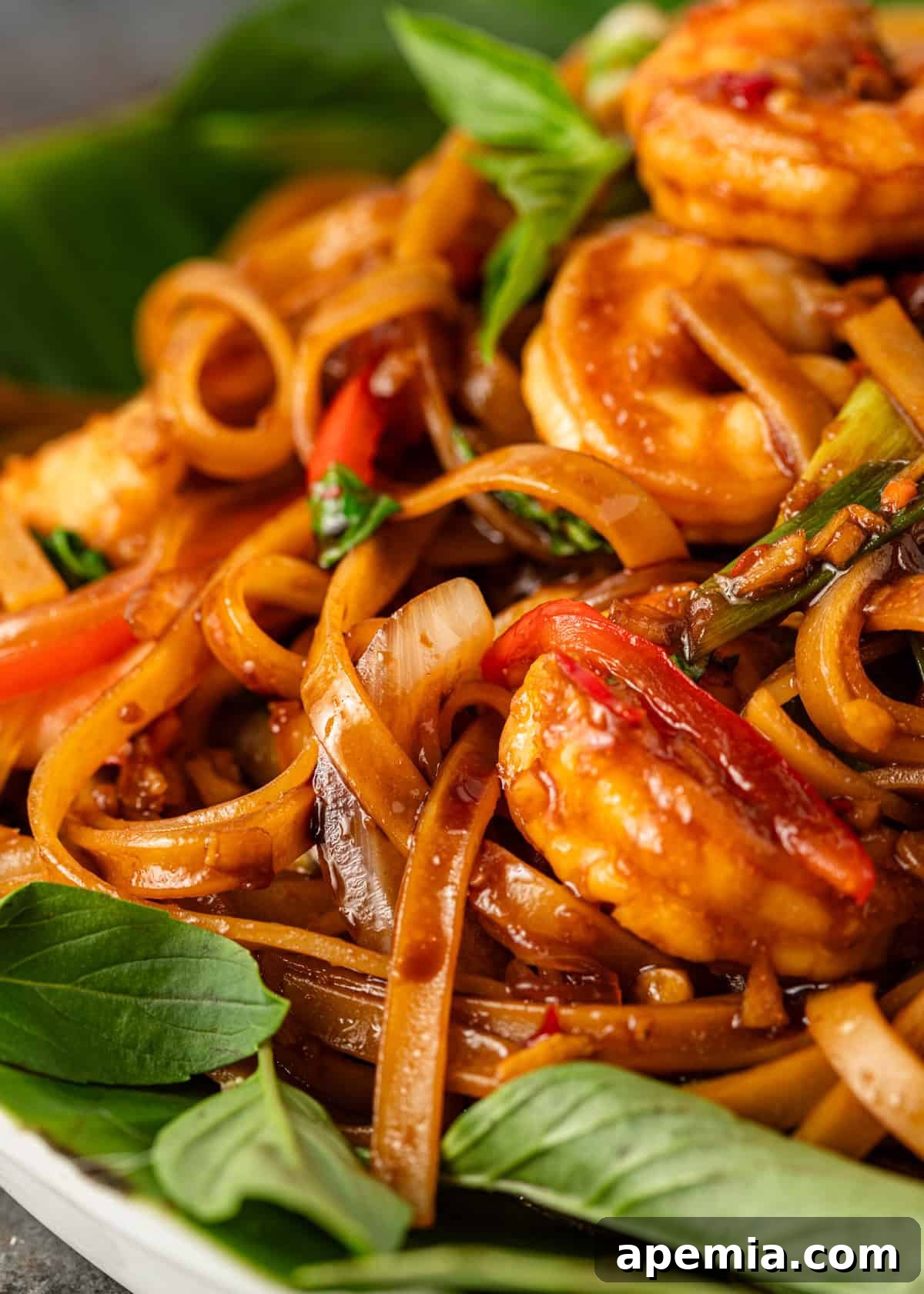
Share this recipe on Pinterest!
Love this recipe? Share it with the world on Pinterest and inspire others!
Frequently Asked Questions About Pad Kee Mao
While both Pad Kee Mao (Drunken Noodles) and Pad Thai are incredibly popular Thai noodle dishes, sharing similarities in their use of rice noodles and customizable proteins and vegetables, their flavor profiles are distinctly different. Pad Thai is typically characterized by a balanced sweet and savory taste, often featuring tamarind, peanuts, and lime, giving it a tangy and nutty complexity. In contrast, Pad Kee Mao is defined by its bold, fiery spice from fresh bird’s eye chilies and the aromatic punch of Thai basil and garlic, offering a more aggressive and exhilarating flavor experience.
Absolutely! Drunken Noodles (Pad Kee Mao) is a genuinely authentic and classic Thai recipe, widely enjoyed both in Thailand and in Thai restaurants globally. While it’s a favorite among tourists, its roots are deep in Thai culinary tradition. The dish showcases influences from Chinese cuisine, which isn’t surprising given the historical presence and cultural exchange with Chinese communities who settled and worked in Central Thailand, contributing to the rich tapestry of Thai culinary heritage.
Not necessarily. The inclusion of eggs in Pad Kee Mao varies by recipe and personal preference. Some versions of the dish do incorporate scrambled eggs, adding another layer of texture and richness. However, many traditional and popular recipes, including this one, do not require eggs. Feel free to add them if you enjoy the addition – simply scramble an egg or two in the wok after cooking the aromatics and before adding the other vegetables, then break it up and mix it into the noodles.
Drunken Noodles (Pad Kee Mao)
Rated 5 out of 5 stars based on 1 vote.
4
20 mins
10 mins
30 mins
Pin Recipe
Print Recipe
Video Tutorial
Learn to make Drunken Noodles (Pad Kee Mao) with this step-by-step video guide.
Ingredients
Noodles
- 16 oz dried wide rice noodles (thick)
Shrimp or Chicken
- 1 lb shrimp or chicken (breast or thigh meat, thinly sliced)
- 1 tsp light soy sauce
- 1 tsp vegetable oil
- 2 tsp cornstarch
Sauce
- 2 tbsp light soy sauce
- 2 tbsp oyster sauce
- 2 tbsp fish sauce
- 1 tbsp dark soy sauce
- 2 tsp Shaoxing wine
- 1/2 tsp white pepper
- 2 tbsp palm sugar (or light brown sugar)
Vegetables & Aromatics
- 4 cloves garlic, minced
- 3 Thai bird’s eye chilis, minced (adjust to taste)
- 1-inch piece fresh ginger, peeled and minced
- 1 medium white onion, sliced
- 6 green onions, cut into 2-inch pieces
- 1 bok choy, chopped
- 1 red bell pepper, sliced thin
- 2 cups snow peas, trimmed
- 1 cup fresh Thai basil leaves
- 3 tbsp vegetable oil, separated (2 tbsp for protein, 1 tbsp for aromatics/veggies)
Measurements: US Customary
Instructions
- Place the dried rice noodles in a pot and cover by 1-inch with hot water. Let them soak for about 15-20 minutes while you prep the shrimp or chicken and vegetables. Once pliable but still firm, drain them thoroughly.
- Shell and devein the shrimp if using. In a bowl, combine the shrimp (or sliced chicken) with 1 tsp light soy sauce, 1 tsp vegetable oil, and 2 tsp cornstarch. Mix well and let it marinate for 15 minutes.
- In a separate small bowl, whisk together all the sauce ingredients until well combined. Set aside.
- Heat 2 tbsp of vegetable oil in a wok or large skillet over high heat. Add the marinated shrimp or chicken and stir-fry for 3-5 minutes until cooked through. Remove the cooked protein from the wok and set aside.
- Add another tablespoon of oil to the wok. Stir-fry the minced garlic, Thai bird’s eye chilis, and ginger for one minute until fragrant. Then, add the sliced white onion and stir-fry for another minute.
- Add the prepped vegetables (bok choy, red bell pepper, snow peas) to the wok and stir-fry for 2-3 minutes until tender-crisp. Return the soaked and drained noodles and the cooked protein to the wok. Pour the prepared sauce over everything and quickly stir-fry for another 2-3 minutes, mixing thoroughly to coat all ingredients evenly.
- Serve immediately, garnished generously with fresh Thai basil leaves sprinkled on top.
Nutrition Information (Estimate per serving)
Calories: 635 kcal | Carbohydrates: 119g | Protein: 35g | Fat: 2g | Saturated Fat: 0.4g | Polyunsaturated Fat: 1g | Monounsaturated Fat: 0.4g | Trans Fat: 0.01g | Cholesterol: 183mg | Sodium: 2289mg | Potassium: 1221mg | Fiber: 7g | Sugar: 12g | Vitamin A: 11371IU | Vitamin C: 175mg | Calcium: 383mg | Iron: 5mg
The information shown is an estimate provided by an non-professional nutrition calculator. It should not be considered a substitute for a professional nutritionist’s advice.
Main Dishes
Thai
Kevin
Have You Made This Recipe? Let Me Know on Instagram!
Tag @keviniscooking or use the hashtag #keviniscooking!