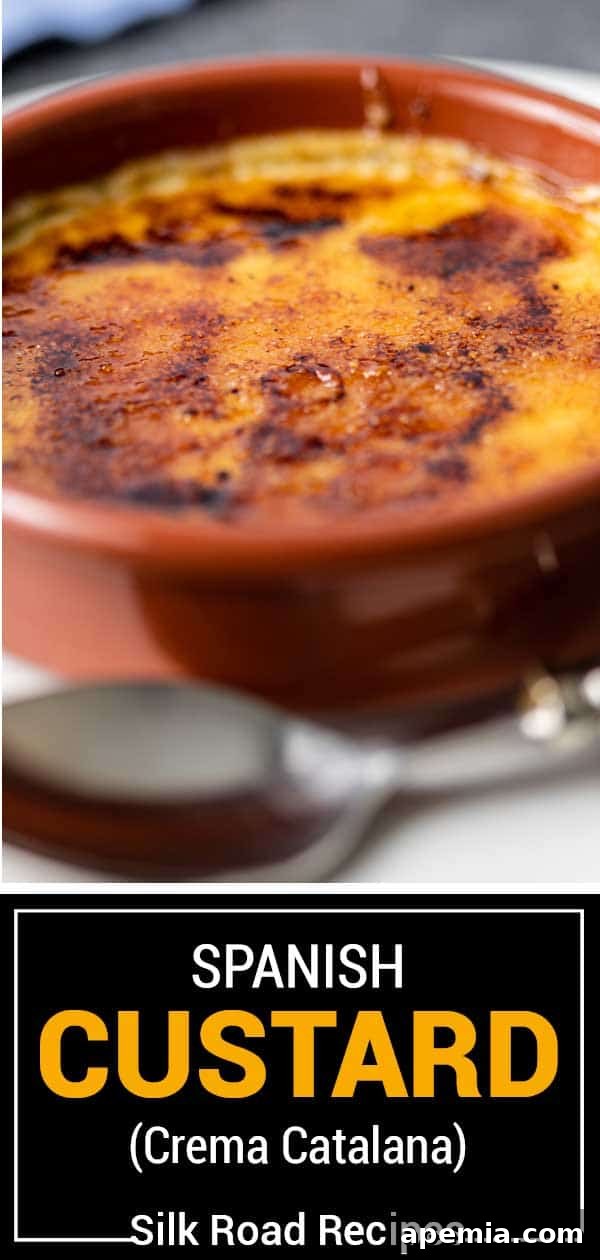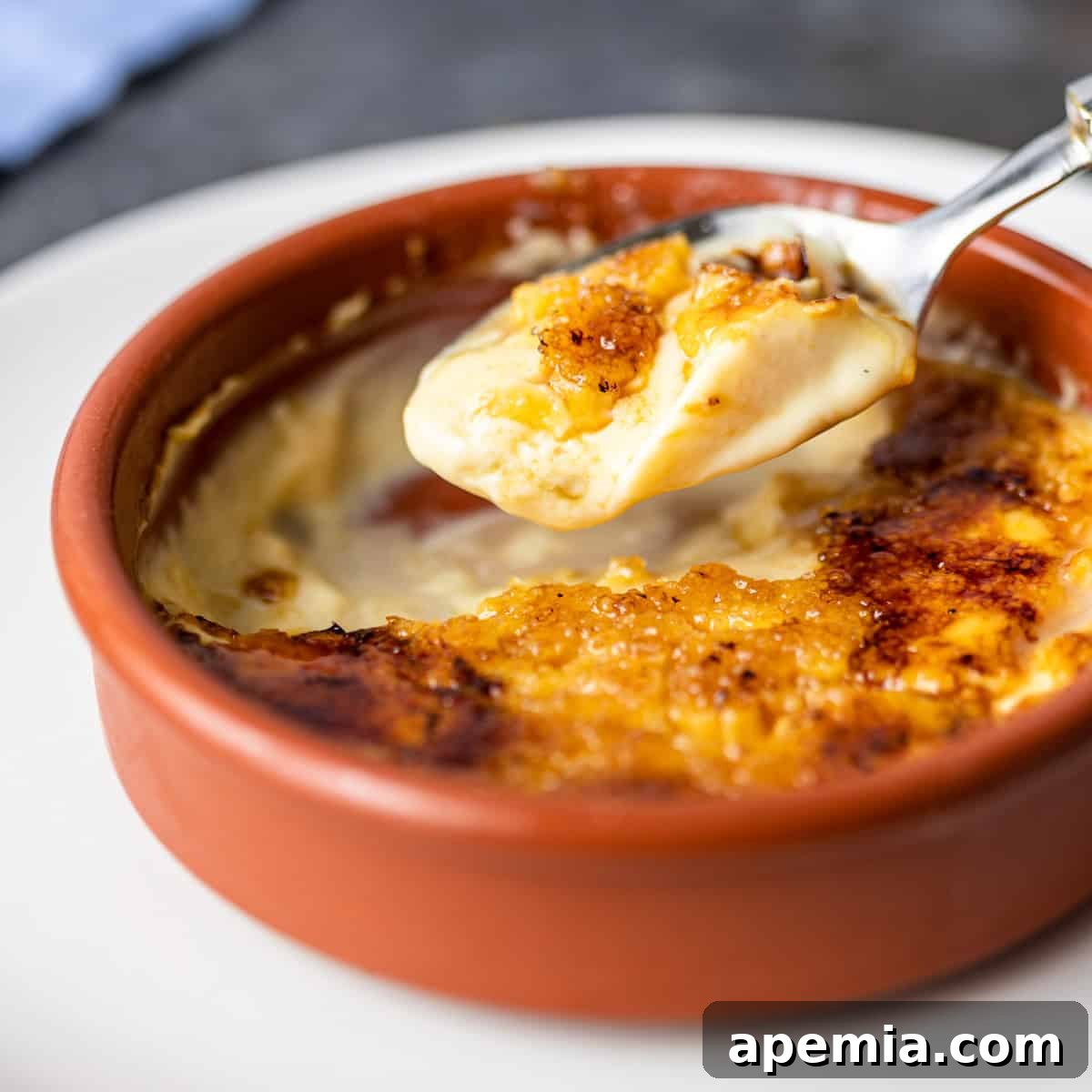
Indulge in the simple elegance of Crema Catalana, a truly captivating dessert that embodies the heart of Spanish culinary tradition. Imagine a silky-smooth custard, delicately flavored with the vibrant zest of orange, the warm embrace of cinnamon, and the subtle sweetness of vanilla. Each spoonful melts in your mouth, leading to the irresistible crack of a perfectly caramelized sugar topping. This iconic Spanish custard, often likened to its French cousin crème brûlée but with its own distinct charm, is surprisingly easy to create, making it the ideal treat for impressing guests or simply indulging in a moment of pure bliss. From the very first bite to the last, Crema Catalana promises an unforgettable experience.
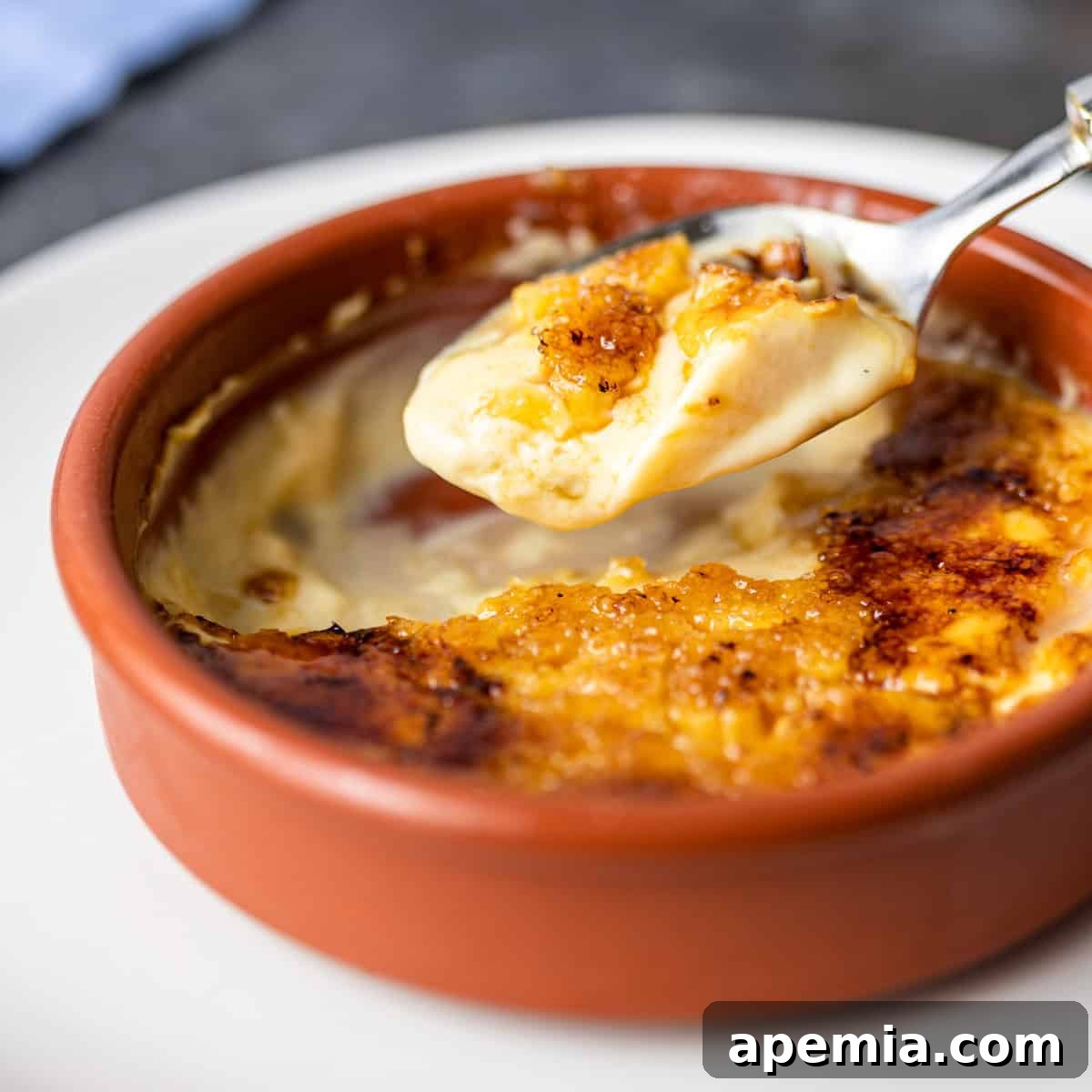
There’s nothing quite like a perfectly crafted dessert to put the finishing touch on a magnificent meal. When I truly want to delight and impress my dining companions, this authentic Crema Catalana recipe is my go-to choice. It’s a dessert that speaks volumes of sophistication while secretly being a breeze to prepare.
Crema Catalana, affectionately known as Spanish custard, offers a delightful alternative to the more widely recognized French crème brûlée. While both share the enchanting characteristic of a caramelized sugar crust, Crema Catalana distinguishes itself with a lighter, milk-based custard and a signature infusion of citrus and spice. This makes it not only a unique culinary experience but also, in many ways, an easier preparation for the home chef.
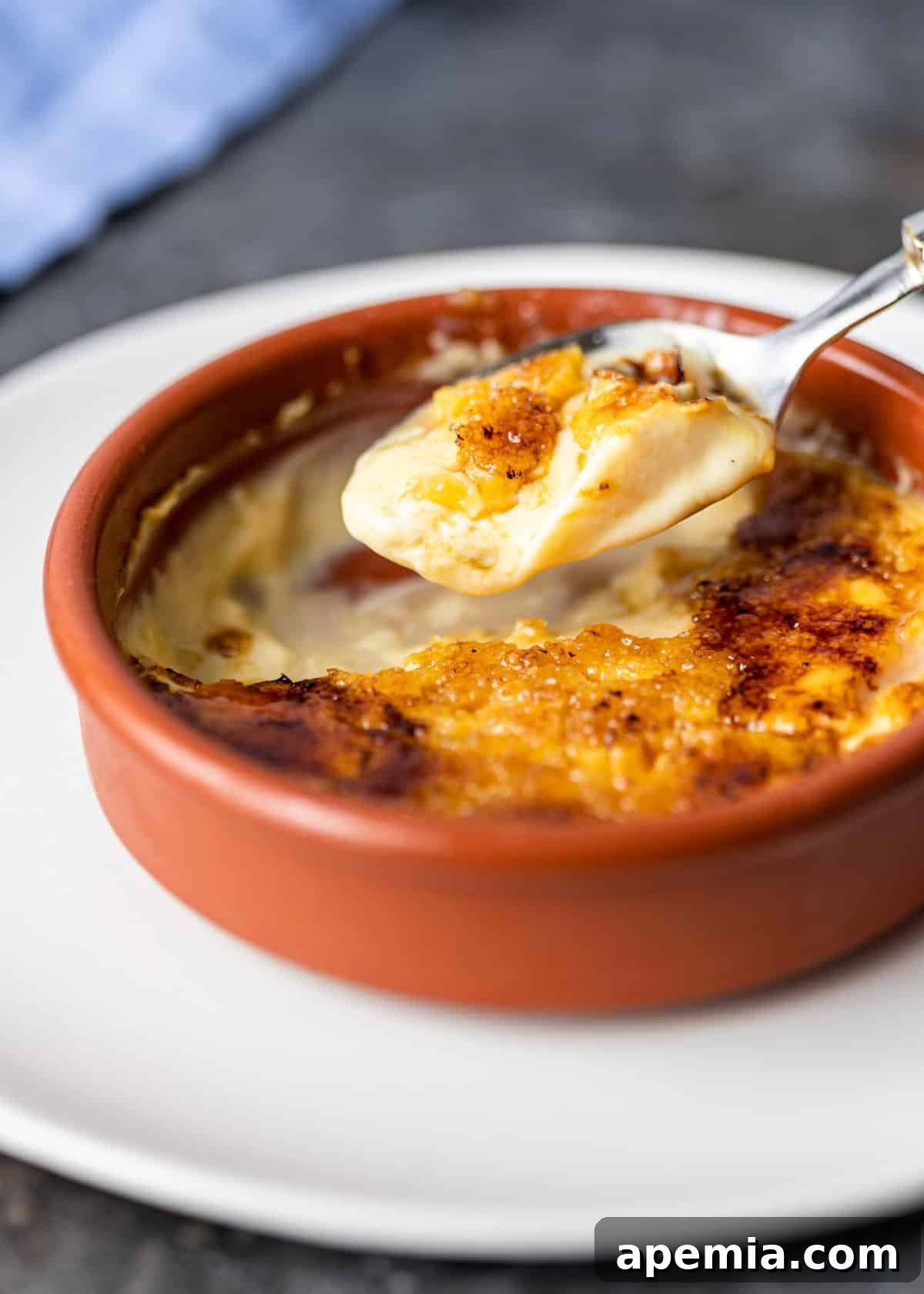
The texture is pure luxury: a creamy, silky custard that glides over the palate, leaving a lingering taste of indulgence. Its opulent feel belies the straightforward process of its creation, ensuring your guests will be utterly charmed, completely unaware of just how effortlessly this exquisite dessert came together.
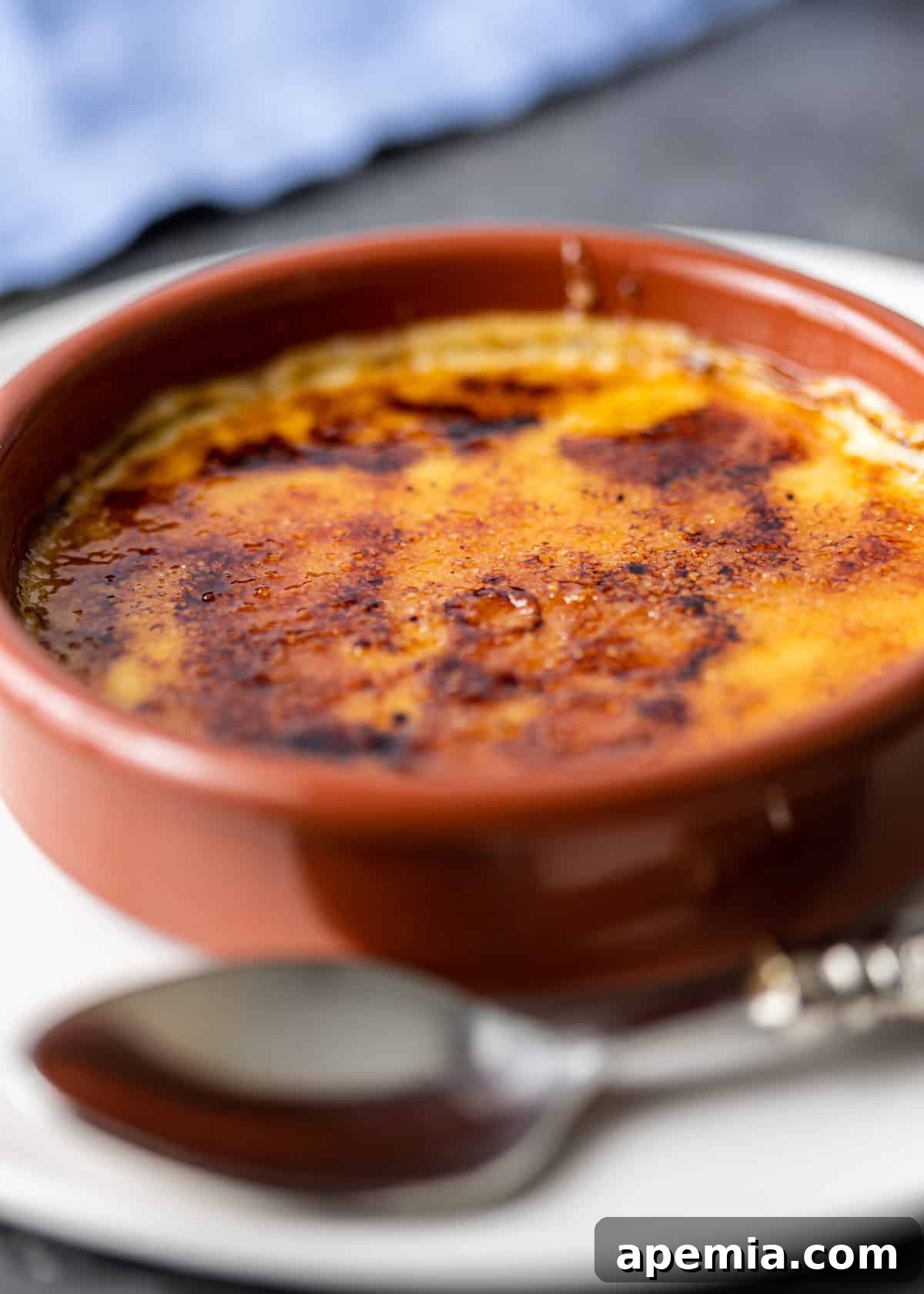
Table of Contents
- The Allure of Crema Catalana
- Mastering the Caramelized Topping
- Understanding the Double Boiler
- Essential Ingredients for Authentic Crema Catalana
- How to Make Crema Catalana: A Step-by-Step Guide
- Recommended Tools for Success
- Storing and Make-Ahead Tips
- Frequently Asked Questions
- Spanish Custard (Crema Catalana) Recipe
The Allure of Crema Catalana: A Spanish Culinary Jewel
This delightful dessert is characterized by its subtly sweet, aromatic profile, where the bright notes of citrus intertwine beautifully with the warm spices of cinnamon and vanilla. The delicate custard base is perfectly complemented by a crisp, burnt sugar crust, providing a delightful textural contrast and an extra layer of sweetness that elevates the entire experience. It’s a dessert that feels both comforting and sophisticated, making it a perennial favorite across Spain and increasingly, around the world.
If you’re a connoisseur of smooth, creamy desserts, then Crema Catalana will undoubtedly win your heart. For those who adore rich chocolate, consider trying a decadent pots de crème. If a lighter, refreshing option calls to you, a bright lemon posset is simply divine. And for a truly unique baking adventure, my Japanese jiggly cheesecake offers an airy, ethereal texture that’s pure joy.
Mastering the Caramelized Topping for Crema Catalana
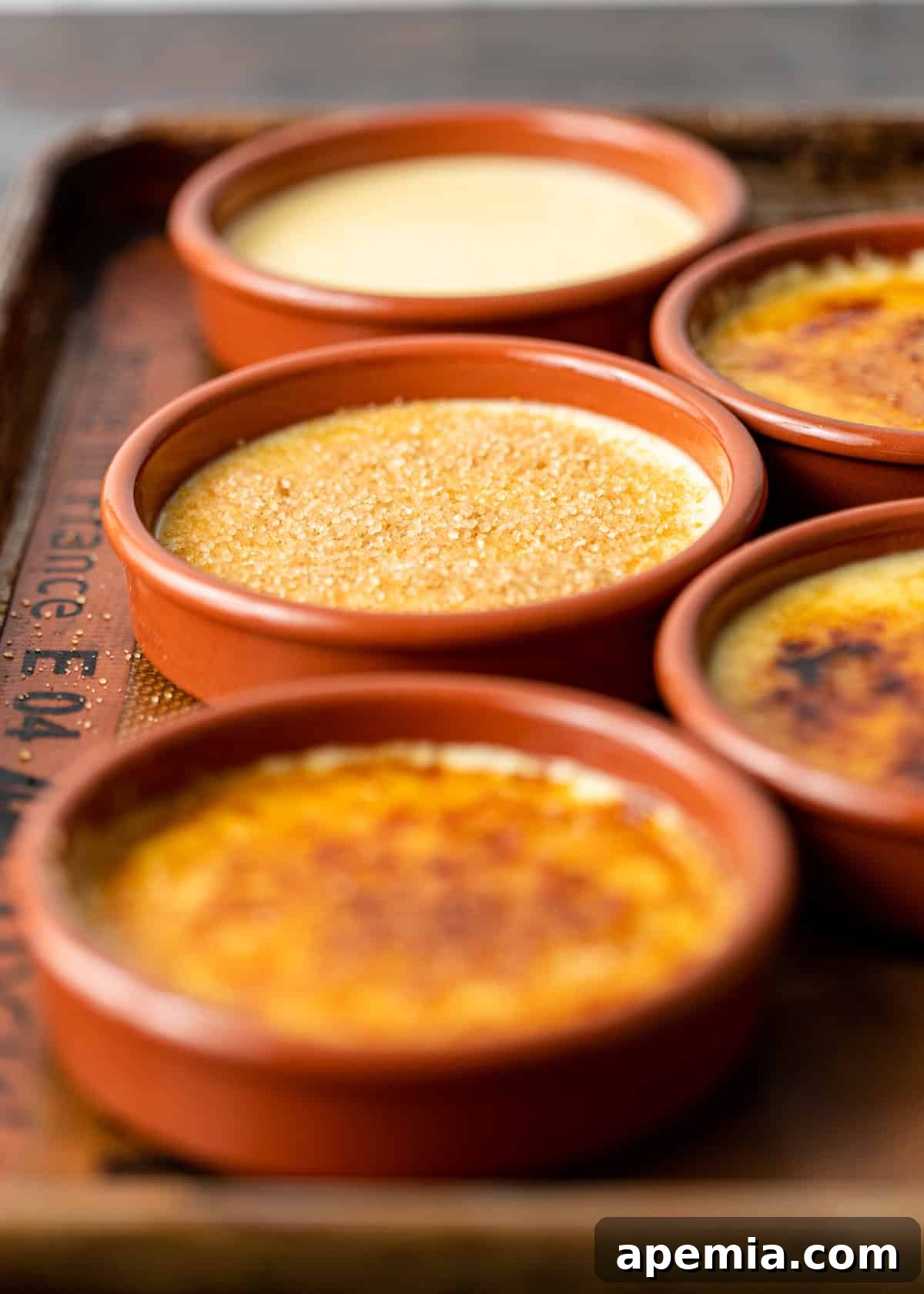
The hallmark of a perfect Crema Catalana, much like crème brûlée, is its signature crisp, caramelized sugar crust. While traditionally achieved with a special cast-iron tool, several excellent methods can deliver that satisfying crack when you break through with a spoon. Here’s how to achieve that golden perfection:
Traditional Catalana Iron Method
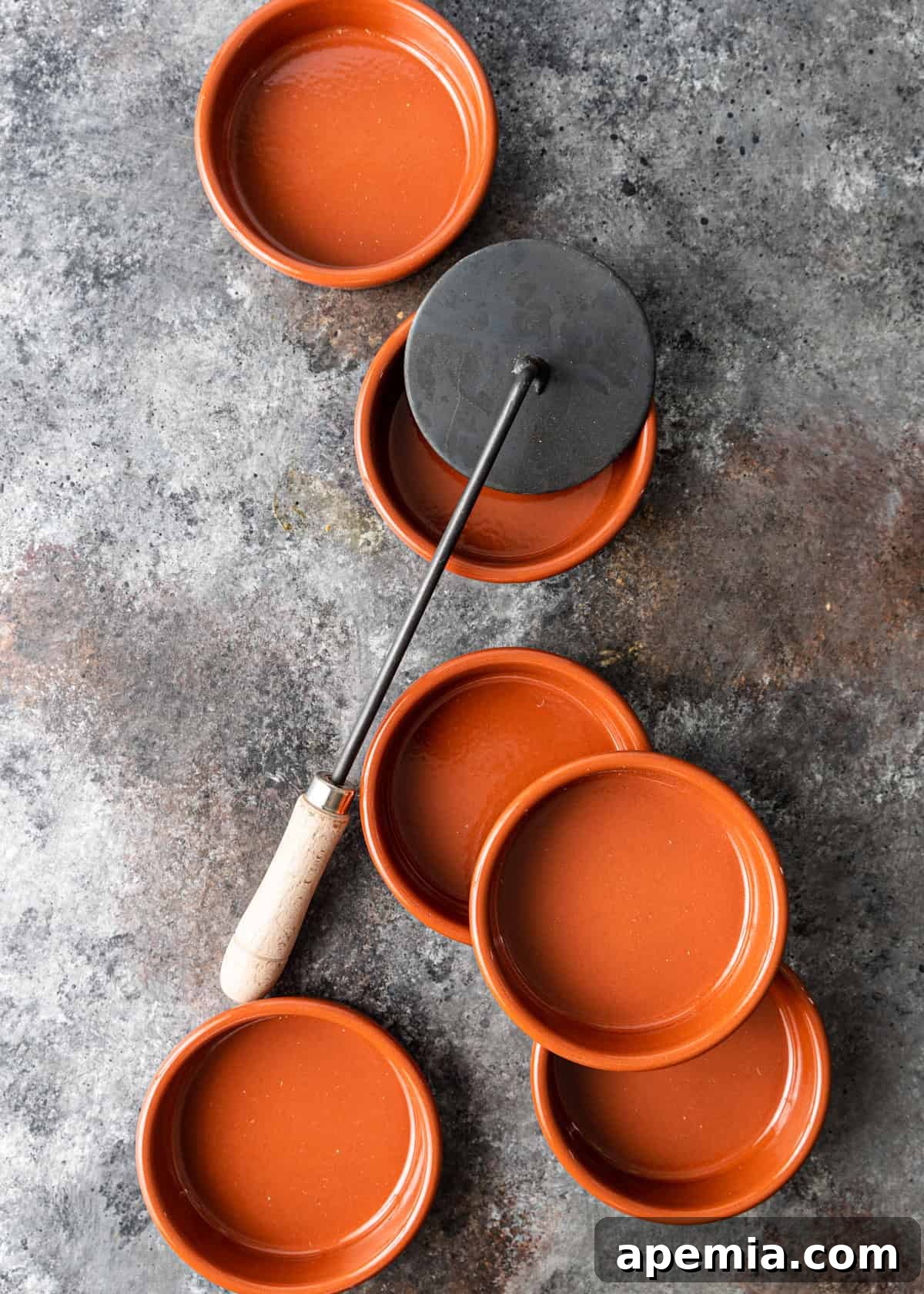
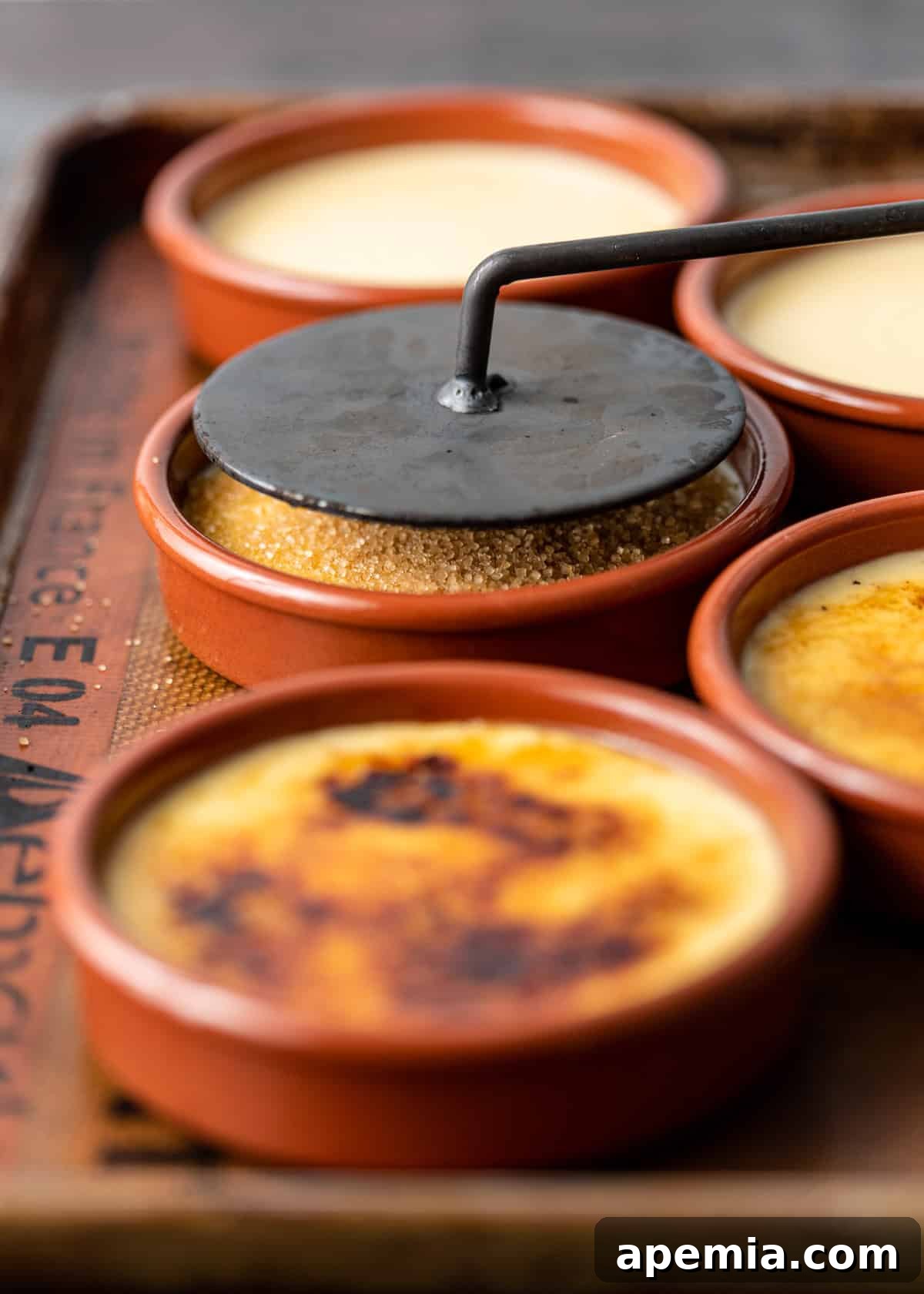
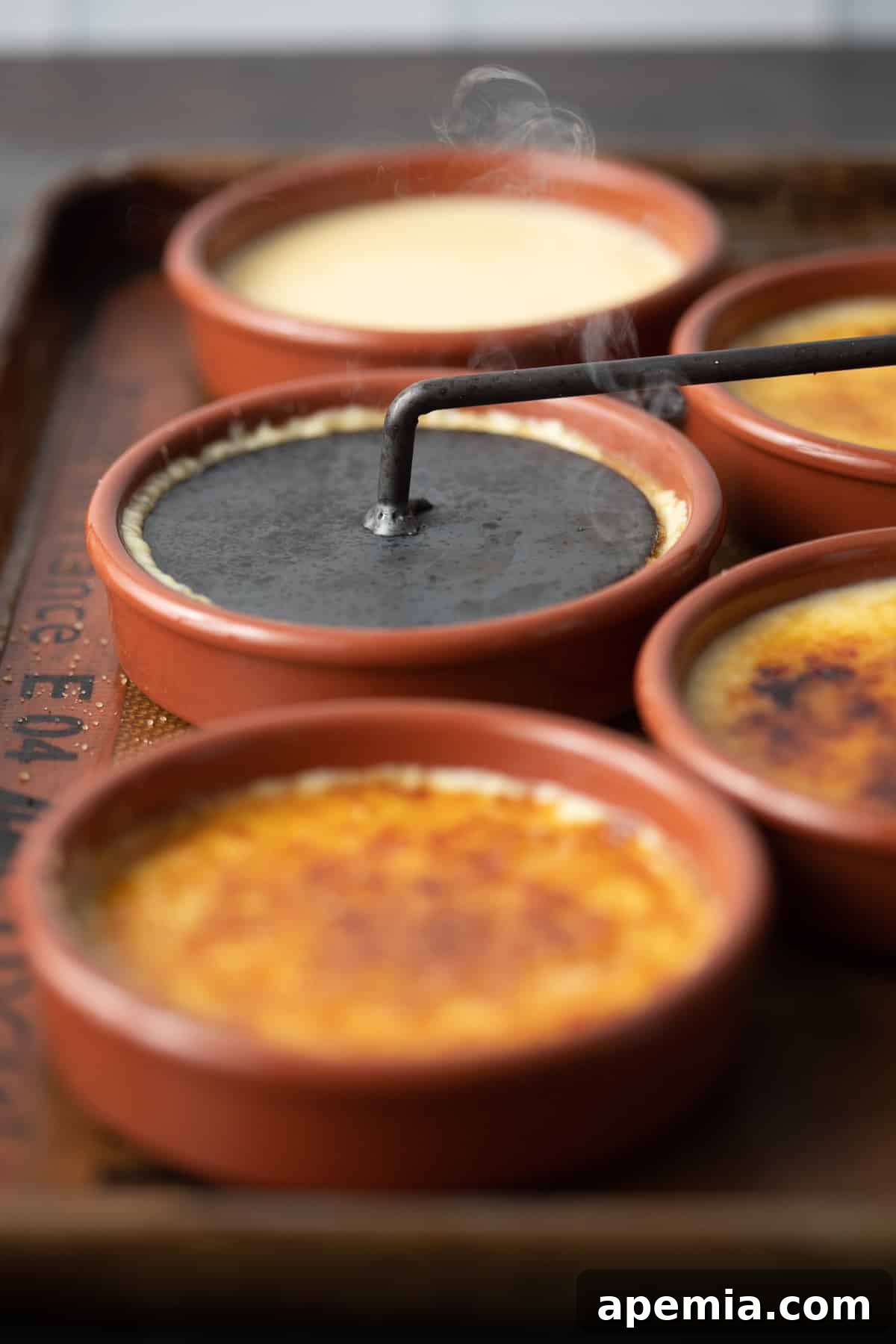
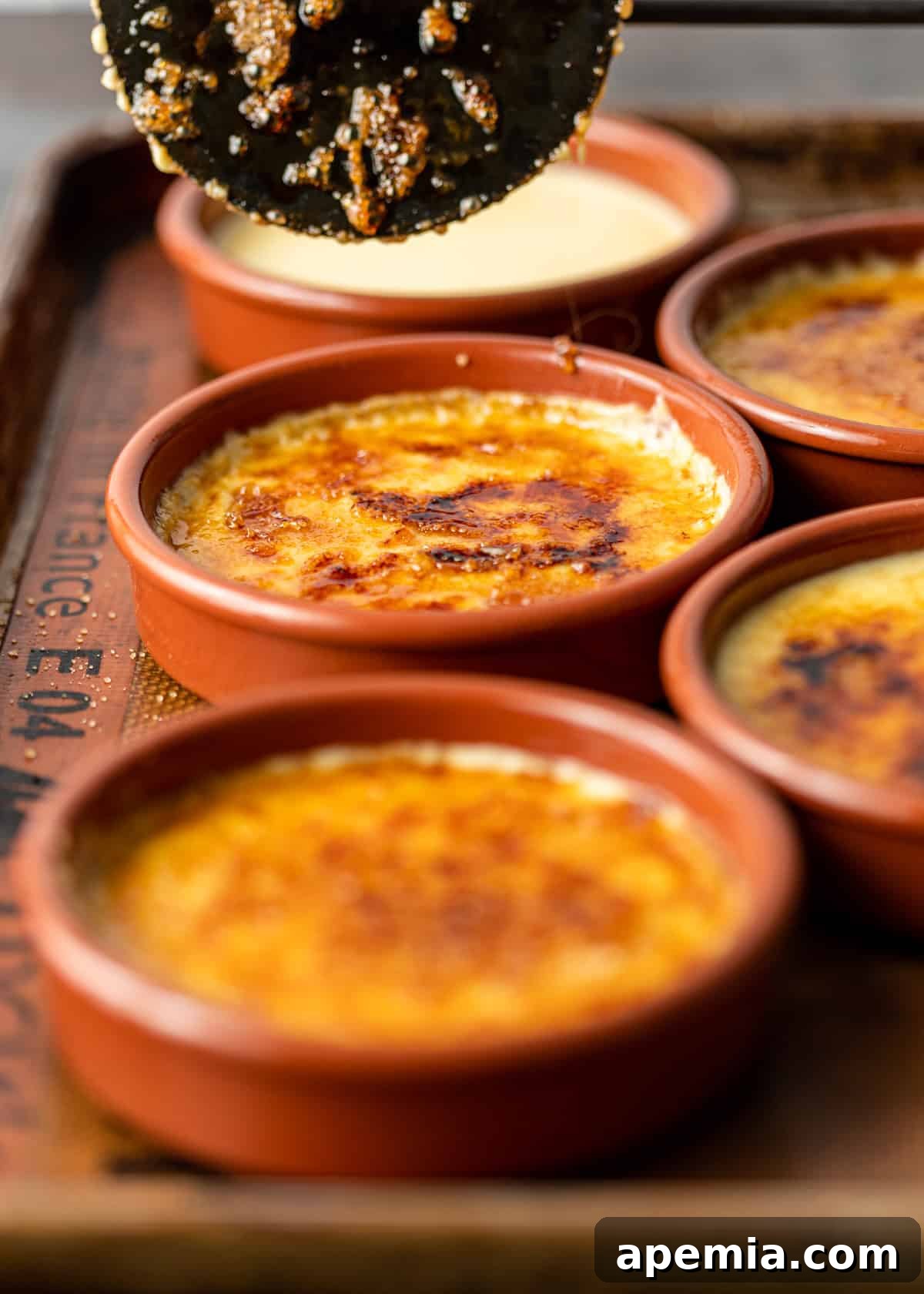
The classic way to caramelize Crema Catalana involves a round, cast-iron tool, often called a “quemador” or “caramelizing iron.” This iron is heated intensely on a stove burner until it’s glowing red. Once hot, it’s briefly pressed onto the layer of sugar atop the chilled custard, melting and caramelizing it instantly. This method creates a beautiful, unevenly browned, deeply flavored crust that is truly authentic.
Kitchen Torch: Your Best Alternative
A culinary torch is arguably the best substitute for a traditional catalana iron, offering precise control and excellent results. To use, simply sprinkle an even layer of turbinado sugar over your chilled custards. Hold the torch a few inches above the sugar, moving it in a circular motion until the sugar melts, bubbles, and turns a rich golden-brown. Be patient and consistent with your movement to avoid burning any spots. Allow the caramelized sugar to harden for 1-2 minutes before serving for the ideal crispness.
Broiler (Oven Grill): A Quick Option
If you don’t have a catalana iron or a kitchen torch, your oven’s broiler can come to the rescue. This method requires constant vigilance to prevent burning. Place your sugar-topped custards on a baking sheet and position them on the top rack of your oven, as close to the broiler element as possible. Broil for 1-3 minutes, watching continuously. The sugar will quickly melt and caramelize. Rotate the tray if necessary to ensure even browning. Remove immediately once the desired color is achieved and let cool before serving.
Understanding the Double Boiler: Key to Silky Custard
What is a Double Boiler and Why is it Essential for Crema Catalana?
A double boiler is a culinary tool designed to cook delicate ingredients gently using indirect heat. It consists of two nested pots: the bottom pot holds simmering water, and the upper pot, which contains the food, rests above the water without touching it. The steam generated by the boiling water in the lower pot heats the upper pot, providing a consistent and gentle heat that prevents scorching and curdling. This method is crucial for Crema Catalana because it allows the custard to thicken slowly and evenly, resulting in an exceptionally smooth and luscious texture without the risk of overcooking the egg yolks.
While a makeshift double boiler can be created with a heatproof bowl set over a saucepan of simmering water, for this Crema Catalana recipe, using a traditional double boiler is highly recommended. The larger volume of liquid in the custard benefits from the stability and even heating that a dedicated double boiler provides, ensuring consistent results every time.
Essential Ingredients for Authentic Crema Catalana
(For a full list of ingredients and precise quantities, please refer to the recipe card below.)
- Whole Milk & Heavy Cream: This Crema Catalana recipe strikes a perfect balance, utilizing two parts whole milk to one part heavy cream. This combination yields a custard that is rich and luxurious but notably lighter than its crème brûlée counterpart, which typically relies more heavily on cream. The whole milk provides a foundational creaminess without making the dessert overly heavy.
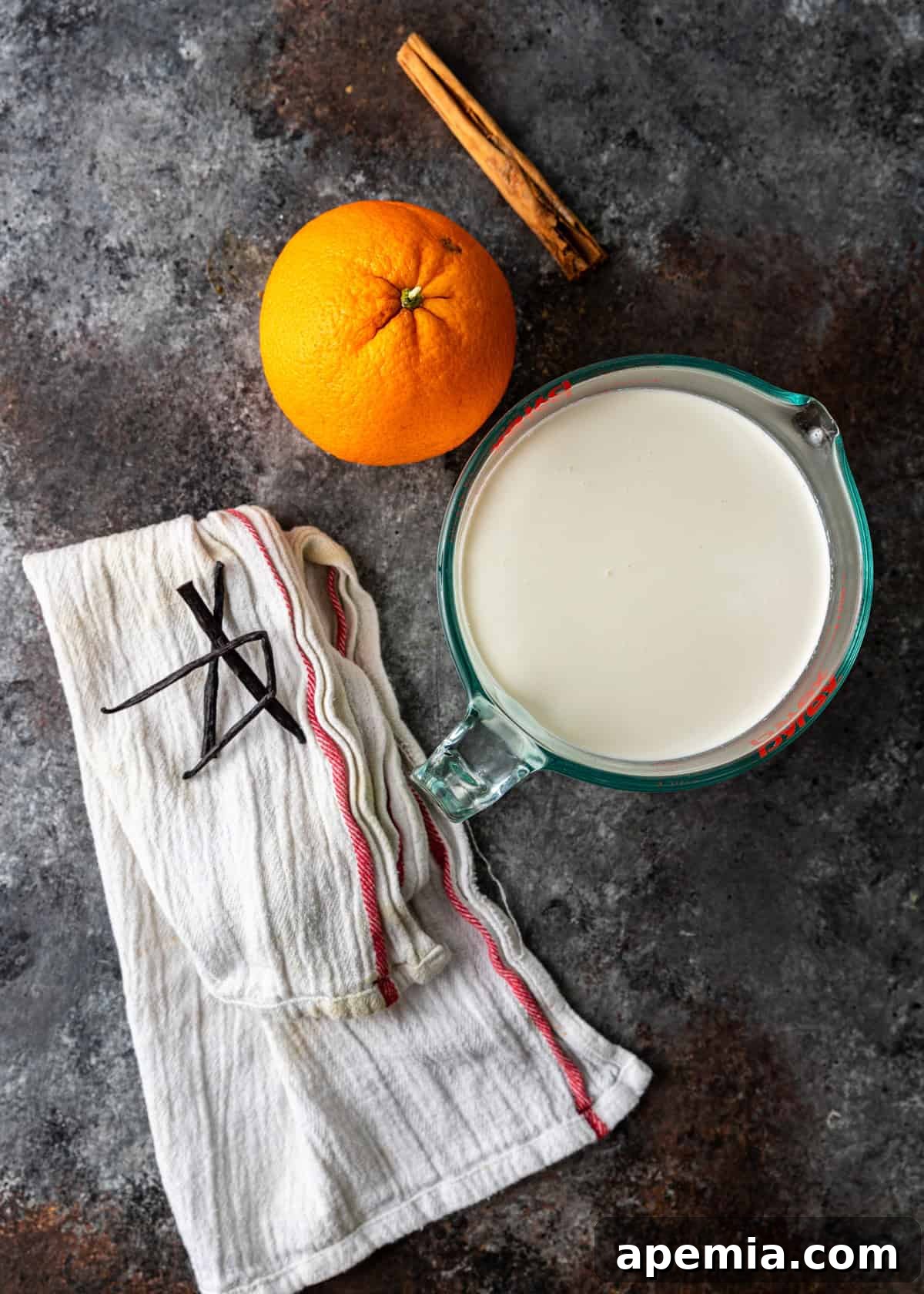
- Vanilla: For an unparalleled depth of flavor, fresh vanilla bean is highly recommended. The tiny black specks and intense aroma of a scraped vanilla bean truly elevate the custard. If a vanilla bean isn’t available, 1 teaspoon of good quality vanilla extract can be used as a convenient substitute.
- Orange Peel: A crucial component for traditional Spanish custard, orange peel provides a bright, citrusy counterpoint to the rich custard. While some variations may use lemon, orange is the classic choice. When peeling the rind, be meticulous to avoid including any of the white pith, which is notoriously bitter and can impart an undesirable flavor to your delicate custard.
- Cinnamon Stick: A whole cinnamon stick infuses the milk and cream mixture with a warm, comforting spice that harmonizes beautifully with the orange and vanilla. While optional, its inclusion adds a delightful depth that is characteristic of authentic Crema Catalana.
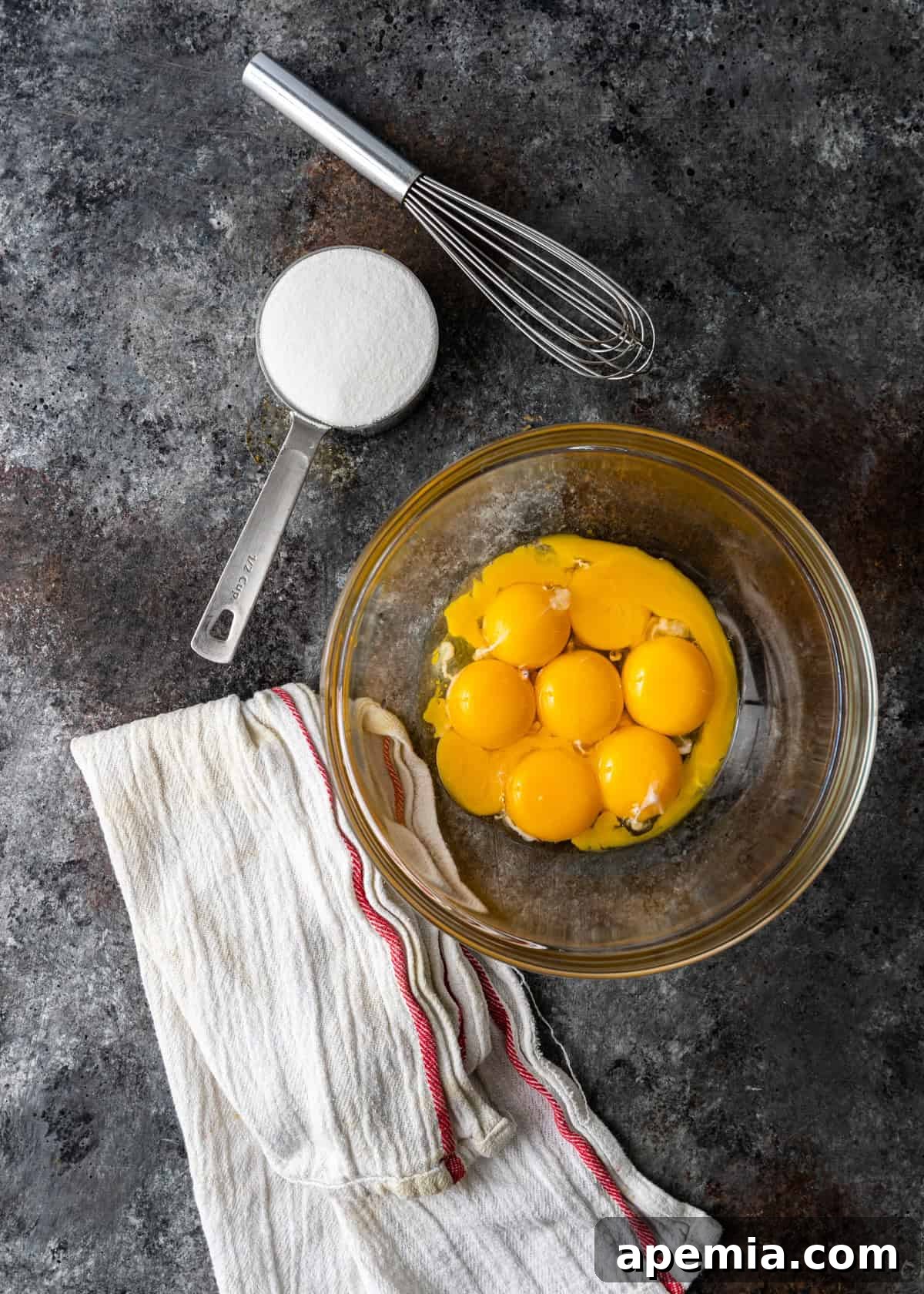
- Egg Yolks: For this recipe, we exclusively use egg yolks, which are essential for achieving the custard’s luxurious richness and smooth texture. Don’t let the egg whites go to waste! They can be frozen for later use in recipes like meringue cookies, light omelets, or even another cheesecake.
- Cornstarch: This is a key ingredient that sets Crema Catalana apart from crème brûlée. Cornstarch acts as a thickening agent, allowing the custard to achieve its characteristic consistency without relying solely on a high fat content from heavy cream. This results in a lighter yet perfectly set custard.
- Granulated Sugar: This sweetens the custard base, providing a balanced sweetness that doesn’t overpower the delicate spice and citrus notes. It’s distinct from the finishing sugar used for the crust.
- Turbinado Finishing Sugar: For the ultimate caramelized crust, turbinado sugar (also known as raw or natural brown sugar) is an excellent choice. Its larger crystals and molasses content caramelize beautifully, yielding a deep, rich flavor and a wonderfully crisp texture. While superior, regular granulated white sugar can be used if turbinado is unavailable.
How to Make Crema Catalana: A Step-by-Step Guide for Perfection
Crafting this Spanish delicacy is a rewarding process. Follow these detailed steps to achieve a perfectly silky and flavorful Crema Catalana:
- Prepare the Aromatics: Begin by splitting the vanilla bean lengthwise with a paring knife, being careful to keep the ends intact. This allows the seeds and flavors to infuse properly. Next, carefully peel four strips of orange rind. The key here is to avoid cutting into the white pith directly underneath the zest, as it is bitter and can spoil the delicate flavor of your custard.
- Gently Infuse and Simmer: In a sturdy saucepan, combine the whole milk, heavy cream, the prepared orange rind, vanilla bean, and the cinnamon stick (if using). Place the saucepan over low heat and bring the mixture slowly to a gentle boil, stirring frequently to prevent the milk from scorching at the bottom of the pan. As soon as it reaches a boil, remove the pan from the heat and allow the mixture to cool down completely. This infusion step is crucial for developing the complex flavors of the custard.
- Strain for Silkiness: Once the infused milk mixture has cooled, pour it through a fine-mesh strainer into another clean bowl. This step removes the vanilla bean, orange peel strips, and cinnamon stick, ensuring your custard will have a perfectly smooth and luxurious consistency. Discard the strained aromatics.
- Prepare Egg & Cornstarch Mixtures: In a separate, medium-sized bowl, whisk together the egg yolks and granulated sugar until the mixture becomes thick, pale, and creamy. This is known as “ribbon stage.” Now, take one cup of the cooled, strained milk mixture and in a small bowl, dissolve the cornstarch thoroughly into it, whisking until no lumps remain. Then, stir this cornstarch slurry back into the main batch of the cooled milk mixture.
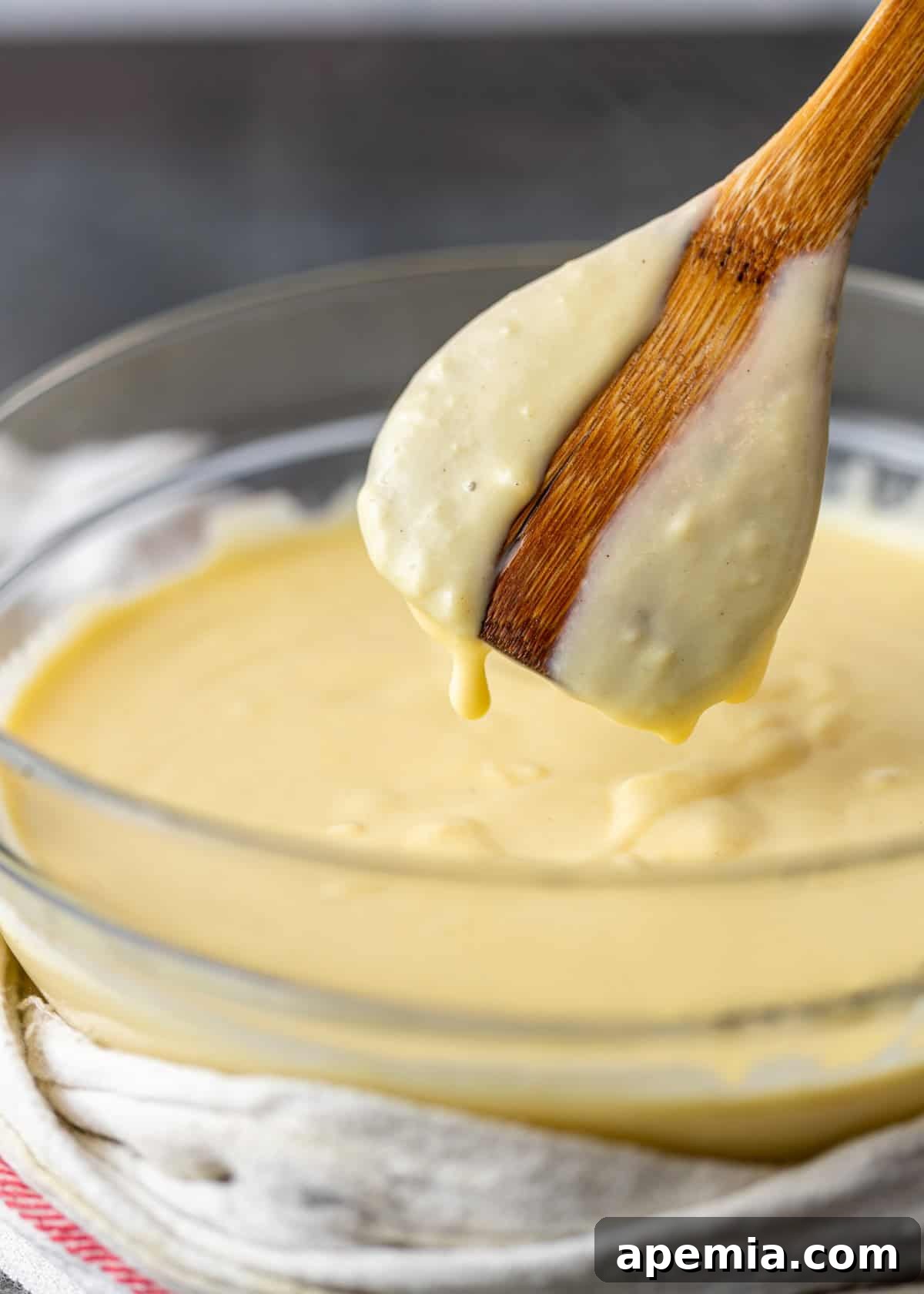
- Combine and Thicken in a Double Boiler: Gradually temper the egg yolk mixture by slowly pouring a small amount of the warm milk mixture into the egg yolks while continuously whisking. This prevents the eggs from scrambling. Once tempered, pour the entire egg yolk mixture into the remaining milk mixture and whisk until well combined. Transfer this combined mixture to the top pot of a double boiler. Heat over medium heat, stirring constantly with a whisk or a rubber spatula. Continue stirring until the cream thickens to a consistency similar to pudding. It’s absolutely crucial to not let the mixture boil at this stage, as boiling will curdle the eggs and ruin the custard’s texture.
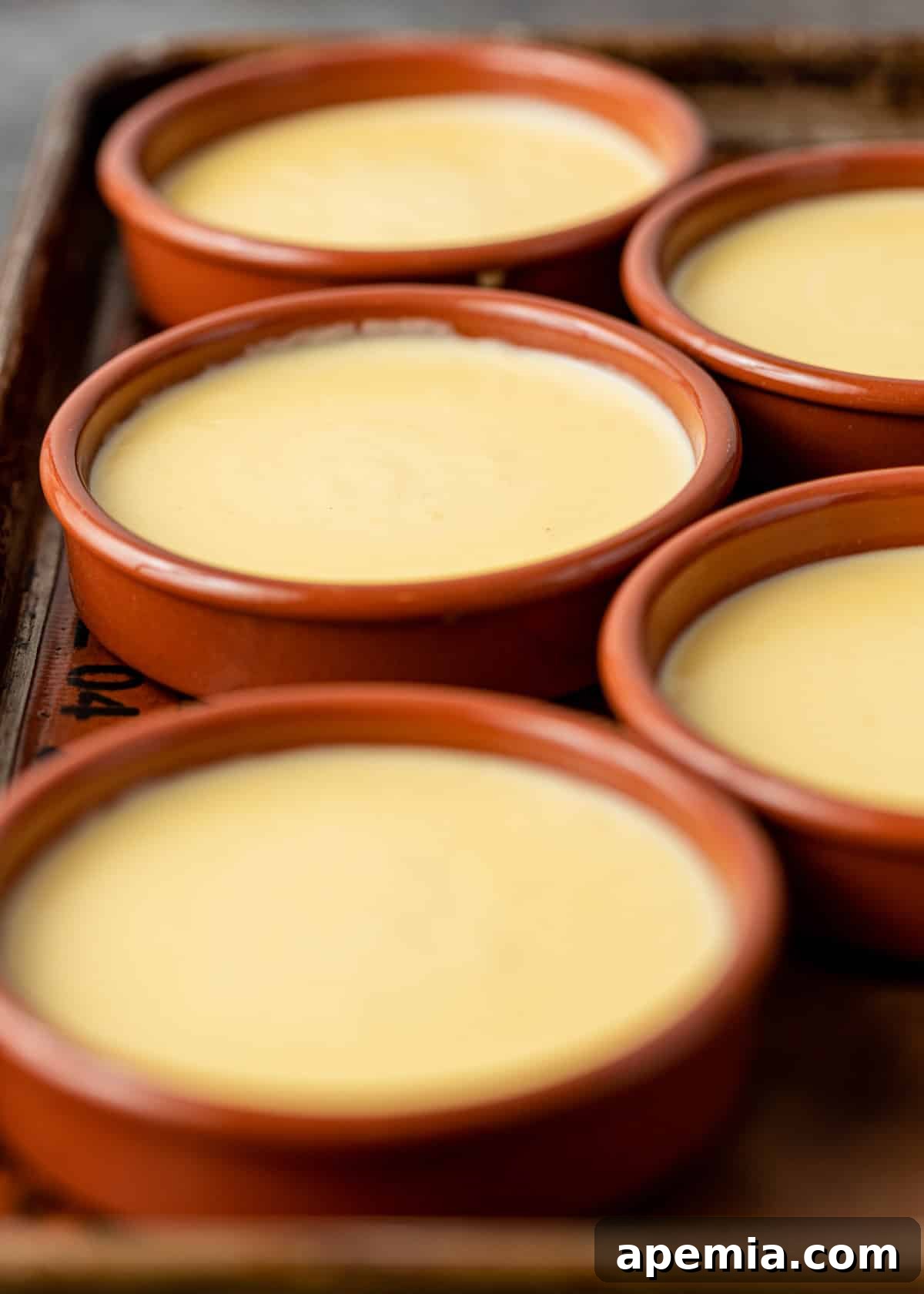
- Cool and Chill Thoroughly: Once thickened, remove the custard from the double boiler and allow it to cool slightly at room temperature. Then, divide the warm custard evenly among your chosen ramekins or traditional cazuelas. Cover each ramekin tightly with plastic wrap, ensuring the plastic touches the surface of the custard to prevent a skin from forming. Place the custards on a tray or baking sheet and chill them in the refrigerator overnight. This chilling period is essential for the custard to fully set and develop its perfect texture.
- Caramelize and Serve Immediately: The magical caramelized topping should only be added just before serving to ensure maximum crispness. Sprinkle about 1 tablespoon of turbinado sugar evenly over the surface of each chilled custard. If using a traditional catalana iron, heat it until glowing red, then press it firmly onto the sugar until it burns and forms a dark, brittle crust. Alternatively, use a kitchen torch to melt and caramelize the sugar until golden and crisp, or place the custards under a preheated broiler (as detailed in the “Mastering the Caramelized Topping” section above). Serve your magnificent Crema Catalana immediately, allowing guests to enjoy the delightful contrast of the warm, crunchy top and the cool, silky custard.
Recommended Tools for Success in Making Crema Catalana
Having the right equipment can make all the difference in achieving the perfect Crema Catalana:
- Saucepan: Invest in a good-quality, heavy-bottomed saucepan that distributes heat evenly. This is crucial for simmering your milk and cream mixture without scorching the bottom, which can impart an undesirable flavor to your delicate custard.
- Fine-Mesh Strainer: For the silkiest, smoothest custard texture, a fine-mesh strainer is indispensable. It removes any infused aromatics (like vanilla bean, orange peel, and cinnamon stick) and ensures no small lumps remain in your custard base.
- Double Boiler: While a makeshift setup can work in a pinch, a dedicated double boiler is highly recommended for this Crema Catalana recipe. The volume of liquid involved benefits from the consistent, gentle, indirect heat provided by a traditional double boiler, greatly reducing the risk of scrambling the eggs or scorching the custard.
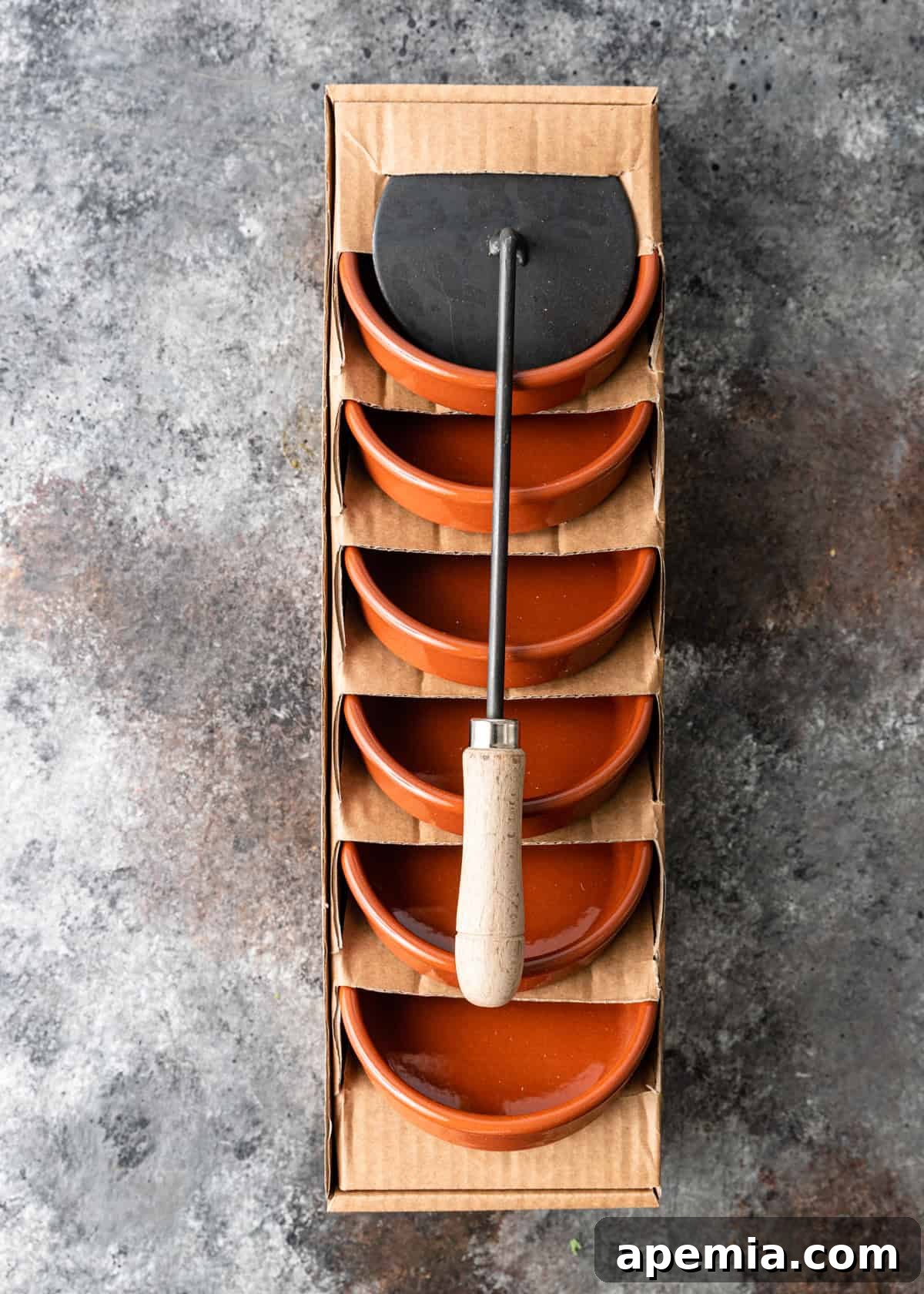
- Cazuelas or Ramekins: Individual serving dishes are essential. Traditional Spanish cazuelas (small, shallow terracotta dishes) are charming and authentic. However, any standard oven-safe ramekins will work perfectly. Many Crema Catalana sets even come complete with six cazuelas and a caramelizing iron, making it a great starter kit.
- Whisk: A good whisk is vital for combining ingredients smoothly and for constant stirring during the thickening process to prevent lumps.
- Paring Knife: Useful for carefully splitting the vanilla bean and peeling the orange rind without getting the bitter pith.
- Kitchen Torch or Catalana Iron: As discussed in detail above, one of these tools is necessary to achieve the iconic caramelized sugar crust.
Storing and Make-Ahead Tips for Crema Catalana
The magic of Crema Catalana truly shines when the caramelized sugar topping is freshly torched or ironed. The dramatic crack and the contrast of warm, crisp sugar against the cool, creamy custard are what make this dessert so special. Therefore, it is always best to caramelize the sugar topping just moments before serving.
If you anticipate having leftovers or wish to prepare this delightful dessert in advance, the strategy remains the same: complete all steps up to the chilling of the custard, but hold off on adding and caramelizing the sugar. Store the plain, chilled custards, tightly covered with plastic wrap directly on their surface (to prevent a skin from forming), in an airtight container in the refrigerator.
Properly stored, Spanish custard can maintain its quality for up to 3 days in the refrigerator. When you’re ready to serve, simply remove the custards from the fridge, sprinkle with turbinado sugar, and caramelize using your preferred method. This ensures that every serving offers that delightful, satisfying crunch. Reheating the custard itself is not recommended as it can compromise the delicate texture; it’s designed to be enjoyed chilled with a warm topping.
Share this recipe on Pinterest!
Love this recipe? Share it with the world on Pinterest and save it for later.
Frequently Asked Questions About Crema Catalana
What is the difference between crème brûlée and Crema Catalana?
While often confused due to their similar appearance and caramelized crust, crème brûlée and Crema Catalana have distinct differences. Crème brûlée is a French dessert, typically baked in a water bath, made with a higher proportion of heavy cream and fewer eggs, resulting in a richer, denser custard. Its primary flavoring is usually just vanilla. Crema Catalana, on the other hand, is a Spanish custard, traditionally cooked on the stovetop (often in a double boiler) and thickened with cornstarch in addition to egg yolks. It uses more milk than cream, making it a lighter dessert, and is famously flavored with citrus (usually orange), cinnamon, and vanilla.
Do I need to let the custard cool before I put it in the fridge?
Yes, it’s very important to allow your Crema Catalana to cool significantly at room temperature before covering it with plastic wrap and transferring it to the refrigerator. If you cover a steaming hot custard, the trapped moisture will condense, creating water droplets that can drip back into the custard, altering its delicate texture and potentially making it watery or grainy. Ensure it has stopped steaming before chilling.
Is Spanish custard served warm or cold?
Crema Catalana is traditionally served chilled, directly from the refrigerator. However, the caramelizing process for the sugar topping briefly warms the very top layer of the custard, creating a delightful contrast. So, while the bulk of the custard remains cool and firm, the crunchy, caramelized sugar will be slightly warm. Some individuals may prefer to let it sit out for a few minutes to reach room temperature before serving, but it’s never served piping hot, as it requires chilling to properly set.
Can I make Crema Catalana ahead of time?
Absolutely! Crema Catalana is an excellent make-ahead dessert. You can prepare the custard, pour it into ramekins, cover it, and chill it in the refrigerator for up to 3 days. The key is to wait until just before serving to add the sugar and caramelize it. This ensures the topping remains crisp and perfect, offering that signature “crack” that everyone loves.
What if my custard doesn’t thicken?
If your custard isn’t thickening, it might be due to insufficient cooking time or the heat being too low. Ensure you are cooking it over medium heat in a double boiler, stirring constantly. The cornstarch needs to reach a certain temperature to activate its thickening properties. Also, ensure you’ve whisked the cornstarch thoroughly into a portion of the milk mixture before adding it to the rest of the custard, preventing lumps and ensuring even thickening. Continue stirring gently until it coats the back of a spoon and is visibly thicker.
Spanish Custard (Crema Catalana)
Crema Catalana is a delicious Spanish custard spiced with cinnamon, citrus, and vanilla. It’s a creamy, silky, and mouthwatering dessert that’s surprisingly simple to make!
Prep: 12 mins
Cook: 20 mins
Chill Time: 4 hrs
Total: 4 hrs 32 mins
Print Recipe
Equipment
- 1 Crema Catalana Set with Six 4.5 inch Cazuelas & Caramelizing Iron
- Saucepan
- Fine-mesh strainer
- Whisk
- Paring knife
- Double boiler
Ingredients
- 2 cups whole milk
- 1 cup heavy cream
- 1 vanilla bean (or 1 tsp vanilla extract)
- 1 orange (for 4 strips of orange peel)
- 1 cinnamon stick
- 10 egg yolks (save egg whites for other use)
- ½ cup granulated sugar
- 3 tbsp corn starch
- ½ cup turbinado sugar (for finishing)
Instructions
- Using a paring knife, make a slit down the middle of the vanilla bean, keeping the ends intact. Carefully peel 4 strips of orange rind, being sure not to cut into the bitter white pith.
- In a saucepan, combine the milk, cream, vanilla bean, orange rind, and cinnamon stick (if using). Bring the mixture slowly to a gentle boil over low heat, stirring regularly to prevent scorching. Once boiling, remove from heat and let it cool completely.
- Strain the cooled milk and cream mixture to remove the vanilla bean, orange peel strips, and cinnamon stick. Discard the solids.
- In a separate bowl, whisk the egg yolks and granulated sugar until thick and creamy. In a small bowl, dissolve the cornstarch in 1 cup of the cooled milk mixture, then stir it back into the remaining milk mixture.
- Gradually whisk the milk-cornstarch mixture into the egg yolk-sugar mixture until well combined. Transfer this to a double boiler over medium heat and stir constantly until the cream thickens. Do NOT let it boil.
- Remove the thickened cream from heat, allow it to cool slightly, then pour into ramekins or cazuelas. Cover each custard surface directly with plastic wrap to prevent a skin from forming, and chill overnight in the refrigerator.
- Just before serving, sprinkle 1 tablespoon of turbinado sugar evenly over each ramekin or cazuela. Heat a catalana iron on an electric stove top burner or over an open flame until glowing red, then press it against the sugar until caramelized. Alternatively, use a kitchen torch or place under a preheated oven broiler (refer to “Mastering the Caramelized Topping” section for detailed instructions). Serve immediately.
Notes
- A double boiler is a pan constructed in two parts. The lower half contains boiling water, while the upper half holds the food and sits above the water without touching it. Cooking occurs via the steam heat, providing gentle, even cooking.
- Alternative Ways to Caramelize the Sugar Topping:
Broiler (Oven Grill): Place sugar-topped custards under a preheated broiler. Keep the dishes as close to the broiler as possible. Watch very closely (1–3 minutes) to avoid burning. Rotate for even browning if needed.
Kitchen Torch (Best Substitute): Sprinkle sugar evenly on the chilled custard. Use a culinary torch to melt and caramelize the sugar until golden and crisp. Let it harden for 1–2 minutes before serving.
- Recipe adapted from Laylita’s Recipes.
Nutrition
Calories: 440kcal |
Carbohydrates: 46g |
Protein: 9g |
Fat: 25g |
Saturated Fat: 14g |
Polyunsaturated Fat: 2g |
Monounsaturated Fat: 8g |
Cholesterol: 379mg |
Sodium: 57mg |
Potassium: 240mg |
Fiber: 1g |
Sugar: 40g |
Vitamin A: 1198IU |
Vitamin C: 12mg |
Calcium: 182mg |
Iron: 1mg
The information shown is an estimate provided by an online nutrition calculator. It should not be considered a substitute for a professional nutritionist’s advice.
Have You Made This Recipe? Let Me Know on Instagram
Tag @keviniscooking or tag me #keviniscooking!