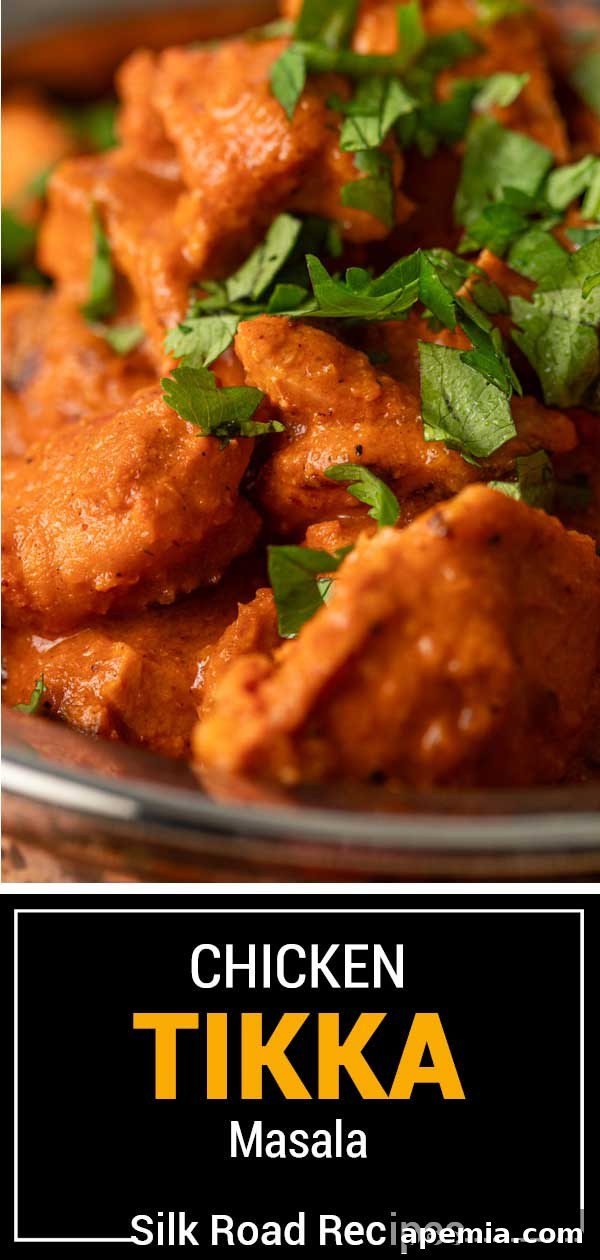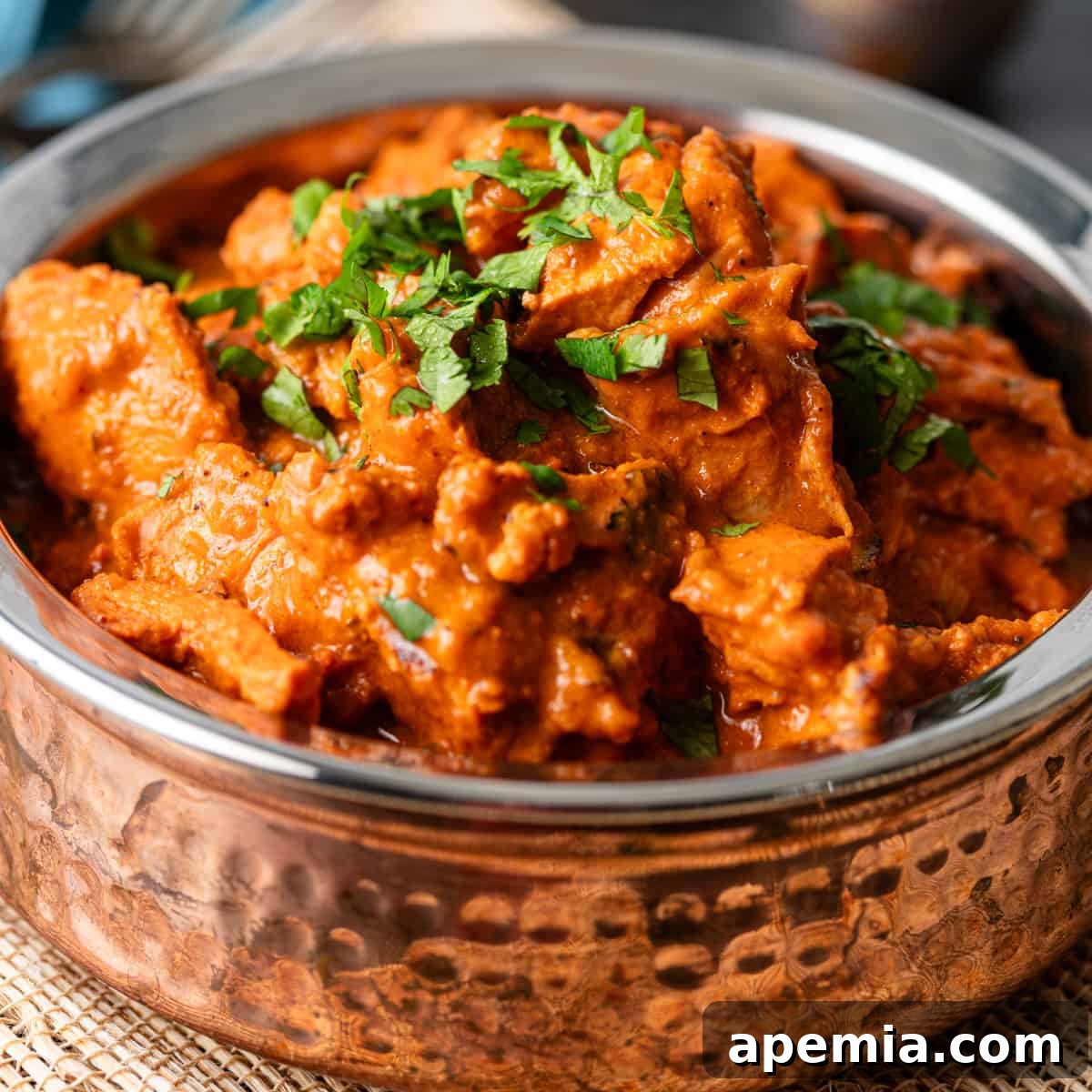
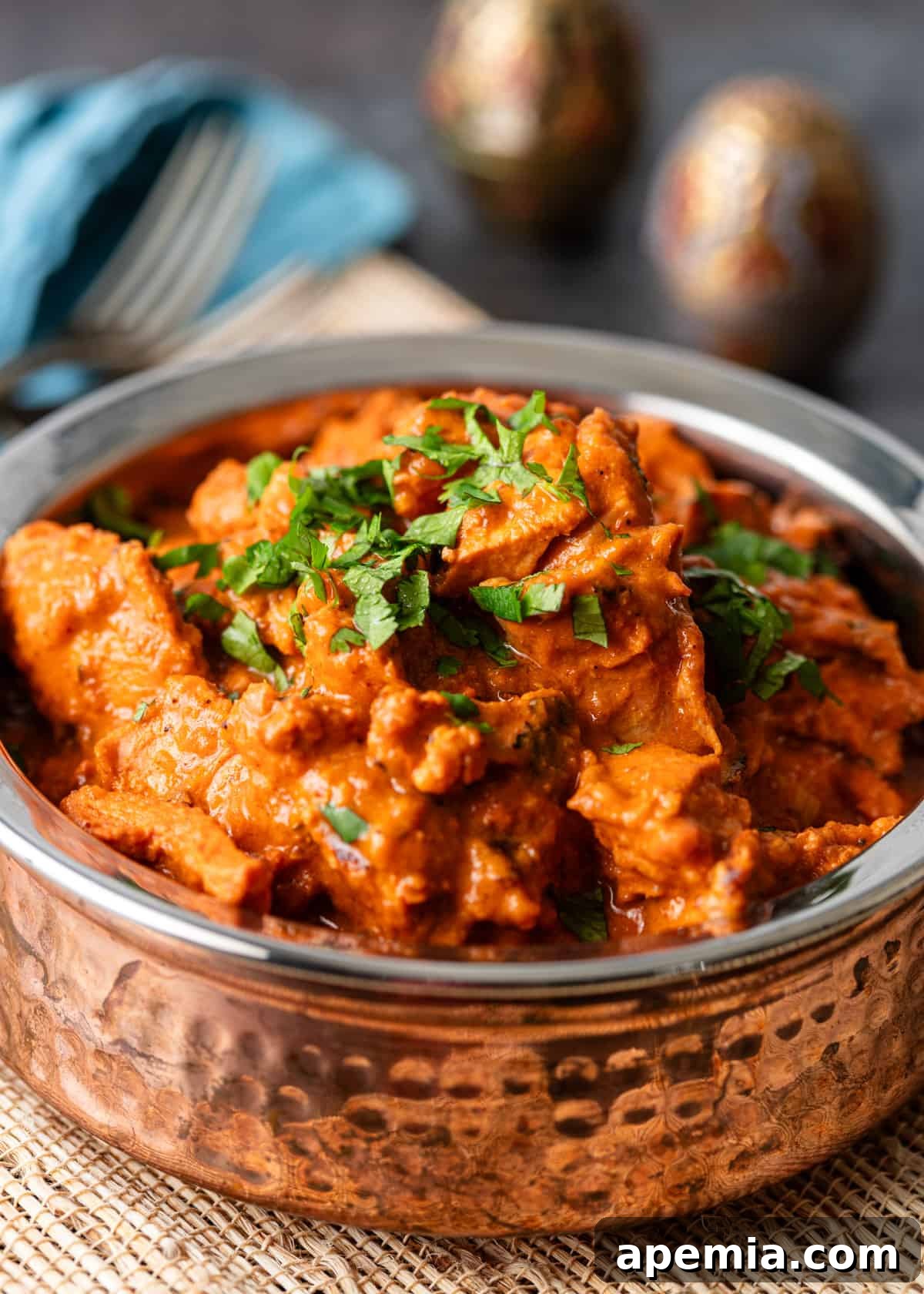
Tender chicken tikka in a rich, creamy masala sauce is a soulful, flavorful, and aromatic curry. It’s marinated and simmered with bold, savory ingredients like tomatoes, onions, Kashmiri chili powder, Greek yogurt, citrus, garam masala, curry powder, garlic, and so much more!
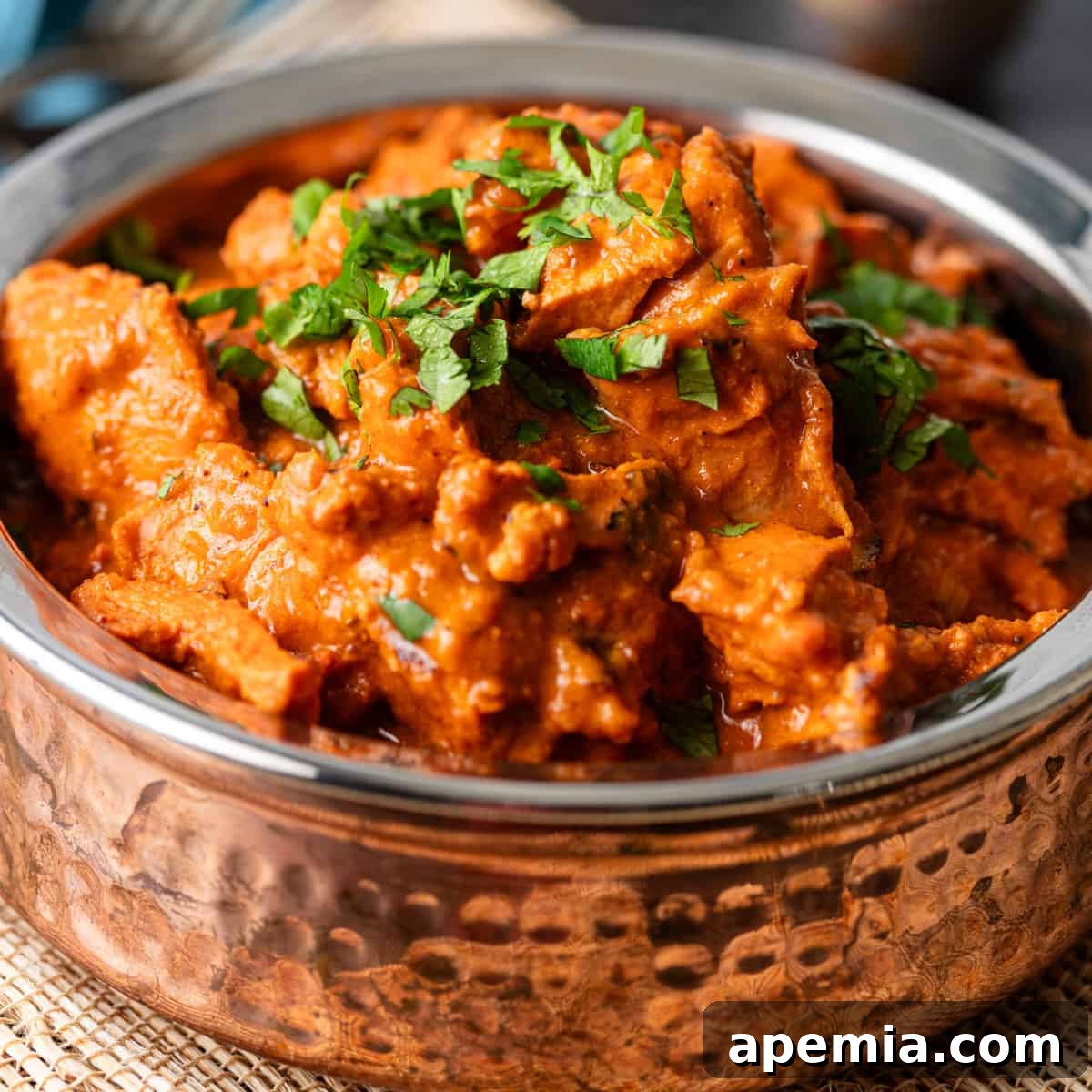
Mastering the Art of Homemade Chicken Tikka Masala
Craving the vibrant, comforting flavors of Punjabi cuisine? Nothing quite satisfies like a perfectly prepared Chicken Tikka Masala. This globally beloved dish offers a luxurious blend of creamy texture, aromatic spices, and tender chicken that creates an unforgettable culinary experience. Originating from the rich culinary traditions of the Indian subcontinent and famously perfected in British Indian restaurants, Chicken Tikka Masala has earned its place as a staple comfort food worldwide. Unlike some intensely spicy Southeast Asian dishes, it boasts a balanced flavor profile that appeals to a wide range of palates, making it an ideal crowd-pleaser for any gathering, from casual weeknight dinners to special occasions.
This recipe will guide you through crafting a truly authentic and deeply flavorful Chicken Tikka Masala from scratch. We’ll delve into the secrets of creating succulent, marinated chicken that’s charred to perfection, and then simmering it in a velvety, smoky, tomato-based sauce. Get ready to impress your family and friends with a homemade curry that rivals your favorite Indian restaurant!
Chicken Tikka vs. Butter Chicken: Unraveling the Delicious Difference
It’s common for many to confuse two of India’s most cherished chicken curries: Butter Chicken (Murgh Makhani) and Chicken Tikka Masala. While both are undeniably delicious, feature tender chicken in a rich, tomato-based sauce, and are often served with rice and naan, their distinct characteristics set them apart in flavor and preparation.
Butter Chicken is renowned for its sweet, buttery undertones and a generally milder spice level. The sauce is typically smoother, often enriched with cashews or almonds, and a generous amount of butter or ghee, alongside cream. Its sweetness usually comes from the addition of sugar, honey, or even dried fruit, which balances the acidity of the tomatoes and creates an incredibly indulgent, velvety experience. The chicken in Butter Chicken is often marinated in yogurt and mild spices before being cooked, but it doesn’t always undergo the charring process characteristic of Tikka.
In contrast, Chicken Tikka Masala offers a smoky, tangy, and subtly spicy profile. The “tikka” refers to pieces of chicken marinated in a spiced yogurt mixture, which are traditionally grilled in a tandoor oven or charred in a pan to impart a distinct smoky flavor before being simmered in the “masala” (spice blend) sauce. The masala sauce is richly spiced, built upon a robust foundation of caramelized onions, garlic, ginger, and tomatoes, enriched with creamy Greek yogurt, and brightened by citrus. A blend of quintessential Indian herbs and spices, including a beautiful kick from Kashmiri chili powder, contributes to its more robust and complex flavor profile. The result is a deeper, more aromatic experience that balances tanginess with warmth, offering layers of savory and earthy notes.
While this recipe focuses on the classic chicken tikka masala, the versatile tomato curry sauce can easily be adapted for a delicious vegetarian meal. Simply substitute the chicken with hearty lentils or tender chickpeas, allowing them to simmer in the rich sauce for a soulful, meat-free alternative that doesn’t compromise on flavor. This flexibility makes it a fantastic recipe for diverse dietary preferences.
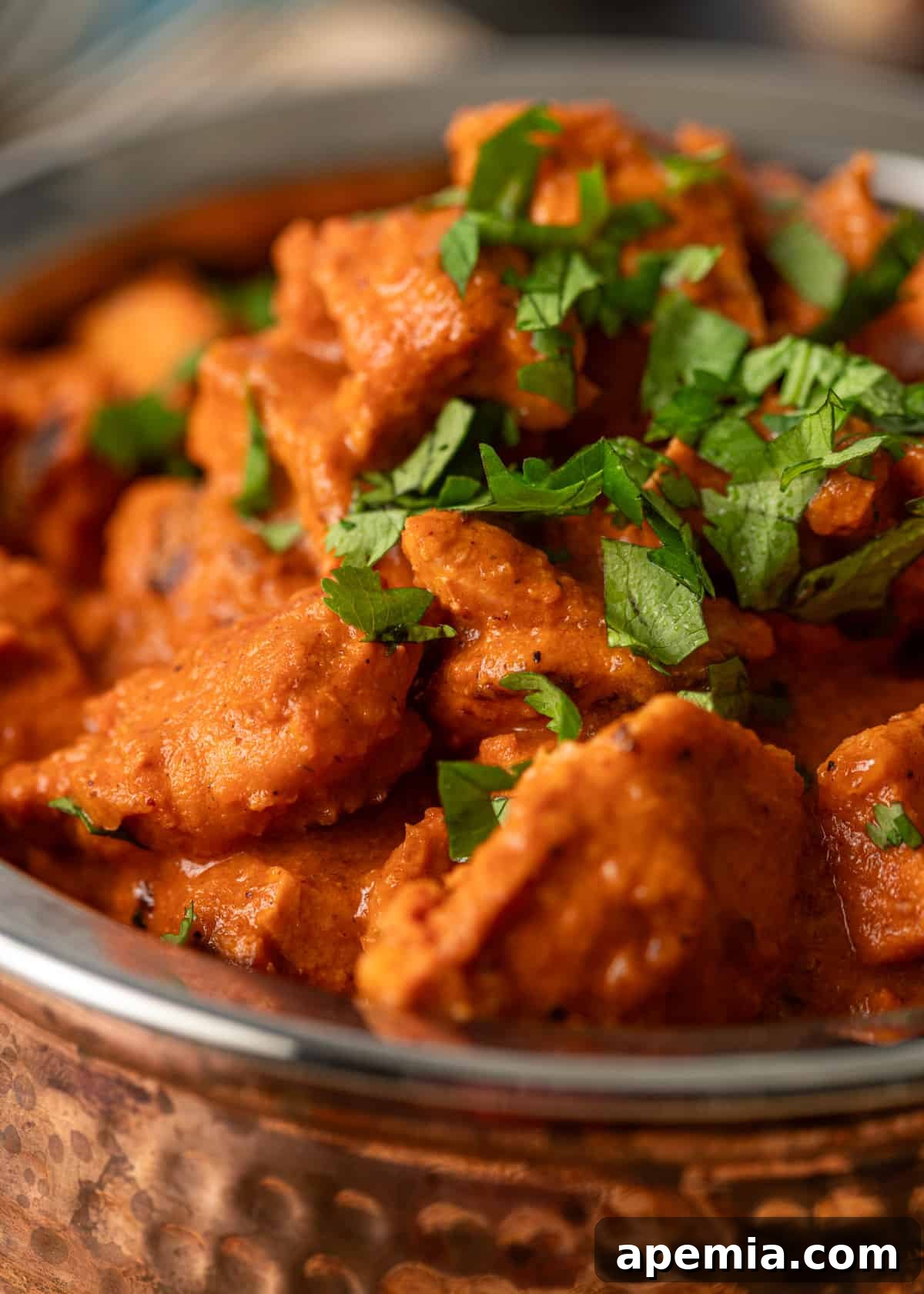
A Culinary Journey and Friendship: The Story Behind the Recipe
My passion for global cuisine often takes me to exciting places, and a recent trip to London, England, following an adventure in Egypt, brought a particularly memorable encounter. It was there that I had the distinct pleasure of finally meeting my friend Dan Toombs, widely known as The Curry Guy, in person. We had cultivated a friendship online over several years, sharing our mutual love for food and blogging, but had never truly connected face-to-face. To remedy this, I took a scenic train journey to meet him and his wonderful wife, Caroline, in the historic city of York for a day filled with delightful conversations. Beyond exploring the beautiful local sites and soaking in the charming atmosphere, our discussions naturally revolved around all things food and blogging, making it an incredibly inspiring and enjoyable day.
Dan is a true authority on Indian cuisine, especially the “BIR” (British Indian Restaurant) style, which is often what people envision when they think of Chicken Tikka Masala outside of India. His dedication to recreating restaurant-quality Indian dishes at home is truly impressive, and for those eager to delve deeper into authentic BIR-style Indian cooking, I highly recommend exploring his amazing recipes and insights on his website, Great Curry Recipes. It’s a fantastic resource for any curry enthusiast.

Table of Contents
- Why You’ll Love This Recipe
- Chicken Tikka vs. Butter Chicken
- Key Ingredients and Clever Substitutions
- Pro Tip: The Magic of Cashews in Curry
- Step-by-Step Guide to Perfect Chicken Tikka Masala
- Recommended Kitchen Tools
- Storing and Reheating Your Masala
- Frequently Asked Questions
- The Ultimate Chicken Tikka Masala Recipe
Serving Your Soulful Chicken Tikka Masala
To truly complete the experience and fully appreciate every drop of this rich, creamy curry sauce, serve your Chicken Tikka Masala with an abundance of traditional Indian accompaniments. Warm, fluffy garlic naan is almost mandatory; its soft, chewy texture and aromatic garlic flavor are perfect for scooping up the luscious sauce. Another essential is perfectly cooked, fragrant basmati rice, which soaks up all the incredible flavors, adding a wonderful textural contrast and making the meal even more satisfying. Ideally, offer both naan and rice to your guests!
For an added touch of freshness and to balance the richness of the curry, consider garnishing with a generous sprinkle of fresh chopped cilantro. A dollop of plain Greek yogurt or a side of refreshing cucumber raita can also provide a delightful cooling counterpoint. Don’t forget a wedge of fresh lime for an optional squeeze of bright acidity, further enhancing the complex flavors of the dish. These thoughtful additions elevate the meal from simply delicious to truly unforgettable.
Pro Tip: The Magic of Cashews in Curry
Cashews play a crucial role in this curry sauce, acting as a natural thickener and imparting a subtle sweetness and richness that elevates the entire dish. When raw cashews are ground into a paste, their naturally high oil content transforms them into a wonderfully smooth, creamy emulsion. This contributes significantly to the luxurious, velvety texture of the masala, creating a truly restaurant-quality mouthfeel. For the best results, it is vital to use raw, unsalted cashews if possible. Roasted or smoked nuts can introduce unwanted, assertive flavors that might clash with the delicate balance of spices in the curry. Raw cashews offer a neutral base, ensuring they blend seamlessly into a creamy consistency without overpowering other aromatic ingredients.
If you find yourself without cashews, or if you have a nut allergy, there are viable substitutes. Blanched almonds, peeled and then ground into a paste, can offer a similar thickening property and a slightly different nutty flavor. Walnuts can also work, though their flavor is more pronounced. For a completely nut-free alternative, you could try using a small amount of cornstarch or flour slurry (mixed with water) added at the end of cooking to thicken the sauce, though this won’t provide the same richness or subtle sweetness that cashews offer.
Key Ingredients and Clever Substitutions for Your Tikka Masala
Crafting the perfect Chicken Tikka Masala relies on a careful selection of fresh ingredients and a masterful blend of aromatic spices. Here’s a closer look at what you’ll need and how to make smart substitutions to ensure a delicious outcome every time:
- Chicken: For the most tender and flavorful result, boneless, skinless chicken is highly recommended. Both chicken thighs and breasts work beautifully in this recipe, offering slightly different textures. Chicken thighs tend to stay juicier and more forgiving during cooking, while breasts offer a leaner option. Regardless of your choice, ensure you cut your chicken into uniform 2-inch cubes to guarantee even cooking and optimal absorption of the marinade flavors.
- Greek Yogurt: This is a superstar ingredient in our marinade! Greek yogurt not only acts as a powerful tenderizer, breaking down the chicken fibers to create incredibly succulent and moist pieces, but it also infuses the meat with a delightful tangy, full-bodied flavor. Its thick consistency also helps the marinade cling effectively to the chicken, ensuring maximum flavor penetration. Full-fat Greek yogurt is preferred for its richness.
- Heavy Cream: The heavy cream is the secret to achieving the signature smooth, luxurious, and ultra-creamy texture of Chicken Tikka Masala sauce. It enriches the sauce, adds a velvety mouthfeel, and mellows the spices, creating a harmonious flavor profile. For a fantastic dairy-free alternative that maintains a rich consistency and beautifully complements the South Asian flavor profile, always opt for full-fat coconut milk. Its natural sweetness and creaminess make it an excellent substitute.
- Onions: We utilize two distinct types of onions to build layers of flavor. Red onions are blended into the marinade, contributing a sharper, more pungent base that adds complexity to the chicken’s flavor. Mellow yellow onions, on the other hand, are slowly caramelized to form the sweet, aromatic base of our rich curry sauce. This dual approach ensures a depth of onion flavor.
- Tomatoes: I prefer to use fresh Roma (plum) tomatoes for their firm flesh and balanced sweetness, which contribute a robust tomato flavor and body to the sauce. If fresh Romas aren’t readily available or in season, high-quality drained, unseasoned canned chopped tomatoes make an excellent and convenient substitute, ensuring consistency and ease.
- Chiles: Fresh serrano chiles provide a vibrant, fiery kick to the marinade, adding a layer of fresh heat. The beauty of this ingredient is its adjustability: omit it entirely for a milder dish, or add an extra one for a bolder spice level, catering to your personal preference. Remember to handle chiles with care, especially when processing them.
- Cashews: As highlighted in our dedicated pro tip, cashews are indispensable for thickening the sauce and adding a rich, nutty, and subtly sweet dimension. They contribute significantly to the smooth, luxurious mouthfeel that defines a great Tikka Masala, making the sauce truly irresistible.
- Lemons & Limes: A squeeze of fresh citrus is absolutely vital for adding depth, brightness, and a beautiful tang to both the chicken marinade and the rich curry sauce. The acidity helps to cut through the richness, balancing the flavors beautifully and preventing the dish from tasting heavy. While you can substitute one for the other as needed, using both lemon and lime adds a wonderful dimension and complexity to the overall taste profile.
- Chicken Stock: This forms the flavorful liquid base of our curry sauce, adding richness and savory notes. A good quality chicken broth or a robust vegetable stock can be used as excellent alternatives. While plain water can work in a pinch, it will inevitably result in a less flavorful and robust sauce, so stock is highly recommended for depth.
- Herbs & Spices: Beyond the foundational salt, aromatic garlic, pungent ginger, and a hint of sugar (to balance the acidity of the tomatoes), these are the stars of our spice cabinet, each playing a crucial role in the symphony of flavors:
- Garam Masala: This essential Indian spice blend brings warmth, depth, and a complex aroma that is the hallmark of many North Indian dishes. Its name translates to “hot spice,” but it’s more about aromatic warmth and rich flavor rather than fiery heat. Feel free to adjust the quantity to suit your personal preference for spice intensity and overall aroma.
- Kashmiri Red Chili Powder: Highly valued in Indian cuisine for its vibrant, deep red color and subtle, fruity heat. It delivers a beautiful hue to the sauce without overwhelming the dish with excessive spiciness, making it ideal for Tikka Masala.
- Curry Powder: A widely recognized blend that adds a foundational curry flavor, often comprising turmeric, coriander, cumin, and other spices, providing a convenient base note.
- Turmeric: Beyond its striking yellow-orange color, turmeric contributes earthy, citrusy, and slightly peppery notes. It also acts as an important coloring agent and is known for its numerous health benefits, making it a powerful addition.
- Cumin & Coriander: This dynamic duo is absolutely foundational in Indian cuisine, providing warm, earthy, and slightly sweet notes that form the aromatic backbone of countless curries. Their balanced flavors are essential for an authentic profile.
- Fenugreek (Kasuri Methi): Dried fenugreek leaves, also known as Kasuri Methi, add a unique, slightly bitter, and highly aromatic flavor that is incredibly characteristic of many North Indian dishes. It’s often crushed between the palms and added at the end of cooking to preserve its delicate, distinctive aroma.
- Paprika: Contributes a mild, sweet peppery flavor and a beautiful red color, enhancing both the visual appeal and the depth of flavor in the sauce without adding significant heat.
Step-by-Step Guide to Perfect Chicken Tikka Masala
Follow these detailed steps to create a rich, aromatic, and deeply satisfying Chicken Tikka Masala that will transport your taste buds straight to India:
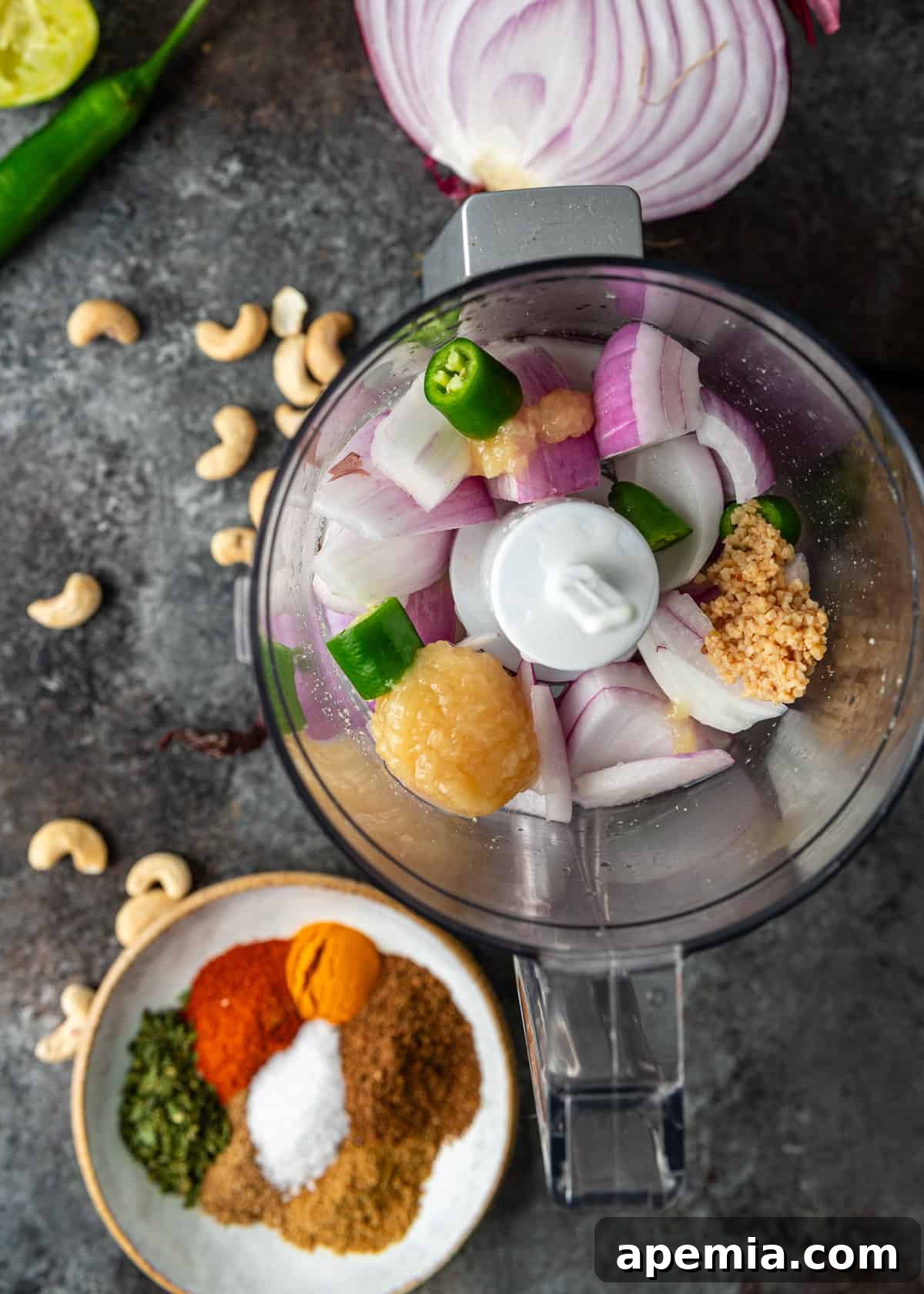
- Prepare the Flavor-Packed Marinade: Begin by combining half of a medium red onion (cubed), one serrano chile (quartered – adjust to your spice preference), ten raw cashews, one cup of creamy plain Greek yogurt, one tablespoon of fresh ginger paste, one tablespoon of minced garlic, and the juice of half a lime in a food processor. Pulse these ingredients until you achieve a smooth, uniform paste. Next, remove the lid and add the remaining marinade spices: two teaspoons of Kashmiri chili powder, two teaspoons of dried fenugreek leaves (Kasuri Methi), one teaspoon of kosher salt, one teaspoon of ground cumin, one teaspoon of garam masala, one teaspoon of ground coriander, and half a teaspoon of ground turmeric. Pulse again until all ingredients are thoroughly blended and the marinade is a vibrant, fragrant paste.
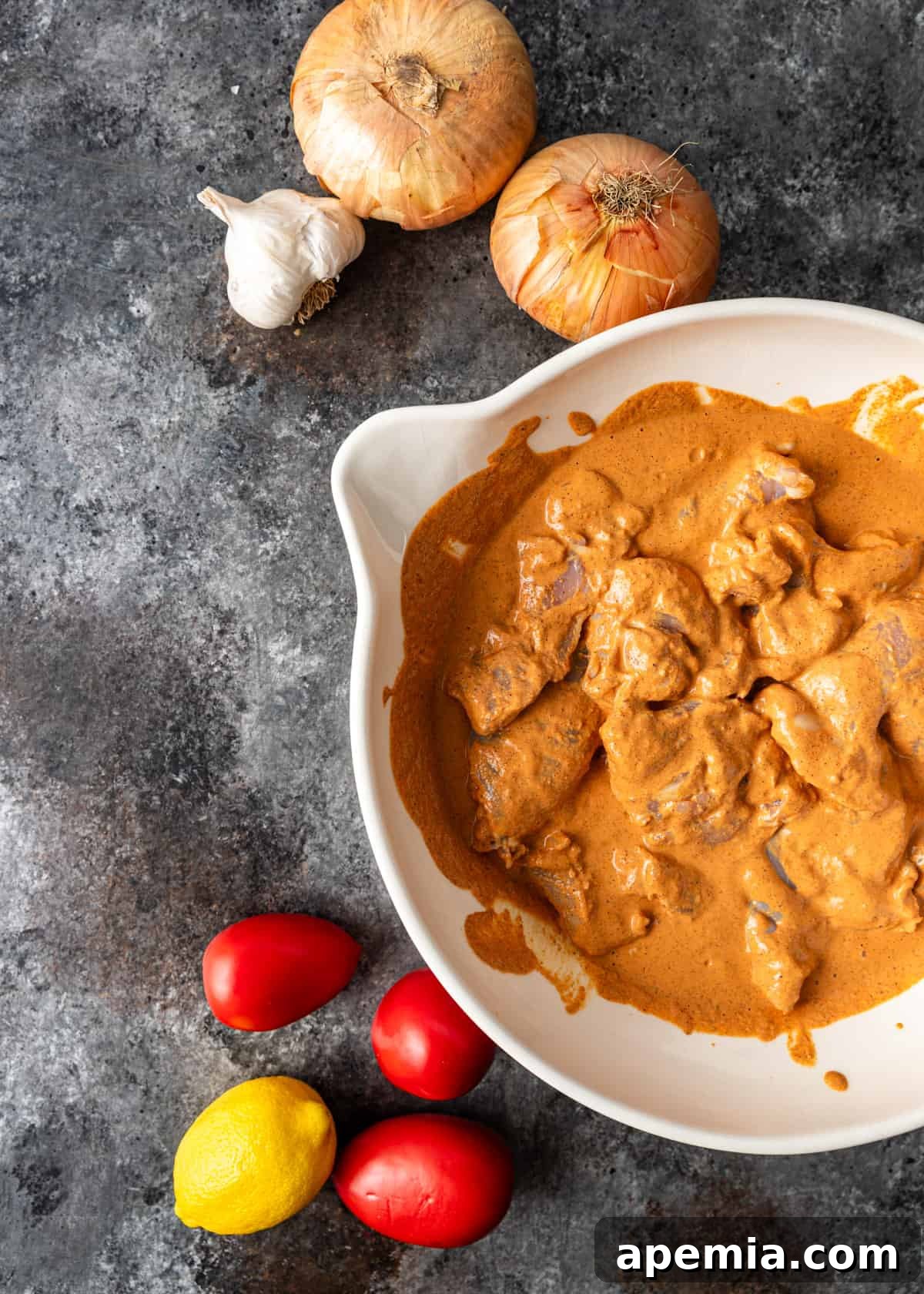
- Marinate the Chicken to Perfection: Transfer your two pounds of cubed boneless, skinless chicken to a large mixing bowl. Pour the freshly prepared marinade over the chicken, ensuring every piece is generously coated. Toss well with your hands or a spoon to distribute the flavors evenly. Cover the bowl tightly with plastic wrap and refrigerate for at least four hours. For the most tender and deeply flavored chicken, I highly recommend marinating overnight (up to 24 hours). This extended marination time allows the yogurt to tenderize the chicken and the robust spices to truly penetrate the meat, resulting in incredibly succulent chicken tikka.
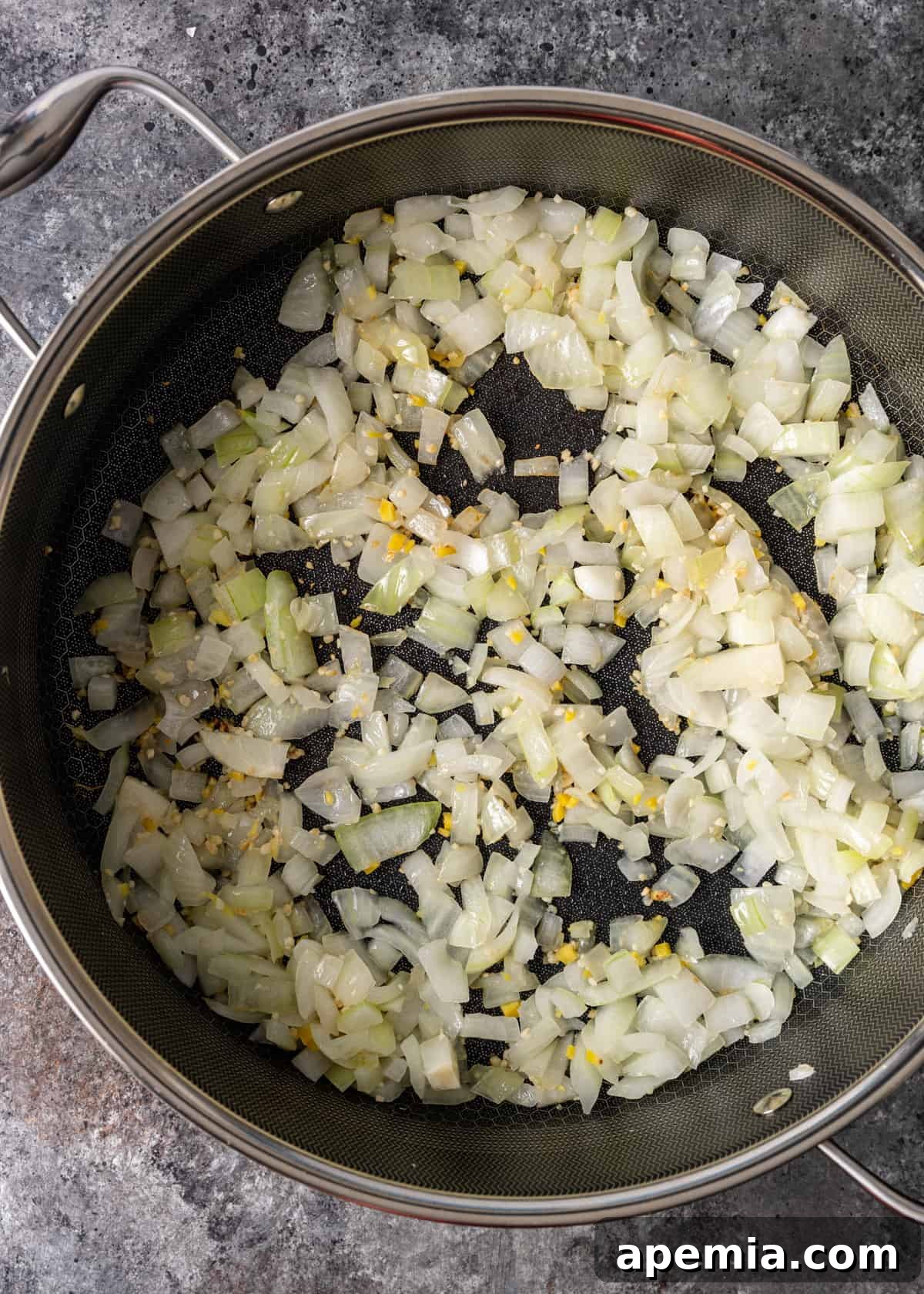
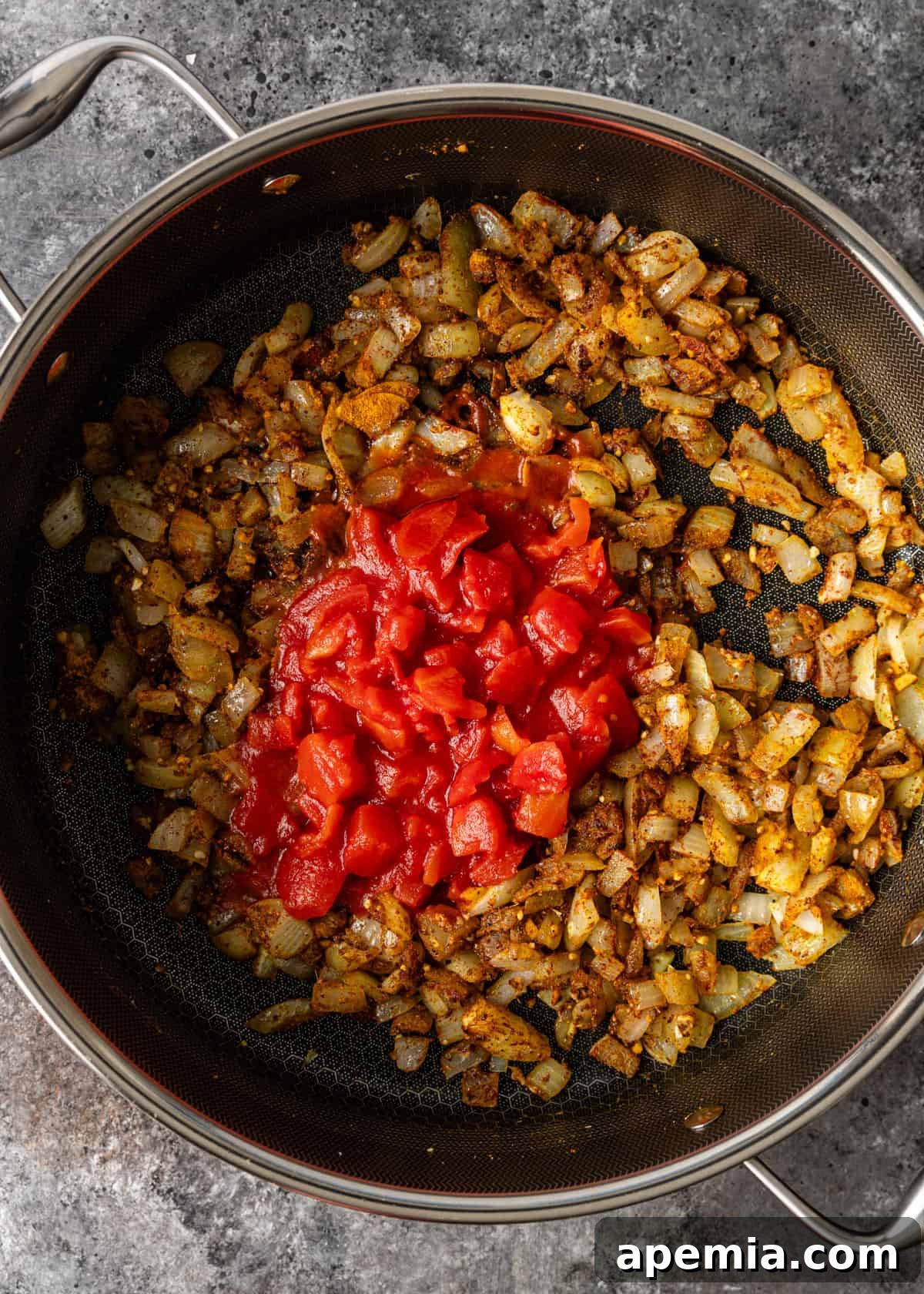
- Sauté the Aromatics for the Curry Base: In a large, heavy-bottomed saucepan or Dutch oven, melt two tablespoons of ghee (clarified butter) over medium-high heat. If ghee is unavailable, a high-quality vegetable oil works well. Add the two chopped yellow onions and sauté them for about 5 minutes, stirring occasionally, until they become beautifully soft, translucent, and just beginning to caramelize. This step is crucial for building a sweet, savory, and aromatic base for your curry. Then, add the four cloves of minced garlic and one tablespoon of fresh minced ginger, cooking for an additional 30 seconds until fragrant. Be vigilant here; garlic can burn quickly, which can impart a bitter taste.
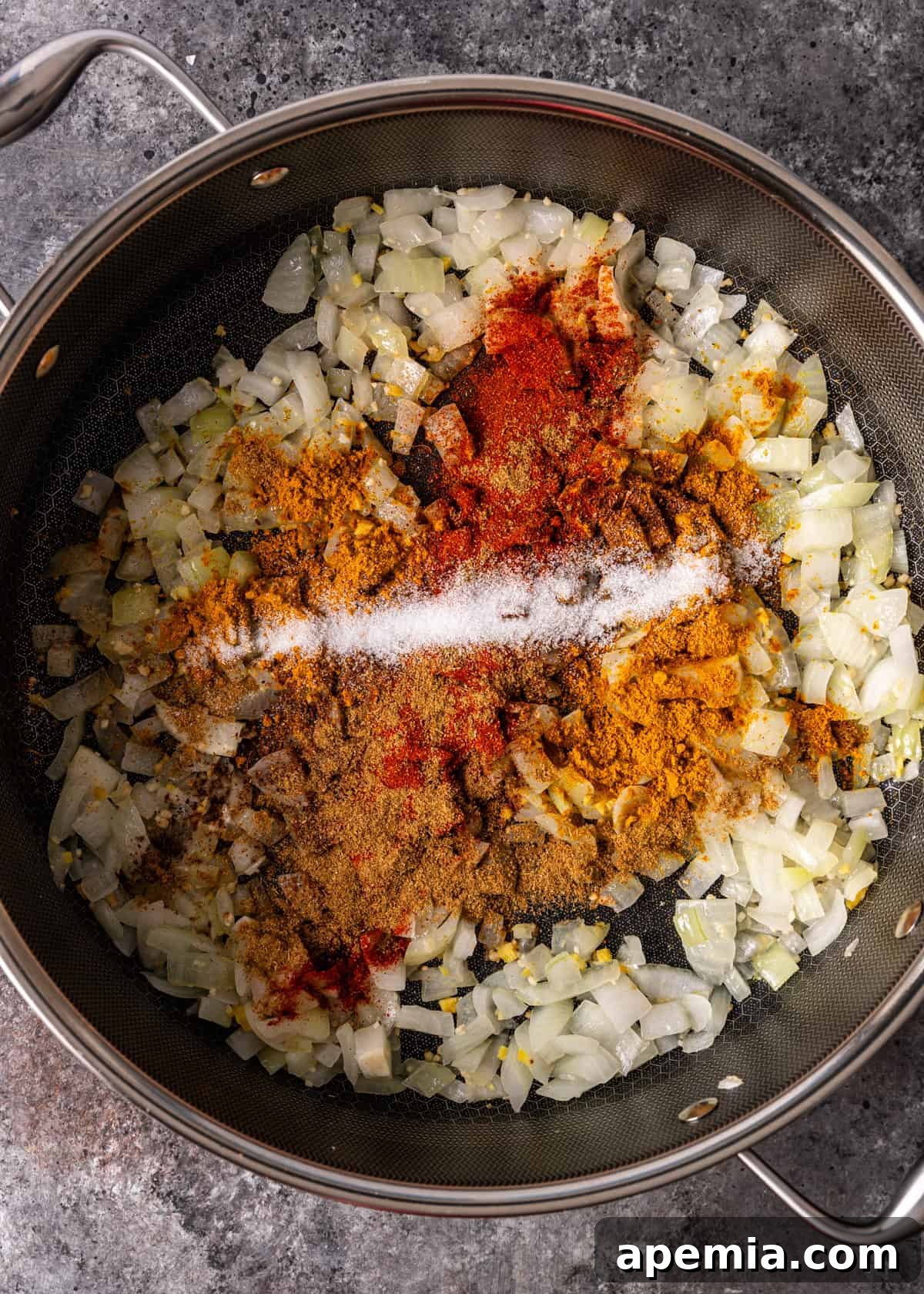
- Craft the Rich Curry Sauce: Reduce the heat to medium. Add all of the curry sauce seasonings to the pan, with the sole exception of the remaining dried fenugreek leaves. Stir constantly for about 1 minute, allowing the spices to toast slightly and release their full, complex aroma, coating the softened onions. Pour in the three chopped Roma tomatoes (or 14 ounces of drained canned chopped tomatoes) and half a cup of chicken stock. Stir everything thoroughly to combine, then bring the mixture to a gentle simmer. Once simmering, slowly stir in the one and a half cups of heavy cream (or 14 ounces of full-fat coconut milk for a dairy-free option). Allow the sauce to cool briefly off the heat before proceeding to the next blending step.
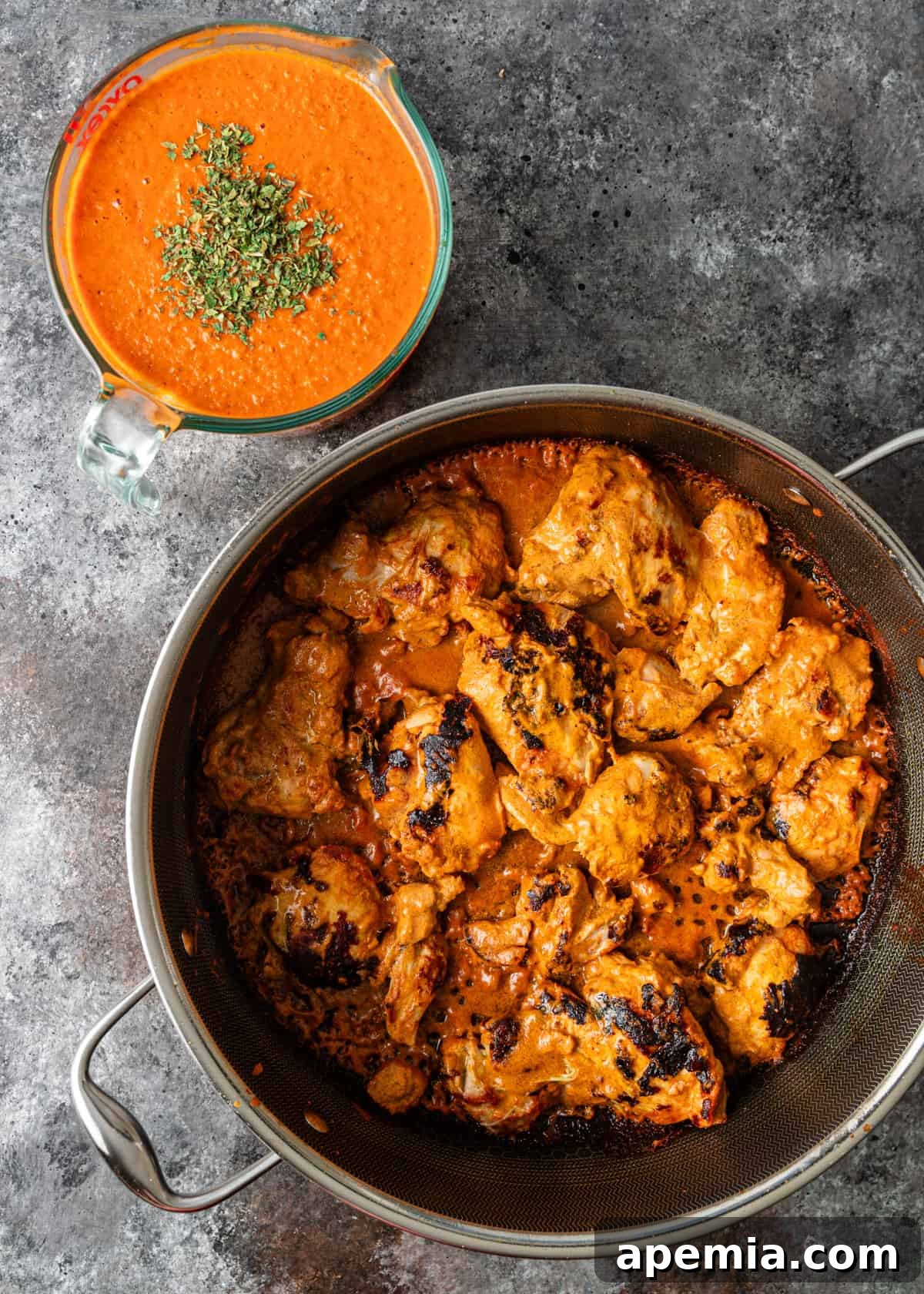
- Achieve a Silky Smooth Sauce: Carefully transfer the slightly cooled curry sauce mixture into a blender. Blend until the sauce is completely smooth and velvety, with no visible chunks of onion or tomato. If you have an immersion blender, you can blend directly in the pot, saving you an extra dish. Once smooth, return the sauce to the saucepan if you used a regular blender. Finally, stir in the remaining two teaspoons of dried fenugreek leaves. The fenugreek adds a distinctive, aromatic finish that is quintessential to Chicken Tikka Masala, and adding it at this stage preserves its delicate flavor. Set the sauce aside.
- Cook and Char the Marinated Chicken: Heat the remaining two tablespoons of ghee (or oil, if needed) in a large skillet over high heat until shimmering hot. Add the marinated chicken pieces in a single layer, being careful not to overcrowd the pan. Cook for 3 to 5 minutes per side, allowing the chicken to develop a beautiful, slightly charred exterior. This charring step is key to achieving that authentic “tikka” smoky flavor and beautiful color. Cook the chicken in batches if necessary to avoid steaming, which would prevent browning.
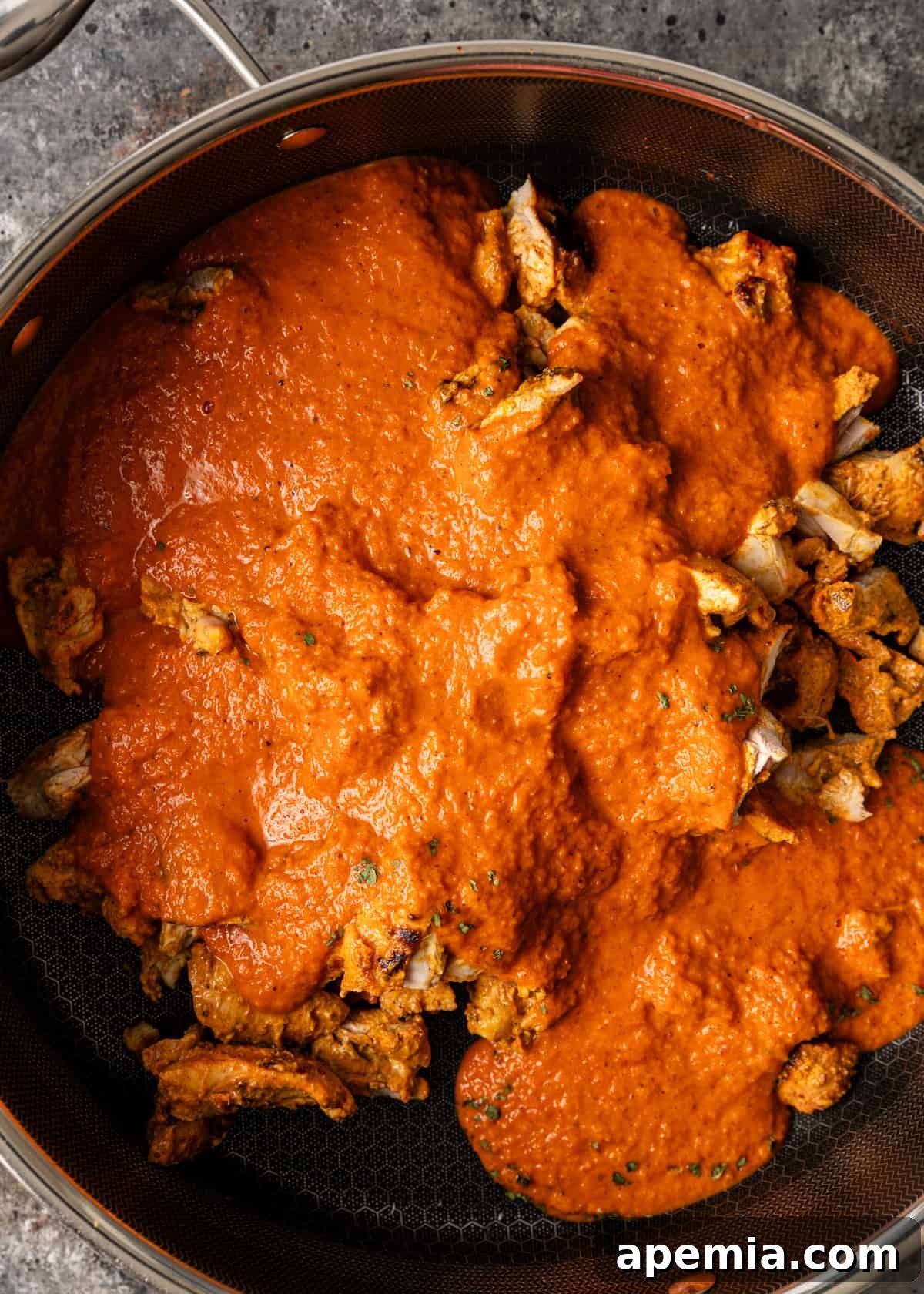
- Simmer to Perfection: Once all the chicken is charred and cooked, return all pieces to the skillet. Pour the perfectly prepared masala curry sauce over the chicken. Stir gently to ensure all the tender meat is coated in the luscious sauce. Reduce the heat to low and allow the curry to simmer, uncovered, for about 5 minutes. This final simmering time allows the flavors to meld beautifully, ensures the chicken is cooked through and becomes incredibly tender and juicy, and the sauce thickens slightly to perfect consistency.
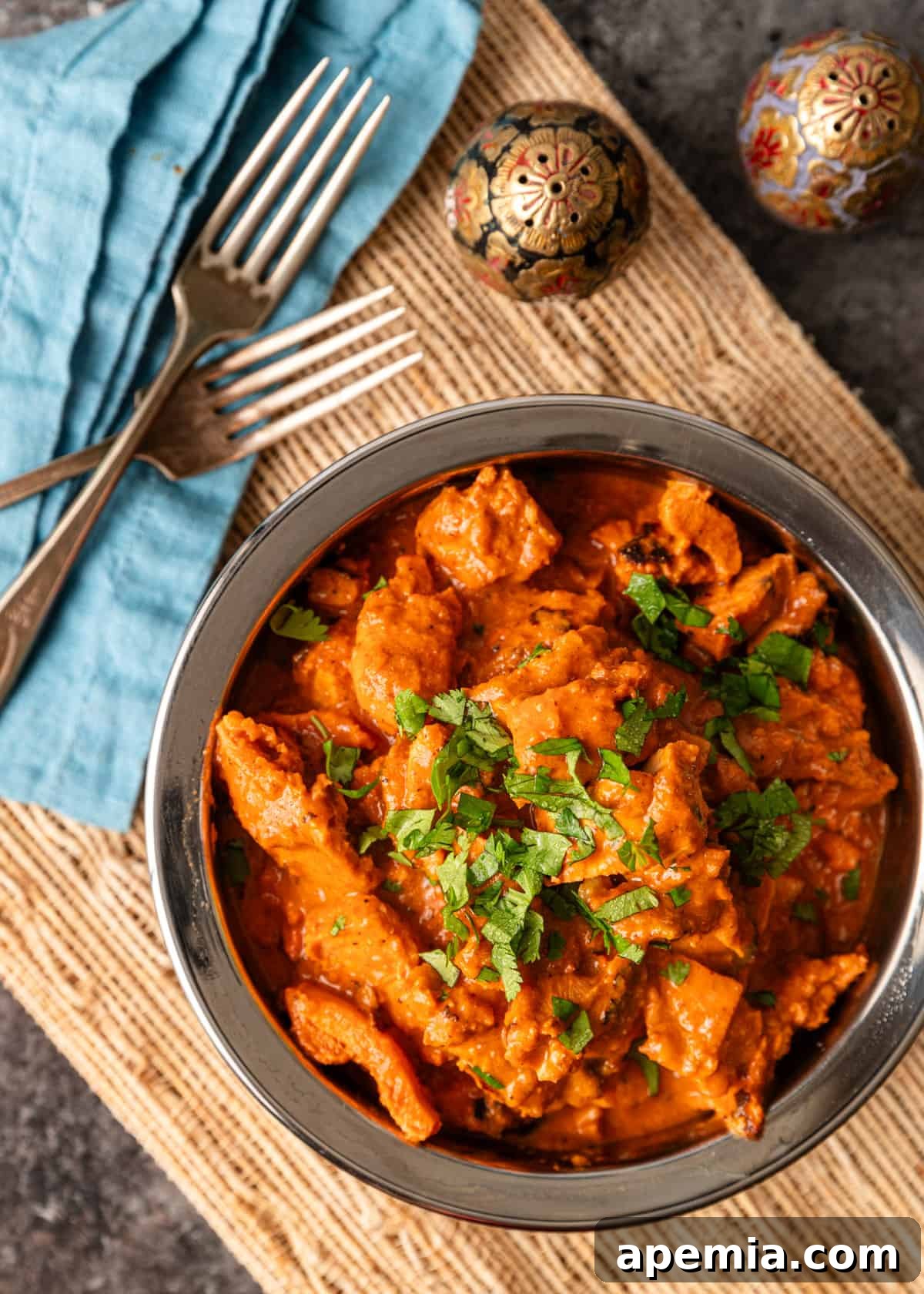
- Garnish and Serve: Your masterpiece is ready! Garnish generously with fresh, chopped cilantro leaves and, if desired, a final pinch of garam masala for an extra burst of aroma and a polished finish. Serve immediately with warm, fluffy basmati rice and plenty of garlic naan bread to soak up every last drop of the soulful sauce. Enjoy your homemade, authentic Chicken Tikka Masala!
Recommended Kitchen Tools for Your Tikka Masala Journey
Having the right tools can make all the difference in preparing this flavorful dish with ease and efficiency. Here are some key kitchen essentials that will help you achieve perfect results:
- Saucepan or Dutch Oven: A sturdy, heavy-bottomed saucepan or a Dutch oven is essential for preparing the rich and complex curry sauce. Ensure it’s large enough to comfortably hold all the sauce ingredients without overflowing during simmering, allowing for proper heat distribution and flavor development. A 4-quart capacity is usually sufficient.
- Large Skillet or Cast Iron Pan: A spacious, heavy-bottomed skillet or frying pan (a cast iron skillet works wonderfully here) with high sides is perfect for cooking and achieving that crucial char on the marinated chicken pieces. The high heat retention of cast iron helps create a beautiful sear. If your skillet isn’t wide enough, it’s always best to cook the chicken in batches to prevent overcrowding, which can lead to steamed rather than properly charred chicken.
- Food Processor or High-Speed Blender: These appliances are indispensable for achieving the silky-smooth consistency required for both the marinade paste and the curry sauce. I often find a food processor excellent for the thicker, more concentrated marinade, and a powerful high-speed blender ideal for processing the larger volume of the curry sauce to a truly velvety texture. However, a single powerful blender can certainly handle both tasks, saving you on dishwashing!
- Whisk: A good wire whisk is invaluable for smoothly incorporating the heavy cream (or coconut milk) into the sauce, preventing lumps and ensuring a consistently creamy texture.
- Measuring Cups and Spoons: Essential for precise ingredient measurements, especially when dealing with the delicate balance of spices. Accurate measurements ensure a harmonious flavor profile that is neither under nor over-spiced.
- Cutting Board and Sharp Knife: For efficiently chopping onions, tomatoes, and cubing your chicken. A sharp knife makes prep work safer and quicker.
Storing and Reheating Your Chicken Tikka Masala
One of the many wonderful qualities of Chicken Tikka Masala is that it often tastes even better the next day, as the flavors have more time to deepen and meld. Here’s how to properly store and reheat your delicious leftovers to enjoy them at their best:
- Storing: Always allow any leftover Chicken Tikka Masala to cool completely to room temperature before transferring it to an airtight container. This prevents condensation and keeps the food safe. Refrigerate promptly for optimal freshness. The curry will keep well in the refrigerator for up to 3 days. For longer storage, you can freeze the cooked curry (without rice or naan, as these can become mushy or dry when frozen and reheated) in freezer-safe containers for up to 2-3 months. When ready to use, thaw overnight in the refrigerator before reheating.
- Reheating on the Stove: For the best results and to maintain the creamy texture, gently reheat the chicken tikka masala on the stove over low to medium-low heat. Stir frequently to prevent sticking to the bottom of the pan and to ensure even heating throughout. If the sauce has thickened too much during refrigeration, you can add a splash of chicken stock, water, or a little extra cream or milk to achieve your desired consistency. Continue stirring until the curry is warmed through thoroughly and simmering gently.
- Reheating in the Microwave: If you’re short on time, the microwave offers a convenient option for reheating individual portions. Transfer a serving to a microwave-safe dish and heat in one-minute increments. Stir the curry well after each minute to ensure even heating and prevent any hot spots. Continue until it’s piping hot. Be mindful that microwaving can sometimes slightly alter the texture of the chicken, making it a little less tender than stove-top reheating.
Share This Recipe on Pinterest!
Love this recipe? Help others discover the joy of homemade Chicken Tikka Masala by sharing it with the world on Pinterest!
Share on Pinterest
Frequently Asked Questions About Chicken Tikka Masala
How is chicken tikka different from chicken tikka masala?
Chicken tikka refers specifically to the marinated, spiced, and usually charred pieces of boneless chicken. These chicken pieces are typically cooked in a tandoor oven or grilled, and are often served as an appetizer or a standalone dish. Chicken tikka masala, on the other hand, is the complete curry dish. It takes these flavorful chicken tikka pieces and simmers them in a rich, creamy, tomato-based curry sauce. So, think of chicken tikka as the star protein component, while chicken tikka masala is the full, luxurious meal.
Can I make this chicken tikka masala recipe in advance?
Absolutely! Chicken Tikka Masala is one of those dishes that actually benefits from being made ahead of time. Preparing it up to one day in advance allows the complex layers of flavors from the spices, tomatoes, and cream to deepen and meld beautifully, making the sauce even more aromatic and delicious. However, for the very best flavor and texture, consuming it within 24-48 hours is ideal. While it can be safely refrigerated for longer, the chicken can sometimes start to dry out a bit, and the sauce’s fatty components may begin to separate slightly. A good stir during reheating usually remedies any minor separation.
What can I use if I don’t have Kashmiri chili powder?
Kashmiri chili powder is prized for its vibrant red color and mild, fruity heat, contributing significantly to the aesthetic and flavor profile of Tikka Masala. If you don’t have it on hand, you can create a suitable substitute that provides a similar color and a pleasant warmth. Simply combine 3 parts smoked paprika with 1 part cayenne pepper. For example, if the recipe calls for 4 teaspoons of Kashmiri chili powder, you would whisk together 3 teaspoons of smoked paprika and 1 teaspoon of cayenne pepper. This blend will provide a comparable depth of color and a balanced level of heat without being overly fiery.
Is Chicken Tikka Masala spicy?
The spice level of Chicken Tikka Masala can vary based on the specific recipe and personal preference. Generally, it’s considered a mildly to moderately spicy dish, known more for its rich blend of aromatic spices and complex flavors than its fiery heat. The Kashmiri chili powder adds a beautiful red color and a subtle warmth, while the fresh serrano chilies in the marinade provide a bit of a kick. You have full control over the heat level: you can easily adjust it by reducing or omitting the serrano chile entirely and by controlling the amount of Kashmiri chili powder or garam masala used. Many recipes aim for a harmonious balance of flavors rather than extreme heat, allowing the other spices to shine.
What are some popular side dishes to serve with Chicken Tikka Masala?
Chicken Tikka Masala is incredibly versatile and pairs wonderfully with a variety of side dishes that complement its rich flavors. The most common and beloved accompaniments include warm naan bread (garlic naan is a particular favorite for its dipping capabilities!), fluffy basmati rice, or fragrant jeera rice (cumin rice). For a refreshing contrast that cuts through the richness of the curry, consider serving it with a simple cucumber raita (a cooling yogurt dip), a fresh green salad with a light vinaigrette, or some sweet and tangy mango chutney. These sides help to complete the meal and offer a delightful balance of tastes and textures.
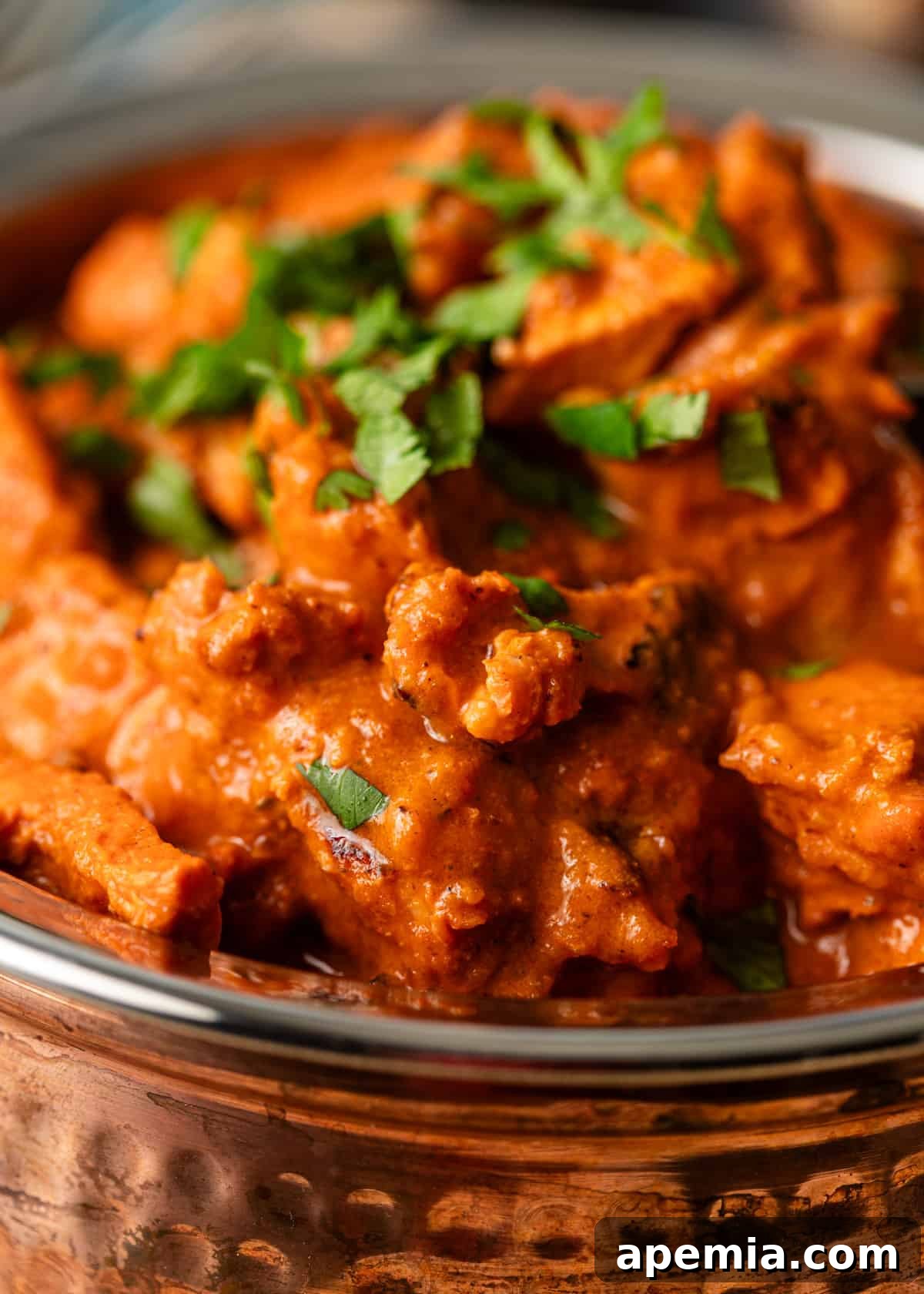
The Ultimate Chicken Tikka Masala Recipe
Chicken Tikka Masala
This recipe for chicken tikka masala features tender, marinated chicken that gets charred then simmered in a rich, smoky tomato-based sauce, delivering authentic Indian restaurant flavors right to your home kitchen.
Servings: 6
Prep Time: 35 minutes
Cook Time: 35 minutes
Marinate Time: 4 hours (minimum, up to overnight for best results)
Total Time: Approximately 5 hours 10 minutes (including minimum marination)
Ingredients
For the Chicken
- 2 lbs boneless, skinless chicken thighs or breasts, cut into 2-inch cubes
For the Marinade
- 1/2 medium red onion, roughly cubed
- 1 serrano green chile, quartered (adjust to desired heat level)
- 10 raw cashews
- 1 cup plain Greek yogurt (full-fat recommended)
- 1 tbsp ginger paste (or finely minced fresh ginger)
- 1 tbsp minced garlic (or fresh minced)
- 1/2 lime, juiced (yielding 1-2 tbsp juice)
- 2 tsp Kashmiri red chili powder
- 2 tsp dried fenugreek leaves (Kasuri Methi)
- 1 tsp kosher salt
- 1 tsp ground cumin
- 1 tsp garam masala
- 1 tsp ground coriander
- 1/2 tsp ground turmeric
For the Curry Sauce
- 2 tbsp ghee or vegetable oil
- 2 yellow onions, chopped
- 4 cloves garlic, minced
- 1 tbsp fresh ginger, minced (from a 1-inch piece)
- 1 tbsp curry powder
- 2 tsp garam masala
- 2 tsp Kashmiri chili powder
- 1 tsp kosher salt
- 1 1/2 tsp paprika
- 1/2 tsp ground cumin
- 1/2 tsp ground coriander
- 1 tsp granulated sugar
- 1/2 cup chicken stock
- 3 Roma (plum) tomatoes, chopped, or 14 oz canned chopped tomatoes (drained)
- 1 1/2 cups heavy cream, or 14 oz full-fat coconut milk (for dairy-free)
- 1 lemon, juiced (for balancing flavors and garnish)
- 2 tsp dried fenugreek leaves (Kasuri Methi)
For Garnish & Serving
- Fresh cilantro sprigs, chopped
- Warm naan bread (garlic naan highly recommended)
- Steamed basmati rice
Instructions
Part 1: Prepare the Chicken Marinade
- In a food processor, combine the 1/2 cubed red onion, 1 quartered serrano chile, 10 raw cashews, 1 cup plain Greek yogurt, 1 tbsp ginger paste, 1 tbsp minced garlic, and the juice of 1/2 lime. Process until a smooth, thick paste forms.
- Remove the lid and add the 2 tsp Kashmiri chili powder, 2 tsp dried fenugreek leaves, 1 tsp kosher salt, 1 tsp ground cumin, 1 tsp garam masala, 1 tsp ground coriander, and 1/2 tsp ground turmeric. Pulse several times until all spices are thoroughly blended into the marinade.
- In a large bowl, add the 2 lbs chicken cubes and the prepared marinade. Mix well, ensuring every piece of chicken is thoroughly coated. Cover the bowl tightly with plastic wrap and refrigerate for a minimum of 4 hours, or ideally, overnight (up to 24 hours) for the best flavor and tenderness.
Part 2: Make the Velvety Curry Sauce
- Heat 2 tbsp ghee or vegetable oil in a large saucepan or Dutch oven over medium-high heat. Add the 2 chopped yellow onions and sauté for about 5 minutes until they become soft, translucent, and slightly golden.
- Add the 4 cloves minced garlic and 1 tbsp minced fresh ginger. Cook for an additional 30 seconds, stirring constantly, until fragrant. Be careful not to burn the garlic.
- Stir in the 1 tbsp curry powder, 2 tsp garam masala, 2 tsp Kashmiri chili powder, 1 tsp kosher salt, 1 1/2 tsp paprika, 1/2 tsp ground cumin, 1/2 tsp ground coriander, and 1 tsp granulated sugar. Stir constantly for about 1 minute, allowing the spices to toast slightly and coat the onions, releasing their full aroma.
- Add the 3 chopped Roma tomatoes (or 14 oz drained canned chopped tomatoes) and 1/2 cup chicken stock. Stir to combine, then bring the mixture to a gentle simmer. Reduce heat slightly.
- Pour in the 1 1/2 cups heavy cream (or 14 oz full-fat coconut milk for dairy-free). Stir to combine and remove the pan from the heat to cool briefly.
- Carefully transfer the slightly cooled sauce mixture into a blender (or use an immersion blender directly in the pot). Blend until the sauce is completely smooth and velvety. If using a regular blender, return the smooth sauce to the saucepan. Stir in the remaining 2 tsp dried fenugreek leaves. Set the curry sauce aside.
Part 3: Assemble the Tikka Masala
- Heat the remaining ghee/oil (or fresh ghee/oil if needed) over high heat in a large skillet until shimmering. Add the marinated chicken pieces in batches if necessary, ensuring not to overcrowd the pan. Cook for 3-5 minutes per side until the chicken is slightly charred and golden brown on the edges. This charring adds essential smoky flavor.
- Once all chicken is cooked and charred, return all pieces to the skillet. Pour the prepared masala curry sauce over the chicken and stir gently to coat all the meat.
- Lower the heat to a simmer and cook, uncovered, for an additional 5 minutes, allowing the chicken to finish cooking through and become incredibly tender, and for the flavors to fully meld together into a harmonious curry.
- Garnish generously with fresh, chopped cilantro leaves and a final pinch of garam masala, if desired, for an extra burst of aroma and a beautiful presentation. Serve immediately over steamed basmati rice and with warm garlic naan bread.
Recipe Notes
- The amount of Garam Masala can be adjusted to suit your taste preference for warmth and aroma. Remember that Garam Masala is primarily an aromatic spice blend rather than a source of intense heat. It adds complexity and depth of flavor, not excessive spiciness. Feel free to use a little more or less based on your liking.
- If Kashmiri chili powder is unavailable, you can create a suitable substitute that provides a similar vibrant color and a balanced level of heat. To do this, combine 3 parts smoked paprika with 1 part cayenne pepper. For instance, if the recipe calls for 4 teaspoons of Kashmiri chili powder, you would mix together 3 teaspoons of smoked paprika with 1 teaspoon of cayenne pepper. This mixture will replicate the desired effects quite well.
Nutrition Information (Estimated Per Serving)
Calories: 482 kcal | Carbohydrates: 17g | Protein: 37g | Fat: 30g | Saturated Fat: 16g | Polyunsaturated Fat: 3g | Monounsaturated Fat: 9g | Trans Fat: 0.03g | Cholesterol: 213mg | Sodium: 997mg | Potassium: 776mg | Fiber: 3g | Sugar: 8g | Vitamin A: 1846 IU | Vitamin C: 21mg | Calcium: 137mg | Iron: 3mg
The information shown is an estimate provided by an online nutrition calculator. It should not be considered a substitute for a professional nutritionist’s advice.
Course: Main Dish
Cuisine: Indian
Author: Kevin
Have You Made This Recipe? Let Me Know on Instagram!
If you try this delicious Chicken Tikka Masala, I’d love to see your creation! Tag @keviniscooking or use the hashtag #keviniscooking. Your culinary adventures inspire me!