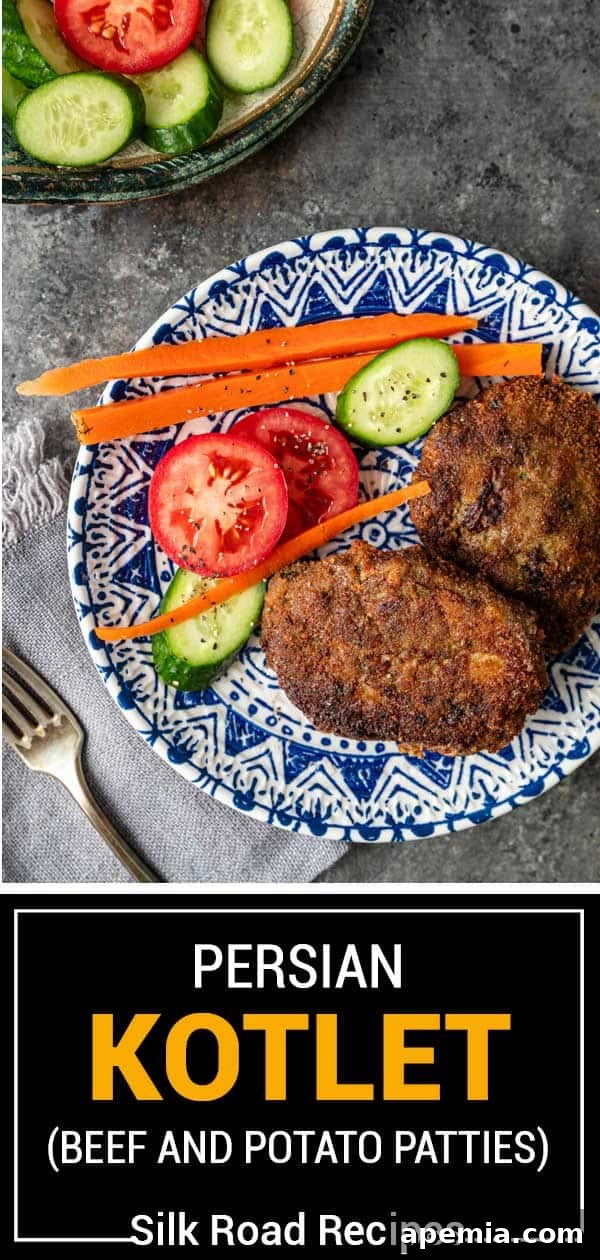
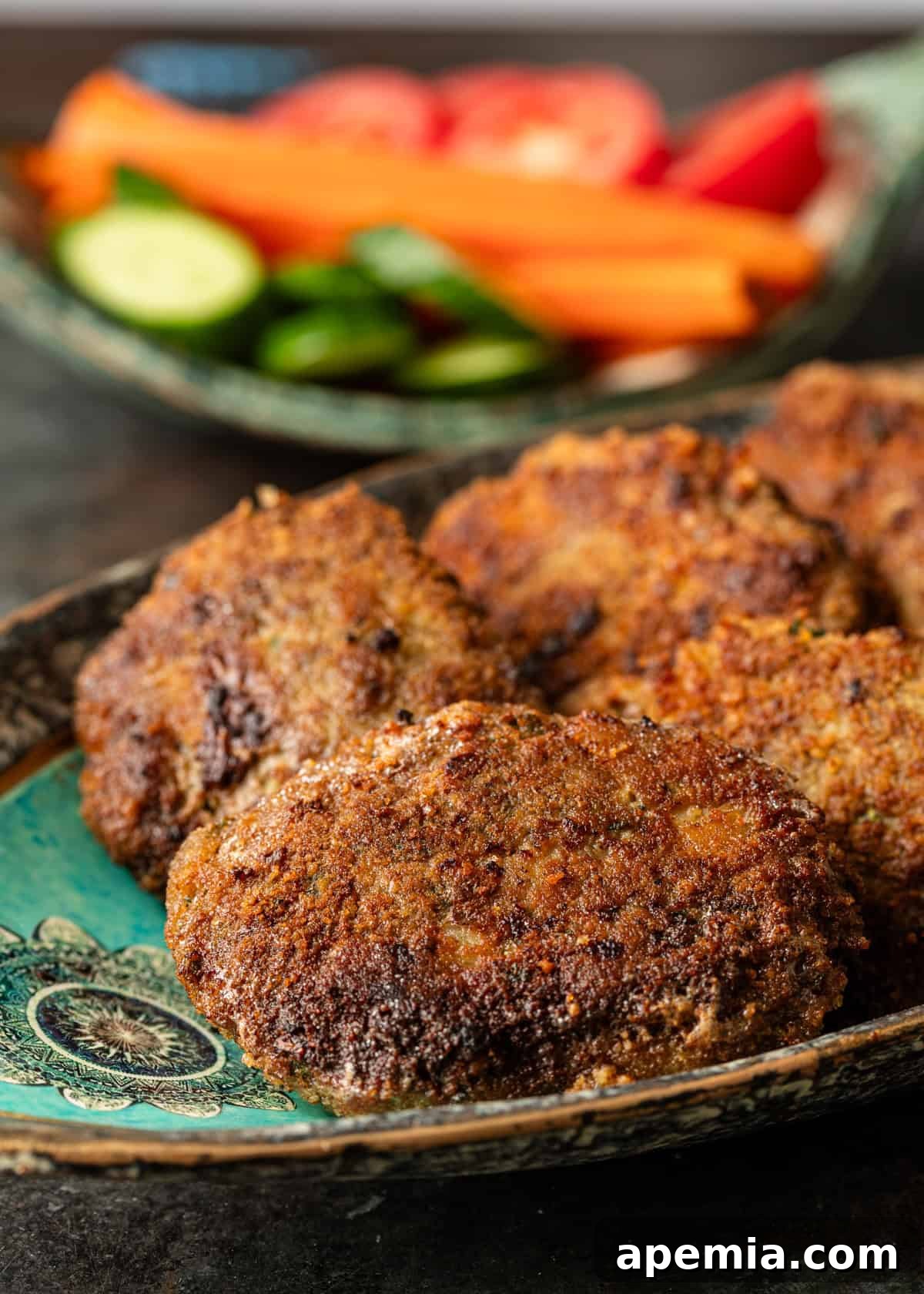
Kotlet are truly a culinary delight – a beloved staple of Persian cuisine that offers a symphony of textures and flavors. These savory beef and potato patties are renowned for their irresistible crisp exterior, perfectly complemented by a tender, moist interior. Infused with gentle, aromatic spices, Kotlet delivers a profound sense of comfort that is unmistakably Persian. Pan-fried until they achieve a beautiful golden hue, they are incredibly versatile, equally delicious whether nestled in warm bread for a satisfying sandwich or served elegantly with an array of traditional pickles and fresh herbs.
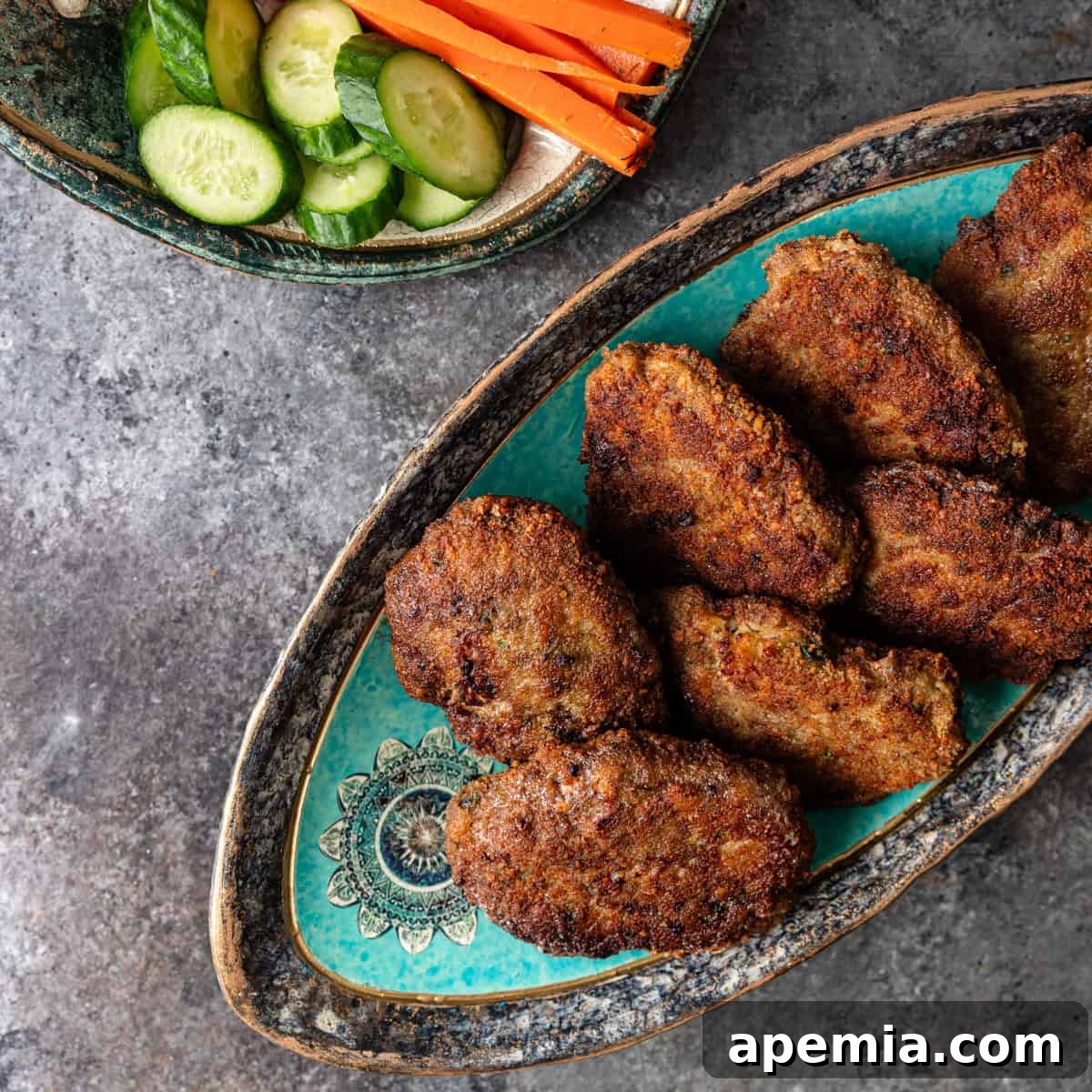
What is Kotlet? A Taste of Persian Home Cooking
Kotlet holds a special place in the heart of Persian home cooking, embodying warmth, tradition, and culinary ingenuity. Far more than just a simple patty, Kotlet is a testament to the comforting flavors passed down through generations. These versatile patties frequently grace Persian tables as an effortless weeknight meal, a convenient and delicious picnic food, or a cherished component of a larger, casual spread of small dishes known as “mezze.” While they share a spiritual resemblance with other Middle Eastern patties like the beloved falafel, Kotlet stands out with its unique composition.
The distinctive feature of this particular Kotlet recipe, and what sets it apart from many other ground meat preparations, is the brilliant inclusion of mashed potato. The potato acts as a natural binder, ensuring the patties hold their shape beautifully during frying, while simultaneously imparting an incredible softness and moisture to the interior. This ingenious addition prevents the patties from drying out, resulting in a consistently tender and succulent bite every time. The subtle yet profound seasoning ensures that every ingredient plays a crucial role in building the overall flavor profile. A carefully selected blend of warm spices, traditionally known as advieh, bestows upon the meat a magnificent fragrance without overwhelming its inherent richness, allowing the robust flavors of the beef or lamb to remain front and center.
Why You’ll Love This Authentic Kotlet Recipe
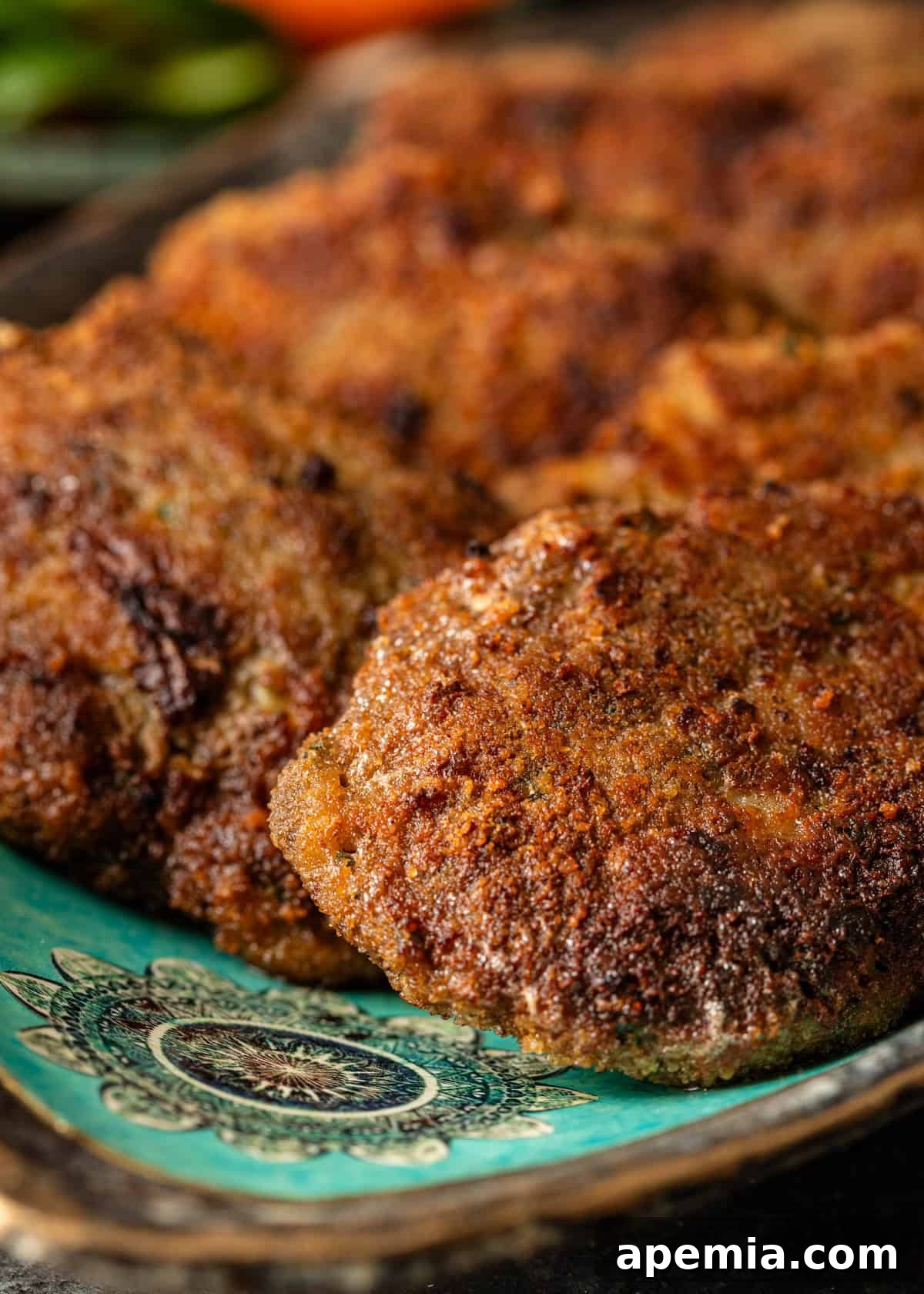
- Irresistible Texture: Experience the perfect contrast of a golden, crispy crust and a remarkably soft, tender interior. The mashed potato is key to achieving this coveted texture.
- Deep, Aromatic Flavor: Our Kotlet recipe features a unique blend of Persian spices (advieh) that infuses the meat with a complex warmth and depth, without being overly spicy.
- Versatile & Family-Friendly: These patties are a fantastic choice for any occasion – from a quick and easy weeknight dinner to an impressive addition to a celebratory feast or a portable picnic snack. Both kids and adults adore them!
- Make-Ahead & Freezer Friendly: Kotlet can be prepared in advance, making meal planning a breeze. They also reheat beautifully, retaining much of their original charm.
- Easily Adaptable: While beef is traditional, this recipe works wonderfully with lamb or a combination of both. You can also explore different herbs or spice variations to suit your taste.
Serving Suggestions: Building a Persian Feast
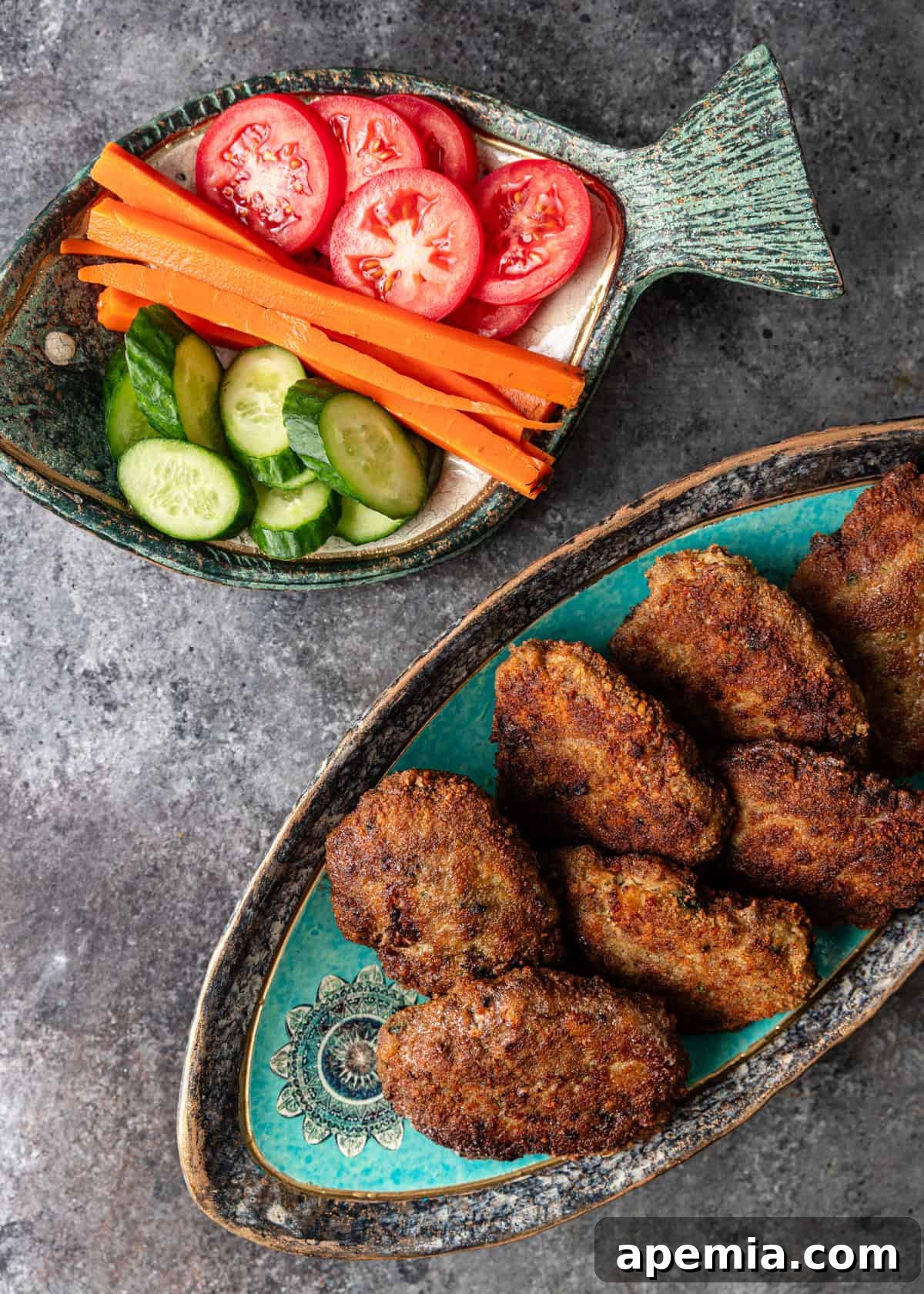
Kotlet is most commonly enjoyed alongside an array of fresh herbs, vibrant pickled vegetables, and soft, warm flatbread or pita, offering a delightful interplay of textures and tastes. However, its deliciousness truly shines even when enjoyed on its own. For those looking to create a full-blown Persian-style feast, Kotlet can be incorporated into a larger spread alongside other beloved dishes such as the herb-filled frittata Kookoo Sabzi or fragrant saffron rice with apricot. Imagine a platter brimming with these golden patties, accompanied by tangy torshi (Persian pickles), crisp radishes, fresh basil, mint, and slices of juicy tomato and cucumber. This combination not only adds visual appeal but also provides a refreshing counterpoint to the rich, spiced meat. Don’t forget a side of creamy yogurt or a cooling yogurt dip like Mast-o Khiar for an authentic experience.
Ingredient Notes and Smart Substitutions for Perfect Kotlet
Crafting perfect Kotlet begins with understanding the role of each ingredient. Here’s a deeper look into the components that make these Persian patties truly exceptional:
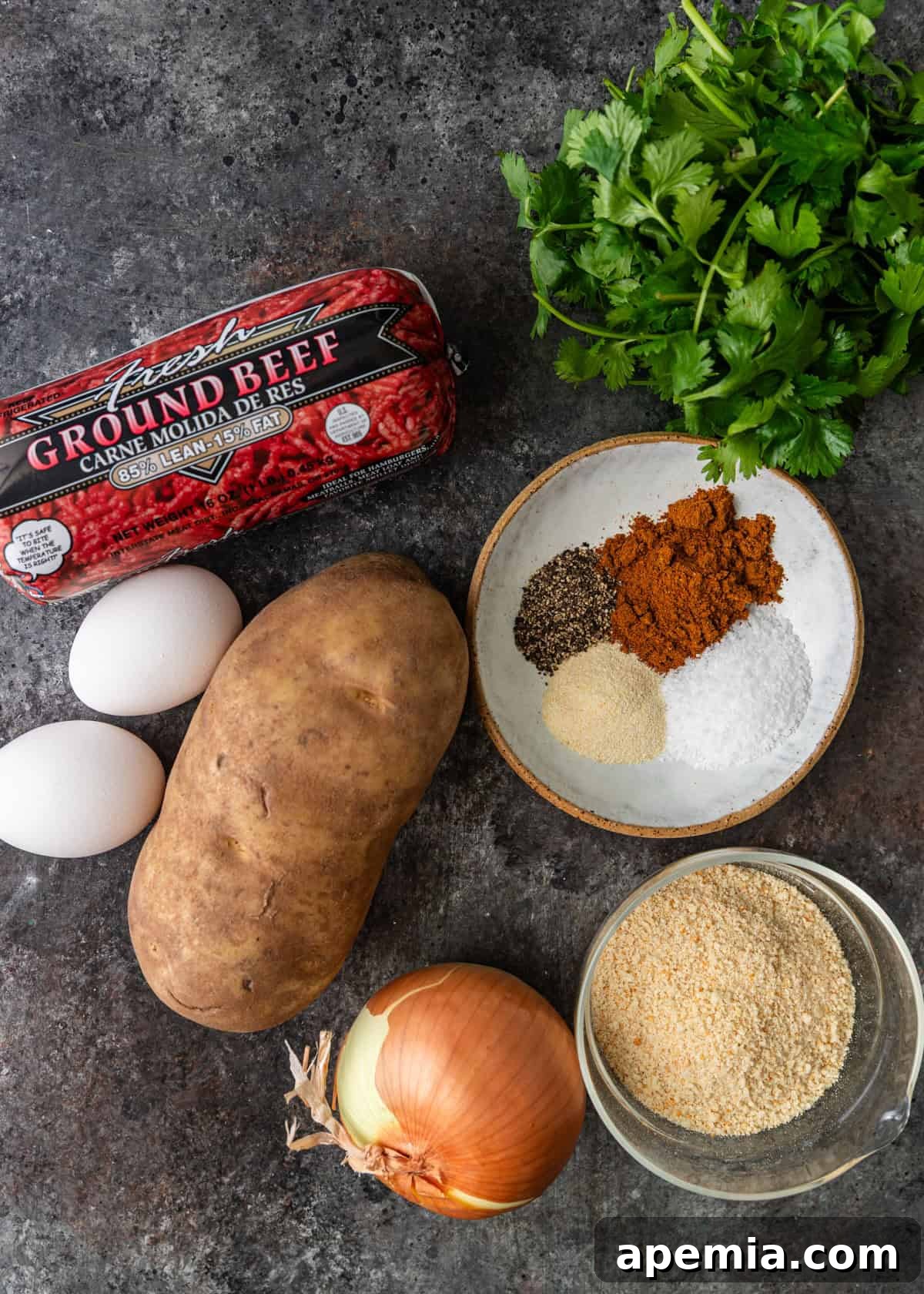
- Ground Beef or Lamb: While ground beef is a popular and readily available choice, many traditional recipes favor lamb for its richer, more distinctive flavor. For the best of both worlds, consider using a blend of beef and lamb. Aim for a ground meat with an 85/15 fat ratio; too lean, and your patties might be dry, while too fatty could make them greasy and harder to bind.
- Russet Potato: This is a non-negotiable ingredient for authentic Kotlet texture. Russet potatoes are incredibly starchy, which allows them to mash very smoothly and act as an excellent binder, helping the patties hold together while keeping them wonderfully tender and moist. Avoid waxy potato varieties, as they tend to become dense and gummy when mashed, resulting in a heavy texture for your Kotlet.
- Yellow Onion: The onion contributes essential flavor and moisture, but its preparation is critical. Grating the onion helps release its full aromatic potential. However, it’s absolutely crucial to squeeze out as much liquid as possible from the grated onion. Excess moisture will make your patty mixture too loose, leading to crumbling during frying. Don’t skip this step!
- Eggs: Eggs serve as a vital binder, helping to emulsify the mixture and ensure your Persian meat patties remain intact and don’t fall apart during the cooking process.
- Advieh Spice Blend: This traditional Persian spice mix is the heart of Kotlet’s unique flavor profile. It imparts a warm, fragrant depth without any overpowering heat. If you don’t have store-bought advieh, you can easily create a homemade blend. Typically, it includes a harmonious combination of cumin, cinnamon, turmeric, coriander, rose petals, black pepper, clove, nutmeg, and cardamom. Even if you’re missing one or two spices, don’t worry – a simpler blend will still yield delicious results.
- Fresh Herbs (Cilantro): Finely chopped cilantro adds a burst of freshness and a vibrant herbal note that complements the savory meat and warm spices. If cilantro isn’t your preference, parsley or a mix of both can be used.
- Breadcrumbs: Unlike some recipes where breadcrumbs are mixed into the patty, here they are used primarily for coating. A light coating of breadcrumbs on the exterior of each patty is essential for creating that signature crisp, golden crust when fried. For an extra satisfying crunch, consider using Japanese Panko breadcrumbs.
- Olive Oil: Used for pan-frying, olive oil contributes to the golden crust and overall flavor. Choose a good quality olive oil for the best results.
How to Make Delicious Beef and Potato Kotlet: Step-by-Step
Creating these delightful Persian beef and potato cakes is a straightforward process, but a few key steps ensure the best results:
- Prepare the Potato: Begin by peeling and cubing your russet potato into approximately 8 pieces. Boil these potato chunks until they are perfectly fork-tender. Once cooked, drain them thoroughly and mash them until smooth. This step is critical: allow the mashed potato to cool completely. Warm potato can lead to a greasy or loose mixture that’s difficult to handle and may cause your patties to fall apart during frying.
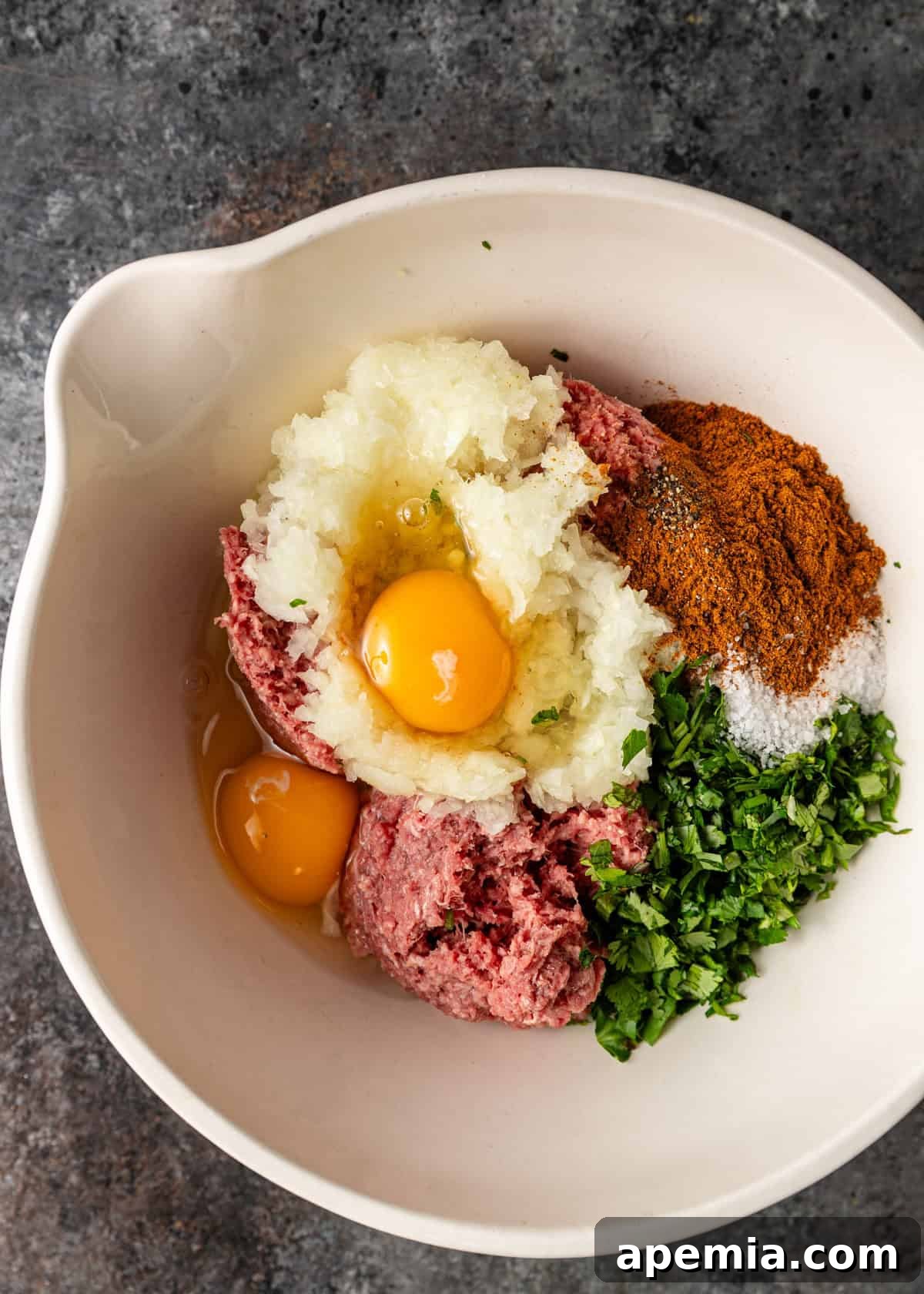
- Build the Mixture: In a large mixing bowl, combine the ground meat (beef or lamb), the cooled mashed potato, your thoroughly squeezed grated onion, fresh herbs (like cilantro), eggs, and your chosen spices (advieh, salt, pepper, ground garlic). Gently mix all the ingredients until they are just combined. Avoid overworking the mixture, as this can lead to tough, rubbery patties. The goal is to incorporate everything evenly without developing the meat’s proteins too much.
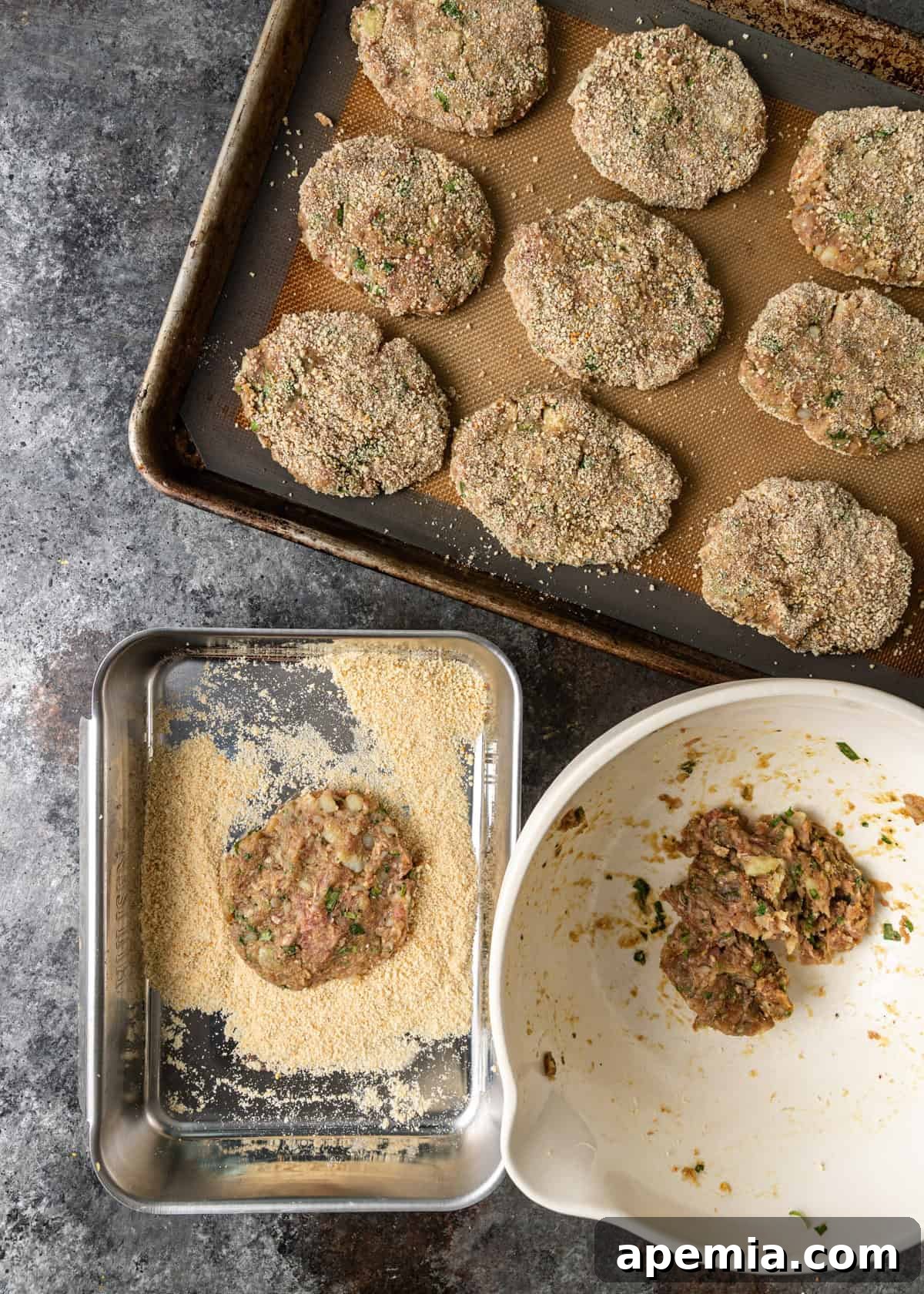
- Shape & Coat the Patties: Lightly dampen your hands with a little water – this prevents the mixture from sticking. Take about 3 ounces (or roughly a golf-ball sized portion) of the mixture and form it into a ball. Then, gently flatten each ball into an evenly sized oval or disc-shaped patty, about ½-inch thick. Press gently to make them compact but not overly dense. On a separate plate, spread your breadcrumbs. Lightly coat each patty on both sides with breadcrumbs, ensuring an even layer for that perfect crispy crust.
- Chill for Stability (Optional but Recommended): This step might seem like an extra wait, but it’s highly beneficial. Refrigerate the shaped and coated patties for at least 30 minutes. Chilling allows the ingredients to firm up and meld together, significantly helping the patties maintain their shape and integrity during the frying process. This is a common trick to prevent crumbling.
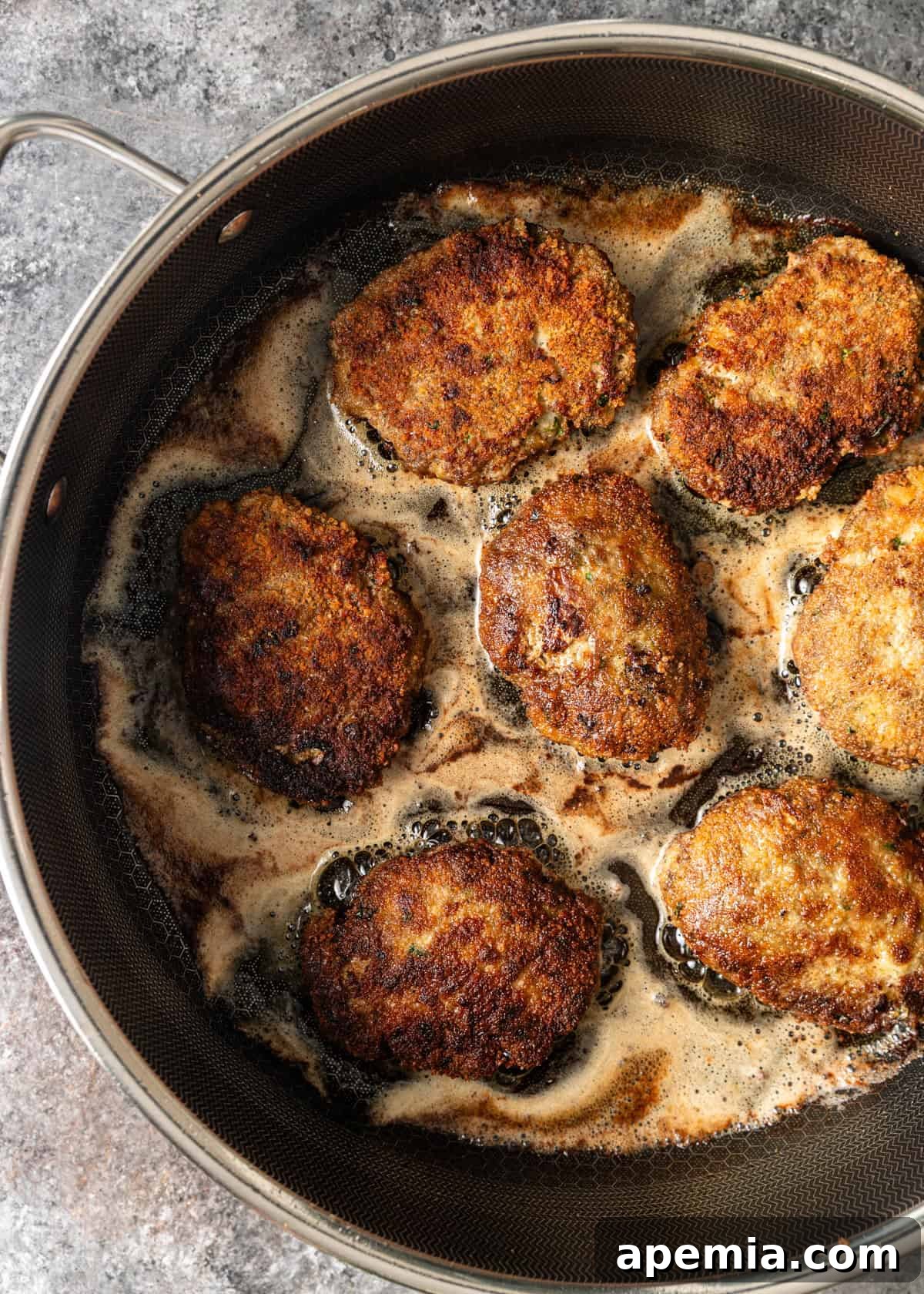
- Pan-Fry Until Golden: Heat a large skillet over medium heat and add about ¼ cup of olive oil. Ensure the oil is hot but not smoking. Carefully place the kotlet into the hot oil, making sure not to overcrowd the pan (fry in batches if necessary). Fry each patty for approximately 6 minutes per side, or until they are deeply browned and have developed a wonderfully crisp exterior. The internal temperature of the meat should reach 160°F (71°C). Serve immediately with your preferred sides.
Essential Tools for Making Kotlet
Having the right kitchen tools can make the Kotlet preparation process much smoother:
- Box Grater: Indispensable for finely grating the onion, which ensures it seamlessly blends into the mixture and releases maximum flavor.
- Large Skillet or Frying Pan: A spacious skillet allows you to fry multiple patties at once without overcrowding, ensuring even browning and a consistent crispy texture.
- Mixing Bowl: Use a roomy bowl to combine your ingredients gently. This prevents over-compressing the meat mixture, which can lead to tough patties.
- Potato Masher: For quickly and efficiently mashing the boiled russet potatoes to the desired smooth consistency.
Storage and Reheating Tips
Persian meat patties are excellent for make-ahead meals and convenient packed lunches, as they store remarkably well. Once your Kotlet have cooled completely to room temperature, transfer any leftovers into an airtight container. They can be safely stored in the refrigerator for up to 3 days. For longer storage, cooled patties can be frozen in a single layer on a baking sheet until solid, then transferred to a freezer-safe bag or container for up to 2-3 months. Thaw in the refrigerator overnight before reheating.
To reheat your beef and potato cakes and restore their delicious crisp exterior, gently warm them in a skillet over medium heat. A little oil can help revive that golden crust. Alternatively, you can place them on a baking sheet and pop them in a preheated oven at 350 degrees F (175°C) for about 10-15 minutes, or until they are fully warmed through and slightly crispy again. It is highly recommended to avoid reheating Kotlet in the microwave if possible. While convenient, the microwave tends to soften the delightful crust, resulting in a texture that simply doesn’t compare to the freshly fried or oven-reheated version.
Frequently Asked Questions About Kotlet
This is a common issue and usually stems from two main causes: either the grated onion wasn’t squeezed well enough, leaving too much moisture in the mixture, or the mixture itself was too warm when you started shaping the patties. Ensure you meticulously remove all excess liquid from the grated onion, and always chill the formed patties for at least 30 minutes before frying. This allows the binders to firm up and helps them hold their shape.
A traditional Kotlet recipe calls for shallow frying. You want to use enough oil to generously coat the bottom of your pan and come up about a quarter to a third of the way up the side of the patties, but not so much that they are completely submerged. This method is ideal for achieving that desirable crisp exterior while ensuring the inside remains soft, moist, and evenly cooked without becoming greasy.
Persian meat patties are typically done when both sides are a beautiful deep golden-brown and feel firm but slightly springy in the center when gently pressed. Since your potatoes are already cooked, you’re primarily focused on fully cooking the ground meat without over-browning or drying out the patties. If you have a meat thermometer, the internal temperature should read 160°F (71°C) for beef or lamb.
While traditional Kotlet are pan-fried for that distinct crispiness, you can bake them for a slightly healthier alternative. Preheat your oven to 375°F (190°C), lightly grease a baking sheet, and bake for 20-25 minutes, flipping halfway through, until golden brown and cooked through. The texture won’t be as crispy as fried, but they will still be delicious.
A neutral-flavored oil with a high smoke point is ideal for frying Kotlet. Olive oil is commonly used and adds a nice flavor. Vegetable oil, canola oil, or grapeseed oil are also excellent choices as they allow the flavors of the Kotlet to shine through while ensuring a beautifully golden and crisp crust.
Persian Kotlet (Beef and Potato Patties) Recipe
Golden Persian kotlet made with beef, potatoes and warm spices, then pan-fried until crisp outside and tender inside. Perfect comfort food!
Servings: 12 patties
Prep Time: 20 mins
Cook Time: 12 mins
Total Time: 32 mins
Ingredients
- 1 lb ground beef or lamb
- 1 lb russet potato
- 1 yellow onion, peeled and grated
- 1/4 cup cilantro, chopped
- 2 eggs
- 2 tsp advieh spice blend (See Note 1 below for homemade blend)
- 2 tsp kosher salt
- 1 tsp ground black pepper
- 1 tsp ground garlic
- 4 oz breadcrumbs
- 1/4 cup olive oil (for frying)
Instructions
- Peel, cube into 8 pieces, and boil potato until fork tender. Drain thoroughly, mash until smooth, and cool completely. Set aside.
- Grate the onion and squeeze out as much liquid as you possibly can. Discard the liquid (or save it for soups).
- In a large bowl, combine the ground meat, cooled mashed potato, squeezed grated onion, chopped cilantro, eggs, advieh spice blend, kosher salt, ground black pepper, and ground garlic. Lightly wet your hands with water and mix until just combined.
- Form the mixture into 12 evenly sized balls (about 3 oz each). Gently flatten each ball into an oval or disc-shaped patty.
- Add breadcrumbs to a plate. Gently press each side of the patties into the breadcrumbs to coat them evenly. Refrigerate the coated patties for 30 minutes to firm up (this step is optional but highly recommended for best results).
- Heat a large skillet over medium heat with the olive oil. Once hot, carefully place the patties into the skillet without overcrowding. Fry each patty for about 6 minutes per side, until deeply browned and crispy.
- Serve hot with warm pita bread, pickled vegetables, fresh tomatoes, or fried potatoes.
Notes
1. If you don’t have 2 teaspoons of advieh spice blend on hand, you can make a homemade version using spices from your pantry. Mix together the following (omit any spices you don’t have):
- 4 tsp cumin
- 4 tsp cinnamon
- 2 tsp ground coriander
- 2 tsp ground cardamom
- 2 tsp ground turmeric
- 2 tsp dried rose petals (optional, but adds a traditional floral note)
- 1 tsp black pepper
- ½ tsp ground clove
- 1/8 tsp ground nutmeg
Use 2 teaspoons of this homemade blend for the recipe and save any remaining mixture for future use.
Nutrition Estimates (per serving)
Calories: 221 kcal | Carbohydrates: 15g | Protein: 10g | Fat: 13g | Saturated Fat: 4g | Polyunsaturated Fat: 1g | Monounsaturated Fat: 7g | Trans Fat: 0.5g | Cholesterol: 54mg | Sodium: 495mg | Potassium: 319mg | Fiber: 1g | Sugar: 1g | Vitamin A: 78 IU | Vitamin C: 3mg | Calcium: 50mg | Iron: 2mg
The information shown is an estimate provided by an online nutrition calculator. It should not be considered a substitute for a professional nutritionist’s advice.
Recipe Details
Course: Main Dishes
Cuisine: Persian
Author: Kevin