

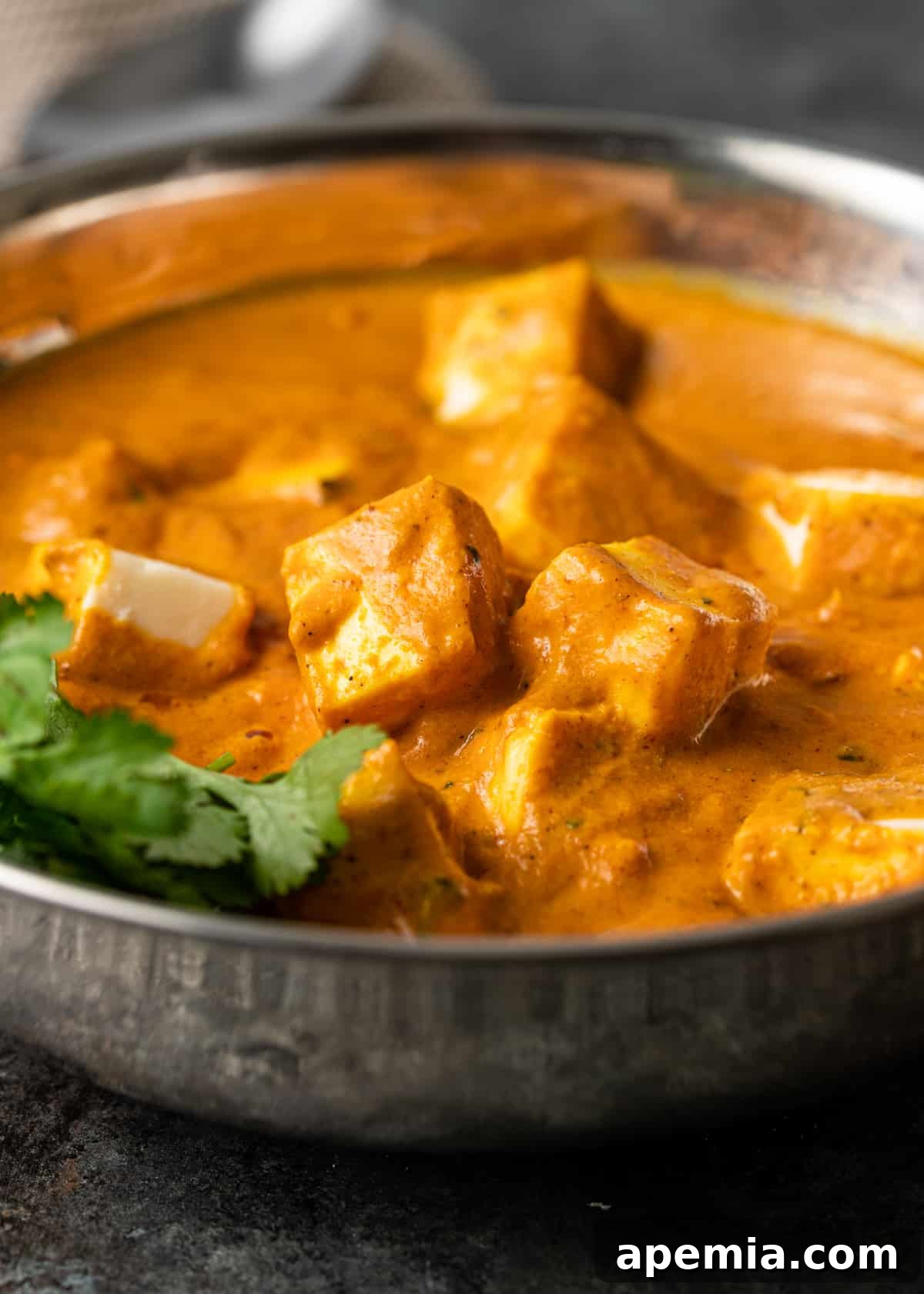
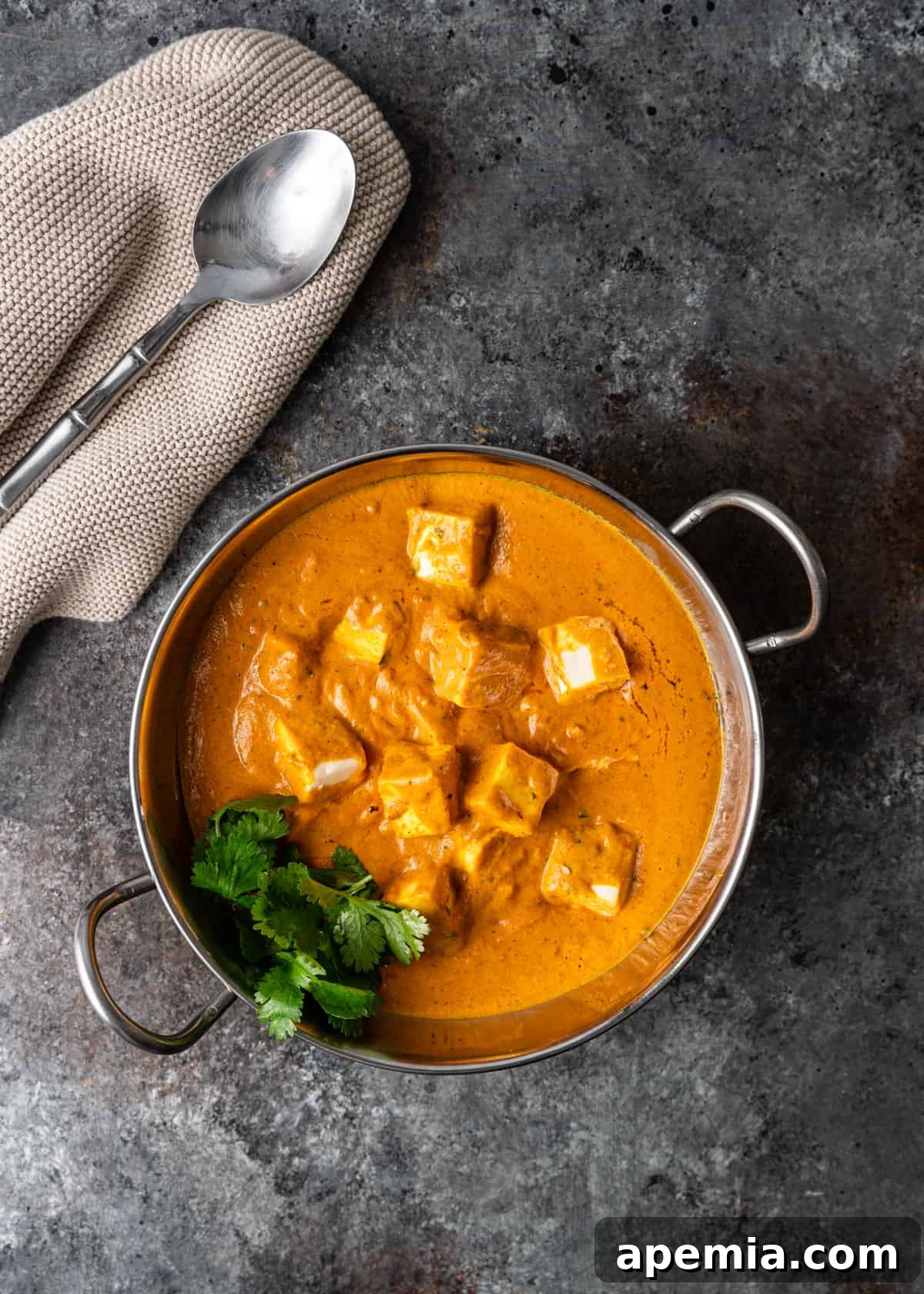
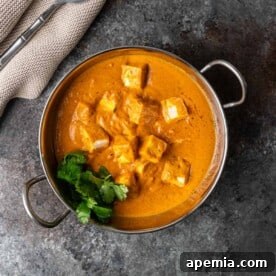
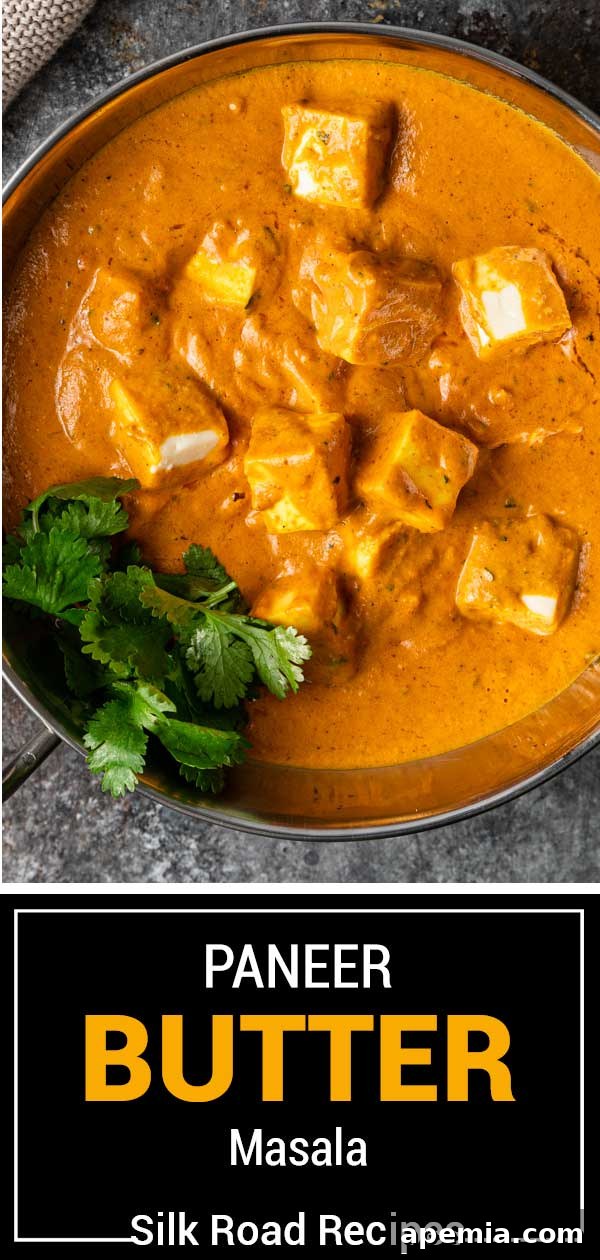
Paneer Butter Masala is a quintessential Indian dish, celebrated for its luxurious creaminess, vibrant flavors, and comforting richness. This iconic curry features succulent cubes of soft paneer cheese enveloped in a velvety tomato-based sauce, generously seasoned with an aromatic blend of traditional Indian spices and a touch of butter. It stands out as one of the most beloved vegetarian gravies, and for good reason—it’s an irresistible symphony of tastes and textures that will captivate your palate.

What is Paneer Butter Masala? A Culinary Journey
Often referred to as Paneer Makhani (meaning “butter” in Hindi), Paneer Butter Masala is a cornerstone of North Indian cuisine. It’s a rich, hearty, and mildly sweet curry that originates from the Punjab region, known for its emphasis on dairy products and robust flavors. This dish perfectly balances the tanginess of tomatoes with the sweetness of cream and cashews, creating a harmonious and deeply satisfying experience. It’s not just a meal; it’s an indulgence, perfect for family dinners, special occasions, or whenever you crave a taste of authentic Indian comfort food.
Understanding Paneer: India’s Versatile Cheese
If you’ve yet to experience the magic of paneer, this Paneer Butter Masala recipe is the perfect introduction. Paneer is a fresh, non-melting cheese made by curdling milk with a food acid like lemon juice or vinegar. Unlike cottage cheese, which some mistakenly compare it to, paneer boasts a firm yet delightfully soft texture, making it ideal for absorbing the rich flavors of curries without losing its shape. It’s incredibly popular across North India and parts of Middle Eastern cuisine, serving as a protein-rich vegetarian staple. Its mild flavor acts as a perfect canvas for the bold spices of Indian cooking, making it the undeniable star of this exquisite Indian cheese curry.
This recipe is a true gift to all vegetarian food enthusiasts, offering a meal that is profoundly hearty, utterly filling, and deeply comforting, all without a speck of meat. Its rich taste and satisfying texture are so profound that even your most devoted carnivore friends will push away from the table feeling completely satisfied and impressed!
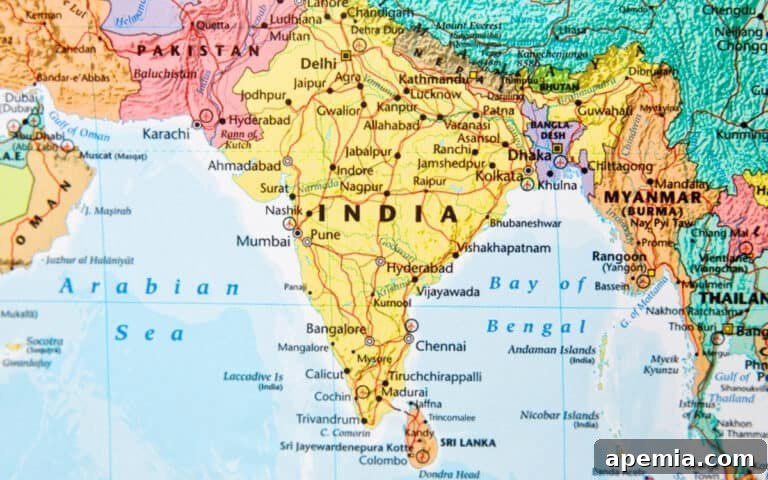
Table of Contents
- Why Paneer Butter Masala Is a Must-Try
- Essential Ingredients for a Perfect Paneer Butter Masala
- The Art of Making Paneer Butter Masala: Step-by-Step
- Pro Tips for the Best Paneer Butter Masala
- Serving Suggestions to Elevate Your Meal
- Storage and Reheating Tips
- Frequently Asked Questions About Paneer Butter Masala
- Paneer Butter Masala Recipe Card
Why Paneer Butter Masala Is a Must-Try
For those familiar with the blog, my affection for curry dishes is well-known. From the vibrant Thai Panang Curry and the wholesome Gobi Masala cauliflower curry to the boldly spiced Lamb Vindaloo Curry, there’s always a curry for every taste. Paneer Butter Masala holds a special place, particularly for its ability to deliver profound satisfaction through its creamy texture and complex flavors.
This dish is not only incredibly delicious but also surprisingly straightforward to prepare, making it accessible even for novice cooks. The magic lies in the carefully balanced spices and the luxurious richness imparted by butter and cream. It’s a celebration of Indian culinary traditions, offering a taste experience that is both authentic and incredibly comforting. Whether you’re hosting a dinner party or simply looking for a wholesome weeknight meal, Paneer Butter Masala promises to be a culinary triumph.
Essential Ingredients for a Perfect Paneer Butter Masala
Crafting the perfect Paneer Butter Masala begins with selecting quality ingredients. Each component plays a vital role in building the layered flavors and achieving that signature creamy texture.
- Paneer: The Star of the Show
Finding good quality paneer is crucial. Many local supermarkets now carry it in the international or dairy aisle. If not, an Indian grocery store will be your best bet. For the truly ambitious, making paneer at home is a rewarding experience; this recipe offers a fantastic guide. Homemade paneer often has an unparalleled freshness and tender texture that elevates the dish even further.
- Tomato Base: The Heart of the Gravy
The choice of tomato product significantly impacts the final consistency and flavor. For an ultra-smooth, restaurant-quality curry, opt for high-quality tomato sauce or canned puréed tomatoes. If you prefer a slightly more rustic texture with small bits of tomato, passata is an excellent choice. Passata is typically an uncooked, strained tomato purée, sometimes enhanced with carrots, onions, garlic, and a hint of sugar, which contributes to the curry’s subtle sweetness and depth.
- Raw Cashews: The Secret to Creaminess and Thickness
Raw cashews are indispensable for achieving the rich, thick, and creamy consistency of authentic Paneer Butter Masala. When puréed into the sauce, they provide a natural thickening agent and contribute a delicate, buttery flavor that beautifully complements the other ingredients. If cashews are unavailable, blanched and skinned almonds can be used as a substitute. In a pinch, 3 tablespoons of cashew or almond butter can also work, but fresh nuts yield the best results.
- Dairy Components: Unlocking Richness and Flavor
This recipe relies on a trio of dairy ingredients: plain Greek yogurt, heavy cream, and butter. Each plays a distinct role:
- Greek Yogurt: Adds a subtle tang and helps to thicken the sauce while contributing to its overall creaminess.
- Heavy Cream: Provides the luxurious, velvety texture and richness that Paneer Butter Masala is famous for.
- Butter: Essential for the “butter” in Paneer Butter Masala, it imparts a distinctive, nutty richness and glossy finish to the gravy, elevating the entire dish.
- Garam Masala: The Soul of Indian Cuisine
Garam Masala is a cornerstone of Indian cooking and one of my absolute favorite spice blends. Its complex, aromatic profile is absolutely crucial for the authentic flavor of any Indian curry and should never be skipped. This warming blend typically includes spices like cumin, coriander, cardamom, cinnamon, cloves, and black pepper. While readily available in most grocery stores, making your own garam masala can truly elevate the freshness and intensity of the flavors.
- Indian Bay Leaf (Tej Patta): A Unique Aromatic
While optional, the Indian bay leaf (Tej Patta) adds a distinct, subtle aroma that is different from its Mediterranean counterpart. It boasts a gentle cinnamon and clove-like fragrance that harmonizes beautifully with the other spices. It is typically added whole at the beginning of cooking and removed before serving, allowing its delicate notes to infuse the dish. Do not substitute with European bay leaves, as their flavor profile is quite different.
- Other Essential Spices & Seasonings
A medley of other spices rounds out the flavor profile:
- Cinnamon Stick: Provides a warm, sweet, and woody base note.
- Garlic and Ginger Paste: Form the aromatic foundation (masala) of the curry.
- Turmeric: Contributes the signature golden-orange hue and an earthy, slightly bitter undertone.
- Cumin: Adds warmth and a subtle, earthy fragrance.
- Red Chili Powder: For a touch of heat; adjust according to your preference. Kashmiri chili powder is often preferred for its vibrant color and milder heat.
- Salt: Essential for balancing and enhancing all the flavors.
- Fenugreek Leaves (Kasuri Methi): These dried leaves are a non-negotiable ingredient, providing a unique, slightly bitter, and highly aromatic flavor that is characteristic of many North Indian curries. Crush them between your palms before adding to release their full aroma.
- Fresh Cilantro: Used for garnish, it adds a burst of freshness and a vibrant herby note.
Pro Tips for the Best Paneer Butter Masala
Achieving restaurant-quality Paneer Butter Masala at home is entirely possible with a few expert tips:
The Uniqueness of Indian Bay Leaves (Tej Patta)
Indian bay leaf, known as “Tej Patta” (meaning pungent leaves), originates from the southern slopes of the Himalayas and is distinct from its Mediterranean cousin. These olive-green leaves are typically larger, featuring three prominent veins, and possess a milder aroma, reminiscent of cinnamon bark and cloves, yet more subtle with its own unique leafy flavor. They are incorporated as whole leaves and usually simmered with the dish for its entire cooking duration, removed just before serving to infuse the curry with their delicate essence.
The Indian Bay Leaf comes from the cassia tree and inherently tastes more like cinnamon. It is crucial not to substitute it with the common laurel bay leaf in Indian cooking, as their flavor profiles are entirely different and could alter the authenticity of your dish. If Indian Bay Leaf is unavailable, it is best to omit it altogether, or, if you must, substitute with a tiny pinch of cinnamon or an extra clove to mimic a similar warm aromatic quality.
Getting That Perfect Smooth Gravy
For an ultra-smooth, professional-looking gravy, ensure you blend the tomato and cashew base thoroughly. An immersion blender is convenient for this, allowing you to blend directly in the pan. Alternatively, a high-speed blender or food processor will yield excellent results. Always remove whole spices like cinnamon sticks and bay leaves before blending.
To Fry Paneer or Not To Fry?
While some recipes suggest lightly frying the paneer cubes before adding them to the curry, for Paneer Butter Masala, I often prefer to add them directly. Frying can sometimes make the paneer slightly chewy. By adding it towards the end, the paneer retains its soft, melt-in-your-mouth texture, gently soaking up the rich flavors of the gravy. If you prefer a firmer paneer, a quick sear on each side is fine, but don’t overcook it.
The Art of Making Paneer Butter Masala: Step-by-Step
Follow these detailed steps to create a truly unforgettable Paneer Butter Masala that will impress everyone at your table.
- Begin with Aromatics: Frying the Flavor Makers.
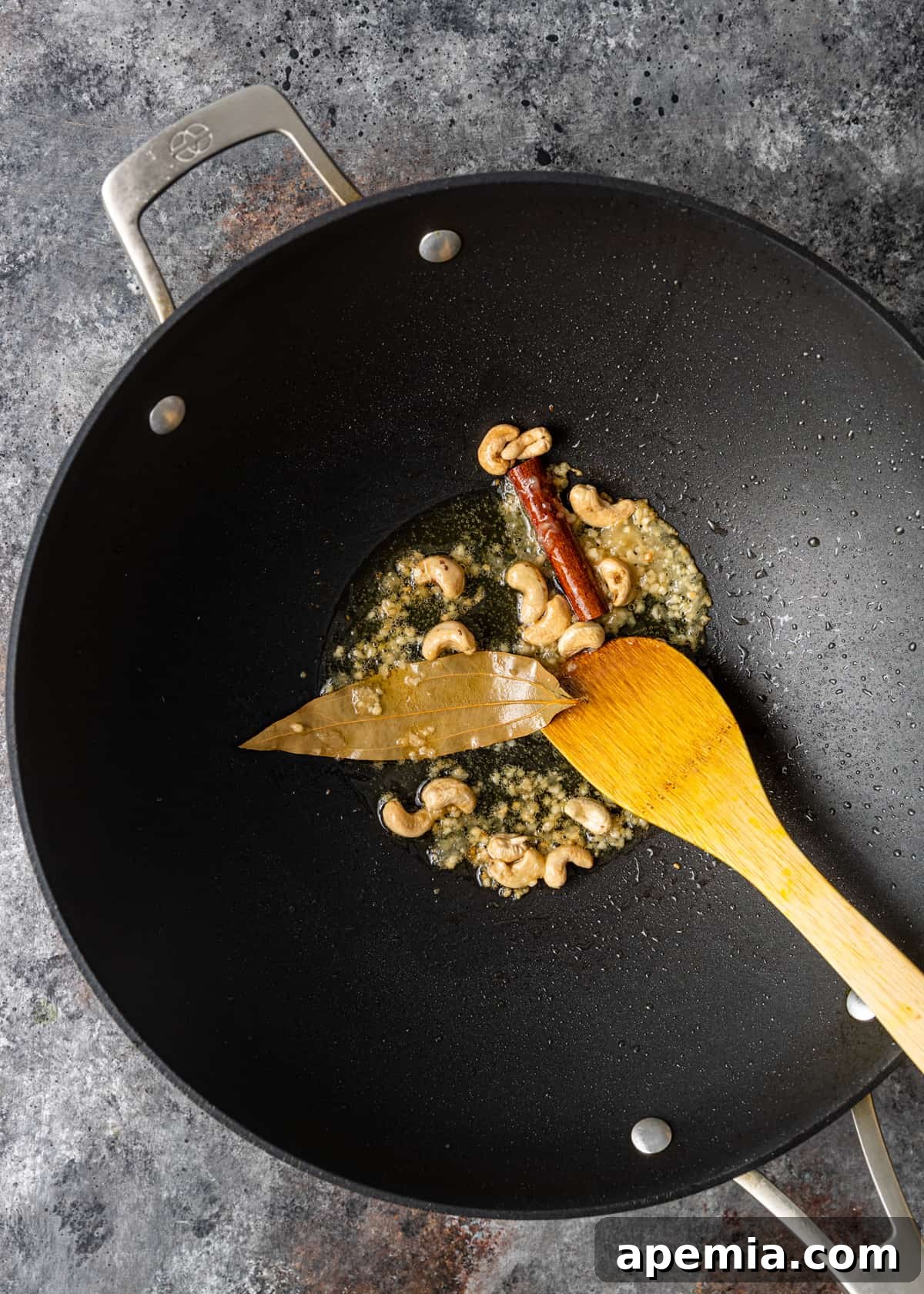
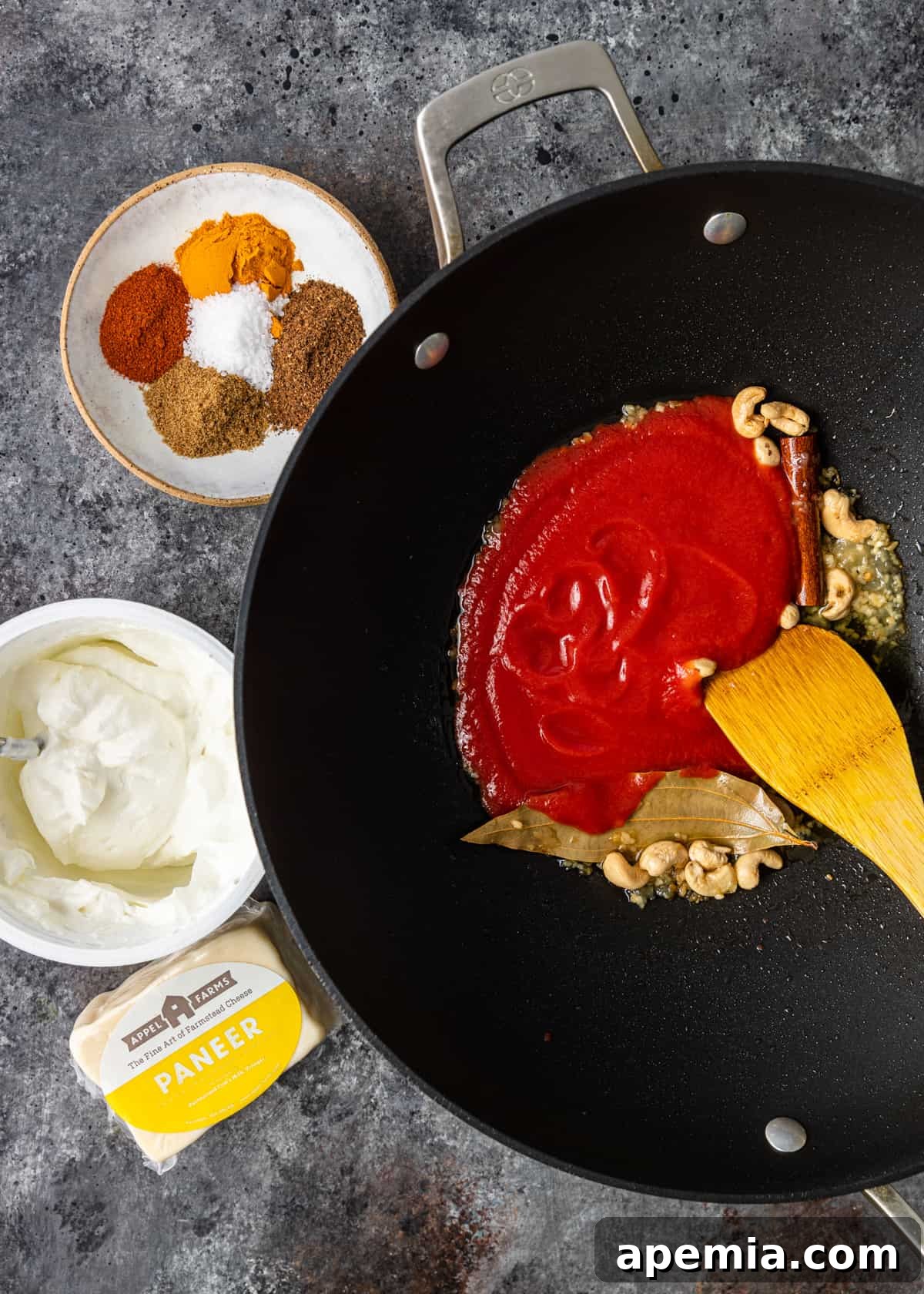
Heat a generous tablespoon of ghee (clarified butter) or vegetable oil in a large, heavy-bottomed frying pan or wok over medium-high heat. Ghee adds a distinctive nutty flavor that enhances the authenticity of the dish. Once hot, add the whole cinnamon stick and the Indian bay leaf. Quickly fry them for about 1 minute, allowing their essential oils to infuse the fat and build a foundational aromatic layer. Next, add the minced garlic, ginger paste, and raw cashews. Stir constantly for another minute, ensuring the aromatics don’t burn and the cashews begin to lightly toast, which will deepen their flavor.
- Develop the Tomato Base: Building Depth of Flavor.
Reduce the heat to low. Carefully add the passata (or tomato sauce), followed by the dry spices: garam masala, turmeric powder, ground cumin, and red chili powder, along with the salt. Stir thoroughly to combine all ingredients, making sure the spices are well incorporated into the tomato base. Allow this mixture to cook gently for about 2 minutes. The low heat prevents the spices from burning and allows their flavors to bloom. Next, stir in the plain Greek yogurt. Cover the pan partially with a lid (as the mixture may sputter slightly) and let it simmer for 10 minutes. This simmering period is crucial for the flavors to meld and for the sauce to thicken slightly, forming a rich and cohesive base.
- Achieve Silkiness: Puréeing the Gravy.
Carefully remove and discard the whole cinnamon stick and Indian bay leaf from the sauce. Using an immersion blender, meticulously purée the sauce directly in the pan until it achieves a wonderfully smooth and creamy consistency. If you don’t have an immersion blender, carefully transfer the contents of the pan to a high-speed blender or food processor and blend until perfectly smooth. This step is key to the luxurious texture of Paneer Butter Masala.
- Final Touches: Assembling the Masterpiece.
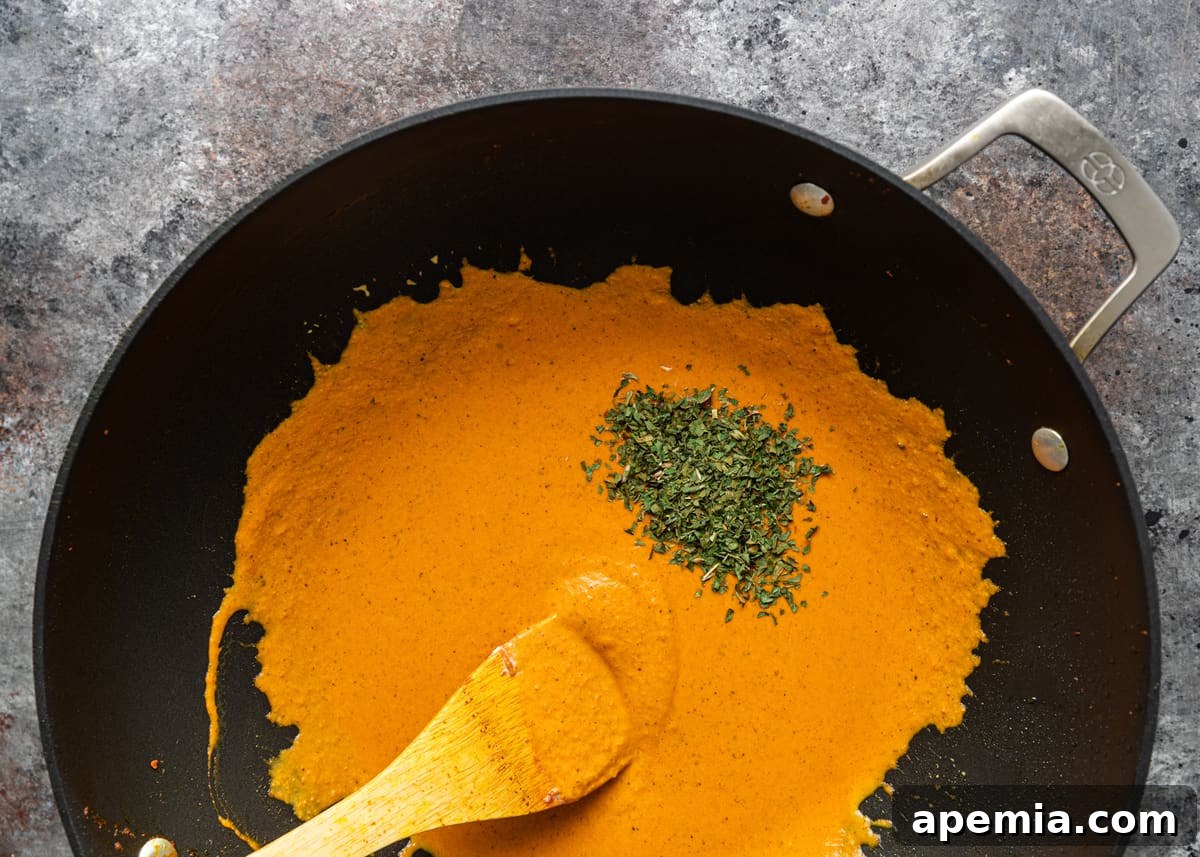
Return the puréed sauce to low heat if you transferred it. Add the heavy cream, the cubed paneer, crushed fenugreek leaves (kasuri methi), and the remaining 2 tablespoons of butter. Stir gently but thoroughly to combine all ingredients. Allow it to warm through for 2-3 minutes, just enough for the paneer to absorb some of the gravy’s rich flavors, but avoid overcooking the paneer to keep it tender.
- Garnish and Serve: The Grand Finale.
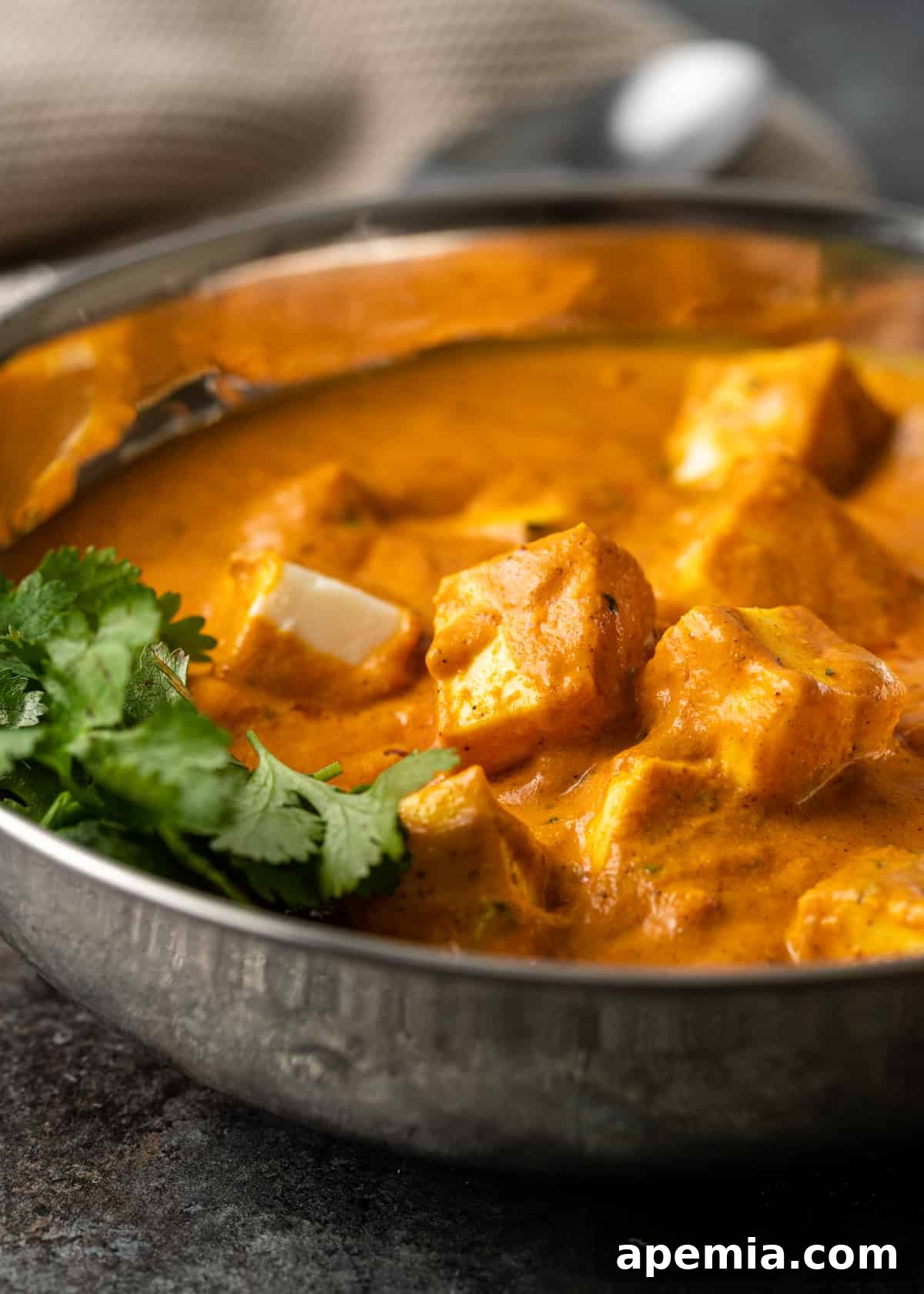
Garnish generously with freshly chopped cilantro and a final pinch of garam masala for an extra burst of aroma. Serve your exquisite Paneer Butter Masala steaming hot over fluffy basmati rice, accompanied by a side of warm, buttery garlic naan or another bread of your choice. Enjoy the rich, complex flavors of this beloved Indian classic!
Recommended Tools for Paneer Butter Masala
Having the right kitchen tools can make the process of preparing Paneer Butter Masala even more enjoyable and efficient:
- Large Frying Pan or Wok: A spacious cooking vessel is essential to accommodate all the ingredients and allow for proper sautéing and simmering. A wide surface area ensures even cooking and prevents overcrowding. While I personally lean towards a wok for its versatility and high heat retention, a large frying pan or a Dutch oven will work perfectly.
- Immersion Blender: This tool is a game-changer for achieving that perfectly smooth paneer curry directly in the cooking pot, minimizing cleanup. Its convenience makes it highly recommended. However, if an immersion blender isn’t available, a high-powered stand blender or a food processor will also efficiently purée the sauce to a silky consistency.
- Measuring Cups and Spoons: Accurate measurements are crucial in Indian cooking for balanced flavors.
- Wooden Spoon or Spatula: For stirring and sautéing.
Storage and Reheating Tips
Paneer Butter Masala often tastes even better the next day as the flavors have more time to meld and deepen. Proper storage and reheating will ensure your leftovers are as delicious as the freshly made dish.
Storing Leftovers
Allow the leftover Paneer Butter Masala to cool completely to room temperature before transferring it to an airtight container. Store it in the refrigerator, where it will remain fresh and flavorful for 3-4 days. For longer storage, you can freeze Paneer Butter Masala. Place it in a freezer-safe container or bag, removing as much air as possible. It can be frozen for up to 2-3 months. Thaw overnight in the refrigerator before reheating.
Reheating Your Curry
To reheat, I highly recommend using your stovetop for the best results. Transfer the cheese curry to a pan and heat it over medium-low heat, stirring occasionally. If the curry has thickened significantly in the fridge (which it often does), feel free to add a splash of milk, cream, or even water to loosen it to your desired consistency. Heat for 5-10 minutes, or until it is thoroughly warmed through and bubbling gently.
For single servings, your microwave can be a convenient option. Place the Paneer Butter Masala in a microwave-safe dish and heat in 30-second bursts, stirring in between, until it is hot. Be careful not to overheat, as this can sometimes alter the texture of the paneer.
Frequently Asked Questions About Paneer Butter Masala
A traditional Paneer Butter Masala recipe is primarily made with soft paneer cheese, a rich tomato and onion base, blended with raw cashews for creaminess, and a complex array of aromatic Indian spices such as garam masala, turmeric, cumin, and fenugreek leaves. Crucially, a generous amount of butter and cream are added to achieve its signature rich, velvety texture and distinctive buttery flavor, much like in a classic Butter Chicken (Murgh Makhani).
Paneer Butter Masala offers a complex and incredibly satisfying flavor profile. It is rich, exquisitely creamy, and subtly sweet, with a delicate balance of tanginess from the tomato base (especially if using passata). The butter, cream, and cashews contribute to its luxurious sweetness and velvety mouthfeel, while the expertly blended spices impart warmth, depth, and a mild aromatic kick. The fenugreek leaves add a unique, slightly bitter yet deeply comforting fragrance. It’s truly a symphony of sweet, savory, and aromatic notes that must be experienced to be fully appreciated.
Paneer Butter Masala is a star dish that pairs wonderfully with a variety of accompaniments. I typically serve this delectable curry over steaming hot basmati rice, garnished with a sprinkle of fresh chopped cilantro and an extra dash of garam masala for added aroma. As no Indian curry meal is complete without bread, I highly recommend serving it alongside warm, fluffy garlic naan, barbari bread, or even simit. A side of cooling raita (yogurt dip), a simple kachumber salad (Indian chopped salad), or a sweet mango chutney can also complement the richness of the curry beautifully.
Typically, Paneer Butter Masala is a mild to medium-spicy dish, known more for its rich and creamy profile rather than intense heat. The spiciness primarily comes from red chili powder. You can easily adjust the amount of chili powder to suit your personal preference, making it very mild or adding a bit more for an extra kick. If you use Kashmiri chili powder, you’ll get a beautiful deep red color with less heat.
Yes, with a few substitutions, you can absolutely make a delicious vegan version of Paneer Butter Masala! Replace the paneer with firm tofu (pressed and cubed), the ghee with a plant-based oil, and the dairy components (Greek yogurt, heavy cream, butter) with full-fat coconut milk or cashew cream, and vegan butter. Ensure your garam masala is dairy-free. The flavor profile will be slightly different but equally rich and satisfying.
While both are rich, creamy paneer dishes from North India, there are subtle differences. Paneer Butter Masala (or Paneer Makhani) traditionally has a vibrant reddish-orange, tomato-forward gravy with a distinct buttery flavor. Shahi Paneer, on the other hand, means “Royal Paneer” and typically features a lighter, often yellowish or white gravy that is nut-based (cashews or almonds) with a heavier emphasis on cream, yogurt, and sometimes saffron, giving it a milder, sweeter, and more luxurious taste profile with less emphasis on tomatoes.
Share this recipe on Pinterest!
Love this recipe? Share it with the world on Pinterest to help others discover this delicious Indian classic.
Paneer Butter Masala Recipe
Ingredients
- 1 tablespoon ghee or vegetable oil
- 1 cinnamon stick
- 1 Indian bay leaf (Tej Patta)
- 3 garlic cloves, minced
- 1 tablespoon ginger paste
- 15 raw cashews
- 8 oz tomato sauce or passata (See Note 1)
- 2 teaspoon garam masala
- 1 ½ teaspoon turmeric powder
- 1 ½ teaspoon ground cumin
- 1 teaspoon red chili powder (adjust to taste)
- 1 teaspoon kosher salt (or to taste)
- ½ cup plain Greek yogurt
- ½ cup heavy cream
- 2 tablespoons butter
- 8 oz paneer, cubed (approximately 250 grams)
- 2 teaspoons fenugreek leaves (Kasuri Methi), crushed
- Fresh chopped cilantro for garnish
Instructions
- Heat ghee or oil over medium-high heat in a large fry pan or wok. Quickly fry the cinnamon stick and Indian bay leaf for about 1 minute until fragrant. Add the minced garlic, ginger paste, and raw cashews. Cook, stirring constantly, for another 1 minute until the aromatics are fragrant and cashews begin to lightly toast.
- Reduce heat to low. Add the passata (or tomato sauce), garam masala, turmeric, cumin, red chili powder, and salt. Cook for 2 minutes, stirring well to combine the spices with the tomato base. Stir in the Greek yogurt, then cover partially with a lid and simmer for 10 minutes, allowing the flavors to meld and the sauce to thicken.
- Remove and discard the cinnamon stick and bay leaf. Use an immersion blender to carefully purée the sauce until completely smooth. Alternatively, transfer the contents to a high-speed blender or food processor and blend until silky smooth.
- Add the heavy cream, cubed paneer, crushed fenugreek leaves, and 2 tablespoons of butter to the puréed sauce. Stir thoroughly to combine all ingredients and let it warm through for 2-3 minutes, ensuring the paneer is heated and absorbs the flavors.
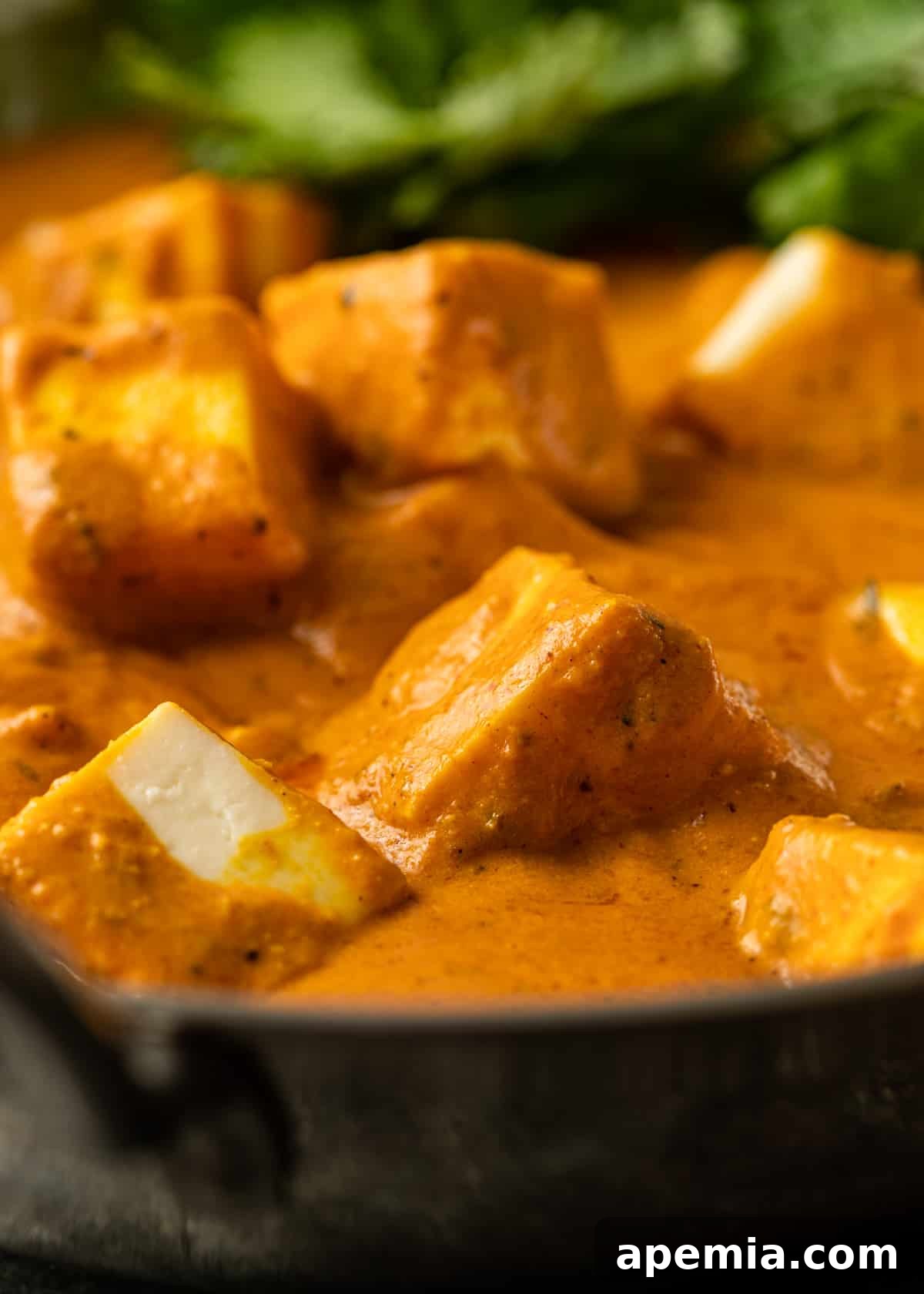
- Garnish generously with fresh cilantro leaves and a final pinch of garam masala. Serve your homemade Paneer Butter Masala hot over rice with a side of garlic naan or your preferred bread. Enjoy!
Notes
- Either tomato sauce or tomato passata may be used for this recipe. Tomato passata is typically an uncooked tomato purée that has been strained to remove seeds and skins. Unlike standard tomato sauce, passata often contains other ingredients like carrots, onions, sugar, and garlic, offering a slightly different flavor profile. If you prefer a curry with very small bits of tomato for a slight texture, passata works well. For an incredibly smooth and uniform consistency, opt for tomato sauce. If passata isn’t available, puréed canned tomatoes are a suitable substitute.
- For convenience, you can easily find frozen baked naan at most supermarkets or stores like Trader Joe’s if available in your area. Warm it up as per package instructions for a perfect accompaniment.
Nutrition
Carbohydrates: 10g |
Protein: 14g |
Fat: 38g |
Saturated Fat: 22g |
Trans Fat: 1g |
Cholesterol: 104mg |
Sodium: 975mg |
Potassium: 339mg |
Fiber: 2g |
Sugar: 4g |
Vitamin A: 1021IU |
Vitamin C: 5mg |
Calcium: 354mg |
Iron: 2mg
The information shown is an estimate provided by an online nutrition calculator. It should not be considered a substitute for a professional nutritionist’s advice.
We hope this comprehensive guide inspires you to create your own unforgettable Paneer Butter Masala. Share your creations on Instagram and tag us @keviniscooking or use the hashtag #keviniscooking! Happy cooking!