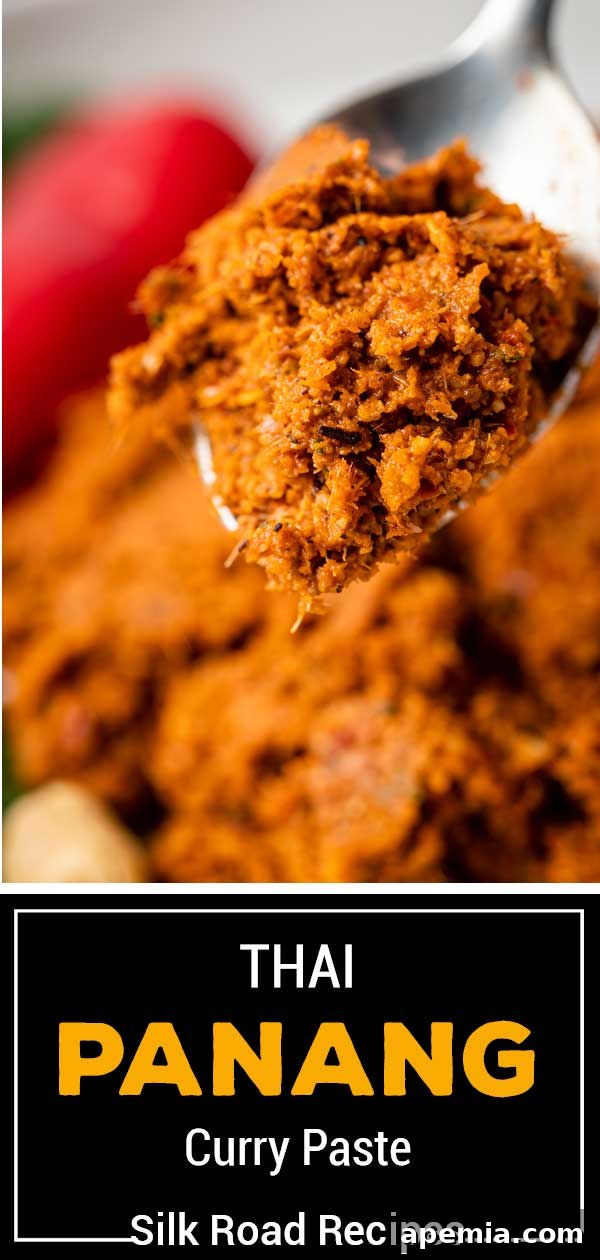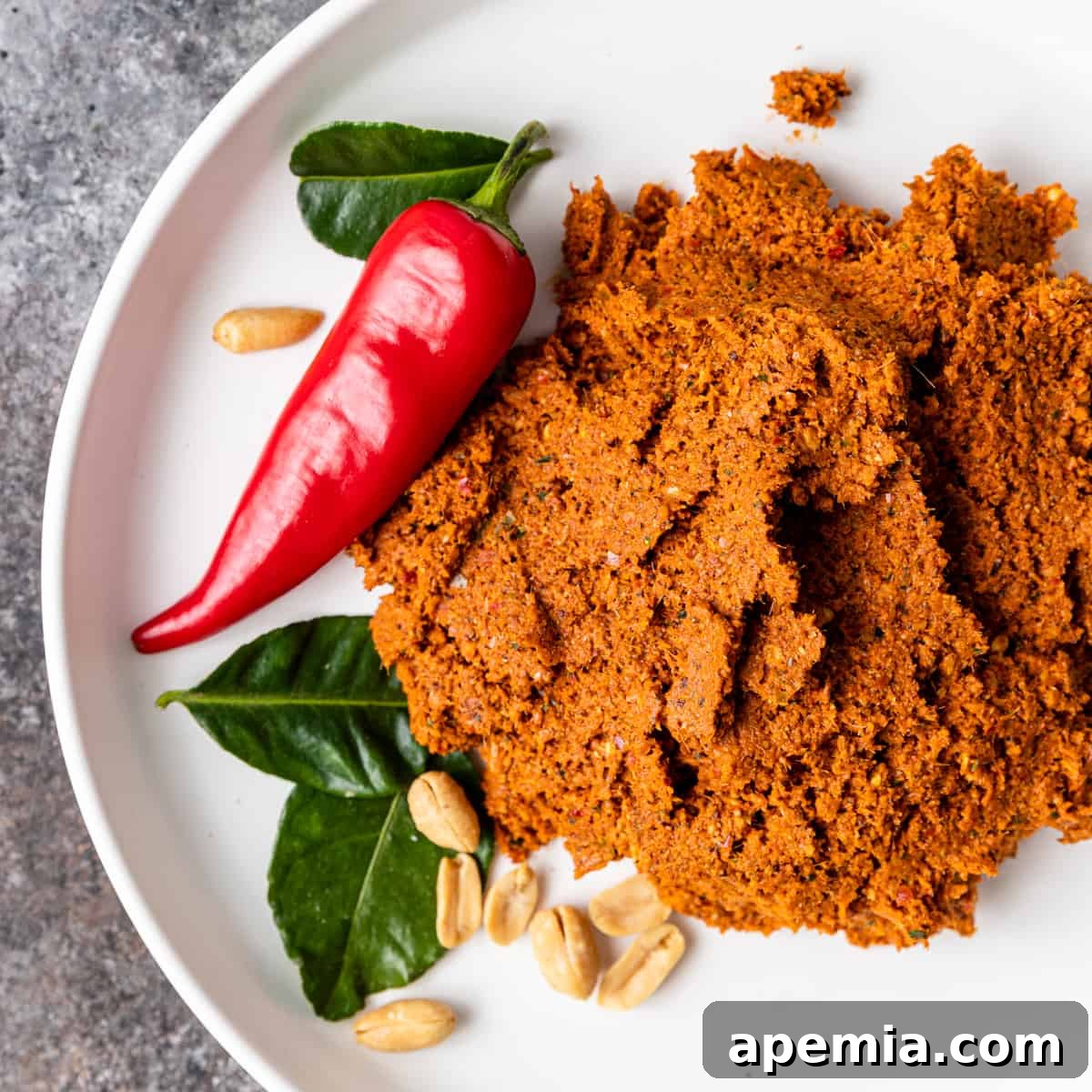
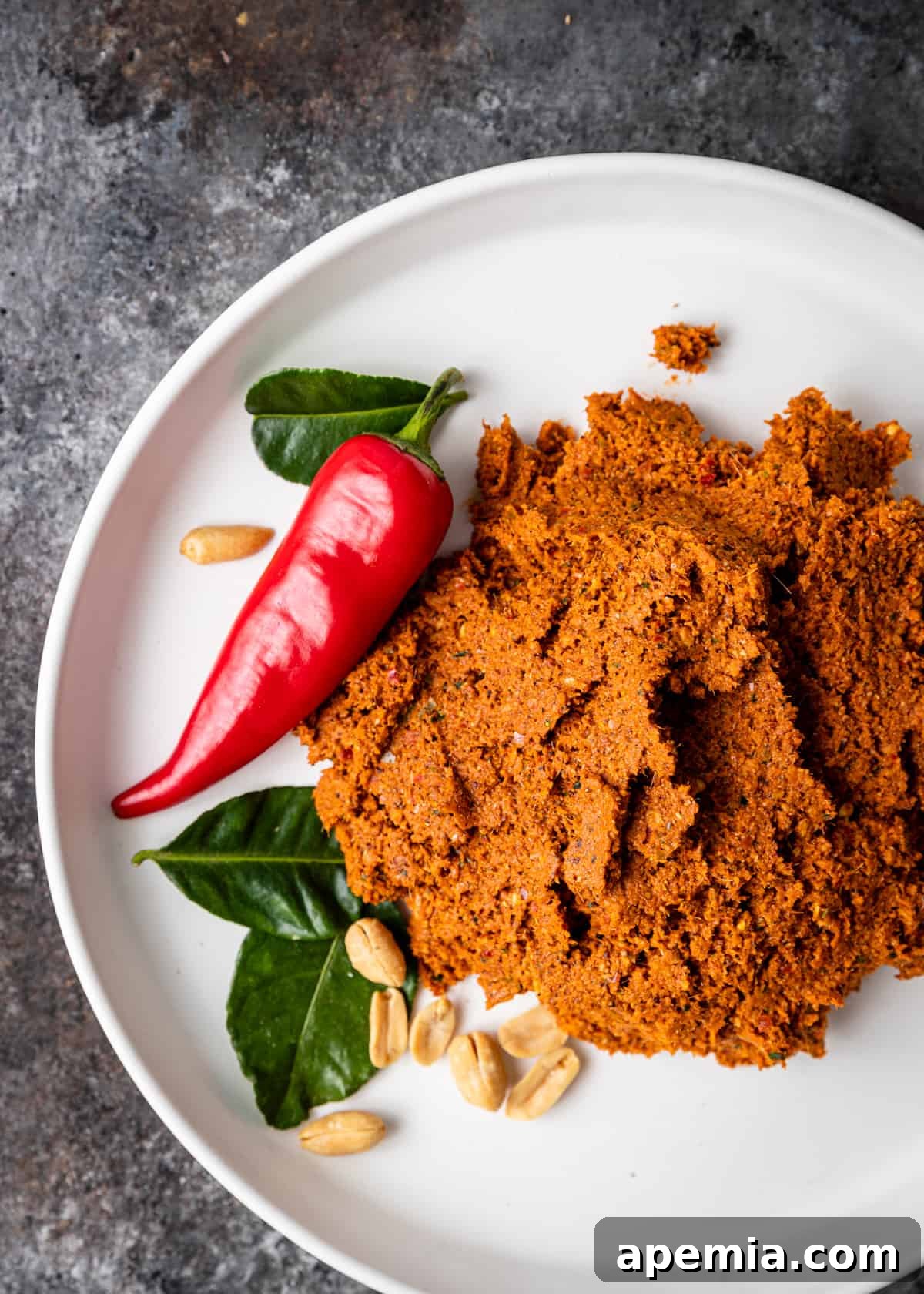
Embark on a culinary journey to the heart of Thailand with this incredible recipe for homemade Panang curry paste. This paste is not just an ingredient; it’s a foundation for flavor, boasting a rich, nutty, and profoundly warm spice profile. Each spoonful delivers tantalizing layers of aromatic chile heat, bright citrusy notes from kaffir lime, and the delightful texture of roasted peanuts blended right in. Slightly sweeter and notably milder than its fiery red curry counterpart, this Panang paste is perfectly crafted for creating lusciously creamy curries, comforting soups, and quick, authentic weeknight dinners that truly sing with traditional Thai essence.
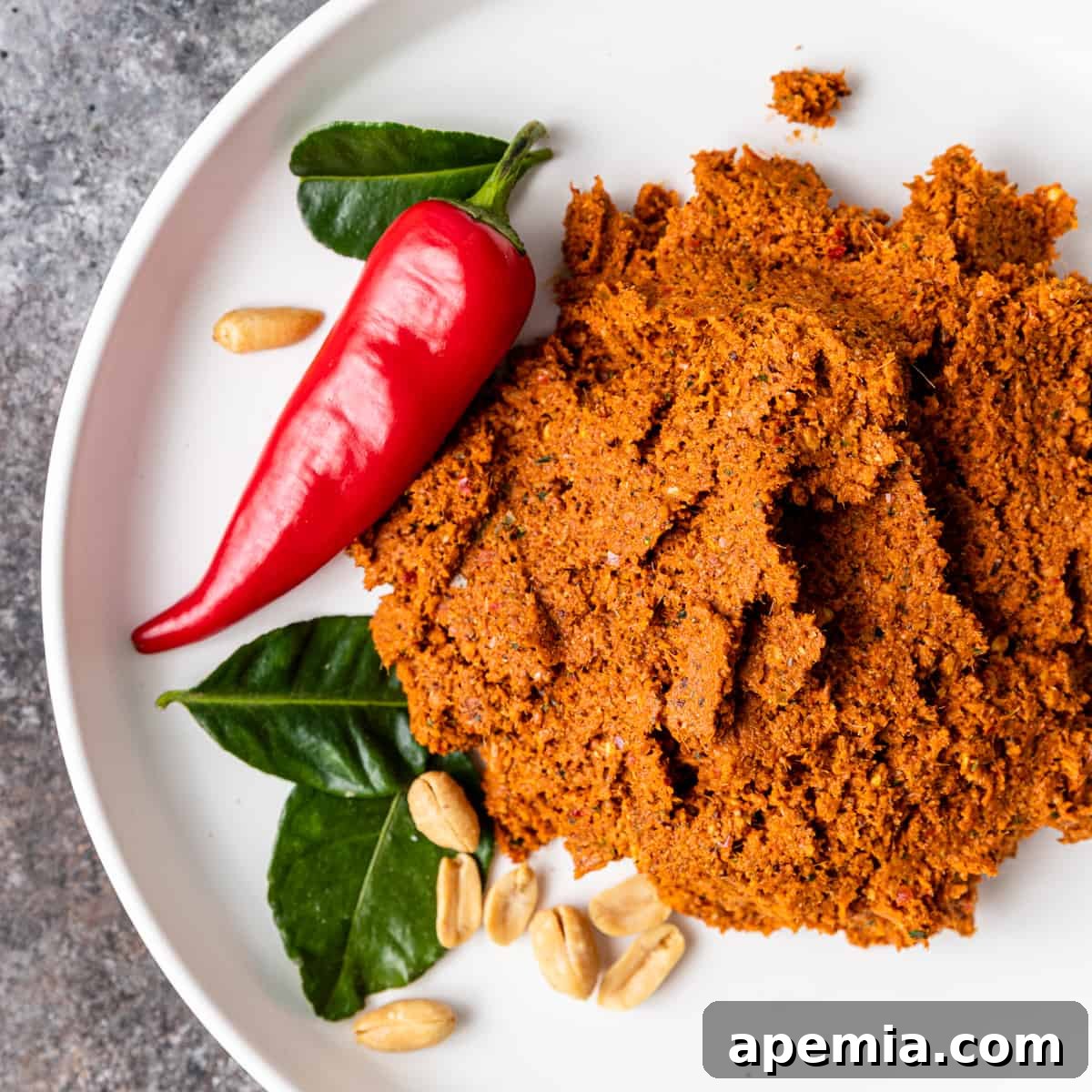
While “Phanaeng curry paste” might be the more precise transliteration from Thai, the anglicized spelling “Panang curry paste” has become universally recognized and is widely featured on restaurant menus and in cookbooks across the globe. This widespread adoption underscores its popularity and the delightful culinary experience it offers.
Panang curry, originating from the central regions of Thailand, is renowned for its distinctly richer flavor profile compared to curries from other parts of the country. These central Thai curries often strike a beautiful balance, being more well-rounded and mellow than the intensely spicy varieties found in southern Thailand. What truly sets Panang curry paste apart from its red or green cousins are its signature warm spices, the irreplaceable fragrant kaffir lime leaves, and, crucially, the incorporation of roasted peanuts. These elements combine to create a paste that is wonderfully complex yet considerably milder and more approachable than many other Thai curry pastes, making it a favorite for those seeking depth without overwhelming heat.
In my experience, dedicating a small amount of effort to making this paste from scratch yields immense dividends in flavor and authenticity. The process of dry-toasting whole spices unlocks their deepest aromatic potential, transforming them into a complex backbone for the paste. The careful balance of dried and fresh chiles allows you complete control over the heat level, tailoring it precisely to your preference. Furthermore, the inclusion of fresh galangal and lemongrass imparts that unmistakable, vibrant Thai aroma and taste – a depth of flavor that simply cannot be replicated by any store-bought jarred alternative. Crafting your own Panang curry paste is not just cooking; it’s an act of culinary artistry, bringing genuine Thai essence right into your kitchen.
Table of Contents: Crafting Your Panang Curry Paste
- What is Galangal and Why is it Essential?
- Mastering Layers of Flavor: Chile Selection and Beyond
- Detailed Ingredient Notes and Smart Substitutions
- Step-by-Step Guide: How to Make Panang Curry Paste
- Recommended Tools for Perfect Paste
- Storage and Reheating Tips for Freshness
- Frequently Asked Questions About Panang Curry Paste
- The Ultimate Panang Curry Paste Recipe
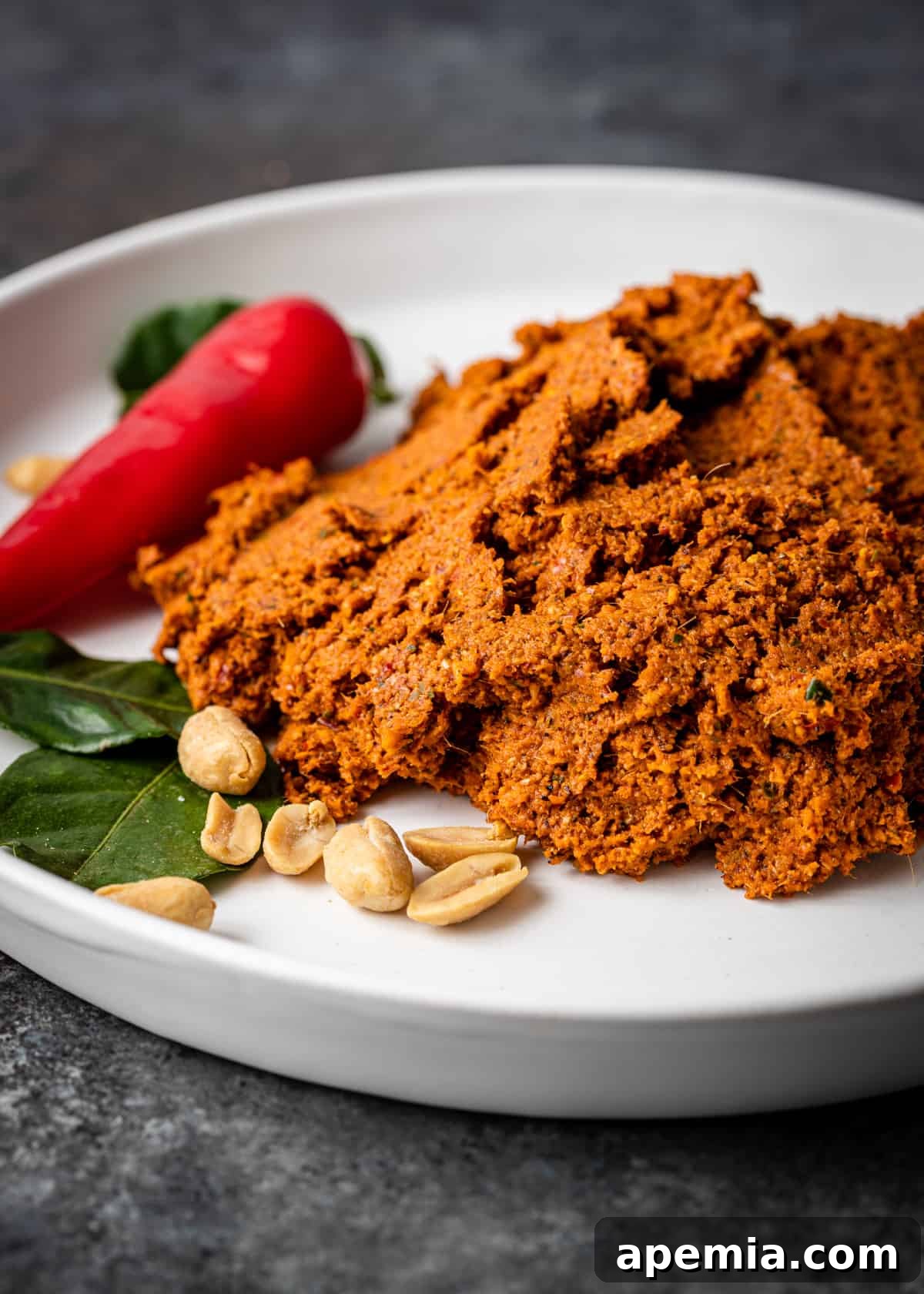
Beyond its iconic role in classic Panang curry with beef, chicken, or tofu, this versatile paste serves as a fantastic foundation for a myriad of Thai-inspired dishes. Imagine it stirred into creamy coconut soups for an instant flavor boost, or used as a marinade to infuse stir-fries with rich, aromatic depth. If you’ve previously enjoyed the rewarding experience of building flavors from scratch with a homemade red curry paste or a vibrant yellow curry paste, then this Panang paste will feel like a natural and welcome addition to your culinary repertoire. It’s an exploration of unique flavors that will undoubtedly enhance your home cooking.
Tip From Kevin
What is Galangal and Why is it Essential?
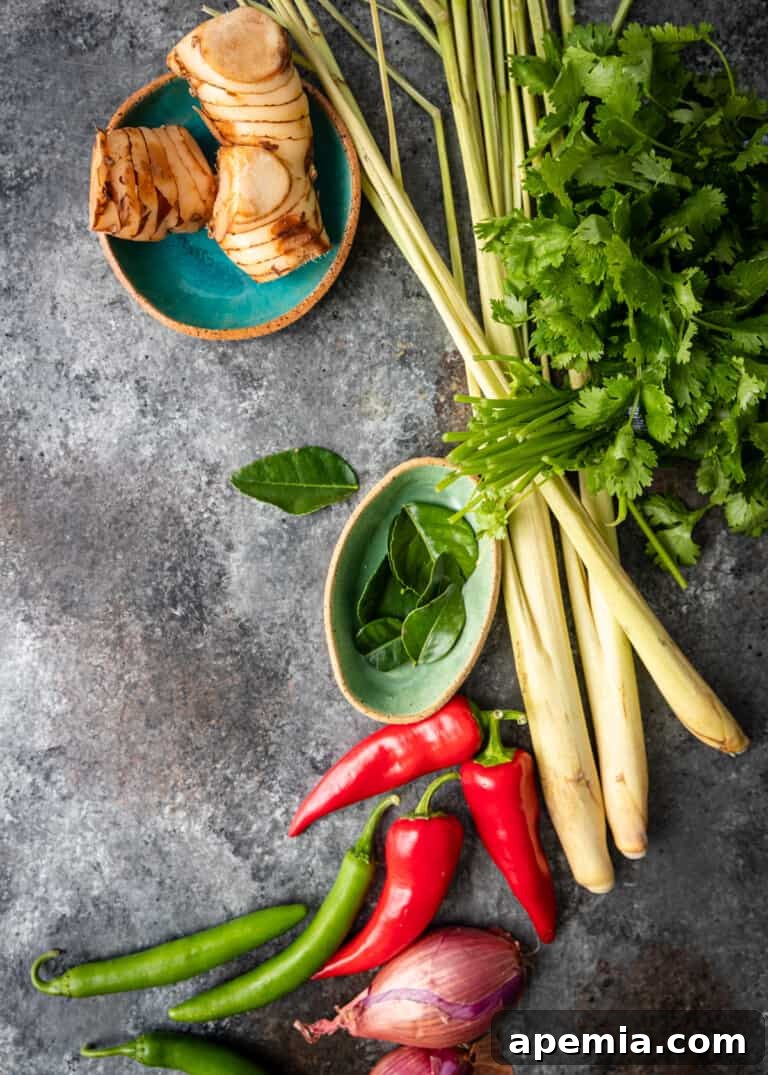
Galangal is a distinctive, pungent, and highly aromatic rhizome, a close botanical relative to ginger and turmeric, yet possessing a uniquely sharp, citrusy, and slightly piney flavor profile. It is an indispensable ingredient in Southeast Asian cuisines, particularly in Thai, Indonesian, and Malaysian cooking. Galangal forms a crucial flavor base for iconic dishes such as this Panang curry paste, the zesty Tom Yum soup, and the rich Laksa. Its fibrous texture means it’s usually sliced or bruised rather than finely minced, allowing its essence to infuse dishes. When shopping for ingredients, keep an eye out for fresh galangal, vibrant lemongrass stalks, and fragrant kaffir lime leaves at most well-stocked Asian markets; their fresh forms are paramount for achieving truly authentic flavors.
Tip From Kevin
Mastering Layers of Flavor: Chile Selection and Beyond
- Strategic Chile Selection: Fresh vs. Dried. To achieve the perfect heat balance without overwhelming the delicate flavors, you must choose between using either fresh or dried chiles – never both for the primary heat components. If opting for dried chiles (like arbol and guajillo), omit the fresh Thai chiles. Conversely, if you prefer the vibrant kick of fresh Thai chiles, then exclude the dried varieties. Regardless of your choice, the fresh serrano chiles can always be included for a foundational, bright heat.
- Navigating Thai Peppers and Heat Levels. Thailand boasts over 79 distinct varieties of chiles, each with its own heat signature. The Bird’s Eye chile is perhaps the most famous and notoriously hot. For those exploring Asian markets, look for other common varieties such as Prik Jinda (very hot and flavorful), Prik Yuak (a milder, sweeter option), Prik Chee Fah (offering a balanced, medium heat), and Prik Leuang (a generally mild chile). Select your chiles carefully to perfectly tailor the spice level of your Panang curry paste to your palate.
- Kaffir Lime Zest Substitution. While fresh kaffir lime leaves are paramount for authentic flavor, if they are unavailable, a suitable substitute can be created from regular limes. Instead of finely zesting, use a vegetable peeler to carefully create two-inch strips of lime zest, ensuring you avoid the bitter white pith. These larger strips will better mimic the release of aromatic oils from kaffir lime leaves during blending.
Detailed Ingredient Notes and Smart Substitutions for Panang Paste
(For precise measurements and quantities, please refer to the full recipe card below.)
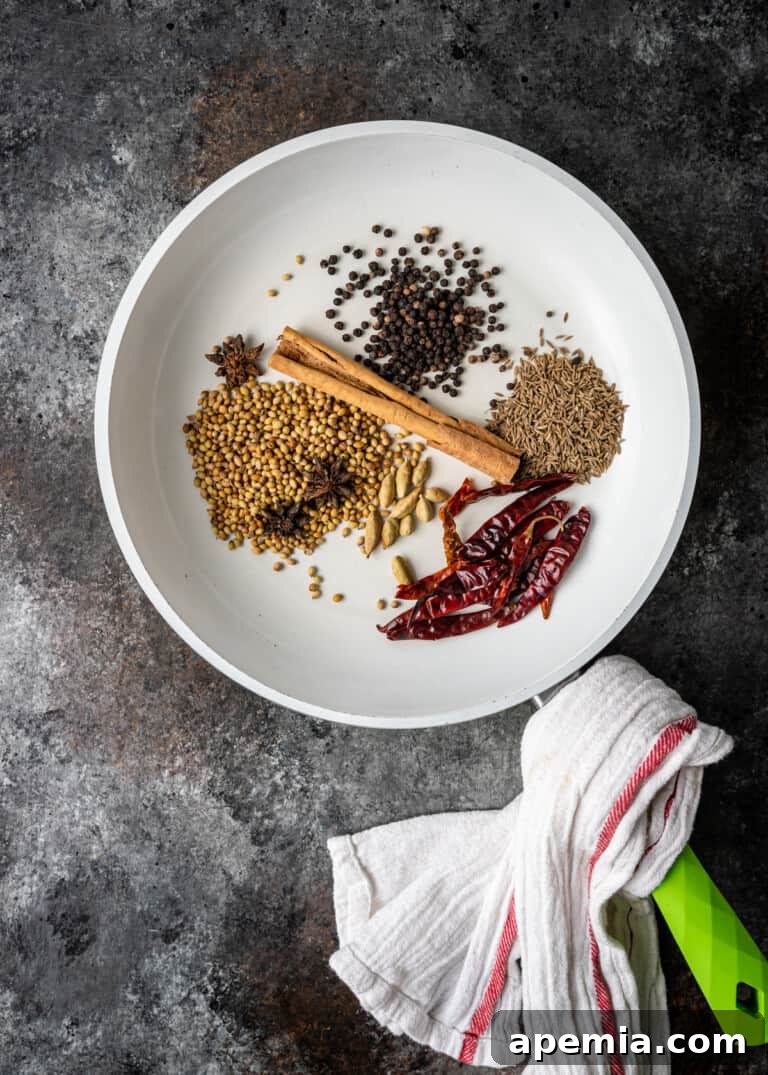
- Whole Spices: Cardamom, Star Anise, Cinnamon, Coriander, Cumin, & Peppercorns. These whole spices form the robust aromatic backbone of your authentic Panang curry paste. A brief dry-toasting period is crucial; it awakens their essential oils, resulting in a profoundly more complex and fragrant flavor that cannot be achieved with pre-ground spices. Ensure they are lightly toasted until fragrant, not burnt.
- Dried Chiles: Arbol & Guajillo. Dried chiles de árbol and guajillo contribute a deep, earthy warmth and a moderate heat to the paste. Before blending, it’s essential to remove their stems and seeds (which carry most of the intense heat) and then rehydrate them by soaking in hot water until softened. This makes them easier to blend and mellows their raw spiciness. If guajillo chiles are difficult to source, dried Kashmiri peppers, often found in Indian markets, make an excellent substitute, offering a similar mild heat and vibrant red color.
- Fresh Peppers: Serrano & Thai Chiles. Fresh serrano peppers are a consistent component, providing a bright, clean heat. However, your choice for additional fresh heat is important: only include fresh Thai chiles if you are omitting the dried chiles. The overall flavor profile will be distinctly brighter and fresher with the use of fresh chiles compared to dried. For those seeking nuanced heat control, refer to our “Layers of Flavor” section above for a guide on various Thai chile types and their Scoville ratings.
- Kaffir Lime Leaves: The Signature Citrus. These intensely aromatic leaves are non-negotiable for an authentic Panang curry. They impart a unique citrusy, floral, and slightly bitter flavor that is a defining characteristic of this paste. Often marketed as makrut lime leaves in Asian markets, they should be fresh for the best results. If fresh leaves are absolutely unavailable, using three 2-inch strips of fresh lime zest (carefully peeled to avoid any white pith) can serve as a last-resort substitute, though the flavor will be subtly different.
- Galangal & Lemongrass: Thai Aromatics. These two ingredients are paramount for the unmistakable foundational flavor of Thai cuisine. Fresh galangal provides a sharp, piney, and citrusy note distinct from ginger, while fresh lemongrass offers a bright, herbaceous, and lemon-like aroma. While ginger can substitute galangal in a pinch, be aware that the resulting flavor will vary significantly. For lemongrass, trim the bottom 4 inches of the stalk and remove any tough outer layers before using.
- Roasted Peanuts: Richness & Nutty Depth. Roasted peanuts are a defining characteristic of Panang curry paste, providing its glorious richness, creamy texture, and distinctive nutty undertones. Always opt for unsalted roasted peanuts to maintain precise control over the overall seasoning of your paste. You can lightly toast raw peanuts yourself for maximum freshness before using.
- Shallots & Garlic: The Aromatic Base. These humble ingredients form the aromatic backbone of countless cuisines, and Panang paste is no exception. Fresh shallots offer a milder, sweeter onion flavor than regular onions, while garlic adds its pungent depth. They balance and round out the stronger flavors of the chiles and spices.
- Fish Sauce: Umami Powerhouse. A staple in Thai cooking, fish sauce (Nam Pla) provides an essential salty, savory umami depth that is irreplaceable. It harmonizes all the flavors, creating a more complex and well-rounded paste.
How to Make Panang Curry Paste: A Step-by-Step Guide
- Toast the Whole Spices to Perfection. Begin by dry-toasting the cardamom pods, star anise, cinnamon stick, coriander seeds, cumin seeds, and black peppercorns in a dry skillet over medium heat. Stir them constantly for 2-3 minutes until they become wonderfully fragrant, signaling the release of their essential oils. Be vigilant to avoid burning them, which can lead to bitterness. Once toasted, transfer them immediately to a plate to cool completely. After cooling, combine them with the kosher salt in a spice grinder and grind until a fine, aromatic powder forms.
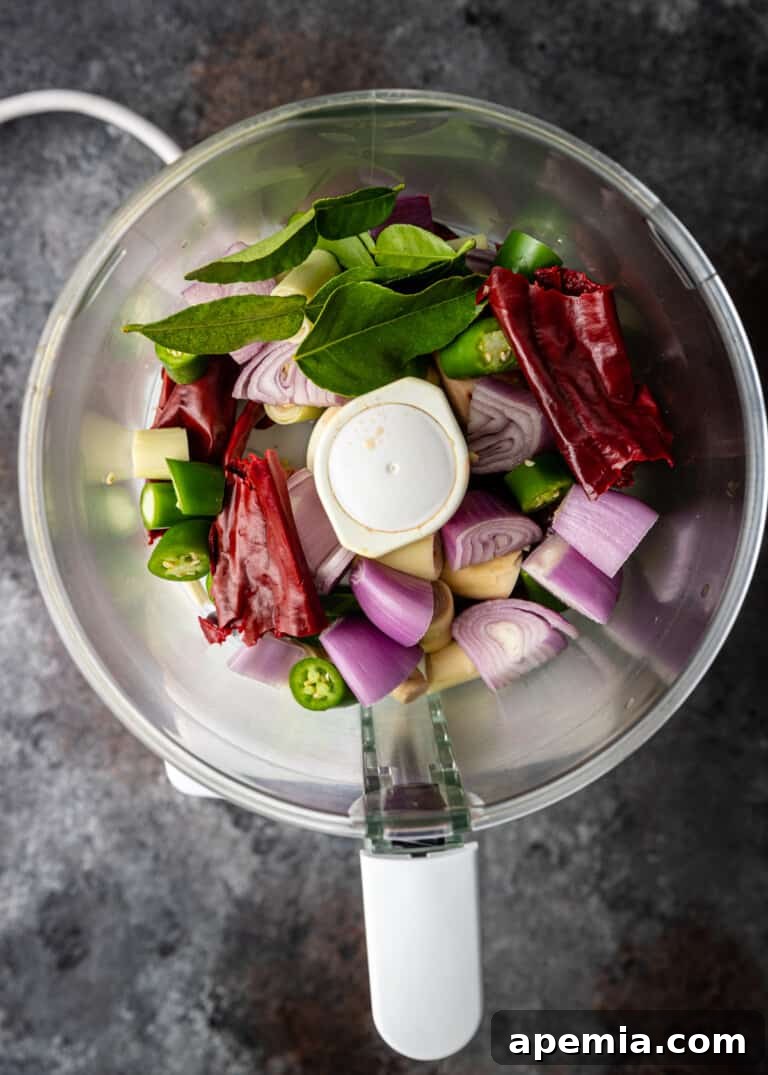
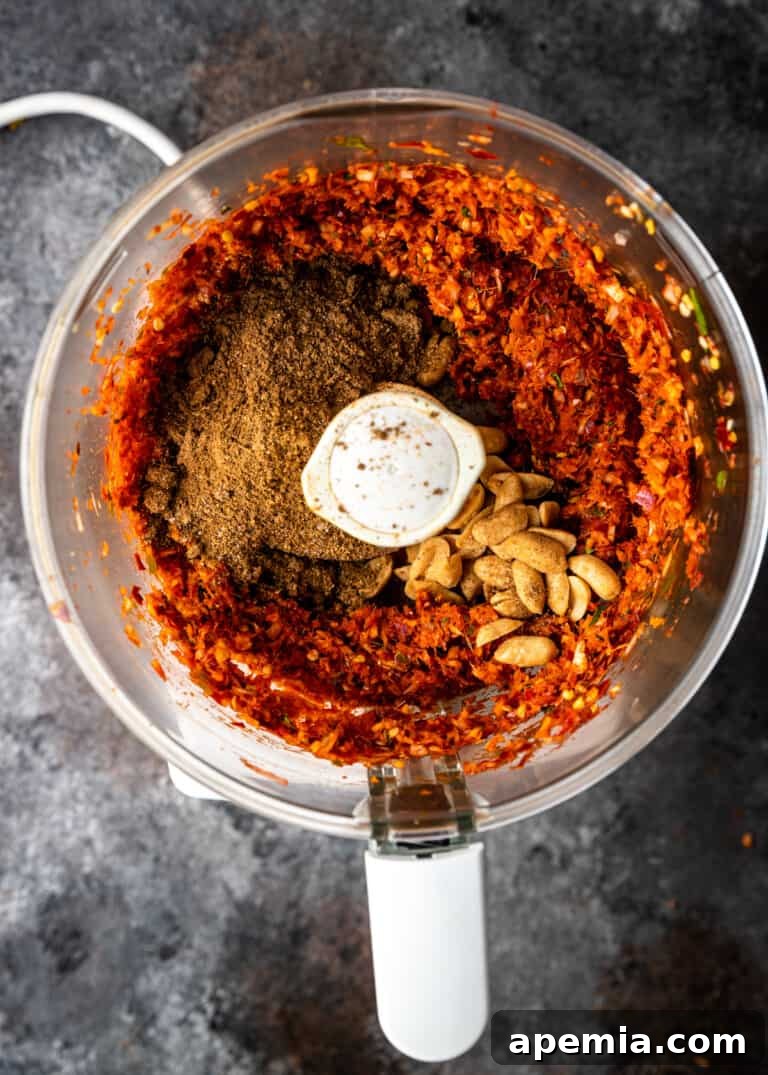
- Prepare and Process the Chiles and Aromatics. If you’ve chosen to use dried chiles, ensure they are properly prepared: remove their stems and discard the seeds. Then, soak them in hot water for about 10 minutes until they are fully softened and pliable. Drain them thoroughly. Now, gather the prepared chiles (dried or fresh, as per your selection), kaffir lime leaves (ribs removed for smoother paste), peeled garlic cloves, prepared lemongrass stalks, fresh serrano chiles (and Thai chiles if using), quartered shallots, and peeled and quartered galangal. Add all these ingredients to your food processor. Pulse the mixture repeatedly, scraping down the sides as needed, until a thick, somewhat coarse paste begins to form.
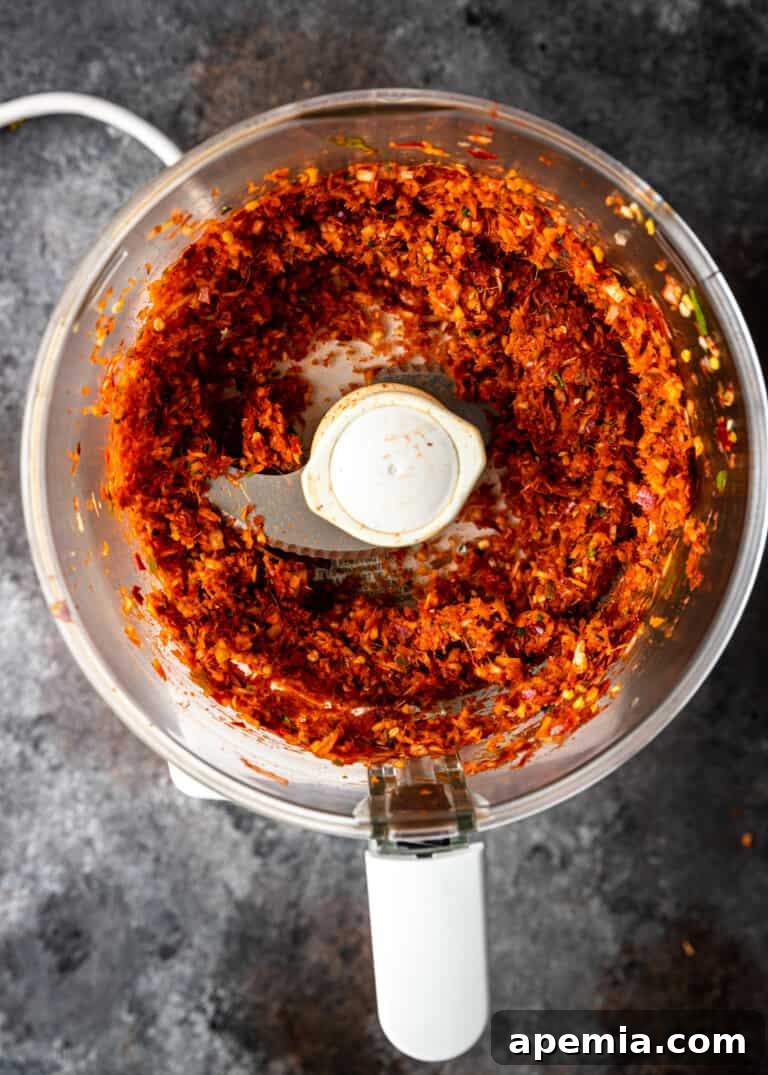
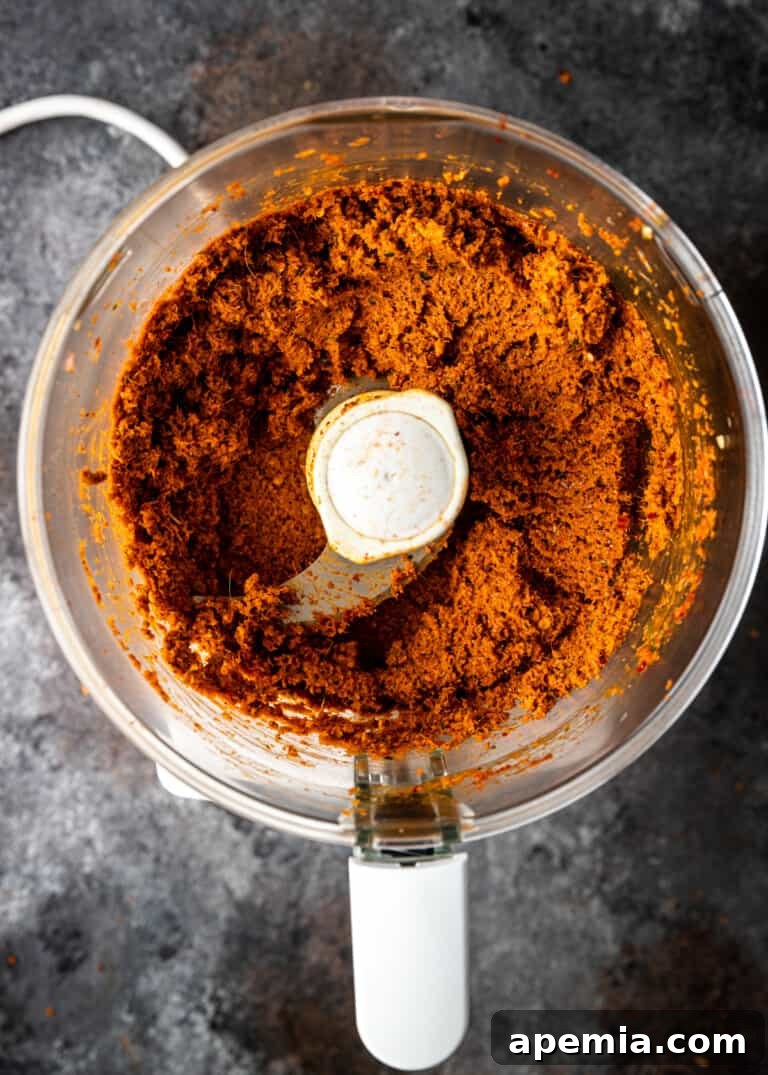
- Finish Blending to a Smooth, Spoonable Paste. To achieve the desired smooth consistency, add the freshly toasted spice powder, fish sauce, and roasted peanuts to the food processor with your coarse paste. Add one tablespoon of water to start; this will help the ingredients blend more easily. Process the mixture again, continuing to scrape down the sides until the paste is completely smooth and easily spoonable. If the paste appears too dry or stiff, add a tiny bit more water, a teaspoon at a time, until the ideal texture is reached. Avoid adding too much liquid, as you want a thick paste, not a sauce.
- Yield and Usage. This recipe typically yields about 2 cups of rich, aromatic Panang curry paste. For most curry or soup recipes, a good starting point is 3 to 4 tablespoons of this paste. Remember, you can always add more to taste as you cook.
Recommended Tools for Perfect Panang Curry Paste
Having the right tools can make a significant difference in the ease and quality of your homemade curry paste:
- Spice Grinder: An essential tool for transforming your toasted whole spices into a super-fine, aromatic powder, ensuring maximum flavor integration into your paste. A clean coffee grinder dedicated to spices works perfectly.
- Food Processor: While a mortar and pestle is traditional, a powerful food processor is highly recommended for achieving that consistently smooth, spoonable texture that defines a top-notch Panang curry paste, especially with fibrous ingredients like lemongrass and galangal.
- Dry Skillet: A heavy-bottomed, dry skillet (cast iron or stainless steel works best) is ideal for evenly toasting your whole spices without the risk of scorching them, which could lead to a bitter flavor.
- Rubber Spatula: Indispensable for scraping down the sides of your food processor, ensuring all ingredients are thoroughly incorporated and blended into a uniform paste.
Storage and Reheating: Keeping Your Panang Paste Fresh
Once prepared, your fresh homemade Panang curry paste can be stored effectively to maintain its vibrant flavor and aroma. Transfer the paste to an airtight container and refrigerate for up to one week. For extended storage, freezing is an excellent option. Simply spoon the paste into ice cube trays, creating convenient, pre-portioned amounts. Once frozen solid, transfer these cubes to a freezer-safe bag or container. This frozen paste will retain its peak flavor for up to three months.
The best part? There’s no need to thaw the paste before cooking! When you’re ready to use it, simply add the frozen cubes directly to hot oil in a pan to bloom the flavors, or stir them straight into simmering coconut milk for your curry or soup. They will melt seamlessly, releasing all their beautiful aromatics and rich taste into your dish.
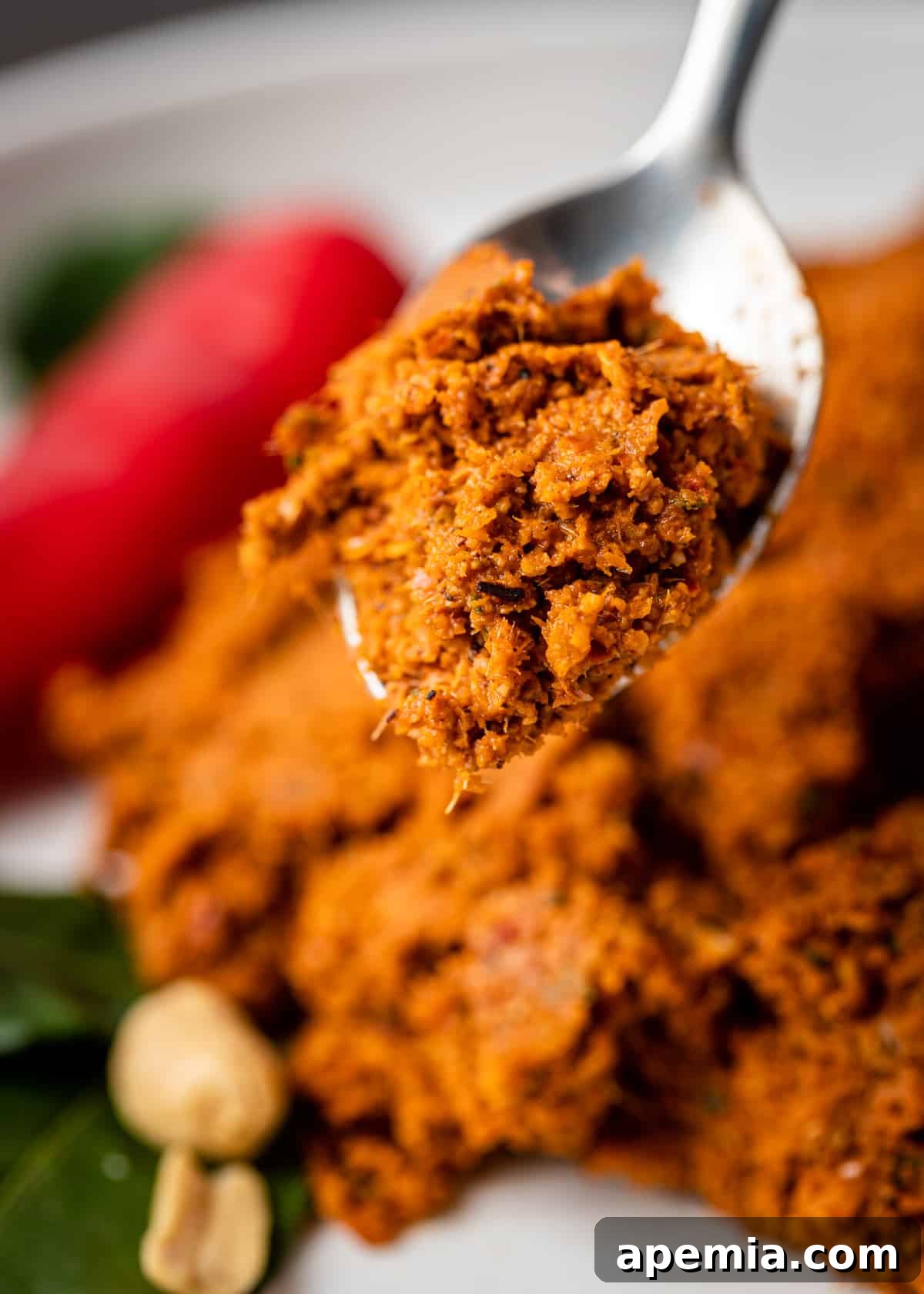
Share this recipe on Pinterest!
Loved this authentic Panang curry paste recipe? Share it with your friends and fellow foodies on Pinterest to spread the flavor!
Frequently Asked Questions About Panang Curry Paste
For most standard curry or soup recipes designed for 4-6 servings, approximately 3 to 4 tablespoons of Panang curry paste is a good starting point. However, personal preference for spice level and intensity varies widely. I always recommend beginning with a smaller amount, perhaps 2 tablespoons, and then tasting and adding more as the dish cooks until you reach your desired flavor and heat profile. It’s always easier to add more than to try and reduce the spice!
A bitter taste in your homemade Panang curry paste can typically be traced back to a couple of common issues. Firstly, over-toasting the whole spices is a frequent culprit; they should be fragrant, not burnt. Keep a close eye on them during the dry-sauteing process. Secondly, blending citrus leaves, particularly kaffir lime leaves, with their thick central stems (midribs) can introduce bitterness. Always make sure to remove these tough midribs from the kaffir lime leaves before adding them to your food processor for a smoother, less bitter paste.
No, generally speaking, a Panang curry is significantly milder and less spicy than your typical red curry. Red curry paste often contains a higher proportion of red chiles, particularly the spicier varieties. Panang curry paste, on the other hand, is distinguished by its unique addition of roasted peanuts, which contributes a glorious richness and nutty depth. Furthermore, Panang curries are frequently prepared with a generous amount of coconut cream, which helps to mellow out any heat and results in a wonderfully rich, smooth, and more well-rounded flavor profile. This makes it an excellent choice for those who appreciate complex Thai flavors without intense spiciness. Give it a try in my Chicken Panang (Instant Pot Panang Curry) recipe!
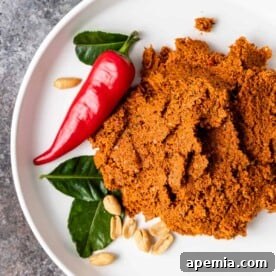
Authentic Panang Curry Paste
8 servings (2 cups paste)
15 minutes
3 minutes
18 minutes
Saved
Pin Recipe
PrintRecipe
Ingredients
Aromatic Spices (Whole)
- 10 green cardamom pods
- 3 star anise
- 1 cinnamon stick
- 2 tbsp coriander seeds
- 1 tbsp black peppercorns
- 1 tbsp cumin seeds
- 1 tbsp kosher salt
Fresh & Dried Aromatics
- 10 dried chiles de árbol (See Note 1)
- 2 dried guajillo chiles (See Note 1)
- 8 fresh kaffir lime leaves (See Note 2)
- 4 garlic cloves
- 3 fresh lemongrass stalks (See Note 3)
- 3 fresh red Thai chiles (See Note 4)
- 2 fresh serrano chiles chopped
- 2 large shallots quartered
- 1 fresh 2-inch piece galangal peeled and quartered
Final Additions
- 2 tbsp fish sauce
- 1 tbsp water or more if needed
- 1/3 cup roasted peanuts
Instructions
-
Toast Spices: In a dry skillet over medium heat, gently dry-toast the green cardamom pods, star anise, cinnamon stick, coriander seeds, black peppercorns, and cumin seeds for 2-3 minutes. Stir continuously until they are fragrant and lightly toasted, being careful not to burn them. Transfer the toasted spices to a plate and allow them to cool completely. Once cool, transfer them to a spice grinder along with the kosher salt and grind to a fine powder. Set aside.
-
Prepare Chiles & Aromatics: If using dried chiles (arbol and guajillo), remove their stems and discard seeds, then soak them in hot water for 10 minutes until softened. Drain well. Combine the prepared chiles (dried or fresh Thai chiles, depending on your choice from Note 1), kaffir lime leaves (with tough midribs removed), garlic cloves, prepared lemongrass stalks, fresh serrano chiles, quartered shallots, and peeled and quartered galangal in a food processor. Process until a thick, coarse paste forms, scraping down the sides as necessary.
-
Final Blend: Add the toasted spice powder, fish sauce, roasted peanuts, and 1 tablespoon of water to the food processor. Process again until the mixture transforms into a wonderfully smooth, uniform, and spoonable paste. If the paste is too thick, add a tiny bit more water (a teaspoon at a time) until the desired consistency is achieved.
-
Storage: This recipe yields approximately 2 cups of Panang curry paste. Store any unused paste in an airtight container in the refrigerator for up to one week, or freeze it in ice cube trays for convenient, pre-portioned servings. Transfer frozen cubes to a freezer-safe bag for storage up to 3 months.
Notes
- Chile Selection for Heat: To prevent excessive heat, you must choose between fresh and dried chiles. If you opt for dried chiles (arbol and guajillo), then the 3 fresh Red Thai chiles should be OMITTED. Conversely, if you are using fresh Thai red chiles, DO NOT USE the dried arbol and guajillo chiles. For dried chiles, always remove stems and seeds, then soak them for about 10 minutes in hot water to rehydrate and soften them.
- Kaffir Lime Leaves / Makrut: Kaffir lime leaves are also commonly marketed as “makrut” in many Asian markets. For an authentic flavor, these fresh leaves are crucial. If fresh leaves are absolutely unavailable, a possible substitute could be three 2-inch strips of fresh lime zest (use a vegetable peeler, carefully avoiding the bitter white pith).
- Lemongrass Preparation: When preparing lemongrass, only use the bottom 4 inches of the stalk. Discard any tough, fibrous outer layers and the very top green sections, as they are not suitable for blending into a smooth paste.
- Understanding Thai Chiles: There are over 79 varieties of “Thai Peppers.” Bird’s Eye chiles are perhaps the best known and one of the hottest. Other varieties commonly found in Asian markets include Prik Jinda (very hot), Prik Yuak (mild and sweet), Prik Chee Fah (milder), and Prik Leuang (mild). Choose the type and quantity based on your desired heat level. The dried Kashmiri peppers, available in Indian markets, can be soaked and used as a substitute for guajillo chiles if fresh ones are not found. To put heat levels in perspective, Thai peppers typically range from 50,000 to 100,000 Scoville Heat Units (SHU), while a common jalapeño pepper typically ranges from 2,500 to 8,000 SHU.
- Yield and Serving Size: This recipe yields a total of 2 cups of Panang curry paste. I generally use 4 tablespoons (1/4 cup) of paste per standard recipe serving 4-6 people. The stated “8 servings” in the recipe card refers to the number of 4-tablespoon portions you can get from the total paste (32 tablespoons total).
Nutrition Information (per serving)
Carbohydrates: 10g |
Protein: 3g |
Fat: 4g |
Saturated Fat: 1g |
Sodium: 1257mg |
Potassium: 218mg |
Fiber: 3g |
Sugar: 1g |
Vitamin A: 444IU |
Vitamin C: 6mg |
Calcium: 54mg |
Iron: 2mg
The information shown is an estimate provided by an online nutrition calculator and should be used as a guideline. It should not be considered a substitute for a professional nutritionist’s advice.
Condiment, Flavor Base
Thai, Southeast Asian
Kevin
Have You Made This Recipe? Let Me Know on Instagram!
Tag @keviniscooking or use the hashtag #keviniscooking! I’d love to see your delicious creations.