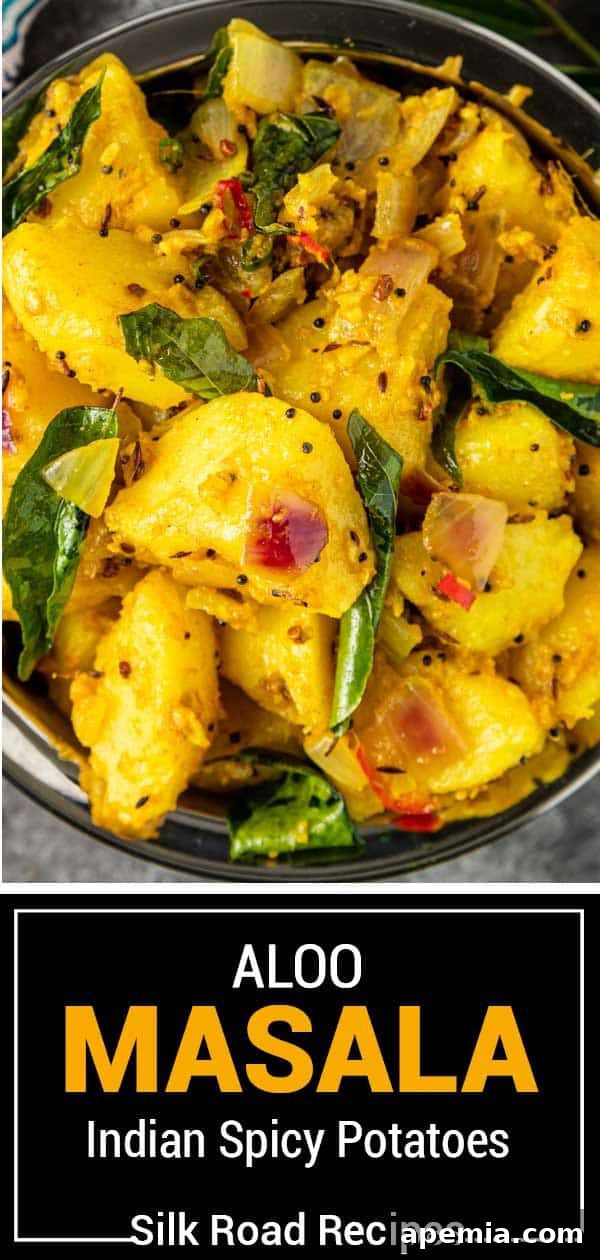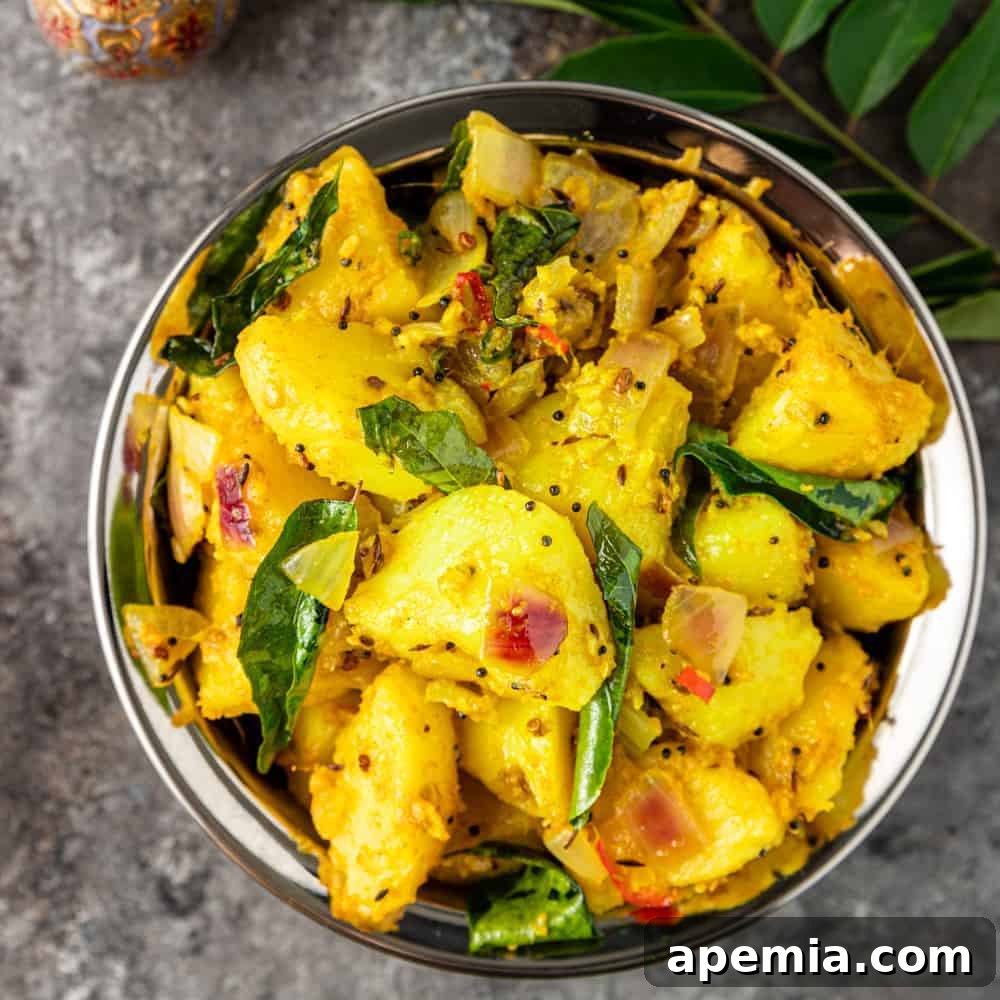
Authentic Aloo Masala: Your Guide to Perfectly Spiced Indian Potatoes
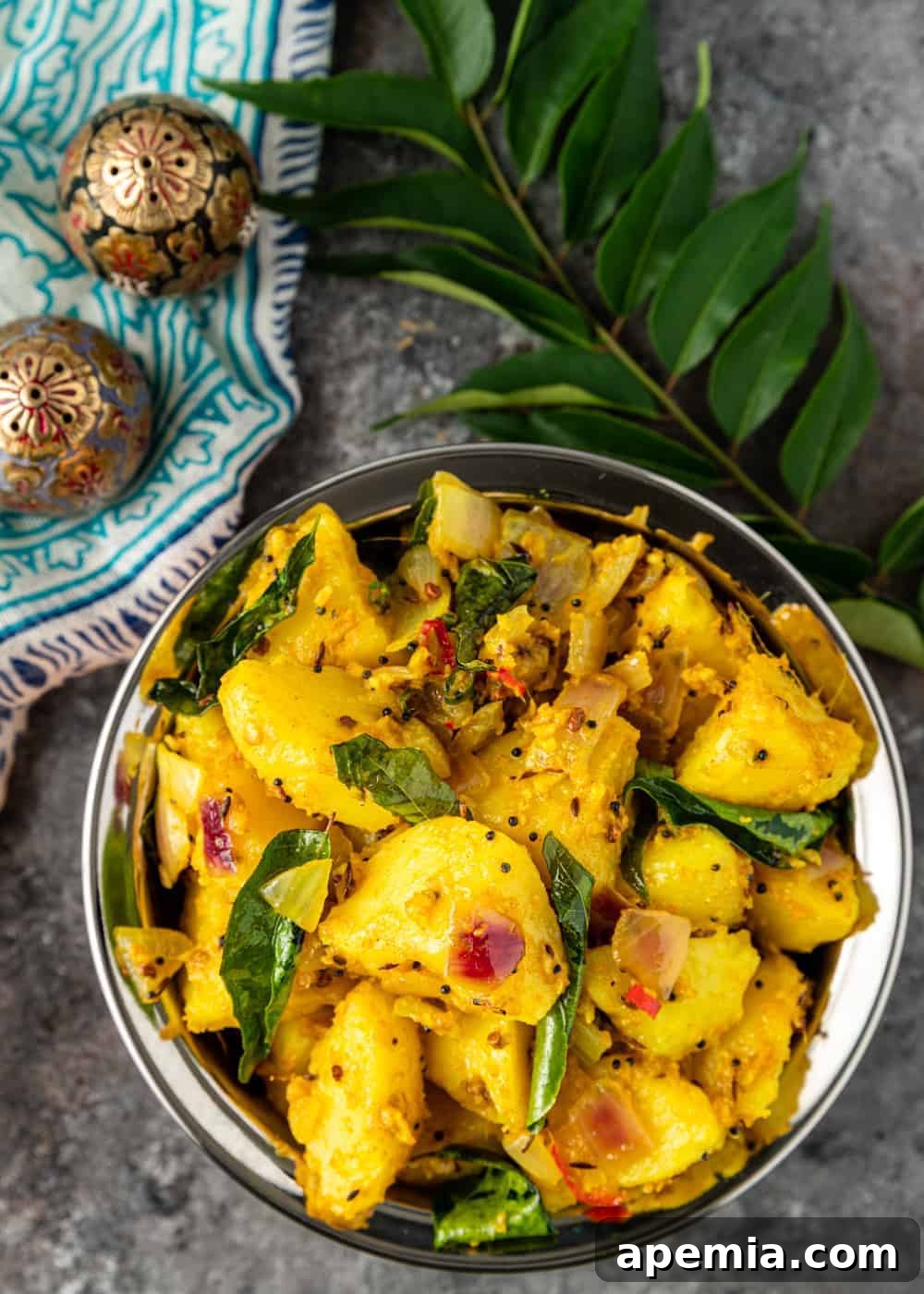
Prepare your taste buds for an explosion of flavor with Aloo Masala, a truly captivating Indian dish that harmonizes the humble potato with a symphony of aromatic spices and seasonings. Whether served as a hearty side to a grand dinner or enjoyed as a satisfying light lunch, its spicy, vibrant, and warm character is utterly irresistible. This recipe invites you into the heart of Indian culinary traditions, offering a simple yet profoundly delicious way to experience the magic of South Indian cooking. Originating from the rich culinary landscapes of India, Aloo Masala is more than just a potato dish; it’s a celebration of diverse textures and fragrant spices that come together to create a profoundly comforting and exhilarating culinary experience.
The Universal Appeal of Potatoes and the Magic of Indian Spices
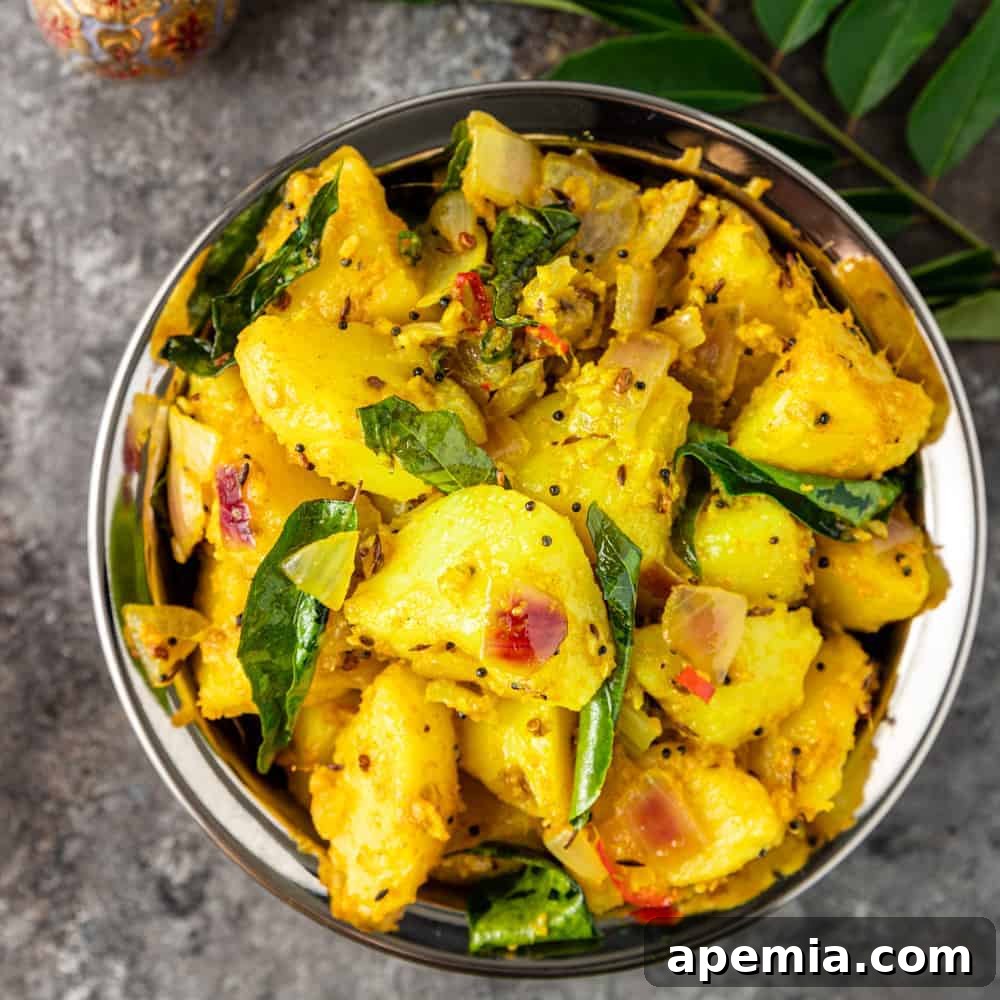
It’s rare to find someone who doesn’t appreciate the versatility and comforting nature of potatoes. This incredible root vegetable transcends cultural boundaries, finding its way into countless beloved dishes worldwide. From the crispy, zesty notes of Lebanese Batata Harra to the creamy, garlicky indulgence of Greek Skordalia (Potato and Garlic Dip), and the golden perfection of Crispy Greek Roasted Potatoes, potatoes offer endless possibilities for culinary creativity. However, in Indian cuisine, the potato truly transforms, becoming a vibrant canvas for some of the world’s most enchanting and intricate spice blends. Aloo Masala stands as a shining example of this culinary artistry, delivering a dish that is both deeply comforting and exhilaratingly flavorful, making it one of my personal favorites.
The name Aloo Masala itself is a delicious promise: “aloo” (potato) and “masala” (spice blend). This dish wholeheartedly lives up to its vibrant name, showcasing tender, perfectly cooked potatoes coated in an intricate and aromatic blend of tempered spices. The journey of flavor begins with the crackle and pop of black mustard and cumin seeds in hot oil—a technique known as tadka or chaunk—which awakens their full potential. This is followed by the pungent warmth of ginger and garlic, the subtle yet essential bitterness of fenugreek, the unique aroma of curry leaves, and the fiery kick of green chiles. Each spice plays a vital role, building a complex flavor profile that dances delightfully on your palate.
Aloo Masala is remarkably adaptable, making it equally at home as a light, satisfying vegetarian lunch or a robust and flavorful accompaniment to a larger Indian feast. Its versatility extends to how it’s served. Traditionally, it pairs beautifully with Indian crepes (such as Masala Dosa) or a variety of freshly made flatbreads like soft puri, wholesome roti, or fragrant Garlic Naan, allowing you to scoop up every last bit of its spiced goodness. Beyond its incredible taste, Aloo Masala offers a healthy option, being naturally gluten-free and easily adaptable for vegan diets, making it a crowd-pleaser for various dietary needs.
Key Ingredients and Savvy Substitutions for Authentic Aloo Masala
Crafting the perfect Aloo Masala begins with selecting the right ingredients and understanding how each component contributes to the overall flavor, aroma, and texture. Here’s a detailed look at what you’ll need and how to navigate any substitutions while maintaining the integrity of this classic dish.
- Potatoes: For curry dishes like Aloo Masala, the choice of potato is paramount to ensure the dish has the right consistency. Yukon Gold or new potatoes (such as small red new potatoes) are excellent choices because they possess a slightly waxy texture that allows them to hold their shape remarkably well during cooking. This prevents them from becoming overly mushy, ensuring each bite offers a pleasant firmness alongside the rich spice coating. Avoid overly starchy varieties like Russets, which tend to break down excessively and absorb too much liquid, altering the desired texture.
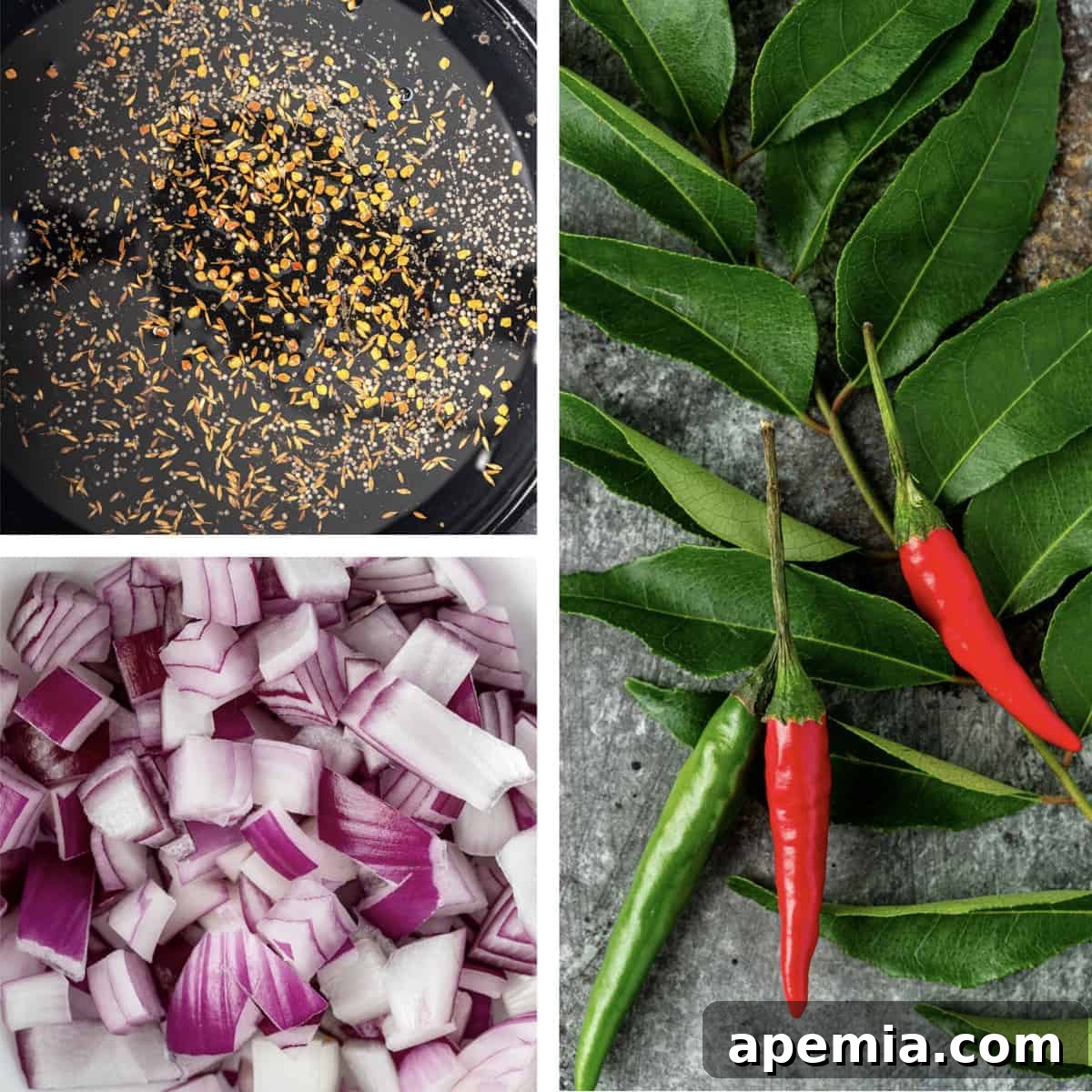
- Onion: A medium-sized red onion is preferred for its vibrant color and its naturally milder, sweeter flavor when cooked. This sweetness beautifully complements the more pungent spices in the masala, adding a layer of subtle complexity. While yellow onions can also be used, red onions contribute a pleasing aesthetic touch and a slightly different flavor profile.
- Vegetable Oil: This serves as the medium for the crucial initial tempering of the whole spices (tadka). Any neutral-flavored oil with a high smoke point, such as canola, sunflower, or grapeseed oil, will work perfectly. It allows the spices to bloom without imparting its own distinct flavor.
- Black Mustard Seeds: A staple in South Indian cooking, these small, dark seeds are essential for the tadka. When tempered in hot oil, they pop and crackle, releasing a distinct pungent, nutty, and slightly bitter flavor that forms a fundamental layer of the dish’s depth. Their aromatic contribution is a true hallmark of authentic Indian cuisine.
- Cumin Seeds: Crucially, use whole cumin seeds rather than ground cumin for this recipe. When heated and tempered alongside mustard seeds, they impart a warm, earthy, and slightly smoky flavor that is central to the character of Aloo Masala. Ensure your cumin seeds are fresh to maximize their aromatic release.
- Ground Asafoetida (Hing): This unique and powerful spice, derived from the gum of giant fennel plants, is a game-changer in many Indian vegetarian dishes. While it possesses a strong, sulfuric aroma when raw, once cooked in hot oil, it mellows beautifully into a flavor reminiscent of both onions and garlic. Hing is particularly valued in specific Indian dietary traditions (like Jain and Vaishnava) as a substitute for garlic and onion, making this dish accessible to those who avoid alliums. If you find it challenging to source locally, high-quality asafoetida is readily available online. For a quick substitute, you can use ¼ teaspoon each of onion powder and garlic powder, although the resulting flavor will be slightly different.
- Fenugreek Seeds: These small, angular, amber-colored seeds offer a truly fascinating and complex flavor profile. Initially bitter, they develop sweet, almost maple-like undertones when properly cooked. Fenugreek seeds are a signature component in many curries and masalas, providing a depth and complexity that is instantly recognizable and hard to replicate with any other spice. You can often find them in Indian or Middle Eastern grocery stores, or purchase them conveniently online.
- Curry Leaves: It’s vital to distinguish these shiny, vibrant green leaves from curry powder. Fresh curry leaves possess a distinct, bright, citrusy, and slightly nutty aroma that is utterly essential to the authenticity of South Indian dishes. They impart an irreplaceable fresh fragrance that beautifully uplifts and complements the earthy spices. Look for them in the fresh produce section of Asian or Middle Eastern markets. If truly unavailable, a combination of fresh lime zest and a few fresh lime leaves (if accessible) can offer a faint aromatic resemblance, though for a truly authentic taste, it’s worth seeking out fresh curry leaves.
- Garlic: While asafoetida provides an onion-like foundation, fresh minced garlic adds another layer of pungent, savory depth that many savory dishes, including this Aloo Masala, benefit from immensely. Its strong flavor mellows and sweetens beautifully when cooked, integrating seamlessly into the intricate spice blend.
- Ginger Paste: For both convenience and consistent texture, pre-made ginger paste is an excellent ingredient. It is essentially fresh ginger root blended with a small amount of oil or water. If you prefer to prepare your own or cannot find it in stores, finely minced fresh ginger root works just as perfectly and adds a bright, zesty warmth.
- Green Thai Chiles: Also known as bird’s eye chiles, these provide the characteristic heat that gives “spicy potatoes” their name. Their intensity can vary, so feel free to adjust the quantity according to your preferred spice level. If fresh Thai chiles are hard to find, serrano chiles are an excellent and readily available substitute, offering a similar heat level. For those who prefer a milder kick, jalapeño peppers can be used (remove seeds for even less heat), or a controlled pinch of cayenne pepper can be added. Remember to handle all hot peppers with care, ideally wearing gloves.
- Coriander: Ground coriander is a foundational spice in Indian cuisine, contributing a warm, citrusy, and slightly sweet flavor. It balances the heat and pungency of other spices without overpowering them, adding a crucial aromatic depth to the masala.
- Turmeric: Beyond its stunning vibrant golden color, ground turmeric offers an earthy, slightly bitter, and peppery taste that is indispensable in Indian cooking. It’s also widely recognized for its anti-inflammatory properties and its ability to beautifully tie together the various spice notes, giving the dish its characteristic warmth and signature hue.
- Salt: Essential for seasoning, salt plays a critical role in enhancing and balancing all the other intricate flavors in the dish. Adjust to taste, ensuring it complements the symphony of spices.
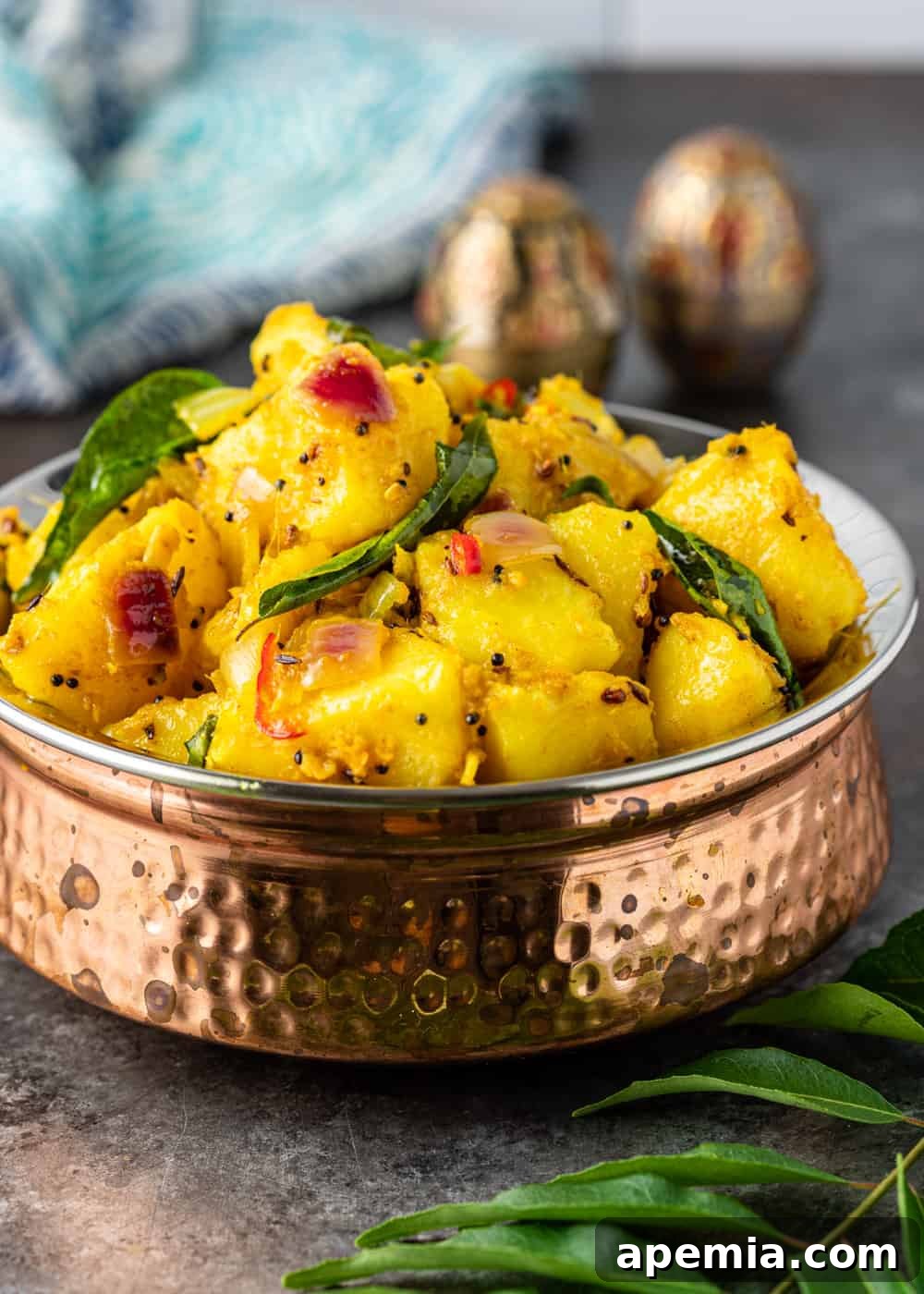
Mastering Aloo Masala: Step-by-Step Cooking Guide
Creating this flavorful Aloo Masala is a straightforward process, broken down into a few simple steps. Paying close attention to each stage ensures maximum flavor development, the perfect texture, and a truly authentic Indian culinary experience.
- Prepare and Cook the Potatoes: Begin by thoroughly washing, peeling, and cutting your chosen potatoes (Yukon Gold or red new potatoes) into uniform 2-inch pieces. This size is ideal for ensuring even cooking and provides a substantial, satisfying bite in the finished dish. Place the potato pieces in a Dutch oven or a large, heavy-bottomed pot, cover them generously with cold water, and bring the water to a rolling boil over high heat. Cook the potatoes until they are just tender when pierced with a fork—this usually takes approximately 15 minutes, depending on the exact size of your potato pieces. It’s crucial not to overcook them at this stage, as they will continue to cook slightly later with the spices, and you want them to retain their structural integrity. Once tender, immediately drain the potatoes thoroughly and set them aside. Removing as much excess moisture as possible is key to preventing a watery curry.
- Master the Tadka (Tempering Spices): This step is the heart of Aloo Masala, crucial for unlocking the full aroma and flavor of the whole spices. In the same pot (or a spacious, heavy-bottomed skillet), heat the vegetable oil over medium-high heat until it shimmers slightly. Add the black mustard seeds and cumin seeds to the hot oil. Cook them for about 1 minute, listening carefully for them to pop and crackle. This audible signal indicates that they are properly tempered, and their aromatic essential oils are being released into the oil. Immediately after the seeds have popped, add the ground asafoetida (hing), fenugreek seeds, and fresh curry leaves. Stir vigorously and cook this aromatic mixture for another 1 minute. The kitchen will fill with an incredible fragrance! Next, add the chopped red onion, minced garlic, fresh ginger paste, and finely chopped green Thai chiles. Continue to cook this mixture for approximately 3 minutes, stirring occasionally, until the onions soften and become translucent, and the pungent raw aroma of the ginger and garlic dissipates, transforming into a sweet, savory base.
- Combine and Finish the Dish: Gently introduce the pre-cooked and drained potatoes into the pot, combining them with the fragrant tempered spices and sautéed aromatics. Add the ground coriander, ground turmeric, and salt to taste. Toss everything gently but thoroughly to ensure the potatoes are evenly coated with the vibrant, aromatic spice mixture. Reduce the heat to low, cover the pot with a tight-fitting lid, and allow the Aloo Masala to simmer gently for 5 minutes. This crucial resting period allows the tender potatoes to fully absorb all the wonderful, complex flavors from the spices. After 5 minutes, uncover the pot and give the potatoes a good stir, using the back of your spoon to lightly mash a few of them against the side of the pot. This intentional, light mashing helps to create a slightly thicker, richer texture for the masala and ensures that the flavorful spice coating adheres beautifully to the remaining potato pieces. If you find the dish still contains too much liquid or is thinner than your preference, you can simmer it uncovered for an additional 1-2 minutes, allowing any excess liquid to evaporate and the curry to thicken to your desired consistency.
Aloo Masala Pro Tips and Storage Advice
- Storage: Leftover Aloo Masala is often just as delicious, if not more so, the next day. Transfer any cooled potato masala to an airtight container and store it in the refrigerator. For the best flavor and texture, aim to consume it within 4 to 5 days.
- Freezing: While convenient for many dishes, freezing cooked potato dishes isn’t always recommended. Potatoes tend to change texture significantly after being frozen and thawed, often becoming mushy, watery, or mealy. For optimal enjoyment and to preserve the desired texture of Aloo Masala, it’s generally best to avoid freezing this dish.
- Reheating: To reheat Aloo Masala, you have a couple of excellent options. For individual portions, the microwave works well; simply heat until warmed through, stirring halfway. Alternatively, for a larger batch or a more even heat, you can gently reheat the Aloo Masala in a pot or skillet over medium heat on the stove, stirring occasionally, until it’s warm throughout. If the dish appears a bit dry upon reheating, add a small splash of water or vegetable broth to restore its moisture and consistency.
- Handling Peppers: When working with spicy peppers like green Thai chiles or serrano chiles, it is highly advisable to wear protective gloves. The capsaicin oils from these chiles can cause significant irritation or burning sensations if they come into contact with your eyes, nose, or sensitive skin. Always wash your hands thoroughly with soap and water after handling them, even if you’ve worn gloves, to prevent any accidental discomfort.
- Adjusting Spice Levels: The recipe calls for two small green Thai chiles, which typically provide a moderate yet noticeable level of heat. If you prefer a milder dish, simply use just one chile, or for even less heat, you can carefully remove the seeds before finely chopping the chiles. For those who adore extra spice, consider adding a third chile or a pinch of red chili powder (such as Kashmiri chili powder for color and mild heat, or hotter varieties for more kick) along with the other ground spices.
- Finishing Touch: A sprinkle of fresh cilantro (coriander leaves) just before serving adds a wonderful burst of freshness and a vibrant green garnish, enhancing both the flavor and visual appeal of your Aloo Masala.
Frequently Asked Questions About Aloo Masala
Is Aloo Just Another Word for Potato?
Indeed! Aloo is the Hindi word for potato, and it is widely used across India and other parts of South Asia. You will frequently encounter it in the names of countless popular Indian dishes, a clear indication of the potato’s cherished status as a staple ingredient. From Aloo Gobi (potato and cauliflower) to Samosa Aloo (potato-filled pastry) and Aloo Tikki (spiced potato patties), its prevalence in the culinary vocabulary reflects the potato’s status as a beloved, accessible, affordable, and incredibly versatile ingredient throughout the region. It’s a testament to how deeply ingrained potatoes are in the everyday diet and rich culinary traditions of India.
What are the Best Ways to Serve Aloo Masala?
Aloo Masala’s remarkable adaptability is undoubtedly one of its greatest strengths. It can effortlessly transition from being the star of a meal to a fantastic supporting act. Here are some of the best ways to enjoy this flavorful dish:
- As a Standalone Meal: For a light yet incredibly satisfying vegetarian lunch or dinner, simply enjoy a hearty bowl of Aloo Masala on its own. It’s packed with enough flavor and substance to be a complete meal.
- With Grains: A classic pairing, Aloo Masala is excellent served alongside fluffy basmati rice, wholesome brown rice, or even a nutritious grain like quinoa. The grains beautifully soak up the rich, spiced sauce.
- With Indian Breads: This is arguably one of the most traditional and satisfying ways to eat Aloo Masala. Use warm, soft naan bread, simple roti, flaky paratha, or deep-fried puri to scoop up every last bit of the flavorful potatoes.
- In Wraps or Sandwiches: Get creative and treat Aloo Masala like a flavorful potato salad filling! It makes for a unique and delicious stuffing for warm tortillas, chapati wraps, or even between slices of toasted bread for an Indian-inspired sandwich.
- As a Side Dish: Aloo Masala is an excellent and vibrant accompaniment to a wide array of Indian main courses. Consider serving it with Vegetable Jalfrezi Stir Fry, a creamy Gobi Masala (Cauliflower Curry), rich Chicken Korma, or a hearty Dal Gosht (Lamb Stew). Its robust and complex flavor profile complements both vegetarian and non-vegetarian dishes beautifully.
- With Yogurt or Raita: For a refreshing contrast, especially if your Aloo Masala is on the spicier side, a dollop of plain, cool yogurt or a cooling raita (yogurt mixed with grated cucumber and mild spices) can provide a lovely balance.
Which Potatoes are Best for Indian Cooking?
As highlighted in our detailed ingredient notes, Yukon Gold potatoes are consistently a top recommendation for most Indian-inspired recipes, particularly those that involve curries, dry masalas, or dishes where potatoes need to maintain their shape. Their medium-starch content and slightly waxy texture allow them to absorb the rich flavors of the spices beautifully without disintegrating. They also contribute a subtle creaminess to the dish, which can naturally help to thicken the masala base without becoming mushy. Small red new potatoes are another excellent choice for similar reasons, offering a firm texture that stands up well to the cooking process. The key is to select potatoes that maintain their integrity throughout the cooking process while readily soaking up the rich, aromatic spices, ensuring a delightful texture in every bite.
Subscribe to our Newsletter, and follow us on Facebook, Pinterest, Instagram, and YouTube for all our latest recipes and videos.
This post, originally published on Silk Road Recipes December, 2020, was updated with new content, photos, and/or video in July, 2022.
Aloo Masala (Spicy Potatoes)
4
10 minutes
25 minutes
35 minutes
Print Recipe
Video Tutorial Available
A step-by-step video guide for making Aloo Masala is available to visually assist you with each part of the recipe. (Original video title: South Indian Potatoes – Aloo Masala)
Ingredients
- 2 lb. Yukon Gold potatoes peeled and cut into 2″ pieces
- 1/4 cup vegetable oil
- 1 tsp black mustard seeds
- 1/2 tsp cumin seeds
- 1/2 tsp ground asafoetida (hing) (See Note 1)
- 1/2 tsp fenugreek seeds
- 20 fresh curry leaves (See Note 2)
- 1 medium red onion chopped
- 4 garlic cloves minced
- 1 tbsp fresh ginger paste
- 2 small green Thai chiles (See Note 3)
- 1 tbsp ground coriander
- 1 tsp ground turmeric
- 1/2 tsp salt
Instructions
-
In a Dutch oven or large pot over high heat, cook potatoes in boiling water until just tender, approximately 15 minutes. Drain thoroughly and set aside.
-
In the same pot, heat the vegetable oil over medium-high heat. Add the black mustard and cumin seeds and cook until they begin to pop and crackle, about 1 minute. Next, add the asafoetida, fenugreek seeds, and curry leaves, cooking for an additional 1 minute. Then, add the chopped onion, minced garlic, ginger paste, and chiles, and cook for 3 minutes until softened and fragrant.
-
Add the cooked potatoes, ground coriander, turmeric, and salt to the pot. Reduce the heat to low, toss gently to coat the potatoes evenly with the spices, and cook, covered, for 5 minutes.
-
Uncover the pot and stir, mashing a few of the potatoes lightly with the back of a spoon to create a slightly thicker consistency. If there is still excess liquid, continue to cook uncovered for another 1-2 minutes until the dish reaches your desired thickness.
Notes
- A substitute for ground asafoetida (hing) can be 1/4 teaspoon onion powder plus 1/4 teaspoon garlic powder.
- Fresh curry leaves can typically be found in most well-stocked Asian and Middle Eastern markets.
- A suitable substitute for two small green Thai chiles can be one Serrano chile, halved or finely chopped.
Nutrition Information (Estimated Per Serving)
Carbohydrates: 46g |
Protein: 6g |
Fat: 15g |
Saturated Fat: 11g |
Sodium: 309mg |
Potassium: 1037mg |
Fiber: 7g |
Sugar: 3g |
Vitamin A: 216IU |
Vitamin C: 153mg |
Calcium: 69mg |
Iron: 3mg
The information shown is an estimate provided by an online nutrition calculator. It should not be considered a substitute for a professional nutritionist’s advice.