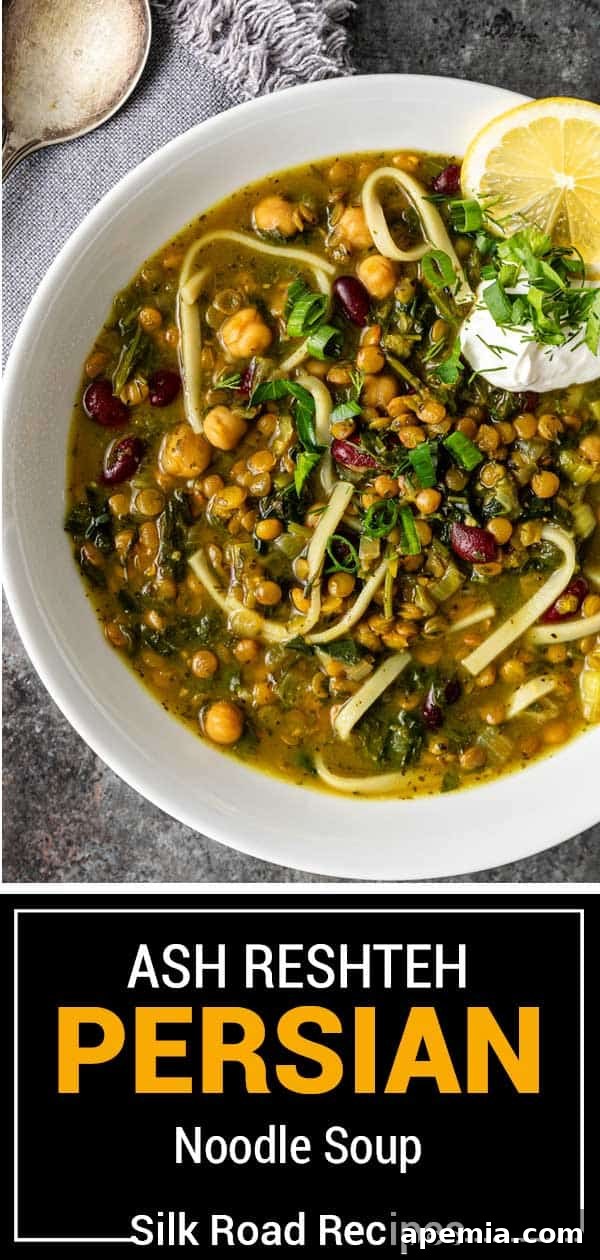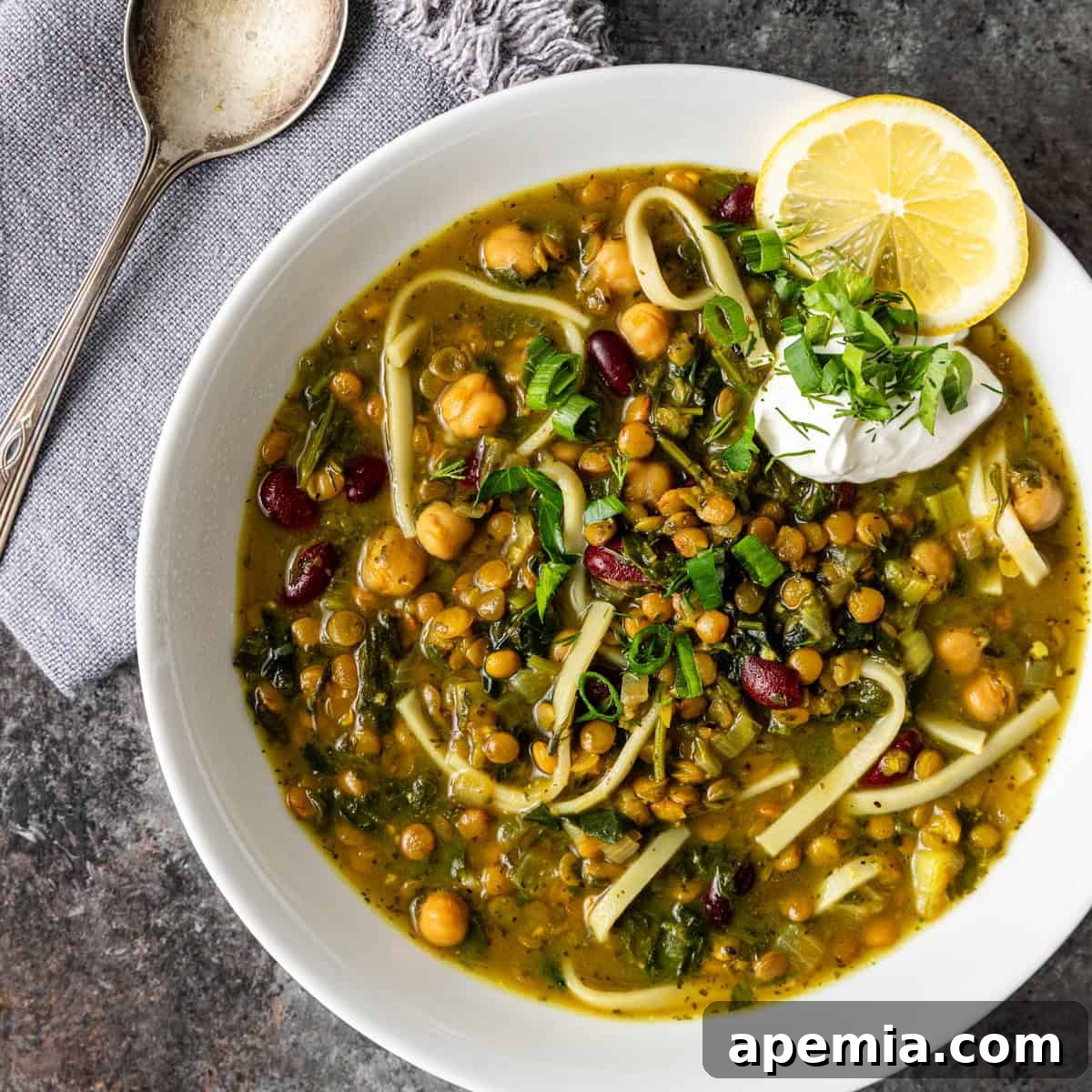
Ash Reshteh: The Ultimate Persian Noodle Soup Recipe for Comfort and Flavor
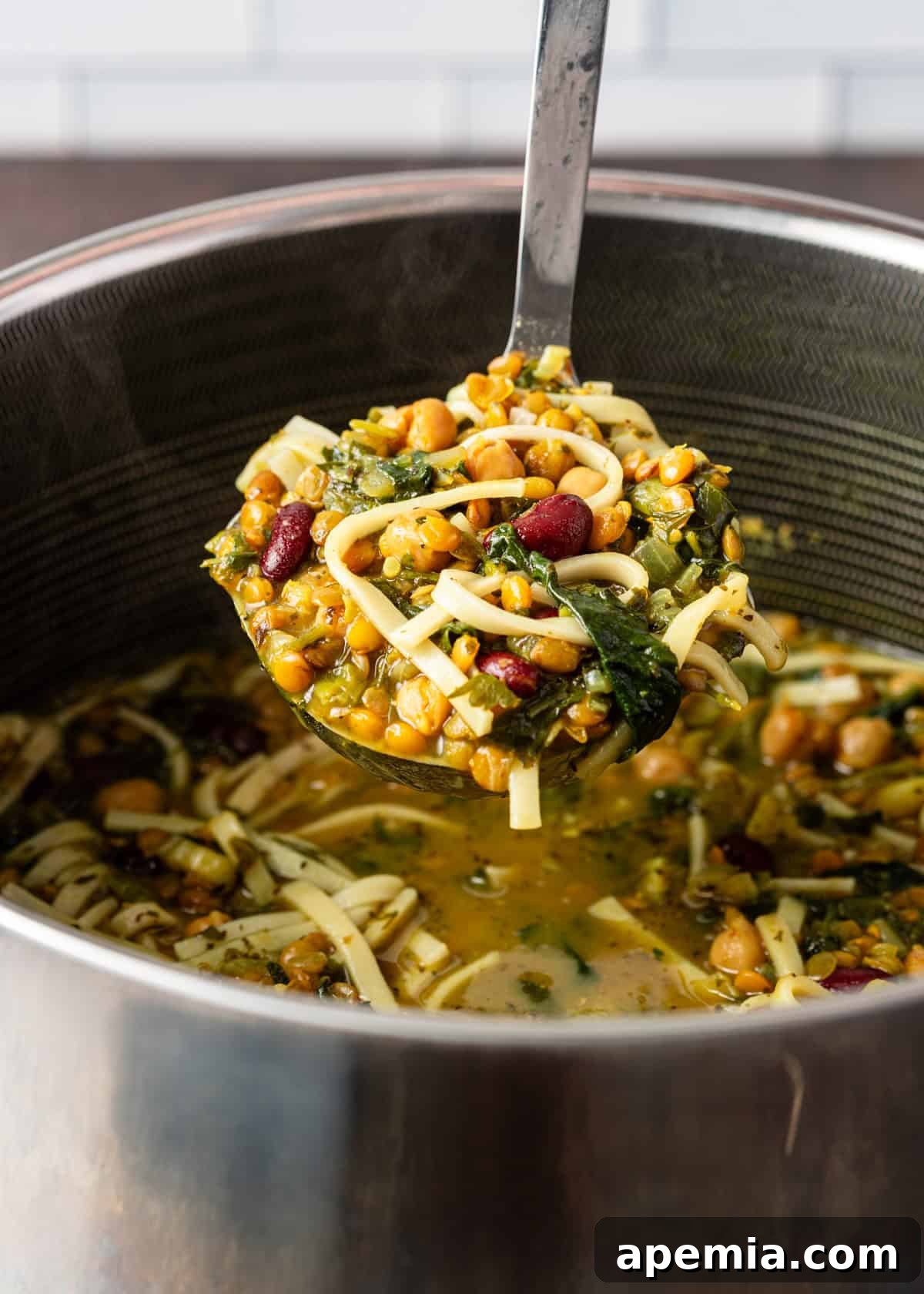
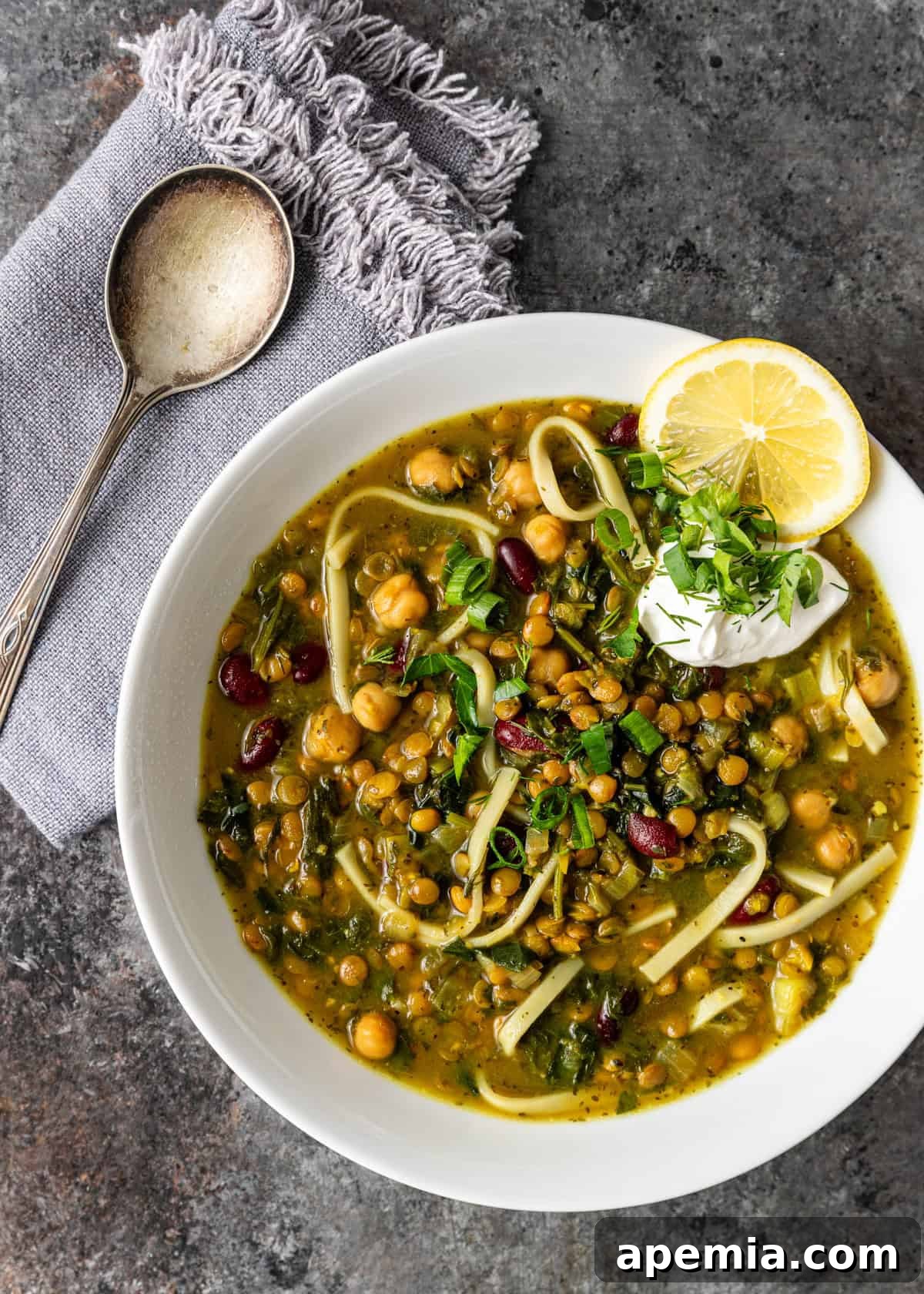
Craving a profoundly comforting, creamy, and flavorful homemade stew? Look no further than traditional Persian Ash Reshteh. This iconic Iranian noodle soup is a culinary masterpiece, featuring a vibrant medley of fresh herbs and greens, robust legumes, and delicate egg noodles, all bathed in a tangy, aromatic broth. It’s more than just a soup; it’s a celebration of Persian culture and a bowlful of heartwarming goodness.
What is Ash Reshteh? A Glimpse into Persian Cuisine
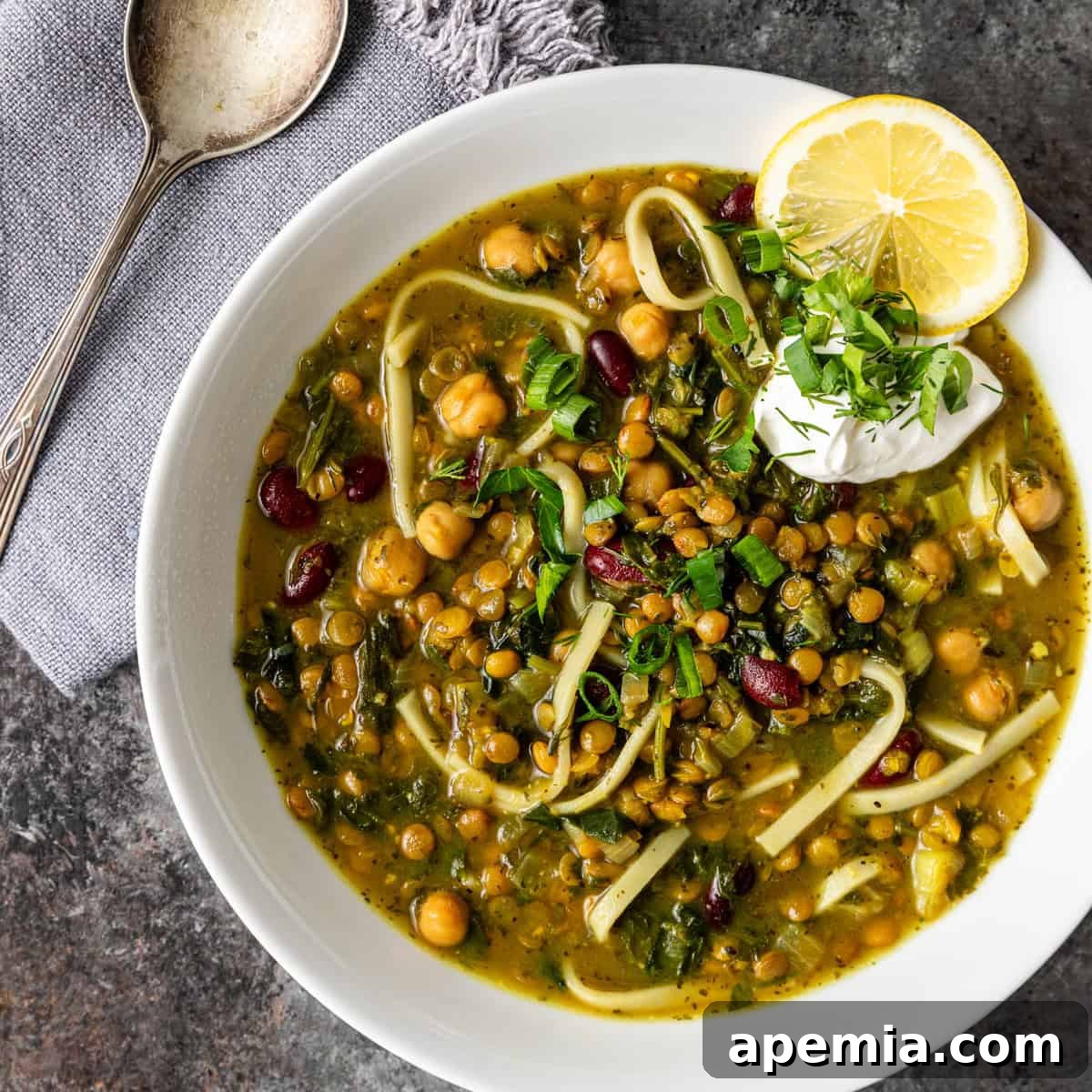
In the rich tapestry of Iranian cuisine, an “ash” signifies a thick, substantial stew. These hearty bowls are typically brimming with a delightful combination of noodles, various lentils and beans, vibrant spinach, sautéed onions, and an abundance of fresh herbs. Ash Reshteh, in particular, stands out as one of the most cherished and widely recognized variations. It’s a dish that not only tantalizes the taste buds but also nourishes the body, offering a wholesome and deeply satisfying meal that feels incredibly good to eat.
This particular Iranian noodle soup holds a special place in Persian culture, traditionally served during “Norwuz,” the Persian New Year. Norwuz aligns with the Spring equinox, a time of renewal and rebirth. While a rich, warm stew might seem unexpected for a spring celebration, Ash Reshteh perfectly encapsulates the spirit of the season by incorporating an abundance of fresh, seasonal herbs and vegetables, symbolizing new beginnings and prosperity. It’s a dish that brings families together, evoking feelings of warmth, tradition, and hope.
Key Ingredients: Unlocking Authentic Persian Flavors
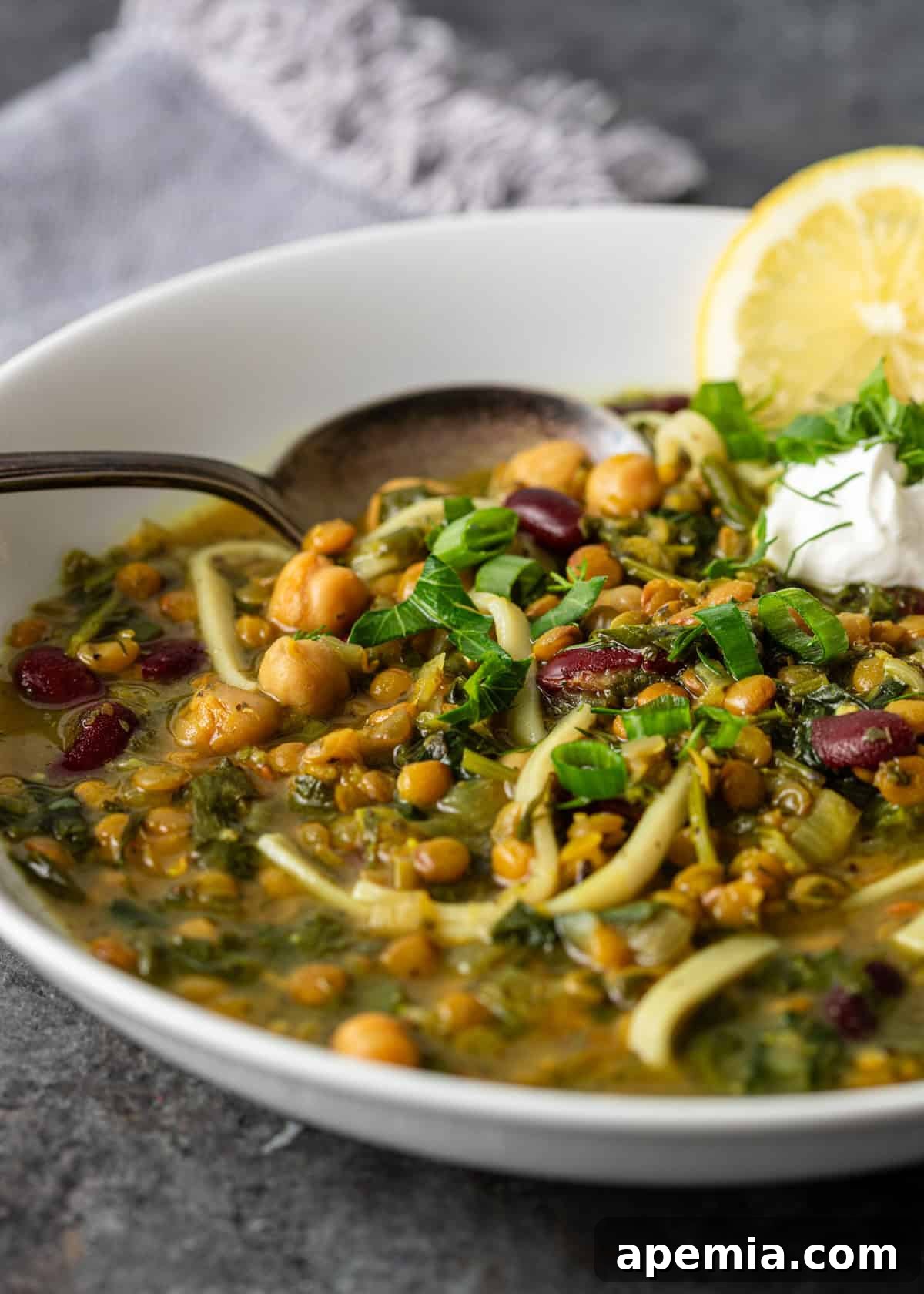
To truly appreciate Ash Reshteh, it’s helpful to understand a couple of its unique traditional ingredients: kashk and reshteh noodles. While these might be new to those unfamiliar with Persian cooking, readily available substitutes make this recipe accessible to everyone without compromising too much on flavor.
Reshteh Noodles: The Heart of the Soup
The soup is named after its signature ingredient: reshteh noodles. These thin, flat egg noodles are central to many Persian dishes and contribute a unique texture and subtle, nutty flavor. Their delicate nature allows them to absorb the rich broth beautifully. If authentic reshteh noodles are hard to find, good substitutes include Japanese udon noodles or Italian fettuccine pasta. These alternatives offer a similar flat shape and satisfying chewiness, making them excellent stand-ins.
Kashk: The Tangy Secret Ingredient
Kashk is a fermented, dried dairy product that is a staple in Persian cuisine, known for its distinctive tangy, salty, and slightly sour flavor with an almost cheesy undertone. It’s often used as a thickener and a flavor enhancer, typically drizzled on top of the soup just before serving, rather than cooked into it. The unique fermentation process gives kashk a depth of flavor that is hard to replicate perfectly. However, thick sour cream or a robust Greek yogurt can serve as excellent substitutes, providing the desired creaminess and a hint of tanginess that complements the soup’s rich profile.
The Importance of Crispy Onions
While often served on the side for a healthier approach, traditional Ash Reshteh is frequently topped with pan-fried, crispy onions. These golden-brown morsels add an irresistible crunch and a caramelized sweetness that elevates the soup’s savory notes. Including them is highly recommended for an authentic experience.
Tip: How to Make Perfect Crispy Onions
To prepare these delightful garnishes, place a large, deep-sided skillet over medium-high heat and add enough vegetable oil to generously coat the bottom. In a separate bowl, toss thinly sliced yellow onions with a light dusting of flour. Fry the floured onions in batches, ensuring they turn a dark golden brown and become wonderfully crispy. Once fried, transfer them to a plate lined with paper towels to drain any excess oil. This extra step truly enhances the texture and flavor of your Ash Reshteh.
Table of Contents
- Ash Reshteh: The Ultimate Persian Noodle Soup Recipe for Comfort and Flavor
- What is Ash Reshteh? A Glimpse into Persian Cuisine
- Key Ingredients: Unlocking Authentic Persian Flavors
- Detailed Ingredient Notes and Substitutions
- Smart Shortcuts for a Faster Ash Reshteh
- How to Make Ash Reshteh: Step-by-Step Guide
- Recommended Tools for Making Ash Reshteh
- Storing and Reheating Ash Reshteh
- Frequently Asked Questions About Ash Reshteh
- Ash Reshteh Recipe Card
A Complete Meal: Pairing Ash Reshteh
Round out your meal and perfectly usher in the Spring equinox by pairing Ash Reshteh with other beloved Norwuz recipes. Consider serving it alongside fragrant saffron rice, crispy tahdig (Persian crispy rice), or the vibrant herb rice dish known as sabzi polo. These combinations create a feast that is rich in flavor, tradition, and cultural significance.
Smart Shortcuts for a Faster Ash Reshteh
While traditional recipes often call for dried beans that require overnight soaking and longer cooking times, modern culinary approaches offer fantastic shortcuts. To get this beautiful and satisfying soup on your table faster without sacrificing quality, consider these convenient alternatives:
- Canned Legumes: Utilize canned garbanzo beans (chickpeas) and kidney beans. They work wonderfully and significantly cut down on preparation and cooking time, eliminating the need for overnight soaking.
- Kashk Substitutes: As mentioned, sour cream or thick Greek yogurt are excellent, readily available substitutes for traditional kashk, providing the desired tang and creaminess.
- Noodle Alternatives: If authentic reshteh noodles are unavailable, Japanese udon noodles or Italian fettuccine pasta are perfect alternatives, offering a similar texture and mouthfeel.
Detailed Ingredient Notes and Substitutions
Understanding each ingredient’s role allows for thoughtful substitutions and a deeper appreciation of Ash Reshteh’s complex flavor profile:
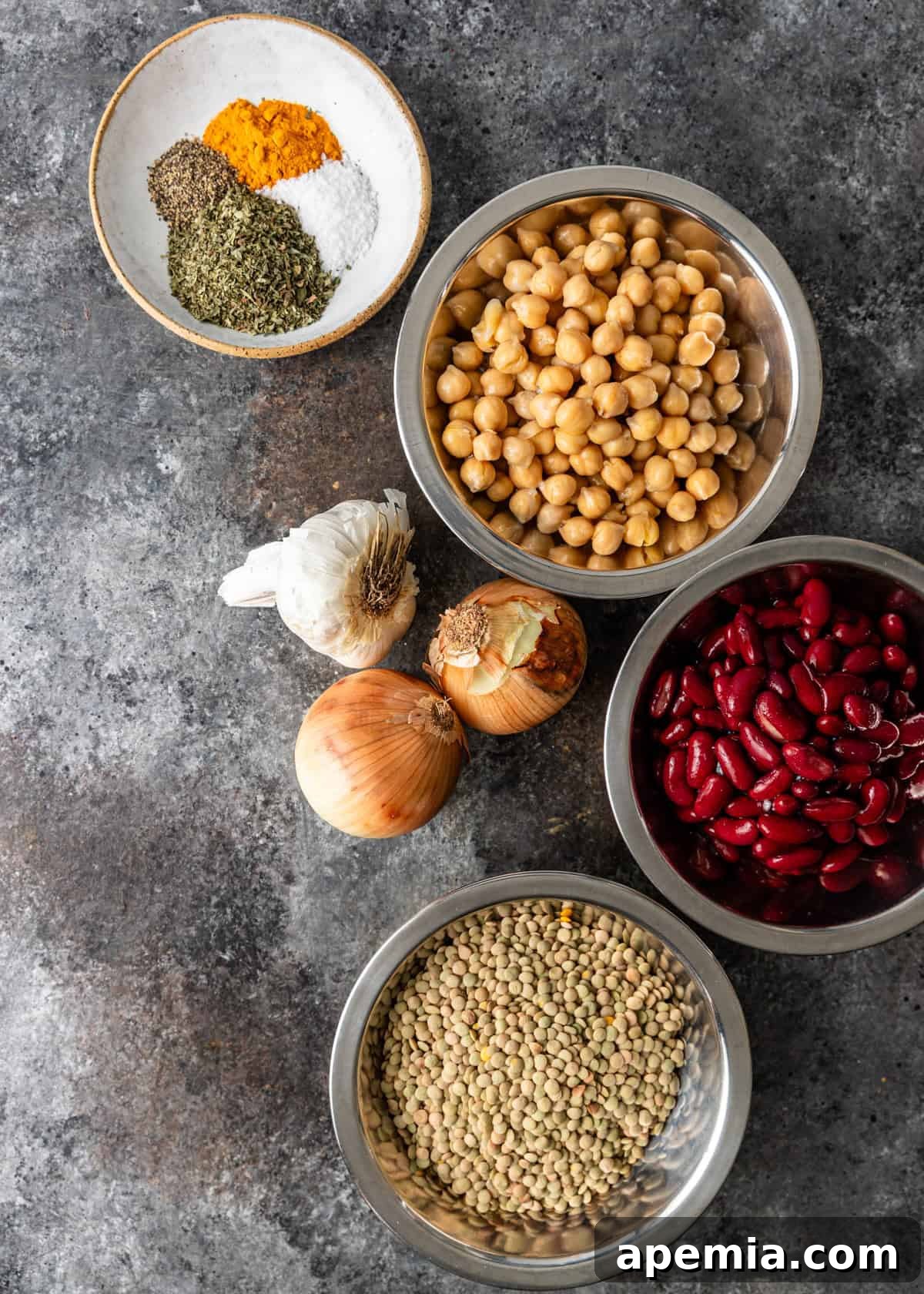
- Noodles: The traditional choice is reshteh noodles. If unavailable, Japanese udon noodles or Italian fettuccine offer a similar flat shape and satisfying chewiness. Spaghetti or linguine can also be used in a pinch.
- Chickpeas & Kidney Beans: For convenience, canned beans are ideal as they significantly reduce preparation time. If opting for dried beans, remember they require overnight soaking and a longer cooking time (approximately 30 minutes more).
- Dried Green Lentils: These earthy legumes are perfect for stews like Ash Reshteh. They maintain their shape well during cooking while becoming wonderfully tender, adding a rich depth to the soup.
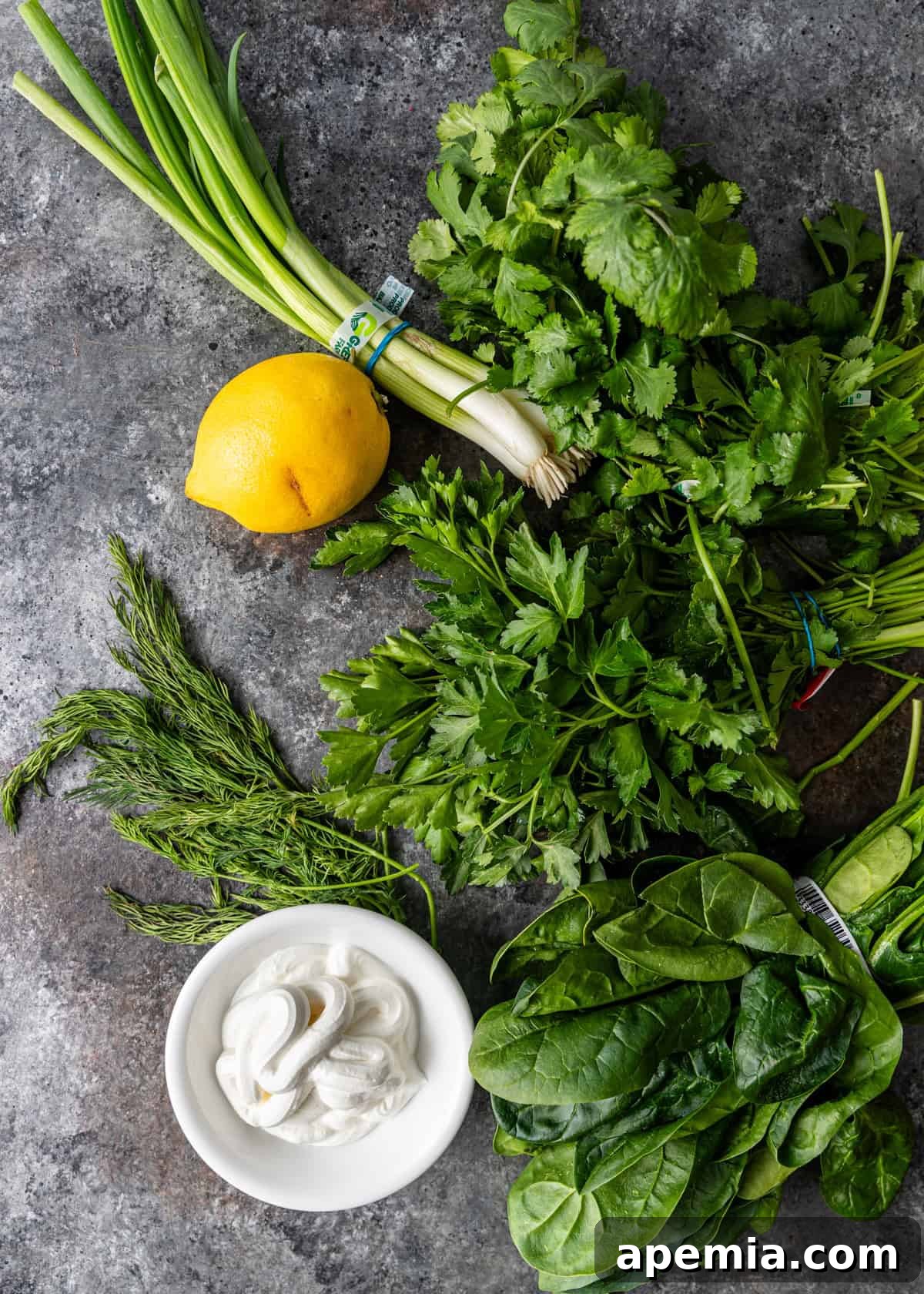
- Fresh Herbs (Cilantro & Parsley): These herbs are crucial for Ash Reshteh’s bright, fresh, and aromatic flavor. Use a generous amount. If you have the genetic predisposition where cilantro tastes like soap, simply substitute it with an additional quantity of parsley.
- Spinach: A hefty dose of chopped fresh spinach is essential. It wilts down beautifully in the hot broth, contributing nutrients, color, and a delicate earthy note. One large bunch is typically recommended.
- Yellow Onions: These are the preferred choice for stewing due to their sweetness and tender texture when cooked down. White onions can be used as a substitute.
- Green Onions: Utilize both the white and green parts of green onions to maximize flavor and minimize waste. Shallots or chives can be used if green onions are not available.
- Chicken Stock: This forms the flavorful base of the soup. For a vegetarian or vegan version, easily substitute chicken stock with vegetable or mushroom stock/broth.
- Spices & Seasonings: The unique character of Ash Reshteh comes from a harmonious blend of spices:
- Dried Mint: Adds a refreshing, cooling counterpoint to the savory elements.
- Turmeric: Provides its characteristic golden color and a warm, earthy flavor.
- Garlic: An essential aromatic, contributing depth and pungency.
- Kosher Salt & Black Pepper: Fundamental seasonings to balance and enhance all the flavors.
- Kashk (or Substitute): Traditionally added as a garnish, kashk thickens the broth slightly, imparting a signature tangy creaminess. Sour cream or a thick Greek yogurt are the best substitutes, though kashk itself offers an unparalleled depth of flavor.
How to Make Ash Reshteh: Step-by-Step Guide
Crafting this delicious Persian noodle soup is a rewarding experience. Follow these steps to create a truly authentic and flavorful Ash Reshteh:
- Prepare the Onions: In a large, heavy-bottomed pot, heat the olive oil over low heat. Add the diced yellow onions and sauté them gently until they are beautifully golden brown and slightly crispy. Remove about half of these onions and set them aside to use as a garnish later. Keep the remaining onions in the pot.
- Infuse Aromatics: To the pot with the remaining onions, add the minced garlic, dried mint, turmeric, kosher salt, and black pepper. Stir well and cook for about 3 minutes, allowing the spices to become fragrant and release their oils. Once aromatic, pour in the chicken stock and water, stirring to combine.
- Simmer the Legumes: Increase the heat to medium and bring the liquid to a rolling boil. Add the dried green lentils, then cover the pot and reduce the heat to a simmer for 15 minutes. After this time, drain the liquid from your canned chickpeas and kidney beans (if using canned), and add them to the pot with the lentils.
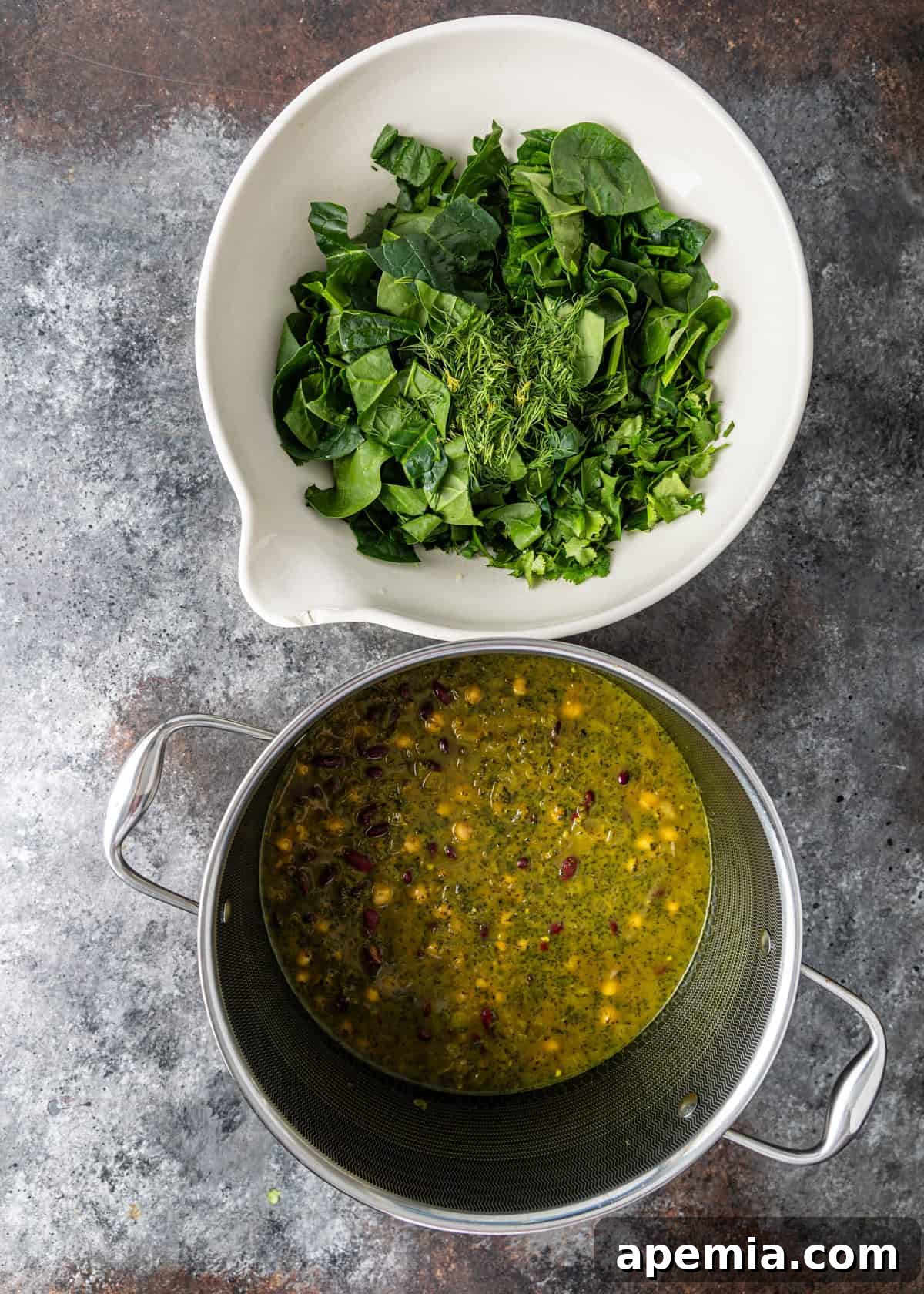
- Add the Greens: While the legumes simmer, finely chop the fresh cilantro, parsley, and green onions. Remove any tough stems from the spinach leaves and roughly chop them. Add all these prepared herbs, green onions, and spinach to the pot. Cover again and continue to simmer for another 15 minutes, allowing the greens to soften and infuse the broth.
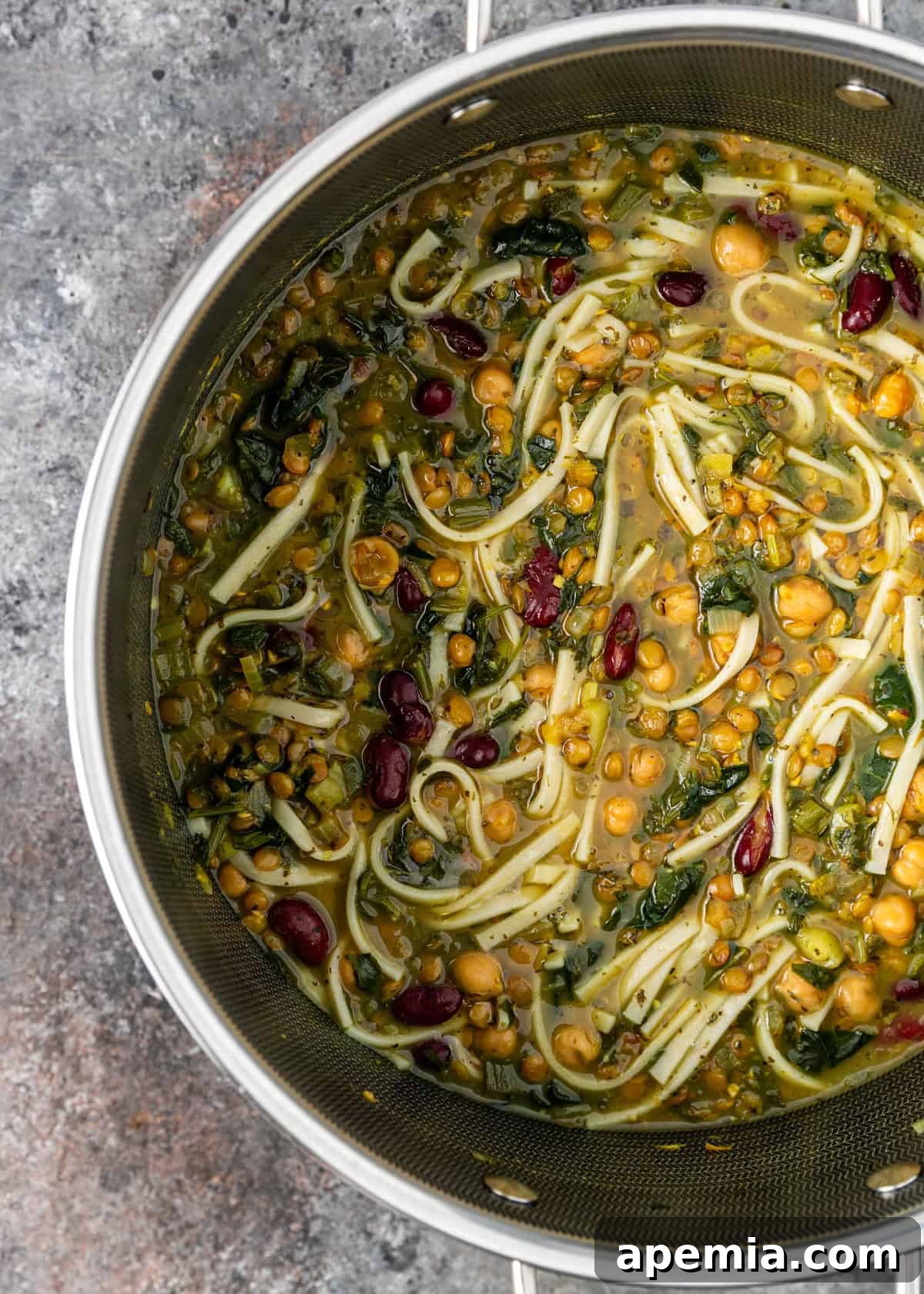
- Incorporate the Noodles: Take your dried reshteh or substitute noodles and break them into 2 or 3 even chunks to make them easier to manage in the soup. Drop the noodle pieces into the simmering pot. Cover and cook for approximately 15 minutes, or until the noodles are tender but still retain a slight bite (al dente). Check the consistency periodically; if the broth appears too thick, add a little more water or stock until it reaches your desired soup-like consistency.
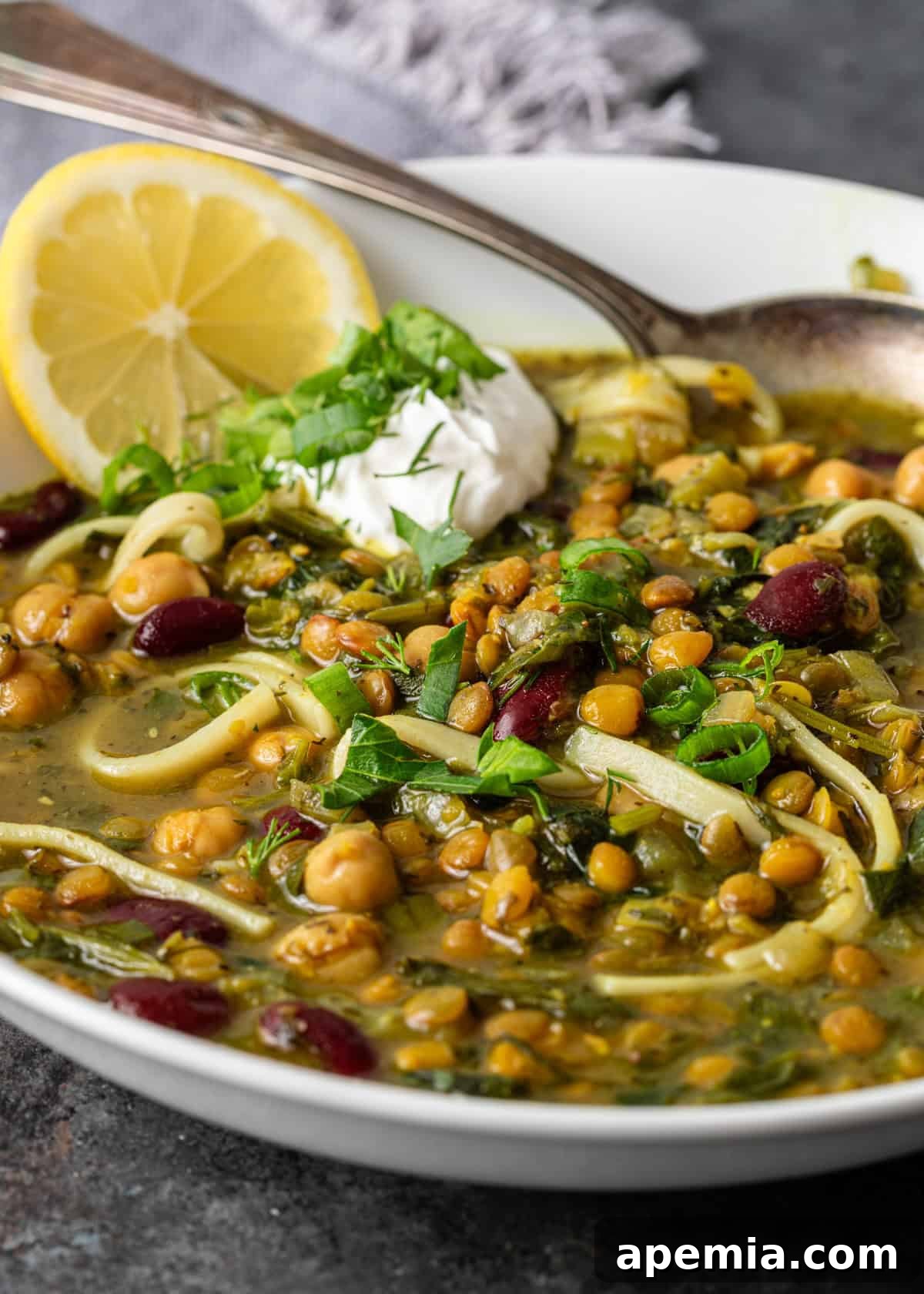
- Season and Garnish: Taste the Ash Reshteh and adjust the seasoning with additional salt or pepper as needed. To serve, ladle the hot soup into bowls. Garnish generously with the reserved fried onions, a dollop of kashk (or sour cream/Greek yogurt), and fresh lemon slices. The lemon adds a refreshing zest that brightens the entire dish. Serve immediately and enjoy this comforting Persian delicacy!
Recommended Tools for Making Ash Reshteh
To successfully prepare Ash Reshteh, you’ll need a few basic kitchen tools:
- Large, Heavy-Bottomed Pot: Essential for sautéing onions and simmering the large volume of soup. A Dutch oven works perfectly.
- Sharp Knife and Cutting Board: For efficiently chopping all the fresh herbs, greens, and onions.
- Measuring Cups and Spoons: For accurate ingredient quantities.
- Ladle: For serving the soup.
Storing and Reheating Ash Reshteh
Ash Reshteh makes for wonderful leftovers, often tasting even better the next day as the flavors deepen and meld. Proper storage and reheating will ensure you can enjoy this delicious soup for days to come.
- Refrigeration: Leftover Ash Reshteh can be safely refrigerated in an airtight container for up to 3 days. If you’ve withheld adding kashk (or sour cream/yogurt) to the main batch, the soup may last even longer, typically up to 5 days in the fridge.
- Freezing: If you plan on making a large batch to freeze for later, it is crucial to wait until the soup is reheated and served before adding any creamy components like kashk, sour cream, or yogurt. Cream-based broths tend to separate and can develop an undesirable texture when frozen, thawed, and reheated. Freeze the base soup without the dairy, and add the garnish fresh when serving.
- Reheating: To reheat the soup, simply return it to a stovetop pot and simmer gently over medium-low heat until it is warmed through. If the soup has thickened too much in the fridge, you can add a little more chicken stock or water to achieve your desired consistency.
Share this recipe on Pinterest!
Love this recipe? Share it with the world on Pinterest to inspire others.
Share on Pinterest
Frequently Asked Questions About Ash Reshteh
What herbs are used in Ash Reshteh?
The primary fresh herbs used in Iranian noodle soup are cilantro, parsley, and dried mint. Some regional variations or personal recipes might also include dill, though it’s often omitted in the classic preparation to allow the other herb flavors to shine.
What are the noodles used in Persian noodle soup?
This soup is traditionally made with reshteh noodles, which gives the dish its name, Ash Reshteh. These are flat, relatively fine egg noodles commonly found in Persian cooking. They possess a unique texture and a rich, subtle nutty flavor that distinguishes them. While authentic reshteh noodles can sometimes be challenging to find outside specialized international food markets, Japanese udon noodles are an excellent substitute due to their similar flat shape and satisfying chew. Alternatively, Italian spaghetti or linguine can also be used, though they will alter the texture slightly.
What is kashk?
Kashk is a unique fermented and dried dairy product integral to Persian cuisine. It’s renowned for its intensely tangy, salty, and sour profile, often described as having an almost “cheesy” or highly concentrated sour cream flavor. It plays a significant role in many Persian dishes, acting both as a thickener and a powerful flavoring agent. Due to its distinct taste, kashk is a defining component in any authentic Ash Reshteh recipe, adding unparalleled depth. If traditional kashk is unavailable, your best substitutes would be thick sour cream or a very strained, tart Greek yogurt, though neither will perfectly replicate kashk’s intense flavor.
Ash Reshteh Recipe Card
Ash Reshteh is a hearty, filling noodle soup topped with fried onions and packed with greens, lentils, beans, and delicious Iranian spices.
Prep Time: 15 mins
Cook Time: 55 mins
Total Time: 1 hr 10 mins
Pin Recipe
Print Recipe
Ingredients
- 2 tbsp olive oil
- 2 large yellow onions, diced
- 4 cloves garlic, minced
- 1 ½ tbsp dried mint
- 1 tsp turmeric
- 1 tsp kosher salt
- 1 tsp ground black pepper
- 6 cups chicken stock (or vegetable stock for vegetarian)
- 2 cups water
- 1 cup dried green lentils
- 15 oz canned chickpeas, drained (See Note 1)
- 15 oz canned kidney beans, drained (See Note 1)
- 2 oz fresh cilantro, 1 bunch, chopped
- 2 oz fresh parsley, 1 bunch, chopped
- 4 green onions, chopped
- 12 oz fresh spinach, chopped
- 4 oz dried udon noodles (or 120g reshteh noodles)
Garnish
- 1 cup sour cream or thick Greek yogurt (or ½ cup liquid kashk mixture + 2 tbsp hot water mixed)
- Fried onions (reserved from initial cooking or freshly made)
- 8 lemon slices
Instructions
- In a large pot, sauté the diced onion with olive oil over low heat until golden brown and slightly crispy. Remove half and set aside for garnish.
- Add the garlic, dried mint, turmeric, salt, and pepper to the pot. Sauté for 3 minutes until aromatic. Add the chicken broth and 2 cups of water.
- Bring to a boil over medium heat. Add the dried lentils, cover, and simmer for 15 minutes. Next, add the drained chickpeas and kidney beans to the lentils.
- Finely chop the cilantro, parsley, and green onions. Remove the stems and roughly chop the spinach leaves.
- Add the chopped herbs, green onions, and spinach to the pot. Cover and simmer for another 15 minutes.
- Break the noodles into 2-3 even pieces and add them to the broth. Cook for 15 minutes, covered (add more water if the soup gets too thick). Season to taste.
- Serve garnished with fried onions, a dollop of sour cream (or kashk), and fresh lemon slices.
Notes
- If using dried beans (½ cup dried chickpeas and ½ cup dried kidney beans), they will need to be soaked overnight and then cooked for 30 minutes in the soup instead of the 15 minutes noted for the canned legumes.
Nutrition
Calories: 408kcal |
Carbohydrates: 53g |
Protein: 21g |
Fat: 13g |
Saturated Fat: 4g |
Polyunsaturated Fat: 2g |
Monounsaturated Fat: 5g |
Cholesterol: 22mg |
Sodium: 1060mg |
Potassium: 1061mg |
Fiber: 15g |
Sugar: 8g |
Vitamin A: 5358IU |
Vitamin C: 29mg |
Calcium: 160mg |
Iron: 6mg
The information shown is an estimate provided by an online nutrition calculator. It should not be considered a substitute for a professional nutritionist’s advice.
Cuisine: Persian
Author: Kevin
Have You Made This Recipe? Let Me Know on Instagram
Tag @keviniscooking or tag me #keviniscooking!