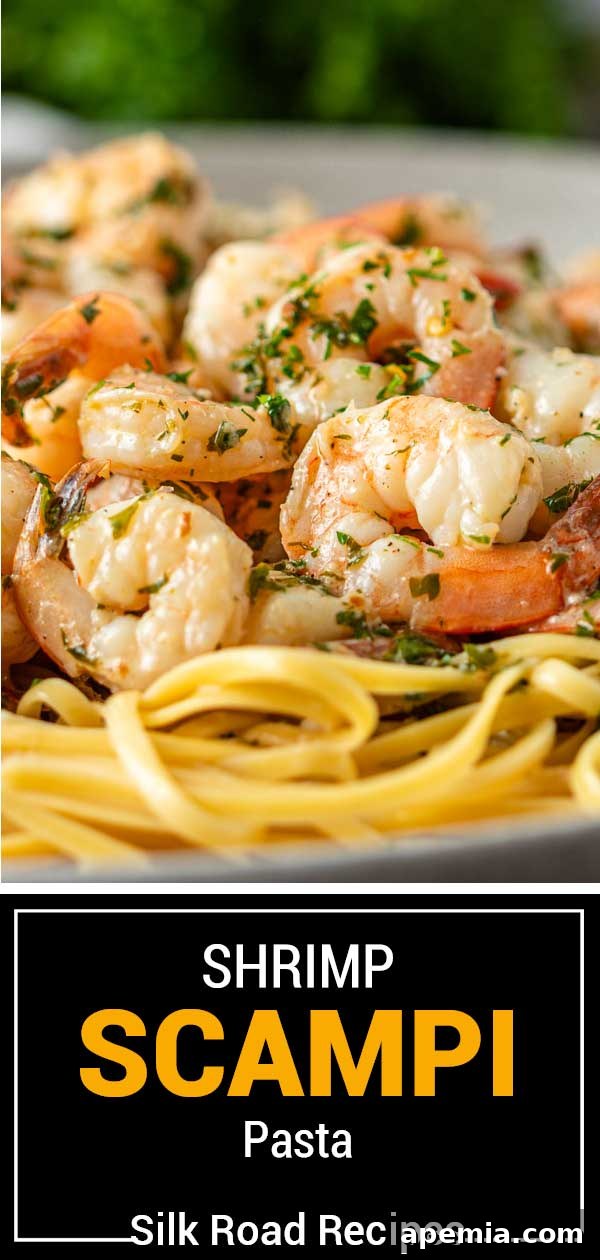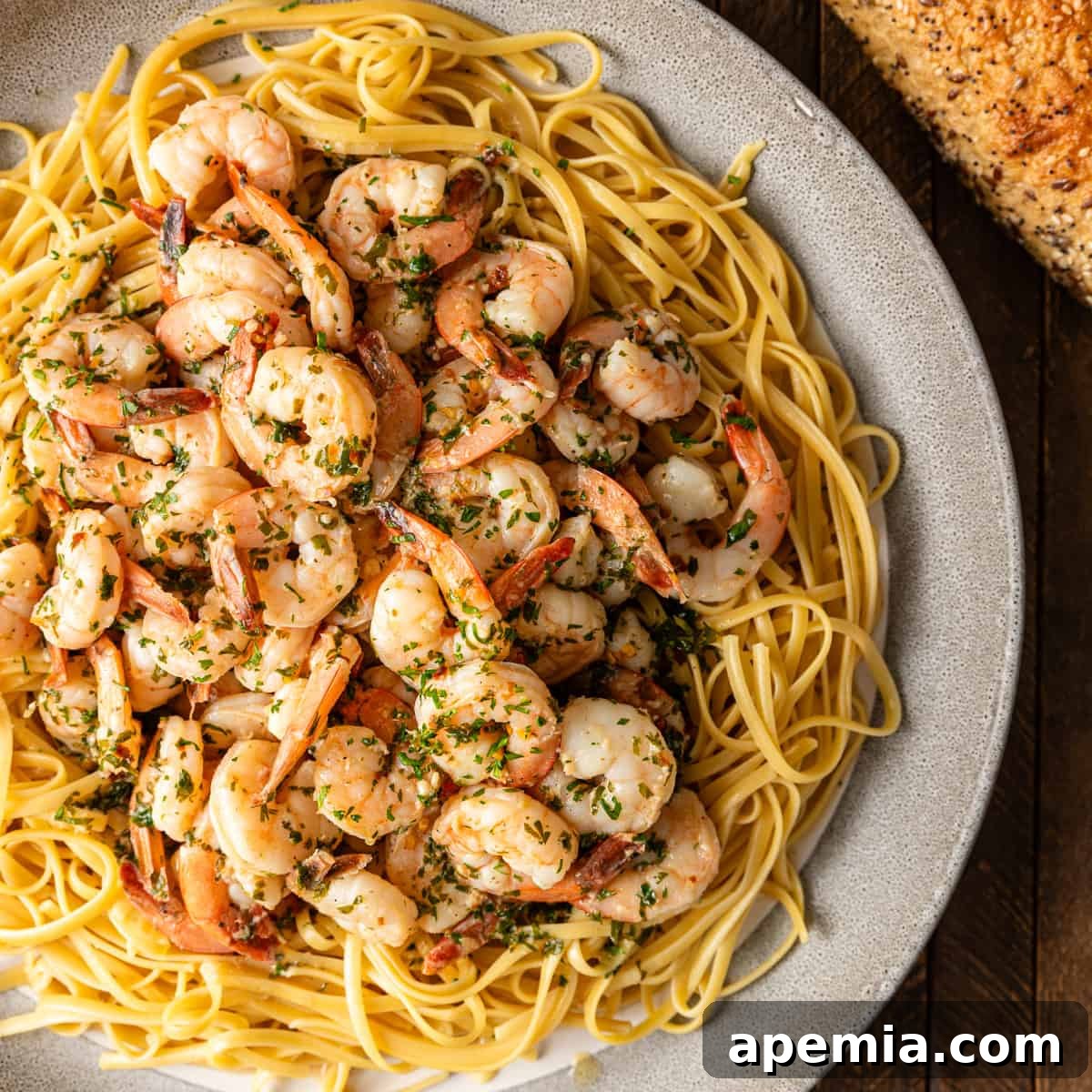
Elevate your weeknight meals with the luxurious yet effortlessly simple Shrimp Scampi Pasta. This iconic Italian-American dish transforms ordinary evenings into special occasions with its vibrant flavors and tantalizing aroma. Imagine succulent, tender shrimp perfectly sautéed and tossed in a bright, aromatic pan sauce. This golden elixir, a harmonious blend of rich butter, zesty lemon juice, delicate white wine, and fresh herbs, generously coats every strand of tender linguine. It’s a dish that feels indulgent without being overly heavy, delivering a perfectly satisfying and flavorful experience every time. Beloved for its elegant presentation and incredible taste, shrimp scampi pasta is surprisingly easy to master at home, taking just about 20 minutes from start to finish – faster than most ready-made meals and infinitely more rewarding. Whether you’re a seasoned chef or a beginner in the kitchen, this comprehensive guide will equip you with all the tips and tricks to create the best shrimp scampi pasta your family and friends will rave about.
History and Origins of Shrimp Scampi
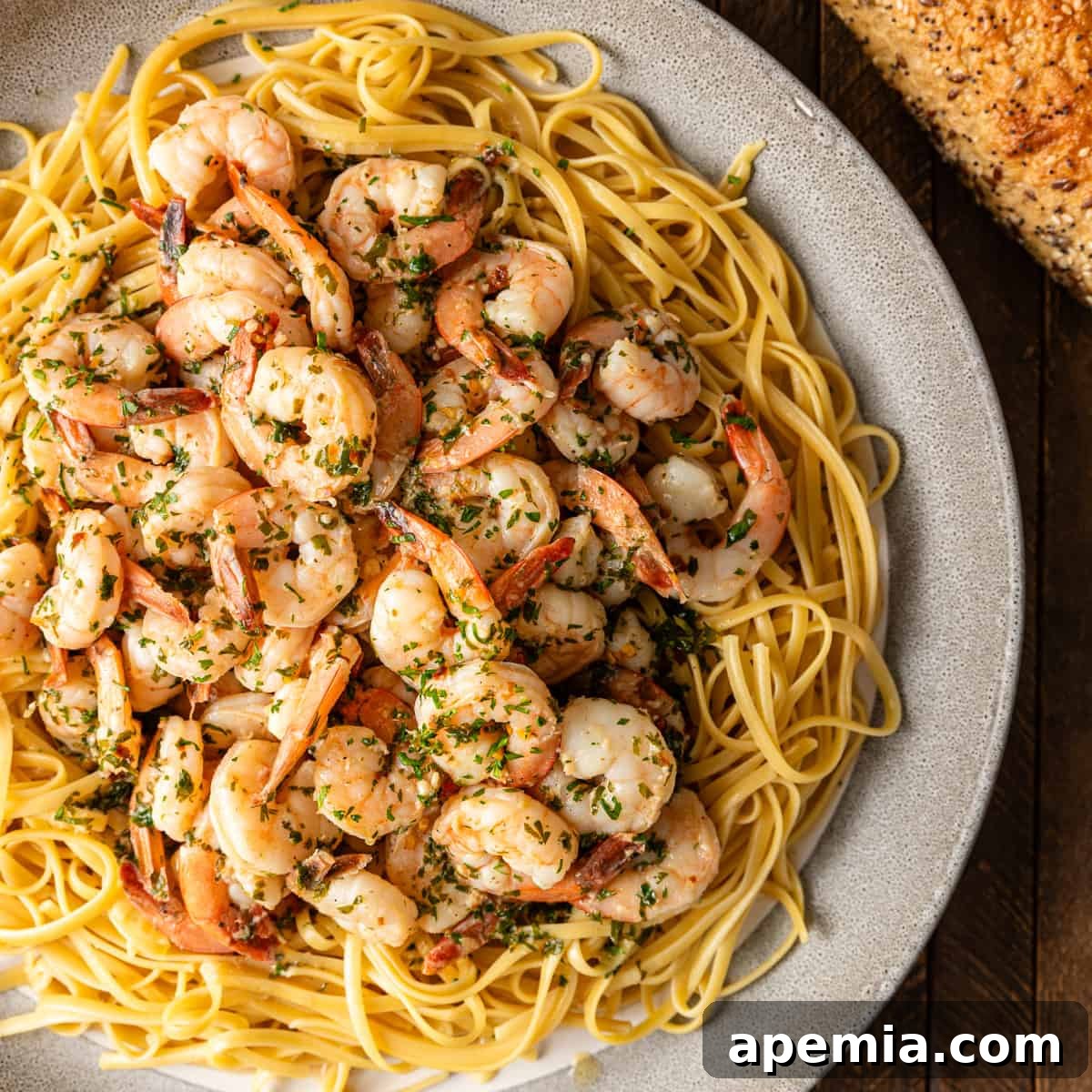
The story of shrimp scampi is a fascinating journey that crosses continents, blending Italian culinary traditions with American innovation. While many might associate it with Italy, the dish as we know it today, served with shrimp over pasta, is largely an Italian-American invention. In Italy, “scampi” refers to small, lobster-like crustaceans known as langoustines. Traditional Italian “scampi” dishes typically feature these langoustines prepared simply, often grilled or sautéed with olive oil, garlic, and sometimes a splash of white wine. When Italian immigrants came to the United States, they brought their culinary heritage with them. Langoustines were not readily available or were expensive in America, so they cleverly substituted the more accessible and affordable large shrimp for the scampi. However, they kept the original name, leading to the delightful redundancy we now call “shrimp scampi.” This fusion created a beloved classic that has graced American dinner tables since the 1920s, becoming a staple in both family kitchens and upscale restaurants. It’s a testament to how culinary traditions evolve and adapt, resulting in dishes that capture the best of different cultures.
Why This Shrimp Scampi Pasta Recipe Stands Out
- Lightning Fast: Prepare a restaurant-quality meal in just 20 minutes, making it perfect for busy weeknights without compromising on flavor.
- Effortlessly Elegant: Despite its sophisticated appearance and rich taste, this recipe is incredibly straightforward, ideal for impressing guests or simply treating yourself.
- Flavor-Packed Sauce: Our signature pan sauce, simmered to perfection with butter, garlic, lemon, and white wine, delivers an unparalleled depth of flavor that coats every ingredient beautifully.
- Highly Adaptable: Easily customize this dish with your preferred pasta, protein, or additional vegetables to suit any taste or dietary preference.
- Wholesome and Fresh: Made with fresh, vibrant ingredients, it’s a delightful alternative to heavier, more complicated meals.
Table of Contents
- Essential Ingredients for Your Shrimp Scampi Pasta
- Understanding Shrimp vs. Scampi: A Culinary Clarification
- How to Master Shrimp Scampi Pasta: A Detailed Guide
- Pro Tips for Perfect Shrimp Scampi Every Time
- Serving Suggestions and Perfect Pairings
- Variations and Customizations
- Storing and Reheating Your Leftovers
- Frequently Asked Questions About Shrimp Scampi
- Shrimp Scampi Pasta Recipe Card
Essential Ingredients for Your Shrimp Scampi Pasta
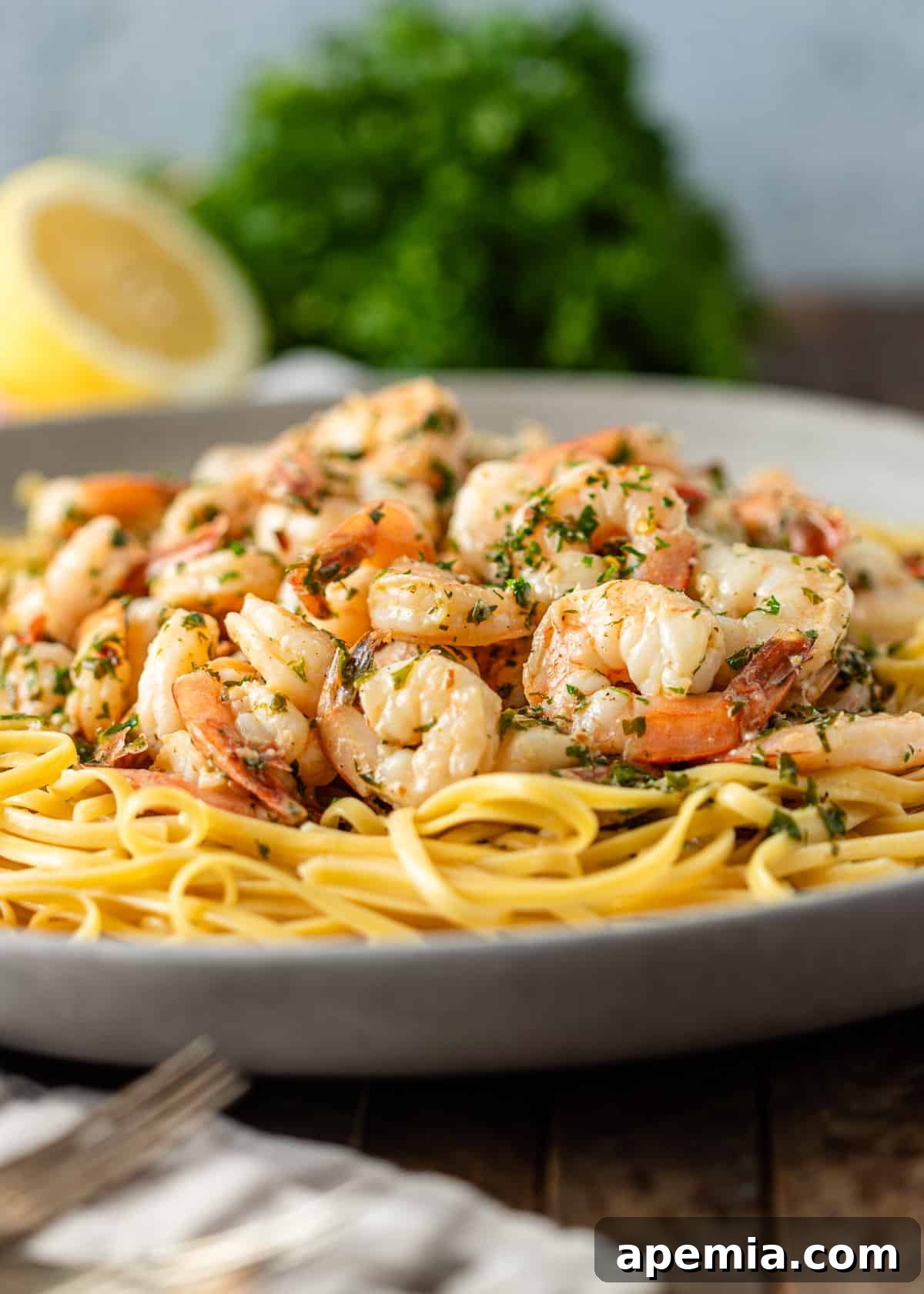
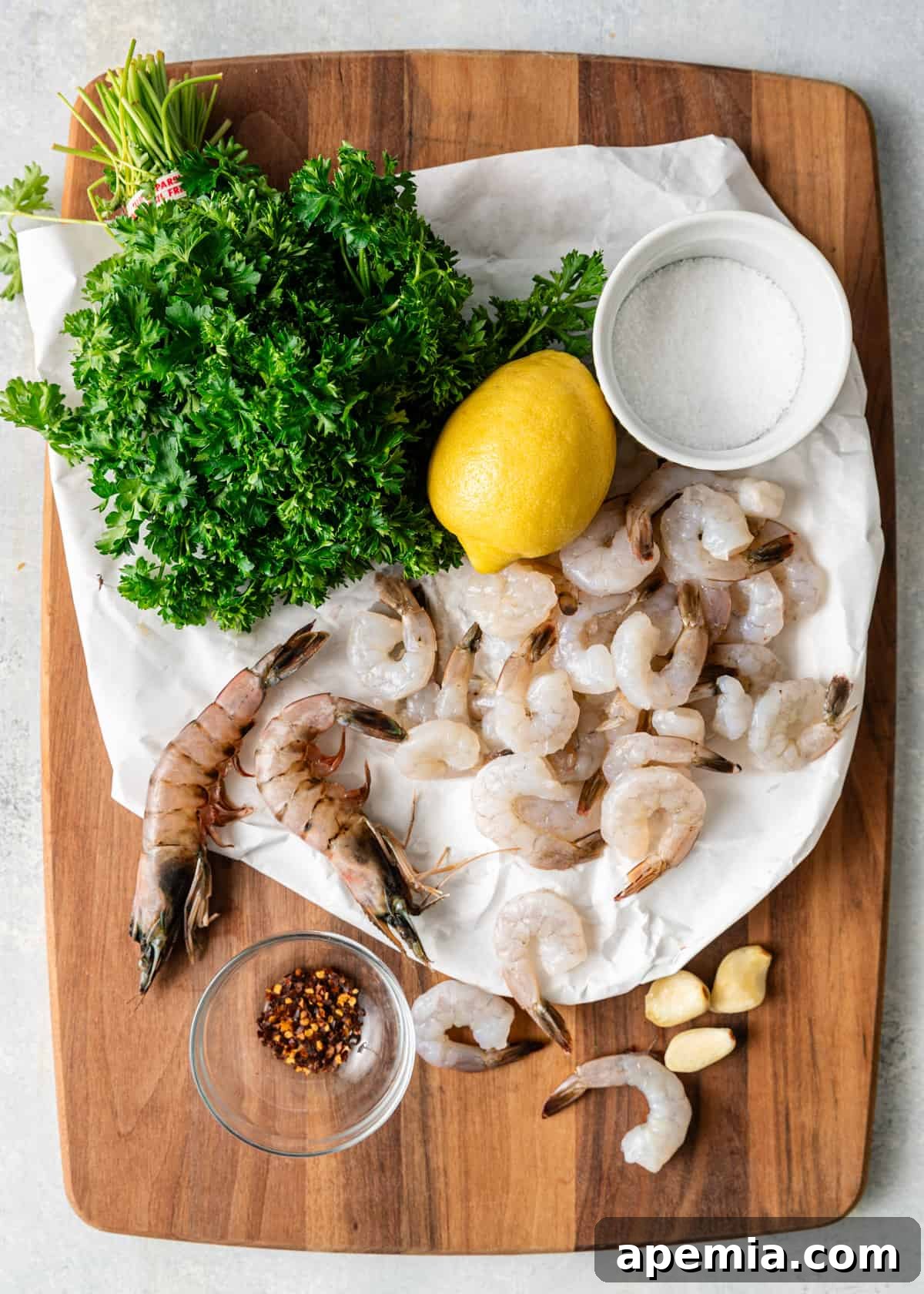
Crafting the perfect shrimp scampi begins with selecting the right ingredients. Each component plays a vital role in building the layered flavors of this classic dish. Here’s a closer look at what you’ll need and how to make the best choices.
- Linguine: While this recipe specifically calls for linguine, its flat, slightly thicker profile is ideal for capturing the rich, buttery sauce. However, feel free to experiment with other long pasta shapes like fettuccine, spaghetti, or even capellini (angel hair) for a lighter texture. The key is choosing a pasta that can truly be coated by the vibrant sauce. Always cook your pasta al dente for the best texture and bite.
- Large Shrimp: The star of the show! Both fresh and frozen large shrimp work wonderfully for this recipe. If using frozen, ensure you thaw them properly overnight in the refrigerator to prevent them from becoming dry or tough during cooking. This slow thawing process maintains their tender texture. Whether to leave the tails on is a matter of personal preference; tails can add to the presentation and make for easy handling when eating, but ensure all other parts of the shell are removed. Always look for deveined shrimp to save time and ensure a clean taste.
- Fresh Garlic: This is non-negotiable for authentic shrimp scampi flavor. Minced fresh garlic cloves are paramount to infuse the sauce with its signature aromatic, pungent depth. Garlic paste can be an acceptable substitute in a pinch, but resist the urge to use garlic powder, as it simply won’t deliver the same vibrant, fresh taste that defines this dish. Aim for about 4-6 cloves, depending on your love for garlic!
- Unsalted Butter: Butter is fundamental to creating the luscious, emulsified pan sauce. Using unsalted butter allows you to control the overall saltiness of the dish more precisely. This recipe uses a generous amount, just over a third of a stick, to build a truly rich and flavorful foundation. Combined with olive oil, it helps prevent the butter from burning at higher temperatures while still providing that irresistible buttery taste.
- Dry White Wine: A crucial component for deglazing the pan and adding a delicate acidity and complexity to the sauce. Pinot Grigio or Sauvignon Blanc are excellent choices, offering crisp, bright notes that complement the lemon beautifully. If you prefer to avoid alcohol, high-quality chicken, vegetable, or mushroom broth can be used as a non-alcoholic substitute. To mimic the wine’s acidity, add a tiny splash of extra lemon juice or white vinegar to your broth.
- Red Pepper Flakes: These add a subtle hint of warmth and a gentle kick that elevates the flavor profile without making the dish overtly spicy. A quarter teaspoon is usually enough for a mild warmth, but you can adjust the amount based on your preference or omit them entirely if serving to those with sensitive palates.
- Lemon Juice: Essential for the signature bright, zesty character of shrimp scampi. While fresh lemon juice always offers the most vibrant flavor, good quality bottled lemon juice is perfectly acceptable and convenient, especially if you’re making this on a busy weeknight. Aim for about 3 tablespoons for that perfect tangy finish.
- Fresh Parsley: A final flourish of chopped fresh parsley not only adds a pop of color but also a fresh, herbaceous note that brightens the entire dish. Italian flat-leaf parsley is generally preferred for its robust flavor. Stir it in at the very end to preserve its fresh taste and vibrant green hue.
- Olive Oil: Used in conjunction with butter to sauté the garlic and shrimp. A good quality extra virgin olive oil adds a subtle fruity note and helps prevent the butter from browning too quickly, ensuring a smooth, golden sauce.
- Kosher Salt & Black Pepper: Seasoning is key! Kosher salt provides a clean, mineral flavor, and freshly ground black pepper adds a pungent, spicy depth. Adjust these to taste throughout the cooking process.
Understanding Shrimp vs. Scampi: A Culinary Clarification
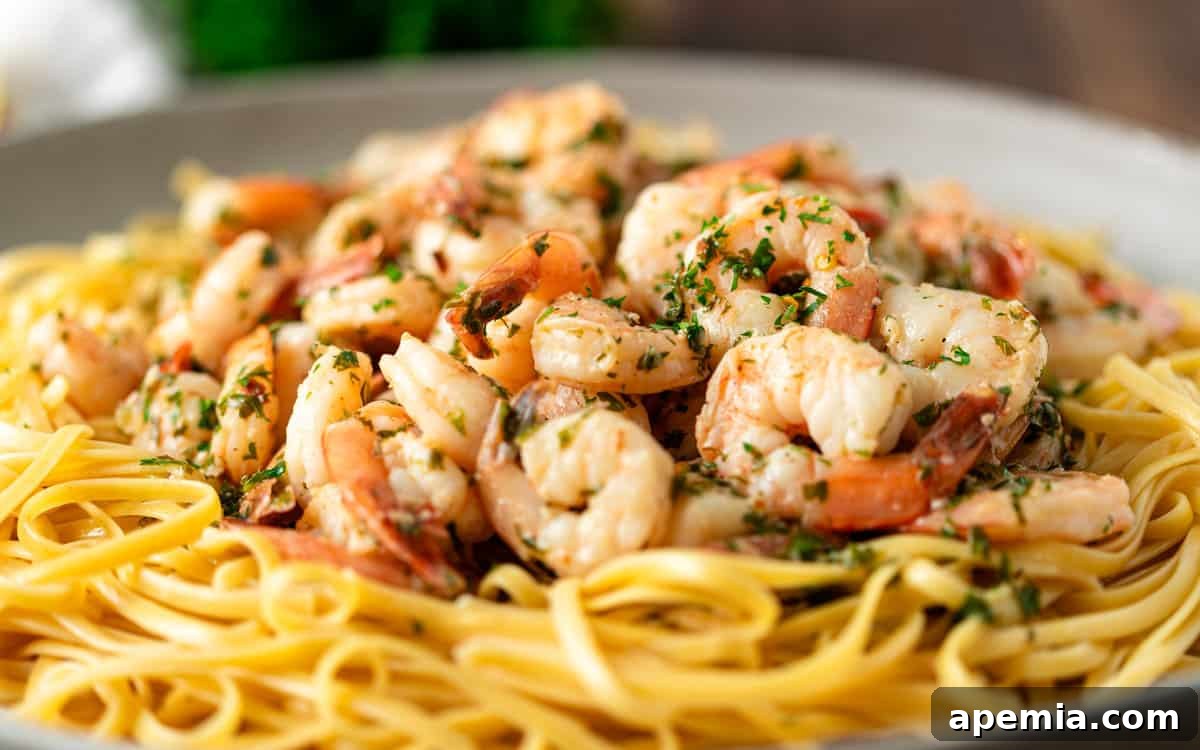
The term “shrimp scampi” often causes a bit of confusion, and for good reason! As mentioned in its history, the word “scampi” actually refers to a specific type of crustacean – the European langoustine (or Norway lobster). These creatures are much larger than the shrimp we commonly use, boasting pale pink shells and a delicate, sweet flavor akin to lobster. In Italy, a dish called “scampi” would traditionally feature these langoustines. However, when the dish made its way to America with Italian immigrants, the readily available and more affordable “shrimp” became the primary ingredient. The name “scampi” stuck, leading to the popular “shrimp scampi.” So, in essence, “shrimp scampi” is an Americanized dish where shrimp is prepared in the style of traditional Italian scampi. For this recipe, we use large, tender shrimp, which are perfect for soaking up all the delicious garlicky, buttery, lemon-infused sauce. Whether you choose to leave the tails on for presentation and easy handling or remove them for a more convenient eating experience is entirely up to you. Just be sure to remove all shells and devein the shrimp before cooking.
How to Master Shrimp Scampi Pasta: A Detailed Guide
This recipe breaks down into a few simple steps, ensuring a delicious meal every time. Focus on the timing of each component for the best results.
- Prepare Your Pasta: Begin by bringing a large pot of generously salted water to a rolling boil. Adding a tablespoon of kosher salt to the water infuses the pasta with flavor from within. Once boiling, add a tablespoon of olive oil (to prevent sticking) and your linguine. Cook according to package directions until al dente – tender but still firm to the bite. Before draining, reserve about half a cup of the starchy pasta water; this liquid is a secret weapon for achieving a perfectly emulsified sauce later. Drain the pasta and set it aside, but remember to return it to the pot later for tossing.
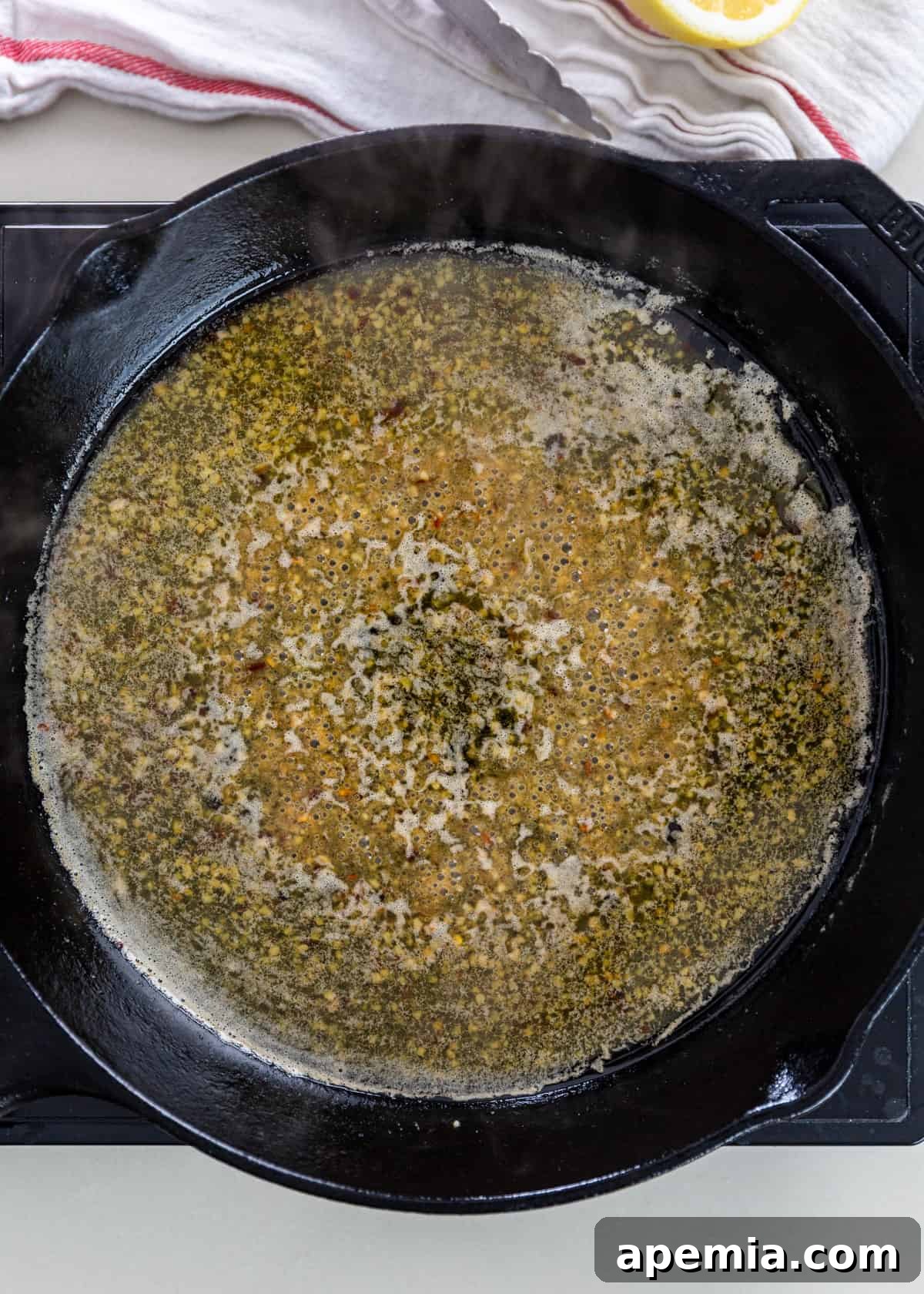
- Sauté the Garlic: While the pasta cooks, heat 2 tablespoons of olive oil in a large skillet or Dutch oven over medium heat. Once shimmering, add 3 tablespoons of butter and allow it to melt completely. Then, introduce your minced garlic to the pan. Sauté for about one minute, just until it becomes fragrant. Be careful not to let the garlic brown, as burnt garlic can impart a bitter taste to your sauce. The goal is to release its aromatic oils.
- Build the Flavorful Sauce: Pour in half a cup of dry white wine into the skillet, immediately followed by half a teaspoon of kosher salt, a quarter teaspoon of red pepper flakes, and a quarter teaspoon of black pepper. Bring this mixture to a boil, then reduce the heat to medium. Allow the sauce to simmer gently for several minutes, letting the liquid reduce by about half. This step concentrates the flavors, creating a rich and complex base for your shrimp.
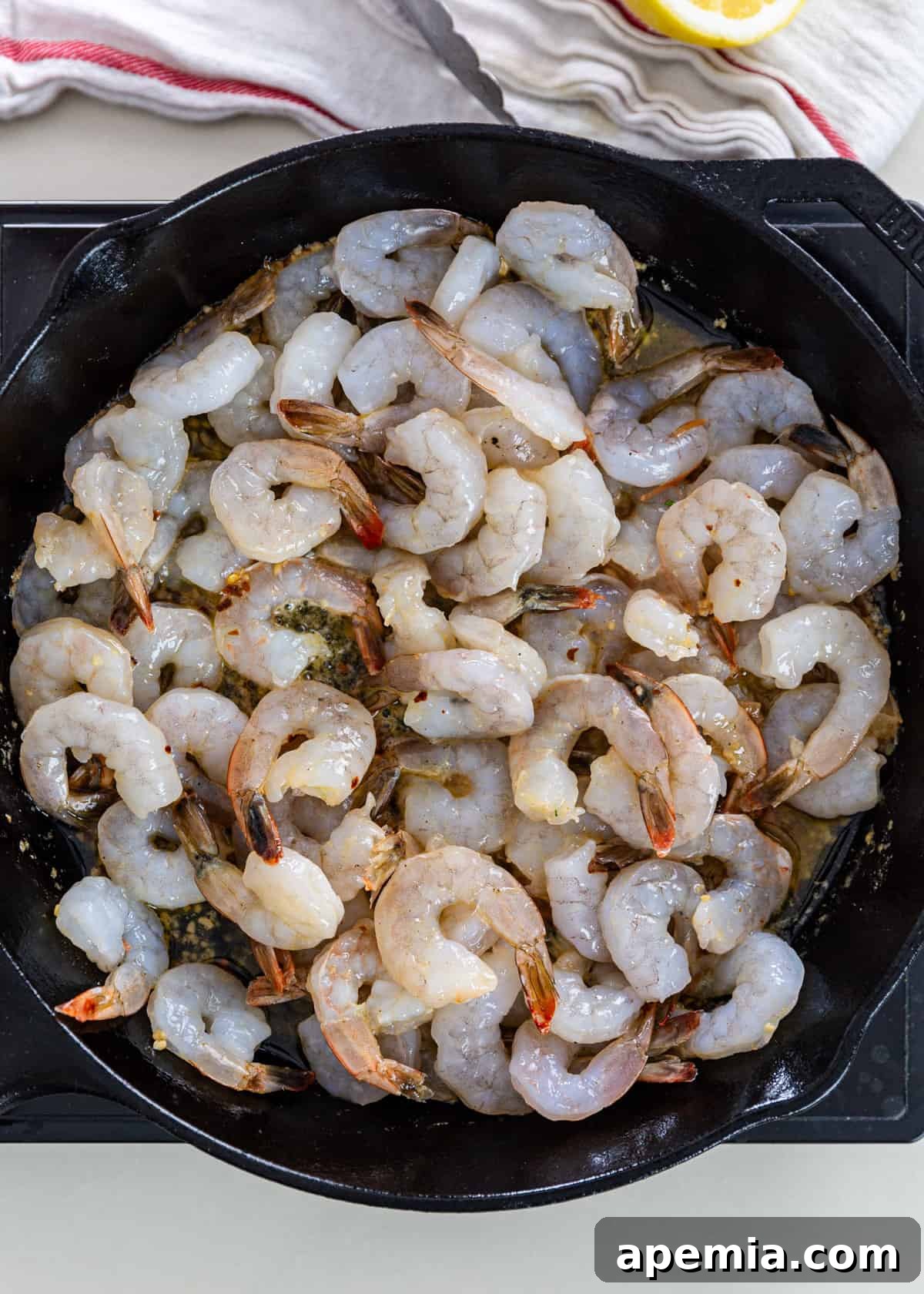
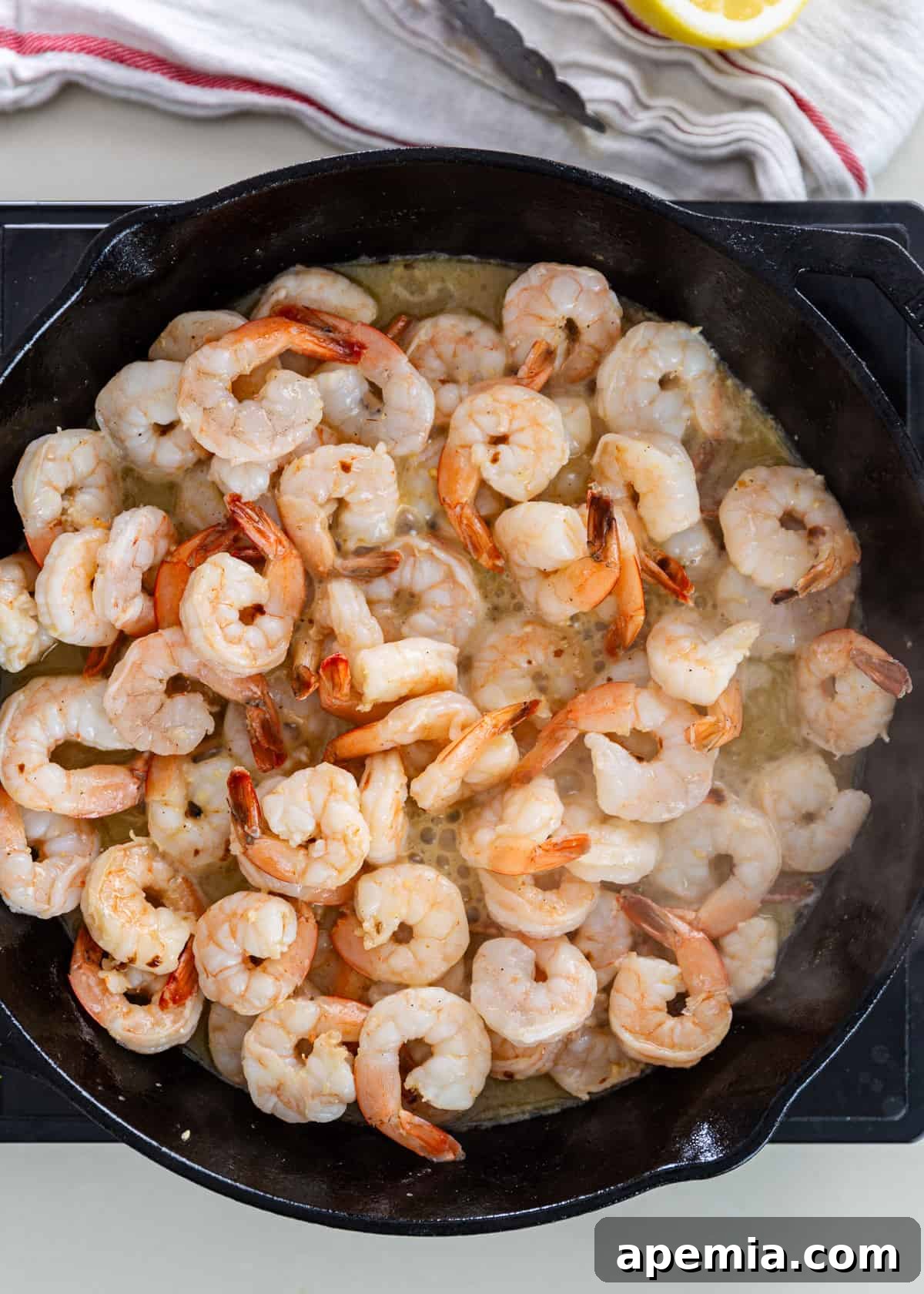
- Cook the Shrimp: Once the sauce has reduced, add your prepared large shrimp to the skillet. Stir them gently, ensuring they are coated in the simmering sauce. Cook for 2-4 minutes, turning them occasionally, until the shrimp turn opaque and pink. Be vigilant here; overcooked shrimp can become rubbery and tough. As soon as they are cooked through, remove the skillet from the heat. Stir in 3 tablespoons of fresh lemon juice and a quarter cup of chopped fresh parsley. Toss everything together to coat the shrimp beautifully and allow the sauce to reduce just a touch more from the residual heat.
- Combine and Serve: Immediately transfer the drained, cooked linguine back into its pot. Add the entire contents of the skillet – the succulent shrimp and the glistening, aromatic sauce – to the pasta. Toss everything thoroughly until every strand of linguine is evenly coated with the rich sauce. If the sauce seems too thick, add a tablespoon or two of the reserved pasta water to achieve your desired consistency. Serve immediately, perhaps garnished with a little extra fresh parsley or a grating of Parmesan cheese (though traditional scampi doesn’t include cheese, it’s a popular American addition). Enjoy this quick, flavorful, and truly satisfying meal!
Pro Tips for Perfect Shrimp Scampi Every Time
- Don’t Overcook the Shrimp: This is the golden rule for shrimp scampi. Shrimp cook very quickly, often in just 2-4 minutes. They are done when they turn pink and opaque. Overcooking will result in a rubbery texture, so keep a close eye on them!
- Use Quality Ingredients: Because this dish relies on simple flavors, the quality of your ingredients truly shines. Fresh garlic, good butter, and a decent dry white wine will make a noticeable difference in the final taste.
- The Magic of Pasta Water: Don’t forget to reserve some pasta water! The starch in this water helps to emulsify the sauce, making it cling beautifully to the pasta and creating a richer, more cohesive dish. Add it a tablespoon at a time if your sauce needs a little loosening.
- To Tail or Not to Tail? While leaving tails on can make for a beautiful presentation, removing them before cooking can make the dish easier and less messy to eat, especially when twirling pasta. Make the choice that suits your preference.
- Heat Control is Key: Sauté garlic over medium heat to prevent burning. When reducing the wine, a steady medium heat ensures a gradual, even reduction without scorching.
- Balance the Lemon: Lemon juice is crucial for brightness. Taste the sauce before adding the lemon, then add it towards the end to preserve its fresh, vibrant flavor. You can always add a little more if desired.
- Don’t Crowd the Pan: Cook shrimp in a single layer if possible. If your pan is too small for all the shrimp, cook them in batches to ensure they sear rather than steam, leading to a better texture.
Serving Suggestions and Perfect Pairings
While shrimp scampi pasta is a wonderfully complete meal on its own, adding a few complementary sides can elevate the dining experience.
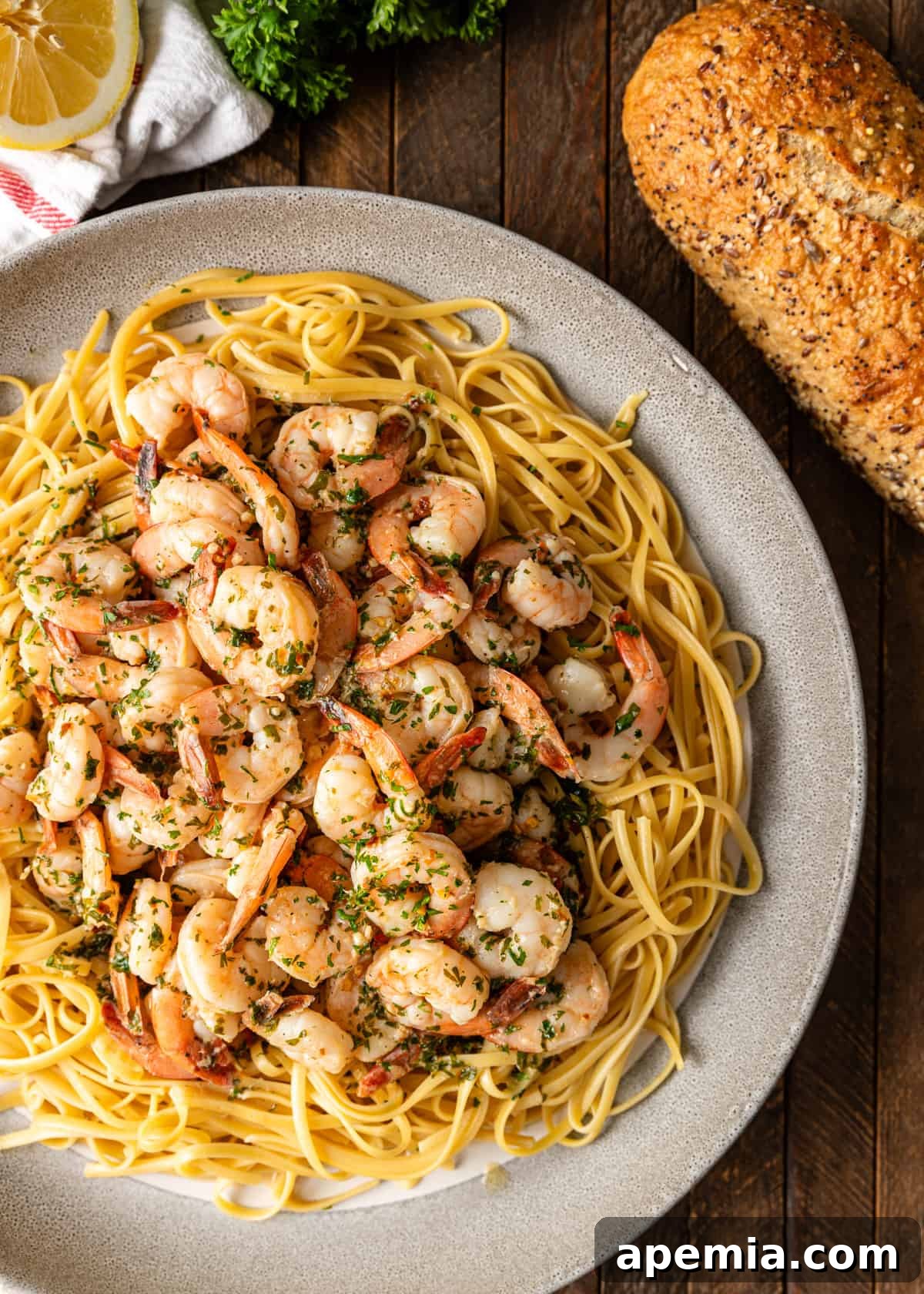
- Crusty Bread: Absolutely essential! A warm, crusty baguette or Italian bread is perfect for soaking up every last drop of that delectable garlic-butter-lemon sauce. It’s a fundamental part of the scampi experience.
- Fresh Green Salad: A simple, crisp green salad with a light vinaigrette provides a refreshing contrast to the richness of the pasta. Think mixed greens, cherry tomatoes, and perhaps a few cucumber slices.
- Roasted or Marinated Vegetables: For a truly Italian feast, serve alongside tender marinated mushrooms or roasted asparagus, broccoli rabe, or zucchini. The earthy notes of vegetables pair beautifully with the seafood.
- Light Italian Soup: A delicate soup like Zuppa Toscana (a hearty sausage and potato soup) or a classic minestrone could start your meal if you’re looking for a fuller spread.
- Wine Pairings: Stick with the dry white wine theme. A crisp Pinot Grigio, Sauvignon Blanc, or a light Chardonnay will enhance the flavors of the scampi without overpowering them.
Variations and Customizations
This shrimp scampi recipe is incredibly versatile, allowing you to adapt it to your taste, what you have on hand, or specific dietary needs.
- Different Proteins: Don’t limit yourself to shrimp! The incredible sauce pairs wonderfully with other seafood like scallops, mussels, or even chunks of firm white fish. For a poultry option, thinly sliced chicken breast or thighs can be used. Cook the chicken first until golden and cooked through, then remove it and proceed with the sauce, adding the chicken back at the end. This allows the chicken to absorb the rich flavors.
- Add Vegetables: Boost your meal with extra nutrients and texture. Cherry tomatoes, spinach, finely chopped bell peppers, or even blanched broccoli florets can be stirred into the sauce during the last few minutes of cooking.
- Spicier Kick: If you love heat, increase the amount of red pepper flakes or add a pinch of fresh, finely diced chili.
- Herb Alternatives: While parsley is traditional, fresh basil or chives can offer a different aromatic twist.
- Creamy Scampi: For a richer, more decadent sauce, stir in a splash of heavy cream at the very end, just before tossing with pasta. This creates a creamier, more luxurious texture.
- Gluten-Free Option: Simply swap traditional linguine for your favorite gluten-free pasta. The sauce itself is naturally gluten-free.
- Dairy-Free Option: Substitute butter with a high-quality dairy-free butter alternative. Ensure your wine choice is also dairy-free if that is a concern.
Storing and Reheating Your Leftovers
Shrimp scampi pasta makes for delicious leftovers, and the flavors can even deepen overnight!
- Refrigeration: Store any leftover pasta, shrimp, and sauce together in an airtight container in the refrigerator for up to 3-4 days. It’s best consumed within this timeframe to ensure freshness and the best texture. Beyond 4 days, the shrimp can become overly soft and there’s an increased risk of bacterial contamination.
- Reheating: For best results, gently reheat shrimp scampi pasta on the stovetop over medium-low heat. Add a splash of chicken broth, water, or even a tiny bit of extra lemon juice to help loosen the sauce and prevent the pasta from drying out. Stir frequently until warmed through. You can also reheat in the microwave, using short intervals and stirring, though the stovetop method yields a more evenly heated and fresher-tasting dish.
- Freezing: While it is possible to freeze shrimp scampi, it’s generally not recommended for the pasta itself, as pasta can become mushy upon thawing. If you must freeze, it’s better to freeze the shrimp and sauce separately from the pasta. Shrimp are delicate and can easily become tough and dry after freezing and thawing, especially if repeated. Freeze for no longer than 3 months to prevent freezer burn, and always thaw in the refrigerator before gently reheating.
Frequently Asked Questions About Shrimp Scampi
- What white wine is best for shrimp scampi?
- The best white wine for shrimp scampi is a dry white wine with crisp, bright flavors and minimal sweetness. Pinot Grigio is often my top recommendation due to its inherent lemony notes, which beautifully harmonize with the lemon juice in the sauce. Sauvignon Blanc and unoaked Chardonnay are also excellent choices, providing similar delicious results with their clean and refreshing profiles. Avoid anything too sweet or heavily oaked, as it can overwhelm the delicate flavors of the shrimp and sauce. If you don’t have white wine, a good quality chicken or vegetable broth with a squeeze of fresh lemon juice is a fine substitute.
- Do I have to serve shrimp scampi with shrimp only?
- Absolutely not! The luscious lemon, white wine, and garlic sauce is incredibly versatile and pairs wonderfully with a variety of other proteins. Larger prawns, succulent scallops, or tender lobster are fantastic seafood alternatives, offering a luxurious twist. If you’re looking beyond seafood, chicken is an excellent option. Prepare chicken breast, thighs, or cutlets by searing them first in the skillet until golden and cooked through, then remove them and proceed with the sauce recipe. Add the cooked chicken back at the end to warm through and soak up the flavors, much like you would for a dish like creamy Tuscan chicken. This flexibility makes shrimp scampi a great foundation for many different meals.
- Can I freeze shrimp scampi pasta?
- Freezing shrimp scampi pasta can be tricky, primarily because pasta can turn mushy and shrimp can become tough after freezing and thawing. While you can freeze the shrimp and sauce separately, it’s generally not recommended for the best texture and flavor. If you choose to freeze, store the cooked shrimp and sauce in an airtight container for up to 2-3 months. Thaw completely in the refrigerator overnight before gently reheating on the stovetop with a little added liquid. Freezing the cooked pasta is not advisable as it often loses its desirable al dente texture. It’s always best to enjoy this dish fresh or as refrigerated leftovers within a few days.
- Can I make shrimp scampi without wine?
- Yes, absolutely! If you prefer to cook without alcohol, you can easily substitute the dry white wine with an equal amount of chicken broth, vegetable broth, or even mushroom broth. To replicate the acidic brightness that wine contributes, add a squeeze of fresh lemon juice or about half a teaspoon of white wine vinegar to the broth. The goal is to maintain that crucial balance of rich and tangy flavors in the sauce.
- What kind of pasta should I use for shrimp scampi?
- Linguine is the classic choice for shrimp scampi because its flat, relatively broad surface is perfect for catching and holding the rich, buttery sauce. However, other long, thin or medium-width pastas work beautifully too. Spaghetti, fettuccine, and even angel hair (capellini) are popular alternatives. The most important thing is to cook your chosen pasta al dente, ensuring it still has a slight bite and doesn’t become soggy when tossed with the sauce.
- How do I prevent my shrimp from getting rubbery?
- Preventing rubbery shrimp is all about timing. Shrimp cook very quickly, usually in just 2-4 minutes over medium heat. They are done as soon as they turn pink and opaque. The moment you see them change color, remove them from the heat. It’s better to slightly undercook them, as they will continue to cook slightly from residual heat in the sauce. Also, ensure your skillet is adequately hot before adding the shrimp and avoid overcrowding the pan, which can steam the shrimp instead of searing them.
Shrimp Scampi Pasta Recipe Card
Rating: 5 out of 5 stars (from 1 vote)
Summary: Classic shrimp scampi pasta in a buttery lemon garlic sauce is both sophisticated and delicious. Make it in 20 minutes with this easy recipe!
Servings: 4
Prep Time: 10 mins
Cook Time: 10 mins
Total Time: 20 mins
Ingredients
Main Ingredients
- 2 tbsp olive oil
- 3 tbsp butter
- 4 garlic cloves, minced
- 1/2 cup dry white wine
- 1/2 tsp kosher salt
- 1/4 tsp red pepper flakes
- 1/4 tsp black pepper
- 2 lbs large shrimp (peeled & deveined, tails on or off)
- 1/4 cup fresh parsley, chopped
- 3 tbsp lemon juice
For the Pasta
- 10 oz linguine pasta
- 4 quarts water
- 1 tbsp kosher salt
- 1 tbsp olive oil
Instructions
- In a large skillet over medium heat, add the olive oil and melt the butter. Add the minced garlic and sauté for one minute until fragrant. Be careful not to let it brown.
- Pour the dry white wine into the skillet, along with the salt, red pepper flakes, and black pepper. Bring the mixture to a boil, then reduce the heat to medium. Simmer for several minutes until the liquid reduces by half, concentrating the flavors.
- Add the prepared shrimp to the skillet. Sauté on medium heat for 2-4 minutes, turning them until they turn pink and opaque. Be careful not to overcook them.
- Remove the skillet from the heat. Pour in the lemon juice and chopped parsley. Toss everything together to coat the shrimp and allow the sauce to reduce just a bit more from the residual heat. Set aside while preparing the pasta.
- For the Pasta: In a large pot of boiling salted water, add 1 tablespoon of olive oil and the linguine. Cook for 7 to 10 minutes, or according to the package directions, until al dente. Reserve about 1/2 cup of pasta water before draining.
- Drain the pasta and immediately return it to the pot. Add the cooked shrimp and sauce to the pot with the pasta. Toss well to coat every strand. If the sauce seems too thick, add a tablespoon or two of the reserved pasta water to reach your desired consistency.
- Serve immediately, optionally garnished with extra fresh parsley.
Notes
- Use either fresh or frozen shrimp. If using frozen, thaw them overnight in the refrigerator for best results. You can keep the tails on for presentation or remove them for easier eating; just ensure all other shell parts are removed.
- For a gluten-free option, simply substitute the linguine with your preferred gluten-free pasta.
Nutrition (Estimate per serving)
- Calories: 626kcal
- Carbohydrates: 58g
- Protein: 41g
- Fat: 22g
- Saturated Fat: 7g
- Polyunsaturated Fat: 2g
- Monounsaturated Fat: 10g
- Trans Fat: 0.4g
- Cholesterol: 308mg
- Sodium: 3444mg
- Potassium: 487mg
- Fiber: 3g
- Sugar: 3g
- Vitamin A: 1025IU
- Vitamin C: 10mg
- Calcium: 185mg
- Iron: 2mg
The information shown is an estimate provided by an online nutrition calculator. It should not be considered a substitute for a professional nutritionist’s advice.
Course: Main Dish
Cuisine: Italian
Author: Kevin
Have You Made This Delicious Shrimp Scampi Pasta? Share Your Creations!
We love seeing your culinary masterpieces! If you’ve tried this recipe, snap a photo and share it on Instagram. Tag @keviniscooking or use the hashtag #keviniscooking to show us your delightful dish!