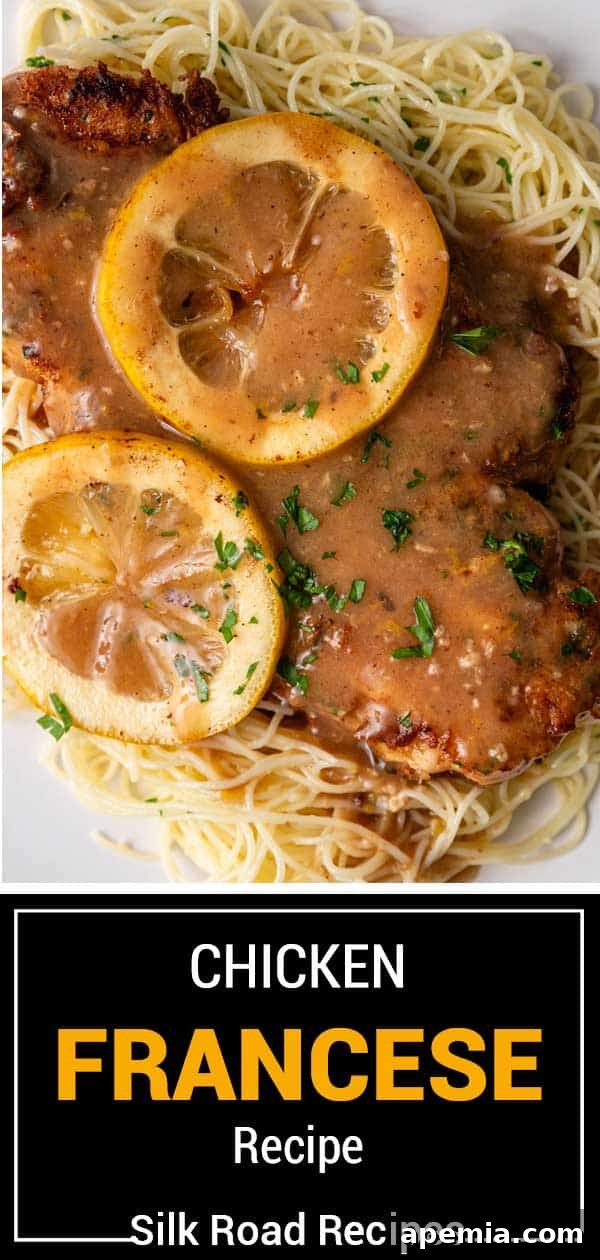
The Ultimate Guide to Classic Chicken Francese: A Lemony, Flavorful Delight
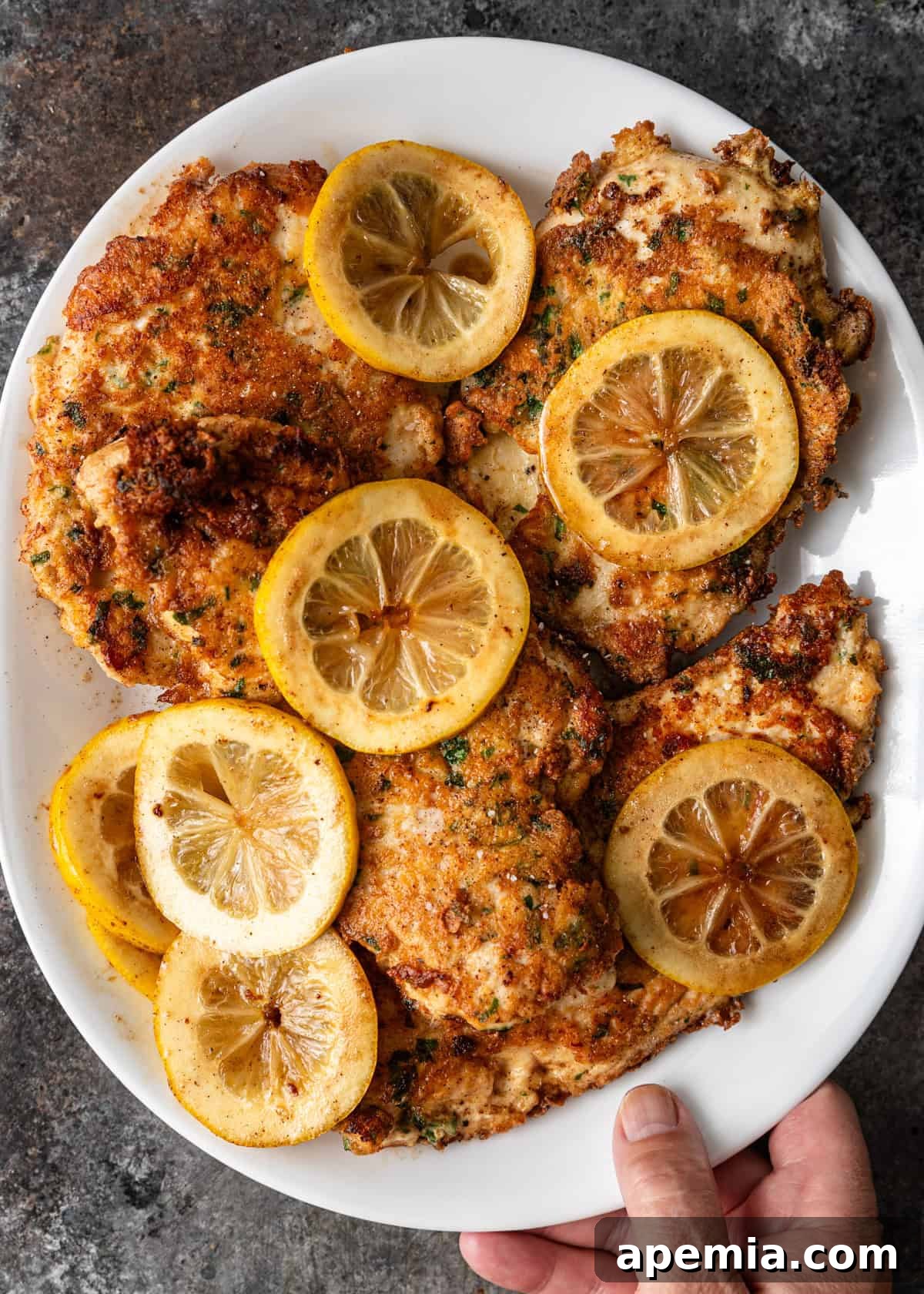
Prepare to be enchanted by the timeless allure of Chicken Francese, an exquisite Italian-American dish renowned for its aromatic charm and captivating flavors. Featuring tender chicken cutlets, lightly coated and pan-fried to a perfect golden crisp, it’s then enveloped in a silky, rich wine sauce. This vibrant sauce, simmered to perfection, boasts a harmonious blend of zesty lemon, fragrant garlic, and luxurious butter. Effortlessly achievable for a busy weeknight meal – often ready in under 30 minutes – yet sophisticated enough to grace your most special occasions, Chicken Francese promises a culinary experience that truly delights the senses.
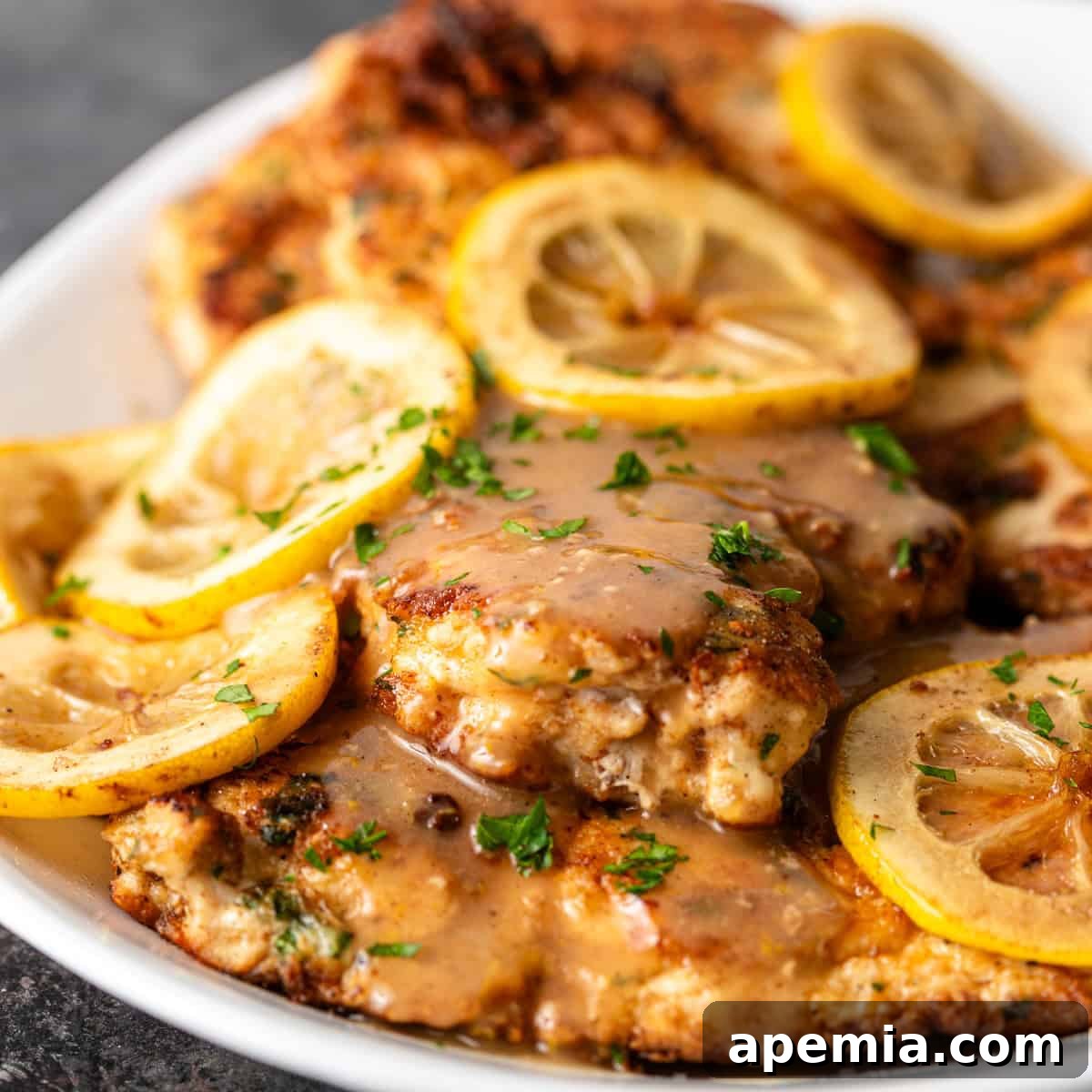
In the realm of chicken cutlet dishes, it’s widely agreed that the sauce is the true star. Whether it’s the earthy notes of a mushroomy wine sauce or the comforting familiarity of classic marinara, the depth and character of the sauce elevate the entire meal. This Chicken Francese recipe is no exception; its bright, irresistibly captivating pan sauce is a genuine show-stopper.
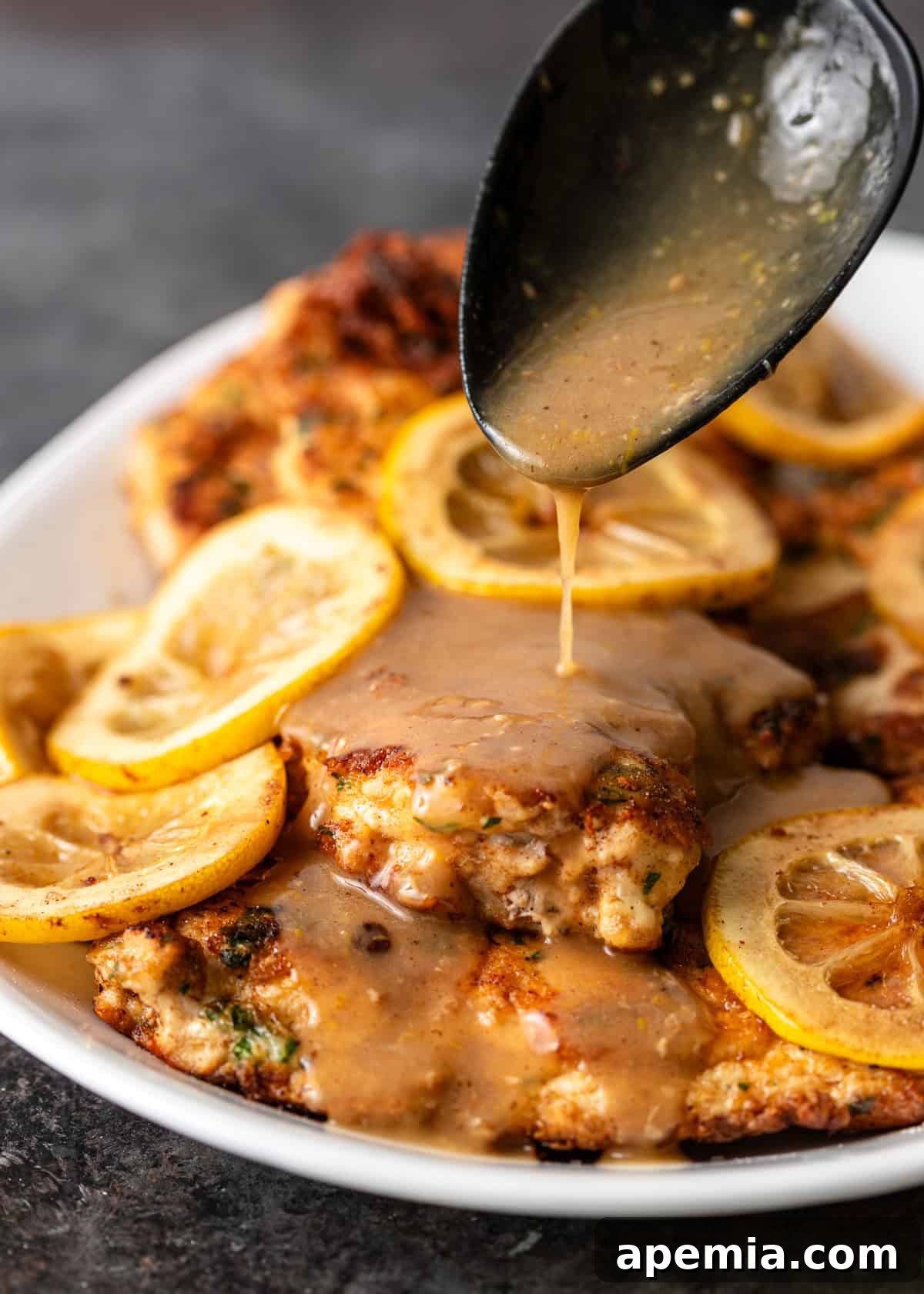
Crafted with a delightful combination of dry white wine, fresh lemons, minced garlic, and rich butter, this sauce forms the heart and soul of the dish. While it shares some similarities with the sauce found in chicken piccata, it possesses its own distinct nuances that set it apart. We’ll delve into those delicious differences in the Frequently Asked Questions section below, offering clarity and enhancing your appreciation for this magnificent creation.
The Signature Crispy Cutlets: Beyond the Ordinary Breading
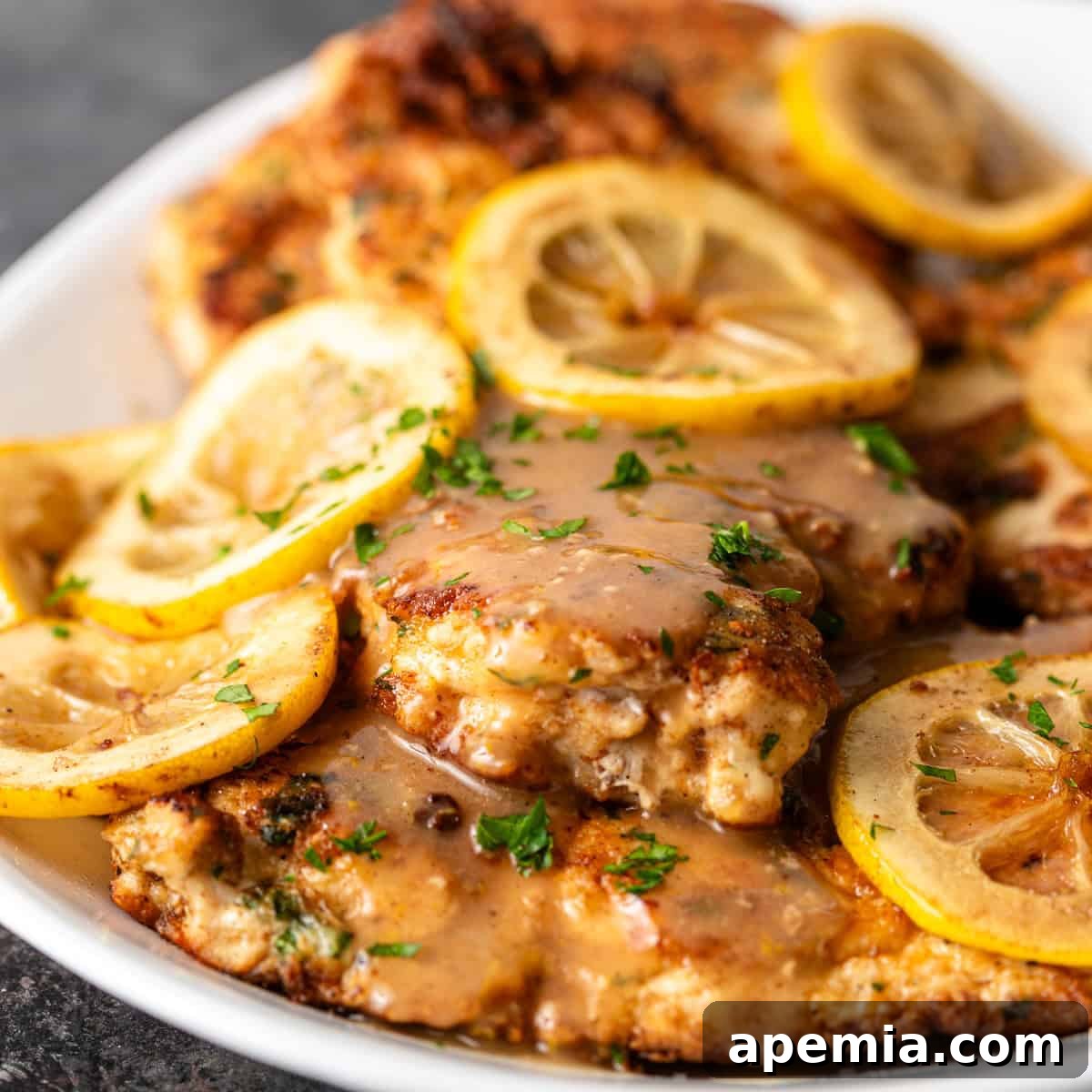
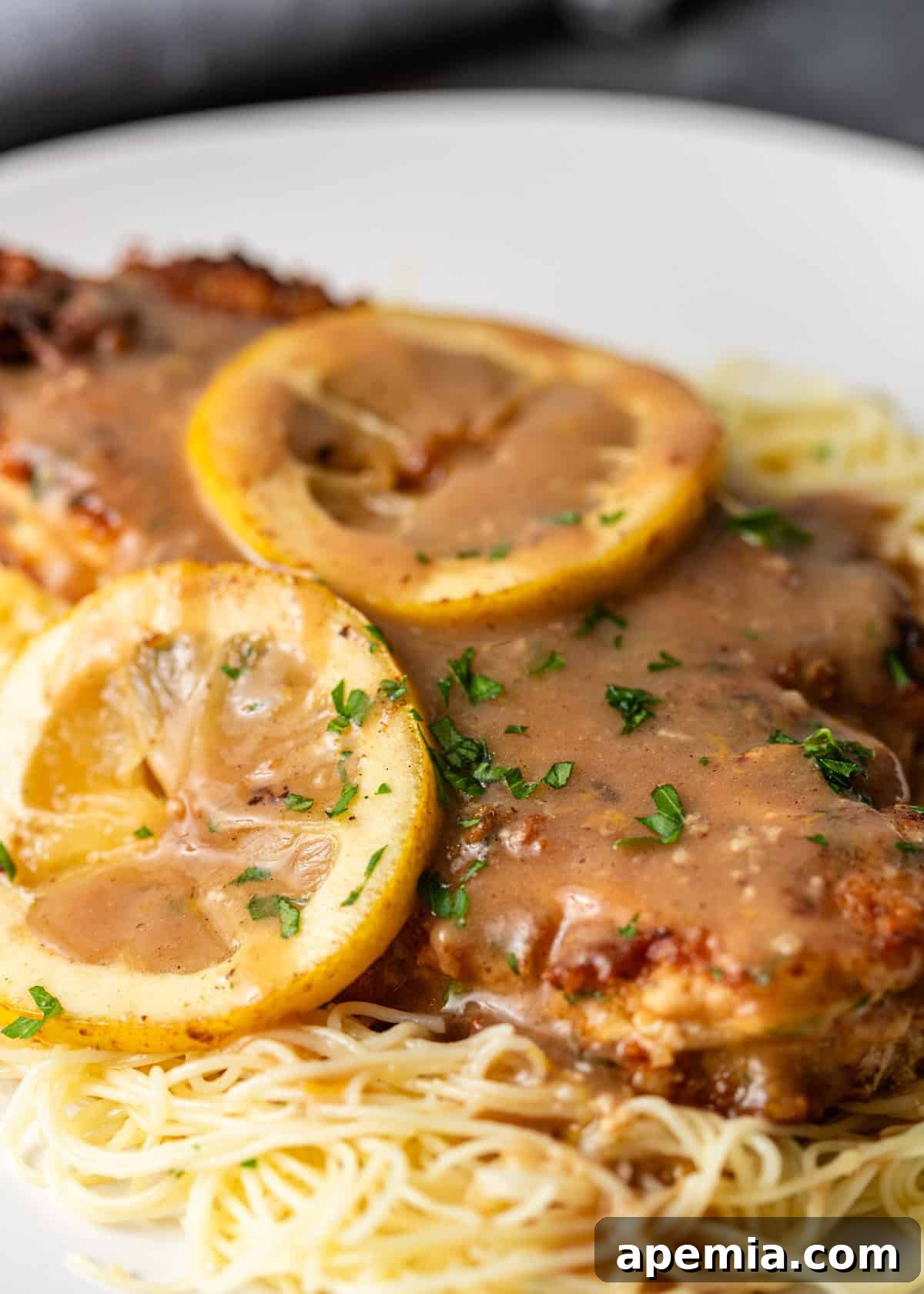
While the sauce undeniably steals the spotlight, let’s not overlook the exquisite chicken cutlets themselves. These aren’t your typical breaded chicken cutlets. The secret lies in a unique dredging technique: the chicken is first coated in flour, and then dipped into beaten eggs. This innovative method yields a distinctively delicious, lightly crusted, and incredibly eggy crunch. You won’t find any breadcrumbs or Panko here, ensuring a lighter, yet equally satisfying texture.
My personal touch takes these cutlets to another level. Instead of just eggs and flour, I enrich the egg mixture with fresh chopped parsley and finely grated Parmesan cheese. This addition creates an inviting golden-brown crust that’s wonderfully crisp without feeling heavy or oily. The delicate crunch and savory notes from the Parmesan perfectly complement the bright, tangy lemon sauce, making every bite an unforgettable experience. It’s this interplay between the unique eggy crust and the zesty sauce that makes Chicken Francese truly exceptional.
Table of Contents
- Traditional vs. Modern Chicken Francese
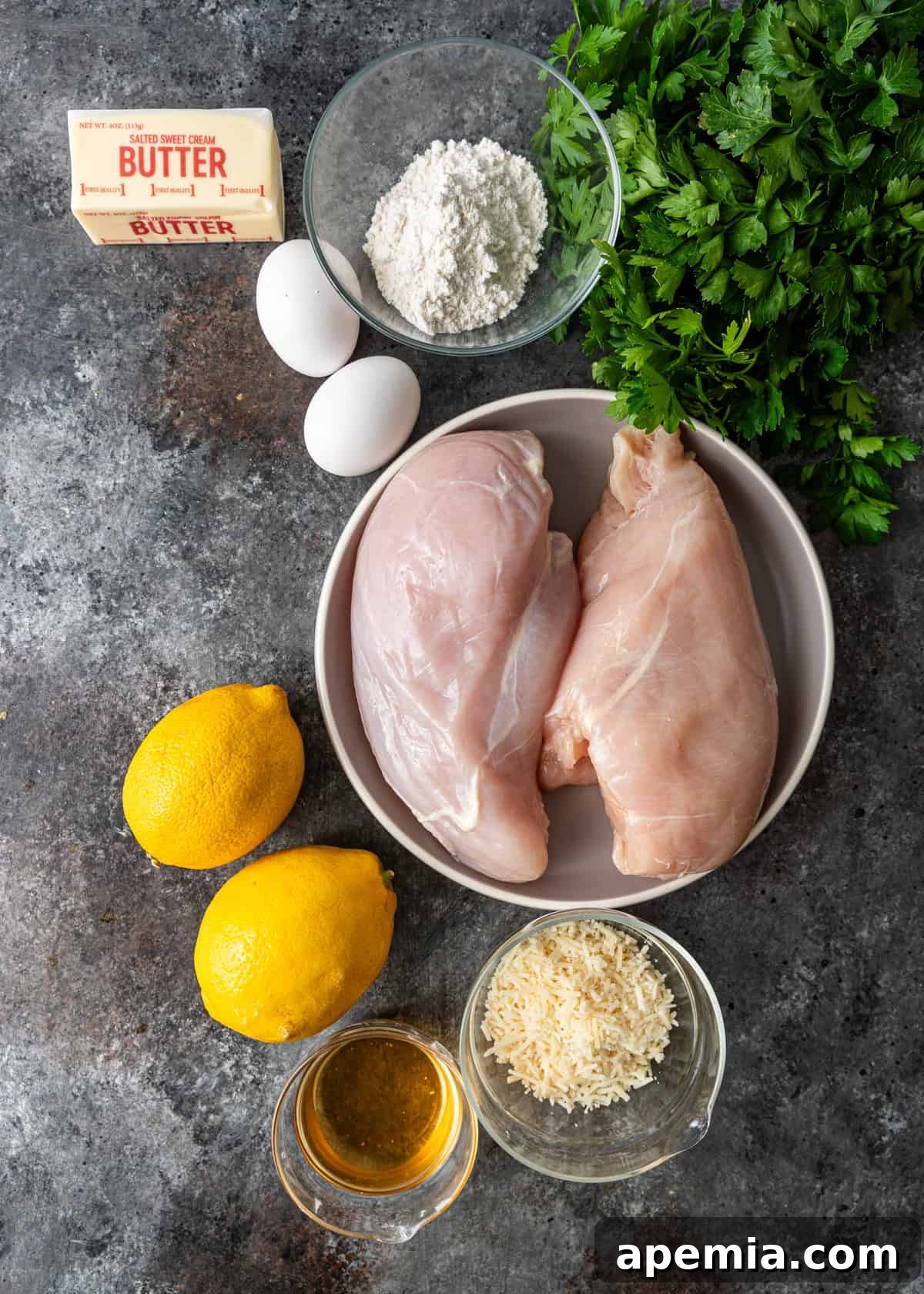
- Essential Ingredients and Clever Substitutions
- Mastering Chicken Francese: A Step-by-Step Guide
- Recommended Kitchen Tools for Success
- Storing and Reheating Leftovers
- Frequently Asked Questions
- Full Chicken Francese Recipe Card
Craving more beloved Italian classics like Chicken Francese? Continue your culinary journey by learning how to make perfect Italian meatballs, a comforting bowl of zuppa toscana, or an impressive, decadent rib roast. Each recipe offers a taste of Italy’s rich gastronomic heritage, simplified for your home kitchen.
Tip From Kevin
Traditional vs. Modern Chicken Francese: Kevin’s Twist
The most common and traditional approach to crafting Chicken Francese typically omits the addition of Parmesan cheese and chopped herbs in the egg dip. While this classic, purist method yields a undeniably delicious dish, I’ve discovered that incorporating these ingredients elevates the flavor and visual appeal significantly. The Parmesan not only adds a wonderful savory depth to the crust but also helps achieve that inviting golden-brown hue.
Furthermore, the fresh chopped parsley rounds out the flavor profile beautifully, adding a hint of herbaceous brightness that complements the richness of the egg and cheese. The true magic, however, lies in the interplay between this enhanced eggy crust and the vibrant, zesty lemon sauce. It creates an incredible textural and flavor contrast that makes every bite truly special. Don’t be afraid to try this delicious twist – I believe you’ll find it adds an unforgettable dimension to your Chicken Francese!
Essential Ingredients and Clever Substitutions
(For a complete list of precise ingredients and quantities, please refer to the recipe card below.)
- Chicken Breasts – Boneless, skinless chicken breasts are ideal for easily slicing into uniform cutlets. For best results, aim for cutlets about 1/4 to 1/2 inch thick, which ensures even cooking and tenderness. If your breasts are particularly thick, you can butterfly them or pound them gently between two sheets of plastic wrap using a meat mallet or rolling pin. This technique guarantees quick and consistent cooking. Season simply with kosher salt and freshly ground black pepper. Alternatively, you can use pre-sliced chicken cutlets for convenience, or even opt for thin-sliced veal for a classic piccata-style preparation.
- All-Purpose Flour – Essential for creating that signature light and crispy crust on the chicken Francese. It adheres to the chicken, providing a base for the egg and helping the cutlets brown beautifully. For a gluten-free version, you can substitute with a 1:1 gluten-free all-purpose flour blend.
- Eggs – The primary coating for the cutlets, ensuring the flour adheres perfectly and browns into that gorgeous, eggy crust. Whisk them well to create a smooth, consistent dip. For added richness and flavor, you can choose to enhance the eggs with:
- Parmesan Cheese – Always shred it fresh off the block for the best flavor and to ensure it melts smoothly into the crust. Freshly grated Parmesan offers a superior taste compared to pre-shredded varieties. Pecorino Romano, with its sharper, saltier profile, or milder Asiago, are both excellent alternatives if you want to experiment with different Italian cheese flavors.
- Parsley – Freshly chopped parsley is highly recommended for its vibrant color and clean, peppery notes, adding a refreshing contrast to the richness of the dish. While fresh is always best, dried parsley can be used in a pinch (use about one-third the amount of fresh). Other popular Italian herbs like thyme, rosemary, or oregano would also provide a delicious aromatic twist to the egg coating.
- Lemon Sauce – This bright and savory pan sauce is the soul of Chicken Francese, beginning with lightly sautéed lemon slices and fragrant garlic. Fresh lemons are crucial for the vibrant, tangy flavor; avoid bottled lemon juice for this recipe. Other key components include:
- Butter – Use good quality salted butter for richness and flavor in the sauce. Unsalted butter can also be used, allowing you more control over the final seasoning.
- Chicken Stock – Provides a savory base and echoes the flavors of the chicken. Feel free to use low-sodium chicken broth, or substitute with a good quality vegetable stock for a vegetarian-friendly sauce (though the chicken remains).
- Dry White Wine – You don’t need an expensive bottle for this Chicken Francese recipe, but choose one you’d enjoy drinking. Pinot Grigio, Sauvignon Blanc, or a dry (brut) sparkling wine all work wonderfully, adding essential acidity and complexity to the sauce. If you prefer to avoid alcohol, simply replace the wine with an equal amount of additional chicken stock or white grape juice (reduce sugar elsewhere if using juice).
- Flour – A small amount of all-purpose flour is used to thicken the pan sauce, creating a light roux that gives the sauce its desirable smooth, rich consistency.
Mastering Chicken Francese: A Step-by-Step Guide
- Prepare the Chicken Cutlets: Begin by carefully slicing each boneless, skinless chicken breast horizontally to create 2-3 thinner cutlets (aim for about 1/4 to 1/2 inch thick). If they’re uneven, place them between plastic wrap and gently pound with a meat mallet to an even thickness. Season both sides generously with kosher salt and freshly ground black pepper. This ensures flavor penetrates the meat.
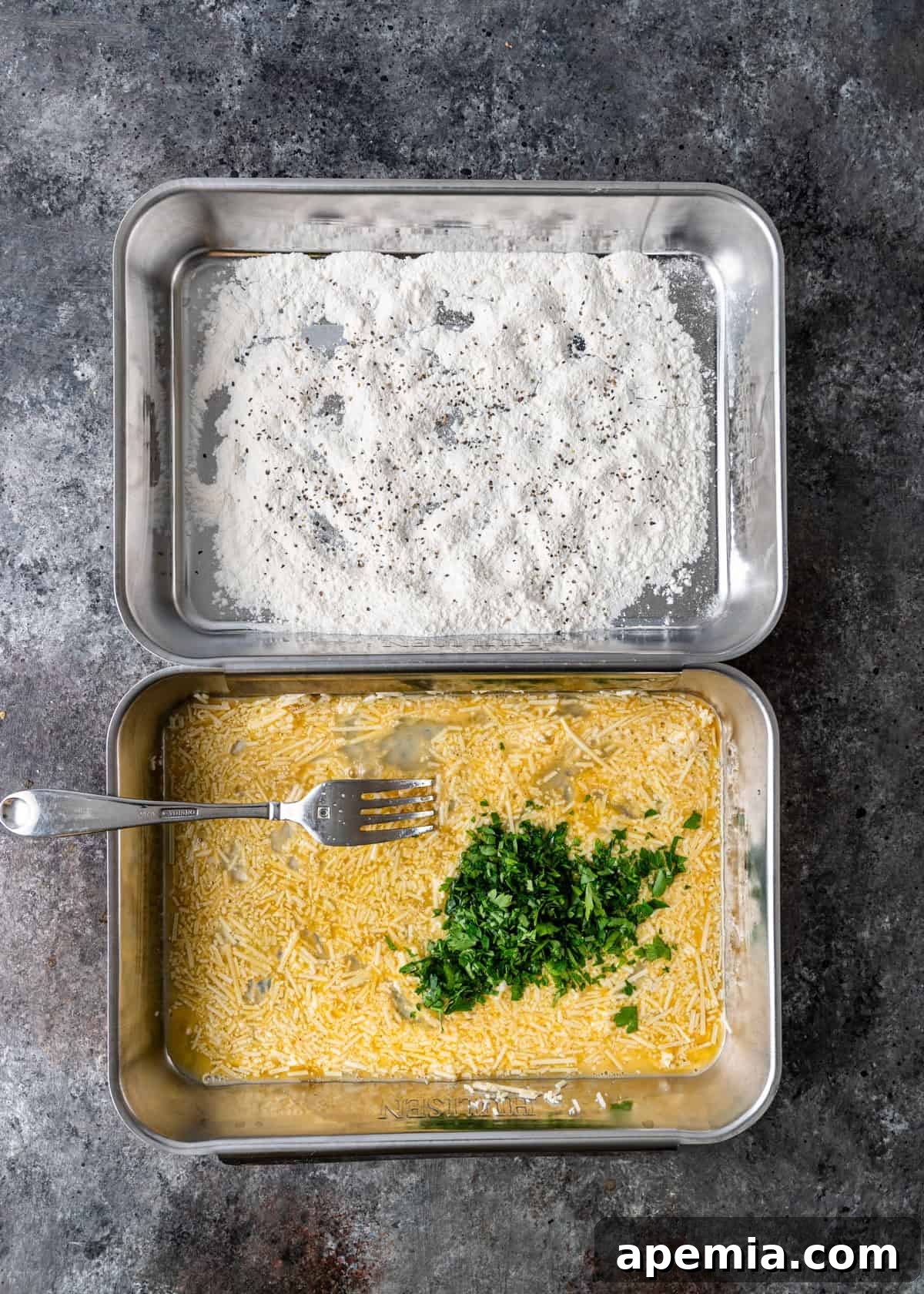
- Set Up Dredging Stations: In a shallow bowl, whisk together the large eggs until well combined. This is where you’ll incorporate the optional finely chopped fresh parsley and shredded Parmesan cheese for extra flavor and crust appeal. In a separate shallow bowl or plate, add the all-purpose flour for dredging. Having these stations ready streamlines the process.
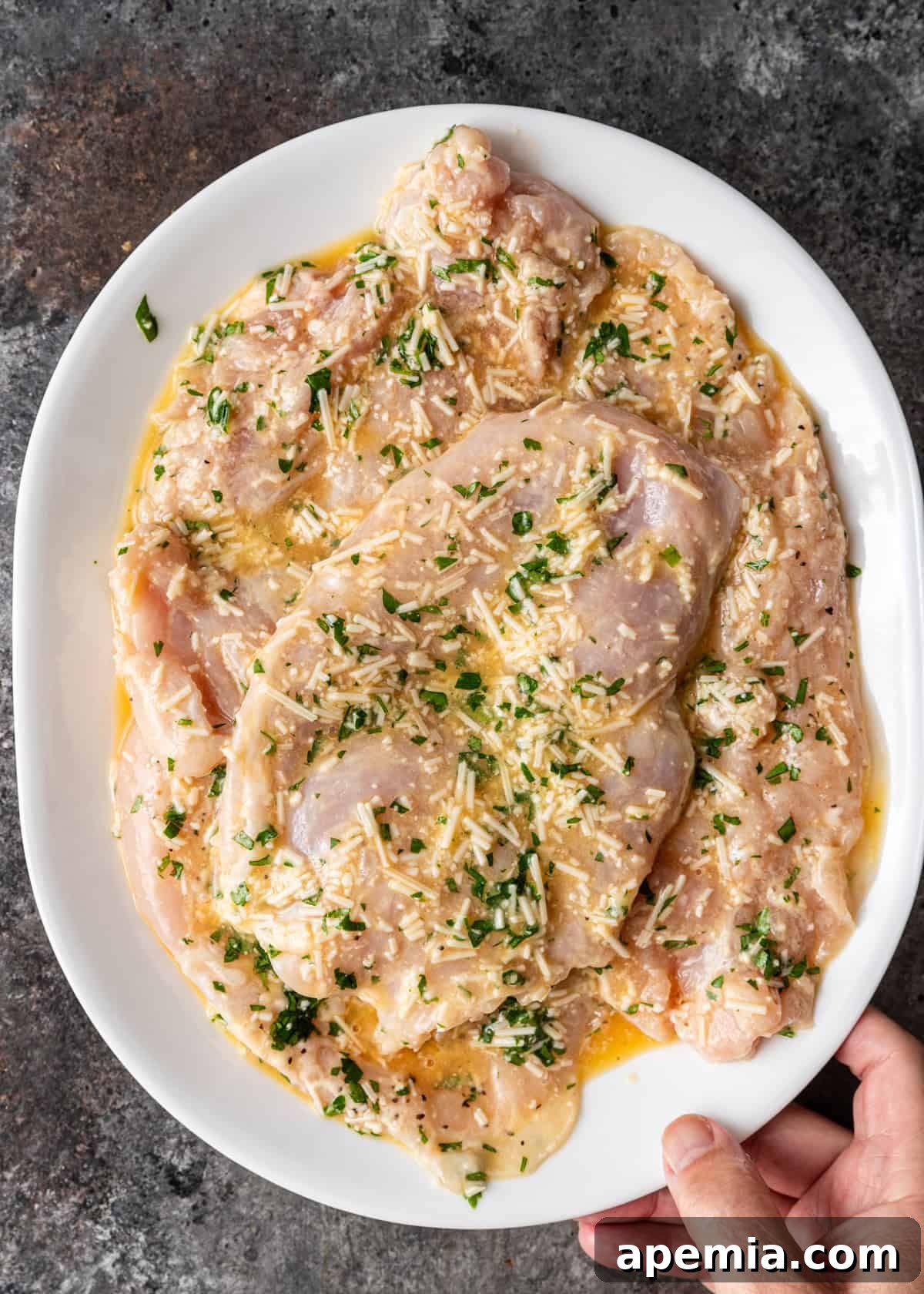
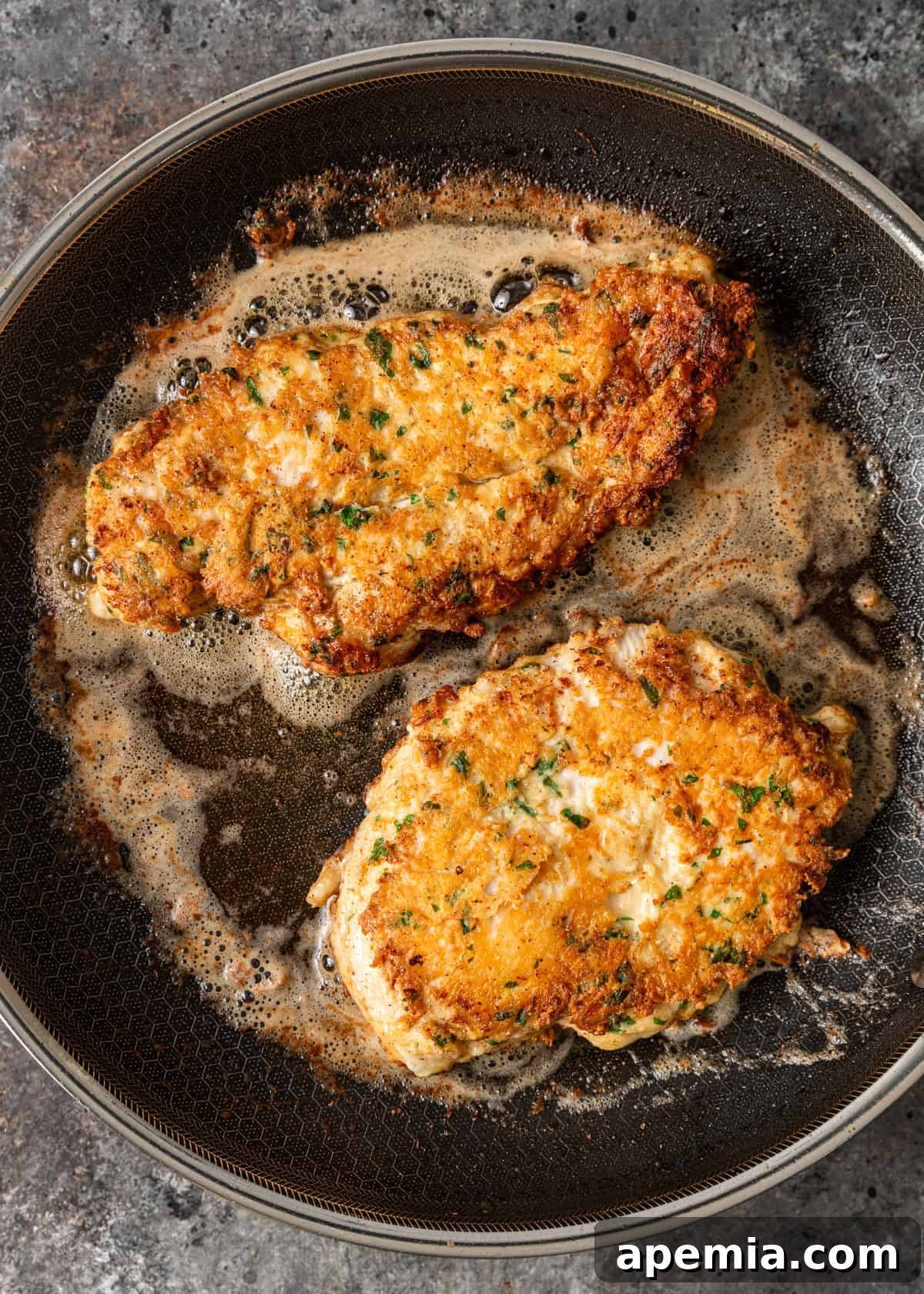
- Dredge and Pan-Fry the Cutlets: Heat the olive oil in a large, heavy-bottomed skillet (preferably stainless steel or enameled cast iron) over medium-high heat. The oil should be shimmering but not smoking. First, dredge each chicken cutlet in the flour, shaking off any excess. Then, dip it into the beaten egg mixture, ensuring it’s fully coated. Carefully place the dredged cutlets into the hot skillet, being mindful not to overcrowd the pan. Cook for approximately 3 minutes per side, or until they achieve a beautiful golden-brown color and are cooked through. Work in batches if necessary, transferring cooked cutlets to a clean plate. This ensures a consistent crispness.
- Lightly Cook the Lemon Slices: Once all chicken is cooked, briefly add the thinly sliced lemons to the same skillet (add a touch more olive oil if needed). Cook for just 30 seconds to 1 minute per side, or until they soften slightly and become fragrant, releasing their essential oils. This step mellows their tartness and infuses the pan with even more lemony goodness. Arrange these tender lemon slices on top of the cooked chicken cutlets.
- Craft the Luxurious Pan Sauce: Reduce the heat to medium. Melt the butter in the now-empty skillet, scraping up any browned bits from the bottom of the pan (this is called deglazing and adds immense flavor). Add the minced garlic and sauté for one minute until fragrant, being careful not to burn it. Sprinkle in the 3 tablespoons of flour, stirring constantly to create a roux. Cook this flour-butter mixture for another minute to eliminate any raw flour taste. Slowly begin pouring in the chicken stock, whisking continuously to prevent lumps and ensure a smooth, silky sauce. Follow with the dry white wine, whisking it into the pan sauce as it gently thickens. Season the sauce to taste with kosher salt and any additional black pepper. Allow the sauce to simmer for a few minutes, whisking occasionally, until it thickens enough to coat the back of a spoon.
- Bring It All Together: Carefully return the cooked chicken cutlets and the sautéed lemon slices to the skillet, nestling them into the rich, aromatic sauce. Spoon the luscious sauce generously over each piece of chicken, allowing them to warm through and absorb the incredible flavors.
- Serve Immediately: The battered cutlets will have rested slightly while you prepared the pan sauce, allowing them to remain tender. Serve your magnificent Chicken Francese right away, with an extra spoonful of that dazzling lemon-butter wine sauce and a final sprinkle of fresh chopped parsley for a burst of color and herbaceous freshness.
Recommended Kitchen Tools for Success
- Large, Heavy-Bottomed Skillet – Since you’ll use the same pan for both frying the chicken cutlets and preparing the exquisite sauce, choosing a high-quality skillet is paramount. Look for one with good heat distribution and retention. Avoid traditional nonstick options if possible, as they don’t develop the flavorful fond (browned bits) at the bottom of the pan that is crucial for building a rich sauce. Instead, opt for a stainless steel, ceramic, or enameled cast iron skillet. A 10-12 inch pan is usually sufficient for cooking in batches.
- Meat Mallet or Rolling Pin – Essential for pounding chicken breasts to an even thickness, ensuring they cook quickly and uniformly. If you don’t have a mallet, a heavy-bottomed pan or rolling pin works just as well.
- Shallow Bowls or Plates – Necessary for setting up your dredging stations (one for flour, one for the egg mixture).
- Whisk – A good whisk is indispensable for smoothly combining the egg mixture and, most importantly, for preventing lumps when adding liquids to your roux for the sauce.
- Tongs – Perfect for flipping chicken cutlets, transferring them, and handling lemon slices with ease.
- Sharp Knife and Cutting Board – For preparing chicken breasts, mincing garlic, and slicing lemons.
Storing and Reheating Leftovers
Should you find yourself with any delightful leftovers, transfer the Chicken Francese (chicken and sauce together) into an airtight container and refrigerate promptly. It will maintain its quality and deliciousness for up to 4 days. It’s worth noting that, as the dish rests, the crispy crust on the chicken will naturally soak up more of the flavorful sauce and become softer over time. While it won’t be as crisp as fresh, the flavors will still be wonderfully rich and melded.
To reheat, the best method is gently on the stovetop. Place the chicken and any remaining sauce in a skillet over medium-low heat. Add a splash of chicken stock or water if the sauce appears too thick. Cook, stirring the sauce occasionally, until the chicken is warmed through. If you wish to revive some crispness in the crust, after heating on the stovetop, you can briefly transfer the cutlets to a baking sheet and broil them in the oven for about 5 minutes, keeping a close eye on them to prevent burning. This quick broil can bring back some delightful texture.
Share this recipe on Pinterest!
Love this recipe? Share it with the world on Pinterest.
Frequently Asked Questions About Chicken Francese
Like many beloved “Italian” dishes enjoyed in the United States, Chicken Francese is actually an Italian-American creation. It was developed by Italian immigrants who adapted traditional recipes, primarily veal piccata, using more readily available and affordable ingredients like chicken in their new home. It’s widely believed to have emerged in the vibrant Italian-American communities of New York in the early to mid-20th century. While not from Italy itself, it’s a cherished part of Italian-American culinary heritage.
Yes, absolutely! “Francese” and “Francaise” are simply two common spellings for the exact same delicious dish. Both terms refer to this classic preparation of egg-battered chicken cutlets in a lemon-butter-wine sauce. So, whether you see it spelled with an ‘s’ or a ‘c’, you’re getting the same wonderful meal.
There are two primary distinctions that set these similar, yet distinct, dishes apart. The first is in the dredging process: Chicken Francese involves coating the chicken cutlets first in flour and then in beaten eggs, giving it a thicker, crispier, and more pronounced egg-battered crust. In contrast, Chicken Piccata is typically dredged only in flour, resulting in a lighter coating. The second major difference lies in the sauce. Piccata sauce famously includes briny capers, which lend a distinct salty and tangy punch. Francese sauce, on the other hand, focuses purely on the bright, clean flavors of lemon, butter, and white wine, often resulting in a thicker, more abundant, and lusciously smooth sauce without the capers.
For the best results, opt for a dry white wine. Varietals like Pinot Grigio, Sauvignon Blanc, or a dry Chardonnay (unoaked is preferred) work beautifully. These wines offer the necessary acidity and subtle fruit notes that complement the lemon and butter in the sauce without overpowering it. Avoid sweet wines, as they will alter the intended flavor profile of the sauce.
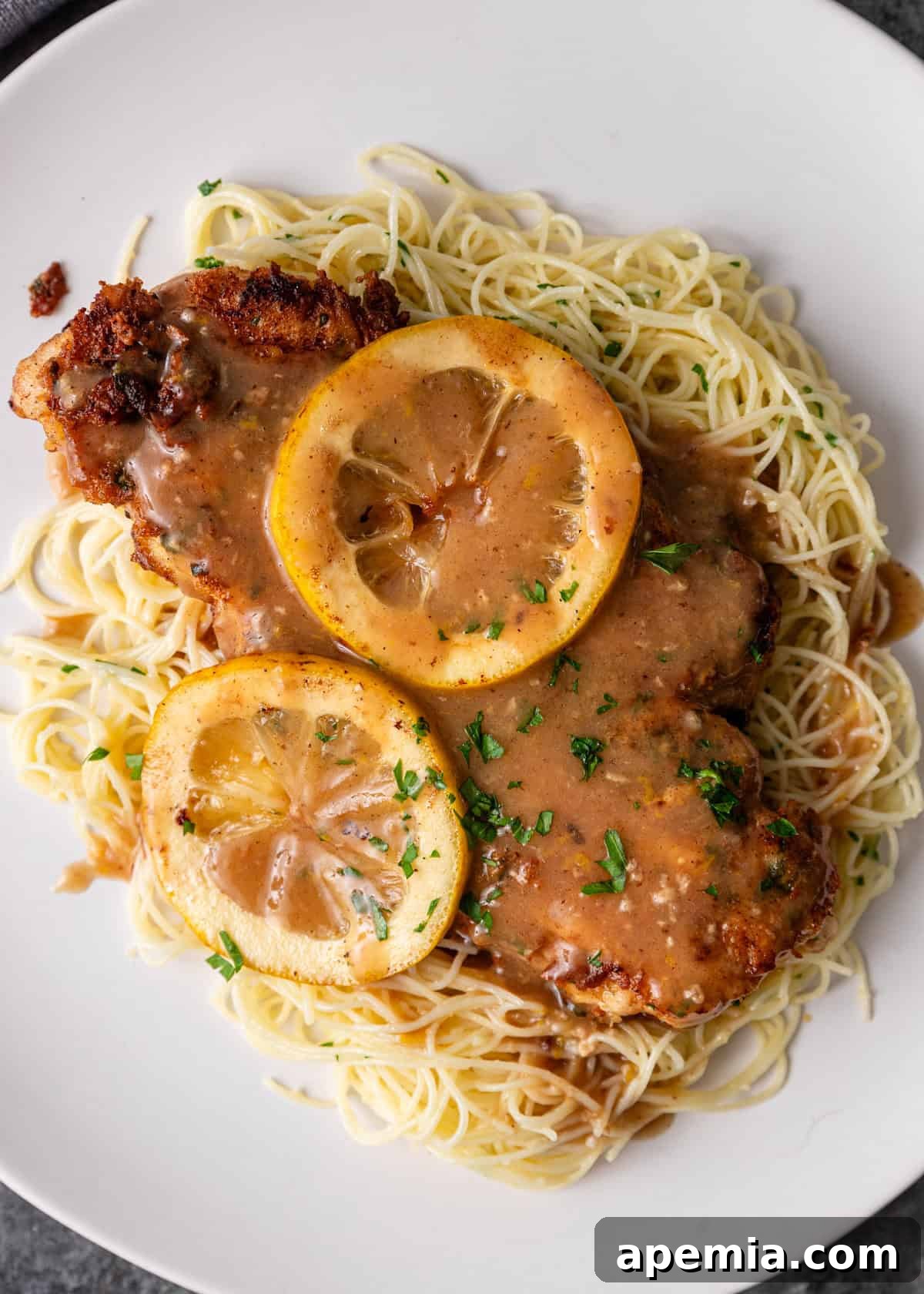
Chicken Francese pairs wonderfully with a variety of side dishes that can soak up its magnificent sauce. Classic accompaniments include delicate pasta such as angel hair or spaghetti, or lighter grains like orzo, couscous, or plain jasmine rice. For something heartier, consider creamy mashed potatoes or crispy roasted potatoes. Complement the rich flavors with a fresh green salad dressed with a light vinaigrette, or a side of steamed or roasted vegetables like asparagus, green beans, or broccoli. Don’t forget some crusty bread to sop up every last drop of that incredible lemon-butter wine sauce!
Chicken Francese Recipe
4
12 minutes
15 minutes
27 minutes
PrintRecipe
Video (Not interactive, metadata only)
Ingredients
Chicken
- 2 lbs boneless chicken breasts
- 1 1/2 tsp kosher salt
- 1/2 tsp ground black pepper
- 1/3 cup all-purpose flour
- 2 large eggs
- 2 tbsp fresh parsley finely chopped (optional)
- 1/4 cup parmesan cheese shredded (optional)
- 2 tbsp olive oil
Lemon Sauce
- 1 lemon thinly sliced
- 3 tbsp butter
- 1 clove garlic minced
- 3 tbsp all-purpose flour
- 1 1/2 cups chicken stock
- 1/3 cup dry white wine
- 1/2 tsp kosher salt
- 1 tbsp fresh parsley finely chopped for garnish
Instructions
-
Slice each chicken breast horizontally to make 4 cutlets (about 1/4-inch thick). Season both sides with salt and pepper.
-
In a bowl, whisk the eggs, optional parsley, and optional Parmesan cheese. In a separate bowl or plate, add the 1/3 cup of flour.
-
In a large skillet, heat the olive oil over medium-high heat until shimmering.
-
Dredge the cutlets in the flour, shaking off excess, then dip into the beaten egg mixture. Sauté the chicken in batches, 3 minutes per side, until golden brown and cooked through. Remove from pan and set aside.
-
Add the lemon slices to the skillet and cook until soft, about 30 seconds per side. Remove from skillet and arrange on top of the cooked chicken.
-
Over medium heat, melt the butter in the skillet. Add the minced garlic and cook for another minute until fragrant.
-
Add the 3 tablespoons of flour and stir, cooking for 1 minute to create a roux. Using a whisk, slowly add the chicken stock, whisking constantly to prevent clumps. As the sauce thickens, add the white wine and season with salt. Let cook another 2-3 minutes until the sauce coats the back of a spoon.
-
Transfer the chicken back to the pan and spoon sauce over, topping with the cooked lemon slices. Alternatively, arrange chicken on a serving platter, top with sauce and lemon, and serve with a sprinkle of fresh chopped parsley. Enjoy!
Nutrition (Estimated)
Calories: 701kcal
|
Carbohydrates: 19g
|
Protein: 57g
|
Fat: 42g
|
Saturated Fat: 14g
|
Polyunsaturated Fat: 6g
|
Monounsaturated Fat: 18g
|
Trans Fat: 1g
|
Cholesterol: 257mg
|
Sodium: 1637mg
|
Potassium: 724mg
|
Fiber: 1g
|
Sugar: 3g
|
Vitamin A: 881IU
|
Vitamin C: 19mg
|
Calcium: 135mg
|
Iron: 4mg
The information shown is an estimate provided by an online nutrition calculator. It should not be considered a substitute for a professional nutritionist’s advice.
main dishes
Italian-American
Kevin
Have You Made This Recipe? Let Me Know on Instagram!
Tag @keviniscooking or use hashtag #keviniscooking!