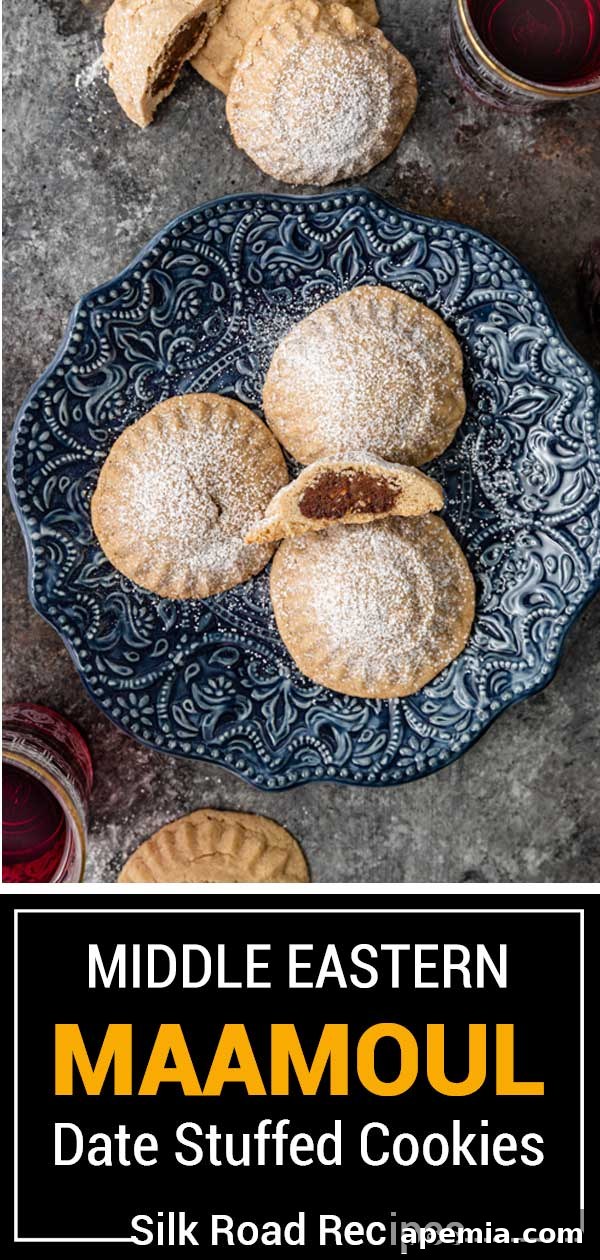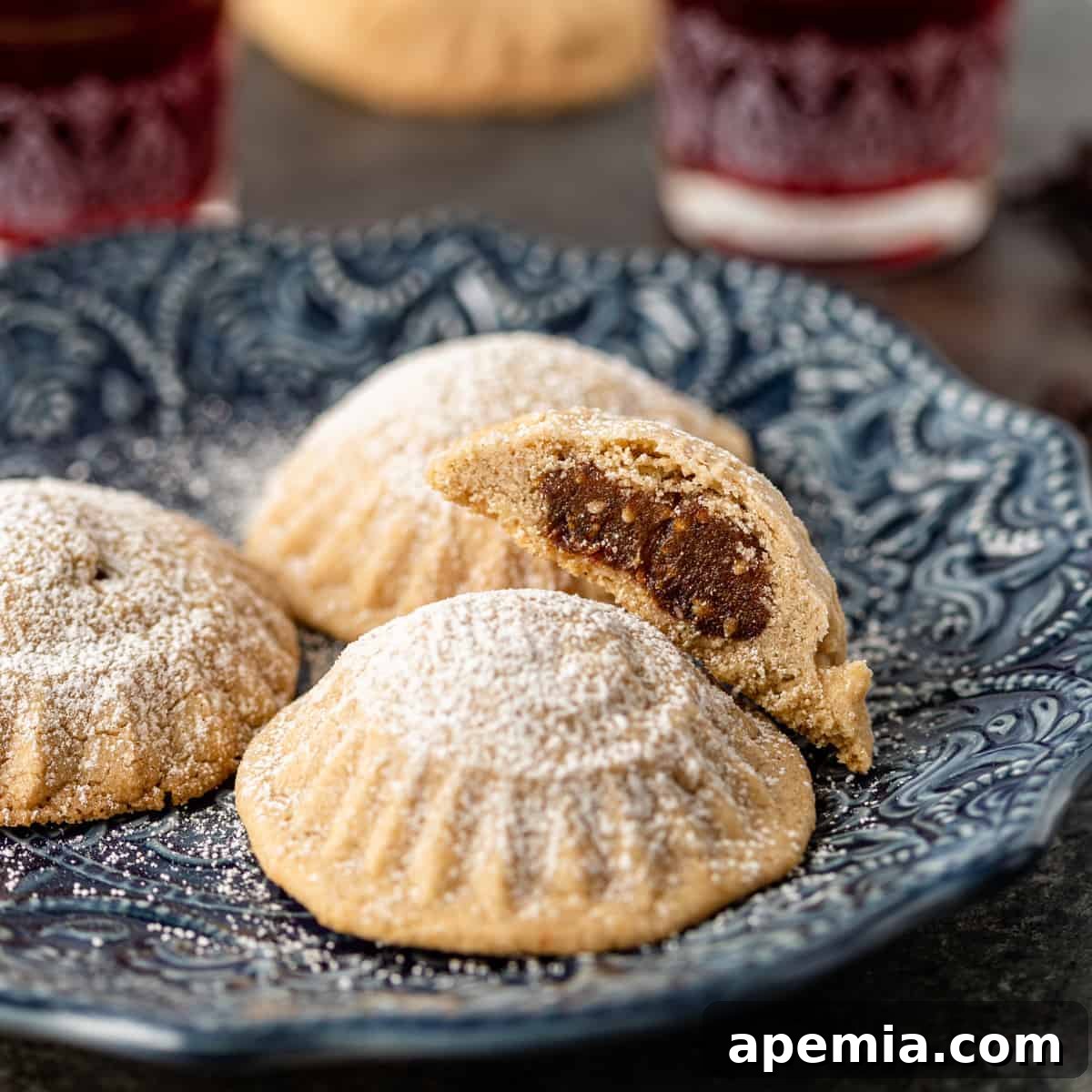
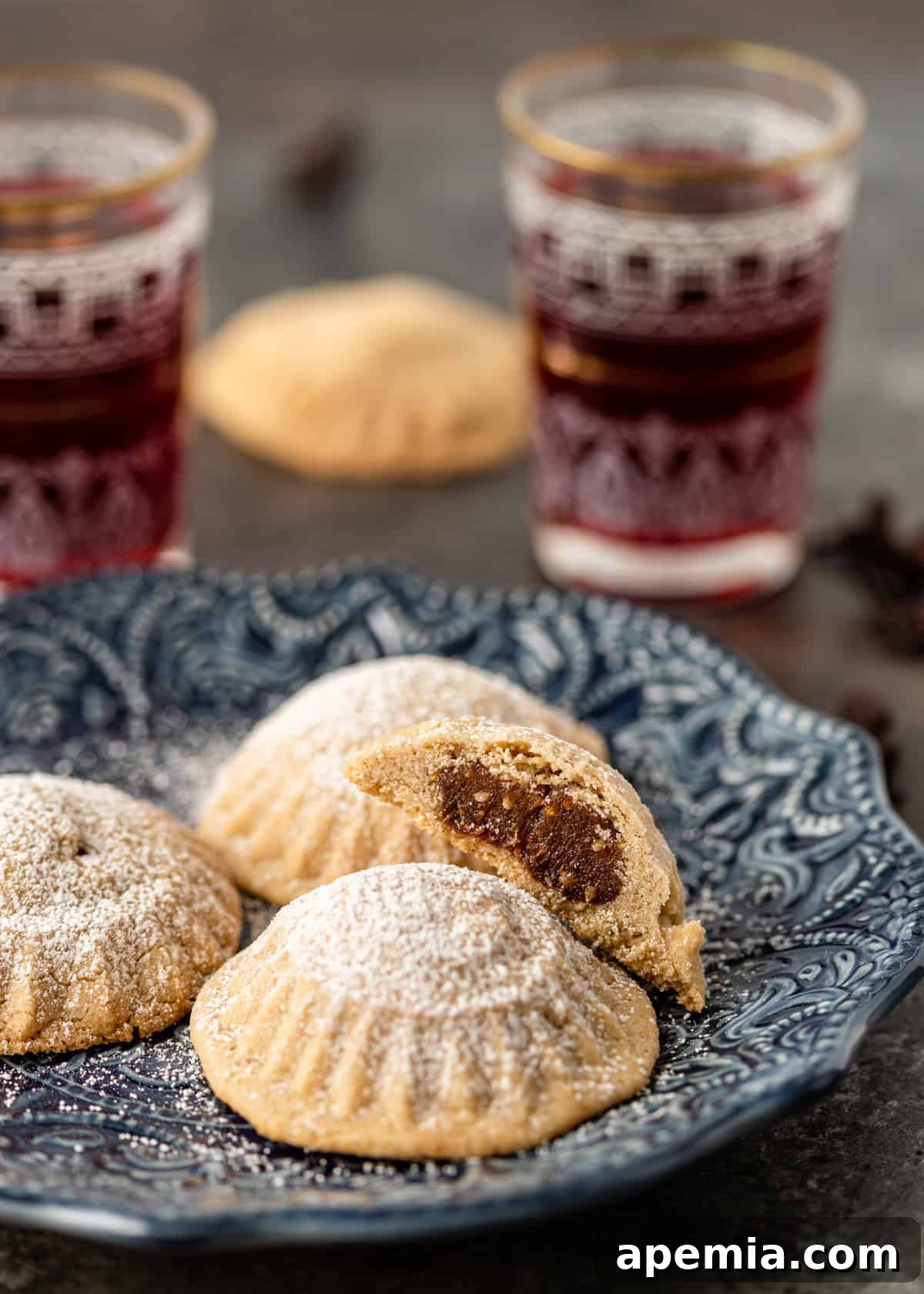
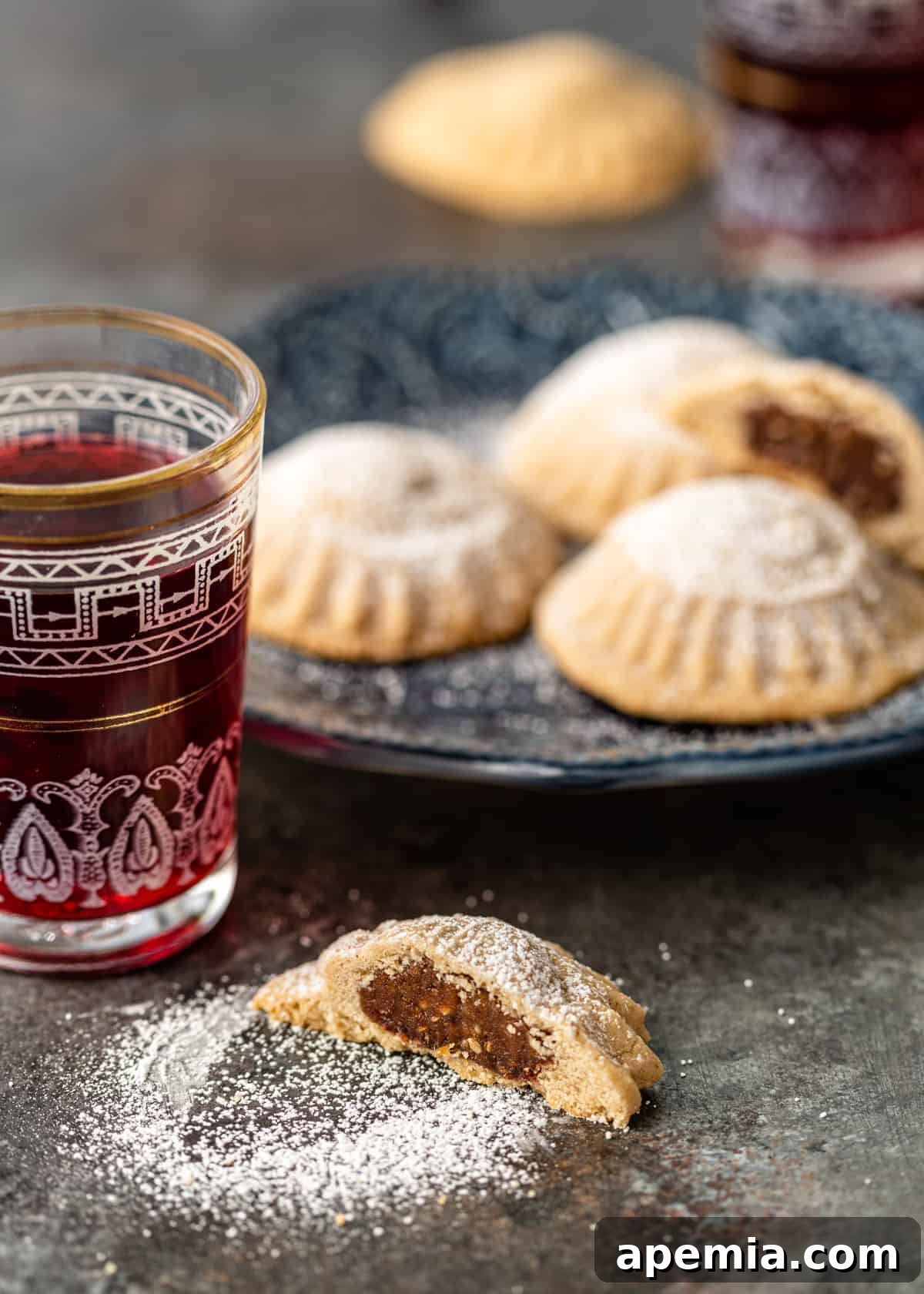
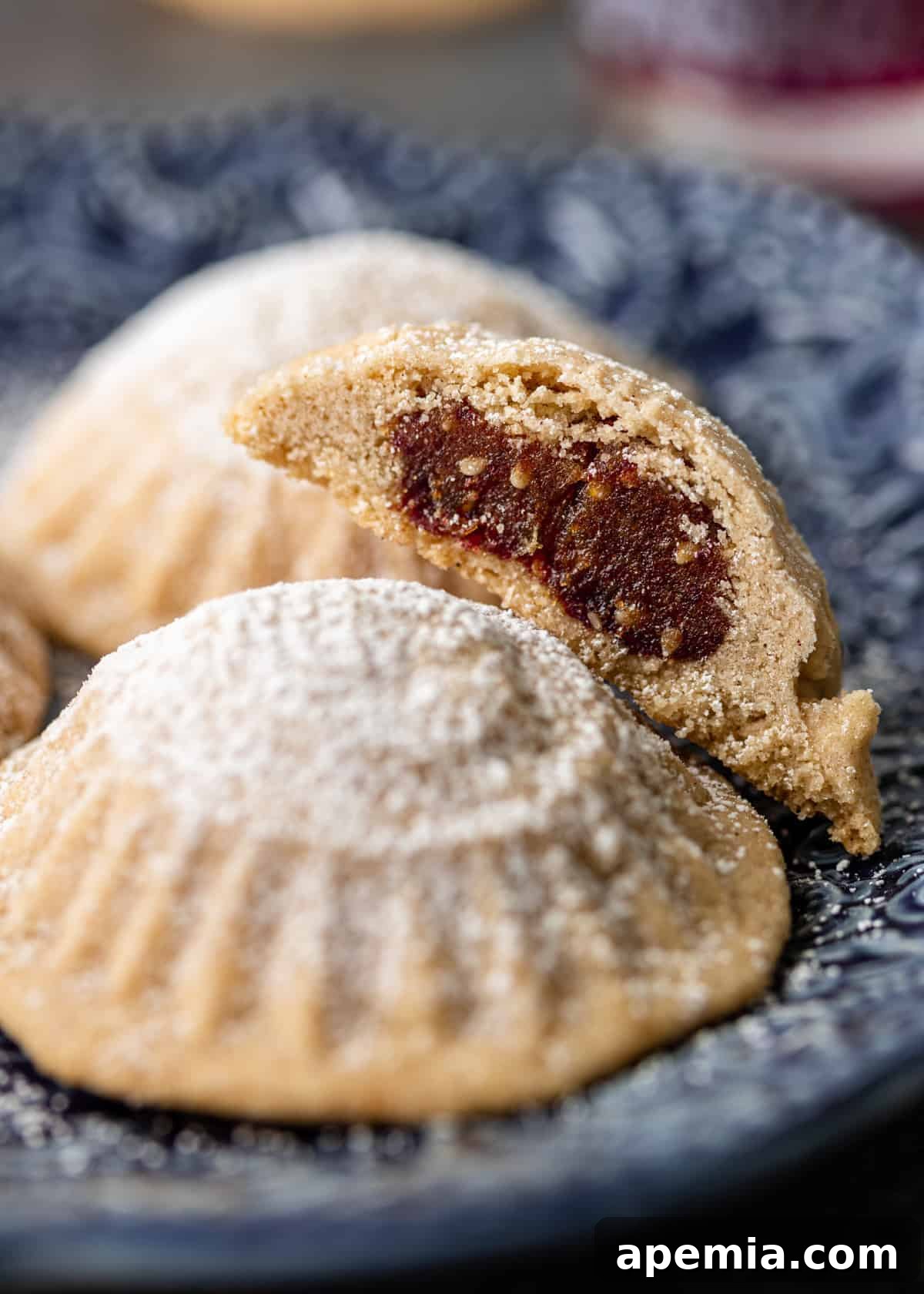
Maamoul are exquisite, tender, date-stuffed cookies, celebrated jewels from the rich tapestry of Middle Eastern cuisine. Crafted from a delicate blend of semolina and all-purpose flour, these cherished pastries are renowned for their rich, buttery texture and a vibrant, spicy-sweet, fruity core that delights the senses.
Maamoul holds a special, almost sacred place in the hearts of many across the Middle East, serving as a beloved confection for countless celebrations and family gatherings. It’s no wonder these cookies are so universally adored. Each bite offers a harmonious balance: a subtly sweet and crumbly semolina exterior that yields to a bright, intensely fruity surprise within. The charm of Maamoul lies not just in its exquisite taste, but also in the delightful “hidden treasure” aspect of its filling, making every cookie an exciting discovery.
These traditional semolina cookies transcend cultural and religious boundaries. During the holy month of Ramadan, Muslim families often enjoy them after sunset as a sweet break to their fast, and they are a staple during Eid al-Fitr and Eid al-Adha. Christian communities cherish Maamoul in the days leading up to Lent and during Easter, while Jewish communities celebrate with these delightful treats for holidays such as Hanukkah, Rosh Hashanah, and Purim. Indeed, dessert is a universal language, connecting people through shared moments of joy and tradition. No matter what special occasion you’re celebrating next, or even if you’re simply looking for a delightful treat, this Maamoul recipe promises to add a touch of authentic Middle Eastern charm to your table.
Delving deeper into their history, Maamoul cookies have been a part of Middle Eastern culinary traditions for centuries. Originating from ancient recipes, these cookies symbolize hospitality and celebration. The intricate patterns often pressed into the dough with special wooden molds are not just for aesthetics; they are a hallmark of artisanal craftsmanship passed down through generations. These patterns typically signify the type of filling – for instance, patterns might differentiate between date, pistachio, or walnut fillings, though dates remain the most iconic. The preparation of Maamoul is often a communal affair, especially before major holidays, bringing families together in a cherished tradition of baking and sharing. This communal aspect further cements their role as a symbol of unity and festivity within Middle Eastern cultures.
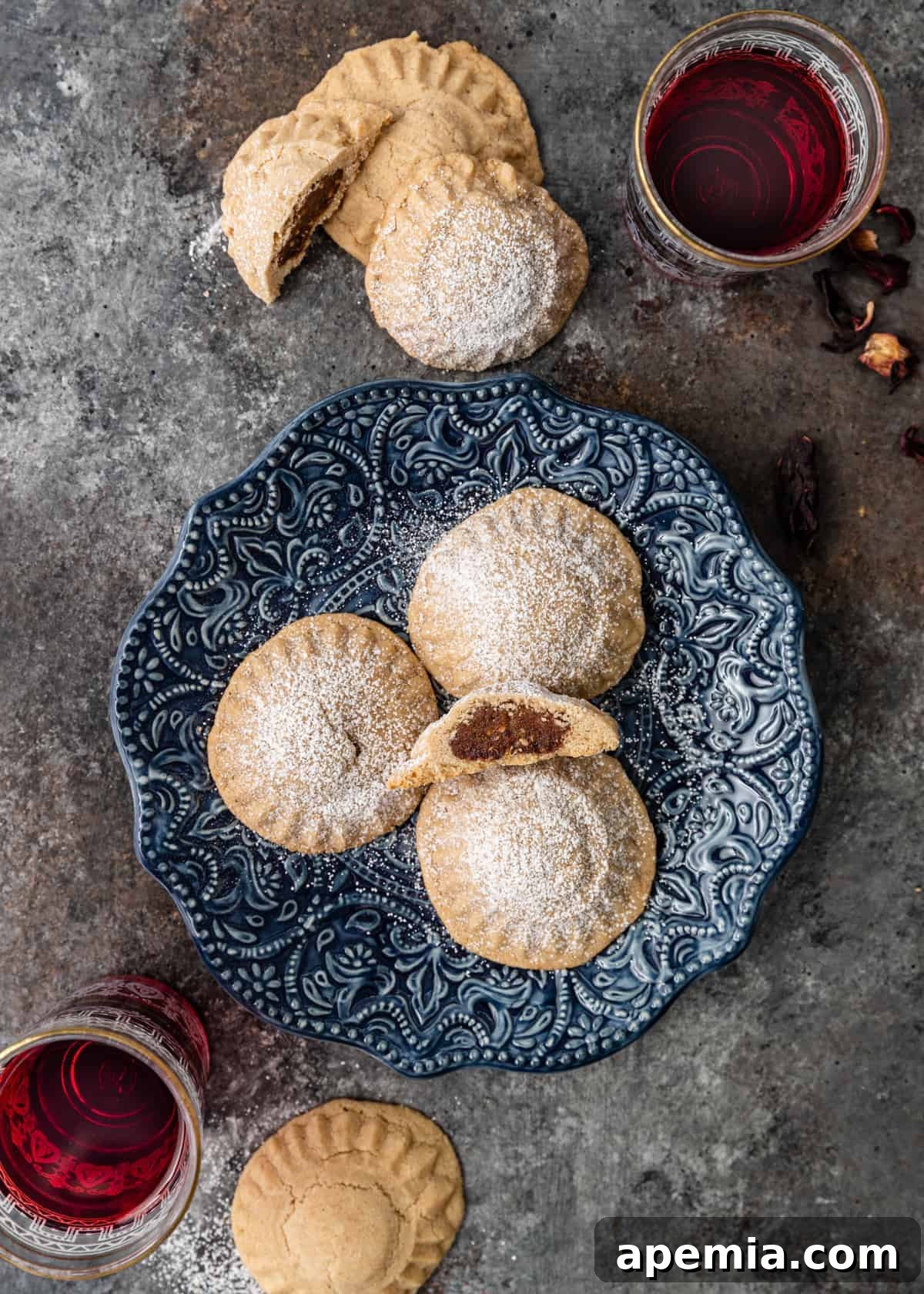
Table of Contents
- Ingredient Notes and Substitutions
- Crafting Your Maamoul: A Step-by-Step Guide
- Expert Tips for Perfect Maamoul Dough
- Frequently Asked Questions About Maamoul
- Maamoul (Date Stuffed Semolina Cookies) Recipe
For more holiday-worthy dessert recipes that span across culinary traditions, be sure to explore my delightful Persian Pistachio Brittle, the classic layers of Easy Greek Baklava, or these unique Chinese Mung Bean Cakes.

Ingredient Notes and Substitutions
Creating truly authentic Maamoul begins with understanding the core ingredients. Each component plays a vital role in achieving the desired texture, aroma, and flavor. Here’s a detailed look at the key ingredients and potential substitutions:
- Semolina Flour: This is the star ingredient of Maamoul dough, distinguishing it from many other shortbread cookies. Semolina is a coarse, golden-yellow flour milled from durum wheat, the same high-protein grain used to make couscous and various types of pasta. Its granular texture is what gives Maamoul its signature tender, slightly crumbly, yet sturdy consistency. When mixed with butter, semolina absorbs the fat beautifully, creating a rich, melt-in-your-mouth dough. You can typically find fine semolina flour in the baking aisle of most well-stocked supermarkets, often near other specialty flours, or at Middle Eastern grocery stores.
- All-Purpose Flour: While semolina provides the unique texture, a proportion of all-purpose flour is often included to give the dough more structure and pliability, making it easier to handle and mold. The balance between semolina and all-purpose flour is key to achieving the perfect Maamoul texture – not too dense, not too fragile.
- Mahleb (Optional but Recommended): For an authentic flavor profile, Mahleb is indispensable. This elegant spice is derived from the ground seeds of the St. Lucie cherry (Prunus mahaleb). It boasts a complex and deeply aromatic profile, often described as a delicate blend of cherry, vanilla, almond, and subtle rose notes. Mahleb adds a unique warmth and depth to the dough that is characteristic of traditional Maamoul. While optional, its inclusion truly elevates the cookie. You can source ground mahleb online, from specialty spice shops, or at your local Middle Eastern market. Store it in an airtight container in a cool, dark place to preserve its potent aroma.
- Orange Blossom Water (or Rose Water): These fragrant floral waters are essential for infusing both the dough and the date filling with a delicate, perfumed essence that is quintessentially Middle Eastern. Orange blossom water imparts a light, citrusy floral note, while rose water offers a more intense, sweet floral aroma. You can use either, based on your preference. Both are food-grade and widely available in the international foods aisle of larger supermarkets or, more reliably, at Middle Eastern or Mediterranean markets. Choose high-quality brands for the best flavor.
- Medjool Dates: The heart of traditional Maamoul is its sweet, luscious date filling. Medjool dates are highly recommended for their naturally soft, sticky, and caramel-like texture, which processes into a smooth paste effortlessly. Ensure you choose pitted dates for convenience, or pit them yourself before processing. The quality of your dates directly impacts the richness and moisture of your filling. As an alternative, and depending on regional preferences, you can also use dried figs or even a blend of nuts like pistachios or walnuts (often mixed with sugar and a dash of floral water) as a filling.
- Butter (or Ghee): High-quality unsalted butter is crucial for the rich, tender, shortbread-like texture of Maamoul. Using softened butter for the dough ensures it incorporates smoothly with the flours. Some traditional recipes call for ghee (clarified butter), which lends an even richer, nuttier flavor and a slightly more crumbly texture due to its lower water content. You can experiment with both to find your preferred taste and texture.
Crafting Your Maamoul: A Step-by-Step Guide
Creating these beautiful Maamoul cookies is a rewarding culinary journey. Follow these detailed steps to ensure perfectly tender dough and a delicious, aromatic filling:
- Prepare the Simple Syrup: Begin by combining the granulated sugar, water, and fragrant orange blossom water (or rose water) in a small saucepan. Place the saucepan over medium heat and bring the mixture to a rolling boil. Allow it to boil gently for just one minute to ensure the sugar fully dissolves and the flavors meld. Immediately remove the syrup from the heat and set it aside to cool for about 5 to 10 minutes. It should be warm, not piping hot, when added to the dough.
- Craft the Date Filling: For the heart of your Maamoul, place the pitted Medjool dates into a food processor. Pulse the dates until they begin to break down and form a thick, cohesive paste. This might take a few minutes, scraping down the sides as needed. Once a paste has formed, add the melted butter (or ghee), a tablespoon of orange blossom water (or rose water), and the sesame seeds to the food processor. Pulse again several times until all ingredients are thoroughly combined into a uniform, aromatic, and slightly sticky mixture. Transfer this date mixture to a bowl and set it aside, ready for stuffing.
- Form the Semolina Dough: In a large mixing bowl, combine the semolina flour and all-purpose flour. Add the softened butter (or ghee) to the flour mixture. Using your fingertips, gently work the butter into the flours. The goal is to rub the butter into the flour until the mixture resembles coarse breadcrumbs. This process, known as “massing,” creates a tender, shortbread-like texture. Next, sprinkle in the ground cinnamon and the optional but highly recommended mahleb. Gradually pour in the cooled simple syrup. Continue working the dough gently with your hands until it comes together as a soft, pliable, and smooth consistency that is easy to shape without cracking. Avoid over-kneading, which can make the cookies tough. Once the dough is formed, cover the bowl and place it in the freezer for about 15 minutes. Chilling the dough firm it up, making it significantly easier to handle and mold.
- Preheat Your Oven: While the dough is chilling, preheat your oven to 325 degrees F (160 degrees C). Line a large baking sheet with parchment paper. This prevents sticking and ensures even baking, making cleanup a breeze.
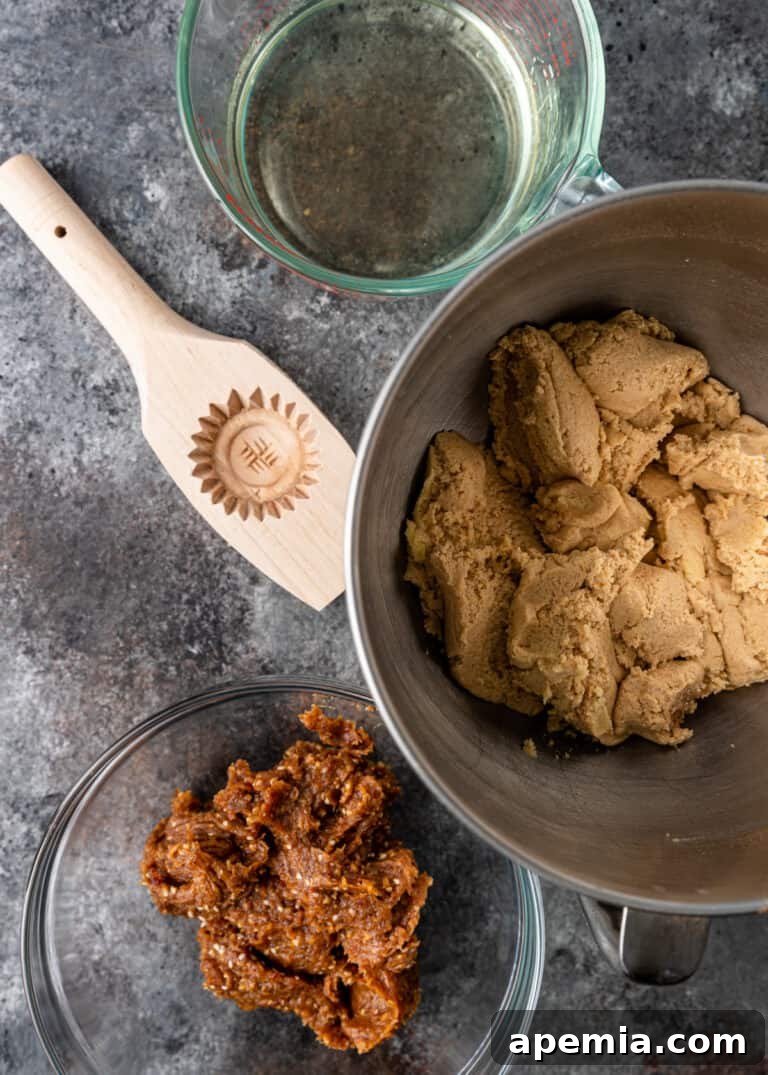
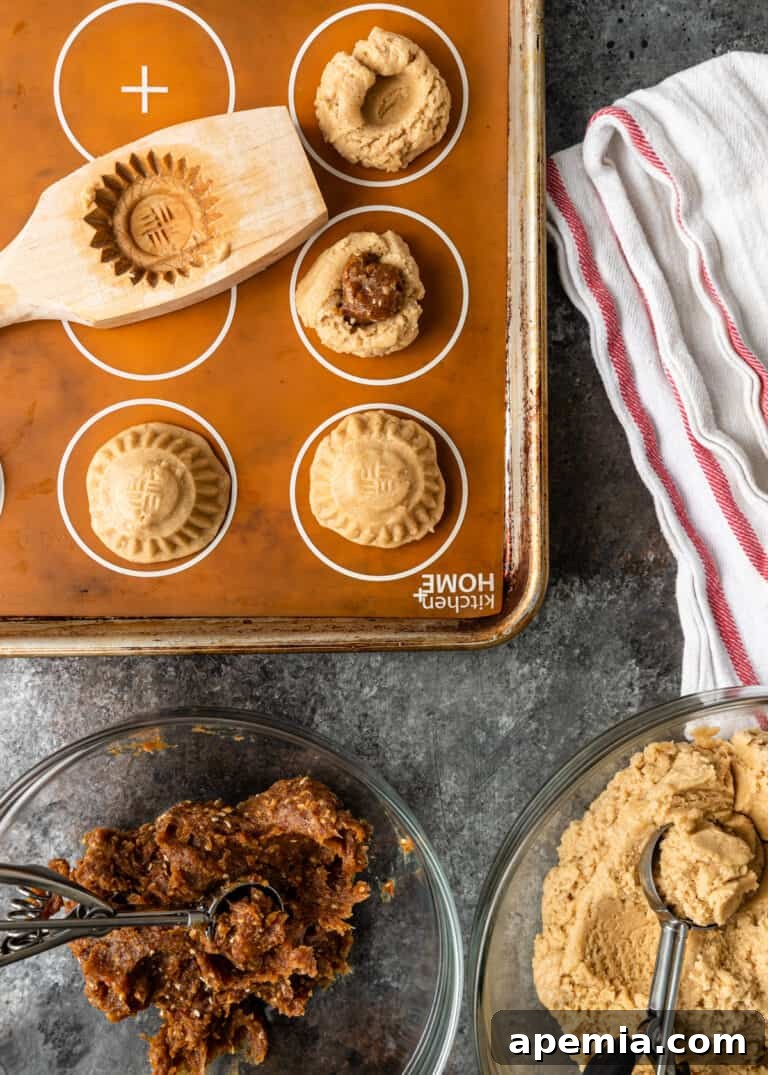
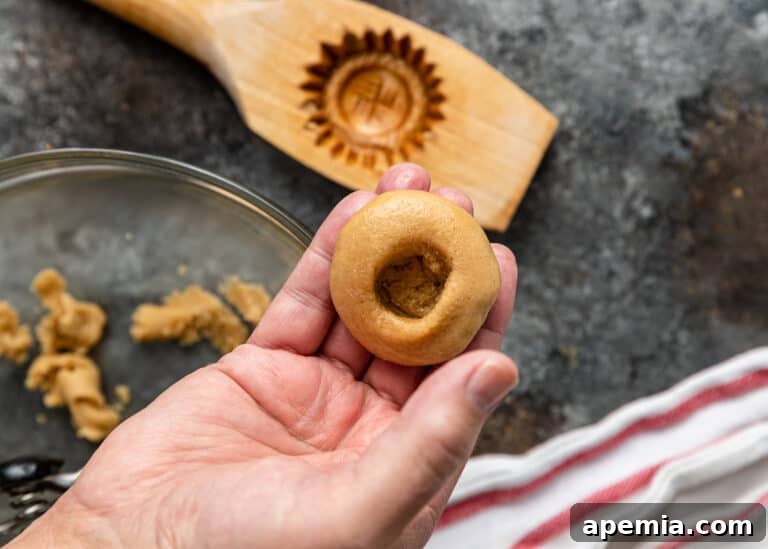
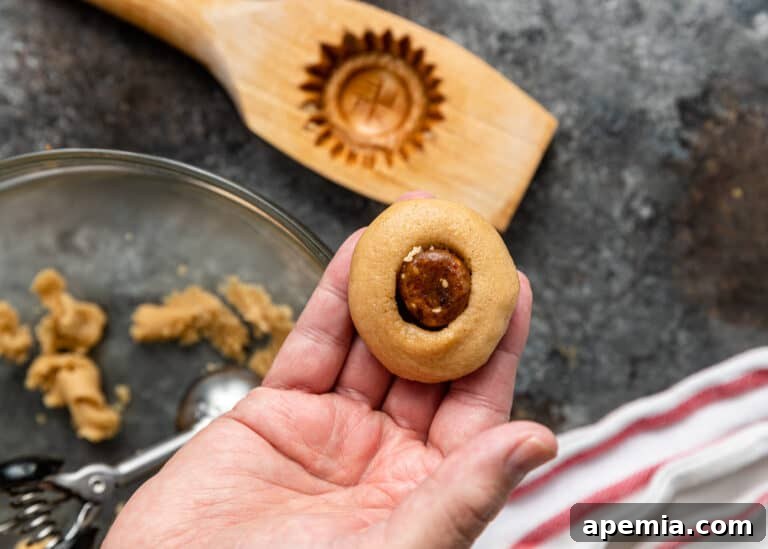
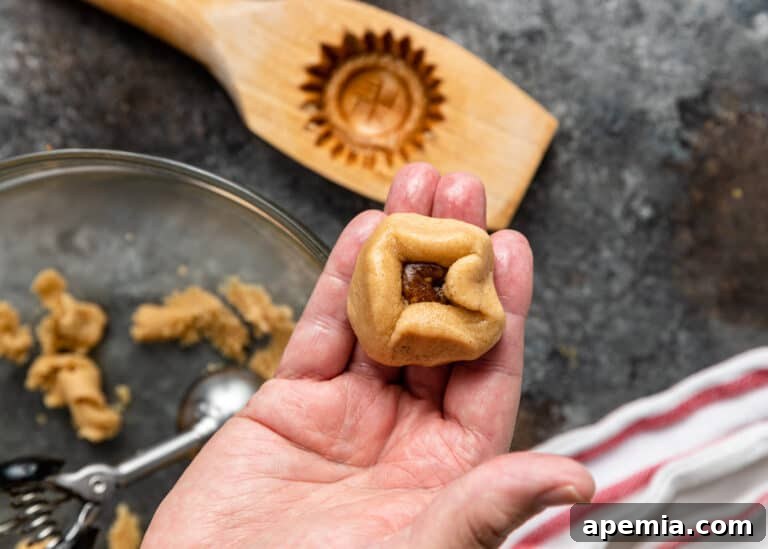
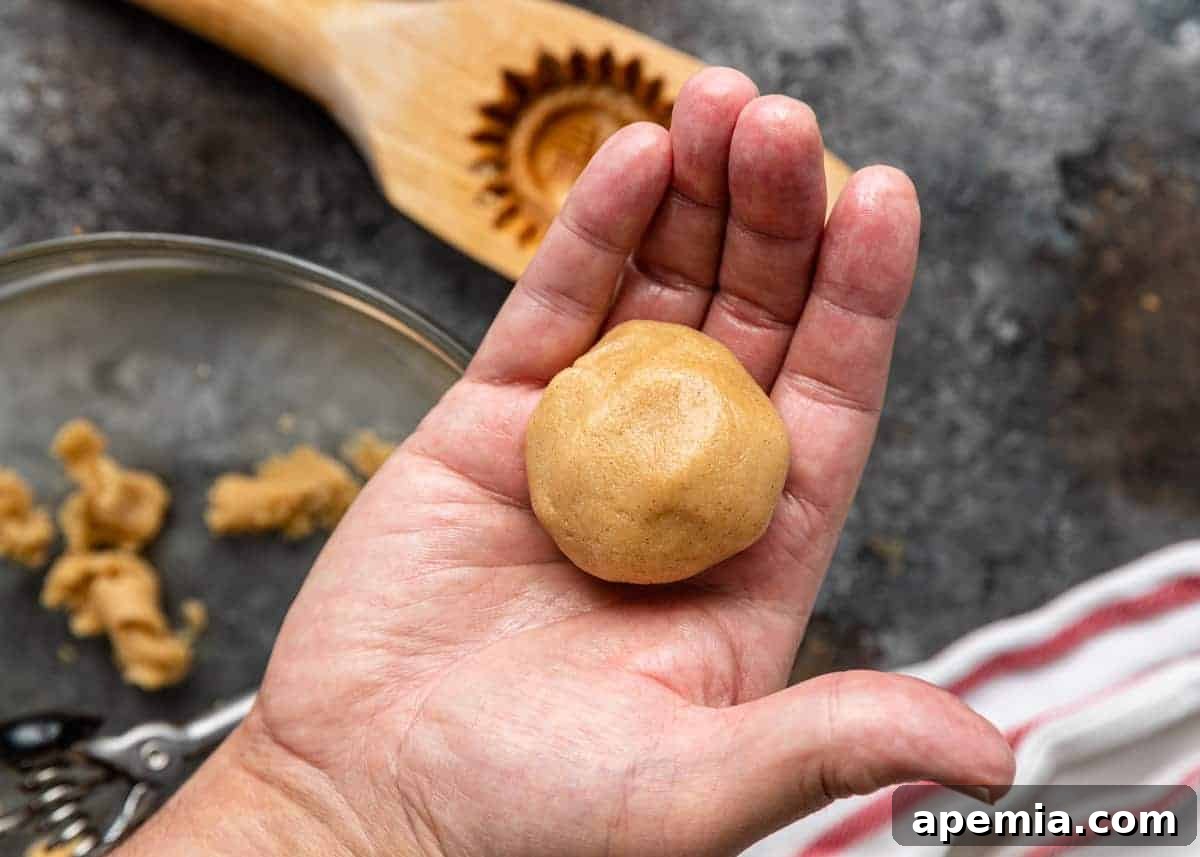
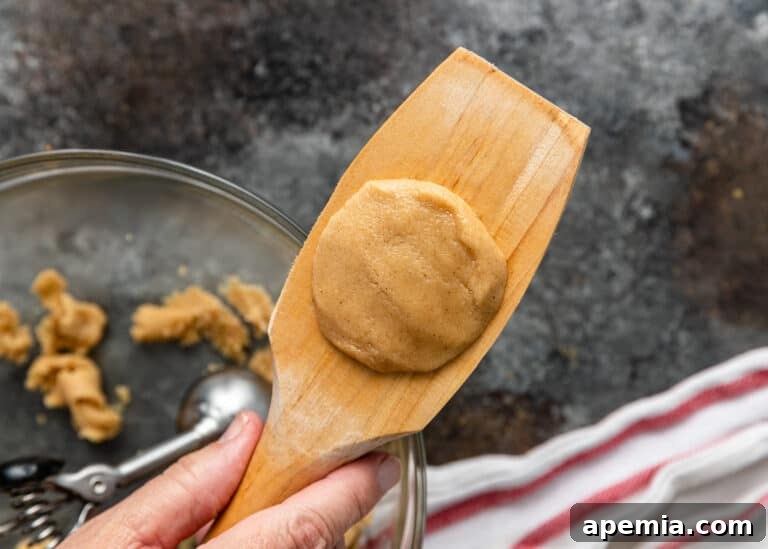
- Shape the Maamoul Cookies: Remove the chilled dough from the freezer. Scoop out a small lump of dough, roughly the size and shape of a walnut. Roll this portion into a smooth ball between your palms. Using your thumb or a small spoon, create a shallow well or indentation in the center of the dough ball. Carefully spoon about a teaspoon of the date filling into this well. Gently pinch the edges of the dough around the filling, bringing them together to completely seal the date paste inside. Roll the filled dough back into a smooth ball.
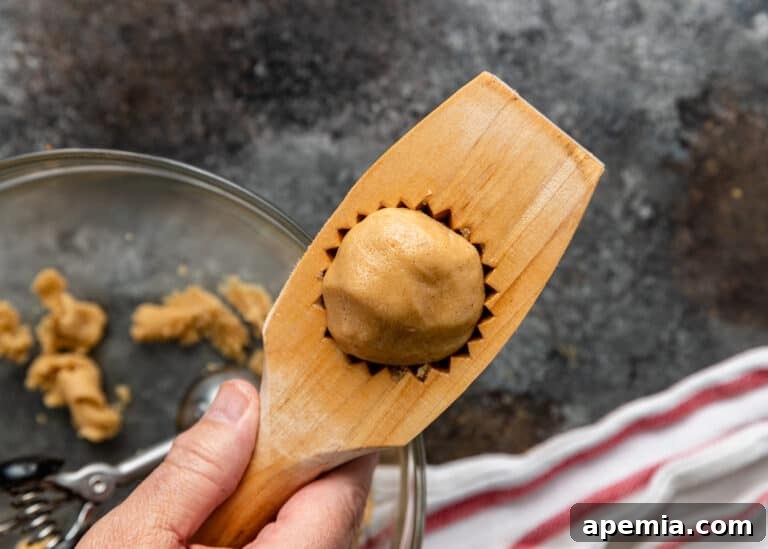
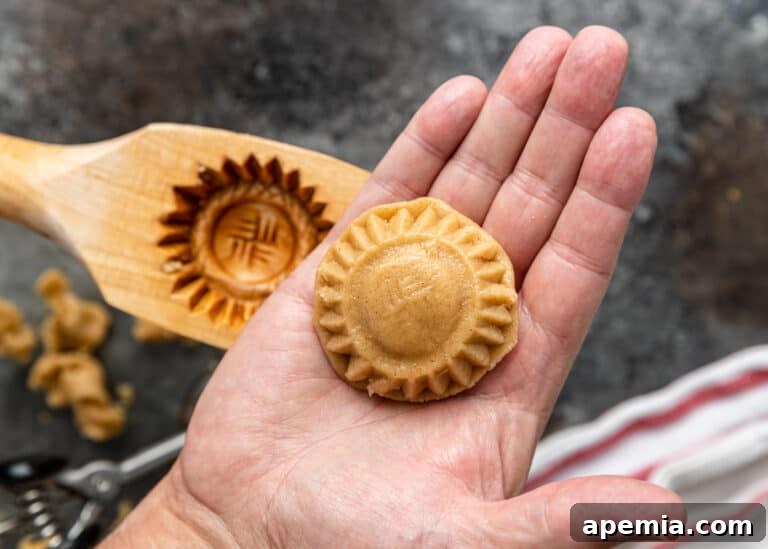
If using a traditional maamoul mold, lightly dust the inside of the mold with a tiny bit of flour (tap out any excess) to prevent sticking. Press the dough ball firmly into the mold, ensuring it takes on the mold’s decorative pattern. Then, gently invert the mold and tap it sharply on your counter surface to release the beautifully shaped cookie. If you don’t have a mold, simply flatten each dough ball into a disc shape and use a fork to create an attractive cross-hatch pattern or any other simple design on top. Place the shaped cookies an inch apart on your prepared baking sheet. Repeat this process with the remaining dough and filling until all cookies are formed.
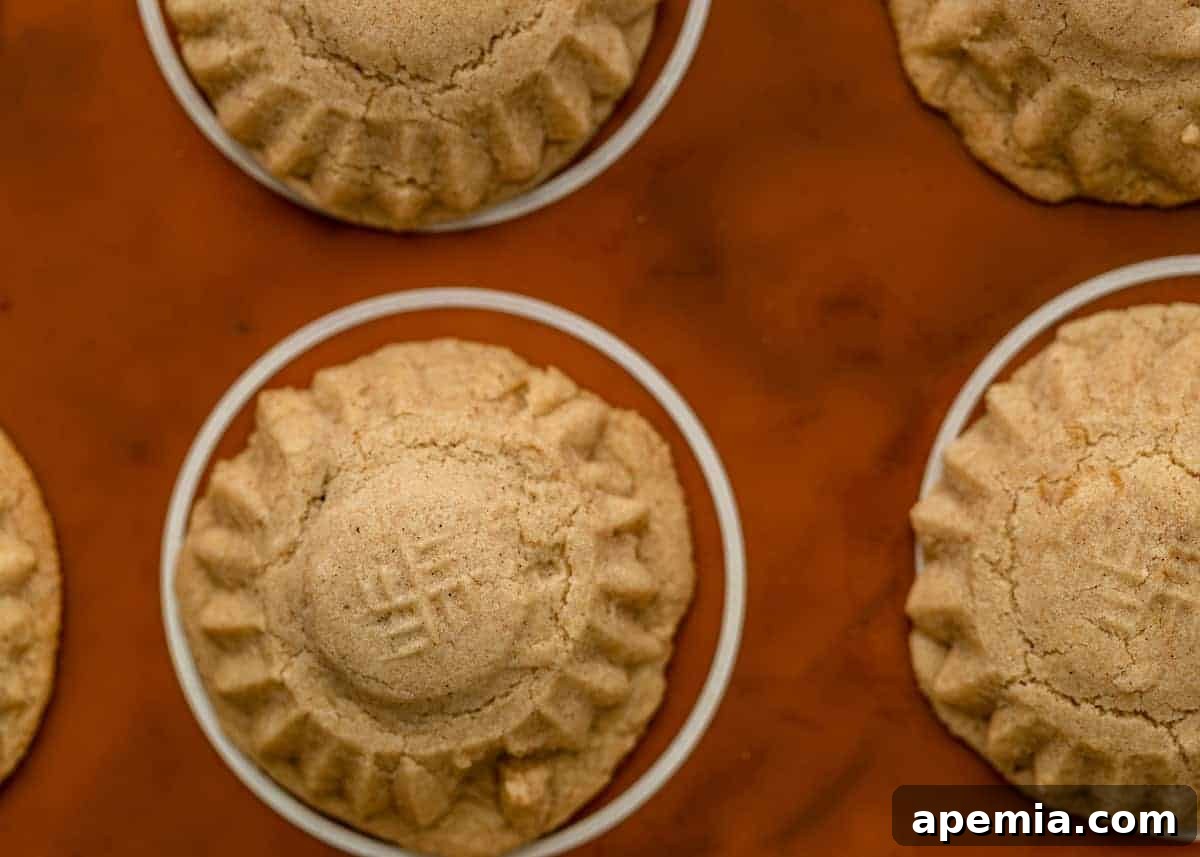
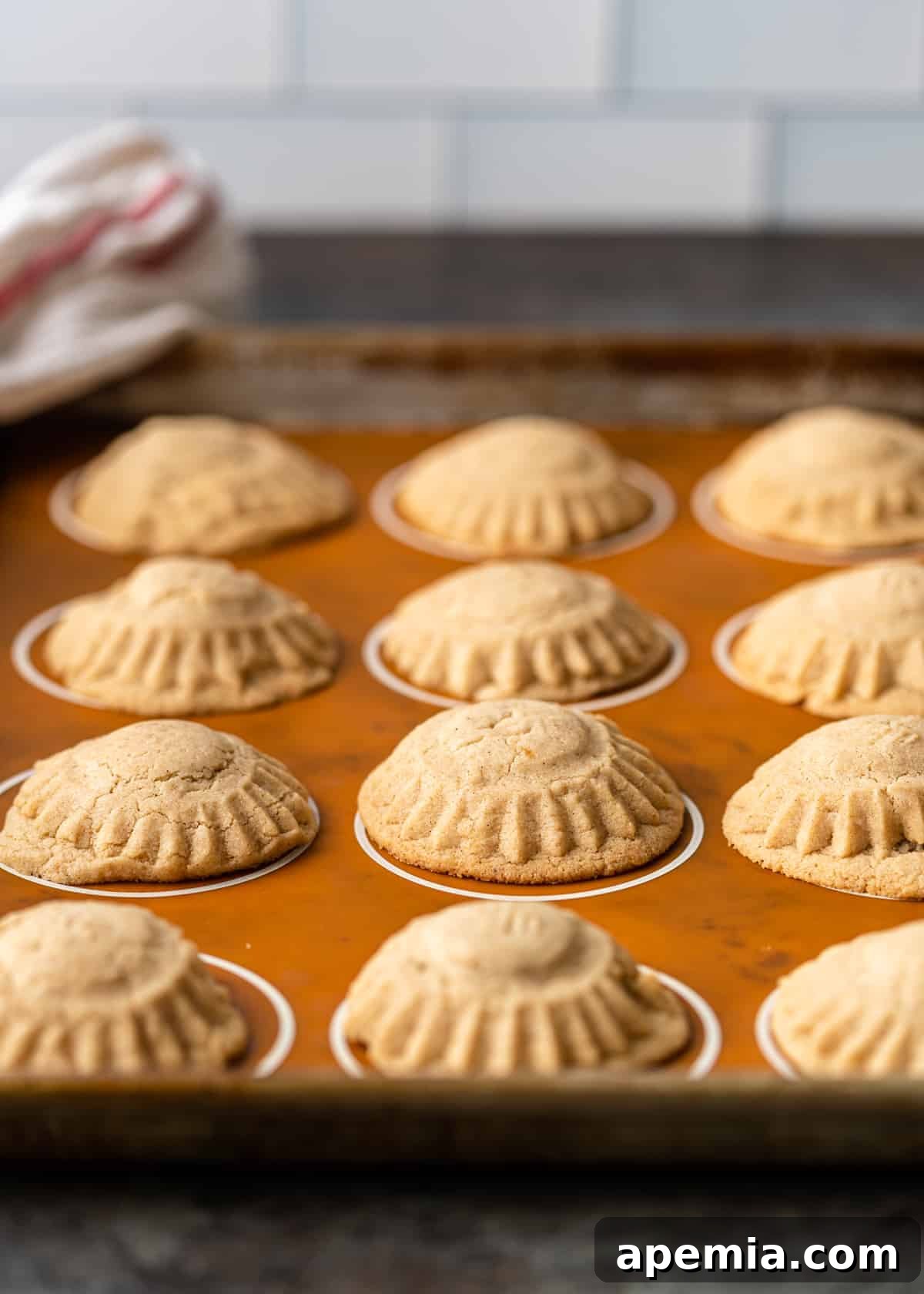
- Bake to Golden Perfection: Place the baking sheet with the shaped Maamoul into your preheated oven. Bake for approximately 20-25 minutes. The key is to bake them until they achieve a light golden color on the edges and bottom, but still remain pale on top. You do not want them to brown significantly, as this can make them dry. Once baked, remove the pan from the oven and allow the cookies to cool completely on the baking sheet before handling. Once cool, generously dust them with powdered sugar, which adds a beautiful finish and an extra touch of sweetness.
Tip From Kevin
Expert Tips for Perfect Maamoul Dough
Working with Maamoul dough requires a gentle touch and a few tricks to achieve those perfect, beautifully patterned cookies. Here are some essential tips to help you master the art:
- Preventing Stickiness in Molds: If your dough consistently sticks to the maamoul molds, a simple trick is to lightly dust the inside of the molds with a tiny amount of all-purpose flour in between uses. Tap out any excess flour before pressing in the dough. This creates a fine barrier that helps the cookie release cleanly and preserves the intricate design. Alternatively, you can use a small pastry brush to lightly oil the molds, wiping off any excess before use.
- The Importance of Cold Dough: Maamoul dough is much easier to work with when it’s cold and firm. The butter in the dough can quickly soften from the warmth of your hands and the room temperature, making the dough sticky and difficult to mold. Don’t hesitate to pop the dough back into the freezer for 10-15 minutes periodically as you work through shaping your pastries. This will firm up the butter, restore the dough’s workability, and ensure your cookies retain their shape beautifully during molding and baking.
- Handling the Dough Gently: While the dough needs to be pliable, avoid over-working or over-kneading it. Over-kneading can develop the gluten in the flour, resulting in tough cookies. The goal is a delicate, shortbread-like texture, so mix until just combined and smooth.
- Even Thickness for Baking: When pressing the dough into molds or shaping by hand, try to achieve a relatively even thickness. This ensures that the cookies bake uniformly. If some parts are too thin, they might burn, while thicker parts could remain undercooked.
- Alternative Fillings: While dates are traditional, feel free to experiment with other fillings. Ground pistachios or walnuts, mixed with a little sugar and a dash of rose or orange blossom water, are popular variations. Ensure your nut fillings are also cohesive and not too dry to prevent them from crumbling out of the cookies.
- Storage of Unbaked Dough: If you’re preparing Maamoul in batches or ahead of time, the unshaped dough can be stored wrapped tightly in plastic wrap in the refrigerator for up to 3 days. Allow it to come to slightly warmer temperature (but still cool) before shaping, or chill in the freezer for 15 minutes as needed.
Frequently Asked Questions About Maamoul
Both Maamoul and Kahk are highly cherished, stuffed cookies specifically prepared for special occasions and holidays across the Middle East. However, they possess distinct differences in their ingredients, preparation, and cultural contexts.
Maamoul refers to a broad variety of rich, buttery shortbread-like cookies popular throughout the Levant and other parts of the Middle East. They are primarily made with semolina flour, or a blend of semolina and wheat flour, which gives them their characteristic tender-crumbly texture. Maamoul are almost always filled with a sweet mixture of fruits (most commonly dates), nuts (pistachios or walnuts), and aromatic spices like mahleb or cinnamon. They are deeply integrated into various religious and cultural celebrations, including Eid al-Fitr, Easter, and Jewish holidays.
Kahk, on the other hand, is a traditional Egyptian pastry with a specific cultural significance, almost exclusively associated with the end of Ramadan, specifically Eid al-Fitr. These buttery cookies are distinctively made using only all-purpose flour, without any semolina, resulting in a softer, melt-in-your-mouth consistency. While Kahk can occasionally be stuffed with nuts or a simple sugar mixture, it is not a defining characteristic, and plain Kahk dusted heavily with powdered sugar is equally popular. Kahk often features a unique aromatic spice blend called “Kahk essence” (often anise or fennel-based), distinguishing its flavor profile from Maamoul.
Absolutely! While these delicious, date-stuffed shortbreads are traditionally recognized by their beautiful, intricate patterns pressed using decorative wooden or plastic molds (taba’ maamoul), owning such a mold is entirely optional. You certainly don’t need a special mold to create incredibly tasty and aesthetically pleasing Maamoul.
If you don’t have a mold, you can easily shape the cookies by hand. Simply flatten each portion of filled dough into a neat disc shape. You can bake them as plain discs, or, for a touch of homemade elegance, use the tines of a fork to create an appealing cross-hatch pattern on top. Alternatively, a cookie stamp or even a sharp knife can be used to impart simple decorative details before baking. The flavor and tender texture will remain just as wonderful, regardless of the method used for shaping.
To maintain their delicate texture and fresh flavor, proper storage is key for Maamoul cookies. For the best results, allow the date-stuffed cookies to cool completely before storing. Once cooled, place them in an airtight container or a decorative tin at room temperature. Stored this way, Maamoul will remain fresh and delicious for up to 2 weeks.
To help keep them moist and prevent them from drying out, a traditional tip is to place a piece of fresh bread or a slice of apple inside the container with the cookies. The moisture from the bread or apple will be absorbed by the cookies, keeping them tender. However, remember to replace the bread or apple slice every couple of days to prevent mold.
You can also extend their shelf life even further by storing these treats in the refrigerator for up to a month. Just be aware that refrigeration can sometimes cause the date filling to become slightly firmer or chewier. If refrigerating, let the cookies come back to room temperature for about 15-30 minutes before enjoying them to restore their optimal texture.
For long-term storage, Maamoul can be frozen for up to 3 months. Arrange baked and cooled cookies in a single layer on a baking sheet to freeze solid, then transfer them to an airtight freezer-safe container or bag, separated by parchment paper to prevent sticking. Thaw them at room temperature before serving.
Share this recipe on Pinterest!
Love this recipe? Share it with the world on Pinterest to inspire others.
Maamoul (Authentic Date-Stuffed Semolina Cookies)
★
★
★
★
☆
36
25
20
45
Save Recipe
Pin Recipe
PrintRecipe
Equipment
-
Maamoul Molds
-
3-Cup Food Processor
Ingredients
Dough
- 2 cups semolina flour
- 1 1/2 cups all-purpose flour
- 1 cup butter softened (or ghee)
- 1 1/2 tsp ground cinnamon
- 1 1/2 tsp ground mahleb (optional)
- 1/4 cup powdered sugar for dusting
Syrup
- 1 cup sugar
- 1/2 cup water
- 1 tbsp orange blossom water or rose water
Filling
- 3/4 lb Medjool dates
- 1 tbsp butter melted (or ghee)
- 1 tbsp orange blossom water or rose water
- 1 tbsp sesame seeds
Instructions
-
Stir the sugar, water, and orange blossom water (or rose water) in a small saucepan over medium heat until the mixture comes to a rolling boil. Continue to boil for 1 minute, then turn off the heat. Set the syrup aside to cool for 5 minutes.
-
Pulse the pitted dates in a food processor until a thick paste begins to form (alternatively, finely chop by hand). Add the melted butter (or ghee), orange blossom water (or rose water), and sesame seeds to the date paste. Pulse several more times until all ingredients are well-mixed and cohesive. Transfer the filling to a small bowl and set aside.
-
In a large mixing bowl, combine the semolina and all-purpose flour. Using your fingertips, work the softened butter (or ghee) into the flour mixture until it resembles coarse crumbs. Sprinkle in the ground cinnamon and mahleb. Carefully pour in the cooled syrup. Continue to work the dough with your hands until it becomes soft, pliable, and easy to shape without cracking. Avoid over-kneading. Place the dough in the freezer for 15 minutes to firm it up, which makes it much easier to mold.
-
Preheat your oven to 325°F (160°C). Line a baking sheet with parchment paper.
-
Scoop out a walnut-sized lump of dough and roll it into a smooth ball. Using your thumb, create a small indentation in the center of the dough ball. Fill this well with about a teaspoon of the date filling. Gently press the dough up and around the filling to completely seal it, then roll it back into a smooth ball. Press the filled dough ball firmly into a maamoul mold (or flatten it slightly into a disc and create decorative crosshatch marks with a fork on top). Invert the mold and gently tap it on the counter surface to release the shaped cookie. Arrange the cookies on the prepared baking sheet, spacing them an inch apart. Repeat with the remaining dough and filling.
-
Bake for 20-25 minutes, or until the edges are lightly golden and the tops remain pale. Do not let them brown too much. Remove the pan from the oven and allow the cookies to cool completely on the baking sheet. Once cooled, generously dust with powdered sugar before serving. Store cooled Maamoul in an airtight container or tin at room temperature for up to 2 weeks.
Nutrition
Carbohydrates: 25g |
Protein: 2g |
Fat: 6g |
Saturated Fat: 3g |
Trans Fat: 1g |
Cholesterol: 14mg |
Sodium: 48mg |
Potassium: 112mg |
Fiber: 1g |
Sugar: 15g |
Vitamin A: 186IU |
Vitamin C: 1mg |
Calcium: 15mg |
Iron: 1mg
The information shown is an estimate provided by an online nutrition calculator. It should not be considered a substitute for a professional nutritionist’s advice.
Have You Made This Recipe? Let Me Know on Instagram
Tag @keviniscooking or tag me #keviniscooking!