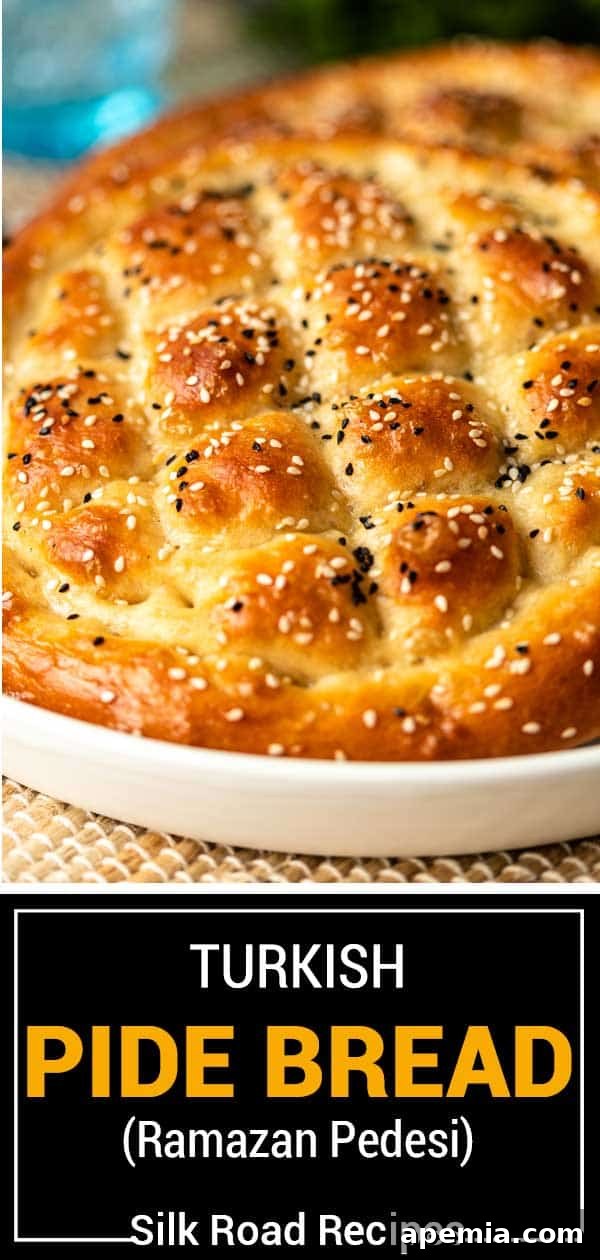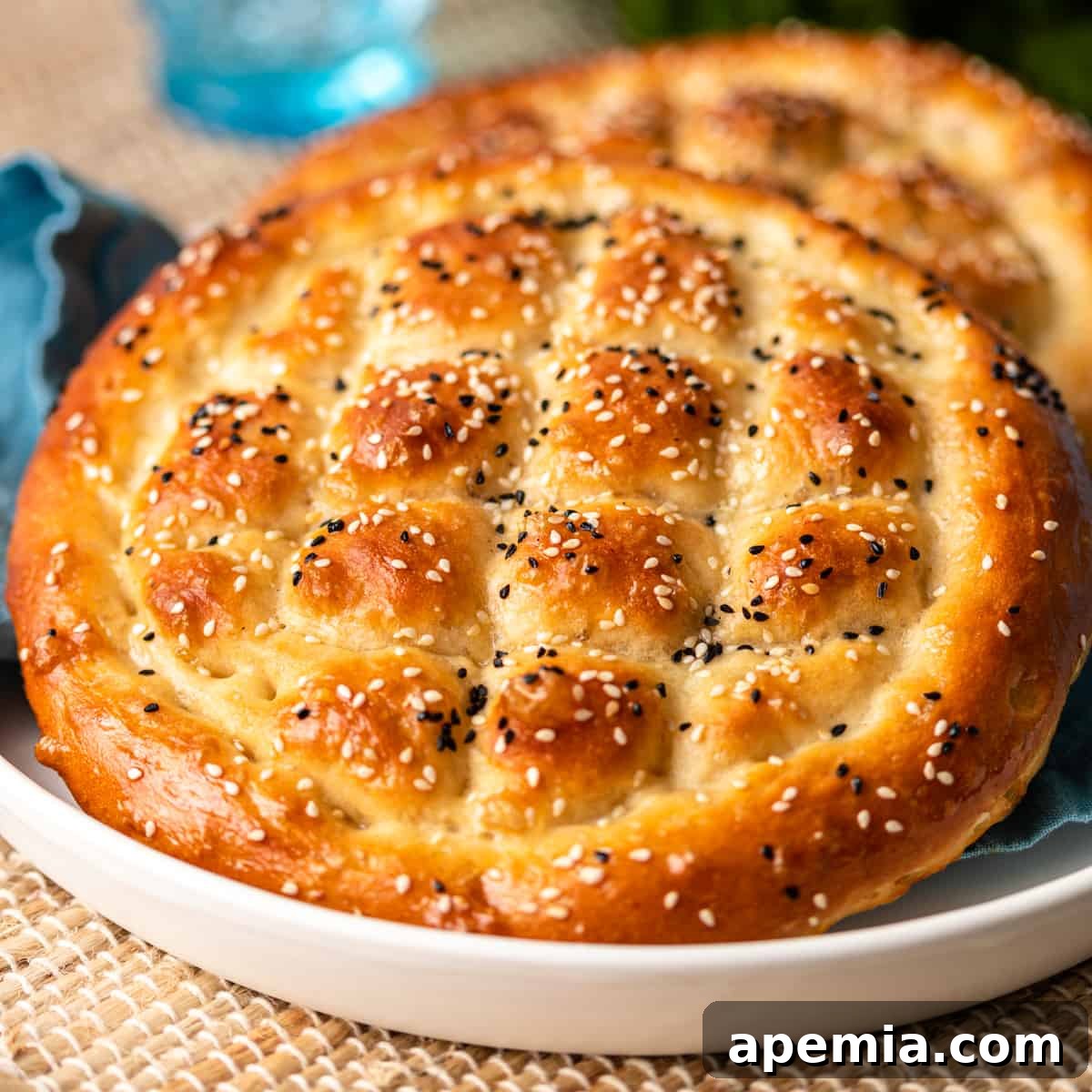
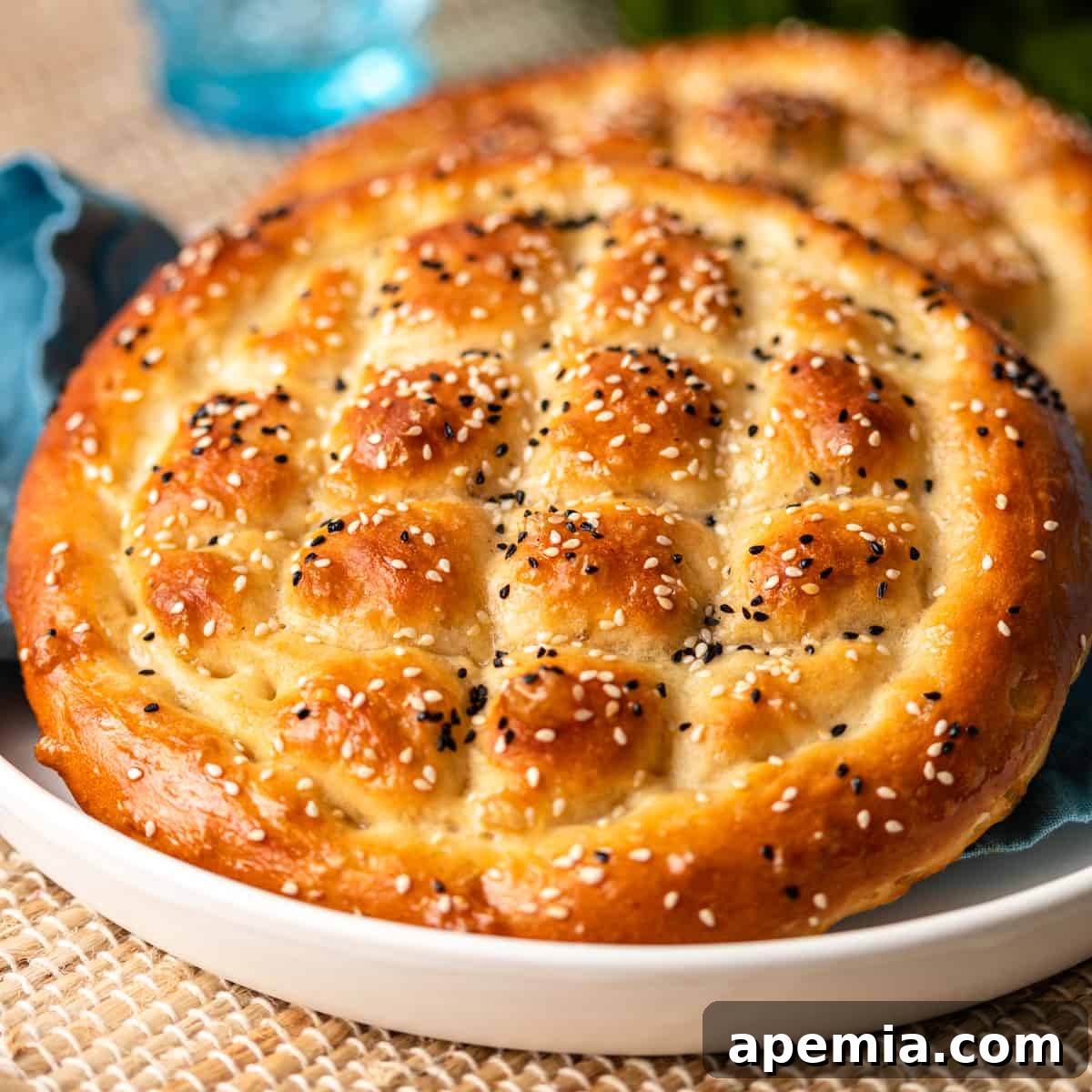
Ramazan Pidesi is more than just bread; it’s a cherished symbol of tradition and community during the holy month of Ramadan. This iconic Turkish flatbread, easily recognizable by its unique round shape and decorative weave-like pattern, is generously sprinkled with aromatic sesame and nigella seeds. What makes it truly special is its simplicity: a no-knead, 5-ingredient dough that comes together quickly, allowing you to bring a taste of Turkish tradition to your home. Chances are, most of the ingredients you need are already staples in your pantry. Get ready to bake a bread that’s as delightful to look at as it is to eat!
Expert Insight
Ramadan Pidesi or Ramazan Pidesi? Understanding the Name
Both spellings, “Ramadan Pidesi” and “Ramazan Pidesi,” are widely accepted and refer to the same beloved Turkish flatbread. The variation primarily stems from linguistic differences. In Turkey, as well as in other countries like Pakistan (Urdu) and India (Hindi) where Arabic is not the primary language, the transliteration often uses a “z,” hence “Ramazan Pidesi.” Regardless of how you spell it, the delicious tradition remains the same!
My first unforgettable encounter with this extraordinary bread was during a visit to Istanbul in the holy month of Ramadan several years ago. The aroma wafting from local bakeries was simply intoxicating. It’s crucial to understand that this particular pide, the soft and round one, is distinct from the other popular Turkish flatbread, often referred to simply as “Pide” or “Turkish pizza”, which typically comes with savory toppings and a boat shape. No, this Ramazan Pidesi is a special, plain bread reserved exclusively for breaking fast during Ramadan, celebrating the spirit of the season with its subtle flavor and comforting texture.
Important Distinction
Pide vs. Ramazan Pidesi: Clearing Up the Confusion
While both are delicious Turkish breads, there’s a clear distinction between the everyday “Pide” and the seasonal “Ramazan Pidesi.” Knowing the difference will help you appreciate each variety fully:
- Traditional Pide (often called Turkish Pizza):
- Shape: Typically boat-shaped or oval, with slightly raised edges designed to hold a variety of fillings.
- Fillings: Generously topped with savory ingredients such as minced meat (kıymalı pide), cheese (peynirli pide), eggs, spinach, or Turkish sausage (sucuklu pide).
- Serving: Served hot and fresh, often sliced into strips, making it a fulfilling meal in itself.
- Availability: Available year-round in Turkish bakeries and restaurants.

- Ramazan Pidesi (Ramadan Pide):
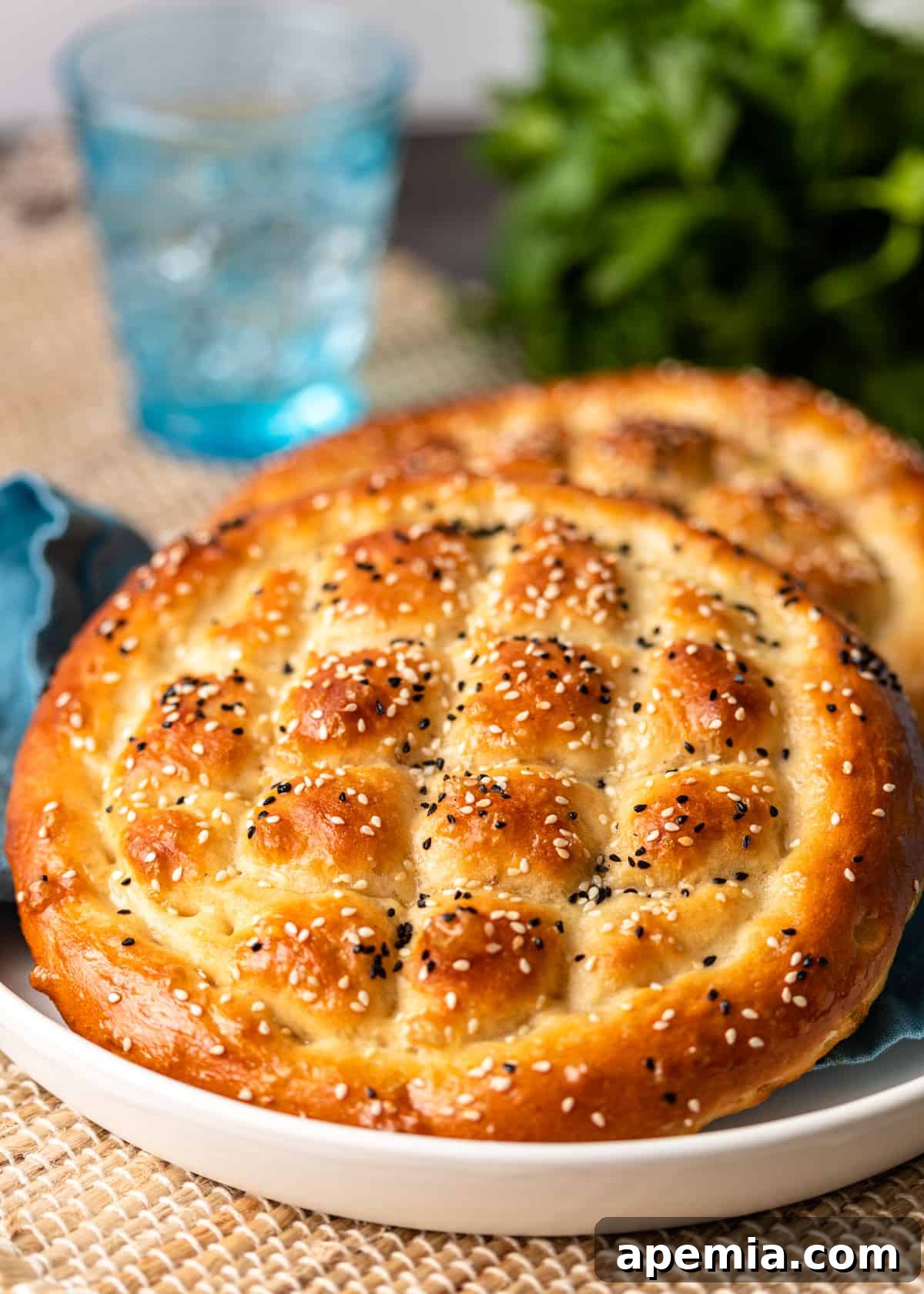
- Shape: Distinctively round and relatively flat, characterized by its soft, airy interior and delightfully chewy crust.
- Fillings: Served plain, without any internal fillings or savory toppings. Its beauty lies in its simplicity.
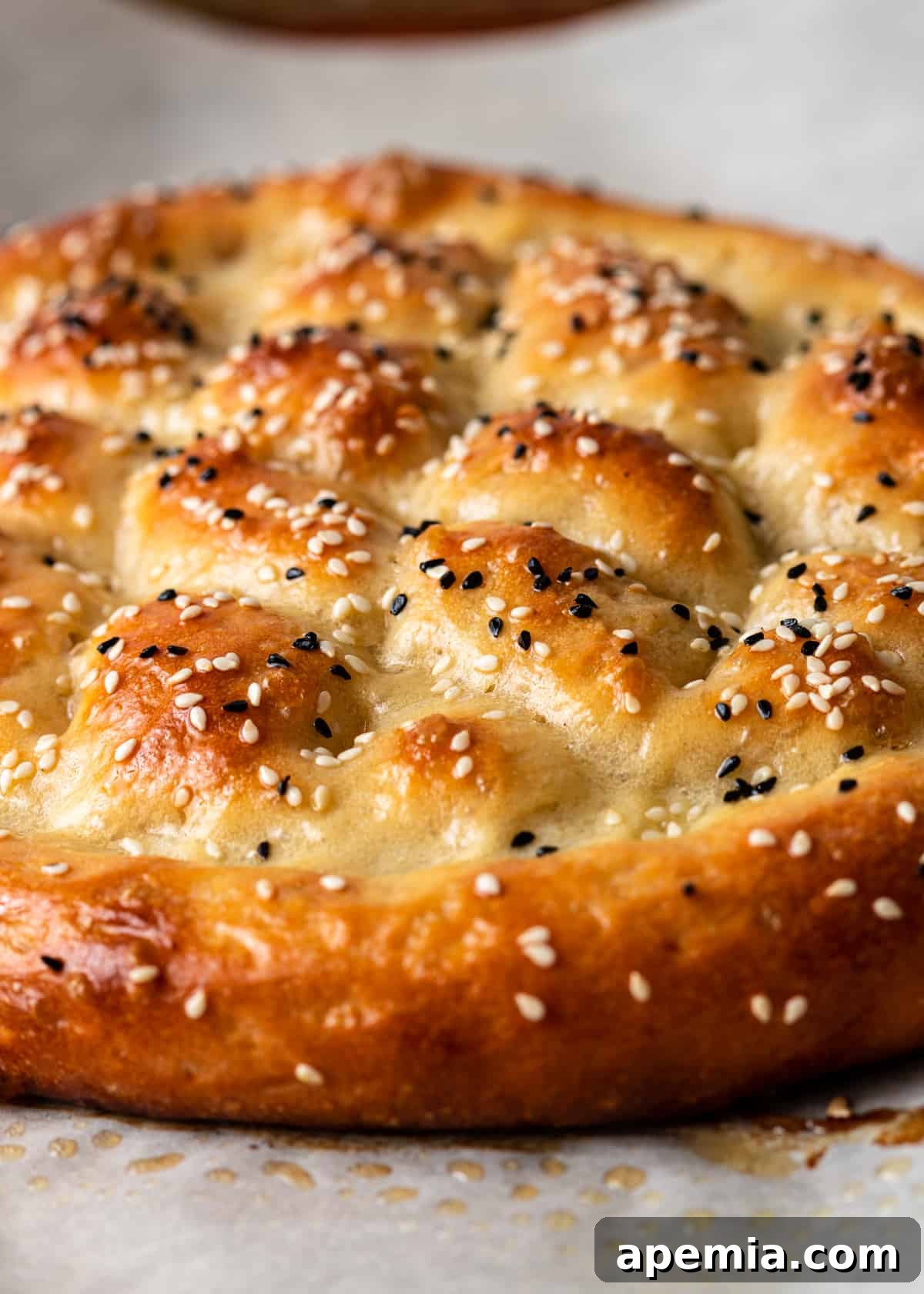
- Signature Look: Features a unique diamond-shaped or crisscross pattern on its surface, artfully created by pressing fingers into the dough before baking.
- Toppings: Always adorned with a generous sprinkle of white sesame seeds and/or aromatic nigella (black cumin) seeds, which toast beautifully in the oven, adding a nutty, slightly peppery flavor.
- Serving: Often enjoyed plain, torn into pieces, or served alongside traditional iftar dishes like lentil soup, various cheeses, olives, or meat stews. It’s perfect for dipping and soaking up flavors.
- Availability: Exclusively baked and sold in bakeries throughout Turkey only during the sacred month of Ramadan, making it a truly seasonal delight.
In summary: Regular Pide is a savory, boat-shaped “Turkish pizza” with fillings, while Ramazan Pidesi is a round, plain, soft bread, a staple for meals during Ramadan.
Table of Contents
- Ramadan Pidesi or Ramazan Pidesi?
- What’s the difference between Pide and Ramazan Pidesi?
- The Cultural Significance of Ramazan Pidesi
- Ingredient Notes and Substitutions
- How to Make Ramazan Pidesi Dough: A Step-by-Step Guide
- How to Assemble Traditional Turkish Pide
- Baking and Serving Your Homemade Ramazan Pidesi
- Frequently Asked Questions About Ramazan Pidesi
- Turkish Ramadan Pide (Ramazan Pidesi) Recipe
The Cultural Significance of Ramazan Pidesi
Ramazan Pidesi is deeply intertwined with the cultural fabric of Ramadan in Turkey. As the sun sets and the call to prayer signals the end of the day’s fast, families gather around the iftar table, eagerly awaiting the moment to break their fast. Freshly baked Ramazan Pidesi is almost always at the heart of this meal. The act of bringing a warm pide home from the local bakery, often still steaming, is a tradition passed down through generations. The distinctive aroma fills the streets, creating a sense of anticipation and unity. This bread isn’t just sustenance; it’s a celebration of togetherness, resilience, and the blessings of the holy month. Making it at home allows you to partake in this beautiful tradition, bringing warmth and a rich cultural experience to your family.
Beyond Ramazan Pidesi, Turkey boasts an incredible array of breads. One equally delicious and popular staple is Simit, a circular, sesame-crusted bread often likened to a Turkish bagel. Simit vendors are a common sight in Turkish cities, balancing towering stacks of these rings on their heads, offering a quick and satisfying snack. Simit is mild, slightly sweet, and makes a fantastic addition to any breakfast spread or as a light bite throughout the day. Exploring these diverse Turkish breads can truly broaden your culinary horizons.
This Ramazan Pidesi recipe is designed to be a back-to-basics approach, emphasizing simplicity without compromising on flavor or texture. With just 5 core ingredients for the dough, a simple egg wash, and a sprinkle of sesame and nigella seeds, you can create a bread that is both fluffy and incredibly flavorful. This minimalistic recipe delivers maximum impact, offering a satisfying chew and a beautiful golden crust.
While Ramazan Pidesi is traditionally enjoyed plain, its versatile nature makes it a wonderful accompaniment to various dishes. Similar to pita bread, it’s excellent for scooping up creamy dips like Lamb Hummus (Kawarma) or White Bean Hummus. It also pairs beautifully with hearty rice and meat dishes, or simply as a comforting side to a bowl of warm Lentil Soup. Its soft interior and sturdy crust make it perfect for complementing a wide range of flavors.
Ingredient Notes and Substitutions: Crafting Your Perfect Pidesi
- For the Dough – The beauty of Turkish pide lies in its use of incredibly common ingredients:
- Warm Water: Crucial for activating the yeast efficiently. Aim for a temperature between 105-115°F (40-46°C). Water that’s too hot can kill the yeast, while water that’s too cold will slow down or prevent activation. Warm water also helps create a more pliable dough for easier mixing.
- Sugar: A vital food source for the yeast, helping it to bloom and produce carbon dioxide, which gives the bread its airy texture. It also contributes to the bread’s browning and subtly enhances its flavor. You can use granulated sugar or honey.
- Instant Dry Yeast: Chosen for its convenience, instant yeast can be mixed directly with dry ingredients, eliminating the need for separate proofing. If using active dry yeast, you’ll need to proof it in the warm water and sugar mixture for 5-10 minutes until foamy before adding the flour.
- All-Purpose Flour: While bread flour contains higher protein for strong gluten development, all-purpose flour works wonderfully here, yielding a tender crumb characteristic of Ramazan Pidesi. Its lower protein content results in a softer, less chewy texture compared to highly elastic bread.
- Salt: Essential for balancing flavor and regulating yeast activity. It also strengthens the gluten structure, contributing to the bread’s texture. Kosher salt or sea salt is recommended.
- For the Egg Wash – More than just for aesthetics, the egg wash serves several key functions:
- Purpose: It imparts that signature golden-brown, glossy finish and helps the sesame and nigella seeds adhere perfectly to the surface. It also adds a subtle richness to the crust.
- Ingredients: Our unique wash incorporates all-purpose flour and boiling water, which create a thin, starchy paste that, when combined with Greek yogurt and an egg, results in a robust and effective glaze. The Greek yogurt adds tang and depth, while the egg provides shine and color.
- For the Toppings – These seeds are integral to the Ramazan Pidesi experience:
- Sesame Seeds: Sprinkled generously, they toast beautifully during baking, offering a delightful nutty flavor and a satisfying crunch that complements the soft bread.
- Nigella Seeds (Black Cumin): These tiny black seeds are a hallmark of Turkish bread. They possess a distinct, slightly oniony, peppery, and subtly smoky flavor. Once toasted in the oven, their aroma intensifies, adding a unique and indispensable character to the pide. They provide a pleasant textural pop and a complex flavor profile that elevates the bread.

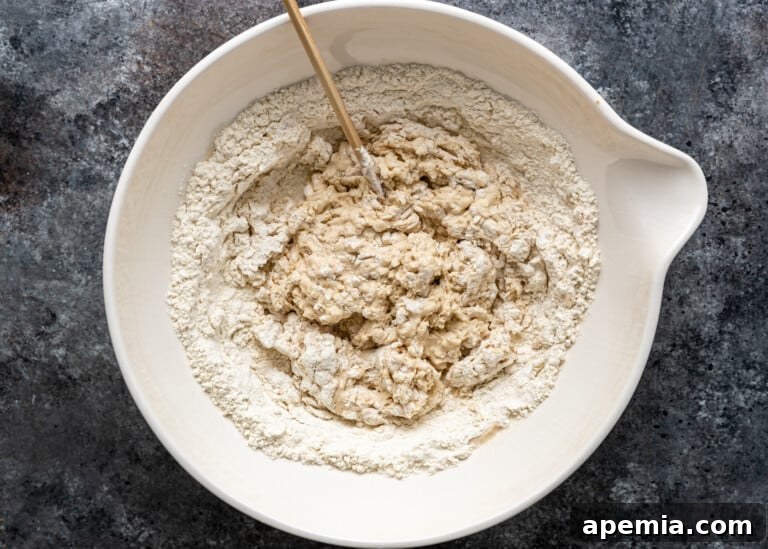
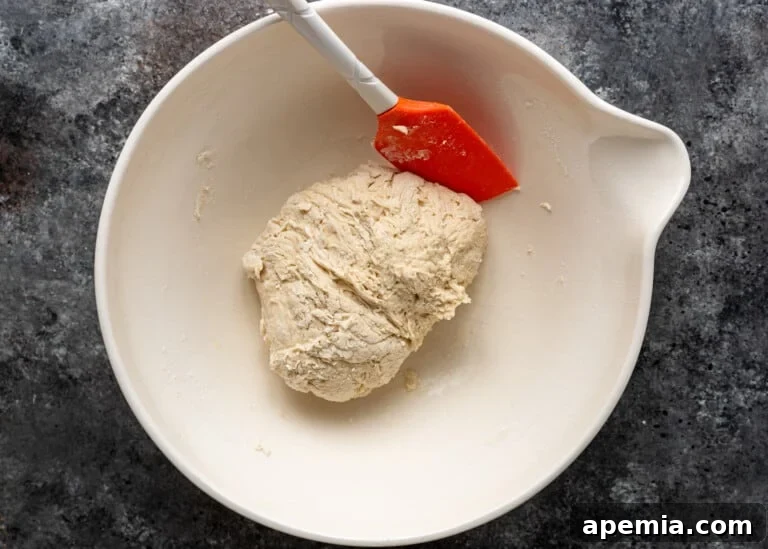
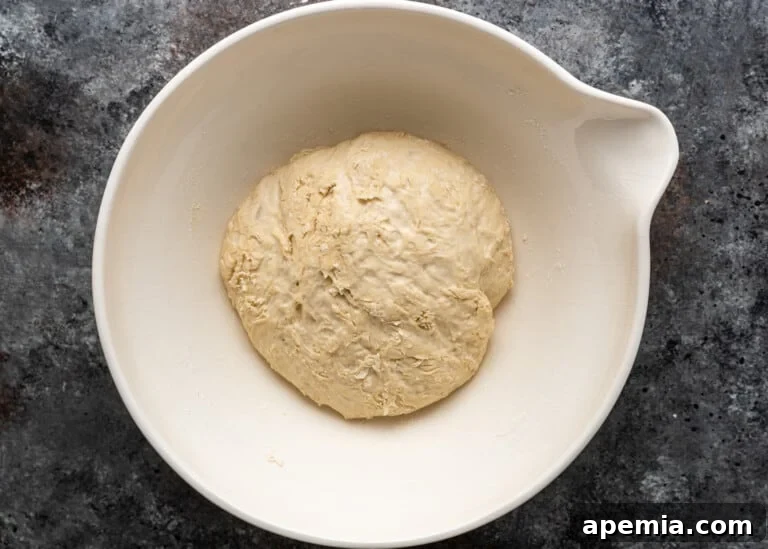
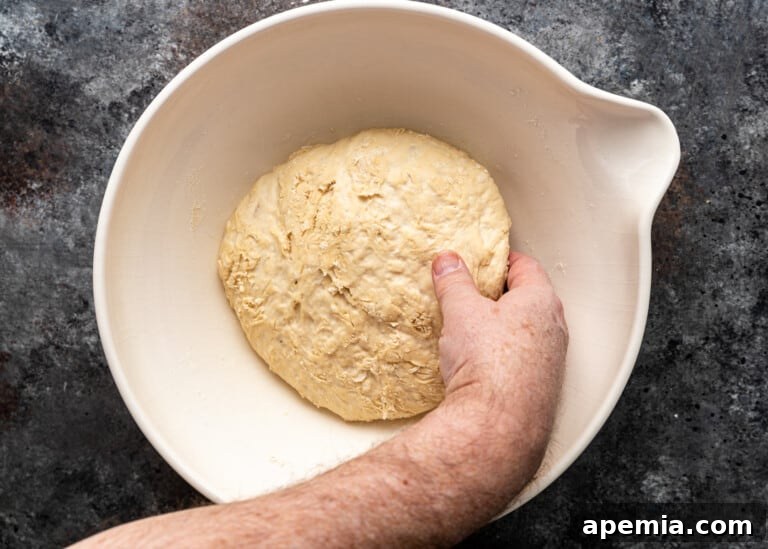
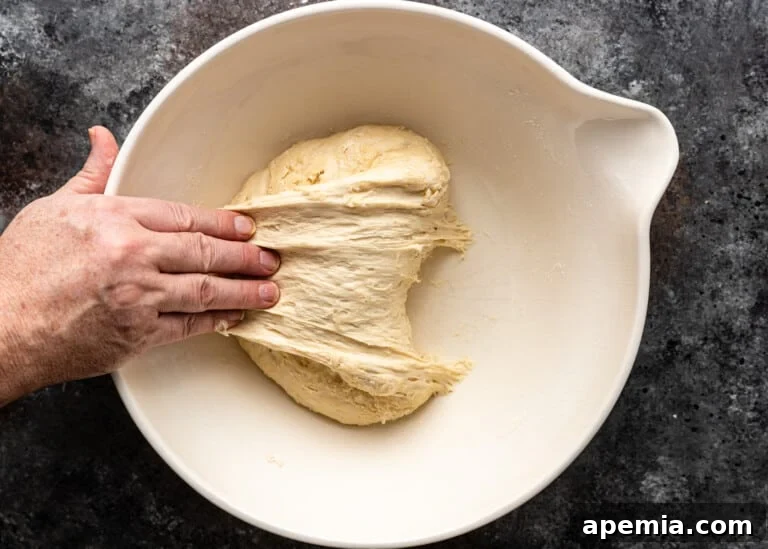
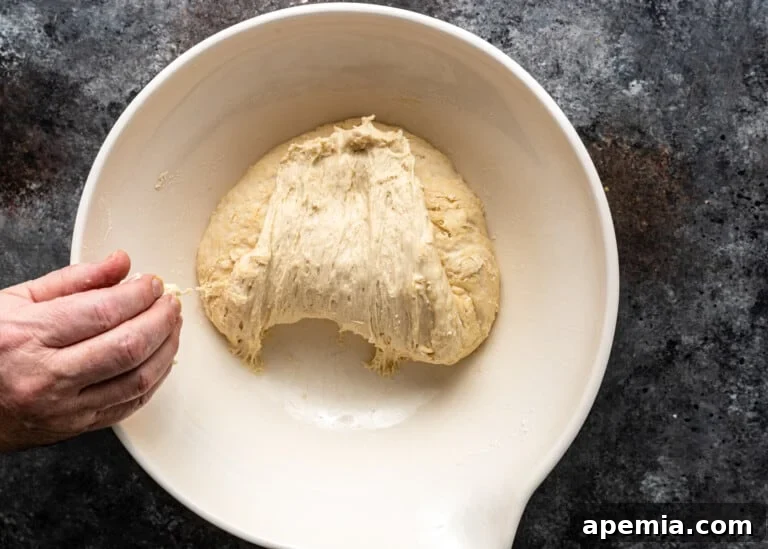
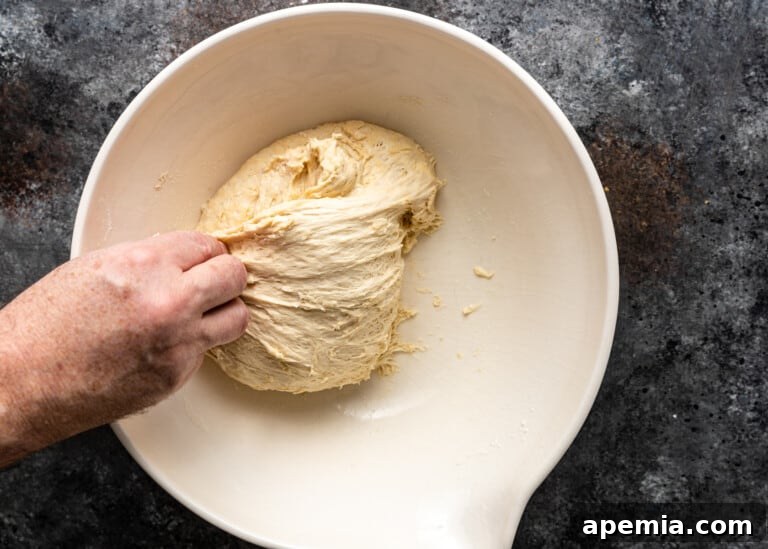
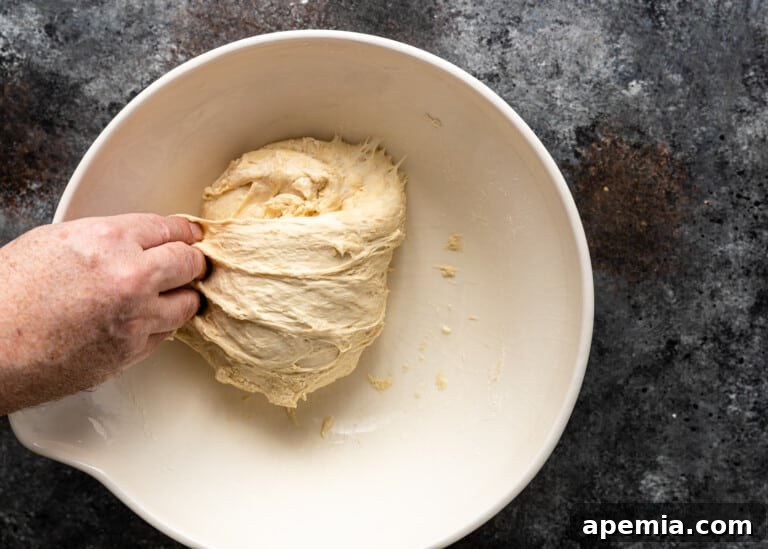
How to Make Ramazan Pidesi Dough: A Step-by-Step Guide for No-Knead Perfection
- Activate the Yeast and Prepare Dry Ingredients: Begin by combining the warm water and sugar in a large mixing bowl. Gently sprinkle the instant dry yeast over the surface and stir briefly. Allow this mixture to sit for 5-10 minutes. During this time, the yeast should become foamy, indicating it’s active and ready to work. In a separate, smaller bowl, thoroughly whisk together the all-purpose flour and salt. This ensures even distribution of salt throughout the dough.
- Form the Shaggy Dough: Once your yeast mixture is active, gradually add the dry flour and salt mixture into the wet ingredients. Using a sturdy spatula or your hands, mix until all the flour is incorporated and a rough, “shaggy” dough forms. It’s important that there are no dry pockets of flour remaining. This dough will be soft and sticky, which is perfectly normal for a no-knead recipe. Cover the bowl loosely with plastic wrap or a damp kitchen towel and let it rest at room temperature for 30 minutes. This initial rest allows the gluten to start developing on its own.
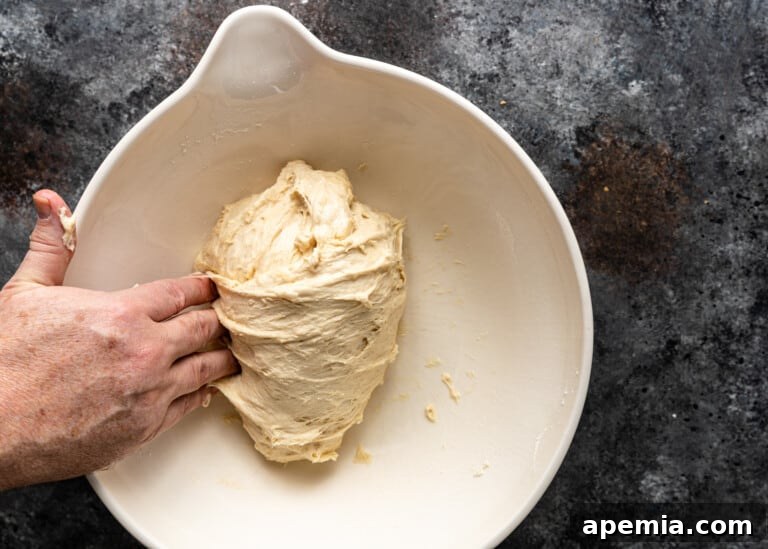
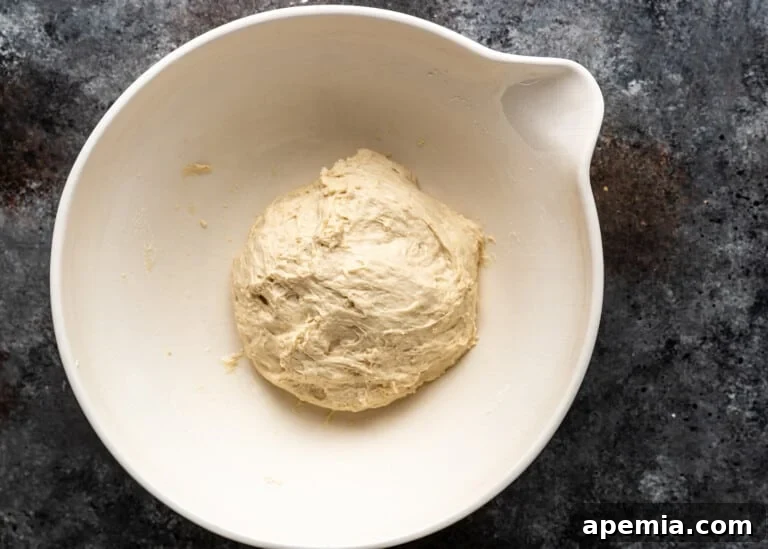
- Perform the Stretch and Fold Technique: After the initial rest, lightly moisten your hands with water. This prevents the sticky dough from clinging to your fingers. Reach into the bowl, grasp the dough from the side farthest from you, gently pull it upward, stretching it slightly, and then fold it back over itself, pressing it down into the center of the bowl. Rotate the bowl 90 degrees and repeat this stretch and fold process three more times, completing a full circle. This technique is a gentle alternative to traditional kneading, building strength and elasticity in the dough without heavy effort.
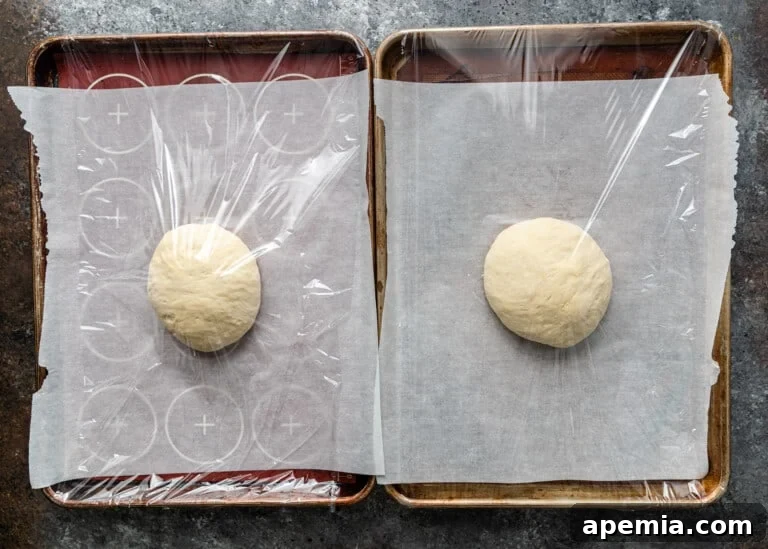
- Divide and Shape into Balls: Lightly flour a clean work surface. Carefully transfer the dough from the bowl onto this floured surface. Using a dough scraper or a knife, divide the dough into two equal portions. Gently shape each portion into a loose, round ball. Avoid overworking the dough at this stage. Place each dough ball onto a baking sheet lined with parchment paper, ensuring there’s enough space between them. Loosely cover the dough balls with plastic wrap or a damp towel and let them rest for another 5 minutes.
- Final Shaping and Resting: Uncover the dough balls. Using your fingertips, gently press and spread each ball into a round or slightly oval shape, aiming for a thickness of about ½ inch (1.25 cm). As you press, you might feel air bubbles. Gently squeeze or pop any large air bubbles you encounter. Take a fresh piece of plastic wrap, lightly coat one side with oil or cooking spray, and use it to loosely cover the shaped dough once more. Allow the dough to rest and rise for an additional 25 minutes. While this final rise is happening, you can prepare your egg wash and preheat your oven to 400°F (200°C), ensuring it’s ready for baking.
How to Assemble Traditional Turkish Pide for that Signature Look
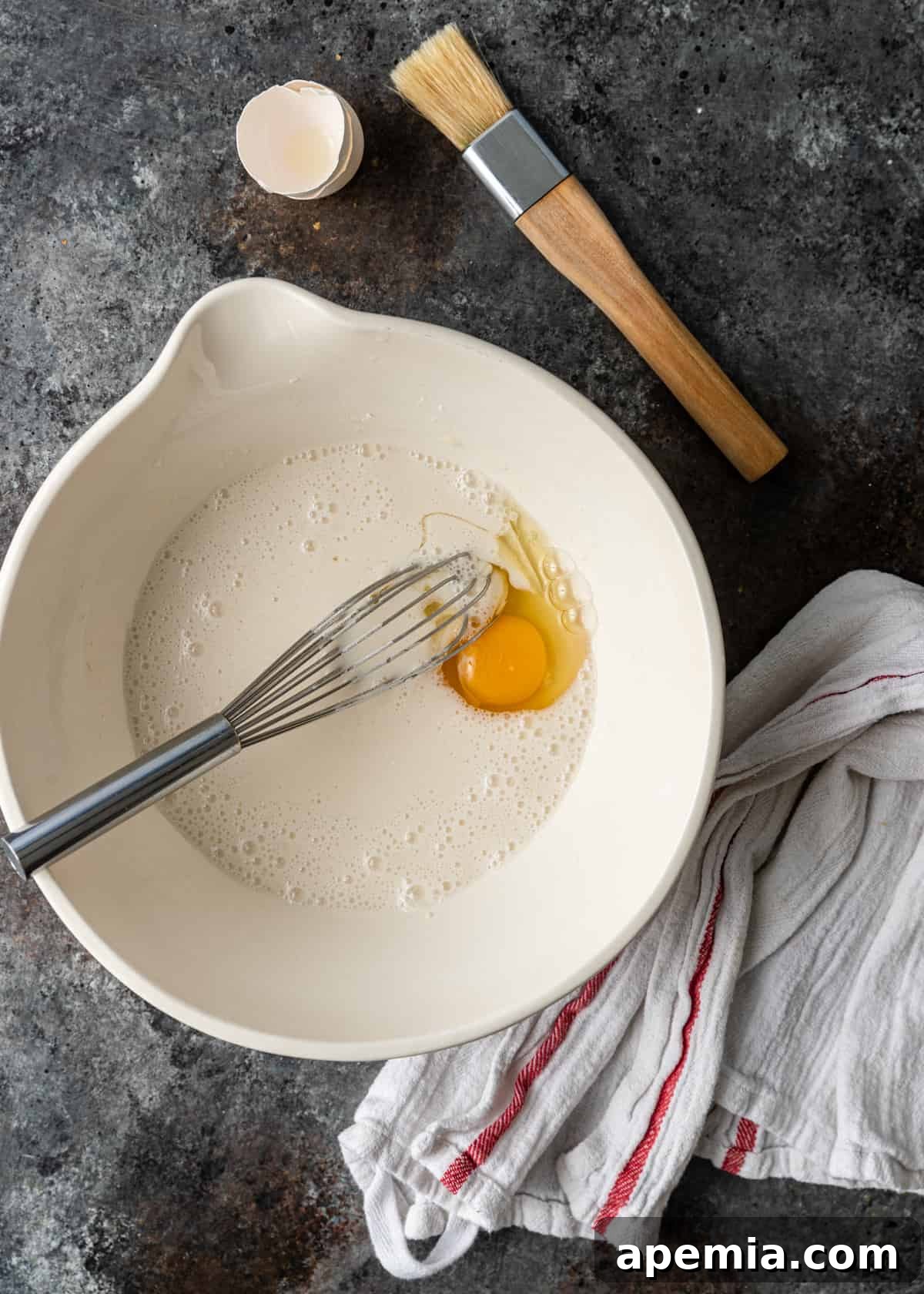
1. Preheat Oven and Prepare the Signature Egg Wash: While your dough enjoys its final rise, it’s time to prepare for baking. Preheat your oven to a steady 400°F (200°C). Next, focus on the egg wash, which is more than just a glaze; it contributes significantly to the pide’s characteristic golden crust and helps bind the seeds. In a medium bowl, place the all-purpose flour. Slowly pour the boiling water into the flour while continuously whisking to prevent any lumps from forming. This creates a thin, starchy slurry. Allow this mixture to cool down completely before proceeding. Once cooled, whisk in the plain Greek yogurt and the large egg until everything is thoroughly combined and smooth. This unique blend creates a wash that delivers both color and a subtle tang.
2. Apply Egg Wash and Create the Iconic Pattern: Gently brush the prepared egg wash generously over the entire surface of each dough round, ensuring full coverage of both the tops and the sides. This is where the magic of the traditional pattern comes to life. Dip your fingertips into the remaining egg wash (this helps prevent sticking and makes cleaner indentations). Begin by pressing your fingertips firmly around the edge of each dough piece, creating a circular border approximately one inch (2.5 cm) from the edge. Next, still dipping your fingers in the wash as needed, make 3-4 deep indentation lines running parallel to each other within the defined circle. Be careful not to tear through the dough. Rotate the dough 45 degrees and repeat, making another 3-4 indentation lines that intersect the previous ones. This will create the characteristic diamond or weave-like pattern. Don’t worry if it’s not absolutely perfect; the rustic charm is part of its appeal!
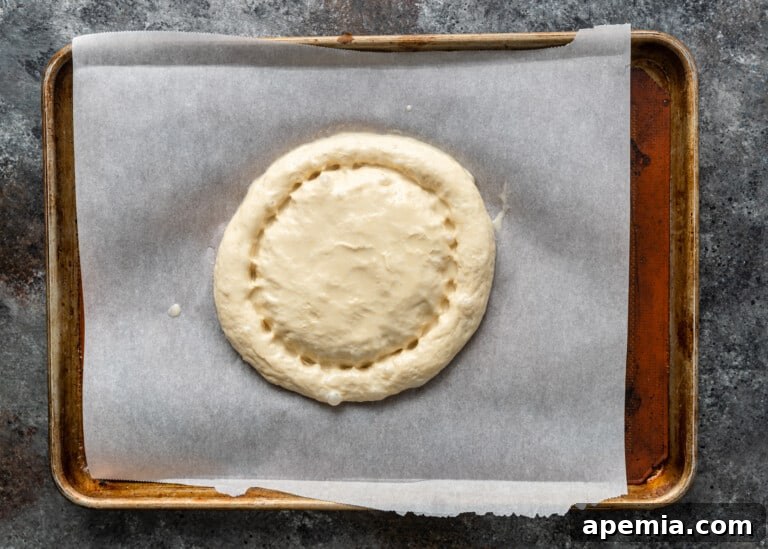
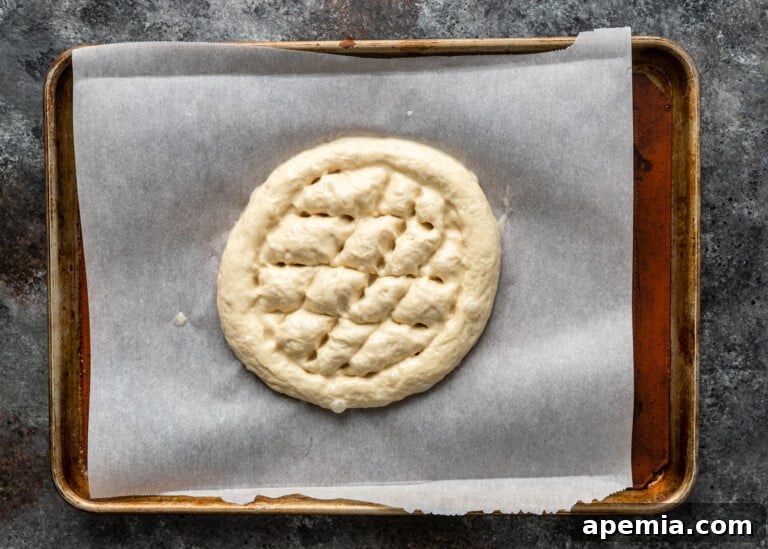
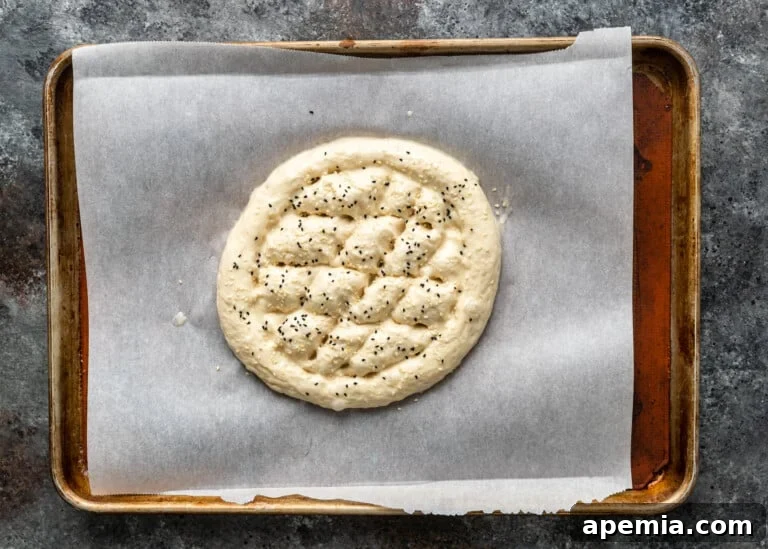
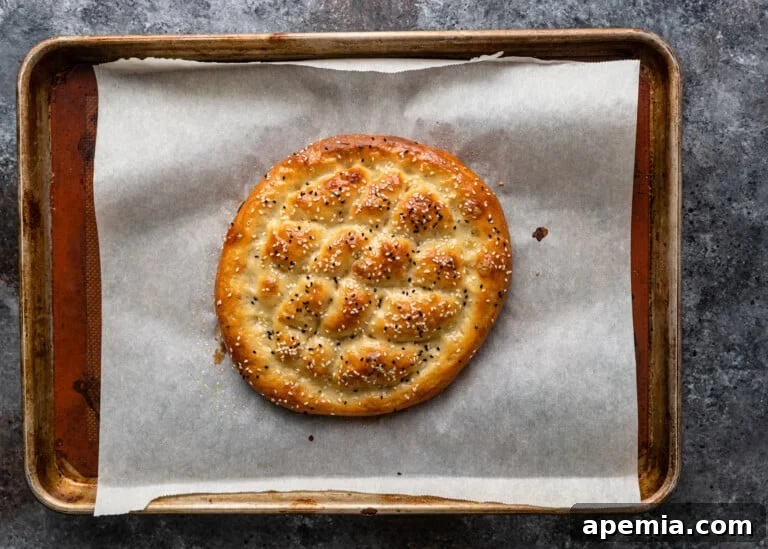
3. Season and Bake to Golden Perfection: Once the pattern is complete, generously sprinkle the sesame seeds and nigella seeds over the entire surface of each pide. Their aroma will fill your kitchen as they toast in the oven. Carefully transfer the baking sheet with the prepared dough onto the oven’s middle rack. Bake for approximately 18-20 minutes, or until the pidesi achieves a beautiful golden-brown color on top and sounds hollow when tapped on the bottom. If you notice one side browning faster than the other, simply rotate the pan halfway through the baking process to ensure even cooking and a uniformly golden crust.
4. Cool and Serve Warm: As soon as the Ramazan Pidesi comes out of the oven, transfer it immediately to a wire rack. This is a crucial step to prevent the bottom of the bread from becoming soggy due to trapped steam. Allowing it to cool on a rack ensures a crisp crust all around. While it’s best served warm, you can enjoy it at room temperature as well. Tear into pieces and savor the soft, airy texture and rich flavors. This homemade Ramazan Pidesi is perfect for iftar, suhoor, or any time you crave a taste of authentic Turkish bread.
Frequently Asked Questions About Ramazan Pidesi
This iconic Turkish flatbread is surprisingly simple yet packed with authentic flavors! It’s crafted from a basic yeast dough consisting of warm water, sugar, yeast, all-purpose flour, and salt. The crust gets its gorgeous golden hue and subtle tang from a special egg wash that includes flour, boiling water, Greek yogurt, and a large egg. For its distinctive taste and texture, it’s generously topped with crunchy sesame seeds and aromatic nigella (black cumin) seeds, which release their complex, slightly oniony, and smoky notes as they toast during baking.
Unlike some breads that require an overnight cold proof, Ramazan Pidesi is a relatively quick bread. The dough typically thrives at comfortable room temperature, ideally between 70-75°F (21-24°C). We aim for a total rise time of approximately one hour (split into two shorter rises) before baking. As long as your kitchen isn’t excessively cold or hot, simply leaving it covered on the counter is usually sufficient. A warm, draft-free spot will encourage a more consistent and active rise.
While the names are very similar, they generally refer to two distinct types of Turkish bread. Ramazan Pidesi (often shortened to Pidesi for convenience) is the round, plain, no-knead flatbread with a characteristic weave-like pattern and a sprinkle of sesame and nigella seeds, specifically enjoyed during Ramadan. Pide, on the other hand, typically refers to the savory, boat-shaped Turkish flatbread that’s filled with various toppings like cheese, minced meat, or vegetables, often likened to a “Turkish pizza.” So, while “Pide” is a broad term for flatbreads, “Ramazan Pidesi” denotes a very specific, traditional variant.
Ramazan Pidesi and pita bread share some similarities in usage and mild flavor, but they are quite distinct in preparation and appearance. Ramazan Pidesi tends to be fluffier and softer than traditional pita. It doesn’t form the internal pocket that pita is known for. The unique egg wash on Ramazan Pidesi gives it a crisp, golden exterior, adorned with its distinctive pattern and seeds. Crucially, Ramazan Pidesi is a no-knead bread that isn’t flattened into thin disks before baking, contributing to its different texture and structure compared to pita, which typically requires kneading and a specific high-heat baking process to create its signature pocket.
Share this delicious recipe on Pinterest!
Loved baking this authentic Ramazan Pidesi? Help spread the joy of Turkish cuisine by sharing it with your friends and followers on Pinterest!
Authentic Turkish Ramadan Pide (Ramazan Pidesi)
2
15 minutes
20 minutes
55 minutes
1 hour
30 minutes
Saved
Pin Recipe
PrintRecipe
Video Tutorial
Ingredients
Dough
-
1 1/4 cup water warm -
1 tablespoon sugar -
1 tbsp instant dry yeast -
360 g all-purpose flour (3 cups) -
1 teaspoon kosher salt
Egg Wash
-
2 tablespoon all-purpose flour -
1/2 cup boiling water -
1 tablespoon plain Greek yogurt -
1 large egg
Toppings
-
2 tablespoon sesame seeds -
1 tablespoon nigella seeds
Metric
Instructions
Dough Preparation
-
Combine warm water and sugar in a large bowl. Sprinkle dry yeast on top and stir gently. In a separate bowl, whisk together the flour and salt.
-
Add the dry ingredients to the wet. Mix with a spatula or your hands until a shaggy dough forms, ensuring no dry flour patches remain. Cover and let sit at room temperature for 30 minutes for the first rise.
-
Wet your hands. Perform a stretch and fold: pull the dough from the far side up and over towards you, pressing it down. Turn the bowl 90° and repeat this process three more times.
-
Flour a clean surface generously. Transfer the dough, divide into 2 equal pieces, and form each into a loose ball. Place on parchment-lined baking sheets, cover loosely with plastic wrap, and let rise for 5 minutes.
-
Remove plastic wrap. Gently spread each dough ball into a 6-7 inch round or oval, about 1/2 inch thick, popping any large air bubbles. Lightly oil plastic wrap and cover dough. Rest for another 25 minutes. Preheat oven to 400°F (200°C).
Egg Wash Preparation
-
In a medium bowl, whisk flour and boiling water to prevent lumps. Allow to cool completely, then whisk in Greek yogurt and the egg until smooth.
Assembly & Baking
-
Brush each dough round with the egg wash. Using wet fingertips, make a circular indentation about 1 inch from the edge. Then, dip fingers in wash and make 3-4 deep, parallel indentation lines inside the circle. Turn dough 45° and repeat to create a diamond pattern.
-
Top generously with sesame and nigella seeds. Carefully place the parchment paper with the dough onto the middle rack of the preheated oven.
-
Bake for 18-20 minutes, or until golden brown. Rotate the pan halfway through if browning unevenly. Transfer to a wire rack to cool slightly. Serve warm and enjoy!
Notes
Nutrition Information (Estimated)
Calories:
821
kcal
|
Carbohydrates:
158
g
|
Protein:
26
g
|
Fat:
8
g
|
Saturated Fat:
2
g
|
Trans Fat:
1
g
|
Cholesterol:
82
mg
|
Sodium:
1210
mg
|
Potassium:
306
mg
|
Fiber:
7
g
|
Sugar:
7
g
|
Vitamin A:
120
IU
|
Vitamin C:
1
mg
|
Calcium:
134
mg
|
Iron:
11
mg
The information shown is an estimate provided by an online nutrition calculator. It should not be considered a substitute for a professional nutritionist’s advice.
Breads, Ramadan
Turkish
Kevin
Made this recipe? Share your creation on Instagram!
Tag @keviniscooking or use the hashtag #keviniscooking!