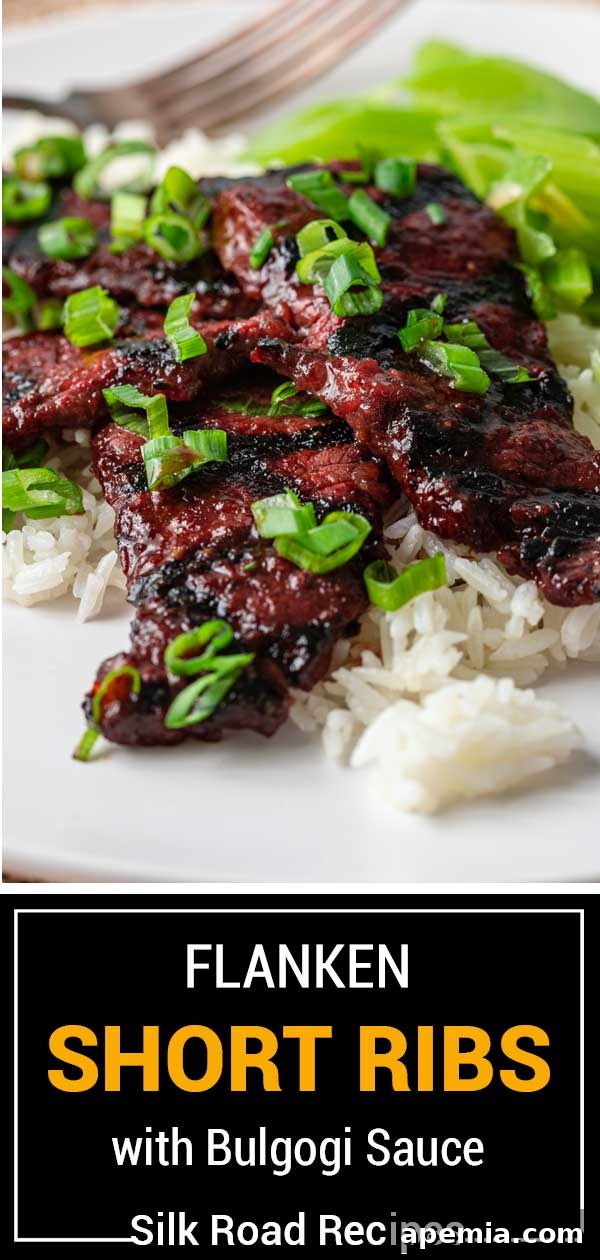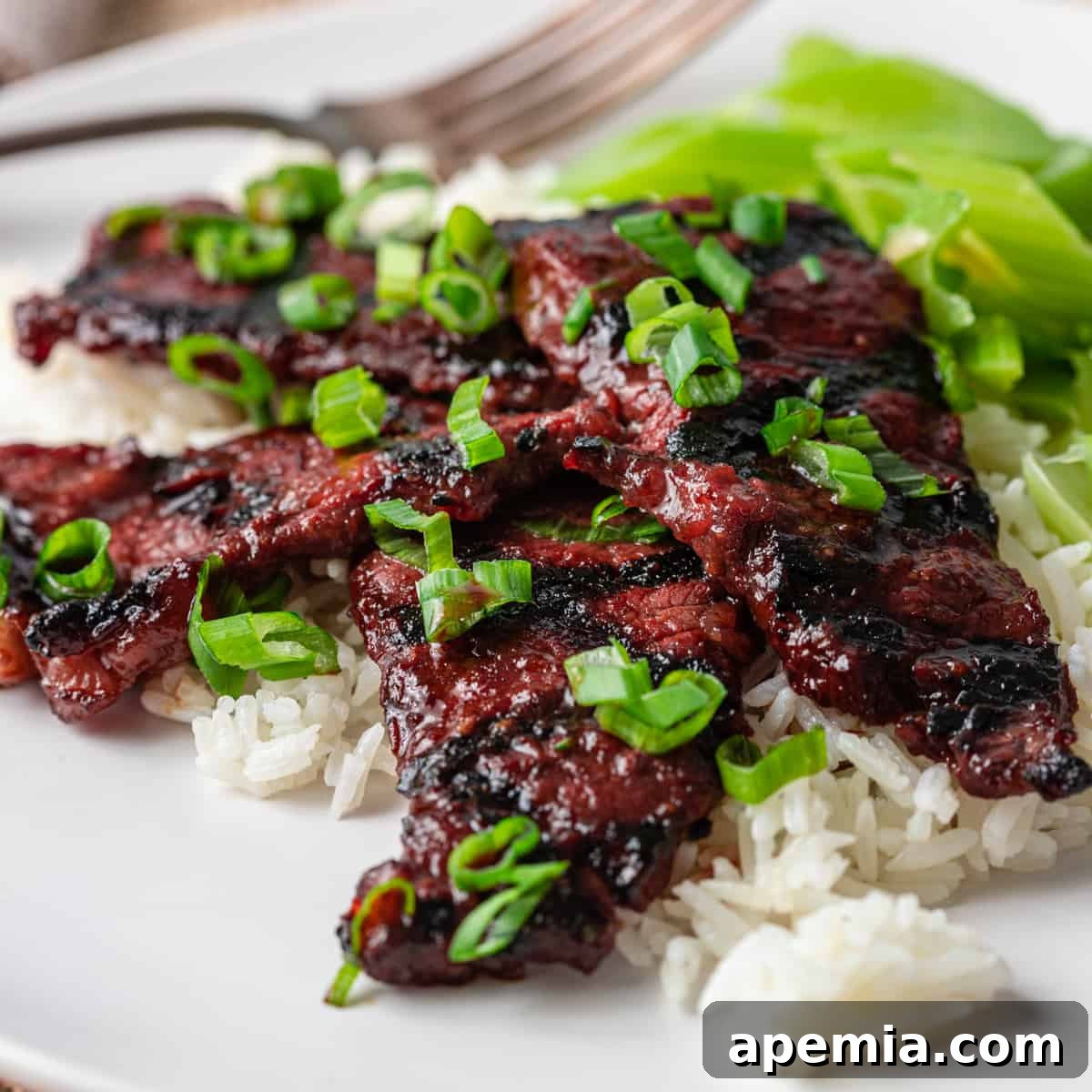
Experience the authentic taste of Korean BBQ right in your own kitchen with this incredible recipe for Flanken Ribs with Homemade Bulgogi Sauce. Featuring tender beef ribs, also known as kalbi or galbi, generously coated in a rich, homemade marinade, this dish offers a delightful fusion of two beloved Korean classics. Prepare to impress your family and friends with an unforgettable meal that brings the vibrant flavors of Korea straight to your dining table.
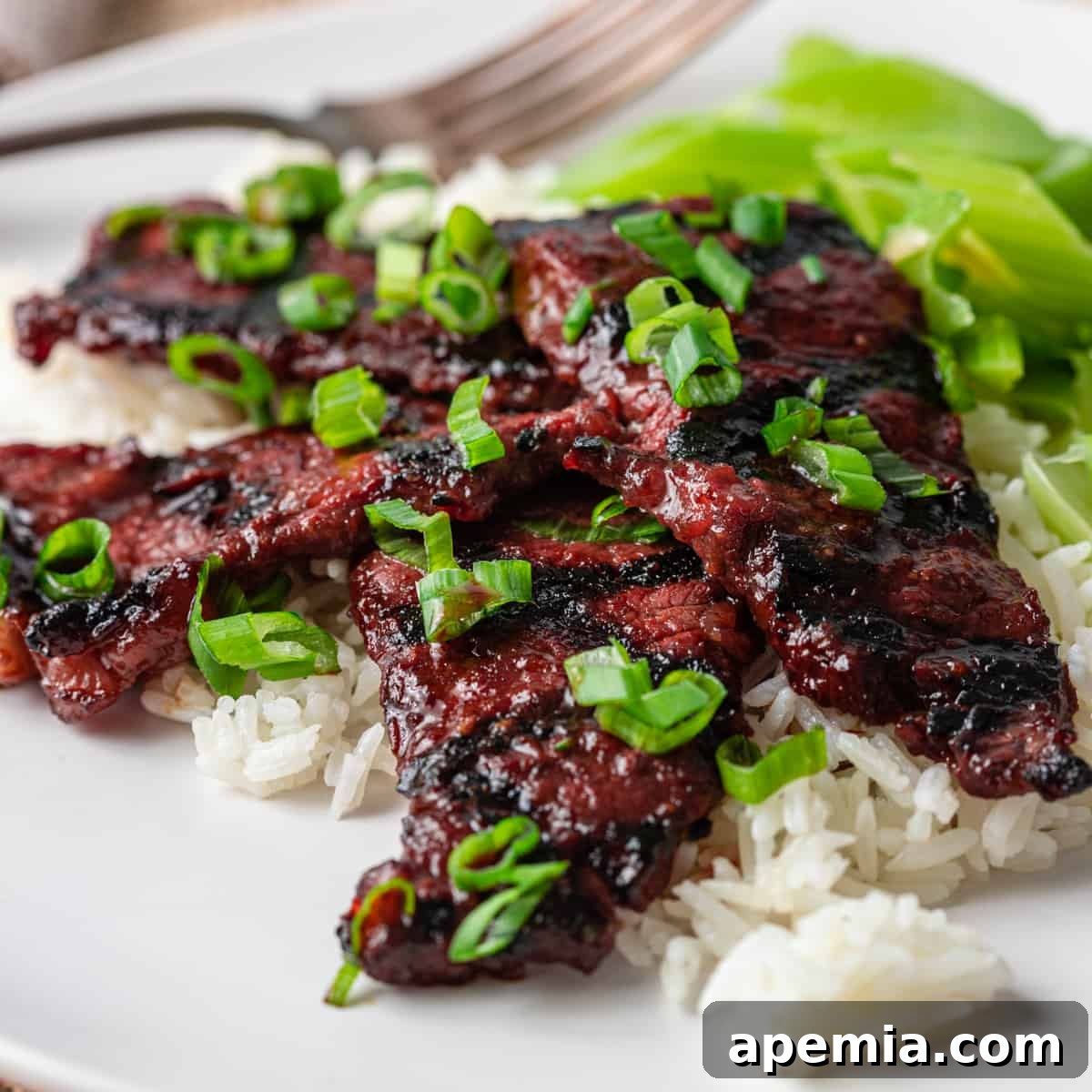
My culinary journey often leads to exciting kitchen experiments, and this recipe for flanken ribs with bulgogi sauce is a testament to those flavorful adventures. It beautifully marries two of my absolute favorite Korean BBQ delights: the savory depth of bulgogi beef and the succulent tenderness of kalbi short ribs. The inspiration struck one day when I had some exquisite bulgogi sauce leftover in the fridge, but my craving was unmistakably for ribs. Why not combine them? The result was a truly unique, kalbi-inspired dish that brings the best of both worlds into one harmonious bite.
While some might get caught up in the traditional names, calling it “Korean Kalbi with Bulgogi” or similar, the essence lies in the incredible flavor profile. This recipe delivers a taste that is both familiar and exciting, offering a shortcut to Korean BBQ excellence without compromising on authenticity or deliciousness. It’s an innovative twist that respects the heritage of both dishes while creating something wonderfully new.

Table of Contents
- What Are Flanken Ribs?
- The Magic of Bulgogi Sauce: Key Ingredients Explained
- How to Make Flavorful Flanken Ribs with Bulgogi Sauce
- Expert Cooking Tips for Perfect Korean BBQ Ribs
- Storing and Reheating Your Korean BBQ Leftovers
- Frequently Asked Questions About Flanken Ribs and Bulgogi
- Flanken Ribs with Bulgogi Sauce Recipe Card
Whether you’re a seasoned Korean food enthusiast or new to its incredible flavors, this kalbi recipe is an absolute must-try. The thin, tender beef ribs are bathed in an intensely flavorful marinade, then expertly grilled to achieve perfect caramelization and a succulent bite. If you’ve been yearning for the authentic experience of Korean BBQ in the comfort of your own home, this recipe provides an accessible and truly delicious starting point. Get ready to embark on a culinary journey that promises both ease and exceptional taste!
The Magic of Bulgogi Sauce: Key Ingredients Explained
The heart of any exceptional Korean BBQ dish lies in its marinade. Our homemade bulgogi sauce for these flanken ribs is a balanced blend of sweet, savory, and aromatic elements that transform ordinary beef into an extraordinary culinary experience. Each ingredient plays a crucial role in achieving that perfect depth of flavor and tender texture.
- Flanken Short Ribs: The Star of the Show
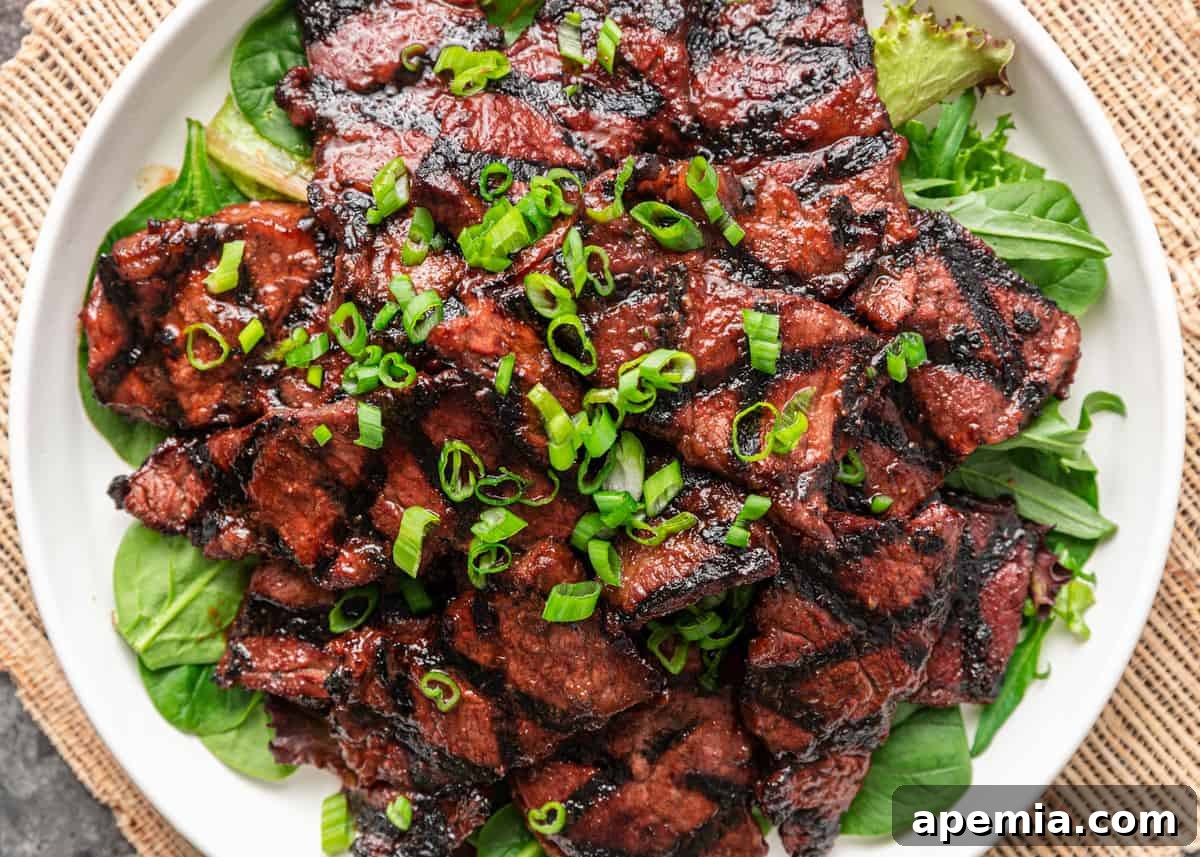
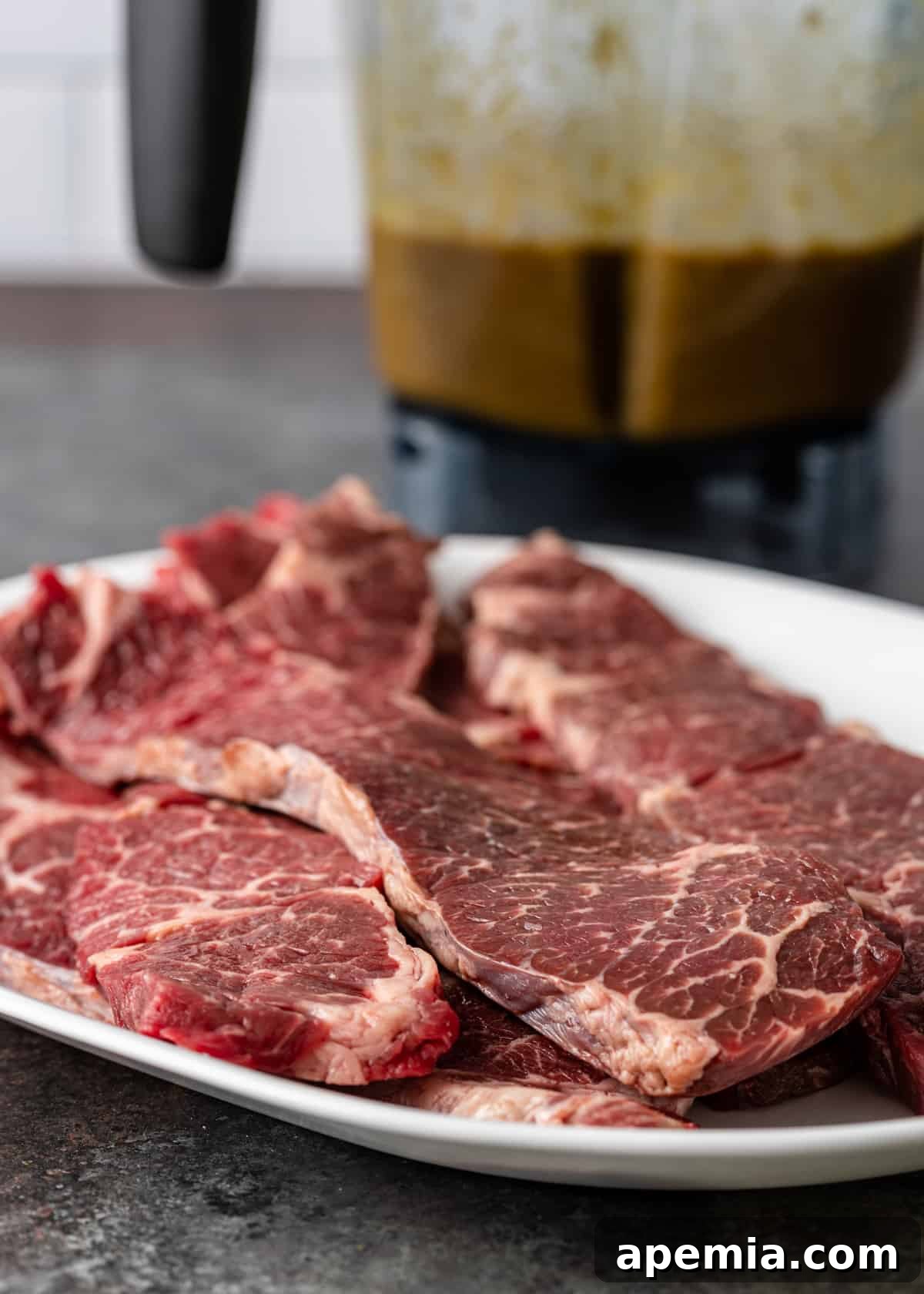
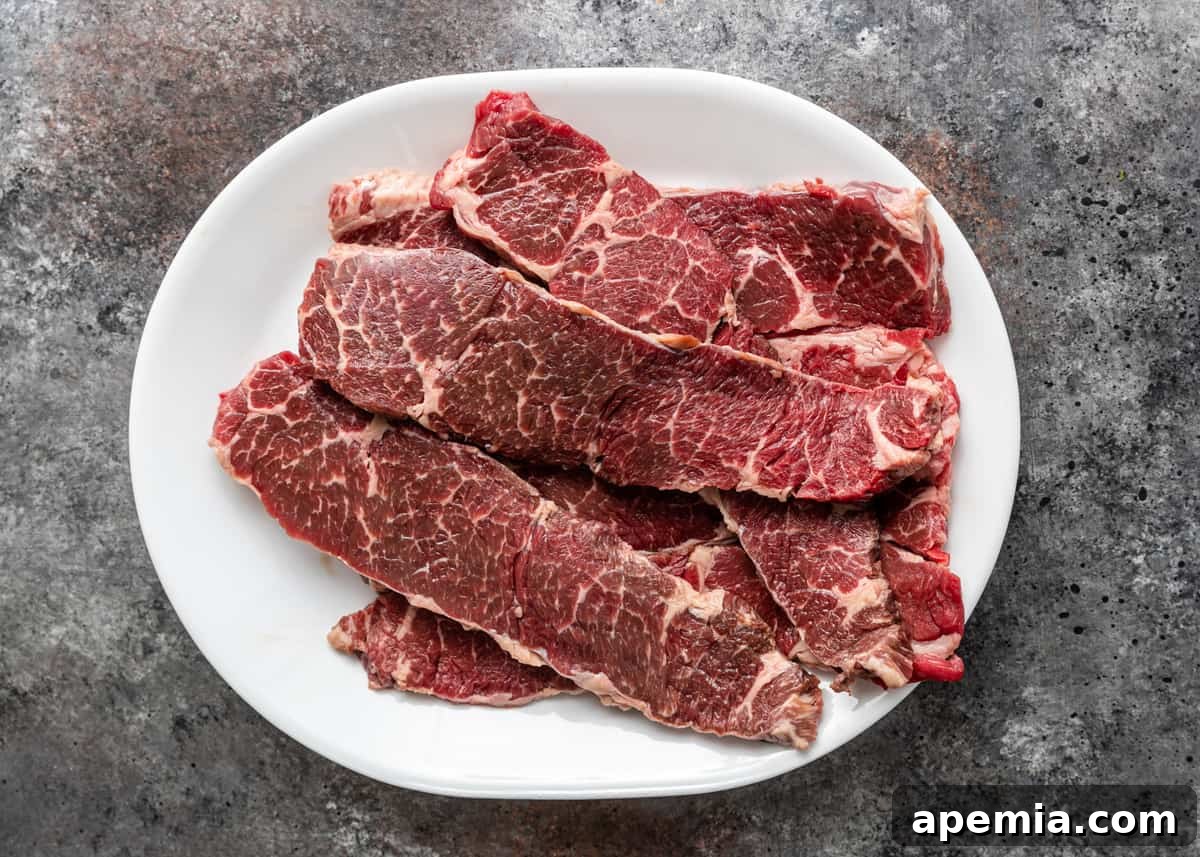
These unique beef ribs are fundamental to this kalbi-style recipe. Flanken ribs are distinctively cut across the bone, resulting in thin strips (typically ¼ to ½-inch thick) that include sections of bone, meat, and fat. This cross-cut allows for quick cooking and maximum flavor absorption from the marinade. While they can come from various beef rib sections, I highly recommend opting for chuck for its ideal balance of marbling and meatiness. If your local grocery store doesn’t stock them with other packaged ribs, don’t hesitate to ask your butcher! They are a staple at most butcher counters and Asian markets. For this specific recipe, I used boneless flanken ribs due to availability, and they work beautifully, offering the added convenience of no bones to contend with while eating. Both bone-in and boneless variations yield delicious results. - Essential Sauces for Umami Depth
A trio of fundamental sauces forms the base of our bulgogi marinade. Soy sauce provides the crucial salty, umami foundation, while rice wine vinegar adds a subtle tang that balances the richness. Finally, sesame oil contributes its distinctive nutty aroma and flavor, which is indispensable in Korean cuisine. Make sure to use good quality ingredients for the best outcome. - Applesauce: The Natural Tenderizer and Sweetener
Traditional bulgogi often incorporates grated Asian pears or apples, not just for their sweetness but also for their natural enzymes that help tenderize the meat. For a convenient shortcut without sacrificing flavor, I use store-bought applesauce. If you’re feeling ambitious and have the time, you can certainly grate a fresh Asian pear or apple for an even more authentic touch. The fruit’s pectin also adds a lovely body to the sauce. - Brown Sugar: For Sweetness and Caramelization
Brown sugar is my preferred sweetener for Korean BBQ sauces. Its molasses content adds a deeper, more complex sweetness compared to white sugar, which beautifully complements the other savory and aromatic components of the marinade. It’s also key to achieving that desirable caramelized crust on the ribs during grilling. - Aromatics: Ginger and Garlic for Depth
Fresh aromatics are non-negotiable for a truly flavorful bulgogi sauce. Generous amounts of ginger and garlic provide a pungent, warming, and incredibly fragrant base that infuses into the flanken ribs, creating layers of flavor that are essential to Korean BBQ. Ensure they are finely minced or crushed for maximum flavor release. - Scallions (Green Onions): Freshness and Mild Bite
Scallions, also known as green onions, are used both in the marinade and as a garnish. In the marinade, they contribute a fresh, slightly pungent onion flavor. As a garnish, their vibrant green color and mild bite add a refreshing contrast to the rich meat. - Sesame Seeds: Nutty Finish
Toasted sesame seeds are crucial for the bulgogi sauce, adding a wonderful nutty aroma and texture. While pre-toasted seeds are available, quickly toasting them yourself in a dry pan until fragrant will amplify their flavor significantly, bringing an extra dimension to your dish.
Tip From Kevin
What Are Flanken Ribs? The Key to Korean Kalbi
Flanken ribs, often interchangeably referred to as Korean-style ribs or “kalbi,” are a distinctive cut of beef that plays a starring role in many traditional Korean BBQ dishes. Unlike traditional short ribs that are cut between the bones, flanken ribs are sliced thinly *across* the bone. This unique butchering technique results in long, thin strips of meat that typically contain several small, circular bone segments within each slice. This cut ensures a perfect blend of meat, fat, and bone in every bite, which contributes significantly to both flavor and tenderness once cooked.
The thinness of the flanken cut makes it ideal for rapid cooking methods like grilling or broiling, allowing for quick caramelization and a succulent interior. For this recipe, I happened to purchase boneless flanken ribs because the bone-in variety was unavailable. Rest assured, both bone-in and boneless flanken ribs work wonderfully with this bulgogi marinade. The boneless version offers the added convenience of easier eating without having to navigate around bones, making it a great option for family meals or entertaining.
When sourcing flanken ribs, look for a good amount of marbling (streaks of fat) throughout the meat, as this contributes to the juiciness and flavor. Don’t be afraid to ask your butcher for “Korean-style short ribs” if you’re having trouble finding them. They are a popular and versatile cut that, once you try, you’ll want to add to your regular rotation!
How to Make Flavorful Flanken Ribs with Bulgogi Sauce
Creating these delectable Korean BBQ flanken ribs at home is surprisingly straightforward, yielding incredibly tender and flavorful results. Follow these simple steps for a truly authentic and satisfying meal:
- Prepare the Marinade: Begin by gathering all your marinade ingredients. Place the scallions, soy sauce, brown sugar, applesauce, rice wine vinegar, fresh ginger, garlic, toasted sesame seeds, and sesame oil into a blender. Process until the mixture is completely smooth and well combined. This ensures all the flavors are evenly distributed and infuse deeply into the meat.
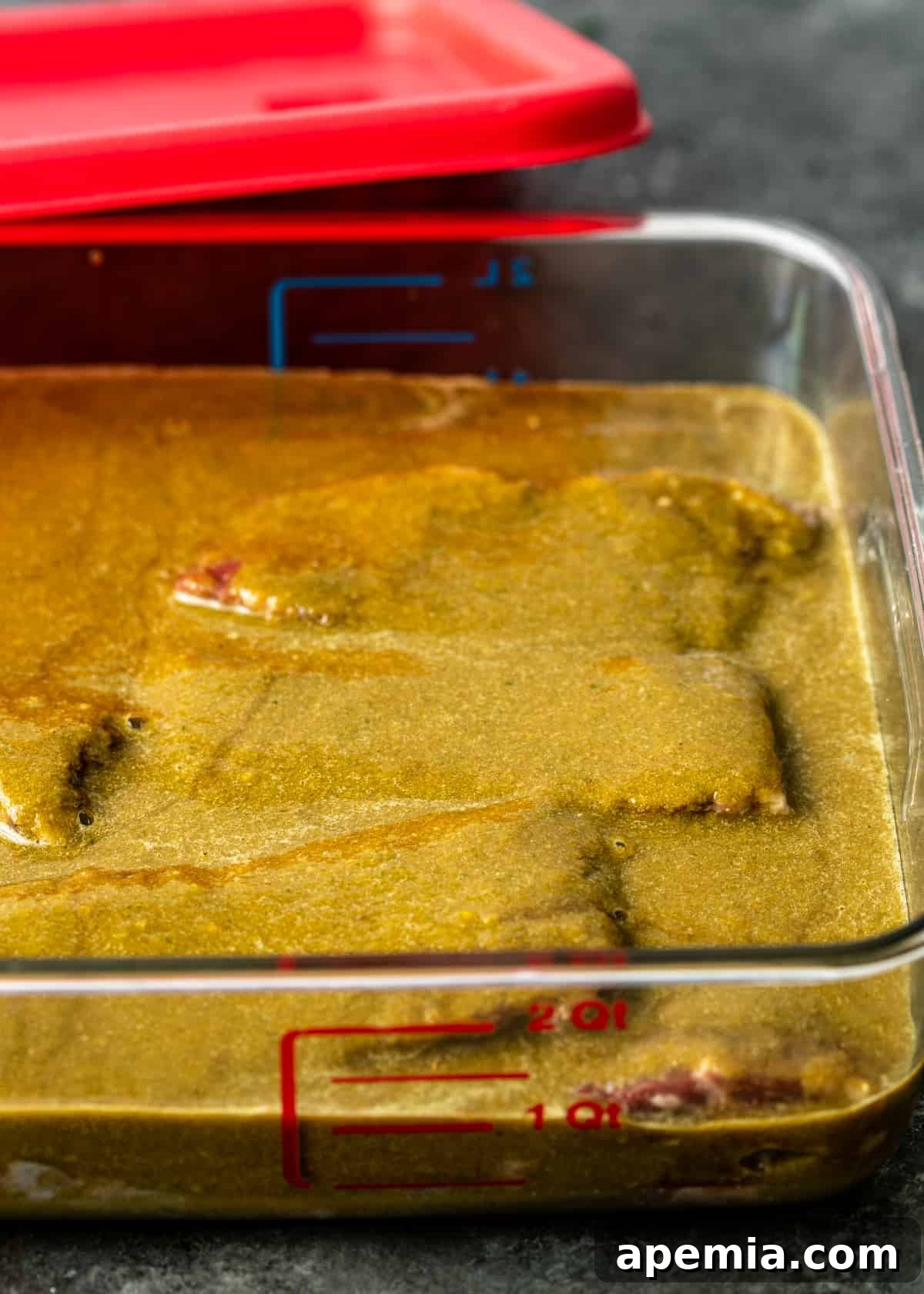
- Marinate the Ribs for Optimal Flavor: Once your bulgogi marinade is ready, transfer the flanken ribs into a large bowl or a sturdy zip-top plastic bag. Pour the entire marinade over the ribs, ensuring each piece is thoroughly coated. Cover the bowl or seal the bag, removing as much air as possible. Refrigerate for at least 4 hours to allow the flavors to penetrate the meat. For the most intense flavor and tender texture, I highly recommend marinating them overnight, up to 12 hours. The longer they marinate, the more delicious they become!
- Choose Your Cooking Method: The versatility of flanken ribs allows for several excellent cooking options. For that classic Korean BBQ char, a high-heat grill is ideal. You can use a cast iron grill pan or skillet on your stovetop, or an outdoor gas, charcoal, or pellet grill. A smoker also works wonders, and for a quick finish, your oven broiler is a great alternative.
- Preheat Your Cooking Surface: If you’re using a gas, charcoal, or pellet grill, preheat it to a consistent 350°F (175°C). For other cooking methods, refer to the detailed instructions in the “Expert Cooking Tips” section below and the recipe card to ensure your equipment is at the optimal temperature. Achieving high heat is key for a beautiful sear.
- Grill to Perfection: Before placing the ribs on the grill, gently shake off any excess bulgogi marinade. This prevents flare-ups and allows for better caramelization. Arrange the ribs on the preheated grill grates. Cook for approximately 4 minutes on the first side until you see beautiful char marks and the edges start to crisp up. Flip the ribs and cook for another 4 minutes on the second side. The goal is a perfectly cooked rib with caramelized, crispy edges and a juicy interior.
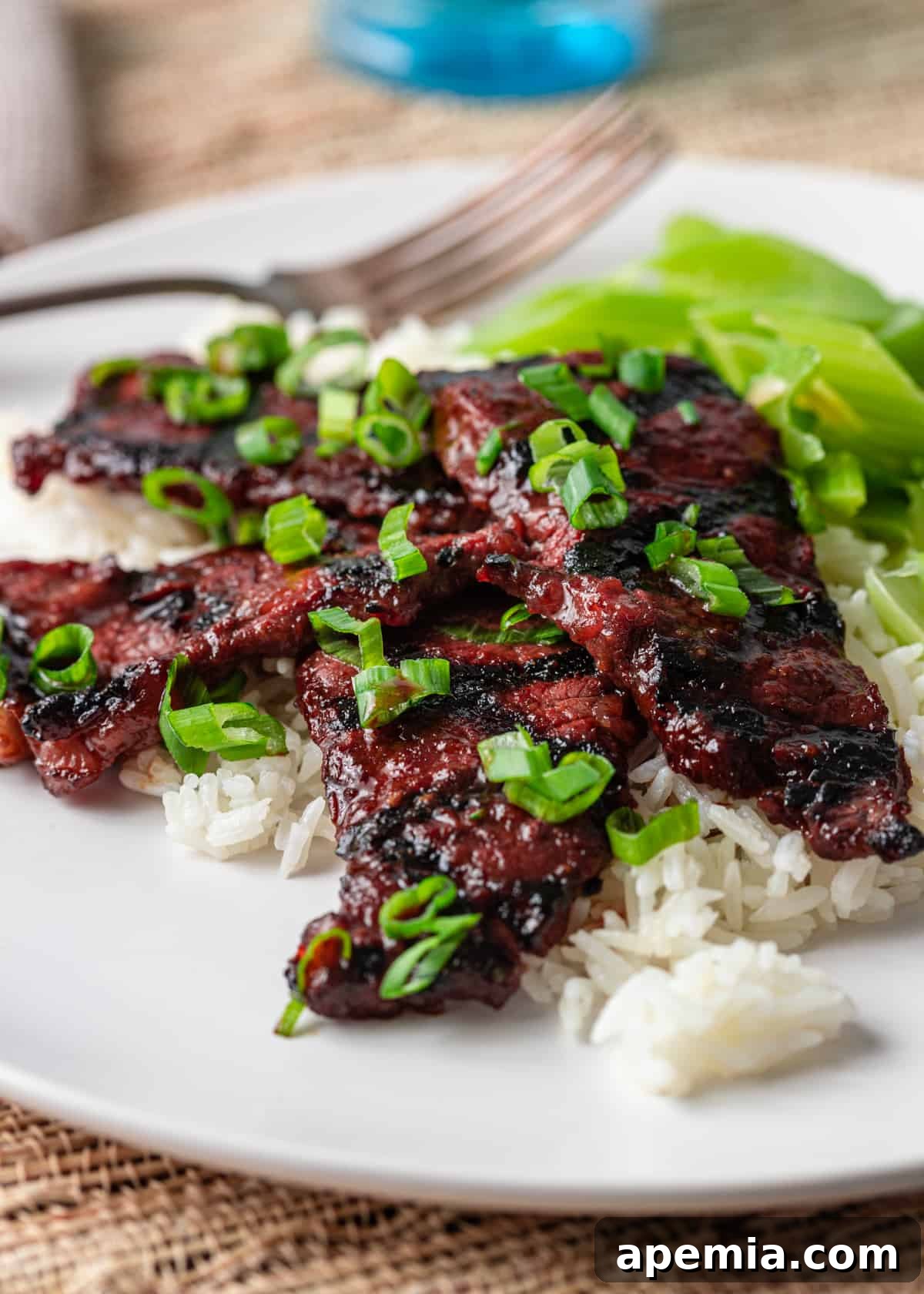
- Rest, Slice, and Garnish: Once your flanken ribs are cooked to perfection, remove them from the grill and let them rest on a cutting board for about 5 minutes. This crucial step allows the juices to redistribute, ensuring maximum tenderness. After resting, cut the ribs into thin, bite-sized slices, cutting against the grain for the most tender results. Finally, garnish generously with fresh, thinly sliced green onions and serve immediately over a bed of fluffy steamed white rice. Enjoy your homemade Korean BBQ feast!
Expert Cooking Tips for Perfect Korean BBQ Ribs
Achieving restaurant-quality Korean BBQ at home is easier than you think with these expert tips:
- Blender Power: For the smoothest bulgogi marinade, use a good quality blender. An immersion blender or food processor will also work effectively to purée all the ingredients to the desired consistency. A smooth marinade ensures even coating and flavor distribution.
- High Heat is Your Friend: Regardless of your chosen cooking method, high heat is paramount for flanken ribs. It quickly sears the outside, creating that irresistible caramelized crust, while keeping the inside tender and juicy. Don’t overcrowd your cooking surface; cook in batches if necessary to maintain consistent high heat.
- Grilling Essentials: If using an outdoor grill, ensure your grates are clean and well-oiled to prevent sticking. A pair of long-handled tongs is essential for flipping the ribs safely and efficiently.
- Alternative Cooking Methods Detailed:
- Smoker: While typically used for low-and-slow, flanken ribs benefit from high heat. Set your smoker to 400°F (200°C) for that delicious smoky char, cooking 3-4 minutes per side. The smoky flavor adds another layer of complexity.
- Oven Broiler: For a quick and easy indoor option, your oven broiler is fantastic. Position the ribs on a rack over a baking sheet to catch drips, ensuring they are about 4-6 inches from the broiler element. Broil for 3-4 minutes per side, watching carefully as broilers can vary in intensity and burn quickly.
- Stovetop (Cast Iron Skillet): A cast iron skillet is excellent for stovetop grilling. Heat the skillet over high heat until it’s smoking slightly before adding the ribs. This ensures a proper sear. Cook for 3-4 minutes per side, achieving a beautiful crust. Work in batches to avoid lowering the pan’s temperature.
- Don’t Skip the Rest: Allowing the cooked ribs to rest for 5 minutes after grilling is not just a suggestion; it’s a critical step. This period allows the muscle fibers to relax and reabsorb the juices, ensuring your ribs are incredibly moist and tender. Skipping this can result in dry, less flavorful meat.
- Cutting Against the Grain: When slicing the rested ribs, always cut against the grain of the meat. This shortens the muscle fibers, making each bite much more tender and enjoyable.
Storing and Reheating Your Korean BBQ Leftovers
While these flanken ribs are best enjoyed fresh off the grill, they also make fantastic leftovers. Proper storage and reheating will ensure they remain delicious for another meal:
Store any leftover galbi in an airtight container in the refrigerator for up to 4 days. For the best results and to prevent condensation, make sure the ribs have cooled completely to room temperature before sealing and refrigerating.
When it comes to reheating, you have a couple of excellent options to bring your ribs back to life:
- Oven Reheating (for larger portions): For warming up a significant amount of ribs, your oven is the ideal choice. Preheat your oven to 325°F (160°C). Arrange the ribs on a baking sheet and wrap them loosely in aluminum foil to retain moisture. Bake for approximately 15-20 minutes, or until thoroughly heated through. If you desire those deliciously crispy edges again, remove the foil for the last few minutes and briefly broil, watching carefully to prevent burning.
- Stovetop Reheating (for smaller portions): For a quicker reheat of smaller servings, the stovetop works wonderfully. Place the leftover flanken ribs with bulgogi sauce in a skillet over low to medium-low heat. Cook for about 10-15 minutes, flipping occasionally, until they are warmed through. A splash of water or a little extra soy sauce can help prevent them from drying out.
Frequently Asked Questions About Flanken Ribs and Bulgogi
While both cuts come from the rib cage of the cow, their butchering methods and typical culinary uses differ significantly. Traditional short ribs are cut parallel to the bone, resulting in thick, rectangular-shaped pieces that usually contain a single bone. They are often braised or slow-cooked. Flanken ribs, on the other hand, are cut across the bone, creating thin, long strips that typically include multiple small circular bone sections in each slice. This thinner cut makes them perfect for quick grilling or broiling, especially in Korean cuisine, where they are known as kalbi. Flanken ribs are prized for their tender texture and ability to absorb marinades quickly.
Flanken ribs are incredibly versatile and can be cooked using several methods, all aiming for that delicious caramelized crust and tender interior. No matter which method you choose, the cooking time remains consistent: approximately 3-4 minutes per side due to their thin cut:
- Smoker: For an added layer of smoky flavor, set your smoker to a high temperature, around 400°F (200°C), and cook the ribs for 3-4 minutes per side.
- Broiler: If you’re cooking indoors, your oven broiler is an excellent option. Position the ribs about 4-6 inches from the heat source and broil for 3-4 minutes per side. Keep a close eye on them, as broilers can cook very quickly.
- Stovetop: A heavy-bottomed pan, especially a cast iron skillet or a grill pan, can replicate the grilling experience indoors. Heat your pan over high heat until it’s searing hot, then add the ribs. Cook for 3-4 minutes per side, ensuring a beautiful, deep brown crust. Avoid overcrowding the pan to maintain high heat.
- Air Fryer: For a convenient, mess-free option, you can even cook flanken ribs in an air fryer. Preheat to 400°F (200°C) and cook in a single layer for 6-8 minutes, flipping halfway through, until cooked to your desired doneness and caramelized.
These flavorful kalbi ribs are a showstopper on their own, but pairing them with simple, complementary side dishes elevates the entire meal. I almost always serve them over a generous portion of freshly steamed white rice, which provides a perfect neutral base to soak up the delicious sauce. Beyond rice, consider these classic Korean accompaniments:
- Kimchi: Fermented spicy cabbage is a quintessential Korean side dish that offers a tangy, spicy contrast to the rich meat.
- Pickled Vegetables (Banchan): Various pickled vegetables like daikon radish, cucumber, or even simple blanched spinach seasoned with garlic and sesame oil provide refreshing textural and flavor contrasts.
- Fresh Salad: A light, crisp salad with a simple sesame-ginger dressing can cut through the richness of the meat.
- Ssam (Lettuce Wraps): Serve with fresh lettuce leaves (like red leaf, green leaf, or perilla leaves) for wrapping the meat, along with some ssamjang (spicy dipping sauce) and sliced garlic. This interactive way of eating is a hallmark of Korean BBQ.
The key is to keep your side dishes relatively simple, allowing the robust flavors of the marinated flanken ribs to truly shine as the star of your meal!
Absolutely! In fact, preparing the marinade a day or two in advance can actually enhance the flavors. Simply blend all the marinade ingredients and store it in an airtight container in the refrigerator. When you’re ready to marinate the ribs, just pour it over. This makes meal prep incredibly convenient, especially for entertaining.
Traditional soy sauce contains wheat, so it is not gluten-free. However, you can easily make this recipe gluten-free by substituting the regular soy sauce with a gluten-free tamari or coconut aminos. Always check the labels of all your ingredients to ensure they are certified gluten-free if you have a strict dietary requirement.
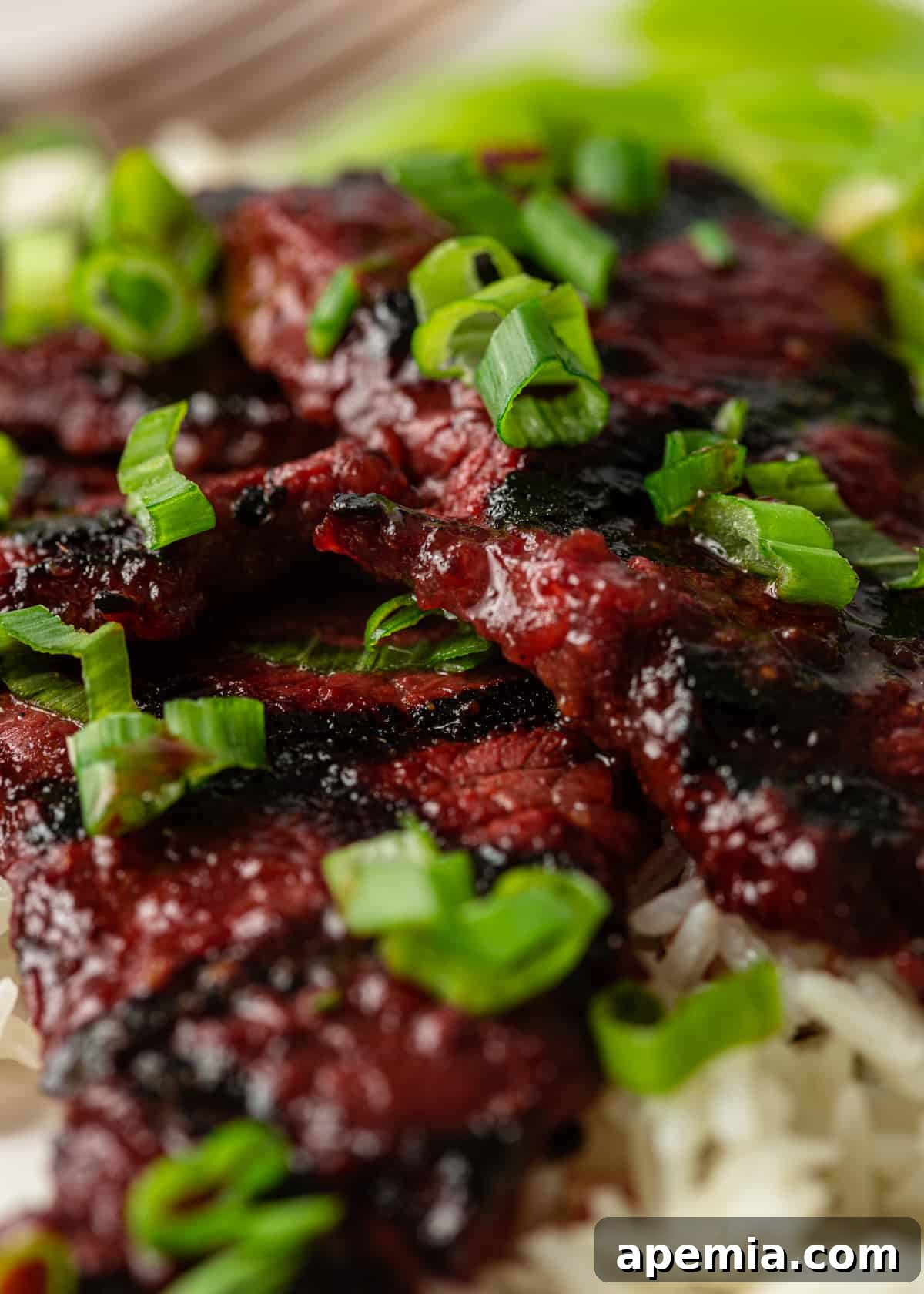
Share this recipe on Pinterest!
Love this recipe? Share it with the world on Pinterest and save it for later!
Subscribe to my Newsletter, follow me on Facebook, Pinterest, Instagram and YouTube for all my latest recipes and videos.
Flanken Ribs with Bulgogi Sauce Recipe Card
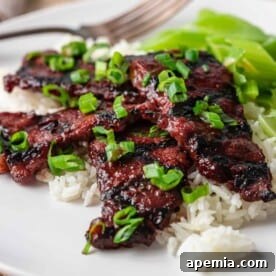
Flanken Ribs with Bulgogi Sauce
Whip up some flanken ribs with bulgogi sauce and enjoy authentic Korean BBQ at home! Flavorful, satisfying, and perhaps best of all…so easy to make!
Servings: 4
Prep Time: 5 mins
Cook Time: 15 mins
Marinating Time: 4-12 hrs
Pin Recipe |
Print Recipe
Ingredients
- 1 lb flanken short ribs (boneless or bone-in)
Marinade
- 4 scallions (green onion), roughly chopped
- 1/2 cup soy sauce
- 1/2 cup brown sugar
- 1/2 cup applesauce (or grated Asian pear)
- 2 tbsp rice wine vinegar
- 3 tbsp fresh ginger, peeled and roughly chopped
- 3 cloves garlic, peeled
- 2 tbsp toasted sesame seeds
- 2 tbsp sesame oil
Garnish
- 1 scallion, green part only, thinly sliced
US Customary – Metric
Instructions
- Add all marinade ingredients to a blender and purée until smooth.
- Place short ribs into a bowl or zip-top plastic bag and pour the marinade over. Cover or seal the top and refrigerate for a minimum of 4 hours, or ideally overnight (up to 12 hours).
- Heat your gas, charcoal, or pellet grill to 350°F (175°C). (See Notes for other cooking options).
- Shake off any excess marinade from the short ribs and place them on the grill grates. Grill on the first side for 4 minutes, then flip ribs over and cook for an additional 4 minutes. The edges will caramelize and become deliciously crispy.
- Allow the meat to rest for 5 minutes after cooking, then cut into thin slices across the grain. Garnish with sliced green onions and serve over steamed rice.
Notes
Other cooking options: No matter which cooking method you use, the cook time for flanken ribs is consistently 3-4 minutes per side due to their thin cut.
- On a gas, charcoal, or pellet grill, cook the ribs at 350°F (175°C).
- For a smoker, set the temperature to 400°F (200°C).
- An oven broiler only has one high-heat setting; position ribs 4-6 inches from the heat.
- Stovetop – Use high heat and a cast iron grill pan or skillet. Allow the pan to get searing hot before adding the ribs.
Nutrition
Calories: 429kcal | Carbohydrates: 36g | Protein: 26g | Fat: 21g | Saturated Fat: 6g | Cholesterol: 67mg | Sodium: 1706mg | Potassium: 617mg | Fiber: 2g | Sugar: 31g | Vitamin A: 159IU | Vitamin C: 4mg | Calcium: 94mg | Iron: 4mg
The information shown is an estimate provided by an online nutrition calculator. It should not be considered a substitute for a professional nutritionist’s advice.
Course: Main Dishes
Cuisine: Asian, Korean
Author: Kevin
Have You Made This Recipe? Let Me Know on Instagram! Tag @keviniscooking or use hashtag #keviniscooking!