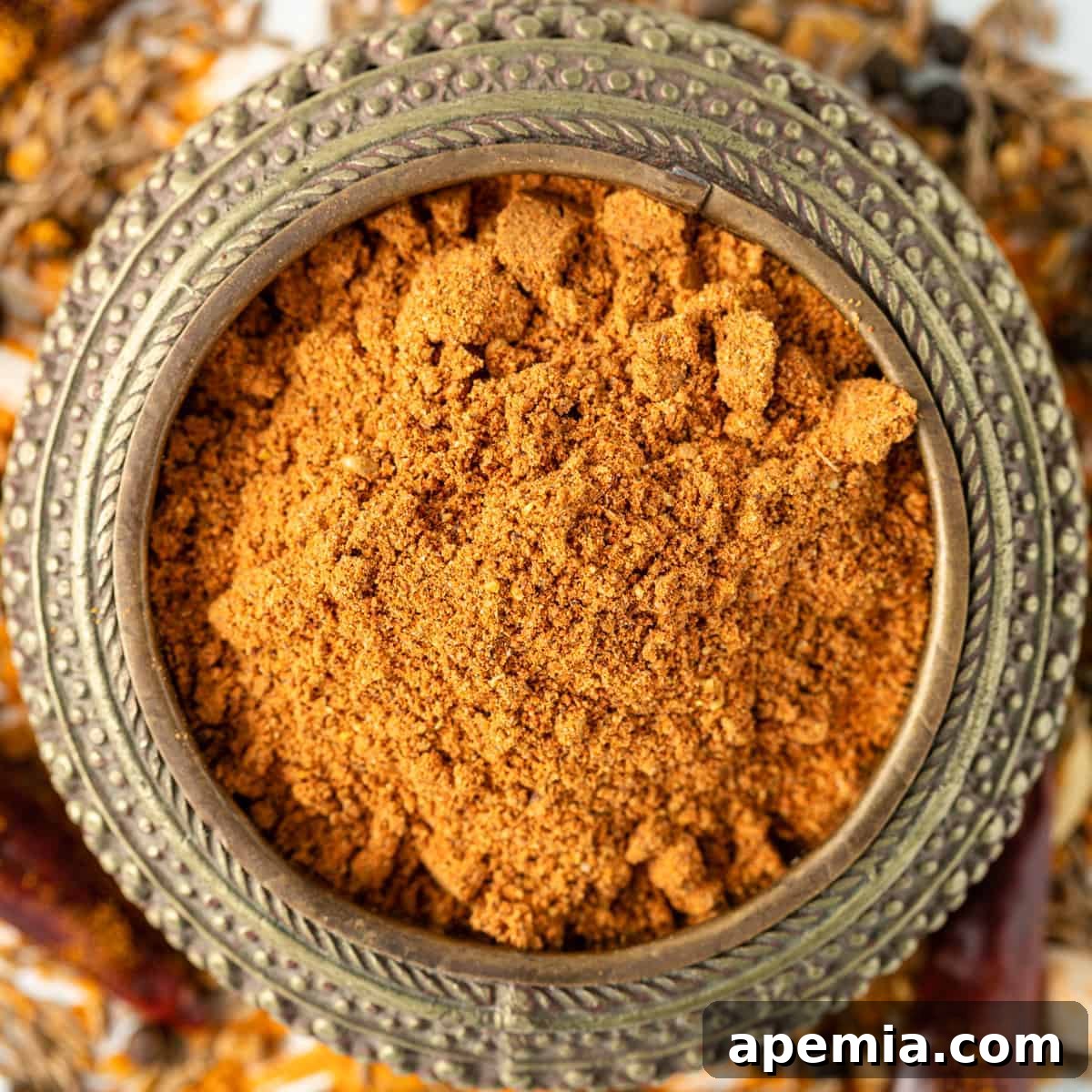
Berbere is more than just an Ethiopian spice blend; it’s the very soul of Ethiopian cuisine, a vibrant, aromatic, and deeply flavorful concoction that embodies the rich culinary heritage of the Horn of Africa. This striking reddish-brown blend, a harmonious fusion of fiery peppers, warming spices, and earthy herbs, is a non-negotiable staple in Ethiopian kitchens. Its incredible versatility makes it a perfect companion for a vast array of ingredients, from hearty vegetables and succulent poultry to robust red meats and delicate seafood. Imagine infusing your meals with a complex symphony of flavors that can be whipped up in mere minutes and stored to perfection for up to six months, ready to transform any dish into an extraordinary culinary experience.
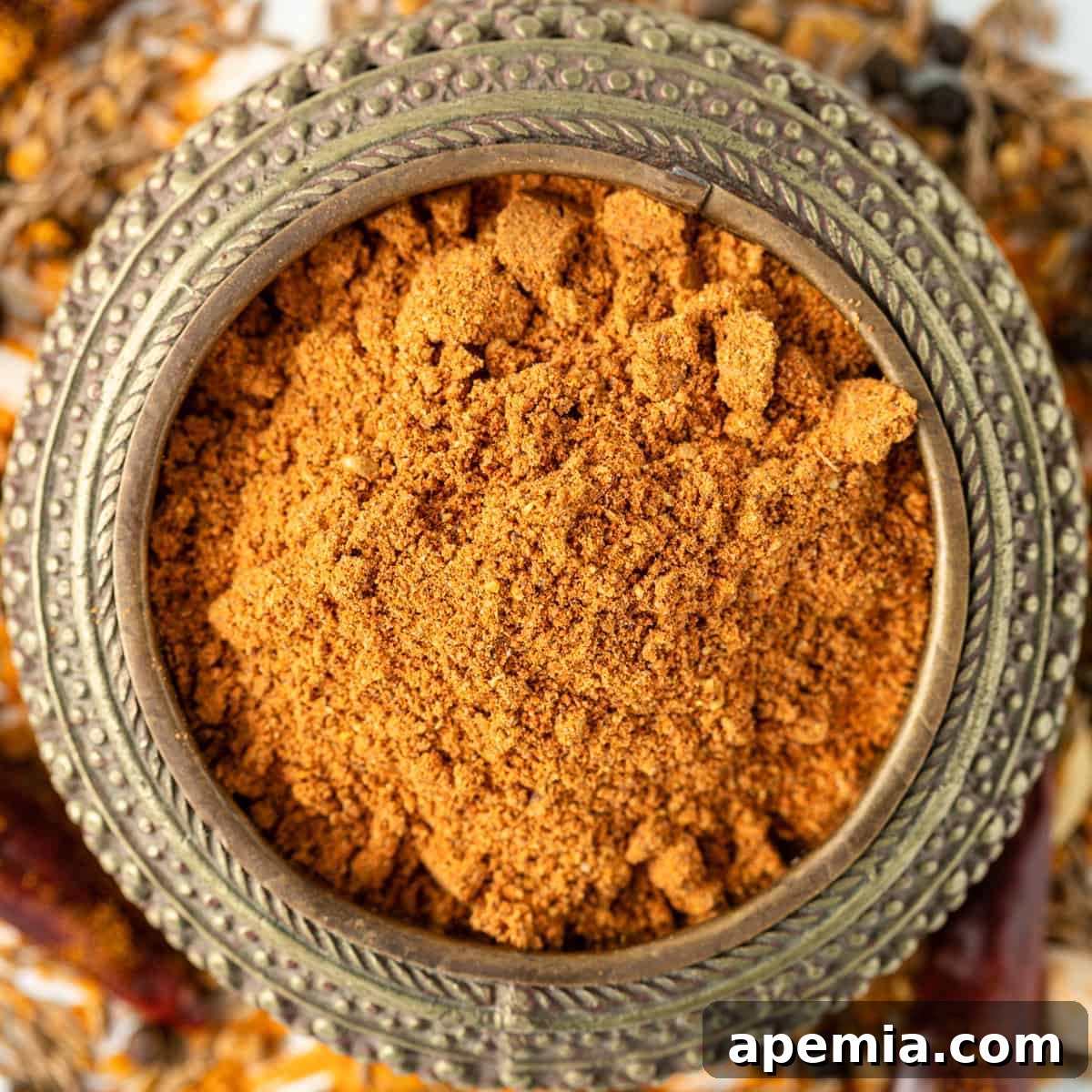
For over a decade, Berbere has held a cherished spot in my culinary repertoire, captivating my senses from the very first encounter with its intoxicating aroma. This isn’t just a spice blend; it’s a game-changer, an incredibly versatile seasoning that effortlessly elevates almost any savory meat or vegetable dish. While it shines particularly brightly with chicken, its applications are virtually limitless. Iconic Ethiopian dishes like Doro Wat (Ethiopian chicken stew) and Berbere Chicken and Lentils owe their distinctive, complex flavors to this very blend. But its magic doesn’t stop there. I frequently incorporate Berbere into a myriad of everyday meals, from jazzing up scrambled eggs and adding depth to creamy grits to infusing warmth into simple roasted vegetables and enriching comforting soups. The cardinal rule of cooking remains: never allow a spice’s origin to dictate or limit its boundless potential for use! Experiment and discover its transformative power in your own kitchen.
The true brilliance of Berbere lies in its meticulously balanced flavor profile—a captivating interplay of sweet undertones, exhilarating heat, and profoundly warm, earthy notes. Robust spices like clove, black pepper, and the comforting sweetness of cinnamon lay a powerful foundation, artfully mellowed and brightened by the citrusy zest of coriander, the golden warmth of turmeric, and the deep earthiness of cumin. Further layers of complexity are introduced by the pungent allure of garlic, the subtly bitter yet sweet fenugreek, and the uniquely menthol-like, peppery essence of cardamom. Finally, the vibrant hue and unforgettable tingling heat are delivered by the dynamic duo of cayenne pepper and paprika, creating an intoxicating blend that tantalizes the palate from the first whiff to the lingering finish.
Table of Contents: Your Guide to Mastering Berbere
- The Art of Whole Versus Ground Spices
- Essential Ingredients and Clever Substitutions
- Crafting Your Homemade Berbere: Step-by-Step
- Recommended Culinary Tools
- Preserving the Potency: Storing Your Berbere Spice Blend
- Frequently Asked Questions About Berbere
- The Ultimate Berbere (Ethiopian Spice Blend) Recipe
If you’re eager to integrate this magnificent Ethiopian spice blend into your regular cooking routine, consider its magical ability to transform everyday dishes. A simple sprinkle into your favorite soups and stews can instantly impart a profound warmth and a vibrant depth of flavor, turning a familiar meal into an exotic adventure. Beyond the obvious, try marinating meats, seasoning roasted vegetables, or even adding a pinch to your morning eggs for an unexpected kick. The beauty of homemade Berbere is its adaptability—it’s not just for traditional Ethiopian fare; it’s for your kitchen, your recipes, and your culinary creativity.
When embarking on your Berbere-making journey, you have the flexibility to choose your starting point. My comprehensive recipe accommodates both entirely ground spices for utmost convenience or a combination of whole and ground spices for those seeking an unparalleled depth of flavor and aroma. Delve into the detailed recipe card below for specific quantities and instructions tailored to your preference, ensuring you achieve the best possible Berbere blend for your palate.
Pro Tip From Kevin’s Kitchen
The Art of Whole Versus Ground Spices: Unlocking Maximum Flavor
The choice between using whole or pre-ground spices is a critical decision that significantly impacts the final quality of your Berbere blend. Whole spices are like tiny, self-contained flavor capsules. They retain their volatile oils and vibrant aromas for considerably longer periods—often months or even years—because their surface area is minimal, limiting exposure to air, light, and heat, which are the primary enemies of spice potency. When you toast and freshly grind whole spices, you shatter their cellular walls, releasing an explosion of fresh, complex flavors and an intensely aromatic bouquet that simply cannot be matched by pre-ground alternatives.
While whole spices offer superior freshness and allow for precise control over flavor development, especially when toasted to perfection, they do demand a little extra effort and equipment, such as a dedicated spice grinder or a traditional mortar and pestle. This additional preparation time is a small investment for the profound depth and vibrancy they bring to your Berbere. Conversely, pre-ground spices offer undeniable convenience, providing instant flavor without the need for additional steps. However, their increased surface area means they begin to lose their potency, aroma, and nuanced complexity much faster, often becoming dull and less impactful over time. Ultimately, your decision should balance your desire for maximum freshness and flavor with your available time and preferred cooking style. For the most authentic and robust Berbere, the effort of toasting and grinding whole spices is an endeavor well worth taking.
Essential Ingredients and Clever Substitutions for Your Berbere Blend
Making the perfect Berbere requires a thoughtfully curated selection of spices. Below is a detailed look at each component, including their unique contribution to the blend and reliable substitutions for when you’re in a pinch. (Remember to consult the full recipe card for precise quantities and additional details!)
- Cayenne Powder – This is the primary architect of Berbere’s signature heat. Its pure, fiery kick is indispensable. If you need a substitute, pure chili powder (referring to ground chilis, not the North American blend that often includes other spices) is your best bet to maintain that unadulterated spice.
- Paprika – Essential for both its mild pepper flavor and, crucially, for imparting Berbere’s stunning, deep red hue. We specifically use regular paprika here, as smoked paprika would introduce an unintended flavor profile that deviates from traditional Berbere.
- Fenugreek (Seeds or Ground) – A fascinating spice that contributes a subtle, nutty depth and a hint of bitterness when raw, which beautifully transforms into a more fragrant, maple-like sweetness once toasted. It’s a key, distinctive flavor note in authentic Berbere.
- Garlic Powder – Provides a foundational savory aroma and pungency that is integral to the blend’s complexity. If garlic powder is unavailable, onion powder makes for a decent, albeit slightly different, aromatic substitute.
- Cinnamon, Clove & Ginger – This triumvirate of robust, warm spices delivers the characteristic depth and aromatic complexity found in many East African and Ethiopian cuisines. Cinnamon offers sweet warmth, clove adds intense aromatic richness, and ginger provides a pungent, zesty heat.
- Cardamom (Pods or Ground) – A truly nuanced and exquisite seasoning with a complex profile that ranges from almost menthol-like coolness to bright citrusy notes and a subtle peppery finish. It adds a sophisticated layer to the Berbere’s overall aroma.
- Coriander & Cumin – These two spices form the earthy backbone of the Berbere blend. Coriander brings a mild, citrusy-sweet note, while cumin provides a deeply earthy, slightly bitter warmth, creating a perfect dynamic duo.
- Turmeric – Beyond its striking bright orange-yellow color, turmeric contributes a bold, earthy, and slightly bitter flavor. It’s a unique spice with no true substitute that can replicate its distinctive taste and color contribution, making it one of a kind and essential to the blend.
- Allspice (Berries or Ground) – A wonderfully warm and powerful ingredient, aptly named because its flavor profile amazingly combines notes of clove, cinnamon, and nutmeg. If you find yourself without allspice, you can create a reasonable facsimile by combining equal parts of ground clove, cinnamon, and nutmeg.
- Black Pepper (Peppercorns or Ground) – Provides a sharp, pungent heat that rounds out the spice blend, adding another layer of warmth and complexity to the overall fiery profile.
Crafting Your Homemade Berbere: A Simple Step-by-Step Guide
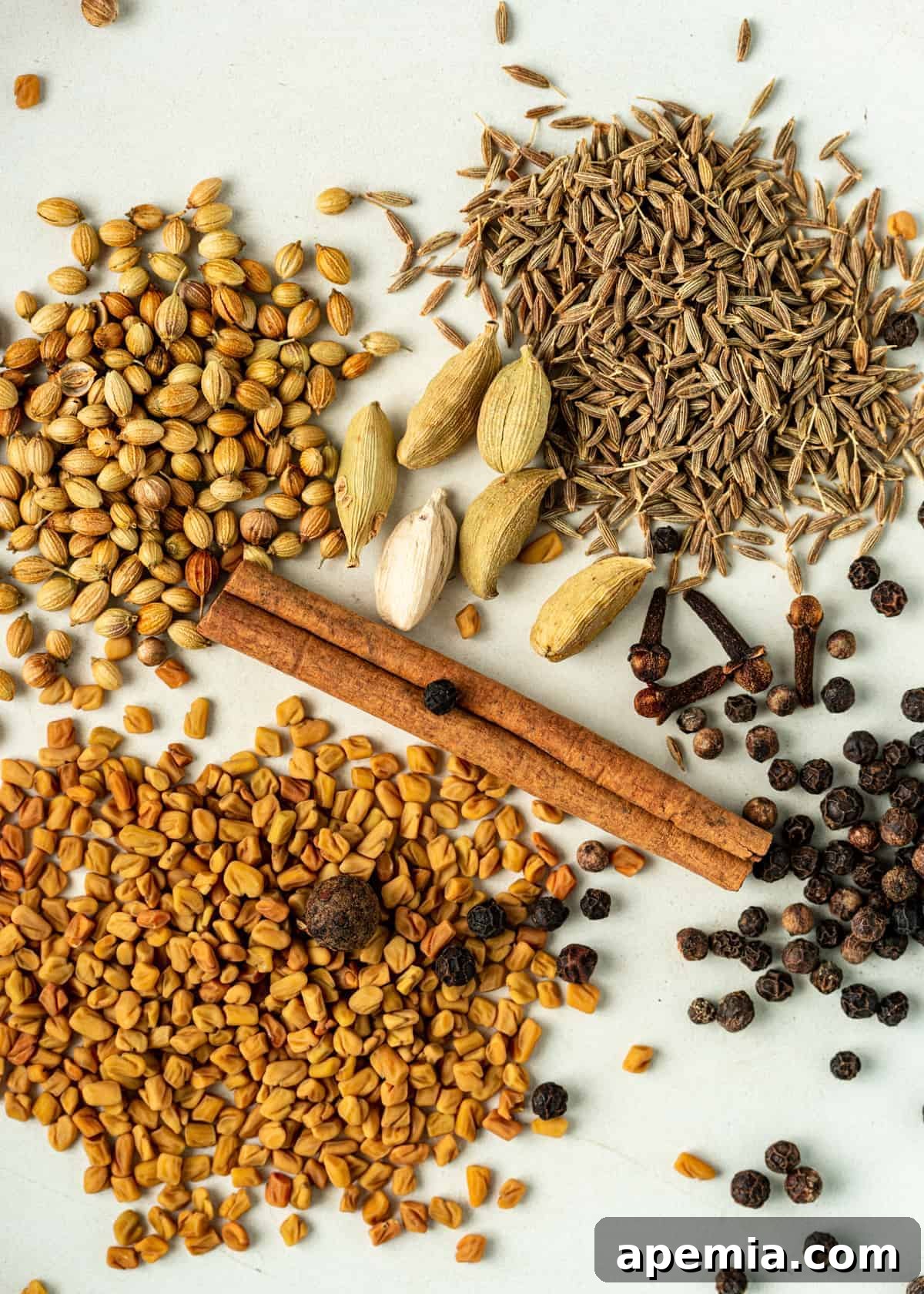
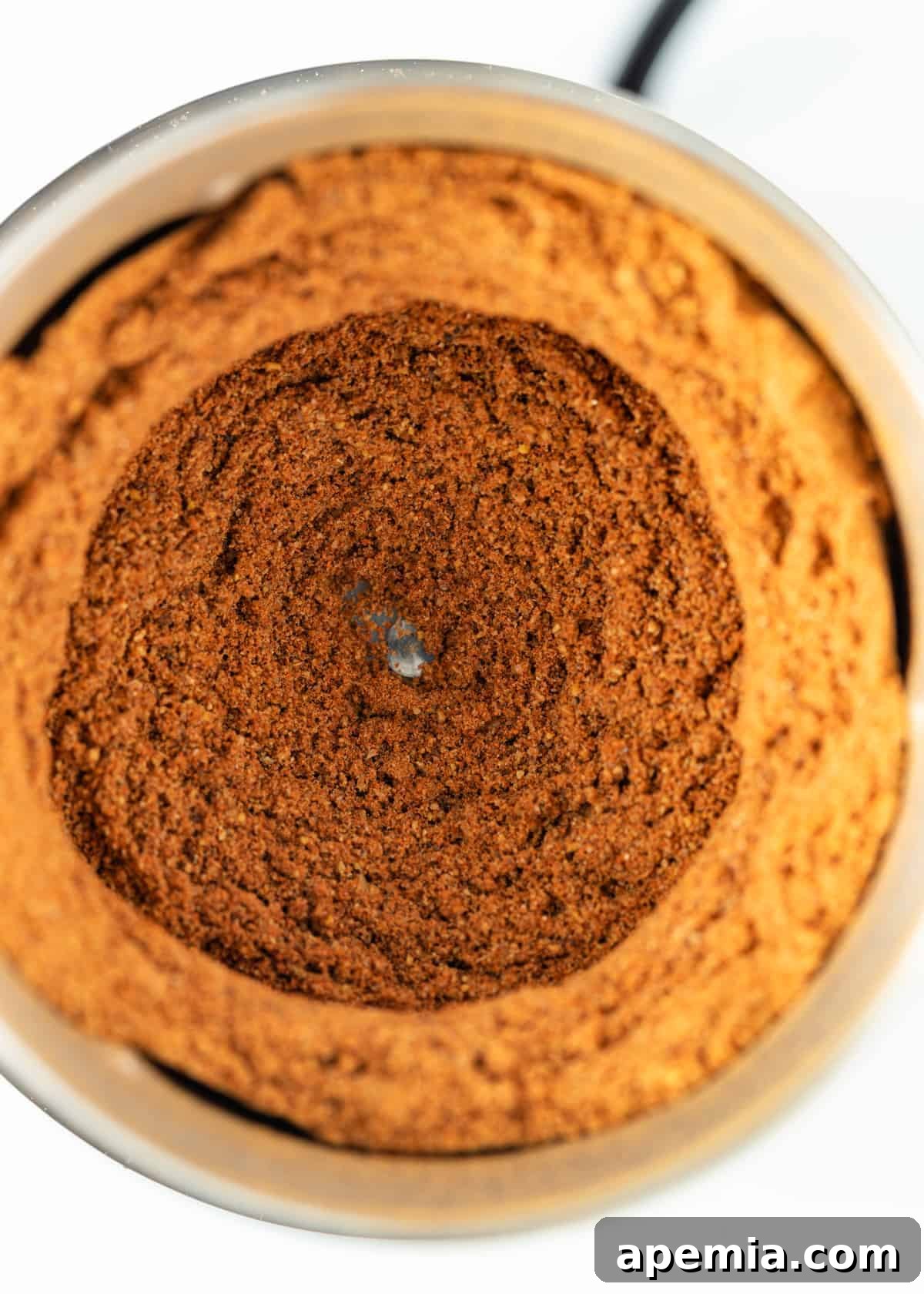
- Toast & Grind the Whole Spices for Maximum Flavor. This initial step is paramount for unlocking the deepest flavors and most intense aromas from your whole spices. Begin by heating a medium-sized skillet over medium heat—ensure it’s dry, as we’re aiming for dry-toasting, not frying. Carefully add the fenugreek seeds, coriander seeds, cumin seeds, cinnamon stick (break it into smaller pieces for easier toasting and grinding), cardamom pods, black peppercorns, allspice berries, and cloves to the skillet. Toast these aromatic treasures for approximately 2 to 3 minutes. It’s crucial to keep the spices in constant motion by stirring frequently to prevent scorching and ensure even toasting. You’ll know they’re ready when a rich, fragrant aroma fills your kitchen. Once perfectly toasted, remove them from the heat and allow them to cool completely. This cooling step prevents moisture condensation and ensures a finer grind. After cooling, transfer the whole spices to a dedicated spice grinder (or a high-speed blender or a traditional mortar and pestle) and grind them into a very fine, consistent powder.
- Combine All Ground Spices for a Unified Blend. If you’ve opted for the convenience of using entirely pre-ground spices, this is where your Berbere-making journey begins. In a spacious bowl, combine all of your ground spices (including those you freshly ground in the previous step, if applicable). Use a whisk to thoroughly mix everything together. Continue whisking until the blend achieves a uniform color and texture, ensuring all the individual spices are perfectly integrated into a cohesive, harmonious mixture. This meticulous blending is key to ensuring that every pinch of your homemade Berbere delivers a balanced burst of its complex flavors.
- Store Your Freshly Made Berbere for Lasting Potency. Once your Berbere blend is perfectly combined, transfer it immediately to an airtight container. Glass jars with tight-fitting lids are ideal as they don’t absorb or impart flavors and offer excellent protection from air and moisture. Proper storage is crucial for maintaining the freshness and potency of your spice blend. When stored correctly in a cool, dark place, your homemade Berbere will retain its exquisite flavor and aromatic power for up to 6 months, ensuring you have a steady supply of this Ethiopian essential at your fingertips.
Recommended Culinary Tools for Perfect Berbere
To successfully craft your own aromatic Berbere blend, especially if you’re working with whole spices, a few essential tools will make the process much smoother and more enjoyable:
- Spice Grinder or Mortar and Pestle: Absolutely indispensable if you choose to use whole spices. A dedicated electric spice grinder quickly and efficiently turns whole spices into a fine powder. For a more traditional approach and a slightly coarser texture (which some prefer for certain applications), a mortar and pestle will allow you to grind your spices by hand, releasing their oils more deliberately.
- Small Skillet or Frying Pan: Essential for dry-toasting your whole spices. A heavy-bottomed skillet ensures even heat distribution and prevents scorching, which is crucial for developing the spices’ full flavor potential.
- Whisk or Spoon: For thoroughly combining your ground spices, ensuring a homogenous blend where every flavor note is perfectly distributed.
- Airtight Storage Containers: Crucial for preserving the freshness and potency of your finished Berbere blend. Glass jars with tight-sealing lids are highly recommended.
Preserving the Potency: Storing Your Berbere Spice Blend for Maximum Freshness
Proper storage is paramount to extending the life and maintaining the vibrant flavor of your homemade Berbere spice blend. Spices are delicate, and their potency can degrade quickly if not cared for correctly. To ensure your Berbere remains as aromatic and flavorful as the day you made it, follow these guidelines:
Always store your precious homemade spice blends in a cool, dry place within your kitchen. Ideal locations include a dedicated spice drawer, a dark cabinet away from direct sunlight, or within your pantry. The key is to protect them from light, which can cause pigments to fade and essential oils to break down, diminishing both color and flavor.
Crucially, keep your Berbere far away from sources of heat, such as your stove or oven. Frequent and drastic shifts in temperature can cause condensation inside your container, introducing moisture. Moisture is the arch-nemesis of ground spices, leading to clumping, loss of flavor, and potentially even mold growth, drastically reducing the shelf life of your exquisite Berbere spice blend. For this very reason, it is strongly advised not to store spices in the refrigerator or freezer, as the humidity and temperature fluctuations upon removal can be detrimental.
Regarding containers, opt for something non-porous and airtight. Glass jars with tight-sealing lids are the gold standard. Not only do they create an effective barrier against air and moisture, but they also don’t absorb or transfer flavors, ensuring your Berbere retains its pure essence. A sustainable and practical tip is to repurpose clean, old store-bought spice bottles; just make sure they are thoroughly washed and dried before reuse. By adhering to these simple storage practices, your Berbere will provide a burst of Ethiopian flavor to your dishes for up to six months, if not longer, depending on the freshness of your initial ingredients.
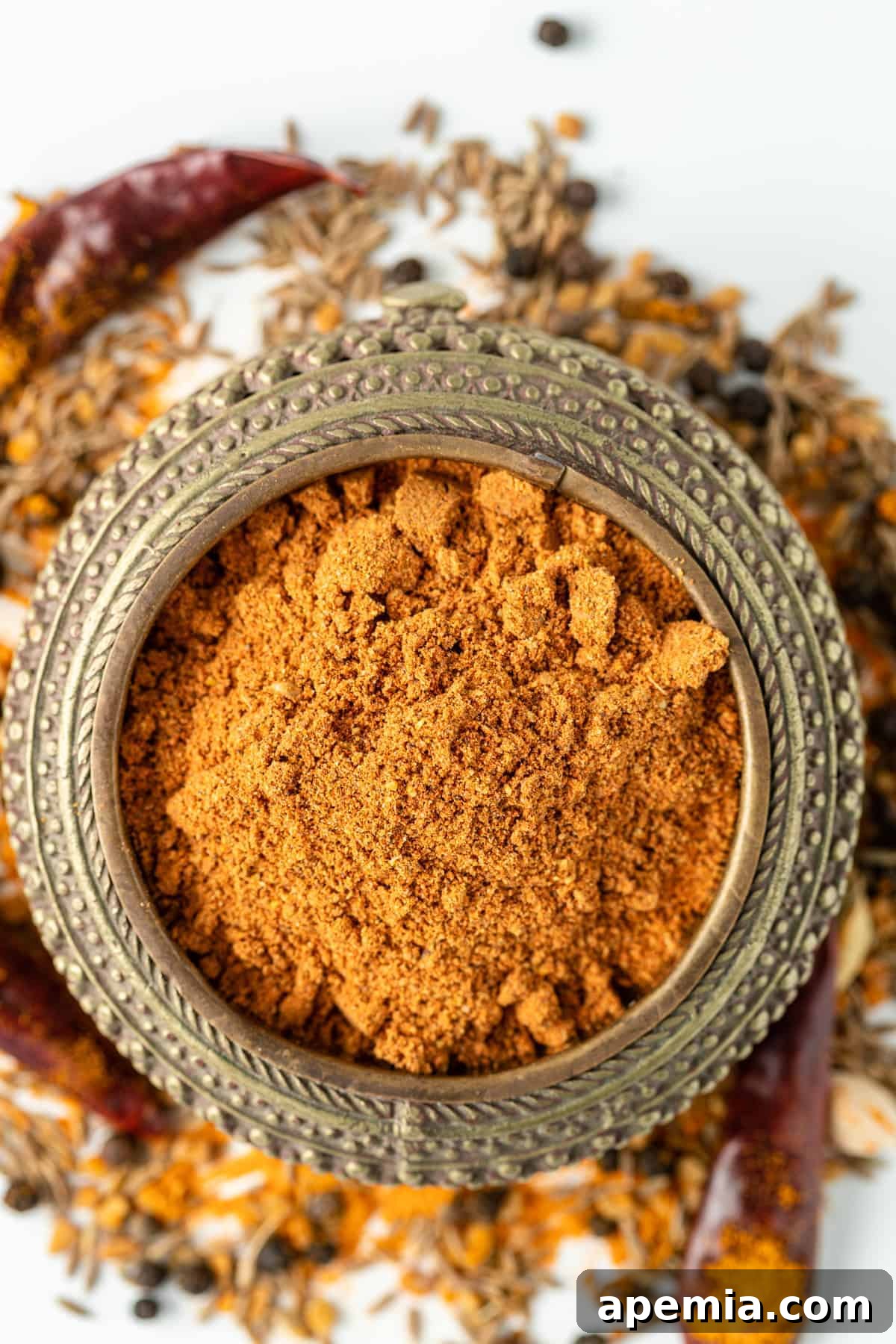
Share this Berbere recipe on Pinterest!
Love this authentic homemade Berbere recipe? Share it with your friends and the world on Pinterest to inspire more culinary adventures.
Frequently Asked Questions About Berbere
Berbere is indeed known for its vibrant and noticeable heat, but it’s crucial to understand that its spiciness is incredibly complex and layered, not just a one-dimensional burn. This intricate heat comes from a thoughtful combination of different peppers and warm spices, all contributing to an amazing aroma and depth of flavor. When preparing your homemade Berbere, a word of expert advice: avoid the temptation to add an excessive amount of cayenne powder right into the blend itself to make it overwhelmingly hot. If you create a super-spicy base blend, you’ll be limited if you ever wish to prepare a milder dish. The smarter approach is to make your base Berbere blend with a moderate level of heat. You can always easily customize the spiciness of individual dishes you’re cooking by adding extra cayenne or chili powder directly into that specific meal, giving you full control over the heat intensity without compromising the versatility of your main Berbere blend.
While the convenience factor of using pre-ground spices for your homemade Berbere blend is certainly appealing and saves time, I wholeheartedly advocate for the practice of toasting and grinding spices fresh. This method is the undisputed champion for achieving the best, boldest, and most authentic flavors, along with the strongest, most intoxicating aroma. Whole spices retain their volatile oils much longer, and the act of toasting them releases these oils, intensifying their flavors before grinding. This process unlocks a depth and freshness that simply cannot be replicated by pre-ground alternatives, which have often lost a significant portion of their aromatic compounds over time. For a truly superior Berbere experience, the extra effort of starting with whole spices is an investment in unparalleled taste and fragrance.
This is a common and very understandable question, but the answer is quite emphatic: if you’re looking for a single, direct substitute for the entire Berbere blend, there truly isn’t one! Berbere is far more than just a collection of spices; it’s a meticulously crafted, complex Ethiopian spice blend where each ingredient is chosen and layered in a very deliberate way. This careful curation achieves a profound balance between its signature heat, subtle sweetness, tangy notes, deep earthiness, and comforting warmth, all infused with delicate herbal undertones. To liken it to a single spice like paprika, or even another blend like Middle Eastern Baharat, would be a disservice to its unique complexity. While Baharat also offers warmth and complexity, its flavor profile and spice ratios are distinct from Berbere. Paprika, while providing color and mild pepper notes, lacks the intricate layers of heat, sweetness, and aromatics. Each component in Berbere plays a specific role, contributing to a symphony of flavors that cannot be replicated by a single ingredient or a different blend. To truly experience Ethiopian cuisine, Berbere is an irreplaceable cornerstone.
Berbere’s versatility extends far beyond traditional Ethiopian stews like Doro Wat. Its robust and complex flavor profile makes it an excellent addition to a wide range of dishes. Consider using it as a dry rub for grilling or roasting chicken, lamb, or beef – it forms a beautiful crust and infuses the meat with incredible flavor. It’s fantastic blended into marinades for fish or tofu, adding a spicy, aromatic depth. Sprinkle it over roasted root vegetables like carrots, potatoes, or sweet potatoes for a vibrant side dish. Stir a pinch into scrambled eggs or an omelet for a breakfast with a kick. You can also mix it with a little oil to create a paste for spreading on sandwiches or incorporating into salad dressings for an unexpected twist. Even a small amount can liven up simple rice dishes or lentil soups. Don’t be afraid to experiment; Berbere can add an exciting dimension to almost any savory preparation.
Berbere holds immense cultural significance in Ethiopia, where it is not merely a seasoning but a cornerstone of the national cuisine and identity. It is considered the “national spice” and is deeply woven into the fabric of daily life and special celebrations. Preparing Berbere from scratch, often a communal activity, is a tradition passed down through generations, embodying culinary heritage and family bonds. Its presence in virtually every savory dish signifies warmth, hospitality, and the distinct flavors that define Ethiopian food globally. From daily meals to elaborate feasts, Berbere is always present, enhancing dishes like injera (Ethiopia’s staple sourdough flatbread) and various Wots (stews), making it an emblem of Ethiopian culinary pride and a symbol of home.
Homemade Berbere: The Authentic Ethiopian Spice Blend
PrintRecipe
Ingredients for Authentic Berbere
Option 1: Using All Pre-Ground Spices (For Convenience)
- 2 tbsp cayenne powder (for vibrant heat)
- 1 tbsp paprika (for color and mild pepper notes)
- 1 1/2 tsp ground fenugreek (for nutty depth)
- 1 tsp garlic powder (savory aromatic base)
- 1 tsp ground cardamom (menthol-like, citrusy notes)
- 1 tsp cinnamon (sweet warmth)
- 1/2 tsp ground ginger (pungent, zesty heat)
- 1/2 tsp coriander (mild, citrusy-sweet)
- 1/2 tsp cumin (deeply earthy warmth)
- 1/2 tsp black pepper (sharp, pungent heat)
- 1/4 tsp turmeric (earthy, vibrant color)
- 1/4 tsp ground clove (intense aromatic richness)
- 1/8 tsp allspice (clove, cinnamon, nutmeg notes)
Option 2: Using Whole and Ground Spices (For Deepest Flavor)
- 2 tbsp cayenne powder (for vibrant heat)
- 1 tbsp paprika (for color and mild pepper notes)
- 2 tsp fenugreek seeds (nutty, slightly sweet when toasted)
- 1 tsp garlic powder (savory aromatic base)
- 12 cardamom pods (menthol-like, citrusy notes)
- 1 inch cinnamon stick (sweet warmth)
- 1/2 tsp ground ginger (pungent, zesty heat)
- 3/4 tsp coriander seeds (mild, citrusy-sweet)
- 1 tsp cumin seeds (deeply earthy warmth)
- 1 tsp black peppercorns (sharp, pungent heat)
- 1/4 tsp turmeric (earthy, vibrant color)
- 4 whole cloves (intense aromatic richness)
- 1 whole allspice berry (complex notes of clove, cinnamon, nutmeg)
Detailed Instructions for Preparing Berbere
Method 1: Using All Ground Spices
-
If you are starting with all pre-ground spices, simply combine them thoroughly in a medium-sized bowl using a whisk or a spoon until the mixture is uniform in color and texture. Ensure there are no clumps, and all spices are evenly distributed.
Method 2: Using Whole and Ground Spices (Recommended for Best Flavor)
-
Toast Whole Spices: In a dry, small skillet, heat over medium heat. Add the fenugreek seeds, coriander seeds, cumin seeds, cinnamon stick (broken into pieces), cardamom pods, black peppercorns, allspice, and whole cloves. Toast, stirring constantly, for 2-3 minutes, until the spices become fragrant and slightly darker. Be careful not to burn them. Immediately transfer to a plate to cool completely.
-
Grind and Combine: Once the toasted spices are completely cool, transfer them to a spice grinder. Add the remaining ground spices: cayenne powder, paprika, garlic powder, ground ginger, and turmeric powder. Grind all the spices together until they form a very fine, consistent powder. This ensures a smooth blend and evenly distributed flavors.
-
Store: Transfer your freshly made Berbere spice blend into an airtight glass container. Store it in a cool, dark place, away from direct sunlight and heat sources, for optimal freshness. It will maintain its potency for up to 6 months.
Chef’s Notes
Estimated Nutritional Information (Per Serving)
Please note: The nutritional information provided is an estimate calculated by an online tool and should not be considered a substitute for professional dietary advice or a precise nutritional analysis. Individual ingredient variations may affect exact values.