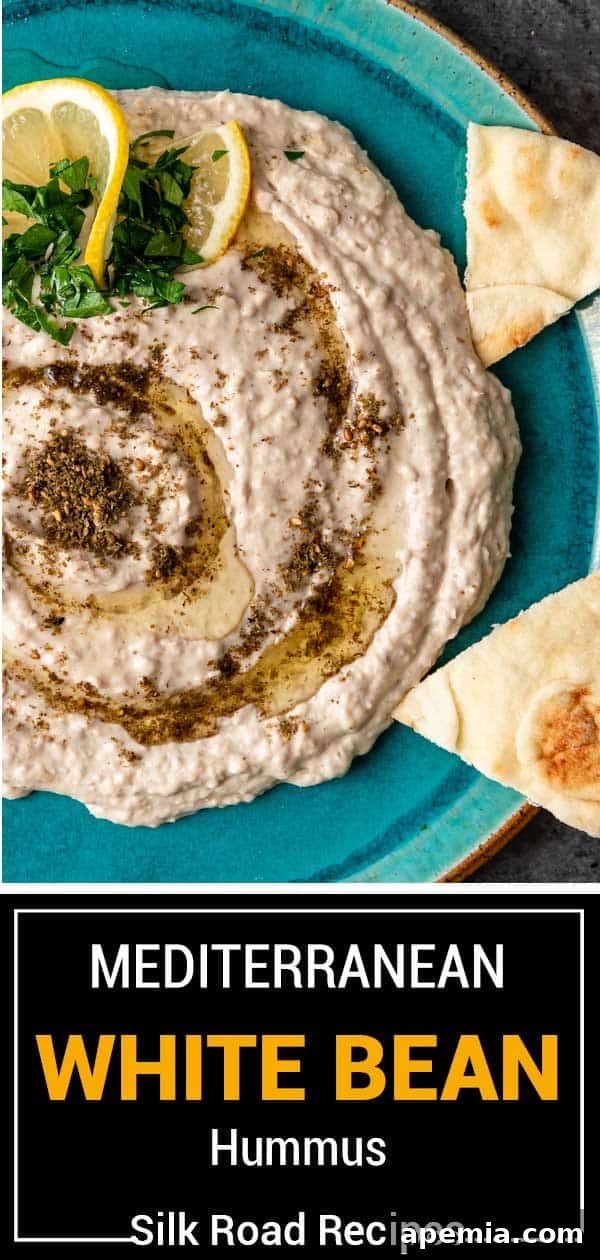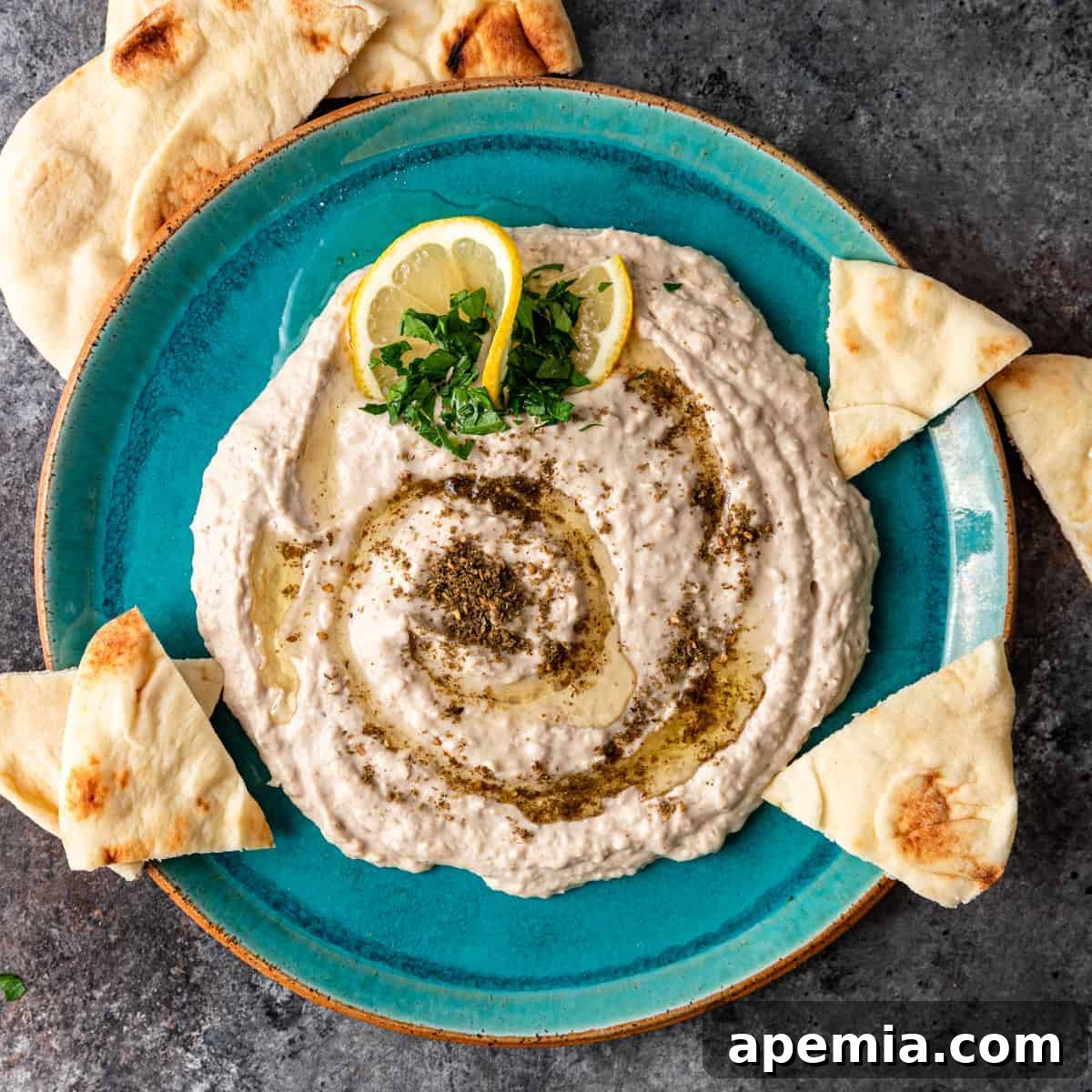
Experience the exquisite taste and creamy texture of our simple and savory White Bean Hummus! This nutritional, flavor-packed dip offers a delightful twist on a classic, perfect for any occasion. We swap traditional chickpeas for buttery cannellini beans, blending them seamlessly with timeless hummus ingredients—tahini, robust olive oil, fresh lemon juice, and a touch of salt. A dash of Middle Eastern za’atar spice elevates this homemade hummus to an entirely new level, promising an unforgettable culinary journey.
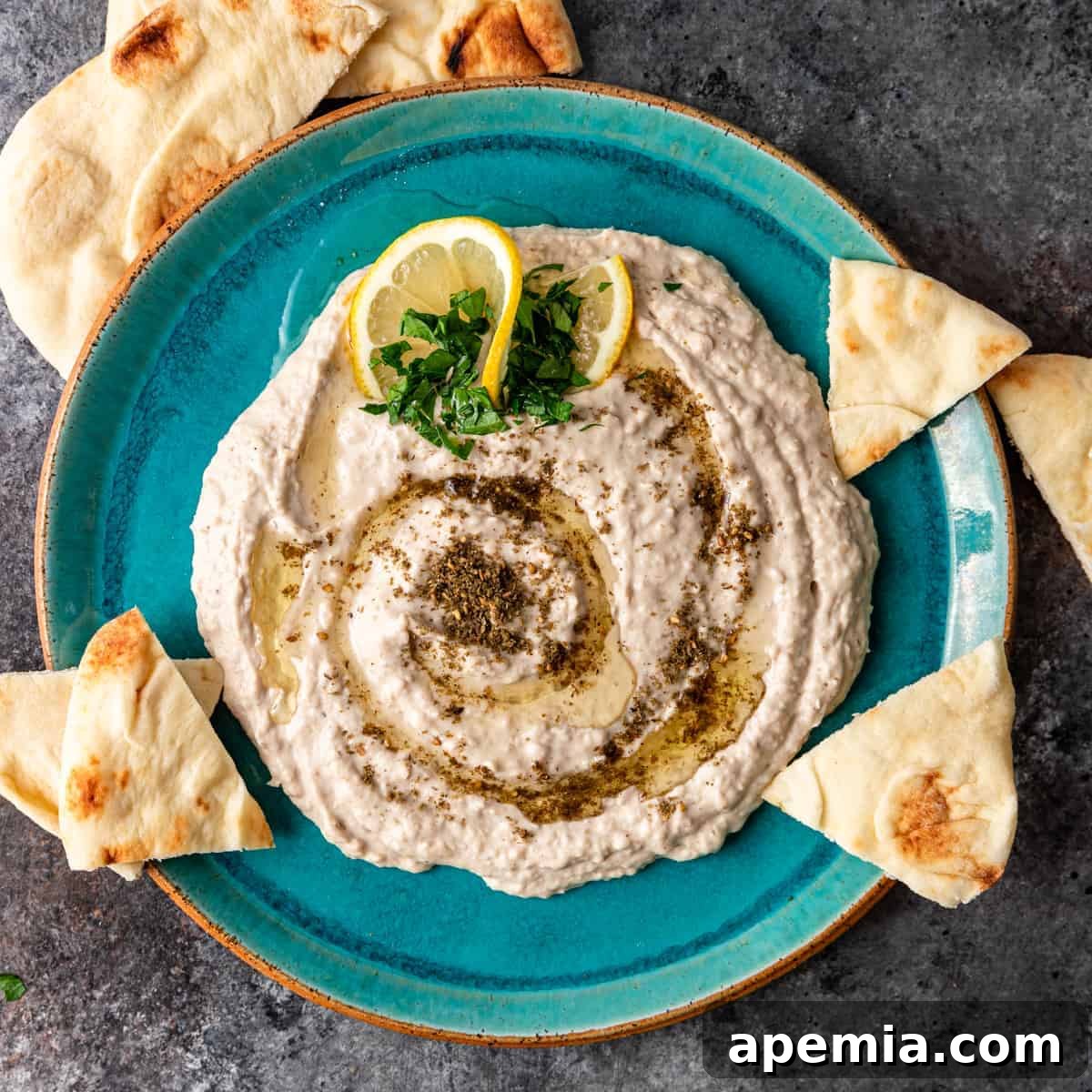
This white bean hummus recipe offers a refreshing departure from the ordinary, reinventing the beloved dip by replacing garbanzo beans with delicate white cannellini beans. While traditional hummus holds a special place in our hearts, the subtle flavor and incredibly creamy texture of cannellini beans bring a unique lightness and richness that is truly captivating.
Beyond their delightful taste, cannellini beans are nutritional powerhouses. They are rich in plant-based protein, providing essential building blocks for your body. They also deliver energizing complex carbohydrates, along with vital vitamins such as B, E, and K, contributing to overall well-being. But health benefits aside, you’ll find yourself irresistibly drawn to this hummus for its exceptional flavor alone!
Crafting this seriously delicious dip requires minimal effort. It begins with nutty tahini, extra virgin olive oil, freshly squeezed lemon juice, and a sprinkle of sea salt, creating the foundational Mediterranean flavor profile. Then, we infuse a few cloves of aromatic garlic and a dash of vibrant Middle Eastern spice, and within just 5 minutes, you’ll have a smooth, rich, and utterly satisfying dip ready to enjoy.
Table of Contents
- Canned or Dried Beans: Your Choice for Convenience
- The Star Ingredients for Perfect White Bean Hummus
- Crafting Your Creamy White Bean Hummus
- Flavor Variations Beyond Za’atar
- Recommended Tools for Silky Smooth Hummus
- Serving and Pairing Suggestions
- Storing and Freezing Your Hummus
- Frequently Asked Questions About White Bean Hummus
- White Bean Hummus Recipe Card
While I particularly love going a bit outside the box with savory za’atar spice, which colors the palate with authentic Middle Eastern flavors, the beauty of this white bean hummus recipe lies in its versatility. You can customize the seasoning to perfectly match your preferences. Consider simple lemon pepper or classic Italian seasoning for a familiar taste. For more exotic notes, try Middle Eastern 7 spice or Baharat spice. Even an all-purpose seasoning blend will yield a delicious result, allowing you to make this hummus truly your own.

Tip From Kevin
Canned or Dried Beans: Your Choice for Convenience
For a truly accessible and quick dip or spread, I opt for a drained 15-ounce can of cannellini white beans. Canned beans are pre-cooked and ready to use, significantly cutting down on preparation time. However, if you prefer, you are absolutely welcome to use dried white beans. If going this route, remember to soak them overnight and then cook them until they are tender and buttery. While this adds an extra step, it can sometimes yield an even richer, more profound flavor. For everyday ease, however, canned beans are simply a lifesaver!
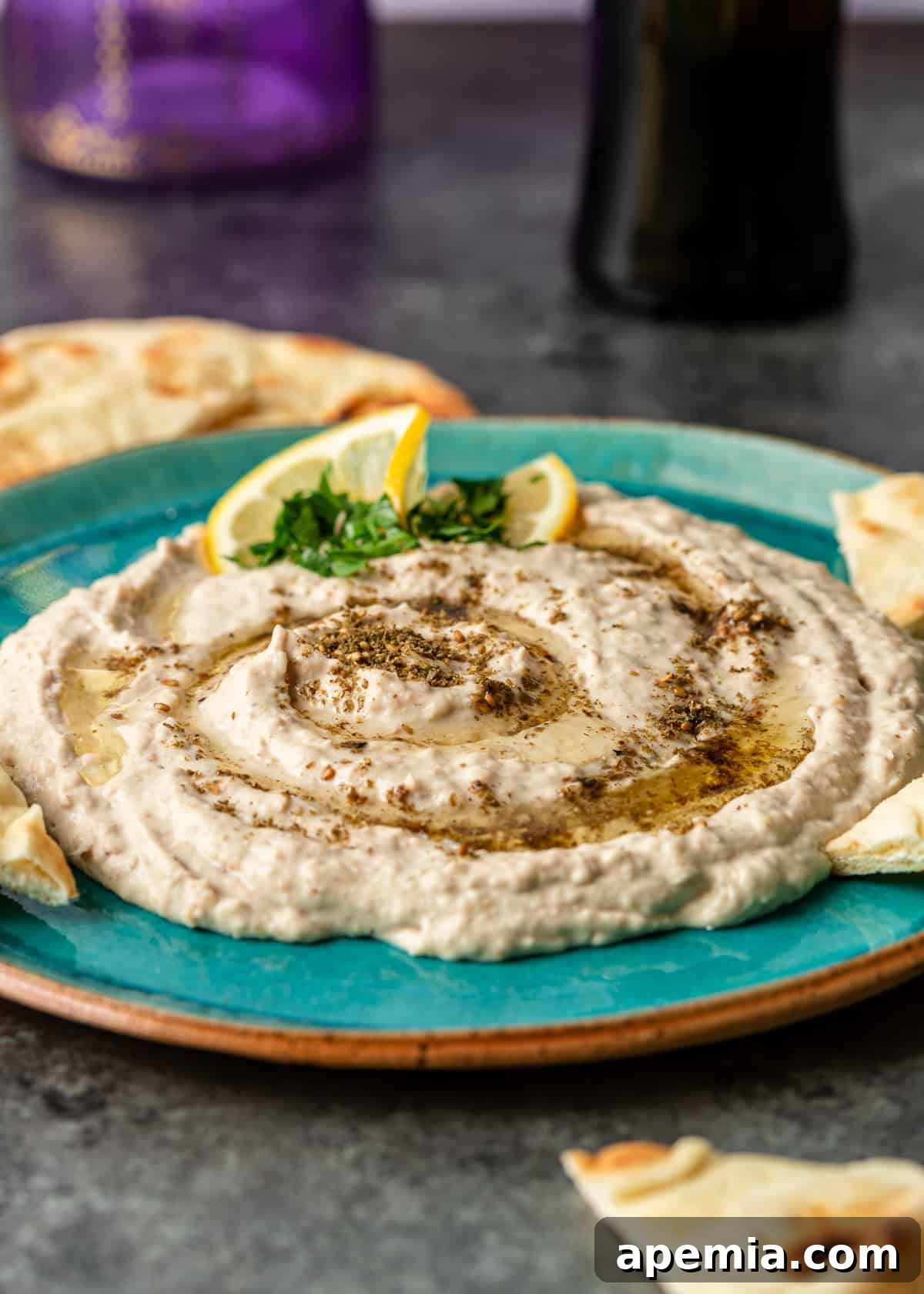
The Star Ingredients for Perfect White Bean Hummus
- Cannellini Beans: These are the heroes of our recipe! Using canned, cooked white beans saves a significant amount of time and effort. Simply rinse and drain them thoroughly before use. If you choose to use dried cannellini beans, remember that they require soaking (typically overnight) and then cooking until wonderfully tender. This process unlocks their characteristic buttery texture and mild, savory taste, essential for a truly smooth hummus.
- Za’atar Spice: This common Middle Eastern spice blend brings a tangy, earthy, and slightly woodsy flavor profile that perfectly complements the nutty cannellini beans. Za’atar is a blend of dried thyme, oregano, marjoram, sumac, and sesame seeds. You can easily mix your own homemade blend to control the flavor intensity, or pick up a pre-mixed version from most specialty grocery stores or online. It adds an authentic touch that truly makes this hummus sing.
- Tahini: This toasted sesame seed paste is absolutely vital for achieving the classic smooth, creamy consistency and rich, nutty flavor we all associate with hummus. High-quality tahini will have a pourable consistency and a less bitter taste. If you’re out of tahini, the closest substitutes are smooth peanut butter or sunflower seed butter, though they will alter the flavor profile slightly.
- Lemon Juice: Whether you opt for freshly squeezed or bottled lemon juice, the goal is to introduce that bright, zesty acidity into the mix. Lemon juice not only enhances the overall flavor but also helps to thin the hummus to the desired consistency and keeps it vibrant. Fresh lemon juice often provides a slightly more nuanced flavor.
- Garlic: Fresh garlic cloves provide a pungent, aromatic kick that is quintessential to hummus. You can use freshly minced garlic for the boldest flavor, tubed garlic paste for convenience, or even garlic powder if you prefer a more subtle, muted garlicky taste. Adjust the amount to your personal preference.
- Salt: Salt is crucial for balancing and enhancing all the other flavors. I recommend starting conservatively with kosher salt, as different salts have varying levels of salinity. Always blend, taste, and then add more if desired. It’s much easier to add more salt than to remove it!
- Olive Oil: A good quality extra virgin olive oil is indispensable for this Mediterranean-inspired hummus. It contributes to the luxurious creaminess, rich mouthfeel, and distinct flavor. While olive oil is highly recommended, canola, sunflower, or avocado oils can serve a similar purpose in terms of texture if you need a substitution. Just be aware that substituting will impart a different flavor to your final dip.
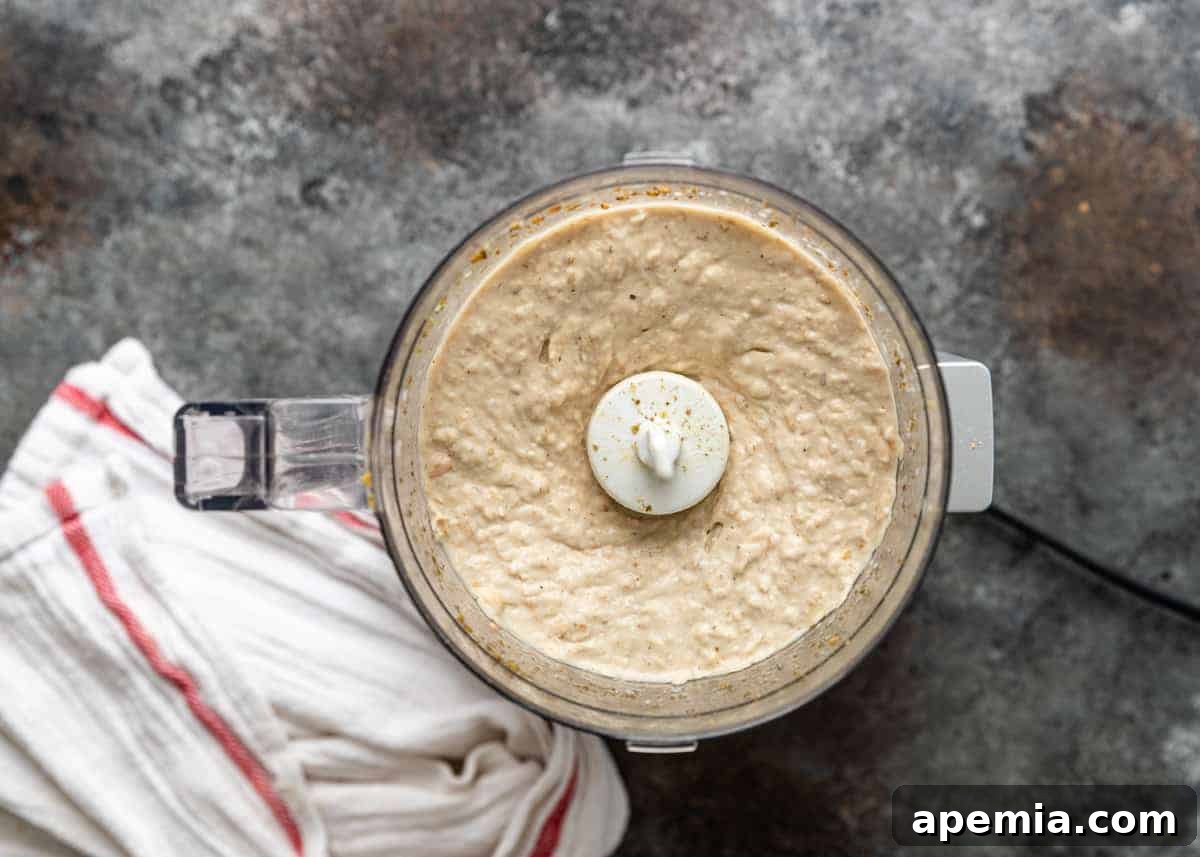
Crafting Your Creamy White Bean Hummus: Step-by-Step Guide
- Prepare and Blend the Hummus Base: Begin by adding the rinsed and drained cannellini beans, za’atar spice, tahini, lemon juice, minced garlic, and initial salt to the bowl of a food processor. Process these ingredients until the mixture starts to become smooth. It’s crucial to stop occasionally and scrape down the sides of the bowl with a spatula to ensure all ingredients are thoroughly incorporated and blended to an even consistency. This step helps achieve that perfectly smooth texture.
- Incorporate the Olive Oil: Once you have a relatively smooth base, with the food processor still running, slowly drizzle in the olive oil through the feed tube. Continue to process for a few more pulses until the olive oil is completely emulsified and evenly incorporated into the hummus. This slow addition helps create a wonderfully rich and creamy texture. Taste the hummus and adjust the seasoning as desired, adding more salt, lemon juice, or spice if needed to achieve your perfect flavor balance.
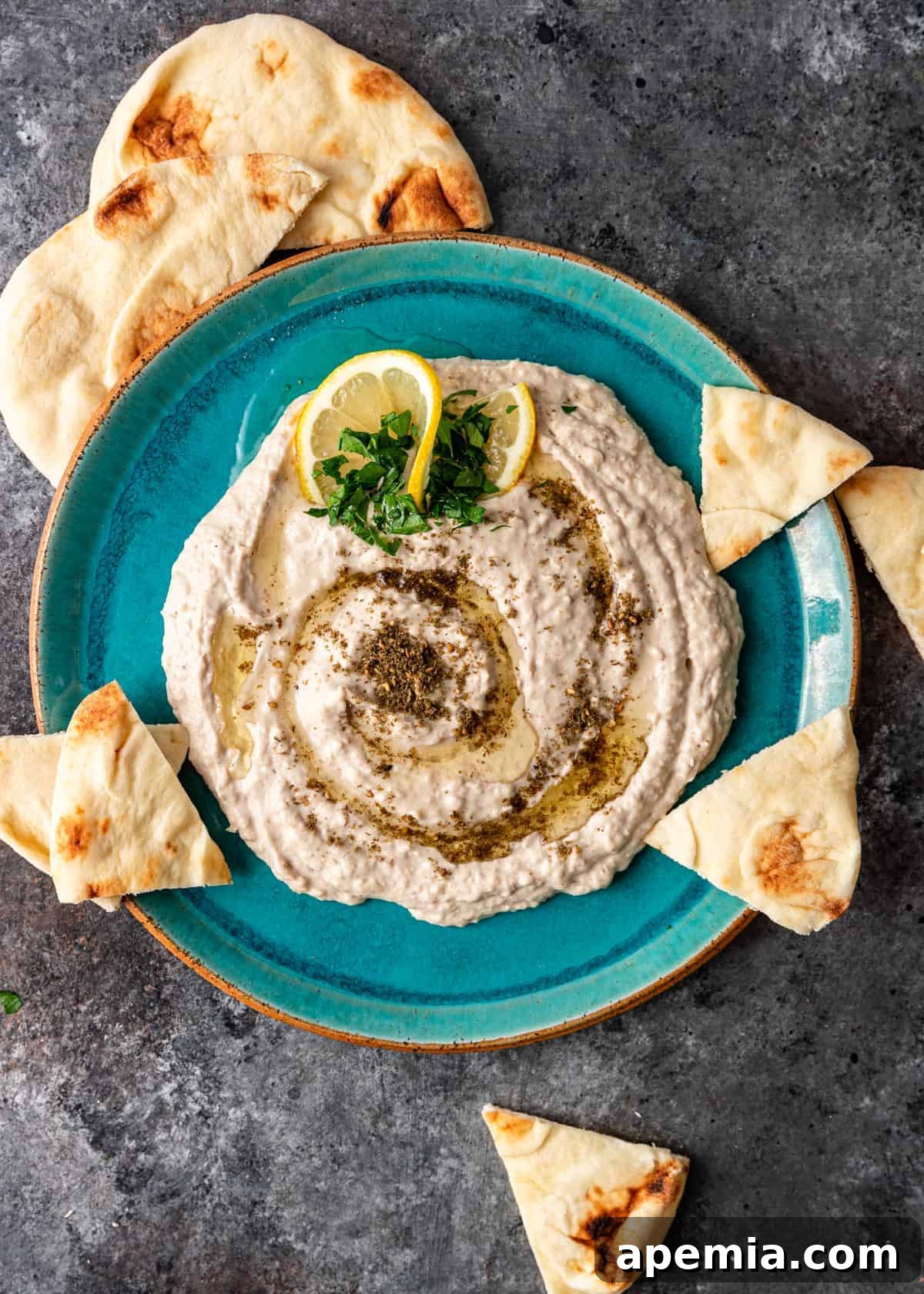
- Serve and Enjoy: Your delightful white bean hummus is now ready! You can enjoy it immediately at room temperature for a softer, more spreadable consistency, or briefly chill it in the refrigerator for a firmer dip. Serve this versatile hummus with warm pita bread, fluffy naan, an assortment of crisp vegetable sticks (carrots, cucumbers, bell peppers), or generously spread it onto a wrap or sandwich for a flavorful meal.
Flavor Variations Beyond Za’atar
While za’atar offers a truly authentic Middle Eastern flavor, don’t hesitate to experiment with other spices and ingredients to customize your white bean hummus. For a smoky depth, try adding a teaspoon of smoked paprika. If you love a bit of heat, a pinch of red pepper flakes can awaken your palate. Roasted red peppers blended in will create a vibrant, sweet, and tangy hummus. Fresh herbs like parsley, cilantro, or mint can be folded in at the end for a burst of freshness. A swirl of chili oil or a sprinkle of everything bagel seasoning on top just before serving also adds intriguing layers of flavor and texture. The possibilities are endless, allowing you to tailor this versatile dip to any meal or preference.
Recommended Tools for Silky Smooth Hummus
- Food Processor or High-Speed Blender: The ultimate key to achieving that perfectly smooth, luscious consistency for homemade hummus is a powerful food processor. It breaks down the beans and other ingredients efficiently, preventing any grittiness. A high-speed blender can also be sufficient, especially if it has a tamper. If using a blender, be sure to stop frequently to push down the ingredients and scrape the sides to ensure a thorough and even blend. Avoid regular blenders that might struggle with the thick consistency.
- Rubber Spatula: An often-underestimated tool, a good rubber spatula is essential for scraping down the sides of your food processor or blender bowl. This ensures all ingredients are fully incorporated and contributes to that uniformly creamy texture.
Serving and Pairing Suggestions
White bean hummus is incredibly versatile and can be enjoyed in countless ways. Serve it as a classic dip with warm pita bread, pita chips, or an array of fresh, crunchy vegetables like carrot sticks, cucumber slices, bell pepper strips, and celery. It makes an excellent spread for sandwiches and wraps, adding a creamy, savory layer. You can also dollop it onto grain bowls, use it as a base for healthy toast toppings, or even thin it slightly with a little water or extra olive oil to create a unique salad dressing. For a more substantial offering, serve it alongside grilled chicken, lamb kofta, or falafel. Garnish with a drizzle of olive oil, a sprinkle of fresh herbs, or a pinch of sumac for an extra flourish.
Storing and Freezing Your Hummus
The serving temperature of white bean hummus is entirely up to your preference – it’s delicious both at room temperature and chilled. However, for food safety and to maintain freshness, if you are not serving it immediately, it must be stored in the refrigerator. Do not leave homemade hummus at room temperature for longer than 4 hours, as this can encourage bacterial growth.
Properly stored in an airtight container, your white bean hummus will remain fresh and flavorful in the refrigerator for up to 5 days. You might notice a slight thickening over time; simply stir in a tablespoon of cold water or a little extra olive oil to restore its creamy consistency. While white bean hummus can technically be frozen, it’s important to note that the consistency will likely change considerably once thawed. It tends to become looser, more watery, and potentially grainy, making it less ideal for spreading or dipping. If you do choose to freeze it, store it in an airtight freezer-safe container for up to 3 months. Thaw overnight in the refrigerator and be prepared to vigorously stir and potentially re-blend with a splash of lemon juice or olive oil to try and revive its texture.
Frequently Asked Questions About White Bean Hummus
Traditional hummus recipes are famously made from garbanzo beans, also widely known as chickpeas. These legumes are prized for their mild, nutty, and slightly earthy flavor, and are packed with protein and fiber. For this particular white bean hummus recipe, I’ve opted to replace garbanzo beans with cannellini beans instead, to introduce a delightful and unique flavor profile and a silkier texture that many find irresistible.
If your homemade hummus turns out grainy or clumpy instead of luxuriously creamy, it’s typically due to insufficient moisture or blending. One common trick to achieve ultimate creaminess is to ensure your beans are very tender – if using dried beans, cook them a little longer. For both canned and dried, some chefs even recommend peeling the beans, though this is quite laborious! A bit more high-quality olive oil or tahini added slowly while blending should often do the trick. You can also try adding a tablespoon or two of very cold water (even ice water) to the food processor while it’s running; this helps emulsify the ingredients and creates an incredibly smooth consistency.
If the dip is already quite thick, prioritize adding more liquid, such as olive oil or cold water, over additional tahini. Conversely, if the dip isn’t thick enough but lacks creaminess, gradually add small amounts of tahini, remembering to balance the flavors with a bit more lemon juice and spice to maintain the perfect acidity level and prevent it from becoming too heavy.
My personal preference for white bean hummus is cannellini beans. Their delicate, buttery flavor and soft texture make them ideal for blending into a wonderfully creamy dip. They are also incredibly nutritious, high in both protein and soluble fiber, making them a fantastic choice for both taste and health benefits. However, at the end of the day, most white beans share a similar mild flavor and smooth texture when cooked properly, so there’s no need to be overly particular. Many recipes for white bean hummus successfully use butter beans (also known as lima beans), while others prefer navy beans, and still others achieve great results with Great Northern beans. Feel free to experiment with whichever white bean you have on hand or prefer!
📌
Share this recipe on Pinterest!
Love this recipe? Share it with the world on Pinterest to inspire others.
This recipe post, originally published on Silk Road Recipes November, 2021, was updated with new content, photos, and enhanced details in February 2024 to provide you with the most comprehensive and delightful white bean hummus experience.
White Bean Hummus Recipe
6
5 minutes
5 minutes
Print Recipe
Ingredients
- 15 oz cooked white cannellini beans, rinsed and drained
- 1/4 cup tahini
- 1/4 cup lemon juice
- 2 cloves garlic, minced
- 1 1/2 tsp zaatar spice
- 1 tsp kosher salt
- 1/4 cup olive oil
Instructions
- Add the rinsed cannellini beans, tahini, lemon juice, garlic, za’atar, and salt to a food processor. Pulse until the mixture is smooth, scraping down the sides of the bowl occasionally to ensure thorough blending.
- With the machine running, slowly drizzle in the olive oil until it is completely incorporated and the hummus is wonderfully creamy. Taste and season with additional salt or lemon juice if needed. Serve immediately or chill before enjoying.
Nutrition
The information shown is an estimate provided by an online nutrition calculator. It should not be considered a substitute for a professional nutritionist’s advice.
Appetizers, Dips
Mediterranean, Middle Eastern
Kevin
Have You Made This Recipe? Let Me Know on Instagram!
Tag @keviniscooking or use the hashtag #keviniscooking!