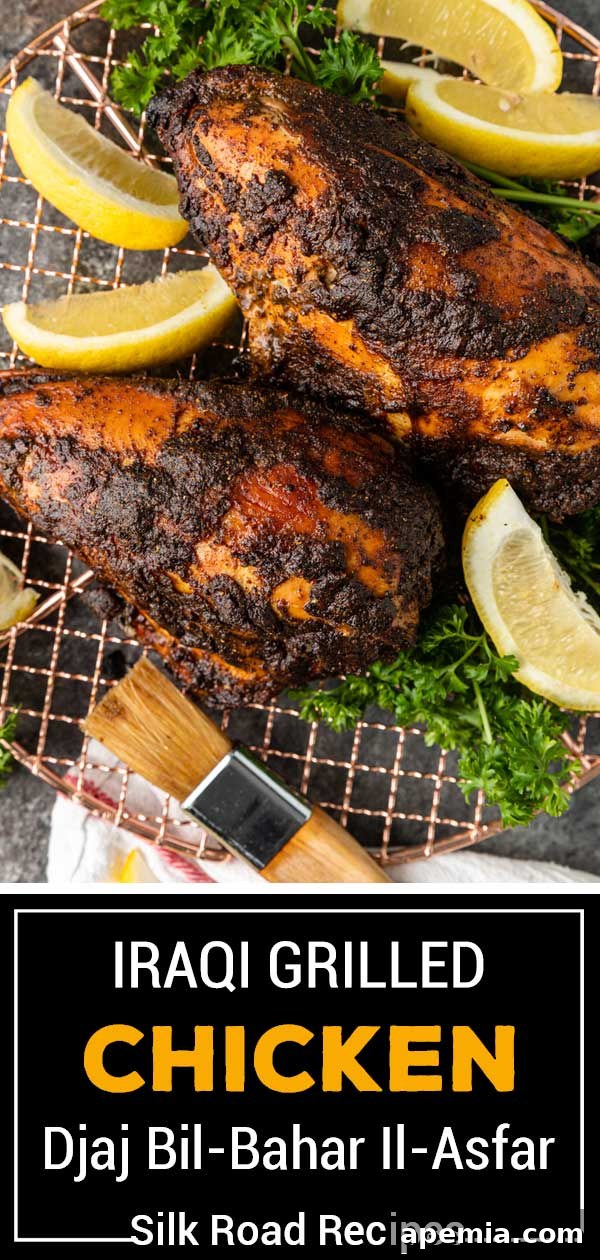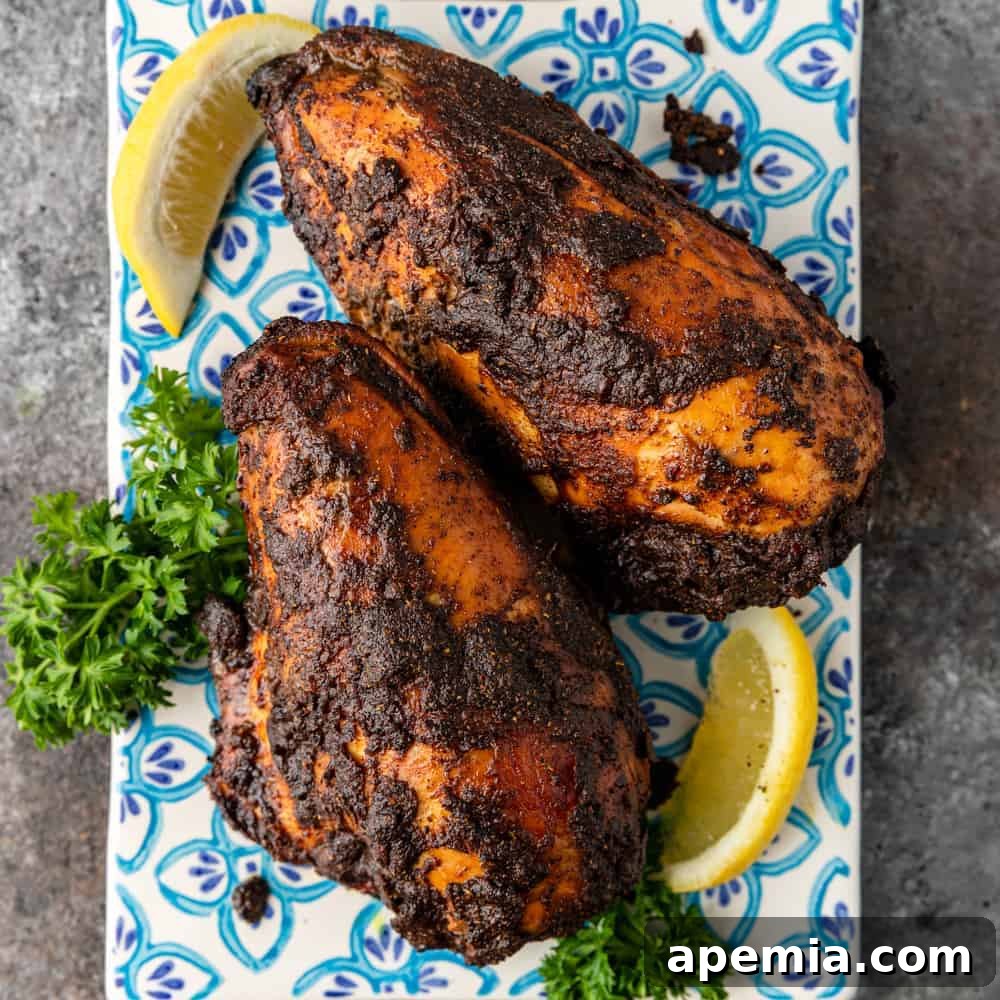
Authentic Iraqi Grilled Chicken (Djaj Bil-Bahar Il-Asfar): A Masterpiece of Middle Eastern Grilling
Prepare to embark on a truly unforgettable culinary journey with this authentic Iraqi Grilled Chicken recipe! Known locally as Djaj Bil-Bahar Il-Asfar, which translates to “Chicken with Yellow Spice,” this dish is far more than just grilled poultry. It’s an aromatic celebration, featuring incredibly tender chicken lavishly coated in a vibrant, intoxicating, and homemade Middle Eastern-inspired spice rub. Each piece is then grilled to perfection, developing a beautiful char and an explosion of deep, complex flavors that will undoubtedly make it the star of your next barbecue or family dinner.
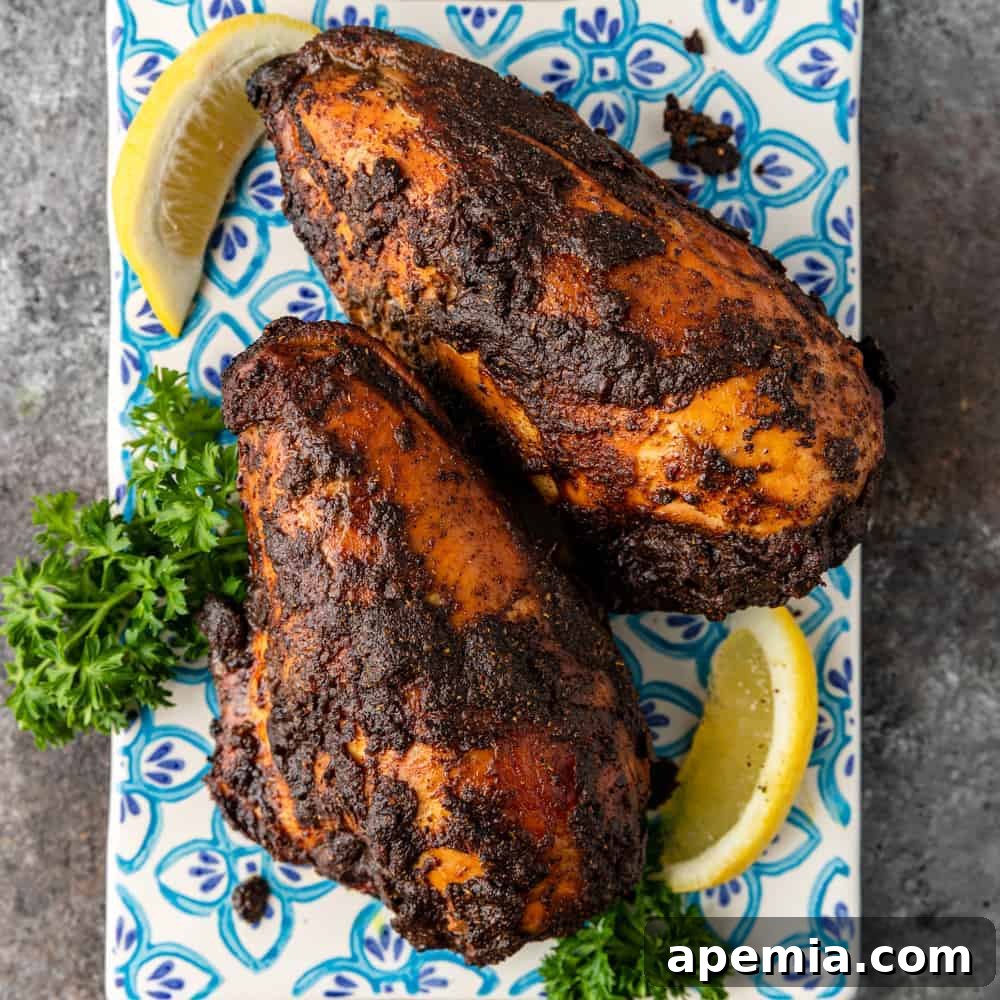
The fascinating story behind this exquisite recipe adds another layer to its appeal. I originally published this recipe on my sister site, Kevin is Cooking, back in 2014. The inspiration struck after reading a compelling article on Saveur.com. It detailed the culinary discovery of an American soldier who, while stationed in Iraq, tasted this unique grilled chicken and found himself so captivated by its flavors that he subsequently craved it. Such a rich backstory underscores the dish’s ability to transcend cultural barriers and leave a lasting impression on anyone who experiences its distinctive taste. It’s a testament to the power of food to connect people and cultures, even across continents.
The Mystique of Djaj Bil-Bahar Il-Asfar: The Legendary Yellow Spice
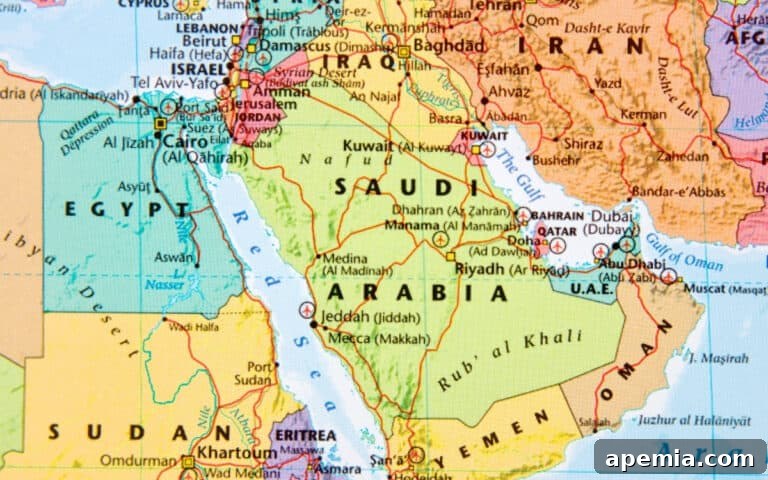
The name Djaj Bil-Bahar Il-Asfar is central to understanding this dish. “Bahar Asfar” literally means “yellow spice,” and it refers to the feisty, fragrant, and vibrant spice rub that is the true soul of this Iraqi grilled chicken. This particular spice blend boasts an ancient lineage, believed to have been introduced to the Middle East centuries ago through the bustling trade routes of the Silk Road, originating from the diverse culinary landscapes of South Asia. This historical connection imbues the dish with a sense of heritage and a story that spans continents and generations.
As an avid host of barbecues, I’m always on the lookout for exciting new recipes to throw on the grill, especially those with rich historical roots along the Silk Road. The grill’s smoky embrace beautifully complements the bold flavors of these ancient cuisines. Beyond this Iraqi masterpiece, some of my cherished grilling favorites include the robust shashlik (pork shish kabobs), the fragrant and delicate grilled saffron chicken, and the irresistible, tender grilled lamb skewers (yang rou chuan). Each offers a unique window into the rich tapestry of Silk Road cuisine. Today, however, our focus is squarely on this incredible Iraqi grilled chicken, bringing the vibrant flavors of the Middle East right to your backyard!
Recipe Overview: Iraqi Grilled Chicken Essentials
Course: Main Dish
Preparation: Grilled
Recipe Difficulty: Easy 🥄
Description: Succulent bone-in chicken, prepared as halves, quarters, or individual pieces, generously coated in a profoundly aromatic Middle Eastern yellow spice rub. Marinated overnight to ensure maximum flavor infusion and tenderness, then grilled to absolute perfection for a dish that’s both juicy and beautifully charred.
Decoding the Flavors: Essential Ingredients for Iraqi Grilled Chicken
The magic of Iraqi Grilled Chicken lies in its distinctive spice blend and careful preparation. Understanding each ingredient, from the chicken cut to the nuanced spices, is key to recreating this authentic Middle Eastern delight.
Choosing Your Chicken: Cuts and Considerations
- Chicken – For this recipe, bone-in chicken is highly recommended. The bones not only impart a deeper flavor to the meat as it cooks but also help in retaining moisture, resulting in a more tender and juicy final product. I personally prefer bone-in chicken quarters for their ideal serving size and rich texture. However, as demonstrated in some of the photos, bone-in chicken breasts also work wonderfully. If you’re catering to a larger crowd, using individual pieces like drumsticks or thighs can be more practical for even cooking and serving. For those seeking an alternative that promotes even cooking and crispy skin across the entire bird, consider spatchcocking a whole chicken. This technique involves removing the backbone to flatten the chicken, allowing it to cook more uniformly and efficiently. Remember to adjust your grilling times accordingly; thinner, smaller pieces will cook much faster than larger, bone-in cuts.
The Soul of the Dish: The Bahar Asfar Spice Rub
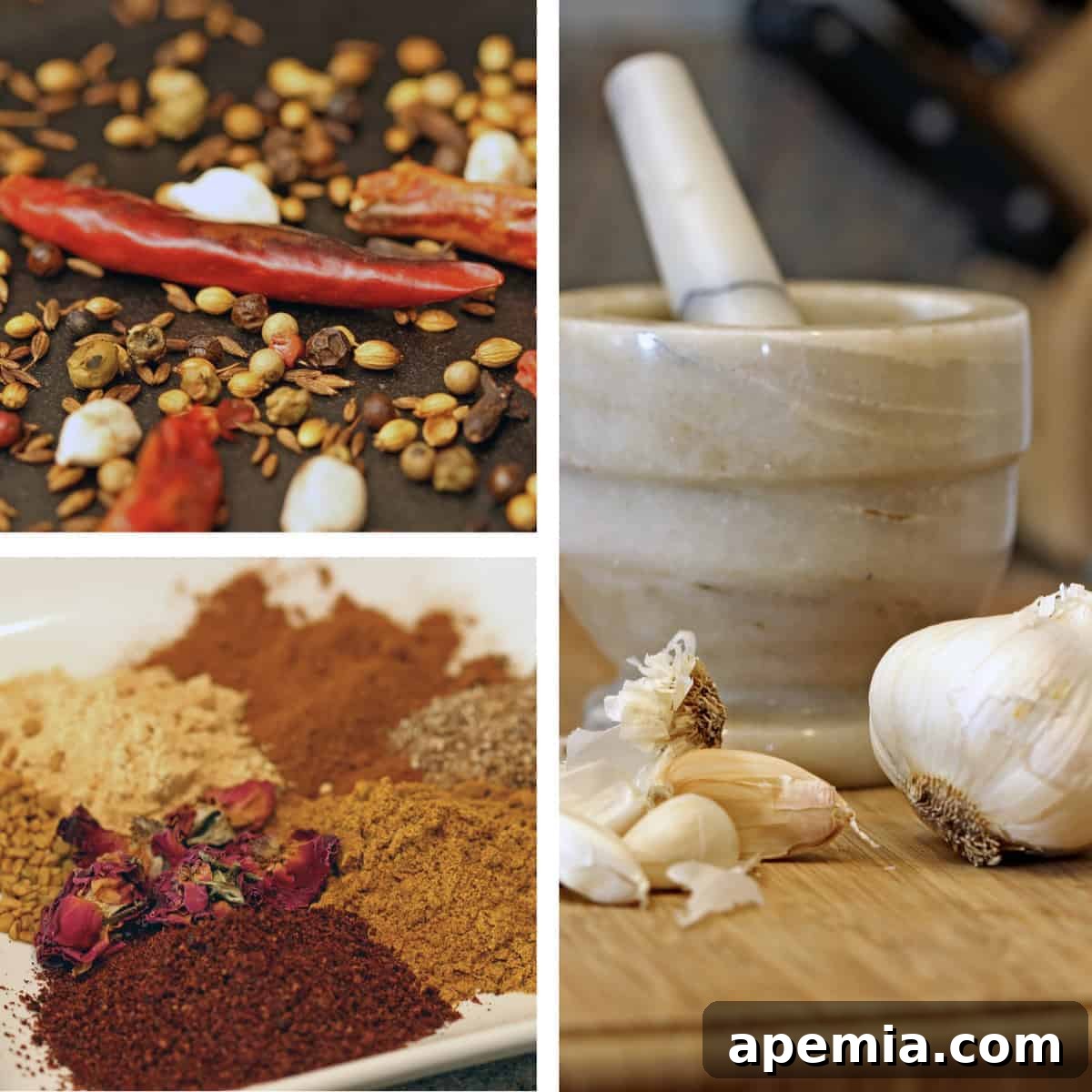
The “bahar asfar,” or yellow spice rub, is the vibrant heart of this Iraqi grilled chicken. This complex blend of whole and ground spices is meticulously crafted to deliver a unique flavor profile that is both deeply aromatic and subtly nuanced. For the most authentic and potent results, always strive for the freshest spices possible.
- Cardamom Pods – A foundational spice in Middle Eastern cuisine, green cardamom pods offer a distinct warm, highly aromatic, and slightly sweet flavor with hints of citrus and eucalyptus. Grinding them fresh from the pod is crucial for unleashing their full, vibrant essence.
- Dried Arbol Chiles – These slender, bright red chiles provide a pleasant, moderate heat alongside nutty and smoky undertones. They enhance the overall warmth of the spice blend without being excessively spicy. For a milder rub, you can reduce the quantity, or for more heat, a tiny pinch of cayenne pepper can be added.
- Whole Cloves – Known for their intense, warm, and pungent aroma, whole cloves contribute a deep, earthy sweetness. They are a powerful spice, so using them judiciously, as specified, is important to avoid overpowering the other flavors.
- Coriander Seeds – Lending a fresh, almost lemony and slightly floral note, coriander seeds are vital for brightening the overall spice blend. Toasting them briefly before grinding helps to unlock their aromatic oils and deepen their flavor.
- Cumin Seeds – Essential for their warm, earthy, and slightly pungent flavor, cumin seeds provide a rich foundation to the bahar asfar. Like coriander, toasting them lightly before grinding intensifies their characteristic aroma.
- Black Peppercorns – Offering a classic, sharp, and spicy kick, black peppercorns add a familiar warmth that balances the exotic notes of the other spices. Freshly ground pepper is always superior for flavor.
- Dried Rose Petals – This enchanting ingredient is a hallmark of some Middle Eastern spice blends. Dried rose petals introduce a delicate floral aroma and a subtle fruity sweetness, adding an unexpected layer of elegance and complexity to the rub. Ensure they are culinary-grade.
- Curry Powder – While the spice blend itself is unique, a touch of curry powder, which is a blend of various spices, can further enrich the “yellow” profile. For unparalleled depth and freshness, I highly recommend making your own homemade curry powder.
- Ground Cinnamon – A warm, sweet, and woody spice, ground cinnamon is instrumental in creating the signature aromatic depth of this rub. Its comforting notes harmonize beautifully with the more pungent spices.
- Ground Sumac – Indispensable in Middle Eastern cooking, sumac is known for its distinctive tangy, tart, and slightly fruity flavor, often compared to lemon. It provides a bright, acidic counterpoint that prevents the spice blend from becoming too heavy.
- Ground Ginger – Contributing a spicy, sweet, and warm note, ground ginger offers a less intense but equally effective zing compared to fresh ginger, perfectly integrating into the dry rub.
- Allspice – True to its name, allspice delivers a flavor profile that combines hints of cloves, nutmeg, and cinnamon, making it a perfect unifier for the warm spices in this blend.
- Nutmeg – A warm, nutty, and subtly sweet spice, nutmeg rounds out the aromatic complexity of the bahar asfar, adding richness and depth.
- Ground Fenugreek – This spice provides a distinctive nutty, slightly sweet, and earthy aroma, sometimes described as having a hint of maple or celery. It’s a subtle yet important component that adds unique character.
- Salt – Absolutely crucial for enhancing all the flavors in the rub and properly seasoning the chicken. Use fine sea salt or kosher salt.
- Garlic – Eight cloves of fresh garlic, mashed into a smooth paste, infuse the chicken with an indispensable pungent and savory depth. Fresh garlic is key for optimal flavor.
- Lemons – You will need fresh lemons for multiple stages: the juice adds acidity and tenderizes the chicken within the marinade, and extra slices serve as a bright, refreshing garnish for serving.
- Olive Oil – This serves as the binder for the spice rub, ensuring it adheres beautifully to the chicken. It also contributes moisture and helps distribute the flavors evenly, leading to a wonderfully succulent result.
Recipe Video: Mastering the Art of Grilling Iraqi Chicken
For those who benefit from visual guidance, a comprehensive video tutorial demonstrating the entire grilling process for this bone-in Iraqi chicken recipe is available on the original post. This video offers invaluable tips and techniques to help you achieve perfectly juicy and flavorful results every time, ensuring your Djaj Bil-Bahar Il-Asfar is nothing short of spectacular.
Crafting Djaj Bil-Bahar Il-Asfar: Step-by-Step Iraqi Grilled Chicken Instructions
Follow these detailed instructions carefully to prepare a truly authentic and remarkably delicious Iraqi grilled chicken that will impress everyone at your table.
- Toast and Grind the Whole Spices. Place a dry, 10-inch skillet over medium heat. Add the whole cardamom pods, dried arbol chiles (ensure they are stemmed), whole cloves, coriander seeds, cumin seeds, and black peppercorns. Toast these spices gently, stirring constantly, for 1-2 minutes. Listen for a subtle popping sound and watch for a fragrant aroma to fill your kitchen – this indicates they are perfectly toasted. Be careful not to burn them, as this can make the spices bitter. Immediately transfer the toasted spices from the hot skillet to allow them to cool slightly. Once cool enough to handle, transfer them to a dedicated spice grinder (or a clean coffee grinder) along with the dried rose petals. Grind the mixture together until it forms a fine, aromatic powder. This fresh grinding is paramount for unlocking the deepest and most vibrant flavors.
- Prepare the Aromatic Spice Marinade. Transfer the freshly ground spice mixture into a medium-sized mixing bowl. To this, add the remaining ground spices: curry powder, ground cinnamon, ground sumac, ground ginger, allspice, nutmeg, ground fenugreek, and salt. Next, incorporate the essential fresh components: the mashed garlic paste, the freshly squeezed juice of one lemon (which should yield approximately 2-3 tablespoons), and the olive oil. Using a whisk or a sturdy spoon, thoroughly combine all the ingredients until they form a loose, fragrant paste. This is your “bahar asfar” marinade, ready to transform your chicken.
- Generously Coat and Marinate the Chicken. Place your chosen chicken pieces – whether halves, quarters, or individual cuts – into a large bowl or a robust, sealable plastic bag. Donning kitchen gloves is advisable here. Using your hands, generously and vigorously rub the prepared spice blend all over each piece of chicken. Make sure to press the spice mixture firmly onto the chicken to ensure maximum adhesion. Pay close attention to covering every surface, including under the skin (if present) and into all the nooks and crannies, especially around the wings and joints. Complete coverage is crucial for deep flavor penetration. Once fully coated, cover the bowl tightly or seal the bag, then refrigerate the chicken overnight. An ideal marinating time is 8-12 hours; this extended period allows the complex flavors to fully meld with the chicken and tenderize the meat beautifully.
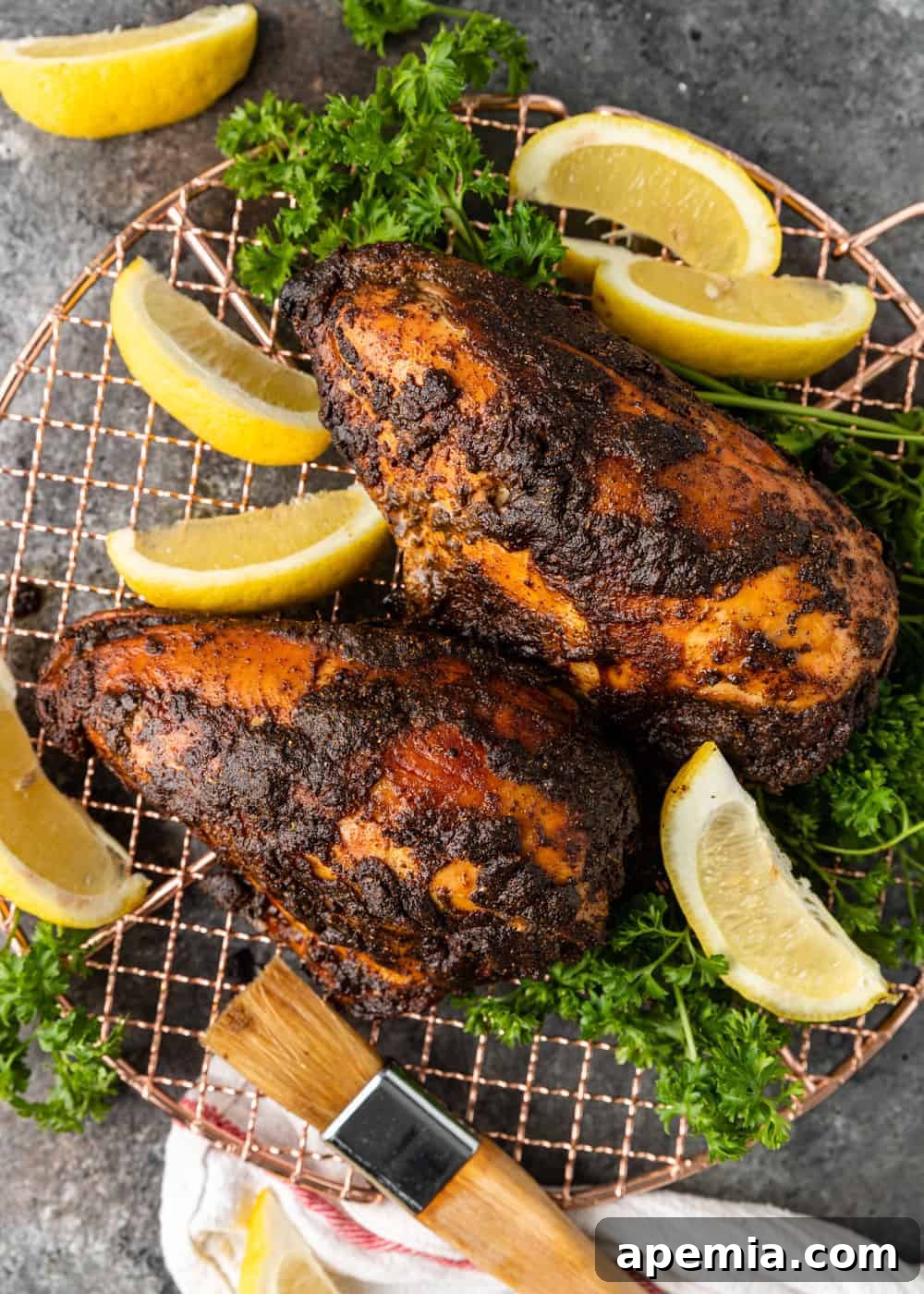
- Grill the Chicken to Perfection. The following day, about 30 minutes before grilling, remove the chicken from the refrigerator to allow it to come closer to room temperature. Preheat your outdoor grill to a consistent medium-high heat, aiming for an internal temperature of 400°F (200°C). Before placing the chicken, ensure your grill grates are immaculately clean, then brush them generously with a high-heat cooking oil (like vegetable or canola oil) to prevent any sticking. Gently shake off any large excess clumps of spice rub from the chicken pieces, but avoid removing too much of the precious seasoning. Give each chicken piece a good rub once again to redistribute any settled spices. Place the chicken pieces on the preheated grill, skin side up (if applicable). Roast for approximately 40-45 minutes. The precise cooking time is highly dependent on the size and thickness of your chicken cuts, as well as your grill’s heat distribution. The most reliable method to determine doneness is to use an instant-read meat thermometer. Insert it into the thickest part of the chicken, being careful to avoid touching any bone. The chicken is safely cooked when it reaches an internal temperature of 165°F (74°C).
- Baste While Roasting. While the chicken is grilling, prepare your flavorful basting liquid. Juice a second lemon and combine its fresh juice with about 1/4 cup of water and any remaining spice rub that may have collected in the marinating bowl or bag. Stir this mixture well. During the grilling process, baste the chicken with this aromatic liquid at least twice. This step not only adds an extra layer of moisture and infuses more of that incredible “bahar asfar” flavor but also helps to develop a beautiful, slightly caramelized crust on the chicken’s exterior.
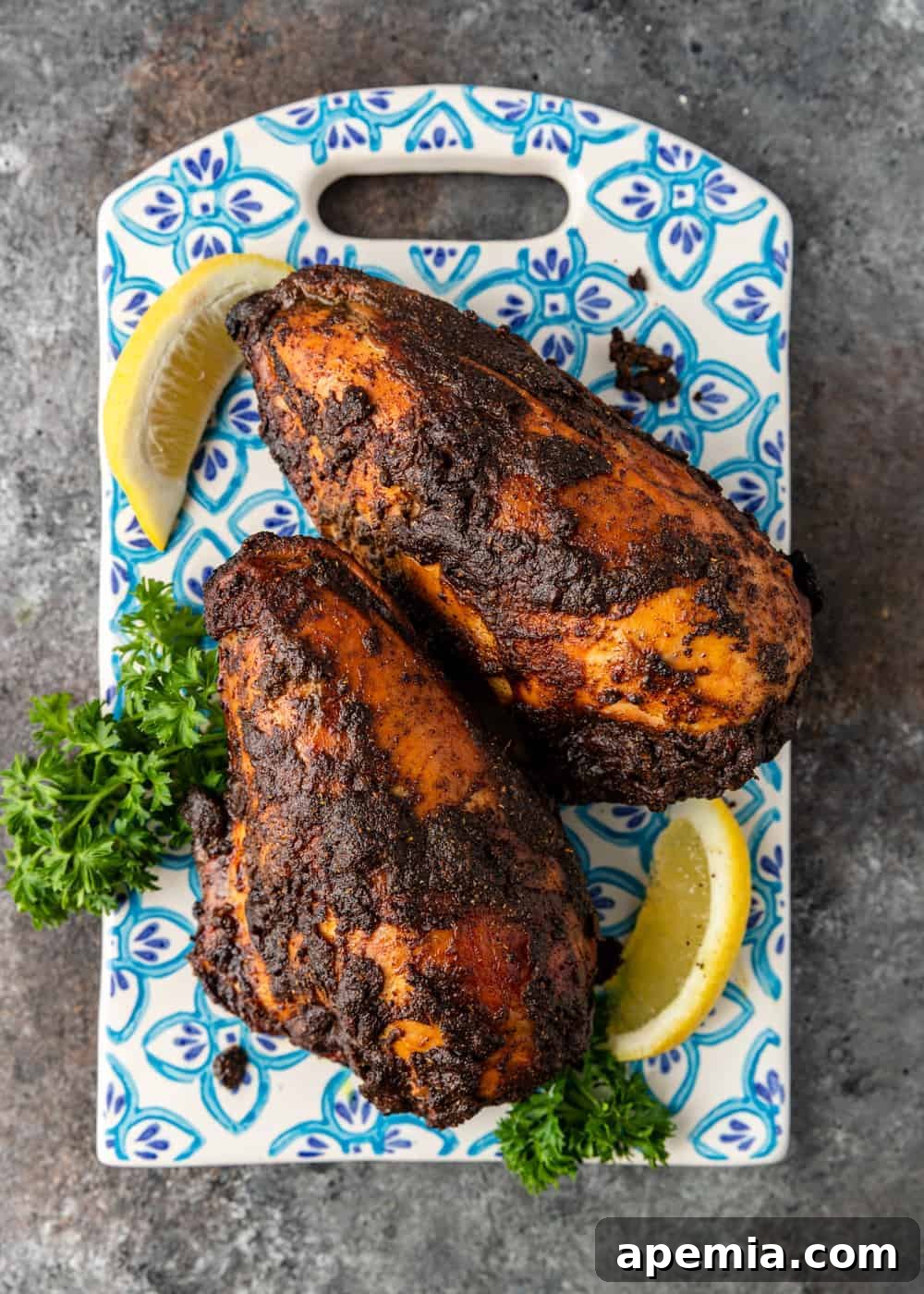
- Rest, Garnish, and Serve. Monitor your chicken closely as it cooks. If you observe the exterior starting to char or darken excessively before the internal temperature has reached 165°F (74°C), promptly move those pieces to a cooler, indirect heat zone on your grill. Alternatively, you can loosely tent them with aluminum foil to shield them from direct heat while they finish cooking through. Once the chicken has reached the correct internal temperature, carefully remove it from the grill and transfer it to a clean cutting board or serving platter. Allow the grilled chicken to rest for a crucial 10 minutes. This resting period is vital, as it allows the juices within the meat to redistribute, ensuring an incredibly tender, succulent, and uniformly flavorful result. While the chicken rests, slice the third lemon into wedges. Serve these fresh lemon slices alongside your magnificent Iraqi Grilled Chicken, allowing guests to squeeze a burst of fresh citrus over their portion for an added layer of brightness.
A Note on Spice Rub Yield:
The quantities provided in this recipe for the dry spice rub are generous, yielding approximately 1/2 cup of seasoning. This amount is more than sufficient to thoroughly coat and flavor a 4-pound chicken. Therefore, there’s no need to worry if some of the blend appears to fall off during the marinating or grilling process; plenty of the delicious flavor will have infused and adhered to the meat.
Expert Grilling Tips for Perfectly Juicy Iraqi Chicken
Achieving perfectly grilled chicken, especially bone-in cuts, requires attention to a few key techniques to ensure it’s both safely cooked and incredibly juicy.
- Utilize Indirect Cooking for Evenness: Grills can have hot spots, and chicken skin can brown very quickly. If you notice the chicken skin is getting too dark for your liking, or if certain pieces are cooking faster on the exterior than the interior, simply move those pieces from the direct heat zone to a cooler, indirect heat area of your grill. This allows the chicken to finish cooking gently and thoroughly without burning the exterior, ensuring a beautiful, even cook.
- The Indispensable Cooking Thermometer: Bone-in chicken cooks differently than boneless cuts, and its varied thickness makes visual cues unreliable for doneness. The presence of bones helps retain moisture, contributing to a juicier result. However, for both food safety and optimal texture, an instant-read cooking thermometer is your most reliable tool. Insert the thermometer into the thickest part of the chicken, making absolutely sure the probe does not touch any bone, as bones heat up faster than meat and can give a false reading. Iraqi grilled chicken quarters are safely cooked when the internal temperature registers 163°F (73°C).
- The Critical Importance of Resting: After removing your succulent grilled chicken from the heat, it is absolutely crucial to allow it to rest on a clean cutting board or platter for at least 5 to 10 minutes before slicing or serving. During this vital resting period, a phenomenon known as “carryover cooking” occurs, which will gently bring the internal temperature up to the universally recommended 165°F (74°C). More importantly, resting allows the juices, which have been driven to the center of the meat by the heat, to redistribute throughout the entire chicken. This results in an incredibly more tender, succulent, and uniformly flavorful bite, preventing the juices from simply running out when you cut into it.
Frequently Asked Questions About Iraqi Grilled Chicken
Should I Put Oil On Chicken Before Grilling?
For this specific Iraqi grilled chicken recipe, adding extra oil directly to the chicken pieces before grilling is generally not necessary. The generous amount of olive oil already blended into the “bahar asfar” spice rub marinade serves multiple purposes: it helps the aromatic spice mix adhere beautifully to the chicken, contributes to a delightful crust during grilling, and crucially, aids in preventing the chicken from sticking to the grill grates. However, for an extra layer of precaution, or if your grill grates are not perfectly seasoned, it’s always a good practice to lightly brush some oil directly onto the clean grill grates themselves just before you place the chicken. This provides additional non-stick protection and helps ensure a smooth grilling process.
How Long Do I Grill Chicken?
The grilling time for chicken can vary significantly, primarily depending on the cut and thickness of the pieces you are cooking. There’s no single answer, but here’s a general guideline:
- For smaller, boneless cuts: If you’re using boneless chicken breasts, tenders, or wings, you might only need to grill them for approximately 12-15 minutes in total, ensuring you flip them halfway through to cook evenly on both sides.
- For larger, bone-in cuts: For substantial bone-in cuts such as chicken quarters or halves, which are featured in this Iraqi grilled chicken recipe, you should anticipate a longer grilling time, typically around 40-45 minutes.
Regardless of the chicken cut, the most critical factor in determining doneness is reaching the correct internal temperature. Always use an instant-read meat thermometer inserted into the thickest part of the meat (avoiding the bone) to confirm that the chicken has reached a safe internal temperature of 165°F (74°C). Prioritizing temperature over estimated time ensures both food safety and optimal tenderness.
How Do You Keep Chicken Moist On The Grill?
The secret to achieving consistently moist and juicy chicken on the grill, preventing it from drying out, lies primarily in two fundamental techniques: effective marinating and strategic basting.
- The Power of Marinating: The overnight marinade in this Iraqi grilled chicken recipe is a true game-changer. Rich with olive oil, lemon juice, and a complex array of spices, it works wonders by not only infusing the chicken with profound flavor but also by tenderizing the meat and locking in precious moisture even before it touches the heat of the grill. This initial step is critical for a succulent outcome.
- The Art of Basting: During the actual grilling process, frequent basting is your best friend. For this Djaj Bil-Bahar Il-Asfar, you can easily create an incredible basting liquid by mixing the fresh juice of an extra lemon with a small amount of water (about 1/4 cup) and any flavorful leftover spice mix from your original marinade. Brushing this aromatic liquid onto the chicken several times as it cooks on the grill serves multiple vital purposes: it continuously adds layers of flavor, helps to prevent the chicken’s surface from drying out and burning, and contributes to the development of a beautiful, caramelized crust. When combined with careful temperature management and the all-important resting period after grilling, basting is your most powerful weapon against dry grilled chicken, ensuring a wonderfully juicy and flavorful final product every time.
What to Serve with Iraqi Grilled Chicken
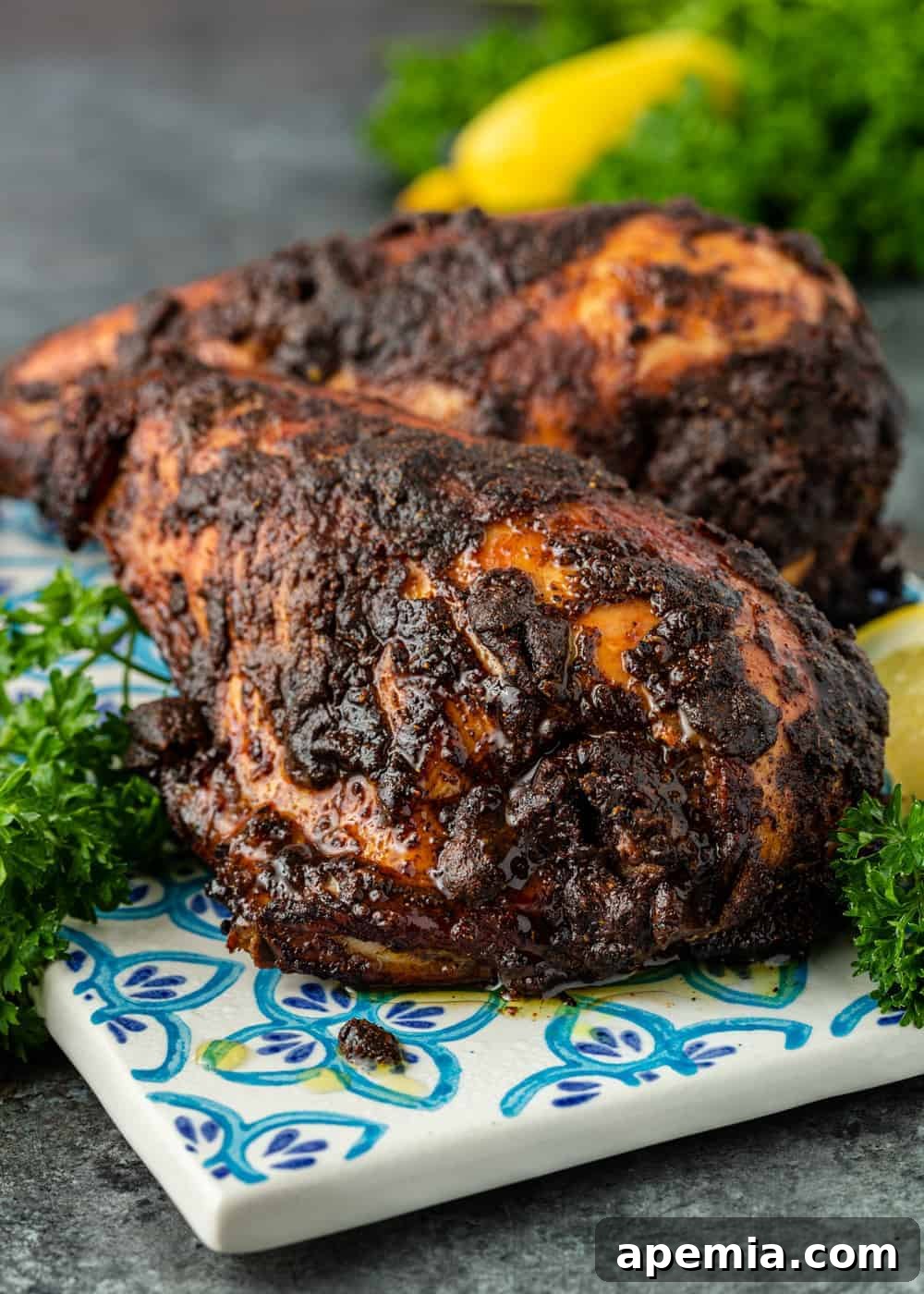
The bold, spicy, and profoundly aromatic flavors of Djaj Bil-Bahar Il-Asfar call for side dishes that can complement its intensity without being overshadowed. Opt for refreshing and texturally diverse accompaniments to create a balanced and truly delightful Middle Eastern meal.
- Cool and Creamy Salads: The vibrant spices of the chicken are beautifully balanced by cool, soothing salads. Consider serving it with Mast o Khiar, a classic Persian cucumber yogurt salad, renowned for its cooling properties and tangy, herbaceous flavor. It provides a refreshing contrast that cuts through the richness of the chicken. Another excellent choice is Shirazi Salad, a finely chopped Persian salad featuring crisp cucumbers, ripe tomatoes, and red onions, all dressed in a bright lemon-mint vinaigrette. The freshness of these salads makes them perfect partners for the grilled chicken.
- Hearty Grains and Pilafs: For a more substantial meal, a variety of grains can beautifully absorb the delicious chicken juices and spice flavors. I particularly enjoy pairing this grilled chicken with Ptitim (Israeli couscous salad), which offers a delightful chewy texture and can be enhanced with fresh herbs and crisp vegetables. Another fantastic option is Kisir (Turkish bulgur salad), a light yet satisfying salad made with fine bulgur wheat, tomato paste, and a medley of fresh parsley and mint, providing a wonderful textural contrast. Plain fluffy basmati rice or a simple, aromatic pilaf would also serve as excellent canvases for the chicken’s flavors.
- Fresh Herbs and Warm Flatbreads: Don’t forget the simple yet impactful additions! A generous scattering of fresh herbs like chopped parsley or cilantro makes for a beautiful and aromatic garnish. And, of course, warm pita bread or other Middle Eastern flatbreads are essential for scooping up every last bit of the flavorful chicken and its delicious juices, ensuring no flavor goes to waste.
Still Craving More? Discover the Richness of Silk Road Recipes!
Don’t let your culinary adventure end here! Stay connected and explore a world of flavors by subscribing to my Newsletter. For all my latest recipes, cooking tips, and inspiring videos, be sure to follow me on Facebook, Pinterest, Instagram, and YouTube. Happy cooking and happy exploring!
This post, originally published on Silk Road Recipes in August 2021, has been thoroughly updated and enhanced with fresh content, new photos, and an informative video in August 2022 to provide an even more comprehensive and delightful cooking experience for our readers.
Iraqi Grilled Chicken Recipe (Djaj Bil-Bahar Il-Asfar)
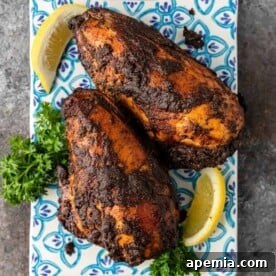
This Iraqi Grilled Chicken, famously known as Djaj Bil-Bahar Il-Asfar, features an intoxicating and vibrant spice blend originating from the ancient Silk Road. It promises an unforgettable Middle Eastern barbecue experience with tender, char-grilled chicken.
Servings: 4
Prep Time: 15 minutes
Cook Time: 40 minutes
Marinate Time: 8 hours
Total Time: 8 hours 55 minutes
Print Recipe
Recipe Video
A helpful video guide demonstrating the steps for grilling this Iraqi chicken recipe is available on the original blog post.
Ingredients
- 4 lb bone-in chicken (whole, cut in half, quarters, or single pieces)
For the Spice Rub:
- 6 cardamom pods
- 6 dried arbol chiles (stemmed)
- 4 whole cloves
- 3 tsp coriander seeds
- 3 tsp cumin seeds
- 3 tsp black peppercorns
- 2 tbsp dried rose petals (culinary grade)
- 1 tbsp curry powder
- 1 tbsp ground cinnamon
- 1 tbsp ground sumac
- 3 tsp ground ginger
- 2 tsp allspice
- 1½ tsp nutmeg
- 1 tsp ground fenugreek
- 1 tsp salt
- 8 cloves garlic (mashed into a paste)
- 3 lemons (separated for marinade, basting, and garnish)
- 3 tbsp olive oil
Unit Conversion: US Customary – Metric
Instructions
- Toast and Grind Spices: Heat cardamom, chiles, cloves, coriander, cumin, and peppercorns in a 10-inch skillet over medium heat for 1-2 minutes until fragrant and seeds pop. Cool, then transfer to a spice grinder with dried rose petals and grind into a fine powder.
- Create Marinade: In a bowl, combine ground spices with curry powder, cinnamon, sumac, ginger, allspice, nutmeg, fenugreek, salt, mashed garlic, the juice of one lemon (2-3 tbsp), and olive oil. Mix to form a loose paste.
- Coat Chicken: Rub the spice mix thoroughly over all chicken pieces, ensuring even coverage and pressing to adhere. Cover and refrigerate overnight (8-12 hours).
- Grill Chicken: The next day, preheat grill to 400°F (200°C). Clean and oil grates. Remove chicken from fridge, gently shake off excess spice, and rub again. Place chicken on grill, skin side up, and roast for 40-45 minutes or until an instant-read thermometer inserted into the thickest part (avoiding bone) reads 165°F (74°C).
- Baste While Roasting: Juice a second lemon and mix with 1/4 cup water and any remaining spice rub from the marinating container. Baste the chicken at least twice during grilling.
- Rest and Serve: If chicken starts to burn before cooked, move to a cooler grill area or tent with foil. Remove from grill and rest for 10 minutes. Slice the third lemon and serve wedges with the chicken.
Notes
Grilling Tips:
- Use indirect cooking if necessary: If the skin is browning too quickly, move the chicken to a cooler part of the grill to finish cooking evenly.
- Always use a cooking thermometer: Bone-in chicken needs careful monitoring. It is safe to eat when the internal temperature in the thickest part reaches 163°F (73°C). Allow it to rest for 5-10 minutes, during which carryover cooking will bring it up to 165°F (74°C).
Recipe adapted from Saveur.
Nutrition Information (Estimate per Serving)
The information shown is an estimate provided by an online nutrition calculator. It should not be considered a substitute for a professional nutritionist’s advice.
- Calories: 475 kcal
- Carbohydrates: 21g
- Protein: 29g
- Fat: 33g
- Saturated Fat: 8g
- Trans Fat: 1g
- Cholesterol: 102mg
- Sodium: 688mg
- Potassium: 609mg
- Fiber: 8g
- Sugar: 3g
- Vitamin A: 516IU
- Vitamin C: 53mg
- Calcium: 140mg
- Iron: 5mg
Course: Main Dish
Cuisine: Iraqi, Middle Eastern
Author: Kevin
Have You Made This Recipe? We’d Love to See Your Culinary Creations!
Share your delicious Iraqi Grilled Chicken on Instagram! Tag @keviniscooking or use the hashtag #keviniscooking to showcase your masterpiece. Happy grilling!