Crafting Your Own Signature Curry Powder: The Ultimate DIY Guide to Flavor
Transform your everyday cooking with this incredible homemade curry powder recipe! A simple dash of this expertly blended mix will infuse your sauces, salads, stews, and marinades with a complex profile of savory, sweet, and perfectly balanced heat. Say goodbye to dull dishes and hello to a world of vibrant flavors that will awaken your palate and elevate your culinary creations.
The Allure of Homemade Spice Blends: Freshness You Can Taste
My pantry is a testament to the power of homemade spice blends. While I enjoy a variety of unique concoctions, my homemade curry powder has become a consistent favorite, a true workhorse in my kitchen. It strikes the perfect balance – not overly hot, not too salty, and never too sweet – making it an ideal companion for nearly every dish I prepare. The difference between store-bought and freshly ground blends is night and day; the aroma alone is enough to inspire culinary adventures.
Making your own spice blends offers numerous advantages. Firstly, freshness is paramount. Ground spices begin to lose their potency the moment they are exposed to air and light. By blending your own, you ensure the most vibrant, intense flavors possible. Secondly, you gain complete control over the ingredients, avoiding unwanted additives, anti-caking agents, or excessive salt often found in commercial products. This customization also allows you to tailor the blend to your exact preferences, adjusting the heat, sweetness, or earthy notes to suit your taste or the specific dish you’re preparing. Finally, it’s often more cost-effective in the long run to purchase whole spices and grind them as needed, or to buy larger quantities of individual ground spices to blend at home.
Unveiling the Origins of Curry Powder: A Culinary History Lesson
It often surprises many to learn that the concept of “curry powder” as a single, pre-mixed blend is not native to traditional Indian cuisine. In fact, you won’t find a jar labeled “curry powder” in an authentic Indian kitchen. This iconic blend was primarily an invention of British colonialists and travelers who fell in love with the complex, aromatic flavors of Indian cooking. Upon returning to England, they sought a convenient way to replicate those intricate tastes without the extensive knowledge of individual spices and the labor-intensive process of freshly grinding and blending various masalas (spice mixtures) that is fundamental to Indian culinary practices.
In India, cooks traditionally prepare specific spice blends, known as ‘masalas,’ for individual dishes or regional styles. These masalas are often created on the spot, using fresh or toasted whole spices ground to perfection, ensuring maximum flavor and aroma. For example, a chef might prepare a unique blend for a lentil dal, a different one for a chicken curry, and yet another for a vegetable dish, each tailored to bring out the best in the ingredients. This nuance is lost in a generic, pre-packaged “curry powder.” While Westerners started using this convenient powder in dishes they termed “Indian,” creating a simplified, often standardized flavor profile, it’s essential to understand its historical context as a bridge between two distinct culinary traditions rather than a direct representation of one.
The Core Components: Essential Spices for Your Curry Powder
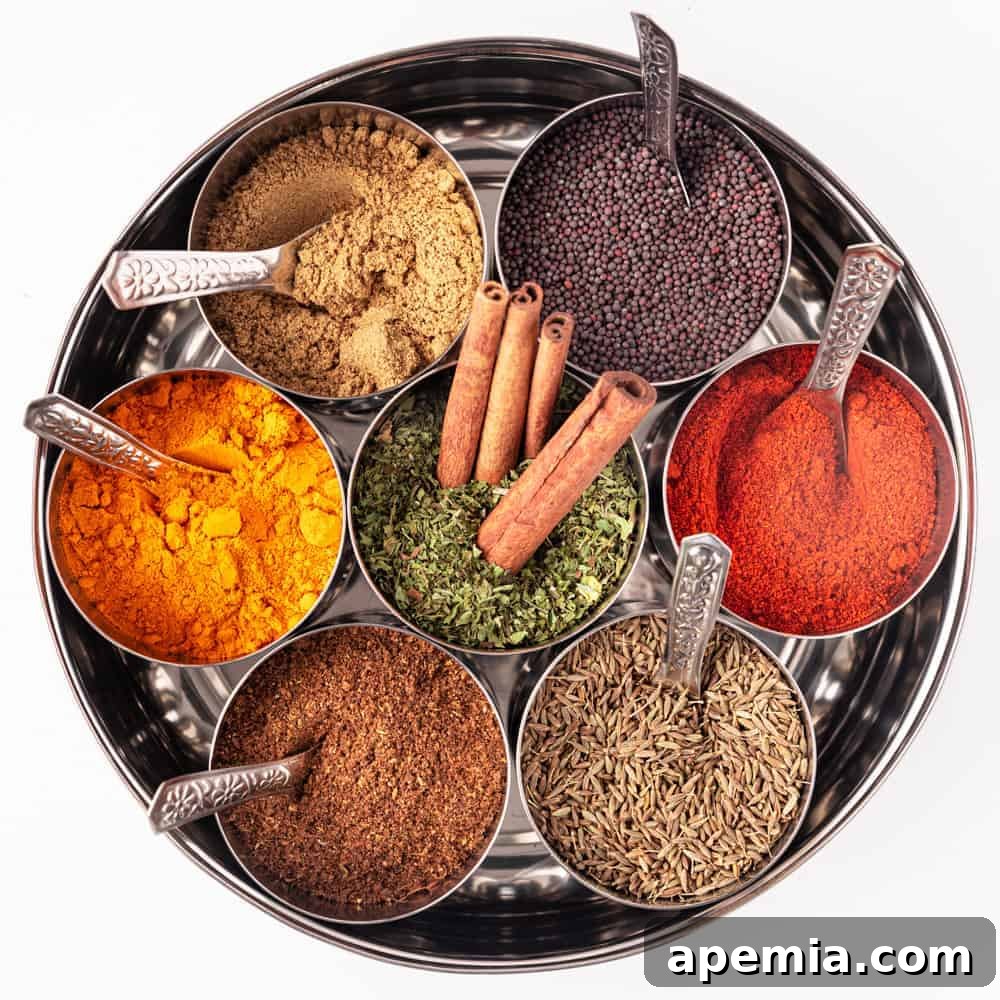
While no two curry powder blends are exactly alike, a common set of versatile Indian spices forms the backbone of most recipes. My blend utilizes widely accessible ingredients that are applicable to a myriad of Indian-inspired dishes. However, the beauty of DIY is the freedom to experiment. If you’re keen to explore different flavor profiles or introduce additional nuances to your next batch, consider incorporating some of these:
- Chili powder (for varying heat levels)
- Fennel seeds (sweet, anise-like notes)
- Red pepper flakes (for a different kind of heat)
- Anise (licorice-like flavor, similar to fennel)
- White Pepper (milder heat, often used in lighter dishes)
- Bay leaves (earthy, slightly floral, often used whole and removed after cooking)
Many of the spices listed in this recipe can be adjusted to intensify or temper the heat, tanginess, or sweetness. Feel free to alter the proportions based on your preferences, and I encourage you to discover the combination you enjoy most!
Ingredient Spotlight: Flavors and Their Roles in Curry Powder
Each spice in this blend plays a crucial role, contributing to the overall complexity and depth of flavor. Understanding these individual notes allows for more informed customization and a deeper appreciation of the final product:
- Turmeric: The undisputed star, turmeric is responsible for the iconic golden-yellow hue of most curry powders. It offers a warm, earthy, and slightly bitter flavor, and is a staple not only for its taste and color but also for its renowned anti-inflammatory properties. This ingredient is non-negotiable for any traditional curry powder recipe.
- Cumin: With its distinct hearty, earthy, and slightly lemony flavor, cumin provides a foundational savory depth that is indispensable in Indian cooking. It’s a bold seasoning that grounds the entire blend.
- Coriander: Derived from the seeds of the cilantro plant, ground coriander imparts a refreshing, citrusy sweetness and a warm, nutty aroma. It helps to balance the bolder, earthier spices.
- Ginger: Fresh or ground, ginger introduces a pungent, distinctly spicy, and subtly sweet note. Its unique warmth is hard to replicate, making it an essential component for that authentic Indian-inspired flavor.
- Cinnamon: This sweet and woody spice adds a layer of aromatic warmth and a hint of smoky depth. It’s often associated with sweetness but contributes a wonderful complexity to savory dishes. Nutmeg or allspice can offer similar warm notes if you wish to experiment.
- Dried Mustard: Providing a sharp, tangy, and slightly acidic bite, dried mustard powder brightens the blend. Its flavor is subtle when dry but truly blossoms when mixed with liquids, adding a zesty kick to sauces and marinades.
- Fenugreek: A fascinating herb with a slightly sweet, almost maple-like or licorice-like aroma. Fenugreek adds a unique depth and a subtle bitter undertone that prevents the blend from being overly sweet. If whole fenugreek seeds are difficult to find, ground fennel seeds can be a good substitute for similar aromatic qualities.
- Black Pepper: Beyond its role as a simple seasoning, black pepper contributes a mild, sharp heat and a peppery bite that complements the other spices without overpowering them. It also aids in the absorption of turmeric’s beneficial compounds.
- Cardamom: Known as the “Queen of Spices,” cardamom offers an intoxicatingly warm, intensely aromatic, and slightly peppery flavor with sweet, citrusy, and floral undertones. It’s a premium spice that adds an unmistakable signature to any curry powder.
- Cayenne Pepper: For those who appreciate a fiery kick, cayenne pepper delivers a vibrant, “fresh” heat and a beautiful reddish hue. Adjust the amount to control the intensity of the spice level in your blend.
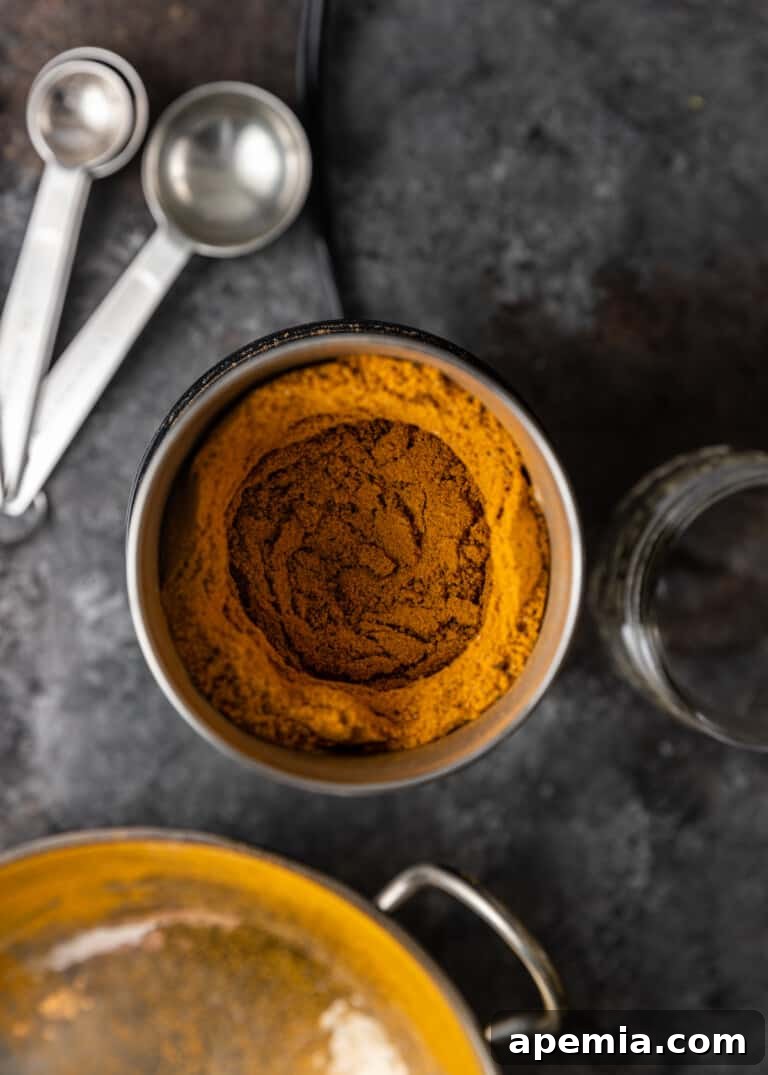
Crafting Your Signature Blend: A Step-by-Step Guide
The Simple Process of Making Homemade Curry Powder
Making your own curry powder is surprisingly straightforward and incredibly rewarding. The most crucial aspect is ensuring you have fresh, high-quality individual spices. Once gathered, the process is quick and requires minimal effort for maximum impact.
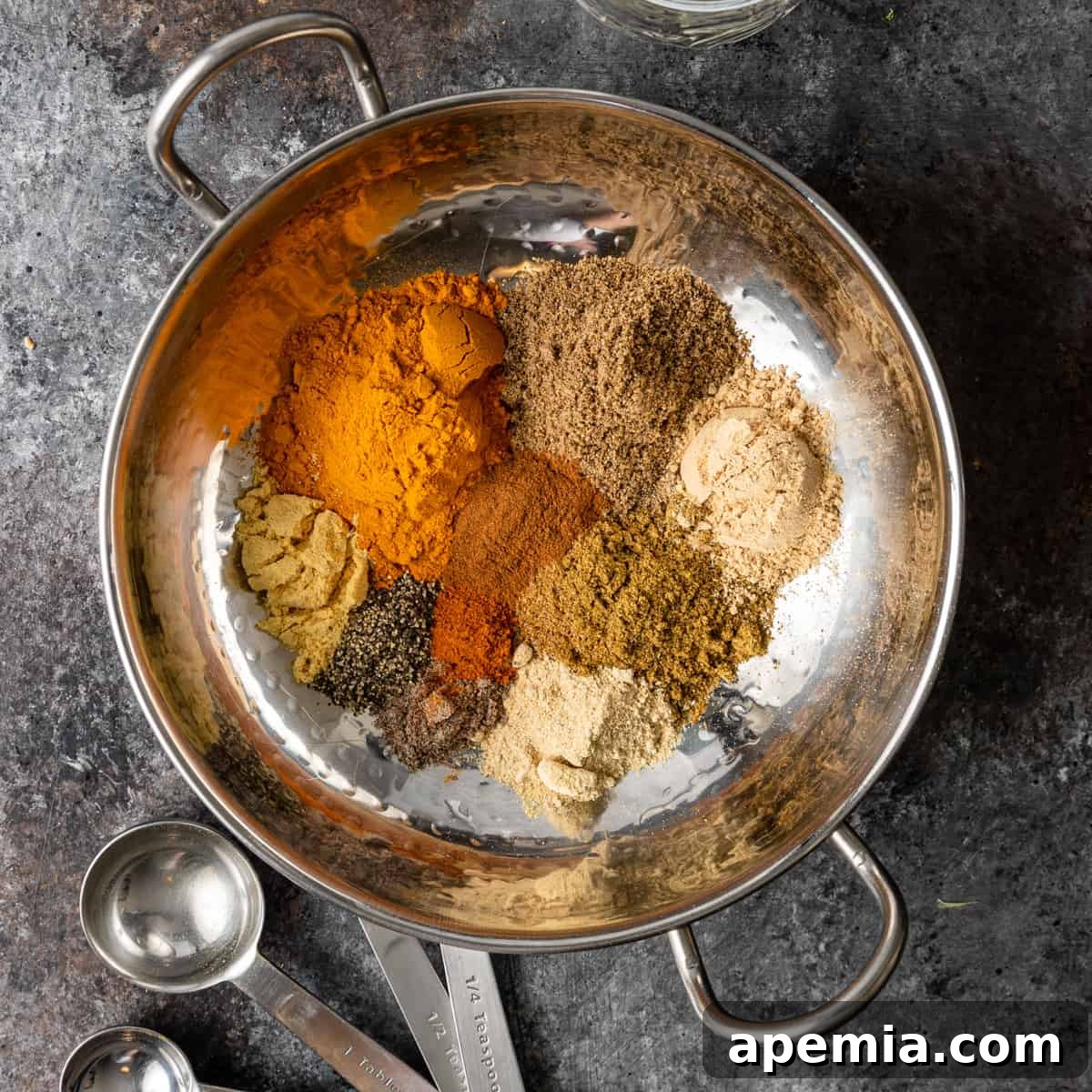
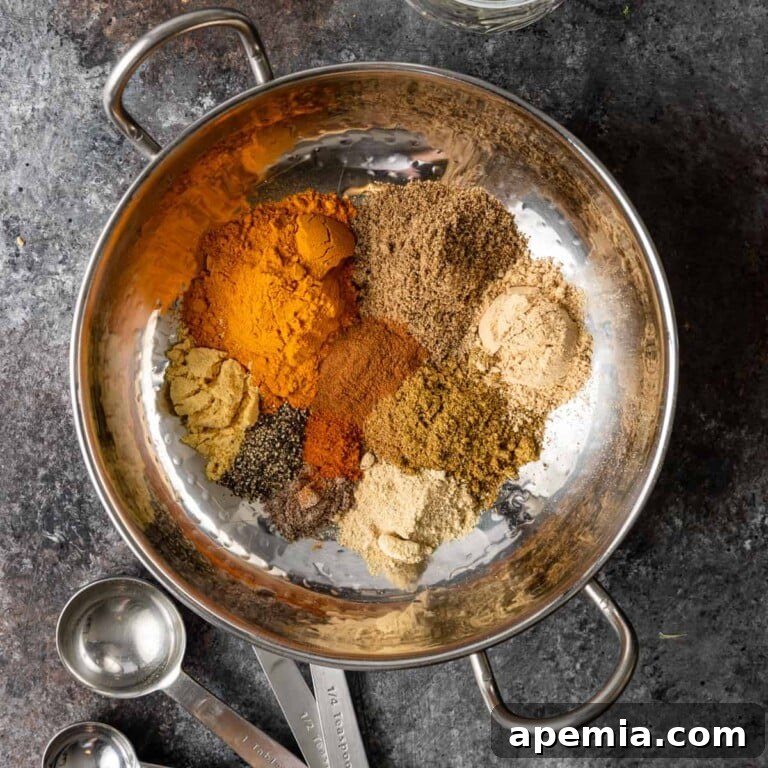
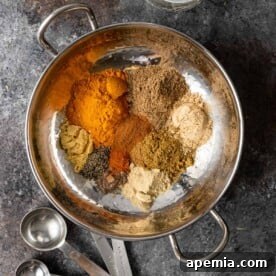
Simply combine all the ground spices – turmeric, cumin, coriander, ginger, cinnamon, dried mustard, fenugreek, black pepper, cardamom, and cayenne – in a bowl. Whisk them together thoroughly until the mixture is uniform in color and texture. For an even finer, more consistent powder, you can process the whisked blend in a dedicated spice grinder or a clean coffee grinder for a few seconds. This helps to break down any larger spice particles and ensures a smooth, homogeneous blend.
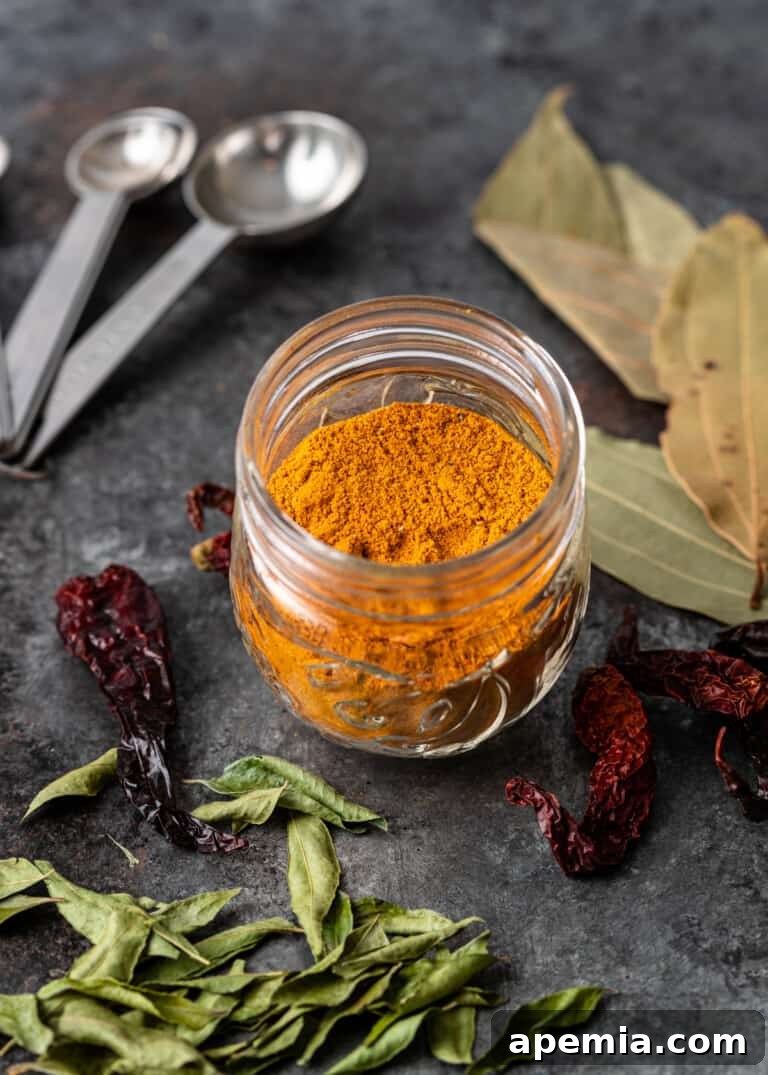
Once your blend is ready, transfer it to an airtight container, such as a glass mason jar. Store it in a cool, dark place like your pantry or on your countertop away from direct sunlight and heat. For optimal freshness and flavor intensity, aim to use your homemade curry powder within three months. While it will remain safe to consume for longer, its aromatic qualities will gradually diminish over time.
Unlock the Versatility: How to Use Your Homemade Curry Powder
The beauty of this homemade curry powder lies in its incredible versatility. It’s designed to enhance a wide array of dishes, far beyond just traditional “curries.” Here are some inspiring ways to incorporate this flavorful blend into your cooking:
- Marinades and Rubs: Sprinkle it generously on chicken, lamb, fish, or firm tofu before grilling, roasting, or pan-frying. The spices infuse deeply, creating a tender, aromatic result.
- Soups and Stews: Add a teaspoon or two to vegetable soups, lentil stews, or even a simple chicken noodle soup for an unexpected warmth and depth.
- Roasted Vegetables: Toss potatoes, cauliflower, carrots, or chickpeas with olive oil and curry powder before roasting for a deliciously spiced side dish.
- Dressings and Dips: Whisk a pinch into yogurt-based dressings for salads, or stir it into hummus or sour cream for a flavorful dip.
- Rice and Grains: Stir a small amount into the cooking liquid for rice, quinoa, or couscous to infuse them with a subtle, exotic flavor.
- Breakfast Boost: A tiny sprinkle over scrambled eggs or even avocado toast can add an exciting twist to your morning meal.
- Flavor Base: For maximum flavor extraction, always “bloom” your curry powder. This involves lightly toasting it in a bit of oil or butter at the beginning of your cooking process. This releases the fat-soluble compounds, intensifying the aromas and flavors before adding other ingredients like vegetables or liquids.
This blend is perfect for dishes like my spicy and tangy take on Chicken Salad, adding a wonderful complexity. However, for specific regional dishes, dedicated blends are often best. For instance, if you’re preparing a chickpea dish like Chana Masala, I highly recommend using my specialized Chana Masala blend for the most authentic flavor.
Frequently Asked Questions About Curry Powder
Is curry powder genuinely Indian?
As discussed, the pre-mixed blend known as “curry powder” is not a traditional staple in authentic Indian kitchens. It was an innovation by the British to simplify the complex process of Indian cooking for European palates. In India, cooks use freshly ground individual spices or custom-made masalas that vary significantly by region, family recipe, and the specific dish being prepared. While curry powder provides a convenient shortcut to Indian-inspired flavors, it doesn’t represent the full spectrum and depth of traditional Indian culinary artistry.
What is typically found in curry powder?
The ingredients in curry powder can vary widely between brands and homemade recipes, reflecting regional preferences and personal tastes. However, common staples include turmeric (for color and earthy notes), cumin, coriander, and fenugreek. My homemade recipe specifically includes this robust mix of common Indian spices and seasonings. Along with the core turmeric, cumin, and cardamom, I add ginger for warmth, cayenne and black pepper for a balanced heat, and coriander, fenugreek, and cinnamon for refreshing sweetness and aromatic depth. Dried mustard contributes a much-needed tangy zest, rounding out the complex flavor profile.
What’s the best way to incorporate DIY curry powder into dishes?
To truly unlock the full flavor potential of your homemade curry powder, it’s best to mix it into some kind of liquid or fat. This process, often called “blooming” or “tempering,” involves gently heating the spices in oil, ghee, or butter at the start of cooking. The fat helps to extract the oil-soluble flavor compounds, intensifying their aroma and taste. After blooming, you can add other ingredients or liquids like stock, yogurt, or coconut milk. The added liquid then helps to evenly distribute the spices and ensures that meats and vegetables soak up all the wonderful flavors.
Is Garam Masala the same as curry powder?
No, not quite! Garam Masala is a distinct and authentic Indian spice blend, typically consisting of roasted and ground whole spices like cinnamon, cardamom, cloves, cumin, coriander, and black pepper. It possesses an intoxicating warmth, a vibrant aroma, and a delicate sweetness, often used as a finishing spice to add a fragrant punch just before serving. Unlike general curry powder, which can form the base of a dish, garam masala is usually added towards the end to preserve its delicate, volatile flavors. While both are versatile, their composition, usage, and flavor profiles are unique.
What are the best uses for curry powder?
Homemade curry powder is perfect for any dish that could benefit from a warm, earthy heat and aromatic complexity! It’s a fantastic way to level up bland meat marinades, transform boring sauces, and invigorate roasted vegetables. Soups, stir-fries, and even scrambled eggs or popcorn take exceptionally well to these seasonings. And, of course, it’s a no-brainer for creating delicious curries of all kinds.
What is BIR Curry?
If you’ve encountered the term “BIR curry,” it stands for British Indian Restaurant curries. This refers to a specific style of cooking developed in the UK, characterized by its focus on speed, economy, and achieving consistent, robust flavors using pre-made curry bases or sauces. It’s a culinary phenomenon distinct from traditional Indian home cooking, designed to cater to the tastes and demands of the British public. As my friend Dan, affectionately known as The Curry Guy, aptly states, “BIR recipes were developed with flavor, economy, and speed in mind. These curry sauces have become famous for many years. When people go out for a curry, these are the dishes they look for.” His website is an excellent resource for mastering these popular and delicious restaurant-style curries.
How long does homemade curry powder last?
For optimal freshness and potency, homemade curry powder should be used within three months. While it won’t spoil quickly, the volatile oils that give spices their flavor and aroma will gradually dissipate over time. Storing it in an airtight container in a cool, dark place away from direct heat and light will help preserve its quality for as long as possible. You’ll know it’s time to make a new batch when the aroma becomes noticeably faint.
Can I use whole spices instead of ground for this recipe?
Absolutely! Using whole spices and grinding them just before blending will yield an even more fragrant and flavorful curry powder. If you choose this route, you’ll need to gently toast the whole spices (except turmeric and ginger, which are usually added as powder) in a dry pan over medium-low heat for a few minutes until they become fragrant. This process, known as “tempering” or “dry roasting,” significantly enhances their flavor. Once cooled, grind them to a fine powder in a spice grinder before mixing with the other ground ingredients.
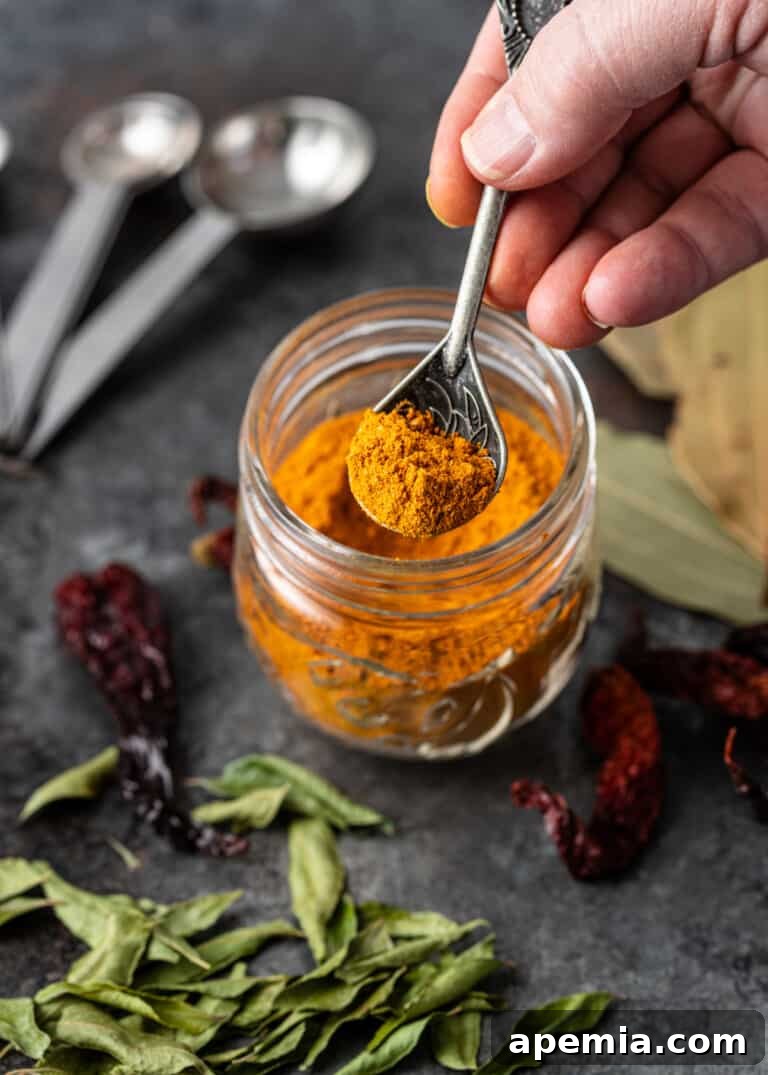
Your Homemade Curry Powder Recipe
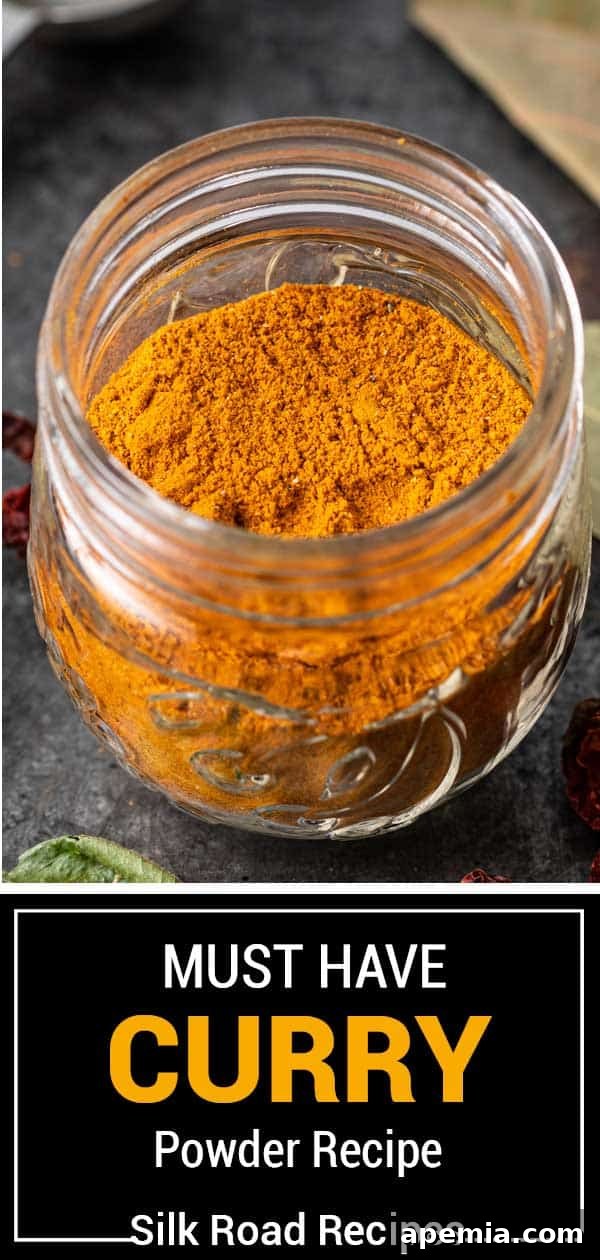
This Curry Powder Recipe is precisely what your pantry needs! Dedicate just 5 minutes to prepare this brilliant blend of delicious Indian spices and elevate your cooking.
Curry Powder Recipe
Servings: 0.5 cup
Prep Time: 5 mins
Total Time: 5 mins
Save Recipe | Pin Recipe | Print Recipe
Ingredients
- 3 tablespoons ground turmeric
- 2 tablespoons ground cumin
- 2 tablespoons ground coriander
- 2 teaspoons ground ginger
- 1 teaspoon ground cinnamon
- 1 teaspoon dry mustard
- 1 teaspoon ground fenugreek
- 1/2 teaspoon ground black pepper
- 1/2 teaspoon ground cardamom
- 1/8 teaspoon cayenne pepper
Instructions
- Whisk all the spices together in a bowl until thoroughly combined. For a finer powder, process the blend in a spice grinder for a few seconds.
- Store in an airtight container, such as a mason jar, in your pantry or on your countertop.
- Use within three months for maximum freshness and flavor intensity.
Notes
Nutritional information is an estimate based on 1/2 cup total yield of the spice blend.
Nutrition
Calories: 597kcal | Carbohydrates: 101g | Protein: 22g | Fat: 24g | Saturated Fat: 4g | Sodium: 110mg | Potassium: 3055mg | Fiber: 40g | Sugar: 4g | Vitamin A: 824IU | Vitamin C: 28mg | Calcium: 808mg | Iron: 64mg
The information shown is an estimate provided by an online nutrition calculator. It should not be considered a substitute for a professional nutritionist’s advice.
Course: Spice Blend
Cuisine: Indian
Author: Kevin
Have You Made This Recipe? Let Me Know on Instagram
Tag @keviniscooking or tag me #keviniscooking!