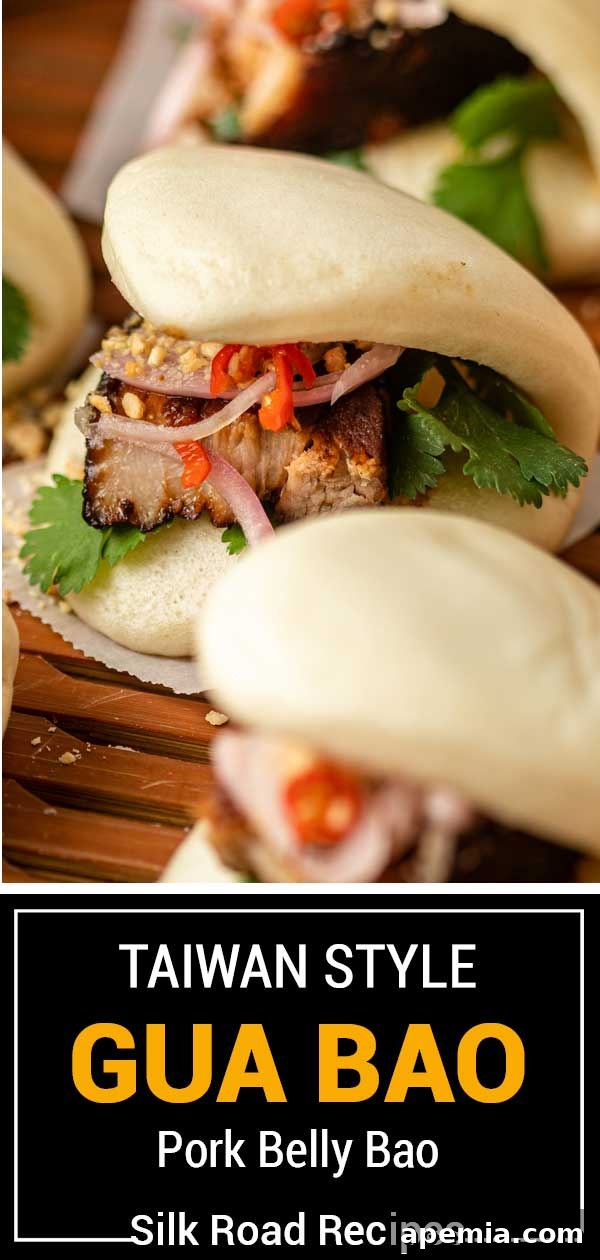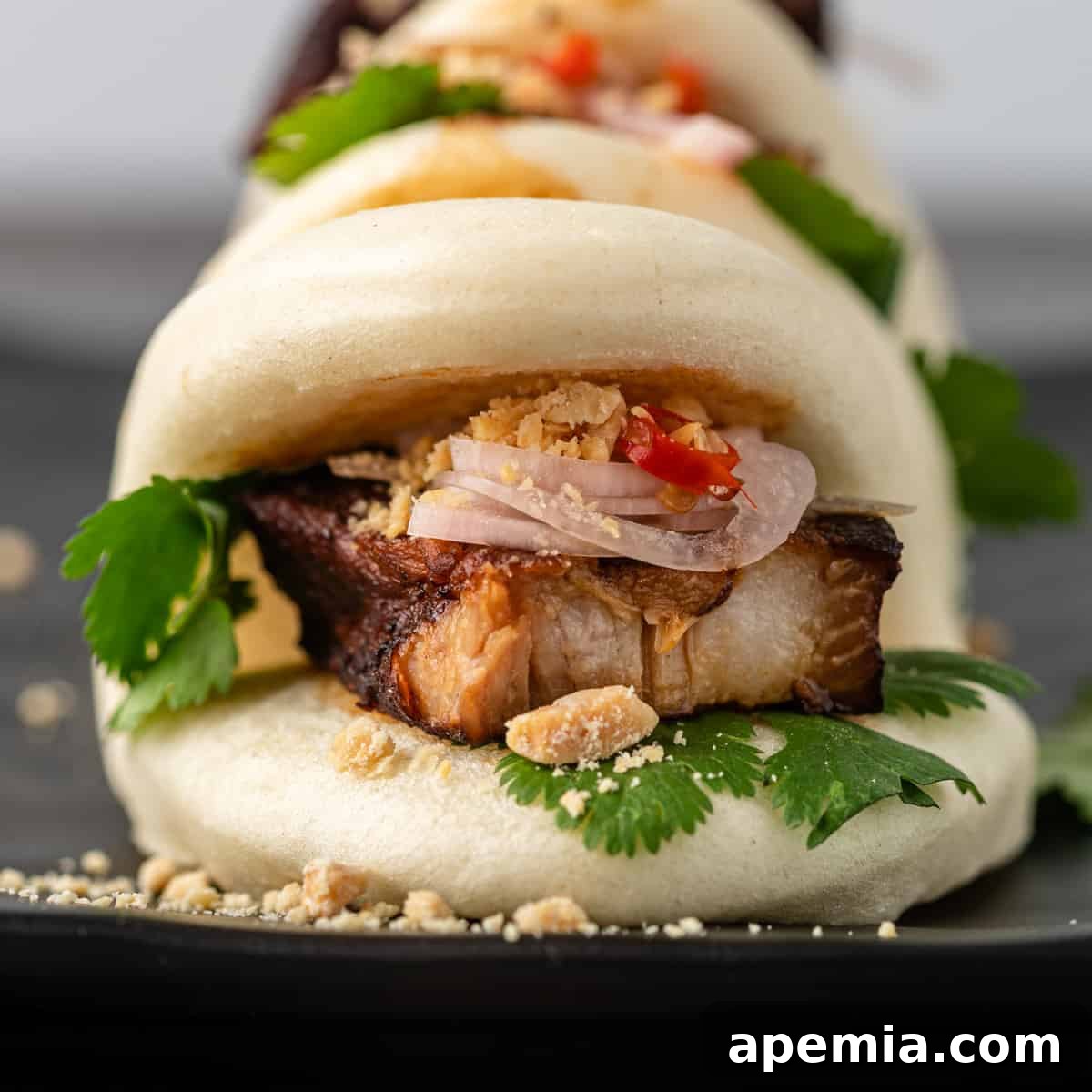
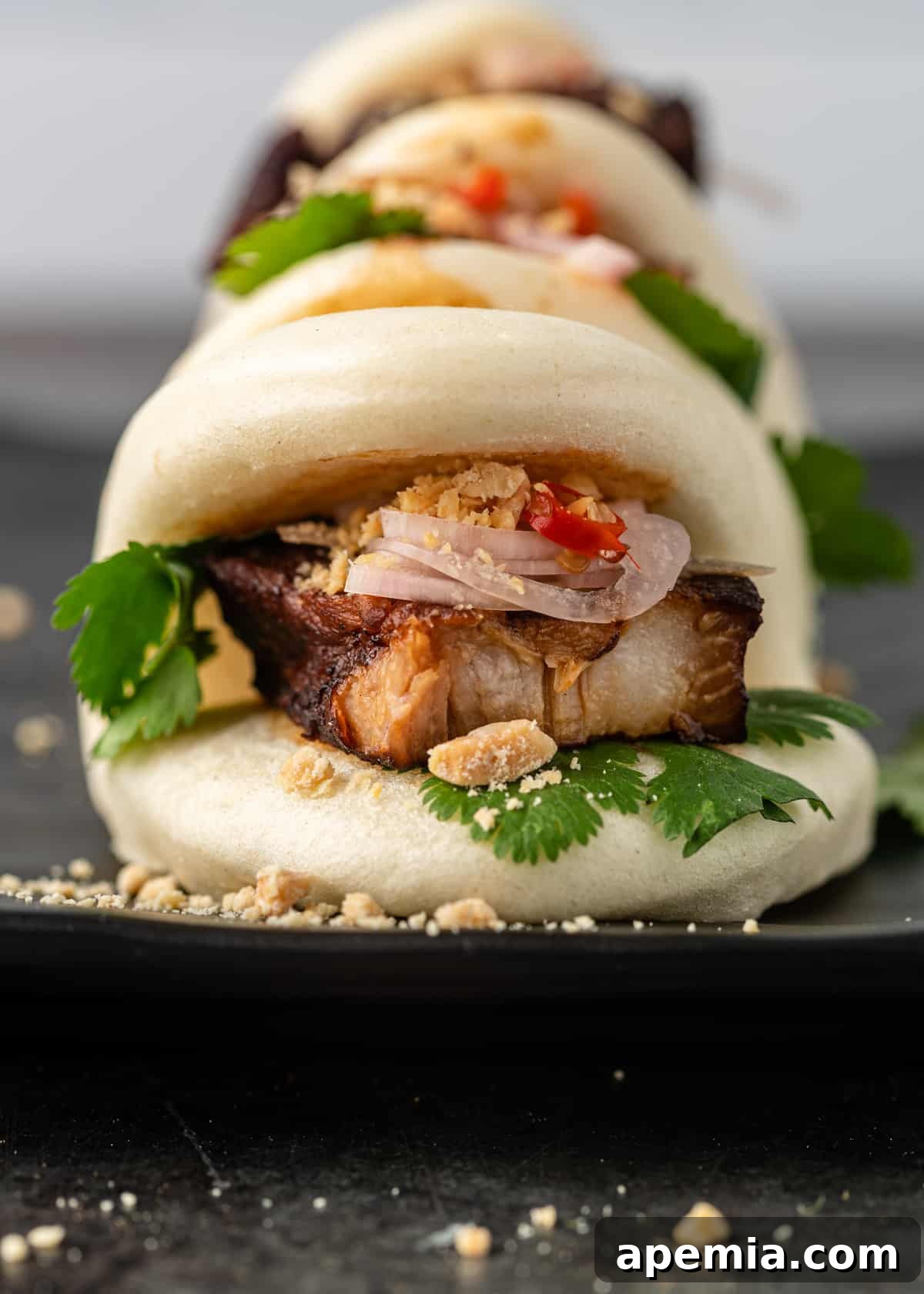
Instantly recognizable and unbelievably tasty, gua bao are a classic street food popular in China, Taiwan, and beyond. These delightful, soft, fluffy bao buns delicately fold around succulent, melt-in-your-mouth chunks of marinated pork belly, creating an explosion of fiery, savory, and sweet flavors in every bite. They are truly a feast for both the eyes and the palate!
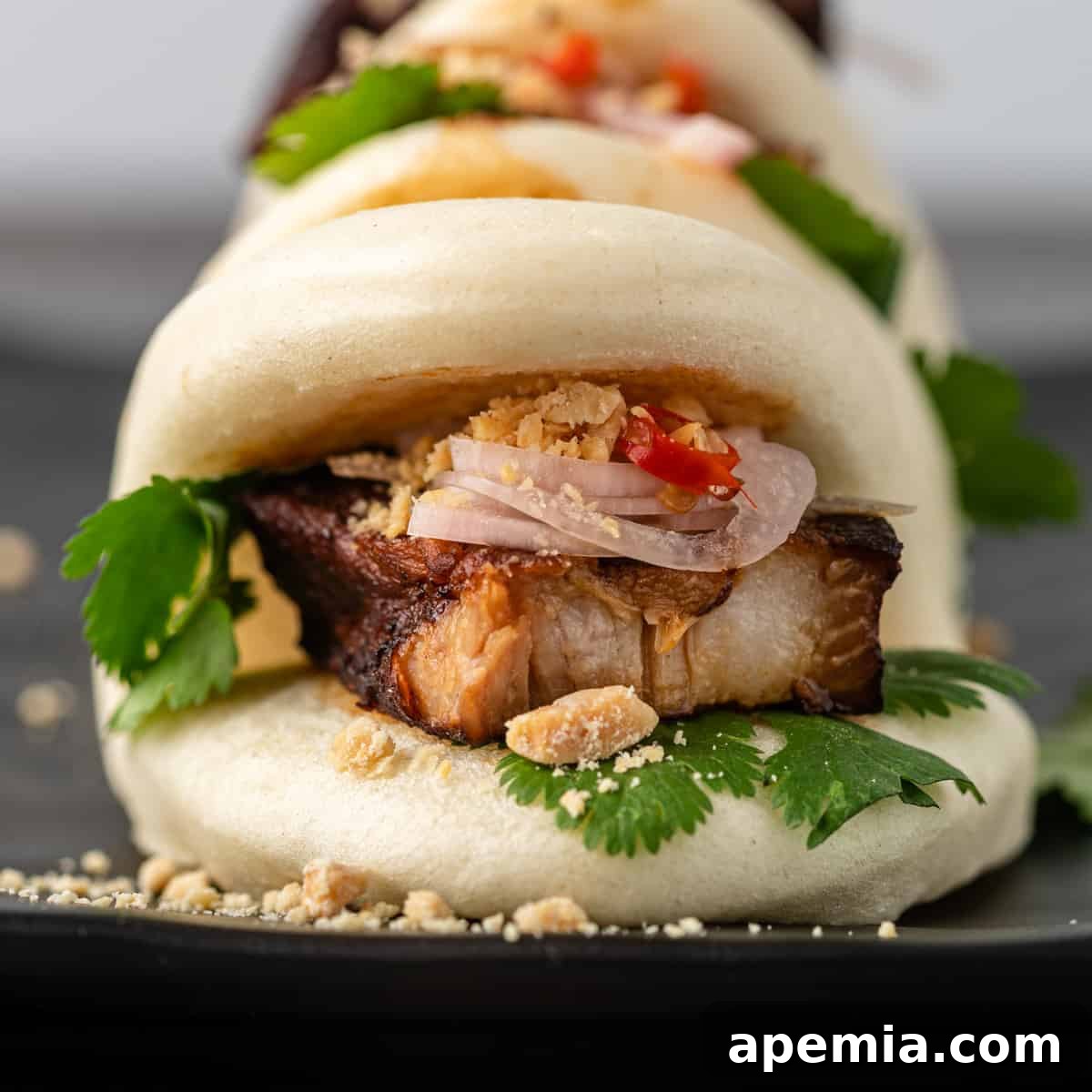
Few dishes transcend cultural boundaries and capture hearts quite like Gua Bao. Originating from Taiwan, this iconic pork belly bun has captivated palates across Asia, spreading its delicious influence to China, Japan, South Korea, and even becoming a highly sought-after delicacy in Western culinary scenes. It’s a testament to its enduring appeal that the fundamental recipe has remained largely unchanged for over a century, a true testament to its perfection.
At its core, the concept is beautifully simple: cloud-like, chewy bao buns are gently folded, much like a soft taco, and generously filled with tender, juicy pieces of braised pork belly. However, to describe the flavor as merely “simple” would be a vast understatement. The magic lies in the intricate balance of textures and tastes that make Gua Bao an unforgettable culinary experience.
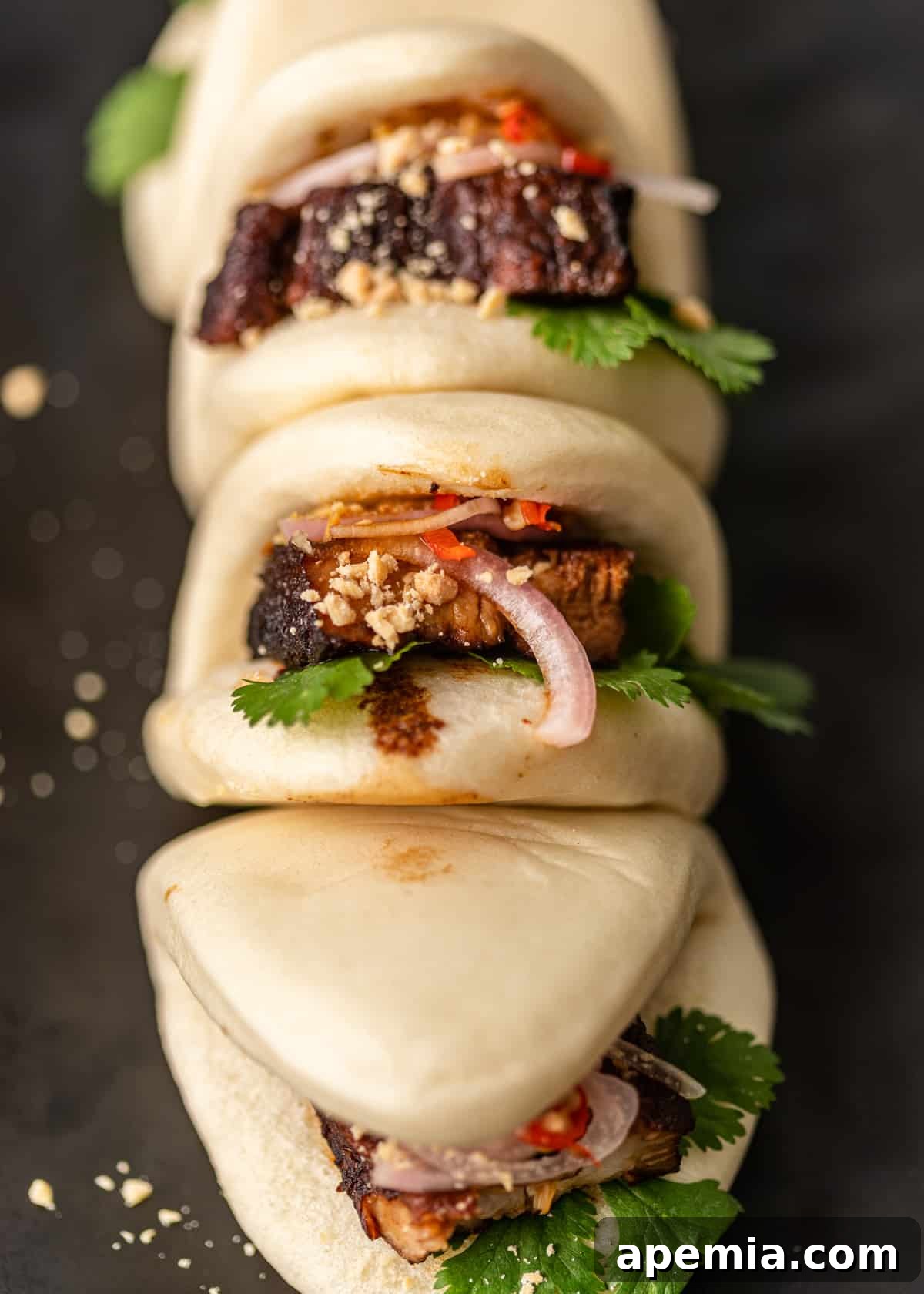
Gua Bao is an exceptional choice for entertaining, whether you’re hosting a casual gathering or a grand dinner party, as the recipe scales remarkably well. Imagine offering your guests a delightful array of fillings! Beyond the classic pork belly, consider preparing or purchasing extra buns and filling some with my exquisite homemade char siu pork or the rich and savory hong shao rou. The more delicious options to choose from, the more memorable your culinary spread will be!
Table of Contents
- Condiments: The Finishing Touch
- Ingredient Notes and Substitutions for Authentic Flavor
- How to Make Gua Bao: Step-by-Step Perfection
- Recommended Tools for Gua Bao Preparation
- Storing and Reheating Your Gua Bao
- Frequently Asked Questions About Gua Bao
- Gua Bao (Pork Belly Bao) Recipe
My signature Gua Bao recipe is deeply rooted in classic Taiwanese flavors, offering an authentic taste experience. The star of the show, the pork belly, is meticulously braised in a rich blend of caramelized brown sugar, the tantalizing heat of Szechuan chili, the complex notes of Shaoxing rice wine, and the unmistakable aroma of a traditional Chinese five-spice blend. To elevate the experience, I crown my bao with a harmonious combination of tangy pickled shallots and a sweet, crunchy peanut crumble. These show-stopping buns are not just incredibly delicious; they are also visually stunning, making them a centerpiece for any meal.
Tip From Kevin
Condiments: The Finishing Touch
In the world of cuisine, especially Asian street food, condiments are not just an enhancement; they are often what truly makes a dish unforgettable. For Gua Bao, neglecting the pickled shallots and, most importantly, the sweet peanut crumble would be a culinary oversight. The sweet peanut crumble, a deceptively simple mixture of perfectly roasted peanuts and powdered sugar, adds a crucial layer of texture and sweetness that perfectly complements the savory pork belly and tangy shallots. These elements are non-negotiable for achieving the authentic Gua Bao experience.
Ingredient Notes and Substitutions for Authentic Flavor
(Be sure to check the recipe card below for a full list of ingredients and precise quantities)
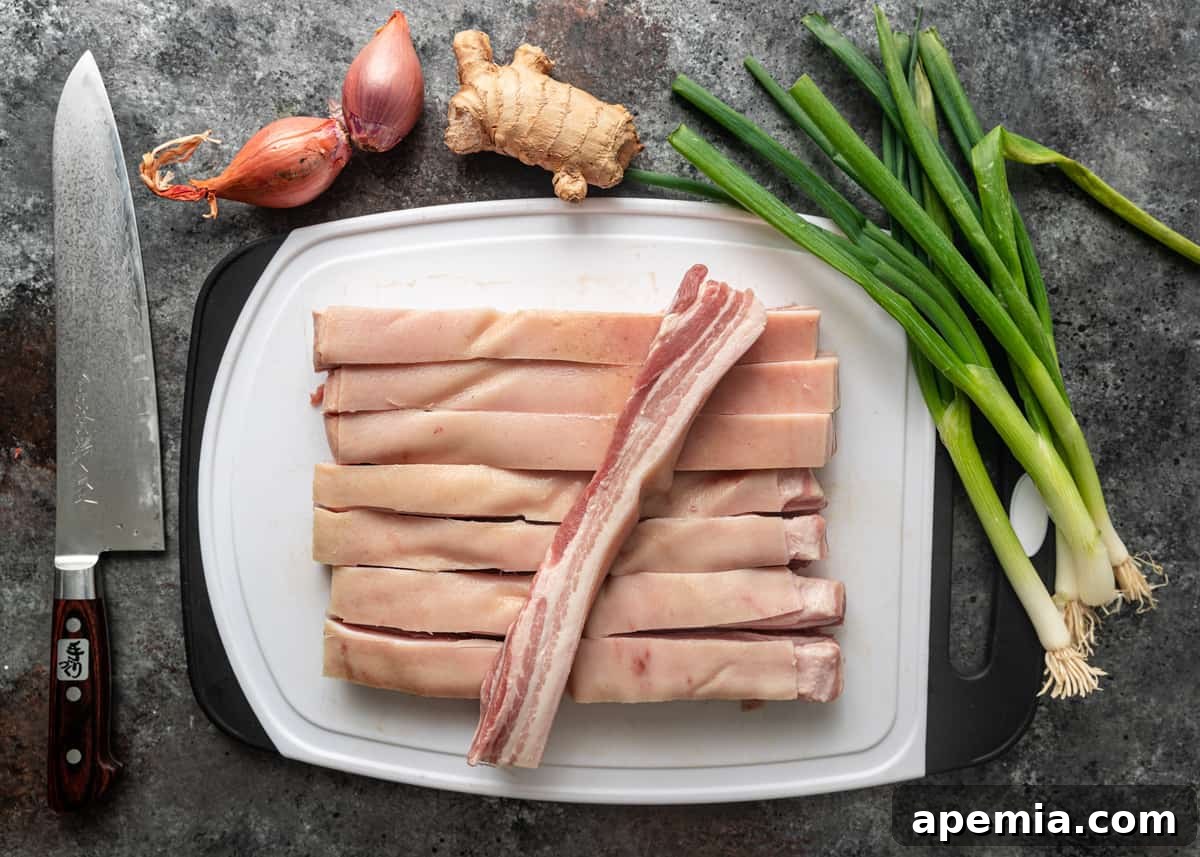
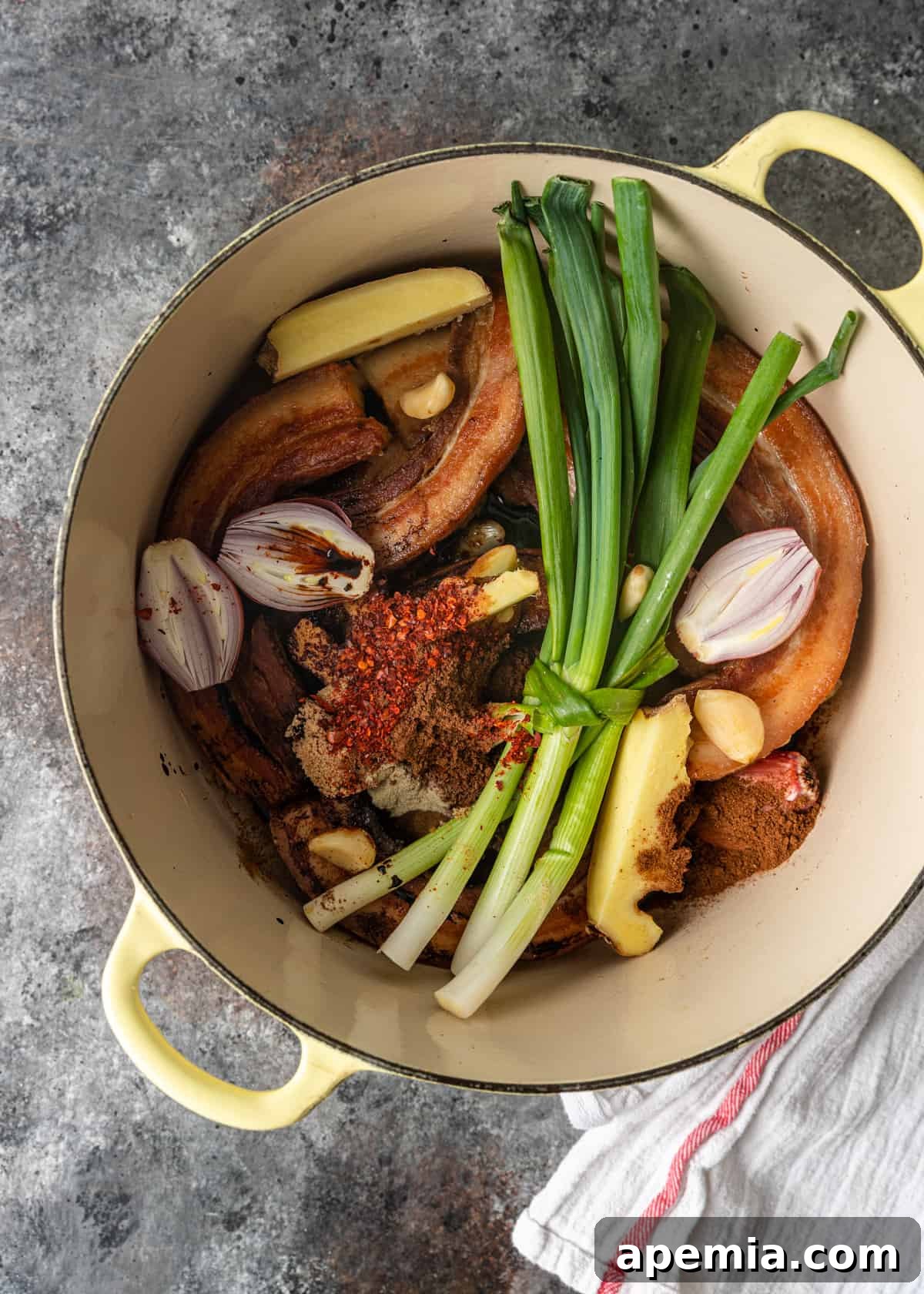
- Pork Belly – This cut is truly the heart of Gua Bao. Its ideal balance of moist, tender meat and rich, luscious fat renders it perfect for braising, resulting in an unbelievably succulent texture. The Taiwanese pork belly in this recipe is flavored with an exquisite array of aromatics and seasonings:
- Shallots & Green Onions – These provide a milder, sweeter, and more nuanced onion flavor compared to regular onions, adding depth without overpowering the dish.
- Ginger Root – Once peeled, quartered, and slow-cooked, this pungent and aromatic root transforms, lending a warm, subtly sweet, and spicy undertone to the pork.
- Shaoxing Wine – A cornerstone of Chinese cooking, this fermented rice wine imparts a distinct savory, slightly sweet, and aromatic complexity. If unavailable, a good quality dry sherry can serve as a suitable substitute.
- Dark Soy Sauce – While both light and dark soy sauce can be used, dark soy sauce offers a richer color and a slightly sweeter, less salty flavor, contributing to the beautiful glaze of the pork belly.
- Brown Sugar – Beyond simple sweetness, brown sugar introduces deep, rich, and complex caramel notes that white sugar simply cannot replicate. Honey can be used as an alternative for a slightly different sweet profile.
- Szechuan Chili Flakes – These flakes, often made from fried chili peppers, are prized for their unique smoky flavor and vibrant red hue. They provide a pleasant heat that is aromatic rather than just sharp.
- Chinese Five Spice – A quintessential ingredient in Asian cooking, this blend typically includes star anise, cloves, Chinese cinnamon, Szechuan peppercorns, and fennel seeds. It offers a balance of warm, earthy, sweet, and pungent flavors. Consider making your own blend using my recipe for a truly customized taste.
- White Pepper – Offers a milder, more complex heat than black pepper, with subtle floral notes. If unavailable, black pepper can be used, though the flavor profile will be slightly different.
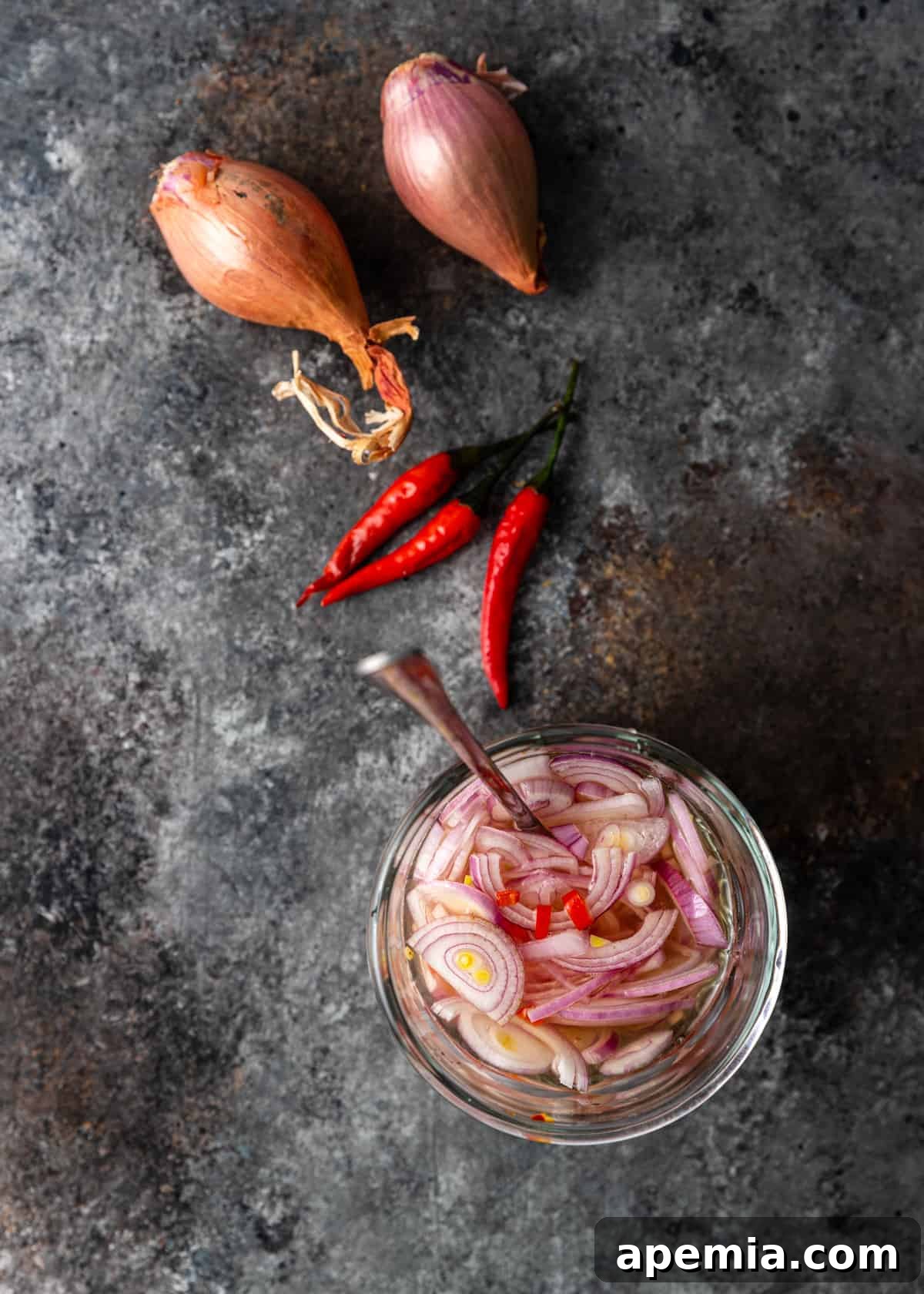
- Pickled Shallots – These provide a crucial tangy and slightly sweet counterpoint to the rich pork. To make them, simply thinly slice fresh shallots, then submerge them in rice wine vinegar, and season with finely minced Bird’s Eye Chili for a touch of heat. Allow them to marinate for at least 30 minutes for the flavors to meld beautifully.
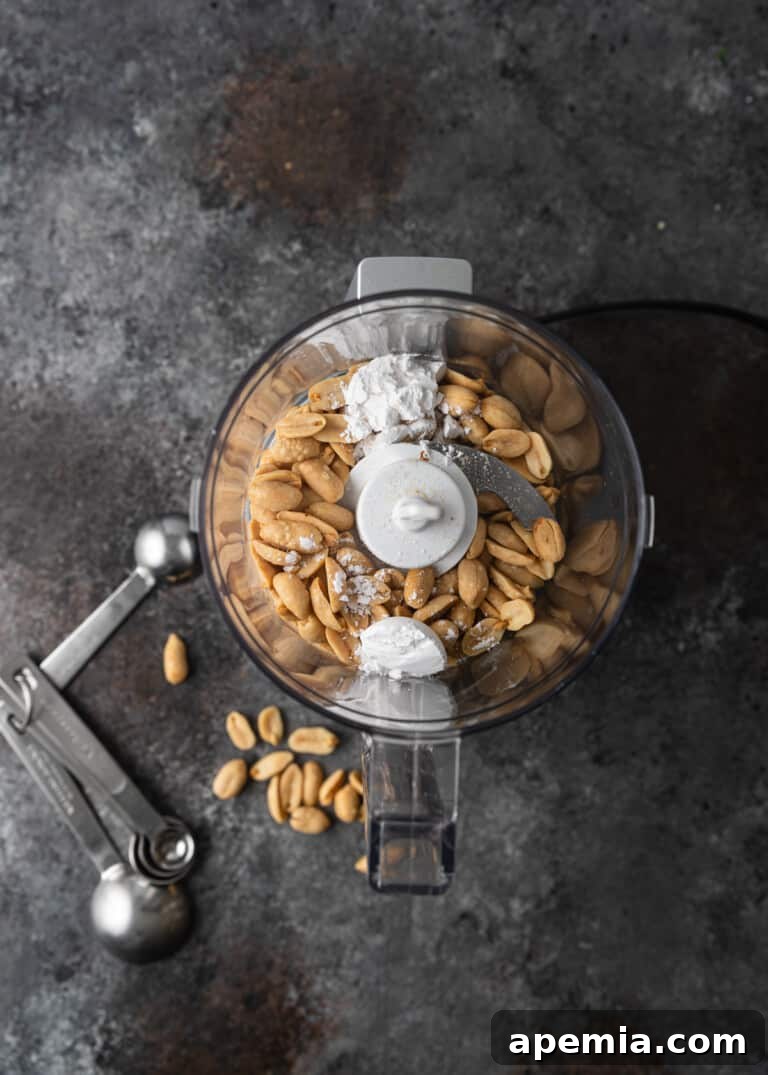
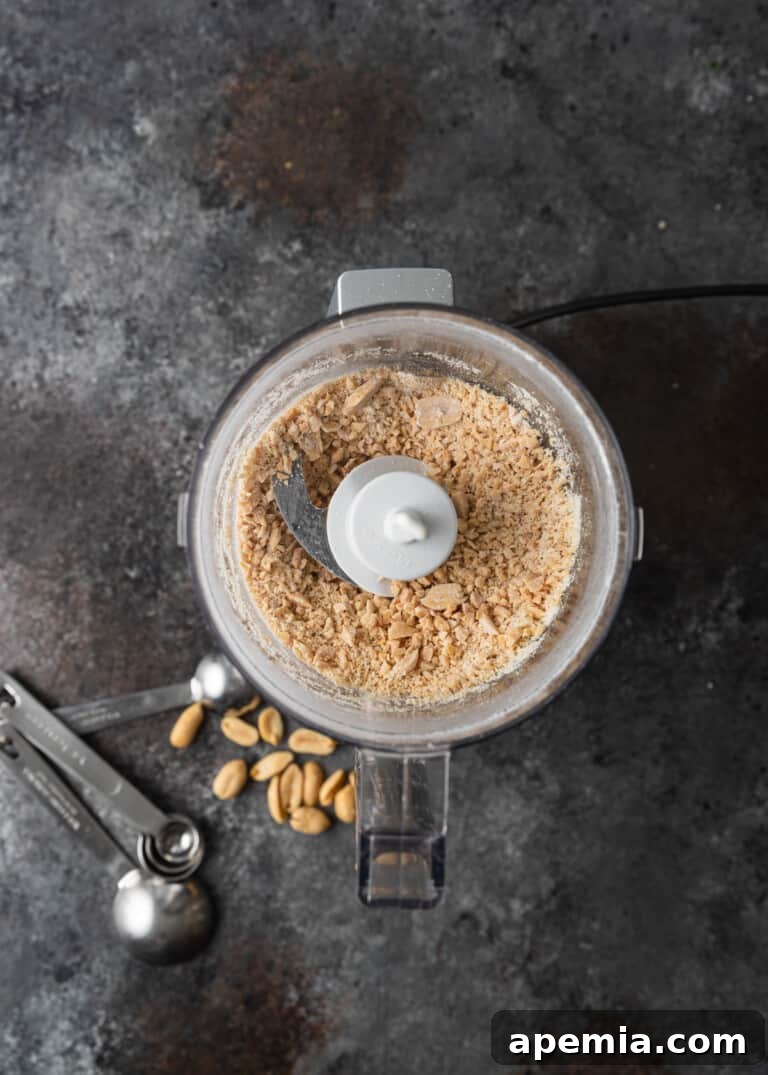
- Sweet Peanuts – This crunchy, sweet topping adds a delightful textural contrast and nutty flavor. Crush some perfectly roasted peanuts, then dust them generously with powdered sugar. The fine sugar adheres perfectly to the peanuts, ensuring sweetness in every crunch.
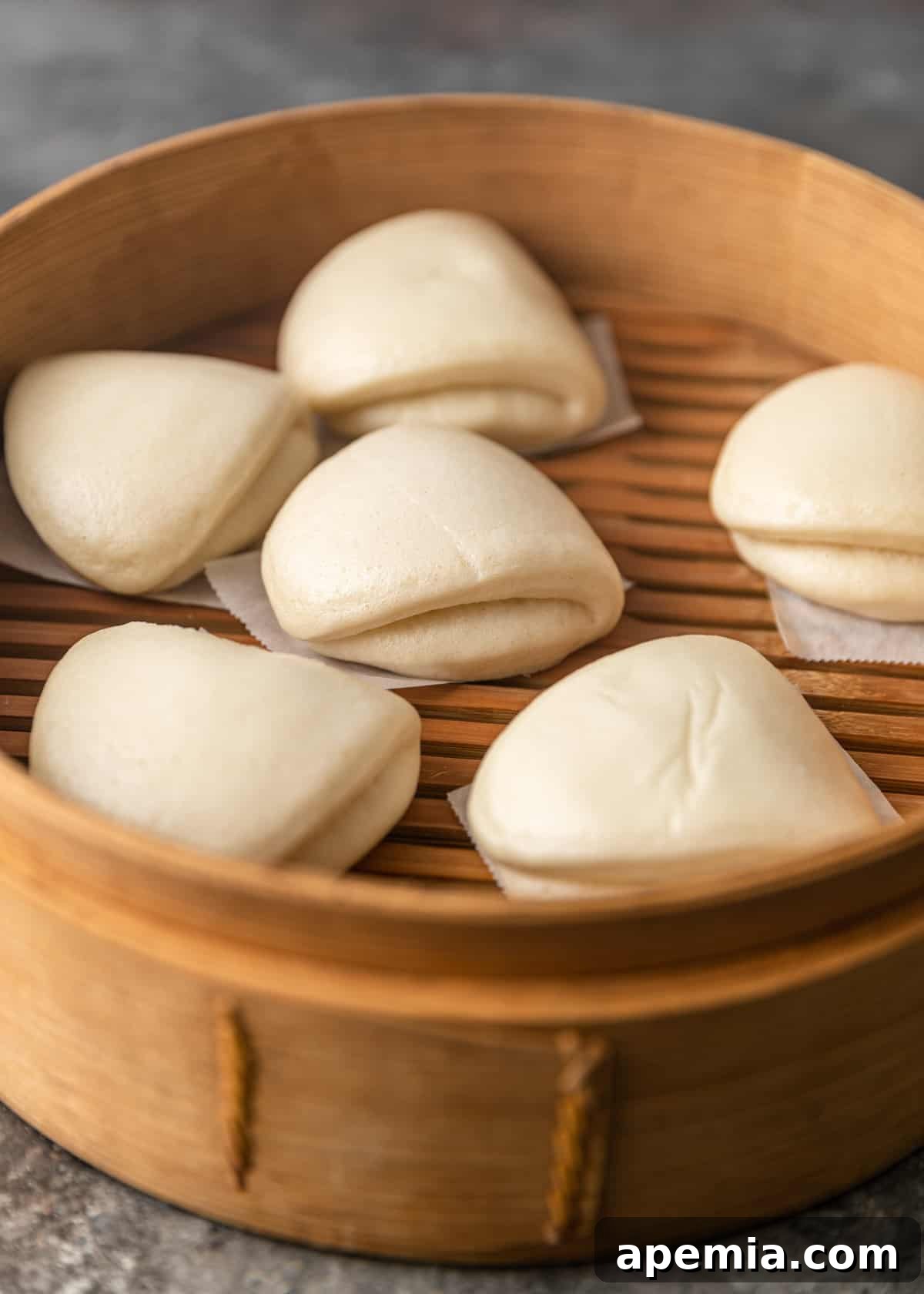
- Gua Bao Buns – The soft, pillowy canvas for our delicious fillings. You can easily find these in the frozen section of most Asian grocery stores. For an even more authentic and rewarding experience, I highly recommend making your own using my straightforward recipe, which yields exceptionally fluffy buns.
How to Make Gua Bao: Step-by-Step Perfection
- Prepare the Pickled Shallots. Begin by washing and preparing your shallots: top, tail, and finely slice them into thin rings. Mince the red chili to your desired level of heat. Combine both in a small bowl, then pour enough rice wine vinegar over them to ensure they are fully submerged. Set this aside to allow the flavors to develop while you prepare the other components.
- Create the Sweet Peanuts. For the delightful peanut crumble, take your roasted peanuts and finely chop them. A food processor can make quick work of this, aiming for a coarse crumb texture – not too fine, as we want some crunch. Mix the chopped peanuts thoroughly with the powdered sugar in a bowl and set aside.
- Blanch the Pork Belly. Take your substantial piece of pork belly and carefully cut it lengthwise into even 1-inch thick slabs. Place these pork pieces into a large Dutch oven or a heavy-bottomed pot. Fill the pot with cold water, ensuring all the pork is fully submerged. Bring the water to a rolling boil over high heat, then continue to cook for just 1 to 2 minutes. This blanching step helps to clean the pork and remove impurities, resulting in a cleaner braising liquid. Carefully remove the pork and set it aside to drain on paper towels, then drain and clean your Dutch oven.
- Braise the Pork Belly to Perfection. Return the Dutch oven to the stove and heat the vegetable oil over medium-high heat. Once shimmering, add the blanched pork belly pieces and fry them until beautifully browned on all sides. This searing step locks in flavor and creates a delicious crust. Reduce the heat slightly, then toss in the smashed garlic, chopped green onions, quartered ginger, sliced shallots, Shaoxing wine, dark soy sauce, brown sugar, Szechuan chili flakes, Chinese five spice, and ground white pepper. Stir everything well to coat the pork. Now, cover everything with enough water to fully submerge the pork and aromatics. Bring the liquid to a boil, then reduce the heat to a gentle simmer, cover the pot, and cook for approximately 1 ½ hours, or until the pork belly is incredibly tender but still holds its shape—it should be easily pierced with a chopstick but not falling apart.
- Cook the Bao Buns. While the pork is braising, prepare your steamed bao buns according to the instructions on their package or follow your chosen recipe for homemade buns. They are best served warm and freshly steamed.
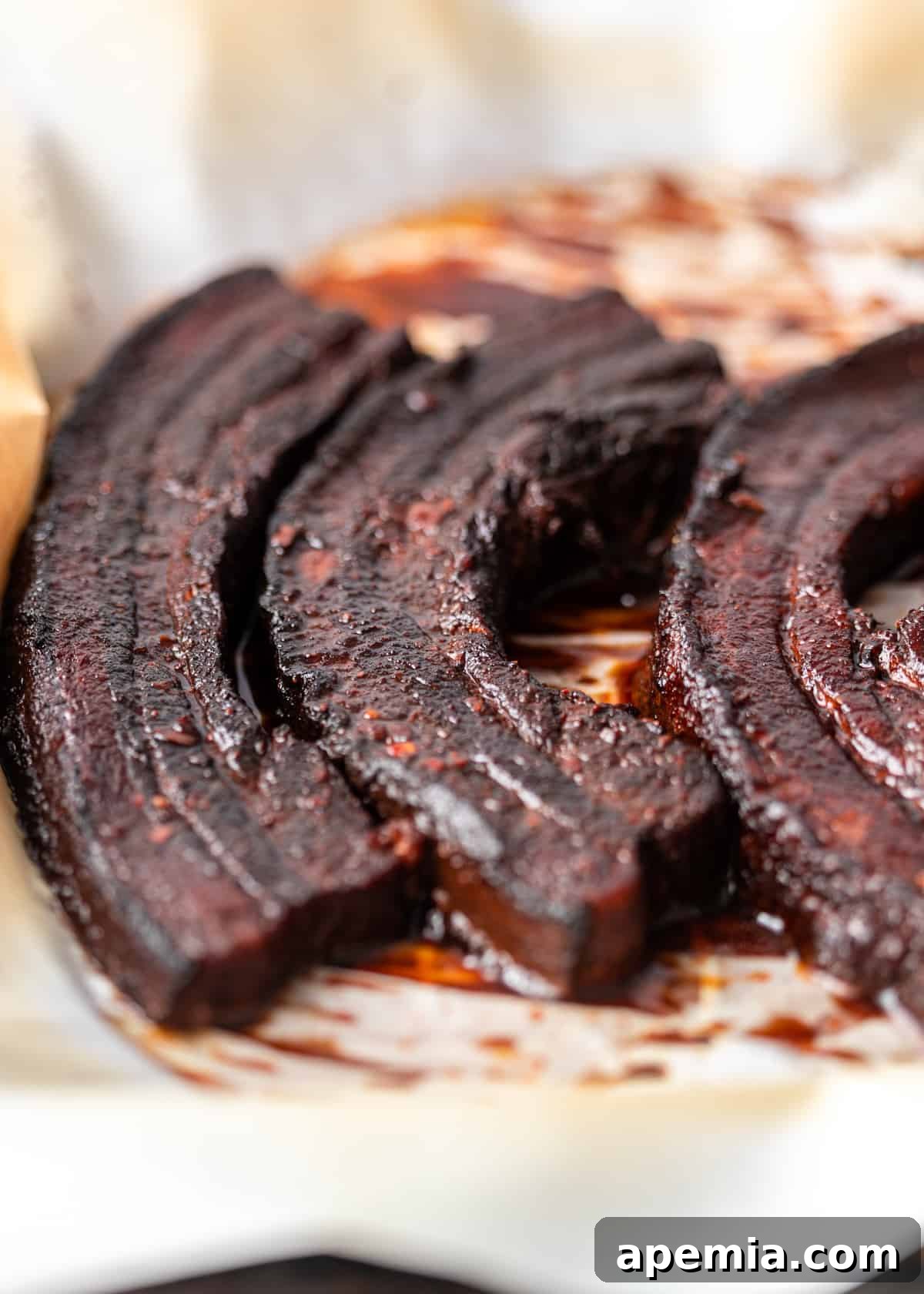
- Reduce the Braising Sauce. Once the pork belly is tender, carefully remove it from the pot and transfer it to a covered plate to keep warm. Using a slotted spoon or fine-mesh sieve, fish out and discard all the solid aromatics (ginger, green onions, shallots, garlic) from the remaining braising liquid. Bring the liquid back to a boil and simmer for about 10 minutes, stirring occasionally, until it reduces significantly and thickens into a rich, glossy sauce. This concentrated sauce will coat the pork beautifully.
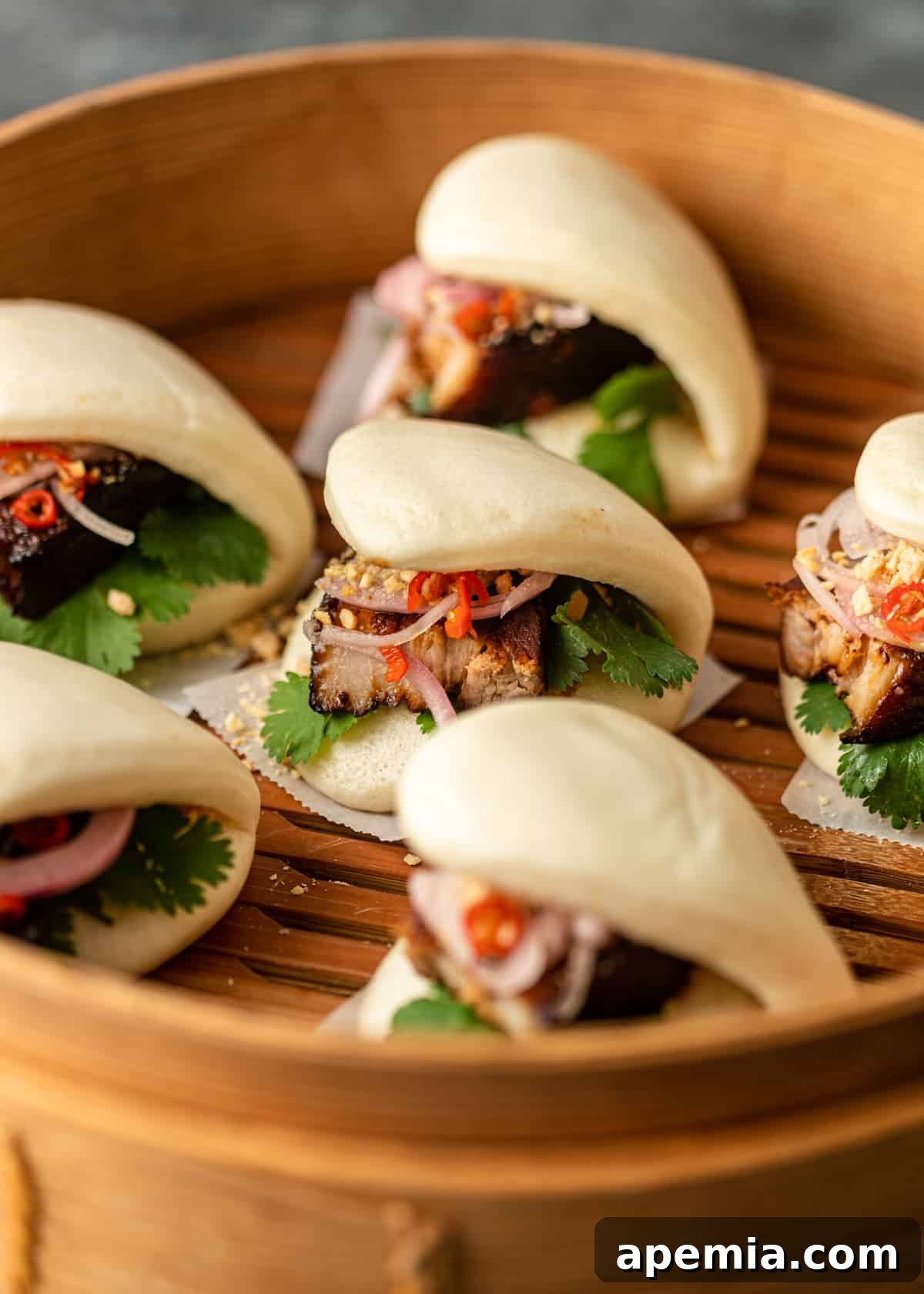
- Assemble & Serve Your Masterpiece. Cut the tender pork belly slices into manageable 3-inch long pieces. Return these pieces to the reduced sauce in the pot and gently toss to ensure each piece is glisteningly coated. Carefully pull each steamed bun apart, creating a pocket. Place 1-2 pieces of the saucy pork belly inside each bun, then generously top with your tangy pickled shallots, a sprinkle of fresh cilantro leaves (if using), and a generous dusting of the sweet peanut crumble. Serve immediately and enjoy the exquisite balance of flavors and textures!
Recommended Tools for Gua Bao Preparation
- Dutch Oven – A large, heavy-bottomed Dutch oven or a similar substantial pot is absolutely essential for this Gua Bao recipe. Its superior heat retention and distribution are key for the long, slow braising process of the pork belly. You’ll use this versatile vessel for boiling the pork, frying it to a perfect crisp, and finally, reducing the flavorful sauce, making it the only choice for achieving tender, succulent results.
- Steamer (Bamboo or Metal) – For perfectly fluffy bao buns, a steamer is indispensable. Whether you choose a traditional bamboo steamer for a touch of authenticity or a modern metal steamer basket, ensuring your buns are light and airy is crucial to the Gua Bao experience.
- Food Processor or Mortar & Pestle – To create the ideal texture for your sweet peanut crumble, a food processor offers efficiency. Alternatively, a mortar and pestle can provide a more rustic, hand-crushed texture for the roasted peanuts.
Storing and Reheating Your Gua Bao
To preserve the integrity and deliciousness of your Gua Bao, it’s always best to store and reheat the buns and pork separately. This crucial step prevents the delicate bao from becoming soggy due to the moisture from the pork and sauce. Once both the pork and buns have cooled completely to room temperature, transfer them to separate airtight containers. They will keep beautifully in the refrigerator for up to three days.
For convenience, you can freeze the uncooked or freshly steamed buns for 1-2 months. However, I generally wouldn’t recommend freezing the braised pork belly. Its high fat and moisture content can sometimes lead to a less desirable texture upon reheating from frozen. It’s best enjoyed fresh or within the refrigerated timeframe.
When you’re ready to enjoy your leftovers, place the pork and buns on separate microwave-safe plates. Cover each plate with a slightly damp paper towel. Microwave them in short bursts (30-60 seconds) until they are warmed through to your satisfaction. The damp paper towel helps to keep the buns soft and prevents the pork from drying out, ensuring a delicious revival of your Gua Bao.
Share this recipe on Pinterest!
Love this recipe? Share it with the world on Pinterest to inspire others!
Frequently Asked Questions About Gua Bao
Despite their wonderfully unique texture and slightly sweet flavor, you might be surprised to learn that these fluffy bao buns are crafted from a very straightforward yeast dough. This dough typically consists of all-purpose flour, yeast, sugar, water, and a touch of oil. The magic lies in the steaming process, which gives them their characteristic soft, pillowy consistency. You can absolutely master making them at home with my easy-to-follow recipe!
Absolutely! While I adore the harmonious blend of sweetness and tang from the pickled shallots and sweet peanuts, the beauty of Gua Bao lies in its versatility. It’s just as common, and equally delicious, to top a pork belly bun with fresh cilantro, thinly sliced red chilies for an extra kick, toasted sesame seeds for nuttiness, crunchy cashews, or indeed, anything else your culinary imagination desires! Don’t hesitate to experiment with various flavor and texture combinations to discover your perfect personalized Gua Bao experience.
Beyond the braising sauce, there are many delightful condiments that complement a pork belly bun. You’ll frequently find Gua Bao served with a drizzle of creamy mayo and a hint of fiery sriracha sauce over the top, offering a rich and spicy contrast. Another popular choice is glazing the pork in a vibrant Korean gochujang sauce for a savory, spicy, and slightly sweet kick. For something a little more classic and universally loved, a simple dip in rich hoisin sauce is always a fantastic option.
Gua Bao (Pork Belly Bao)
10
20 minutes
1 hour
55 minutes
2 hours
15 minutes
Pin Recipe
PrintRecipe
Video
Ingredients
Pork Belly
-
1.5 lb pork belly -
2 tablespoons vegetable oil -
6 cloves garlic smashed -
4 green onions -
4- inch ginger root peeled and quartered -
2 shallots sliced -
4 tablespoons Shaoxing wine or dry sherry -
4 tablespoons dark soy sauce or soy sauce -
2 tablespoons brown sugar -
2 tablespoons Szechuan chili Flakes -
1 teaspoon Chinese Five Spice -
1/2 teaspoon ground white pepper
Pickled Shallots
-
2 shallots sliced thin -
rice wine vinegar to cover -
1 red Birds Eye Chili minced
Sweet Peanuts
-
1/2 cup roasted peanuts crushed -
2 teaspoons powdered sugar
Serving
-
10 Gua Bao Buns (or store bought) -
Pickled Shallots -
Sweet Peanuts -
1/2 cup cilantro leaves
Instructions
Pickled Shallots
-
Thinly slice the shallots and mince the red chili. Transfer to a small bowl and cover with rice wine vinegar. Set aside to marinate.
Sweet Peanuts
-
Finely chop roasted peanuts (or blitz in a food processor) and mix thoroughly with powdered sugar in a bowl. Set aside.
Pork Belly
-
Cut the pork belly lengthwise into 1-inch thick slabs. Place in a Dutch oven and cover completely with cold water. Bring to a boil and cook for 1 to 2 minutes. Remove pork, set aside on paper towels to drain, then drain and clean the pot.
-
Return the pot to the stove and heat the oil. Fry the blanched pork belly until browned on both sides, searing in the flavor. Add the smashed garlic, green onions, ginger, shallots, Shaoxing wine, soy sauce, brown sugar, chili flakes, Chinese Five spice, white pepper, and enough water to just cover the pork.
-
Bring to a boil, then reduce heat to a gentle simmer, cover, and continue cooking for approximately 1 1/2 hours, or until the pork belly is incredibly tender but still intact. Meanwhile, prepare your steamed buns according to package or recipe instructions.
Assembly
-
Carefully remove the tender pork belly pieces from the pot and keep them warm on a covered plate. Remove all solids (ginger, garlic, etc.) from the braising liquid and discard. Bring the liquid to a boil, then simmer uncovered for about 10 minutes to reduce and thicken it into a rich, glossy sauce.
-
Cut the pork belly into 3-inch pieces and gently toss them in the reduced liquid to coat thoroughly.
-
Carefully pull each steamed bun apart to open a pocket. Add 1-2 pieces of the saucy pork belly, a generous portion of pickled shallots, fresh cilantro leaves, and sprinkle generously with sweet peanuts. Serve immediately!
Notes
Nutrition
Calories:
438
kcal
|
Carbohydrates:
9
g
|
Protein:
10
g
|
Fat:
40
g
|
Saturated Fat:
14
g
|
Cholesterol:
49
mg
|
Sodium:
486
mg
|
Potassium:
310
mg
|
Fiber:
2
g
|
Sugar:
4
g
|
Vitamin A:
588
IU
|
Vitamin C:
4
mg
|
Calcium:
34
mg
|
Iron:
1
mg
The information shown is an estimate provided by an online nutrition calculator. It should not be considered a substitute for a professional nutritionist’s advice.
main dishes
Asian, Taiwanese
Kevin
Have You Made This Recipe? Let Me Know on Instagram
Tag @keviniscooking or tag me #keviniscooking!