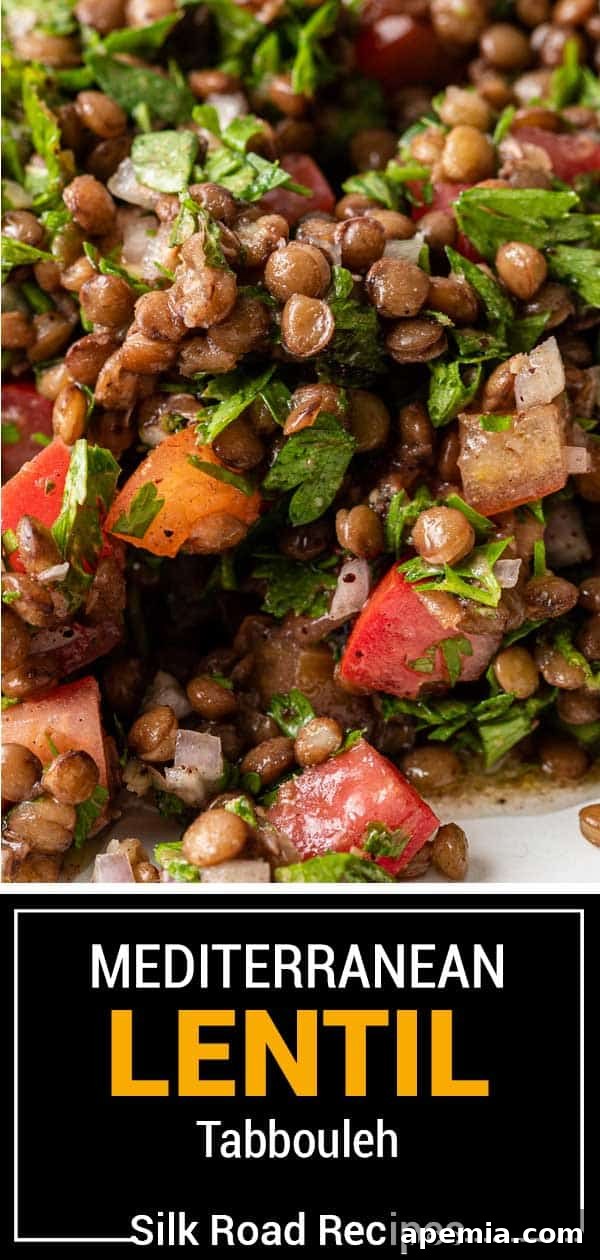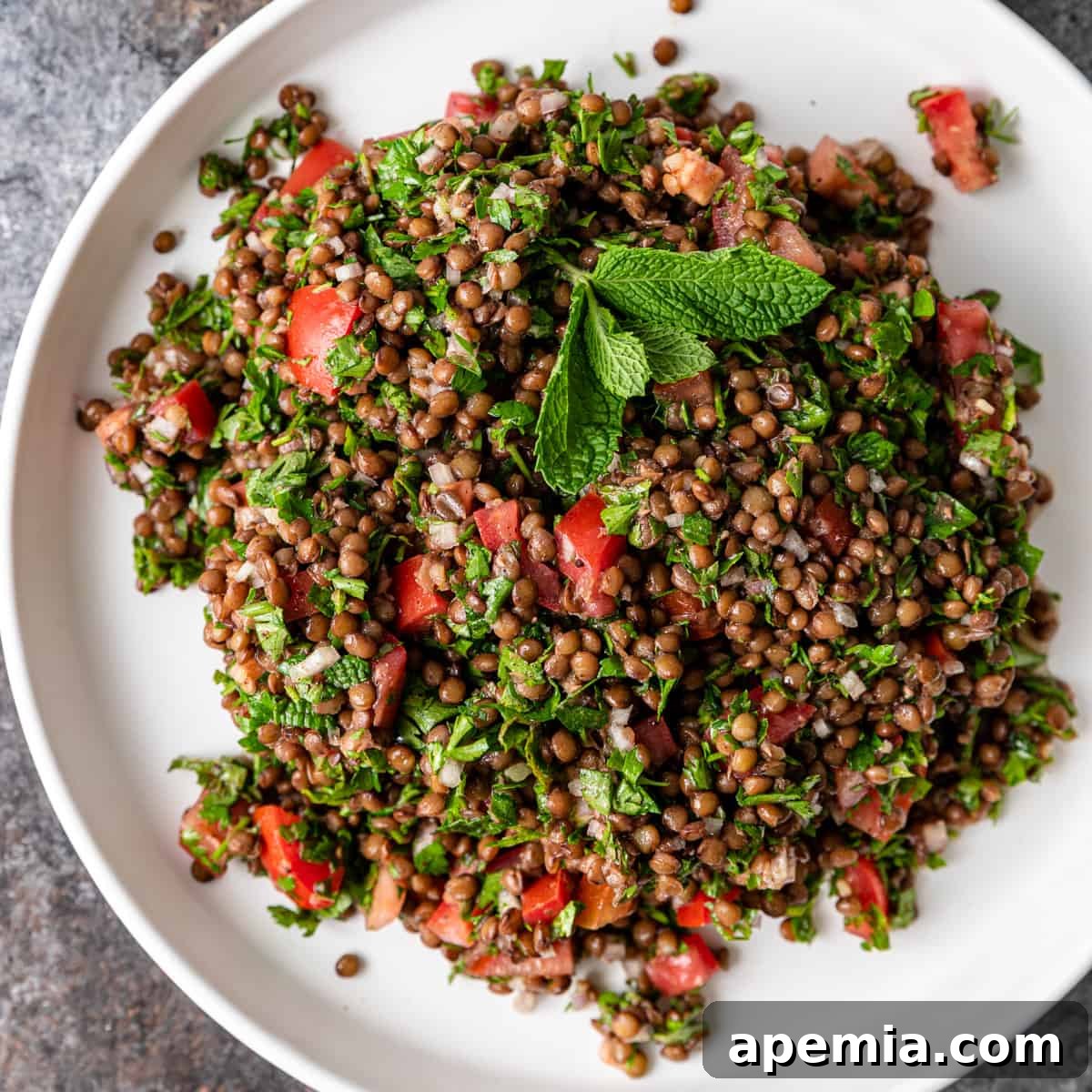
Embark on a culinary journey to the Mediterranean with this incredibly easy-to-make Lentil Tabbouleh. This sensational and satisfying salad is brimming with hearty, nutritious ingredients designed to fill you up without ever weighing you down. Featuring a vibrant medley of green lentils, succulent plum tomatoes, aromatic shallots, and zesty garlic, all brought to life with an abundance of fresh parsley and cooling mint, it’s a dish that promises both flavor and well-being.
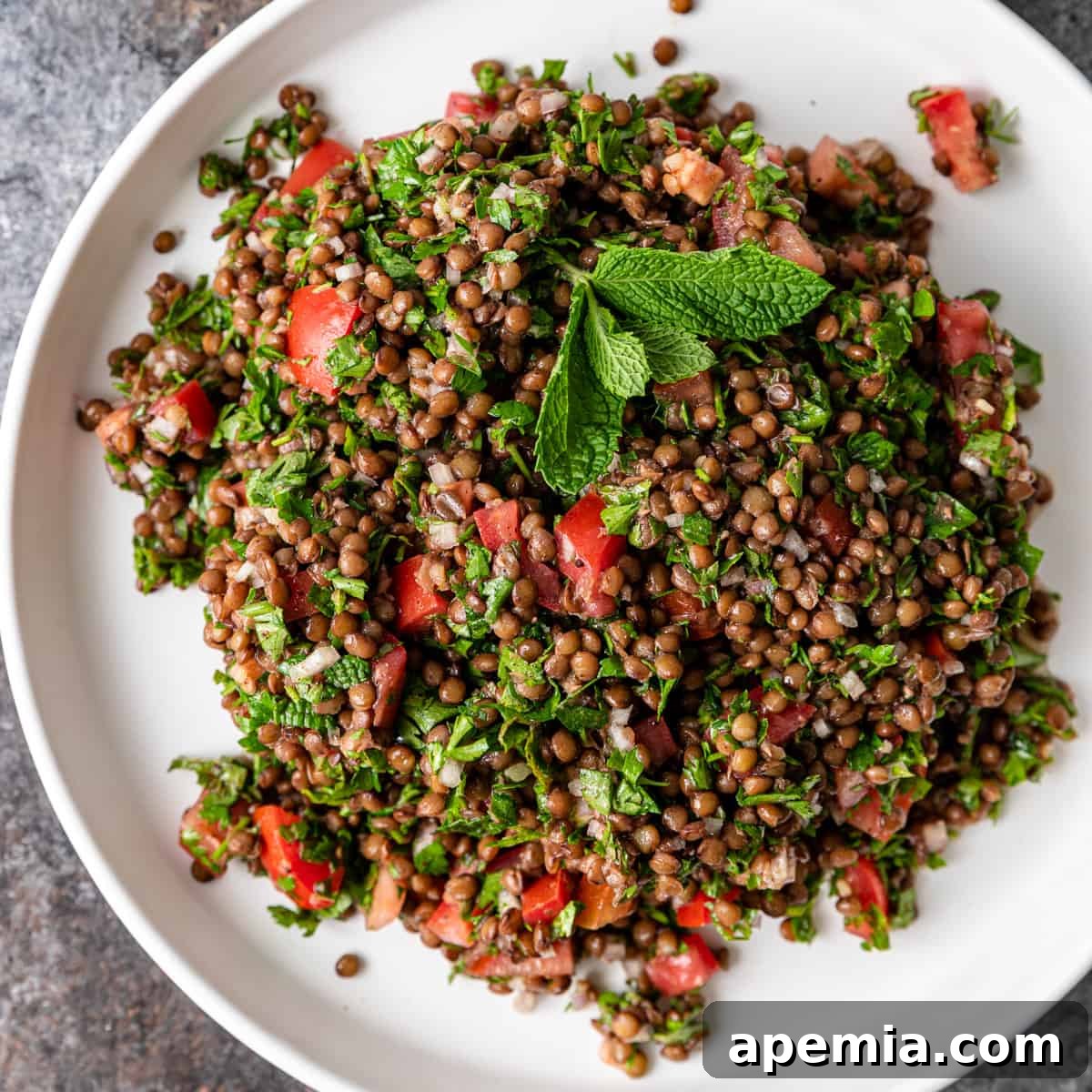
Lentil Tabbouleh, often spelled tabouli, offers a delightful and nutritious twist on the classic tabbouleh salad. By substituting traditional bulgur wheat with wholesome lentils, this version becomes a fantastic grain-free and gluten-free option. This Mediterranean delicacy bursts with bright flavors, from the zesty notes of fresh garlic and lemon to the peppery freshness of parsley and the subtle coolness of mint.
Beyond its incredibly delicious taste and impressive nutritional profile, this lentil tabouli salad is remarkably simple and economical to prepare. You can have this entire flavorful dish ready in just under 40 minutes, including the time it takes to perfectly cook the lentils. It’s a perfect choice for a quick weeknight dinner, a healthy lunch option, or a beautiful addition to any gathering.
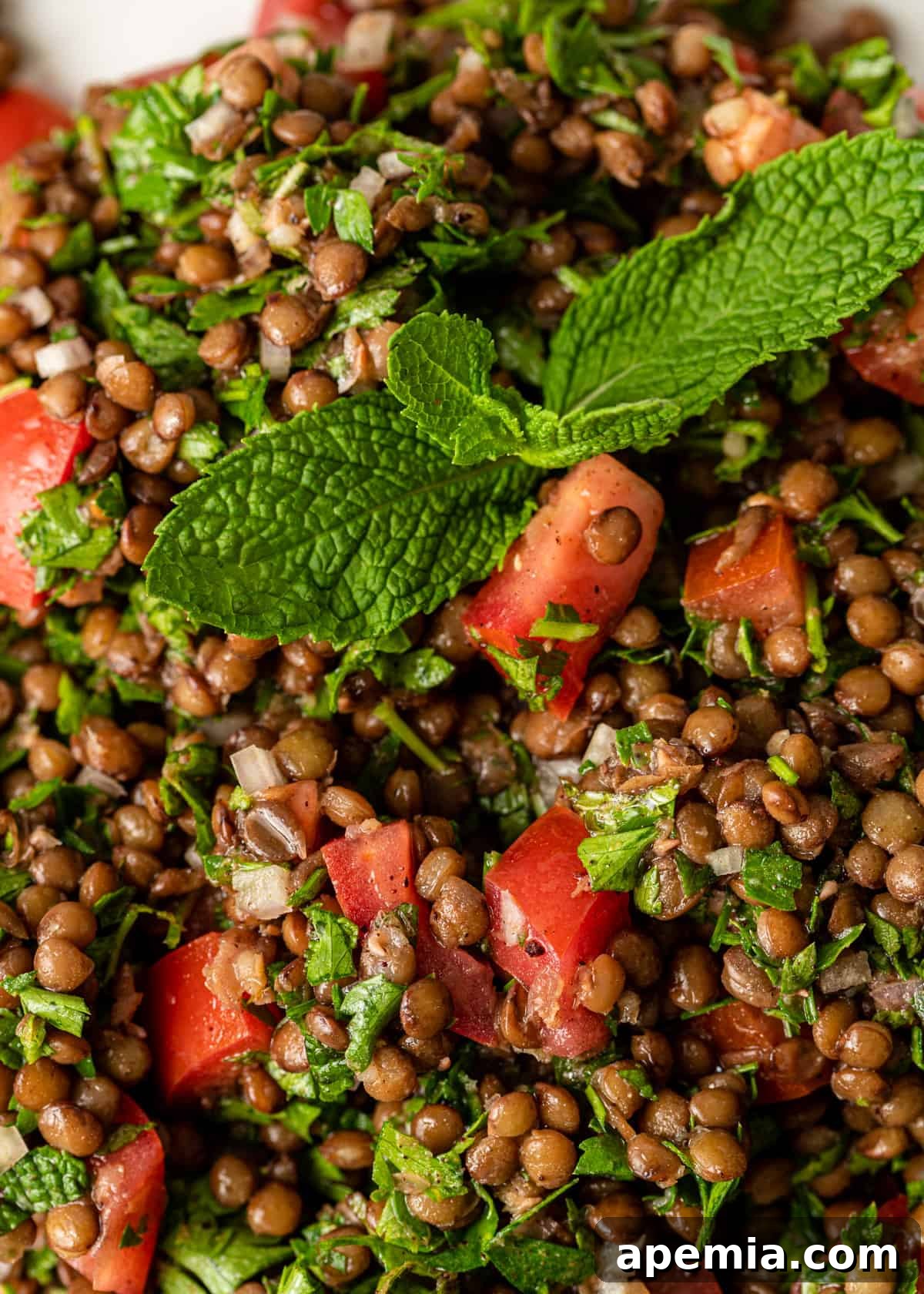
Table of Contents
- Why Choose Lentil Tabbouleh?
- The Essence of Mediterranean Dining
- Ingredient Notes and Substitutions
- How to Make Lentil Tabbouleh
- Tips for the Perfect Lentil Tabbouleh
- Frequently Asked Questions
- Lentil Tabbouleh Salad Recipe
- Nutritional Benefits of Lentil Tabbouleh
Looking for more fresh, easy, and delightful salads? Don’t miss out on my Shirazi Salad, a refreshing Persian cucumber and tomato salad; the delightful Ptitim (Israeli Couscous Salad); and the protein-packed Greek Lentil Salad.
Why Choose Lentil Tabbouleh?
While traditional tabbouleh is a beloved classic, opting for a lentil-based version offers several compelling benefits. Firstly, it makes the dish naturally grain-free and gluten-free, suitable for individuals with dietary restrictions or those simply looking to reduce their grain intake. Lentils are a powerhouse of nutrition, boasting a high content of plant-based protein and dietary fiber, which contribute to satiety and digestive health. They also provide a slower release of energy, keeping you fuller for longer. Furthermore, lentils offer a wonderfully earthy texture that complements the fresh vegetables and herbs beautifully, providing a unique mouthfeel that stands apart from bulgur while retaining the authentic essence of a Mediterranean salad.
The Essence of Mediterranean Dining
This Lentil Tabbouleh perfectly embodies the principles of Mediterranean cuisine, known worldwide for its health benefits and incredible flavors. It emphasizes fresh, seasonal ingredients, healthy fats (from olive oil), lean protein (from lentils), and an abundance of vegetables and herbs. This dietary pattern is linked to numerous health advantages, including improved heart health, reduced inflammation, and enhanced longevity. By incorporating dishes like this vibrant tabbouleh into your routine, you’re not just eating a meal; you’re embracing a lifestyle focused on fresh, wholesome, and delicious food.
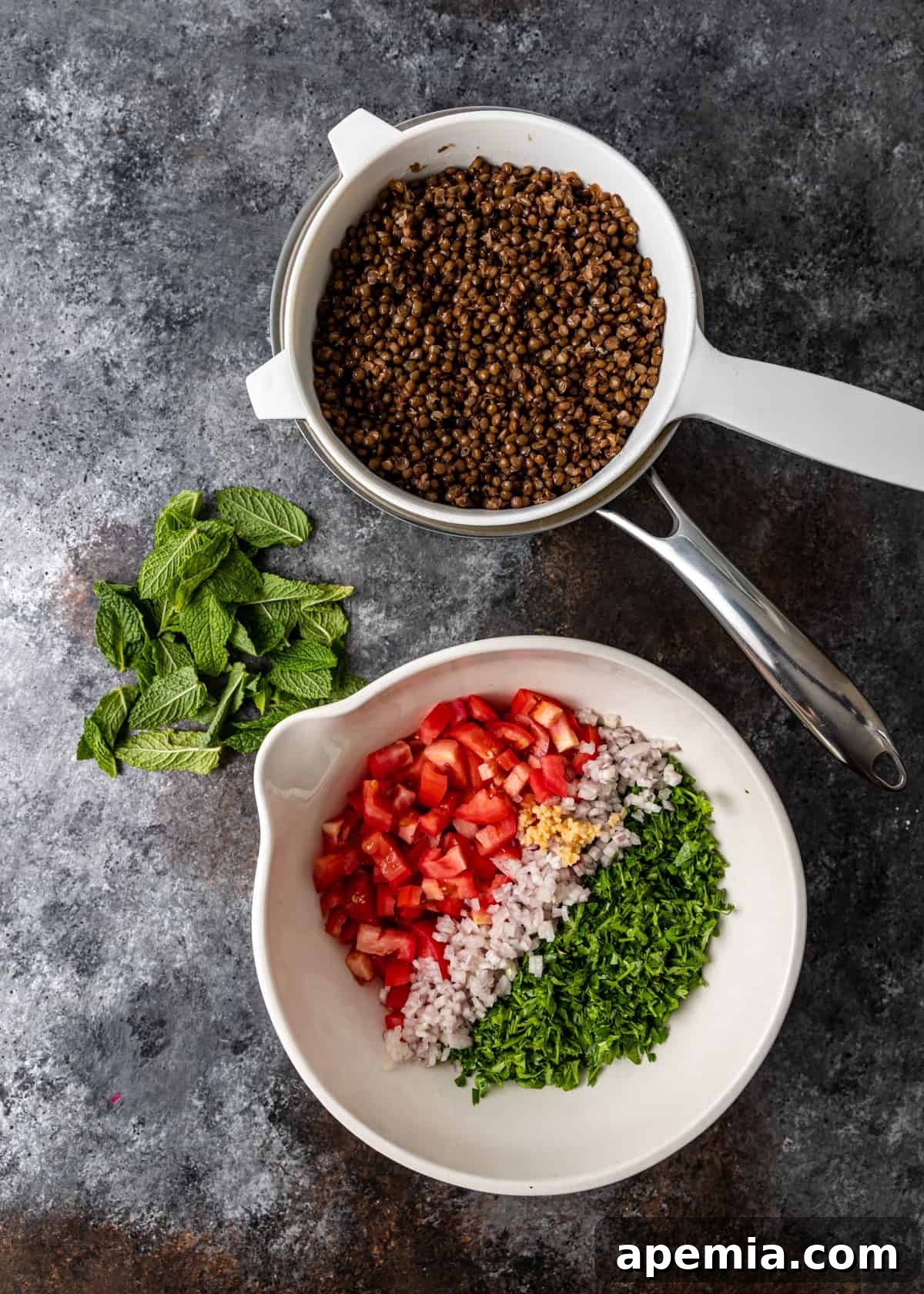
Ingredient Notes and Substitutions
- Lentils: The star of our grain-free tabbouleh! For this recipe, it’s crucial to select a lentil variety that boasts a tender skin and, importantly, holds its shape well when cooked. My top recommendations are French green (often called Puy) lentils, known for their peppery flavor and firm texture, and the less common but equally excellent Beluga (or Black Caviar) lentils, which are small, dark, and retain their integrity beautifully. Avoid red or yellow lentils as they tend to become mushy.
- Tomatoes: These add a delightful sweet-tartness and a beautiful splash of vibrant red to the salad. While any fresh, ripe tomato will contribute flavor, I particularly favor using plum (or Roma) tomatoes for this recipe. Their thin skin, relatively low moisture content, and meaty texture make them incredibly easy to dice into the small, uniform pieces characteristic of tabbouleh. For an alternative burst of flavor and texture, consider adding pomegranate arils.
- Shallots: Offering a milder pungency than onions, shallots impart a subtly sharp yet sweet onion flavor that beautifully complements the fresh herbs without overpowering them.
- Parsley: The cornerstone of any good tabbouleh, parsley freshens up the entire flavor profile of this lentil tabouli salad with a clean, grassy, and slightly peppery kick. Flat-leaf parsley (also known as Italian parsley) is ideal for its robust flavor and texture, but if curly parsley is what you have on hand, it will work too. Just remember to maintain the classic 3:1 ratio of parsley to mint for balanced herby goodness.
- Mint Leaves: A crucial element, fresh mint adds a wonderfully complementary pop of cooling, subtly sweet freshness that elevates the entire dish.
- Lemon Juice: Freshly squeezed lemon juice is paramount here. It brightens up the entire dish with its sour, zingy citrus flavor, cutting through the richness of the olive oil and enhancing the freshness of the herbs. Avoid bottled lemon juice for the best results.
- Garlic: Raw, minced garlic cloves deliver a bold dose of earthy zestiness and aromatic depth, which is essential to Mediterranean salads.
- Allspice: This unique spice provides warm, sweet, and peppery notes that are a signature of Middle Eastern cuisine. If you don’t have allspice readily available, you can easily create a replacement: for 1 teaspoon of allspice, combine ¾ teaspoon of ground cinnamon with either ¼ teaspoon of ground cloves or ¼ teaspoon of ground nutmeg.
- Sumac: A beautiful crimson spice, sumac adds a bright, tangy flavor reminiscent of citrus with subtle floral sweetness. It’s highly recommended for an authentic taste. If sumac is unavailable, a small pinch of fresh lemon zest can offer a similar brightening effect, though it won’t replicate the exact flavor profile.
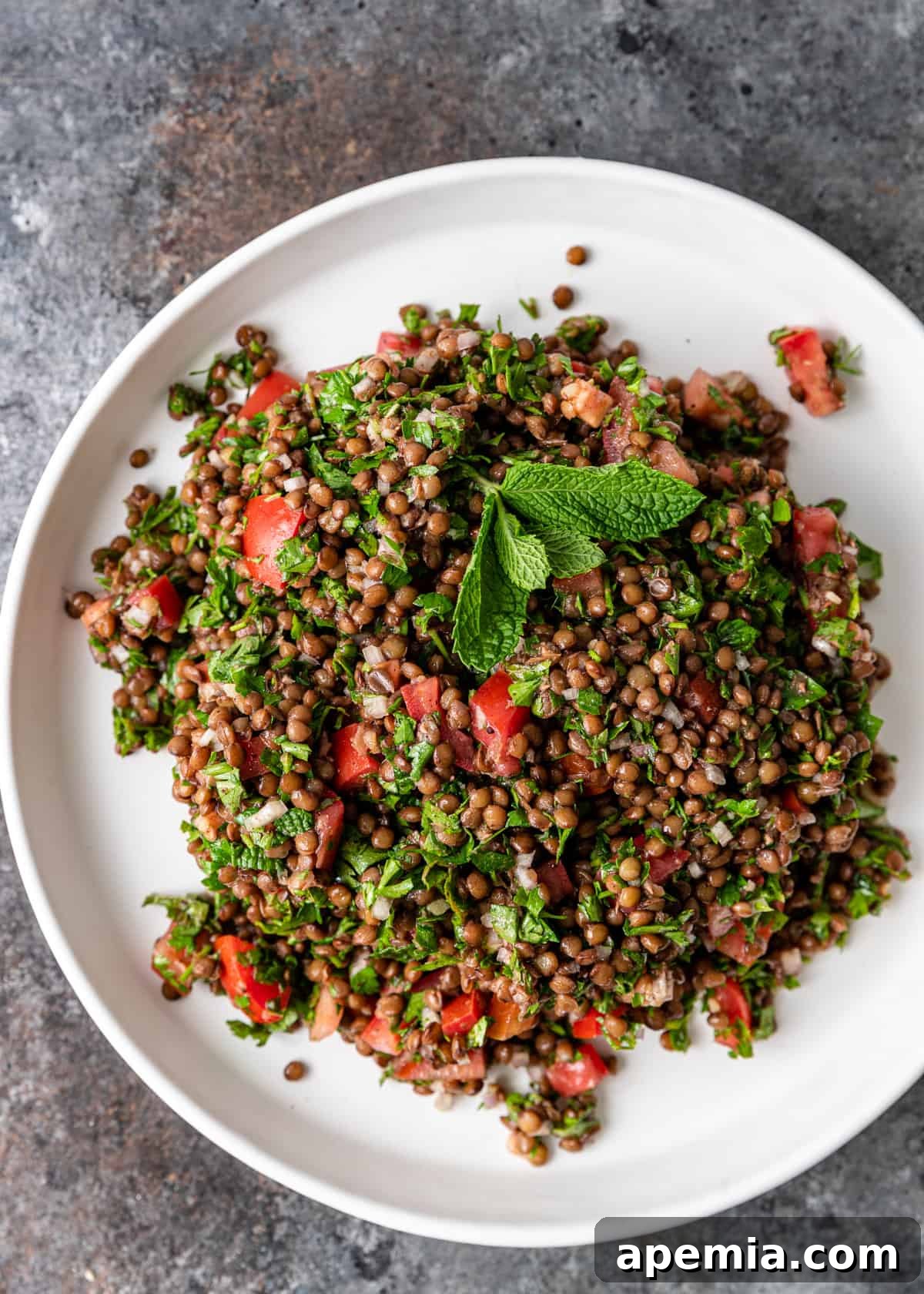
How to Make Lentil Tabbouleh
- Prepare the Lentils. Begin by giving your chosen lentils a thorough rinse under cold running water. Transfer the rinsed lentils to a medium saucepan and add 2 ½ cups of fresh water. Bring the water to a rolling boil, then immediately reduce the heat to low, cover the saucepan, and allow the lentils to simmer gently for approximately 25 minutes, or until they are just tender yet still hold their shape. It’s crucial not to overcook them. Once cooked, strain the lentils immediately and rinse them under cold water until they have completely cooled. Set them aside to drain thoroughly.
- Chop the Veggies. Using a very sharp knife, finely dice the tomatoes. Precision in chopping is key for tabbouleh, so aim for small, uniform pieces. Add the diced tomatoes, along with any natural juices, to a large mixing bowl. Next, finely dice the shallots and mince the garlic clove. Add these aromatics to the bowl with the tomatoes.
- Process the Parsley. Tabbouleh is known for its finely chopped herbs. Work with about half a bunch of parsley at a time to manage it effectively. First, chop off approximately half of the stems and discard them. Then, gather the remaining leaves and stems and chop them as finely as possible. Once the initial chop is done, go over the parsley again with your knife to achieve an even finer texture. Transfer the finely chopped parsley to the large mixing bowl and repeat this process with the remaining parsley.
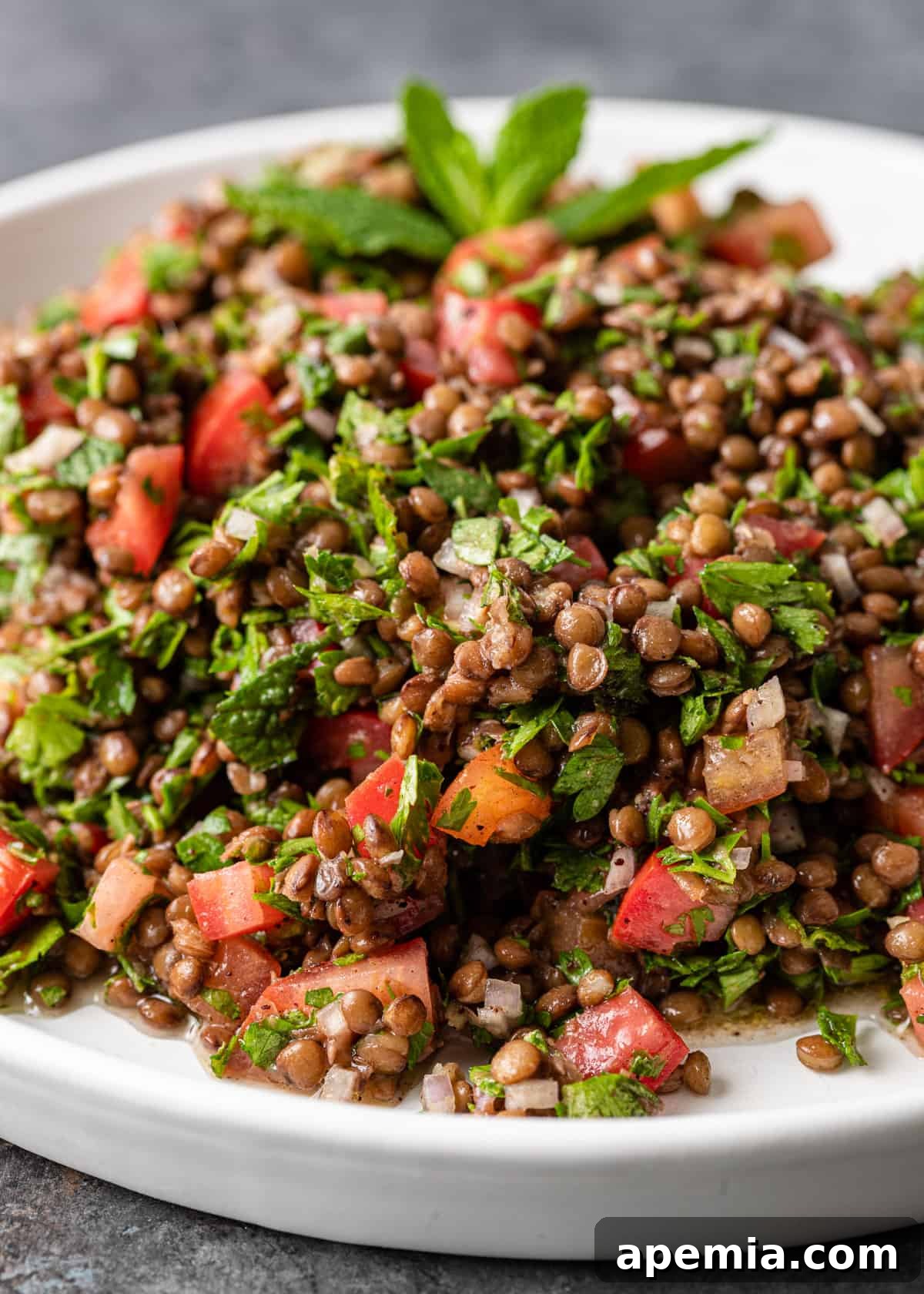
- Chop the Mint. Carefully remove the mint leaves from their stems and discard the stems. To achieve a very fine chop, stack several mint leaves on top of one another and chop them with the same precision and fineness as you did with the parsley. Add the chopped mint to the bowl with the other ingredients and continue with the rest of the mint leaves.
- Combine All Ingredients. To the bowl containing your chopped vegetables and herbs, add the cooled lentils, fresh lemon juice, good quality olive oil, ground allspice, sumac (if using), freshly ground black pepper, and kosher salt. Using large spoons or spatulas, gently but thoroughly toss and combine all the ingredients until everything is evenly distributed.
- Cover & Chill. Now, it’s time for a taste test. Adjust the seasoning by adding more salt or lemon juice if desired. Once seasoned to your preference, cover the bowl tightly with a lid or plastic wrap and place it in the refrigerator to chill for at least 30 minutes. Chilling allows the flavors to meld beautifully, enhancing the overall taste.
- Serve. Before serving, give the salad a good stir to redistribute any settled ingredients and dressing. Lentil tabbouleh is wonderfully versatile and can be enjoyed either at room temperature or chilled. It’s traditionally served with crispy chips or warm pita bread, making it a perfect appetizer, side dish, or light meal.
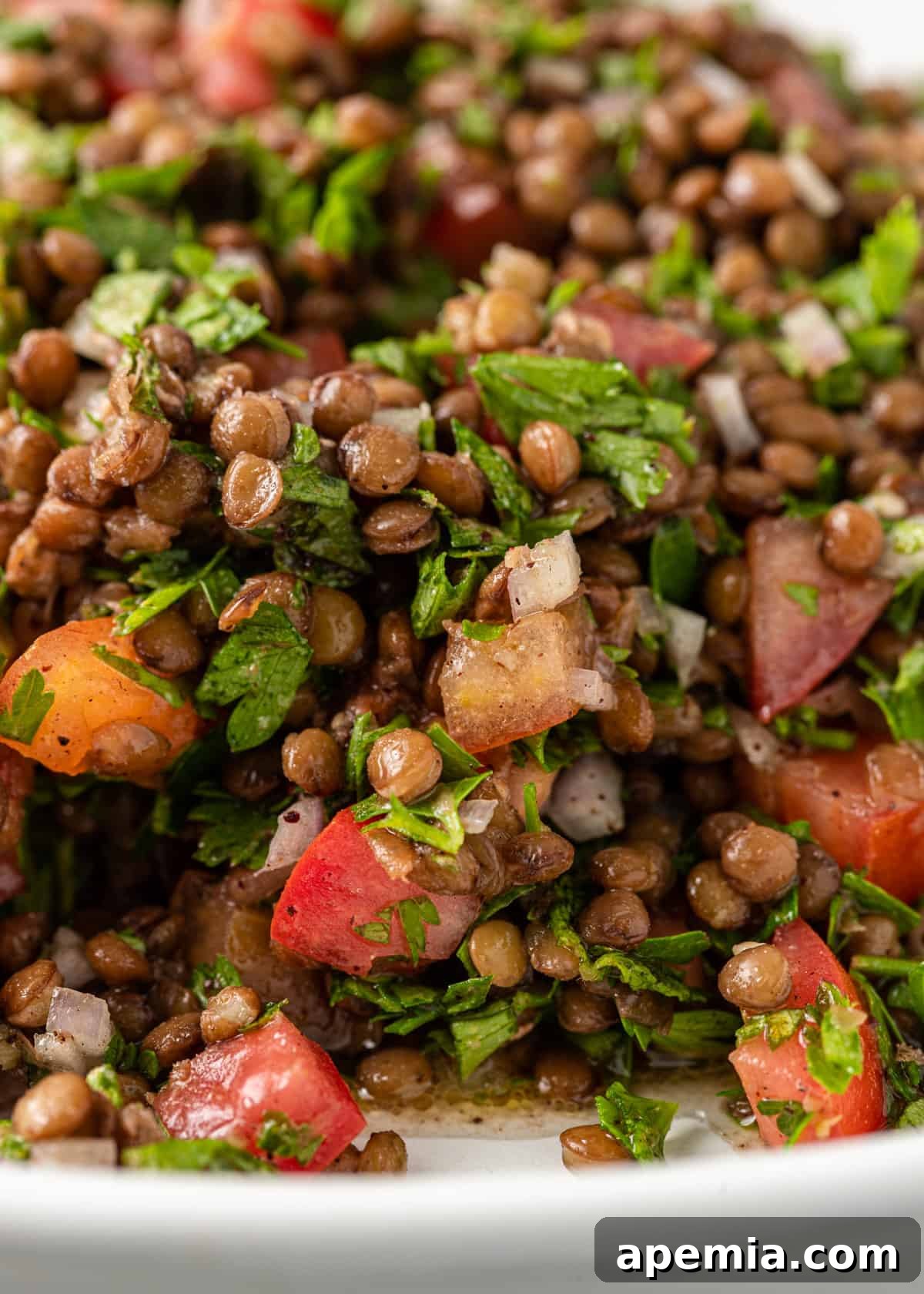
Tips for the Perfect Lentil Tabbouleh
Achieving the perfect lentil tabbouleh is easy with a few key considerations:
- Lentil Consistency is Key: Ensure your lentils are cooked until just tender, not mushy. Overcooked lentils will break down and contribute to a soggy salad. A cold water rinse immediately after cooking stops the cooking process and helps them retain their shape.
- Precision Herb Chopping: The hallmark of a great tabbouleh is finely chopped herbs. Invest in a very sharp knife or a pair of herb snippers. Avoid food processors or dull knives, which can bruise the delicate parsley and mint, releasing excess moisture and leading to a bitter, soggy outcome.
- Managing Tomato Moisture: If using very juicy tomato varieties, consider deseeding and removing some of the pulp before dicing. This prevents excess liquid from pooling in the salad. If your salad does end up with too much juice, a quick drain in a colander can salvage it.
- Chilling for Flavor: While delicious immediately, allowing the tabbouleh to chill for at least 30 minutes (or even a few hours) lets the flavors marry and deepen. This step is crucial for the best taste experience.
- Seasoning to Taste: Don’t be afraid to adjust the salt and lemon juice after chilling. The flavors can mellow, and a final tweak can make all the difference.
Frequently Asked Questions
Several factors can contribute to a soggy lentil tabouli salad:
- Overcooked Lentils: If lentils are cooked too long, they lose their structure and become mushy. Always set a timer and check them periodically, straining and rinsing with cold water immediately once they’re tender.
- Bruised Herbs: Using a dull knife or a food processor can bruise the delicate parsley and mint, causing them to release excess moisture. A sharp knife or herb snippers will give you the cleanest, driest chop.
- Juicy Vegetables: Some tomatoes contain a lot of water. If your tomatoes are particularly juicy, remove the seeds and pulp before dicing. If you find your salad is too watery after mixing, simply drain it in a colander.
Lentil tabbouleh is incredibly versatile and makes an amazing snack, appetizer, or side dish, whether served warm or cold.
- As an Appetizer/Snack: Enjoy it with crispy chips, warm Pita Bread, or alongside creamy dips like White Bean Hummus and Whipped Feta Dip.
- As a Side Dish: It’s a perfect complement to main courses such as Lamb Shawarma, Grilled Lamb Skewers, or Lebanese Kafta.
- With Grilled Meats: Pair it with grilled chicken dishes like Mediterranean Grilled Chicken, Shish Tawook, or Grilled Koobideh Kabobs.
Bitterness in tabbouleh is almost always related to improperly chopped parsley. To avoid this, ensure you chop the parsley as finely as possible, using a very sharp knife or herb snippers. Rough or bruised parsley can release bitter compounds. To fix a bitter lentil tabouli salad, try adding a touch more salt and a bit more fresh lemon juice. Stir everything well and allow the tabbouleh to rest in the refrigerator for 1-2 hours. The additional acid and salt will help to soften the parsley’s flavor and reduce bitterness.
Share this recipe on Pinterest!
Love this recipe? Share it with the world on Pinterest.
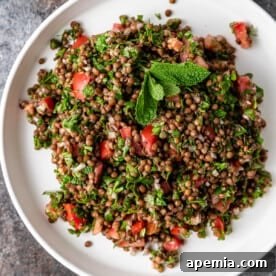
Lentil Tabbouleh Salad
8
20 mins
20 mins
40 mins
PrintRecipe
Ingredients
- 1 cup Puy lentils (dark green lentils)
- 2 1/2 cups water
- 1 lb tomatoes (See Note 1)
- 1 shallot minced
- 3 bunches flat leaf parsley (See Note 2)
- 1/4 cup mint leaves chopped fine
- 1/2 cup olive oil
- 4 tbsp lemon juice
- 1 clove garlic minced
- 1 tsp ground allspice
- 1/2 tsp kosher salt
- 1/2 tsp ground black pepper (See Note 3)
- 1/2 tsp sumac optional
Instructions
-
Rinse lentils under cold water. In a medium saucepan, bring lentils and 2 1/2 cups water to a boil. Cover, turn heat to Low and simmer for 25 minutes, or until just tender. Strain and rinse with cold water until lentils are cool. Set aside.
-
Using a sharp knife, finely dice tomatoes. Add to the bowl along with their juices. Finely dice the shallot and mince garlic, and add to bowl.
-
Using half a bunch of parsley at a time, chop off half of the stems and discard them. Finely cut the parsley leaves and stems (See Note 4). Go over them once again to cut as finely as possible. Add to the bowl and repeat with remaining parsley.
-
Separate the mint leaves from their stems and discard stems. Stack the mint leaves, several at a time, and cut them as finely as the parsley. Add to the bowl and repeat with remaining mint leaves.
-
Add the lentils, lemon juice, olive oil, allspice, salt, black pepper and optional sumac to the bowl. Use large spoons to lightly toss and combine all ingredients.
-
Taste for flavor, season with salt if needed, then cover bowl with plastic wrap and chill in refrigerator for 30 minutes.
-
Stir before plating. Serve traditionally, at room temperature, or chilled if you prefer alongside some chips or pita.
Notes
- You may use any type of tomato you prefer. I favor Roma (also known as plum tomatoes) because they are firmer and easier to dice into very small pieces. Alternatively, for a sweet-tart burst, you can substitute with pomegranate arils.
- If Italian flat-leaf parsley is not available, curly parsley can be used instead. The key is to maintain a 3-to-1 ratio of parsley to mint for balanced flavor.
- For a hint of spice, I often substitute red pepper flakes for the black pepper in this recipe.
- For best results, I highly recommend using an herb snipper or a very sharp knife to finely chop the parsley and mint. Food processors and dull manual food choppers tend to bruise the herbs, which can lead to them becoming wet, soggy, and even bitter.
Nutritional Benefits of Lentil Tabbouleh
This Lentil Tabbouleh is not just delicious; it’s a nutritional powerhouse. Lentils are renowned for being an excellent source of plant-based protein, essential for muscle repair and growth, and dietary fiber, which aids digestion, promotes satiety, and helps regulate blood sugar levels. The fresh vegetables like tomatoes and herbs (parsley and mint) provide a wealth of vitamins, minerals, and antioxidants, including Vitamin C for immune support, Vitamin A for vision, and various compounds that combat oxidative stress. Olive oil contributes healthy monounsaturated fats, beneficial for heart health. This combination makes for a truly wholesome meal that supports overall well-being.
Nutrition
The information shown is an estimate provided by an online nutrition calculator. It should not be considered a substitute for a professional nutritionist’s advice.
Have You Made This Recipe? Let Me Know on Instagram
Tag @keviniscooking or tag me #keviniscooking!