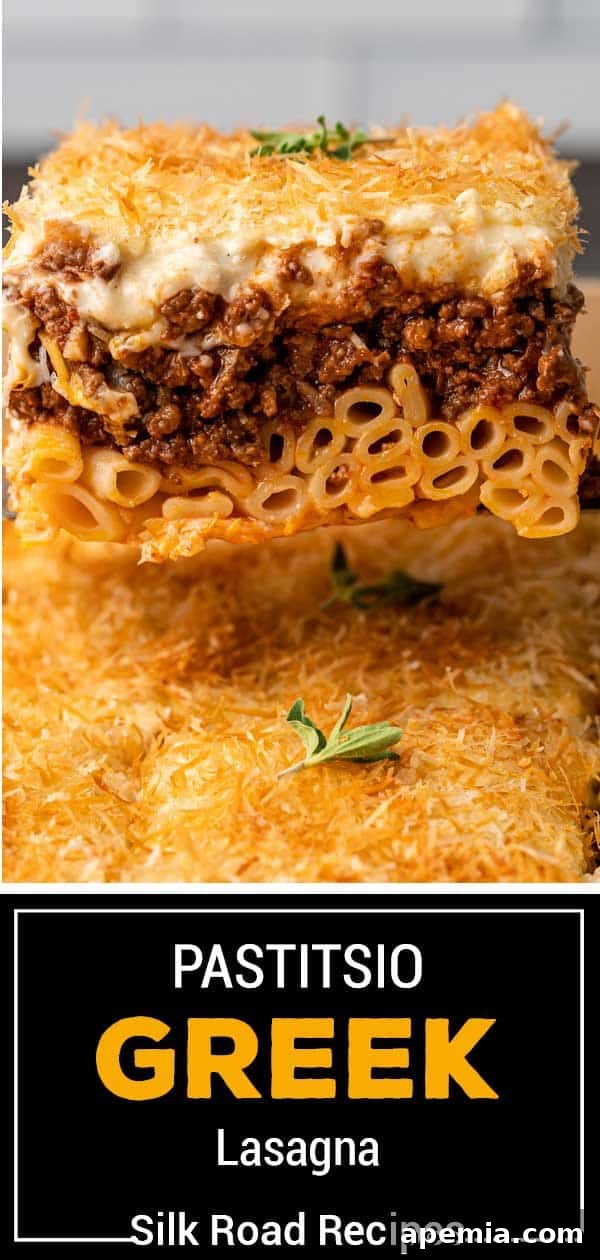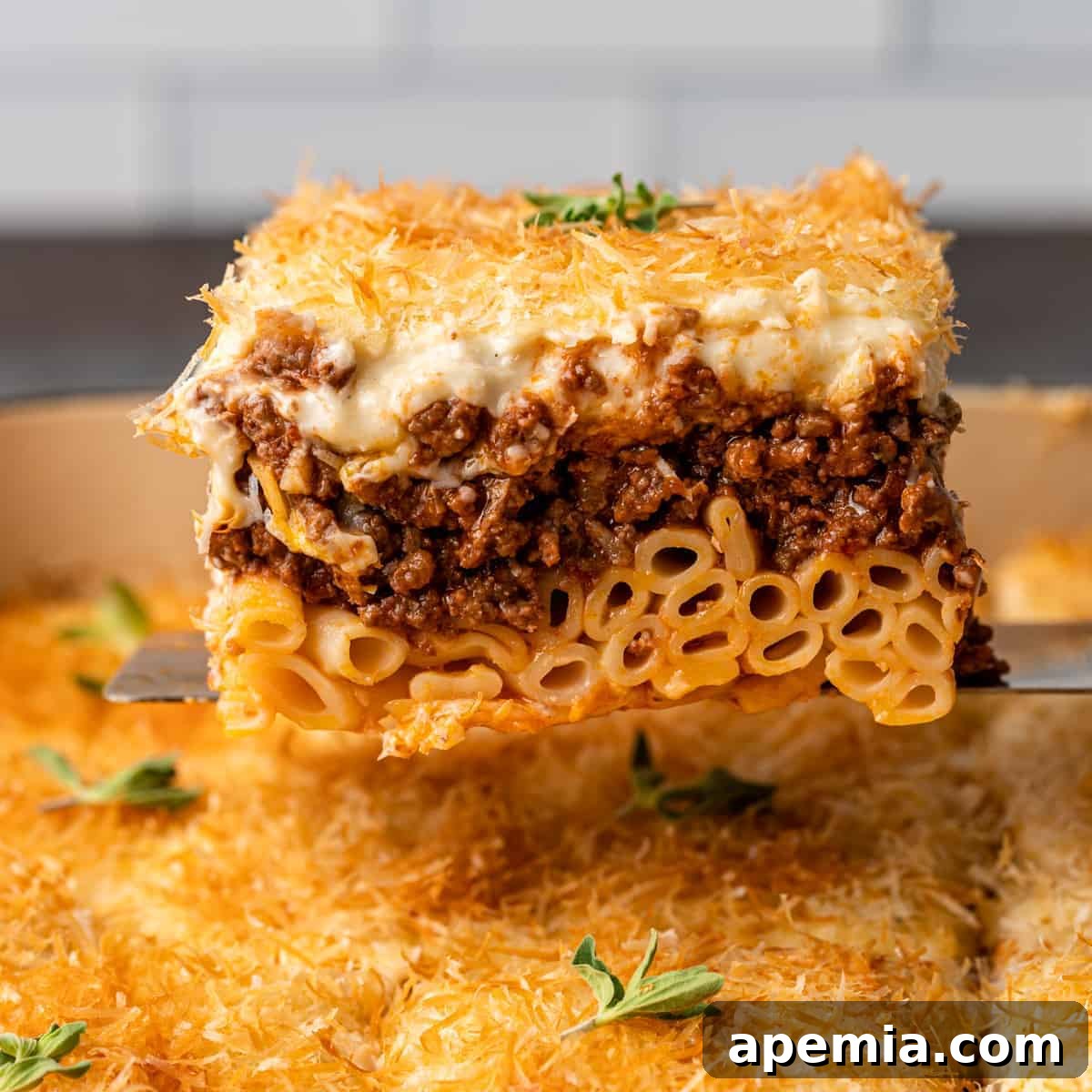
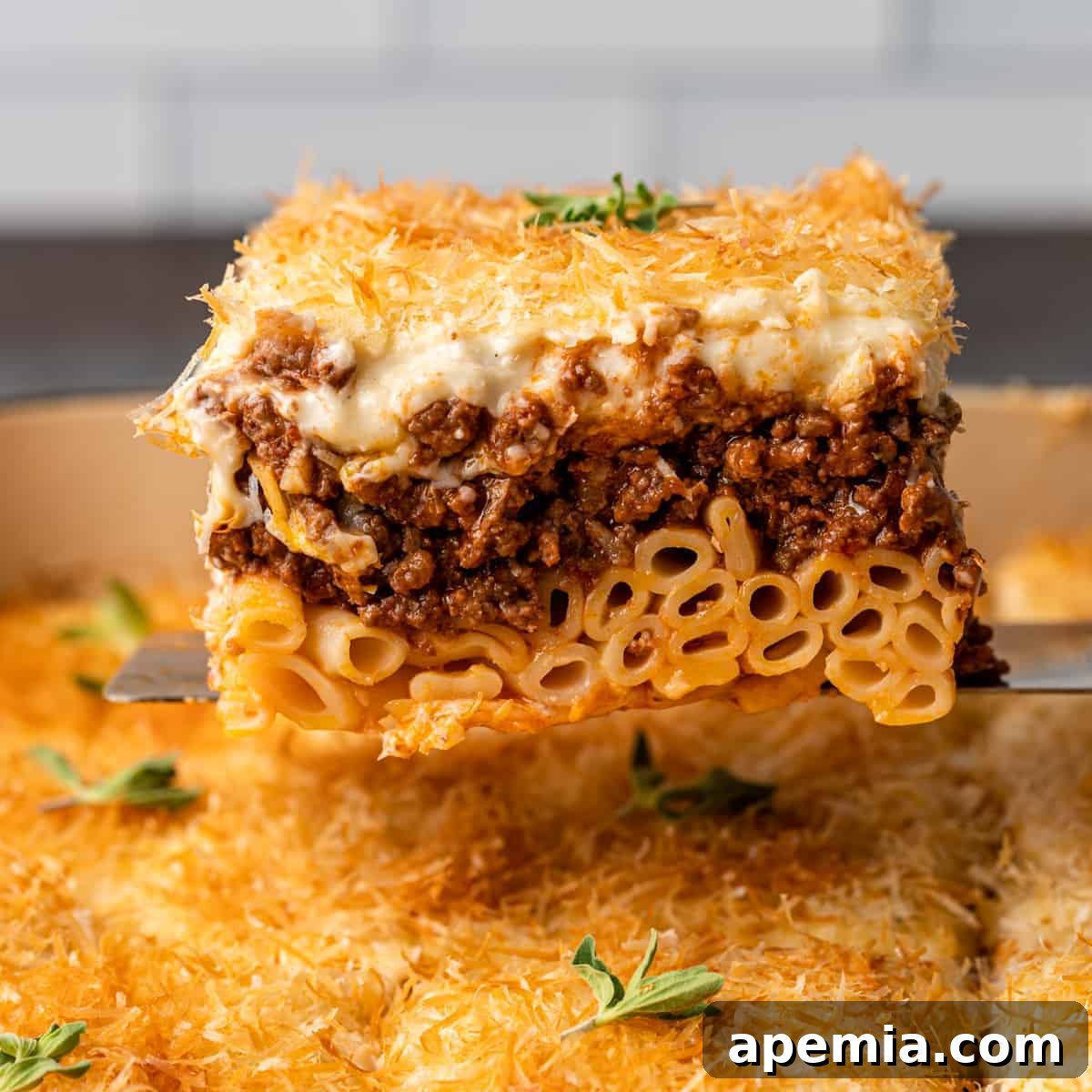
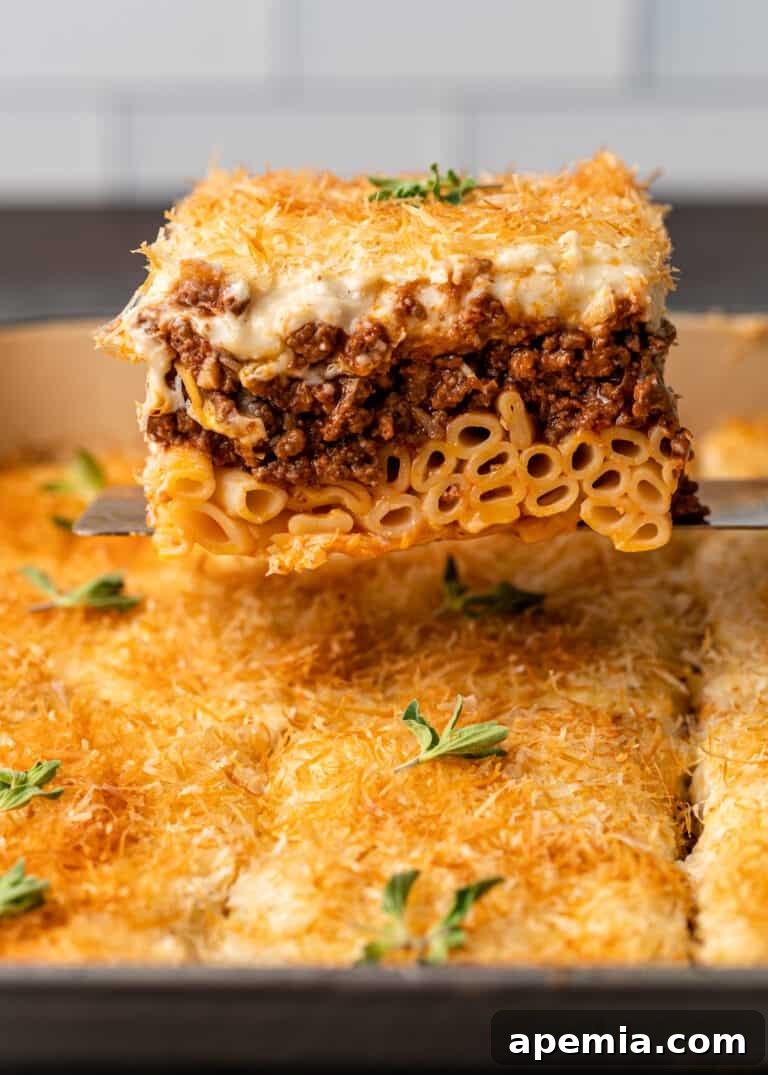
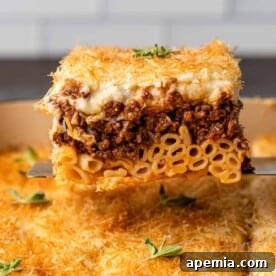
Three things define classic Pastitsio: an aromatic meat sauce seasoned with red wine, cinnamon, and clove; a creamy, nutty Béchamel; and thick pasta noodles coated in tangy feta. Layered one after the other, this iconic Greek baked pasta dish is a towering masterpiece of rich, savory Mediterranean flavors. It’s a comforting, hearty meal that promises to transport your taste buds straight to the heart of Greece with every single bite.
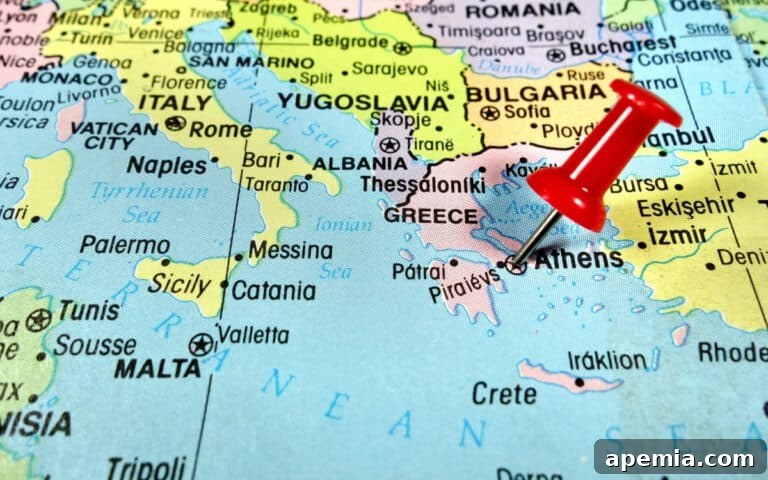
The Heart of Greek Cuisine: Unveiling Pastitsio
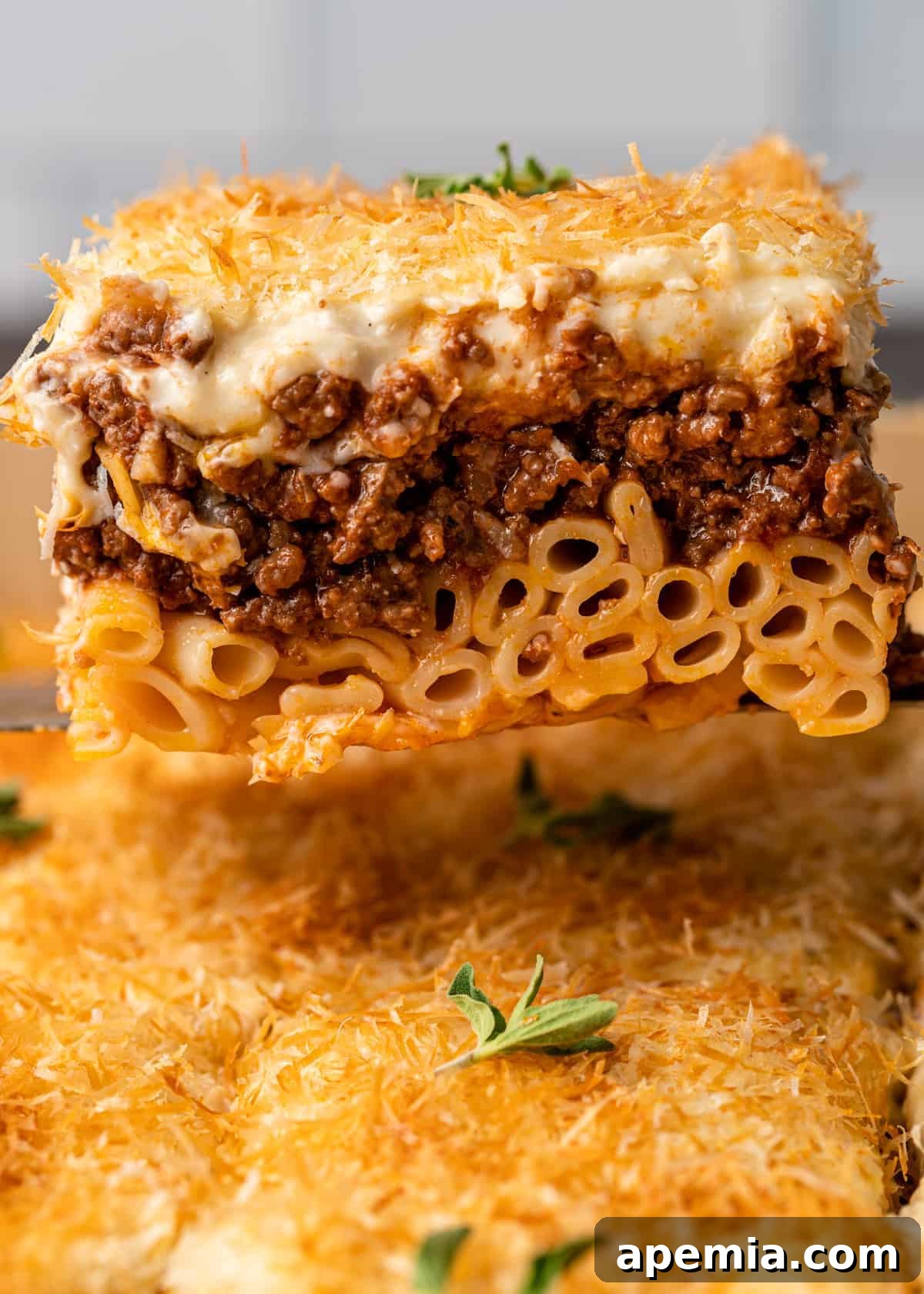
Often hailed as the “Greek lasagna,” Pastitsio is a beloved staple in Mediterranean households, especially cherished for family gatherings and celebrations. While it draws inspiration from its Italian cousin, pasticcio, Greek Pastitsio boasts a distinctive character all its own. This recipe features a resilient pasta base, a magnificent cinnamon-scented Bolognese-style meat sauce at its core, and a glorious topping of bubbling Béchamel, all baked to golden perfection. The symphony of flavors in one bite is simply irresistible.
My passion lies in authentic Mediterranean ingredients. However, I understand that accessibility can be a challenge. Therefore, I also provide practical substitutes that are easier to find in various parts of the world, ensuring that anyone, anywhere, at any time, can savor the traditional, comforting tastes of Greece.
At first glance, you might mistakenly identify it as Moussaka, another layered Greek dish. However, a key difference lies in its composition: Pastitsio contains no hidden vegetables within its decadent layers. It’s pure, unadulterated bliss of meat, cheese, and pasta, designed to offer a truly satisfying and rich culinary experience.
Table of Contents
- The Essence of Pastitsio: The Perfect Noodle
- Essential Ingredients and Clever Substitutions
- Crafting the Heart of Pastitsio: Meat and Béchamel Sauces
- Assembling Your Greek Masterpiece
- Recommended Tools for Pastitsio Perfection
- Storing and Reheating Your Pastitsio
- Frequently Asked Questions About Pastitsio
- Pastitsio (Baked Greek Pasta) Recipe
Tip From Kevin
The Essence of Pastitsio: The Perfect Noodle
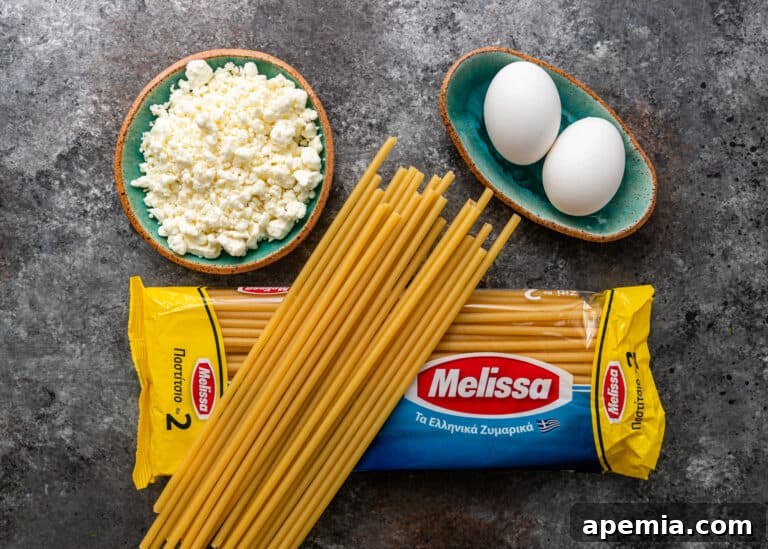
The foundation of a superb Pastitsio lies in its unique noodles. Traditional Greek Pastitsio noodles are notably thick, long, and tubular, resembling an enlarged bucatini, ziti, or penne. Their robust structure is crucial for creating the distinct, layered texture that defines this classic Greek dish. When cooked al dente and then baked, they absorb the rich meat sauce, offering an incredibly satisfying bite.
If you find it challenging to locate authentic Greek Pastitsio noodles at your local market, don’t despair! You can easily substitute them with Italian bucatini (which is slightly thinner but still tubular), penne, ziti, or any other sturdy tubular pasta. The key is to choose a pasta that can hold its shape and absorb the flavors without becoming mushy during the baking process.
Essential Ingredients and Clever Substitutions
Crafting the perfect Pastitsio begins with understanding its core ingredients and how each contributes to the final, delectable flavor profile. Here’s a detailed look at what you’ll need and some helpful substitutions:
- Pasta – Misko #2 Pastitsio noodles are the gold standard, offering a thick, hollow structure similar to bucatini. These are ideal because their large tubes fill with the rich meat sauce and Béchamel, creating an incredibly satisfying texture and flavor with every bite. If unavailable, Italian bucatini, ziti, or penne are excellent alternatives, just ensure they are tubular.
- Feta Cheese – This iconic Greek cheese, known for its salty, tangy profile, is crumbled and mixed with the pasta. As it bakes, it melts slightly, coating the noodles in a creamy, savory layer that adds a distinctive Mediterranean flair. For an even more pungent flavor, consider a good quality goat’s cheese as an alternative.
- Eggs – Eggs play a dual role here. The whites are incorporated into the pasta layer, helping to bind the noodles and feta together, creating a cohesive base. The yolks are reserved for the Béchamel sauce, contributing to its richness and velvety texture.
- Meat Sauce – The heart of Pastitsio is its robust, flavorful meat sauce. This ground beef sauce is simmered to perfection with key aromatics and spices:
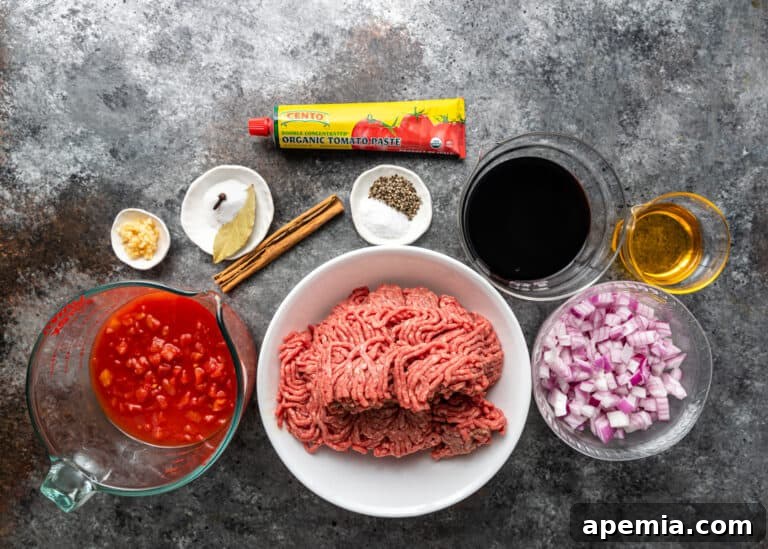
- Tomato Paste & Chopped Tomatoes – These form the rich, concentrated tomato base of the sauce, providing depth and acidity.
- Garlic & Red Onion – Essential aromatics that build the foundational savory flavor. The red onion offers a touch of sweetness and mild pungency.
- Sugar – A small amount of sugar helps to balance the acidity of the tomatoes and enhance the overall sweetness of the sauce.
- Dry Red Wine – A crucial ingredient for deglazing the pan and adding a layer of complex flavor to the meat sauce. Merlot, Cabernet Sauvignon, or Pinot Noir are all excellent choices. For an alcohol-free alternative, a good quality beef broth works wonderfully, adding umami and depth.
- Bay Leaf – This subtle herb infuses the sauce with a delicate, savory aroma that complements the other spices beautifully. Remember to remove it before assembly.
- Cinnamon & Clove – These warm, fragrant spices are the signature of Greek Pastitsio meat sauce, setting it apart from Italian Bolognese. They provide a unique, earthy sweetness and depth. You have room for modification here; other warm spices like allspice or nutmeg could also be used to achieve a similar aromatic profile.
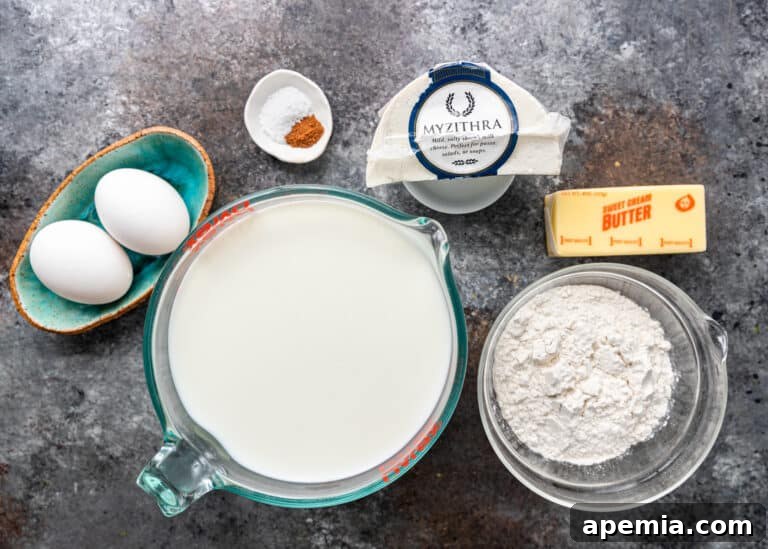
- Greek Béchamel Sauce – This creamy, rich topping is a highlight of Pastitsio, providing a luxurious contrast to the meat and pasta layers. It’s crafted from:
- Butter & Flour – These form the roux, the thickening base for the Béchamel.
- Whole Milk – Provides the creamy liquid base, contributing to the sauce’s richness.
- Egg Yolks – Whisked in at the end, they add an unparalleled richness and silky smooth texture to the Béchamel.
- Nutmeg – A classic spice pairing for Béchamel, nutmeg adds a subtle warmth and nutty aroma that is simply divine.
- Kefalotyri Cheese – A firm, salty Greek cheese typically made from sheep’s or goat’s milk, providing a sharp, savory kick. Its robust flavor is perfect for the Béchamel. Excellent substitutes include Mizithra (another Greek cheese) or grated Parmesan cheese, both of which offer a similar salty, savory depth.
Crafting the Heart of Pastitsio: Meat and Béchamel Sauces
The magic of Pastitsio truly comes alive with its two star sauces. Taking the time to prepare these properly will elevate your dish from good to unforgettable.
Preparing the Aromatic Meat Sauce:
- Begin by Sautéing Aromatics. In a large skillet or Dutch oven, heat your olive oil over medium-high heat. Add the finely chopped red onions and sauté them for about 2 to 3 minutes until they begin to soften and become translucent. Next, stir in the minced garlic and tomato paste, cooking for another minute until fragrant. Add the ground beef, breaking it up with a spoon, and brown it thoroughly for about 5 minutes, ensuring no pink remains.
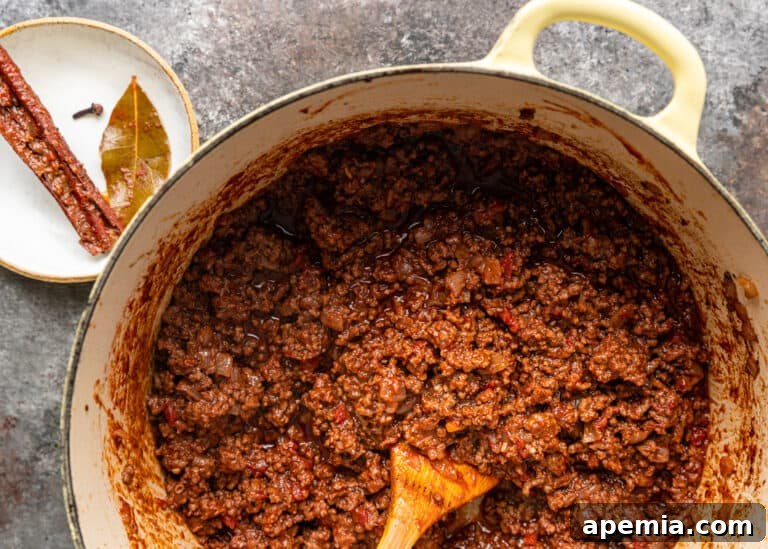
- Season and Simmer for Depth. Pour in the dry red wine and cook until it has almost completely evaporated, scraping up any browned bits from the bottom of the pan – this adds incredible flavor. Now, introduce the chopped tomatoes, sugar, cinnamon stick, whole clove, and bay leaf. Season generously with kosher salt and ground black pepper. Bring the sauce to a gentle boil, then reduce the heat to low, cover, and let it simmer for at least 30 minutes. This slow simmer allows the flavors to meld beautifully and the liquid to reduce, creating a thick, rich sauce. Before cooling, remember to discard the bay leaf, cinnamon stick, and clove. Set the sauce aside to cool slightly while you prepare the Béchamel.
Mastering the Creamy Greek Béchamel Sauce:
- Start with the Roux. In a separate, non-stick saucepan, melt the butter over medium heat. Once melted, gradually whisk in the all-purpose flour, creating a smooth paste, or roux. Cook this roux for 1-2 minutes, stirring continuously, to remove the raw flour taste.
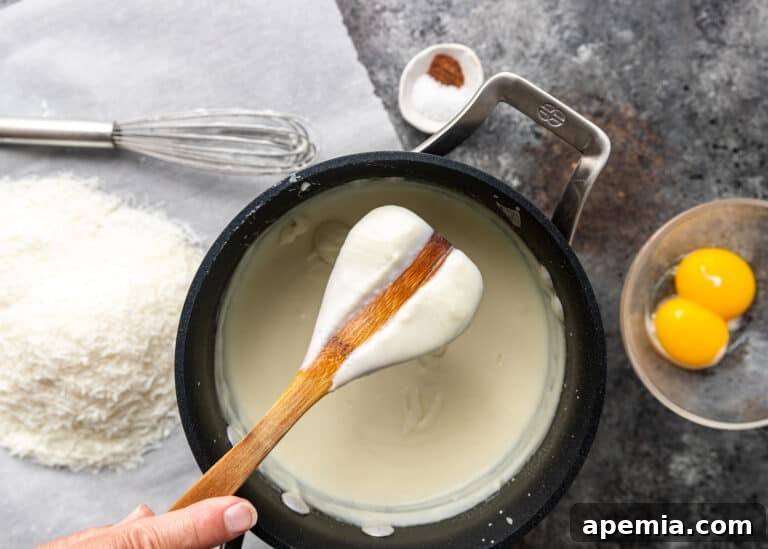
- Gradually Add Milk and Thicken. Slowly begin to whisk in the warm whole milk, a little at a time, ensuring no lumps form. Continue whisking constantly until the sauce becomes smooth and thick enough to coat the back of a spoon. This process typically takes about 5 minutes. You’ll know it’s ready when you can draw a clear line with your finger across the back of the coated spoon.
- Season and Enrich. Remove the Béchamel from the heat. Whisk in a pinch of salt, black pepper, freshly grated nutmeg, and 2 ounces of the shredded Kefalotyri cheese (or your chosen substitute). Continue whisking until the cheese is fully incorporated and the sauce is smooth. Let it cool for 5 minutes. Finally, whisk in the egg yolks one by one, ensuring they are fully incorporated to add unparalleled richness. Cover the sauce and set it aside.
Assembling Your Greek Masterpiece
With your sauces prepared, it’s time to bring all the delicious elements together to form the magnificent Pastitsio!
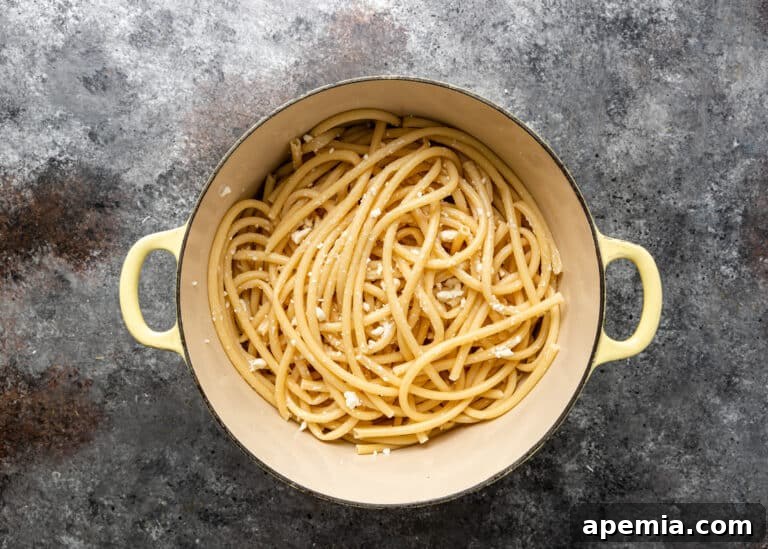
- Prepare the Pasta. Cook the Pastitsio noodles (or substitute) in generously salted boiling water for 2 to 3 minutes less than the package instructions. This ensures they remain al dente and don’t become overly soft after baking. Drain the pasta thoroughly and return it to the pot. Allow it to cool for about 3 minutes, then gently stir in the egg whites and crumbled feta cheese with a spatula. This mixture will form a cohesive, flavorful base.
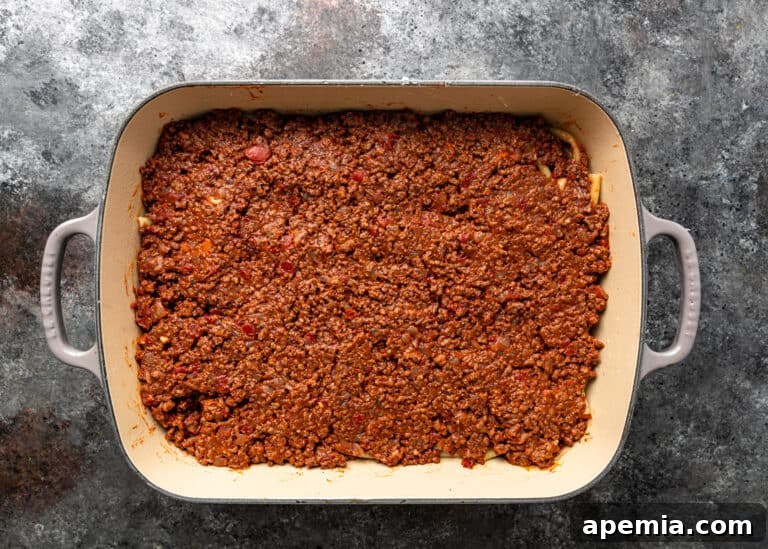
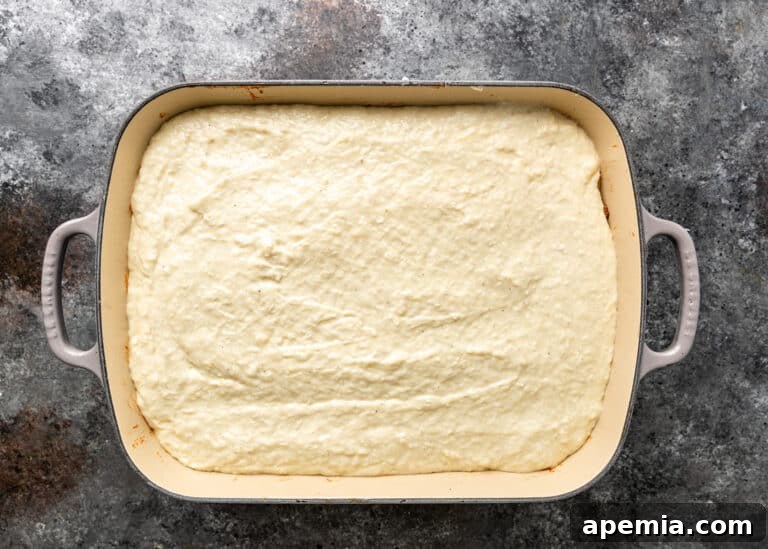
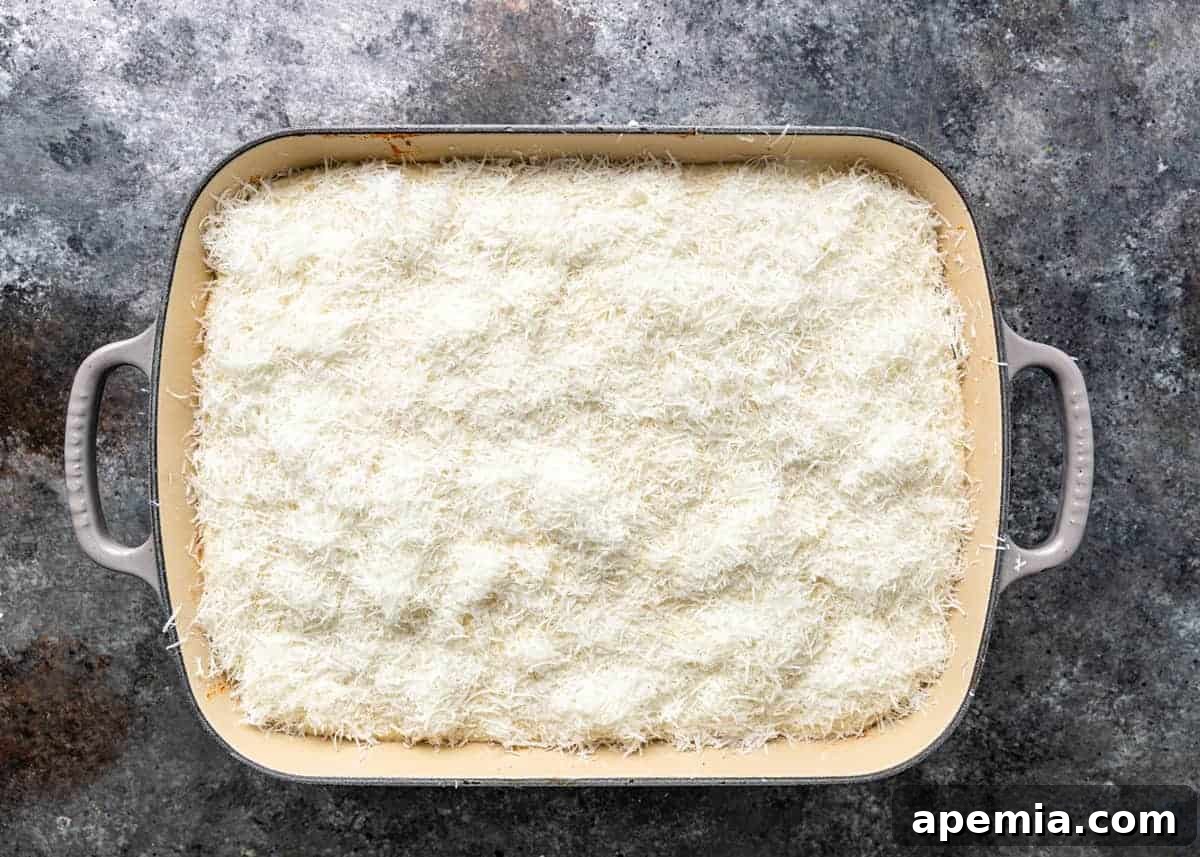
- Layer with Precision. Preheat your oven to 350°F (175°C). Lightly grease your chosen baking dish (either a deep 9×13″ or a larger 10×15″ pan for a thinner Pastitsio) with olive oil or butter. Spread the prepared pasta mixture evenly across the bottom of the dish, pressing it down slightly with a spatula to create a firm layer. Next, spoon the rich meat sauce over the pasta, spreading it smoothly to cover completely. Finally, top the meat layer with the creamy Béchamel sauce, ensuring it forms an even, luscious blanket. Sprinkle the remaining shredded Kefalotyri cheese (or Parmesan) generously over the Béchamel.
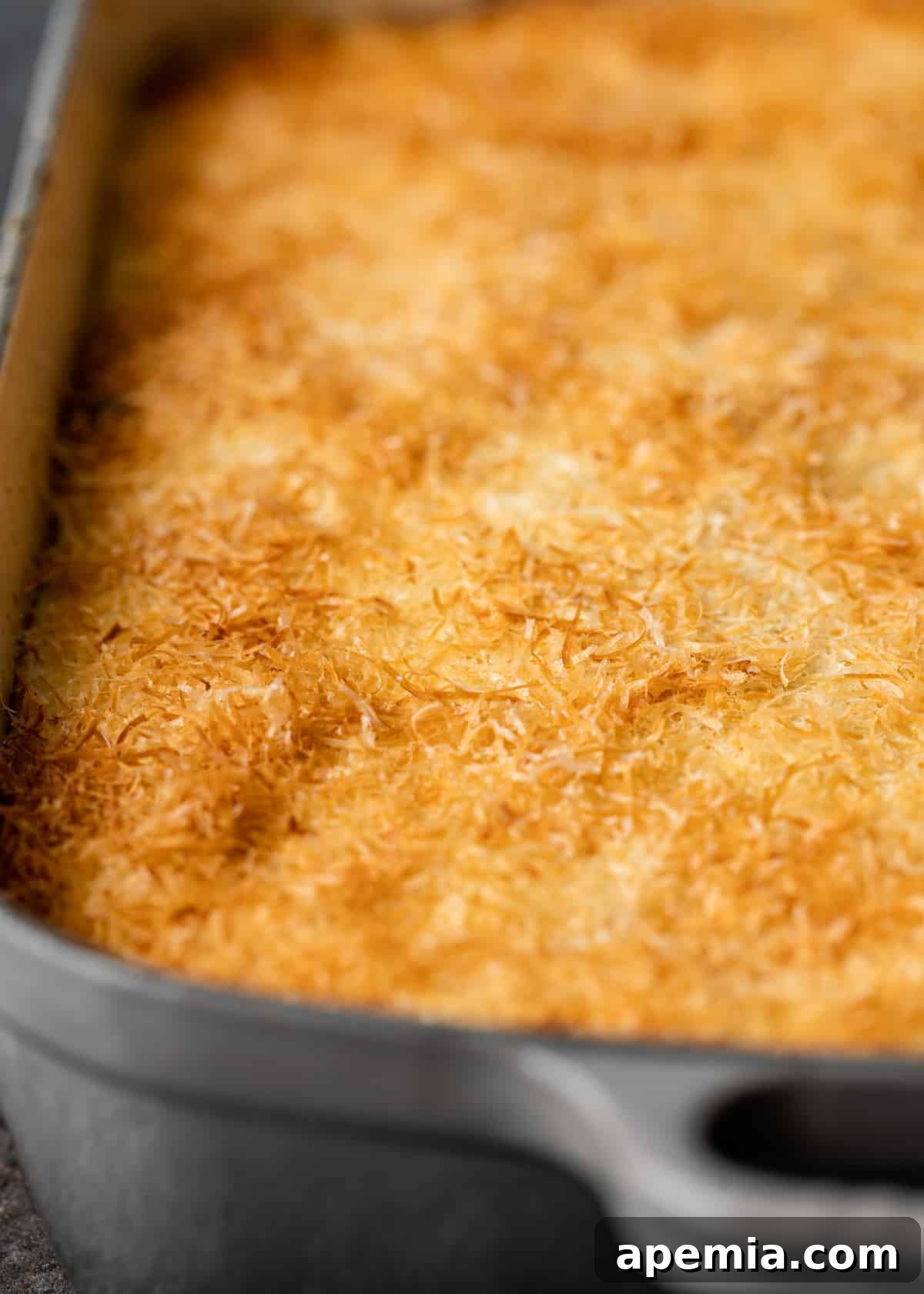
- Bake to Golden Perfection. Place the assembled Pastitsio in the preheated oven and bake for approximately 40 minutes, or until the top layer of Béchamel and cheese turns a beautiful golden brown and is bubbling invitingly. Once baked, remove the Pastitsio from the oven and allow it to cool briefly, about 15-20 minutes, before slicing and serving. This resting period is crucial as it allows the layers to set, making for cleaner, more intact slices.
Recommended Tools for Pastitsio Perfection
Having the right kitchen tools can make a significant difference in the ease and success of preparing your Pastitsio:
- 9×13″ Baking Dish – This size is ideal for a generously thick Greek lasagna, yielding substantial slices. For a thinner Pastitsio with more surface area for a crispy Béchamel crust, consider a larger 10×15″ baking pan.
- Dutch Oven or Large Skillet – A heavy-bottomed Dutch oven or a large, deep skillet is perfect for making the meat sauce. It allows for easy transition from sautéing the aromatics to browning the ground beef and then simmering the sauce to achieve maximum flavor.
- Non-stick Saucepan – Essential for preparing the Béchamel sauce. A good non-stick pan will prevent the butter and flour roux from sticking and burning, ensuring a smooth, lump-free sauce every time.
- Whisk – An indispensable tool for creating a perfectly smooth Béchamel sauce, ensuring there are no lumps of flour.
- Spatula – Useful for evening out the pasta, meat, and Béchamel layers in the baking dish for a uniform presentation.
Storing and Reheating Your Pastitsio
This Pastitsio recipe is generous, typically yielding 10 servings, which means you’ll likely have delicious leftovers to enjoy! Here’s how to properly store and reheat your Greek baked pasta:
Any remaining Pastitsio can be stored in an airtight container in the refrigerator for up to 4 days. When you’re ready to enjoy it again, you have a couple of excellent reheating options:
- Oven Reheating: For best results, reheat Pastitsio in the oven. Preheat your oven to 350°F (175°C). Place individual slices or the entire dish (covered with foil to prevent drying out) in the oven and bake for 20-30 minutes, or until thoroughly heated through and the cheese is bubbly again. Removing the foil for the last 5-10 minutes can help crisp up the top.
- Microwave Reheating: For a quick and easy option, individual servings can be reheated in the microwave. Place a slice on a microwave-safe plate, cover it loosely, and microwave on high for 2-3 minutes, or until hot. Be mindful that the Béchamel might not retain its original crispiness in the microwave.
Pastitsio also freezes exceptionally well! You can freeze individual slices or a whole unbaked or baked dish. For freezing, wrap portions tightly in plastic wrap and then in aluminum foil. It can be stored in the freezer for up to 2-3 months. Thaw overnight in the refrigerator before reheating as described above.
Frequently Asked Questions About Pastitsio
While both dishes are composed of delicious layers of pasta, cheese, and a meat sauce, the types of ingredients and their flavor profiles are quite distinct! Italian lasagna traditionally uses flat pasta sheets, often features ricotta cheese, and a marinara-style tomato-based meat sauce. Pastitsio, on the other hand, utilizes thick, tubular pasta, a rich, nutty Béchamel sauce as its creamy topping, and a ground meat sauce uniquely spiced with cinnamon and clove. Essentially, while the structural concept is similar, their flavors are entirely different, each offering a unique culinary experience.
For an authentic and structurally sound Pastitsio, you should aim for thick, tubular pasta. Misko #2 Pastitsio noodles are the traditional choice. However, I am a firm believer in using what you have available! If you have ziti, penne, or regular bucatini in your pantry, these are excellent substitutes. The main goal is a pasta that can stand up to the rich sauces and baking process without becoming overly soft or mushy, and ideally, one that can absorb the flavors into its hollow center.
Absolutely! Pastitsio is an excellent make-ahead dish, as the flavors often deepen and become even more delicious after some time. If you plan to bake it within 24 hours, you can assemble the entire dish up until the baking step (Step 7). Cover it very well with plastic wrap and foil, then store it in the refrigerator. Bake as normal when you’re ready to serve. If you need to wait longer than 24 hours, it’s best to prepare each component (pasta, meat sauce, and Béchamel) separately and store them in airtight containers in the refrigerator for up to 3 days. Assemble and bake the dish when you’re ready to enjoy it. For longer storage, refer to the freezing instructions in the “Storing and Reheating” section.
While the classic recipe is a staple, variations exist. Some recipes might use a mixture of ground beef and lamb for the meat sauce, adding another layer of flavor. Different cheeses can also be explored for the Béchamel or top layer, such as grated Gruyere or a blend of Greek cheeses. While traditional Pastitsio famously excludes vegetables, some home cooks might sneak in finely grated carrots or zucchini into the meat sauce for added nutrition, though purists would argue this deviates from the authentic preparation.
Pastitsio is a hearty, complete meal on its own. However, it pairs beautifully with light, fresh side dishes to balance its richness. A simple crisp green salad with a lemon-oregano vinaigrette is a perfect accompaniment. Crusty bread to soak up any extra sauce, or a side of steamed green beans or asparagus, would also complement the dish wonderfully.
Share this recipe on Pinterest!
Love this recipe? Share it with the world on Pinterest to inspire others.
Pastitsio (Baked Greek Pasta)
Baked Pastitsio is a savory Greek lasagna with layers of thick bucatini noodles, a fragrant cinnamon-scented Bolognese, and a creamy Béchamel, all topped with perfectly melted cheese!
Servings: 10
Prep Time: 20 mins
Cook Time: 1 hr 15 mins
Total Time: 1 hr 35 mins
Ingredients
- 15 oz Pastitsio No. 2 pasta (Greek bucatini) (See Note 1)
- 4 oz feta cheese crumbled
- 2 egg whites
Meat Sauce
- 2 lbs ground beef
- 1 large red onion finely chopped (2 cups)
- 2 garlic cloves minced
- 14 oz chopped tomatoes
- 1 tbsp tomato paste
- 1 tsp sugar
- 3/4 cup dry red wine
- 1 bay leaf
- 1 cinnamon stick
- 1 whole clove
- 1/4 cup olive oil
- 1 1/2 tsp kosher salt
- 1 tsp ground black pepper
Greek Béchamel Sauce
- 1/2 cup butter
- 3/4 cup all-purpose flour
- 4 cups whole milk
- 1/8 tsp nutmeg freshly grated (preferably)
- 1/2 tsp kosher salt
- 4 oz Kefalotyri cheese (or Parmesan) finely shredded – divided (Note 2)
- 2 egg yolks
Instructions
Meat Sauce
- Place a large skillet or Dutch oven over medium-high heat and add the olive oil, onions and sauté for 2-3 minutes. Add the garlic, tomato paste and the ground beef. Break up the meat with a spoon and brown for 5 minutes.
- Pour in the red wine, cook until evaporated. Add the tomatoes, sugar, cinnamon stick, clove, bay leaf and season with salt and pepper. Bring to the boil, then simmer covered for about 30 minutes until liquid is mostly gone. Sauce should be thick. Discard the bay leaf, clove and cinnamon stick. Set aside to cool while making the Béchamel.
Greek Béchamel Sauce
- In a large saucepan over medium heat melt the butter. Add the flour, whisking continuously to form a paste. Slowly add the warm milk, whisking to prevent lumps. Whisk until the sauce is smooth and thick, cooking for 5 minutes. The Béchamel should be thick enough to coat the back of a wooden spoon. You’ll know it’s ready when you can run your finger through it to create a solid strip.
- Remove from heat and add a pinch of salt, black pepper, nutmeg and 2 ounces of the Kefalotyri cheese. Whisk until smooth. Let cool 5 minutes and whisk in egg yolks. Cover and set aside.
Pasta
- Cook the pasta 2-3 minutes less than the package instructions, so it doesn’t get mushy after baking. Drain, then return to the pot. Allow to cool for 3 minutes and stir in the egg whites and feta cheese and mix gently with a spatula.
- Preheat oven to 350°F (175°C).
Assembly
- Use olive oil or butter to coat the bottom and sides of a deep baking dish (2.75″ deep 9×13″ or a larger 10×15″ pan). Layer the pasta on bottom (spreading to an even layer with a spatula), top with the meat sauce (again spreading to an even layer with a spatula) then top with the Béchamel sauce (again spreading to an even layer with a spatula). Sprinkle remaining 2 ounces of shredded Kefalotyri cheese over the top.
- Bake for 40 minutes, until the crust turns a light golden brown. Allow Pastitsio to cool down before slicing and serving.
Notes
- You can substitute the thinner Italian bucatini for the Pastitsio pasta or even use penne or ziti. Just be sure the pasta is smooth, without any ridges, for the best authentic texture.
- You can substitute Mizithra (a Greek whey cheese or mixed milk-whey cheese from sheep or goats) or a high-quality Parmigiano-Reggiano for the Greek Kefalotyri cheese in the Béchamel or as a topping.
Nutrition
Calories: 730kcal | Carbohydrates: 49g | Protein: 33g | Fat: 43g | Saturated Fat: 19g | Trans Fat: 1g | Cholesterol: 155mg | Sodium: 1040mg | Potassium: 623mg | Fiber: 3g | Sugar: 9g | Vitamin A: 699IU | Vitamin C: 5mg | Calcium: 353mg | Iron: 4mg
The information shown is an estimate provided by an online nutrition calculator. It should not be considered a substitute for a professional nutritionist’s advice.
Course: main dishes
Cuisine: Greek, Mediterranean
Author: Kevin
Have You Made This Recipe? Let Me Know on Instagram
Tag @keviniscooking or tag me #keviniscooking!