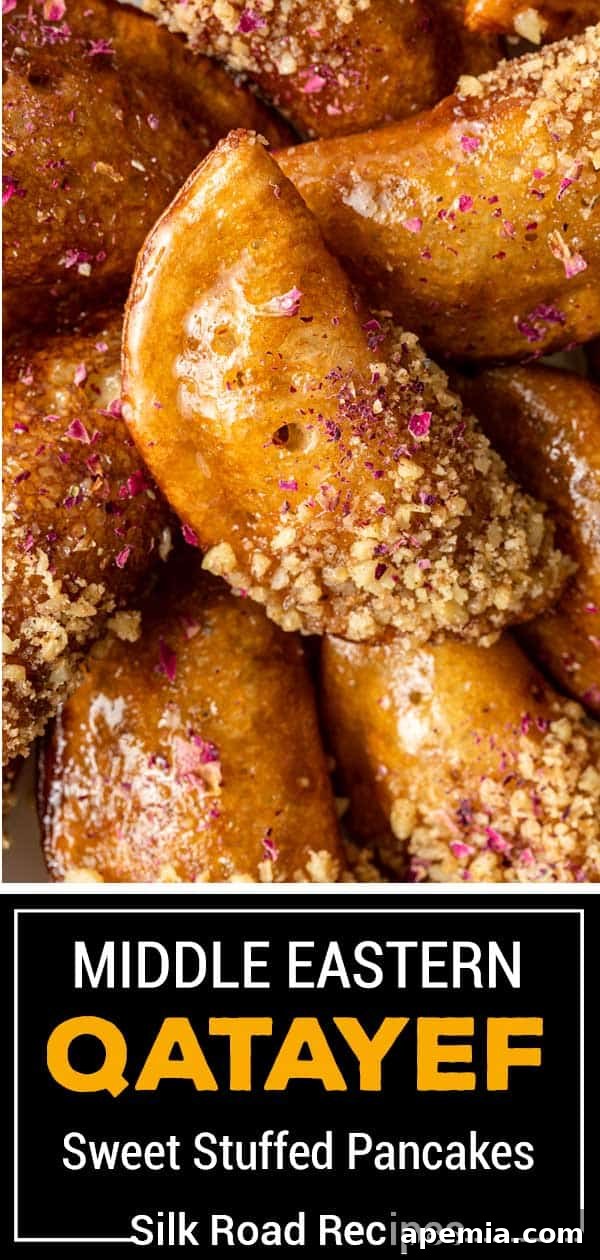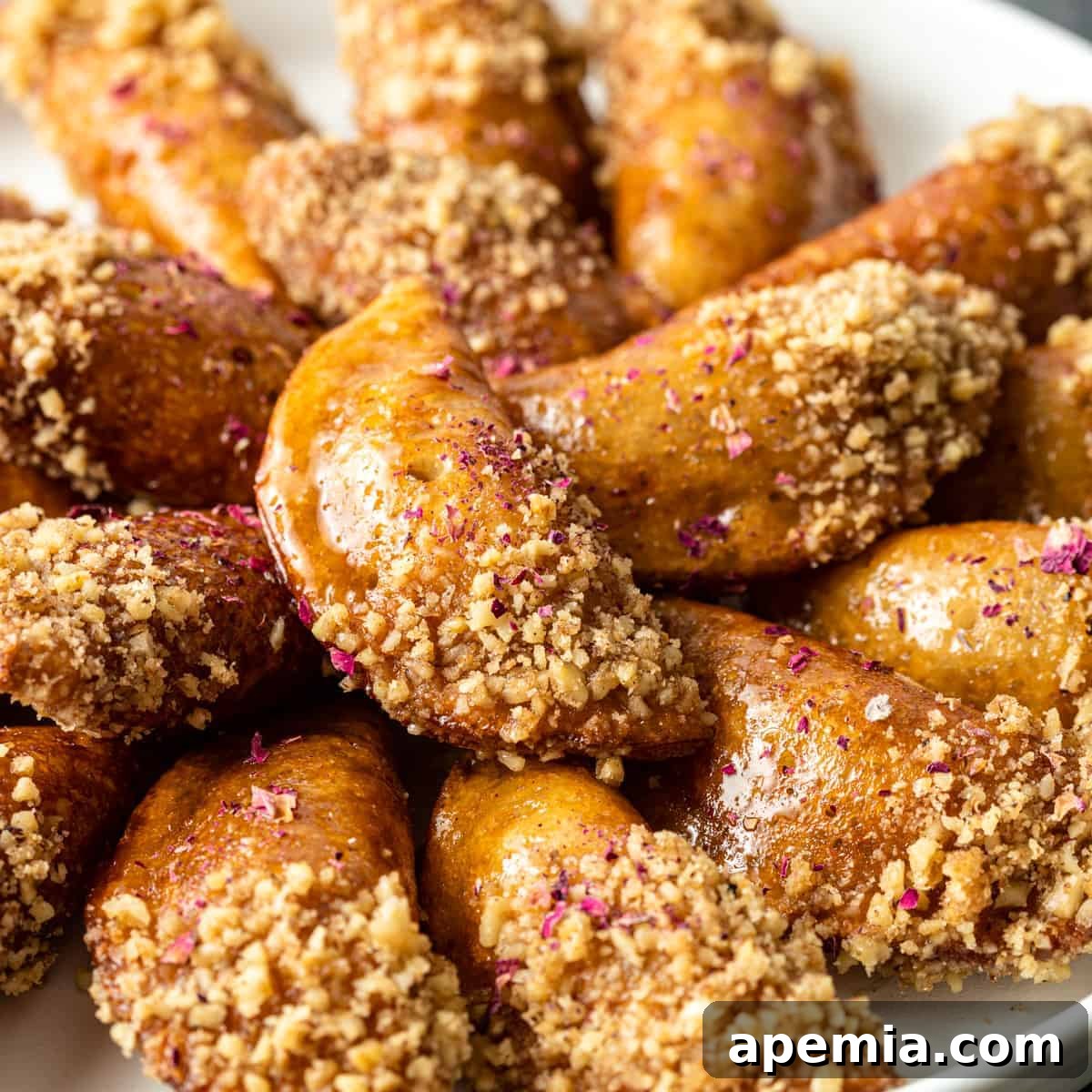
Qatayef are more than just a dessert; they are a beloved culinary tradition, especially prominent during the holy month of Ramadan across the Arab world. These exquisite stuffed mini pancakes, filled with a delightful array of ingredients from aromatic nuts and spices to creamy cheeses and sweet fruits, offer a taste of heritage and celebration. Each golden-fried pocket, often glistening with a sweet syrup glaze, represents warmth, generosity, and the joyous breaking of the fast.
The significance of Qatayef peaks during Ramadan, the ninth month of the Islamic lunar calendar, a period observed by Muslims globally. This month is marked by intense fasting from dawn until sunset. As the sun dips below the horizon, the air fills with anticipation for Iftar, the evening meal that breaks the day’s fast. Iftar is not just a meal; it’s a cherished communal event, a time for families and friends to gather and share an abundance of delicious, often elaborate, dishes. And no Iftar table feels complete without a sweet treat like Qatayef.
What makes Qatayef so captivating is its incredible versatility. There isn’t just one type of Qatayef; rather, there are countless regional and personal interpretations. Some prefer them soft and tender, while others crave a crispier texture achieved through deeper frying or baking. They can be sealed like delicate dumplings, offering a surprise with every bite, or left open, resembling small pita pockets brimming with their luscious fillings. This adaptability ensures that Qatayef remains a perennial favorite, appealing to diverse palates and traditions.
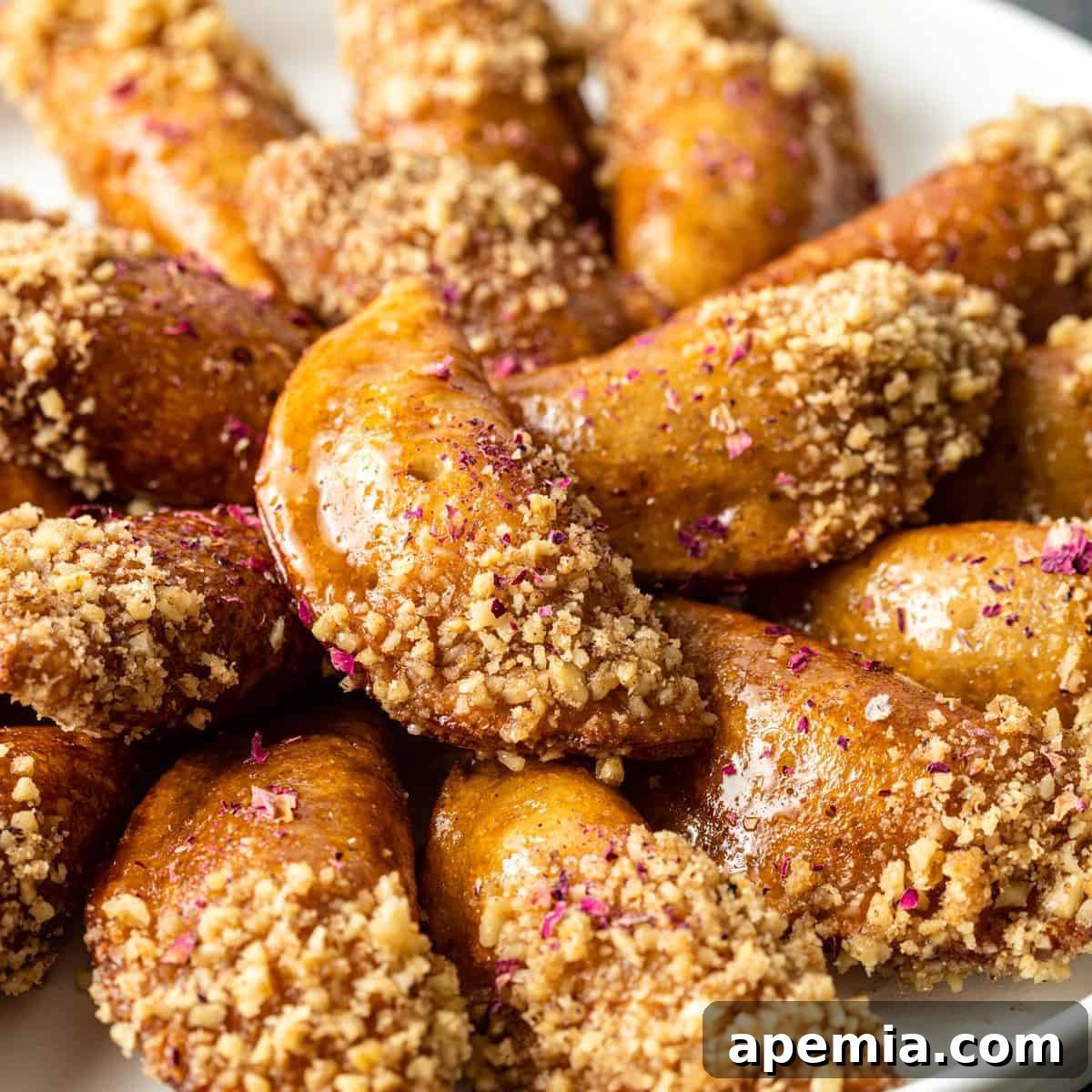
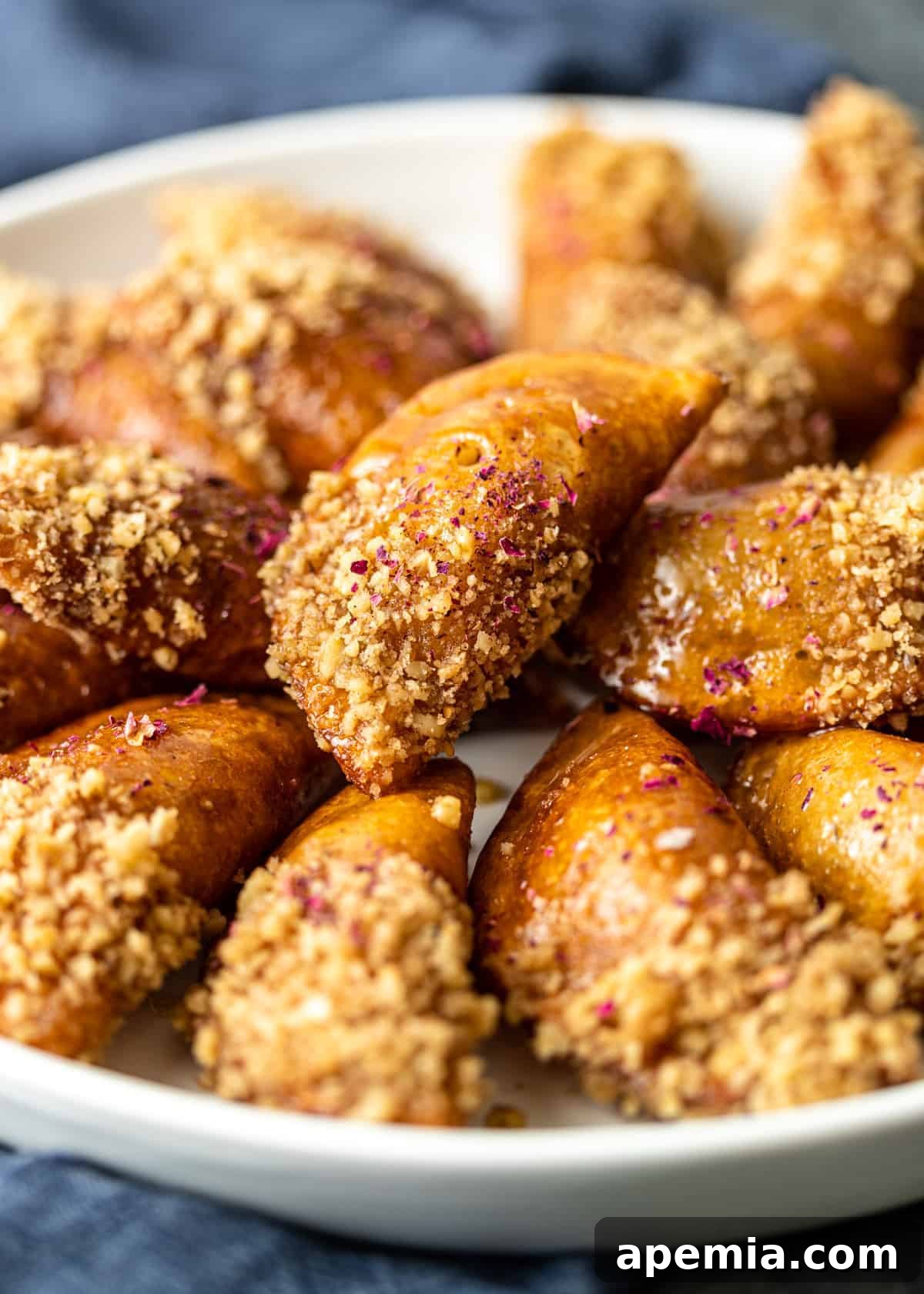
Today, we’re diving into a particularly delightful rendition: fried Qatayef pockets, generously filled with a fragrant mixture of sweet cinnamon, crunchy walnuts, and the delicate perfume of rose water. After their golden-brown perfection is achieved through frying, they are lovingly drenched in a homemade simple syrup, then rolled in an extra coating of the sweet nut mixture, and finally, often adorned with a scattering of delicate, crushed rose petals for an exquisite finish. This combination creates a truly sensational dessert that embodies the rich flavors of Middle Eastern cuisine.
For those eager to explore more sensational sweets from the rich tapestry of Middle Eastern cuisine, consider indulging in recipes such as the decadent Chocolate Babka, the romantically fragrant Persian Love Cake, or the delightfully crunchy Sesame Seed Candy (Simsemieh). These desserts, much like Qatayef, tell stories of flavor, tradition, and celebration.
What is Qatayef? A Journey into Middle Eastern Sweet Tradition
Qatayef, often seen spelled as Katayef or Atayef, is a quintessential Arabic dessert that holds a special place in the hearts and homes of many across the Middle East. It’s a dish steeped in history and culture, traditionally served as a sweet finale to the Iftar meal during Ramadan, though its popularity extends throughout the year as a general celebration treat.
At its core, Qatayef consists of small, delicate pancakes, but these are no ordinary pancakes. The batter is unique, often made with yeast, giving them a distinct texture: one side is smooth, while the other develops a bubbly, porous surface during cooking. This bubbly side is crucial, as it acts as the perfect canvas for holding the rich fillings and absorbing the sweet syrup.
The beauty of Qatayef lies in its incredible versatility and the myriad ways it can be prepared and enjoyed:
- Texture Variations: They can be soft and fluffy, melting in your mouth, or delightfully crunchy, offering a satisfying bite. This often depends on the cooking method and desired outcome.
- Cooking Methods: Traditionally, Qatayef are either baked to a golden crisp or pan-fried until beautifully browned. Frying typically results in a richer, more indulgent texture, while baking offers a lighter alternative.
- Flavor Profiles: While predominantly sweet, some savory versions exist, showcasing the adaptability of the pancake base. However, sweet Qatayef remain the most iconic.
- Shape and Presentation: The mini pancakes can be pinched shut, forming crescent-shaped dumplings that encase the filling entirely, or left partially open, resembling small pockets, allowing a peek at the delicious contents within.
- Finishing Touches: They are almost always drenched in a fragrant simple sugar syrup (known as attar or sherbet) and frequently adorned with a generous coating of crushed nuts or a combination of both, adding layers of flavor and texture.
The filling options for Qatayef are virtually limitless, a testament to the creativity of Middle Eastern cooks. The most celebrated fillings include:
- Chopped Nuts: A classic choice, often walnuts, pistachios, or almonds, mixed with sugar, cinnamon, and sometimes orange blossom or rose water.
- Sweet Cheese (Qishtah/Ashta): A creamy, often clotted cream-like filling, sometimes sweetened or flavored. Ricotta cheese can be a good substitute.
- Whipped Cream: A lighter, airier option, often flavored with vanilla or mastic.
- Fruits or Jams: Dried fruits, fresh berries, or fruit preserves can offer a delightful tang and sweetness.
Each variation offers a unique experience, making Qatayef a dessert that never ceases to delight and surprise. It’s a culinary staple that brings joy and sweetness to any gathering.
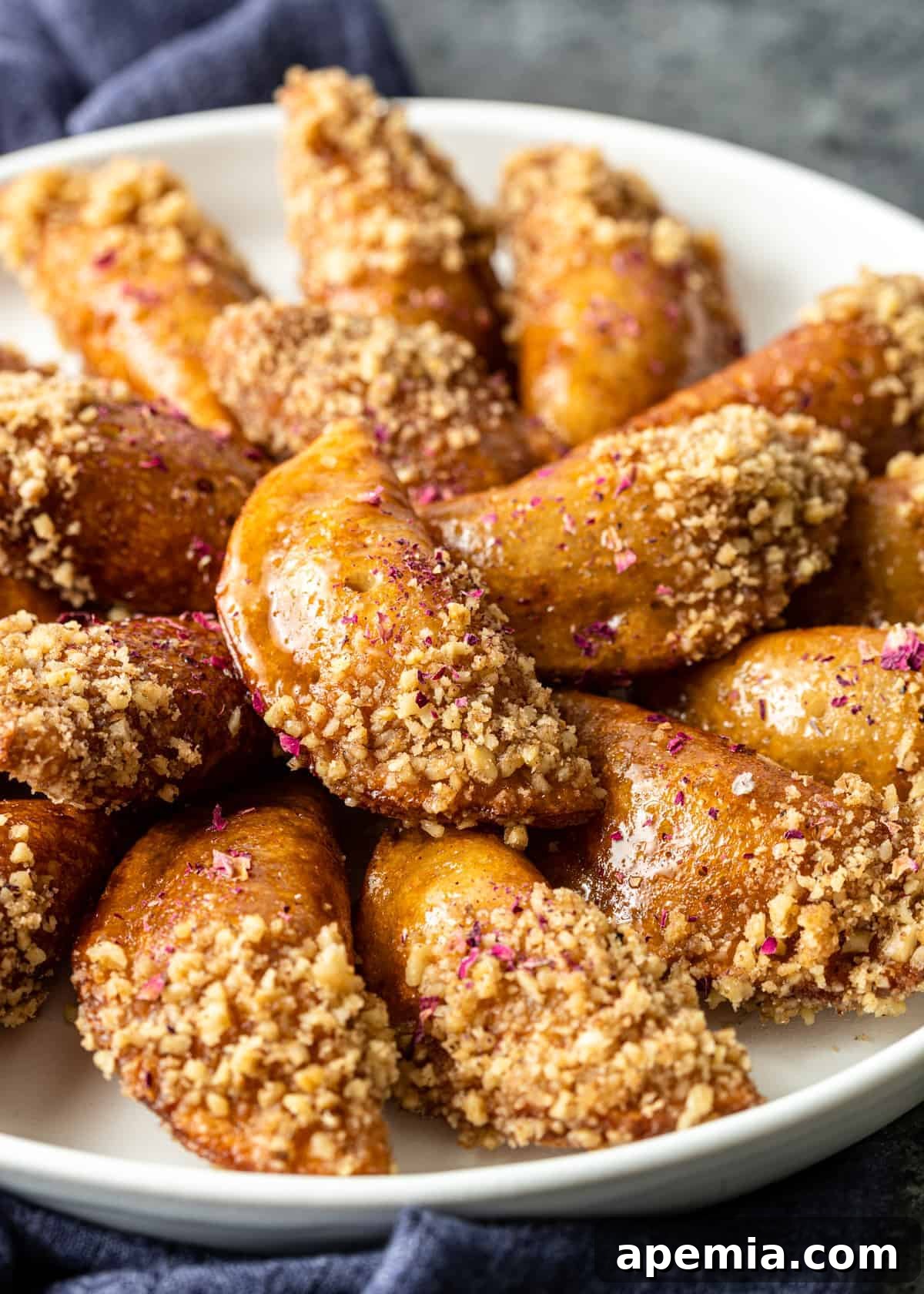
Watch Our Video Tutorial for Making Stuffed Pancakes
To guide you through every step of this delightful process, from preparing the batter to the final garnish, a comprehensive video tutorial is available. You can find the full demonstration at the bottom of this post, providing visual cues and expert tips to ensure your Qatayef turn out perfectly.
Essential Ingredients: Notes and Smart Substitutions for Perfect Qatayef
Crafting the perfect Qatayef requires a thoughtful selection of ingredients, each playing a crucial role in achieving the desired texture, flavor, and aroma. Here’s a detailed look at the components and potential substitutions to help you master this Middle Eastern delicacy:
- Sweet Syrup (Attar/Sherbet): This essential glaze is a harmonious blend of sugar, water, a touch of honey, and a hint of lemon juice. The honey contributes a beautiful richness and helps prevent crystallization, while lemon juice brightens the flavor and also acts as an anti-crystallizing agent. The syrup’s consistency is key; it should be thick enough to cling to the Qatayef but still pourable. For an aromatic twist, consider adding a dash of rose water or orange blossom water to the syrup during the last few minutes of simmering.
- All-Purpose Flour: The foundation of our pancake batter, all-purpose flour provides the necessary structure. Its versatility makes it an ideal choice for achieving the tender yet resilient texture required for Qatayef. While all-purpose is standard, some traditional recipes might incorporate a small amount of semolina for a slightly coarser texture and added chewiness.
- Powdered Milk: This ingredient is a secret weapon for enhancing the batter’s richness and moisture. It contributes a subtle depth of flavor and ensures the pancakes remain tender and supple, even after cooking. If powdered milk isn’t available, you can replace a portion of the warm water with regular milk, adjusting the liquid content slightly.
- Yeast & Baking Powder: These two leavening agents work in perfect synergy. Instant yeast initiates a gentle fermentation, contributing a subtle tang and a soft, airy quality, while baking powder provides a quick lift, ensuring the pancakes are light without becoming overly fluffy like Western pancakes. This balance is crucial for the traditional Qatayef texture. Ensure your yeast is fresh for optimal rise.
- Salt: A pinch of salt is vital in any sweet recipe. It doesn’t just add salinity; it acts as a flavor enhancer, balancing the sweetness and making all the other ingredients truly sing. Don’t skip it!
- Filling: Our featured filling is a delightful combination of crunchy walnuts, granulated sugar, warm cinnamon, and fragrant rose water. This blend offers a symphony of warm, nutty, sweet, and floral notes. For variations, you could use pistachios or almonds, adjust the spice blend to include cardamom, or swap rose water for orange blossom water. For a creamy filling, consider a mixture of ricotta cheese, sugar, and a hint of vanilla or orange blossom water.
- Cooking Oil (for Frying): A high smoke point oil is essential for frying Qatayef to a perfect golden crisp. Vegetable oil is a fantastic, neutral-flavored choice. Other suitable options include refined olive oil, peanut oil, avocado oil, or coconut oil, all of which can withstand the heat required for deep-frying without imparting unwanted flavors or breaking down too quickly.
How to Make Authentic Qatayef: A Step-by-Step Guide
Creating Qatayef is a rewarding culinary journey. Follow these detailed steps to bring this Middle Eastern delicacy to your table:
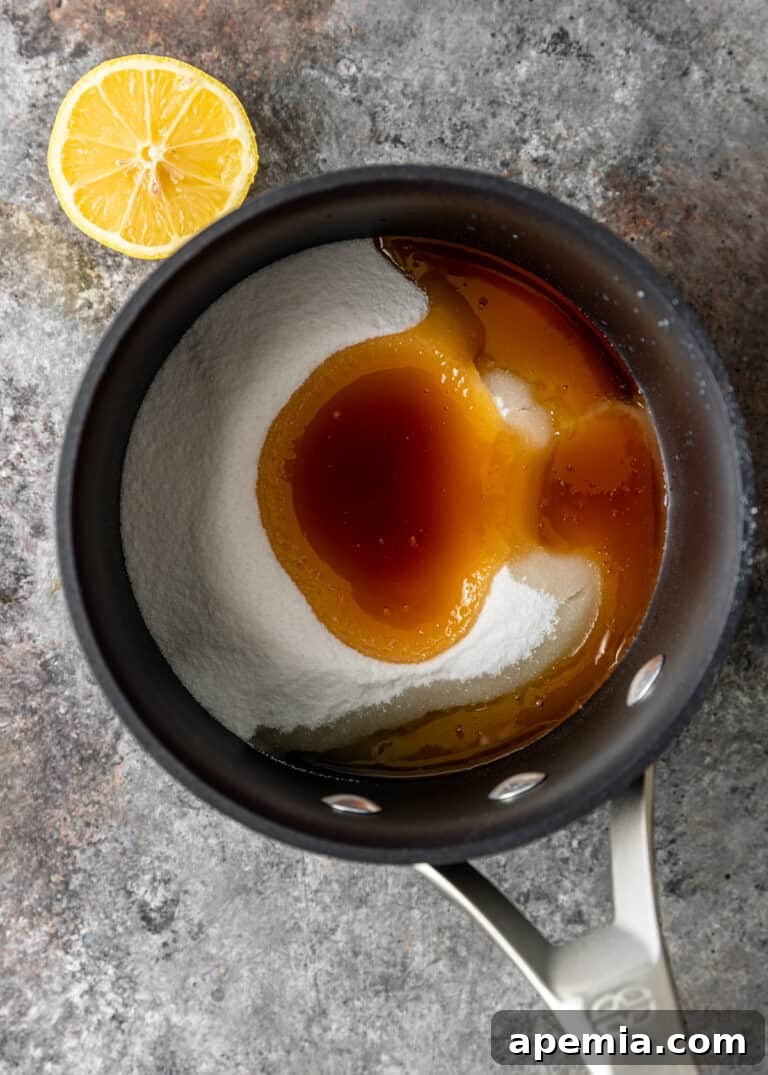
1. Prepare the Aromatic Syrup: In a small saucepan, combine the sugar, water, honey, and lemon juice. Place the saucepan over medium heat, stirring occasionally until the sugar fully dissolves. Bring the mixture to a rolling boil, then reduce the heat to low and allow it to simmer gently for approximately 10 minutes. This simmering time helps the flavors meld and the syrup to thicken slightly. Once done, remove from heat and let the syrup cool completely to room temperature. It will thicken further as it cools, achieving the perfect consistency for glazing.
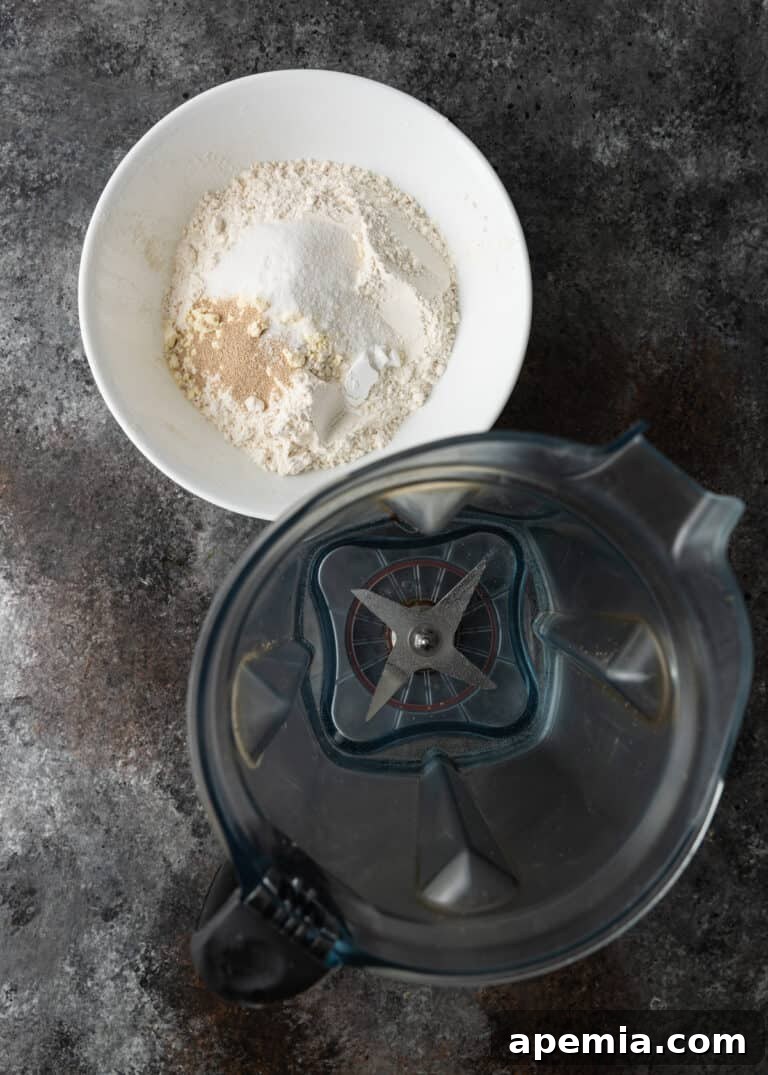
2. Initiate the Pancake Batter: Into a blender, add all the ingredients for the Qatayef batter: flour, sugar, powdered milk, instant yeast, baking powder, salt, and warm water. Puree the mixture until it is completely smooth and free of any lumps. The consistency should be thinner than typical pancake batter. Once blended, cover the blender or a separate bowl tightly and set it aside in a warm place for about 30 minutes. During this resting period, the yeast will activate, causing the batter to become bubbly and rise slightly, indicating it’s ready.
3. Verify Batter Consistency: After the resting period, give the batter a gentle stir. It should be noticeably thinner than conventional pancake batter, allowing it to spread easily without being too watery. If it appears too thick, add a tablespoon of warm water at a time, stirring well after each addition, until the desired thin, pourable consistency is achieved. This ensures delicate pancakes.
4. Commence Pancake Cooking: Heat a dry, non-stick skillet or griddle over medium heat. It’s crucial not to use too much oil, as these pancakes are cooked on one side only. Lightly grease the pan by dabbing a small amount of vegetable oil onto a paper towel and wiping the surface. Once the pan is hot, pour approximately 2 tablespoons of batter onto the griddle to form a perfect 3-inch circle. Work quickly to maintain even heat.
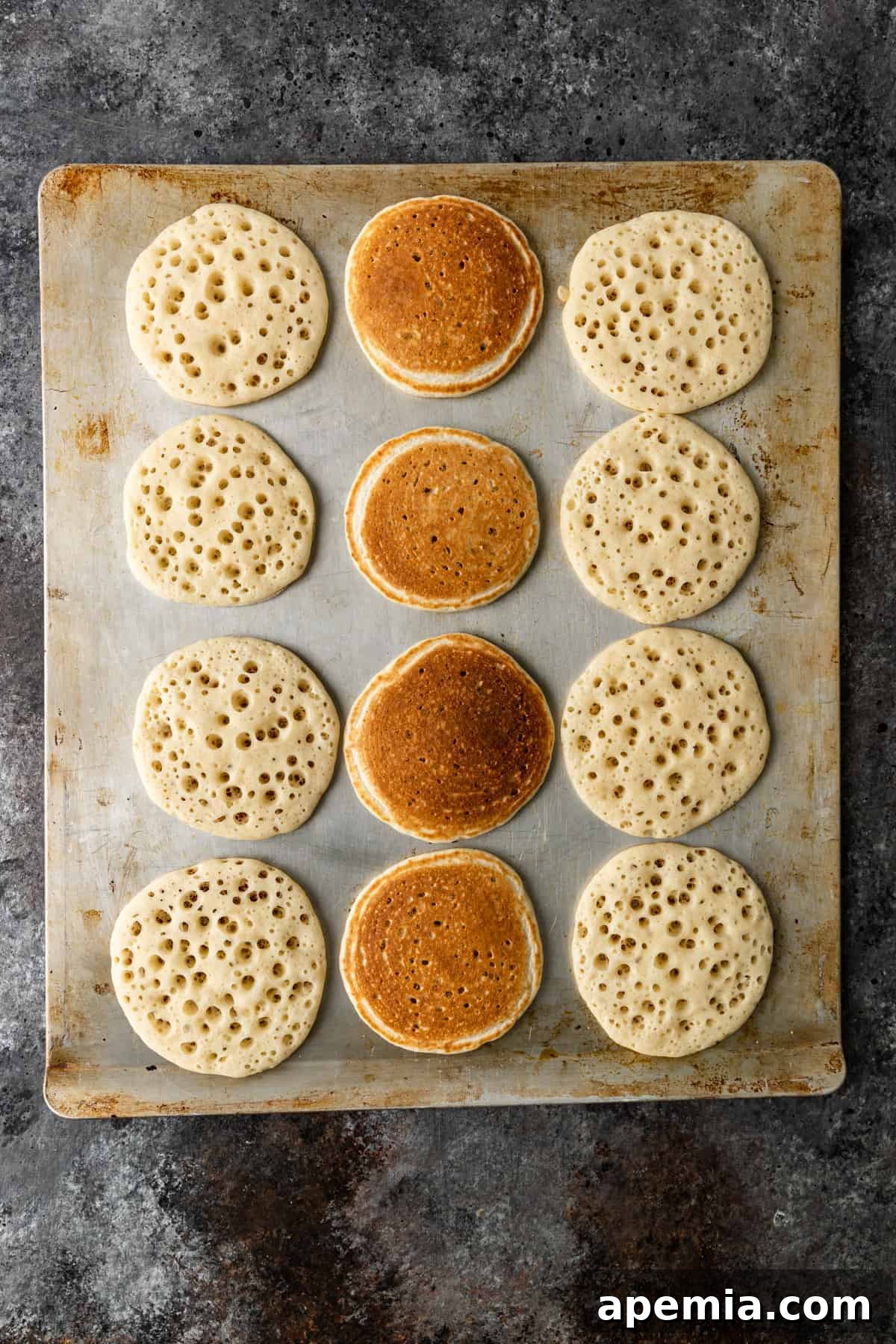
5. Master the Gentle Cook: This is a critical step: do not flip these pancakes. Qatayef pancakes are cooked on one side only. Allow them to cook undisturbed until the top surface is no longer wet and you see numerous bubbles forming and popping across the entire surface. The edges should appear set and slightly dry. Adjust the heat as necessary to prevent burning, typically cooking for 1-2 minutes per pancake. Continue this process with the remaining batter, ensuring consistent results.
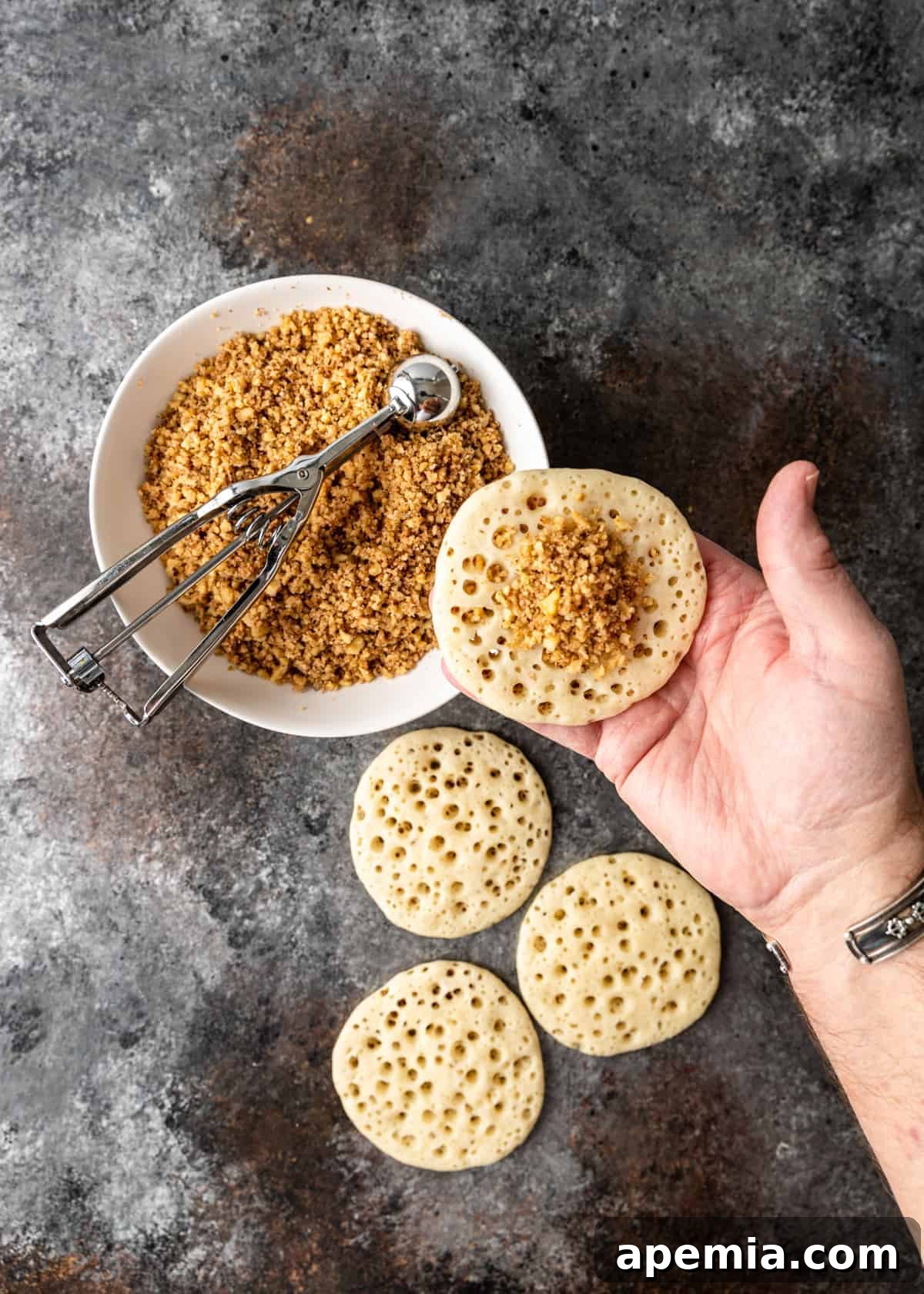
6. Arrange and Cover: As each Qatayef pancake finishes cooking, transfer it immediately to a baking sheet, ensuring the bubbly, cooked side faces up. Arrange them in a single layer, making sure they do not overlap, as this can cause them to stick together. Cover the baking sheet with a clean kitchen towel to keep the pancakes soft and prevent them from drying out while you finish cooking the rest of the batter.
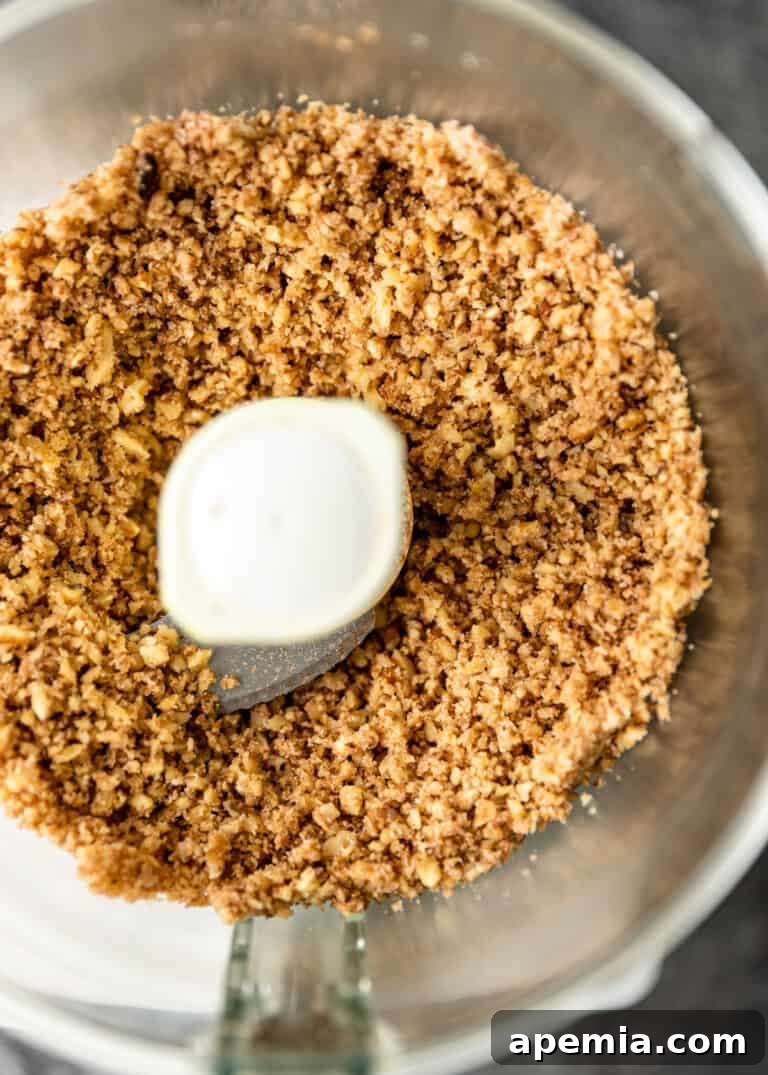
7. Craft the Aromatic Filling: In a food processor, combine the walnuts, sugar, ground cinnamon, and rose water. Pulse the ingredients until they are well combined and finely chopped, but still retain some texture – avoid over-processing into a paste. Once prepared, set aside ¾ cup of this fragrant mixture for a decorative dipping garnish later. The rest will be used for filling.
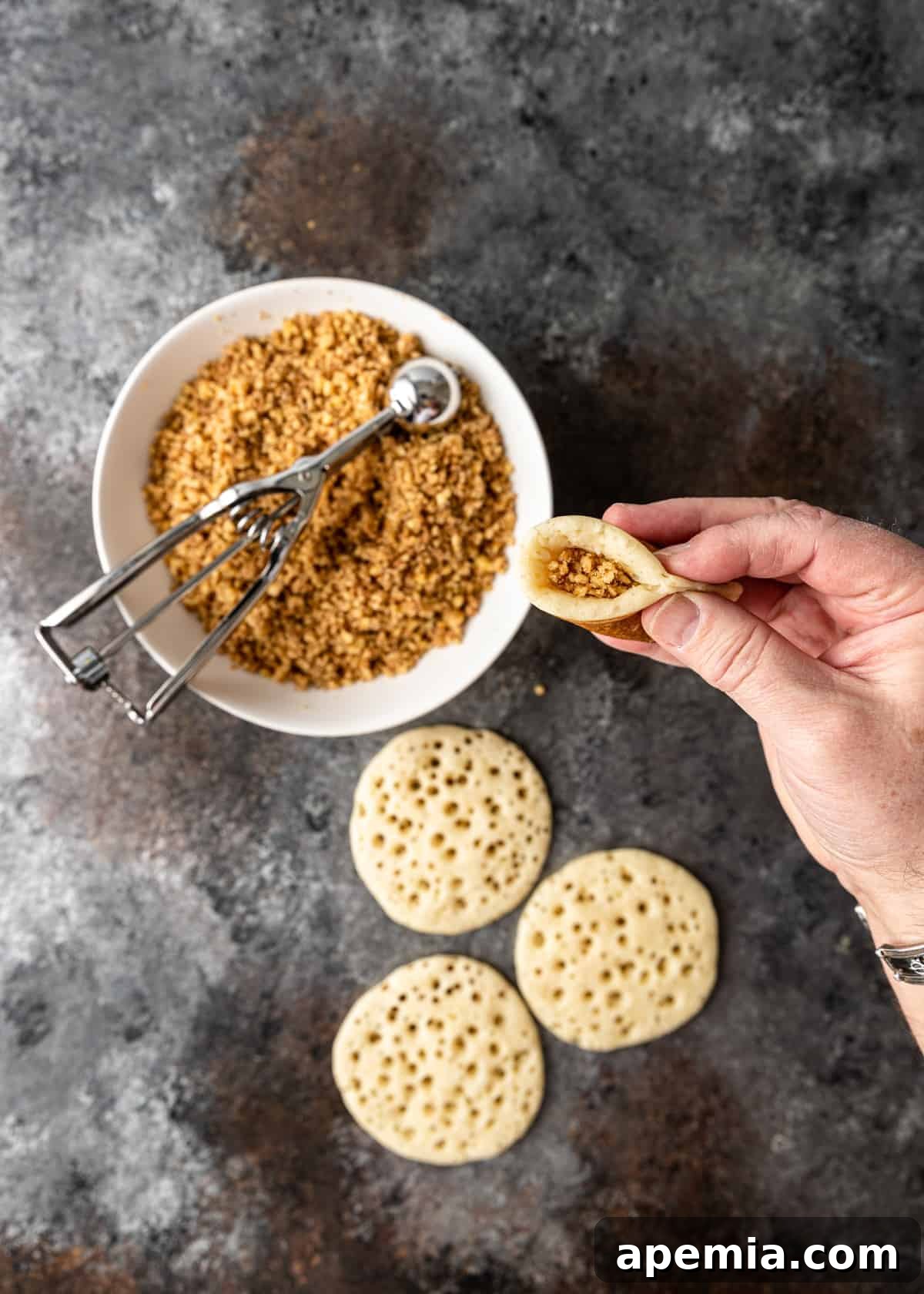
8. Fill and Securely Seal: Take one Qatayef pancake, ensuring the bubble side is facing up. Gently cup it in your hand and place approximately one teaspoon of the prepared filling into the center of the pancake. Carefully fold the pancake in half, bringing the two uncooked edges together. Firmly pinch the outer edges with your fingers, working your way around the crescent shape, to create a secure seal. This ensures the filling remains inside during frying. Repeat this process for all remaining pancakes.
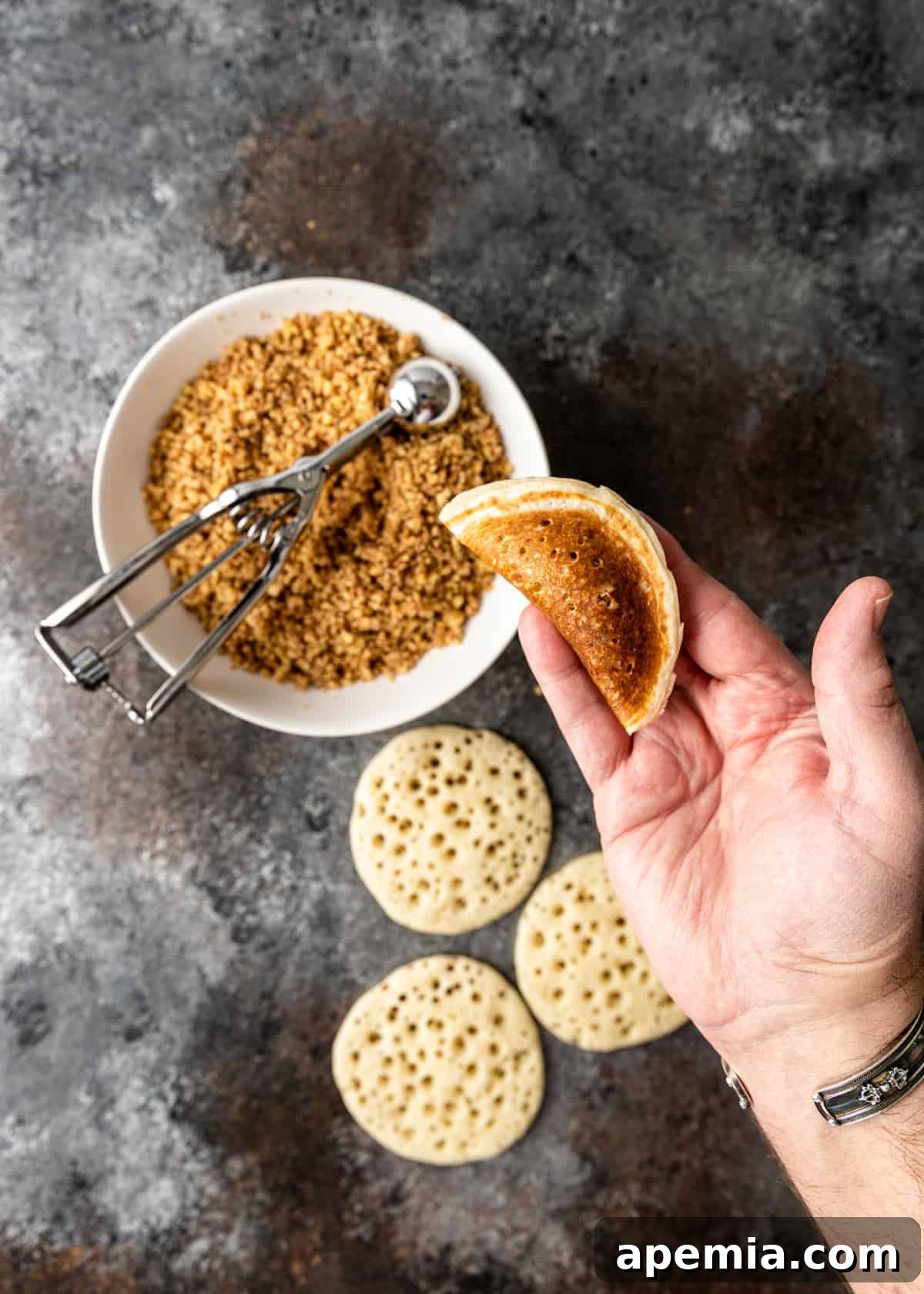
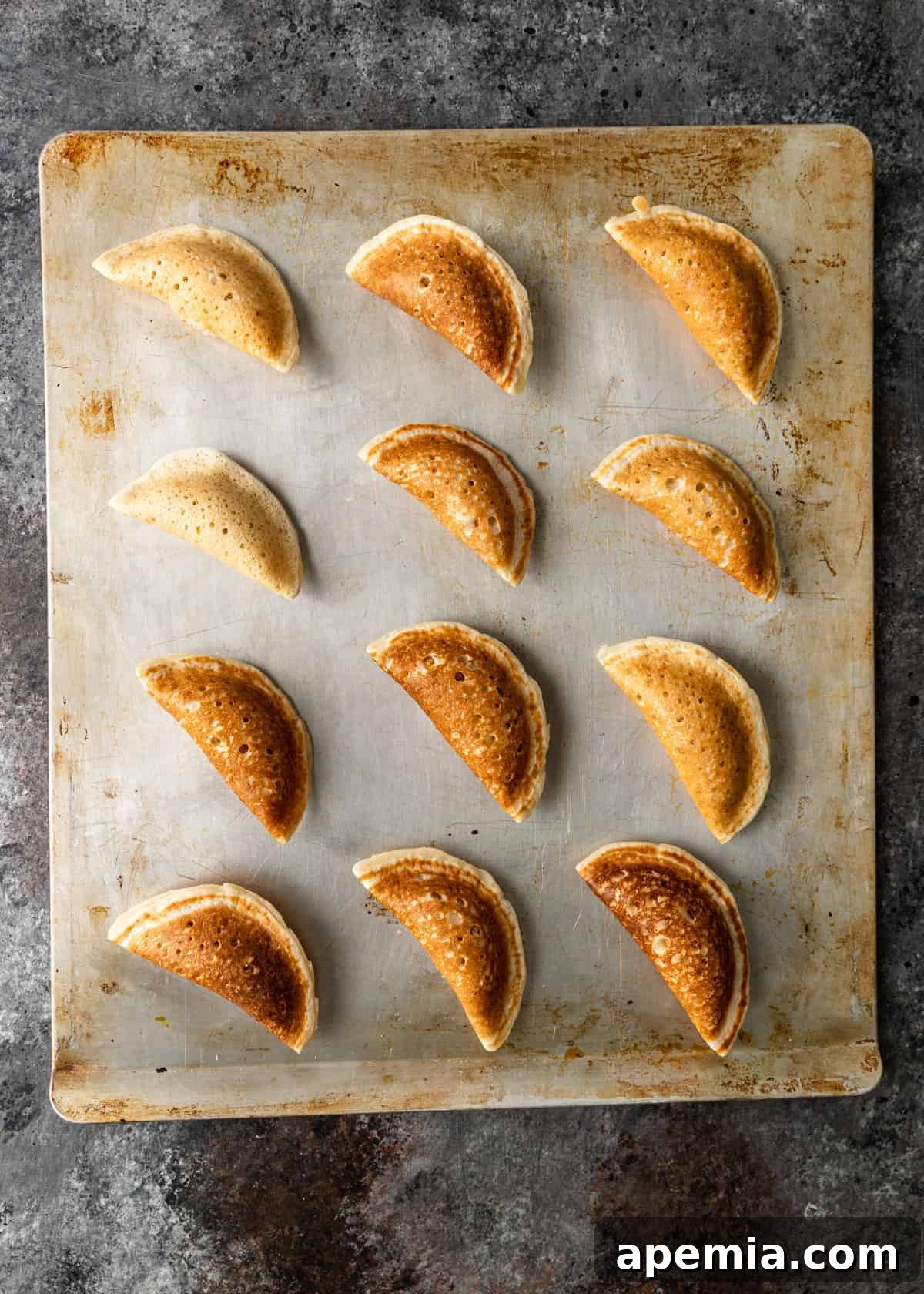
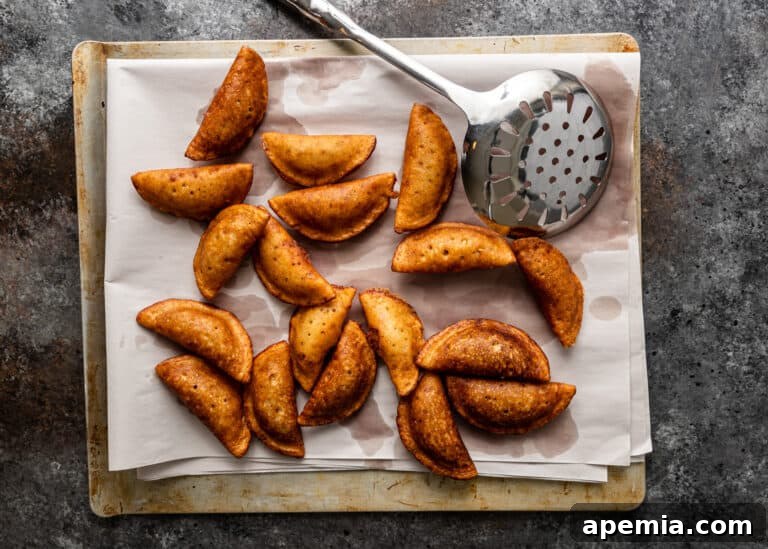
9. Deep Fry to Golden Perfection: Pour about 2 inches of vegetable oil into a deep frying pan or pot. Heat the oil over medium-high heat until it reaches a temperature of 350°F (175°C). You can test the oil with a tiny drop of batter; it should sizzle immediately. Carefully place the stuffed Qatayef into the hot oil, frying them in batches to avoid overcrowding the pan. Cook until they turn a beautiful golden brown and become crispy, which usually takes about 2 minutes per side. Using tongs, remove the fried Qatayef and transfer them to a plate lined with paper towels to drain any excess oil.
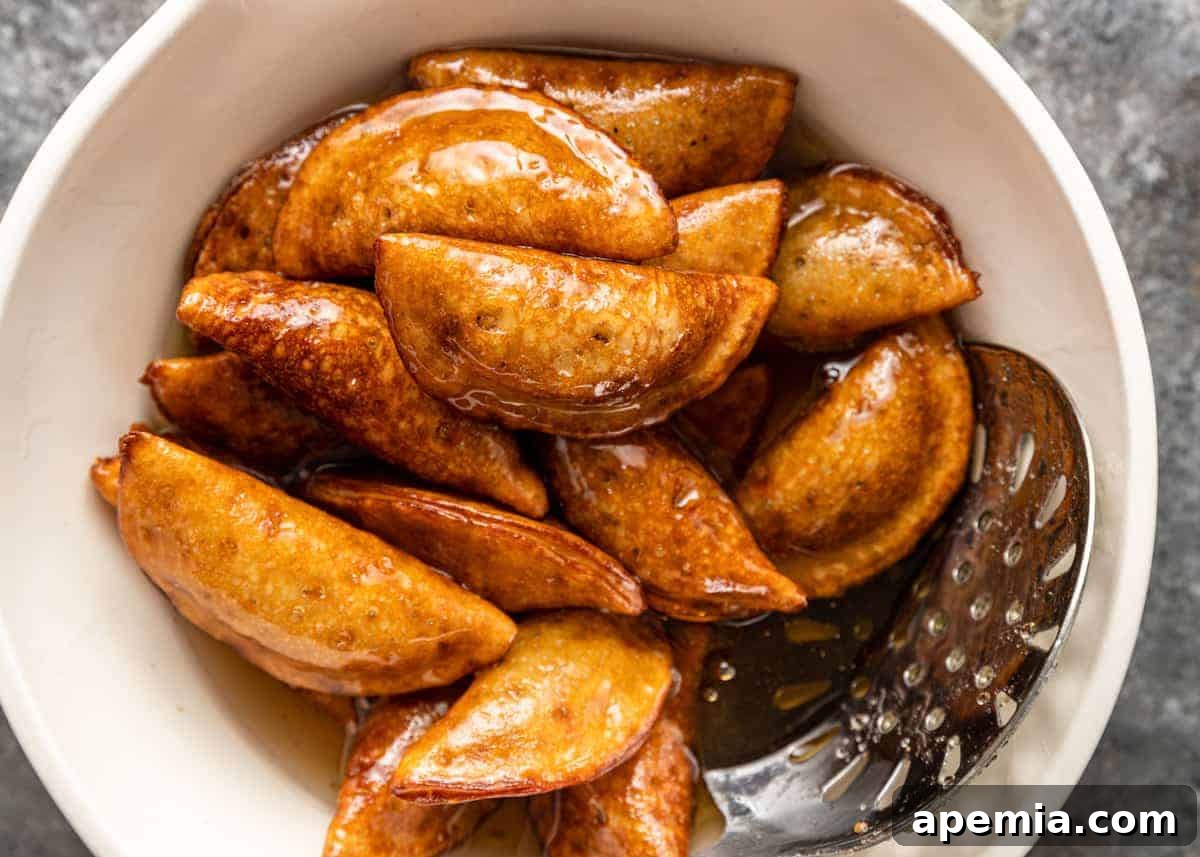
10. Generously Coat in Syrup: While the Qatayef are still hot and warm from frying, immediately transfer them to the cooled simple syrup. Gently toss and turn each Qatayef to ensure they are thoroughly coated on all sides with the sweet, glistening syrup. The warmth of the Qatayef helps them absorb the syrup beautifully. After coating, remove them from the syrup and place them on a wire rack positioned over a baking sheet or drip tray. This allows any excess syrup to drip off, preventing them from becoming overly saturated.
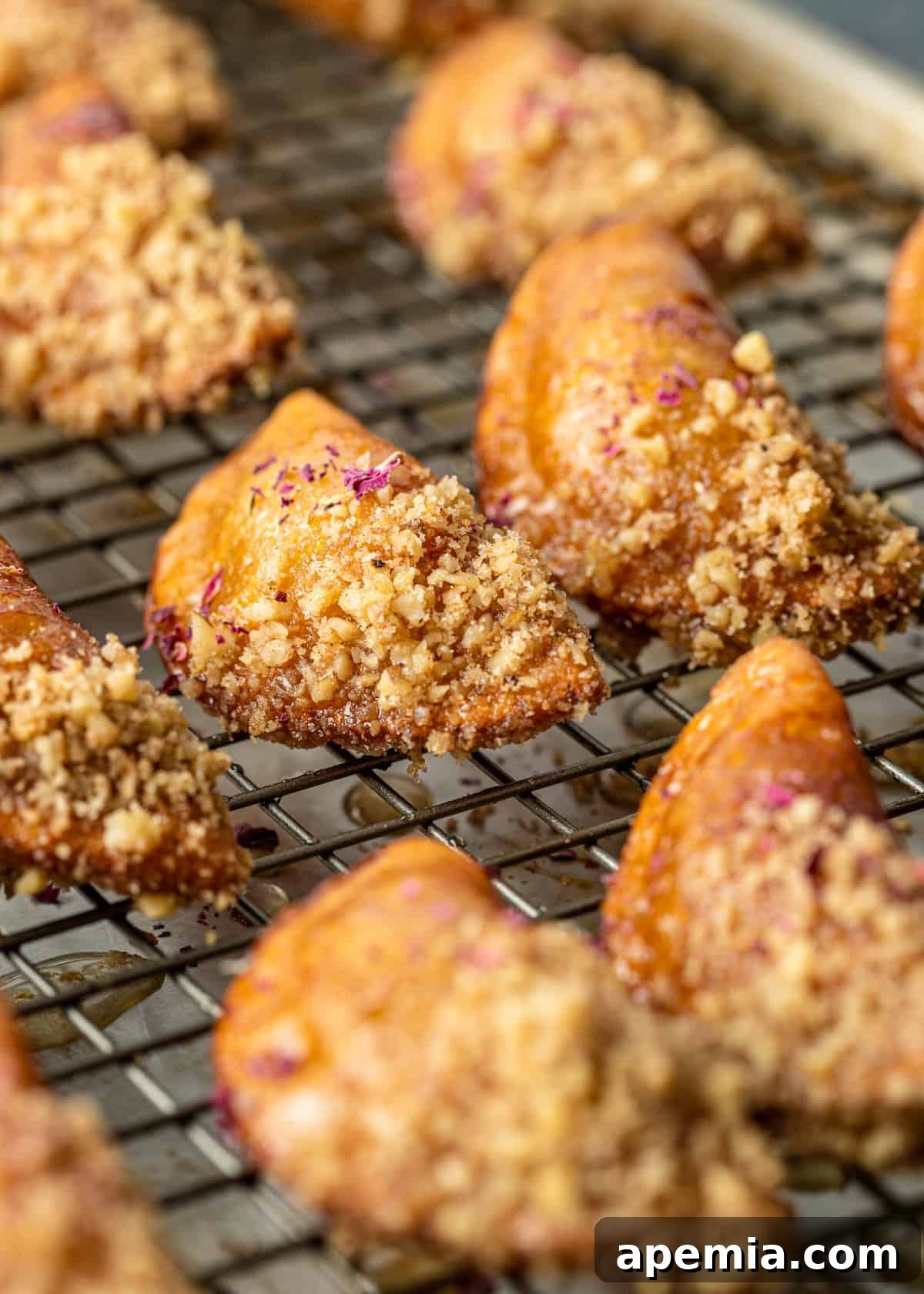
11. Garnish and Serve with Flair: For the final touch, take each syrup-soaked Qatayef and gently dip one of its open ends into the ¾ cup of reserved walnut and cinnamon mixture. Lightly press the nuts onto the Qatayef to help them adhere. For an extra touch of elegance and fragrance, sprinkle some dried, crushed rose petals over the top. Serve these exquisite stuffed pancakes warm or at room temperature, and savor every bite of this delightful Middle Eastern treat.
Frequently Asked Questions About Qatayef
Can Qatayef Be Prepared Ahead of Time?
Absolutely! Qatayef are a fantastic dessert for meal prepping. You can easily prepare and stuff the pancakes, then freeze them before frying. This allows for fresh, hot Qatayef whenever you desire.
After you’ve filled and securely sealed your Qatayef, arrange them in a single layer on a baking sheet lined with parchment paper. Ensure they are not touching to prevent sticking. Cover the baking sheet with plastic wrap or foil and flash freeze them for a few hours, or ideally, overnight, until they are solid. Once frozen, you can transfer the individual Qatayef to a freezer-safe bag or airtight container, where they will keep well for up to a few months.
When you’re ready to enjoy them, simply remove the desired number of Qatayef from the freezer and fry them directly from frozen. There’s no need to thaw them beforehand, making them a wonderfully convenient treat!
How Do I Store Leftover Qatayef?
If you find yourself with leftover Qatayef, they can be stored quite easily. Place them in an airtight container at room temperature, where they will remain delicious for up to two or three days. For longer storage, refrigerate them, and they’ll keep for up to a week. Just be aware that the crispy texture might soften over time due to the syrup.
How Do I Reheat Qatayef?
Qatayef are delightful both warm and at room temperature. If you prefer them warm, you can gently reheat them. The best way to regain some of their crispiness is to place them in an oven preheated to 350°F (175°C) for about 10-15 minutes, or until they are heated through and the crust begins to crisp up again. Avoid microwaving, as this can make them soggy.
Subscribe to our Newsletter and follow us on Facebook, Pinterest, Instagram, and YouTube for all our latest recipes and videos. Don’t miss out on delicious inspiration!
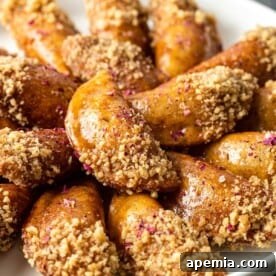
Qatayef (Sweet Stuffed Pancakes)
Qatayef is a traditional Middle Eastern dessert of sweet, nut-filled pancakes that are pan-fried and glazed to syrupy perfection, a truly delightful treat for any occasion, especially Ramadan.
Servings: 24
Prep Time: 50 mins
Cook Time: 40 mins
Total Time: 1 hr 30 mins
Print Recipe
Ingredients
Syrup
- 2 cups sugar (400g)
- 1 cup water (250ml)
- 1/4 cup honey
- 1 tsp lemon juice
Batter
- 1¾ cups AP flour (240g)
- 1 tbsp sugar
- 1 tbsp powdered milk
- 1 tsp instant yeast
- 1/2 tsp baking powder
- 1/8 tsp salt
- 1 3/4 cups warm water (425ml)
Filling
- 2 cups walnuts
- ¼ cup sugar (50g)
- 1 tsp rose water
- ½ tsp ground cinnamon
Other
- Vegetable oil for frying
Instructions
Syrup
- In a saucepan over medium heat, add syrup ingredients, stir and bring to a boil. Reduce heat to low and simmer for 10 minutes.
- Turn heat off and let it cool to room temperature. The sauce will thicken as it cools.
Batter
- Combine all the ingredients in a blender and puree until smooth.
- Cover and let it sit for 30 minutes until bubbly and rises slightly.
- Stir the batter and check consistency. The batter should be thinner than pancake batter and not lumpy. Add a tablespoon of water if needed.
Cook the Pancakes
- Heat a griddle or skillet until hot. Use a paper towel and a drop of oil to grease the pan. Add a scoop, about 2 tablespoons of the batter making a 3-inch circle.
- Gently cook each pancake on one side only; DO NOT FLIP. Cook until many bubbles form on the surface of the pancake and the surface is no longer wet. Adjust the heat as needed and continue with the remaining batter.
- Arrange Qatayef bubble side up on a baking sheet (do not overlap them) and cover with a towel. Set aside until you are finished with the rest of the batter.
Filling
- Process the walnuts, cinnamon, sugar, and rose water in a food processor until finely chopped. Reserve 3/4 cup for dipping garnish.
- Hold each Qatayef bubble side up and add a teaspoon of the filling in the center. Fold the Qatayef in half and pinch the sides to close firmly.
Frying
- Pour 2 inches of oil into a frying pan and heat over medium-high until 350°F (175°C).
- Fry about 2 minutes on each side, or until they become golden brown and crispy.
- Remove the Qatayef from the pan and drain for 1 minute on paper towels.
- While still hot, toss the Qatayef into the cooled sugar syrup, turning to make sure they’re well coated. Transfer to a wire rack placed over a baking sheet or piece of aluminum foil, allowing excess syrup to drip off.
- Dip the end of each soaked Qatayef into the reserved 3/4 cup walnut filling, pressing to adhere if needed, and sprinkle crushed, dried rose petals over them. Serve warm or at room temperature.
Notes
- At this point (after filling and sealing), you could freeze the Qatayef for up to a month. To freeze, lay the Qatayef in a single layer over a parchment-lined baking sheet. Cover with plastic wrap and freeze for a few hours until they harden. Transfer to a zipper lock bag then store in the freezer until ready to fry. Fry directly from frozen (no need to thaw).
- Recipe adapted from Tasbih over at Cleobuttera, offering amazing culinary inspiration.
Nutrition (Estimated)
Calories: 189kcal | Carbohydrates: 32g | Protein: 3g | Fat: 7g | Saturated Fat: 1g | Cholesterol: 1mg | Sodium: 23mg | Potassium: 62mg | Fiber: 1g | Sugar: 22g | Vitamin A: 2IU | Vitamin C: 1mg | Calcium: 18mg | Iron: 1mg
The information shown is an estimate provided by an online nutrition calculator. It should not be considered a substitute for a professional nutritionist’s advice.
Course: Dessert
Cuisine: Egyptian
Author: Kevin
Have You Made This Recipe? Let Me Know on Instagram!
Tag @keviniscooking or use the hashtag #keviniscooking!