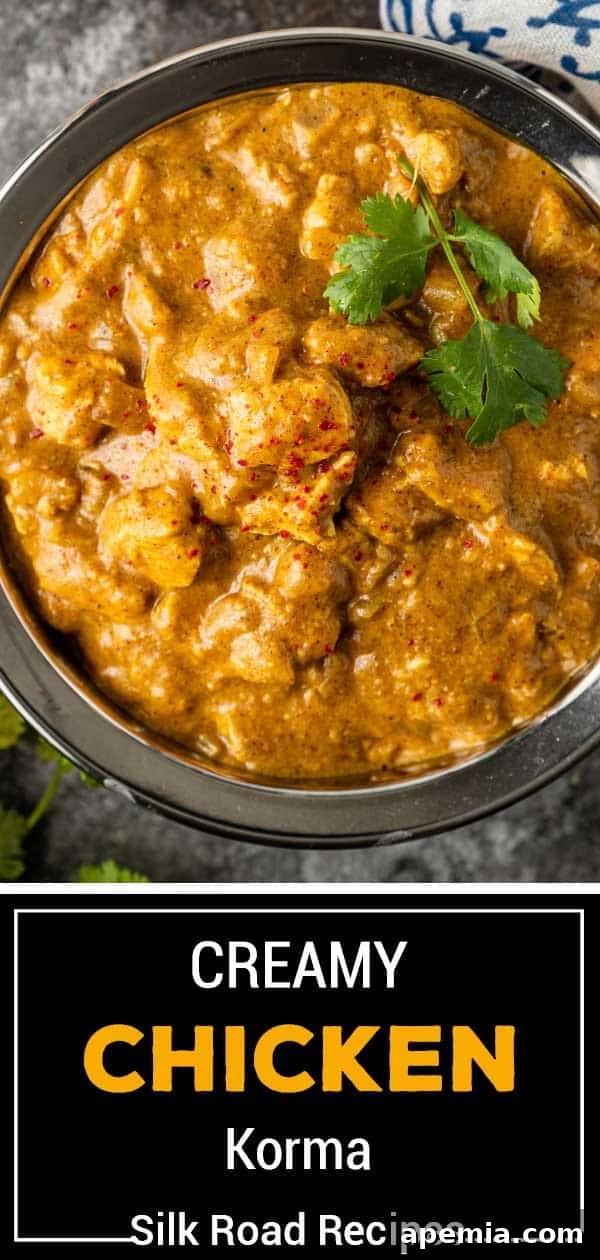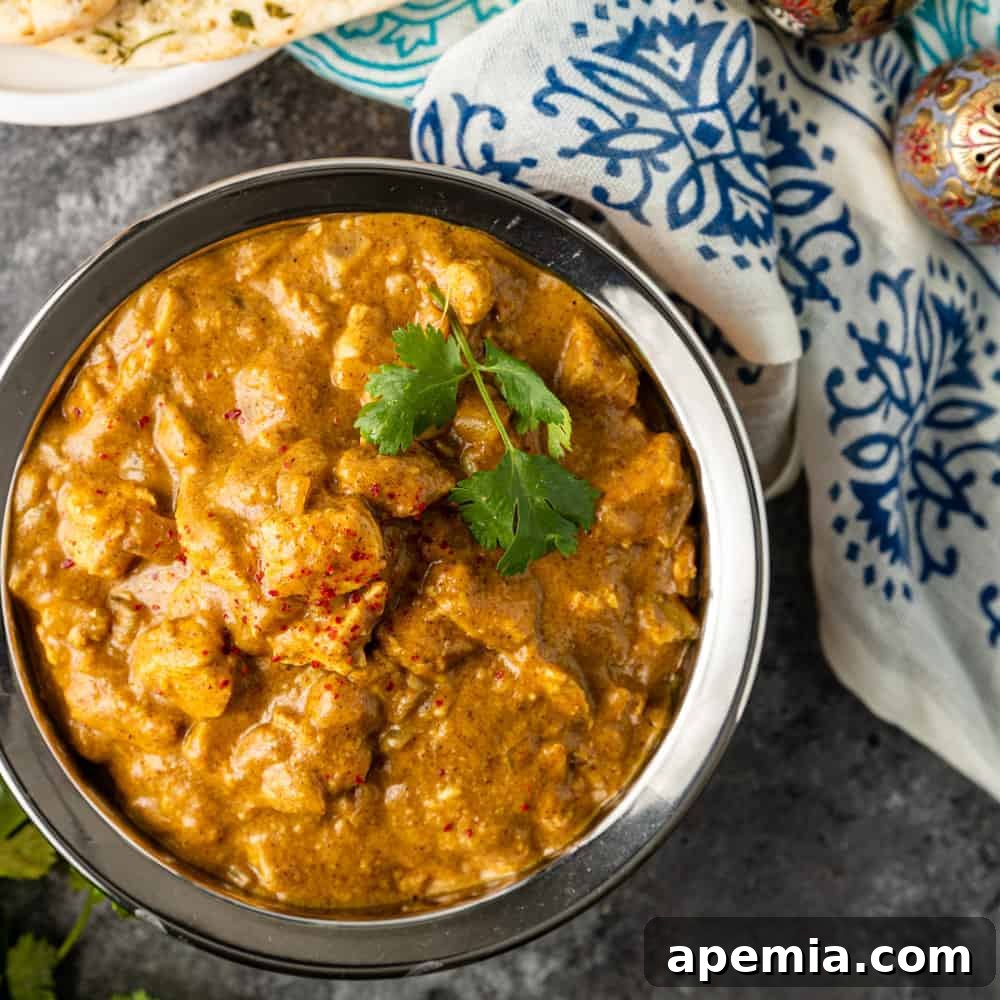
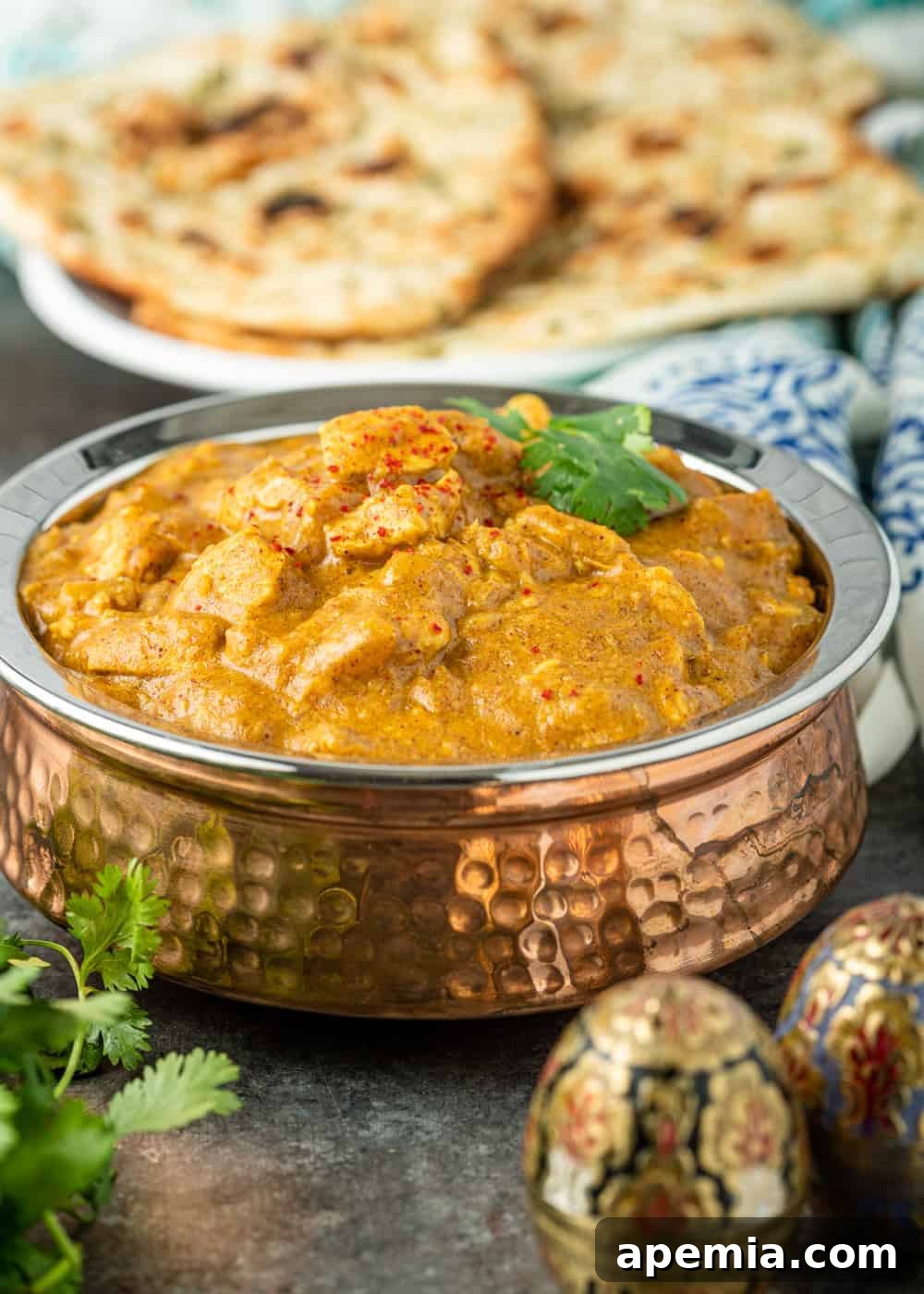
Welcome to a culinary journey that promises to tantalize your taste buds and transport you to the vibrant kitchens of India! This exceptional Chicken Korma recipe is an ode to the rich traditions of Indian cuisine, offering a dish that is inherently creamy, wonderfully moist, and exquisitely juicy. Each piece of tender chicken is lovingly simmered in a luscious, delicately spiced, and nutty yogurt sauce – a signature blend achieved with either cashew or almond butter. Infused with a symphony of peppery, earthy, and aromatic Indian spices, this korma delivers an unmistakable depth of flavor that defines authentic Indian cooking. Best of all, this delightful meal can be on your table in under 40 minutes, making it perfect for both weeknight dinners and special occasions.
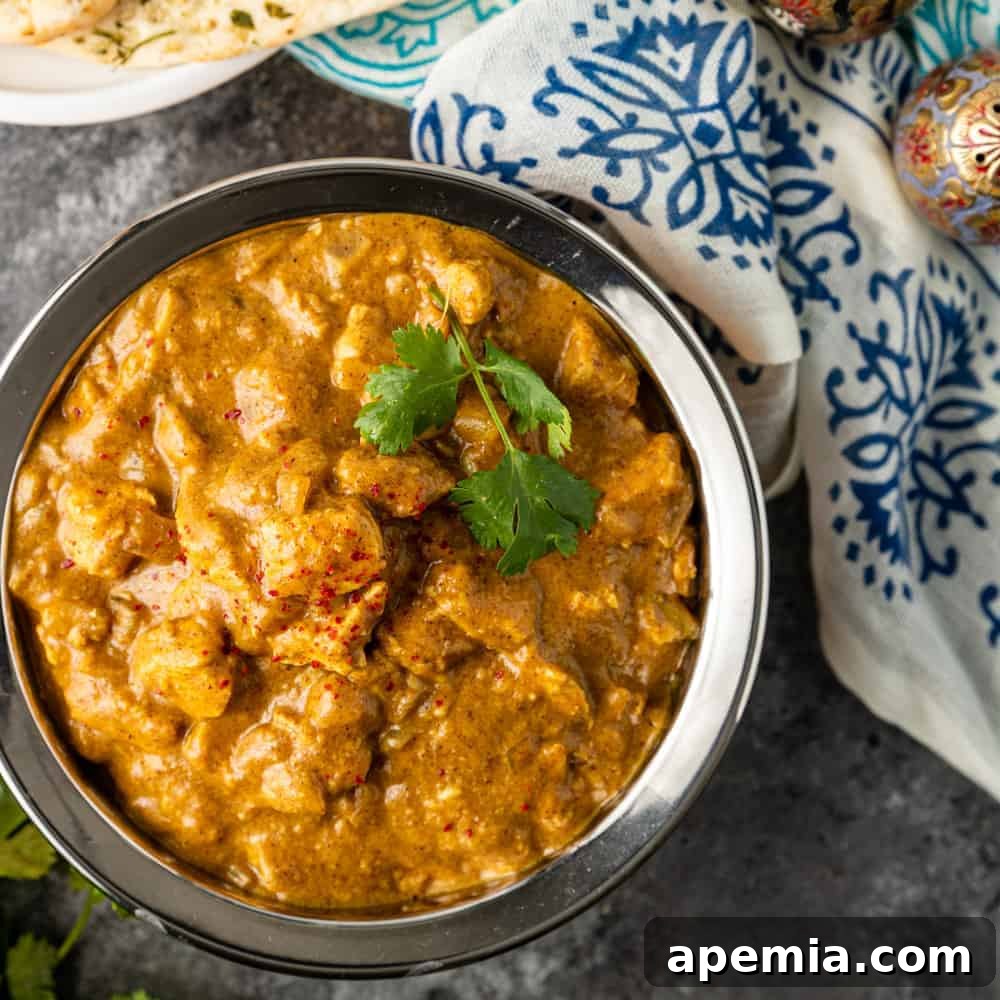
There’s an undeniable magic to Indian cuisine. It’s a tapestry of flavors and aromas that consistently leaves you feeling nourished and deeply satisfied. This creamy Chicken Korma perfectly encapsulates everything I adore about Indian food. It masterfully combines the silky texture of a yogurt-based sauce with a harmonious nutty and savory profile, all brought to life by a thoughtfully curated selection of roasted spices. This dish isn’t just a meal; it’s an experience, a celebration of rich flavors and comforting warmth. For those who appreciate the intricacies of Indian cooking but seek a straightforward method, my video tutorial visually guides you through each step, ensuring a perfect result every time.
The Royal History of Korma: A Mughlai Delight
Korma, at its heart, is a dish with a regal lineage, tracing its origins back to the kitchens of the Mughal emperors in India. The word “korma” itself is derived from the Urdu word ‘qurma’, meaning ‘braise’. This culinary heritage explains why korma is often celebrated for its rich, mild, and creamy characteristics, contrasting with the spicier, more intense flavors found in other Indian curries. It’s a dish born from a culture that prized luxurious ingredients and sophisticated cooking techniques, where yogurt, cream, nuts, and exotic spices were combined to create dishes fit for royalty. Our recipe captures this essence, bringing a taste of history to your modern kitchen.
Understanding North Indian Korma: A Culinary Distinction
While Korma is a beloved dish across India, regional variations exist, each with its unique charm. This particular recipe presents a classic North Indian Korma, distinguished by its rich yogurt-based sauce, a signature creamy and nutty flavor, and the prominent use of onions. In contrast, South Indian Kurma (often spelled with a ‘u’) typically incorporates coconut milk or coconut paste, offering a different texture and a slightly tangier or sweeter flavor profile, sometimes with a hint of tamarind. The North Indian style leans into the opulence of Mughlai cuisine, prioritizing a velvety texture and a complex yet balanced spice blend that allows the natural sweetness of the nuts and the tang of the yogurt to shine through, creating a truly unforgettable experience that is both hearty and refined.
Perfect Pairings: What to Serve with Your Chicken Korma
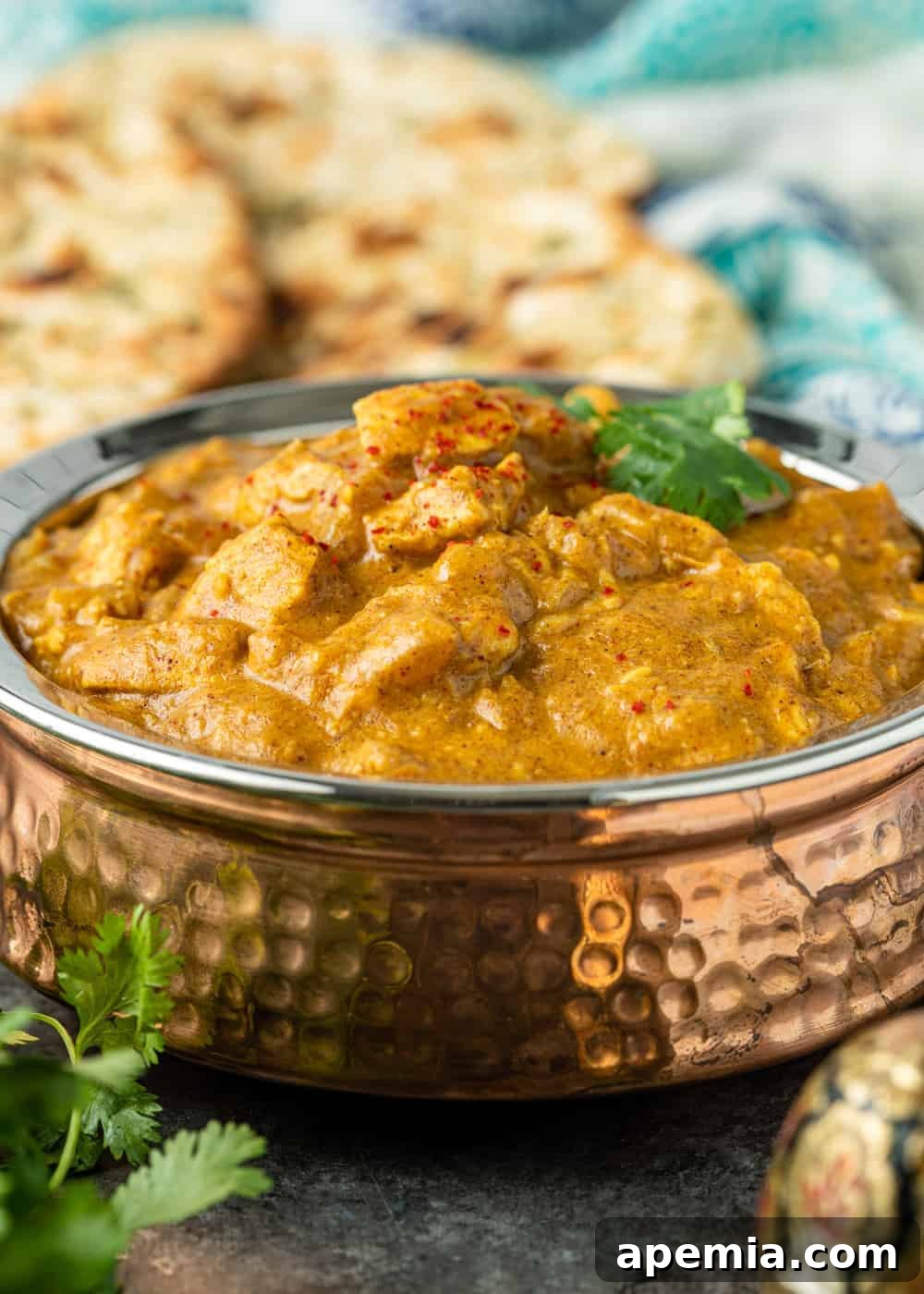
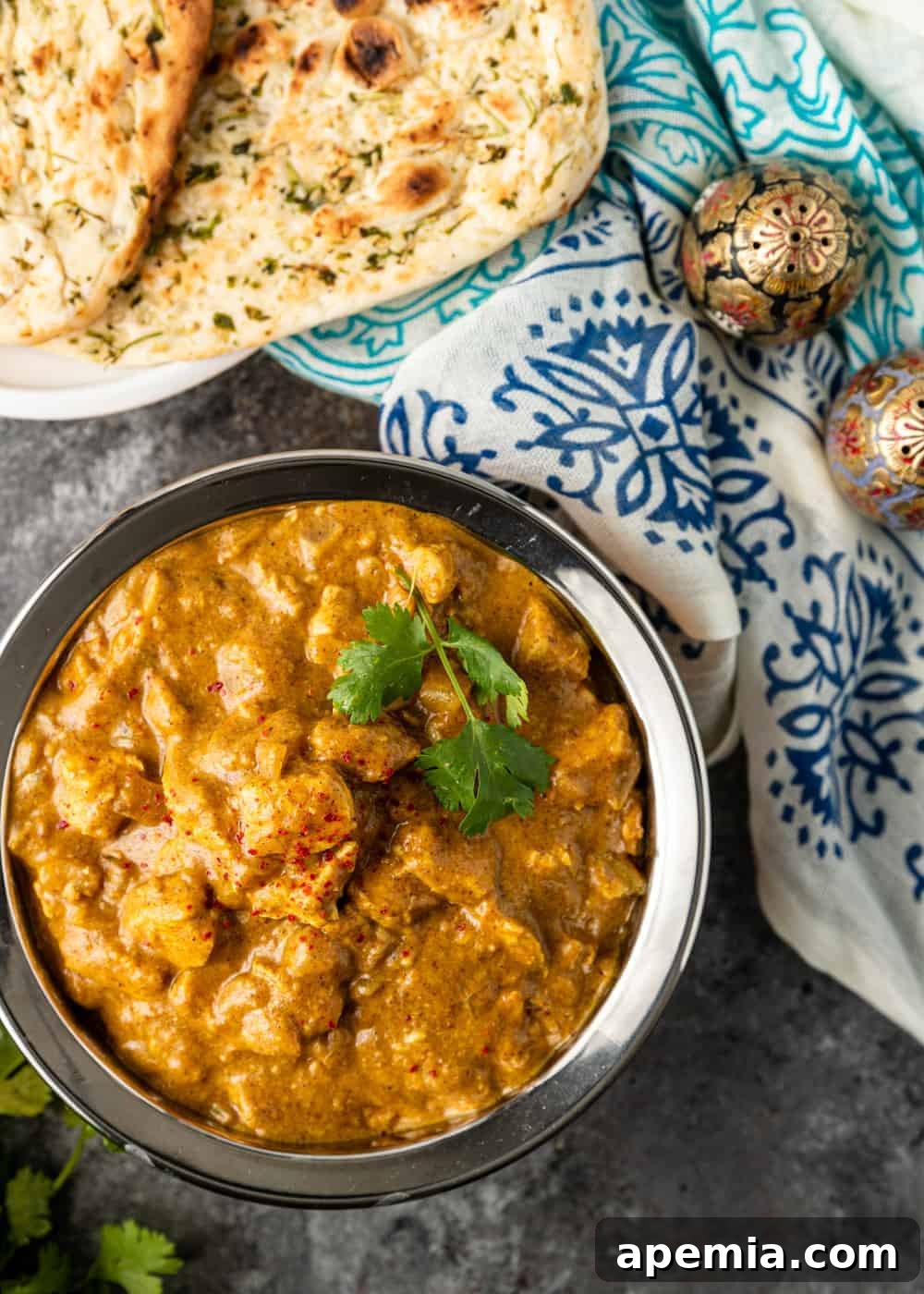
A dish as flavorful and saucy as Chicken Korma demands the perfect accompaniments to fully appreciate its depth. The ultimate partners are soft, pillowy Naan bread or fragrant Basmati rice. Naan, with its chewy texture, is ideal for scooping up every last drop of the rich, creamy sauce. A little tip: always make more naan than you think you’ll need! Guests will undoubtedly be reaching for seconds, ensuring no delicious sauce is left behind. Basmati rice, with its long grains and distinct aroma, offers a beautiful contrast, soaking up the sauce and providing a comforting foundation for the tender chicken. Beyond these staples, consider serving your korma with a refreshing side of raita (a yogurt-based dip with cucumber and mint), a vibrant mango chutney, or some thinly sliced pickled onions to add a bright, acidic counterpoint that balances the richness of the curry. These thoughtful additions elevate your meal into a truly complete and authentic Indian dining experience.
A Culinary Connection: My Inspiration from The Curry Guy
My passion for authentic Indian flavors often leads to delightful encounters and shared culinary journeys. Not long ago, following a memorable trip to Egypt, I found myself in London, England, where I had the immense pleasure of finally meeting my long-time online friend, Dan Toombs, globally recognized as The Curry Guy. We had shared many years of friendship and discussions online, bonding over our mutual love for Indian food and the art of cooking, but this was our first opportunity to connect in person. I eagerly hopped on a train to join him and his wonderful wife in York for a day filled with exploration and gastronomic delights. Beyond visiting the picturesque sites around the historic city, our conversations naturally revolved around all things food, blogging, and the nuances of creating exceptional curries. It was a truly fantastic day, cementing a friendship forged in the digital world into a real-life connection.
It was during these discussions, and through my admiration for his work, that I discovered Dan’s exceptional BIR (British Indian Restaurant) style Chicken Korma. This particular recipe served as the initial spark and inspiration behind the delightful Korma I am sharing with you today. While adapted for the home cook, it retains the profound flavors and robust characteristics that define the BIR style – known for its intense, layered, and complex taste that mimics professional restaurant cooking. Trying his recipe provided a fantastic foundation, and I’ve since honed it into a version that brings that authentic, restaurant-quality taste into your own kitchen with accessible ingredients and a straightforward method. I highly encourage you to explore Dan’s original creation as well, to experience another magnificent interpretation of this classic Indian dish.

INGREDIENT NOTES AND SUBSTITUTIONS FOR YOUR CHICKEN KORMA
Crafting the perfect Chicken Korma relies on a careful selection and understanding of each ingredient. Here’s a detailed look at what you’ll need and how you can adapt if necessary:
- Chicken: For optimal tenderness and even cooking, opt for boneless, skinless chicken breasts or thighs. Chop them into uniform, bite-sized pieces, roughly 1-inch cubes. Chicken thighs are a fantastic alternative to breasts as they tend to remain more moist and flavorful due to their higher fat content. You can also use tenderloins if preferred. The key is consistent sizing for even cooking.
- Garlic & Ginger Paste: These two ingredients are the aromatic backbone of many Indian dishes. Freshly made paste offers the best flavor, but store-bought varieties are convenient. If using powdered versions in a pinch, remember they are more concentrated: use ¼ teaspoon of ground ginger and ½ teaspoon of powdered garlic for every tablespoon of fresh paste required. Be mindful as powdered ginger is particularly potent.
- Red Onion: Red onions are preferred for their slightly firmer texture that holds up well during sautéing, as well as their subtle sweetness and beautiful color. However, yellow or white onions can be used as effective substitutes, though they may soften more quickly. Ensure they are finely chopped for a smooth sauce.
- Korma Sauce: This is where the magic happens, creating the signature creamy and nutty texture. In addition to water, Greek yogurt, and salt, it contains:
- Almond Butter: This is the star ingredient for achieving that luxurious, nutty texture and rich flavor profile essential to Korma. Choose a smooth, unsweetened variety for best results. Cashew butter is an equally delicious and popular substitute, lending a slightly different but equally rich creaminess.
- Chili Powder: This provides a subtle warmth rather than overpowering heat, contributing to the Korma’s signature mild profile. If you desire a more pronounced heat, consider adding an extra ¼ teaspoon of cayenne pepper. Adjust to your personal preference.
- Turmeric: Beyond its vibrant golden hue, turmeric imparts an essential earthy and slightly bitter flavor, balanced with a mild peppery note. It’s a cornerstone spice in Indian cuisine, known for its health benefits as well as its distinctive taste and color.
- Tadka Spices: The tadka (tempering) step is crucial for infusing the oil with deep, aromatic flavors from whole spices before adding other ingredients. This mixture uses vegetable oil and the following whole spices:
- Green & Black Cardamom Pods: Green cardamom offers a fragrant, slightly sweet, and citrusy note, while black cardamom provides a more smoky, intense, and earthy aroma. If whole pods are unavailable, use a total of ½ teaspoon of ground cardamom (combining both types) as a substitute, adding it later with the powdered spices.
- Bay Leaves: Unlike Western cooking where bay leaves are often removed, Indian bay leaves (often ‘tej patta’) have a distinct, slightly cinnamon-like and aromatic profile that is meant to remain in the dish. Their minty yet peppery notes cut through the richness of the other spices, adding complexity. Learn more about Indian Pantry Essentials.
- Cinnamon: A 2-inch stick of cinnamon adds a warm, sweet, and woody aroma. If using ground cinnamon, substitute with ½ teaspoon. Whole spices generally provide a more nuanced flavor.
- Cloves: Four whole cloves infuse the dish with a pungent, sweet, and warm spice. If using ground clove, a small amount, approximately ⅛ teaspoon, will suffice, as it is very concentrated.
- Garnishes: A final flourish of fresh garnishes not only adds visual appeal but also enhances the flavor profile. Top your Korma with freshly chopped cilantro for a bright, herbaceous note, toasted and chopped almonds or cashews for added crunch and nutty flavor, and adjust salt to taste to perfect the seasoning.
Witness the Magic: Chicken Korma Recipe Video
Prepare to be amazed by how easily this incredibly flavorful dish comes together! For a visual guide to every step, ensuring your Chicken Korma is nothing short of perfect, be sure to watch the comprehensive recipe video embedded in the recipe card at the very bottom of this post!
SIMPLY DELICIOUS: HOW TO MASTER CHICKEN KORMA
Creating this authentic Chicken Korma is a rewarding process, broken down into simple, manageable steps:
- Prepare the Korma Sauce: In a medium-sized bowl, combine the water, creamy Greek yogurt, rich almond or cashew butter, chili powder, salt, and vibrant turmeric powder. Whisk these ingredients together thoroughly until you have a smooth, well-blended sauce. This forms the creamy base of your Korma. Set this flavorful mixture aside for later.
- Toast Spices and Sauté Aromatics: Heat the vegetable oil in a large, heavy-bottomed skillet or Dutch oven over medium heat. Once shimmering, add all the whole tadka spices (cardamom, bay leaves, cinnamon, cloves). Stir continuously for approximately two minutes, allowing them to release their incredible aromas into the oil. If using ground spices, fry for just one minute to prevent burning. Next, add the finely chopped red onions to the skillet and sauté them patiently. Stir occasionally until they become beautifully translucent and slightly golden, which typically takes about 10 minutes. This slow sautéing process builds a foundational sweetness.
- Infuse with Garlic and Ginger: Stir in the garlic and ginger pastes with the softened, spiced onions. Continue to cook for another 2 minutes, stirring constantly. This step ensures the pungent raw edge of the garlic and ginger mellows, integrating their warm, spicy notes into the aromatic base.
- Introduce the Chicken: Add the bite-sized chicken pieces to the skillet. Stir well to ensure each piece is thoroughly coated with the aromatic onion and spice mixture. Cover the skillet and allow the chicken to cook for 5 minutes. This gentle cooking helps seal in the juices and partially cooks the chicken before the sauce is added.
- Simmer in Yogurt Sauce: Pour the prepared yogurt korma sauce into the skillet with the chicken. Stir everything together gently to fully coat the chicken pieces. Reduce the heat to a low simmer. Let the Korma simmer uncovered for at least 10 minutes, or until the sauce visibly thickens and achieves a rich, creamy consistency that lovingly clings to the chicken. Taste and adjust the seasoning with salt as needed to perfectly balance the flavors.
- Garnish and Serve: To finish, generously sprinkle your homemade Chicken Korma with a dash of ground red chile for a pop of color and very subtle heat, freshly chopped cilantro for a burst of freshness, and toasted, chopped almonds or cashews for an added layer of texture and nutty flavor. Serve immediately with your favorite accompaniments.
YOUR CHICKEN KORMA RECIPE FAQs ANSWERED
Serve this exquisite dish fresh and piping hot to fully enjoy its creamy texture and aromatic flavors. For a truly satisfying and complete dinner, I wholeheartedly recommend serving it over a generous helping of fluffy Basmati rice. Rice is an excellent choice as it beautifully absorbs the rich, nutty sauce, ensuring you savor every single spoonful of flavor. Alternatively, warm Indian breads like Naan, Roti, or Paratha are perfect for scooping up the luscious curry. Don’t forget a side of fresh cilantro and perhaps some toasted nuts for garnish!
While my favorite aspect of this Chicken Korma recipe is its wonderfully thick and creamy sauce, I understand that preferences vary. If you desire a thinner sauce, achieving this is quite simple. Gradually add more water or milk (dairy or non-dairy, like almond milk) to the simmering sauce, stirring continuously to combine. It’s important to add the liquid a little at a time, checking the consistency after each addition, until it reaches your desired thinness. This cautious approach prevents the sauce from becoming too watery.
It’s a marvelously creamy and rich sauce, offering a harmonious blend of flavors. You’ll distinctly taste the subtle, nutty notes from the almond or cashew butter, which also contributes to its luxurious fattiness and profound richness. This nutty depth is beautifully complemented by a gentle warmth from the chili powder. Like many Indian culinary creations, an earthy undertone of turmeric is present, rounding out the complex profile. All these elements meld together seamlessly, creating a sauce that, while complex in flavor, is surprisingly straightforward and approachable among South Asian curries.
Chicken Tikka Masala offers a sweeter, tangier, and often more robustly spiced flavor profile compared to Korma. It typically includes ingredients like vinegar or lemon juice, bell peppers, and tomatoes, sometimes with a touch of brown sugar for sweetness. Its characteristic spice blend often centers around garam masala, which contributes a warm, complex, and subtly sweet aromatic quality. In contrast, Chicken Korma is traditionally milder, creamier, and nuttier, without the acidity of tomatoes or the sweetness often found in Tikka Masala.
Absolutely! Chicken Korma is one of those fantastic dishes that often tastes even better the next day as the flavors have more time to meld and deepen. You can prepare the entire dish a day or two in advance and store it in the refrigerator. Just ensure it’s cooled completely before storing. This makes it an ideal option for meal prepping or entertaining, allowing you to enjoy a stress-free dinner when you’re ready to eat.
Yes, Chicken Korma freezes remarkably well! Its rich, creamy, and buttery yogurt sauce helps prevent the chicken from drying out during the freezing and reheating process. Simply allow the cooked Korma to cool completely, then transfer it to airtight, freezer-safe containers. It can be stored in the freezer for up to 2-3 months. When ready to enjoy, thaw it overnight in the refrigerator, then gently reheat on the stovetop.
LEFTOVER CHICKEN KORMA: STORAGE AND REHEATING TIPS
One of the many joys of Chicken Korma is how well it keeps, and often, how its flavors deepen overnight! Cooked chicken korma can be safely refrigerated for up to 4 days. Thanks to its generous, buttery yogurt sauce, you won’t have to worry about the chicken drying out. In fact, many enthusiasts find that this curry tastes even more sublime on the second day, after the spices have had extra time to fully infuse into the sauce and chicken.
When reheating, the stovetop is your best friend. Gently warm the Korma in a saucepan over medium-low heat, stirring occasionally, until it is heated through. This method preserves the delicate texture and flavor of the yogurt-based sauce beautifully. Because the chicken pieces are bite-sized, they will warm up relatively quickly. I generally do not recommend microwaving this dish, as the intense, uneven heat can sometimes alter the texture of the creamy sauce, making it less appealing than its stovetop counterpart.
Need ideas for a larger, unforgettable Indian feast?
Elevate your dining experience by serving this Chicken Korma alongside my irresistible Butter Chicken and the incredibly satisfying Creamy Restaurant Style Dal Makhani. This trio promises a diverse and luxurious spread that will impress any guest!
Subscribe to my Newsletter, follow me on Facebook, Pinterest, Instagram and YouTube for all my latest recipes and videos.
This recipe post, originally published on Silk Road Recipes December, 2020, was updated with new content, photos and/or video in April, 2023.
Chicken Korma
Pin Recipe
PrintRecipe
Video
Ingredients
- 2 lbs boneless skinless chicken breasts cut into 1″ pieces
- 1 medium red onion chopped
- 2 tbsp garlic paste (See Note 1)
- 2 tbsp ginger paste (See Note 1)
Korma Sauce
- 1/2 cup water
- 1/4 cup Greek yogurt
- 1/4 cup almond butter (See Note 2)
- 1 tsp chili powder (See Note 3)
- 1/2 tsp salt
- 1/8 tsp turmeric powder
Tadka Spices
- 2 tbsp vegetable oil
- 4 green cardamom pods (See Note 4)
- 2 black cardamom pods (See Note 4)
- 2 bay leaves
- 1 cinnamon stick 2-inch piece (See Note 5)
- 4 cloves (See Note 6)
- 1/8 tsp cayenne powder
Garnish
- 1/4 cup cilantro chopped
- 1/4 cup almonds or cashews toasted and chopped
- Salt to taste
Instructions
-
In a bowl whisk together the water, yogurt, almond butter, chili, salt and turmeric powder and set aside.
-
In a large skillet heat the oil over medium heat. Add the whole spices and fry for 2 minutes. If using ground spices (See Notes), fry for 1 minute. Add the chopped onion and stir, sauté for 10 minutes until translucent.
-
Add the garlic and ginger pastes, stir to mix and cook for 2 minutes.
-
Add the chopped chicken pieces, stir to mix and cook covered for 5 minutes.
-
Add the yogurt mixture, stir to mix in, lower heat. Simmer uncovered for 10 minutes. Sauce should thicken and coat chicken pieces. Season to taste with salt.
-
Garnish with ground red chile, chopped cilantro and or chopped nuts.
Notes
- Use 1/4 teaspoon of ground ginger for every tablespoon of fresh ginger and use 1/2 teaspoon of ground garlic for every tablespoon of fresh garlic. Powdered ginger is more potent.
- Feel free to substitute cashew butter for the almond butter. It’s absolutely delicious as well!
- For more heat ADD 1/4 tsp cayenne powder total.
- For the 4 green AND 2 black cardamom pods substitute 1/2 tsp ground cardamom total.
- For the 2″ cinnamon stick substitute 1/2 tsp ground cinnamon total.
- For the 4 whole cloves, substitute 1/8 tsp ground clove.
Nutrition
The information shown is an estimate provided by an online nutrition calculator. It should not be considered a substitute for a professional nutritionist’s advice.